






Transforming Smart Manufacturing Through Intelligent Automation
Artificial Intelligence AI is revolutionizing how manufacturers think about planning, managing machines, inspecting products, and handling any operational issues. In today’s interconnected world of manufacturing, the use of AI helps transform large amounts of machine data and process data into actionable insight and decision making. Hence, “Artificial Intelligence: Transforming Smart Manufacturing Through Intelligent Automation” has become an essential trend for organizations. From Automation to Intelligent Automation Automation according to conventional definition is characterized by following pre-programmed instructions. While such a process is efficient in performing repetitive functions, it largely depends on pre-existing rules that have been set before the commencement of any process. Artificial Intelligence brings about another dimension where systems are able to make decisions depending on their analysis of the situation. Smart devices can analyze production data to detect any anomalies, change the operational settings, or suggest certain actions to the operators. Artificial Intelligence: Transforming Smart Manufacturing through Intelligent Automation shows that automation can progress beyond merely performing tasks to being more adaptive. Predictive Maintenance and Equipment Reliability Equipment breakdowns can cause production holdups, maintenance costs, and quality problems. The AI system is able to process data generated by various sensors for vibration, temperature, pressure, current, speed, and other parameters. Through comparison of current data with past experience, this system can detect signals which may indicate equipment deterioration. Maintenance crews can benefit from such information to schedule regular checks and maintenance in a way that prevents major failures. Rather than depending on preset periods for maintenance activities, businesses can focus on machines and other assets based on their real-time conditions. Artificial Intelligence: Transforming Smart Manufacturing Through Intelligent Automation could help achieve this objective. Intelligent Quality Control Another field that AI could add value to is that of quality control. Visual inspections by computers can detect any faults or variations in the product, in terms of dimensions, appearance or even errors in assembly. As opposed to human inspectors, these systems are able to inspect many products quickly. Another way in which AI can be used is to correlate the inspection findings with data on machines and processes. In the event that there is a defect trend, it is possible for manufacturers to find out whether the trend is caused by a certain machine parameter or process stage. Optimizing Production Decisions Many manufacturing schedulers find themselves having to juggle orders, machines, manpower, raw materials, maintenance needs, and delivery dates. AI can help sort through all these elements and suggest sequences or allocations that meet organizational goals. If changes occur, they can be responded to much faster than by traditional planning methods. For instance, the intelligent system could realize that the machine is going out of service and thus suggest transferring some of its tasks to another production line. It will be able to detect bottlenecks and give recommendations about scheduling adjustments. The role of artificial intelligence in manufacturing is demonstrated in Artificial Intelligence: Transforming Smart Manufacturing Through Intelligent Automation. Supporting Energy and Resource Efficiency However, smart manufacturing is not just about efficiency in production. The use of energy, materials, and machinery can influence the efficiency of operations as well. AI systems can study the patterns of energy usage in the production process and determine when there is too much usage. This information will enable the manufacturers to fine-tune their machines and schedule production. The same approach can also minimize waste of materials through identification of the conditions that cause wastage. Recommendations from intelligent analysis will be easier to implement when they are linked to automation systems. Creating More Responsive Factories Market dynamics could also be altered as a result of customer demand, availability of supply, differentiation of products, or demands on delivery. Intelligent production systems must react to all such alterations without generating any disturbance. This is where artificial intelligence can come in handy. Connectivity can enable collaborative efforts of interconnected robots, automatic guided systems, smart scheduling systems, and machine learning programs to achieve the same objective. In turn, this would create more agile plants. The title, “Artificial Intelligence: Transforming Smart Manufacturing through Intelligent Automation” is all about building systems that can sense the situation, analyze the information, and provide necessary actions. Looking Ahead The future of manufacturing will rely more on the connection between automation, data, and intelligence. “Artificial Intelligence: Transforming Smart Manufacturing Through Intelligent Automation” gives the reader a guide on how to move from rigid procedures to systems that will be able to analyze situations and make intelligent decisions. In situations where the goals are clear, there is reliable data, qualified staff, and effective governance, then the use of AI can make the factory smarter and more efficient. This chance is not merely about automating more activities but ensuring that there is a factory in which machines and people are better informed about their work environment. Read Also : Creating More Efficient Manufacturing Systems

World’s Most Inspiring Women Leaders Making a Difference in 2026
World’s Most Inspiring Women Leaders Making a Difference in 2026 This edition World’s Most Inspiring Women Leaders Making a Difference in 2026, celebrates inspiring women leaders making a difference in 2026, recognizing their transformative leadership, professional excellence, and meaningful contributions to their industries and communities. Digital Link Quick highlights Quick reads

Sarah Daniels: Redefining Leadership Through Talent, Transformation, and Empowerment
The best talent decisions are rarely just hiring decisions. They are strategic choices that shape culture, accelerate growth, and determine the direction a business takes for years ahead. Organisations that understand this seek advisors, not just recruiters. Sarah Daniels, Client Partner, Executive Search & Talent Advisor has built her career around exactly that distinction. Through her expertise in executive search and talent advisory she has helped businesses navigate growth while empowering professionals to step confidently into leadership and reinvention. Building a Career Around People and Business Sarah’s journey in executive search and talent advisory has evolved through dynamic organisations and international markets, shaped by a deep interest in both people and business. What initially drew her into executive search was the combination between people and business. She was fascinated by human potential and the factors that drive high performers to succeed. At the same time, she was equally intrigued by how businesses grow, scale, and evolve through leadership and talent decisions. Over time, her purpose evolved far beyond simply filling roles. Today, she views executive search as a strategic advisory function where the right hire can transform culture, accelerate growth, and shape the future direction of a business. Working internationally, particularly across the UAE, broadened her perspective. Living and working in Dubai exposed her to diverse cultures and nationalities that challenged biases, expanded her thinking, and helped her become more open-minded professionally and personally. Driving Impact Through Talent Advisory In her current role, Sarah Daniels focuses on building meaningful commercial partnerships and connecting organisations with exceptional talent capable of driving business performance. Her work spans technology, AI, digital transformation, marketing, and commercial leadership, helping businesses navigate rapidly changing markets. She is passionate about raising standards within recruitment by focusing on long-term advisory relationships over transactional hiring. Alongside her corporate career, she is also a strong advocate for women in business and leadership. Throughout her journey, she has remained committed to helping women step confidently into senior positions with greater visibility and influence while continuing to challenge outdated stereotypes. Her passion also extends into career advisory, mentoring, and helping people transform through leadership guidance, confidence-building, wellbeing, or career reinvention. She is motivated by helping people recognise their potential and think bigger about what is possible. Measuring Success Through Trust and Longevity For Sarah, “Success is measured not only by placements, but by trust, credibility, and the longevity of relationships.” Some of the most rewarding moments in her career have come from clients and candidates returning years later because they valued the partnership and trusted her judgement. She believes the strongest professional relationships are built on honesty, consistency, resilience, and emotional intelligence. Understanding people’s motivations, ambitions, and challenges is what she believes differentiates good recruiters from trusted advisors. Leadership Rooted in Integrity and Emotional Intelligence Sarah defines leadership as influence, integrity, and the ability to create environments where people feel valued, motivated, and aligned around a shared vision. According to her, the strongest leaders combine clarity with emotional intelligence. They communicate openly, lead by example, and build trust through consistency rather than control. She also believes modern leadership requires adaptability, especially in today’s increasingly global and diverse work environments. Employees now seek purpose, growth, and leadership they can genuinely trust. A major part of her leadership philosophy is the importance of creating psychologically safe environments where people feel comfortable contributing ideas, challenging thinking, and communicating openly without fear. Staying Ahead in Evolving Industries Curiosity has been one of the biggest factors behind Sarah’s ability to stay ahead in rapidly evolving industries. She genuinely enjoys understanding how industries evolve, how businesses scale, and where future opportunities are emerging. With technology and AI transforming nearly every sector, including recruitment itself, staying informed has become essential. By speaking regularly with founders, business leaders, and candidates, she gains real-time insight into changing market priorities and hiring trends. Throughout her career, she has embraced reinvention, whether entering new sectors, moving internationally, or adapting to increasingly technology-led environments. Creating Transformation Through Clarity and Alignment Sarah believes successful transformation starts with clarity. According to her, people need to understand not only what is changing, but also why the change matters. She believes many organisations make the mistake of focusing purely on process during periods of transformation without emotionally and strategically bringing people along with them. For her, “Alignment comes through communication, transparency, and shared ownership.” She strongly believes the most effective organisations are those that remain agile while staying anchored to clear values and objectives. Resilience Through Reinvention and Change Like many professionals, Sarah has experienced periods of uncertainty, reinvention, and major personal and professional change throughout her career. One of the defining challenges in her journey was relocating internationally and rebuilding professional networks within a completely new market. Although the experience accelerated both her confidence and professional growth, living in Dubai also exposed her to people, cultures and perspectives from across the globe in ways that would not have happened had she remained within her comfort zone back home. Most importantly, these experiences taught her resilience and the importance of trusting her ability to adapt and evolve. She strongly believes that real growth in business, leadership, sport, and life comes from being willing to push boundaries, embrace reinvention, and step into unfamiliar environments. Achievements Beyond Business Success While Sarah is proud of many commercial achievements throughout her career, she is however most proud of the personal growth behind the journey. Alongside her corporate career, she is also a competitive Masters track and field athlete specialising in the 800m and 400m events and is currently ranked No.2 in the UK for her age category. Returning to athletics later in life reinforced her belief that age should never define ambition, capability, or potential. Athletics taught her discipline, resilience, consistency and mindset, qualities that translate directly into leadership and business success. She is also proud of becoming a champion for women in business and leadership. Helping other women believe they can pursue ambitious goals and step confidently into leadership at

Building With Discipline: Samah Langner Moustafa’s Blueprint for Sustainable Leadership
Most leaders don’t gauge their career paths through job titles or milestones. The real gauge can be found in the systems that transcend one tenure, the teams that strengthen as a result of consistent mentoring, and the expansion of organizations while remaining true to themselves. That’s the case for Samah Langner Moustafa, the Group Chief Financial Officer of DM Group. Based in Germany, the United States, and Egypt, Moustafa has spent her career showing how finance done with discipline and compassion transcends numbers. It becomes the core of an organization. The journey of Moustafa in leadership is one that is based on just one belief, sustainable business comes from sound financial management, ethical leadership, and people-focused decision-making. Her experience over time in such areas as accounting, finance, operations, payroll, compliance, and strategic planning has been broad and very rare for a finance leader. This is what defined how she viewed her profession.. “Finance is much more than numbers. It is the foundation that enables organizations to grow with confidence,” she says. That statement captures the throughline of her career. She has consistently sought out the harder assignment: transforming complexity into clarity, building systems designed to scale, and helping organizations succeed without drifting from their mission. As the businesses she has served expanded into new markets, she took on the work of constructing frameworks that could support growth without sacrificing quality, integrity, or accountability. For Moustafa, expansion was never simply about adding markets. It was about ensuring that everything the organization stood for travelled with it. Finance as a Strategic Partner, not a Back Office As Group CFO, the sphere of responsibilities of Moustafa transcends the scope of a standard finance function. The CFO is responsible for financial strategy, budgeting, forecasting, cash flow management, payroll, compliance, operation control, risk management, and strategic planning – a wide range of activities, placing the CFO at the heart of most major decisions taken in the company. The CFO collaborates with the respective teams of leaders to make sure that financial decisions support operations, rather than impede them. One of the key elements of the CFO’s approach to finance is the rejection of the notion that its main purpose is to reflect what has happened in the past. Instead, it becomes a proactive component of planning for future development, supporting the process of creation of long-term value, achieving tangible results and increasing organizational resilience. Transparency and data-driven decisions, according to Moustafa, are the way how all departments work towards the same goal, rather than independently perform their functions. From Having the Right Answers to Asking the Right Questions Ask Moustafa how her leadership philosophy has changed over the years, and she offers an answer refreshingly free of corporate polish. Early in her career, she believed success meant arriving with the right answers. Experience taught her otherwise. “Success comes from asking the right questions, developing strong teams, and creating an environment where accountability and innovation coexist,” she explains. That shift from certainty to curiosity now defines how she leads. She has come to see growth and complexity as inseparable, and she believes the leaders best equipped to manage that complexity are the ones who stay calm, remain flexible, and keep their focus fixed on solutions rather than problems. Continuous learning, open communication, and shared ownership of results are not slogans she repeats for effect; they are the operating principles she has built her teams around. Integrity as the non-negotiable If there is one word that recurs throughout Moustafa’s reflections on leadership, it is integrity. She describes it as the cornerstone of every decision she makes, and she is direct about how she believes trust is earned: through transparency, consistency, and fairness, sustained over time rather than declared in a single moment. What distinguishes her leadership style is the way she pairs analytical rigor with genuine empathy. She is quick to point out why the two cannot be separated in her field. “Numbers always represent people, patients, employees, and families,” she says. It is a reminder that behind every spreadsheet sits a human consequence, a payroll cycle that keeps a family afloat, a compliance decision that protects a patient, a budget choice that determines whether a team can do its job well. She strives to build an environment where high standards and mutual respect are not in tension but coexist naturally, guided by ethical leadership, responsibility, resilience, and continuous improvement at every strategic turn. Staying Ahead of an Industry in Motion Finance and healthcare, the two sectors most central to her work, are evolving quickly under the combined pressure of technology, regulation, and artificial intelligence. Moustafa treats staying current not as an occasional effort but as an ongoing discipline. She invests in continuous education, professional development, and industry networking, and she studies emerging financial technologies, regulatory shifts, and operational best practices as a matter of routine. She is equally clear-eyed about what technology should actually deliver. In her view, its purpose is not innovation for its own sake but tangible improvement: simplifying processes, improving visibility, reducing risk, and freeing professionals to spend their time on higher-value strategic work rather than repetitive tasks. Scaling Across Borders Few challenges test a finance leader’s adaptability like scaling operations across multiple countries, each with its own regulatory landscape, operational quirks, and cultural expectations. Moustafa has approached this challenge from an unusual angle. Rather than treating jurisdictional differences as obstacles, she treats them as design constraints that push her toward building stronger systems. Reconciling standardized financial controls with local requirements demands patience, flexibility, and close collaboration qualities she has had to draw on repeatedly while working across Germany, the United States, and Egypt. The experience, she notes, has sharpened her ability to manage change, solve complex problems, and lead multicultural teams, skills that have become as essential to her role as any technical expertise in accounting or compliance. Measuring Success by What Lasts When asked about her proudest achievements, Moustafa steers away from awards and recognition. What matters to her are

Business Resilience Experts Building Future-Ready Organizations
Turning Adversity into Opportunity In today’s world, organizations operate in an environment that is characterized by unpredictability, changing market dynamics, and sudden shocks, which challenge their survival and growth capacity. This is where business resilience experts come into the picture as they devise strategies for ensuring operational resilience, financial stability, and organizational sustainability for organizations in such challenging times. Why Resilience Matters More Than Ever Economic crises, cyber-attacks, supply chain failures, and climate-induced disruptions have become a frequent occurrence instead of an exception. Businesses lacking any resilience plan are likely to have difficulties recovering from such events, suffering loss of revenues, reputation, and competitive advantage. These experts come to the rescue. They evaluate risks in each division – operations, technology, finance – and provide a strategy that minimizes risks and ensures business continuity. A resilient company is not just ready to respond to any challenges. It is able to anticipate them in order to minimize the costs and efforts connected with the response and save time. The Role of Finance in Resilience Planning Finance forms the central element of all resilience strategies. If there is no proper finance, the most well-thought-out operational strategies fail under stress. The role of Business Resilience Experts here is to assist finance specialists in stress testing budgets, diversifying the sources of revenues and creating cash reserves which will be able to take shock. Good finance management helps to recover from a disruption much faster. If a business has enough liquidity and options for funding, it can address any emergency without stopping essential processes. The experts assist the leadership teams in recognizing this dependency so that the two strategies – finance and resilience – proceed simultaneously. Building Adaptive Organizational Structures It is also important to consider the organizational structure since it will contribute to resilience as well. The experts advise the organizations to develop flexible working teams, cross-training employees, and developing channels of communication that will be effective in any situation. This kind of adaptability of business will ensure quick resource allocation even in case of changes in the conditions. Technology can assist in the process. Cloud computing, automatic monitoring, and analysis of the data can provide leaders with real-time information about possible risks. Business Resilience Experts make use of the technological solutions in the daily work to detect risks before the development of a crisis situation. Risk Assessment and Continuous Improvement A resilience strategy should never be considered constant. This is because the market will keep changing and regulations may change too. Risk assessments by business resilience experts should be carried out regularly in order to come up with plans that address new threats and vulnerabilities. Scenario planning forms an integral part of this evaluation process. The simulation of scenarios for all kinds of disruptions, ranging from economic downturn to logistics problems, can help in understanding the possible impact on operations and finances. Preparing for Long-Term Growth Resilience is not only about dealing with disruptions; it is about setting the stage for sustainable development of the company. Companies that plan for resilience tend to perform better than their competitors under unfavorable conditions. They are able to rebound quickly, preserve their customer base and investor confidence despite difficult circumstances. Business resilience professionals help companies achieve such results by integrating resilience strategies into overall business objectives. Finance, operations and manpower planning become aligned with each other in order to pursue growth with resilience in mind. Conclusion A future-proof organization cannot simply rely on addressing problems reactively; it needs strategic and organized planning. The business resilience experts offer the necessary experience for strengthening finance management and operations, as well as preparing the workforce for any future challenges that may arise. With uncertainty becoming increasingly prevalent in the world of business, resilient organizations will become better suited for safeguarding their operations and securing their future success. Read Also : Transforming Smart Manufacturing Through Intelligent Automation

Beyond the Balance Sheet, Women in Corporate Finance
Leading Financial Strategy with Insight For many years, corporate finance was associated with a closed circuit where the business was conducted in spreadsheets, trading floors, and boardrooms inhabited almost exclusively by men. The reality is changing; however, the change is taking place not accidentally but deliberately. Currently, women in corporate finance are revolutionizing the way corporations raise money, take risks, and make strategic decisions. Their arrival to the industry indicates the bigger change in the area where value was seen purely numerically without people creating them. A Shifting Landscape Finance divisions used to be run according to a strict hierarchy in which climbing the ranks relied on informal relationships and unwritten codes. Some of these relationships deliberately kept women out through late night client meetings, golf course deals, or the very assumption of who “belongs” there. Today, companies are tearing down these walls. They have pay equity reports, promote employees based on performance metrics, and mentor young analysts into leadership positions. This does not happen by accident; firms that value inclusion are retaining more of their female finance employees and bringing different perspectives to the decision-making table. Redefining Leadership in Finance Women in corporate finance today occupy jobs that were previously thought impossible to reach — such as chief financial officer, treasurer, chief of investor relations, and even chief executive officer in large publicly held firms. Such leadership usually involves teamwork, transparency, and a focus on the future rather than short-term achievements. It is well documented that gender diversity in leadership teams results in stricter risk management practices and stronger performance. Boards featuring women engage in less rash buying and show more accountability in tough economic times. There is a reason for this trend. Breaking Down the Barriers That Remain Even in light of these advancements, challenges remain. Women continue to be a minority when it comes to positions in the c-suite of the finance world and the career path becomes even narrower after mid-level positions. The lack of mentors, subconscious biases during reviews, and the difficulties of finding an adequate balance between their professional lives and their caretaking duties continue to be mentioned by many individuals as major factors hindering their success. However, such problems cannot be solved without any action. Companies should become sponsors of promising women; that is, the top managers should take care of pushing them to a higher level of success where they cannot go on their own. The Business Case for Inclusion Besides fairness, there are financial reasons to promote Women in Corporate Finance. Diversity has been proven to enhance performance in problem-solving and innovation, which is especially critical in times of fluctuating market conditions, technological disruptions, and changing regulatory requirements. Corporations that implement gender diversity in their finance departments see an improvement in their investment ratings and ESG scores, which become increasingly important in decision-making about capital allocation. Institutions take into account diversity figures just like they do quarterly revenues since diverse leadership is associated with increased resilience. Thus, promoting women in corporate finance is not only a socially responsible initiative but also a financially intelligent move. Building the Next Generation It is important that educational establishments and professional organizations be involved in maintaining this positive trend. The programs of scholarships for young women entering the field of finance, internships within leading banks and companies, as well as professional networking for women in finance are all tools that ensure women leadership in finance becomes normal from the very first steps of career development. Seeing other women become CFOs, financial analysts, portfolio managers etc., young professionals have the feeling that becoming such an influential leader themselves is not impossible but rather real and feasible. Looking Ahead But the tale of women in corporate finance is far from over, and the coming pages will rely heavily on the dedication of institutions, mentors, and policy makers. It cannot come about through mere gestures and one-off projects; it will take fundamental shifts in how companies hire, compensate, and develop their leaders. As more women begin to fill roles of financial power, they will not only represent a new diversity of perspectives at the board table; they will be redrawing the definition of corporate leadership itself. The future of finance belongs to those who know that the full story is never told just in numbers. Read Also : Business Resilience Experts Building Future-Ready Organizations
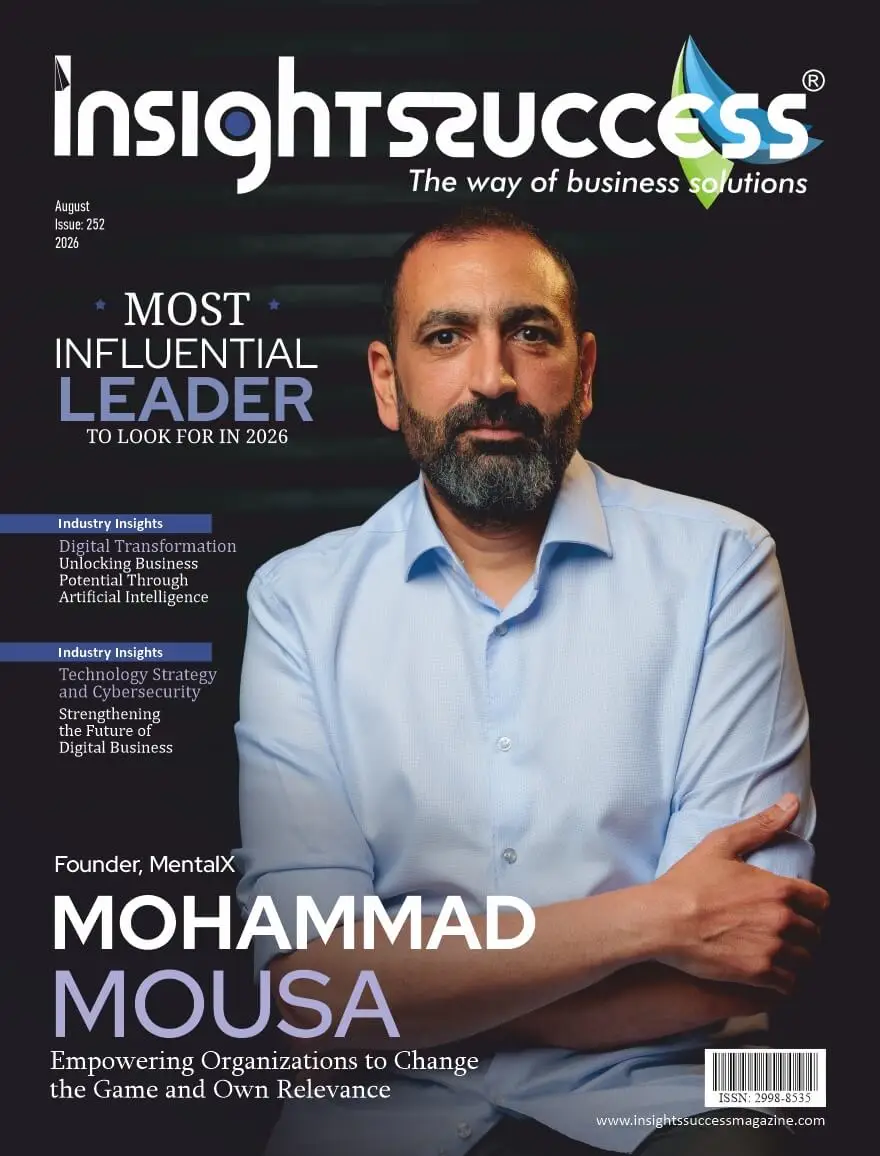
Most Influential Leader to Look for in 2026
Most Influential Leader to Look for in 2026 Recognizing an exceptional leader whose vision, strategic thinking, resilience, and commitment to excellence inspire meaningful progress, create lasting value, and set new benchmarks for leadership in 2026. Digital Link Quick highlights Quick reads
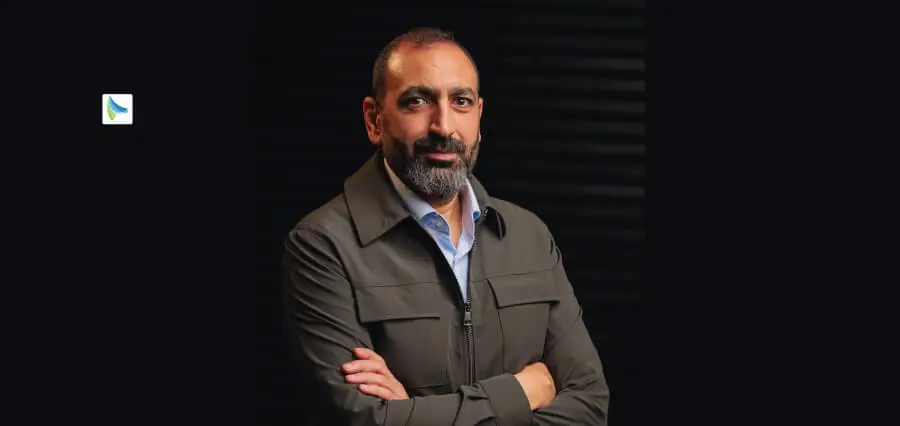
Mohammad Mousa: Empowering Organizations to Change the Game and Own Relevance
Strategy is rarely the hard part. Execution is. Most organizations can write an ambitious plan; far fewer can turn it into something measurable once it collides with real budgets, real resistance, and teams that were never fully brought along. That gap, between what an organization intends to do and what it actually achieves, is where one leader has spent more than two decades working, and it is exactly where his own company now lives. Mohammad Mousa is the Founder of MentalX, a transformation firm built to help organizations close that exact distance between what they intend to do and what they achieve. His path there began not in consulting but in entrepreneurship, co-founding a real-time speech-to-speech translation startup in 1999, at a moment when artificial intelligence and language technology were still in their infancy, and long before either had become a boardroom priority anywhere in the world. From Speech Translation to Global Transformation That early venture, built on the vision of breaking down language barriers through technology, attracted enough attention to be acquired by a U.S.-based company in 2004. He reflects, “That experience taught me valuable lessons about innovation, entrepreneurship, resilience, and the importance of turning ambitious ideas into viable solutions.” The career that followed took him through PwC Middle East, Careem, Emirates German Security Printing, Veridos, and numerous public and private sector entities across the Middle East, Africa, and Europe, work that positioned him at the intersection of commercial transformation, digital trust, cybersecurity governance, identity solutions, and large-scale government modernization. Like every leader, he is candid that the path included both successes and setbacks, and that some of his most valuable lessons came during periods of uncertainty, market disruption, and complex transformation programs where expectations were exceptionally high. He notes, “Those experiences reinforced my belief that resilience, adaptability, and disciplined execution are often more important than talent alone.” Family, mentors, colleagues, and lifelong friendships, he adds, provided perspective during those harder moments and a consistent reminder that leadership is ultimately about empowering others rather than accumulating authority for its own sake. The Idea Behind MentalX MentalX emerged from a pattern Mousa kept encountering across very different organizations: excellent strategies that consistently lost momentum during implementation. He explains, “Many organizations have access to talented people, advanced technologies, and significant investments, yet they continue to face challenges in achieving sustainable growth and measurable business impact.” Rather than building another traditional consulting firm, he set out to build something focused on market relevance, commercial performance, technological capability, and operational execution together, bringing strategy, technology, data, AI, governance, and commercial excellence into a single practical, outcome-oriented practice. He affirms, “The guiding philosophy of MentalX is simple: Change the Game. Own Relevance. Deliver Value.” Every engagement, he says, begins with understanding how an organization creates value and ends with ensuring measurable outcomes are actually achieved, a discipline he considers the firm’s defining difference from more conventional consulting models built primarily around recommendations rather than delivery. He describes MentalX as the culmination of his experiences across commercial leadership, digital trust, government transformation, identity solutions, technology, and entrepreneurship, not merely a business venture but a platform through which he hopes to help organizations create meaningful impact in an increasingly dynamic world. Balance as Alignment, Not Division Mousa treats work-life balance less as a matter of dividing hours and more as a matter of alignment between what matters most professionally and personally. He says, “Work-life balance is not about perfectly dividing time. It is about maintaining alignment between what matters most professionally and personally.” His work spans multiple countries, industries, and transformation initiatives, requiring flexibility, responsiveness, and sustained focus, but it has also taught him the importance of creating intentional moments for reflection, recovery, and personal connection rather than letting those moments happen only by accident. Family remains his greatest source of motivation and perspective, and he credits continuous learning, drawn from reading, industry research, and conversations with inspiring individuals, while keeping him adaptable. He states, “Delegation is not a sign of weakness; it is a sign of confidence in others.” Purpose, he adds, plays a major role in achieving that balance, since work that genuinely aligns with personal values turns many of the pressures of professional life into opportunities for contribution rather than sources of stress. The Business of Turning Complexity into Clarity Mousa’s appetite for business, he says, is rooted in curiosity, innovation, and a desire to create meaningful value, since every successful organization exists because it addresses a genuine need or enables better outcomes for the people it serves. What excites him most is transformation itself, the process through which organizations evolve, adapt, and create new possibilities, whether that means helping a government modernize services or supporting a company through digital change. He is particularly drawn to the intersection of trust, technology, and growth, where artificial intelligence, data, and cybersecurity are reshaping how organizations operate. He notes, “Organizations that can successfully embrace these changes while maintaining trust and governance will define the future.” Entrepreneurship itself, he adds, further strengthened his passion for business, since building MentalX required taking risks, making difficult decisions, and embracing uncertainty, experiences that reinforced his belief that progress comes from action rather than perfection. He is energized by opportunities to help organizations discover new markets, improve customer experiences, unlock new revenue streams, and strengthen their competitive positioning, describing the challenge of turning complexity into clarity as something he genuinely enjoys rather than treats as a burden of the role. Profit, in his framing, matters because it reflects value creation, but what motivates him most is helping organizations remain relevant and build capabilities that endure well beyond any single engagement. A Passport with a Soul: The Passion Behind the Work Asked what drives him, Mousa points to a specific project that reshaped how he understands transformation itself: his involvement in national identity and passport transformation programs, including the Kenyan ePassport. He explains, “The objective extended beyond security and technology. The vision was to create a travel document that reflected the

Strengthening the Future of Digital Business
Technology Strategy and Cybersecurity Technology has increasingly become associated with business efficiency. Firms use technological platforms to communicate, manage finances, interact with customers, process data, manage logistics, and plan operations. With increasing reliance on technology, there is a need for an organization to have a guiding strategy for how to adopt and manage technologies and protect them. Technology Strategy serves this purpose, while Cybersecurity protects the technological assets of a business. Aligning Technology with Business Priorities Investments in technology add value in cases where they solve business needs. Businesses should not adopt technologies simply because they are fashionable or advanced. On the contrary, businesses must be able to identify the challenges that they are facing and areas that technology will be of help. Technology Strategy should first consider the current systems that already exist within the organization. Technology gaps can be identified, and requirements for the future can be considered based upon the business objectives of the company. This will avoid fragmentation of investments and promote collaboration between business and technology organizations. Scalability is another factor that needs to be taken into consideration. Systems created based only on existing needs may be too restrictive as the organization grows, introduces more services, or processes more data. Flexibility is what helps organizations evolve without having to change fundamental systems. Making Cybersecurity a Business Responsibility Increased digital interconnectivity also exposes an organization to cyber threats. Phishing, ransomware, identity theft, malware, and hacking are some of the risks that an organization is likely to face. Cyber security thus needs to be viewed as an organization’s business concern, and not just one confined to technology-related departments. Security considerations have to be incorporated into technology planning, personnel behavior, vendor relationships, and risk analysis. A business may be able to increase its security using methods such as multi-factor authentication, access controls, security monitoring, vulnerability assessment, data protection, and training employees on a regular basis. Building Resilient Digital Infrastructure Another aspect of technology planning is business continuity. It refers to having the means to sustain essential business functions despite any technical failure or breach of security. Technology Strategy needs to have a contingency plan which includes backup, recovery priorities, system redundancy, and testing. This way the organization will know how fast their critical functions can be restored in case of an interruption. Also, the responsibility and decision-making process should be clarified. Cloud technology can support scalability and resilience when implemented appropriately. However, moving systems to the cloud does not remove security responsibilities. Organizations must continue managing access, configurations, data protection, and third-party risks. Addressing Human and Third-Party Risks The participation of employees in the process of securing the organization is necessary. Poor passwords, suspicious links, accidental disclosure, and wrong access could all be responsible for creating problems related to security, despite having strong technological measures in place within the firm. Third parties must be evaluated carefully as well. Third parties may have access to business information or data systems, which makes their security policies pertinent to organizational risk management. Organizations should assess third parties before entering into any sort of relationship with them. A comprehensive Cybersecurity approach therefore combines technology with policies, processes, employee awareness, and vendor oversight. Security becomes stronger when these elements work together. Using Intelligence to Improve Security Advanced security solutions are capable of processing huge amounts of data generated by the network, software applications, devices, and users themselves. Analytics can help detect anomalies and raise alarms that need to be investigated. These abilities need to be related to the overall planning of technology within the organization. Information about security can identify vulnerabilities within the infrastructure, access controls, application development, and operations. This can help the leaders determine which technologies need improvement in the future. Preparing for Emerging Risks The digital environment continues to expand through Artificial Intelligence, connected devices, automation, cloud services, and advanced analytics. Each development creates opportunities while introducing new considerations for security and governance. A forward-looking technology strategy is therefore important for businesses because new technologies have to be assessed in relation to their commercial worth, deployment, scalability, and security risks. However, Cybersecurity initiatives need to evolve according to technological changes and new threats. Some of the means of adapting to such changes include monitoring, employee training, contingency planning for threats and risk assessments. Creating Trust Through Secure Technology After all, technology and security practices also play a part in building trust within an organization. Customers, employees, business associates, and investors expect businesses to protect their data and provide dependable service. An advanced Technology Strategy defines how technology investments are made in pursuit of strategic goals, laying the groundwork for resilience and success. In this regard, cybersecurity plays its part by securing the systems, data, and transactions. Future of the digital business will hinge on how well businesses can marry innovation and good risk management practices. Read Also : Beyond the Balance Sheet, Women in Corporate Finance

Unlocking Business Potential Through Artificial Intelligence
Digital Transformation In the modern business landscape, technology plays an important role in shaping the performance of the organization in many ways such as interaction with customers, operation of the business, decision making process, and innovation in products. Businesses that have considered technology as a secondary part have realized the importance of technology as a source of growth for their businesses. Digital Transformation is a methodology for incorporating technology in business processes, and AI facilitates analysis and automation of processes. Turning Data into Business Intelligence Data has emerged as one of the most valuable assets for organizations. However, gathering large amounts of data doesn’t necessarily create value for businesses. Organizations require systems that can arrange data, find patterns, and provide insight based on these patterns. Artificial Intelligence is able to process data about customer behavior, operations management, finance, and markets on such a large scale that it becomes challenging to do the same without any assistance. When this set of skills is used within a larger concept of Digital Transformation, companies will have a possibility to build interconnected systems which enable more efficient decision-making. Improving Operational Performance Automating the process is another domain where Artificial Intelligence could benefit the performance of businesses. Businesses still rely on manpower to carry out tasks that are repetitive in nature like data entry, processing documents, scheduling, and answering queries of customers. This could help save administrative efforts, and the employees could focus on strategic roles. Digital Transformation is not about automating all possible processes. Companies need to figure out what kind of processes have the potential to add value through the use of technology and yet still have proper human oversight. Some processes might need the intervention of human beings because of the elements of judgment, empathy, and decision-making involved in them. Creating Better Customer Experiences The expectations of customers have evolved with the advent of technology. Consumers now demand that companies offer them an experience that is convenient and personalized through multiple channels. The application of Artificial Intelligence allows the company to learn about such expectations. Recommendation engines can recommend appropriate products, virtual assistants can respond to repetitive queries, and predictions can assist companies in anticipating their customers’ needs. With all these applications being interconnected with digital transformation, organizations are able to build more consistent customer experiences across various web portals, applications, communication channels, and physical processes. However, there should be responsible use of data in order for this to happen. Empowering Employees Through Technology Transformation also requires people. Workers must be able to comprehend how the introduction of new technologies will influence their roles and how they can be assisted by intelligent tools. Organizations can train their workers to acquire the necessary competencies to work effectively in technological environments. In this regard, digital transformation can embrace not only automation but also employee development. Instead of viewing artificial intelligence as an alternative to manpower, organizations may use it to facilitate the automation of certain procedures, while the rest of the work is performed by the employees who will have time to think analytically, innovate, communicate and solve problems. It is important to set objectives and the rationale behind implementing new initiatives. Building a Reliable Technology Foundation Transformation requires a digital foundation that is trustworthy. Organizations must have integrated solutions, data accuracy, appropriate infrastructure, and governance. Lack of integration may lead to creation of data silos and may affect the reliability of AI applications. Organizations need to assess their technology architecture prior to increasing their intelligence. Scalability is essential to add new applications to their system as well as meet future requirements. A Digital Transformation Roadmap would help businesses prioritize their projects according to business value. Clear use cases at the very beginning would enable businesses to measure their success and challenges. Responsible Artificial Intelligence AI implementation comes with obligations too. These include transparency, security, accountability, high-quality data, and human oversight. Badly governed AI leads to the generation of untrustworthy recommendations and potential dangers in terms of privacy and decision making. For this reason, the digital transformation process must be driven by innovation and responsible governance. It is necessary to have policies on how AI will be created, implemented, monitored, and assessed. Technology must be used to serve man and business goals. Finally, AI offers great potential, but the extent to which it can be useful relies on the way companies manage to integrate their technology with business needs. Organizations which have well-built data infrastructure, competent workforce, good governance, and goals can operate more efficiently and build better customer experience. Digital Transformation is not just a technology initiative but an ongoing business strategy. Read Also : Strengthening the Future of Digital Business