





Creating Pathways to Public Service Through Diplomatic Leadership Programs
Empowering Young Leaders Public service has never been more complex or more consequential than it is today. The challenges facing communities, nations, and the international community require leaders who can think across borders, navigate competing interests, and communicate with clarity in environments where misunderstanding carries real cost. Yet the path from a young person with genuine potential into meaningful public service is not always clear or accessible. This is precisely the gap that diplomatic leadership programs are designed to close, building the knowledge, the skills, and the networks that help talented young people move confidently toward roles where their contributions can genuinely matter. The Foundation of Effective Diplomatic Leadership Leadership in public service requires a demanding combination of capabilities. Technical knowledge about international relations, governance, and policy matters enormously. But equally important are the interpersonal skills that allow a leader to build trust across differences, navigate disagreement without destroying relationships, and represent positions honestly while remaining genuinely open to other perspectives. Both dimensions need to develop together. Participants in serious diplomatic leadership programs build substantive knowledge about the systems they will work within while simultaneously practising the communication, negotiation, and relationship-building capabilities that textbooks describe but cannot fully transmit. That combination is what makes structured leadership development genuinely useful rather than purely academic in its value. Building Cultural Intelligence for Global Leadership Modern public service at any level increasingly involves engagement with people whose backgrounds, assumptions, and communication styles differ significantly from one’s own. The ability to navigate those differences with genuine respect is not something that develops automatically; it requires deliberate exposure, honest self-reflection, and practice in environments that take cultural competency seriously. Programs that create meaningful cross-cultural dialogue, expose participants to genuinely diverse perspectives, and build awareness of how one’s own background shapes assumptions produce something valuable. Leaders who come through diplomatic leadership programs with this kind of cross-cultural grounding are better equipped for the realities of internationally facing roles than those whose preparation kept them within familiar perspectives. Learning Beyond the Classroom Knowledge about diplomacy and public service can be taught in a classroom. The deeper understanding of how these environments actually function, the informal dynamics, the judgment calls that written policies cannot prescribe, and the resilience required when things do not go as planned is transmitted most effectively through close engagement with people who have genuinely lived it. Access to experienced practitioners who share not just their knowledge but their honest perspective on what the work actually demands day to day is one of the most valuable things diplomatic leadership programs can offer. Mentorship built genuinely into the program structure gives participants something that no amount of reading or coursework alone can replicate. Creating Connections That Extend Beyond the Program The relationships formed during a formative leadership experience can sustain a career in public service for decades. People who have learned together, challenged each other’s thinking, and built genuine mutual respect through shared intensive work carry those relationships into every subsequent role they hold. When diplomatic leadership programs bring together talented young people from genuinely diverse backgrounds, geographic, cultural, and professional, the networks formed carry value well past the program itself. Former participants find in each other trusted colleagues, sources of perspective during difficult situations, and collaborators whose judgment they already know and respect. Making Diplomatic Leadership More Inclusive The population of young people with real potential to contribute to public service and diplomacy is considerably broader than the population that has historically found its way into those fields. Barriers of geography, economic circumstance, and the absence of existing professional connections have kept many talented individuals from reaching roles where their capabilities could have made a genuine difference. Broadening access through scholarships, active outreach to underrepresented communities, and program design that does not assume participants arrive already advantaged serves both equity and effectiveness. The diversity of perspective that a wider talent pool brings to public service problems produces better thinking and diplomatic leadership programs that take this seriously tend to develop stronger cohorts as a result. Developing Leaders Ready for Uncertainty The environment that graduates of these programs will enter is genuinely complicated. International relationships, domestic political pressures, rapidly evolving global challenges, and the constant need to communicate across big differences of interest and perspective are all features of real public service work. Preparation that reflects that complexity rather than a simplified version of it produces leaders who respond more effectively when situations do not follow expected patterns. Well-designed diplomatic leadership programs do not shelter participants from difficulty. They use structured challenge as a deliberate part of the development process. Looking Ahead The quality of public service and diplomatic leadership matters to people far beyond the individuals holding those roles. Decisions made by effective diplomats and public servants shape the conditions that communities and nations live within for years. Seen in that light, diplomatic leadership programs are not simply investments in individual careers. They are investments in the quality of leadership that will shape institutions, relationships, and public life for the generations ahead. Getting that investment right and making it genuinely accessible is one of the most forward-looking things the current generation of practitioners and institutions can do. Read Also : Luxury Travel and Hospitality Redefining Guest Expectations
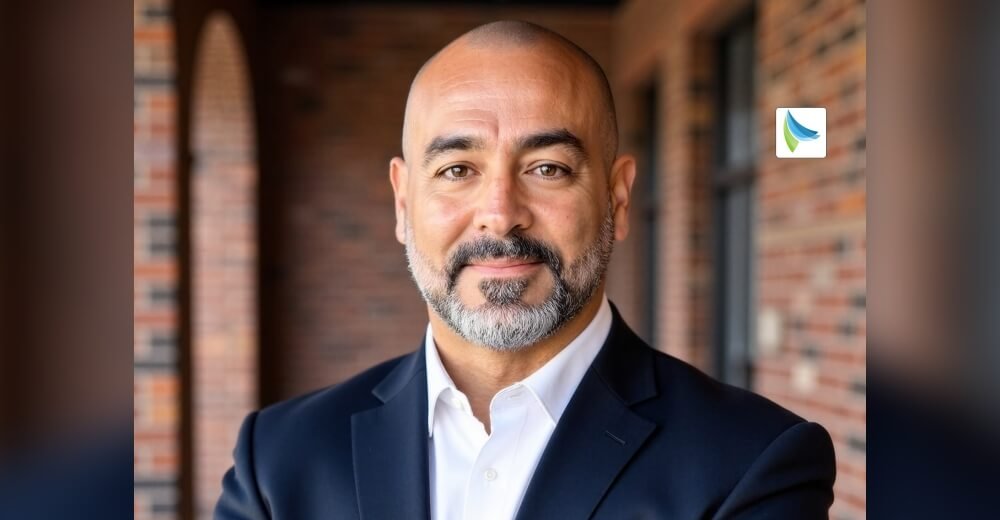
Fadi Takkale: Redefining Leadership Through Culture and Performance
Great organizations are not built on strategy alone. They are built on the quality of leadership running through every level of them. The decisions leaders make, the cultures they shape, and the example they set every day determine what an organization is truly capable of becoming. Investing in that kind of leadership development is one of the highest-return commitments any organization can make. Fadi Takkale, Chief Executive Officer of MITTY Arabia, has spent his career proving exactly that. His experience across continents and industries has been dedicated to developing resilient, people-centered cultures that combine purpose, performance and innovation. Under his guidance MITTY Arabia continues to support organizations in navigating change with clarity and intent across global markets. A Leadership Philosophy Built on Mindset and Culture Early in his career, Fadi realized that organizations rarely fail because of a lack of strategy. More often, they struggle because of leadership behaviors, organizational culture, and the mindset with which people approach change. He became fascinated by one fundamental question: why do organizations with similar resources produce dramatically different results? The answer consistently came back to leadership. Working across industries and continents allowed him to observe that technology, processes, and structures can be replicated, but culture cannot. “Culture is created by leaders, and leaders are ultimately shaped by their mindset.” This understanding inspired him to dedicate his career to leadership transformation rather than management development. His passion has always been helping executives move beyond operational excellence toward becoming leaders who inspire purpose, build trust, and create environments where people perform at their highest potential. This commitment also led him to become a published author on mindset transformation. Whether coaching CEOs, transforming organizational cultures, or advising governments and multinational corporations, his objective has remained the same: developing leaders who leave organizations stronger than they found them. Building Cultures That Sustain Growth As the CEO of MITTY Arabia, Fadi views the CEO’s role as being the organization’s chief culture architect rather than simply its chief executive. At MITTY Arabia, the work extends beyond delivering consulting services. The organization partners with clients to create leadership ecosystems where people, performance, and purpose reinforce one another. He believes that sustainable growth cannot be achieved through financial performance alone. It requires capable leaders, engaged employees, continuous learning, and cultures built on accountability and innovation. His responsibility is to ensure that the organization consistently models the values it encourages clients to embrace. Leadership, according to him, is demonstrated through actions rather than titles. MITTY Arabia’s mission is to empower organizations to unlock the full potential of their human capital. When leaders develop emotional intelligence, strategic thinking, resilience, and adaptability, organizational transformation becomes sustainable rather than temporary. Global Perspectives on Leadership Having worked with organizations across Europe, Asia Pacific, the Middle East, Africa, and North America, Fadi’s global experiences have reinforced one important lesson: “While cultures differ, great leadership principles remain universal.” According to him, every country has unique traditions, business practices, and societal expectations. Effective leadership requires respecting these differences rather than attempting to impose one universal model. His global experience has taught him the importance of cultural intelligence. Leaders must understand how people communicate, make decisions, build trust, and respond to change within different environments. At the same time, he has found that every successful organization shares common foundations including integrity, accountability, continuous learning, collaboration, and a commitment to developing people. This international exposure has enabled MITTY Arabia to combine global best practices with local cultural understanding, creating transformation solutions that are both internationally informed and regionally relevant. The Principles Behind His Leadership Philosophy Throughout his career, Fadi’s leadership philosophy has remained anchored in five enduring principles. The first principle is self-awareness. He believes leaders cannot effectively lead others until they understand themselves. Second, trust is the foundation of every successful organization. High-performing teams are built through credibility, transparency, and consistency. His third principle recognizes people as an organization’s greatest competitive advantage. Technology evolves rapidly, but people remain the true differentiator. Continuous learning forms the fourth pillar of his philosophy. The moment leaders believe they have all the answers, they stop growing. Finally, leadership is ultimately about service. The best leaders create opportunities for others to succeed. Their success is measured not only by organizational results but also by the leaders they develop. These principles have guided his work throughout his career and continue to shape every engagement undertaken at MITTY Arabia. Staying Ahead in a Rapidly Changing World Leadership development today requires both curiosity and discipline. Fadi remains committed to continuous research, engaging with global thought leaders, participating in international conferences, collaborating with executive networks, and studying emerging organizational trends. Yet he believes knowledge alone is never sufficient. Technology, including artificial intelligence, is fundamentally changing how organizations operate. Rather than viewing AI as a replacement for leadership, he sees it as an opportunity to elevate human leadership by allowing leaders to focus more on strategy, creativity, empathy, and decision-making. Equally valuable are the relationships he maintains with clients. Organizations themselves are often the best source of innovation because they experience emerging challenges before they become global trends. For him, “Remaining relevant means continuously learning while remaining grounded in timeless leadership principles.” Redefining Leadership for the Digital Era Over the years, Fadi has witnessed a significant transformation in the way effective leadership is understood. In the past, authority was often associated with hierarchy, expertise, or position. Today, influence is earned through authenticity, empathy, and credibility. Employees increasingly seek leaders who communicate openly, inspire confidence, and genuinely care about their development and well-being. The workplace has become more dynamic, diverse, and interconnected than ever before. According to him, today’s leaders must move from controlling to empowering, from directing to coaching, from managing change to leading transformation, and from focusing solely on short-term performance to building long-term organizational resilience. The future belongs to leaders who are adaptable enough to embrace uncertainty while remaining anchored in strong values. Lessons Through Challenges One of the greatest challenges Fadi has encountered in organizational transformation
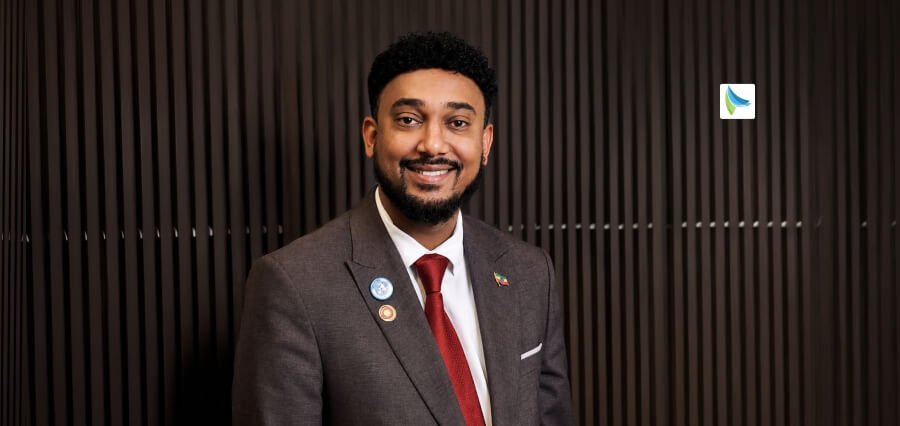
Amb. Sileshi Umer Mohammed: Building Africa’s Next Generation, One Leader at a Time
Uplifting a generation and making young people truly believe in their own power is not a task for the faint-hearted. It demands more than good intentions; it demands conviction so deep it survives skepticism, rejection, and the grinding weight of limited resources. It demands someone willing to stand in front of a room of young Africans and say, with absolute certainty, that their continent’s greatest resource is not buried beneath the soil but alive within them. It demands, in short, someone like Amb. Sileshi Umer Mohammed, Founder and CEO of Safe Light Initiative, World Peace Ambassador, and one of Africa’s most compelling voices in youth leadership and diplomacy education. For more than eight years, Sileshi has been doing the difficult, unglamorous, and quietly transformative work of building leaders. He has reached millions of young people across Ethiopia. He has graduated over 10,000 young leaders, many of whom now serve in the Prime Minister’s Office, the Ministry of Foreign Affairs, United Nations agencies, and international development institutions. He has pioneered Ethiopia’s first SDG Hub, run the country’s largest Youth Diplomacy Fellowship for six consecutive years, and developed a homegrown methodology that governments, media outlets, and civil society organizations have recognized as a practical model for youth transformation. And through all of it, he has operated from one unshakeable belief: that Africa’s future will be determined by the quality of the leaders it produces today. From Ethiopia’s Legacy to a Continent’s Future Sileshi’s path into youth empowerment was not shaped by a single turning point but by a growing awareness that something was missing. Growing up in Ethiopia, he was immersed in the nation’s extraordinary history, its diplomatic heritage, its ancient civilization, and its foundational role in Pan-African unity. Ethiopia, after all, has long stood as a symbol of African resilience and independence. Addis Ababa hosts the African Union, the United Nations Economic Commission for Africa, over a hundred diplomatic missions, and some of the world’s most consequential continental conversations. Yet Sileshi noticed, with increasing clarity, that most young Ethiopians remained spectators to all of it. He mentions that he was driven by a deep conviction that “Africa’s next generation must be inspired by its history, empowered by the opportunities of the twenty-first century, and equipped with the skills required to navigate an increasingly complex global environment.” That gap between his country’s powerful diplomatic identity and its youth’s disconnection from it became the seed of everything he would build. The mission he chose was not simply youth development in the conventional sense. It was something more layered: restoring Ethiopia’s diplomatic influence, reigniting the Pan-African spirit, and producing a generation of leaders who understand diplomacy, geopolitics, digital transformation, artificial intelligence, and the shifting architecture of global power — while remaining rooted in their cultural identity. As he states, his vision has always been “to help cultivate a generation that understands where it comes from, knows where it is going, and possesses the confidence and competence to lead.” The Gap That Led to the Birth of the Safe Light Initiative When Sileshi founded Safe Light Initiative, he was responding to a contradiction he could no longer ignore. Addis Ababa sits at the centre of Africa’s diplomatic universe. Important policy dialogues, continental agendas, and international decisions unfold in its corridors every single day. And yet the majority of young Ethiopians had no pathway into that world. They watched it from a distance, neither invited nor equipped to participate. He observed a significant disconnect between the diplomatic ecosystem surrounding young people and their actual participation within it. According to him, “Many existing initiatives focused on traditional youth engagement but lacked a comprehensive framework that could prepare young people for leadership in an interconnected world.” There was no organization bridging diplomacy education, civic engagement, leadership development, and real-world skills in a way that was practical, scalable, and genuinely relevant to young Ethiopians. Safe Light Initiative was his answer. From the outset, it positioned itself not as another youth program but as a platform, one that empowers young people to become proactive citizens, responsible leaders, and future diplomats. It works across government institutions, civil society organizations, development partners, and the private sector to bring national, continental, and global agendas within reach of young people who have every right to shape them. He states plainly that “The mission was never simply to educate. It has been to help young people discover their potential and become active contributors to society.” The 3H Model: Head, Heart, and Hand At the core of Safe Light Initiative’s work sits a methodology that Sileshi developed after observing a recurring flaw in youth development programming. Most programs, he noticed, focus on only one dimension of human growth. Some develop knowledge without character. Others promote passion without practical skills. Some focus purely on technical competencies while neglecting the inner life of the young person entirely. His response was the 3H Model: Head, Heart, and Hand. The first H: Head- focuses on mindset transformation. It develops critical thinking, leadership awareness, vision, and intellectual confidence. The second H: Heart- builds character. Through volunteering, civic engagement, and governance programs, participants develop empathy, integrity, responsibility, and a genuine commitment to serving others. The third H: Hand- focuses on practical skill development: employability competencies, entrepreneurial capabilities, digital literacy, and future-oriented skills that translate into economic independence and meaningful careers. The impact of this model has been significant precisely because it produces balanced leaders. As he describes it, “Graduates are not only knowledgeable but also responsible and capable of translating their ideas into action.” That balance between thinking, being, and doing is what separates Safe Light’s graduates from the products of more conventional programs. It is also what has earned the model recognition from government institutions, media outlets, civil society organizations, and development partners who see it as both practical and scalable. Milestones That Measure More Than Numbers Over eight years, Safe Light Initiative has accumulated an impressive list of achievements but Sileshi is careful to frame them correctly. He mentions

How Performance-Driven Leadership Builds High-Performing Organizations
Leading Organizational Success Every organization aspires to perform well. However, aspiring to strong results and consistently delivering them are two fundamentally different realities. The gap between the two is, in most cases, a leadership gap. Organizations that sustain high performance over time do not arrive at that position by chance. They do so because the individuals leading them possess a clear understanding of what performance demands, establish the conditions necessary for it to flourish, and hold themselves and their teams to standards that make sustained excellence achievable. Performance-driven leadership is what converts the aspiration for results into the consistent reality of them, and its influence extends through every dimension of a well-functioning organization. What Sets This Kind of Leadership Apart Not all forms of leadership produce high performance. Some generate activity without meaningful results. Some approaches may create short-term gains, but those results often fail to last when challenges arise. Others may achieve compliance without creating real commitment, with people doing only what is necessary rather than contributing with purpose. Performance-driven leadership distinguishes itself by remaining firmly focused on outcomes rather than on how things appear on the surface. It does not simply ask whether people are occupied with work. It asks whether the work being done is genuinely advancing the organization toward goals that carry real meaning. It holds a clear and honest picture of what success looks like and maintains that picture with discipline, even when the pressures of the moment make it tempting to look away from it. Building Clarity Around Goals and Expectations High performance begins with clarity. When individuals are uncertain about what strong results look like, or how their contribution connects to the broader purpose of the organization, consistent delivery becomes very difficult. This uncertainty is far more common than most organizations care to acknowledge, and it steadily weakens performance across every level without always being visible as the cause. Performance-driven leadership confronts this directly. It establishes goals that leave little room for misinterpretation, communicates them with honesty and consistency and takes deliberate steps to ensure that every person within the organization understands their role and how it connects to the larger picture. When individuals know precisely what is expected of them, why it matters, and how their work connects to outcomes worth achieving, their engagement deepens considerably. The work acquires purpose, the effort becomes more directed, and the results reflect both of those qualities. Creating Accountability Without Fear Accountability is among the most misunderstood concepts in organizational life. In certain organizations, it functions primarily as a mechanism of consequence, invoked when things go wrong to assign blame and administer correction. When accountability functions primarily as a mechanism of consequence, people direct their energy toward protecting themselves rather than genuinely improving their work. That dynamic quietly damages performance from within. Performance-driven leadership establishes a different kind of accountability, one grounded in shared commitment rather than apprehension. It cultivates environments in which individuals hold themselves to high standards because they genuinely care about the outcomes, not simply because they are being observed. This approach builds the kind of trust that serves as one of the most reliable foundations for sustained high performance. Developing People as a Performance Strategy Organizations perform at the level their people are capable of performing at. Investing in the development of people is therefore not a matter separate from performance strategy. It is central to it. Leaders who understand this invest deliberately in the growth of those around them, treating it not as a benefit but as a direct contributor to organizational results. Performance-driven leadership regards every member of the team as an individual with the capacity to grow and contribute more fully over time. It identifies where development is needed, creates substantive opportunities to address those needs, and provides the challenge and support required to enable continuous improvement. Over time, an organization whose people are genuinely growing is an organization whose performance continues to rise. In Summary High-performing organizations are neither built quickly nor maintained without sustained effort. They are the result of leadership that is serious about results, honest about what achieving them requires, and consistent in creating the conditions that make excellence possible over time. Performance-driven leadership brings together clarity, accountability, development, and culture into something that produces not merely strong results in a single period but the kind of sustained performance that defines truly excellent organizations. The investment in this form of leadership grows in value over time. This cumulative impact is what separates organizations that achieve success occasionally from those that consistently deliver strong performance. Read Also : Creating Pathways to Public Service Through Diplomatic Leadership Programs

Executive Business Transformation and Its Role in Driving Innovation
Results Driven Leadership Change is not optional for organizations that want to remain relevant. Markets shift, customer expectations evolve and the competitive landscape rarely stays still long enough for any business to feel permanently comfortable. The organizations that respond well to this reality are the ones that build transformation into how they operate rather than treating it as a crisis response. At the leadership level, this requires a particular kind of courage and clarity. Executive business transformation is the process through which senior leaders reshape their organizations from the inside out, and its connection to sustained innovation is one of the most important relationships in modern business. Why Transformation Has to Start at the Top Change that starts in the middle of an organization rarely reaches the whole of it. Without genuine commitment and direction from senior leadership, even the most promising initiatives tend to lose momentum, get absorbed into existing ways of working or quietly fade once the initial energy behind them dissipates. Executive business transformation places responsibility for change where it belongs, at the level where strategy is set, resources are allocated and culture is shaped. When senior leaders are genuinely invested in transformation, not just in endorsing it but in actively driving it, the organization feels the difference at every level. The seriousness of the effort becomes visible and that visibility changes how people throughout the organization engage with it. The Relationship Between Transformation and Innovation Transformation and innovation are closely connected but not identical. Transformation is about reshaping how an organization operates. Innovation is about generating new ideas, new approaches and new value. The connection between them is that genuine transformation creates the conditions in which real innovation becomes possible. Organizations that have not transformed tend to protect existing processes and existing ways of thinking because those things are familiar and because changing them feels risky. Executive business transformation challenges this protective instinct directly. It asks the organization to look honestly at what is working, what is not and what needs to change in order to move forward. That honest examination is precisely the kind of environment where new ideas find room to grow. Reshaping Culture as Part of the Process Structures can be redesigned and processes can be updated, but if the culture of an organization does not shift alongside those changes, the transformation will not hold. Culture is the set of shared beliefs and behaviors that determine how people actually work day to day, and it is often the most resistant element of any organization to genuine change. Executive business transformation takes culture seriously as part of the work rather than as a byproduct of it. Senior leaders who understand this invest as much attention in shifting how people think and behave as they do in redesigning systems and strategies. When culture changes, the organization changes in ways that are deep and lasting rather than surface level and temporary. Building the Capacity to Keep Innovating One of the most valuable outcomes of genuine transformation is not any single innovation but the development of an organization’s ongoing capacity to innovate. A business that transforms once and then settles back into fixed ways of operating has not really built anything lasting. The goal is to create an organization that keeps generating new ideas, keeps testing them honestly, and keeps improving as a result. Executive business transformation builds this capacity by changing how the organization relates to new ideas. It creates structures that support experimentation, cultures that tolerate the honest failure that comes with genuine risk-taking and leadership behaviors that model the curiosity and openness that innovation requires. Once these elements are in place, innovation stops being something that happens occasionally and starts being part of how the organization operates as a matter of course. Leading Through Uncertainty Transformation is uncomfortable. It asks people to leave behind familiar ways of working and to trust that what replaces them will be better. Not everyone embraces that invitation willingly, and resistance is a normal part of any serious change process. Senior leaders who understand this do not treat resistance as a problem to be eliminated. They treat it as information about where more attention, more communication, and more support are needed. Leading through this kind of uncertainty is one of the defining demands of executive business transformation. It requires consistency, patience, and the ability to keep the organization oriented toward its long-term goals even when the short-term experience of change feels unsettling. Conclusion The organizations that will lead their industries in the years ahead are the ones investing in genuine transformation today. Executive business transformation is not a program with a start and end date. It reflects an ongoing commitment to creating organizations that critically assess their practices, respond proactively to the need for change, and strengthen their ability to innovate and remain competitive over the long term. The senior leaders who take this commitment seriously are not simply managing their organizations through a difficult period. They are building something fundamentally stronger and more capable than what existed before. Read Also : How Performance-Driven Leadership Builds High-Performing Organizations
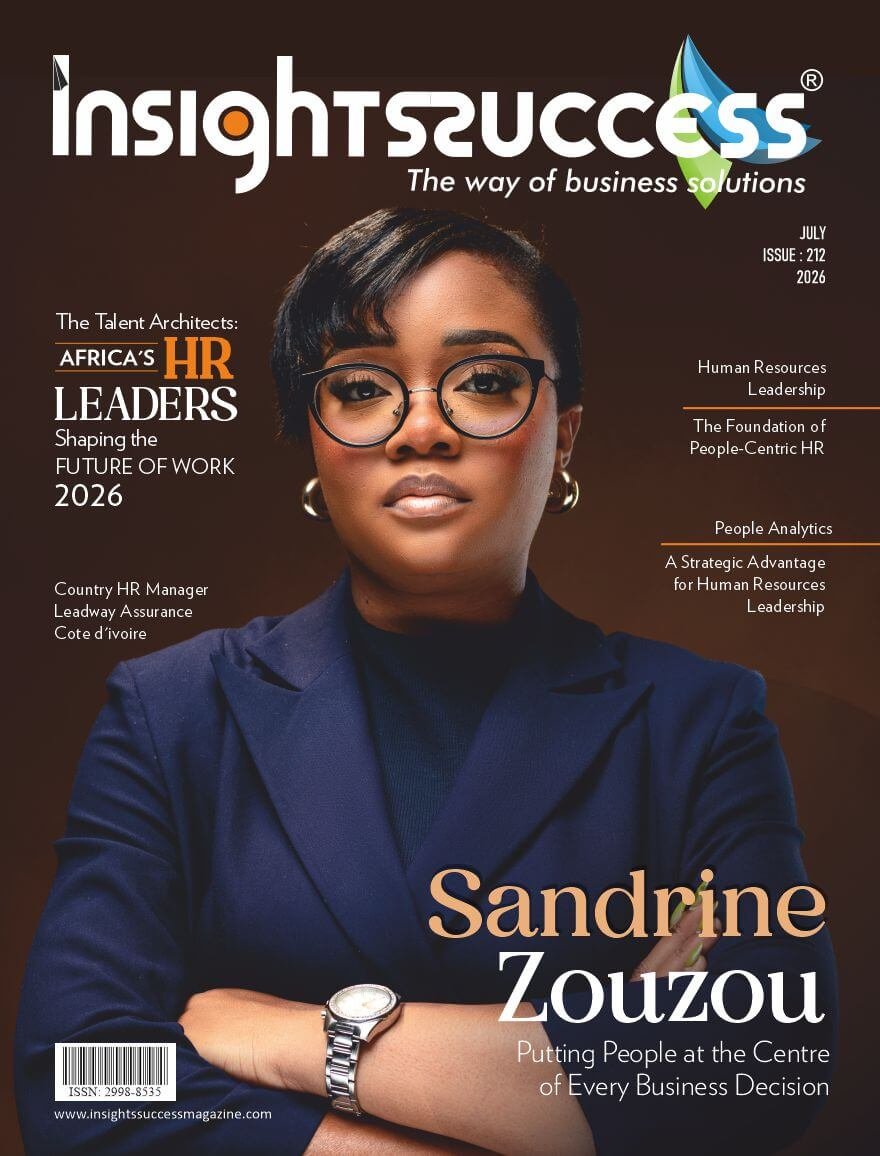
The Talent Architects: Africa’s HR Leaders Shaping the Future of Work | 2026
The Talent Architects Africa’s HR Leaders Shaping the Future of Work 2026 Honoring Africa’s influential HR leaders who are redefining workplace culture, talent strategy, and people development, shaping the future of work through innovation, inclusion, leadership excellence, and organizational transformation. Digital Link Quick highlights Quick reads

Sandrine Zouzou: Putting People at the Centre of Every Business Decision
There is a version of HR that most employees have experienced at least once: the department that shows up with paperwork, enforces policy, and disappears until the next performance review. Then there is the version that Sandrine Zouzou has spent over a decade building, one conversation, one honest interaction, and one quietly transformative initiative at a time. Zouzou is the Country HR Manager at Leadway Assurance Cote d’Ivoire, a subsidiary of one of Nigeria’s most established insurance companies, and she brings to that role something that no job description quite captures: the conviction that employees are not a resource to be managed but the very first customers a company has to serve. That belief, arrived at through a career she never planned, has shaped everything about the way she leads. She did not start out in human resources. She started as a marketer, drawn to the challenge of understanding and satisfying customers. Somewhere along the way, she had a realization that changed the course of her working life. She says, “I was looking for a job and also having a certain view about working in the work environment, because for me it was about satisfying customers and everything, till I realized that the first customers of the company were the employees.” The moment that clicked, she knew she had found what she actually wanted to do. More than ten years in HR later, that founding instinct still drives her. Learning by Doing One of the more striking things about Zouzou’s career is how she built it. She did not study HR at university. She did not follow a structured academic path into the profession. She learned by doing it, accumulating knowledge through real situations, real people, and real problems that no classroom could have staged for her. That experience gave her a particular kind of perspective on the profession, because she knew firsthand what it felt like to look at HR from the outside and not quite understand it. Three years ago, she launched a podcast called HR Without Filters, built specifically around the idea of showing people the side of HR they rarely see: the thinking behind decisions, the complexity of the role, the very human work that happens well away from the headlines. The podcast became a space for her to help both the public and her fellow practitioners see HR for what it actually is. She says, “A lot of people did not understand HR. We are most likely not viewed as a good department, and I wanted to give that other side of the iceberg that people do not see.” A Philosophy Built Around People and Integrity Ask Zouzou what guides her as a leader, and she does not reach for abstract principles. She talks about what she has watched happening when people feel genuinely valued. The values she leads by are integrity, respect, collaboration, excellence, and continuous development, but she is careful not to let those words sit as a list. She talks about what they look like in practice: building trust through consistency, developing talent deliberately, and creating cultures where accountability and inclusion exist side by side rather than in tension. For Zouzou, communication sits at the center of all of it, not a soft skill she mentions alongside harder ones but the instrument through which everything else becomes possible. She says, “Communication is the key, and when you communicate transparently with people, they build trust, and it is easy for them to deliver better.” The Moments That Shaped Her Zouzou reflects on her career not as a series of promotions but as a series of lessons, most of them hard-won. Leading performance management and employee development initiatives taught her what happens when people understand what is expected of them and can see a path forward. She also points to the experience of supporting organizations through major periods of change as one of the most formative stretches of her professional life. Those moments reinforced her belief in adaptability, resilience, and transparent leadership. Working closely with diverse teams across different organizational contexts only deepened her conviction that positive culture is never accidental. She says, “A positive organizational culture is built intentionally, through respect, collaboration, and inclusion.” Aligning Personal Goals with Business Purpose One of the areas where Zouzou has developed a particularly distinctive approach is talent development. Her strategy starts from a place where many HR practitioners skip past: understanding not just what the business needs its employees to do, but what those employees want for themselves. She works with large numbers of Gen Z and Millennial employees, and she is frank about what that has taught her. These generations do not simply want to perform for a company; they want to feel that the work they do holds real value in their own lives too. Her response is to actively look for overlap. She collects information from both the business and the staff, then builds development plans that speak to both sets of goals at the same time. The aim is to make employees feel that the training they receive and the skills they build are not just assets for their employer but genuine investments in their own futures. She says, “I try to add the value that this work that you are doing now has also a value in your personal life.” That shift in framing, from company development to mutual growth, has consistently changed the energy employees bring to the process. 85 Percent: A Change Management Story If there is a single story from Zouzou’s career that illustrates her approach most clearly, it is how she handled a company acquisition at a previous employer. The company was bought by another organization. The culture was set to change significantly. Employees were anxious, uncertain about whether their roles would survive, and unsure whether the new management shared the values they had joined the company in the first place. Zouzou found herself in a position that HR professionals know well: expected to represent the

A Strategic Advantage for Human Resources Leadership
People Analytics In today’s corporate setting, organizations understand that decision-making is key to developing resilient and productive employees. In the wake of increasing competition in the environment of doing business, managers are no longer reliant on their gut instincts in managing people. Instead, there is a need for insights that show the trend of the workforce, expectations of the employees, and performance of the organization. People Analytics is such a technique that can help achieve this. In the past, human resource strategies were based on past data and personal judgment calls. Even though experience is still highly valued, companies need facts to back up their workforce planning, development, and retention programs today. By incorporating People Analytics into business operations, organizations are gaining more transparency about their employees’ engagement levels, recruiting success, training results, and overall workforce efficiency. This allows organizations to see future problems coming. Strengthening Human Resources Leadership Through Data Modern Human Resources Leadership is more than just an administration role. Leaders in Human Resources should be able to assist with strategic planning by ensuring that employee skills match organizational goals. With data analytics, leaders can understand the skills deficit and plan for succession better. It allows for the optimal distribution of the workforce through informed decisions. One of the most significant aspects of successful organizations is their employees’ level of engagement. Organizations which value the concept of People-Centric HR will provide an environment where the employees will be respected, motivated, and encouraged to give their best. The traditional approach of treating all employees in the same way has been personalized in accordance with the needs and aspirations of each individual employee. Improving Employee Experiences with Intelligent Insights People’s analytics is becoming more common in order to have a better understanding of the entire journey of the people in the organization. Recruitment staff analyzes how well they hired; learning professionals analyze the results of training programs, while management tracks trends in engagement among different departments. All of this data helps organizations see where they can improve and make sure they get value from their workforce investments. Another thing about successful companies is that they realize the significance of leadership capability for influencing employees’ work performance. Good HR Leadership skills ensure that there are good communicators, collaborators, and professionals developed as managers. Such things, like leadership development, coaching, and mentoring, contribute to improved relationships at work and readiness of future leaders for handling more complex tasks. Building positive experiences at the workplace is not possible without dedication to People-Centric HR practices. Flexibility, recognition programs, wellness programs, and opportunities for lifelong learning will make employees more engaged with the work. Companies which listen to the concerns of their workers and make real changes will have a culture which will encourage innovation and collaboration among employees. Building a Future-Ready Workforce Technology has kept reinventing how workforce management is approached through automation of processes and analysis. As such, HR managers are enabled to focus on more strategic projects that will facilitate development in employees and organizations. With the help of People Analytics, organizations can be able to recognize future workforces’ trends, anticipate their needs, and find solutions. As the organization continues to grow and change, the aspect of Human Resources Leadership becomes vital in ensuring that the employees are ready for the change. Leaders ensure that there is continuous learning, enhance the success of plans, and foster adaptability at all organizational levels. This helps organizations be better prepared for changes in the market while at the same time ensuring high productivity. Another equally critical objective should be creating an inclusive culture. People-Centric HR makes sure that employees can collaborate, learn new things, and grow together with the organization. If people feel that they are treated fairly and are respected and offered chances for career development, then there will be a chance for innovation and engagement. Creating Sustainable Competitive Advantage Looking forward, organizations which adopt intelligent work management are better equipped for future success. This is because adopting such people’s analytics in conjunction with good Human Resources Leadership allows them to make quick decisions and understand workforce performance. Together with the concept of People Centric HR, they allow creation of an environment in which employees flourish, innovation is encouraged, collaboration is strengthened, and organizational performance is improved. With the changing expectations of the workforce, data-driven leadership is the best way through which they can attract talented individuals, develop future leaders, improve the experience of the employees, and make informed decisions. Read Also : Executive Business Transformation and Its Role in Driving Innovation

The Foundation of People-Centric HR
Human Resources Leadership Business organizations have known for quite a while now that their employees are not just resources used for getting things done. They are innovative, they solve problems, they collaborate, and they are the main drivers of sustainable growth. In light of changing work environments and increasing demands, companies are now trying to redefine their strategies when it comes to recruiting, developing, and retaining talent. The main element behind this process is Human Resource Leadership. Today’s businesses are aware that excellent employee experience leads to organizational success. Rather than focusing merely on policies and compliance, organizations are creating work environments that value, enable, and motivate employees to perform at their best. This has led to the rise of People-Centric HR, where businesses try to reconcile their business goals with those of the employees. Building Stronger Workplaces Through Strategic Leadership Human Resource Leaders have duties which stretch way beyond recruitment and management of performance. In today’s environment, HR leaders have the task of re-engineering organizations, improving workplace culture, and preparing organizations for future workforce. In doing so, they work hand-in-hand with executive leaders in formulating business strategies which incorporate both organizational effectiveness and employee satisfaction. Technology has also become an important aspect in managing the modern-day workforce. The use of People Analytics is becoming increasingly common among many businesses so that they can understand the behavior and productivity of their workers. Data insights help human resource managers to make factual deductions regarding their respective organizations. With more investments in technology, People Analytics has become a key element in strategic workforce planning. Creating a Culture That Inspires Performance Any organization that succeeds realizes that culture plays an important role in shaping all aspects of performance for their employees. An organization characterized by trust, inclusion, effective communication, and learning is able to keep employees focused and aligned with organizational objectives. This is where the People Centric HR adds value by ensuring that culture remains at the forefront of everything done. Investment in employee development continues to be among the best investments that an organization can make. Development programs that include opportunities for learning, mentoring, leadership training, and career planning ensure that employees develop their skills and prepare themselves for future tasks. Efficient Human Resources Leadership guarantees that talent development matches both individual goals and organizational needs. The Power of Data-Driven Decision Making With the advent of a data-driven approach, organizations cannot depend only on their intuitions while taking any decisions regarding their employees. People Analytics offers quantifiable metrics about recruitment success, engagement levels, workforce diversity, performance trends, and succession planning. The availability of such metrics allows HR managers to mitigate any possible risks before they become a part of organizational problems. Employee engagement has also become one of the areas of focus for organizations aspiring to sustain sustainability through growth. Companies which engage in People-Centric HR practice open communication, appreciate their employees’ success, foster flexibility, and create collaboration chances. As a result of the feeling that they are appreciated, the employees show increased productivity, commitment, and innovation. Technological developments will keep improving how workforce management is done by using automation and smart digital systems. This way, administrative work will be done more efficiently, and HR managers will be able to focus on other activities which help grow the organization. This together with People Analytics will make it easier for companies to anticipate future challenges. Encouraging Continuous Improvement Continuous improvement flourishes in an environment that promotes open communication, feedback, and cooperation across different functional areas. It is through such initiatives as recognition, learning, and flexible working that engagement is improved as well as professional growth is fostered. Through employee development and workplace culture, companies create strong teams that can continuously contribute to organizational success. Preparing the Workforce for the Future Forward-thinking organizations know that the development of leaders needs to be on going. Human Resources Leadership Training helps prepare workers to deal with change, to innovate, and to be proactive in their working environment. Through this development of adaptable leaders at all levels, companies can create succession plans while operating through periods of transition. Looking for the future, winning firms will continue to put people at the core of their strategy. Those that adopt People-Centric HR and People Analytics in their workforce management will create cultures that are more robust, have more enriched employee experiences, and are more data-driven. In an environment where competition is stiff, Human Resources Leadership will be the basis for hiring outstanding talent, grooming future leaders, building resiliency, fostering innovation, and ensuring employee and firm success. Read Also : A Strategic Advantage for Human Resources Leadership
Zithara.AI Partners with Palmonas to Advance AI-Driven Customer Engagement and Revenue Growth in Jewelry Retail
Hyderabad, India | July 16, 2026 — Zithara.AI, an AI-powered customer engagement platform designed for offline retailers, has announced a strategic partnership with Palmonas, one of India’s fast-growing demi-fine jewelry brands, to strengthen customer engagement, improve retention, and support revenue growth through intelligent, data-driven customer relationship management. The collaboration will see Palmonas deploy Zithara.AI’s AI-powered CRM platform across its retail operations, enabling the brand to consolidate customer information from multiple touchpoints into a unified view. The platform is designed to help retailers better understand customer behavior, create personalized engagement strategies, and build stronger long-term relationships with customers. Enhancing Customer Engagement Through Data-Driven Insights As retail businesses increasingly navigate both digital and physical customer journeys, the ability to deliver timely and relevant interactions has become a key differentiator. Through the implementation of Zithara.AI’s platform, Palmonas aims to leverage advanced customer segmentation, automated engagement workflows, and personalized communication to create more consistent and effective customer experience. Integration will enable the brand to analyze customer interactions across online and offline channels, helping identify opportunities for targeted campaigns, timely follow-ups, and more relevant customer outreach. By connecting digital inquiries with in-store engagement, the platform is expected to support improved conversion rates, stronger customer retention, and increased repeat purchases. Supporting Growth Through Smarter Retail Technology Commenting on the partnership, Mr. Hitesh Magoo, Chief Marketing Officer, Demifine Fashion Pvt. Ltd., said: “At Palmonas, creating meaningful customer experiences has always been central to our growth strategy. As customer discovery increasingly begins through digital channels, one of the key opportunities for retailers lies in transforming that interest into store visits and long-term brand relationships. We were looking for a solution that could intelligently manage customer engagement across multiple locations while supporting stronger conversions and customer retention. Zithara.AI’s platform aligns with these goals by enabling personalized interactions that help drive store visits, improve engagement, and support sustainable business growth. We look forward to leveraging its capabilities as we continue expanding our retail footprint.” Enabling Scalable Customer Relationship Management Varun Kashyap, Co-Founder of Zithara.AI, said: “We are delighted to partner with Palmonas as the brand continues its expansion journey. Our platform is built to help retailers organize, understand, and activate customer data to create more structured and personalized engagement strategies. This collaboration reflects the increasing adoption of AI-driven technologies by offline retailers seeking to strengthen customer relationships, improve retention, and drive measurable business outcomes.” Sridevi Reddy, Co-Founder of Zithara.AI, added: “Our mission is to help retailers become more customer-centric and data-driven in their approach to engagement. Through this partnership, we aim to support Palmonas in delivering personalized experiences at scale while building stronger and more meaningful customer connections throughout the customer lifecycle.” Strengthening the Future of Offline Retail The partnership underscores the growing role of artificial intelligence in transforming customer engagement strategies within the retail sector. As brands seek to deliver more personalized experiences and improve customer loyalty, AI-powered platforms are increasingly helping retailers bridge the gap between customer expectations and operational execution. By integrating Zithara.AI’s customer engagement platform, Palmonas aims to establish a scalable framework that supports efficient customer relationship management while contributing to long-term growth objectives. About Zithara.AI Founded in 2021 by Sridevi Reddy and Varun Kashyap, Zithara.AI is a Hyderabad-based retail technology company focused on helping offline retailers leverage artificial intelligence to drive customer engagement and business growth. The platform combines customer intelligence, lead management, voice analytics, and omnichannel communication capabilities to help retailers deliver personalized experiences, improve sales performance, and strengthen customer relationships. Serving sectors including jewelry, fashion, electronics, and lifestyle retail, Zithara.AI enables businesses to adopt intelligent, scalable solutions tailored to evolving consumer expectations. Media Contact KONNECTIONS IMAG Arushi Chhabra Phone: +91 76910 21754 Email: pre4@konnectionsimag.com Read Also : Indian Deep-Tech Company Meine Electric’s Fast-Charging Iron-Air Battery Receives Independent Third-Party Validation, Advancing Long-Duration Renewable Energy Storage