




Brand Expansion and Growth
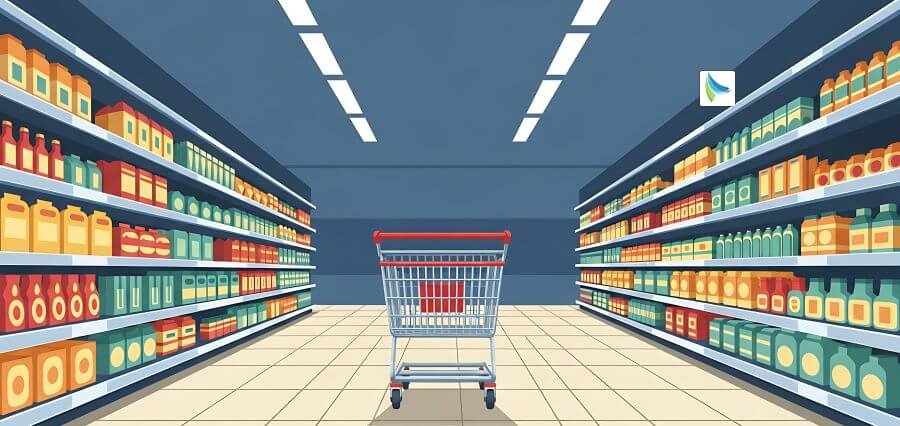
Building a brand in the fast-moving consumer goods space is one of the most demanding things a business can attempt. Products compete for attention on crowded shelves, consumer preferences shift quickly and the margin for error is narrow. In this environment, strong FMCG business leadership is not a nice addition; it is the foundation that determines whether a brand survives or scales.
What separates brands that grow from brands that plateau is rarely the product alone. More often, it comes down to the decisions made at the top, the culture built within the organization and the clarity of vision that leaders carry into every market they enter.
Understanding Positions Before Expanding
Resilient brands do not grow by accident. Before any meaningful brand expansion and growth can take place, there needs to be a clear and honest understanding of where things currently stand. Where does the brand sit in the minds of its existing consumers? What does it mean to them, and why do they reach for it over everything else on the shelf?
Leaders who skip this step tend to spread resources across new markets without a stable base underneath them. The brands that scale well are typically the ones that took time to understand what was already working and why before reaching outward. That kind of self-awareness sets a deliberate tone for everything that follows.
Building Resilience Through Consistent Decisions
The word resilience gets used a lot, but it carries real weight in the consumer goods space. Supply chains face disruption. Input costs fluctuate. Consumer habits shift, sometimes without much warning at all. A resilient brand is one built to absorb these pressures without losing its footing.
Effective FMCG business leadership builds resilience not by predicting every challenge, but by creating structures that respond well when the unexpected arrives. That means developing supplier relationships with real depth, building teams that can solve problems independently, and maintaining the kind of financial discipline that lets a business move quickly when it needs to. Resilience is a product of decisions made long before a crisis shows up at the door.
Expanding Without Compromising Core Strengths
One of the most delicate tensions in brand expansion and growth is the risk of diluting what made a brand valuable in the first place. Consumers connect with brands for specific reasons; a feeling, a quality standard, a set of values the brand consistently delivers on. When expansion moves too fast or too carelessly, those connections weaken.
The strongest leaders in this space treat brand integrity as a non-negotiable. At every stage of growth, they ask whether the decisions being made reinforce or chip away at what the brand truly stands for. Growth that undermines trust is not the kind of growth worth chasing.
Scaling well means carrying the brand’s core identity into every new space it enters, not leaving it behind in the rush to reach new consumers.
Developing People Who Can Lead Growth
No leader builds a scalable brand on their own. The ability to attract, develop, and hold onto capable people is one of the most underrated sides of FMCG business leadership. As a brand grows, the complexity of running it grows right along with it. Leaders who try to personally control everything end up becoming the ceiling that limits how far the organization can go.
The best brands are built by leaders who are intentional about surrounding themselves with people who can think, decide and execute without needing constant direction. That takes clarity in communication, consistency in values, and a genuine investment in developing people over time. A strong team does not just support brand expansion and growth; it is what makes it possible at all.
Distribution and the Unglamorous Work of Scaling
Much of what actually drives growth in consumer goods happens far from any boardroom conversation. Getting a product onto the right shelves, in the right locations, at the right price point is painstaking and detail-heavy work. Brand expansion and growth in this sector depend heavily on distribution strategy and leaders who underestimate this consistently find themselves with strong brand awareness and weak market penetration.
Building distribution takes patience and real relationship management. It means understanding how different retail environments operate, what trade partners actually need, and how to build arrangements that hold up on both sides over the long run. It is not the most exciting part of brand building, but it is often the most decisive.
Looking Ahead
Ultimately, the brands that last are built by leaders who think in years rather than quarters. Brand expansion and growth sustained over time is the product of patient decisions, values upheld consistently, and a real commitment to delivering something worth choosing over and over again.
In a sector as competitive and fast-moving as consumer goods, that kind of disciplined, values-driven FMCG business leadership is not just an advantage. It is the difference between a brand that genuinely grows and one that simply occupies shelf space.