






Strategic Cornerstones: Essential Insights for Aspiring Business Founders
Business success requires multiple components including intelligent decision-making and market adaptability. The early stages of entrepreneurship require aspiring business founders to establish their mission while creating their strategic plan and learning about potential business opportunities and risks. Entrepreneurs start their business journey through passionate dedication but they need to implement structured processes to achieve sustainable results. Founders need to manage three critical areas which include developing new products and maintaining financial stability and leading their teams in the current competitive business environment. The availability of capital, technology and international markets has reduced entry barriers for businesses. Founders who dedicate their efforts to establishing essential business elements will achieve success through the development of strong sustainable enterprises. Through this structured process, founders can manage unpredictable situations while their teams can work together and use their resources effectively to establish trust with their clients, partners and investors. Vision and Strategy The existence of a compelling vision establishes the essential foundation which allows businesses to achieve success. The vision determines which problem the company will solve and which benefits it will deliver to its customers. Founders who want to succeed need to create a clear vision statement because they need to present their vision to investors, employees, and business partners. A well-defined vision provides direction during uncertainty and helps guide strategic choices when resources are limited. Founders need to develop their distant goals into precise short-term objectives which they can reach through practical execution strategies. The team starts by selecting particular markets before they proceed to determine customer needs and assess competitor operations. Strategic discipline requires making deliberate choices about where to compete and where not to. The combination of vision together with a strategic focus enables founders to direct their efforts toward sustainable business growth. Organizations must develop new strategies which allow them to adapt to market conditions which required them to adjust. Successful founders treat strategy as a living framework rather than a static document. The ability to adapt their strategy allows organizations to tackle their most difficult obstacles while maintaining commitment to their fundamental vision. Financial Discipline Sustainable success requires companies to implement proper financial management practices, which disrupt operational performance for businesses that need this essential capability. Founders who wish to start their businesses need to master cash flow management with cost structure analysis. Financial planning failures combined with inadequate liquidity management represent the primary reasons early stage ventures fail as their business concepts remain strong. The process of tracking monetary flow through a business enables decision-makers to obtain essential information for their work. The practice of budgeting together with forecasting creates essential financial control measures for organizations. Founders should adopt conservative assumptions, particularly in the early stages, and regularly review financial performance against projections. This practice helps identify risks early and creates opportunities for corrective action. The practice of transparent financial reporting establishes credibility with investors and lenders, which proves essential during the process of obtaining external funding. Founders need to approach capital raising with strategic intent while pursuing their funding goals. Growth acceleration through funding sources results in new expectations and responsibilities for organizations. The selection process for bootstrapping, debt and equity should consider how these funding options will affect ownership control across the duration of the business. Founders who prioritize sustainable unit economics and responsible capital allocation are better equipped to scale without compromising the health of their business. Leadership and Culture The leadership of an organization serves as the primary element which determines how a startup will grow and develop. Founders who want to succeed must learn that their personal behavior and their fundamental beliefs and their decision-making process will determine how the entire organization operates. Leaders who want to succeed need to develop skills that extend beyond their technical knowledge base. The role demands emotional intelligence together with effective communication skills and the capacity to build trust with others. Founders must transition from their previous work methods when their teams start expanding because they need to give power to their team members. The development of a strong organizational culture needs to begin at the same time as organizations execute their operational processes. Founders should be intentional about defining core values and embedding them into daily operations. The organization needs to establish its essential values which will direct all hiring practices, employee evaluations and staff communication methods. Companies with a strong culture can use it as a strategic advantage because it helps them attract top talent while creating an environment that supports innovation. Founders need to demonstrate their ability to develop their leadership skills further. Entrepreneurship often exposes gaps in experience, particularly in areas such as people management and governance. The process of professional development requires individuals to seek mentors and acquire new skills while they welcome constructive criticism. Teams become stronger and organizations achieve long-lasting success when their leaders possess humility and a desire to develop themselves. Conclusion Aspiring business founders operate in an environment of both unprecedented opportunity and heightened complexity. A clear vision supported by strategic discipline, strong financial foundations, and effective leadership provides a solid platform for growth. Entrepreneurship requires dedication for several years because the field evaluates both technical abilities and personal characteristics of individuals. Founders who approach the journey with preparation, patience, and adaptability are better positioned to navigate uncertainty and build meaningful enterprises. Founders who focus on essential business knowledge will achieve their present goals while they develop sustainable business value. Read Also : Leadership Paradigms: Empowering Finance Leaders for Tomorrow’s Challenges

Leadership Paradigms: Empowering Finance Leaders for Tomorrow’s Challenges
The role of finance leaders is experiencing a major transformation. Chief financial officers and senior finance executives have evolved from their initial role as compliance and financial control custodians into strategic partners who assist organizations in navigating uncertain and disruptive situations. The finance department has become essential to organizational decision-making because organizations must now deal with three factors: increasing technological progress and changing regulatory frameworks and rising expectations from stakeholders. Finance leaders must develop abilities that enable them to predict future risks while discovering new business possibilities and delivering organizational guidance through their knowledge. Finance professionals need to create new abilities which go beyond their existing skillset in accounting to face the challenges of global market and workforce transformation. Professionals must analyze market trends which are yet to be proven while working with various stakeholders to support long-term business growth. Organizations need to build their future leadership skills through programs which teach strategic thought and digital competencies and ethical decision-making and perpetual educational opportunities. Evolving Strategic Role The finance leader in contemporary business operations drives all strategic organizational decisions. Organizations use financial data to make decisions about expanding their markets, distributing their funds, developing their pricing strategies, and executing their merger and partnership activities. Finance leaders produce workable financial insights by converting difficult financial information into straightforward financial data which helps executive teams make better decisions about risk assessment and opportunity development. Through their strategic planning work, they help organizations develop resource allocation methods which enable quick responses to changing market situations. The expanded strategic role requires executives to establish stronger partnerships with departments that include operations and technology and human resources. Finance leaders need to analyze existing beliefs and evaluate different situations while working with other departments to develop enterprise plans. In addition, finance leaders establish a connection between daily business operations and future organizational planning which allows financial strategies to help organizations achieve their objectives while creating long-term value. Technology and Data Leadership Digital transformation has become the main force which now shapes finance operations. The combination of advanced analytics and automation together with artificial intelligence brings about changes in the process of creating financial data and examining that data and applying it to various purposes. Finance leaders need to build proficient skills in digital tools and data-driven methods for assessing their technology investments because these skills serve as essential capacity for achieving business success. They need to establish methods which allow organizations to execute technology adoption while creating better decision-making processes and operational workflows and precise outcomes. Finance leaders need to develop a culture which believes in maintaining data accuracy and performing thorough analysis work beyond their duty of bringing in new technology solutions. The organization requires better data governance practices which provide clear information about its operations and establishes standards for ethical data handling. The implementation of technology as a tool for gaining knowledge instead of a method enables them to make better decisions and helps organizations to become more flexible. Organizations use predictive analytics together with scenario modeling abilities from their employees to forecast market shifts and execute preemptive measures which safeguard their business operations. Ethics and Resilience The financial sector needs to prioritize its workforce and ethical standards to enable finance leaders to achieve their goals. Finance executives who manage teams with diverse backgrounds around the world need to create work environments that build trust between team members while establishing systematize processes for team development and performance advancement through feedback. Finance teams need organizations to develop their skills through mentoring programs and upskilling initiatives which create distinct career paths. The organizations which prioritize workforce development gain both stronger finance departments and organizational improvements through cross-departmental knowledge sharing. Ethical leadership is equally vital in an era of heightened scrutiny from regulators, investors, and society at large. Finance leaders maintain trust through their duty to safeguard organizational transparency and ethical standards and proper corporate governance practices. The ability of leaders to establish vision during critical situations enables stakeholders to trust their decisions while protecting the organization’s long-term credibility. Finance leaders who demonstrate ethical conduct through their actions produce an environment where all staff members take responsibility which leads to organizational growth that affects investor confidence and market value. Conclusion The requirements for finance leaders have changed because organizations now use different criteria to measure value and resilience and leadership abilities. Finance executives have become strategic partners who use their financial expertise to determine an organization’s long-term path while assisting decision-makers and maintaining institutional trust. The capacity of experts to combine financial analysis with their knowledge of technology and strategic planning and ethical decision-making processes now defines how organizations will succeed. The process of empowering finance leaders includes training them to lead successfully through complex and continuously evolving business environments. Organizations that focus on developing their capabilities through digital and human capital investments and establishing effective governance systems will enhance their ability to handle unpredictable situations while pursuing new business opportunities. Read Also : Strategic Cornerstones: Essential Insights for Aspiring Business Founders

Dr. Linh T Trịnh-An: Breaking the Wall Street Silence and Rewriting America’s Financial Narrative
While many financial advisers are reciting management scripts, Dr. Linh T Trinh-An is changing this trend through an authentic approach to disruption. She is using the same fearless enthusiasm that drove her through the streets of Hanoi, challenging accepted ideas and creating new rules when dismantling outdated and misleading ideas related to financial advisory services. Dr. Linh T Trịnh-An has evolved beyond merely teaching the art of piano playing to being a pioneer in the field of financial advising. The path through these extreme differences represents more than just the development of a new career, but that of her own purpose that was discovered through significant upheavals in her life. As the Founder of Money Umbrella LLC, Dr. Linh T Trịnh-An is leveraging her doctoral-level education along with her highly motivated and nonconforming personality in providing affordable access to financial information through channels designed to inform rather than present confusion. Between Two Worlds: The Formation of a Maverick Dr. Linh T Trịnh-An carries the distinct essence of two contrasting worlds. Vietnam claimed her first eighteen years, embedding lessons that would prove invaluable in contexts she couldn’t have imagined. Her father’s roots stretched to Nam Dinh, while her mother emerged from Hanoi’s outskirts. Both parents came from families of ten children, creating sprawling networks where individual ambition intertwined with collective responsibility. Her paternal lineage embodied Vietnam’s intellectual aristocracy- doctors, chemists, engineers, and accountants who pursued higher education as both birthright and obligation. Her mother’s side painted an entirely different portrait, coloured by entrepreneurial tenacity and blue-collar determination. They traded in everything imaginable, adapting to market demands with the flexibility that separates survivors from casualties. This dual inheritance created productive tension within young Linh. She observed her father orchestrate business relationships with innate fluency, absorbing entrepreneurial instincts through proximity. Yet he deliberately redirected her trajectory toward education and artistic pursuit. At four years old, she began musical training, graduating two years later to the prestigious Hanoi Conservatory. Her father’s vision came wrapped in practical wisdom: “No matter what you do, I want you to have this as a side hustle, because you will never be hungry. You can always go out there and perform and teach piano, and you can survive with that.” This logic functioned perfectly within Vietnam’s cultural ecosystem, where elite musical training conferred genuine economic security. The Rebellious Core The conservatory path collided with Vietnam’s unforgiving academic infrastructure. While her fingers navigated piano keys with increasing sophistication, her mind rebelled against rigid schooling. Mathematics, chemistry, and physics became her nemeses. “I was horrible in school. Horrible,” she recalls with unburdened honesty. Her true capabilities manifested elsewhere- in communication that captivated audiences, in leadership that inspired loyalty, in challenges to authority that signalled independent thinking. Dr. Linh T Trịnh-An describes her younger self as the girl who scaled trees while boys watched in admiration, who organized elementary classmates into impromptu armies for playground conflicts. Vietnamese society prescribed specific behaviours for young women: soft voices, graceful movements, and understated femininity. Dr. Linh embodied none of these expectations. By high school, clarity emerged with sudden force: “This society, I’m not going to be able to thrive here.” Choosing Freedom America promised something fundamentally different—a society where individuality trumped conformity. Her first day at St. Mary’s College of Maryland delivered immediate confirmation. She encountered a student with vividly coloured hair, and nobody stared. Nobody whispered. “This is my turf. This is where I belong,” she thought with instant recognition. Dr. Linh T Trịnh-Anembraced American culture enthusiastically, cultivating friendships across demographic spectrums and consuming popular culture voraciously. Yet beneath this wholehearted embrace of American freedom, her family’s exacting standards continued to exert gravitational pull. Her father wanted her to complete doctoral studies, and despite rebellious inclinations, she fulfilled her father’s wish. She completed her doctorate at twenty-nine while maintaining gruelling schedules- full-time graduate student and evening college instructor at George Mason University. The achievement checked an important box and positioned her for an identity crisis she couldn’t yet perceive approaching. The Vanishing Act In 2021, she gave birth to a daughter. The following year, she delivered her doctorate and triggered a cross-country relocation to San Diego for her husband’s military assignment. Everything she had constructed on the East Coast evaporated- her student base, her professional network, her positioning within classical music’s American epicentre. She transitioned into full-time motherhood, approaching domestic responsibilities with systematic rigour. For the initial months, she convinced herself that this life delivered satisfaction. But identity operates according to different rules than conscious intention. “I didn’t realize it at the time that my identity was actually being lost. It was disappearing,” she reflects. The woman who had thrived on intellectual challenge was gradually fading behind diapers and domestic routines. A professional connection provided the first crack in the domestic cage, leading her to a virtual solutions company where she worked as an assistant. Someone needed her brain and analytical skills, not just her maternal capabilities. The work represented a small window to the larger world, though not yet a door leading anywhere specific. Divine Intervention In 2023, while visiting family in Vietnam,Dr. Linh T Trịnh-An received a message that would fundamentally redirect her trajectory. A woman working in insurance asked if she’d be interested in starting a finance career. “I like to think about the switch as accidentally delivered by God,” she explains. “Woman in finance, that has a good sound to it,” she thought. She completed all required training, obtained the necessary licenses, and entered the financial services industry with characteristic determination. The Knowledge Gap Revelation What captured Dr. Linh’s attention wasn’t earning potential; it was the shocking knowledge deficit among ordinary Americans. People possessed 401(k) accounts while remaining ignorant of age restrictions. They paid life insurance premiums without comprehending policy structures. “How do you put money into this life insurance policy without knowing how it works to begin with?” Her academic training was activated immediately. As someone who instinctively pursues knowledge “down the rabbit hole until I find out
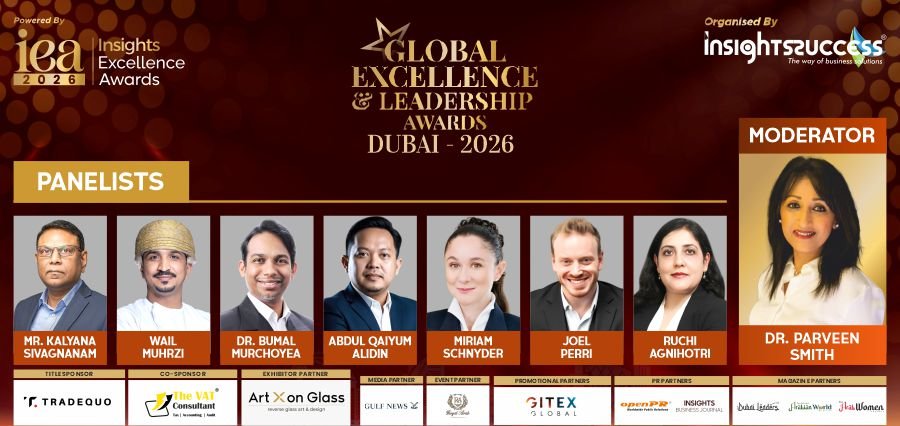
Insights Excellence Awards Announces Global Excellence & Leadership Awards – Dubai 2026, the prestigious Business Awards in Dubai Featuring Power-Packed Panel Discussion with Global Business Voices
Dubai, UAE On 24th January 2026, Dubai will witness a significant celebration of leadership, innovation, and impact as Insights Excellence Awards, in collaboration with Insights Success Media, presents the Global Excellence & Leadership Awards – Dubai 2026. Recognized among the most prestigious Business Awards in Dubai, this signature event will bring together influential entrepreneurs, senior corporate leaders, decision-makers, and celebrated award recipients in a premium setting dedicated to honoring excellence and advancing meaningful business dialogue. With Dubai as the global stage, the evening will highlight Business Excellence while creating strong momentum around one of the most-awaited Upcoming Business Awards in Dubai. Dubai continues to lead the narrative of global progress, enterprise, and transformation, and this celebration reflects that same forward momentum. Recognized among the Top Business Awards in Dubai, the Global Excellence & Leadership Awards also stand out as one of the most awaited Upcoming Business Ceremonies in Dubai, underlining cross-industry excellence while shaping leadership priorities for 2026 and beyond. With excellence on the center stage, this event is supported by a distinguished lineup of partners committed to championing business excellence and industry advancement. The event is backed by TradeQuo as the Title Sponsor, reinforcing its vision for innovation, growth, and global enterprise. Further strengthening the celebration’s impact, The VAT Consultant joins as the Co-Sponsor, reflecting its dedication to enabling compliant and future-ready business practices. Adding a creative and experiential dimension to the event, Art X on Glass comes on board as the Exhibitor Partner, bringing artistic excellence and premium craftsmanship to the awards platform. A major highlight of the event will be the exclusive Panel Discussion, prepared to deliver sharp, future-focused insights on leadership evolution, enterprise resilience, corporate governance, strategic transformation, and innovation at scale. This segment will uplift the event into a platform for thought leadership, creating a deeper experience for attendees who seek more than recognition, perspective, and direction. The panel discussion will be moderated by Dr. Parveen Smith, a respected Neuroscience Coach and Transformative Coach widely recognized for her expertise in mind mastery, wellness leadership, and anxiety and stress management training. As an Executive Committee Member at Insights Success Media, Dr. Smith will lead the discussion with clarity and authority, ensuring an engaging exchange of ideas, experiences, and actionable leadership lessons. Insights Excellence Awards is all set to welcome a powerful panel lineup: Mr. Kalyana Sivagnanam will contribute a structured leadership lens grounded in business accountability, transformation execution, and results-driven operational governance. Adding further depth to the discussion, Abdul Qaiyum Alidin will represent a modern, performance-led leadership approach, reflecting hands-on experience in steering teams, navigating change, and delivering measurable impact across business environments. Wail Muhrzi, honored as an awardee of the Engineering Leadership Excellence Award, will highlight the operational and technical excellence required to lead in complex, high-performance environments—where precision, safety, and delivery discipline define leadership credibility. Complementing this viewpoint, Joel Perri will add strong insights into execution leadership, emphasizing agility, decision-making under pressure, and high-efficiency performance management. Supporting the conversation with a strategic and globally relevant perspective, Miriam Schnyder will bring a refined outlook on structured growth, stakeholder alignment, and leadership practices that sustain long-term organizational capability. Ruchi Agnihotri, Co-founder & Promoter of Perigonia Pvt Ltd, will contribute an entrepreneurial lens grounded in innovation-building, sustainability thinking, and long-term value creation. Adding another high-impact dimension to the panel, Dr. Bumal Murchoyea will deliver a distinguished perspective centered on expertise-led leadership, institutional credibility, and purpose-driven contribution—where long-term impact is built through professionalism and domain authority. Speaking on the announcement, Mr. Manish Bansal, Director of Insights Success Media, emphasized the event’s vision: “Dubai represents ambition, global relevance, and future-driven business culture. Through the Global Excellence & Leadership Awards, we aim to build a world-class platform that not only celebrates Business Excellence but also sparks important leadership discussions.” With the stage set for a high-profile business awards in Dubai, Global Excellence & Leadership Awards – Dubai 2026 invites business leaders, innovators, and growth-driven organizations to be part of this powerful evening of recognition, connection, and leadership dialogue. The event is expected to welcome over 200 senior business leaders from more than 15 countries, with 50+ organizations being recognized across different industries. From honoring remarkable achievements to creating influential partnerships, the event promises a premium experience that will resonate across industries. As one of the exciting Business Awards in Dubai, this celebration is expected to attract wide participation and high visibility. Stay tuned, it is less than 24 hours to witness excellence take center stage at the Global Excellence & Leadership Awards – Dubai 2026. Disclaimer – This article is a work of original content created for public relations and informational purposes only. It may be published across multiple digital platforms with the full knowledge and consent of the author/publisher. All images, logos, and referenced names are the property of their respective owners and used here solely for illustrative or informational purposes. Unauthorized reproduction, distribution, or modification of this article without prior written permission from the original publisher is strictly prohibited. Any resemblance to other content is purely coincidental or used under fair use policy with proper attribution. Read Also : The Man Behind Africa’s Healthcare Silicon Valley
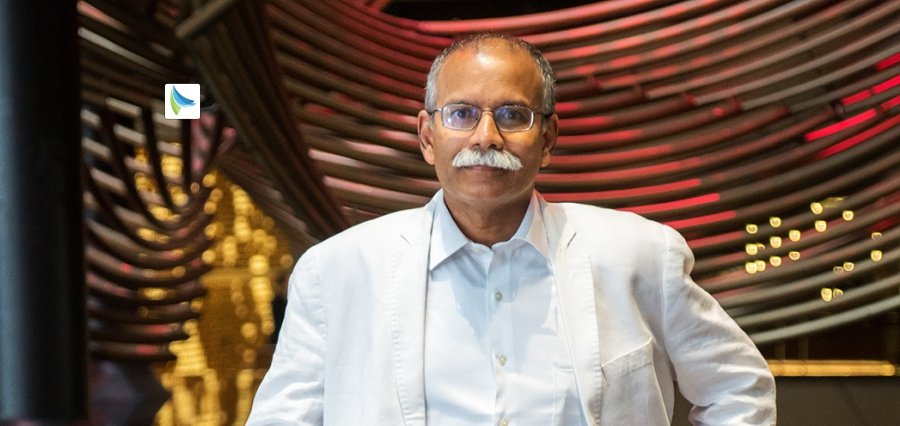
Prof. Padmakumar Nair: Empathy, Excellence, and Purposeful Leadership
In an era marked by rapid technological acceleration, ethical uncertainty, and growing social fragmentation, Prof. Padmakumar Nair represents a form of leadership grounded not in authority or acclaim, but in clarity of purpose and human understanding. Currently serving as Vice Chancellor of Thapar Institute of Engineering & Technology (TIET), Patiala, his leadership is guided by a simple yet demanding conviction: empathy is not a soft virtue, but a foundational human capability—the mother of excellence. Prof. Padmakumar Nair views leadership as a moral and intellectual responsibility to create conditions in which individuals and institutions can perform their best work in the service of society. For him, higher education is not merely a mechanism for producing degrees or enhancing employability; it is a civilizational institution meant to cultivate judgment, character, and a sense of long-term responsibility toward humanity. Scholar, Practitioner, and Institution Builder With over 38 years of experience across academia, advanced research, industry, and consulting, Prof. Nair’s career spans multiple continents and disciplines. His academic formation reflects a deliberately integrative approach: a Ph.D. from the University of Twente in the Netherlands, a Doctor of Engineering from the University of Tokyo in Japan, an MBA from Heriot-Watt University in the United Kingdom, and an M.Tech in Metallurgical Engineering from IIT Kharagpur in India. This diverse intellectual grounding has shaped his ability to work across engineering, management, and human behaviour—an intersection that defines both his scholarship and his approach to institutional leadership. He has consistently sought to bridge technical rigor with philosophical reflection, and organizational performance with ethical clarity. A Philosophy of Education and Leadership For Prof. Nair, education is fundamentally a process of philosophical orientation. He consistently cautions against reducing success to survival-driven metrics such as money, power, position, or popularity. Instead, he encourages students and leaders to cultivate a personal philosophy grounded in values, empathy, and long-term societal impact. Drawing inspiration from Stoic philosophers, Marcus Aurelius, Seneca, and Epictetus, as well as Buddhist teachings, he emphasizes reflection, restraint, and intellectual humility. He argues that the future will be cognitively demanding and ethically complex, requiring not only technical competence but emotional regulation, moral clarity, and the ability to act wisely under uncertainty. Professional Journey Prior to joining TIET, Prof. Padmakumar Nair served as Clinical Professor of Organization, Strategy, and International Management, and as the founding Academic Director of the Leadership Centre at the University of Texas at Dallas. He has also held affiliate appointments in materials science and engineering, maintaining a strong connection to core technological disciplines while working at the interface of leadership and organizational behaviour. His industry and consulting engagements include organizations such as Shell (Amsterdam), PwC (Japan and the United States), and global corporations including Ericsson, Hitachi, NEC, Pfizer, Citibank, and Texas Capital Bank. These experiences provided him with a grounded understanding of leadership challenges, innovation processes, and organizational cultures across diverse national and institutional contexts. As a researcher and thought leader, Prof. Padmakumar Nair has authored more than 55 peer-reviewed publications in internationally reputed journals, with over 2,900 citations and a Google Scholar h-index of 29. His scholarly work spans nanostructured materials, sustainability and innovation, leadership development, higher education reform, and evolutionary perspectives on human behaviour. Across these domains, his central concern remains consistent: how systems shape human decision-making, responsibility, and long-term outcomes. Leadership at Thapar Institute of Engineering & Technology As Vice Chancellor of TIET, an institution established in 1956 and widely respected for its contributions to engineering education, Prof. Padmakumar Nair is guiding a phase of purposeful and values-driven transformation. His leadership emphasizes: ◦ Excellence-seeking rather than competitive comparison ◦ Empathy and compassion as institutional norms ◦ Impact and responsibility over short-term metrics These principles inform curricular reform, pedagogical innovation, global partnerships, research prioritization, and sustainability initiatives. Prof. Padmakumar Nair views the university as a living institution, one that must continuously align knowledge creation with societal needs and ethical responsibility. At TIET, this philosophy translates into a commitment to nurturing graduates who are not only competent professionals but reflective individuals capable of contributing thoughtfully and constructively to a complex world. A Vision Beyond Institutions Prof. Nair’s aspirations extend beyond any single role or university. He sees higher education as a critical lever for social coherence, one that can bridge technology and ethics, innovation and inclusion, ambition and compassion. As a mentor, scholar, and institution builder, he consistently challenges conventional definitions of success and leadership. His message remains steady and deliberate: The future belongs to those who can think deeply, act ethically, and lead with empathy. “Let us seek excellence together—every day, and for the greater good.” Read Also : V R Hari Balaji: Designing Systems That Serve People
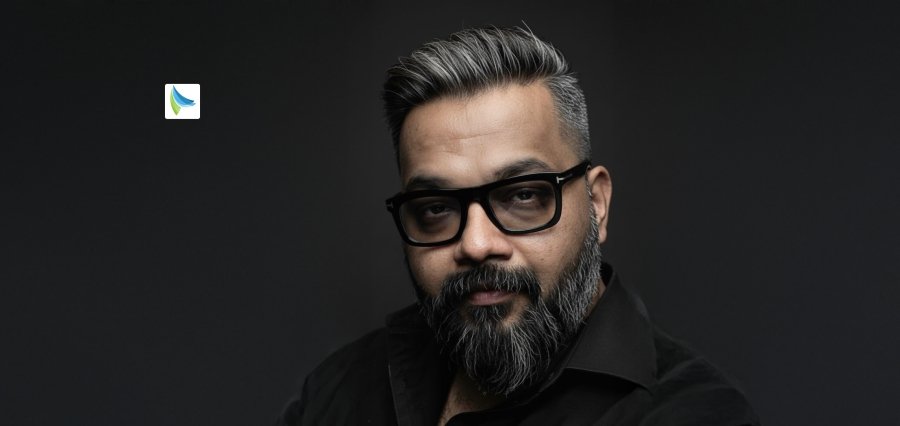
V R Hari Balaji: Designing Systems That Serve People
V R Hari Balaji’s work can be understood through two numbers: 1.2 million and 2,760. The first is the number of residents reached through structured information Education & Communication campaigns designed to strengthen awareness and compliance in responsible waste management. The second is the seat count of a sanitation infrastructure programme being executed under a DBFOT-HAM framework across multiple zones of Chennai. Together, they offer an unusually clear lens into a career built not on symbolic leadership, but on the mechanics of public delivery—where performance is visible and credibility is earned through outcomes that hold under real conditions. This is not a story of ambition alone. It is a story of discipline: designing systems that endure, and ensuring those systems serve people consistently. A Life Shaped by Systems Before Leading Them Hari Balaji’s professional orientation has been shaped across multiple institutional cultures and geographies. Studying PG in Switzerland, management training and working in the USA, followed by Kuwait and then Singapore for over a decade, has moulded Hari Balaji’s psychology—particularly in how systems are observed, interpreted, and improved. Moving through different countries tends to instil practical habits. It sharpens an understanding that context is never stable, and that functioning systems cannot rely on personalities or improvisation. They require standards, routines, and accountability that remain intact even as conditions change. This life pattern parallels the environments in which Hari Balaji has worked: public-facing services where expectations are high, constraints are real, and failures become quickly visible. In such contexts, the central questions are not rhetorical. They are operational: What ensures reliability? What keeps delivery stable? What keeps performance defensible under scrutiny? Hari Balaji is currently pursuing a PhD at Saveetha School of Law, extending this trajectory of structured thinking. The pursuit reflects a consistent focus: understanding execution not only as delivery, but as obligation—anchored in frameworks that connect performance, accountability, and public responsibility. Public Systems and the Reality of Trust Many public services fail not because they are designed poorly, but because they are not adopted well. Even capable operations can fall short when citizens do not understand the system, do not believe in it, or do not participate in it. This is where Hari Balaji’s early work becomes instructive. At Urbaser Sumeet, a Spanish-USA firm involved in solid waste management for the Greater Chennai Corporation across seven zones, Hari Balaji’s role was focused specifically on Information, Education & Communication (IEC). Hari Balaji joined as a pre-commissioning team member and set up the IEC department from scratch as the Head of IEC, later transitioning into a role focused on communications and PR. The mandate was clear: build a structured engagement system capable of reaching citizens consistently, across scale. Within this mandate, Hari Balaji led IEC campaigns that reached 1.2 million+ residents, using multi-format strategies including door-to-door outreach, school programs, and digital engagement—aimed at improving awareness and compliance. The significance of this work is often underestimated. But in practical public delivery, IEC is not peripheral. It is a foundational layer of performance. Systems that require citizen participation—waste segregation, compliance, sustained behavioural alignment—are only as effective as the trust they can sustain at scale. The parallel to life is direct: people do not cooperate with systems they do not understand. And they rarely sustain behavioural alignment through slogans alone. Public trust is built through consistency, clarity, and repetition—through engagement that respects citizens as participants rather than as passive recipients. The Connecting Thread: DBFOT-HAM as a Discipline of Execution The most coherent thread across Hari Balaji’s work is not sector; it is execution discipline—particularly within performance-bound frameworks such as DBFOT-HAM. DBFOT-HAM is often described as a project structure. In practice, it is also a governance discipline. It demands that delivery be built with long-term obligations in mind—where documentation, audit readiness, compliance checkpoints, performance obligations, and stakeholder alignment are not secondary considerations but central requirements. This discipline connects two sides of public service delivery that are often treated separately: The systems that shape citizen behaviour and participation, and The systems that deliver infrastructure under enforceable obligations. The domains differ. The underlying logic is consistent: public systems succeed when delivery is measurable, structured, and designed to endure. From Engagement Systems to Infrastructure Execution Where IEC work is focused on participation, infrastructure work is focused on performance. In both cases, success depends on repeatability and accountability. Hari Balaji is currently driving concessionaire-side execution of a DBFOT-HAM sanitation infrastructure project for 2,760 seats across Zones VII, VIII, IX (excluding Marina), and X under the Greater Chennai Corporation. The work spans multi-zone rollout planning and site-level coordination for multiple asset types including Public Convenience Toilets (PCTs), modular toilets, standalone urinals, and standalone bathrooms—ensuring standardized layouts, quality, and deliverable tracking. This is not a single-site project. It is multi-zone, multi-asset, and execution-intensive—requiring continuous coordination across mobilization, site readiness, vendor alignment, and BOQ/spec adherence through phased execution, enabling parallel workstreams. Hari Balaji coordinates Right of Way handovers, utility clearances, and stakeholder approvals to ensure workfront availability and reduce downtime during execution. Hari Balaji owns MIOP preparation and approval workflows with the Authority/Independent Engineer, managing revisions and compliance checkpoints aligned to implementation and operational requirements. Hari Balaji implements construction governance through SOPs, checklists, quality controls, and progress reporting, strengthening audit readiness and ensuring adherence to Good Industry Practice and statutory requirements. Hari Balaji liaises with GCC stakeholders, monitoring agencies, and on-ground officials to drive approvals, resolve escalations, and keep construction milestones on track. In a DBFOT-HAM environment, delivery cannot be treated as episodic. It must be defensible as a system: auditable, performance-aligned, and built to sustain obligations over time. Ferrgra and the Executive Responsibility of Delivery Hari Balaji currently serves as the Chief Executive Officer of Ferrgra, a company responsible for executing and operating public infrastructure through integrated models that link construction, operations, and measurable outcomes. In such environments, leadership is not expressed through aspiration. It is expressed through alignment: linking execution with compliance, linking performance with accountability, linking delivery with repeatable governance. Integrated models do not allow weak handoffs. They

Sudha Umashankar: Quiet Leadership Behind Places That Truly Work
“We shape our buildings; thereafter they shape us.” — Winston Churchill Sudha Umashankar did not enter the built environment in search of exposure or power. Her path started with a straightforward interest in how things are designed, coordinated and delivered in the actual world, and how minor choices can make a difference in the life of everyday people. With time, this interest developed into a great sense of responsibility: to make residential developments delivered in a clear, careful and long-term manner. Today, being one of the Technical Coordinators in the Sector of Residential Development, Sudha Umashankar is a kind of leadership that is increasingly being relied upon by the industry and is based on the depth of the discipline in delivery. Where Leadership Took Shape Sudha’s foundation was shaped early through her education in Architecture at SRM Engineering College, where she developed strong design thinking, technical discipline, and an understanding of how the built environment influences human experience. As her career progressed, she observed a recurring pattern: most residential projects do not fail because of one major mistake. They struggle because of small issues. unclear ownership, inconsistent information, late design changes, unresolved approvals, are allowed to accumulate. She found herself naturally drawn to the space where such risks could be prevented. Technical coordination, often invisible, is where certainty is protected. Navigating an Industry Under Pressure The UK housing sector today faces overlapping challenges: evolving regulations, heightened sustainability expectations, and relentless delivery pressure. Sustainability is no longer a single metric; it spans energy, carbon, water, materials, waste, transport, health and wellbeing, pollution, ecology, and management. Sudha’s response has always been rooted in prevention rather than reaction. She focuses on strong design governance from the outset—clear consultant scopes, coordinated technical information, disciplined drawing control, structured reviews, and robust approval tracking. When foundations are strong, compliance becomes part of quality, not a late-stage hurdle. Motivation in Difficult Moments Housing, for Sudha Umashankar, is deeply personal. It is not abstract, it shapes how people live every day. This understanding keeps her motivated during challenging periods. She believes pressure is precisely when clarity matters most, because rushed decisions often lead to long-term consequences. Impact That Touches Everyday Life One of Sudha’s most meaningful impacts has been supporting biodiversity-led placemaking that residents can truly experience. In UK developments, ecological thinking has been translated into accessible features, nature trails, learning elements such as braille signage, swift bricks, bat boxes, and hedgehog highways integrated into everyday landscapes. What matters most to her is the lived impact: children learning about nature, residents using green spaces daily, and wildlife protected as part of a place’s identity. Supporting teams to deliver this meaningfully is a source of deep pride. Alongside this, these interventions can also reduce a development carbon footprint by lowering operational energy demand through cooling and shading, and by encouraging the use of low-carbon materials in landscape delivery. Over time, well-designed green infrastructure supports carbon capture and strengthens long-term climate resilience. Innovation with Meaning Beyond business success, Sudha Umashankar defines innovation as creating places that are resilient, inclusive, and responsible, for both people and nature. It means fewer avoidable defects, less waste from rework, stronger whole-life sustainability performance, and public spaces that are genuinely usable by people of all ages and abilities. She also believes biodiversity must be embedded, not showcased superficially, through real interventions such as pollinator-friendly planting, habitat protection, and wildlife-supportive design. Life Experience and Leadership Style Sudha’s journey across countries has deeply shaped her leadership. India gave her discipline, resilience, and strong technical grounding. The UK strengthened her expertise through scale, regulatory depth, and mature coordination systems. Together, they shaped a leadership style that is both detail-focused and pragmatic. She believes calm leadership is strength. In pressured environments, her role is often to slow things down just enough to restore clarity, ensuring decisions are correct, defensible, and aligned with long-term outcomes. She leads through reliability: clear communication, strong documentation, and accountability without conflict. Looking Ahead Balancing short-term pressures with long-term vision is central to Sudha’s work. She anchors daily decisions to outcomes that matter: quality, safety, resident experience, sustainability, and lasting place value, even when that means pushing back on rushed change. Her advice to young leaders is equally grounded, “ Do not confuse leadership with visibility. Master the fundamentals, solve problems calmly, and make your impact real.” Read Also : V R Hari Balaji: Designing Systems That Serve People

M. Z. Fahira Reshman: Redefining Leadership in Embryology
M. Z. Fahira Reshman: Redefining Leadership in Embryology, a clinical embryology professional, had no intention of leading in a traditional way. Her leadership has been subtle, founded on discipline, observation, and respect for the systems that safeguard life at its most vulnerable stage. She believes that excellence is not a moment of genius in a field like embryology—one that combines science and hope on a daily basis. Instead, it is consistent, repeated, and practiced with diligence. Fahira Reshman has spent years in hands-on clinical and research work, arriving at a simple truth: things do not improve simply because someone is talented. They improve when the environment is reliable, protocols are respected, training is robust, and quality becomes a habit—not just a checklist. How Leadership Took Shape For Fahira Reshman, leadership developed naturally as her perspective broadened. After working through thousands of cycles—IVF, ICSI, cryopreservation, and embryo transfers—she stopped thinking only about performing tasks well. She began focusing on how the work itself could be made stronger, safer, and repeatable for every patient, every time. That shift—from doing to strengthening—marked the beginning of her leadership journey in the Assisted Reproductive Technology (ART) / fertility sector. Growth opportunities, she believes, come from systems that protect quality long after individual effort ends. Working at the Intersection of Emotion and Precision Fertility care exists in two demanding worlds at once. It is deeply emotional for patients, yet intensely technical in the laboratory. Both demand perfection. In the lab, challenges often appear as variability, constant pressure, and uncompromising compliance standards. Small deviations can affect outcomes, and time-sensitive processes leave little room for error. Fahira Reshman addresses these challenges by building stability into every layer of the work. Her approach is simple but disciplined: standardization, thorough training, and strong documentation. Quality checks are not treated as a separate function—they become a mindset. Team alignment becomes essential. When processes are strong, confidence grows, and when confidence grows, outcomes become more consistent. Motivation During Difficult Times Difficult times do not slow down fertility care, and they do not reduce the hopes of patients. This reality keeps Fahira Reshman grounded. When pressure rises, she does not look for dramatic inspiration. She looks for clarity. She asks one guiding question: “What is the next right improvement we can make that strengthens outcomes and protects trust?” Respecting Risk Without Avoiding Progress In embryology, risk must be respected. But avoiding all risk does not create safety—it creates stagnation. Fahira Reshman approaches new initiatives the same way she approaches lab work: with structure. She studies evidence carefully, validates assumptions, tracks outcomes, trains teams thoroughly, and scales only when stability is proven. Whether working with advanced techniques such as embryo biopsy or time-lapse embryo monitoring, she has learned that “new” is valuable only when it becomes safe, reliable, and repeatable. For her, responsible innovation is never impulsive. It is prepared. Innovation as Dignity Innovation, in Fahira’s view, is not about being first. It is about being more precise, more thoughtful, and more reliable than yesterday. Sometimes innovation is new technology. More often, it is a better workflow, a stronger training method, a disciplined culture, or a protocol change that reduces errors and builds confidence. True innovation reduces fear and uncertainty. It makes the journey easier for people already carrying emotional weight. Beyond success, innovation is dignity—offered to patients through consistency and care. Moments That Carry Meaning Some moments stay with her long after the lab work is done: everything from retrieving a mature oocyte for a patient with very low reserve to developing a strong blastocyst for a couple with poor gamete quality, or witnessing a positive pregnancy outcome from a single embryo resulting from the cycle. Having personally handled thousands of vitrification, thawing, and transfer cycles, Fahira Reshman understands how much trust is placed in embryologists—not only biologically, but emotionally. Her conference work on post-thaw embryo outcomes reflects the same purpose: strengthening a stage of the journey many assume is already secure, but is often still fragile. In that sense, her impact is not only clinical. It is deeply human. Building for the Long Term Short-term demands are constant: cycle pressure, troubleshooting, and workload intensity. Fahira Reshman balances these by separating what must be done immediately from what must be built steadily. In the short term, she protects outcomes and reduces errors. In the medium term, she strengthens training and standardization. In the long term, she works toward raising laboratory standards and improving reproducibility in ART practices. A Message to Future Leaders Her advice to young leaders is clear: do not begin by trying to be remarkable. Begin by being reliable. Master your skill, protect your integrity, choose evidence over ego, and remember that leadership is responsibility—not visibility. “Consistency is the real breakthrough, and when standards remain high, impact grows naturally,” she shares. Read Also : Sudha Umashankar: Quiet Leadership Behind Places That Truly Work
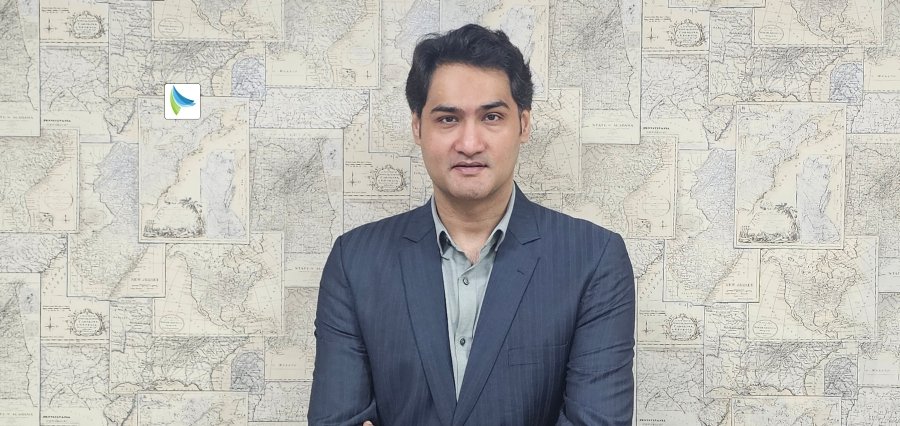
India’s Most Trusted & Successfully Stable Make-in-India Construction Equipment Manufacturer
An Exclusive Interview with Mr. Kumar Mangalam Mehta, Managing Director, Jaypee India Limited For over four decades, Jaypee India Limited has stood as a pillar of trust, innovation, and reliability in the construction equipment industry. As one of India’s most respected OEMs (Original Equipment Manufacturers), the company has consistently delivered world-class machinery, empowering large-scale infrastructure projects across the nation. We sat down with Mr. Kumar Mangalam Mehta, Managing Director of Jaypee India Limited, to discuss what drives the company’s consistency, how it differentiates itself in an intensely competitive market, and its vision for the future of India’s construction equipment industry. What drives your brand’s consistency in performance and quality? “At Jaypee India Limited, our consistency is deeply rooted in two things commitment and culture. We’ve always believed that performance and quality are not just outcomes but processes. Our equipment goes through stringent quality checks, from raw material selection to final assembly, ensuring every product meets international standards. Equally important is our team’s expertise. Most of our engineers, technicians, and service professionals have been with us for decades. This continuity in human capital translates into continuity in product reliability. We also invest heavily in R&D to innovate with evolving construction needs. For us, consistency is about keeping promises—every machine carrying the Jaypee® name must deliver maximum productivity with minimum downtime.” How do you differentiate your products from local competitors and Chinese brands in the market? “The construction sector in India has always been pricesensitive, and this is where many local and Chinese brands try to compete. But at Jaypee®, we have a different approach. Our focus is on durability, safety, and after-sales service. While local and Chinese alternatives may seem cheaper initially, the long-term cost of frequent breakdowns and lack of proper support makes them more expensive. Jaypee® machines, on the other hand, are built to last long. Every bar bending machine, bar cutting machine, concrete mixer, or passenger material hoist we manufacture is designed for rugged Indian site conditions. Moreover, our service network is one of the strongest in the industry. We believe selling a machine is just the beginning—true differentiation lies in how well you stand by your customer after the sale. That’s why leading infrastructure players continue to trust Jaypee® as their partner of choice. What is your long-term vision for the Indian construction equipment industry? “The Indian construction sector is entering a golden era of infrastructure development. With projects like smart cities, expressways, metro expansions, and renewable energy plants, demand for reliable construction equipment will only grow. Our vision is twofold. First, to establish India as a global hub for construction machinery manufacturing, reducing dependence on imports. Second, to drive greater adoption of automation, safety, and sustainability in the industry. Jaypee® is committed to leading this transformation by continuing to innovate, scaling up our capacity, and expanding our footprint both within India and overseas. We see ourselves not just as a manufacturer but as a strategic partner in nation-building.” Has your company received any support or benefits from the Indian Government? If so, how has it impacted your growth? “Yes, the Indian government’s Make in India and Atmanirbhar Bharat initiatives have been a major encouragement for companies like ours. Policies promoting local manufacturing, faster infrastructure clearances, and access to certain financial incentives have boosted our confidence to invest further in capacity expansion. We have also partnered with government bodies like Bureau of Indian Standards (BIS) to implement highest safety standards & mandatory quality checks. Closing Thoughts from the Managing Director “Jaypee India Limited has always stood for trust, stability, and innovation. As a proudly Make-in-India company, we see ourselves contributing not just to business growth but to the nation’s progress. We want every project powered by Jaypee® machines to stand as a symbol of quality and reliability. Our journey is far from over-we’re building the future of construction, one innovation at a time.” Read Also : M. Z. Fahira Reshman: Redefining Leadership in Embryology
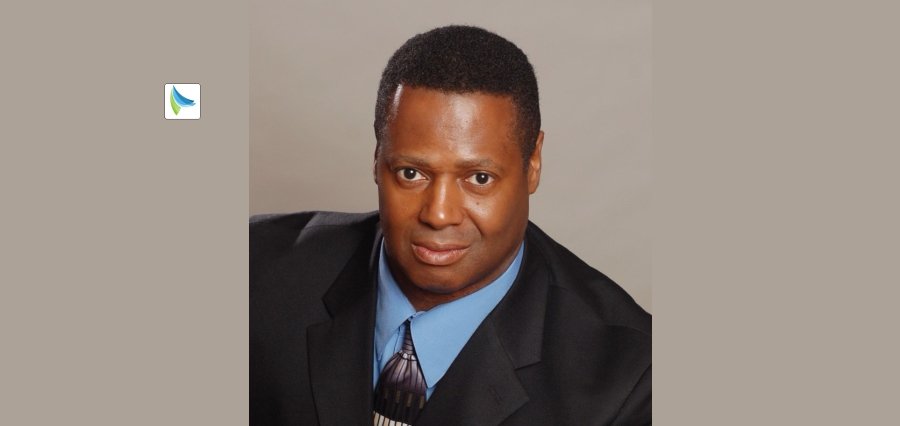
Dr. D. Anthony Miles: A Leader Who Turns Insight into Impact
True leadership may be quietly cultivated in the noise of today, in opinions or in tales of success. It grows by observation, training, failure, experience, and an unswerving adherence to truth. There are some leaders who are driven by ambition, others are driven by purpose, by a desire to learn, to make things better, to understand and to improve people about them. These are the leaders who do not seek influence, but gain it due to regularity and transparency. Their influence cannot be quantified in figures alone, but in lives they transform, minds they enlighten and systems they enhance. Dr. D. Anthony Miles is one of such leaders. The Spark That Started the Journey Dr. D. Anthony Miles is an entrepreneur, strategist, scholar, and mentor whose work sits at the intersection of data, leadership, and human judgment. His journey has never been about following a fixed path. Instead, it has been about asking the right questions, especially when answers are unclear. From early in his career, Dr. D. Anthony Miles noticed something important: many businesses did not fail due to lack of effort, but due to lack of understanding. Decisions were often driven by assumptions rather than evidence. That realization became the foundation of his life’s work. The Decision to Lead Dr. D. Anthony Miles did not wake up one day and decided to become a leader. Leadership came naturally as he took responsibility for solving complex problems others avoided. His desire to lead was rooted in growth, not just business growth, but intellectual and ethical growth. He chose entrepreneurship and strategic research because they allowed him to build, test, learn, and improve continuously. For him, leadership meant creating clarity in confusion and direction in uncertainty. Redefining Strategy Through Forensic Marketing One of Dr. D. Anthony Miles’ most significant contribution is his work in forensic marketing, a disciplined approach that treats marketing and business analysis as an investigative process. Instead of asking what looks good, he asks what is true. Through this approach, he helps organizations deeply understand consumer behavior, market signals, and performance gaps. As the Founder and CEO of Dr. D. Anthony Miles Development Industries Corporation®, Dr. D. Anthony Miles supports startups, executives, and enterprises in building strategies based on facts, not guesswork. His work has helped businesses recover from setbacks, redesign failing models, and move forward with confidence. Facing Industry Challenges with Calm and Clarity Dr. D. Anthony Miles has worked across industries facing rapid change, digital disruption, shrinking trust, and increasing complexity. Rather than reacting emotionally to these challenges, he approaches them analytically and patiently. He believes that most problems become overwhelming only when they are misunderstood. His method is simple but powerful: slow down, examine the data, identify patterns, and act deliberately. This steady approach has made him a trusted advisor to leaders navigating high-pressure decisions. What Keeps Him Motivated “Innovation is not about chasing trends. It is about asking better questions, especially when conditions are difficult,” he says. During uncertain times, he turns to research, reflection, and learning. What motivates him most is progress, seeing people and organizations move from confusion to clarity. Beyond business success, innovation means building systems that are fairer, smarter, and more sustainable. Life Experiences That Shape Leadership Dr. D. Anthony Miles’ leadership style is deeply influenced by life experience. He values humility, accountability, and thoughtful decision-making. He believes leadership is not about control, but about responsibility, towards people, knowledge, and long-term impact. He encourages open dialogue, critical thinking, and independence within teams. By listening carefully and leading calmly, he creates environments where people feel trusted and challenged at the same time. Moments of Real Impact Some of Dr. D. Anthony Miles’ most meaningful moments come from seeing his work create real change, businesses regaining stability, leaders gaining confidence, and students discovering their potential. As a scholar and educator, he has shared his research and insights on respected platforms, helping bridge the gap between theory and real-world practice. These moments, more than awards or recognition, define success for him. Habits Behind the Discipline Focus and creativity, Dr. D. Anthony Miles believes, come from routine. He values structured thinking time, continuous reading, and reflection. Staying curious while remaining grounded helps him maintain clarity even in complex situations. Balancing short-term challenges with long-term vision is something he practices daily, and teaches others to do the same. Advice to Future Leaders To young leaders, Dr. D. Anthony Miles offers grounded advice: “Be patient, lead with integrity, and never stop learning. Meaningful impact takes time, and true leadership is built through consistency, not shortcuts.” He reminds them that leadership is not about being the loudest voice, but the clearest one. A Journey Still Unfolding Dr. D. Anthony Miles continues to evolve as a thinker, a teacher, and a leader. His work reflects a rare balance of analytical depth and human understanding. In a fast-moving world, he stands for clarity, discipline, and purpose. His story is not about instant success but about lasting impact. Read Also :- India’s Most Trusted & Successfully Stable Make-in-India Construction Equipment Manufacturer