



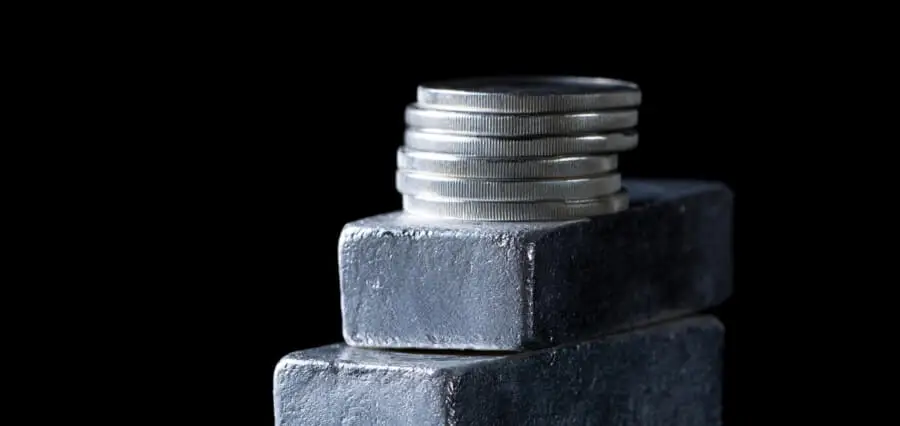
Buying silver coins can be a straightforward way to add physical precious metals to a collection or investment portfolio. They are tangible, widely recognised, available in a range of designs and price points, and generally easier to buy in smaller increments than large bars.
Whether you are purchasing your first ounce of silver or building a broader bullion position, the key is understanding what you are buying, how pricing works, and which products best match your priorities.
Why Buy Silver Coins?
Silver coins appeal to two types of buyer: people who want exposure to physical silver and collectors who value a coin’s design, issuing mint, rarity, or historical significance. Often, there is overlap. A modern bullion coin can contain a set amount of silver while also being a recognised product with strong resale appeal.
Compared with larger silver bars, coins can offer more flexibility. It is easier to buy a few one-ounce coins over time, and smaller units can be more convenient if you later decide to sell part of your holdings rather than an entire large bar.
That convenience does come with a trade-off: coins commonly carry a higher premium over the underlying silver price than larger bars. The right choice depends on whether you value recognisability, design, collectability, divisibility, or the lowest possible cost per ounce.
Bullion Coins vs. Collectible Coins
Before you buy, it helps to separate two broad categories.
Bullion coins are primarily valued for their precious-metal content. Many modern examples contain one troy ounce of silver and are issued by sovereign mints. Their price usually tracks the current silver spot price, plus a premium that reflects minting, distribution, demand, and dealer costs.
Collectible or numismatic coins may be worth more than their silver content because of age, condition, scarcity, mint mark, historical importance, or collector demand. A coin can be both silver and collectible, but the buying decision requires more research than a standard bullion purchase.
If your primary goal is accumulating silver ounces, widely traded modern bullion coins and lower-premium options are usually the simplest starting point. If you are buying for the collection, focus on reputable descriptions, images, condition details, and the coin’s place in its series.
Popular Silver Coins to Consider
Several well-known silver coins are popular because they are easy to recognise and widely followed by buyers around the world. Examples include:
- American Silver Eagles
- Canadian Silver Maple Leafs
- Chinese Silver Pandas
- Austrian Silver Philharmonics
- British Silver Britannias
- Mexican Silver Libertads
Each series has its own design, purity, production history, and typical premium. Some buyers prefer a familiar one-ounce sovereign coin for liquidity and recognition; others enjoy collecting different countries, annual designs, privy marks, or themed releases.
Golden Eagle Coins carries a broad selection of silver products, including American Silver Eagles, Canadian Maple Leafs, Chinese Pandas, UK Britannias, Austrian Philharmonics, Mexican Libertads, and older U.S. silver coinage. That variety makes it easier to compare bullion choices alongside more collectible pieces in one place.
How Silver Coin Prices Work
Silver prices move throughout the day, so the price of a silver coin is not fixed. A coin’s total price is generally made up of:
- Spot price: the current market value of silver per troy ounce.
- Premium: the amount added above spot for fabrication, distribution, product availability, and dealer margin.
- Collectible value, where applicable: an additional amount based on rarity, condition, demand, or historical value.
When comparing products, look at the cost per ounce as well as the total purchase price. A lower premium is often attractive for straightforward bullion accumulation, while a higher premium can be reasonable for a specific coin, scarce date, attractive design, or collectible series.
Do not assume that the least expensive coin is automatically the best buy. A highly recognisable coin may command a stronger resale market, while a less common product could be right for a collector. The best choice is the one that fits your purpose and budget.
Should You Buy Silver Coins, Bars, or Rounds?
All three can contain investment-grade silver, but they serve slightly different preferences.
Silver coins are often the best option for buyers who want sovereign-mint products, familiar designs, and smaller, easily identifiable units.
Silver bars commonly offer a lower premium per ounce, especially as bar size increases. They can be a cost-effective route for buyers focused on obtaining more silver for their money.
Silver rounds are privately minted pieces, usually in one-ounce sizes. They are not legal-tender coins, but they can offer an appealing middle ground: a wide range of designs and pricing that is often closer to silver bars than government-issued coins.
A mixed approach can work well. For example, a buyer might choose lower-premium bars or rounds for the core of a silver holding and add recognised coins for variety, gifting, or collectability.
Don’t Overlook 90% Silver U.S. Coins
Pre-1965 U.S. dimes, quarters, and half dollars made with 90% silver are another familiar way to buy physical silver. Often called “junk silver,” the phrase does not mean the coins are worthless; it simply distinguishes common circulated pieces from rare collector coins.
These coins are popular because they are fractional, recognisable, and have a long history in the precious-metals market. Their actual silver content is lower than a one-ounce .999 fine bullion coin, so buyers should understand the face-value-to-silver-content relationship and compare the premium before purchasing.
A Checklist Before You Buy
Use this simple checklist to make a more informed decision:
- Decide whether you are buying for silver content, collecting, gifting, or a combination of all three.
- Check the product’s weight and purity rather than relying on its size or appearance.
- Compare the premium over the current silver spot price.
- Consider product recognisability and likely resale demand.
- Buy from an established dealer with clear pricing, product descriptions, and terms of sale.
- Set a budget and avoid treating any precious-metal purchase as a guaranteed return.
- Have a storage plan before your order arrives.
Storing Your Silver Coins
Silver is durable, but coins should still be protected from unnecessary scratches, fingerprints, and moisture. Many buyers use capsules, tubes, protective flips, or a secure home safe. Larger holdings may call for a specialist storage solution.
Keep in mind that certain collector coins can lose value from handling or surface damage, even where their silver content remains unchanged. If condition matters, avoid cleaning coins unless you understand the potential effect on collectible value.
Buy Silver Coins with a Clear Goal
Silver coins offer a flexible entry point into physical precious metals. A first-time buyer may prefer a widely recognised one-ounce bullion coin, while an experienced collector may seek a specific year, series, or country of issue. There is no single “best” silver coin for everyone.
The sensible approach is to compare purity, weight, premiums, availability, and your own objective before placing an order. Explore Golden Eagle Coins’ silver selection to compare silver coins, bars, rounds, and other products currently available.
This article is for general educational purposes only and is not investment, tax, or financial advice. Precious-metals prices can rise or fall, and past performance does not guarantee future results.