






Strategic Academic Leadership in Post-Pandemic Higher Education
The global pandemic disrupted higher education in ways less well envisioned by some. Colleges and universities globally were forced to move rapidly to online education, adapt to changing student needs, and reframe traditional institutional arrangements. While the disruption presented unforeseen difficulties, it also served as a change catalyst. As we look toward the post-pandemic era, this is certain: strategic academic leadership has never been more essential. Rethinking Academic Leadership in a New World The old hierarchical and reactive model of academic leadership is no longer adequate in this new world. The post-pandemic academy is more complicated, more digitally networked, and much more concerned with student welfare and institutional resilience. What leaders are needed now are vision and practice leaders who can think long-horizon and respond nimbly to real-time. Strategic academic leadership goes beyond simply operating the faculty or managing the curriculum. It calls for an elevated level of mission at the institution, a high level of commitment to inclusive excellence, and the capacity to challenge the academic institutions to be innovative with core values. The pandemic brought into sharp relief the need for leaders who are able to cast visions into the future, embrace digital transformation, and manage resilience in all learning contexts. Digital Transformation as a Strategic Priority One of the biggest changes of the pandemic is the accelerated growth of e-learning. Online learning platforms, hybrid classrooms, and computerized testing became the center of instruction delivery. A few lagged behind, but institutions with foresighted leadership changed the transition more effectively. Strategic academic leadership now requires the integration of digital tools not as band-aids but as natural elements of academic work. That implies investment in faculty development in online pedagogy, making digital tools broadly available, and reconceiving the role of data to inform teaching practice. Leaders must be able to view and act on digital strategies that are constructed around improved learning outcomes and operational sustainability. Attending to Mental Health and Student Engagement The mental effects on students and teachers themselves cannot be overemphasized. Burnout, fear, and isolation pervaded, compelling institutions to revisit their model for student engagement and mental health services. A robust framework of strategic academic leadership places students’ well-being at the core of institutional planning. This involves building adaptive academic policy, building resilient counseling networks, and a community building, even in virtual or blended settings. Practicing leaders who are empathetic and inclusive respond better to evolving student expectations and a socially conscious, diverse student body. Faculty Development and Institutional Culture The professors believed that professors are the pillars of any institution of learning. They were required to change from their overnight pedagogy with minimal or no intervention in the post-pandemic world. In the post-pandemic world, renewed focus is being given to faculty development—not pedagogy only but also leadership, research flexibility, and emotional resilience. Strategic academic leadership recognizes the value of an engaged, supported, and prepared faculty. It includes offering constant professional development, collaboration across disciplines, and creating a shared governance culture. Strategic leaders are those who are able to align institutionally aligned goals with faculty goals and foster a culture of trust and innovation. Equity and Access in a Global Context The pandemic also uncovered profound inequalities of access to education. Disadvantaged student groups had more barriers to entry, whether through technological gaps, economic marginalization, or fragile support networks. Recovery needs in the post-pandemic context demand a renewed commitment to equity. Strategic leadership in higher education must address such disparities through strategic action—enhancing scholarships, enhancing outreach, and embedding DEI values in curricula and policy. International networks and collaborations can also allow institutions to adopt the best from global practices and build more inclusive models of learning. Data-Informed Decision Making As the sole guarantee of our uncertain times, data is a trusted compass. Institutional efficiency indicators or student performance indicators, data facilitates the academic leaders to make data-driven decisions that have the potential to lead to long-term success. But academic strategic leadership is not merely about data gathering—about looking at it reflectively and making decisions using insights that actually matter. It might involve leveraging predictive analytics to inform student retention, measurement of faculty workload fairness, or experimentation with the effectiveness of online learning platforms. A Call for Visionary, Resilient Leaders The labor of educational leaders has never been more trying or demanding. It requires vision and prudence, care for individuals and accountability, tradition and creativity. As the world of higher education looks toward the future, it is institutions guided by leaders who see the potential to redefine academic leadership that will thrive. These leaders do not respond to change—they expect it. They do not just operate institutions—they lead human beings. At this time of redefinition, they have a responsibility and an obligation to shape the future of education in ways that endure and that matter. Conclusion: Shaping a Resilient Future The pandemic can have interrupted academic traditions, but in doing so potentially to have released opportunity previously not evident. For these possibilities to be developed to the maximum, visionary, courageous, and inclusive strategic academic leadership will emerge. In so doing, the university is able to move from recovery to renewal—to create an institution that is more adaptive, more humane, and ultimately more effective in serving an emergent world. Read More: Digital Transformation as a Core Component of Higher Education Strategy

Digital Transformation as a Core Component of Higher Education Strategy
With the technological boom of this age, institutions of higher learning are at the juncture. With the remainder of the world changing towards digital, education also needs to change. Universities no longer need to follow conventional classroom procedures or paper systems. For institutions to remain relevant and responsive, digital change needs to be included in every higher education plan. This is not merely a matter of refreshing the infrastructure, it’s about revolutionizing learning to be taught, students to be learned, and institutions to be run at all levels. The Changing Role of Technology in Learning College was once a conventional, face-to-face endeavor lecture rooms filled with students, pencil and paper, and teachers facilitating discussion in the front of the room. But technology has turned this formula on its head. Online course platforms, virtual classrooms, and content tailored by AI are revolutionizing student education and educator instruction. The global pandemic also speeded up this shift by compelling institutions to implement online learning overnight. This stopgap measure became a permanent fixture. So, digital transformation went from the edges to the core of any successful higher education strategy. Digital Expectations from a New Generation of Learners Students today are digital natives. They are smartphones, social media, and knowledge-enabled from a very young age. Their expectations of schools have thus changed. They want flexibility, interactivity, and customization. Universities that do not provide this will lose students to more flexible technology-enabled alternatives. Integration of digital transformation with a higher education strategy involves linking learning delivery with students’ lives. Whether hybrid courses or applying analytics in monitoring students’ performance and curating learning routes, the institutions have to shift to student centric. Increasing Institutional Effectiveness and Scale Beyond the classroom, digital transformation also increases operational efficiency. Processes such as admissions, financial aid, class scheduling, and even alumni affairs are smoother with digital backends. Automation cuts down paperwork and the possibility of human error, allowing staff to deal with strategy and not details. Second, effective online presence facilitates geographic access for institutions. Higher education can access students globally, establishing varied learning environments and making them accessible. Coupling this ability with an enterprising higher education approach provides institutions the authority to grow successfully without physical infrastructure restraints. Challenges Along the Digital Journey While it has advantages, digital transformation also has issues. Likely the most common problem is resistance to change. Old-school administrators and professors can have a hard time adapting. Data security and cyber threat issues also arise, as sensitive information is digitized. Financial constraint can be a barrier. Staff training and hardware installation can be an expensive investment. For most institutions, especially those already in financial trouble, this can be a barrier too high to surmount. But the long-term advantage of integrating digital capacity into a higher education strategy greatly outweighs initial cost. Over time, digital systems will deliver savings, enhance student performance, and institutional resilience. Strategies for Digital Integration Success Creating an effective, technology-centered strategy for higher education begins with vision. Senior leadership must articulate how technology will enhance teaching, research, and administration. It should be communicated and include students, instructors, IT staff, and other stakeholders. Infrastructural investment is required. A stable internet, current hardware, and secure platforms are the foundation on which all digital transformation takes place. Training is just as critical. Support is needed for the teachers to embed digital technology into their instruction meaningfully. Instead of attempting to get it all at once, many institutions are finding success through a phased model. Pilot initiatives can test new technology, determine where to apply effort to improve, and gain confidence before going campus wide. Along the way, continuous monitoring of feedback and adaptation to data-driven adjustments keeps the transformation on point with institution priorities. The Rise of the Smart Campus The “smart campus” is revolutionizing learning in the future. The campuses use technologies such as Internet of Things (IoT), artificial intelligence, augmented reality, and blockchain to enhance the campus and learning environment. Students learn in virtual labs, are taught by AI, or store credentials in digital wallets. Construction space for these innovations within a longer-term higher education strategy will allow institutions to get ahead of the curve. They won’t merely be in a position to deliver enhanced student experiences but will stand out in a fiercely competitive market. Why Digital Transformation Must Be Central, Not Optional It is no longer a choice to infuse digital transformation into an upper-level education plan it is obligatory. The schools that infuse the transformation are not only surviving but thriving. They are attracting more students, leveraging faculty ingenuity, and performing better than ever. Finally, digital transformation makes it possible for universities to be even more committed to their mission: it enables them to get students ready for the job market of a more innovative economy, engage in research of the newest kind, and contribute to their communities in new and valuable ways. Conclusion And as the digital age continues to unfold, so must our education strategy. A vision of the future of higher education must be centered on digital transformation—not as an afterthought but as an integral part. That’s what will keep institutions relevant, sustainable, and ready to teach the leaders of the future. Read More: Strategic Academic Leadership in Post-Pandemic Higher Education
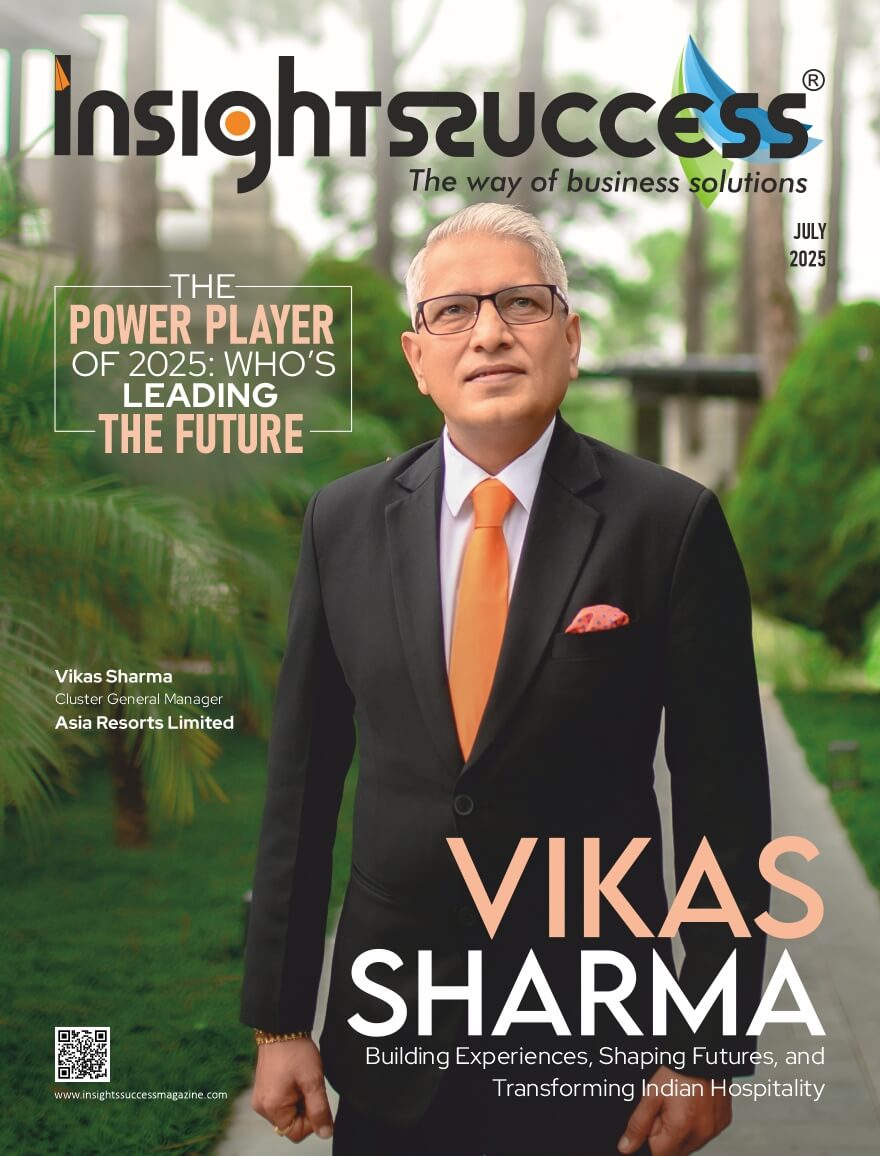
The Power Player of 2025: Who’s Leading the Future
The Power Player of 2025: Who’s Leading the Future In a world where leadership often prioritizes speed over substance, Vikas Sharma stands out as a rare figure—an individual who leads with innovation, integrity, and enduring values. Honored as The Power Player of 2025, Vikas represents the future of leadership: bold, balanced, and purpose-driven. Quick highlights Quick reads
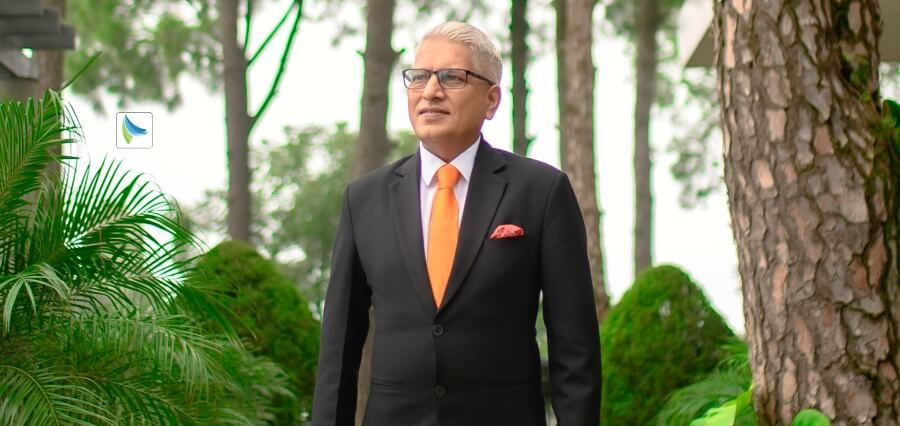
Vikas Sharma: Building Experiences, Shaping Futures, and Transforming Indian Hospitality
This is an inspiring saga of a hospitality industry veteran whose unwavering commitment to excellence, people, and purpose has redefined industry benchmarks. Vikas Sharma is a name that is most aptly associated with innovation, integrity, and value-based leadership. Early Foundations Vikas Sharma was born into a defence family and was raised in an environment where discipline, dedication, and a sense of responsibility were not theoretical concepts but tenets of faith. His early years at The Army Public School, New Delhi, imparted to him a robust sense of adaptability and character. Choosing to follow a path of his own, Vikas graduated in Hospitality Management from the prestigious Institute of Hotel Management, Bangalore in 1993. This was in contrast to the conventional route of his family, reflective of his independent character and his capacity to embrace the unfamiliar. His hospitality career began as a Hotel Operations Management Trainee at the iconic Taj Mahal Hotel, Mumbai. He worked in some of the most iconic Indian hospitality locations—The Chambers, Zodiac Grill, Golden Dragon, Apollo Bar, and Banquet Sales. These early experiences laid the foundation for his understanding of service excellence, operations discipline, and the fine art of creating long-lasting guest memories. The late 1990s marked a period of transformation in India’s hospitality sector, and Vikas Sharma was at the forefront. As a member of the pre-opening team for India’s first Radisson Hotel in New Delhi, he played a key role in launching the specialty restaurant I’Ching in 1997—a pioneering venture that set new standards for culinary innovation and guest engagement. Being part of Indian Hotels Company Limited (IHCL) also contributed to his experience, with leadership roles at senior levels in Taj Mahal Mumbai, Taj President and Taj Exotica, Bentota (Sri Lanka). Having been selected for the elite Taj Management Development Program in IIM Bangalore in 2004 was a testimony to his leadership skills and commitment to continuous learning. The Genesis of a Hospitality Visionary As Vikas Sharma embarked on his career in hospitality, the industry was not the conventional career route, especially for someone with a defence background. Yet, with passion ahead of plan, he embraced the challenges and possibilities of the hospitality industry. He recognized the similarities between defence and hospitality—discipline, ruggedness, and pride in service—that shaped his leadership style. For Vikas Sharma, the core motivation has also been constantly in the pursuit of creating outstanding experiences and leading with integrity. That passion converted a leap of faith into a career spanning a lifetime of purpose and pride. While the majority of his peers diversified into IT, marketing, or corporate selling, Vikas remained a part of hospitality, enjoying every minute and embracing its challenge and dividends. Balancing Professional and Personal Commitments Hospitality is a challenging profession that demands long working hours and sacrifices, typically at the expense of personal achievements. Vikas Sharma appreciates the hardship of missing out on family events but believes in prioritizing quantity over quality of time spent with family members. He recalls a senior colleague uttering words of wisdom, “I don’t know how tall my son has grown, but I know how long he has grown,” a phrase that encapsulates the sacrifices endured by professionals in the services sector. Despite all of these hurdles, Vikas Sharma has faith in making every moment count. Over the years, he has perfected preparing short but meaningful family gatherings over weekends and making the most out of moments of quiet with the people he loves when there can be no noise or disturbance. At his core, he is a service economy warrior—always prepared to return to the front lines when called back. That preparedness and mindset allows him to lead purposefully, while establishing the most important relationships. It’s not easy, but it can be achieved with discipline, empathy, and a deep regard for the job done both in the workplace and at home. Appetite for Business: Nurturing Growth with Vision Vikas’s business appetite is driven by a passion for growth, innovation, and creating better guest experiences that drive financial results. He thrives in high-energy environments, identifying and seeking out new opportunities—whether venturing into new market spaces, driving maximum revenue streams, or developing strategic partnerships that drive the hotel’s brand and bottom line. He is a results-oriented, data-intuitive business developer constantly monitoring market trends, competitor performance, and guest behavior to make every property competitive. Vikas Sharma has an interest in driving top-line growth across all revenue-generating departments—rooms, F&B, events, and spa—and cohesively steering them with one commercial strategy that delivers short-term goals as well as long-term sustainability. The Passion That Fuels Excellence What drives Vikas Sharma is an unwavering dedication to service excellence and a belief that people—the guests and associates—are the cornerstone of any successful hospitality business. He states, “Offering great service isn’t a standard; it’s an attitude.” He is passionate about creating memorable guest experiences that are individualized, dependable, and emotionally connected. That sort of service is built on a culture of excellence, responsibility, and pride in all aspects. Likewise, Vikas Sharma is highly motivated by capability—finding it, building it, and growing it. Maybe the most personally fulfilling aspect of his work is discovering others’ potential and transforming them into future leaders. Through coaching, explicit development plans, or simply listening and counseling, he takes pride personally in seeing individuals succeed and deliver more than they thought possible themselves. He is a believer in growing from within and empowering individuals to become their own career owners. His greatest motivation is the “fire in the belly” to keep learning. Vikas Sharma perceives each situation—be it a guest complaint, an internal team conflict, or a shift in the marketplace—as an opportunity to grow. He makes sure to learn from wins as well as losses and reminds his team to do the same. The hospitality industry is constantly evolving, and staying curious, humble, and open has played an important part in his growth and the success of the hotels he has overseen. Resilience in Times of Crisis: Navigating The COVID-19 Pandemic COVID-19 devastated the hospitality

Emotional Intelligence: The Hidden Power Behind Great Leadership
In today’s fast-paced, complex, and more human-centric business world, old standards of leadership—intelligence, expertise, and authority—no longer suffice. Technical competence and strategic ability are still essential, but it is the less tangible yet more significant EQ that distinguishes truly superior leaders. Described as the capacity to comprehend, recognize, and regulate one’s own emotions as well as negotiate the emotions of others, emotional intelligence has become a pillar of successful leadership. Indeed, most of the skills that characterize transformational leaders—resilience, empathy, flexibility, and trust-building—are based not on intellectual ability, but on emotional capability. The Four Dimensions of EQ in Leadership Emotional intelligence is not an individual characteristic but a constellation of interconnected skills. Psychologist Daniel Goleman, an authority in this area, identifies four foundational elements: self-awareness, self-management, social awareness, and relationship management. When combined, these create a strong foundation for effective leadership. Self-awareness is the foundation. Leaders who are attuned to their own emotions, values, and triggers are better able to lead with clarity and authenticity. They understand how their mood influences others, acknowledge their blind spots, and adjust accordingly. Honesty with oneself builds credibility with others. Self-management is that foundation. It is the skill of managing impulses, remaining composed in pressure situations, and responding instead of reacting. Particularly in high-stakes situations, this emotional self-control enables leaders to remain focused, robust, and forward-thinking even in the face of uncertainty. Social awareness, commonly called empathy in action, enables leaders to know and adapt to the emotional currents of their teams. It’s more than being “nice”—it’s seeing what engages individuals, being sensitive to subtle dynamics, and appreciating different perspectives. It is one of the primary drivers for inclusivity and team synergy. Relationship management is where emotional intelligence turns really transformational. It’s about motivating others, managing conflict, establishing trust, and growing others. Leaders who excel in this domain are usually referred to as “magnetic” or “real”—not due to charisma, but due to being able to get others to feel noticed, cared for, and confident. Why Emotional Intelligence Matters More Than Ever Contemporary leadership is about much more than leading work or producing outcomes. It’s about leading individuals through complexity, uncertainty, and accelerated change. In this environment, the way that a leader makes others feel can have a significant impact—on employee motivation and team performance, on innovation and on retention. In hybrid environments, emotionally intelligent leaders are skilled at establishing presence and trust through screens and across time zones. During crisis, they offer calm and open communication that mitigates fear and instills confidence. In growth stages, they generate purpose, align disparate personalities, and create cultures in which everyone succeeds. Several studies substantiate the worth of EQ in leadership. Teams managed by emotionally intelligent leaders have greater morale, stronger teamwork, and improved performance results. Additionally, companies that focus on emotional intelligence from the top tend to experience increased customer satisfaction, brand loyalty, and employee welfare. EQ is Teachable—and Essential One of the most hopeful things about emotional intelligence is that it is not an immutable trait. In contrast to the fairly fixed nature of IQ, emotional intelligence can be developed and grown with conscious effort, feedback, and reflection. More executive development programs are acknowledging this. Coaching, 360-degree feedback, and experiential learning are now central components of executive education—not to instruct leaders what to think, but to help them tune in, respond well, and develop more profound relationships. EQ is not a matter of being expressive or conflict-averse. It’s strategic self-regulation, empathic without enabling, and influencing without manipulating. In these ways, emotional intelligence becomes not only a personal strength but a driver of organizational health. The Competitive Advantage of Empathy and Trust Without doubt, the most underappreciated—but revolutionary—component of emotional intelligence is empathy. In more inclusion-aware, equity-conscious, mental health-focused cultures, leaders who possess genuine empathy are much better able to foster cultures of psychological safety. Empathy generates trust—and trust speeds up everything. It leads to open honest conversations, ignites innovation by enabling individuals to be bold, and fosters deeper loyalty in times of challenge. Particularly in international or cross-cultural settings, emotional intelligence allows leaders to navigate differences with curiosity, sensitivity, and openness. This is the secret leverage of emotionally intelligent leadership: it redefines power from something that commands to something that frees. It builds organizations where individuals don’t merely work—they flourish. Read More: Leadership in Flux: Navigating Shifting Realities with Confidence

Leadership in Flux: Navigating Shifting Realities with Confidence
Leadership today no longer follows set rules or definite timelines. The world is changing—formed by rapid technologies, shifting geopolitics, climate emergency, cultural shift, and economic upheaval. What works today might not work tomorrow. In that reality, the greatest leaders aren’t the ones holding on to certainty—they’re the ones best able to navigate uncertainty with clarity, agility, and composure. “Leadership in transition” isn’t about responding quicker to change. It’s about becoming adept at the internal stability and external flexibility necessary to lead organizations through unfamiliar landscapes. It requires a new mindset—one that substitutes fixed planning with adaptive responsiveness, and fixed authority with genuine, participative presence. The Confidence to Embrace the Unknown Classic leadership usually valued control: having the answers, anticipating results, avoiding surprises. But in today’s changing environment, the illusion of control can be more treacherous than uncertainty itself. The leaders who succeed are those who dare not pretend to know what they don’t—and are courageous enough to lead anyway. Confidence in flux is not achieved by always knowing the answers. It is achieved through a solid base of self-awareness, strategic intent, and emotional intelligence. These leaders are confident in their purpose and principles, even when the road ahead is unclear. They create confidence not through perfection, but transparency, steadiness, and decisive humility. Such self-assurance is infectious. When a leader demonstrates poised uncertainty—managing change with openness and determination—they encourage others to do the same. From Planning to Pivoting Leadership in an unchanging world depends on long-term planning and fixed roadmaps. But in a world of flux, adaptive thinking is the key leadership competence. It involves moving from linear plans to scenario-based thinking. From fixed yearly strategies to responsive, rolling decision protocols. Leaders in transition are always asking: What’s changed? What are we learning? How do we pivot while remaining true to our mission? This is not a dismissal of strategy—it’s a redefinition of strategy as a process in living, not in written form. The greatest leaders develop adaptive systems that enable their organizations to test, learn, iterate, and expand—without sacrificing their sense of purpose. Leading Through Complexity, Not Just Change It’s tempting to confuse change with complexity. Change is a happening. Complexity is a state. And the challenges of the day—whether charting hybrid workforces, digital transformation, global crises, or cultural shifts—are complex by nature. Leaders in transition need to be sense-makers. They soak in ambiguity, recognize emerging patterns, and convert noise into meaningful action. They understand that complexity seldom yields obvious right answers. Rather, it requires subtle decision-making, ethical judgment, and profound listening across disparate views. Most importantly, such leaders fight the temptation to oversimplify. They know that trust in complexity does not originate from simplifying it, but through approaching it carefully and openly. Emotional Agility and Resilience Uncertainty brings not only cognitive challenges but emotional ones. Stress, fear, confusion, and fatigue are common reactions—for both leaders and their teams. That’s why the capacity for emotional agility—the ability to stay open, self-aware, and values-aligned even amid inner and outer turmoil—is essential. Resilient leaders recognize discomfort but never allow it to sidetrack them. They open space for emotion without becoming lost in it. They establish vulnerability as a model without becoming directionless. And they offer their teams empathy and structure—both of which reinforce trust, safety, and high performance even in the face of disruption. These leaders don’t merely rebound from disruption—they grow and change as a result of it, coming out even stronger and more stable. Communicating with Clarity and Credibility When times are uncertain, individuals seek not only direction from leadership but also meaning. When clarity is absent, fear and rumor run rampant. That’s why leaders in transition need to over-index on transparent, consistent, and empathetic communication. That means communicating what is known and not known, calling out the complexity, and reiterating shared purpose. It also requires listening actively—building true conversation instead of one-way declarations. Credibility is established not by knowing everything, but by being authentic, human, and there. In a fast-changing world, individuals don’t anticipate perfection—they anticipate leaders to be genuine, predictable, and dedicated. The Role of Culture in Navigating Flux Organizational culture determines the way that teams react to change. Leaders in transition realize that culture is a compass—defining behavior, decision-making, and strength. They invest in cultures that value learning over blame, curiosity over certainty, and collaboration over control. They invite experimentation, value adaptability, and permit it to be okay to question assumptions or probe for answers. By so doing, they create organizations that aren’t merely ready for disruption—but actually able to leverage it as a driver of innovation. Conclusion: Anchored in Purpose, Equipped for Change Leadership in transition is not a fad—it is the new norm. The world will keep changing more quickly than inflexible systems or locked-in attitudes can cope with. But that’s not something to be scared of. It’s an invitation to lead differently. The leaders who will shape the future are those who will be rooted in purpose, yet flexible in methodology. They know that authentic confidence does not derive from certainty, but from clear values, good character, and courage to step forward when the path ahead is not well defined. When faced with change, they do not hold on to the past—they co-create the future. They lead with agility, authenticity, and vision—creating not only strategies for today, but futures worth believing in. Read More: Emotional Intelligence: The Hidden Power Behind Great Leadership
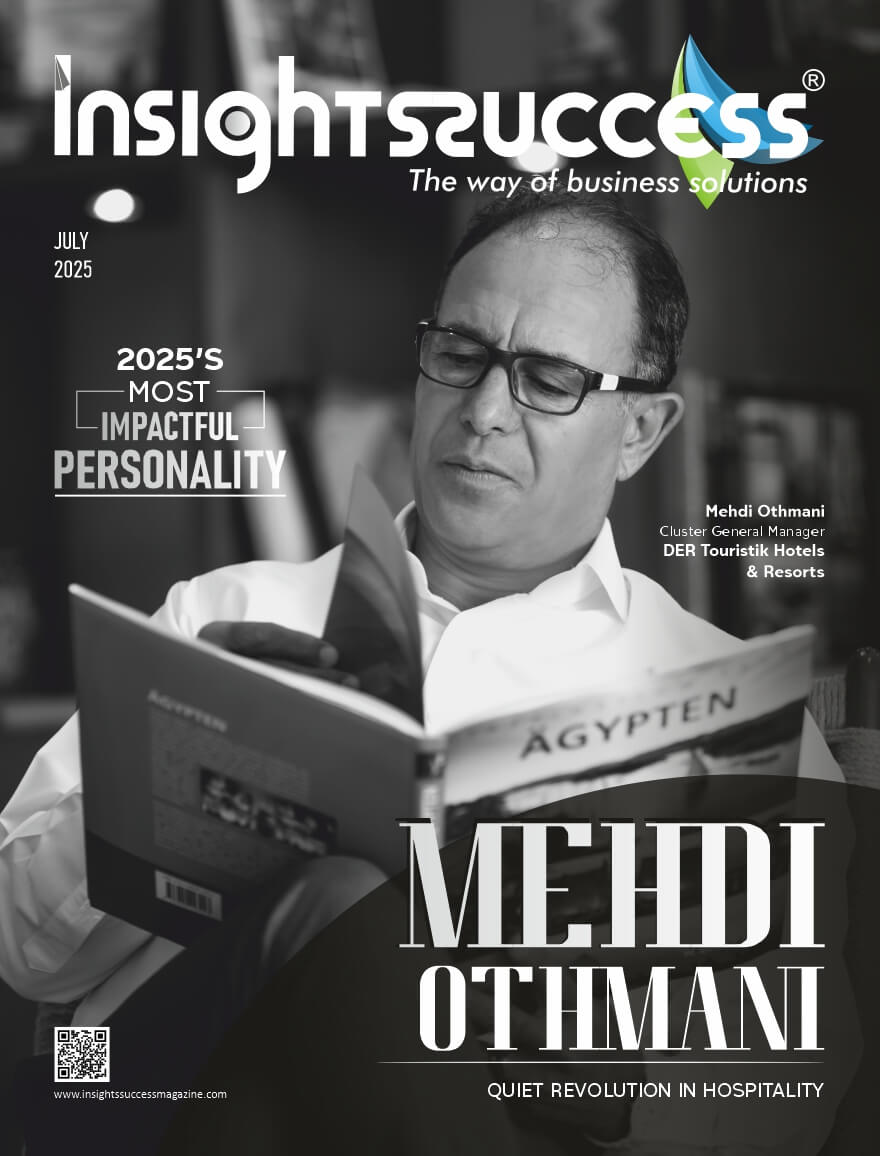
2025’s Most Impactful Personality
2025’s Most Impactful Personality In a world often dominated by noise, few leaders stand out for their graceful presence, principled action, and deeply human approach. Mehdi Othmani, Cluster General Manager at DER Touristik Hotels & Resorts, embodies exactly that—and is recognized as 2025’s Most Impactful Personality for his unique and influential leadership in hospitality. Quick highlights Quick reads
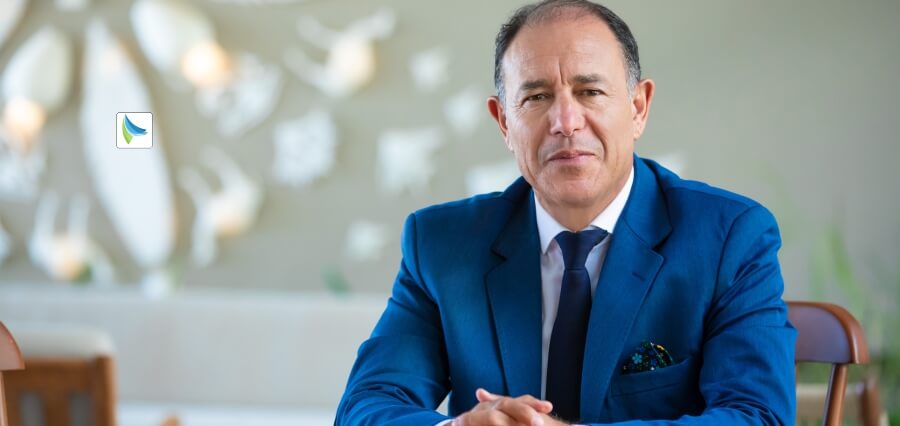
Mehdi Othmani: Quiet Revolution in Hospitality
In a field where ambition can trump authenticity and turnover frequently exceeds permanence, Mehdi Othmani is providing a welcome counter-narrative that is characterized by presence, principle, and intentional leadership rather than self-promotion. He never planned his path into hospitality; it came to him subtly at the age of 19, when he witnessed a Tunisian hotelier transforming a late-night check-in into a welcoming gesture. Subtle but profound, that encounter laid the groundwork for a career characterized by cultural acuity, emotional intelligence, and a leadership style that is incredibly human-centered. As the Cluster General Manager at DER Touristik Hotels & Resorts, Mehdi Othmani brings more than 20 years of international expertise in the Caribbean, the Middle East, Africa, and Europe. His accomplishments, which include leadership awards and sustainability honors, are not what set him apart; rather, it is the manner he has established cultures based on trust across countries. He has a straightforward yet profound philosophy: lead by making room for others to rise. Real leadership, according to him, is never loud it is felt. This is true whether he is guiding his teams through the COVID-19 crisis or enabling quiet voices to become self-assured changemakers. Over the sites he has managed, his composed, strategic presence has improved employee engagement and guest experience while also raising operational standards. In a society that that is seeking genuine leadership, Mehdi Othmani is creating meaning in addition to results. And in doing so, he keeps redefining what it means to be a heart-centered leader in the constantly changing hospitality industry. The Spark That Ignited a Career Othmani’s entry into hospitality wasn’t born from a grand vision or childhood dream. At 19, he stood in the lobby of Club La Noria in Gammarth, seeking nothing more than a summer job to fund his education. It was there, watching a front office manager greet a late-arriving family with calm assurance, that he experienced what he now calls his defining moment. “I realized hospitality wasn’t just rooms and service it was emotional architecture.” he says. His quiet confidence dissolved their fatigue and made them feel at home. That moment sparked something deep within me.” This revelation would become the cornerstone of his philosophy: hospitality is storytelling in real time a narrative of care, excellence, and possibility. It’s a belief that has guided him through leadership roles across Europe, Africa, the Middle East, and the Caribbean, from his early days in food and beverage management in Mexico and the Dominican Republic to executive positions that would eventually bring him back to North Africa. Building Bridges Across Cultures What sets Mehdi Othmani apart in the global hospitality landscape is his cultural agility, a skill honed through years of leading diverse teams across multiple continents. His approach to leadership transcends traditional management paradigms, focusing instead on what he calls “cultural intelligence.” “Leading teams across Europe, Africa, the Middle East, and the Caribbean taught me that success is rooted in humility and cultural intelligence. Trust is not a tactic—it is a foundation built through respect and presence.” he explains. This philosophy has yielded remarkable results. Under his leadership, properties have earned prestigious recognitions including the Double Travel Award for Hilton Hurghada Plaza as Africa’s Best All-Inclusive Resort and Egypt’s Leading Green Hotel, the MENA Travel Award and TUI Environmental Award for Mövenpick El Quseir, and recognition as one of the Top 100 Worldwide Resorts by Thomas Cook/Neckermann for African Safari Club in Kenya. The COVID-19 Crucible When the pandemic struck in 2020, Othmani was serving as General Manager at Hilton Budapest City. Like many in the hospitality industry, he faced unprecedented challenges as bookings vanished overnight, and uncertainty reigned supreme. But rather than viewing this as merely a crisis, he saw it as what he calls “a reset.” “For the first time in my career, I stood on the other side of the check-in desk: unemployed, reflecting deeply on leadership beyond roles. It was not merely a crisis; it was a reset.” he admits with characteristic honesty. During this period, he immersed himself in crisis management, health protocols, and digital innovation. He even completed his Deep Diver certification metaphor, for the fact that “growth continues even underwater.” When travel cautiously resumed, he approached leadership with renewed clarity, implementing outdoor check-ins, flexible booking models, elevated hygiene standards, and “work-from-resort” concepts. “These were not just operational shifts; they were emotional signals that assured guests of safety and care,” he explained. He emphasized that the pandemic reinforced a belief he had long held leadership is not about certainty—it is about showing up for people, making courageous decisions amid ambiguity, and leading with humility and conviction when the path is unclear. The Art of Presence Perhaps what makes Othmani’s leadership philosophy compelling is his emphasis on presence over performance. Early in his career, he fell into the trap that catches many ambitious leaders: believing that being everywhere meant being effective everywhere. “I once thought leadership demanded omnipresence. Life taught me differently. After an intense operational week, I went diving. Beneath the waves, surrounded by coral gardens and marine stillness, I was no longer a GM, a provider, or a strategist. I was simply human.” he recalls. This underwater revelation quite literally transformed his approach to leadership. He began building and empowering strong teams rooted in trust and ownership rather than control. Strategic delegation has become not just an efficient tool but a catalyst for team growth and operational excellence. “I learned that giving others space to lead didn’t diminish my role it amplified collective success.” he reflects. This shift has allowed him to achieve what many leaders struggle with: meaningful presence both at work and at home. Family as Foundation Mehdi Othmani’s personal life serves as the foundation for his professional philosophy. He is married to Petra, whom he describes as an extraordinary woman whose grace, intellect, and kindness continue to anchor his journey. He is also the father of two daughters, Moez and Sophia, whom he considers his greatest teachers in empathy and courage.

The Power of Presence: Leading by Being, Not Just Doing
In today’s hyperconnected, performance-obsessed world, leadership is often mistaken for relentless action—more meetings, more strategies, more visible outputs. While execution is essential, a growing school of thought—and practice—reminds us that great leadership is not just about doing more. It’s about being more. This is the heart of presence: being able to lead not only through what you do, but also through who you are and how you are present. Presence is the stillness of strength behind bold decisions, the peace in turmoil, and the sense in complexity. It is the silent message that others receive before a word is ever said—a blend of self-awareness, authenticity, intentionality, and emotional connection. In a time of glorying in speed and scale, the power of presence provides a counterintuitive stimulus. It invites leaders to slow down, listen up, and lead from the inside out. Understanding Presence in Leadership Presence is usually confused with charisma or charm. Those might be part of it, but authentic leadership presence goes deeper. It’s about alignment between your inner state and your outer behavior. Leaders who have presence are fully present in the moment. They deeply listen. They communicate on purpose. And most importantly, they establish an environment where others feel heard, respected, and empowered. Presence isn’t about dominating the room. It’s about anchoring it—offering stability, focus, and emotional clarity amid uncertainty. People gravitate toward leaders with presence because they radiate trust, intention, and authenticity. From Reactive to Reflective Leadership Contemporary leaders tend to be trapped in a cycle of urgency—responding to emails, dashing from meeting to meeting, resolving issues at the surface level. This hyper-responsiveness can result in decision fatigue, short-term thinking, and emotional exhaustion. Presence breaks that cycle. Through the development of presence, leaders transition from being reactive to reflective. They hesitate before they react. They think about the greater consequences of their actions. They remain rooted in their values, even in times of stress. And in so doing, they make more reflective, better, and more enduring decisions. Presence is a leadership superpower—allowing for clarity in the midst of chaos and purpose in the midst of pressure. Creating Space for Others Great leaders don’t occupy space—they make space for others. When leaders are present, they create a sense of psychological safety and trust. They listen and make people feel heard. They affirm multiple perspectives. And they demonstrate the kind of thoughtful behavior they hope to see in others. Presence, in this sense, is an act of generosity. It’s about giving others your full attention and energy. It’s about being available—not just physically, but mentally and emotionally. In team settings, a present leader is more likely to build engagement, unlock creativity, and strengthen collaboration. Presence fuels connection—and connection fuels performance. The Inner Work of Presence Presence isn’t performative; it is practiced. It takes intentional inner effort: establishing self-awareness, emotional intelligence, and resilience. Leaders who are present know themselves well. They know their triggers, their blind spots, their strengths, and their values. They take care of their internal state, so they can show up with clarity and consistency. This type of self-leadership is not a luxury, but a requirement for the ability to lead others well. In truth, much of the most effective leadership development today is not about acquiring additional skills, but about the development of presence, awareness, and alignment. Reflection, meditation, coaching, and conscious silence are no longer esoteric—they are fundamental tools of contemporary leadership maturity. Presence in a Virtual World As the world becomes more hybrid and remote, presence acquires a new meaning. With fewer physical cues and more online distractions, leaders have to work that much harder to be present—both on screen and off. It is hanging up the phone when speaking. Being present with a viewfinder. Single-tasking and listening. Being emotionally present, even from a distance. In a virtual setting, presence is the difference between a transactional encounter and a transformational relationship. The most effective virtual leaders are those who bring presence to every conversation—making people feel seen, centered, and charged, even through a screen. Presence as a Cultural Multiplier When leaders lead with presence, it doesn’t remain isolated to the C-suite. It ripples through the culture. Teams get more intentional. Communication gets more respectful and direct. Meetings get more purposeful. And performance becomes more sustainable. Presence creates a tone—a standard of attention, respect, and focus that others come to replicate. Thus, presence becomes not only an individual attribute, but a capability of the organization. It drives cultures of trust, mindfulness, and authenticity—cultures that engage and retain talent, manage change, and lead with humanity. Conclusion: Being Is the Foundation of Doing Leadership is not just about output anymore. In an age that calls for agility, empathy, and moral clarity, it matters as much as what you do how you show up. Presence isn’t a soft add-on—it’s a bedrock strength. The most effective leaders now are those who grasp the strength of being—being present, being purposeful, being authentic. They don’t lead by responding, but by reacting. Not by dominating, but by building relationships. And not by convincing, but by living into a vision that people desire to join. In an era of complexity, presence is a scarce and potent differentiator. And in the end, it might be what distinguishes the great from the good. Read More: Quiet Leadership: Strength in Stillness, Power in Presence

Quiet Leadership: Strength in Stillness, Power in Presence
In a world that sometimes idolizes the loudest voice in the room, the boldest vision, or the dominating personality, it is easy to underestimate the quiet leader. But in boardrooms, classrooms, innovation studios, and communities across the planet, it is quiet leadership based on steady conviction, deep listening, and unshakable integrity that is increasingly demonstrating itself to be both powerful and life-altering. Quiet leadership is not toughness or drama. Its power is found in quietness, thoughtfulness, and reflectiveness. They do not always command the room or dominate the conversation but have an impact nonetheless. They build trust through steady constancy rather than loudness. They are not afraid to lead but begin with empathy, simplicity, and humility. Redefining What Power Looks Like The very definition of leadership has been defined by command and extroversion for far too long. For centuries, the conventional wisdom has equated charisma with competence and decisiveness with dominance. But with changing businesses and work that is more collaborative, nuanced, and human-centered, the very definition of leadership is expanding. Quiet leaders redefine power as not domination but as influence that’s meant. They lead with intentionality and emotional intelligence, demonstrating that strength doesn’t have to come from yelling. Indeed, their capacity to give space to others—and not take it up—frequently constructs teams that are more innovative, more self-directed, and more driven. This leadership style is not about being passive. It’s about strategic action—knowing when to say words, when to listen, and when to get out of the way so others can be in the spotlight. The Strength of Stillness Under pressure, when panic can blur judgment and din can swamp clarity, quiet leaders offer something of value: stillness. Quiet leadership is not inaction; stillness is not being static but having the capacity to stop, consider, and respond instead of react. Stillness is the pillar of sound decision-making and lucid strategic thinking. It allows for the quiet leaders to be there and attuned—to be completely here with the moment, with the atmosphere in a room, with the unspoken dynamics between members of a group, with the currents of power and influence that no one talks about. Their choices are not conditioned, but deliberate ones grounded in values and circumstance. During periods of chaos, it’s usually the calmest, most no-nonsense leader, not the most vocal one, who quiets the crew and grounds them. Their tranquil presence embodies psychological safety, allowing others to move through uncertainty with confidence. Deep Listening as a Superpower If loud leadership speaks, quiet leadership listens. And not just passively at that. Quiet leaders engage in active, deep listening. They don’t interrupt to be heard or switch into solution mode. Rather, they listen to understand—people’s reasons, struggles, aspirations, and anxieties. This ability to really listen creates trust and reveals understanding that could be lost otherwise. It adds depth in team relationships and brings forth ideas from every corner of the organization. It provides room for diversity of thought and input—indications of inclusive, high-performing cultures. In a partnership-and-innovation-led economy, the silent leader’s listening power is not a soft skill—it is competitive capital. Presence Over Performance One of the distinguishing characteristics of quiet leadership is being present. They are fully present in the moment, never distracted by ego or drama. They do not need to “perform” leadership but live it in the way they show up, in the way they treat other people, and in how they remain centered in their values. This type of presence requires gravitas, not bluster. It tells others to breathe, think, and act with purpose. It is this presence, rather than noise, that seeps into organizations, changing cultures from reactive to reflective, transactional to substantial. Quiet leaders are followed because they are trusted—not to say everything, but to say the right things, in the right way, at the right time. Empowerment Through Humility Quiet leaders are very humble. They don’t want to be in the center or the spot. Rather, they allow others to shine by providing their teams with space to lead, contribute, and develop. They promote shared ownership, knowing that leadership is not a matter of hierarchy but service. It allows them to make errors, take advice, and learn forever—all qualities needed in today’s fast-changing world. And because they lead by humility, their team members respond with openness, flexibility, and respect. Empowerment is a byproduct, not a management technique. Conclusion: A Leadership Model for the Future In a time characterized by noise, speed, and complexity, quiet leadership has something more precious today: clarity, calmness, and depth. It disrupts earlier models of what leadership should be like and sound like and proves that presence, calm, and quiet firmness are as powerful—if not more powerful—than voice and visibility. Organizations that aspire for sustainable success require leaders who can think deeply, listen sincerely, and act reflectively. Leaders who make room for others and mobilize people through authenticity. Leaders who know that power does not necessarily come in the form of wanting to be first to be heard, but most often being the one who gets to have the last word. Quiet leadership is not an oxymoron. It is a courageous, purposeful decision—one that seeks connection, not control; meaning, not motion; and impact, not impression. Those who are leading the world forward might be the quiet leaders making the biggest noise of all. Read More: The Power of Presence: Leading by Being, Not Just Doing