





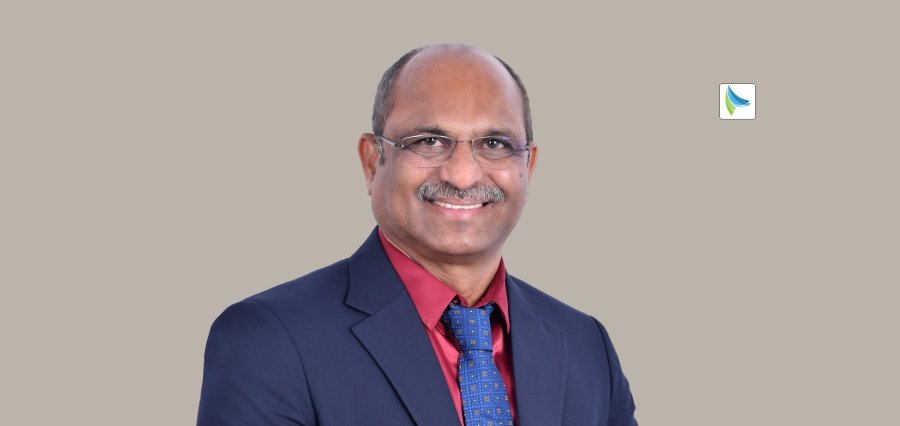
Francis Christy Boy: Transforming the GCC’s Architectural Heartbeat
You know that the world of mega-infrastructure is that of high stakes. In it, the margin for error is nonexistent. Such an arena demands leadership with the ability to see the finished masterpiece before the first shovel hits the ground. Francis Christy Boy has spent over thirty years mastering this art. His career reads like a map of the UAE’s greatest achievements, encompassing the successful delivery of projects that have redefined the region’s global standing: from the soaring terminals of Dubai and Zayed International Airports to the sprawling luxury of The Dubai Mall, and the critical energy frontiers of the Barakah Nuclear Power Plant and ADNOC’s Ruwais projects. The Architect of the ‘Final Mile’ While his legacy is built on physical landmarks like the Abu Dhabi World Trade Centre and Etisalat Towers, Francis’s most revolutionary contribution is intangible yet essential: the creation of CloseoutSoft. Recognizing that the ‘final mile’ of construction—the project closeout and operational readiness—is often the most chaotic, Francis engineered a proprietary platform to bring order to the complexity. Through CloseoutSoft, he has effectively solved the construction industry’s most persistent pain point, ensuring that large-scale developments transition from construction to operation with surgical precision. “True innovation isn’t just about building higher; it’s about building smarter. We are moving toward a future where technology makes the impossible practical, and the complex accessible for every stakeholder.” Revolutionizing the Industry with Rebus Holdings Today, at the helm of Rebus Holdings, Francis leads a multidisciplinary powerhouse dedicated to setting new global benchmarks. He is not content with the status quo; he is on a mission to revolutionize project delivery through technology that is as scalable as it is sophisticated. As one of the Trailblazing Leaders Revolutionizing Industries with Game-Changing Innovations, Francis stands at the intersection of experience and evolution. He is the leader ensuring that as the GCC continues to dream bigger, the infrastructure supporting those dreams is more resilient, efficient, and technologically advanced than ever before. “A project is not complete upon client beneficial occupancy; it is complete when it is ready to serve its purpose for generations with contractual obligation. At Rebus, we aren’t just managing projects; we are managing the future of construction excellence.” Architecting Construction Excellence through Practical Innovation The story of Francis is inextricably linked to the skyline of the UAE. Arriving in 1997, he recognized early on that the construction field was ‘a good one,’ a sector where a person of vision could leave an indelible mark. Over the next 29 years, he transitioned from working within the industry to leading its most high-profile delivery teams. Francis’s legacy is etched into the very core of the region’s most iconic developments. As a lead project delivery manager, he stood at the helm of projects that defined the modern Middle East: The Dubai Mall: Directing the delivery of the world’s most visited retail destination. Dubai International Airport (Concourse A): Managing the intricate flow of global aviation infrastructure. Barakah Nuclear Power Plant: Providing critical consultancy for the region’s pioneering energy frontier. Abu Dhabi Port: Driving the delivery of world-class logistics and port infrastructure. Abu Dhabi Airport: Leading ORAT management to ensure seamless airport readiness and operational excellence. Forsan Mall: Serving as the Project Management Consultancy, successfully leading project closeout and handover for a major retail destination. “Rebus Holdings today covers Design, Engineering, Construction, Project Management, Commissioning, Facility readiness, Safety and IT,” Francis reflects. “But my journey started long before the group took shape. We grew to a very high level because we understand the real-time requirements of the site.” Solving the ‘Final Mile’ Struggle Despite his success with physical structures, Francis identified a systemic ‘pain point’ that plagued every major developer: the chaotic struggle to close a project and release essential funds. Drawing from his 29 years of experience, he developed CloseoutSoft—not as a theoretical exercise, but as a practical solution to a real-world crisis. “People are struggling to close the job to get their essential money,” Francis explains. “I developed this software practically, in a logical way. It is inclusive of all 29 years of my experience. We included real-time requirements in it.” The Rebus Empire: Global Expansion Today, under the banner of Rebus Holdings, Francis leads five distinct companies. His vision has expanded beyond the UAE, with new offices in Saudi Arabia and a dedicated project management arm in the UK. From safety and security specialized contracting to Rebus Technology, his organization is innovating construction management solutions that span from the first shovel to post-construction maintenance. Currently utilized in over 30 major projects, including the Abu Dhabi Port and Airport, his innovations are helping contractors and developers reclaim their time and their capital. As a trailblazing leader, Francis is proving that the most game-changing innovations aren’t born in a lab—they are born on the construction site, forged by decades of hands-on experience and a relentless drive for excellence. “Now we grow to a very high level. We are innovating construction management solutions from the beginning of the project to the end, plus post-construction. This is a real innovation tool for the industry.” Turning Mega-Complexities into Digital Certainty Adversity is the real test of every visionary leader. Francis faced a pivotal turning point amidst the ‘horizontal’ challenges of the Dubai Mall. Unlike traditional skyscrapers, this behemoth stretched a kilometer in length, housing 1,250 shops. The industry was baffled by how to hand over such a massive footprint without disturbing the public. “All people had experience with vertical buildings,” Francis recalls, “but the sequence here was entirely different.” By architecting a phased handover strategy, he proved that a project’s success is defined by its transition to ‘beneficial use,’ not just its structural completion. This lesson followed him to Dubai International Airport’s Concourse A, a dedicated hub for the A380. Confronted with a staggering 24,000 as-built drawings and no specialized software to manage the chaos in 2010, Francis innovated on the fly using advanced digital formats. This struggle—and the subsequent rigors of the Barakah Nuclear Power Plant—ignited his mission

Waymo Launches Paid Robotaxi Service in Miami, Expanding U.S. Driverless Lead
Prime Highlight Waymo has begun offering paid, fully driverless robotaxi rides in Miami, strengthening its lead in the U.S. autonomous ride-hailing market. The launch marks another major step in Waymo’s nationwide expansion as competitors continue to struggle to scale similar services. Key Facts Miami becomes Waymo’s sixth U.S. market, with initial service covering a 60-square-mile area including Wynwood, Brickell, and Coral Gables. Waymo reported 450,000 weekly paid rides and 14 million total trips in 2025 and plans to expand to multiple new U.S. cities in 2026. Background Waymo, owned by Alphabet, has started its robotaxi service in Miami. Paying riders can now use the service. This launch gives Waymo a stronger lead in the U.S. driverless ride-hailing space as competitors continue to lag behind. Miami is now the sixth U.S. market where Waymo offers fully driverless rides. The service initially covers a 60-square-mile area, including popular neighborhoods such as the Design District, Wynwood, Brickell and Coral Gables. Riders can book trips through the Waymo app, and the company said it will invite new users gradually. The company said nearly 10,000 local residents have already signed up to try the service. It also plans to expand rides to Miami International Airport in the near future, though no date has been confirmed. For fleet operations, Waymo has partnered with mobility firm Moove. The partner will charge, clean, and maintain the vehicles, so Waymo can focus on growing its service. The Miami launch comes as Waymo works to address public concerns about safety and traffic disruption. Last month, its vehicles added to congestion in San Francisco during severe storms and power outages. The company said it has since improved its systems to better handle difficult conditions. By the end of 2025, Waymo was operating in Austin, Atlanta, Los Angeles, Phoenix and the San Francisco Bay Area. In 2026, it plans to enter more U.S. cities, including Dallas, Denver, Detroit, Houston, Las Vegas, Orlando, San Diego, San Antonio, Nashville and Washington. Waymo reported 450,000 weekly paid rides and 14 million trips in 2025. The company is also testing vehicles in New York, Tokyo and London and plans its first overseas commercial launch this year. Read Also: Intel Stock Soars to Four-Year High as Investor Confidence Rises
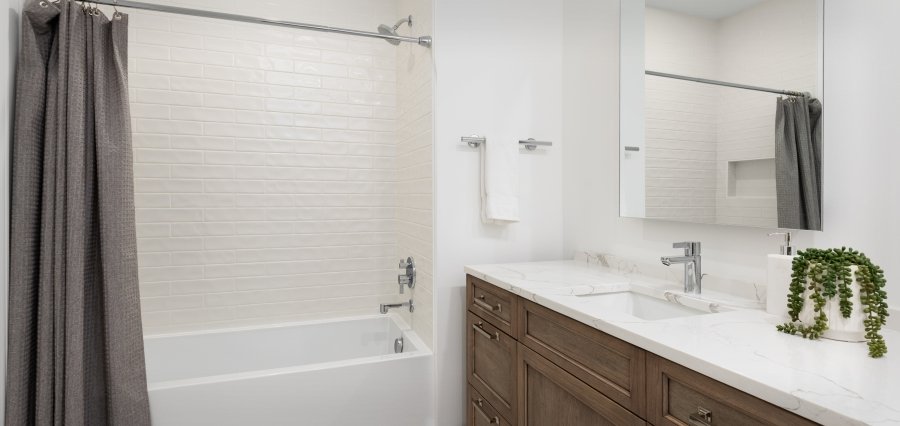
Are Cream Tiles Timeless? A Complete Interior Design Guide
When selecting finishes for a home, few decisions carry the long-term impact of flooring and wall tiles. Among the many options available, cream tiles remain a popular yet sometimes debated choice. Homeowners often ask, are cream tiles timeless, or do they date a space? The short answer is yes, cream tiles can be timeless when chosen and applied thoughtfully. This guide explores the enduring appeal of cream tiles, their advantages and limitations, how they perform in Australian homes, and how to style them for lasting relevance. Why Cream Tiles Have Enduring Appeal? Cream is a neutral colour with warmth, subtlety, and versatility. Unlike stark white or cooler grey tones, cream offers a softer visual effect that complements both classic and contemporary interiors. Its neutrality allows it to adapt to evolving design trends without appearing outdated. Cream tiles reflect light gently, making rooms feel brighter and more spacious without the clinical appearance that pure white can sometimes create. This quality is particularly valuable in Australian homes, where natural light is a defining feature of interior design. Historically, cream tones have been used in architecture and interiors for decades, which reinforces their perception as a “safe” and enduring choice. Rather than following short-lived colour trends, cream tiles sit comfortably within long-term design principles. Cream Tiles in Australian Homes Australian interior design often balances practicality with relaxed elegance. Cream tiles align well with this approach, offering durability and aesthetic flexibility across a wide range of climates and architectural styles. In coastal homes, cream tiles pair naturally with sandy palettes, timber accents, and soft blues. In suburban family homes, they provide a neutral foundation that accommodates changing décor over time. In apartments and townhouses, cream tiles help maximise light and create a sense of openness. From a resale perspective, neutral tiles such as cream are widely appealing to buyers. They provide a blank canvas that allows potential owners to imagine their own furniture and styling, which can be an advantage in the Australian property market. Different Types of Cream Tiles and Their Longevity Not all cream tiles are equal when it comes to timelessness. The material, finish, and format all influence how enduring the final result will be. Porcelain cream tiles are among the most popular options due to their durability, low porosity, and resistance to staining. They are well suited to high-traffic areas such as kitchens, living spaces, and hallways. Ceramic cream tiles offer a slightly softer aesthetic and are often used on walls, splashbacks, and low-traffic areas. While generally less durable than porcelain, they remain a cost-effective and visually appealing choice. Natural stone tiles in cream tones, such as limestone or travertine, have a strong association with timeless luxury. Their natural variation adds character, though they require more maintenance and sealing to remain in good condition. Matte and satin finishes tend to age better than high-gloss surfaces, which can highlight wear, scratches, and design trends from specific eras. Do Cream Tiles Ever Look Dated? Cream tiles themselves do not typically date a space; however, how they are used can. Certain design choices may make cream tiles feel tied to a particular decade. Smaller tile formats, heavy decorative borders, or highly polished finishes were popular in the late 1990s and early 2000s and may now feel outdated. Similarly, pairing cream tiles with overly yellow paint tones or dated cabinetry can diminish their timeless appeal. Modern applications favour larger tile formats, minimal grout lines, and simple layouts such as stacked or straight-lay patterns. When combined with contemporary fixtures and balanced colour palettes, cream tiles feel current and sophisticated rather than old-fashioned. Styling Cream Tiles for a Timeless Look To ensure cream tiles remain relevant for years to come, careful styling is essential. Pair cream tiles with natural materials such as timber, stone, and linen for warmth and balance. This approach aligns well with popular Australian interior styles, including coastal, contemporary, and modern farmhouse. Introduce contrast through cabinetry, tapware, or feature walls. Black, charcoal, muted greens, and soft greys all complement cream tiles without overpowering them. Pay attention to grout colour, as it can dramatically change the appearance of tiled surfaces. A grout that closely matches the tile creates a seamless, refined look, while high-contrast grout may draw attention to the layout and potentially date more quickly. Lighting also plays a crucial role. Warm or neutral lighting enhances the softness of cream tiles, whereas harsh cool lighting can make them appear dull or yellowed. Practical Considerations: Maintenance and Durability One of the practical advantages of cream tiles is their ability to hide dust, minor marks, and everyday wear better than very dark or very light tiles. This makes them a practical option for busy households. Porcelain cream tiles, in particular, are easy to maintain with regular sweeping and mopping. Choosing a tile with subtle variation or light veining can further disguise minor imperfections over time. In bathrooms and kitchens, selecting slip-resistant finishes ensures safety without compromising aesthetics. Advances in tile manufacturing mean many cream tiles now offer excellent slip resistance with minimal visual texture. Are Cream Tiles a Timeless Choice? When selected in the right material, size, and finish, cream tiles are undeniably timeless. Their adaptability, warmth, and compatibility with a wide range of design styles make them a reliable long-term investment for Australian homes. Rather than being defined by fleeting trends, cream tiles succeed because they provide a neutral foundation that evolves with changing tastes. By pairing them with contemporary layouts, quality finishes, and thoughtful styling, homeowners can enjoy a look that feels elegant today and enduring for decades to come. Read Also: 15 Stunning Dining Table Styles for Every Interior Design

15 Stunning Dining Table Styles for Every Interior Design
A dining table is far more than a functional piece of furniture. It is the centrepiece of the dining room, a gathering place for family and friends, and a defining element of your home’s interior design. Choosing the right dining table style can elevate your space, enhance usability, and reflect your personal aesthetic. Whether you live in a modern apartment, a classic Australian family home, or a coastal retreat, there is a dining table style to suit every interior. Below, we explore 15 stunning dining table styles that cater to a wide range of tastes, layouts, and design philosophies. Modern Minimalist Dining Tables Modern minimalist dining tables focus on clean lines, uncluttered forms, and understated elegance. Typically crafted from materials such as glass, engineered timber, or matte-finished wood, these tables suit contemporary Australian homes where simplicity and functionality are prioritised. Scandinavian Dining Tables Scandinavian dining tables are known for their light timber finishes, tapered legs, and natural textures. They create a warm, inviting atmosphere while maintaining a minimalist aesthetic. This style works particularly well in homes with neutral colour palettes and abundant natural light. Industrial Dining Tables Industrial dining tables combine raw materials such as solid timber and metal to create a bold, urban look. Often featuring exposed steel frames or distressed wood tops, these tables are ideal for loft-style apartments or interiors inspired by warehouse design. Rustic Farmhouse Dining Tables Rustic farmhouse dining tables celebrate character and craftsmanship. Made from solid or reclaimed timber, they often showcase natural grain patterns, knots, and imperfections. This style is well suited to larger homes and open-plan dining areas, offering a sense of warmth and tradition. Contemporary Australian Dining Tables Contemporary dining tables blend modern aesthetics with natural materials, reflecting Australia’s relaxed yet refined design sensibility. Expect clean silhouettes paired with timber, stone, or concrete finishes, creating a timeless look that works across multiple interior styles. Glass Dining Tables Glass dining tables are ideal for smaller dining spaces, as their transparency creates the illusion of more room. Often paired with metal or timber bases, glass tables bring a sense of lightness and sophistication to modern interiors. Marble Dining Tables Marble dining tables offer luxury and visual impact. With their distinctive veining and polished surfaces, they make a strong statement in both contemporary and classic dining rooms. Marble tables pair well with upholstered dining chairs for a refined finish. Round Dining Tables Round dining tables promote conversation and connection, making them perfect for intimate dining spaces. They work particularly well in apartments or breakfast nooks and can soften the look of rooms dominated by straight lines. Extendable Dining Tables Extendable dining tables are a practical solution for Australian households that entertain regularly. Designed to adapt to different occasions, they offer flexibility without compromising style. Many modern extendable tables feature seamless mechanisms that maintain a cohesive appearance. Mid-Century Modern Dining Tables Mid-century modern dining tables are defined by organic shapes, slim profiles, and tapered legs. Inspired by design movements of the 1950s and 1960s, they bring retro charm while remaining highly versatile in contemporary homes. Coastal Dining Tables Coastal dining tables draw inspiration from Australia’s beachside lifestyle. Often crafted from light or whitewashed timber, they evoke a relaxed, airy feel. This style pairs beautifully with linen, rattan, and soft neutral tones. Traditional Wooden Dining Tables Traditional wooden dining tables feature classic proportions, turned legs, and rich timber finishes. They are ideal for formal dining rooms or heritage homes, offering durability and timeless appeal. Statement Dining Tables Statement dining tables act as the focal point of the dining room. These tables may feature bold shapes, sculptural bases, or unique materials such as terrazzo or live-edge timber. They are perfect for homeowners looking to make a strong design impression. Compact Dining Tables for Small Spaces Compact dining tables are designed specifically for apartments and smaller homes. With slim profiles and efficient designs, they maximise seating while minimising footprint, making them ideal for urban Australian living. Custom and Bespoke Dining Tables Custom dining tables allow homeowners to tailor size, material, and design to their specific needs. Whether crafted by local Australian artisans or designed to suit unique spaces, bespoke tables offer exclusivity and long-term value. Choosing the Right Dining Table Style When selecting a dining table, consider the size of your space, the number of people you regularly entertain, and your overall interior design theme. Material durability, maintenance requirements, and lifestyle needs should also influence your decision. A well-chosen dining table not only enhances the visual appeal of your home but also supports everyday living and special occasions alike. Final Thoughts With such a wide variety of dining table styles available, finding the perfect match for your interior design has never been easier. From minimalist modern designs to rustic farmhouse classics, the right dining table can transform your dining area into a functional and stylish centrepiece. By carefully considering your space, aesthetic preferences, and lifestyle, you can invest in a dining table that will serve your home beautifully for years to come. Read More : How to Sell a Broken or Old iPhone for Cash in Australia

How to Sell a Broken or Old iPhone for Cash in Australia
Upgrading to a new iPhone often means an old or damaged device gets forgotten in a drawer somewhere. From cracked screens and weak batteries to water damage or outdated models, many iPhones that seem unusable still have real monetary value. Instead of letting it collect dust, turning that device into cash can be a smart move. If you’re looking to sell your iPhone, even in less-than-perfect condition, there are safe and legal ways to do so in Australia. Selling an old or broken iPhone for cash isn’t just financially sensible, it’s also an environmentally responsible choice. This guide walks you through how to sell your device efficiently, securely, and with confidence. Can You Really Sell a Broken or Old iPhone? Yes, absolutely. Many buyers in Australia specialize in purchasing iPhones in less-than-perfect condition. Even devices that no longer power on can be valuable due to reusable parts such as screens, cameras, logic boards, and housing. Older models may also appeal to refurbishment businesses or budget-conscious buyers. The amount you receive will depend on several factors, including the model, condition, storage capacity, and whether the device is functional. Newer models typically command higher prices, but even older iPhones can fetch cash if sold through the right channel. Preparing Your iPhone for Sale Before selling your iPhone, it is essential to prepare it properly. This not only protects your personal information but can also help you achieve a better price. Back Up Your Data Use iCloud or iTunes to back up your contacts, photos, and files. This ensures nothing important is lost when the device changes hands. Sign Out and Factory Reset Sign out of iCloud, iTunes, and the App Store. Then perform a factory reset by navigating to Settings > General > Transfer or Reset iPhone > Erase All Content and Settings. This step is critical, as devices locked to an Apple ID are far less valuable. Remove the SIM Card Always remove your SIM card before selling your phone. This prevents unauthorised access to your mobile number or network account. Be Honest About the Condition Accurately describe faults such as cracked screens, battery health, water exposure, or non-functional buttons. Transparency builds trust and avoids disputes. Best Ways to Sell a Broken or Old iPhone in Australia Australians have several options when selling an iPhone, each with its own advantages. Cash-for-Phone Companies Specialist phone-buying services operate across Australia and often accept broken, damaged, or non-working iPhones. These companies typically offer instant online quotes, free postage, and fast payment once the device is assessed. This is one of the most convenient and secure options. Online Marketplaces Platforms such as Gumtree and Facebook Marketplace allow you to sell directly to local buyers. While you may achieve a higher price, this method requires more effort, including messaging buyers, meeting in person, and managing payment safely. Trade-In Programs Some retailers and mobile carriers offer trade-in credits for old iPhones. However, these programs usually pay less than cash-for-phone services and may not accept severely damaged devices. Recycling Programs If your iPhone has little to no resale value, recycling programs are a responsible alternative. Some programs still offer small cash incentives or gift cards while ensuring the device is disposed of sustainably. How Much Is a Broken iPhone Worth? The value of a broken or old iPhone varies widely. In Australia, prices are influenced by: Model and age – Newer models retain higher value Condition – Functional phones are worth more than non-working ones Damage type – Screen and battery issues are less costly than logic board damage Storage size – Higher storage capacities often increase resale value As a rough guide, even a heavily damaged iPhone may be worth between $20 and $200, while lightly damaged newer models can fetch significantly more. Avoiding Common Mistakes When selling your iPhone, avoid these common pitfalls: Failing to remove iCloud – This can make the phone unsellable Overestimating value – Unrealistic pricing can delay or prevent a sale Ignoring local laws – Ensure the device is legally owned and not reported lost or stolen Using unsecured payment methods – Stick to reputable buyers or secure transactions Environmental Benefits of Selling Your Old iPhone Selling your old or broken iPhone contributes to reducing electronic waste in Australia. Refurbishment and recycling help conserve valuable materials and reduce landfill impact. Choosing resale over disposal supports a more sustainable technology lifecycle. Final Thoughts Selling a broken or old iPhone for cash in Australia is a straightforward process when approached correctly. By preparing your device properly, choosing a reputable buyer, and understanding its true value, you can turn unused technology into instant cash while protecting your data and the environment. Whether your iPhone is slightly worn or completely non-functional, there is almost always a buyer willing to pay for it. Instead of letting it gather dust, take advantage of Australia’s growing second-hand and recycling market and put that old device to good use. Read More : 15 Stunning Dining Table Styles for Every Interior Design

Buying Tiles Online in Australia? Here’s What You Need to Know
The way Australians renovate and build their homes has evolved significantly in recent years, with more homeowners turning to online tile shopping as a smart, modern solution. The ability to browse an extensive range of styles, compare prices easily, and shop at any time has made online tile stores an appealing alternative to traditional showrooms. That said, buying tiles without viewing them in person does require thoughtful planning to ensure the right balance of quality, durability, and value. If you’re planning a renovation or new build, this guide walks you through everything you need to consider before buying tiles online in Australia. From choosing the right materials to ordering samples and finding trusted suppliers like , you’ll gain the insights needed to make confident, well-informed decisions. Why More Australians Are Buying Tiles Online? Online tile shopping allows homeowners, builders, and designers to explore extensive collections that may not be available locally. Many Australian online tile suppliers source products directly from manufacturers, which often results in better pricing and access to exclusive designs. Convenience is another key benefit. You can browse, compare, and order tiles at any time without visiting multiple showrooms. Detailed product descriptions, digital catalogues, and customer support services make the online buying process increasingly reliable and user-friendly. That said, tiles are a significant investment and a permanent design choice, so it is essential to understand the process before committing to an online purchase. Understanding Tile Specifications and Terminology When buying tiles online, product descriptions become your primary source of information. Understanding tile specifications is critical to choosing the right product for your space. Key details to look for include: Material: Common options include porcelain, ceramic, natural stone, and mosaics. Porcelain tiles are generally denser and more durable, making them ideal for high-traffic areas. Tile finish: Matt, polished, lappato, or textured finishes affect both appearance and slip resistance. Slip rating: Particularly important for bathrooms, laundries, and outdoor areas. Australian standards often reference slip ratings such as R10 or R11. Tile thickness: Thicker tiles are typically stronger and may be required for outdoor or commercial use. Variation rating (V rating): Indicates how much natural variation exists in colour and pattern across tiles. A clear understanding of these details helps ensure the tiles you order are suitable for their intended application. Ordering Samples Before You Buy One of the most important steps when buying tiles online is ordering samples. Screen images can differ significantly from real-life colours and textures due to lighting and screen settings. Tile samples allow you to: Assess the true colour and finish Check texture and surface feel Compare tiles with cabinetry, paint, and fixtures View the tile under natural and artificial lighting Most reputable Australian tile retailers offer sample services, often at a low cost. This small investment can prevent expensive mistakes later. Calculating the Correct Quantity Accurate quantity calculation is essential when purchasing tiles online. Ordering too few tiles can lead to delays or mismatched batches, while over-ordering increases costs. As a general rule: Measure the total area in square metres Add 10–15% extra for wastage, cuts, and breakages Consider layout patterns such as herringbone or diagonal designs, which may require additional tiles Always check the tile size and coverage per box, and confirm whether the supplier sells tiles by the square metre or by the carton. Checking Delivery, Packaging, and Lead Times Tiles are heavy and fragile, so delivery terms should be reviewed carefully before placing an order. Important factors include: Delivery costs: Some suppliers offer flat-rate shipping, while others calculate based on weight and location. Packaging standards: Tiles should be securely packed on pallets or in reinforced cartons. Lead times: Imported tiles may have longer delivery periods, particularly during peak renovation seasons. Delivery location: Confirm whether delivery is kerbside only or includes placement on-site. It is also advisable to inspect tiles immediately upon delivery and report any damage or discrepancies promptly. Understanding Returns and Warranty Policies Return policies vary significantly between online tile suppliers in Australia. Before purchasing, review the terms and conditions carefully. Key points to clarify include: Whether returns are accepted for change of mind Time limits for reporting faults or damage Restocking fees or return shipping costs Manufacturer warranties or quality guarantees Because tiles are often ordered in bulk, understanding these policies can protect you from unnecessary costs if plans change. Ensuring the Supplier Is Reputable Choosing a trusted Australian tile retailer is essential when buying online. Look for businesses with: Clear contact details and customer service support Detailed product descriptions and technical data Verified customer reviews and testimonials Australian-based warehouses or showrooms Compliance with Australian standards A reputable supplier will be transparent, responsive, and willing to assist with technical questions before and after purchase. Working With Your Tiler or Builder Before finalising your tile order, it is wise to consult your tiler or builder. They can confirm suitability, advise on installation requirements, and identify any additional materials needed, such as adhesives or grout types. Professional input can help avoid issues related to substrate preparation, expansion joints, and tile compatibility with underfloor heating or outdoor environments. Final Thoughts Buying tiles online in Australia offers convenience, choice, and competitive pricing, but it requires careful planning and attention to detail. By understanding tile specifications, ordering samples, calculating quantities accurately, and choosing a reputable supplier, you can confidently purchase tiles that enhance your space and stand the test of time. With the right preparation, online tile shopping can be a seamless and rewarding experience, helping you achieve a professional finish for your renovation or building project. Read Also : 10 Tips for Used Pallets

How Leaders Translate Vision into Execution
Strategic Direction Setting Vision might be the key, but it is nevertheless insufficient. There are a number of companies in the business world that have practical aspirations, and great stories, and even very long plans—but they all have the same problem of inconsistency in the execution of their plans. The difference is not usually due to the amount of work the employees put in. It is a matter of translating. The strategy doesn’t often fail because the vision is wrong, but because it has not been turned into operationally clear terms. Setting the strategic direction is the main leadership competence that connects the vision and execution. It is the threading of the whole process of intent turning to priorities, then to accountable actions, and finally to measurable outcomes. It is the facilitator of the alignment, the reducer of the friction, and the guarantee of the organization to move like one system instead of different, separated departments. Why Vision Alone Doesn’t Drive Results The vision indicates the destination that the organization aspires to reach. The execution decides if it will ever be the case. However, the issue is that the vision is usually stated in very general terms—growth, transformation, innovation, customer centricity. All these notions are important, but none of them are operational instructions. The vision cannot be executed by the teams; they can only carry out some selected choices. Therefore, they have to be fully informed about the areas of prioritization, trade-offs demanded, and the way of success in measurable terms. Not having this clarity leads to initiative overload, inconsistent decision-making, and scattered resources in the organizations. Setting the direction overcomes this issue by decreasing the uncertainty. It takes the vision and turns it into a pathway. Direction Begins with Strategic Focus In the fast-moving environment, the very first thing that is required from strategic leaders is to focus. The organization at such times sees a constant stream of opportunities and threats. Trying to chase after divided priorities only causes the team to be less busy and less effective at the same time. Leaders of high performance characterize a few strategic priorities with the most significant impact. These priorities serve as the organization’s ballast. They are the ones that direct the allocation of resources, the planning of execution, and the making of decisions across different departments. Focusing effectively entails making tough decisions. Leaders must be prepared to reject, postpone, or cease the initiatives that are not in line with the company’s values. This, however, is not a loss—it is a matter of choice. Translate Strategy into Clear Outcomes The strategic direction becomes a reality only when it is stated as outcomes rather than activities. The outcomes specify the representation of success. They generate targets that can be measured and around which teams can unite. To illustrate, rather than stating “enhance customer experience,” leaders specify outcomes like retention increase, churn reduction, response time improvement, or Net Promoter Score enhancement. Rather than stating “innovation drive,” leaders specify outcomes like new revenue contribution, product launch timelines, or adoption statistics. This orientation towards outcomes prevents execution from turning into mere symbolism. It establishes accountability for performance. Make Trade-Offs Explicit Every strategic orientation entails trade-offs. It is the responsibility of the leaders to specify what will be given priority and what will be given up. In the absence of clear trade-offs, the teams make their own speculations, and speculations lead to conflicts within the organization. When leaders are explicit about the trade-offs, the confusion is taken away. The teams are aware of the most important things and the reasons behind them. This agreement among the teams results in faster decision-making as fewer decisions require an escalation procedure. Trade-offs also act as a safeguard for the organization against the pitfall of false balance—doing everything at the same time, which usually ends up with very little being done. Build Execution Cadence Execution needs a pulse, so to speak. In the case of the best organizations, the whole process of operating is built around such rhythmic cycles and they run through it all: planning, getting feedback on progress, checking who is responsible for what, and having a way to escalate issues if necessary. This is the way of keeping the power going and preventing it from being lost. Setting a strategy means also establishing this operating rhythm. Leaders should prepare regular opportunities for performance to be compared with the results, for risks to be pointed out at the start, and for fast decision-making. Rhythm is not red tape. It is power of execution. Conclusion The actual task of leadership is setting the strategic direction. It takes the vision created by the leader and turns it into action through the steps of creating focus, defining outcomes, making trade-offs transparent, aligning resources, building execution rhythm, and allowing empowered action. Vision is the force behind the aspiration. Direction is the source of the momentum. Execution is the producer of the results. The leaders who have this discipline under their control do not only set the strategy—they also bring the strategy to life. Read Also : How Leaders Build Ownership Without Fear

How Leaders Build Ownership Without Fear
Accountability Culture Accountability is one of the most discussed leadership topics—and one of the most misunderstood. Many organizations say they want accountability, yet struggle to create it consistently. Some environments become overly punitive, where accountability feels like blame. Others become overly permissive, where performance problems are tolerated and standards erode. Neither produces high performance. A true accountability culture is different. It builds ownership without fear. It creates an environment where people take responsibility for outcomes, speak honestly about issues, and hold themselves to standards—not because they are threatened, but because the expectations are clear, the system is fair, and leadership behavior is credible. The strongest cultures are not those where people are afraid to fail. They are those where people are committed to deliver. Why Accountability Often Turns into Blame When leadership applies accountability only after something wrong happens, it turns it into fear-based accountability. Such environments are characterized by reacting to mistakes through interrogation, punishment, or public ridicule. Employees soon find out the safest way to go is not to take any risks, cover-up the problems, and deal with the appearance rather than reality. The tragedy is that through fear-based accountability, the actual accountability is reduced. The workers turn defensive instead of being responsible. They will not give early warnings. They will escalate late. Their attention will be centered on self-protection rather than on solving the problem. Genuine accountability looks to the future. It is not built after the fact—rather through clarity, coaching, and consistent follow-through. Ownership Begins with Clarity Clarity is a prerequisite for ownership. If there are no clear expectations, if priorities are changing all the time, and if roles are not clearly defined, people cannot be held accountable for the results. By indicating the focus and developing the responsibility as a consequence, the leaders create the ownership. The teams ought to have a clear understanding of what success is, the applicable standards, and the distribution of ownership over the results. It is the duty of the leaders to eliminate any uncertainty regarding the distribution of responsibilities and the rights to make decisions. The quality of being clear creates a feeling of security. People are more likely to take responsibility for something if they know exactly what that something is. Accountability Works Only When Standards Are Stable In cultures with low strength, the standards change. The leaders let one month of missed deadlines pass without punishment and the next month they are very upset. They do not notice abnormal behavior from their best employees but they apply the rules strictly to others. This inconsistency is a trust killer. The culture of accountability is built on the standard that is stable and fair. Leaders must be the same across the board in their expectations for teams and different levels. The standards should not be influenced by moods, politics, or personal likes and dislikes. The consistency is the reason accountability gains credibility. In case standards are set and can be expected, ownership is turned into a safe thing. Psychological Safety Enables Real Accountability It is commonly thought that psychological safety makes performance discipline weaker by many leaders. The truth is, however, it enhances performance discipline. Accountability needs truth, and truth is only possible where safety exists. People need to have the right to confess mistakes, warn about the risks at the very beginning, and express difficulties without worrying about being ridiculed or punished. If there is no psychological safety, issues will not be addressed until they grow into crises. An organization with a culture of accountability has safety and standards together: employees have the freedom to express their concerns but not to escape from the responsibility of their actions. This way of working brings about high performance. Leaders Must Model Accountability First The culture reflects the behavior of the leaders. In case the leaders are irresponsible, the groups will be the same. The same will happen if the leaders point fingers at others; the teams will do so too. If the leaders conceal errors, the teams will conceal them too. Leaders create an accountability culture by demonstrating it personally. In other words, they take responsibility for decisions, admit mistakes, reveal what will be different, and show that they are following through with disciplined action. They are also supporting teams in not being blamed unfairly while keeping up the performance standards. When the leaders show accountability, they give others the right to do it too. Conclusion An accountability culture, nevertheless, is not established by means of pressure or fear. It is formed by the lack of doubts, unchanging norms, psychological safety, coaching, and support. Leaders exemplify good behaviors, and the facilitated performance is recognized as a result of good leadership. When managers create a non-threatening atmosphere of responsibility, the quality of the work increases since the groups are operating with honesty, taking up the issue, and they are also very sure of their abilities. The problems are dealt with at an early stage. It is now possible to rely on the execution of the task. The standards are being put into practice. Read Also : The Real Discipline of Great Leadership
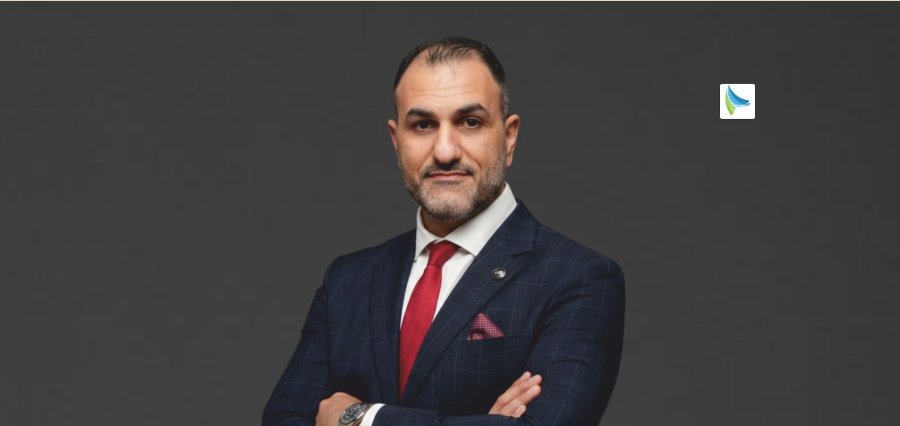
The Infrastructure Alchemist – Ayman Bitar: A Visionary Transforming Master Development from Blueprint to Platinum-Certified Smart Cities
In the realm where monumental vision meets rigorous engineering, few names command the influence and respect of Ayman Bitar. As Vice President & Senior Executive Director in the Master Development & Infrastructure Industry, he stands among the Most Inspiring Leaders Making a Difference in 2025, not merely by managing assets, but by shaping the very infrastructure that defines modern regional economies. Mr. Bitar’s career is a masterclass in global development, forged over 23 years of extensive experience spanning the private and public sectors worldwide. His expertise covers the entire lifecycle of a project: from its inception and feasibility study through Master Planning and Design, culminating in full, high-stakes development. He is a recognized authority in development, handling everything from the complex tender documents and contractor proposal evaluations to contract negotiations & awards, and delivery management His proven capability lies in delivering mega projects with capital expenditures exceeding 20 billion USD. His portfolio reads like a blueprint of national development: major communities, airports, seaports, Rails, Metros, large treatment plants, highways & bridges and the strategic upgradation of existing critical assets within major economic zones and petrochemical parks. A rare synthesis of abilities defines Mr. Bitar’s impact. Beyond his impressive technical and managerial abilities, he possesses an extensive level of experience in business growth and operation of large, high-volume profit centers (1000+ employees). A visionary, he has a great understanding of what it takes to create a roadmap for success, gain necessary funding, and lead a diverse team of talented individuals to bring those ideas to life and maintain their success long term. The Trillion-Dollar Trajectory: From AECOM to Majid Al Futtaim Mr. Bitar’s journey through the international development landscape is nothing short of remarkable. He has strategically navigated some of the largest multinational companies in the world, starting his career with AECOM, a titan with a yearly revenue of over $20 billion. He then moved to Arcadis, a European multinational company boasting over $7 billion in yearly revenue, before landing in his current role as Vice President for Development at Majid Al Futtaim. He acknowledges the fortune of working with such prestigious corporate entities, which exposed him to a vast range of projects and developers throughout the region. The sheer scale of his involvement is staggering: he estimates having worked on projects collectively worth more than $1 trillion. This exceptional trajectory provided him with the deep technical and strategic expertise necessary to tackle the Gulf region’s most ambitious infrastructure challenges. Defining the Future: The 16 Pillars of Smart Cities When asked to name a single project that is redefining the regional landscape, Mr. Bitar points to a monumental initiative they are currently spearheading: the Smart Cities initiative for a major development in the GCC. He notes the common misconception that a “smart city” merely requires community Wi-Fi. The reality, he explains, is far more complex and foundational. In collaboration with international consultants, his team meticulously developed 16 distinct initiatives—a comprehensive framework of criteria and solutions—that will transform the community into a genuine, functional smart city. This pioneering work is poised to become the definitive benchmark for all future communities, not only in the UAE but across the entire Gulf region, fundamentally changing how urban spaces are conceived and operated. Diversity, Women Inclusion and Integrity Mr. Bitar shares “When we talk about building future-ready organizations, three values consistently stand out: diversity, women inclusion, and integrity. These aren’t just ideals, we experience their impact every day in the way teams perform, innovate, and build trust.” On Diversity “In today’s business environment, diversity is not a checkbox—it’s a competitive advantage. The strongest teams are not those that think alike, but those that bring different backgrounds, cultures, experiences, and perspectives into the same room. That mix creates sharper thinking, stronger decision-making, and more resilient problem-solving. Diversity strengthens creativity, improves agility, and allows organizations to stay aligned with real-world markets and changing customer expectations.” On Women Inclusion “Women inclusion is not simply about representation—it’s about empowerment. Organizations thrive when women are genuinely heard, supported, and enabled to lead. Gender-diverse leadership creates stronger collaboration, richer strategy discussions, and more sustainable growth. Inclusion is not a trend or a campaign—it is a leadership responsibility. When we build workplaces where women are confident to contribute and grow, we raise the standard of performance for the entire organization.” On Integrity “Integrity is the foundation of every credible leader and every trusted institution. It means doing the right thing when no one is watching—staying aligned with values, being accountable, and honoring commitments. Integrity builds a culture of fairness, transparency, and respect. In the long run, organizations don’t grow only through strategy—they grow through trust. And trust is built through integrity, consistently practiced.” “For me, these three principles shape not only how teams work—but how organizations win with purpose,” shares Mr. Bitar. Non-Negotiable Excellence: Innovation and Platinum Sustainability Leading master development projects of such immense scale requires seamlessly integrating seemingly opposed principles: innovation and sustainability. For Ayman Bitar, this is a non-negotiable standard. He asserts that they “do not compromise on either innovation or sustainability.” Innovation is so central to their operations that is embedded directly into the company’s DNA and KPIs (Key Performance Indicators). In terms of sustainability, the commitment is equally profound. They certify all their communities using globally and regionally recognized bodies such as LEED, BREEAM, Estidama, or Mostadam. Crucially, they do not aim for mere certification but consistently target the top-tier Platinum level, which sits above gold. This dedication ensures that every structure and every piece of infrastructure they develop adheres to the highest possible standards, confirming that sustainability is not a checklist item, but a core value of their developmental mandate. The Enduring Boom: Dubai’s Next 20-Year Horizon Analyzing the current real estate and development market in the UAE, Ayman Bitar is unequivocally optimistic: he believes the market is not only booming but that this expansion will continue for at least the coming 20 to 30 years. His confidence is rooted in international benchmarks. He notes
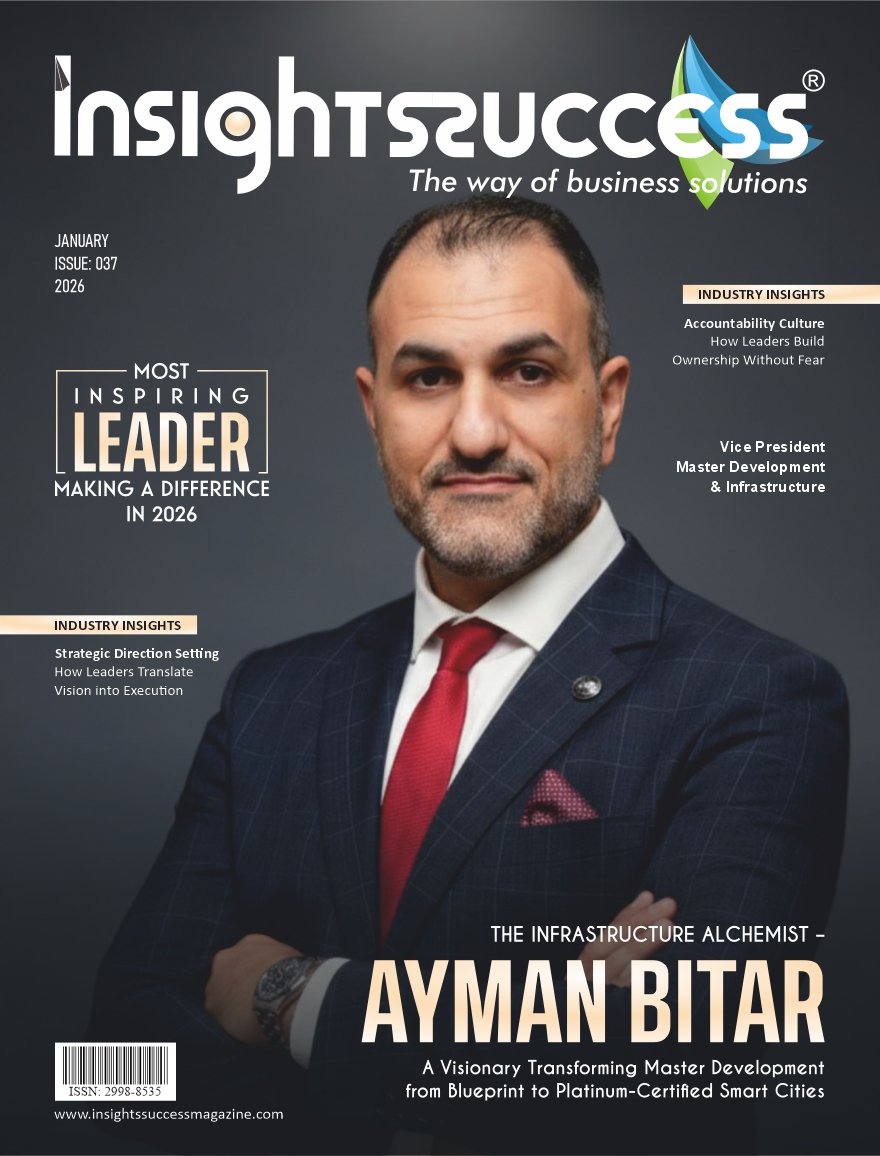
Most Inspiring Leader Making A Difference In 2026
10 Best Logistics Companies to Watch in 2022 June2022 Lorem ipsum dolor sit amet, consectetur adipiscing elit. Ut elit tellus, luctus nec ullamcorper mattis, pulvinar dapibus leo. Lorem ipsum dolor sit amet, consectetur adipiscing elit. Ut elit tellus, luctus nec ullamcorper mattis, pulvinar dapibus leo. Most Inspiring Leader Making A Difference In 2026 This edition is dedicated to Mr. Ayman Bitar, a remarkable individual whose vision, empathy, and purpose-led leadership are creating meaningful change—recognized for inspiring progress, driving innovation, and delivering lasting impact across industries and communities. Quick highlights Quick reads