






Nizar Khoja: Driving Value Through AI and Digital Transformation Initiatives
Imagine a leader who not only understands the intricacies of digital transformation but also empowers others to embrace change, fostering a workplace where innovation, collaboration, and personal growth thrive. This is exactly what Nizar Khoja has achieved throughout his illustrious career. With a rich history of working with renowned organizations like Sun Life Financial, RBC, and TD Bank, as well as his entrepreneurial ventures, Nizar has consistently demonstrated his ability to drive value through strategic digital transformation initiatives. A Visionary Leader with a Startup Mindset Nizar Khoja’s journey is not just about corporate success; it’s also rooted in entrepreneurship and a startup mentality. His diverse background spans organizational leadership, technical expertise, and business acumen, enabling him to bridge the gap between strategy and execution. As a co-founder of OKR Cohort, Inc., Nizar has firsthand experience in building and scaling a business from the ground up. This entrepreneurial mindset has equipped him with a unique ability to connect the needs of leaders, organizations, and teams, guiding them with real-time, practical insights. Nizar’s “get it done” attitude and forward-thinking approach have been instrumental in helping organizations navigate complex challenges. He understands that digital transformation is not just about adopting new technologies but also about aligning them with business goals and delivering measurable results. His ability to think strategically while staying grounded in execution has made him a trusted advisor for leaders looking to drive meaningful change. A Foundation of Education and Certification Nizar’s expertise is backed by a robust educational foundation and a wealth of certifications that underscore his commitment to continuous learning and professional growth. He holds a MicroMasters in Digital Leadership from the Questrom School of Business at Boston University, where he honed his skills in driving digital innovation and platform strategy. His dual MBA degrees in Strategic Management and Sustainability from Manipal GlobalNxt University and Information Systems from U21Global Graduate School have provided him with a strong foundation in business strategy and technology integration. Additionally, Nizar’s certifications reflect his deep expertise in agile methodologies, AI, and digital transformation. He is a Certified SAFe Program Consultant (SPC4), Kanban Management Professional, and OKR Facilitator, among others. His recent certifications in Generative AI (GenAI) for Finance, Marketing, and Strategy from Harvard University’s Digital Data Design (D^3) Institute and No-Code AI and Machine Learning from MIT Professional Education highlight his forward-thinking approach to leveraging AI for business innovation. These credentials, combined with his hands-on experience, enable Nizar to guide organizations in adopting cutting-edge technologies and methodologies that drive growth and agility. Empowering Teams to Thrive Through Agile Leadership With extensive experience in digital transformation, business agility, and leadership coaching, Nizar has been instrumental in guiding organizations through waves of technological evolution. From adopting cloud-based solutions to integrating AI-driven analytics, his approach emphasizes aligning technology with strategic business objectives. Through his roles at Sun Life Financial, RBC, and TD Bank, Nizar has championed the adoption of Agile and OKR (Objectives and Key Results) frameworks, fostering outcome-driven cultures that enhance both organizational and individual growth. His experience in leveraging AI-powered analytics to drive decision-making has positioned businesses to respond proactively to market demands. Entrepreneurship and the OKR Framework As Co-founder of OKR Cohort, Inc., Nizar is dedicated to helping businesses align their strategic goals with measurable results through the OKR framework. Recognizing the challenges businesses face in achieving strategic clarity, Nizar and his team provide comprehensive OKR training, certification, and consulting services. Their mission is to instill an outcome-driven mindset, leveraging digital tools and methodologies to improve organizational agility and adaptability. Nizar’s entrepreneurial journey with OKR Cohort has been transformative for many organizations. By implementing the OKR framework, businesses have been able to achieve greater alignment between their strategic objectives and day-to-day operations. This has resulted in improved performance, increased employee engagement, and a stronger focus on delivering value to customers. Driving Organizational Agility and Empowerment During his tenure at RBC, Nizar spearheaded an enterprise agility transformation within the Personal & Commercial Banking (P&CB) division, impacting over 3,000 employees. His efforts in implementing OKRs across multiple business units enabled better alignment between strategy and execution. This initiative resulted in an 88% adoption rate of agility techniques, enhancing employee engagement and business responsiveness. At Sun Life Financial, Nizar collaborated with senior leadership to embed agile leadership practices, leveraging AI and automation to streamline workflows and enhance customer satisfaction. His ability to navigate complex organizational structures and drive change has been a key factor in his success. Navigating Change and Encouraging Inclusive Growth Nizar’s leadership was pivotal in redesigning Walmart Canada’s online platform, introducing data-driven personalization and automation to enhance the customer experience. By embracing agile methodologies like Scrum and Kanban, he guided teams through change and enabled a seamless transition to a more data-driven and customer-centric approach. Volunteerism as a Catalyst for Leadership Growth His commitment to empathy-driven leadership is evident not only in his professional endeavors but also in his extensive volunteer work. Nizar has dedicated countless hours to community service, leveraging his skills to empower individuals and organizations. His volunteerism has reinforced his belief that inclusive leadership fosters growth and innovation, both in the workplace and in society at large. Nizar’s volunteer journey spans over two decades, during which he has served in various leadership roles within the Ismaili Muslim community and beyond. As Senior Manager of Safety and Security for the Ismaili Council for South West Ontario, Nizar has demonstrated his ability to manage complex, large-scale initiatives. He has been responsible for ensuring the safety and well-being of community members during major events, including visits by His Highness the Aga Khan. This role has honed his skills in crisis management, strategic planning, and team coordination, all of which have translated into his professional leadership style. Empowering Communities Through Economic and Social Initiatives Nizar’s passion for empowering others extends to his work with the Aga Khan Council for Canada’s Future Ready Initiative, where he served as a Future of Work Coach. In this role, he provided career development and transformational coaching to individuals,
The Psychology of Leadership: How Coaching Enhances Decision-Making
Leadership is an intricate synergy of intellectual capability, emotional intelligence, and strategic intelligence. Decision-making, the ultimate hallmark of leadership, is tempered by a host of psychological variables ranging from cognitive bias to management of stress. Coaching has served as an intense leaven in enabling leaders to overcome such impediments, bringing clarity, fortitude, and flexibility into decision-making. By incorporating leadership training with coaching, companies are able to get their leaders to make more enlightened and more knowledgeable decisions towards long-term success. Understanding the Psychology of Leadership The leadership psychology is derived from how people think, manage emotions, and relate with their people. Leaders are tasked with making choices that not only affect business performance but also the people they work with. Cognitive biases can at times skew judgment and result in ill-informed or impulsive decisions. Confirmation bias, where people prefer information that affirms their current views, and overconfidence bias, where leaders overestimate their capabilities, are pitfalls that lead themselves to easily. Emotional intelligence is one of the key drivers of effective leadership. Leaders who are able to manage their emotions and empathize with others make well-balanced and human-focused decisions. They possess good self-awareness that helps them understand when emotions may be dictating their choices, and flexibility helps them navigate uncertainties easily. Resilience is also a psychological characteristic that identifies how leaders react to adversity, uncertainty, and pressure. Resilience, the capacity to bounce back from adversity while keeping one’s eye on the long-term goal, distinguishes successful leaders. The Role of Coaching in Leadership Development Coaching offers a formal and personal method of leadership development. In contrast to conventional management training based on technical competency, coaching relies on behavioral change and self-knowledge. Individual discussions between coaches and leaders allow them to build blind spots, improve decision-making models, and create plans to improve their own performance. Increase self-awareness is one of the key advantages of coaching. These kinds of leaders who understand their strengths, weaknesses, and behavioral patterns will make more strategic and informed choices. By breaking down past decision-making, they can recognize the patterns that need to be broken and, in the long run, their leadership will become more intentional. Problem-solving is further strengthened by coaching because coaches will guide leaders to think through a problem from several different angles before deciding on the direction to move. Instead of acting by impulse, they learn to halt, evaluate, and react to challenges with a thoughtful mentality. Communication is also one of the key areas where coaching comes in handy. Leaders need to be able to verbalize their vision, motivate their teams, and build teamwork. Coaching assists in building communication styles, and thus messages are delivered with honesty and precision. Effective communicators who are leaders establish a culture of trust, employee dedication, and shared purpose, which facilitates improved decision-making across an organization. Shaking Off Decision-Making Biases by Coaching Cognitive biases can prevent a leader from making objective conclusions. Coaching offers methods to transcend these biases such that decisions are fact-based, and not emotional or assumption-based. A coach is able to ask a leader some tough questions to get him or her to change perspectives or challenge entrenched assumptions. Coaching creates an environment of critical thinking such that leaders make conclusions in the best interest of their organization. And yet another way in which coaching enhances decision-making is by augmenting emotional intelligence. Leaders who are more adept at handling their emotions do not make decisions based on frustration, anxiety, or stress. Coaching brings leaders to develop emotional stability through mindfulness exercises, self-reflectional activities, and facilitated conversations, and thus their decisions become more logic- and foresight-based. Creating a Coaching Culture in Organizations Though one-on-one coaching is very effective, organisations can make it even more effective by integrating coaching in their leadership culture. When coaching principles are part of the everyday activities, leaders across levels are inspired to embrace a mindset of growth, ongoing improvement, and development of others through coaching. This has a cumulative effect where decision-making is more collective, based on knowledge, and in sync with the strategic goals of the company. Companies that prioritize leadership coaching notice not just enhanced decision-making but business performance overall. Employees are more engaged, creativity is enhanced, and leaders have greater control over problems. Because companies are operating in an increasingly complicated and ever-changing environment, smart and adaptive decisions are now more crucial than ever. The Future of Leadership Coaching As leadership problems become more and more complicated, coaching can do no other than become an increasingly important part of professional growth. With virtual coaching platforms, AI-fueled insights, and data analytics leading the way, coaching becomes more personalized and scalable. Modern leaders are able to avail themselves of real-time feedback, behavioral analysis, and performance metrics so that they can more readily refine their decision-making processes with greater nuance. In the end, leadership psychology and decision-making are dynamic disciplines, and the key to change is coaching. Through coaching, leaders learn the competencies and mindset required to lead through complexity, stimulate innovation, and actually transform their organizations. Read Also: Mindfulness in Leadership: Why Coaches Are Focusing on Emotional Intelligence

Mindfulness in Leadership: Why Coaches Are Focusing on Emotional Intelligence
Leadership nowadays is not so much about decision-making and strategy. It is more about self-awareness, empathy, and the capacity to connect with people on a human level. In a time of hyper-change and constant challenge, leadership coaches are focusing more than ever on mindfulness and emotional intelligence as key components of great leadership. Mindful leaders make better decisions, and they foster cultures of collaboration, creativity, and resilience. Understanding the relationship between mindfulness and emotional intelligence is essential to leaders who want to inspire, adapt, and thrive. The Shift to Mindful Leadership Historically, leadership frameworks have been authority-, problem-solving-, and efficiency-driven. But the modern business environment calls for something more holistic—something that reconciles strategy with emotional intelligence, presence, and flexibility. The shift towards mindful leadership rests on the assumption that leaders who build self-awareness and emotional regulation will build stronger teams and deliver stronger business outcomes. Mindfulness leadership is being present in the moment, clear decisions, and responding instead of reacting to problems. This creates more concentration and emotional strength so that leaders can better handle stress, ambiguity, and high-stakes situations. Mindfulness techniques are being used more and more in leadership development training by executive coaches to instruct executives in the skill of stepping back, reflecting, and addressing problems with an even higher level of calm. By adopting mindfulness, leaders create a culture of psychological safety, which enables their teams to thrive. Emotional Intelligence as the Pillar of Effective Leadership Emotional intelligence is commonly seen as one of the best predictors of effective leadership. Emotional intelligence is defined by self-awareness, self-regulation, motivation, empathy, and excellent interpersonal skills. These traits enable them to build trust, manage conflicts effectively, and develop stronger professional relationships. A leader’s emotional intelligence and ability to control emotions have a direct impact on how they interact with teams. Emotional intelligence dictates communication styles, decision-making under pressure, and many more. Leaders with high emotional intelligence are resilient, open to feedback, and can handle tough conversations tactfully. They are also able to understand the desires and concerns of employees and help establish a work environment in which human beings feel valued and motivated. Coaching for leadership has increasingly centered on emotional intelligence training because it raises the capacity of a leader to motivate and engage his/her teams. Organizations that emphasize emotional intelligence in leadership development are bound to experience enhanced teamwork collaboration, employee job satisfaction, and overall business performance. The Coaching Practice as it Supports Mindful Leadership Development Executive coaching has also transformed to center on personal and professional development. Leaders are coached by their mentors to incorporate mindfulness practices into their schedules so that they stay engaged, empathetic, and emotionally balanced. Executive coaching teaches leaders how to keep an eye on their emotions, manage stress, and enhance the ability to connect with their employees emotionally. One of the greatest advantages of leadership coaching is increased self-awareness. Leaders who know how they think and what their hot buttons are make more thoughtful choices instead of choosing in the heat of the moment. Coaching activities assist leaders to become aware of unconscious biases, be more patient, and fine-tune decision-making processes. Another important area of leadership coaching is stress management. Heavy-pressure responsibilities are liable to exact a physical and psychological toll from a leader as well as erode their judgement. Mindfulness activities like meditation, journaling, and deep-breathing exercises with slow breath cycles have proven to enable leaders to stay cool and concentrated even under the most critical circumstances. Leaders who learn to manage stress in the appropriate way not only function better individually but also pass on a healthier and more serene work environment. Building a Workplace Culture on Emotional Intelligence Development of individuals is not the only priority of leadership; it also shapes organizational culture. Organizations that incorporate emotional intelligence and mindfulness as part of their corporate culture make workplaces where staff are empowered, motivated, and encouraged. Communication style, giving feedback, and collaboration displayed by a leader are the standards against which the company measures how its teams operate. Fostering open communication, listening, and welcoming are the core elements of a workplace culture founded on emotional intelligence. Employees do their best work when they perceive that they’re being heard and valued. An emotionally intelligent leader leads by their own example and inspires employees to do the same in their intercommunications with others and with clients. Firms that invest in mindfulness- and emotional intelligence-driven leadership development will likely experience concrete returns, such as increased employee engagement, lower turnover, and enhanced productivity. A few of the globe’s most successful firms, such as Google, LinkedIn, and General Mills, have implemented mindfulness programs to drive leadership effectiveness and overall workplace well-being. These initiatives have led to increased employee satisfaction, increased collaboration, and enhanced business results. The Future of Leadership: A Mindful and Emotionally Intelligent Way As companies continue riding the waves of digitalization, blended workplaces, and global interdependence, leadership will need to be more emotionally intelligent and attuned. Being able to genuinely empathize, motivate teams, and build flexibility will be the hallmark of next-generation successful leaders. Emotional intelligence is no longer a nice-to-have skill—it is a leadership necessity that fuels long-term growth and innovation. Emotionally aware and intelligent leaders are more equipped to lead with purpose, ride through uncertainty, and create long-term change. By embedding these values into leadership development and organizational culture, companies can develop powerful, resilient teams and become sustainable in the long term. Leadership’s future is not strategy and expertise but a capacity to lead with awareness, compassion, and emotional resilience. Read Also: Advancements in Electrochemical Technology for Sustainable Energy Solutions
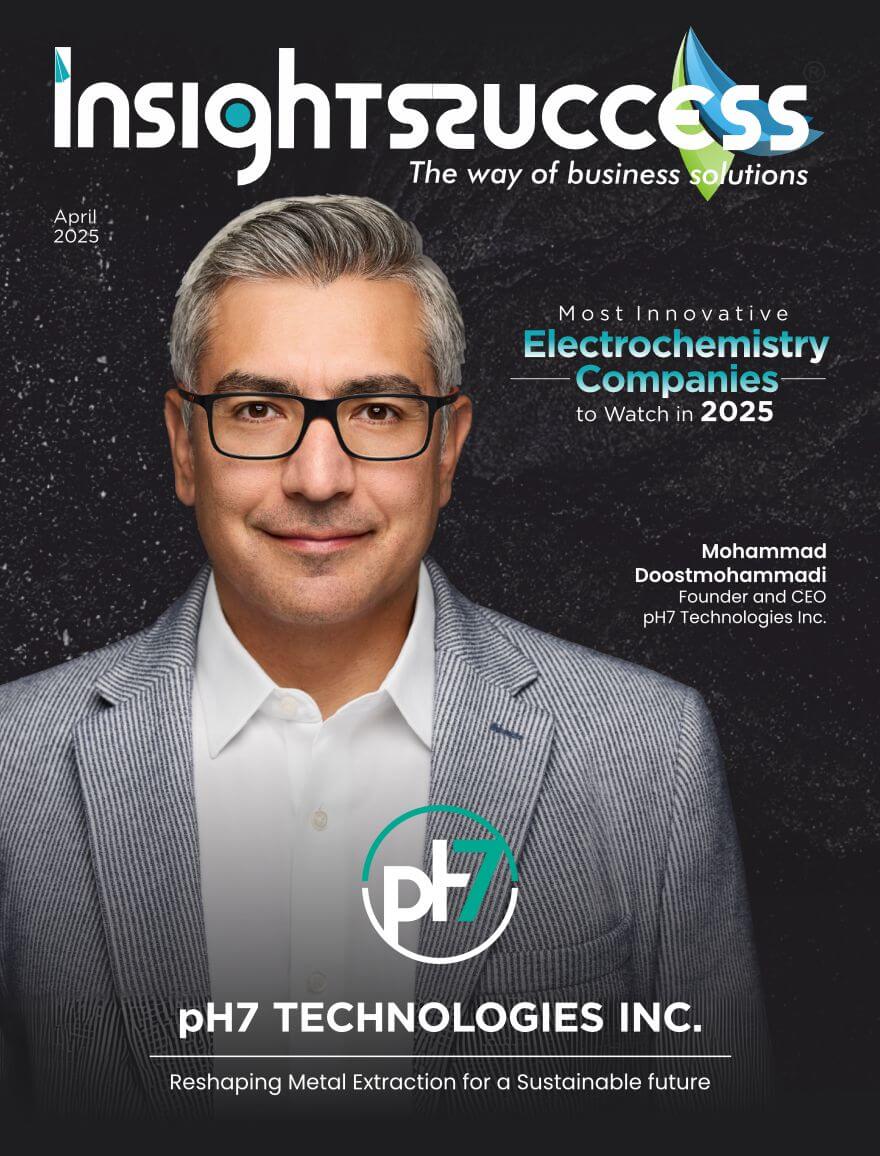
Most Innovative Electrochemistry Companies to Watch in 2025
Most Innovative Electrochemistry Companies to Watch in 2025 This edition shines a spotlight on the most innovative electrochemistry companies poised to make waves in 2025. It celebrates pioneering organizations, visionary leaders, and cutting-edge technologists who are redefining the electrochemistry landscape. Quick highlights Quick reads

Advancements in Electrochemical Technology for Sustainable Energy Solutions
Sustainable energy technologies have gained international prominence since people worldwide need to address both climate change and energy security challenges. The most promising innovative path utilizes electrochemical technology that produces energy through electron transfer based chemical reactions for both storage and control applications. Due to electrochemical innovation electric vehicles receive batteries and clean hydrogen energy gets fuel cells thus driving the path toward a low-carbon future. The article presents current breakthroughs in electrochemical solutions while assessing their capabilities to establish sustainable energy management systems. The Electrochemical Foundation of Sustainability Most renewable energy systems depend on electrochemical technology to achieve efficient storage and conversion of power. Fundamentally electrochemistry contains oxidation and reduction processes which enable electrode-to-electrode electron transfers through electrolytes. Batteries and fuel cells together with electrolyzers operate as key components of the green energy system through electrochemical technology. The operation of electrochemical systems produces minimal environmental impact because they burn fuel differently than fossil fuels do while working well with renewable energy sources including solar and wind power. Rapid development in this sector emerged from the necessity to power production without carbon emissions. Electrochemical equipment receives continuous optimization from scientists and engineers as they develop it into a commercial alternative to maintain traditional energy infrastructure. These innovations deliver greenhouse gas reductions in addition to solving the intermittent power issue which constrained renewable energy deployment worldwide. Next-Generation Batteries: Energizing the Future One of the largest electrochemical breakthroughs is in battery science. Lithium-ion batteries that support the bases of electric vehicles (EVs) and hand devices have seen an explosive growth of energy density and charge rates. However, the reality that they are based on limited resources like cobalt and lithium has necessitated that alternative chemistries be discovered. Solid-state batteries, for instance, displace the liquid electrolyte use with solid, delivering higher energy density, safety, and increased longevity. Such companies, like QuantumScape and Toyota, are racing to get this technology into the marketplace, with testbeds indicating that they could double the range of EVs by the end of the decade. Fuel Cells: Hydrogen’s Clean Promise Fuel cells transform hydrogen into electricity by generating water as their exclusive product which offers a pollution-free alternative to conventional internal combustion vehicles. PEM fuel cells improved their performance and manufacturing cost decreased through recent technological developments which expanded their usage possibilities for transportation and stationary power generation. The automotive sector employs Hyundai and Toyota while Ballard Power Systems releases fuel cells for commercial heavy-duty applications. One of the most significant obstacles to fuel cells has been the utilization of platinum catalysts, which are expensive and rare. Improvements in non-precious metal catalysts, though, with materials centered on iron or cobalt, are decreasing costs without trading off performance. Solid oxide fuel cells (SOFCs) operating at high temperatures are also becoming more and more common for industrial use, as they can be fueled by a variety of fuels, including biogas, contributing to their sustainability aspect. Electrolysis: Green Hydrogen Production Electrochemical technology is also transforming the production of hydrogen by electrolysis—separating water into hydrogen and oxygen with electricity. Powered by renewables, electrolysis yields “green hydrogen,” a carbon-free fuel with enormous potential to decarbonize industries such as steel production and air travel. Improvements in the efficiency of electrolyzers, especially PEM and alkaline systems, have minimized energy demands, placing green hydrogen on a more economic footing. Challenges and Future Directions Even with these developments, electrochemical technologies are confronted with challenges. Material shortages, initial capital outlays, and infrastructure shortages continue to be high challenges. To illustrate, large-scale production of batteries demands secure supply chains for key minerals, whereas hydrogen uptake is dependent on establishing a worldwide distribution system. Furthermore, electrochemical systems need to see their efficiency improve in order to beat fossil fuel entrenched operators. In the future, artificial intelligence and machine learning are accelerating advancement through effective material discovery and system design. Scientists also are developing bio-inspired electrochemical systems, such as artificial photosynthesis, that can ultimately mimic plants to produce fuels directly from the sun. Further, the integration of electrochemical devices into smart grids will enable them to more effectively balance supply and demand, making the best use of renewables. A Sustainable Energy Horizon Electrochemical technology is at the heart of the clean energy revolution, enabling flexible solutions for storing, converting, and utilizing clean energy. From next-generation batteries to fuel cells and green hydrogen, these innovations are not incremental additions—they are a sea change in how we produce and consume power. As science progresses at a new pace in the context of cost efficiency and efficacy, electrochemical systems will lead the way toward establishing a carbon-free world, powering cities to industries with a guarantee of a greener cleaner future. Read Also: Innovative Electrochemistry Techniques for Next-Generation Batteries

Innovative Electrochemistry Techniques for Next-Generation Batteries
Energy storage systems requiring efficiency alongside sustainability and high-performance have become essential for the world right now. Researchers investigate innovative electrochemistry approaches to develop new battery technologies because current lithium-ion batteries show three main limitations during EV adoption and renewable energy rollouts. Research advances the possibility to develop better batteries which provide high power output at the same time ensuring safety and environmental protection. The article delves into prominent electrochemical solutions which will shape up the energy storage systems of tomorrow. The Need for Next-Generation Batteries The breakthrough technology of lithium-ion batteries suffers from multiple limitations during its operation. The combination of dangerous flammable electrolytes with low energy density levels of 250 Wh/kg restricts their use in both extended EV drives and power grid storage systems. The extraction of lithium and cobalt mining materials creates both moral and environmental concerns. The future battery industry intends to eliminate current limitations through advanced electrochemical methods along with material substitutions and advanced production technologies. Solid-State Electrolytes: A Game Changer The advancement of battery technology through solid-state electrolytes has become one of the most significant revolutionary developments. Lithium-ion batteries with conventional construction use organic liquid electrolytes which enable ion transport between anode and cathode. The liquid electrolytes face three main problems which include leakage and thermal runaway effects as well as dendrite growth that generates microscopic lithium spikes which cause battery short-circuits. Challenges persist, though. The poor contact between electrodes and solid electrolytes produces high resistance. Atomic layer deposition (ALD) serves as a method by scientists to create electrolyte layers with optimal thicknesses which boosts ion movement and facilitates increased scale deployment. Redox Flow Batteries: Scalability Meets Flexibility Though portable applications are in the crosshairs for solid-state batteries, redox flow batteries (RFBs) are taking advantage for stationary power storage. Not like regular batteries, RFBs supply the energy within fluid electrolytes confined in exterior containers, divorcing energy capacity from power. And that’s fantastic for grid scale, where a long duration for storage matters the most. RFB electrochemistry innovations target redox-active species optimization. Classic vanadium-based RFBs are effective but expensive and vanadium-scarce. More recent organic and hybrid systems involving quinones or iron compounds provide less expensive, more available substitutes. Electrochemical engineering methods, such as adjusting electrolyte pH or using mediators to promote reaction kinetics, are enhancing efficiency and cycle life. Beyond Lithium: Multivalent Ion Batteries Multivalent ion batteries, which employ ions such as magnesium (Mg²⁺), calcium (Ca²⁺), or aluminum (Al³⁺) with multiple charges per ion, are threatening to overthrow Lithium’s supremacy. The multi-electron transfer theoretically doubles or triples energy density over lithium’s single-electron system. Magnesium batteries, for example, utilize magnesium metal anodes with a 2,205 mAh/g capacity and are less susceptible to dendrite growth than lithium. The twist? Multivalent ions transport slowly in most electrolytes and electrode materials because they have higher charge density. Innovative electrochemistry is overcoming this with designed electrolytes—such as magnesium borohydride complexes—and nanostructured cathodes, such as MoS₂ or V₂O₅, that offer conduits for ion diffusion. These developments may mean batteries that are not just more energy-dense but also safer and greener, owing to the abundance of magnesium. Electrosynthesis and Self-Healing Electrodes Another frontier is in electrode design. Electrosynthesis methods, wherein electrochemical processes are employed to synthesize electrode materials, provide structure and composition control. For instance, electrochemically deposited silicon anodes can be designed with porous architectures to accommodate volume expansion upon cycling—a critical issue in high-capacity materials. Self-healing electrodes go a step further. Modeled after nature, these electrodes incorporate polymers or additives that mend cracks or degradation in use. Such an example is the use of dynamic covalent bonds in silicon anodes, which reform when broken, increasing battery longevity. Such developments minimize the necessity for frequent replacements, reducing costs and wastage. Innovative Electrochemistry Interfaces and Machine Learning The operation of next-generation batteries depends on interfaces between electrodes and electrolytes. Sophisticated electrochemical methods, such as in-situ spectroscopy and scanning electrochemical microscopy, enable scientists to analyze these interfaces in real time and observe how electrons and ions behave. This information guides the development of coatings or additives that stabilize these boundaries. Machine learning is speeding up the process. Algorithms can make predictions on ideal material pairs or working conditions by examining huge datasets from electrochemical tests. For example, models with AI have picked out promising solid electrolytes, reducing development time from years to months. Challenges and the Road Ahead Despite the promise, such techniques are faced with challenges. Scaling up solid-state batteries entails low-cost production, whereas multivalent systems demand improved electrolytes. RFBs have to overcome energy density constraints for their widespread adoption. In addition, incorporating these technologies into current supply chains requires investment and standardization. New and innovative electrochemistry technologies are changing the face of energy storage. From solid-state electrolytes to multivalent ions and self-healing electrodes, these emerging advances circumvent the limitations of existing batteries while presenting new opportunities. As scientists advance, cooperation among scientists, engineers, and industry will be critical to commercializing these breakthroughs. The future of batteries isn’t a technology advance—it’s a solution to a sustainable energy future. Read Also: The Traits of Women Leaders in Managing Teams and Driving Organizational Excellence

pH7 Technologies Inc.: Reshaping Metal Extraction for a Sustainable Future
Across industries such as clean energy, electric vehicles, and advanced technologies, the demand for critical metals has never been greater. Yet, the methods used to extract these metals have often been inefficient and harmful to the environment. New sustainable extraction strategies serve a dual purpose of being both essential to meet increasing material needs as industries develop. As a technological leader, pH7 Technologies Inc. provides innovative extraction solutions that address industry metal requirements while protecting the environment through eco-friendly operations. Through its zero-waste strategy, this company transforms metal extraction processes while advancing electromechanical discoveries toward sustainable metal extraction. Since its establishment in 2020, pH7 Technologies has become an industry leader through its innovative electrochemical extraction methods, which tackle critical mining sector problems. The Founder and CEO, Mohammad Doostmohammadi, leads the company’s innovative mission through his chemical and mining engineering experience to create a proprietary system that restructures critical metal supply chain management. Under his executive leadership, pH7 Technologies developed and expanded a groundbreaking mineral extraction process that combines Solvo-metallurgy with Organo-Electrochemical Process to recover metals without creating wastewater, air emissions, or toxic residue. This innovative technique creates a sustainable, environmentally friendly extraction system for metals that will meet escalating demand in key industries, sustaining global economic activity. Let’s understand how pH7 Technologies revolutionizes metal extraction with sustainable, waste-free electrochemical solutions! Introducing pH7 Technologies pH7 Technologies was born out of the recognition that the metal extraction industry was in desperate need of a transformation. Mohammad’s journey toward founding the company stems from his extensive background in chemical and mining engineering, where he had spent over 15 years navigating the complex challenges of wastewater management, mineral processing, and metal extraction. “One of the major challenges I noticed in the metal extraction and critical metal industry was wastewater generation and the processing of tailing ponds,” he explains. “That had been a significant challenge in my previous experiences, so I wanted to find a solution.” This realization sparked the development of a game-changing technology. What began as an idea to eliminate wastewater in metal extraction soon evolved into a proprietary process capable of revolutionizing the entire industry. “I came up with a metal extraction process that generates no wastewater, which became the driving force behind pH7 Technologies,” says Mohammad. The mission was clear: to increase the supply of critical metals while eliminating wastewater, emissions, and toxic materials—addressing both the environmental and economic challenges facing the mining and recycling industries. A Journey of Innovation The journey from concept to commercialization for pH7 Technologies has been a testament to the company’s commitment to R&D and innovation. From humble beginnings, the company has reached significant milestones that have propelled it to the forefront of the electrochemical extraction space. In 2021, the company achieved a key milestone with the development of its prototype for critical metal extraction—a closed-loop system that would form the backbone of their operations. “We built our prototype for critical metal extraction—a closed-loop metal extraction system,” Mohammad recalls. The system was designed to extract metals with no waste byproducts, using a fully circular process. By 2022, pH7 scaled the process to a small pilot operation, further refining the technology and testing its efficiency. “We scaled up to a small pilot operation,” he shares. As the company began to generate valuable data from pilot tests, 2023 marked the next step toward success with the expansion of the pilot and the beginning of revenue generation. “We started generating revenue from pilot tests,” he notes. The culmination of these efforts came in 2024 when pH7 Technologies launched its first commercial plant, focusing on extracting platinum and palladium from end-of-life materials and secondary resources. “We used our pilot operation data to design and commission a commercial site in Q4 2024. The plant now focuses on extracting platinum and palladium from end-of-life materials,” he explains. With a goal of expanding operations further, the company plans to include mining and primary resources by 2025 and beyond. pH7’s Impact on the Critical Metal Supply Chain As global demand for renewable energy, electric vehicles, and electrification continues to soar, the need for critical metals such as copper, cobalt, nickel, and platinum has become urgent. However, these metals are finite, and traditional mining operations cannot meet the growing demand without significant environmental costs. Mohammad acknowledges the challenge: “The demand for renewable energy, AI, and electrification is skyrocketing, yet the supply of critical metals remains limited. Mining operations cannot create more metals than what naturally exists in deposits, making these finite resources.” pH7 Technologies is working tirelessly to bridge the supply-demand gap by focusing on sustainable methods of extraction that reduce waste and encourage a circular economy. Through its proprietary process, the company is making it possible to extract metals from low-grade ores, tailings, and recycled materials, offering an environmentally responsible way to meet global metal demand. “We are focused on maximizing metal extraction from ores, leaving no waste behind,” Mohammad explains. “By encouraging a circular economy, we extract metals from end-of-life and recycled materials. We are also processing ‘unextractable’ materials that conventional smelting technologies can’t handle,” he continues. The company’s focus on platinum, palladium, and iridium for hydrogen technologies, as well as copper, cobalt, and nickel for electric vehicles, is crucial in ensuring a sustainable supply of critical metals. The Organo-Electrochemical Process At the core of pH7 Technologies’ success is its innovative extraction process known as organo-electrochemical, which is a unique combination of organic chemistry, inorganic chemistry, and electrochemistry. The key to pH7’s technology lies in its ability to extract critical metals while ensuring no waste is produced in the process. “The real innovation is our Organo-Electrochemical Process,” Mohammad explains. “It combines organic chemistry (solvents and ligands), inorganic chemistry, and electrochemistry.” Unlike traditional extraction methods that rely on harsh chemicals and produce toxic emissions, pH7’s process is designed to be entirely circular. “We developed a closed-loop metal extraction system where chemicals are not consumed but only change phases through different steps. The only consumable in the process is electricity for electrochemical reactions,” Mohammad

LG Energy Solution and GM Reshape EV Strategy with $2 Billion Deal
Prime Highlights: LG Energy Solution’s U.S. group is set to buy the parts of its Michigan EV battery work with General Motors for $2 billion. This deal should be done by May 31, but checks might change the end price. Key Facts: GM is leaving the Michigan battery place due to unsure things in EV making and tax cuts for buyers. LG Energy Solution and GM still run joint battery places in Ohio and Tennessee. Toyota Motor will move its battery order to the Michigan place after GM leaves. Key Background: In a big plan change, LG Energy Solution’s U.S. part will get the parts of its joint battery work with General Motors in Michigan for $2 billion. This is part of LG’s big money plan to grow its spot in the growing EV battery market in North America. This buy goes with LG’s growth plans said this year, showing its aim to up battery making. General Motors’ choice to leave the Lansing, Michigan battery place is due to unsure things around EV battery making and tax cuts for buyers. The change in rules and market needs made GM rethink its EV chain plan. Even with this move, GM and LG Energy Solution keep their tie through two other joint battery places in Ohio and Tennessee, key to their long-term EV making goals. Also, Toyota Motor will move its battery order to the Michigan place GM is leaving. This shows Toyota’s plan to keep a sure and good battery supply for its EVs. It also shows the Michigan place’s key part in the EV world, even as GM leaves. The buy should close by May 31, after checks that could change the end price. This deal is a big step for LG Energy Solution as it grows in the U.S. market, meeting the big need for EV batteries. By getting these parts, LG plans to up its making power, keep ties with car makers, and stay ahead in the global EV field. This deal also shows the big changes in the EV battery area, with big names changing their plans to fit new rules, market needs, and tech steps. LG Energy Solution’s growth shows its drive to lead in the electric car change, while GM’s exit shows a shift in its EV money plans. Read Also: Studio Ghibli-Inspired AI Art by OpenAI Wows the Creative Community
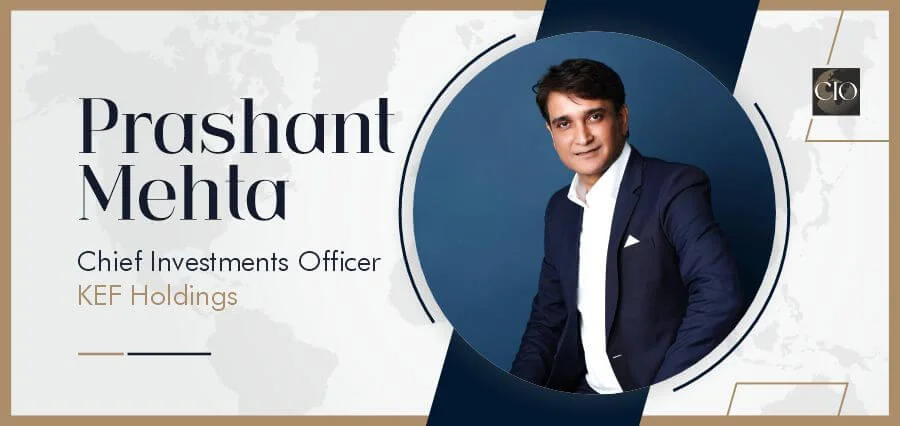
Redefining Wealth: Prashant Mehta Secures Top Rank in The CIO World as one of the Most Influential Chief Investment Officers of the Year
When defining wealth, many people focus on financial assets—bank accounts, property, and luxury. However, true wealth goes beyond these financial indicators. It is defined by time, freedom, and the positive impact one creates. Regardless of financial status, everyone shares the same 24 hours, making time the ultimate currency, as it is finite and irreplaceable. Prashant Mehta, Chief Investment Officer of KEF Holdings, embodies this principle. With a career shaped by his early exposure to equity investments, Prashant’s focus on creating sustainable value and positive social impact has driven KEF Holdings’ success. His vision emphasizes that wealth is measured by lasting impact, not financial gain. Prashant Mehta, Chief Investment Officer of KEF Holdings, emphasizes a philosophy rooted in prudent risk management and a structured investment process. He believes that optimized processes naturally yield optimal returns, prioritizing sustainable growth and resilience. KEF’s strategy, exclusive to internal stakeholders, aligns with distinct risk profiles and objectives, mitigating reputational risks. Prashant plays a pivotal role in facilitating strategic decision-making by leveraging financial analysis and aligning forecasts with organizational goals. His mentorship experiences and commitment to financial literacy further shape his leadership. Beyond business, Prashant values family, nature, and the teachings of time and investments, aiming to foster financial independence in future generations. Prashant Mehta adopts an intentional approach to time management, grounded in his core values and objectives. By thoroughly understanding the value chain and associated risks of companies, he makes well-informed investment decisions. His commitment to personal growth and development extends beyond work, contributing to his well-rounded character. Outside of his professional duties, Prashant stays productive by engaging in discussions, reading, and exploring new ideas to expand his knowledge. He emphasizes purposeful time utilization to align with his long-term goals. His words of wisdom highlight the importance of long-term dedication, encouraging others to dream big and pursue their goals relentlessly. Recognized by The CIO World as one of the Most Influential Chief Investment Officers of the Year, Prashant Mehta’s approach to wealth goes beyond financial accumulation, embracing the principles of time, freedom, and impactful contributions. Read Also: mdgroup | 10 Leading Pharmaceutical Companies to Watch in 2024

Transforming Clinical Trials: mdgroup Rises to Prominence in Insights Care as one the 10 Leading Pharmaceutical Companies to Watch in 2024
In clinical research, the focus on efficiency and patient-centered solutions is transforming trial execution. The industry is increasingly prioritizing the removal of barriers to patient participation, addressing logistical challenges, ensuring safety, and enhancing overall participant experience. Innovative strategies are streamlining processes, reducing patient burden, and improving research outcomes. Leading this transformation is mdgroup, providing comprehensive support to pharmaceutical and biotech companies. Its services, including patient reimbursements, safe transport, remote visits, personalized support, healthcare staffing, and clinical equipment logistics, drive improvements in both site-based and decentralized trials. By utilizing cutting-edge technology and a global network, mdgroup sets new standards in patient-centric clinical trial management. mdgroup is a leader in supporting pharmaceutical and biotech companies in patient recruitment, engagement, and retention for clinical trials. Its global ecosystem of clinical trial solutions includes services such as patient reimbursements, safe transport, in-home health visits, clinical equipment logistics, and healthcare professional staffing. The company’s mission is to enhance patient experiences in both site-based and decentralized clinical trials. Key services include the “on-demand” service, which offers personalized concierge support, compliant travel, accommodation, logistics, and reimbursements, ensuring smoother trial participation. The “mobile health” service advances decentralized trials by facilitating visits directly at patients’ locations, improving recruitment, retention, and outcomes. Additionally, the “navigator” service provides tailored patient support, reducing drop-out rates through personalized care. With extensive experience across various therapeutic areas, including rare diseases, oncology, cardiology, and immunology, mdgroup plays a critical role in advancing medical research. Its cutting-edge technology platform, Primarius, integrates services across the clinical trial journey, ensuring seamless experiences for patients, sponsors, and sites. The company continues to expand its global reach, focusing on accessibility, patient-centricity, and advancing clinical trial technology, all while maintaining its commitment to supporting patient health and wellness. Recognized by Insights Care as one of the 10 Leading Pharmaceutical Companies to Watch in 2024, mdgroup is at the forefront of reshaping the landscape of clinical trials by addressing traditional barriers to patient participation and enhancing the overall experience. Read Also: Prashant Mehta | Most Influential Chief Investment Officers of the Year