





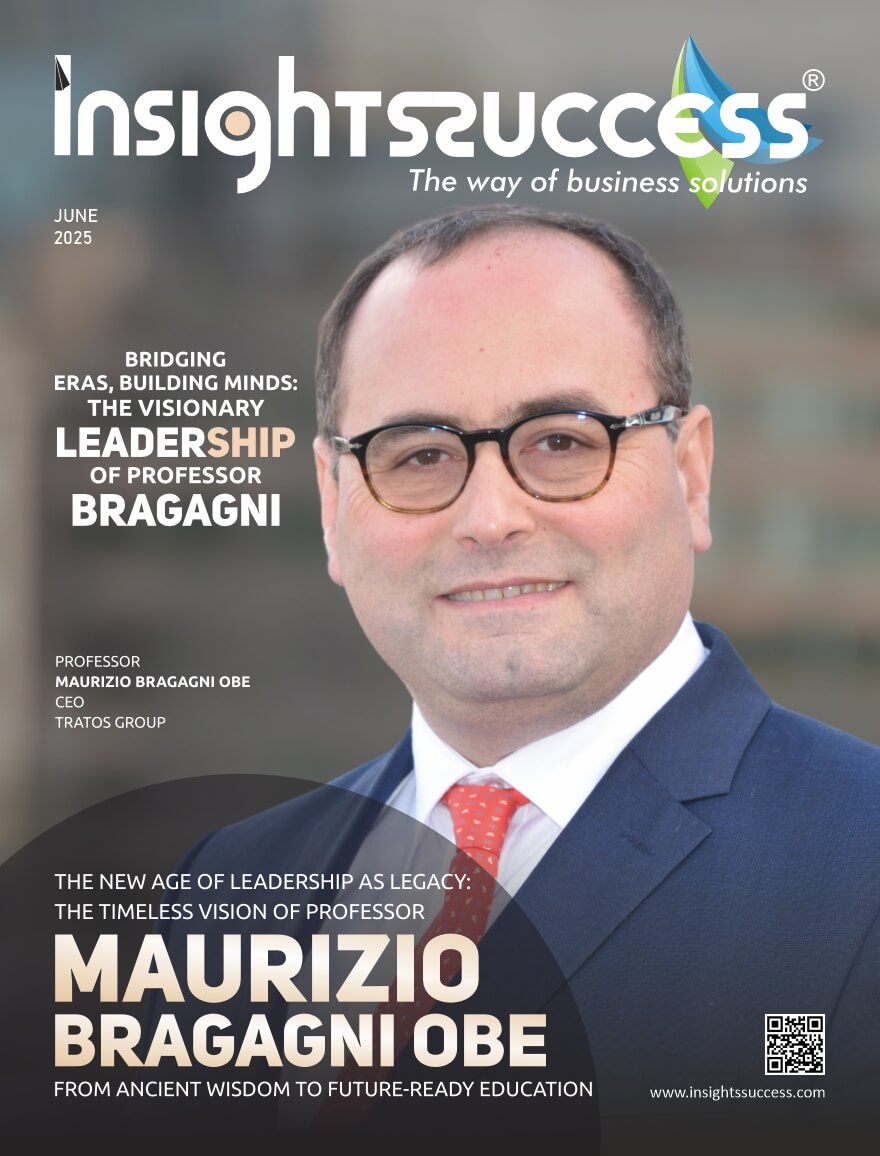
Bridging Eras, Building Minds: The Visionary Leadership Of Professor Bragagni
Bridging Eras, Building Minds: The Visionary Leadership Of Professor Bragagni As the CEO of Tratos Group, Professor Bragagni has redefined the conventional playbook of industrial leadership. He champions an approach where ethics, education, innovation, and sustainability converge—driving transformation not just within his organization, but across the global supply chain and energy sectors. His journey reflects a modern interpretation of leadership: one grounded in human values, forward-thinking policy, and a tireless commitment to nation-building through economic and social progress. Quick highlights Quick reads

The New Age of Leadership as Legacy: The Timeless Vision of Professor Maurizio Bragagni OBE – From Ancient Wisdom to Future-Ready Education
In today’s tech-transformed times, everything has been undergoing a kind of evolution that many times seems to be a revolution. In that sense, the conventional notion of leadership had changed. Professor Maurizio Bragagni OBE, the CEO of the Tratos Group, takes us through that journey of transformation by being the visionary leading guide, which he truly is. So, when asked what personal experiences most shaped his philosophy on leadership in education in his academic journey as a professor from his latest influential role as a CEO, Professor Maurizio Bragagni says in his humble manner, “Thank you for your question.” Leading with Purpose, Not Power His philosophy on leadership in education was profoundly shaped during his MBA at Bayes Business School. It was there that he learnt a powerful lesson: to lead is to serve a greater purpose. Leadership is not about maintaining authority but about adaptability — stepping forward when necessary and stepping aside when others are better suited to guide. He recalls, “In our cohort, we called ourselves “The Claudians,” after the Roman Emperor Claudius — not the most celebrated, but perhaps one of the wisest because he understood the power of listening and adapting. We were six individuals from vastly different backgrounds — we joked that we had six popes in one room — and yet, the richness of our experience lay in that diversity.” There were moments when Professor Maurizio Bragagni had to lead and others when he had to support someone else in leading—because they had a deeper insight into the subject at hand. Flexibility and humility in leadership became central to his approach in both business and education. At Bayes, during his MBA, Professor Bragagni experienced this firsthand. He was re-educated by his fellow Claudians, each of them contributing different strengths. “Sometimes I led, and other times I stepped back so others could lead. That flexibility taught me that leadership is not a position; it’s a mindset.” Purpose means knowing when to step forward and when to lift others up. Purpose in the Classroom, Purpose in the Boardroom: Empowering Minds Across Every Arena Spoken often about the value of ‘purpose-driven leadership,’ Professor Bragagni defines purpose within the walls of a university or lecture hall compared to the corporate boardroom in his own unique style. “To me, purpose means empowering minds — in a university, that means nurturing curiosity, integrity, and confidence.” In a business, it involves unlocking the potential of your people and guiding them towards a shared goal. However, in both cases, leadership remains the same: it’s about helping others bring forth their talents and do their best for the scope of the mission. True leadership is not about control; it’s about empowerment. And the ultimate goal? Achieving happiness through meaningful success. There is nothing wrong with being ambitious. There is nothing wrong with wanting to succeed — or even to make money — so long as you do it with purpose, ethics, and in service of something greater than yourself. At Bayes, during his MBA, Professor Bragagni experienced this firsthand. He was re-educated by the people around him — they called themselves “The Claudians” — each of them contributing different strengths. “Sometimes I led, and other times I stepped back so others could lead. That flexibility taught me that leadership is not a position; it’s a mindset.” Purpose means knowing when to step forward and when to lift others up. In the end, whether in the lecture hall or boardroom, leadership must aim to improve lives. That’s the purpose. Tradition vs Innovation? A False Dichotomy When suggested that innovation and tradition often pull in different directions and asked how he balances these forces in his approach to educational leadership, Professor Bragagni says, “I would respectfully challenge the premise of the question.” Innovation and tradition do not pull in different directions — that’s a modern misunderstanding. As Cicero said, “Historia est testis temporum, lux veritatis, vita memoriae, magistra vitae, nuntia vetustatis” — history is the witness of time, the light of truth, the life of memory, the teacher of life, the messenger of antiquity. Tradition is not a constraint — it is the vessel that carries our values across time. Innovation is not the opposite — it is the method by which we apply those values in the present. In his approach to educational leadership, Professor Maurizio Bragagni sees tradition as the compass and “Innovation as the ship that carries us forward.” “We preserve the dignity of education not by rejecting modern tools or methods, but by using them to serve timeless principles — truth, integrity, intellectual courage.” Whether he is leading a university or a business, he never sees innovation as a rebellion against the past. Rather, he sees it as the fulfilment of tradition — “A way to keep our ideals alive and relevant.” This is how he leads: with respect for what endures and with responsibility for what must evolve. The Case for Cross-Disciplinary Learning: Preparing for a World Beyond Silos Professor Maurizio Bragagni is known to advocate for cross-disciplinary learning. When asked what it means in practice and why he believes it is essential for today’s students, he replies, “Thank you — I strongly believe that cross-disciplinary learning is not just beneficial, but essential, especially in our time.” “We are living in an era as transformative as the First Industrial Revolution. Artificial Intelligence is set to reshape — or even replace — many of today’s jobs.” In this context, narrow specialization is not enough. “What we need is integration: the ability to connect knowledge across disciplines, to adapt, and to keep learning throughout life.” Cross-disciplinary learning means breaking the artificial silos between subjects — because the world doesn’t operate in silos. In practice, this means encouraging students to combine economics with ethics, data science with history, and technology with philosophy. “Just as the earliest universities brought all knowledge into a unified universum, we must return to that holistic vision.” In fact, the highest discipline in the traditional university was

The Educator-Influencer: Thought Leadership in Academia
In an age when influence is money and ideas move at the speed of a click, the borders between the academy and public life are dissolving. Professors, researchers, and teachers—formerly mostly restricted to the lecture hall, scholarly journal, and academic conference—are increasingly also assuming the role of public intellectual, content provider, and international thought leader. The consequence: the new educator-influencer model. This new role is not the sacrifice of rigor for reach. Rather, it is about taking dense knowledge and making it readable insight, shaping conversation outside of the academy, and leveraging platforms such as LinkedIn, Substack, podcasting, and social media to be part of big public thought. With the knowledge economy, in which ideas drive innovation, policy, and culture, educator-influencer is a new force. The Rise of Public Scholarship Public scholarship has always been with us, but its digital rebirth is reshaping its boundaries and potentialities. Publics now are famished for good, contextual, and timely information—specifically on issues such as climate change, education policy, artificial intelligence, public health, and social justice. Digital-platform scholars can satiate this hunger, not by distilling truth to the banal, but by making it legible and resonant to broader publics. Thought leadership in education is no longer simply about publishing in academic journals; today it encompasses writing opinion editorials, giving TED-style talks, producing data-driven infographics, and showing up on virtual panels and engaging in cross-industry multidisciplinary conversation. This new interaction is expanding the educator’s base while reframing the public’s relationship to knowledge. Building Credibility Beyond Campus While classical academic qualifications are still the cornerstone, the power of our age is more and more determined by visibility, accessibility, and interaction. The teacher-influencer does not compromise on academic challenge—their challenge becomes advanced. From real-time channels, they provide insight on rising phenomena, condense research into bite-sized narratives, and provide expert voice to national and international debate. Whether fighting disinformation, promoting educational transformation, or promoting equity and inclusion, they are informed by expertise and compassion. The finest educator-influencers combine intellectual strength with compassion for connection—fostering curiosity, provoking thought, and energizing action among varied publics. Content as a Catalyst: The Power of Educational Storytelling One of the signature characteristics of educator-influencers is their capacity to tell stories that make data human and ideas personal. Whether via LinkedIn posts, video essays, or live webinars, they employ storytelling as an educational instrument—fostering emotional engagement while grounding their content in evidence. This is not only wiser learning but leadership-inspiring fuel as well. Teachers who place their ideas in the context of real-world impact—how a model of leadership changes organizational culture, or how an economic principle works when applied to city form—are more likely to spark interest and communities of interest. Educator-influencers’ ascendancy is fueled by a broader trend of democratization of knowledge. By tearing down the ivory towers of the academic world and minimizing barriers to entry, these disruptors are working to collapse the paradigm that wise and quality education is reserved for the elite few. This democratization also promotes interdisciplinary thinking. When economics professors engage publicly with climatologists or leadership coaches with AI ethicists, they create new things by way of conversation. The educator-influencer is therefore a bridge—between academics and the public and between industries, disciplines, and generations. The Strategic Use of Digital Platforms Effective educator-influencers are thoughtful about where and how they disseminate their wisdom. LinkedIn is increasingly becoming a site for professional knowledge exchange and intellectual self-marketing. YouTube and podcasts are forms of narrative delivery that enable rich investigation of a subject. Twitter/X, Substack, and Medium provide room for rapid commentary, serialized essays, and interactive debate. Instead of watering down their academic image, strategic online engagement enables teachers to have more voice, to build their own story, and establish learning communities outside institutional walls. Thought leadership in this sense is not an afterthought—it’s a purposeful, mindful pursuit. Influence with Responsibility With greater visibility comes greater responsibility. The education-influencer must balance opinion and evidence, haste and accuracy, reach and depth. When falsehoods are spread so quickly, their own dedication to truth and exhibition of intellectual honesty are essential. Ethical influence necessitates openness about methods, acknowledgment of limitations, and respect for diverse points of view. The most successful educator-influencers are those who use public discourse as a forum for lifting—of ideas, students, and productive discussion. Inspiring the Next Generation of Educators Easily the most lasting influence of teacher-influencers is their ability to construct a new generation of scholar-leaders. When students see that their teachers are adding to the conversation in society, the professoriate is transformed—not as a cloistered vocation, but as a means to widespread change. New scholars and would-be thought leaders, as well as technologists and librarians, are being trained not only in the process of research, but also in personal branding, online engagement with audience, and online pedagogy. And that’s creating a richer, more sophisticated academy—one that cares as much about excellence as it does about access. Conclusion: A Seat at the Table—and a Microphone In the era of digital media, thought leadership is no longer the domain of business leaders and entrepreneurs alone. Teachers, with their subject-matter knowledge and enthusiasm for learning, are best placed to set the public agenda and create change at scale. The educator-influencer is not an outlier from the academic norm—it is an evolution of it. By taking ownership of their role as communicators, connectors, and catalysts, these leaders are showing that the future’s education—and, indeed, the future’s public leadership—will not merely be built in the classrooms or boardrooms, but in the shared, kinetic space where ideas meet action.
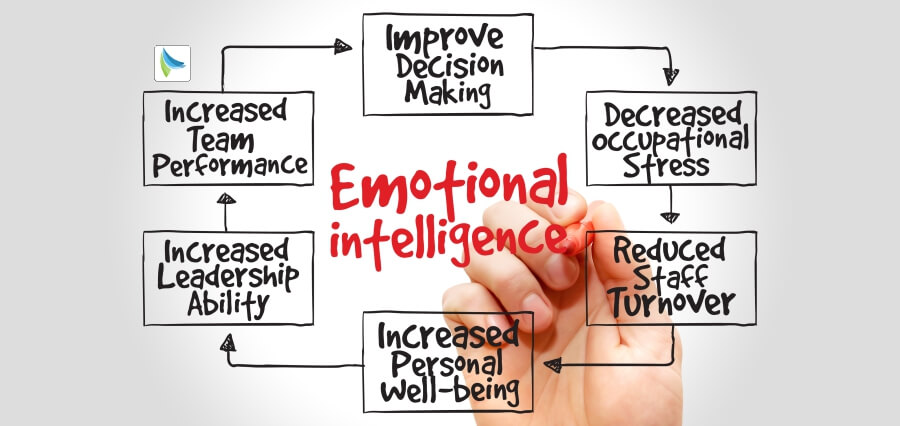
Building Resilience: Emotional Intelligence in School Curriculums
In today’s complicated world, academic success is no longer sufficient in preparing students for the varied challenges of adulthood. While schools everywhere grapple with the problem of producing whole persons, emotional intelligence (EI) has emerged as a key area of concern. Putting emotional intelligence into school curricula is no longer a luxury but a necessity in developing good, compassionate, and socially responsible future citizens. From settling interpersonal disputes to coping with stress and making effective decisions, emotional intelligence equips young students with a set of tools not only to excel in school, but in life. By integrating EI into the curriculum of schools, schools are not only advocating improved learning environments, but setting the stage for continued psychological well-being, personal growth, and global understanding. Defining Emotional Intelligence in the Educational Context Emotional intelligence is the talent for knowing, understanding, managing, and expressing emotions in a way that enhances functioning in all sorts of contexts, including work and personal relationships. In school, what this will mean is that students will be instructed in self-regulation of feelings, establishment of healthy relationships, constructive management of stress, and knowledge of self. Contrary to other curriculum topics, EI is neither learned from a textbook nor assessed by an examination; rather, it is established on everyday interactions, reflective practice, and specially devised activities that promote emotional literacy and social sensitivity. Given the direct relationship between school emotional climate and student achievement, instruction in EI within the curriculum is both a pedagogy imperative and an investment in public health. Why Emotional Intelligence Builds Resilience Resilience—the ability to bounce back from adversity, adjust to change, and persevere in the face of challenge—is forever wedded to emotional intelligence. Children with high EI are more apt to master the coping skills they’ll use to manage disappointment, recognize their triggers, and access help when it’s necessary. Incorporation of EI in school curriculums makes the students understand that failure is not something judged but felt. It makes them look at adversity as a development and not defeat orientation. By developing self-efficacy and emotional regulation, EI equips the learners to turn adversity into opportunity and produce a more resilient group of learners. Curriculum Integration: A Holistic Approach For emotional intelligence to be grown, it should be integrated into the school culture and not an afterthought. The world’s highest-performing school systems are now integrating EI into the academic curriculum, after-school curricula, and classroom discipline policies. These can include systematic empathy instruction, communication instruction, and self-reflection instruction; journaling and mindfulness activities; restorative justice circles; peer mediation initiatives; or project-based learning that stresses collaboration and perspective-taking. Teachers also are charged with modeling emotionally intelligent behavior and providing warm, supportive classroom environments. Also, the practices of testing are changing to measure emotional development in addition to academic achievement. Portfolios, self-assessment, and teacher observation can be used to monitor a student’s development within emotional competencies—restoring the point that success does not necessarily stem from intellect but also from integrity, compassion, and resilience. The Educator’s Role in EI Development Teachers are not just transmitters of information—secondarily, they are role models, mentors, and emotional stabilizers to students. Therefore, it is imperative to train teachers with emotional intelligence training. Professional development workshops based on emotional literacy, trauma-sensitive teaching, and social-emotional learning (SEL) approaches are increasingly being integrated into teacher education. An emotionally intelligent teacher is more able to control classroom dynamics, defuse tension, and develop positive relationships with students. More deeply, they are able to provide a psychologically safe space in which students hear, are respected, and are valued—conditions required for both emotional and academic success. EI as a Response to Mental Health Challenges The increasing incidence of depression, anxiety, and emotional distress among young people, fueled by the cyber revolution, school stress, and worldwide uncertainty, makes it more necessary than ever to incorporate emotional intelligence into school curricula. Education about EI is a preventive measure that equips young people with the awareness of understanding and coping with their emotions prior to problems escalating into psychiatric crises. By becoming more comfortable with emotional conversation and educating students about how to interact emotionally, schools are able to de-stigmatize mental health and encourage early intervention. Emotional intelligence then becomes the foundation for preventative efforts towards wellbeing throughout the education system. A Global Imperative From nation to nation and culture to culture, the demand for emotional intelligence in schooling is building strength. From the United Nations’ focus on “Education for Sustainable Development” to the OECD’s integration of social-emotional skills into international student testing, it is evident that the future of schooling is both intellectual and emotional. Government officials, teachers, and curriculum planners now have to work together to render emotional intelligence no afterthought but a cornerstone of school reform. In city classrooms as in country towns, all children have to be able to receive an education that teaches them not only to pass tests, but to lead rich, resilient lives. Conclusion: Educating the Whole Child The inclusion of emotional intelligence in school curricula is a milestone toward the education of the whole child—mind, heart, and soul. By so doing, schools are more than just learning institutions, but nurseries of character, nests of compassion, and gardens of courage. Resilience on the scaffolding of emotional intelligence is perhaps the most long-lasting trait we can teach our children. In a world that is constantly changing and uncertain, emotionally intelligent kids are not only survivors but are change-agents. By showing our children how to know themselves and connect with other people with depth and understanding, we bring into being a more empathetic, flexible, and resilient world.

Top Icon To Watch In 2025
Top Icon To Watch In 2025 Whether leading cross-functional teams, designing transformative solutions, or mentoring future leaders, Adrienne’s presence is marked by integrity, innovation, and influence. She exemplifies the kind of leadership today’s world needs—resilient, inclusive, and driven by purpose. In 2025, Adrienne Sartori is more than an executive force—she is a visionary voice shaping the future, one strategic step at a time. Quick highlights Quick reads

Adrienne Sartori: Redefining Risk and Setting New Standards in Advisory Excellence
Within the changing environment of financial consulting and risk management, few individuals have shown such a capacity to blend analytical sophistication with creative vision as Adrienne Sartori. Her path is a testimonial to the strength of adaptability, reflective leadership, and client-centric ideology which has reestablished industry norms. Early Influences and Foundations Adrienne’s business story has its roots in early experiences that defined her values and style of operating both in life and in business. Raised in a culture where planning and creativity were valued, she was early inspired by her mother’s fastidious method of crafting dinner party menus. This introduction gave her a strong appreciation for hospitality, order, and the subtle skill of reading ahead—those very skills that would serve as trademarks of her leadership. Her own education was as varied and consequential. Adrienne’s early years involved structured endeavors like swimming, tennis, and piano, each of which taught her about balance, prioritizing, and the importance of persistent striving. These experiences in discipline and concentration provided a strong foundation for her later activities. In university, Adrienne Sartori broadened her mental scope beyond the traditional syllabus, taking courses in architectural history and interior design. This inter-disciplinary education instilled a holistic outlook, educating her in the value of diversification of thought and ability. She developed an understanding of the interconnectedness of form, function, and beauty—a mindset that would serve her in guiding strategic business decision-making later in life. One of the key individuals in Adrienne’s evolution was her father, who taught her about risk management in its most practical incarnation: consider the worst that can happen but strive for the best. This realism-based approach with an aspiration component became a foundation of her financial market philosophy. The subsequent influence of Benjamin Graham’s investment philosophy further structured her work, enhancing her appreciation of risk and reward and informing the development of her own risk management technique. The Power of Biography: Learning from Others Adrienne’s inquisitive mind went beyond reading novels and biographies, which provided her with great lessons on the non-linear nature of success. What she learned from other people’s experiences was that determination, flexibility, and strong purpose are the real engines of success. These experiences made her reinforce the perception that vision and dedication can move anyone toward remarkable results in spite of the challenges along the way. Finding a Market Void: Inception of a Client-Focused Advisory Practice Having spent over two decades dealing with domestic and international banks, and also advising publicly listed and multinational organizations, Adrienne Sartori identified a major deficiency in the financial advisory industry—specifically in the SME market. She saw that owner-managed businesses were being underserved by banks, most notably in terms of currency and interest rate risk. Instead of being provided with comprehensive, strategic advice, customers were often presented with standalone product solutions that ignored the bigger picture of their currency portfolios. This epiphany was a turning point. Adrienne Sartori recognized a chance to create something new: a practice of advisement based on customized, client-centric strategies instead of product-based guidance. This choice influenced not only her career path but also opened up a way for her to innovate and leave a long-lasting mark in a neglected market. A Methodology Rooted in Structure and Adaptability Adrienne’s risk management approach stands out for its discipline and flexibility. Influenced by Benjamin Graham’s investment philosophy, she formulated a thorough system through a 12-month licensing process. The system is built on three pillars: knowing the client’s goals and objectives, shielding against severe loss, and seeking sufficient—not spectacular—returns. Some of the key features of Adrienne’s system are: Identification of Six Core Financial Products: These products are the pillars of her strategy, each matched to corresponding market conditions. Optimal Transaction Sizing: Calculation of transaction sizes in terms of risk and market environment ensures that strategies are effective and sustainable. Maturity Horizons and Exposure Coverage: Structuring usage of products carefully facilitates supplier payments and profit conversion to maximize value for clients. Customization and Flexibility: Acknowledging the individuality of each business, Adrienne’s framework is very flexible, considering specific risk profiles, evolving market dynamics, and overall economic trends. This client-focused, objective, and pragmatic methodology addresses a long-standing market failure, enabling SMEs to better cope with financial uncertainty and uncertainty with enhanced confidence and clarity. A Philosophy of Collaboration and Partnership At the heart of Adrienne’s professional philosophy is an unshakeable devotion to teamwork. She is convinced that the best results come from having a genuine understanding of each client’s individual goals, challenges, and risk profile. Free communication and trust are the foundation of her client relationships, which facilitate her co-creating resilient and responsive strategies for ever-evolving market trends. Adrienne’s collaborative approach guarantees that clients are substantially engaged in the decision-making process. Through sharing of insights, options discussion, and the solicitation of feedback, she builds a sense of partnership that results in timely, informed, and strategic action. She does not see herself as an advisor, but as an extension of the client’s team—working to provide outcomes that are practical, sustainable, and in line with long-term goals. Decision-Making: A Systematic, Balanced Method Adrienne’s decision-making is strongly informed by Edward de Bono’s Six Thinking Hats approach, which allows her to address difficult issues with systematic, balanced examination. She starts in the White Hat, identifying facts and data, and then progresses through the Red Hat (gut and feeling), Black Hat (danger and disadvantage), Yellow Hat (advantage and opportunity), Green Hat (creativity), and Blue Hat (process and coordination). This wide-ranging framework guarantees that all choices are client-centered, strategic, and well-balanced. Her analytical strengths are balanced by a natural talent for long-range and strategic thinking. Adrienne Sartori is skilled at breaking down multifaceted problems into workable pieces, foreseen future consequences, and making anticipatory decisions that work toward both current and long-range goals. Her balanced decision-making approach—considering both potential ramifications as well as possible outcomes—is the guarantee that her strategies will be innovative but also practical and feasible. Working within Constraints and Driving Change Another essential strength of Adrienne Sartori is her skill in
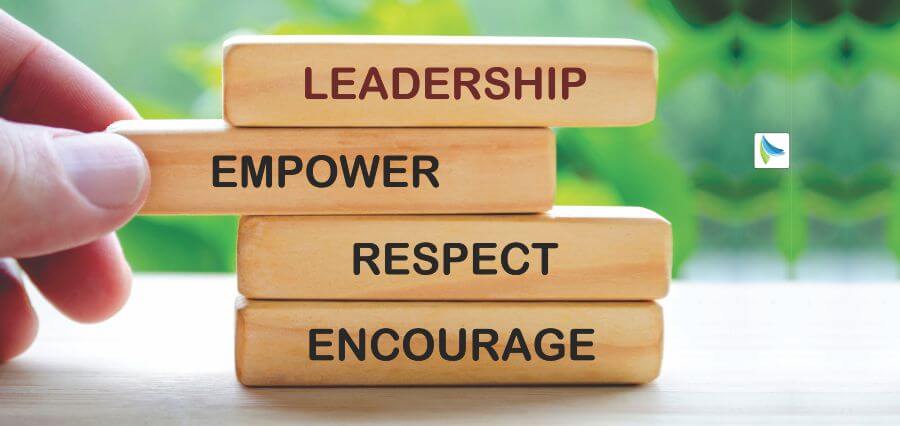
The Alchemy of Influence: Turning Ideas into Impact
Today’s hyper-connected, information-drenched world is home to plenty of ideas—but impact is scarce. What distinguishes a passing fancy from a movement, or a presentation from a paradigm shift, is influence. Influence is the intangible power that turns vision into velocity, and thought into traction. It is not manipulation masquerading as persuasion—it is the art of generating resonance, driving alignment, and mobilizing people toward consequential outcomes. True influence is not control; it is connection. And in leadership, influence has emerged as the most powerful currency—more valuable than authority, more lasting than position, and more repeatable than power. The Journey from Idea to Impact Each innovation, whether technological or social, starts with an idea. But ideas are not sufficient. Between idea and execution is the vital bridge of influence—where a leader has to persuade, inspire, and involve others to believe in something that doesn’t yet exist. This trip calls for more than intellectual clarity. It asks for strategic narrative, emotional intelligence, the building of trust, and the ability to read the moment. It involves grasping not just what the idea is, but how it will hit, who will it touch, and why it’s important. The most effective leaders recognize this gap and craft their communication with that in mind. They interpret ideas into meaning, casting them in the vocabulary of their audience’s hopes, values, and fears. They don’t simply offer ideas—they position them for adoption. Credibility and Consistency: The Bedrock of Influence At the core of influence is credibility. Individuals demonstrate a greater tendency to be influenced by persons they trust—leaders who continually showcase integrity, competence, and authenticity. During a time when noise fills the airwaves, trust makes influence movement. Effective leaders walk the talk. They are principled but flexible in practice. This consistency constructs relational capital over time, and their ideas take hold not because of charisma per se, but because they are credible through behavior. In addition, influence is not flash-in-the-pan—it’s ongoing. It’s not one pitch or presentation; it’s a collection of work, a rhythm of interaction, and a track record of creating value. Leaders who are able to develop long-term influence do so every day through micro-moments of listening, mentoring, pushing back, and empowering. Emotional Resonance: The Underrated Catalyst Fantastic ideas don’t excite people—emotion does. To be effective, a leader doesn’t just need to inform; they need to inspire. This is where emotional intelligence can be an incredible enabler. Leaders who know their audiences’ fears, hopes, and motivations can craft communications that connect with substance and impact. This emotional connection is especially critical during times of change, when uncertainty can foster resistance. Powerful leaders employ empathy as a means to align, not to appease. They listen to context, show they care, and establish psychological safety—enabling individuals to begin to open themselves to new ways of working and thinking. They also understand that influence is not necessarily a loud thing. At times it’s quiet presence, steady support, or mindful silence. Influence is less about knowing what to say and more about how to show up. Influence Is Multiplied Through Relationships Influence is never exercised in a vacuum; it is triggered through networks. Managers who create healthy, inclusive, and trusting relationships across functions and levels multiply their effect many times over. They are bridge-builders, not gatekeepers. These leaders do not see relationships as transactions. They invest with no scoreboard, knowing that influence is a two-way street. By empowering others, they produce advocates, allies, and collaborators who work to move ideas forward. In healthy teams and organizations, influence is shared, not possessed. The best leaders build cultures where influence moves through ideas, not through hierarchies—where the best thinking can emerge from any direction. The Influence Mindset: From Ego to Ecosystem Perhaps one of the most important leadership changes today is the change from ego-based to ecosystem-based influence. It’s no longer who owns the idea, but how far it goes and how much it sinks in. Innovative leaders are liberal with credit and receptive to co-creation. They don’t aim to control the room—they aim to elevate the discussion. They recognize that for an idea to become impact, it needs to become shared—it needs to belong to more than one person. This change of mind releases a profound truth: influence is not a one-man show. It is a collaborative effort, taking humility, curiosity, and the power of flexibility. Leaders who get this realize that they are not merely supposed to lead ideas, but to free them—to give them life beyond their own horizons. Turning Influence into Legacy The ultimate test of influence is not applause—it is action. Ideas are only important if they drive change. Great leaders are dogged in their execution. They bring vision and discipline together, storytelling and strategy together, and passion and persistence together. And ultimately, the mark of true influence is its multiplication. It’s when those you’ve inspired begin to influence others. It’s when your idea becomes embedded in the DNA of an organization, a culture, or a community. That’s when influence transcends the moment and becomes legacy. Conclusion: Influence is the Alchemy of Modern Leadership In a time characterized by disruption, complexity, and noise, influence is the subtle superpower of great leadership. It makes ideas happen, messages multiply, and leaders become agents for sustained change. The magic of influence isn’t magic—it’s mastery. Mastery of empathy, trust, timing, and truth. For those who seek not only to be seen, but to actually make a difference, influence isn’t merely a skill to acquire—it is a craft to personify. Because in the end, leadership is not measured by how many people you command, but by how many you move.

Power, Grace, and Grit: The New Age of Women in Leadership
It is a world in which leadership itself is being rewritten according to the values of inclusion, empathy, and creativity, and it is women leaders who are rewriting the very definition of power. No longer bound to traditional norms of domination or superiority, power today is more associated with influence, collaboration, and mission—values many women leaders possess with breathtaking integrity. The rise of women as leaders is not a trend—it is a sea change. With more sophisticated global challenges, organizations are discovering that leadership of the finest kind does not emanate from command-and-control mind-sets, but rather from leaders who understand how to motivate, unite, and navigate through change with strategic insight and emotional intelligence. Women, long excluded from decision-making tables, are rising up with not just competence, but with the capacity to lead both graciously and grittily. Grace as Strategic Strength Grace is often mistaken for softness or passivity, but as a leadership trait – emotional flexibility, resilience, and being present in the midst of difficulty. Women leaders are showing that grace is not avoidance of conflict—it’s conflict management with heart and clarity. It’s pushing against the status quo without losing your cool, and enabling others without overshadowing them. At the boardroom table, grace looks like listening, being open, and being able to maintain a point of view in high-stakes environments. It’s the audacity to remain calm when decisions have high-stakes outcomes and the confidence to lead with vulnerability rather than bluster. Grace generates trust—and trust generates transformation. This quality has become increasingly vital in the post-pandemic age, when employees long to feel connected, grounded, and human-centered leadership. Women leaders who lead with elegance create cultures where individuals can be themselves, collaborate, and feel seen—not just managed. The Grit That Drives Results While grace communicates emotional strength, grit is unshakable resolve that drives vision into action. Women leaders have exercised grit for decades—at times amidst structural bias, small numbers, and complex intersections of life and work. This grit has been embodied in a leadership mode that is tenacious, principled, and outcomes-focused. Research continually suggests that female leaders are more likely to adopt inclusive strategies, encourage diversity, and prioritize long-term sustainability over short-term profitability. Resilience for them is not merely about moving forward, but also learning to shift when it’s necessary, to hold firm when it’s needed, and to invest in others. This balance of resilience and adaptability is especially evident in crisis-hardened women-led organizations that have weathered crises not by reacting habitually, but by rebalancing thoughtfully—through collaboration, reflective innovation, and cultural integrity. A Broader Lens on Leadership The new generation of female leaders is also marked by a deeper realization of success. Women are shifting the debate from shareholder value to stakeholder value, uniting purpose and profit and rewriting the rules for what it means to lead well. They’re advocating for fairness not just as an ethical imperative but as a business advantage. They’re redesigning workplaces, not just to accommodate women, but to benefit everybody—be it more flexible work arrangements and better parental leave or inclusive decision-making processes. This is not a “women’s version” of leadership. This is making leadership more human, ethical, and forward-looking—what the world so desperately needs today. The Power of Representation Representation matters. When women lead, they change the script for those who follow. From healthcare and politics to tech and finance, looking up to female leaders sends a resounding message: leadership is not a gender, it’s potential. But actual progress is not seat filling—it’s about transforming systems. Women in leadership roles are not role models, they are agents of change. They’re disrupting ancient norms, advocating for inclusive pipelines, and mentoring the next generation not to fit into old shapes, but to invent new ones for themselves. With every step forward, they establish the way for deeper social transformation—where girls can imagine without borders, and organizations can leverage the rich fabric of human potential. Challenges That Endure—and the Path Forward Despite the progress, women still face strong barriers—comparative pay disadvantages, underrepresentation on C-suites and venture capital, and the persistent burden of gender stereotypes. But the tide is shifting. More businesses realize that balanced gender leadership is not just a measure of equality but a mark of excellence. Support systems like mentorship, leadership growth programs, and diversity hiring are gaining traction. But the real transformation is to redesign the leadership itself—not as a struggle for dominance, but as a stage for making a difference, accessible to all who lead with heart, intelligence, and integrity. Conclusion: Leading with Power, Grace, and Grit This new generation of women leaders isn’t about replacing one dominant model with another—it’s about raising the bar on leadership. Power, when defined by grit and grace, is more than authority—it’s influence that inspires, transforms, and lasts. Women aren’t just leading differently—they’re leading more effectively, establishing a model of leadership that is bold and compassionate, strong and thoughtful, strategic and human. Gazing toward the future, the question is no longer if women will be the next generation of leaders. The question is: how high we will climb when power, grace, and grit are leading the way?

Top Icon to Watch in 2025
Top Icon to Watch in 2025 More than just a strategist, Jan Reinke is a changemaker who understands that the future of energy lies in collaboration, innovation, and unwavering commitment. As the renewable energy revolution accelerates, Jan continues to inspire a new generation of leaders to rise with responsibility and resilience. Quick highlights Quick reads

Jan Reinke: Shaping Sustainable Business through Innovation and Dedication
In an era dominated by the need for sustainability, those who are introducing transformational developments are leaders who combine technical competence with entrepreneurial drive and social concern. A prime example of such a leader is Jan Reinke, a driving force in the renewable energy revolution. He has dedicated his working life to harnessing the potential of photovoltaics and driving sustainable business growth. Early Foundations: Family Heritage in Electrical Trade Jan’s journey to energy and business began years earlier than the founding of his own company. As a member of an electrician’s household, Jan Reinke was immersed in the technical aspects of the electrical trade since childhood. His father’s business was not so much a backdrop for his upbringing as a formative influence, instilling in him a hard work ethic and the careful balance between work and personal life. Seeing the nitty-gritty of running a business, Jan learned early that dedication and persistence are the essential traits needed to find ultimate success. Having finished his master electrician training, Jan Reinke gained not only technical proficiency but also insight into the industry’s dynamics. He saw that most firms in the industry were unstructured and did not realize they should formalize their sales processes. That early insight would eventually inform his own business strategy—one of maximizing efficiency, transparency, and customer-centric mentality. Professional Development: From Industry Experience to Entrepreneurial Motivation After formal education, Jan Reinke tried to broaden his experiences by working in the automation and automotive industries. This exposed him to highly structured and efficient working systems, which contrasted with the more ad hoc ones he had seen in traditional electrical companies. The discipline and process orientation of these industries left deep impressions on Jan, shaping his leadership style and organizational development. It wasn’t until 2005 that Jan’s career was forever altered. Recognizing the potential for change through photovoltaics, he began to study this burgeoning field. Solar technology was then still at its infancy stage—costly, reliant on government incentives, and unfamiliar to everyone but specialized groups. But Jan had vision beyond the immediate challenges, seeing the long-term economic viability and sustainability of solar power. Spurred by faith, he risked going out on his own, embarking on a journey that would lead him to master all aspects of the business—acquisition and fitting to administration and planning. Building an Enterprise: The Genesis and Evolution of REINKE Photovoltaik Jan’s entry into the photovoltaic industry was marked by hands-on experience and relentless learning. Through the complexities of the industry, his company experienced unprecedented growth, a testament to his ability to identify opportunities and execute to precision. Far from being content, Jan went ahead to establish two additional companies, both of which he later on sold lucratively—a telltale indication of his entrepreneurial acumen and adaptability. By 2019, Jan had developed mastery in designing and installing solar photovoltaic systems for companies. Such specialization was the motivation for setting up REINKE Photovoltaik GmbH, a business dedicated to offering end-to-end energy solutions that integrate solar power, storage solutions, charging points, and artificial intelligence. REINKE Photovoltaik, under the visionary guidance of Jan, has become synonymous with innovation, dependability, and sustainability. Navigating a Transforming Industry: Challenges and Opportunities When Jan Reinke first entered the photovoltaic field, the landscape was a world away from today. Solar components were much too expensive, and the economic case for the installation was often based on government incentives. Photovoltaics was more associated with remote deserts or space exploration than with ordinary commercial or residential use. Despite these obstacles, Jan’s analytical mind and sheer belief in technology’s potential propelled him forward. Over the years, Jan witnessed—and actively contributed to—the evolution of the industry. Technological advances led to significant cost reductions, making solar energy accessible to a broader range of clients. The advent of storage solutions further enhanced the appeal of photovoltaics, enabling businesses to utilize solar power around the clock. Throughout these changes, Jan Reinke remained at the forefront, expanding his network to include manufacturers, engineers, installers, customers, and suppliers. His success has been built on his ability to adapt to changing market and regulatory environments. Leadership Philosophy: Empowerment, Transparency, and Teamwork Evidently, at the core of Jan’s leadership is a keen focus on trust, empowerment, and transparency in communication. He firmly believes that the greatest ingredient in success for an organization is the right people. By hiring individuals dedicated to the company’s values and philosophy, Jan Reinke has fostered a culture where initiative and collaboration are reinforced. Jan’s leadership is basically liberal—he allows his team space to use their own judgment, learn from their mistakes, and grow professionally. He does not view errors as blunders but opportunities to improve processes and innovate. This is a disposition that fosters an active environment where continuing learning and adaptability are promoted. Where there are problems, Jan Reinke is absolutely dedicated to open and honest communication. He is adept at striking the balance between collaborative decision-making and the demands of assertive leadership, always keeping the best interests of the company and the people at the forefront. This mix of clear vision, structured processes, and a willingness to learn has been at the heart of REINKE Photovoltaik’s long-term success. Balancing Professional and Personal Life: The Role of Family For Jan, the blending of professional and personal life is both a fact and an asset. Growing up in a family in which business suffused all areas of life, he is familiar with the strains and rewards of being an entrepreneur. He understands that the boundaries between business and personal life are much more fluid for entrepreneurs, and that maintaining balance is a matter of will. Jan Reinke is very grateful for the support and love of his family—particularly his wife and daughter—who are the driving force behind his career goals. He makes sure that he has dedicated time for family, realizing that these are the times that he must recharge and keep things in perspective. The support and love within his household are, in Jan’s view, essential to his ongoing success. Vision and