
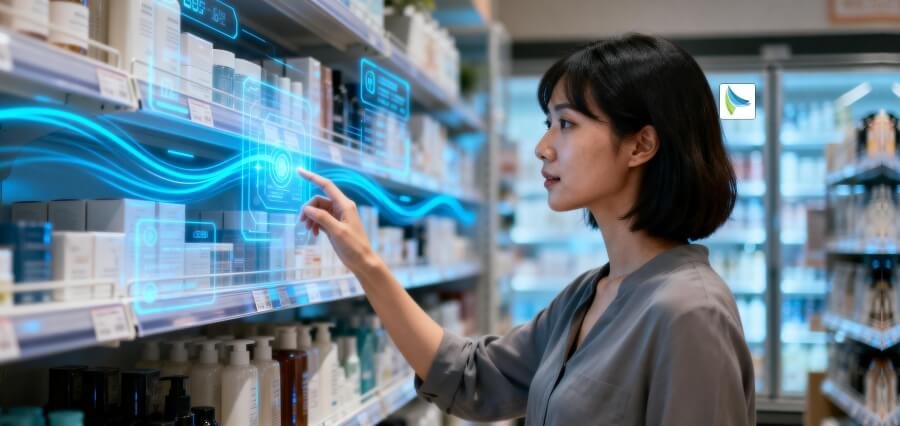





The ROI of Tech-Enabled Construction
The world today, which is more dynamic and fast-moving every day, witnesses its building sector deeply transforming. At the center of it all is tech-enabled construction, a new method that combines emerging technology with conventional ways of constructing. From 3D printing and drones to artificial intelligence (AI) and Building Information Modeling (BIM), the face of construction is changing in thrilling ways with the promise of greater efficiency, greater safety, and most importantly, greater return on investment (ROI). But what does ROI mean in terms of tech-enabled construction? It’s not solely about cost savings, though that’s a big part of it. ROI here applies to value over the long term, sustainability, workforce optimization, and customer satisfaction. This article explores the financial and operational gains of bringing technology into construction in depth, explaining why this moment in time is ideal for the sector to accept this change. Redesigning Efficiency with Technology-Powered Tools The most convincing advantage of technology-based construction is the dazzling increase in operation efficiency. Traditional construction operations are often beset with delays, rework, and communication failures among stakeholders. Through applications like BIM, project teams can model and simulate all project elements before actual work starts. This allows for detection of design conflicts at the beginning stage, enhance the planning of resources, and deliver more precise timeliness. In fact, studies have shown that BIM itself can reduce rework by as much as 40%, a profit-devouring expense that savages profit margins. When construction companies leverage BIM together with other technologies like scheduling software and real-time communications software, they cut redundancies and accelerate project completion—feeding into the bottom line immediately. Labor Productivity and Workforce Optimization The building sector has always suffered from shortage of manpower and fall in productivity. Technology-enabled building brings solutions that can bridge the gap. Wearable technology, for instance, not only helps workers’ safety by monitoring life signals and body motion but also facilitates site managers to better manage human resources. Automation and robotics have also been revolutionary. Brick-laying machines, concrete-pouring machines, or repetitive task machines allow for human employees to accomplish the more skilled half of the task. This means fewer errors, less wear, and ultimately, improved quality. Add in the cost advantage of reduced downtime, fewer accidents, and higher production, and the ROI is self-explanatory. Cost Savings Through Predictive Analytics Imagine having the power to foresee construction delays before they occur or understanding which materials will result in future quality issues. Predictive analytics powered by AI brings this into focus. With analysis of historical project history, weather conditions, and supplier data, companies can make fact-based decision-making that wipes out costly mistakes and delays. Technology-empowered construction uses these learnings to keep projects within budget and on schedule. For example, AI can make procurement more logical by allowing optimization of when to order materials, so material waste and storage cost are minimized. In total throughout the lifetime of a project, these small improvements on an aggregate basis allow considerably better ROI. Improved Communication and Coordination Construction is a multitude of stakeholders owners, architects, engineers, contractors, and suppliers. Miscommunication among them typically results in wasteful errors and time-guzzling delays. With mobile apps and cloud platforms, construction-enabled technology allows for real-time communication and data sharing among each team. All members see the latest drawings, change orders, and site data, preventing miscommunication and ensuring consistency. Such team collaboration efficiency leads to faster decision-making, greater openness, and more secure working relationships—benefits to project outcomes and bottom-line performance. Sustainability as a Long-Term ROI Driver Green building is no longer trendy. Better still, tech-construction is also making the industry step up its game when it comes to green building. Technologies like smart sensors can monitor energy consumption in real time, while prefabrication processes reduce waste and enhance quality control. Investors and clients are finding more and more to appreciate about green building methods, which ultimately find their way into premium property value at full price and increased marketability. In this way, that initial investment in green, technology-driven initiatives reaps rewards in lowered operating costs, tax incentives, and improved brand stature. Real-Life Success Stories A few construction firms worldwide have already benefited from technology-construction. Take an example of a European infrastructure firm that implemented drone surveying and BIM to a big highway construction project. They achieved a 25% reduction in the duration of the project and saved millions of dollars on labor and material costs. Similarly, a U.S. mid-size commercial contractor used wearable safety technology and artificial intelligence-based project management software to decrease in-workplace injury by 60% lowering insurance costs considerably and the cost of lawsuits. This is not an isolated case but one component of a growing trend that moves toward embracing the fact that technology enhances profitability and minimizes risk. The Human Element: Empowering a Modern Workforce Where technology-based construction will undoubtedly lead people’s imaginations to visions of job loss, however, the reality is the opposite. Technology is, instead, enabling the workforce to become more skilled and more sophisticated and play more significant roles. The future construction worker is as likely to fly a drone or manipulate a digital model as he is to be likely to likely wield a hammer. Training programs and partnership between contractors and technologists facilitate employees to transition to this new era. Investment in people and platforms allows for seamless and interactive adoption of technology—another example of how ROI is strengthened through enhanced worker happiness and retention. Conclusion: Building Smarter, Building Better Use of technology in construction is no longer a trend, but a revolution. Technology-based construction maximizes each phase of a construction project, from design to delivery. Such equipment, if used by organizations, not only saves money, but also quality, safety, and sustainability. Ultimately, the ROI of technologically enabled buildings isn’t in the bottom line. It’s in healthier customers, safer employees, smarter buildings, and a more resilient business model. To forward-thinking leaders who want to future-proof their companies, accepting this change isn’t a choice, it’s a strategic imperative. Read Also: Digital Innovation Driving India’s Real Estate Market Transformation

The Animation Entrepreneur’s Guide to Securing Venture Capital in 2025
It is in the year 2025 that the world of animation is being revolutionized by a trend that’s all-encompassing. Something that was previously a niche market that was being aimed at kids’ entertainment has now turned into a mass cultural and financial giant. With the insatiable appetite for content from streaming platforms, the application of AI technology at the production level, and worldwide audiences looking for true stories, never has there been a better time to be an animation businessman. But even great ideas require fuel and in today’s competitive marketplace, venture capital is most frequently that fuel. The New Wave of Investor Interest Venture capital investors are casting aside the generic tech startup and looking to the arts. Animation, with its peculiar mix of scalability, brandability, and worldwide reach, has been especially appealing. Investors no longer simply seek applications and algorithms now they’re salivating over the next cultural phenomenon, the next iconic character, the next multimedia franchise. However, securing VC funding as an animation entrepreneur comes with its own set of challenges. You’re not just pitching a project; you’re selling a vision. And that means showing investors that your creative studio has both the artistic flair and the business acumen to thrive. Laying the Groundwork for Investment Before you ever sit across from an investor, your home has to be in order. Animation startups too frequently are characterized by imagination and not much else. But venture capitalists demand a properly formed company, well-defined leadership positions, and a clearly delineated business model. If you’re a solo shop or a small group, you must professionalize. Investors need to see that your business can scale. And it starts with specificity—what you’re making, for whom you’re making it, and how you’re going to make money from it. A thoughtful, deliberated plan of action conveys the message to VCs that you’re serious about the art form and the business. And this is what the modern animation entrepreneur has to become: a combination of visionary and strategist. From Stories to Assets: The Power of IP At the heart of all successful animation production is fantastic intellectual property. It’s fantastic characters, deep worlds, and emotional stories that people—and by consequence, financiers—fall in love with. But great imagination is not enough. It is about having control over your creations. To have a strong IP portfolio is not to sell one invention but to sell an environment of possibility: merchandise, spin-offs, games, theme park potential. That scale factor is what turns a good concept into a fantastic investment. Simple and straightforward, the modern animation businessperson needs to be Disney thinking in its very beginning stages—horizon-orientated, not solely first release-orientated. Metrics Matter, Even in a Creative Industry It’s a hard truth, but one worth embracing: creativity alone doesn’t close funding rounds. Investors speak in data, and to be taken seriously, you’ll need to translate your passion into numbers. That means audience engagement stats, market size research, competitor analysis, and financial projections. Testing on YouTube, Instagram, or TikTok can provide early evidence of concept. Dabbling online success is still evidence of interest and traction. Crowdfunding can be evidence of public support in addition to a source of money. If you are able to combine artistic skill with good analytics, then you are a rare kind of animal—a data-driven animation entrepreneur who can scale. Surround Yourself with the Right People No large animation studio exists in isolation. Investors invest not solely in ideas but also look at the teams that accompany them. A balanced team of creative directors, technical leads, producers, and business minds can shatter or forge an investor’s trust in your project. If you lack some specific skills, don’t hesitate to invest in partners or consultants to cover the gaps. Investors don’t expect you to be jack-of-all-trades. They expect you to know what you require—and do something about it. Your skill in producing and managing a team is just as essential as your drawing or animation skills. Go Where the Investors Are Raising money isn’t necessarily about having a rockin’ deck, but rather about making connections. Begin to find yourself in areas where VCs will be searching. That is, industry festivals, progressive tech conferences, and startup demo days. Not whether it’s the Annecy Festival, SXSW, or Tuesday investor networking evenings—being present is essential. Online, vehicles like LinkedIn become more valuable. Share your tale, open up your behind-the-scenes operations, and display the “why” of what you’re doing. Venture capitalists will frequently seek out start-ups online before ever meeting with the founders. Being an out-in-front brand turns you into a serious, dedicated business owner. And visibility creates possibility. Crafting the Perfect Pitch When pitch time comes: Don’t forget that VCs are investing in vision—yes, vision—not just content. Your passion should also shine through in your pitch, but be able to show how your work intersects with trends, fills a gap in the market, or is for an underserved audience. Why is your animation special? Why now? And how does your company get to profitability at scale? Bring emotion, but bring logic too. A compelling story, when combined with a clear strategy, is often what gets the deal done. The Future Is Yours to Animate In 2025, the role of the animation entrepreneur has evolved. You’re not just a creator—you’re a founder. A leader. A brand-builder. Venture capital is within reach, but it demands preparation, clarity, and a willingness to grow beyond the drawing board. Read Also: From Invention to Industry: The Future of Scientific Innovation Trends
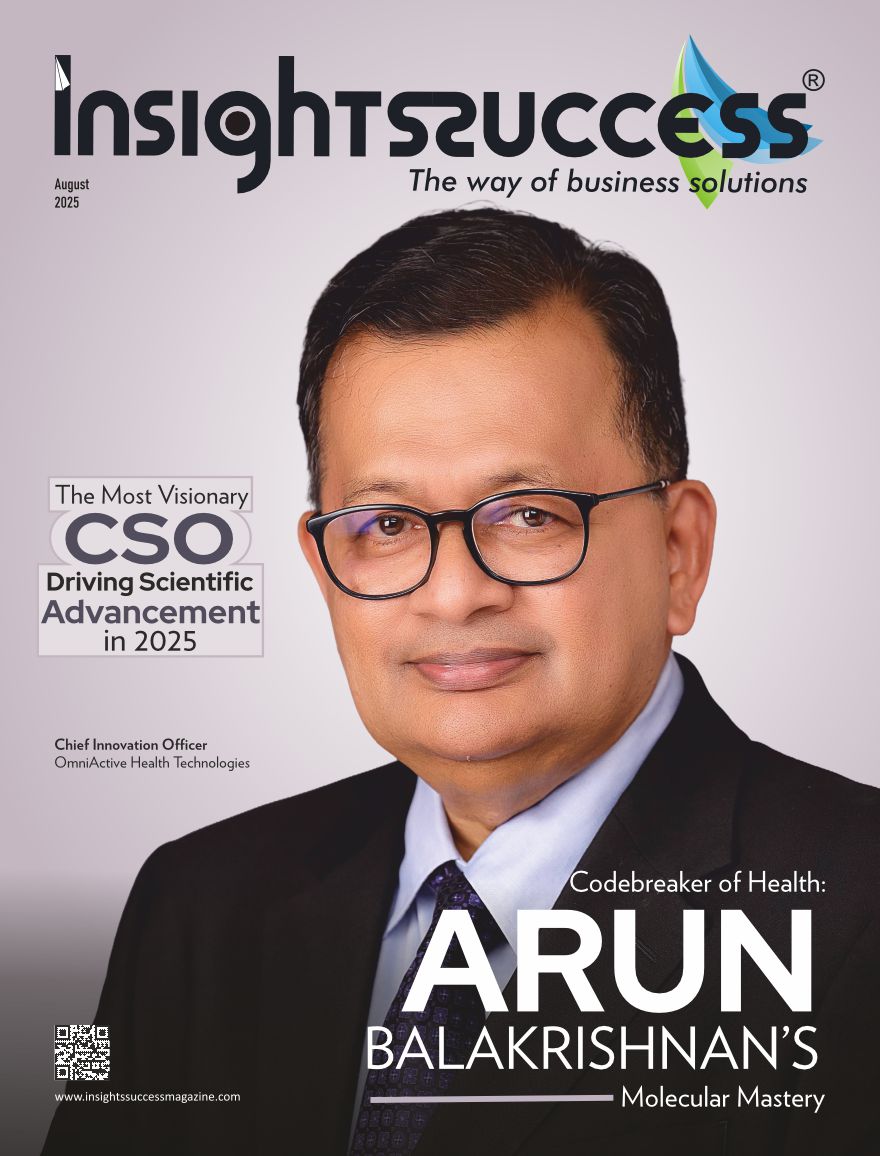
The Most Visionary CSO Driving Scientific Advancement in 2025
The Most Visionary CSO Driving Scientific Advancement in 2025 Dr. Arun Balakrishnan, Chief Innovation Officer at OmniActive Health Technologies, is a visionary leader at the intersection of science and strategy. With over 30 years of experience in academia and industry, he transforms research into impactful innovations, advancing global health through nutraceuticals, translational science, and collaborative leadership. Quick highlights Quick reads

From Invention to Industry: The Future of Scientific Innovation Trends
Scientific innovation is at the crossroads of human history when technological progress, interdisciplinary research, and international cooperation are converging to create a new development paradigm. With human society confronted with challenges of a type never before experienced ranging from fear of climate change to international health crises, never before has scientific innovation been as pressingly needed. New trends in artificial intelligence, biotechnology, space exploration, and sustainability are likely to transform not just the conduct of science but also the way that societies derive benefit from science. This article outlines future scientific innovation under three prevailing paradigms: uniting machine learning and artificial intelligence into the scientific process, working to develop biotechnology and its potential impact on medicine and agriculture, and the increasing focus on sustainability-driven innovation. AI and Machine Learning Machine learning and artificial intelligence are revolutionizing scientific discovery by allowing scientists to process vast amounts of data, form new hypotheses, and speed up experimental processes. The two technologies have profound effects in computationally intensive fields like materials science, climatology, and genomics. Whereas conventional trial-and-error methods are employed, AI can identify patterns and relationships that the human eye cannot, making predictive modeling and improved experimentation possible. In drug research, for instance, machine-learning software models how molecules interact, reducing the time it takes to find useful compounds and get them to the market faster. AI is also changing the way science questions are addressed. Computational models are able to model complex systems from cell to planetary ecosystems so that scientists can subject theory to test and virtual experiments before investing in expensive real-world experiments. Additionally, AI is being applied to machinery like microscopes and telescopes to enable them to accomplish more in recording, interpreting, and analyzing data in real time. As these technologies become more widespread, inter-disciplinary and cross-geography collaborative research will continue to lead the pace of innovation, broadening the scientific process in order to make it more inclusive and expansive. Biotechnology in Health and Agriculture Biotechnology is revolutionized by advances in genetic engineering, synthetic biology, and personalized medicine. Use. of technologies like CRISPR-Cas9 has opened up new avenues for gene editing, enabling scientists to cure genetic disease, create crops that are resistant to diseases, and manipulate cells to employ them as therapy. Advances not just redefine disease treatment but disease prevention too. For example, personalized medicine employs genomic data to customize treatments for individual patients, enhancing efficacy and minimizing side effects. This transition from a universal one-size-fits-all to an individualized or customized way is a paradigm shift in healthcare delivery. In agriculture, biotechnology is supporting food security and sustainability amidst climate change and pressure of population. Genetically modified organisms (GMOs) are being made more tolerant to extreme weather conditions, pest-resistant, and nutritionally enhanced. These technologies can lower the application of chemical fertilizers and pesticides and help farming become more sustainable. Biotechnology is also enabling the production of alternative proteins and cultured meat, which can reduce the environmental footprint of conventional livestock rearing. While regulatory landscapes continue to shift and society continues to become more tolerant of the technology, biotechnology will increasingly be an integral component of global initiatives aimed at bettering health and making food systems more sustainable. Sustainability-Driven Innovation and International Cooperation Humanity is entering an era marked by environmental degradation and diminishing natural resources, prompting scientific innovation to increasingly focus on sustainability. Scientists nowadays are working on how to cut carbon emissions, conserve biodiversity, and spur circular economies. In the energy sector, for instance, studies of solar, wind, and battery storage technologies are enhancing the efficiency and affordability of renewable energy. Scientific breakthroughs are even enabling the mass production of green materials, such as biodegradable plastics and renewable substitutes for concrete, which can lower the environmental impact of industrial processes. These initiatives are all part of the large-scale movement towards prioritizing science development based on sustainable development in the long run and ensuring the care of the environment. Global collaboration is a critical element of innovation for sustainability. Scientific challenges like climate change and pandemic resilience cut across international boundaries and require an attempt as a partnership. Global collaborations of research, open collegiality of data, and harmonious policies of funding are constructing an integrated science world. Such programs as the United Nations Sustainable Development Goals have also given the scientific agenda a large-scale-coordinating framework in the context of respect for global agendas. Conclusion The future of science research is marked by accelerated convergence of technology, interdisciplinarity, and the increasing quest to address the biggest challenges to society. Artificial intelligence expedites discovery, biotechnology is rewriting medicine and agriculture frontiers, and sustainability propels research agendas globally. The trends are not disparate but are interwoven and reinforce each other to construct the scientific business of the future. It will be a function of inclusive policy-making, sound moral thinking, and reasonable education systems that develop tomorrow’s scientists. The power of science to reshape is only fulfilled to its maximum potential if it is made open, accessible, and directed towards human and planetary health ends. Read Also: The Animation Entrepreneur’s Guide to Securing Venture Capital in 2025
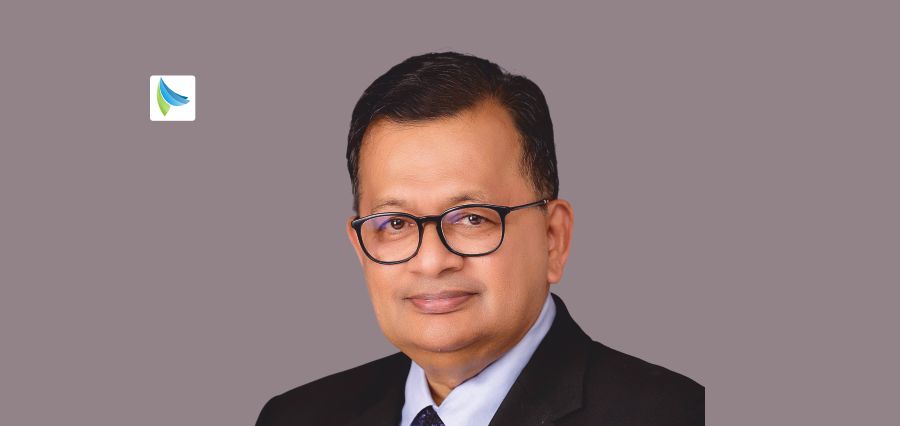
Codebreaker of Health: Arun Balakrishnan’s Molecular Mastery
“The best way to predict the future is to invent it.” — Alan Kay Innovation rarely arrives with fireworks. It emerges quietly, layer by layer, from the mind of someone who sees what others overlook. It lies in the delicate unraveling of cells, the rebirth of chemistry in nature, and in the audacious faith that better health could be engineered. On the frontier of nutraceuticals, the future is not something to wait for—it is about bringing innovations to life, making them accessible to people. The man leading this revolution is Dr. Arun Balakrishnan, Chief Innovation Officer at OmniActive Health Technologies. A visionary and a scientist by instinct, he has over 30 years of experience in defining the frontiers of health and wellness. Whether it was during his early days as a Director at the Centre of Biotechnology, Anna University, or as an Innovator in drug discovery at Piramal Enterprises, his continued career has been one that has blended the art of strategy with extreme science. Since April 2015, Arun has been working as the Chief Innovation Officer at OmniActive Healthtechnologies in Mumbai, as the head of innovation in the nutraceutical industry. Previously, he held various top management positions at Piramal Life Sciences Limited from 2005 to 2015, serving as Vice President and then Senior Vice President in the areas of high-throughput screening, natural products, and external liaison. Arun has a fine academic background, having served as a Lecturer, subsequently as a Director, and as Head of the Department of Biotechnology Research and Teaching at the Centre of Biotechnology, Anna University, Chennai, until 2005, when he ventured into the industry. Dr. Arun, with over 83 publications, patents, and a postdoctoral research experience at UC Berkeley, has built a strong foundation in science, having co-led one of the largest natural product screening programs in India. Now, he is traversing the path between biology and business as he shapes the future of preventive health, one breakthrough at a time. Turning Research into Reality Arun’s diverse career has been shaped by his passion for scientific innovation and its real-world impact. Reflecting on his journey, he shares, “Each experience has been a valuable opportunity for learning and success, driven by a deep passion for scientific innovation and its real-world impact.” His journey began at UC Berkeley, where he deepened his knowledge in breast cancer research and learned the value of collaboration over competition. This philosophy became a cornerstone of his career. After returning to India, Arun spent 15 years at the Centre for Biotechnology, Anna University, where he mentored over 20 PhD students and secured significant funding for international research collaborations. His expertise in managing global programs led to his promotion to Full Professor and later to Director. Arun’s work with industries and international organizations helped him build cutting-edge infrastructure for both research and product development. He shifted his focus from publishing papers to translational research, successfully out-licensing products for commercialization. The Alchemist of Oncology Arun’s career then transitioned to the pharmaceutical sector, where he had the privilege of collaborating with two large pharmaceutical companies on research activities. While his early research centered on basic cancer biology, he expanded his interests to include exploring how medicinal plants from traditional knowledge could yield novel molecules for drug development. This area sparked significant interest within the pharmaceutical industry, opening the door to new and exciting career opportunities. Arun holds numerous prestigious professional memberships that reflect his deep involvement in science, education, and industry. He is a member of FICCI, CII, the Kerala State Science and Technology Council, and several global organizations, including the American Association for Cancer Research, the New York Academy of Sciences, and the American Society of Tropical Medicine and Hygiene. In India, he has been affiliated with the Indian Society of Cancer Research since 1981. Arun served as Joint Chairman of VIT’s Industry-Education Expert Committee on Medical Science and Technology. He is a member of the advisory boards at CIMAP, Shri Ramachandra University, and the Tamil Nadu Planning Commission, among other reputed institutions. Formulating the Future OmniActive is a leading nutraceutical company specializing in lutein and zeaxanthin-based products, with a vertically integrated supply chain ensuring quality at every step. Under Arun’s scientific leadership, the company invests heavily in R&D and innovation, with his team of extraction chemists and formulation scientists advancing technologies to enhance the biological efficacy of key ingredients. The scientific and marketing teams collaborate to create wellness-focused products backed by scientific rigor and practical application. Arun’s strategic vision enables the company to meet consumer demands while maintaining rigorous quality standards. OmniActive’s R&D centers in India focus on innovative extracts and delivery forms, supported by clinical research, regulatory approvals, and a commitment to continuous improvement in product development and manufacturing processes. The Wellness Architect At OmniActive, Arun and his team have developed value-added products, overseeing every stage from cultivation to safe human administration, ensuring regulatory compliance and quality at each step. Arun also spearheaded the creation of a dedicated clinical study group with expertise in designing studies, defining endpoints, and collaborating with accredited CROs. These studies adhere to ICH-GCP and global clinical trial regulations, resulting in successful inspections by the FDA, EMEA, and DCGI. The results are published in scientific journals in collaboration with partners. Arun joined Piramal Healthcare to scale up his academic work on medicinal plants, utilizing advanced technologies such as microarrays and high-content robotics. Arun points out, “My decade at Piramal, within a world-class facility, saw the development of national programs, including a landmark screening initiative with the Government of India that led to the creation of national institutes like the microbial cultures centre in Pune.” Evolution from Pharma to Functional Wellness After his tenure at Piramal, Arun took on a new challenge as Chief Innovation Officer at OmniActive Health Technologies, a dynamic startup in the nutraceutical sector. This role revealed the key difference between pharmaceuticals, which isolate pure molecules, and nutraceuticals, which leverage the power of plant extracts for broad health benefits. Arun applied his research background to
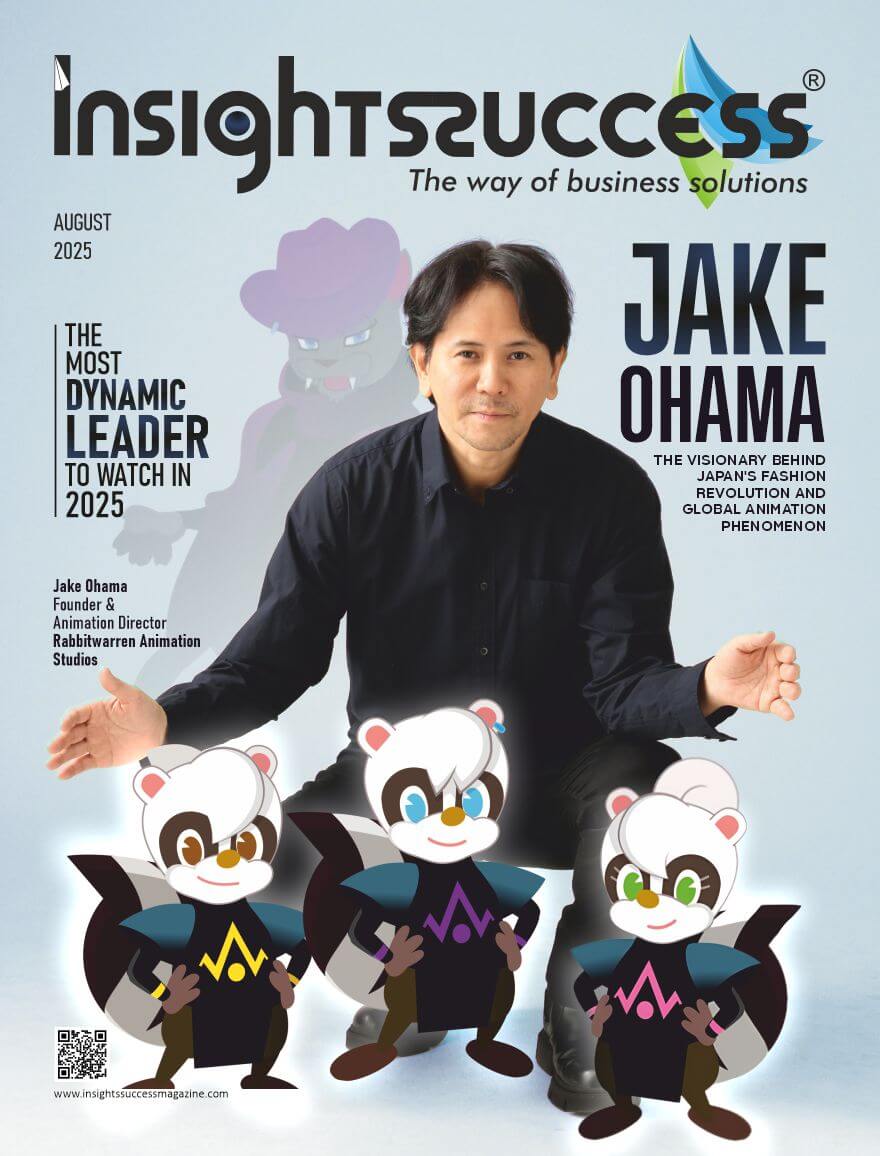
The Most Dynamic Leader To Watch In 2025
The Most Dynamic Leader To Watch In 2025 This edition spotlights Jake Ohama, a visionary redefining leadership with innovation, resilience, and purpose. This special edition explores his transformative journey, strategic foresight, and impact across industries, making him a standout figure set to shape the future of business and leadership in 2025 and beyond. Quick highlights Quick reads
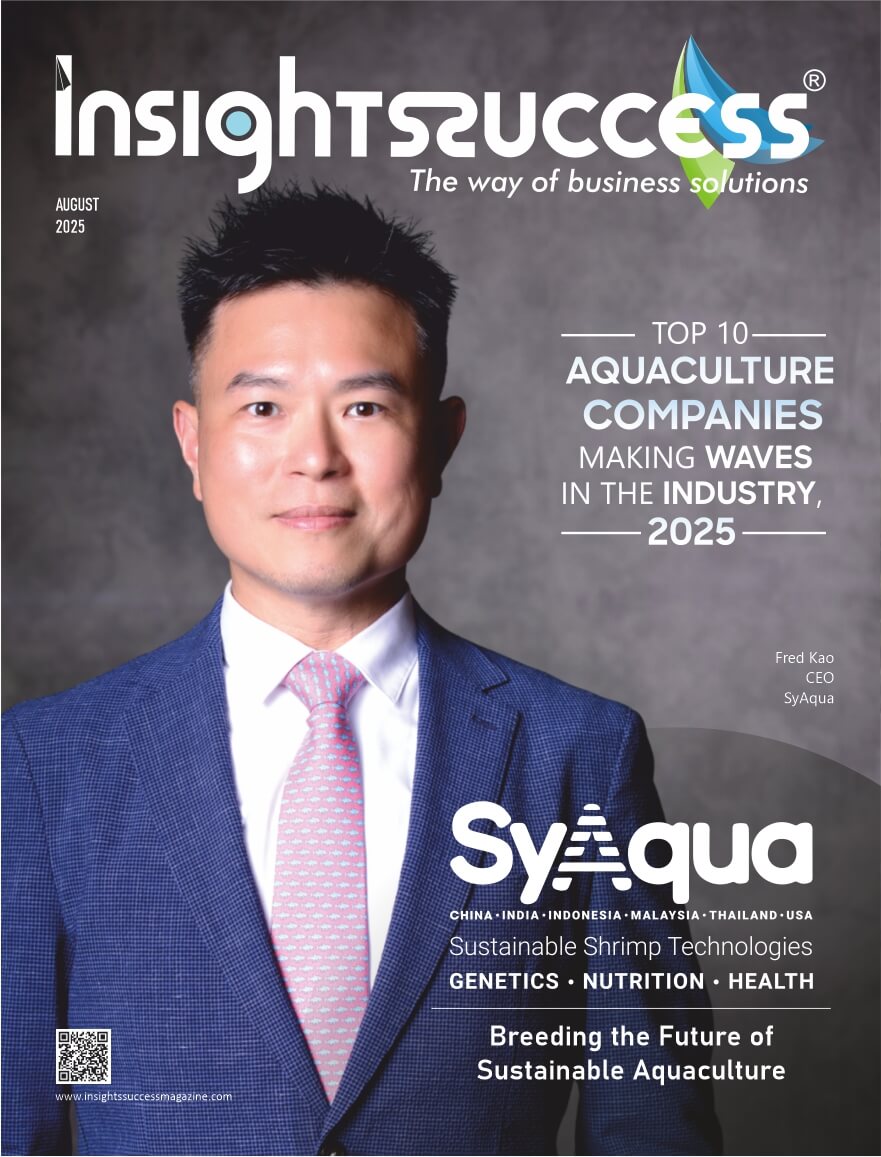
Top 10 Aquaculture Companies Making Waves in the Industry,2025
Top 10 Aquaculture Companies Making Waves in the Industry,2025 Discover the leading innovators transforming global aquaculture in 2025. These top companies are setting new standards in sustainability, technology, and seafood production, driving the industry forward with impactful practices and groundbreaking solutions. Quick highlights Quick reads

SyAqua: Breeding the Future of Sustainable Aquaculture
When it comes to the commercial shrimp genetics market for breeding, using cutting-edge technologies to deliver best-in-class hatchery feed, genomic selection, quantitative genetics and breeding science, there is none at the top other than SyAqua. It is a Singapore-based company that is revolutionizing shrimp genetics and alternative feeds so that the world’s wild fish stocks can be saved, proliferated, grown, and developed for the future. Incepted in 2001 and first began in Berkeley, California in 2002, its CEO, Fred H. Kao, SyAqua subsequently expanded over its two-and-a-half decades of journey to the global markets including USA, China, India, Indonesia, Thailand, and Malaysia. According to Fred, SyAqua’s renowned Balanced Line genetics, which is a combination of robustness, higher survival rate, and excellent efficiency (FCR and ADG), has excelled across diverse production environments and management systems in Asia. To maintain a competitive edge, SyAqua continues to consistently invest in cutting-edge genetics research and industry experts to ensure a consistent delivery of improved performance. Leading the Blue Revolution in Aquaculture At the forefront of innovation in global aquaculture, SyAqua is making powerful waves as one of the most dynamic and forward-thinking companies in the industry. Under its visionary leadership, the company is redefining how genetics can drive performance, sustainability, and impact within the aquaculture value chain. With over 25 years of experience in agriculture—20 of which were rooted deeply in poultry genetics—Fred brings a rare perspective to the aquaculture sector. “I started in the chicken days,” he reflects, emphasizing the critical role genetics plays at the top of the food production chain. In the poultry world, being involved in genetics meant steering outcomes at a fundamental level rather than reacting to inherited variables. “Instead of being in a passive position like a commercial farmer, I wanted to be in a place where I could create impact and make real changes,” Fred explains. This desire to create impact led Fred from poultry to feed additives and ultimately back to genetics—this time, in aquaculture. He identified a compelling gap: while poultry and swine genetics were decades ahead in terms of selection, understanding, and utilization, shrimp genetics were still playing catch-up. This realization formed the foundation of SyAqua’s mission—being responsible for protecting what matters most, whether that means preserving genetic integrity, ensuring robust biosecurity, or maintaining the health and well-being of animals. SyAqua’s approach is grounded not just in improving productivity but also in driving sustainability. Supported by its parent company, a global leader in sustainable practices, SyAqua’s efforts align with the broader goal of building environmentally responsible food systems. This strategic alignment reinforced Fred’s decision to lead the company with a purpose that goes beyond profit—delivering long-term value for both farmers and the planet. Redefining Aquaculture with Responsibility, Innovation, and Impact Since taking the reins as CEO, Fred has shaped SyAqua into more than just a genetics company—he has transformed it into a purpose-driven force in global aquaculture. For Fred, SyAqua’s mission is rooted in two vital pillars: responsibility and impact. As one of the few players at the top of the genetic supply chain in shrimp farming, the company holds a unique and weighty responsibility. “If companies like ours fail to deliver healthy genetics, it ripples across the entire chain—from struggling farmers to higher prices for consumers,” Fred explains. That’s why SyAqua is laser-focused on safeguarding genetic integrity, ensuring robust biosecurity, and maintaining healthy animals—all while prioritizing environmental sustainability. Fred’s vision is crystal clear: success isn’t just about profitability; it’s about profitable impact. “Of course, we want to make money—every business does,” he says candidly, “but what really matters is how that money is made and what change it drives.” SyAqua is pioneering methods to lower the feed conversion ratio (FCR), reduce water usage, minimize wastewater discharge, and lessen environmental bacterial load—all of which contribute to a cleaner, more sustainable blue economy. These efforts aren’t ESG checkboxes—they’re core to SyAqua’s DNA and its long-term legacy. In an industry often marked by incremental innovation, SyAqua has carved out a reputation for bold leadership and game-changing science. But Fred believes it all begins with people and purpose. “Before we even talk about technology, we start with a clear mission and a unified team,” he emphasizes. This foundation empowers SyAqua to consistently “do the right things”—from meeting rigorous government regulations to upholding ethical practices in every aspect of operation. On the technology front, SyAqua’s approach to shrimp genetics is a differentiator in a crowded field. Traditionally, the industry has focused on three traits: growth rate, survival rate, and disease resistance. SyAqua, however, has raised the bar. One of its standout innovations is the integration of robustness into its selection criteria. This means breeding shrimp that can thrive in real-world conditions—extreme temperatures, droughts, and fluctuating water quality—without relying on antibiotics. “We’re 100% antibiotic-free and proud of it,” Fred states. “Robustness isn’t just a scientific metric—it’s the difference between surviving and thriving.” SyAqua’s story is a powerful testament to what happens when science, sustainability, and vision converge. As the company continues to lead from the top of the food chain, it’s not just enabling better yields for farmers—it’s setting new benchmarks for the entire aquaculture industry. A Transformative Journey: A Measured Impact on the Future of Aquaculture As SyAqua continues to expand its influence in the global aquaculture industry, its mission is becoming more than just a pursuit of innovation—it is a commitment to sustainability backed by measurable, data-driven impact. At the heart of this transformation lies a bold strategy centered around improving Feed Conversion Ratios (FCR)—a critical yet often overlooked metric in aquaculture. Fred explains that even a minor improvement in FCR can yield dramatic environmental benefits. “If we reduce FCR from 1.2 to 1.19, we’re saving 10 grams of feed per kilo of shrimp. Across the global shrimp industry, which consumes 5 to 6 million metric tons of feed annually, that small percentage could translate to tens of thousands of tons of feed saved,” he explains. Less feed means fewer fish meals, reduced use of agricultural
Mapping the Future of Aquaculture Business Growth
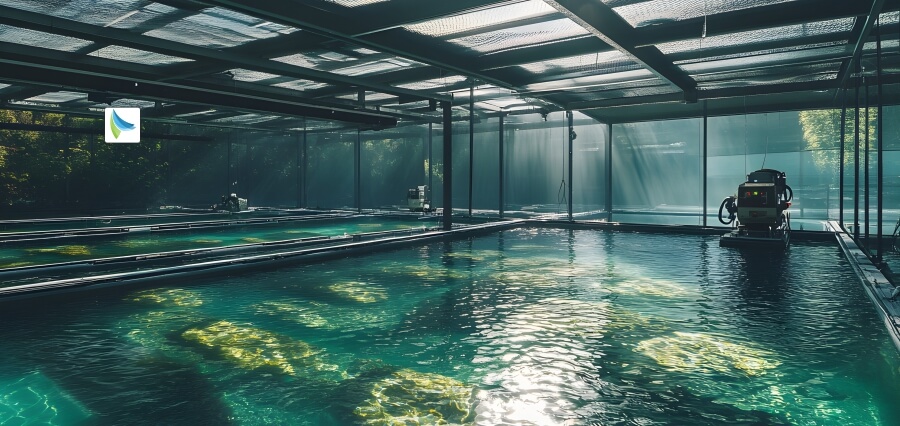
Scaling the Blue Frontier The evolution of the aquaculture business is altering the food systems across the globe. Aquaculture is no longer a niche or local practice and has grown into a main contributor to global seafood production. After years of slow growth, the sustainable protein industry is at a turning point, in an era of innovation, capital flows, and regulatory changes that are shaping the industry over the next several decades. Drivers of Growth According to a 2025 World Bank and WWF report, an estimated investment of 1.5 trillion dollars specifically on target by 2050 could increase the output to 255 million metric tons and offer as many as 22 million jobs globally. By contrast, business-as-usual growth path (involving $0.5 trillion investment) would deliver 159 Mt and fewer jobs. This is how scale-up in business development in the aquaculture industry can be life-changing. Technological Innovation & Operational Efficiency Technology is central to the growth of the aquaculture business. Recirculating Aquaculture Systems (RAS), biofloc, and Integrated Multi-Trophic Aquaculture (IMTA) support water-recycling, waste-minimization, fish-shellfish and seaweed co-culture to achieve ecological balance and economic diversification. The combination of AI and IoT will allow real-time monitoring of water quality and fish health, predictive feeding, early disease detection, and the automation of processes, lowering wastage, increasing yield, and reducing the labor force requirement. Genetic and breeding innovations provide growth at an accelerated rate, yielding disease-resistant and fast-growing strains with improved feed conversion ratios. Business and Sustainability Trends Adoption of sustainability is becoming synonymous with business strategy in aquaculture. The ASC certification has become an internationally accepted standard of responsible behavior in various species, such as shrimp, salmon, tilapia, and seaweed. Certification is not only in line with consumer responses of expecting traceable, eco-friendly seafood, but also improves access to high-value markets. The new environmental value that regenerative aquaculture offers, particularly kelp, oyster, and seaweed farm, generates carbon removal and habitat restoration as well as encourages biodiversity and fits in the health and climate‑conscious consumer trends. The integration of blue-carbon and protein systems has gained traction with the use of red algae as cattle feed, decreasing methane emissions by 77 % in Hawaii. Financial Ecosystem & Investment Flow Nevertheless, aquaculture business growth has long been undercapitalized: only about 1 percent of blue‑economy investment supports this sector. The only solution is to fill this gap with blended finance, or a combination of concessional loans, guarantees, and impact bonds, as implemented by institutions such as the Asian Development Bank (ADB) in Southeast Asia. Even in Southeast Asia, and specifically in the Coral Triangle, ocean startup investments have tripled over the last few years. Yet, the bulk of the capital is still in the Global North, but production and vulnerability are in the Global South. The real challenge to scalable growth will be in rectifying this imbalance. Challenges and Resilience Expansion of the aquaculture business is not without threats. Operationally, there are challenges of disease outbreaks, regulatory lapses, environmental effects, and market instability. Among the chief misfortunes observed are salmon death at RAS plants due to oxygen deprivation and the salmon industry afflictions in Norway. Environmental regulators are becoming strict regarding habitat protection, antibiotic usage, and effluent, establishing a balance between sustainability and scalability. Pathways for Future Growth The holistic approach is essential to maintain and expand the business growth in aquaculture: Mobilize capital wisely: Exploit blended finance, blue bonds, and regional development banks to de-risk investment and help smallholders. Invest in technology: Scale AI/IoT, RAS, IMTA, and automated infrastructure to minimize bearing on the environment and to increase output. Strengthen standards: Support systems of certification such as ASC and local training courses to achieve biosecurity and quality. Promote inclusion: We must expand the capacity of small-scale farmers, particularly in the Global South, so that they can equally access benefits. Diversify markets and species: Move beyond shrimp and carp to seaweed, tilapia, high-value offshore species, urban farming, and value-added products. Final Words The development of aquaculture is in a crucial stage. As the world population grows, wild fisheries level off, and a growing number of people face nutritional challenges, aquaculture will provide a sustainable, scalable solution. To realize this potential, there must be cohesive investment, robust technology adoption, and capacity building, as well as resolute environmental governance. When harnessed properly, it has the potential to bring trillions of dollars of economic value, millions of jobs, and become a key driver of food security and resilience to climate change on a global scale. Bold, responsible scaling is the future of aquaculture business growth, where technology, sustainability, and even human development collaborate below the blue frontier. Read More : How Aquaculture Technology Trends Reinventing the Industry
How Aquaculture Technology Trends Reinventing the Industry
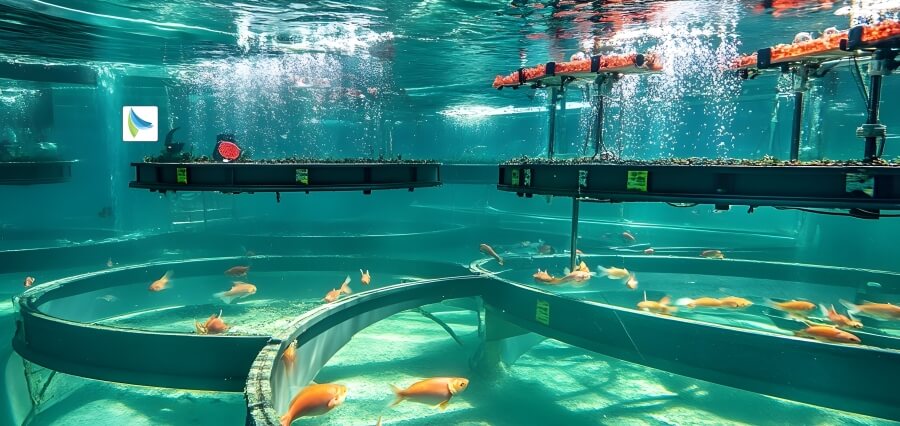
From Nets to Networks Aquaculture practices that were once intense and low-tech-based with ponds and cages have been experiencing a revolution fueled by contemporary aquaculture trends in technology. The coupling of digital connectivity, automation, precision monitoring, mitigation systems, and even cellular approaches is coming together to transform the economics, ecology, and scalability of any seafood production globally. Recirculating Aquaculture Systems (RAS): Closed‑Loop Efficiency The most advanced form of aquaculture is Recirculating Aquaculture Systems (RAS). Such land-based, closed-loop farms recycle up to 99 percent of the water, filtering waste both mechanically and biologically and giving great control over environmental factors such as temperature, oxygen, and pH. RAS offers major benefits: Greatly reduced water usage and pollutionAquaculture Biosecurity involves isolating fish from pathogens and disease vectors Urban or inland deployment closer to consumers A noteworthy example is a major RAS expansion by Huon Aquaculture in Tasmania, which is scheduled to be one of the largest freshwater nurseries in the southern hemisphere, radically increasing feed efficiency and sustainability. Precision Aquaculture: Sensors, AI, and Data‑Driven Management IoT sensors, AI, and machine learning are used in precision aquaculture, enabling real-time monitoring and control of production. The sensors monitor the supply of oxygen, ammonia, salinity, and fish activity; AI algorithms help to forecast disease outbreaks, efficient work schedules, and feed reduction. More recent academic deployments are computer-vision-based systems to feed tilapia: estimating the size and quantity of fish using YOLO v8 and IoT-based water sensors, with an accuracy of 94%, potentially up to 58x more productive relative to traditional methods. It is an example of one of the most significant trends in aquaculture technology, the concept of real-time, automated decision-making. Automation, Robotics, and Digital Twins The desire to eliminate human interaction in remote or hostile marine environments has amplified the pace of automatic systems. Net inspections, fish health, and biofouling cleaning, as well as cage inspection, are no longer performed by divers, but rather by autonomous underwater vehicles (AUVs) or drones. One of the recent innovations is the application of digital twin models to net cage surveillance. A Norwegian project developed a multi-fidelity digital twin by integrating both low-fidelity and high-fidelity sensor data to give real-time predictions of structural stress, displacement, and load in mooring systems, thereby significantly enhancing maintenance planning and minimizing stock loss risks. Integrated Environmental Systems: IMTA, Aquaponics, Biofloc Environmental sustainability is a key driver behind emerging integrated systems: Integrated Multi-Trophic Aquaculture (IMTA) is a mixture of fed species (e.g., fish) and so-called extractive species (e.g., seaweed, shellfish) whereby waste of one species forms input for another species to achieve greater ecosystem health and spread risks in revenue generation. Aquaponics and Integrated Aqua-Vegeculture Systems, like iAVS or floating aquageoponics, direct fish effluent to raise vegetable plants, purify waste, and make more food. The Biofloc Technology (BFT) enhances microbial communities to produce edible protein by transforming the nitrogenous waste in a more efficient and less polluting pathway. These establishments are representative of a more macroscopic shift toward circular, resource-efficient frameworks of aquaculture. Sustainable Feed Alternatives and Circular Biotech Feed has been known to depend largely on fishmeal and fish oil, which overstresses wild fishing. There is a trend in aquaculture towards new technology, which is changing towards: Insect meal (e.g., black soldier fly larvae) Algae‑based omega‑3 sources Microbial protein from CO₂ bioconversion (e.g., Kiverdi’s bacterial systems) These options take less pressure off wild stocks and are in line with the principles of the circular economy. Blockchain & Traceability There is also consumer pressure towards transparency using blockchain to track seafood from the pond or net to the plate. Blockchain offers the unalterable history of feed types, medication, harvest date, and transport, which enhances trust, allows ethical sourcing, and complies with regulatory scrutiny. This system encourages eco-certification and assists farmers in distinguishing products within high-priced markets. Offshore, Urban, and Vertical Aquaculture As terrestrial coastline space dwindles, new aquaculture technology trends are moving offshore and inland: In offshore fish farming, strong submersible net cages are applied deep within the ocean water. These minimize the impact on the shoreline and utilize natural currents to disperse the waste, combined with distant automated feeding systems. Vertical and urban systems, including fish-and-vegetable towers or modular systems based on cubes, incorporate aquaculture into the built landscape. This innovative technology is three-dimensional, encourages local manufacturing, has less transportation impact, and optimizes available space. Synthesis and Outlook The convergence of aquaculture technology trends- networks of sensors, advanced breeding, alternative protein, and circular systems- is redefining an industry once simple. The effects are: Improved sustainability through water recycling (RAS), waste reuse (IMTA, biofloc), and feed innovation Better results in productivity, profitability, and precision systems and automation Increased traceability and resilience, improved via genetics and blockchain Wider reach and extensibility, by taking farming to an urban setting or basing it on a floating platform There are still struggles, large initial capital requirement of RAS, regulatory confusion regarding gene editing or cell-cultured seafood, smallholder community uptake of technology, and consumer willingness. Yet the trend is evident. Aquaculture is transforming into a dynamic network of smart, connected, and sustainable systems. As these trends in aquaculture technology continue to grow, they not only are creating a new industry, but they are also redefining the future of our food systems. Read More : Mapping the Future of Aquaculture Business Growth