






Shop the Best Office Tables in Manila – Perfect Blend of Style
A workplace table is more than simply a piece of furniture. It is a key element that affects comfort, productivity, Nd the usual workspace design. These days, aggressive commercial enterprise global agencies in the Philippines are making an investment in extraordinary workplace tables to create expert and efficient work environments. The growing call for fashionable and purposeful designs has transformed the marketplace for workplace tables Philippines, offering alternatives that meet each realistic desire and aesthetic alternative Blending Style with Practicality Modern businesses understand that office tables have to combine splendor with usability. Sleek surfaces, ergonomic design, and sturdy materials are preferred inside the ultra-modern collections. From executive desks to workstations, groups can select pieces that mirror their logo identity. The marketplace for workplace fixtures Philippines is filled with designs that offer healthy, exclusive indoor styles, whether or not it’s a minimalist present-day layout or a traditional professional look. This range guarantees that businesses can discover a table that matches their space and boosts their overall performance. Durable Materials for Long-Term Use A properly constructed workplace table is a long-term investment. High-grade wood and engineered materials are popular alternatives in the Philippines. These materials offer electricity even as maintaining a refined appearance. Many suppliers of workplace furniture in the Philippines additionally offer tables with scratch-resistant surfaces and waterproof finishes, making them perfect for busy workspaces. Durability is mainly important for organizations that want furnishings to last without frequent replacements. Ergonomic Designs for Comfort and Health Employee comfort is a priority for forward-thinking organizations. Office tables designed with ergonomic concepts assist in lessening stress and improving posture. Adjustable top desks have become extra commonplace in the office furniture Philippines marketplace as they permit employees to switch between sitting and status positions. Spacious designs additionally supply employees’ room for laptops, monitors, and different essentials whilst preserving the workspace tidy and green. Customizable Options for Every Workspace One of the strengths of the office tables Philippines marketplace is the supply of customized answers. Businesses can order tables in specific sizes and finishes to shape their office layout. Some agencies opt for modular designs that may be rearranged as teams develop or initiatives alternate. This flexibility is specifically treasured in dynamic industries in which painting requirements evolve quickly. Sustainability in Office Furniture Many organizations in the Philippines are also prioritizing green alternatives. Sustainable office furniture Philippines is crafted from responsibly sourced wood or recycled materials without compromising excellent. These tables not simplest assist environmental goals but also attract clients and personnel who value corporate responsibility. Choosing sustainable designs can help organizations maintain a fine logo photo whilst contributing to a greener destiny. Where to Buy Quality Office Tables The Philippines’ nightside range of suppliers, both online and in physical stores. Many retailers of office furnitures Philippines offer catalogs with various alternatives to in shape distinctive budgets and styles. Buyers can evaluate expenses, designs, and materials to find the perfect in shape for his or her workspace. Some providers even offer delivery and assembly services, making the acquisition process problem-unfastened. Conclusion Investing in the proper office desk is critical for growing a productive and attractive place of work. Whether a business is searching out modern minimalism, conventional beauty, or bendy modular designs, the market for office tables Philippines offers limitless possibilities. By specializing in the best capabilities and fashion groups can create workspaces that inspire personnel and impress clients. With the growing form of workplace furniture in the Philippines, there’s a perfect table for each workplace equipped to fulfill each aesthetic unpractically need
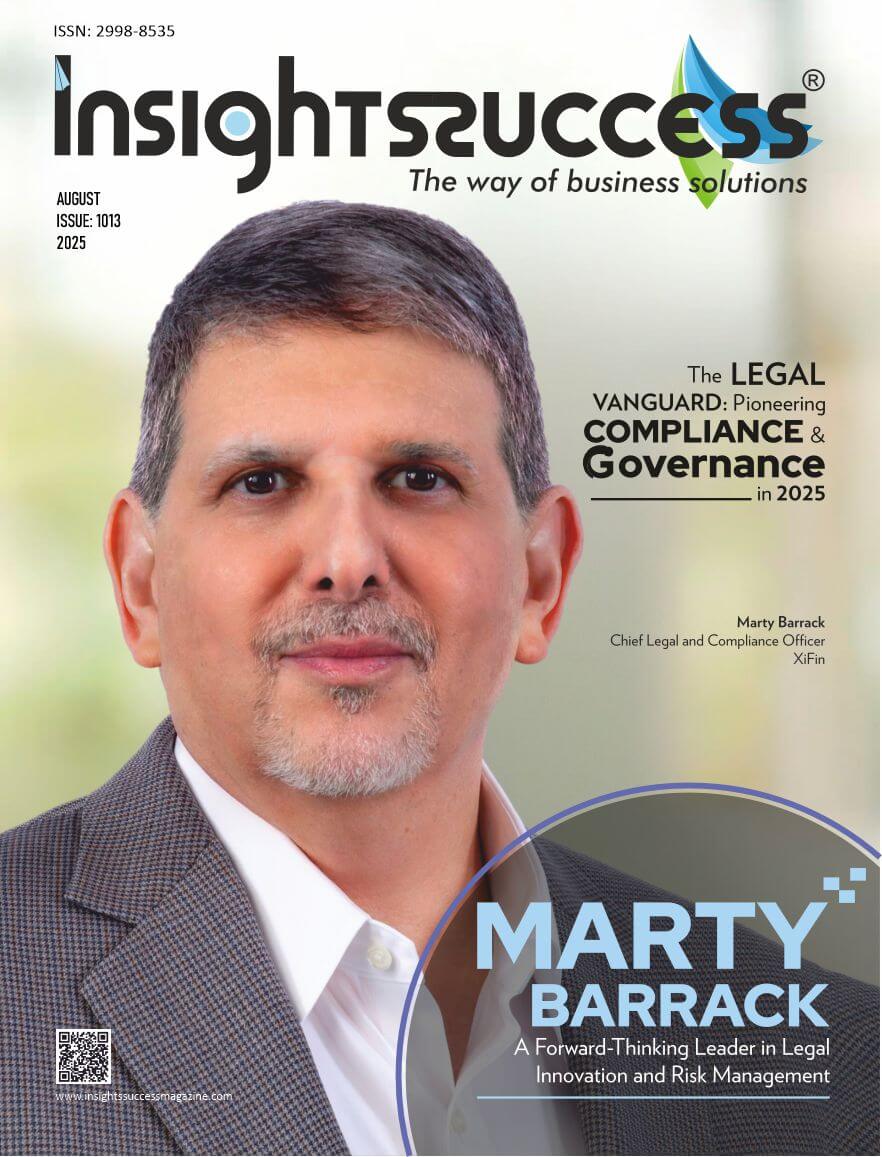
The Legal Vanguard: Pioneering Compliance & Governance in 2025
The Legal Vanguard: Pioneering Compliance & Governance in 2025 This edition explores the evolving landscape of compliance and governance in 2025, spotlighting a trailblazing legal mind who is setting new benchmarks, driving innovation, and shaping the future of ethical and regulatory leadership. Quick highlights Quick reads

Marty Barrack: A Forward-Thinking Leader in Legal Innovation and Risk Management
A Visionary Executive Spearheading Responsible AI Development and Use, Ensuring Standards Compliance while Mitigating Risk as XiFin Drives Strategic Growth with AI-Driven Solutions. At XiFin, innovation is more than a business objective—it’s a legal and strategic imperative. The development and deployment of artificial intelligence and automation are guided by a rigorous commitment to legal integrity, regulatory compliance, and strategic value. Under the leadership of Marty Barrack, XiFin Chief Legal and Compliance Officer, XiFin not only adopts AI into its operational framework but also actively develops and integrates AI-powered capabilities into its technology solutions. XiFin solutions address the complex compliance and risk mitigation demands of healthcare while enhancing operational and financial performance. Marty plays a key role in ensuring that AI is developed and deployed responsibly, with a strong focus on meeting regulatory standards while empowering healthcare organizations to streamline workflows, improve decision-making, and drive sustainable growth. Marty Barrack’s career path has been shaped by a robust foundation in business and a remarkable talent for converting complex legal issues into actionable business strategies. He began his professional journey in the defense division of a large technology company, where he quickly identified an ability to bridge legal requirements with operational demands. This realization ultimately inspired him to pursue a legal education. Upon obtaining his law degree, Marty gained significant experience as a clerk for a federal judge, where he sharpened his ability to interpret and apply legal concepts to practical scenarios. He further developed his legal skills at two esteemed law firms before broadening his expertise by earning an MBA. With a strong interest in business operations, he moved into in-house legal counsel positions, eventually founding his own legal practice, where he offered strategic advice to companies facing legal and compliance issues. In addition to his legal career, Marty has also managed a professional services division within a software company, and has led business development and procurement functions, which has enhanced his capacity to merge legal considerations with operational and technical frameworks. This unique blend of legal acumen, business insight, and technical fluency makes Marty exceptionally well-positioned for his role at XiFin. As Chief Legal and Compliance Officer, he has overseen the company’s enterprise risk management activities, addressing a wide array of legal and regulatory risks while ensuring that compliance serves as a cornerstone for business growth. His expertise is vital in ensuring that legal strategy remains a key enabler of business success. Holistic Risk Management “At XiFin, enterprise risk management is a core priority that necessitates a proactive and strategic mindset to effectively navigate legal, compliance, cybersecurity, and risk factors,” explains Marty. Under his guidance, executive leadership collaborates closely with the legal and compliance teams to assess, prioritize, and mitigate potential risks, which is pivotal in assisting the organization in recognizing challenges and implementing systematic solutions that bolster operational resilience. A vital component of this strategy is the integration of risk management practices throughout the organization. This involves utilizing appropriate talent, financial resources, and technology to counteract emerging threats while fostering a robust culture of compliance and security. By incorporating legal and regulatory insights into business strategies, Marty ensures that XiFin remains flexible and responsive to the ever-changing dynamics of the healthcare technology industry. This well-rounded approach allows the company to establish strong processes and solutions that safeguard its interests while encouraging ongoing innovation and sustainable growth. Collaborative Leadership Approach Marty’s leadership is grounded in collaboration, empowerment, and a belief that legal and compliance work can be both intellectually and professionally fulfilling. He recognizes that while legal and compliance functions require rigor and discipline, they should also be stimulating and rewarding. He fosters an atmosphere where team members are motivated to enhance their skills, exchange knowledge, and seize opportunities for ongoing education throughout the organization. “I am a strong proponent of delegation and motivation,” states Marty. “Team members should be empowered to take charge of their roles, but they also need mentorship and support for their continuous growth.” Marty acknowledges that leading a cohesive corporate legal and compliance team necessitates a unique skill set, distinct from that required for managing a conventional law firm team, and is proud of the high-performing, cross-functional teams that work together effectively to meet XiFin’s business objectives. By cultivating a culture of trust, collaboration, and lifelong learning, Marty ensures that his team remains aligned with XiFin’s strategic goals and is well-equipped to navigate the ever-evolving legal and compliance landscape in the healthcare technology industry. Navigating AI Compliance One of the primary challenges faced by Marty and his team is adapting to the swiftly changing legal and regulatory environment related to artificial intelligence (AI). To institutionalize responsible AI practices, Marty spearheaded the creation of XiFin’s AI Committee—a cross-functional group composed of experts in technology, regulatory policy, and risk management. This committee established a structured framework for the ethical and compliant development of AI, which now guides XiFin’s broader innovation strategy and reinforces its leadership in the healthcare technology space. His close collaboration with XiFin’s engineers and data scientists ensures that innovation is in harmony with responsible AI practices. By incorporating diverse viewpoints and involving the appropriate stakeholders, the team effectively steers AI development while mitigating risks and fostering ethical innovation. Proactively Navigating Regulatory Changes With compliance, cybersecurity, and risk management evolving rapidly, Marty and his team have adopted a forward-thinking strategy to track legal and regulatory changes. This strategy encompasses the latest developments in state, federal, and EU legislation, as well as best practices that adhere to NIST standards. To help stay abreast of change, Marty emphasizes the importance of ongoing education and professional development. He encourages his team to obtain certifications and participate in professional and industry organizations such as ISACA and IAPP. Professional networking also plays a role. “By merging legal insight with technical expertise, we are helping XiFin build solutions that are not only cutting-edge but also compliant and secure,” he explains. Structured Decision-Making Framework At XiFin, significant legal and business decisions are made by a structured, interdisciplinary framework that integrates legal aspects, technology, and risk management. Whether negotiating intricate contracts or assessing potential acquisitions, the emphasis is on evaluating organizational impact,

Niche Corporate Governance Trends No One Is Talking About
Silent Shifts, Loud Impacts One of the most noticeable, but little publicized, trends is that of the emergence of micro-governance, a term that focuses on giving decision-making authority to lower levels in a company. Corporate governance has long been top-heavy, with decisions pushed down continually by a centralized board. Nevertheless, modern organizational forms of governance are gradually moving towards decentralized practices, with middle management and even frontline groups being empowered to make strategic decisions within given limits. This transition does not diffuse the role of the board’s responsibility but rather enhances the governance-operation feedback loop. Micro-governance promotes agility, which enables organizations to move swiftly in turbulent and complex environments. It also instils the ownership culture in cooperation with the internal stakeholders, who are associated with the overall mission and the ethical values of the organization better. Behavioral Governance and the Role of Organizational Culture Corporate regulation has traditionally concentrated on construction factors, committees, reporting relationships, and compliance systems. However, a more subtle revolution is underway in corporate perceptions of the behavioral aspects of governance. Boards are becoming more concerned with how decisions are reached, rather than what decisions are reached. The new emphasis on behavioral governance is also an acknowledgment that culture and behavior can be just as important as the policies and processes. Boards are starting to delve into those hidden cues, such as tone at the top, ethical blind spots, or unstated norms, that guide corporate conduct. This approach is about embedding governance into the cultural DNA of an organization, as opposed to relying on formal controls. It represents a philosophical transformation: governance is not only about failure prevention but failure authorization. Dynamic Board Refreshment: Beyond Age and Tenure Although refreshment of boards has been part of the policy discussion in governance circles, the old measures of age limits or fixed terms are being superseded by more dynamic and skills-based methodologies. The most forward-thinking organizations are starting to view board composition as a real-time strategic asset. A quiet trend that has developed in one niche is skills-based rotation in which board positions are re-evaluated based on emerging strategic drivers. For example, the technological changes, geopolitical dynamics, or complexity of a supply chain can cause the requirement of a particular expertise on the board, leading to changes in governance capabilities according to individual risk environments. Silent Stakeholders: Internal Governance for Non-Shareholder Groups Conventionally, the corporate governance systems have been based on the interests of shareholders. But there is a minor yet significant change in how internal stakeholders are being treated, employees, contractors, and even the AI systems. There is a silent momentum in internal governance mechanisms that is led by ethical oversight committees or employee advisory councils. They are not legally required, and they are not necessarily apparent in the annual reports, but they indicate a more profound insight into the fact that sustainable governance cannot be reduced to compliance. It should guarantee fairness, voice, and responsibility at every organizational level. The methodology will inject corporate governance trends into the everyday experience of employees, making them more inclusive and progressive. Invisible Oversight: Governance through Algorithms and Data Ethics The trends in corporate governance are conventionally evaluated through their visible codes of conduct, public disclosures, or shareholders’ meetings. Yet there are also more dramatic changes afoot, though they have not been in the limelight. These niche trends generate a shift towards more responsive, inclusive, and behaviorally aware forms of governance. Instead of relying just on the classic levers, future-oriented organizations are integrating governance into their culture systems and regular activities. This is manifested in decentralized or skills-based board dynamics, internal governance of non-shareholder stakeholders, and ethical use of technology amongst others, which are creating noisy effects of the silent shifts. Concluding Reflections Trends in corporate governance are commonly evaluated by their prominence of codes of conduct, shareholder meetings, or public disclosures. However, the deepest changes are occurring in the shadows, without the fanfare. These niche trends represent a shift towards more agile, inclusive, and behaviorally informed governance models. Instead of focusing on the traditional levers alone, progressive companies are institutionalizing governance within their culture, systems, and operations. Whether in decentralized decision making, the skills-based dynamics of boards, or the ability to run the governance internally of non-shareholder stakeholders, these quiet changes are also having strong effects. These slight shifts in trends of corporate governance may be the new norm in years to come, no big changes but a gradual, systematic progression. Read Also: The New Pillars of Regulatory Compliance

The New Pillars of Regulatory Compliance
ESG, Ethics, and Enforcement The modern world that combines global attention, the expectations of investors, and the requirement of legislation is raising the area of regulatory compliance far beyond its traditional checklists. Compliance is no longer limited to financial reports or corporate governance fundamentals and is an expansive framework extending to ethical conduct, environmental stewardship, and social responsibility. Three dynamic forces at the core of this transformation are Environmental, Social, and Governance (ESG) principles, corporate ethics, and regulatory enforcement. Both are transforming the face of compliance into a place where transparency, integrity, and accountability are not optional. ESG as a Core Compliance Imperative In many regulatory regimes globally, the ESG standards are being incorporated into compliance requirements. The trend is part of an increasing understanding that ESG-related risks, whether in response to climate change or labor practices and boardroom diversity, and anti-corruption, are a part and parcel of business viability and investor confidence. Overall lack of ESG compliance may lead to levying fines, filing lawsuits, reputational or market entry loss. Governance systems globally are integrating ESG principles into their code of regulations. This is part of the increasing realization that ESG-related risks, spread across climate change and labor practices, boardroom diversity, and anti-corruption, are part and parcel of business survival and investor confidence. Not complying with ESG standards may now lead to fines, lawsuits, reputational risk, or limited market opportunities. However, it is not easy to comply with the ESG. The global presence of unharmonized reporting standards, or disparities in data collection specifications, has allowed quality, comparability, and accountability gaps to arise. The situation in which a company is subject to different regulations unequally dispensed in various jurisdictions can be confusing or may be subject to violations by the company unintentionally. Ethics at the Center of Compliance Culture Whereas ESG defines the what in compliance, ethics defines the how. The existence of an ethical culture in an organization means that compliance is not just about ticking boxes. It promotes the making of decisions that are consistent with the more general societal values and promotes an atmosphere of integrity. In the present environment, Ethics & Compliance (E&C) officers are more frequently being asked to navigate the contexts of both operational realities and ESG expectations. They have a role in establishing anti-corruption measures to promote healthy ESG disclosures and internal enquiries. These individuals act as critical gatekeepers, as they guarantee that the spirit of ESG commitments will flow into action on a daily basis. In numerous organizations, ESG and ethics budgets are coming under a single leadership to facilitate a smooth convergence of the sustainability, risk management, and compliance system. This alignment can assist organizations in mitigating regulatory gaps and preventing possible violations as the regulatory expectations change on a real-time basis. Ethical bedrock not only enhances internal cooperation with compliance activities but also creates trust on behalf of the stakeholders in the external relations. Clear accountability and transparency processes give confidence to investors, consumers, as well as regulators. Regulatory Compliance as an Integrated System Modern regulatory compliance necessitates a coordinated, cross-functional process it does not isolate or separate ESG, ethics, and enforcement, but considers these three levers as synergistically linked. ESG establishes a framework of expectations for corporate behavior. Ethical culture ensures these expectations are met with authenticity and internal ownership. Enforcement holds organizations accountable and deters superficial or deceptive practices. The combination fosters a compliance ecosystem, enhances resilience, transparency, and sustainable growth. Global reporting frameworks such as GRI, TCFD, and ISSB are used by organizations that successfully navigate this ecosystem. They also invest in digital platforms to monitor ESG performance, integrate ESG risks into enterprise risk management, and develop leaders who appreciate the implications of sustainability and compliance to their strategy. Importantly, leadership should not consider compliance as merely reactive but rather a strategic asset. Organizations create durable value and intrinsic credibility by integrating ESG into boardroom conversations, infusing ethical certainty across their operations, and assuming eventual intense enforcement. End Note Due to changes in the business landscape and the increased expectations of society, the definition of regulatory compliance is changing. ESG, ethics, and enforcement are no longer peripheral considerations-they are core to how regulators, investors, and citizens evaluate companies. Isolated policy updates and some reporting are insufficient to navigate this new reality. It demands a very much internally integrated strategy where sustainability objectives are realistic, ethical conduct is ingrained, and accountability is not optional. Within this compliance-based environment, the most successful businesses will be the ones that do not see regulation as a burden, but rather a driver of innovation, trust, and purpose-driven leadership. Read Also: Niche Corporate Governance Trends No One Is Talking About
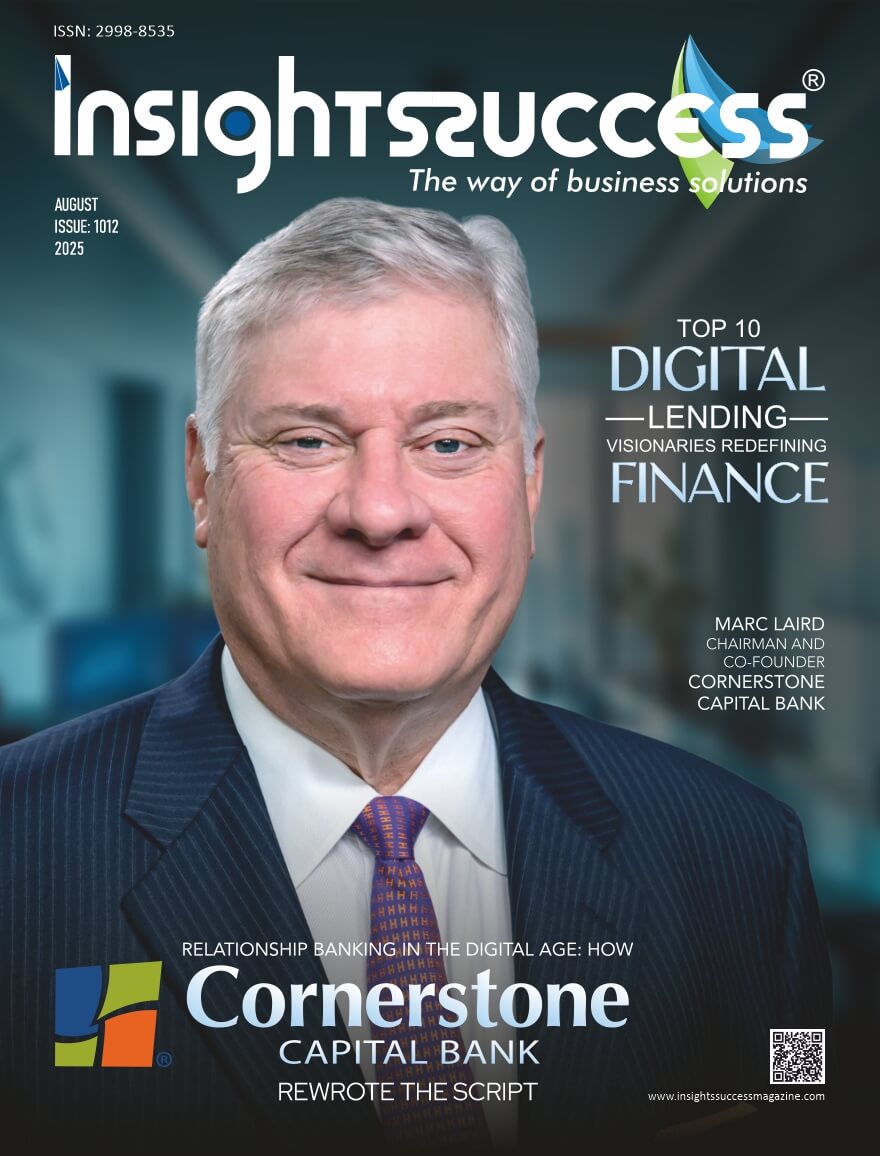
Top 10 Digital Lending Visionaries Redefining Finance
Top 10 Digital Lending Visionaries Redefining Finance This edition celebrates ten trailblazing leaders who are revolutionizing digital lending. Through innovation, technology, and a bold vision, they are reshaping how credit is accessed, personalized, and delivered in the modern financial ecosystem. Quick highlights Quick reads

Relationship Banking in the Digital Age: Cornerstone Capital Bank Rewrote the Script
The sanctuary was quiet except for the rustle of hymnal pages. Marc Laird sat with his wife Ann and their children, settling in for Sunday worship. As the choir filed in, their voices rose in harmony: “Jesus is the Cornerstone…” In that moment, surrounded by his church family, Marc felt something stir deep within. He had spent a decade climbing the corporate ladder, watching as transactions were prioritized over trust and profits over people. Leaning over to Ann, Marc whispered words that would echo through decades, “Cornerstone will be the name of the mortgage company I start someday.” Just four years later, in 1988, Marc found himself standing on the precipice of the worst housing downturn since the Great Depression. While competitors shuttered offices and laid off employees by the thousands, Marc made a move that seemed almost reckless: he opened a new mortgage company. Where others saw devastation, Marc spotted an opportunity to build a different kind of mortgage company—one rooted in trust, relationships, and long-term value. In a world of corporate greed and impersonal transactions, Marc envisioned a company where servant leadership wasn’t a buzzword but a practice. Where closing loans on time was a sacred promise. Where every client interaction was filtered through the lens of “How would I want to be treated if I were in their shoes?” That vision, born in a moment of worship, became Cornerstone Home Lending, now Cornerstone Capital Bank. With just a handful of team members and a belief that service and integrity could be powerful differentiators, Marc laid the foundation for what would become one of America’s most respected financial institutions. A Leap Fueled by Purpose Marc’s path to entrepreneurship began in public accounting, where he honed his skills as a CPA before joining a growing mortgage firm in 1978 as Chief Financial Officer. He quickly rose through the ranks, eventually overseeing the Retail Lending Division and the Real Estate Owned (REO) Division. But when the company was acquired by Mutual of New York (MONY) in 1986, the culture shifted dramatically. It was clear the environment no longer aligned with Marc’s values or vision for meaningful impact. In February 1988, Marc took a leap of faith and stepped away from a secure job to launch Cornerstone, alongside his trusted colleague Judy Belanger. “It was risky,” Marc admits. “But it was also the right time to create something lasting—something that could weather downturns because it was built on values, not just profits.” Finding Opportunity in a Time of Crisis The timing, while daunting, turned out to be strategic. As many companies slashed costs and closed branches, Cornerstone was able to attract top-tier talent—professionals looking for stability, significance, and a mission worth believing in. “We weren’t trying to be the biggest,” Marc says. “We were trying to be the best. One loan at a time, one relationship at a time.” From day one, Cornerstone focused on closing loans on time, every time—a promise that would become part of its identity. The company also prioritized empathy and excellence, which became magnets for like-minded team members and clients alike. The Golden Rule Goes to Work Marc’s leadership philosophy was forged by his blue-collar upbringing. His father, a pipefitter, taught him the value of hard work. His mother instilled in him the power of the Golden Rule: do unto others as you would have them do unto you. That ethos of servant leadership still shapes Cornerstone’s culture today. As Chairman and Co-founder, Marc firmly believes that Cornerstone’s greatest asset isn’t its technology, its capital, or even its market share—it’s its people. From the company’s inception, he has cultivated a culture where team members feel genuinely seen, heard, and valued. Cornerstone’s Mission, Vision, and Convictions Statement transcends typical corporate documentation. It serves as the organization’s moral compass. Every hiring decision, leadership development session, and client interaction is grounded in these principles. “We exclusively recruit Team Members who align with our convictions,” Marc emphasizes. “And we make sure they’re not just memorized but lived out in every interaction, every day.” Innovation with a Human Touch While culture forms the bedrock, innovation fuels Cornerstone’s continued growth. Marc understands that financial services must constantly evolve to meet market demands and changing client needs. That’s why Cornerstone is deeply committed to blending high-tech capabilities with high-touch experiences. “Technology is essential, but trust is irreplaceable,” Marc says. “We use the best tools to make processes faster and more efficient, but it’s our people who build relationships that last.” This hybrid approach has allowed Cornerstone to stay nimble and competitive in an industry increasingly dominated by impersonal, automated financial institutions. Half a Million Reasons to Believe As Cornerstone expanded, it never lost sight of its core mission: to serve. This commitment led to a natural expansion beyond mortgage lending into banking, insurance, and financial services—always with the same unwavering focus on exceptional client care and ethical operations. Early in the company’s development, Marc and his leadership team made a strategic decision: Cornerstone wouldn’t rely on traditional advertising methods. Instead, they would let their clients do the talking. “Satisfied clients are our referral sources,” he explains. “If we serve them well, they’ll spread the word. And they have—over 500,000 times.” This organic, relationship-driven growth has become one of Cornerstone’s most significant competitive advantages. Clients return not simply for competitive rates but because they trust Cornerstone to prioritize their long-term financial well-being. Making Team Members True Partners One of the most distinctive aspects of Cornerstone’s journey is its ownership model. Since its founding, 10 percent of the company’s stock has been owned by a small group of team members. Recently, Cornerstone launched an Employee Stock Ownership Plan (ESOP) to grant all team members a stake in the ownership of the company. “We believe in creating an ownership mindset,” Marc says. “When Team Members feel like owners, they think differently. Their work is more meaningful. They lead, innovate, and invest in our company’s future.” This decision reflects a fundamental belief that the most successful

How Fintech Lending Innovators Are Serving New Workforces
Credit for the Creator Economy The creator economy (as freelancers, gig workers, influencers, and digital content creators shape new career opportunities) has exploded, and as a result, there has been an increased desire for flexible and accessible financing. The customary banks, which are based on fixed underwriting models, tend to be unequipped to accommodate such new workforces. Fintech lenders are up to the task, providing custom credit products that respond to the circumstances of the new world of work. Alternative Credit Assessment Models Traditional credit rating is based on a steady job and past credit behavior, factors that most creators and gig workers do not qualify for. This disruption is being fueled by fintech lending platforms utilizing alternative data: earnings on the gig platforms, social media activity, telecom spend, utility bills… and even psychometric data. For example, new companies such as Tala, KarmaLife, and Lenddo are measuring creditworthiness based on behavioral and real-time financial metrics, rather than traditional credit scores. This strategy expands financial access to include a wider workforce, often allowing them access to microloans or credit lines that had previously been unavailable. Innovating Cash Flow Management Earnings of creators and freelancers can vary. Fintech lending solutions are intervening with income-smoothing mechanisms like Earned Wage Access (EWA) platforms. These facilitate access to earned income before standard pay cycles for smooth cash flow. In addition to access to funds, platforms have introduced invoices, budgets, expense, tax planning, and retirement capabilities, which add financial transparency and order to a remote employee. Embedded Finance: Seamless Integration with Platforms Embedded finance is becoming revolutionary. It enables such financial products as credit, insurance, or instant payments to be deployed directly to the platforms people are already using. For example: The modality today sees credit or advances against future income and enhances the financial inclusion of the underbanked freelancers. They facilitated immediate payout through virtual or physical card payment, wealth or tax management functions embedded in apps, which makes financial management simpler, and engagement is enhanced. This facilitation provides seamless access to financial services- delivers the services to where the creators are and when they require them. Smart Underwriting with AI & Real-time Data AI enables broader, more sophisticated lending decisions with a quicker response time. With real-time data AC Halbio AI-enabled underwriting dynamically analyzes behavioral, transaction, and platform data to provide a more precise measure of risk than operating within a legacy system. Examples of this include Accumn in India, which is revolutionizing retail lending and applying AI-enabled smart underwriting, simplifying real-time credit decisions, and enhancing risk scoring. Global & Local Fintech Pioneers Around the globe, fintech lending is evolving to meet local workforce needs: KarmaLife has been providing instant credit lines to the gig and blue-collar workers in India with minimal paperwork. Open banking is seen in the UK and EU, where fintech can scale across financial data across many sources to build custom products such as mortgages and insurance, as well as loan products for freelancer customers. Inclusivity & Algorithmic Fairness Although fintech lending can go a long way to enhance access, concerns still exist, especially with regard to fairness in algorithmic decision making. The studies on AI-based lending emphasize the dangers of representation bias, in which models trained on largely approved applicants can discriminate against low-socioeconomic borrowers. Gender bias is another issue identified in one study: even when the building of the algorithm does not explicitly target gender norms, it can still result in it being biased towards men, even though women tend to make better borrowers. To be most effective in serving creator and gig workforces, fintech platforms need not only to innovate but also to make sure that their credit models are inclusive and fair. The Way Forward Fintech lending is becoming a key enabler of powering new models of the workforce and the creator economy. Using alternative data, AI, embedded finance, and inclusive design, lenders are transforming access to credit and financial services. To sustain this momentum, several steps are essential: Ethical AI and transparency: Incorporate equity in algorithms and lending. Partnerships with platforms and B2B players: Partner with the gig platforms to provide financial literacy and fintech tools to creators. Regulatory support: Promote policies that can generate a balance between consumer protection and innovation, e.g., in facilitating information sharing, permitting liberal onboarding practices, and permitting open bank models. End Note The advent of fintech lending is transforming the way in which creators, freelancing workers, and people within the gig economy can secure credit and finance their personal needs. These innovators are not only replacing traditional systems by opening gaps but also creating a more inclusive road towards financial empowerment using data, AI, and embedded financial tools. Though there are problems concerning bias and fairness that still exist, the possibilities of democratizing credit and empowering the new workforce cannot be overstated, as long as innovation can be responsible and adaptive. Read Also: Transforming Finance Through Next-Gen Lending Solutions

Transforming Finance Through Next-Gen Lending Solutions
Bold Innovation The financial services industry is experiencing a technological wave of innovation at an unprecedented rate. Previously, lending was hindered by time-consuming documentation, limited access to eligibility criteria, and inflexible processes. Now, the industry is undergoing a dramatic transformation. The next generation of lending products is at the center of this transformation, powered by artificial intelligence, real-time data, cloud-native systems, and embedded finance ecosystems, which are reinventing the credit assessment, giveaway, and management globally. These inventions promise to offer more individualized, faster, and inclusive lending experiences to both institutions and borrowers. The Evolution of Lending In the past, lending has been dependent on standard credit models, voluminous documentation, and centralized decisioning. On the one hand, this way provided some control and risk management; on the other, it left out many individuals and businesses that would not fit into traditional schemes. Digital transformation is currently breaking down these obstacles, creating increased and more versatile credit assessment and service. AI and Intelligent Underwriting AI and machine learning in underwriting are one of the features of the current generation of next-gen lending solutions. These tools analyze the massive data, allowing them to assist in delivering details about the conduct of the borrowers, loan quality, and potential risks. With a paradigm shift to alternative sources data instead of conventional credit scoring, lenders will gain additional information regarding their borrowers in real time. This smart automation will assist in lowering the cost of operations and the degree of human-driven bias participating in the decision-making process. Meanwhile, it increases consistency, transparency, and the speed of the lending lifecycle. Borrowers will enjoy faster approval and their own special loan service, and lenders can take advantage of more dependable consumer predictive models. Embedded Finance and Seamless Access The other most important feature of next-gen lending solutions is the increased influence of embedded finance. This model enables the lending capabilities to be incorporated directly in non-financial platforms (ex: e-commerce sites, apps, service platforms) where consumers can make use of credit as part of their daily activity. This seamless integration makes it convenient and easier to borrow when the time comes, as users find it easy to avail financing services. It also provides an opportunity to businesses to provide customized credit to its customers without needing to create a lending infrastructure. With such accessibility, the consumption and delivery of credit is changing radically. Cloud-Native Infrastructure and Digital Flexibility Modern lending platforms are increasingly cloud-native and more flexible, scalable and secure. With the help of cloud infrastructure, financial institutions are now able to successfully deploy, update and scale its services. It is also fully integrable with APIs, data analytics, and even third-party services. Such flexibility is critical when the financial environment is rapidly changing. Future products in lending must be malleable so that changes in the regulatory environment, market forces and customer demands are addressed. Cloud technology helps to achieve this flexibility, promoting greater data governance and cybersecurity policies. Personalization and Financial Inclusion One thing that defines the next-gen lending solutions is that they can increase financial inclusion. Conventional lending products tend to exclude people who have insufficient credit history, non-standard sources of income, and jobs. The new methods have enabled borrowers to be assessed in a more holistic manner, relying upon a far greater number of data points that accurately reflect their financial behavioral patterns and reliability. This customization is not just about the improvement of access but also allows the lender to provide a customized product that fits the needs and situations of the borrower. These innovations benefit the lending ecosystem with more equitable and easier to use loan structures, but also through features such as dynamic pricing. Conclusion The movement to next-gen lending solutions is not simply a trend, but a structural shift in the financial services sector. Using the capabilities of AI, embedded finance, cloud infrastructure, and real-time data, these solutions are enabling a more effective, inclusive, and customer-friendly lending process. Though there are responsibilities associated with this innovation. What happens to the lending will not only depend on the technology capability but also on the ethical frameworks, as well as the regulatory measures that accompany it. Banks that adopt this novel paradigm and do not overlook its issues will be in a superior situation to take the forefront in a more digital economy. Next-gen lending solutions can be seen as the roadmap as well as the driving force behind a more inclusive, agile, and smart financial future as the lending industry undergoes an evolution. Read Also: Instagram’s New Repost and Map Features Spark Copycat Criticism from Users

Driven by Discovery: The Richard Larson Journey
Driven by Discovery: The Richard Larson Journey Dr. Richard Larson’s pioneering work at MIT has transformed urban systems, emergency response, queueing theory, and global STEM education. Through innovative research, leadership, and initiatives such as MIT BLOSSOMS, he has built a legacy that bridges theory and practice, advancing equitable and efficient systems that continue to impact lives worldwide. Quick highlights Quick reads