






Leading Change with Clarity and Conviction
The Transformational Mindset In the current high-speed, volatile business environment, transformation is no longer an option but a reality. Organizations are being confronted with continuous disruption due to technology innovation, changing customer needs, and increasing global economies. With all this turmoil, success in transformation is the badge of honor for every great leader. Underpinning it is the transformational mindset—a combination of clarity, confidence, and flexibility that enables leaders to steer organizations through change and build trust, engagement, and innovation. Grasping the Transformational Philosophy Transformational philosophy is neither a skill set, but rather a leadership style. It is vision and action, adaptability and resilience, strategic thinking and emotional intelligence. Transformational leaders view challenges as levers to learn from and grow versus as hindrances. They recognize that sustainable change is unrelated to procedural change—it is about cultural alignment, stakeholder involvement, and personal commitment. This is the spirit of leadership which enables leaders to walk into the complex unflinchingly. Intent-free and judgment-free, they give direction even when directions of movement remain uncertain. Workers are, on the other hand, urged to see change as a shared adventure and not a top-down requirement. Clarity: The Compass for Change Clarity is the foundation of transformational leadership. They ought to have a clear vision of their future, explaining why they must change, what the change entails, and how that facilitates pushing the ultimate objective of the organization. Good communication dispels uncertainty, builds trust, and enables workers to work constructively. Good communication also assists in making resources, plans, and action appropriate for overall goals, avoiding confusion and wastefulness. Leadership communication not only informs teams of what they need to do, but also why, and it results in commitment and responsibility at every level. Conviction: The Driving Force While direction springs from clarity, momentum springs from conviction. Change is always resisted—humans resist exiting the comfort zone, killing habits, or learning new technology. Conviction-based leaders are unstoppable in believing in the change process since they themselves are resolute and tenacious. Conviction is contagious. As workers see leaders standing up to adversity, weathering it with dignity, and working over the long term, they will be more likely to become actively and consistently committed themselves. Such word-deed congruence creates confidence and establishes a culture of innovation and risk-taking. A transformational style also places an extremely high value on flexibility. Change is never a straight line, and leaders need to be willing to adapt strategy, reprioritize, and be open to criticism. A culture of flexibility empowers workers with the freedom to experiment, iterate, and improve continuously without fear of failure. These firms are better positioned to deal with disruptions, either technological, economic, or social. Transformational leaders develop cultures to enable curiosity, learning, and flexibility, to ensure that the firm can shift direction without sacrificing strategic direction. Engaging and Empowering Teams Change needs to be felt by everyone. Leaders need to actively engage with groups in order to foster ownership, responsibility, and collaboration. It means hearing balanced input, combining feedback, and getting employees heard and empowered to contribute value. Empowered teams are more motivated, more creative, and more loyal. If workers understand the ‘why’ of change, see their efforts translated into decisions, and are engaged at work, they become participant actors in the change process rather than onlookers. Leading with Emotional Intelligence Emotional intelligence is a primary force behind transformational leadership. They need to sense the emotional climate of their firms, and feel stress, resistance, and skepticism as well as offer support and encouragement. Empathy enables leaders to handle issues in a positive manner, build trust, and sustain morale in times of turmoil. Transformational leadership that is head and heart places leaders not only as strategic in relation to change, but also people-focused, trading organizational success for employee well-being. Sustaining Transformation Genuine change is not something that happens but an evolution occurring all the time. Transformational leaders make sure that change becomes organizational DNA, with systems of constant learning, assessment, and calibration. They celebrate milestones, learn from mistakes, and re-enforce behavior leading to desired culture. Discipline, patience, and persistence are required for change. Leaders should have long-term visions in mind as they swim through short-term challenges, and therefore change is permanent rather than transient. Conclusion The transformational mind is the signature of leaders who turn uncertainty into opportunity, vision into action, and disruption into growth. Armed with clarity, conviction, flexibility, and emotional intelligence, these leaders spearhead multi-dimensional change through organizations and create engagement, resilience, and innovation. In a rapidly changing world, building a transformational mindset is not an option—necessity. Transformational leaders build adaptive, mission-centric, and resilient organizations that flourish amidst ongoing change. They don’t just execute strategy; they inspire, energize, and create sustained impacts on people, culture, and organizational legacy. Read More: How Great Leaders Inspire Collective Momentum

How Great Leaders Inspire Collective Momentum
The Vision Effect All great revolutions, innovations, and movements start with a vision — a strong imagination of what can be, and the will to bring it into being. Vision is the most powerful driver of great leadership. It’s not goal-setting or implementing strategy; it’s inspiring people to have faith in a shared future that they can create together. This energy — the Vision Effect — is the one that makes ordinary groups great groups and businesses lasting legacies. The Strength of a Shared Vision Vision gives direction, meaning, and inspiration. Leaders inspiring vision give their people a higher purpose than tasks from workday to workday. People are not employed by a company; they are contributing to something bigger. Shared vision brings individuals together in any role, position, and function. It provides harmony within teamwork and decision-making, pushing everyone toward the same destination. This harmony is where collective momentum — the power that helps teams accomplish more collectively than they ever could separately — is derived. Beyond Words: Vision in Action A vision is only as effective as the behavior it inspires. Great leaders articulate their vision in concrete strategies, quantifiable goals, and daily practices that are actualized through long-term visions. They do not just talk in speeches or mission statements but in ordinary decisions, open behavior, and real commitment. As people observe leaders living the vision — deciding about values and purpose — trust is built. Vision then becomes more than a thought exercise; it is ignited as an alive, breathing culture that informs the way people think, work together, and innovate. The Emotional Connection Emotional connection fuels the Vision Effect. Reason and fact may guide, but emotion energizes commitment. Visionary leaders know that to most effectively energize people, they must connect to their sense of purpose and belonging. They weave stories that connect individual values and organizational purposes. They get others to see how their work serves — not the bottom line, but something more than themselves. That personal stake converts compliance to zeal, effort to passion. Turning Vision into Momentum Momentum is established when vision turns into movement on a mass scale. Not overnight, though; it’s when individuals see small wins, see progress, and have faith in where they are headed. Leadership is very much responsible for establishing the process. They determine landmarks, celebrate effort, and remain consistent even in challenging times. In doing this, they keep people’s morale and feeling that the vision can become reality. Moreover, good leaders understand that momentum is an outcome of flexibility. Effective leaders create strategies with alteration of conditions, hence the pursuit of vision becomes dynamic rather than static. Flexibility sees to it that momentum is given maintenance even in uncertainty. Empowerment is the ultimate test of visionary leadership. When the power of the leader grows exponentially as others feel that they are part of the vision — owning it, making their own decisions, and leading by initiative — that is the benchmark. The best leaders construct this distributed leadership on autonomy and trust. They attempt, they invite different ideas, and they challenge others to bring to the forefront their unique abilities. Such communal stewardship converts the followers into co-creators, snowballing and catalyzing innovation. Sustaining the Vision Maintaining shared momentum involves continuous reinforcement of vision. In high-change environments, distractions and changing priorities can impair focus. Leaders have to keep re-affirming teams to the “why” — the cause and beliefs behind the mission. Sustained communication, reflection, and thanksgiving fuel interest. Periodic re-visit to the vision by new stories, accomplishments, and plans keeps it fresh and inspiring. This sustained approach prevents momentum loss in fleeting success but transmutes it into lasting influence. The Ripple Effect of Visionary Leadership The Vision Effect is far-reaching beyond the walls of an organization. Value-based leadership affects partners, customers, and communities. It sets the bar for integrity, innovation, and inclusion — values that cross industries and generations. When leaders encourage people to dream bigger and live more boldly, they create waves of change that move far beyond their own personal orbit of influence. This wave is how visionary leadership builds not only successful companies, but visionary communities. Conclusion Good leaders do not direct people or processes — they initiate movements. With vision, they establish direction; with action, they establish trust; with purpose, momentum. The Vision Effect is the unseen power that transmutes potential into progress, ambition into achievement, and people into a unifying force for change. With a world that is more dynamic and global each day, vision is the overriding force. Visionary leaders who possess it don’t just lead organizations — they create the future. Read More: Why Values Outweigh Profits in the Long Run
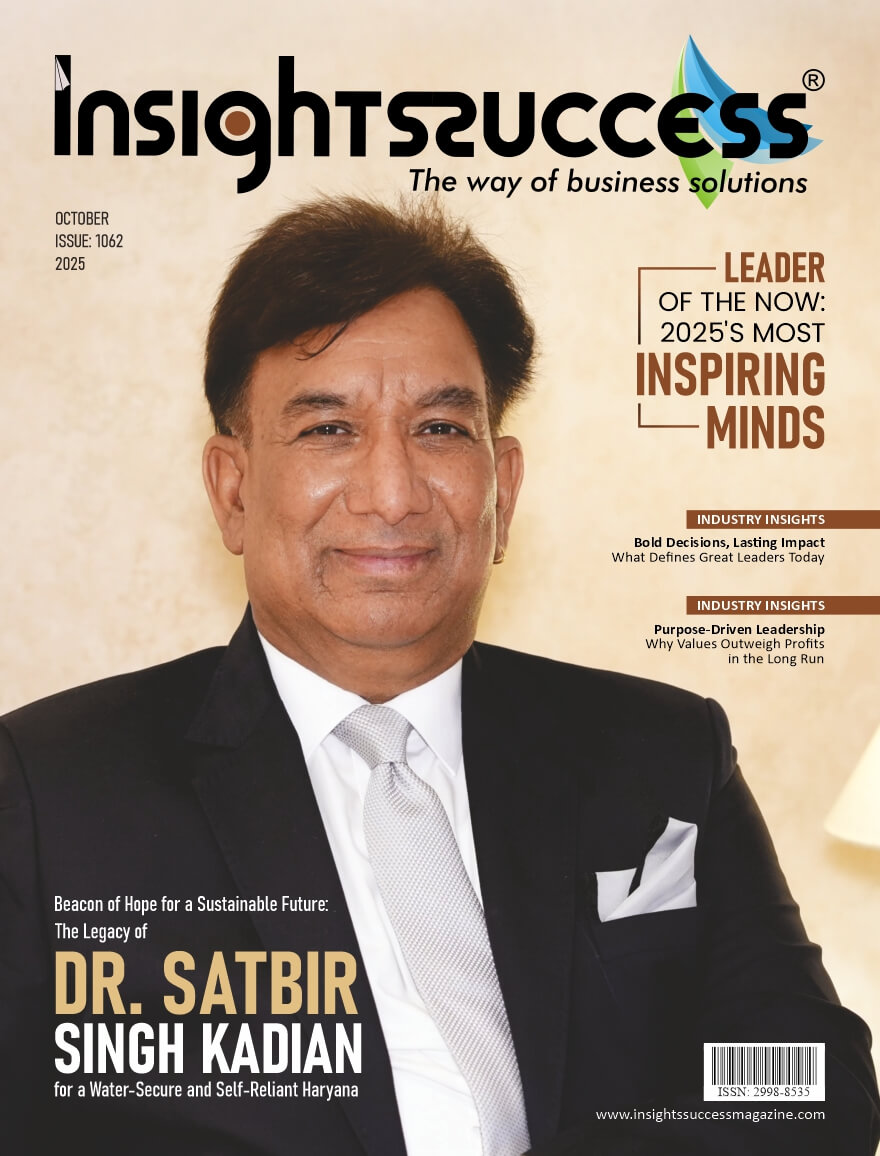
Leader of the Now: 2025’s Most Inspiring Minds
Leader of the Now: 2025’s Most Inspiring Minds Dr. Satbir Singh Kadian stands out as a visionary leader in 2025, exemplifying the fusion of technical expertise, strategic foresight, and a deep commitment to sustainable development. As the Engineer-in-Chief and CEO of the Haryana Water Resources Authority, he has been instrumental in transforming water management practices in Haryana, India. Quick highlights Quick reads

Beacon of Hope for a Sustainable Future: The Legacy of Dr. Satbir Singh Kadian for a Water-Secure and Self-Reliant Haryana
Water is life and more than simply a resource for a state like Haryana, which is home to one of India’s best agricultural belts. It is also essential for environmental balance, rural economies, and food security. However, Haryana is currently facing severe water problems: groundwater levels are dropping to dangerously low levels, waterlogging with soil salinity in increased areas, old irrigation equipment is breaking down, supply is not keeping up with demand, and climate change is only waiting to highlight the delicate balance. In addition to technological answers, such intricate situations demand innovative, intelligent leadership that blends public discourse, research, and policy. Leading this transformation is Dr. Satbir Singh Kadian, a visionary leader whose leadership personifies such an integrated vision. For more than two decades, Dr. Kadian has been at the helm of transforming Haryana’s water management infrastructure to be efficient, equitable, and sustainable. His work goes far beyond engineering achievements, reaching to community empowerment, institutional reforms, and path-breaking vision goals adopted as a model of water security not only in Haryana but across India. Rooted in Rural Wisdom, Rising with Global Knowledge Dr. Satbir Singh Kadian hails from a small village called Beholi in the Panipat district of Haryana. Dr. Satbir Singh Kadian is a farmer by profession, and a family man, who understood the cycles of rural life and the importance of water in protecting his people’s health. Dr. Satbir Singh Kadian’s father was a proud member of the community council in his village, teaching him values of service, honesty, and accountability. Ever since a very early age, Dr. Satbir Singh Kadian has had this voracious appetite to inquire and learn. He was always at the top in primary school and secondary school, receiving state-level awards more than once. With a zealous desire to solve real-life issues, he went on to study Mechanical Engineering at the illustrious Thapar Institute of Engineering & Technology and graduated in 1992 with honors. But Dr. Satbir Singh Kadian’s education was not limited to books. He saw the sheer need for integrating policy and technology and sustainability. This vision led him to the Indian Institute of Technology (IIT) Delhi, where he finished his integrated Ph.D. in Functional ERP Systems and Sustainability by 1998. The uncommon mix put him at the crossroads of engineering, environmental protection, and systems management. With a zeal to learn, he pursued an executive education course on management at Harvard University on entrepreneurship in developing economies; a set of skills essential to turning ideas into public initiatives that can be scaled. Concurrently, learning through the MASHAV program in Israel provided him with the current advances in water management, technology, and economics that would be most useful in semi-arid and water-scarce states like Haryana. This strong combination of technical prowess, global exposure, and national insight was the cornerstone of Dr. Kadian’s successful career committed to resolution of the water crisis in Haryana. From Decline to Delivery: A Landmark Canal Rehabilitation Led by Vision and Innovation Dr. Satbir Singh Kadian joined the Haryana Irrigation Department upon graduation, a field of utmost significance given the state’s overdependence on canal irrigation and groundwater. In his formative working years, he witnessed firsthand the sorry condition of the Jawaharlal Nehru (JLN) Lift Canal System, a key irrigation channel built in the 1970s that had lost its efficiency over the years. The canals and LYRIC pumps were uneconomical, the majority of parts unused, resulting in water shortages in tail-end regions and deterring farmers’ potential. Rather than succumbing to this ongoing decline, Dr. Satbir Singh Kadian took it as a challenge. Leaping Himalayan bounds from his technical experience and managerial skills, he spearheaded a pioneering project to rejuvenate and modernize the entire lift canal system. Funded by more than $10 million of NABARD money and equipped with state-of-the-art technology such as SCADA (computerized control systems), AI-based predictive maintenance, and telemetry-based monitoring, the rehabilitation got the canal system back on track for full, reliable function. The impacts were spectacular. Over a million people were directly impacted by augmented availability of irrigation, enhanced utilization of safe water, increase in crop yield, and migratory pressure from drought in source regions lessened. The rehabilitation also ensured long-term viability of the facilities through rigorous quality standards that ensured a minimum life of 20 years of utility; with long vision turning out to be true. Due to his emphasis on transparency and accountability, this project was an open model for infrastructure management that received high-profile awards such as the CBIP Award for Distinguished Operations and the Central Water Commission award. Pioneering Water Governance at State and National Levels Dr. Satbir Singh Kadian’s experience widened quickly to larger responsibility: Engineer-in-Chief Irrigation & Water Resources Department of Haryana, CEO Haryana Water Resources Authority (HWRA), and Administrator of MICADA, the organization which is designing micro-irrigation and command area development. He applied experience-based engineering with policy-making and institutional reform in these roles, directing large-scale programs that have transformed water management in Haryana: Atal Bhujal Yojana (AbhY): Groundwater Sustainability through Community Ownership With the launch of Atal Bhujal Yojana, the flagship programme of the Ministry of Jal Shakti, Dr. Satbir Singh Kadian initiated the Community-Based Participatory Approach (CBPA). Contrary to the conventional top-down groundwater management plans, his method strengthens the grassroot Panchayati Raj Institutions and women volunteers called “Bhujal Sahelis” in the task of evaluating, planning, and implementing water-conservation activities. This participatory strategy enabled villages to plan their water security independently, from scientific groundwater information but guided by local experience and need. Campaigns for water conservation, awareness campaigns, and behavioral changes picked up speed gradually, which stabilized the rate of groundwater in most districts. Jal Shakti Abhiyan & National Hydrology Project Incorporating real-time data systems has been the hallmark of Dr. Satbir Singh Kadian’s efforts. Haryana’s role in Jal Shakti Abhiyan is rainwater harvesting, reviving traditional water bodies, and natural aquifer recharging. Supplementing the real-time groundwater level data of the National Hydrology Project and computer modeling, these initiatives have pro-active, science-based management of the precious resource. State Vision

Why Values Outweigh Profits in the Long Run
Purpose-Driven Leadership In today’s hypercompetitive, fast-moving business age, there is only one question always and eternally the same for the leaders: what is great in the long run? Business had one-eyed concentration on a single objective — maximization of profit — for decades. Although society, market, and employees today expect more authenticity, more sustainability, and more integrity, the paradigm has changed. Most thriving sustainable companies of the era are driven by leaders who recognize that values, and not money, build truly great companies. Purpose-driven leadership has emerged as the foundation of organizations that establish trust, foster innovation, and create legacies that extend far beyond quarterly returns. The Rise of Purpose in Contemporary Leadership The idea of purpose-driven leadership speaks to a deep change in the definition of success. Profit remains essential to business survival, but it no longer suffices for lasting sustainability. Customers, employees, and investors increasingly expect organizations to represent something more — a greater sense of purpose beyond profit. Purpose infuses purpose and direction into every decision. Purpose provides the essential “why” question answer — why the business exists, for whom, and how it can make a difference. Leaders who talk and live their organization’s “why” build commitment orders of magnitude greater than compliance; they spark belief. Values as a Strategic Advantage Values are not ideals but strategic assets. They inform decision-making, form culture, and navigate organizations through times of turbulence. Attempting to lead with integrity, empathy, sustainability, and inclusiveness first, leaders establish credibility and trust — commodities in increasingly scarce supply in an uncertain world. Profit strategies can produce short-term profit at the expense of undermining stakeholder trust when separated from ethics. Ethical leaders forge strong relationships of loyalty instead. Consumers defend brands that reflect their values, employees are loyal to companies that respect them as people, and investors invest in companies that demonstrate long-term stewardship. The Human Connection Fundamentally, purpose leadership knows that firms are human systems. Individuals want to be part of something greater than themselves — to play a role in making a difference in what they are passionate about. When leaders more clearly and consistently communicate values, they make employees champions and customers ambassadors. This human connection ignites passion and innovation. Shared Purpose communities own, co-create innovate, and breakthrough. The empowerment and trust culture developed then acts as the catalyst for sustained success. Purpose Over Profit: Lessons in Sustainability History shows that those companies which were established purely on profit considerations do not survive. Markets change, technologies advance, and competition emerges. The only perpetual is the company’s character — its mission and values. Purposeful companies are more agile since their purpose serves as a stabilizing force during periods of upheaval. They understand that profit is a byproduct of good work, not the singular metric for success. This approach to the business promotes ethical growth, innovation based on society’s needs, and long-term stakeholder value dedication. To them, success is not just making the most money but reducing harm, increasing well-being, and generating shared prosperity. This wider success definition makes their businesses relevant and in demand no matter what the economy is doing. Leading by Example Values-based leadership starts with self-knowledge. First, leaders must create their own values and then lead others to do the same. Authenticity — what is done versus what is said — is of critical importance. Employees and stakeholders will immediately recognize when purpose is performative, not authentic. Visionary leaders lead by example every day, demonstrating their values through behaving the way they want to be emulated throughout the organization. They listen, they hear, and lead with clarity. Their choice is a marriage of reason and compassion, force and integrity — demonstrating how profitability and purpose are not either/or but rather inclusive efforts. The Cultural Multiplier Effect When leaders embed values in all aspects of an organization — from hiring and measuring performance to product design and customer relationships — they create a culture of self-reinforcement. The “cultural multiplier effect” ensures that when leaders and the market change, the purpose of the organization remains intact. A purpose culture produces the best talent, fuels innovation, and reduces risk. It helps organizations bounce back faster from calamity and be believable during crisis. Culture now becomes the unseen infrastructure behind long-term resilience and greatness. The Future Belongs to Purpose With automation, artificial intelligence, and digital transformation transforming industries, the human element of leadership is more important than ever. Purpose-driven leaders will be those who can make technology human, weigh efficiency against compassion, and make progress work for people, not profit. Future-proof companies are companies that infuse purpose into strategy, sustainability into operations, and ethics into leadership DNA. And, in doing so, future-proof their business model, yet redefine success for what it is. Conclusion The truth about long-term leadership is straightforward: profit can keep a company in business, but values sustain a legacy. Good leaders understand success financially is the result of doing the right thing for the right reasons. They build companies that are trusted, respected, and admired — not always due to what they make, but why and how they make it. In a world of constant flux and glimmering uncertainty, purpose is the anchor that prevents organizations from drifting away and the compass that points them in the direction of success. By placing values first, leaders don’t lose success — they rewrite the definition of what it means. Read More: How Great Leaders Inspire Collective Momentum

What Defines Great Leaders Today
Bold Decisions, Lasting Impact Modern leadership is not about titles, hierarchy, or form. It’s about making bold decisions with far-reaching implications. The challenges facing modern leadership are formidable — economic uncertainty, increased technological disruption, evolving workforce expectations, and global interconnectedness. Greatness is cast in such a situation through courage, clarity, and conviction. Great leaders are not reactive or passive; they are proactive change creators that marry vision and decisiveness to drive organizations — and individuals — forward. The Courage to Act The key to outstanding leadership is the courage to act in the uncertainty of decision-making. Daring decision-making is most often not an issue of risk for risk’s sake but of determination born of purpose and vision. Outstanding leaders understand that indecision may cost more than defeat and that progress ahead often depends upon acting when outcomes are ambiguous. This decision-making is rooted in knowing self and fact-based decision-making. Through balancing analysis with intuition, visionary leaders make decisions without getting lost in uncertainty. They recognize that no decision can ever be made on a basis of perfect information — but purposeful action, initiated by decisiveness, gains momentum and confidence. Vision as the Guiding Force Bold action is strongest when it is rooted in a concise but effective vision. Vision gives purpose to courage, and risk becomes intelligent action towards worthwhile objectives. Great leaders do not just notice what stands in their way; they look further down the road, positioning their businesses to succeed there. It’s this vision-for-the-future thinking that enables them to invest in innovation, experiment with new, unexploited potentialities, and reimagine what success is. Whether it’s embracing new technologies, reinventing organizational culture, or embarking on sustainability and inclusion, visionary leaders decide for long-term purpose, not short-term gain. Leading Through Uncertainty Uncertainty is inevitable in the current world chaos. Economic change, technical innovation, and international crises continue to redefine the operating environment for leaders. Good leaders are not created by the manner in which they can stay calm, turn back, and make decisions of clarity amidst chaos. Instead of going out of their way to avoid disruption, they lean in as a force of transformation. They create resilience among their people, a leaning to learning and adaptability instead of fear. They’re not necessarily doing this out of survival choices but a need to transform — making their organizations resilient not only to change but actually able to drive it. Balancing Boldness with Empathy Brave decisions are not about out-doing others; they are about accountability. Great leaders strike the balance between toughness and empathy, so their decisions inspire and don’t alienate. They take the people aspect of what they are doing into account, and in a moment of crisis, they are open and trust-building. Compassionate leadership transforms violent behavior into missions for the whole team. By engaging teams in decision-making and taking their perspectives, leaders create alignment and commitment. Decisiveness with compassion moves obstacles into possibilities for collective development. Accountability and Integrity Great leadership is not just measured by what one decides but by taking responsibility for what one does as a result of that decision. Great leaders take responsibility for their decisions — both the wins and losses. They subscribe to the example that leadership is as much about character as it is about capability. When the gambles don’t work out, they learn from their failures and get better. When they work out, they give credit to their communities and teams rather than taking credit for individual success. This humility with accountability builds trust and respect — the cornerstone of enduring leadership. Empowering Others to Act A strong indicator of great leadership is enabling others to act courageously. Courageous decision-making leaders create a culture of initiative and innovation within an organization. They charge teams with ideas, question assumptions, and make claims. Through democratizing leadership and building psychological safety, they turn organizations into systems of creativity and growth. The outcome is not only a bigger company but a more engaged, motivated, and visionary team that can drive long-term effects long after the individual leaders have left. The Ripple Effect of Leadership Courageous choices have spillover effects that go beyond firms. They affect industries, economies, and societies. Ethical managers recognize this interconnectedness and make choices that reflect a broader picture of responsibility — encouraging development without sacrificing moral, environmental, and social interests. Leadership in this context is not just measured in terms of financial achievement but by the creation of a legacy of positive impact. The best leaders are those whose actions continue to impact years after the period when they were implemented. During a period of transition and maturity, it takes more than strategic excellence to guide — it takes vision, courage, and compassion. The best leaders today are those who lead with character, act with purpose and boldness, and motivate others to do the same. Their legacy is not that they avoided risk, but that they embraced it with sensitivity and responsibility. By converting uncertainty into possibility and vision into reality, they redefine leadership in the next century — showing that real greatness is not in the power to take, but in the courage to lead and wisdom to create lasting change. Read More: Why Values Outweigh Profits in the Long Run
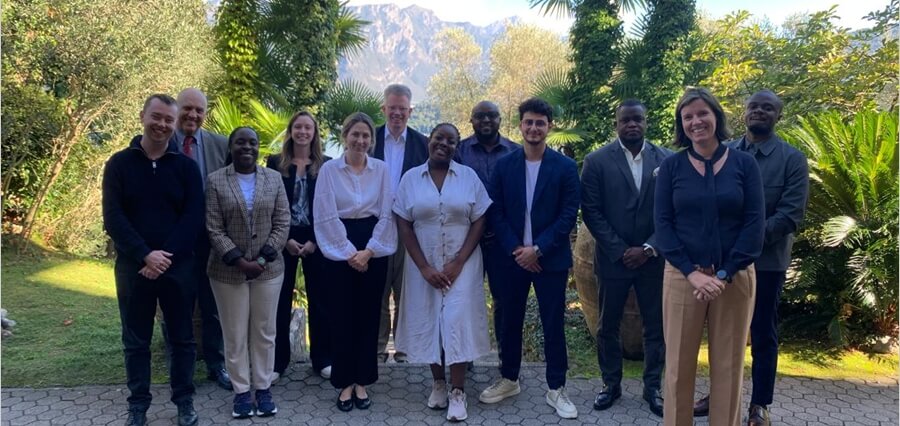
Dr. Nixon Kitimoi Attends Konrad-Adenauer-Stiftung Regional Programme Economy—Africa on the “Economic Benefits of Decarbonization” in Italy
Dr. Nixon Kitimoi, Chief Investment Officer at 1Stock, recently participated in the Konrad-Adenauer-Stiftung Regional Programme Economy – Africa, held at Villa la Collina, Cadenabbia, Como, Italy. The event gathered visionary leaders and experts from across Africa and the European Union to discuss the transformative theme of the “Economic Benefits of Decarbonization.” The conference highlighted how transitioning to low-carbon economies presents significant opportunities for sustainable growth, innovation, and investment across the continent. Discussions focused on strategies to harness these benefits while addressing challenges posed by evolving policies such as the Carbon Border Adjustment Mechanism (CBAM). The event explored CBAM’s implications on African trade and capital flows. Notably, CBAM is expected to influence Dr. Kitimoi’s ongoing $5 billion capital raise being facilitated by Castle Placement, shaping investor engagement and compliance considerations. The gathering included esteemed representatives such as; Walker Darke, Partnerships Expert, UNIDO Jaroslaw Pietras, Martens Center, Brussels; Former Polish Minister of European Affairs Chantelle Moyo, Researcher, Konrad Adenauer Stiftung RP Economy – Africa Charlotte Davis, Carbon Direct Samantha Maasdorp, Acting CEO, Climate Action Platform, South Africa Dr. Hubertus Bardt, German Economic Institute Munolwisho Elizabeth Ipangelwa, Council Member National Commission on Research, Science and Technology, Namibia Mahlon Walo, CEO, AfriNet Carbon, Kenya Raboudi Mhamed, Co-founder and COO of Alder Green Solutions, Tunisia Anja Berretta, Director of KAS Regional Programme Economy: Africa Emmanuel Ochieng Otieno, Kenya Private Sector Alliance Olaf Wientzek, Director of the Brussels Multinational Development Dialogue, KAS This diverse assembly reinforced the critical role of collaboration between Africa and Europe in driving decarbonization initiatives that benefit economies and communities alike. Disclaimer – This article is a work of original content created for public relations and informational purposes only. It may be published across multiple digital platforms with the full knowledge and consent of the author/publisher. All images, logos, and referenced names are the property of their respective owners and used here solely for illustrative or informational purposes. Unauthorized reproduction, distribution, or modification of this article without prior written permission from the original publisher is strictly prohibited. Any resemblance to other content is purely coincidental or used under fair use policy with proper attribution. Also Read : Verbatim Unveils Growth Plans in India, Backed by New Branding and Innovation

Dr. Shariza Umira Puteri Binti Kamarozzaman
With over 13 years of distinguished experience in IT Infrastructure and Cybersecurity, Dr. Shariza Umira Puteri Binti Kamarozzaman stands as a dynamic leader driving excellence and resilience in digital security. Currently serving as the Section Head of Information Security, Security Operations Center (SOC) at AEON Credit Service (M) Berhad, she plays a pivotal role in ensuring a secure, compliant, and resilient technology environment that safeguards business continuity and customer trust. Her professional journey began in 2011 as a Wintel Engineer at Hewlett Packard Malaysia. Over the years, her curiosity and commitment led her to transition into Security Operations, a field where she discovered her true calling. Guided by the philosophy that “Success isn’t always about greatness. It’s about consistency. Consistent hard work leads to success,” Dr. Shariza has demonstrated remarkable growth, earning recognition from global platforms such as Insights Success Magazine and Passion Vista for her leadership in cybersecurity. As a woman in a male-dominated field, Dr. Shariza has overcome numerous challenges with composure, empathy, and a firm belief in teamwork. Her leadership approach emphasizes rational decision-making, collective progress, and empowerment through collaboration. She believes that success is a shared journey — one built on trust, mutual respect, and continuous learning. Dr. Shariza’s vision extends beyond her current role; she aspires to become a Chief Information Security Officer (CISO), contributing to a safer digital landscape while mentoring future cybersecurity leaders. Her story reflects resilience, determination, and a deep sense of purpose — a testament to how consistent effort, faith, and integrity can shape impactful leadership in the evolving world of cybersecurity. Read Also : Maxson Lewis: Powering India’s EV Ecosystem with Vision and Technology
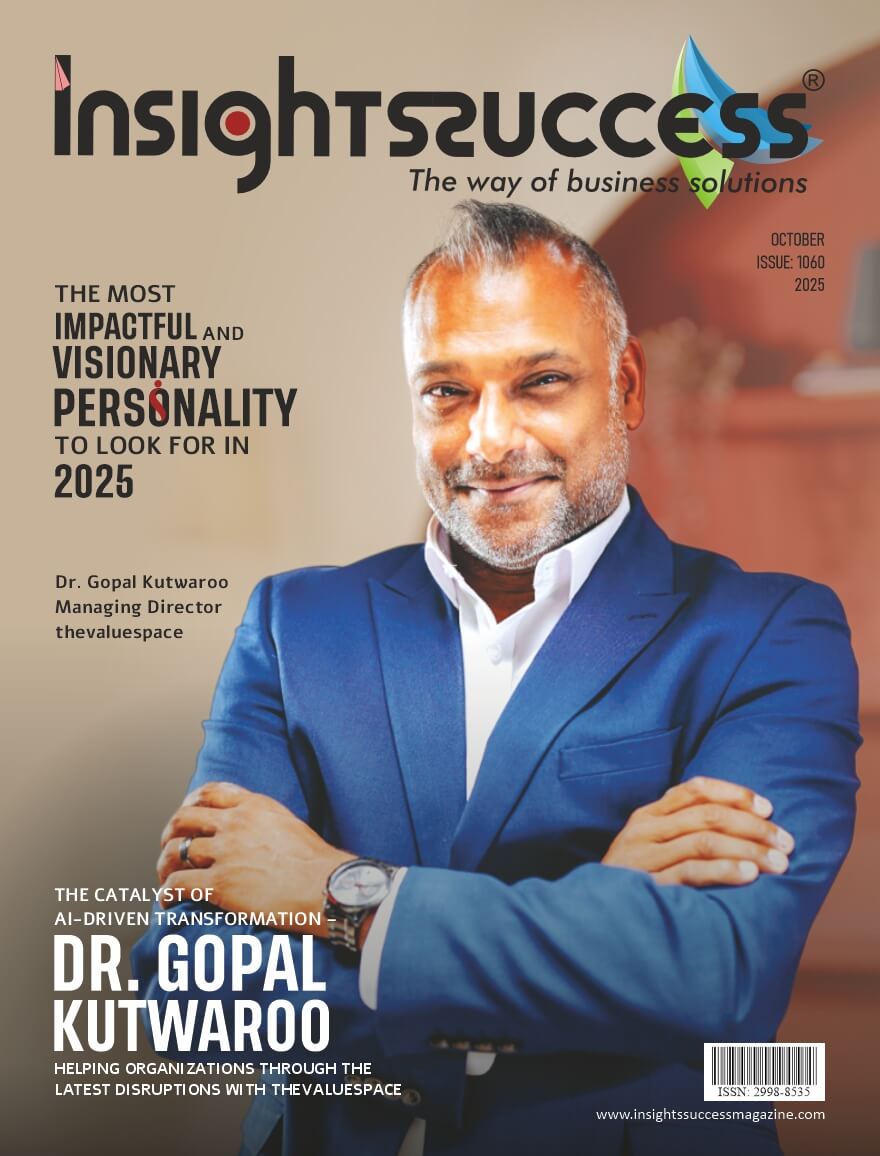
The Most Impactful And Visionary Personality To look For In 2025
10 Best Logistics Companies to Watch in 2022 June2022 Lorem ipsum dolor sit amet, consectetur adipiscing elit. Ut elit tellus, luctus nec ullamcorper mattis, pulvinar dapibus leo. Lorem ipsum dolor sit amet, consectetur adipiscing elit. Ut elit tellus, luctus nec ullamcorper mattis, pulvinar dapibus leo. The Most Impactful And Visionary Personality To look For In 2025 Dr. Kutwaroo’s career has been defined by transformation. He has guided organizations through disruption, helping teams embrace new business models while instilling confidence in change. As a CEO and Director of a private equity portfolio of businesses, he occupies a unique vantage point between strategy and execution, turning challenges into opportunities for growth and innovation. Quick highlights Quick reads
The Catalyst of AI-Driven Transformation – Dr. Gopal Kutwaroo: Helping Organizations Through the Latest Disruptions with thevaluespace
Along with a truly sci-fi-looking future, that super-tech-hero called AI, aka artificial intelligence, is here, hyper-changing our reality in front of our already awakened eyes. Amidst all the hype and recent cautionary surveys, every business and businessperson has only one question on their mind: To adopt AI or not to adopt AI? “You know, we are way past that question, as many are learning that they must embrace AI, today. The real question for them is how they build organisations based on AI that are people and future-ready,” says the corporate and tech world’s renowned Consultant, Coach, Trainer, and Speaker. And that’s exactly what he has been doing for many of the companies in a dilemma. He insists that in the age of AI, he is passionate about helping organizations of all sizes and stages to achieve their goals. For more than thirty years, Dr. Gopal Kutwaroo has been a transformational leader at the intersection of technology, telecommunications, and business. His journey through global leadership is a demonstration of real-life corporate leadership—from directing global companies like Microsoft and Dell to redefining digitalization across industries in Europe, Africa, and the Middle East. He is a leader who has not just experienced disruption, but has helped create disruption. The moments that defined his career always revolved around transformation—helping organizations not just adapt to new business models, but ensuring people had confidence to embrace new ways to work. As a CEO and Director of a private equity portfolio of businesses, he has a rare and valuable position between strategy and execution. Now, as Managing Director at thevaluespace, he is leveraging all of this experience to help organizations through the latest disruptions. He himself is not just disruptive; he is the most impactful and disruptive figure to watch in 2025. Pushing the Frontiers of Possibility Dr. Gopal Kutwaroo career has been driven by a profound understanding that digital and AI transformation fails not because of the technology, but due to a lack of practical execution. Leaders and teams often struggle with siloed behaviors, failing to create a realistic roadmap or develop actionable use cases. Inspired by years of consulting with global giants and shaped by his own Ph.D. work, he started thevaluespace to break this cycle. The organization’s mission is to bridge the gap from strategy to implementation by focusing on practical, real-world use cases that empower teams with the skills and confidence to push innovation forward. His passion for this mission is fueled by training a number of organisations with world-class executive business institutes like Emeritus, CIM and Informa, and his contributions to joint programs with institutions like MIT and Kellogg. By blending cutting-edge academic research with hands-on consulting, thevaluespace delivers the latest global insights tailored to specific, industry-based solutions. Dr. Gopal Kutwaroo leadership philosophy is built on three core insights that have had a lasting impact on his approach: A Growth Mindset and the Power of Failure First, he champions a growth mindset. He knows that AI technologies are only as effective as the teams using them. Leaders must empower their people with the confidence to experiment and make decisions, so transformation becomes a natural part of daily operations. Second, he advocates for grounding bold visions in commercial reality. Great ideas need financial clarity to succeed. Leaders must master the numbers—understanding P&L, margin growth, and sustainable ambition—to ensure their strategies deliver real value. Third, he embraces failure as a valuable opportunity for growth. He believes that setbacks, such as unsuccessful AI pilots, provide insights that pave the way for smarter, more effective solutions. For him, true leadership is about being genuine, adaptable, and committed to creating a meaningful impact. By viewing failures as learning investments, he fosters innovation and builds trust through transparent, purpose-driven leadership. Bridging Intentions and Reality At thevaluespace, Dr. Gopal Kutwaroo core value proposition is clear: helping businesses and governments achieve their ambitions. The organization is dedicated to empowering leaders and their teams to turn their aspirations into meaningful, tangible results. They focus on connecting leadership with purpose, giving teams the confidence to try new AI tools and ideas, steering clear of fleeting trends, and instead building change that lasts. The ultimate goal is to create spaces where innovation sparks and growth lifts up both the organization and everyone within it. thevaluespace empowers leadership teams to bridge the gap between aspirational values and operational realities through a structured, evidence-based approach. The first step is to collaboratively reshape the vision and mission, as clients often realize the full potential of what they can achieve with AI. For a leading FMCG client, this meant operationalizing the value of “data-driven growth” by implementing AI and predictive analytics for pricing, which resulted in a 22% performance gain. The firm’s methodology also focuses on identifying “confidence gaps”—the disconnect between a leadership team’s stated values and an organization’s readiness to act on them. While boards may champion innovation, teams often lack the tools, skills, or support to implement it effectively. thevaluespace addresses this by designing customized interventions that build capability and foster alignment. They empower leaders to explore future scenarios through controlled pilots, ensuring that every innovative idea is tested in a safe, measurable environment. The Vision of thevaluespace By combining evidence-based strategies with iterative experimentation, thevaluespace equips leadership teams to bridge the gap between aspiration and execution. This forward-looking strategic approach, a cornerstone of Dr. Gopal Kutwaroo philosophy, extends beyond internal alignment. It considers how partnerships and alliances can meet future demands, positioning the firm as a visionary leader that anticipates change rather than just reacting to it. At the core of thevaluespace’s methodology is a unique fusion of evidence-based insights, bold confidence-building, and world-class learning. Dr. Gopal Kutwaroo believes that data alone doesn’t spark transformation; it must be combined with a dynamic environment where teams can experiment and learn without fear of failure. By framing pilots as structured experiments, his team empowers leaders to test innovative approaches, build unshakable confidence, and achieve measurable business outcomes. This approach ensures that cultural change is