





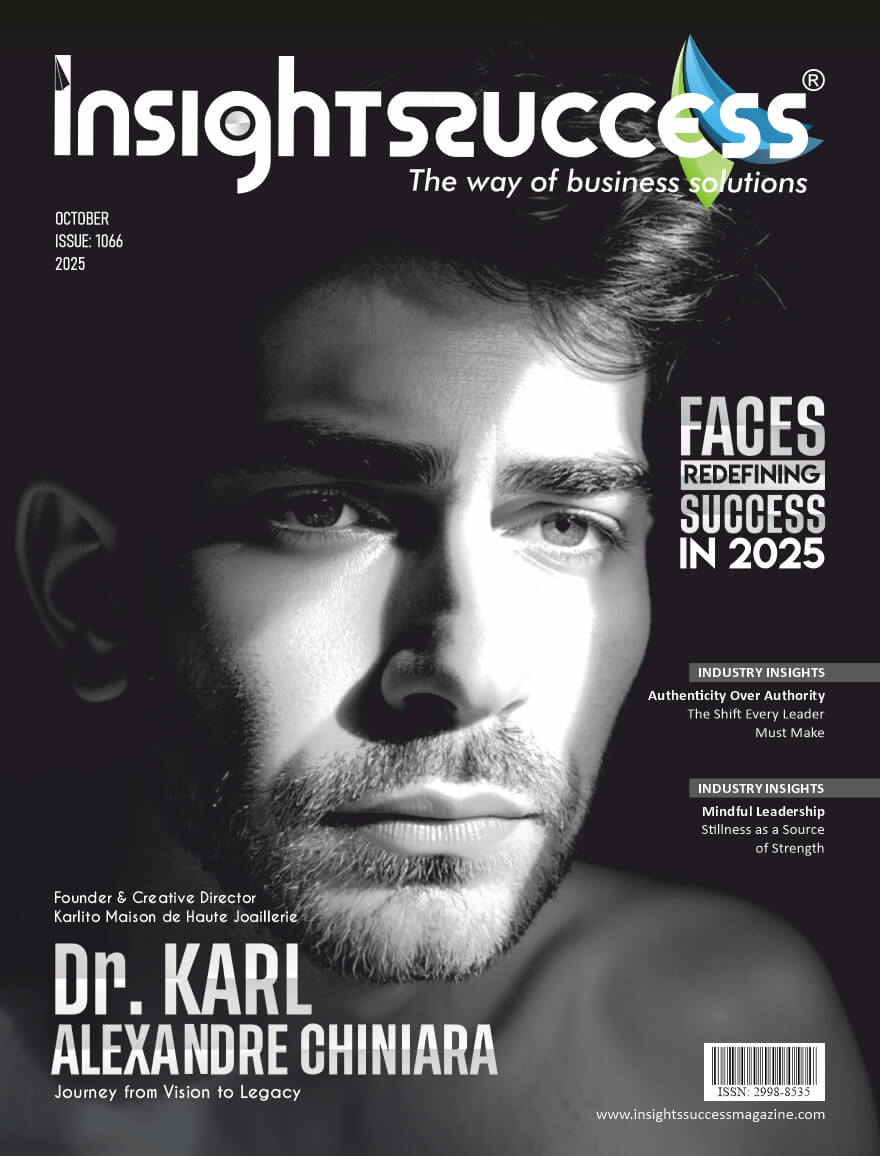
Faces Redefining Success in 2025
Faces Redefining Success in 2025 Redefining success is more than achieving milestones—it’s about creating lasting impact, inspiring others, and challenging the norms of what leadership and accomplishment mean in today’s world. This edition exemplifies this ethos, combining innovation, resilience, and purpose in every endeavor. Quick highlights Quick reads

Dr. Karl Alexandre Chiniara: Journey from Vision to Legacy
There are trendsetters and visionaries who redefine the core of creativity itself. Dr. Karl Alexandre Chiniara belongs to the latter. Long before his peers collected diplomas, he was already crafting legacies, building and selling his first venture before graduation, a prelude to the entrepreneurial journey that would shape his life. His path has never been linear, nor comfortable; it has been defined by defiance, curiosity, and an unyielding pursuit of authenticity. When he returned to Dubai, he briefly entered the world of wealth advisory, but the constraints of convention couldn’t hold back his creative instincts. What started as sketches on a kitchen table quickly became Karlito – Maison de Haute Joaillerie, a brand founded on conviction rather than commerce. His works challenge the expected vocabulary of luxury; they are sculptural representations of narrative, emotion, and identity, art pieces that whisper rather than shout. He is the Founder and Creative Director of Karlito, Maison de Haute Joaillerie, and he links the art and business worlds with uncommon ease. Dr. Karl Alexandre Chiniara, guided by discipline, vision, and a passion for craftsmanship, is creating more than just a jewelry house; he is crafting a legacy in which imagination meets accuracy and beauty becomes inevitable. The Early Victory Dr. Karl Alexandre Chiniara’s entrepreneurial instincts surfaced early. Before university graduation ceremonies concluded, he had already built and sold his first company. The venture proved modest in scale but monumental in lesson, it taught him that ideas could materialize, that markets would respond to conviction, that exit strategies mattered as much as entry points. Returning to Dubai, he stepped briefly into the family orbit, advising fortunes and navigating the intricate machinery of wealth management. Yet something fundamental resisted. The prescribed path felt too certain, too mapped. His creative spirit demanded wilderness, not well-worn trails. The kitchen table became his drafting board. Initial sketches for what would become Karlito emerged there, rough geometries that refused the era’s trend-obsessed jewelry aesthetic. He envisioned sculpture first, jewelry second. He wanted pieces that felt discovered rather than designed, inevitable rather than invented. Birth of a House Karlito, Maison de Haute Joaillerie materialized from defiance in its purest form. Dr. Karl Alexandre Chiniara had grown weary of luxury’s predictability, of marketing budgets eclipsing imagination. The industry churned out logo-driven pieces while poetry and danger evaporated from high jewelry. He decided to restore both. His founding principle carried deceptive simplicity is creating one-of-a-kind works anchored in emotion and narrative. Mass production held no appeal. Instead, he constructed a studio that privileges, private commissions, capsule collections, pieces so sculptural they command attention like museum installations. The inspirations run deep and wide. Phoenician sirens whisper through certain designs. Desert falcons take flights in others. Venetian masks lend mystery to still others. He draws from architecture’s mathematical precision, mythology’s timeless resonance, and his own multicultural heritage. Each piece emerges as translation, myth into gold, memory into stone, geometry into emotion. “I wanted to treat jewelry as sculpture that carries story, culture, and soul,” he explains. This philosophy attracted a specific collector to those seeking meaning over logos, narrative over novelty, permanence over passing fashion. The Red-Carpet Whisper Campaign Growth arrived not through advertising spend but through reputation, passed hand to hand like sacred text. Dubai’s creative community noticed first. Then pieces migrated to international stages like Cannes, Venice, the world’s most photographed moments. Naomi Campbell wore Karlito. Marina Ruy Barbosa carried the house’s work onto global stages, including EMIGALA 2025. Nour Al Ghandour chose the brand. These weren’t paid partnerships or celebrity contracts; they represented organic recognition from icons who understood craft. The house remains fiercely independent, a studio more than corporation, guided by artistry over quarterly targets. This autonomy allows him to maintain quality control and creative vision without external capital dictating taste. Building a profitable, respected house without sacrificing artistic integrity stands as achievement equal to any red-carpet moment. The Discipline Behind the Dream Dr. Karl Alexandre Chiniara dismisses the notion of work-life balance as mythology. “Discipline is real,” he insists. His life is operating through deliberate partition structured spaces protecting both artist and strategist. When designing, nothing interrupts. Phones fall silent. The outside world evaporates. When handling finance or operations, creativity waits its turn. When protecting family time or solitude, he defends that territory ruthlessly. This compartmentalization extends to business operations. He runs his creative enterprise with frameworks typically foreign to artisan fields, forecasting models, structural planning, measurable risk assessment. “I learned early that art cannot breathe in chaos,” he notes. Clear systems liberate his mind for design while ensuring financial viability. Early setbacks became his graduate education. Cash drained. Suppliers vanished mid-project. Stones arrived slowly; orders arrived slower. Each crisis-built resilience and forced self-reliance. “A failed piece or slow quarter is not failure; it’s tuition,” he reflects. He no longer panics at friction; he studies it, adapts, moves forward. Creativity demands oxygen, he believes. He travels alone, reads beyond luxury publications, cultivates relationships outside the industry. These practices prevent echo chamber thinking and introduce new textures into his work. Personal relationships remain curated rather than neglected. “I value a small circle, family first, trusted friends next. Their honesty protects me from industry noise, grounds ambition in humanity,” he says. The Polymath Entrepreneur Jewelry anchors Dr. Karl Alexandre Chiniara’s identity, but his appetite for building extends further. He has created ventures in fintech and advisory services, each addressing inefficiencies he couldn’t ignore. Yet his diversification follows principle, not opportunism. “I build companies the way I build a ring: form follows idea, but structure must hold forever,” he explains. Every enterprise must make sense, elevate, and last. His background exposed him to strategic thinking from childhood where deals dissected over dinner, governance explained, silent power mapped. This foundation taught him to respect risk without fearing it. Money represents one language; art represents another. He speaks both fluently, translating between profit margins and creative vision with equal facility. This bilingualism remains rare in luxury, where creators are often lacking financial literacy and

The Shift Every Leader Must Make
Authenticity Over Authority The leadership age is shifting. The era when titles alone could garner obedience or get results is over. In the modern open, hyper-connected world, individuals no longer respond to titles — they respond to trust. The best leaders of the new era are not power-based or hierarchical but authenticity-based — authentic, self-aware, and values-driven. This reality power play is the most compelling of contemporary leadership fashions. It is a deeper comprehension of what propels human beings, what constructs engagement cultures, and what fosters organizational greatness in the age of change. The Decline of Traditional Authority Leadership and position control were yesterday’s worries. Titles, rank, and power were the bottom line to make the call. That recipe did deliver order, but did produce space — space between the leader and the follower. Staff were told to follow orders, not to connect. But in a era of collaboration, innovation, and self-direction in our workplaces, that formula doesn’t apply. Employees today are looking for meaning, compassion, and honesty. They want to feel part of something greater than themselves, and to be led by leaders who are honest, transparent, and dependable. Authority demands compliance, but authenticity can command loyalty — and it is loyalty that fuels innovation, resilience, and performance. The Essence of Authentic Leadership Self-awareness starts genuine leadership. It is leading from one’s values, strength, and beliefs and not trying to impress or manipulate. Genuine leaders do not have flaws — they own up to mistakes, take feedback, and ask questions. Their openness builds trust that enables others to become vulnerable too. They talk straight and follow through with actions. Integrity, compassion, and humility are the foundation of their leadership. Consistency between word and deed is how they establish credibility and enduring legacy — far greater than positional influence. Trust as the New Currency of Leadership In an era of knowledge, trust is the most important currency of leadership. Teams no longer respond to orders; teams respond to connection. Leaders come to understand their people — their drivers, their fears, and their dreams. They share real, honest conversations, listen with purpose, and establish a culture in which everybody is heard and prized. That openness creates psychological safety — employees’ trust that they can get the job done, experiment, and be creative without fear of judgment or termination. That is where performance is optimized and creativity occurs. The Power of Vulneranity Vulnerability, which was once a leadership weakness, is now a crushing strength. Leaders make themselves human by being open to uncertainty, acknowledging their own flaws, or admitting they don’t know everything. Authenticity builds trust, demonstrating that leadership isn’t perfect but a journey of learning and connecting. By being open, leaders build more robust relationships and build openness between and among teams. It breaks down barriers, forming partnerships where there are hierarchies — a sign of high-performing, team-based cultures. Leading with Empathy and Emotional Intelligence Effective leaders lead with empathy — feeling with and empathizing with others’ feelings. Emotional intelligence enables them to read the room, sense the tension, and respond with empathy. Relational awareness is game-changing when it comes to conflict resolution, feedback, and trust-building. Empathy is the connector that takes one to authority and authenticity. Empathy brings leaders back to mind, reminding them that leadership is not managing tasks but, more so, inspiring people. As long as employees are being heard and understood, they will show up to work with their A-game, improving the performance of the entire business. The Cultural Ripple Effect The authenticity of the leader carries over to the rest of the organization. If authenticity is expressed at a leadership level, it trickles down from departments and teams to create a culture of openness, collaboration, and accountability. Conversely, when leadership is purely power-focused, it generates fear, compliance, and disengagement — destroying innovation and responsiveness. Authenticity culture, by contrast, enables employees to raise their voices, give ideas, and own up, in the midst of an atmosphere where excellence becomes a natural by-product. Balancing Authenticity with Accountability Authenticity is not leniency or indulgence. Authenticity is acting correctly with integrity and honesty and being responsible to common values and standards to oneself and others. Authentic leaders offer constructive respectful criticism, make tough decisions with empathy, and model living in congruence between practice and purpose. This tension — between conviction and empathy — is the mark of genuine leadership. It allows authenticity not to be confused with softness, but as strength on the foundation of emotional intelligence and moral clarity. The Shift Every Leader Must Make As the world becomes more distributed, inclusive, and global, leadership will need to shift from command-and-control to connection-and-inspire. Future leaders who will own it are those who establish trust before issuing orders, hear more than they speak, and lead from authenticity instead of authority. It is not an easy feat. It requires self-awareness, humility, and a willingness to lead from the heart as much as from the head. But when people are able to learn to be themselves, they find that there is a truer truth — when you really do lead, people don’t follow a title; they believe in a vision. Conclusion The era of power is yielding to the era of authenticity. Our great leaders of today understand that power is not seized but earned; that trust is founded on transparency; and that greatness is attained where people feel connected, valued, and inspired. Leadership is not bossing down from the top — it’s walking in integrity with other folks on purpose. When leaders make authenticity more important than authority, they don’t just manage teams; they transform cultures, spark innovation, and build companies that last. Read More: Stillness as a Source of Strength

Stillness as a Source of Strength
Mindful Leadership Amidst an age of constant change, information glut, and ongoing crisis, leadership has too frequently been reduced to speed, busyness, and multi-tasking. Superior leaders today are, however, discovering an acute paradox — that silence is where power generally resides. Conscious presence and emotional intelligence are redefining the process by which today’s business leaders decide, manage, and drive performance under pressure. The Power of Presence At its essence, mindful leadership begins with self-discipline of presence — not simply alone in body, but mind and spirit too. It is the ability to really hear, really see, and be with others and circumstances in real way. In a business environment of awareness-driven business where various agendas overlap, presence is a valuable but limited leadership attribute. Let us talk about another essential characteristic of mindful leaders: When leaders cultivate mindfulness, they bring difficult decisions clarity and crisis calm. This state creates psychological safety in groups, allowing for open exchange, creativity, and trust. Workers are heard and seen — not as tasks to be managed, but as human beings whose work is of value. The Science of Stillness Neuroscience and organizational psychology have been confirming what was long established centuries ago: calming the mind and body enhances mental and emotional capacity. Mindfulness instruction — meditation, deep breathing, or reflection journaling — reduces stress, enhances focus, and enhances emotional regulation. For leaders, it means faster thinking, wiser judgment, and replying rather than reacting. In time of crisis or doubt, being able to stop and reflect before acting will be the difference between great leadership and reactive management. Stillness is a strategic resource that enables leaders to tap into greater vision and strength. Emotional Intelligence and Self-Awareness Emotionally intelligent leadership builds up emotional intelligence, primarily empathy and self-awareness. Effective leadership has the leaders possessing an awareness of their emotions to enable them to manage them well without burnout, frustration, or defensiveness to cloud their thinking. This awareness extends outward so that leaders are attuned to the other person’s emotions and motivations. They can resolve conflicts of perspective more positively, emotionally inspire with other people, and establish a space where people feel valued and involved. From mindfulness in day-to-day leadership, emotional intelligence is not an esoteric skill anymore but is transformed into a foundation skill that fuels great organization. Decision-Making with Clarity and Compassion Mindful leaders are excellent because they can decide on actions which combine sense and compassion. Rather than rushing into hasty conclusions bull-headedly, thoughtful leaders provide time for reflection and input from every angle. Properly balanced action results in the optimal outcome because conclusions formulated calmly in the mind are more compassionate, ethical, and enduring. Mindfulness also produces clarity that in turn disallows mental bias. Leaders are less susceptible to fear, ego, and manipulation by others when they are present and composed, and therefore their decisions are more likely to be made based on values and visions of the long term — the hallmarks of integrity leadership. Leading in Uncertain Times The new business environment is one of volatility, uncertainty, and fluid change. Reactive leadership in such a setup creates confusion and fatigue. Strategic leaders do establish inner stability that provides them the ability to stay anchored in turbulence. This calm presence has a side effect. Employees of mindful leaders experience more engagement, better morale, and less tension. Leaders demonstrate peacefulness and moderation by example, communicating that issues are resolvable and creative solutions are preferable to reflexive reaction. Qui-ness is therefore reframed from withdrawal to mindful resilience — a cornerstone of shared resilience. Integrating Mindfulness into Leadership Practice Mindfulness does not require a revolution in lifestyle; it begins with brief, intentional habits. Taking sporadic minutes of quiet, uttering grace, or beginning meetings with a minute of presence can alter organizational culture over time. Daily practice by considerate leaders usually rewards in attention, creativity, and people communication. Over time, through repetition, these habits create organizational culture — tension replaced with awareness, reactivity replaced by reflection. The outcome is a high-functioning environment where performance and well-being coexist in equilibrium. The Ethical Dimension of Mindful Leadership Aside from performance, ethical decision-making is facilitated by conscious leadership. A calm and conscious mind will be less swayed by pressures for instant profit or external pressure. Conscious leaders harness their intelligence, their experience, and their values to make decisions which are honest, sustainable, equitable, and long-term. That ethical consciousness also operates to increase authenticity. Workers and stakeholders trust the individuals who always make a commitment to do what is right, and mindfulness makes that action and intention to be the same. By so doing, silencing down becomes not evasion but more attention to it. Conclusion In a motion-addicted world, stillness is an act of quiet resistance — and intentional stewardship at its most powerful expression. Present, emotionally aware, and attuned, leaders tap into reservoirs of power that are exponentially greater than experience or rank. Self-aware leaders lead with assertive calm, make sounder decisions when the stakes are greatest, and build workplaces where everyone feels valued and important. They know that it’s not a matter of doing more but being more — more present, more compassionate, and more deliberate. In the stillness between acts is the true art of leadership: decisiveness and not haste, strength and not brutality, and vision and not distraction. That is where reflective leadership is — and where the journey to future greatness in leadership starts. Read More : Nurturing Innovation: The Impact of Influential CIOs on Business Success
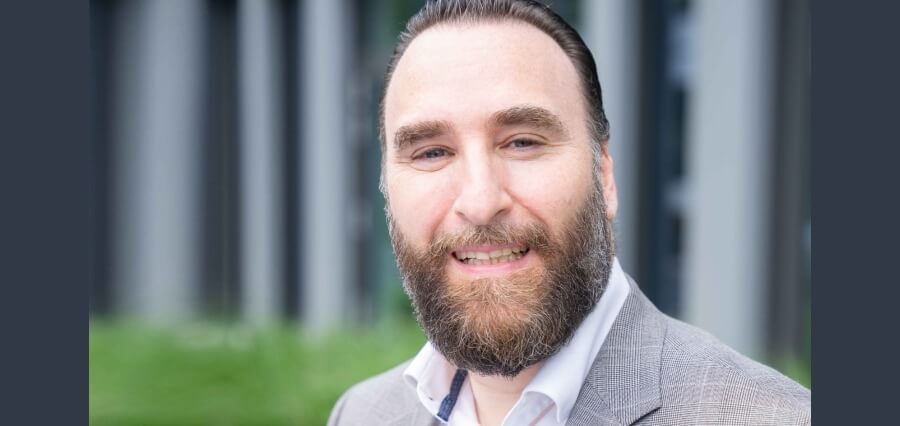
Verbatim Unveils Growth Plans in India, Backed by New Branding and Innovation
New Delhi, 9th October 2025 Verbatim, the globally renowned leader in data storage and technology accessories, is planning to significantly expand in the Indian market supported by its refreshed brand identity and a product portfolio designed for today’s mobile, connected world. Best known for its leadership in optical media, Verbatim is now leveraging its global legacy to introduce high-performance solutions including internal and external SSDs, portable monitors, docking stations, hubs, adapters, and GaN chargers. With India’s technology landscape and economy evolving at pace, Verbatim views the country as a critical growth market. The company is making its latest innovations more accessible nationwide through a focused distribution strategy and the expansion of local partnerships. Verbatim is proud to announce its re-entry into the Indian market, now operating under the EMEA region. To drive growth and strengthen our presence, we’ve partnered with key distributors across product categories: Myswa Ventures, King Technology, NP Digital Technologies & Specx Systems. Further, to ensure reliable after-sales service and customer satisfaction, Kaizen Infoserve Pvt Ltd. has been appointed as Verbatim’s authorized warranty support partner for India. Each partner brings deep market expertise and will play a vital role in rebuilding and expanding the Verbatim brand in India. Global Vision, Strong Commitment to India Clive Alberts, Global CEO of Verbatim Clive Alberts, Global CEO of Verbatim, said: “As a global technology brand with decades of trust and innovation behind us, India is an essential part of our future growth story. With its scale, talent, and rapidly advancing digital economy, India is uniquely positioned to drive demand across multiple technology categories. Our expansion here not only strengthens Verbatim’s global footprint but also ensures that we continue to innovate and grow in one of the world’s most promising markets.” Rohin Mattoo, General Manager – Middle East, North Africa & India “India represents a dynamic and digitally savvy market that values innovation, mobility, and quality,” said Rohin Mattoo, General Manager – Middle East, North Africa & India. “We are bringing Verbatim’s legacy of reliability into a new era of portable computing and connectivity—offering SSDs, portable monitors, power solutions, and a full range of accessories designed for how people work and live today. The response to our next-generation product range has been extremely encouraging. But for us, it’s not just about selling products—it’s about delivering lasting value through durable design, exceptional performance, and trusted after-sales support.” He further added, “Our accessories business will play a pivotal role in reinforcing the Verbatim brand in India. As a legacy storage brand, it’s essential for us to evolve with the times. By diversifying into high-demand segments like mobility and tech accessories, we’re not only expanding our portfolio but also staying relevant to the needs of today’s consumers. This strategic move ensures Verbatim remains a trusted name for both storage and everyday tech solutions.” A Legacy of Innovation in Digital Storage Founded in 1969 in Silicon Valley, Verbatim played a pivotal role in the development of the modern computing industry. As one of the earliest innovators in floppy disk technology, Verbatim enabled the storage and transfer of data during the early PC revolution. By the mid-1970s, the company had introduced the Teflon-coated floppy disk shell – an innovation that set new standards for durability and reliability. Verbatim quickly became a dominant global supplier, pioneering formats such as the 8-inch and 5.25-inch floppy disks, widely adopted by IBM and other leading computer manufacturers. In the decades that followed, Verbatim continued to lead as digital technology evolved, becoming the world’s number one brand in optical media, including CDs, DVDs, and Blu-ray discs – a position it still holds today. Verbatim’s optical media is celebrated for its archival longevity, reliability, and backwards compatibility, making it the gold standard for long-term data preservation. From Discs to Devices: Verbatim’s Modern Expansion While remaining a global leader in optical media, Verbatim has also diversified its offerings to align with the demands of today’s mobile and connected lifestyles. Its expansion into hard drives, solid-state drives (SSDs), USB storage, memory cards, and premium accessories for computers and smartphones reflects this evolution. Verbatim’s newest innovations include: The Pocket SSD, combining high-speed data transfer with ultra-portable design. 4K touchscreen portable monitors for mobile professionals and gamers, designed to enhance productivity on the go. GaN chargers that deliver fast, efficient power in a compact footprint, ideal for multi-device users. These products have found growing demand in India, where users are looking for quality, reliability, and future-ready technology—hallmarks of the Verbatim brand. A New Chapter with a Fresh Identity In 2024, Verbatim underwent a global rebrand, modernising its logo and visual identity to perform more effectively across digital platforms, and to reflect its role in today’s tech-centric lifestyles. The new tagline, ‘Anywhere. Everyday.’, encapsulates the spirit of Verbatim’s contemporary product offerings, forging stronger connections with consumers’ daily experiences. By focusing on reliability, trust, and usability, Verbatim aims to reaffirm its position as a dependable companion in modern life. About Verbatim Verbatim was founded in 1969 It was purchased by Kodak in 1985 and then by Mitsubishi Chemical Corporation (MCC) in 1990, and by CMC Magnetics Corporation in June 2019. Verbatim’s products are sold in over 120 countries with a line-up that includes Optical Storage Media, USB Drives, Memory Cards, Hard Drives, Solid State Drives (SSDs), Mobile and Desktop Accessories, and 3D Printing Filaments. Verbatim’s European headquarters is in Eschborn, Germany. Its American headquarters are in Charlotte, North America, and its Asia Pacific headquarters are in Melbourne, Australia. CMC Magnetics Corporation’s headquarters is in Taipei, Taiwan For more information, see www.verbatim-europe.com Disclaimer – This article is a work of original content created for public relations and informational purposes only. It may be published across multiple digital platforms with the full knowledge and consent of the author/publisher. All images, logos, and referenced names are the property of their respective owners and used here solely for illustrative or informational purposes. Unauthorized reproduction, distribution, or modification of this article without prior written permission from the original publisher is strictly prohibited. Any
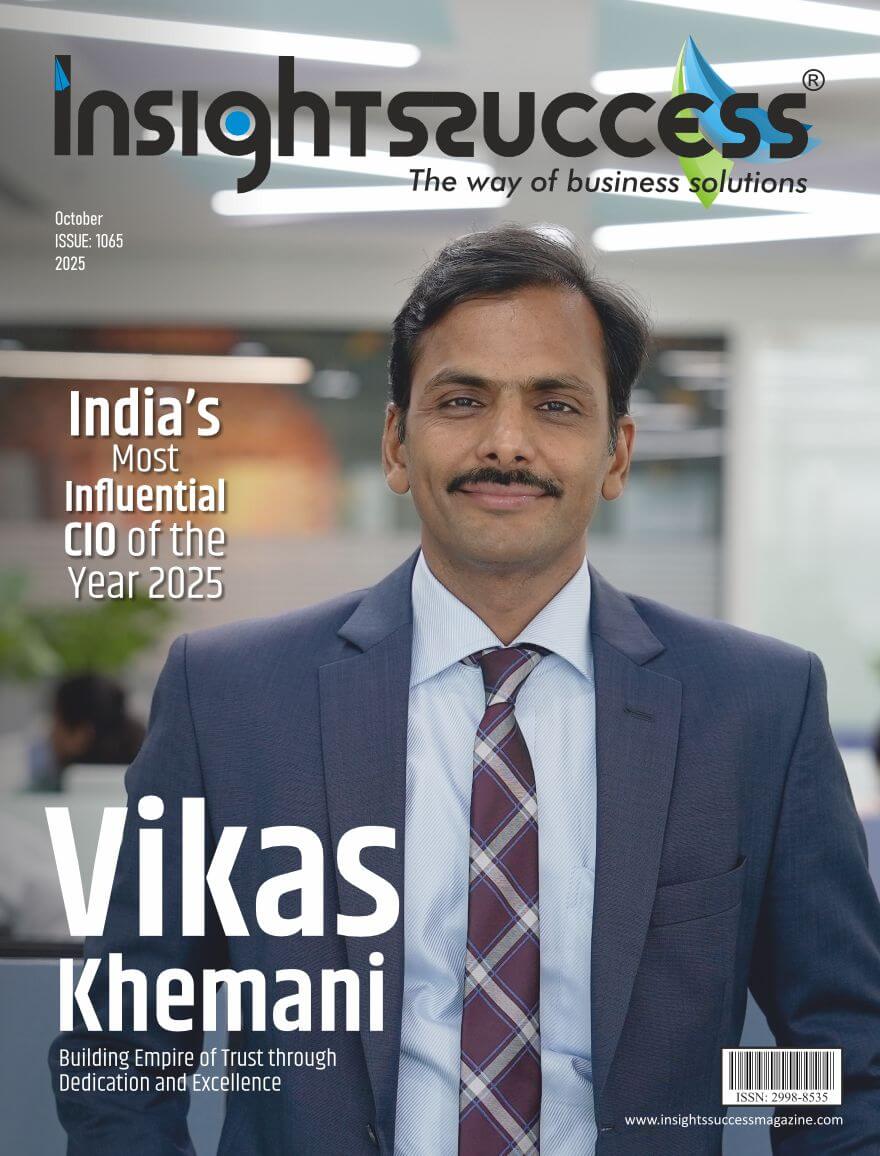
India’s Most Influential CIO of the Year 2025
India’s Most Influential CIO of the Year 2025 Vikas Khemani, Founder and CEO of Carnelian Asset Management, exemplifies leadership rooted in trust, discipline, and long-term vision. From humble beginnings to leading India’s financial evolution, he blends integrity with innovation, fostering a values-driven institution that prioritizes sustainable growth, client trust, and excellence in wealth creation across market cycles. Quick highlights Quick reads

Vikas Khemani: Building Empire of Trust through Dedication and Excellence
Imagine a chess grandmaster seated and staring at the board, not working out the next move but reliving the previous game. In the frenetic Indian financial markets where machines sprint in fractions of a second and information is transmitted at light speed, vision for the long term distinguishes genuine wealth creators from market takers. The landscape is like the ocean, where opportunity rides with risk. Disruption battle with tradition because veteran and new investors sail in the same uncharted waters. Under this case, true success does not belong to the waveriders but to the sages of deeper currents. It is not only the growth of GDP that makes an emerging economy developed, but also the evolution of institutions and leaders able to move capital across centuries. They are the ones who think globally, act locally; who borrow ideas and keep fixed principles; who compound for decades by riding out short-term cycles in the market. Few of the economic drivers of India have witnessed this paradox more than those who have lived on either side of the corporate-entrepreneur divide. They know that actual wealth has nothing to do with outperforming the quarterly numbers but supporting platforms that amplify trust, smarts, and returns over cycles. They don’t only invest capital; they build hopes, stimulate reading, and contribute to making infrastructure that is at the core of India’s economic rise. From Humble Beginnings to Professional Excellence Vikas Khemani’s story starts in a middle-class business family where the seeds of entrepreneurship were sown early, but demands for patience prevailed. By 21, he’d achieved academic distinction as a Chartered Accountant, a foundation that would serve him throughout his career. But he understood that entrepreneurial success required more than ambition and formal qualifications. Lacking both capital and experience initially, he opted to build his expertise first within the corporate world. His professional journey began in 1999 at ICICI Securities as India’s financial markets underwent a significant transformation. This period provided firsthand insight into the shifting structure of markets and financial institutions. In 2002, Vikas Khemani moved to Edelweiss Financial Services Ltd, marking a defining chapter in his growth. The company’s entrepreneurial culture aligned perfectly with his aspirations, and his rise through the ranks was swift. At 30, he became the youngest member of the Edelweiss Management Committee. Over 17 years, he ran and expanded several capital markets businesses, including Institutional Equities, Prime Brokerage, and Research, eventually becoming the CEO of Edelweiss Securities Ltd. These experiences acted as a vital training ground: he gained a comprehensive understanding of market dynamics, client needs, and operational complexity. It provided him with the confidence, perspective, and skill to manage people and risk. The Entrepreneurial Vision Takes Shape Yet the entrepreneurial dream persisted for both Vikas Khemani and his wife, Swati. Their shared ambition evolved into a partnership, waiting for the right moment to leap from the corporate world. The catalyst was a strong conviction in India’s unique growth trajectory: “India is the only economy in the world which provides a once-in-a-lifetime opportunity as it moves toward becoming a developed nation. We are lucky to be part of India’s growth story.” This belief was rooted in rigorous analysis of demographic trends, structural reforms, and policy shifts set to fuel decades of expansion. Founding Carnelian: A Collaborative Vision The decision to launch Carnelian Asset Management was the product of years of preparation and relationship-building. The founding team, Vikas Khemani, Manoj Bahety, and Swati Khemani, brought together complementary strengths developed over 25 years of friendship and 15 years of shared professional experience. It was not a typical startup, but an evolution of an established team: Vikas Khemani contributed his macro-perspective and leadership acumen; Manoj deep research and analytical rigor; Swati, a relationship-centric and intuitive approach. Carnelian’s name was chosen to reflect its ethos, echoing the stone’s qualities of courage, confidence, and leadership. Their ambition was to build not just a business, but an institution defined by values and identity. Investment Philosophy: Thinking Beyond the Crowd From inception, Carnelian avoided crowd-following, rooting philosophy in fundamentals and first principles. Vikas Khemani believes intellectual courage is essential- taking positions that defy popular sentiment if analysis supports. In order to achieve better risk-adjusted returns and gain the trust of partners and clients, Carnelian has demonstrated a willingness to make non-consensus decisions. But contrarianism is not pursued for its own sake; it must be grounded in disciplined analysis and clear investment frameworks. The team treats client capital with utmost sensitivity, positioning themselves as risk managers rather than mere seekers of return. Their risk framework divides risk into three buckets: permanent capital loss (Type A), temporary mark-to-market volatility (Type B), and opportunity risk (Type C). The central challenge is balancing Type A and Type C- guarding against permanent losses while seizing major opportunities. Short-term volatility receives less concern, as true wealth is built over the years. Leadership Through Culture and Values Vikas Khemani’s leadership style centers on team competence, meritocracy, and shared ownership. At Carnelian, excellence and constant evolution matter most. Merit determines progression, shared ownership aligns individual and organizational goals, and the mantra “good is not good enough” anchors the drive for improvement. “We want Carnelian to be known not just for returns, but for how we achieve them- for the values, processes, and people that define us,” Vikas Khemani says, emphasizing identity and ethos over outcome. Navigating Modern Market Complexities The investment landscape’s evolving complexity is not lost on Vikas Khemani. Information overload and diminishing traditional edges require deeper insights and resilience. Carnelian’s “Beyond Narratives” communications aim to help clients cut through distractions and understand real substance. Vikas Khemani appreciates that today’s edge is increasingly behavioural and psychological, not merely analytical. He encourages meditation among team members for mental clarity and emotional steadiness, reinforcing clear decision-making under pressure. Embracing Technology While Preserving Human Judgment While behavioral skills are prioritized, Vikas Khemani and Carnelian have embraced technology, especially AI and data science. Carnelian’s AI Lab helps process vast datasets, identifies anomalies, and offers forensic insights. The goal

Nurturing Innovation: The Impact of Influential CIOs on Business Success
Since the time business has changed, the Chief Information Officer (CIO) role itself has undergone a transformation from being a technologically oriented function to that of a strategic business leader of highest value in driving business success. With business corporations being challenged by digital disruption, market volatility, and matching customers’ expectations to new heights, CIOs become even more critical not only as tech administrators but as business influencers. Their decisions and vision shape company operating effectiveness, innovation capabilities, and competitive advantage. Those organizations that maximize the strategic value their CIOs bring will be empowered to innovate, transform, and succeed in a digital-first economy. CIOs do not just need to keep IT infrastructure operating or in-house applications purring. They’re digital change agents whose tech spending equals quantifiable business results. This is the latest evidence that technology supports nearly every function of contemporary business, from customer engagement to supply chains. Effective CIOs possess a distinct combination of technical skills, business acumen, and leadership capabilities that enable them to position innovation, fuel organizational change, and create agility- and digitally enabled culture. Leadership for Strategic Transformation Effective CIOs create lasting business transformation and align strategy in the core of the business. They are responsible for monitoring technology trends, evaluating new solutions, and aligning IT projects to long-term business requirements. This allows companies to look ahead to market change, make business mechanizable, do away with operational inefficiency, and capture new growth opportunities. An anticipating CIO who also considers the total business horizon can make technological potential a possible strategy to execute, making investments in innovation tangible returns on investment and enhancing the company’s competitive edge. For example, companies undergoing digital change count on the CIO to incorporate new technologies like artificial intelligence, cloud, data analytics, and automation software into business processes. It is more about changing things at a core level, streamlining them, and driving better decisions. Great and good CIOs drive cross-functional teams to make sure digital initiatives are goal-oriented, enable people, and keep on driving the customer experience higher. Strategic thinking causes companies to think ahead and look out for disruption in their domain and not fight it. Improving Operational Efficiency Apart from strategy, top-level CIOs also significantly improve operational efficiency. They cause business processes to make sense to achieve leaner operations, make sense of resource deployment, and make sense of cost through intelligent use of technology. By eliminating duplicate manual procedures, integrating scattered systems, and leveraging best-caliber data-driven decision tools, CIOs allow businesses to capitalize on enhanced productivity, efficiency, and operations excellence. Their approach positions technology in action not as a back-office enabler but as the fundamental driver of business performance end-to-end and long-term business success. Good CIOs are also risk managers, regulatory affairs, and security. Since data breaches, cyber-attacks, and disruptions today have significant financial as well as reputation consequences, the CIOs possess robust cybersecurity with no loss in operating flexibility. Preserving valuable assets while making innovation possibly creates stakeholder trust, confidence, and long-term business growth. Companies with CIOs possessing balanced amounts of operating acumen and strategic vision beat their peers on efficiency, resiliency, and responsiveness. Promoting Innovation and Competitive Vigor Innovation is a key driver of long-term business success, and great CIOs have a key role to play in restoring an experimental way of working, innovative problem-solving, and learning for life. By embracing agile approaches, collective cultures, and new technology, they enable people to experiment with new ideas, streamline processes, and leverage capabilities. Next-generation CIOs don’t just deliver technology; they enable employees to try things out, learn fast, respond rapidly, and deliver successful ideas quickly. In pursuit of that, CIOs also help to frame customer-focused strategy and drive business value, for the most part. With the support of rich knowledge of data, they enable businesses to understand customers’ behavior, preferences, and dislikes and push them to create personalized, live, and highly contextual experiences. Through creation of revenue growth, loyalty, and differentiation in the market place over the long term directly by leveraging technology-enabled enhancement of engagement, ease of interaction, and evidence-based value, CIOs are the prime driver. Their leadership transforms technology from being hardware into a strategic weapon, driving sustained competitive advantage and setting the firm up for long-term success. Conclusion Their contribution to the success of the business has grown tremendously in the last two years as a reflection of the extent to which technology is ingrained in current-day business strategy. Besides IT infrastructure management, CIOs in the current day are strategic leaders, operational optimizers, and innovation catalysts. Their capacity to drive technology capability into business allows business organizations to effectively respond to issues in the market place, enhance efficiency, and attain a competitive advantage. Power CIOs who effectively identify and empower them are rewarded with change of leadership as power CIOs create a bridge between technology-business strategy. Through leading digital transformation, establishing innovation, and creating operational excellence, CIOs not only enable companies to catch up with what is happening in their industry but shape their future. Because technology is both an outcome function of business and a technology function, the role of the CIO has never been more crucial. Read More : Leading Change with Clarity and Conviction
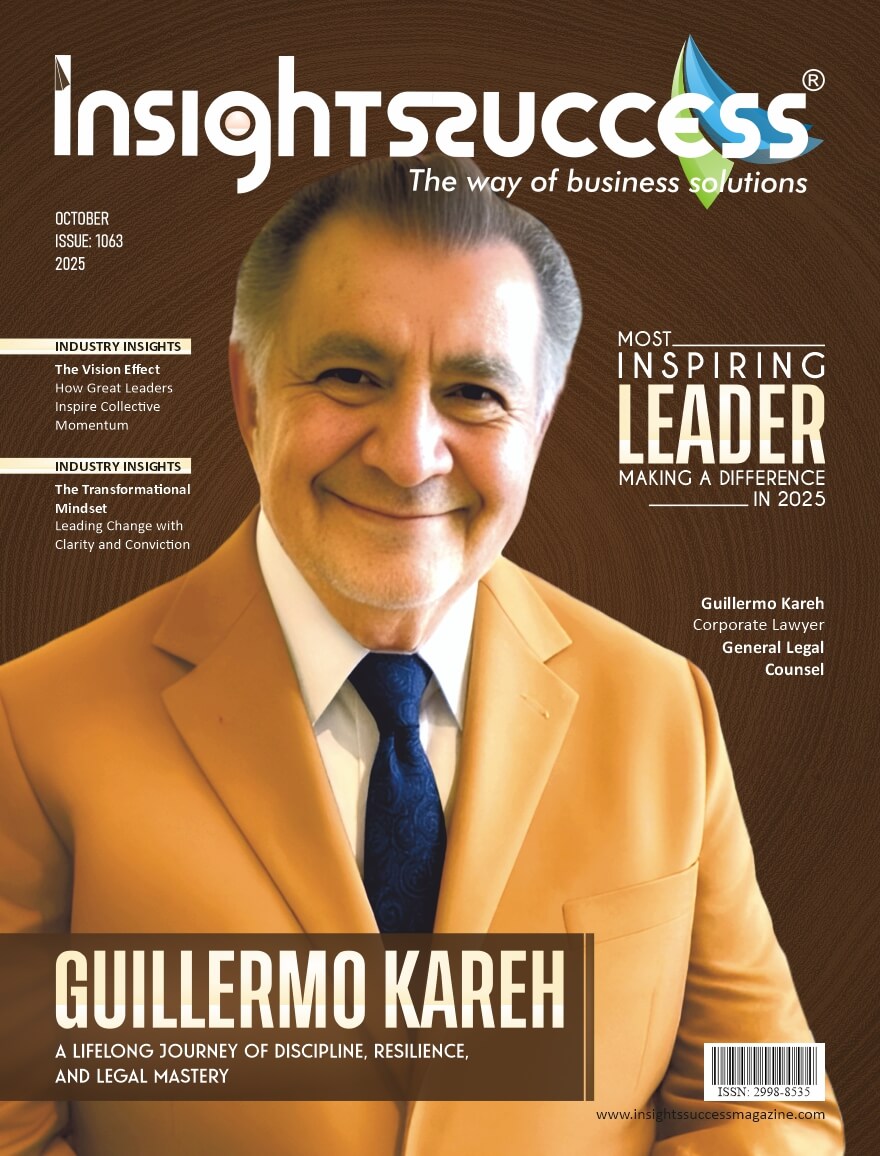
Most Inspiring Leader Making A Difference In 2025
Most Inspiring Leader Making A Difference In 2025 In an era where leadership is often measured by titles or financial metrics, few embody the deeper dimensions of influence and impact like Guillermo Kareh. Recognized as one of the Most Inspiring Leaders Making a Difference in 2025, Kareh’s journey exemplifies perseverance, vision, and an unwavering commitment to ethical leadership. Quick highlights Quick reads

Guillermo Kareh: A Lifelong Journey of Discipline, Resilience, and Legal Mastery
A tribute to drive, foresight, and a lifelong pursuit of excellence, Guillermo Kareh‘s journey wound from the tidy passageways of a Jesuit military academy in Puebla to the boardrooms of multinational corporations. His odyssey begins with basic religious and family values that were preserved through an education that requires both intensive discipline and intellectual success. These early years instilled a leader whose business life revolved around ethics as well as a keen legal mind. His journey was not straightforward. Before discovering his calling in law, he ventured into nuclear engineering. He soon became established in one of Mexico’s premier law schools. Professional setbacks and financial hardships never discouraged him; instead, they only spurred him on further. He rose through the ranks of multinational giants like Procter & Gamble and DuPont, creating legal solutions that always placed solutions ahead of problems by striking the balance between creativity and pragmatism. Apart from his current activity as General Legal Counsel and Advisor to multinational businesses, he has taken on a new mission: the mentoring of the next generation. He challenges young entrepreneurs to perform at their very best with courage, accountability, and hope through writing and coaching, a mindset that will continue to distinguish his legacy. Foundations of Excellence Kareh’s formative years at the Instituto Militarizado Oriente, which he entered at the tender age of three, laid the groundwork for his future success. The unique combination of Jesuit education and military discipline instilled in him an unshakeable foundation of values, academic rigor, and leadership qualities that would later distinguish him in Mexico’s competitive legal arena. “My family was my big inspiration where the values and principles were not negotiable and should be followed with the highest standards and respect for everybody, especially my parents, uncles, and family in general.” he reflects on his upbringing. His academic excellence was evident early on he consistently ranked first in his class and accumulated close to 100 diplomas and 26 medals during his 14-year tenure at the institute. This exceptional performance foreshadowed the meticulous attention to detail and pursuit of excellence that would become his professional hallmark. The Path to Legal Mastery Kareh’s academic journey took an interesting turn when he initially pursued nuclear engineering before ultimately choosing law. In 1973, he relocated to Mexico City to attend the prestigious Escuela Libre de Derecho, one of Mexico’s most demanding legal institutions. The statistics speak volumes about the institution’s rigor: of the 375 students who began the program alongside him, only 65 graduated, and fewer than 45 successfully passed the bar examination. He not only survived this academic gauntlet but thrived, becoming the first from his generation to pass the bar exam on November 21, 1978. This achievement was particularly remarkable considering the financial constraints he faced, often having to choose between eating and paying for transportation to visit his parents in Puebla on weekends. Corporate Ascendancy Kareh’s professional journey began in 1973 at Bufete Aarun Tame, where he balanced his law school schedule with practical legal work. This early experience taught him the value of perseverance and resourcefulness, qualities that would prove invaluable throughout his career. After graduation, he briefly worked as a partner at another law firm before making a pivotal decision that would shape his career trajectory. In December 1981, he joined Procter & Gamble de Mexico at the entry level, a move that demonstrated his willingness to start from the bottom to achieve long-term success. At P&G, Kareh’s rapid ascension was nothing short of remarkable. Within two years, he was promoted to group manager, and by 1985, he was selected for an intensive six-month training program in Cincinnati, Ohio. This program included leadership development at the World Trade Center and comprehensive corporate training that would prove instrumental in his future roles. “My education was formed in an institutional way following Procter & Gamble standards at the highest level in each area of the company.” he notes, highlighting the transformative impact of this corporate experience. His expertise in complex legal matters became evident as he spearheaded major projects including soft landings for new companies, joint ventures, mergers and acquisitions, and trademark management for Latin America. A particularly notable achievement was his successful navigation of a patent infringement case between Procter & Gamble and Kimberly Clark, resulting in a favorable resolution for both companies and establishing a mediation and arbitration framework that remains in effect today. Leadership Through Adversity After 12 successful years with P&G, Kareh joined Grupo Gomez Flores in Guadalajara, taking on the challenge of managing legal affairs for a diverse portfolio that included Grupo Financiero Cremi, Grupo Dina (coach and truck manufacturing), and significant real estate holdings. His role expanded dramatically when he led the legal efforts in acquiring Grupo Minsa from the Mexican government, demonstrating his capability in high-stakes public-private transactions. However, his career was not without its challenges. The 1995 Mexican peso crisis severely impacted the corporate group, leading to salary reductions of up to 75%. Rather than abandon ship, he chose to stay and help navigate the company through turbulent waters, eventually taking on the role of chief executive corporate officer for Grupo Dina’s international operations spanning the United States, Canada, and Latin America. The intensity of these responsibilities often requiring 20-hour workdays and constant international travel took a toll on his health and family life, leading to his eventual decision to seek new opportunities. Innovation at DuPont and Beyond In 1999, Kareh joined DuPont Mexico, where he would spend the next 12 years in dual roles as general counsel and head of public and government affairs for Latin America. Managing legal matters for 23 business units while simultaneously handling regional government relations requires unprecedented organizational skills and strategic thinking. His innovative approach to legal challenges earned him the President’s Award, particularly for his groundbreaking work in collecting debts from a U.S. company in Chapter 11 bankruptcy proceedings. This achievement demonstrated his ability to think outside conventional legal frameworks and deliver results where others saw only obstacles. He also