





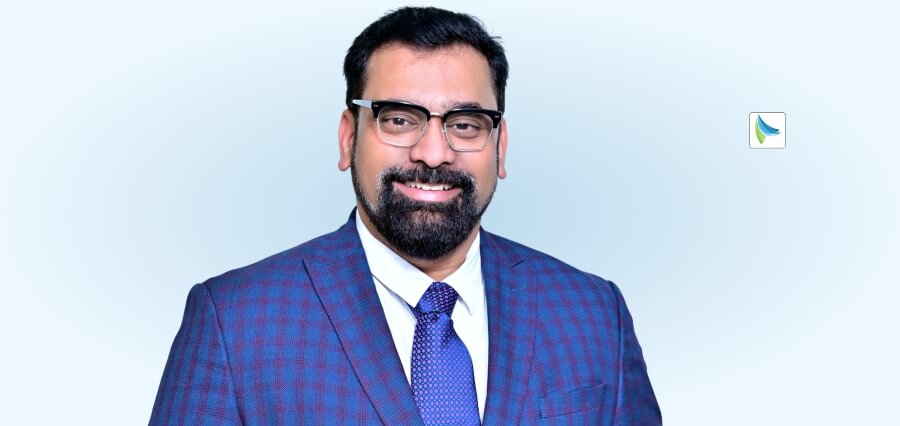
Ratnakumar Gorthi: Engineering Excellence Beyond Boundaries
Every exceptional journey begins with purpose, not privilege and in case of Ratnakumar Gorthi, that purpose was forged by humility, resilience, and an unflinching confidence in the power of endurance. From the quiet lanes of Vijayawada, where his parents made numerous sacrifices to provide him with better educational opportunities, to the global corridors of Deloitte, where he is currently serving as Executive Director – Quality Engineering and Testing Services, his story reflects a lifelong pursuit of excellence based on values. What began as a profession in Chemical Engineering quickly evolved into a journey across technology’s ever-changing frontiers. He is driven by curiosity and courage, moved from chemical plants to digital ecosystems, perfecting the art of reinvention. His enthusiasm for quality drove him to develop frameworks that reimagined Quality Engineering as a strategic enabler of corporate change, combining Design Thinking, Lean Six Sigma, and Generative AI to create future-ready systems and teams. He is regarded as one of India’s most inventive voices in Quality Engineering, and his leadership style is marked by empathy, adaptability, and a purpose-driven vision. Beyond accolades and prizes, his legacy is defined by how he turns problems into opportunities and motivates people to improve, demonstrating that true success is built on long-term effect rather than titles. The Foundation: Where Values Meet Vision Ratnakumar’s story begins not with advantages, but with anchors, the kind that ground you in reality while propelling you toward possibility. His father worked a clerical job in the irrigation department. His mother taught music with quiet dedication. Together, they made a decision that would alter the trajectory of their son’s life: they relocated to Vijayawada solely to provide him with better educational opportunities. As the youngest child and only son after three daughters, he grew up witnessing silent sacrifices that spoke louder than words. His parents lived through a philosophy that became his compass: “Enjoy every moment with what you have and never compare your life with others.” This wisdom, simple yet profound, taught him that genuine fulfillment stems from purpose, not possessions. His sisters, who still affectionately call him their “little brother,” formed a protective circle around his dreams. His wife and daughter continued that legacy today, encouraging him to seize every opportunity that comes his way. This family support system, built on unwavering belief and unconditional love, became the invisible force behind every milestone he achieved later. The Transformation: From Chemical Plants to Digital Frontiers Ratnakumar’s first job interview arrived at a moment of crushing pressure. One of the sisters awaited marriage. His parents’ bank balance dwindled. His father lay hospitalized just a day before the interview. Yet, he transformed that pressure into performance, securing his first role as a Chemical Engineer in a leading public sector enterprise. That moment marked the first of many victories born from determination and grace. After completing his B. Tech in Chemical Engineering, brilliance struck again, he secured an All-India Rank of 73 in GATE and earned admission to IIT Madras for his M.Tech. However, life presented a test that transcended academics. With his father approaching retirement, he made a choice that defined his character: he prioritized family support over personal advancement. This decision, rooted in humility and responsibility, demonstrated that success means little unless shared with those who helped dream it into existence. A few years into his career, curiosity led him toward uncharted territory. The rapidly evolving world of Information Technology beckoned, and he answered. He reinvented himself as a software developer, diving into an entirely new domain with characteristic enthusiasm. The bold transition paid dividends for his performance quickly caught attention, earning him an opportunity to work in the United States. Over nearly nine years abroad, he accelerated through the ranks. Within six years, he rose to Senior Project Manager, leading large global teams and driving transformation through innovation, delivery excellence, and stakeholder trust. His journey exemplified how adaptability and continuous learning can open doors that formal credentials alone cannot. The Discovery: Finding Purpose in Quality Engineering In 2008, Ratnakumar discovered his calling, a domain that perfectly married his analytical acumen with creative problem-solving. Quality Engineering became more than a profession; it became his purpose. He began institutionalizing transformative frameworks that revolutionized how organizations approached quality. By embedding Design Thinking and Lean Six Sigma principles into Quality Engineering practices, he established new benchmarks for cost optimization, efficiency, and intelligent testing. His vision extended beyond traditional testing methodologies. He reimagined Quality Engineering as a strategic value driver rather than merely an operational necessity. Today, he is pioneering Generative AI-driven Quality Engineering and ESG-aligned assurance practices. His integration of artificial intelligence into testing workflows has fundamentally altered how enterprises achieve quality, transforming reactive testing into predictive intelligence. Under his leadership, Quality Assurance evolved from a backend function into a strategic lever of business transformation. The Philosophy: Leading Through Change In technology’s ever-accelerating landscape, Ratnakumar embraces a philosophy that distinguishes exceptional leaders from ordinary managers. “Focus on what needs to be done to accomplish the task, not on the challenges that stand in the way,” he explains. This perspective redirects energy from apprehension to action, fueling creativity and accelerating meaningful results. He operates with a strategic framework that balances immediate performance with future readiness. His annual roadmap dedicates fifty percent to sustaining business-as-usual with unwavering focus on innovation and continuous improvement. Thirty percent targets business expansion and scaling opportunities. Twenty percent invest in future readiness, exploring emerging technologies, tools, and frameworks to stay ahead of industry curves. This disciplined approach is building future-ready workforces that are capable of anticipating and mitigating risks that accompany rapid technological evolution. More importantly, it creates springboards for innovation that continually redefine how Quality Engineering drives digital transformation. What truly distinguishes him is his commitment to leading from the front. Despite demanding schedules, he participates in the learning curve alongside his team, upskilling himself in emerging technologies to remain what he calls a “future-ready leader for a future-ready team.” The Crisis: Turning Pandemic into Transformation When COVID-19 upended the world
How Today’s Leaders Shape Tomorrow’s Visionaries
The Mentorship Effect Behind every great leader is a leadership story, a tale of inspiration and vision — the unseen hand of a mentor that charted the course. Mentorship has been an integral part of personal and professional development for centuries, closing the gap between vision and action. In this age of business sophistication where everything is certain except change and the only certainty being innovation, mentorship is not just a growth process — it’s a strategic necessity. Mentorship fosters a culture of success and empowerment. Mentorship guarantees there is the passing on of vision, values, and knowledge from the present generation to future generations of leaders, positioning companies as visionary and powerful. The Power of Guidance Leadership isn’t taught in books and schools in the classical sense but constructed over time. Mentoring gives fresh leaders a flavor of experience — the sketching-out knowledge of decision-making, people management, and strategic thinking one gains over time. An ideal mentor does not answer but sends mentees looking for their own. They offer context, question assumptions, and foster critical thinking. Trust develops faith, soundness of judgment, and makes future professionals balance ambition and purpose. Mentorship indeed delivers on promise as performance. It speeds growth as future leaders are given an opportunity to discuss issues boldly and in simple terms. Creating a Culture of Mentorship In visionary organizations, mentoring isn’t formal programs — it is corporate culture. When high achievers take time to develop others, they’re saying that results equal learning, collaboration, and people connection. It takes effort to create a culture of mentorship. It starts with willing leaders who care and will give. It works when organizations invest in formal mechanisms — circles of mentorship, peer groups, and leadership development programs — where there can be authentic relationships. These cultures build trust and vulnerability. These level the walls of hierarchy, open avenues of communication, and allow the possibility of each voice — title and tenure aside — being heard as contributing to success for all. The Modern Mentor The outdated image of mentorship — that sage, older veteran teaching a young protégé co-worker — is no longer valid. Mentors today are collaborators, coaches, and sounding boards. They see that in today’s virtual era, leadership means being adaptable, empathetic, and constantly learning. Mentors nowadays value diversity of mind and experience. They understand that the secret to successful mentoring is to let the mentee discover his or her own path and not to imitate themselves. Mentors also learn from the mentees — new ideas about new technology, changing culture, and creative thinking. Two-way communication renders organisations innovative and responsive. It generates generational bridges and makes leadership world-aware of what it is portraying. Mentorship as a Corporate Resource Organisations, through provision of room for mentorship within their leadership strategy, have real benefits. Mentored and coached employees work with more passion, are committed, and are more committed. They are quicker in learning, do better, and put more into organizational objectives. Mentorship also enables succession planning. As they prepare the next generation of leaders, companies are investing in continuity of vision and values. When there is a change in leadership, the next generation is prepared — confident, capable, and committed to the long-term vision of the firm. For disrupted companies, mentorship also provides stability. It enables professionals to ride through uncertainty, change, and adjusting to evolving business realities. Empowering the Next Generation The best measure of leadership is not what one is doing, but who one is empowering. Visionary leaders are serious about playing a role in cultivating the next generation of thinkers, innovators, and change-makers. Mentorship enables them to build a legacy that will last longer than tenure. With harsh lessons of accomplishment and defeat, they grow not just effective leaders, but ethical leaders. Emerging visionaries pay forward the mentorship culture, creating wave-like effect of motivation in the organization and industry. The Human Connection With online shopping and virtual helpers the new normal, mentoring is a reminder that human contact cannot be depleted. Mentorship conversation need not necessarily arrive at its endpoint in work-related advice — it extends way into purpose, identity, and power. These are the bridges on which empathy, emotional intelligence, and self-awareness — all the tools leaders require to navigate today’s more complicated world — ride. These empathetic leaders, who lead with authenticity, build trust and loyalty and create workplaces in which collaboration is more frequent than competition. Conclusion Mentor effect way outstrips individual development — it crafts organizational greatness and societal advancement. Mentors are the leaders of tomorrow waiting in the wings, today’s visionaries who will develop the visionaries who will dream big, operate with integrity, and lead. As companies change and challenges become more formidable, mentoring will always be a persistent force — never diminishing in wisdom but constantly renewed. Those leaders who answer this challenge don’t merely create top teams; they create legacies. Mentoring itself, at its best, is not merely instruction — it’s transformation. And within the change, future leaders are made from current leaders. Also Read: Business Modernization: Revolutionize Operations with Enterprise AI Technology

Building Trust in a Remote World
The Human Side of Leadership As work is more digital and dispersed, the texture of leadership is altering. Hierarchy, siting, and proximity were the old signs of power that have been turned on their head by a new leadership based on empathy, conversation, and trust. With the age of hybrid and remote work in which there is little or no face-to-face interaction and collaboration is faceless, the human element of leadership has never been more crucial. The Remote Leadership Revolution Since the world is going remote, leaders have to transform how they engage with their team. With no chance to give feedback face-to-face, watercooler conversations, and eyeballs every day, leaders can no longer lead by sight. They now must establish rapport with intentional communication and emotional intelligence. The managers should be more attuned to the wishes and fears of the people. Disconnection, boundaries between work and life getting blurred, or disaffection are representing the feelings of the employees. The good managers take them as a foundation and create systems that offer bringing in, belongingness, and safety. Trust, established initially from face-to-face, now must be established from constancy, openness, and empathy. Trust as the Cornerstone of Remote Work In an offsite setting, there is faith instead of snooping. Without the watchful eyes of conventional offices, executives will need to change from tracking effort to releasing results. It entails trusting the capacity and integrity and openness for objectives and accountability of employees. Trust operates on three dimensions: communication, reliability, and authenticity. Positive, consistent, and thoughtful communication keeps employees informed and productive. Reliability creates credibility—being there, on time, and following up. Authenticity, with the leader as a human and a risk-taker, creates real relationships and respect. If, indeed, employees do trust managers, then they would be initiative-taking, motivated, and engaged. This would be one of remote success building blocks, which has grounds for high performance to take place despite geographically dispersed teams. Leading with Empathy and Understanding Empathy is the common thread that binds human nature and virtual leadership together. As the world becomes ever more global, virtually interconnected, and interdependent, leaders need to transcend transactional relationships and care about what happens to their colleagues. Ordinary behaviors like inquiry into workload, appreciation of hard work, or offering autonomy are not just productive but say a great deal about experiences of belonging and psychological safety. Empathic leaders listen carefully and answer thoughtfully. They understand that productivity is as much a by-product of motivation, concentration, and mental health as it is of hours spent online. Keeping individuals in front of policy, they build productive and innovative teams. The Role of Communication in Building Connection In remote contexts, communication isn’t a weapon, but the leadership line. Without tone, intent, and clarity, leaders must overcommunicate, but in a responsible way, between transparency and empathy, discovering the middle path. One-on-one regular dialogue, virtual town hall gatherings, and open feedback channels build trust and transparency. Video conferencing, a poor stand-in for face-to-face dialogue, can be leveraged by leaders to convey sincerity and emotional nuance. Written communication, from email to team chat, must be company culture, concise, and unambiguous. The best leaders establish up and down communication, too. When the employees are heard and count, they sense more ownership and more confidence with managers. Empowerment, Not Micromanaging Micromanaging is the biggest challenge for virtual leaders. Believing that teams will get it done with less commotion is a demonstration of faith in their capability and allows them autonomy. Empowering with responsibility is equivalent to having more commitment and imagination. Outcome-based leaders, and not activity-based leaders, provide space for problem-solving and innovation. They define objectives, make resources available, and establish space for flexibility in order to achieve them. Within this balance of structure and freedom, teams are able to execute even in uncertainty or complexity. Building Culture Across Distance Organizational culture tends to exist in body habits and shared space, but in a far-off world, there is culture in shared conversation, behavior, and values. Leadership takes the leading role in maintaining such culture by showing authenticity, inclusiveness, and teamwork. Party to celebrate milestones, party to recognize efforts, and uphold rituals—virtual coffee hours or team celebration meetings—solidify connection and morale. Digital interaction leaders humanify because they are the ones reminding teams that despite distance, relationships are the foundation of organizational success. The Evolving Role of the Leader Offsite leadership demands flexibility and lifelong learning. Leadership characteristics delineated by command, control, and physical presence in office buildings are slowly giving way to ones that are emotional intelligence, flexibility, and relevance-driven. The leaders will need to walk a fine line between technical proficiency and humanity. As hybrid and virtual organizational forms become increasingly dominant, the lead leaders will be those who are greatest at combining digital acumen with empathy-based engagement. They can structure work and grant trust, loyalty, and sense of common purpose in a direction. Read More: How Today’s Leaders Shape Tomorrow’s Visionaries

Microsoft Shares Surge Over 4% After $500 Billion Valuation Deal with OpenAI
Prime Highlights: Microsoft’s stock jumped over 4% after the company announced a $500 billion valuation deal with OpenAI, marking a major step in its AI investment strategy. The restructuring of OpenAI into a Public Benefit Corporation (PBC)aims to balance profitability with its mission of advancing ethical and transparent AI development. Key Facts: Microsoft will hold a 27% stake, valued at $135 billion, in the newly formed OpenAI Group PBC, while the OpenAI Foundationwill retain about $130 billion. Following the announcement, Microsoft’s market value reached $3.95 trillion, with its stock price rising 65% year-to-date in 2025. Background: Microsoft’s stock jumped over 4% on Tuesday, October 28, 2025, climbing more than 4% during intraday trading on Wall Street after the tech giant finalized a $500 billion valuation deal with artificial intelligence company OpenAI, the maker of ChatGPT. According to the announcement, OpenAI will restructure its operations into a Public Benefit Corporation (PBC) named OpenAI Group PBC. This move will give the company greater freedom to manage its business while keeping its non-profit mission. The non-profit arm will now be called the OpenAI Foundation, which will hold about $130 billion in the new for-profit structure. Microsoft will own a 27% stake, valued at $135 billion, in the restructured OpenAI Group PBC. The new setup focuses on supporting long-term AI development while maintaining transparency and social responsibility. OpenAI’s Chief Executive Officer, Sam Altman, will not receive any equity in the new entity, and the company has no current plans for a public listing, according to a report by Reuters. Following the announcement, Microsoft shares touched an intraday high of $553.72 before trading at $543.23, up 2.18% from the previous session’s close of $531.52. Over the past five years, Microsoft’s stock has gained over 168%, with a 27% rise in the last year. As of Tuesday’s market session, Microsoft’s market value has hit $3.95 trillion. The company’s share price has risen by 29.65% year-to-date in 2025, an indication of the investors’ trust in the company’s move towards AI-related partnerships and innovation. Read Also : OpenAI Plans Historic IPO with Potential $1 Trillion Valuation by 2026–27
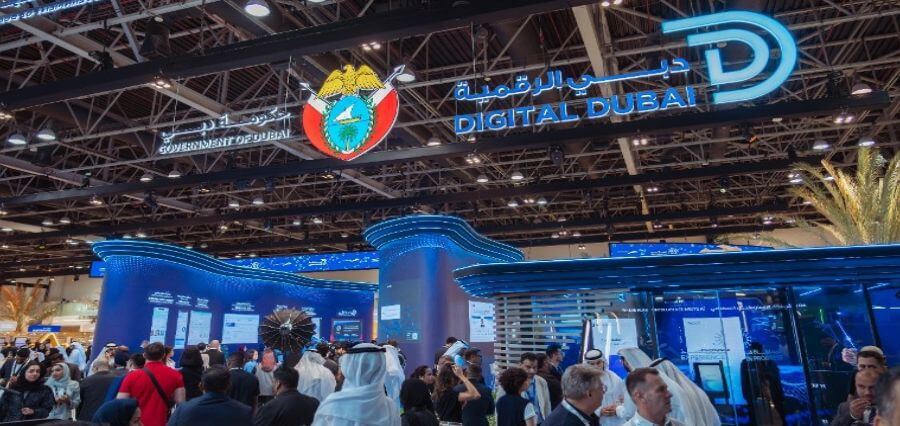
جيتكس جلوبال 2025: جناح حكومة دبي يكشف عن حقبة جديدة من الابتكارات للمدن الذكية
A wide range of government entities highlighted the transformation of the Dubai government’s integrated approach to artificial intelligence , automation, and data analytics for the modern city . The Dubai government pavilion showcased AI – powered decision -making rooms , digital twins , robotic patrols , drones , smart inspection systems , and other innovations . Please click here for high-quality images United Arab Emirates , Dubai, October 21 , 2025: The Dubai Government pavilion attracted the attention of local and international visitors at GITEX Global 2025, the world’s largest technology and artificial intelligence exhibition , with a world – class showcase of the most prominent next -generation technological innovations and transformations , which contribute to providing a new and innovative definition of the concepts of governance , public services and urban life . A wide range of Dubai government entities joined the Dubai Government pavilion , which demonstrated how the emirate’s integrated approach to artificial intelligence , automation , and smart data analytics is contributing to a massive transformation in the modern city model – from smart transportation and digital policing to port management , digital governance , and other vital areas . Each participating entity unveiled innovative and pioneering solutions that embody Dubai’s unwavering commitment to achieving the highest levels of efficiency and proactivity and providing services for the benefit of community members . Through displays that included AI – powered decision rooms , digital twin models , robotic patrols , drones , smart inspection systems , and more, the pavilion highlighted Dubai’s leadership in building smart and reliable systems that employ technology to empower individuals, enhance the quality of public services , and redefine industries and quality of life . Launching advanced tools to enhance efficiency The Dubai Digital Authority unveiled a range of next – generation artificial intelligence ( AI) applications, showcasing the concept of AI agents working alongside humans as digital colleagues to support decision – making and accelerate efficiency across the city . A highlight was the AI Room , an immersive experience demonstrating the services available through the ” Dubai Now ” app , enabling direct and dynamic interaction between humans and AI , embodying Dubai’s vision for a future where technology enhances the human element of life . The Authority also highlighted a number of other key projects , including CodAI , the Center for Data Intelligence and Advanced Analytics , which promotes the development of the artificial intelligence ecosystem and accelerates the adoption of reliable technologies , in addition to the Dubai Dashboard , which provides real – time and comprehensive 360- degree AI – powered insights to enable decision -makers to confidently and effectively guide Dubai ’s progress . In his comments , His Excellency Tariq Al Janahi, Executive Director of Corporate Empowerment at Dubai Digital, said : “ Our participation in GITEX 2025 was a distinguished digital journey in which more than 50 government and private entities participated within the Dubai Government pavilion , where everyone presented an integrated collaborative experience that reflects the spirit of Dubai , which makes digital data into solutions and experiences enjoyed by the residents of the smart city . In this experience, the efforts of all government agencies , along with some of the most important private sector institutions , were combined to tell the story of Dubai and its transformation towards the concept of ” the city as a service ” that makes Dubai an advanced model for cities that innovate, develop, and give their residents the passion to contribute to shaping the future . Enhancing safety, speed, and response at the city level Dubai Police General Command has unveiled its innovative “Drone Box ” drone system , part of a comprehensive strategy aimed at reducing emergency response times from three minutes to just one minute . The autonomous system relies on deploying multiple drone boxes across the city to be the first responders to critical incidents . With 12 units currently operational and plans to increase this number to 30 by the end of the year , Dubai Police is redefining rapid response efficiency through innovation in autonomous systems . Dubai Police also showcased its self -driving robotic patrol vehicle , a fully AI – powered vehicle equipped with facial recognition , behavior analysis, and license plate detection systems , designed to enhance public safety and operational efficiency . Developed through years of research and development, the patrol vehicle boasts an endurance of up to 16 hours of continuous operation and self – recharging capabilities . It is available in two models : the DP02 , designed for residential areas , and the DP01, designed for highways and equipped with a drone for aerial surveillance . Artificial intelligence and autonomous mobility : Developing the concept of transport efficiency Dubai’s Roads and Transport Authority ( RTA ) showcased its 360 Automated Vehicle Inspection System , an AI -powered system that is transforming government services through computer vision and Internet of Things ( IoT ) technologies . The system enhances accuracy and employs data – driven inspection criteria , reducing inspection time from 17 minutes to just 7 minutes . The authority also presented the trackless tram project , a pioneering innovation in the field of self- driving public transport . The system operates without the need for fixed rails , as it uses smart navigation technologies , GPS and LiDAR sensing technology to follow a virtual route , while artificial intelligence ensures obstacle detection and seamless interaction with city traffic . This innovation represents an important step towards achieving Dubai’s vision of smart and sustainable mobility , thanks to the higher levels of flexibility , safety and operational efficiency it offers at lower costs . Upgrading self-sufficient and sustainable maritime services Dubai ’s Ports , Customs and Free Zone Corporation has launched the innovative “ Marsa” digital platform , which streamlines the process

Inspirational Icon To Look For In 2025
Inspirational Icon To Look For In 2025 This edition spotlights Elena Pinakatt, a visionary leader whose journey embodies resilience, purpose, and empowerment. This edition celebrates her unwavering commitment to excellence, her transformative leadership style, and her passion for inspiring others to dream big, break barriers, and create meaningful impact in their professional and personal lives. Quick highlights Quick reads

Elena Pinakatt: A Global Marketing Leader Redefining Growth Through Curiosity, Data, and Human Connection
The best leaders don’t just climb ladders. They chart new landscapes, testing themselves in different environments and returning sharper, more agile, and better prepared for what’s next. Elena Pinakatt embodies that philosophy. A global marketing executive who spent two decades at The Coca-Cola Company shaping billion-dollar brands, she has since stepped deliberately into new spaces – startups, advisory, AI, and entrepreneurial ventures – to broaden her range. The result is a leader fluent in both corporate scale and startup speed, equally at home navigating complex systems or building growth engines from scratch. And as companies face unprecedented pressure to transform, this dual perspective has never been more valuable. A Career Built on Transformation For 20 years, Elena Pinakatt built her career at The Coca-Cola Company, rising through leadership roles in brand management, business strategy, and analytics. She launched Coke Zero in Germany to double-digit growth, revitalized a struggling global juice portfolio, and created the company’s first global marketing and analytics platform — a system that redefined decision-making across 200 markets. “I’ve always been drawn to moments of transformation – those inflection points when the future isn’t fully clear, but the potential impact is enormous,” she says. “That’s where I feel I can bring the most clarity, unlock teams, and create growth that lasts.” Her leadership was never just about results on paper. It was about building teams across 30 countries, uniting people behind bold strategies, and cultivating the trust that fuels innovation. A Global Perspective Born in Germany, Pinakatt’s worldview has been shaped by living and working across three continents. She studied marketing communications in London, earned her MBA in New York, lived in Singapore, and now calls Atlanta home with her husband, two children, and a lively household of pets. “Every move broadened my perspective — culturally, personally, professionally,” she reflects. “It taught me how to listen better, adapt faster, and see patterns others might miss.” That global fluency became an asset in corporate leadership, where she often bridged markets, teams, and cultures. It also grounds her today as she advises companies operating in increasingly interconnected and unpredictable environments. Stepping Out — And Stepping Back Stronger In 2024, after two decades inside one of the world’s most iconic companies, Elena Pinakatt did something few senior executives dare: she stepped away. She called it her “time of exploration,” using the time to travel Southeast Asia with her family – a dream seeded during a sabbatical in Cambodia a decade earlier – and to reflect deeply on her next chapter. “What emerged was clear: I’m energized by transformation, by helping teams unlock their potential, and by aligning marketing to real business outcomes,” she explains. Instead of leaping straight into another corporate role, she designed a portfolio career to test how her expertise translated across environments. She became fractional CMO of SparkyAI!, a generative AI startup applying behavioral science to marketing; she founded Monoceros Marketing, advising scaling companies; and she led the marketing advisory practice at WITH, guiding executives through complex transformations. “It wasn’t about leaving corporate behind,” she clarifies. “It was about widening my lens. I wanted to understand the pace of startups, the breadth of advisory, the edge of AI – and bring those insights back into how I lead.” Lessons From Corporate and Startups Her time in startups and advisory reinforced what she already suspected: both corporate and startup worlds have strengths and blind spots. “Corporate brings scale, resources, and systems that deliver results consistently. But it can also create complexity that slows innovation or disconnects strategy from execution. Startups bring speed, proximity to the product, and mission-driven focus. But they often struggle with structure, focus, or long-term planning.” Her rare strength is navigating both — and taking the best from each. “I aim to bring structure without bureaucracy, speed without chaos, and vision without losing sight of execution,” she says. Evolving Leadership Philosophy Pinakatt’s leadership philosophy has also shifted over time. Early in her career, she fell into the trap of over-preparation and overwork, “waking up at 4 a.m. just to stay ahead.” While admired at the time, she now sees it as unsustainable and poor modeling for teams. “Breaking that cycle was a turning point. Today I lead with values, not just hours. I constantly ask: is this aligned with what matters most? That clarity helps me make sharper decisions and show up more intentionally for my teams and my family.” She describes herself as a “recovering perfectionist.” Her strength lies in connecting dots others don’t yet see – across people, ideas, and systems. But she has also learned the power of agility. “Perfection can slow momentum. Sometimes 80% is enough to move, learn, and adjust.” Building With People, For People For all her accomplishments, Elena Pinakatt insists her true driving force isn’t brands or platforms — it’s people. “I’m most fulfilled when I’m building high-performing teams and creating environments where people feel safe to speak up, take smart risks, and grow. Great leadership is about clarity and trust. When those are in place, exceptional results follow.” This focus on psychological safety and empowerment makes her leadership style both contemporary and essential, especially in times of rapid change. The Future of Marketing & Growth Asked about the future, Elena Pinakatt points to three forces reshaping the business landscape: AI, analytics, and human trust. “AI and behavioral science are redefining what’s possible in marketing — unlocking personalization, predictive insights, and speed at a scale we couldn’t imagine before. But technology alone isn’t enough. Trust — within teams, with consumers, with partners — will be the differentiator. Leaders who can combine data-driven intelligence with human empathy will drive the next wave of growth.” It’s a perspective sharpened by her time in AI startups and corporate boardrooms alike — and one that makes her uniquely equipped to guide organizations at their own inflection points. A Mantra for Growth For emerging leaders, Elena Pinakatt offers this advice: “Stop measuring success by how fast you get promoted. Careers aren’t linear, and

Leadership in the Age of AI and Digital Transformation
Navigating Uncertainty Business is evolving rapidly, as is leadership. Technologies such as AI, automation, and data are redefining businesses and the way we work. Strong leaders comprehend tech and encourage others to learn to adapt to change, generate new ideas, and deliver high-quality work. Leadership Today Leadership is knowing where you’re headed, getting others on board, and making it happen. Now, leaders must do more and include technology in decision-making. Leaders used to depend on experience, instincts, and deliberate acts. Now, they must evolve quickly, make decisions driven by facts, and test. They must procure tech but continue to listen to people, as change affects all of them. What Digital Entails Going? Going digital is not necessarily buying new tools. It is changing the way a business functions and interacts with customers. It’s using digital tools, data, and artificial intelligence on everything from product creation to customer support. This revolution flips things around for leaders. They must contend with new technology and new means of thinking and behaving at work. Once the routine work can be done by machines, folks are seeking employment where they can exercise their imaginations, think critically, and communicate with other people. Leaders must figure out how to manage this revolution so that technology enhances people’s work. Why People Still Matter? And even with AI, leadership remains human. Knowing and being true are more crucial than ever. Individuals call for leaders who lead and also inspire, know, and give them a sense of purpose. Effective leaders of digital transformations show they care by being open, empowering their people, and letting people feel free to share their thoughts. They know computers recognize trends, but people create new thoughts. Good leaders build trust by paying attention to both data and people. Leading When Things Aren’t Clear Being digital is daunting. Technology changes fast, and current success may be future failure. Leaders have to keep learning and be prepared to let go of yesterday’s thoughts for something new. Great leaders are open to learning. They encourage others to attempt, accept failure as learning, and practice continuous improvement. Instead of holding on to old practices, they enable teams to rely on data to make decisions and work together. If leaders show that they’re adaptable, they set the example. If they’re tolerant, others will accept change favorably. Encouraging New Ideas to Expand It is new ideas that drive digital shifts. But they won’t grow if people are afraid or situations are too static. Leaders need to provide a space where curiosity is promoted, creativity is supported, and collaboration is encouraged. It starts with reshaping the way leadership functions. Digital leaders create open systems that give people freedom instead of leaders at the top directing others. They also spend on learning. By linking new ideas to the company’s goals, leaders bring about changes positive and lasting. It’s not just the upgrade of technology but helping people grow. Being Fair with AI With modern tech comes the responsibility to do what’s right. Applying AI raises issues of privacy, fairness, and accountability. So, being ethical is paramount. Leaders should ensure data is gathered and utilized sincerely and safeguard fairness in the manner AI makes decisions. Leaders should be technology-literate and ethical, emphasizing inclusivity. When leaders utilize technology responsibly, they gain trust. Being ethical provides a business with an advantage today. Empowering People with Technology A common belief about digital transformation is that it’s about automation of people. But the greatest changes empower people to improve their work. Leaders see AI as a collaborator. They use data to educate people to make better choices, automation to do away with routine work, and platforms to make working together easier. This empowers employees to innovate, think strategically, and build relationships which are success qualities. It is this collaboration that turns leaders into great ones. Leaders see technology as a tool to empower people and deliver better results. The Future: Tech and Humanity The future is for leaders who both know tech and people. As emerging digital transformations come, leaders will have to keep learning, be curious, be courageous, and care about other people. They’ll need to be smart about new technology and also smart about what makes people tick. The leaders who bridge the two will build companies that succeed in a new world. To be a leader in an AI world is not to have all the answers. It’s to ask great questions, establish trust, and guide people to a shared destination. In conclusion The digital age demands human and tech-savvy leaders. Leading doesn’t mean being boss. It means being agile, compassionate, and knowing what is right. As the world is being reshaped by AI, great leaders will peer over the machines and notice what humans can do. Because true leadership even in a digital era always deals with people. Read More : Change Management in Global Marketing Transformation

Change Management in Global Marketing Transformation
Overcoming Resistance Smart marketing in today’s fast-paced corporate world entails more than simply selling. It plays a significant part in building the image of a brand, molding customers’ opinions towards it, and staying competitive on a worldwide basis. If you are thinking about growing your business abroad, you’ll need to bring your marketing to the international level. That’s the key to staying relevant. It’s natural to be wary about change, but thus it’s very vital to keep it under control. What’s Global Marketing? Global marketing is about thinking again about how you market your business overseas. That includes your strategies, your weapons, and what you actually do. It’s about thinking carefully about how you use customer data, optimizing online opportunities, and creating ads that really speak to your brand message. It’s more than using the latest tools or keeping up with the trend. It’s a philosophy that is customer-centric, no matter where they are located, what language they speak, or what laws govern in their jurisdiction. If your company is global, anticipate alterations in how your global marketing organizations work together, how they work, and how they generate fresh ideas. The Human Side of Marketing Change At times, one looks at technology and information as the best things about global marketing shifts. But it is the human factor that makes it happen. Employees, whether the ones strategizing or the ones creating content, are at the core of it. But sweeping changes get people anxious and unsure about their jobs. Change management is familiar with these feelings. It doesn’t shy away from transparency, building trust, and proposing something to everyone using open communication and leadership that takes all of their input into consideration. When employees understand why a change needs to occur and how it will benefit them, they’re more apt to fall in line. How Can Leaders Guide Change? Top executives need to make international marketing change a shared goal. They need to start the process, convince others to believe in it, get everyone excited about it, and create cooperation among several markets. In multinational companies, remember that different cultures see things differently. What works with one marketing team might not work with another. You will need to adapt your plans to fit different local conditions, while keeping your brand’s image the same everywhere. Also, grant local teams a degree of autonomy to come up with ideas within boundaries. This intersection of global guidance and local is how change grows and lasts. Sharing: The Link Between Ideas and Actions A huge reason global marketing changes fail is that there is poor communication between the corporate office and the local offices. This can lead to misunderstanding, fragmentation, and objectives that are not aligned. Change management places a strong focus on transparency : updates, meetings, and collaboration platforms so everyone can stay informed and engaged. Announce the change, but don’t leave it there. Keep on going, talk about progress, share triumphs, and tackle issues openly. Share stories, too. Real-life examples of success—such as a better customer system or ad copy that uses data wisely—help employees see the deservingness of the changes. Tech as an Aid, Not a Controller Odds are that marketing changes today start with technology—AI, customer systems, and how to reach people on all their devices. But technology is supposed to help facilitate the change, not drive it. If you’re not centering the people involved first, these tools will cause problems and waste money. Change management is implementing new technology in a thoughtful way—with training, rollouts, and feedback loops. It helps groups move away from the old marketing methods to the new data-driven ones that are needed today. Respect Culture and Keep Things Consistent Global marketing that changes is all about finding that balancing act of keeping your brand consistent while still being relevant to different local markets. An advertisement that works well in one country may not work well elsewhere but not so good that it exceeds local culture. Change management bridges this gap by opening teams to other cultures. Training and teamwork enable groups to share ideas and learn from each other, so the local marketing will be authentic. Measuring Success and Staying on Track Change never stops. After making changes to global marketing, set up ways to measure how things are going. This could include looking at customer, measuring brand, tracking how well leads are being converted, or seeing how employees are using the new systems. Change management helps through the development of feedback mechanisms. Regularly checking in, surveying, and reviewing keeps the change on track and aligned with business goals. Reward teams that create new solutions to keep things moving. Establishing a Culture of Flexibility How receptive an organization is to change is key to changing its global marketing. Change management makes this possible by teaching the value of learning and being able to. In an age where customer tastes can change in the blink of an eye, groups that can shift gears rapidly will be the ones that make it. It is the corporations that see change as the norm that become forces to be reckoned with. They create a culture where people are able to learn, new ideas can emerge, and obstacles are seen as chances to grow. Conclusion Global marketing improvement and change management are complementary. One involves the people who are involved in it, while the other improves the process of marketing. They supplement one another in driving growth in a world that’s. The companies that will succeed as business grows will be the ones that embrace change as the natural order of advancement. With comprehension, direction, and openness, change management brings worldwide marketing changes into reality. Read More : The Future of Visionary Leadership

For Immediate Release: North Garland, Texas
Orion Wealth Management is pleased to announce the affiliation of Anthony Rose, Associate Vice President – Wealth Manager. Mr. Rose will operate a satellite office of Orion Wealth Management in the Washington, D.C. metropolitan area, expanding the firm’s presence and personalized client service on the East Coast. A 2016 graduate of Howard University, Mr. Rose holds a Bachelor of Business Administration with a concentration in Supply Chain Management. Mr. Rose brings over seven years of experience in financial services, specializing in financial analysis, tax preparation and consulting, and small-business advisory work. He will continue to collaborate with Samuel P. Rose, CPA in Maryland to support clients while expanding his services through Orion Wealth Management. Having earned his Series 65 Investment Advisor License in July 2025, Mr. Rose is committed to delivering fiduciary guidance and long-term wealth strategies to individuals, families, and business owners. He views his transition into wealth management as a natural extension of his mission to help clients make confident, informed financial decisions. Please join us in welcoming Anthony Rose to the Orion Wealth Management team. -Anthony Rose Also Read: Drs. Fixon Akonya Okonye and Nixon Kitimoi Celebrate Retirement and Future Business Partnership at $7 million Pal and Lisa Hotel in Pallisa, Uganda