





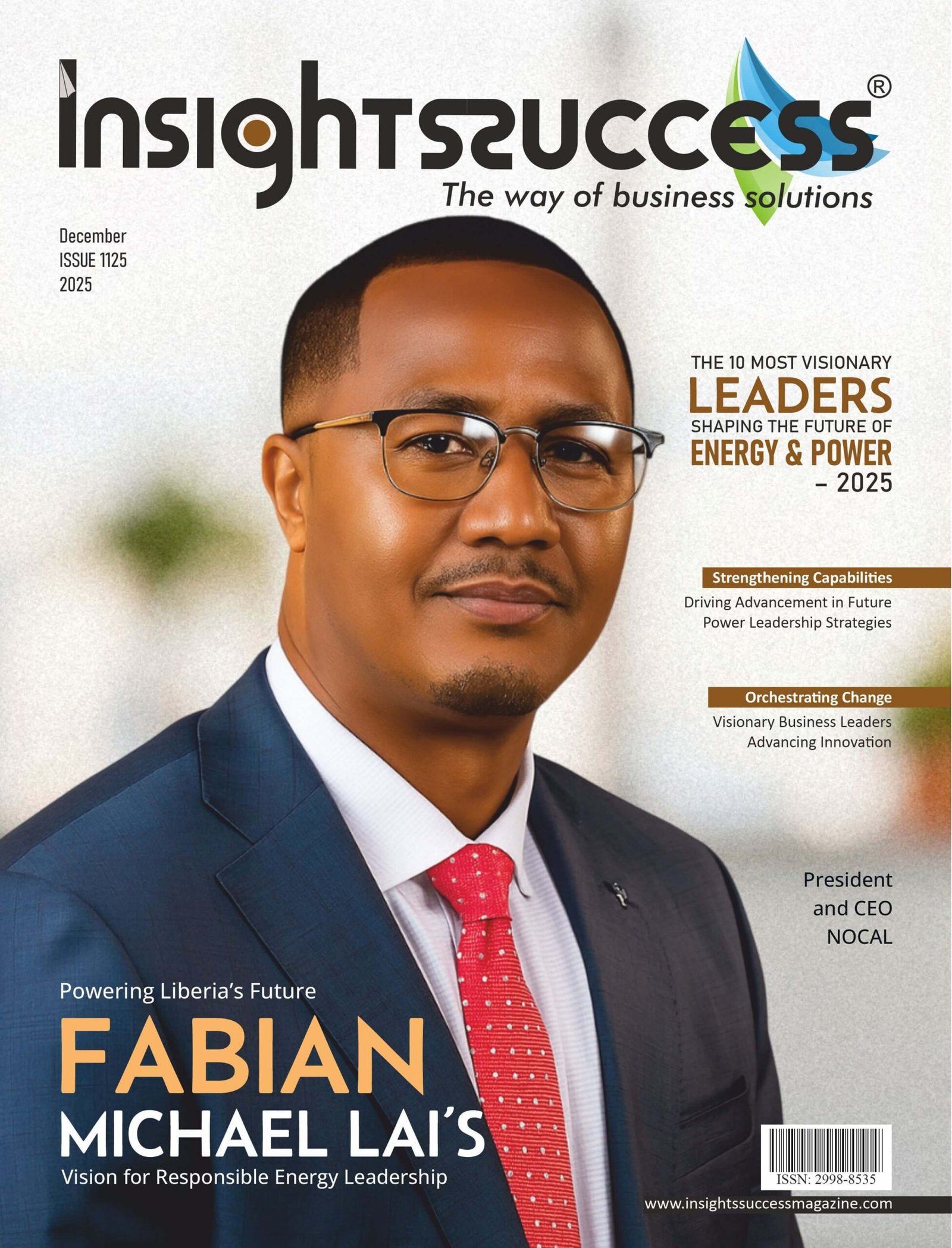
The 10 Most Visionary Leaders Shaping the Future of Energy & Power – 2025
The 10 Most Visionary Leaders Shaping the Future of Energy & Power – 2025 Fabian Michael Lai, President and CEO of NOCAL, blends global insight with national commitment to advance Liberia’s energy sector. His leadership prioritizes accountability, sustainability, and measurable results, strengthening governance, driving responsible exploration, and positioning Liberia for long-term growth through transparent practices, environmental stewardship, and strategic innovation. Quick highlights Quick reads
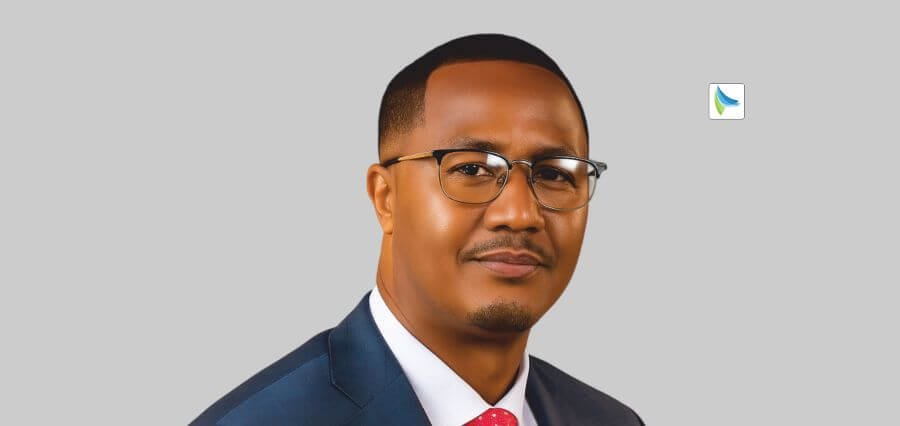
Powering Liberia’s Future: Fabian Michael Lai’s Vision for Responsible Energy Leadership
Liberia’s energy story is being rewritten by a leader who recognizes the importance of both global opportunity and national responsibility. Fabian Michael Lai, President and CEO of the National Oil Company of Liberia (NOCAL), combines worldwide experience with a strong commitment to his own country. His leadership journey exemplifies a judicious balance of vision and realism, between what Liberia could become and what it must first create. After serving globally and locally, he is developing a leadership style rooted in accountability, excellence, and people-focused progress. He has transformed NOCAL’s culture to emphasize transparency, results, and disciplined creativity. Using the OKR framework, he aligns teams around specific goals linked to national development. His leadership is grounded in the belief that energy development should benefit communities and protect the environment. Under him, the company symbolizes responsible stewardship, with decisions reflecting integrity, sustainability, and national growth. Fabian Michael Lai aims to empower Liberia’s future beyond just running an energy firm. A Global Perspective Meets Local Purpose Lai’s journey to NOCAL’s leadership combines international exposure with a deep local understanding, shaping his distinctive approach. His roles have broadened his view on leadership, accountability, and excellence, while he stays grounded in Liberia’s challenges. “My local experience reminds me of the huge task ahead, society’s complexity, and the drive to make lasting change through energy,” he reflects. At NOCAL, this dual perspective manifests in action. He has built a performance-driven team that values discipline, innovation, and measurable results. The company now operates with systems promoting accountability and transparency, ensuring each member understands their role and deliverables. Key performance indicators track progress, and quarterly reviews assess goal achievement. “Success comes from building strong institutions, empowering people, and maintaining a results-oriented culture. That’s the standard I uphold at NOCAL,” he emphasizes. The OKR Framework: Aligning Vision with Action Lai uses the OKR framework when making decisions impacting NOCAL and Liberia’s economy. This leadership approach keeps him and his team focused on measurable goals aligned with national priorities, promoting economic growth and institutional excellence. This approach tackles Liberia’s challenge: unlocking offshore oil responsibly while balancing environmental concerns. He envisions a framework prioritizing environmental stewardship in exploration and production. “True progress is not measured only by barrels produced, but by improved quality of life, jobs, and preserved resources for future generations,” he states. Every project undergoes environmental assessments, and NOCAL requires partners to comply with responsible exploration guidelines. The company’s approach emphasizes transparency, accountability, and inclusivity, ensuring Liberians are informed, engaged, and benefit from sector growth. His goal? Develop an oil and gas sector that fuels national progress while protecting the environment, making Liberia a model for responsible energy governance in Africa. A New Chapter: Strategic Petroleum Contracts Recently, Liberia signed major petroleum contracts after a pause in exploration, marking a key moment for its energy sector. Lai views these agreements as more than just investment; they bolster Liberia’s energy independence and economic resilience. The contracts ensure the State maintains a stake in resources, enabling value capture and building local capacity in technical skills, project management, and energy governance. This is about developing a sustainable, sovereign energy ecosystem supporting national priorities, not just oil production,” he clarifies. The agreements aim to reinvigorate exploration in Liberia’s offshore basins, potentially leading to the first commercial oil. Since emphasis is on exploration drilling, these agreements require commitments rather than upfront payments to accelerate discovery. Building Trust Through Transparency Lai states that investor confidence and public trust are gained through accountability, transparency, and ethics. NOCAL’s transformation relies on strong governance, with clear objectives and KPIs to measure progress. Enhanced reporting includes regular staff and leadership meetings, quarterly reviews, and comprehensive reporting systems to document and evaluate operations. The company shares information with stakeholders, such as investors, the government, and the public, to build confidence. Governance structures, controls, audits, and compliance policies are strengthened to ensure decisions are ethical, accountable, and transparent. Lai empowers team members to take ownership, fostering a culture of integrity, innovation, and continuous improvement. This positions the firm as a trusted partner for investors and citizens, ensuring decisions support sustainable development and prosperity. Navigating Energy Transition While NOCAL mainly focuses on hydrocarbons, Lai acknowledges the rapid evolution of the global energy landscape. Liberia has unique opportunities to harness renewable energy sources, such as solar and hydropower, to supplement its hydrocarbon sector. Its Energy Compact aims to source 70% of electricity from renewables. NOCAL plans to support this vision by investing in the Liberia Electricity Corporation and other state-owned enterprises. Natural gas plays a crucial transitional role in this vision. He views it as a reliable, lower-carbon bridge fuel that supports industrial development and stabilizes the national grid during the transition toward cleaner energy. “Natural gas is not an end in itself, but a transition tool, one that allows Liberia to develop its energy sector responsibly, meet growing demand, and lay the groundwork for a sustainable, low-carbon future that benefits all Liberians,” he explains. Digital Transformation and Data-Driven Operations Lai understands that digital transformation is essential for modern, efficient, and transparent management of Liberia’s energy resources. By the end of the second quarter of 2026, NOCAL intends to build a modern, state-of-the-art petroleum data center in Monrovia. This facility, developed with help from the company’s current seismic data client, will allow them to embed technologies into its workflows, creating a performance-driven culture that encourages innovation, accountability, and continuous improvement. Vision 2030: A Benchmark Institution Looking toward 2030, Lai sees NOCAL as a leader in excellence, transparency, and innovation in the regional oil and gas industry. In the country, he aims to be recognized as a trustworthy steward of Liberia’s natural resources, delivering benefits, building local capacity, and supporting sustainable growth. Internationally, the organization aims to be a credible, innovative energy partner with high standards in governance, environmental responsibility, and technology. “We want Liberia to manage resources responsibly, attract investment, and support a sustainable energy future. By 2030, NOCAL should symbolize Liberia’s potential, reflecting our commitment to integrity and prosperity,” he states.

Strengthening Capabilities: Driving Advancement in Future Power Leadership Strategies
One of the major requirements for the top-level executives of the power sector is to constantly keep themselves updated and attuned to the changing and advancing world around them. Among other factors, these are the technological disruptions, changes in the regulatory framework, and an increasing emphasis on sustainability that are setting the new standards for effective leadership. The leadership style that was primarily targeting operational efficiency and grid reliability now has to stretch at least as far as innovation management, ecosystem collaboration, and long-term resilience planning. Tomorrow’s power industry leaders must maintain stability while remaining flexible to navigate complexities and seize emerging opportunities. They must adopt a future-focused approach that integrates digital capabilities with human-centric decision making. The next generation of leaders in the energy industry will find themselves working in conditions that are the outcomes of decentralized energy models, deep automation, and stronger consumer expectations. Therefore, the creation of a thorough plan involves, apart from making excellent technical decisions, the ability to patronage cultural changes and leadership of the teams through the ongoing transition. The leaders in the power sector should always be vigilant, adaptable, and open to the implementation of new technologies that influence, inter alia, the manner in which the grid functions and customer engagement. Adaptive Leadership Future-ready leadership in the power sector is setting up a resilient framework that is able to endure disruptions and direct long-term value creation. The concept of resilience, however, goes beyond crisis management. It necessitates proactive planning, scenario modelling, and the ability to reassign resources as per the emerging risks. Executives aware of how technology, policy, and market forces interact can not only secure structures that endure volatility but also keep the compass pointing towards the strategic objectives. As the renewable energy continues to grow along with distributed generation, resilience is more and more associated with the flexibility of system design and decision making. Utilities that implement modular, scalable strategies will be able to respond quickly to demand changes, supply variations, or unpredicted restrictions. As organisations experience rapid changes in the energy ecosystem, the need for leadership that is adaptive is on the rise. Leaders are required to develop the kind of culture that is characterized by the support of trial, continuous learning, and cross-functional collaboration. By challenging employees to question the legacy practices and investigate the possibilities, operational efficiencies may be realised, and innovation may be activated. On top of that, adaptive leaders give high priority to dialogue and openness as means to keep consensus during changes, especially, when new technologies are being introduced or processes are being restructured. By allowing personnel at every level to come up with ideas and have control, organisations, thus, can amass communal intelligence which is their competitive advantage. Digital Leadership Digital technologies are changing the very core of how power systems operate and how leaders manage them. To begin with, artificial intelligence, predictive analytics, and Internet of Things-enabled infrastructure are some of the technological advances that are breaking open the way systems are viewed from a behavioural standpoint. These tools enable leaders to detect equipment failures, optimise grid performance, and enhance energy forecasting. Mastery in interpreting data and applying the resulting insights distinguishes effective leaders from their peers. Through digital transformation, organisations can plan more effectively, respond more rapidly, and execute operational tasks with greater precision. Moreover, digital adoption reshapes leadership responsibilities by requiring greater technological literacy. It is not necessary for the executives in the power sector to be engineers or data scientists but, they should have a clear comprehension of new tools in order to make the right decision. Some of these activities include: facilitating cyber security measures that protect the most vulnerable parts of the infrastructure; integrating automation into the operations in a seamless way; and, simultaneously, maintaining the interoperability of different digital platforms. Effective digital leadership also involves the executive team developing relationships with technology companies, research institutions, and start-ups. This network of collaboration is what fuels rapid innovation and thus, allows the organisation to remain at the top of market dynamics. People Focused Leadership Sustainability has become a defining priority reshaping the power industry, increasingly influencing investment decisions, regulatory frameworks, and customer expectations. Power leadership in the future should maintain a delicate balance between socio-economic growth and ecological concerns. In order to realize such a goal, enterprises should embed green business models in their system of governance, supply chain practices and operational planning. One of the methods through which a corporate executive can elevate his company’s image is by acquiring the trust of the stakeholders through the transparent disclosure of the company’s environmental impact and demonstrating a genuine commitment to climate change mitigation. With the world progressing towards different policies and regulations, the authorities of the power sector must have their emission reduction plans that not only meet the requirements but also have positive effects on the environment. As the energy sector undergoes a massive change, leaders have to make people-centric approach their first priority. To cater to these demands, managers should put employee development at the top of their priority list and empower them with the trainings, mentoring programmes, and continuous skill-upgrading opportunities. Building a diverse and inclusive work culture enables companies to have access to the best talents pool from different backgrounds and also retain them. Moreover, the focus on employee well-being, collaboration, and shared sense of purpose through people-centered leadership, are the factors which facilitate organisational resilience. Conclusion Over time the energy sector is changing from a centralized model to a decentralized which is characterised by innovation and accountability. The next generation of management teams must emerge from a single strategy that integrates sustainability, digital transformation, and resilience. Leaders who understand these trends and decide to act accordingly will be able to steer their companies through tough times. Executives, therefore, can create a sector in which these three can coexist: trust, environmental protection, and progress by using technology, focusing on human-centric decision-making, and welcoming change. The challenges ahead are considerable, but they also offer a
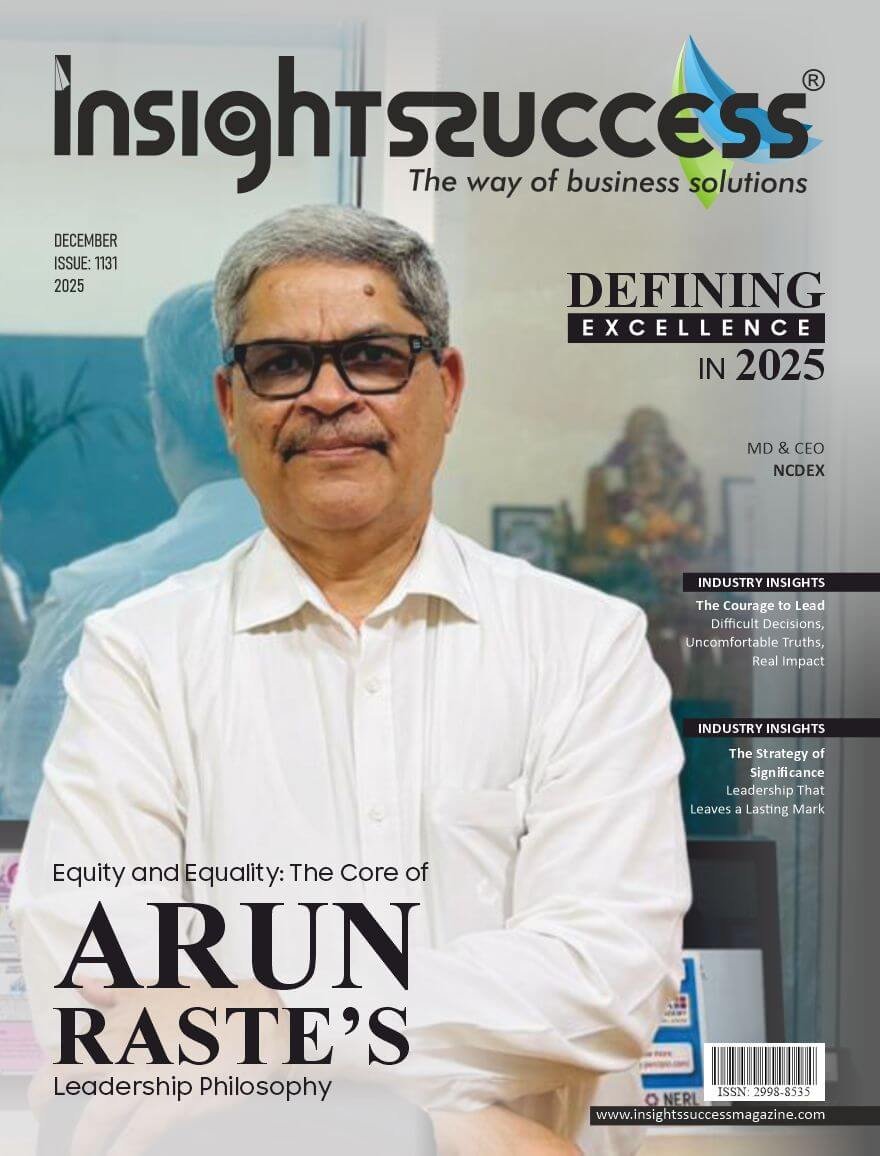
Defining Excellence in 2025
Defining Excellence in 2025 Excellence has always been a benchmark—but in 2025, it has evolved into something far more dynamic: a commitment to innovation, integrity, impact, and inspired leadership. Defining Excellence in 2025 highlights Arun Raste, who is not just meeting expectations but rewriting the standards by which success is measured. Quick highlights Quick reads

Equity and Equality: The Core of Arun Raste’s Leadership Philosophy
Few leaders embody the seamless blend of humility, intellect, and purpose as distinctly as Dr. Arun Raste, Managing Director and CEO of NCDEX. For him, leadership is not a pursuit of power but of equity and equality—principles that have guided every step of his 35-year journey across banking, corporate, and social sectors. His professional arc began, interestingly, in the corridors of a hospitality school—a place that would awaken in him an enduring sense of self-awareness. Drawn initially by the glamour of the service industry, he soon realised that his temperament was inclined not toward serving comfort but toward serving purpose. That early realisation became a defining pivot, redirecting him towards development economics and, ultimately, a lifelong mission to understand and bridge economic disparities. Today, his career exemplifies as to how financial acumen, when guided by empathy and ethics, can become an engine of transformation. The Making of a Purpose-Driven Leader Raised in railway colonies and shaped by Jesuit schooling, teamwork and discipline were integral to Arun’s formative years. His transition from hospitality studies to development finance marked the beginning of introspection. “I was a misfit there,” he admits candidly about his one year in Hotel Management course – a realization that true leadership begins with self-awareness. The inequalities he witnessed during his early career years struck a chord. Development economics, initially just a part of the curriculum he needed to master, evolved into a passionate pursuit, a deeper engagement with questions of equity, access, and opportunity. This commitment initiated his lifelong quest for knowledge—a journey that continues to shape his worldview. Just weeks before this conversation, he earned his doctorate. For Arun, education is never complete; it is a continuum that renews purpose and sharpens perspective. The choice of profession itself carries historical weight. The word “Raste” originates from “Rast,” the Marathi term for honest or trustworthy—a title once conferred upon his forefathers. When young Arun contemplated his career path, “banking felt like a natural choice,” he notes. “Bankers were seen as trustworthy and honest, and that aligned perfectly with the values my family name stands for.” Career Spanning Cross-Sectoral Excellence Over the past 35 years, Arun has built a rare portfolio of cross-sectoral experience—spanning banking, corporate, and social institutions. At NABARD, he delved into rural development and institutional finance. At IDFC and Kotak, he worked on innovative models that married profitability with inclusion. With IRFT and NDDB, he deepened his engagement with sustainability and cooperative development. His stint in ACC helped him imbibe the competitive spirits, and pursuits of excellence, corporate ethics and values that any company from house of Tata’s practice. At NCDEX, where he has served as MD & CEO since 2021, Arun brings together these diverse experiences to address one of India’s most critical challenges—empowering rural producers through market access and financial tools. Under his leadership, NCDEX continues to strengthen its role as an enabler of price discovery, risk management, and inclusive agricultural growth. Leadership Anchored in Empathy and Integrity Empathy, intellect, and integrity define Arun’s approach to leadership—values he credits to his upbringing and to his late father, his moral compass and lifelong guide. “My father grounded me through every phase of my journey,” he reflects. “He taught me that leadership is not about power but about enabling others to flourish.” Leading a national institution like NCDEX demands extraordinary commitment, yet Arun refuses to sacrifice personal well-being on the altar of professional achievement. He views the two domains as complementary spheres that enrich each other. His approach rests on three pillars: clarity of purpose, structured delegation, and a strong value system. “When your work is aligned with your core beliefs, it becomes easier to navigate challenges without compromising personal well-being,” he explains. At NCDEX, he leads through empowerment rather than oversight, fostering a culture of trust, ownership, and accountability. “When people feel heard and valued, they bring their best to the table,” he often says. This leadership approach allows him to focus on strategic direction while enabling his colleagues to execute with excellence. For him, business is not a transaction but a means of transformation. “Leadership is not about micromanagement but about enabling others to grow,” he emphasizes. Beyond the office, he maintains firm boundaries. He travels frequently, immersing himself in nature, architecture, culture, food, craft, and art. Mindfulness and physical wellness anchor him through high-pressure moments, enabling him to lead with authenticity rather than anxiety. Purpose-Driven Business Philosophy Arun’s appetite for business extends far beyond profit margins and quarterly results. He gravitates towards models that create shared value – benefiting shareholders, employees, and communities alike. Whether addressing financial inclusion, rural development, or market innovation, he seeks opportunities where profitability intersects with impact. “Business, to me, is a tool for transformation when wielded with integrity and vision,” he asserts. He thrives in environments that challenge conventional thinking and reward long-term resilience over short-term gains. His decision-making process combines calculated risk-taking with rigorous data analysis, always filtered through the lens of empathy. For him, empathy, education, and empowerment are the three tools that create equitable opportunities and inclusive growth—a conviction that permeates every strategic decision he makes at NCDEX. Navigating the Pandemic Storm The COVID-19 pandemic tested leaders across industries, and Arun faced it from two vantage points – first as Executive Director of NDDB, then as MD & CEO of NCDEX. At NDDB, his team ensured uninterrupted milk supply chains, maintaining availability in metros while securing feed and medicines for livestock. His most satisfying achievement during that period, however, was the repurposing of NDDB’s subsidiary, Indian Immunologicals, to manufacture vaccines that augmented Bharat Biotech’s supply—ensuring timely access to vaccines for millions of Indians. At NCDEX, the crisis disrupted commodity markets, supply chains, and physical trading operations Yet instead of retreating, the exchange leveraged the crisis to innovate. Under his leadership, NCDEX maintained 100% uptime of its trading platform, upgraded its core systems for remote operations, and expanded its primary data infrastructure. “The pandemic was not just a challenge, it was a transformative opportunity to

Leadership That Leaves a Lasting Mark
The Strategy of Significance In a world where leadership is typically gauged through quarterly results and short-term performance, it is the leaders who think differently that have the most lasting impact. They follow a plan not only for success but for significance. These leaders realize that impact is not merely measured by positional power or profitability—in fact, influence is most of all characterized by the value that lasts, the impact that is heartfelt, and the legacy that goes on long after the decisions have been made and the goals have been accomplished. Leadership based on significance is deliberate. It comes from having a clear purpose, good character, and the bravely to bring about a change that is bigger than oneself. It is not about being spectacular in the moment, but about making the difference that stays. Thinking Beyond the Immediate Win Leaders of significance do not stop at short-term accomplishments but rather they ask a more profound question: What remains? They decide with a far-reaching view, thus they are the first to invest in culture, people, innovation, and relationships, which will keep the organization going for a long time. They love performance targets and operational efficiency, but still, they do not trade victories for loss of integrity or values. Such a mindset requires strategic patience. It understands that some of the most valuable results—trust, credibility, loyalty—are intangible, and yet, they count even more than quick wins. Aligning Purpose with Leadership Action Effective leadership comes first from having a mission. These leaders are aware why they lead, not just the manner. Their purpose is like a beacon that directs decision-making and energizes others. Having clear purpose fosters trust, consistency, and zeal especially when things are uncertain. Leaders guided by purpose speak of the future sincerely. They encourage people to look at the grand mission and thus convert the ordinary work into real contributions. Leadership, when purpose and action are combined, is not only strategic but also very human. Building Trust Through Character Enduring influence can’t be done without trust. The leaders who make a difference in the world, acquire it mainly through their constancy, openness, and bravado in doing what is right even in the hardest situations. They exercise their promises, acknowledge their faults, and behave with impartiality even at times when it is hard to do. Trust is not something one is given; it has to be earned. It is constructed one step at a time, through openness toward others, dependability, and moral principles by which one thinks and acts. When leaders display good character, then trust becomes a cultural “coin”—it supports the collaboration, engagement, and loyalty to the organization that are of a high level. Empowering People to Lead, Not Just Follow Significant leaders are multipliers. They do not concentrate power—they distribute it. They teach, mentor, and develop the youth thus making leadership a shared account. Their inheritance is not measured by how many followers they have but by how many leaders they produce. Empowerment is what brings about the turning of the wheel. The moment people are given freedom to think, act, and come up with new ideas, they do it with ownership rather than under the heavy hand of obligation. Thus, the strengthening of teams takes place today and at the same time, the organization gets protected for the future. Choosing Innovation Over Tradition Those leaders who will be remembered for a long time are the ones that welcome change instead of guarding the status quo. They do not innovate for the sake of novelty, but by necessity—looking for better means of serving customers, making processes more efficient, and creating more value. They keep their minds open, challenge the established views, and are bold enough to go against the grain. This readiness to change keeps organizations alive and well in a very volatile world thus they can count on being around for quite some time rather than getting stuck in the comfort of being. A Leadership Model Built to Last Significance is not an ultimate success—it is a continuous effort. One intentionally cultivates it through small daily choices that put meaning before ease, personal development before comfort, and giving before getting. It decides for integrity even when there is no one to see and it pours into the days to come even when the results are far off. Leadership that leaves a lasting mark does not chase attention—it creates change. It thinks deeply, acts boldly, and leads generously. It is not characterized by moments, but by movements. Significance strategy is eternal because that is the main reason its impact is eternal. Such leaders not only create the future of companies but also that of people—and as a result, they make a genuine, lasting contribution.

Difficult Decisions, Uncomfortable Truths, Real Impact
The Courage to Lead Leadership is frequently depicted as the traits of having a vision, being an inspiration, and using influence. However, every leader who has made a difference knows that the real test of leadership is in those moments that have no shine — characterized by uncertain surroundings, unpopular decisions, and inconvenient truths. Having the courage to lead does not mean being confident when things are easy; rather, it means having conviction when they are difficult. It is the same decision that is much harder but still made, the choice of principle rather than approval, and the facing of reality without any kind of distortion or delay instead of silence, which would be much easier. Courageous leadership does not make noise or dramatize. It is quite regular, continuous, and dependent on one’s understanding. It takes the leader’s emotional strength, intellectual honesty, and moral depth to be able to maintain it. Also, it is the single most significant factor that separates leaders who only handle situations from those who change them. The Weight of Difficult Decisions Being in a leadership role means having to make decisions that impact human beings, the organizational culture, and the future of the business. Such choices usually are accompanied by a feeling of uncertainty — there is no perfect data, no sure result, and no way to please all. But, on the other hand, progress cannot do without moving forward, and it cannot do without deciding. Courageous leaders are the ones who make the decisions when others are not able to make up their minds. They find out as much as they can, foresee what is possible, and then act. They are not people who immobilize themselves in the face of uncertainty or try to avoid their obligation. They decide to take the responsibility for the choice because they know that failing to decide is a decision taken already — one that leads to stagnation, confusion, and lost opportunities. Courage is the power that pushes you to go forward even when you don’t have total clarity. Confronting Uncomfortable Truths The most difficult truths are those that we refuse to acknowledge, among them: a failing strategy, a toxic culture, a misaligned team, or a deeply-rooted systemic flaw that has been neglected. Leaders with courage do not run away from these realities. They identify them. They analyze them. They make them visible, even if doing so brings conflict and criticism. Growth cannot be achieved through avoidance, which is its greatest enemy. Change initiation needs truth as its very first step, be it uncomfortable or not. Courageous leaders foster openness in their teams, where honesty is respected, feedback is anticipated, and being transparent becomes the norm of the culture. Change happens when the truth is unmasked. Continuing to Support Values One of the characteristics of courageous leadership is that it comes from deeper than ambition, namely from values. Leaders that behave based on values are not easily influenced by factors such as being under pressure, the risk of losing their good reputation, or gaining something for a short period of time. In difficult moments, they continue to hold their principles. The ethical backbone is what makes the leader earn trust. The team members may not always be in agreement with the leader’s decisions, but they will trust a leader whose behavior is regular, unprejudiced, and based on integrity. One of the ways in which support of courage is seen is through the leaders’ decisions not to make certain choices, along with the decisions they make. That is, the compromises they will not allow and the standards that they will not lower. The Quiet Power of Courage One of the rare times when courage of a leader is of a theatrical character is when it is false. Real courage is present in the quiet moments — the decisions of doing what is right when no one is looking, the conversations that have been put off for too long but finally had to take place, the standing up for something when it would be much easier to compromise. Difficult decisions. Uncomfortable truths. Real impact. Courageous leadership is defined by these components. Those leaders that accept them are the ones that have the power to change organizations, influence culture, and raise people up. Besides, they are not only leading teams — they are leading futures.
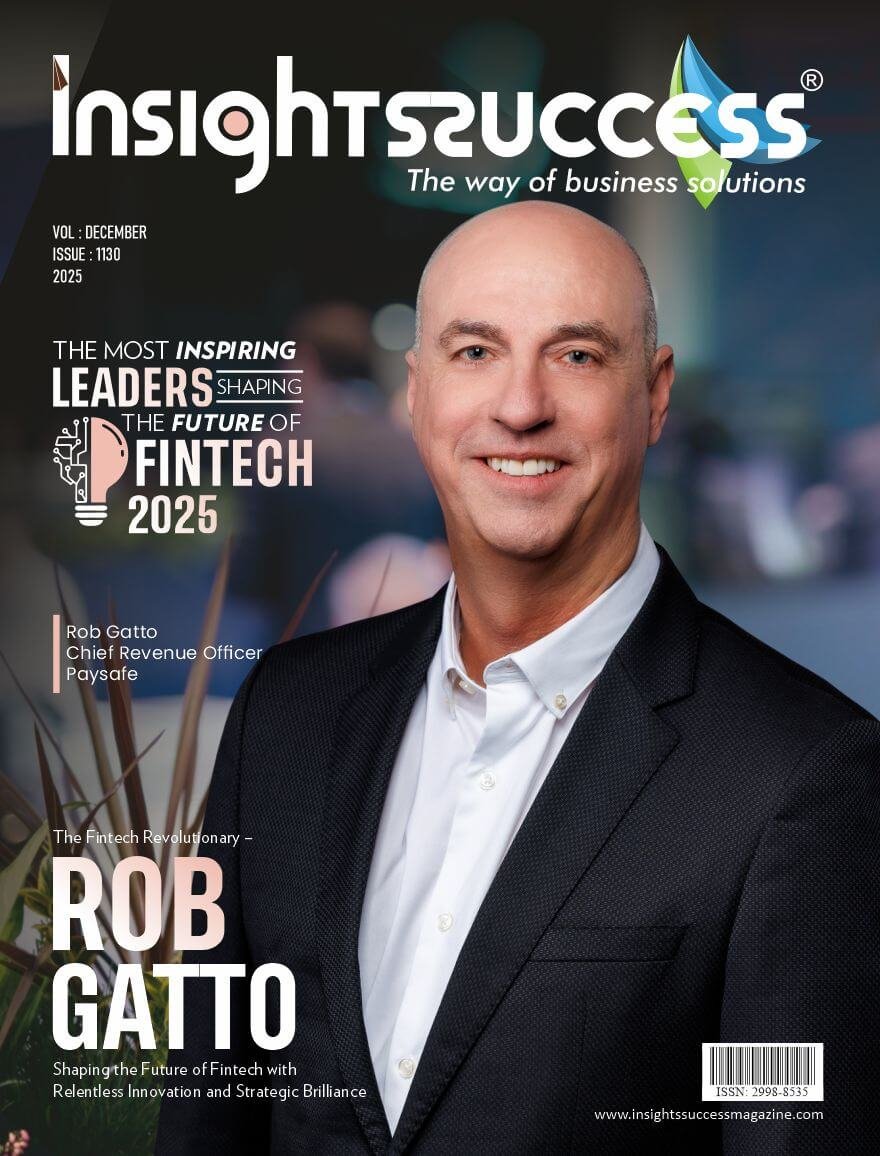
The Most inspiring Leaders shaping the future of Fintech 2025
The Most inspiring Leaders shaping the future of Fintech 2025 The world of finance is transforming faster than ever before, driven by innovation, digital disruption, and an urgent demand for smarter, more inclusive financial solutions. At the center of this transformation are the pioneers who see possibility where others see limitation. This edition celebrates the remarkable individuals redefining how money moves, how trust is built, and how technology empowers people and businesses across the globe. Quick highlights Quick reads
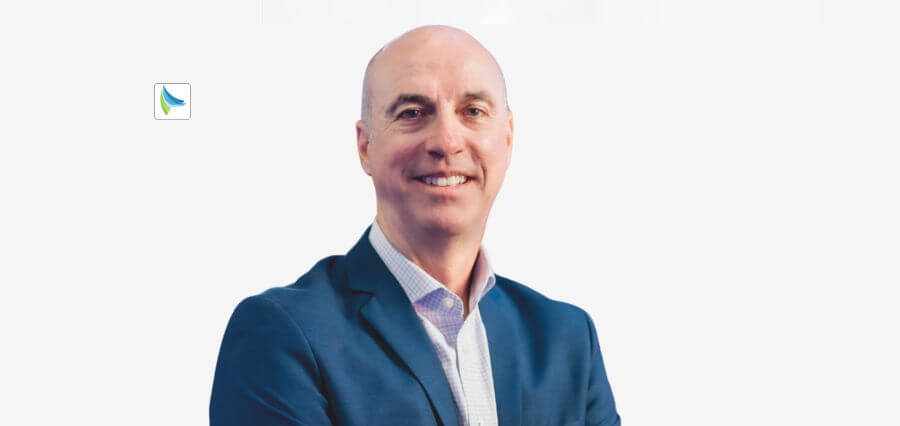
The Fintech Revolutionary – Rob Gatto: Shaping the Future of Fintech with Relentless Innovation and Strategic Brilliance
The game of fintech in our globalized world keeps moving fast and remains high-stakes. Here, innovation is the only constant. That is why only those leaders succeed who are created in the crucible of challenges. A central figure in this financial revolution is Rob Gatto, an experienced technology executive and the company’s first Chief Revenue Officer (CRO) at Paysafe. Joined in July 2022, Rob was appointed to lead the global expansion of the company’s high-growth sectors of gaming, travel, entertainment, and digital assets. With over 30 years of experience, Rob is an expert in delivering transformational growth and shaping go-to-market strategies for organizations of any size. His career is a testament to his ability to build fast-growing organizations that have led to successful IPOs or have been acquired by some of the largest technology companies in the world, specifically IBM, Oracle, and Adobe. His depth of expertise includes, but is not limited to, sales, marketing, business development, and corporate strategy. There is no question that Rob is a powerful force in the space. Prior to joining Paysafe, Rob was a co-founder of Ureeka Inc., which was a community dedicated to helping small businesses grow in hyper-growth. Also possessing senior leadership roles at swiftly growing, high-performing technology companies, including TubeMogul, NeuStar, and PointRoll, Rob honed his leadership. Before that, he had been a graduate of Northern Illinois University. And during his entire professional journey, his commitment remained as one with relentless innovation and strategic brilliance, making him one of the most thought-inspiring leaders in shaping the future of fintech today. Beginning of a Masterclass Rob’s career is a masterclass in building and scaling businesses, a journey that has prepared him for the pivotal role he now holds at Paysafe. With over two decades of experience, he has led a variety of software companies, from small startups to large-scale organizations. His passion has always been for “building go-to-market strategies and cultivating strong client relationships.” The Power of Passion and People Rob describes his career as a constant evolution, where he transformed fragmented, product-specific sales teams into unified go-to-market functions. He found a natural fit at Paysafe due to its broad functionality across various payment types and diverse geographies. What truly energizes him, however, is the “evolving intersection of software and payments,” a space where he has spent considerable time and continues to find compelling. A People-First Philosophy Rob’s leadership is defined by two core principles that have guided him throughout his career. First is the unwavering belief in investing in people. He contends that building, growing, and maintaining a strong team is the key to success in any business. He strives to provide an environment where employees can learn and grow both personally and professionally. His second principle is the importance of coaching and mentoring. He understands that while everyone wants to grow professionally, it is incredibly difficult to manage a career and balance it with a personal life without strong guidance. Rob sees his role as not just a leader, but as a mentor, empowering his team to navigate their professional journeys with confidence and purpose. A Clear Vision and a Powerful Strategy Rob’s vast experience in building and transforming companies has provided him with a clear vision and a powerful execution strategy for Paysafe. He has drawn on his past successes to rebuild Paysafe’s go-to-market function, shifting from a collection of siloed product sales groups to a unified team. This strategic move has been highly effective, leading to a threefold increase in the size of the sales staff while simultaneously boosting the productivity of each representative, which has reignited growth at the company. A Global Leader in Digital Commerce In the highly competitive fintech landscape, Paysafe’s offerings stand out due to their ability to deliver tailored, secure, and versatile payment solutions on a global scale. Rob highlights Paysafe’s commitment to compliance with local regulations and its efficient, innovative approach. The company’s diverse solutions include card acquiring, alternative payment methods like eCash and digital wallets, and cross-border payments. Paysafe’s dedication to understanding consumer behavior is evident in its ““ survey, which gathers insights from over 14,000 consumers. The survey’s findings underscore the growing demand for Paysafe’s products, with 32% of consumers using digital wallets more frequently than a year ago. “This underscores the demand for our products like Skrill and Neteller. As a payment processor, we serve high-growth sectors like iGaming and e-commerce, where our survey found that 43% of consumers abandon carts if their preferred payment methods are unavailable.” Rob also points to Paysafe’s early adoption of and investment in AI technology, which has been integrated throughout the organization. This focus on flexibility, security, and innovation is what truly positions Paysafe as a trusted leader in digital commerce. Serving Global Industries and Regions At Paysafe, Rob says that their global footprint allows them to serve a wide range of industries and regions, each with distinct financial needs. As CRO, he ensures their business development strategy supports market-specific demands. This includes enabling capabilities like cross-border payments, multicurrency transactions, and seamless usability. These features are essential for many of their clients operating internationally. When he arrived, they were a product-oriented GTM team. Each product had its own seller and infrastructure. “We have completely rebuilt our GTM and are now organized by vertical, with each rep selling all Paysafe products to each merchant.” This allows them to truly understand each client’s goals and needs and tailor a solution specific to them within the vertical in which they reside. Innovation is a cornerstone of Paysafe’s growth strategy, driving both product development and customer experience. As CRO, Rob ensures that their investments in emerging technologies, such as AI, and their products, such as Skrill and Neteller digital wallets, eCash solutions like PaysafeCard, and payment processing, are business relevant and strategically aligned. “These innovations allow us to deliver secure, intuitive, and inclusive platforms tailored to the evolving needs of our clients.” They also leverage technologies to enhance payment security and simplify cross-border transactions. Through strategic
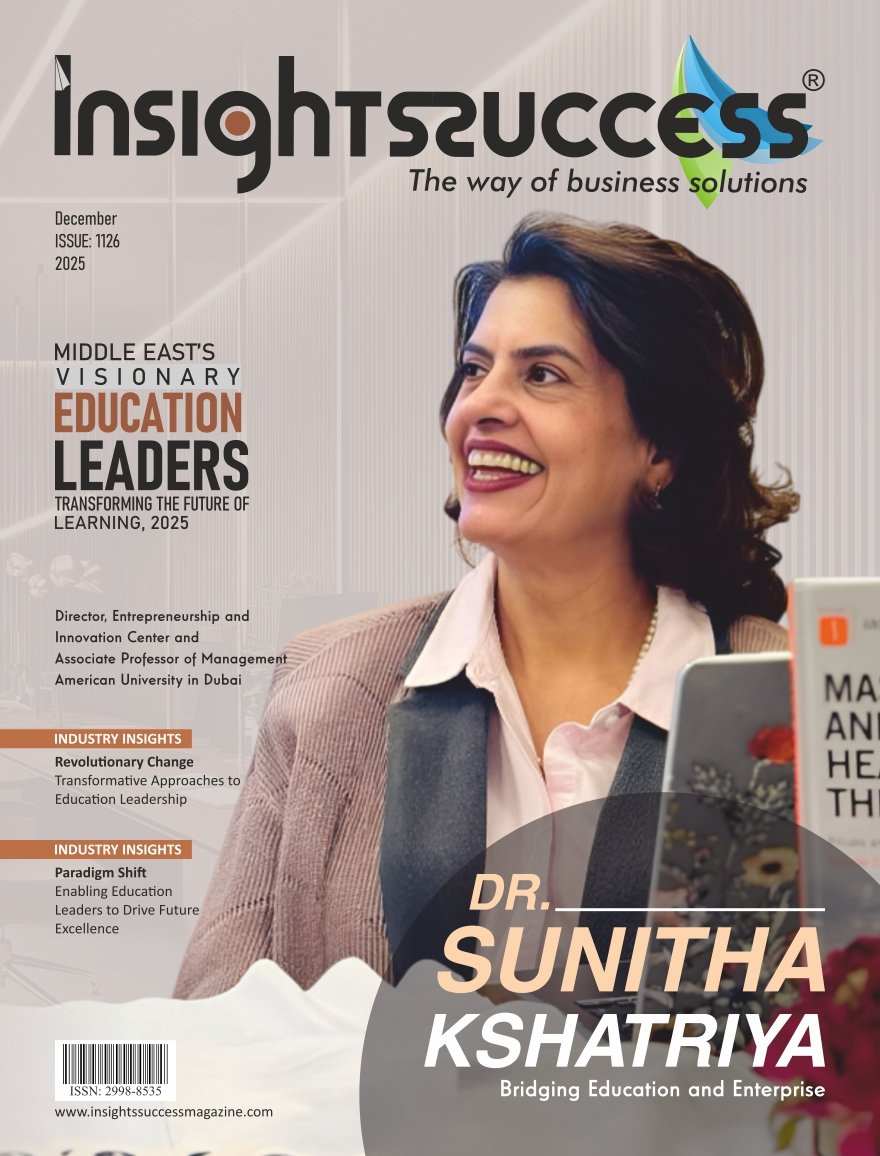
Middle East’s Visionary Education Leaders Transforming the Future of Learning, 2025
Middle East’s Visionary Education Leaders Transforming the Future of Learning, 2025 Dr. Sunitha Kshatriya, leading the Entrepreneurship and Innovation Center at the American University in Dubai, transforms education into empowerment. With global academic experience and a human-centric leadership approach, she fosters student entrepreneurship, inclusive innovation, and social impact, guiding future-ready changemakers while bridging academia, industry, and community. Quick highlights Quick reads