






A Future Power Leader – Dr. Muralidhar MS: Building High-Performing Teams and Delivering Complex Projects Successfully
Believe it or not. Energy, power, and infrastructure are the future of humankind. Dr. Muralidhar MS always believed it. That is why his professional calling has always been closely aligned with infrastructure and energy sectors that directly impact national growth and quality of life. The idea that reliable power systems and efficient transportation infrastructure can transform societies has guided his career from the very beginning. “What truly inspired me was the realization that infrastructure touches everyday lives—whether it’s electricity powering homes, metro systems enabling mobility, or renewable energy shaping a greener future,” says Dr. Muralidhar MS as his role evolved from execution to strategy, where he could influence long-term planning, operational excellence, and talent development. Starting in public utilities and later moving into global multinational organizations allowed him to witness the full spectrum of infrastructure development—from policy-driven execution to technologically advanced, globally benchmarked projects. At ABB, Schneider Electric, Alstom Transport, and Linxon, he was privileged to manage high-voltage power systems, metro electrification, and large-scale transportation projects across multiple geographies. These experiences shaped Dr. Muralidhar’s understanding that infrastructure is not just about engineering—it is about coordination, risk management, stakeholder alignment, and long-term vision. Working across India, Southeast Asia, and international markets refined his ability to lead multicultural teams and deliver projects under diverse regulatory and operational environments. Today, as Executive Vice President at JAKSON Limited, Dr. Muralidhar MS views leadership as a responsibility—to build lasting institutions, empower people, and contribute meaningfully to India’s infrastructure and energy transformation. The business philosophy he follows is simple: sustainable growth comes from strong fundamentals, ethical practices, and people-centric leadership. Every challenge encountered—be it regulatory changes, market volatility, or execution risks—strengthened his conviction that adaptability and innovation are critical. “Over time, this approach has helped us build resilient teams, trusted partnerships, and scalable solutions aligned with India’s development goals.” At JAKSON Limited, this collective experience translates into strategic leadership focused on integrated energy solutions, sustainability, and execution excellence. The underlying idea has always remained consistent: build infrastructure that is reliable, future-ready, and impactful—today and for generations to come. Laying the Foundation Earlier, coming from a middle-class Indian family where values such as integrity, discipline, and respect for hard work were deeply ingrained in Dr. Muralidhar from an early age, his formative years were shaped by a strong emphasis on education and responsibility, which laid the foundation for both his personal and professional journey. He pursued his education with a keen interest in engineering and management, believing that technical depth combined with business understanding is essential for creating long-term value. A strong foundation of discipline, perseverance, and purpose has shaped his journey. He pursued a bachelor’s degree in Electrical & Electronics Engineering, followed by an M. Tech in Power Systems, driven by a deep interest in energy systems and nation-building infrastructure. To complement his technical grounding with global business perspectives, Dr. Muralidhar earned an International MBA in Project Management from Ulyanovsk State University, Russia, and later strengthened his leadership capabilities through the Leadership Excellence and Development Program at the Indian School of Business [ISB], along with Project Management certifications from IPMA and CSCPM Certification from Avanta Global, Singapore. He began his professional career with Karnataka Power Transmission Corporation Limited (KPTCL) as a Contract Assistant Engineer, where he gained firsthand exposure to public infrastructure systems and ground-level execution. “This early experience instilled in me a strong sense of accountability and public responsibility,” says Dr. Muralidhar, whose transition to the private sector with ABB India Limited marked a significant milestone, where he handled complex projects and learned the importance of precision, safety, and global standards. Over the years, his career progressed through leadership roles at Schneider Electric, Alstom Transport across India, Singapore, and the Philippines, and later as Project Director at Linxon Philippines. Each phase brought its own challenges—cross-cultural teams, high-stakes projects, and demanding timelines—but also invaluable learning. These experiences shaped Dr. Muralidhar’s belief that resilience, adaptability, and ethical leadership are essential for sustained success. “Family has remained my strongest anchor. Their support has helped me stay grounded despite professional demands. Friends and mentors across my journey have played an equally important role, offering perspective and honest feedback.” Value Creation Through Purposeful Growth Dr. Muralidhar’s appetite for business is driven by purposeful growth and long-term value creation. He is motivated by opportunities that strengthen institutions, improve systems, and contribute to sustainable development. Having worked across global organizations and geographies, he approaches business with both ambition and discipline—embracing innovation while remaining grounded in risk management and governance. “Transformation excites me, whether through operational excellence, adoption of new technologies, or expansion into renewable and sustainable energy solutions.” For Dr. Muralidhar, ethical practices, trust, and reputation are strategic assets. Growth achieved without integrity is short-lived. Sustainable success comes from aligning people, processes, and purpose. “The passion that drives me is building systems that last—organizations, teams, and infrastructure that create impact beyond individual tenures. I am deeply motivated by the idea of contributing to India’s development story through reliable energy and infrastructure solutions.” Equally important is people development. “Watching individuals grow into leaders, gain confidence, and achieve their potential gives me immense satisfaction,’ adds Dr. Muralidhar, believing leadership is incomplete without mentorship and knowledge sharing. He is also passionate about innovation and sustainability. The transition towards cleaner energy and smarter infrastructure is not just a business opportunity but a responsibility. “Being part of this transformation energizes me and keeps me future-focused. At its core, my passion lies in purposeful leadership—doing meaningful work while enabling others to succeed.” A People-Centric Visionary Dr. Muralidhar’s core strengths include strategic thinking, resilience, and people-centric leadership. “I could remain calm under pressure and make balanced decisions even in complex situations. I value collaboration and believe diverse perspectives lead to better outcomes.” One area he consciously works on is impatience for results. “While a sense of urgency drives performance, I have learned that sustainable outcomes require patience and nurturing.” Another learning has been letting go—trusting teams fully and allowing space for independent decision-making. Recognizing and working on one’s

Alibaba Upgrades Qwen AI App to Enable Food Orders and Travel Bookings
Prime Highlight Alibaba’s Qwen AI app now lets users complete real-world transactions, including ordering food and booking travel, directly through the chat interface. The upgrade reflects Alibaba’s shift from AI that only answers questions to AI that can actively perform tasks through deep integration with its services. Key Facts Since its public beta launch on November 17, Qwen has reached over 100 million monthly active userswithin two months. The new Qwen version integrates Taobao, Alipay, Fliggy, and Amap, allowing users to make payments and plan travel without leaving the chat interface. Background Alibaba has rolled out major upgrades to its Qwen artificial intelligence app, allowing users order food and book travel directly through the AI chat interface. The company announced the update on Thursday as it steps up efforts to expand its presence in consumer-facing AI services. The new features, now available in public testing in China, let users carry out transactions without switching between apps. Alibaba is changing how it presents Qwen, turning it from an AI assistant that mainly answers questions into one that can take action and link to real-world services. Wu Jia, Vice President of Alibaba Group, said the upgrade signals a broader change in AI development. He said the company is moving from systems that only understand user requests to systems that can act on them through deep integration with daily services. The upgrade follows a major Qwen update launched two months ago, when Alibaba began shifting focus toward consumer AI. In the past, the company concentrated more on enterprise AI through its cloud business, while rivals such as ByteDance and Tencent moved faster in consumer applications. The latest version of Qwen brings together several core Alibaba services into one AI interface. These include the Taobao e-commerce platform, instant commerce services, Alipay for payments, Fliggy for travel bookings, and Amap for navigation. With Alipay, users can approve and make payments directly in the chat. Alibaba said the payment feature currently supports instant commerce orders and will expand over time. Alibaba also introduced a new “Task Assistant” feature in invite-only testing. The tool can place phone calls to restaurants, handle up to 100 documents at once, and plan complex travel routes. Since its public beta launch on November 17, the Qwen app has crossed 100 million monthly active users in just two months. Powered by Alibaba’s Qwen3 model, the upgrade highlights growing competition in China’s AI market as companies race to turn advanced AI models into useful consumer tools. Read Also : Aldi Grows Rapidly in the U.S., Plans Over 180 New Stores in 2026
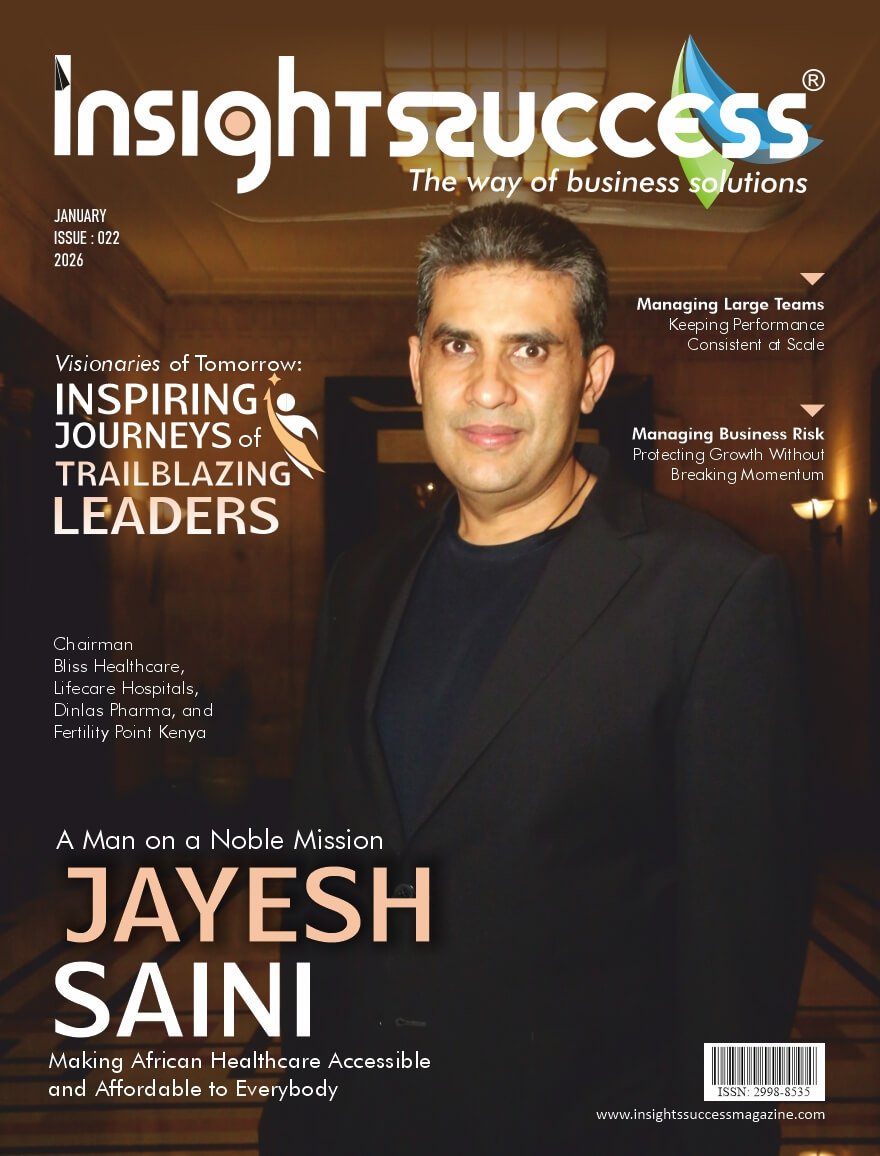
Visionaries of Tomorrow: Inspiring Journeys of Trailblazing Leaders
Visionaries of Tomorrow: Inspiring Journeys of Trailblazing Leaders This edition is dedicated to remarkable changemakers whose journeys reflect courage, innovation, and resilience, celebrating leadership that challenges limits, inspires communities, and shapes the future with purpose and impact. Quick highlights Quick reads

Protecting Growth Without Breaking Momentum
Managing Business Risk Every serious organization aims to grow, and this ambition is shared universally. But on the other hand, growth brings along expanded exposure. The companies that grow to new markets, adopt new technologies, hire more workers, and speed up their operations will face a larger and much more complicated risk. The leadership challenge is not to get rid of risk; this is not possible. The real challenge is to control risk without forcing the whole organization to become cautious and bureaucratic. Effective business risk management means keeping the growth area protected while at the same time not losing momentum. It demands the leaders to be resilient, have good governance, and make better decisions while still having the same speed, being innovative, and being confident. Risk Is the Shadow of Growth Every choice regarding growth brings along uncertainty. Moving to a new location involves the risk of regulations and cultural differences, while bringing out new products creates the risk of the market and operations. On the other hand, switching to digital platforms involves risks relating to cybersecurity and data privacy, and fast-growing companies face risks concerning their employees, the quality of their products, and their reputation. It is true that high-growth companies often go bust not due to having wrong strategy but to risk being unmanaged. The combination of weak controls, unclear accountability and aggressive timelines can change the manageable exposure into a major disruption. Risk should not be considered as the opposite of growth; rather, it is the cost of growth. Leaders who think of risk as a strategic dimension—not an afterthought—will be the ones who succeed. The Difference Between Risk Management and Risk Avoidance Risk management is often confused with risk avoidance by many companies. In the name of safety, they build layers of approvals, put restraints on initiative, and delay decision-making. The final outcome of this is that the organizations lose their agility and their chance to take advantage of the opportunities. When risk management is applied correctly, it leads to action with confidence. It makes the risk levels acceptable, reinforces controls where necessary and guarantees that the employees can work quickly without putting business at risk of harm that could have been prevented. The aim is not to deny more often. The aim is to take wiser “yes” decisions. Building a Risk-Aware Growth Culture The most robust risk systems are those based on culture rather than procedures. If the teams are accustomed to thinking in a certain way that includes risk then it will be the case that risk is exposed promptly and dealt with proactively. The leaders of an organization create this culture by promoting openness and, on the other hand, removing fear connected with reporting problems. Team members should be allowed to point out problems and confess their errors without being penalized. When the management’s reaction is based on learning rather than on assigning blame, risk becomes apparent—and at the same time, this risk is the control’s foundation. Risk Management Must Be Embedded, Not Separate It is very frequent that one of the major execution lapses happens when risk management is treated as a compliance function. If risk departments are segregated from other departments, only then can risk be regarded as a blocker at the end of the process instead of being a partner in strategy. Risk is now in daily decision-making practices in companies with high performance. Risk is considered in the areas of planning, budgeting, vendor selection, product development, and market entry strategies. This causes no opposition as a result of getting rid of the risk downside after the investment is made, instead of taking it on board at the beginning. Incorporated risk management is a bottom-line factor for companies in the fast lane to growth, as it results in avoiding the costly production of pushing back into the market. Conclusion The process of managing business risk should not result in the cutting back of aspirations. It should lead to the fortifying of the application. The risk-competent companies do not slow down; rather, they get self-assured, they become tougher, and they are more uniform in their output. The leaders, by internalizing the risk in their growth strategy, establishing a risk-conscious culture, defining precise limits, and implementing the ‘safe speed’ can secure their expansion and at the same time keep their momentum running. In the situation of frequent changes and utter disruptions, risk management is not just a defensive measure. It is an advantage of leadership and a prerequisite for the kind of growth that is not only profitable but also sustainable—thus, a requirement. Read Also : Keeping Performance Consistent at Scale

Keeping Performance Consistent at Scale
Managing Large Teams The management of a large team is a totally different ball game compared to that of a small one. In the case of small teams, the performance is mainly through closeness—leaders can be almost with the team all the time, problems are noticed right away, communication is on a personal level, and everybody is on the same page in the most casual way. When the team size increases, that closeness is gone. The leader is pushed farther away from the daily routine, decision-making tends to be layered, and there is inconsistency in performance across different units. At the same time, the challenge is no longer to separate individual motivation. It is about creating systems that can maintain performance at a similar level through many people, managers, and different parts that are in motion. The top-notch leaders do not depend on their charming personality or huge amount of constant supervision. They depend on a system, clear guidelines, and a disciplined company culture. Why Performance Becomes Inconsistent at Scale Large groups create differences in performance. There is not one single way of leading each manager. The teams’ understanding of the objectives may be different. Quality levels can change, messages can be misinterpreted, and responsibility can be shared unevenly. The company starts to suffer from the “performance pockets” phenomenon—some groups are very productive while others are not, not due to less skilled employees but because of different demands and working patterns. This variation turns out to be a costly one. It impacts customer satisfaction, efficiency of operations, and morale of the staff. The suggestion for leaders of big teams is to work on the variability. It is not management that brings about uniformity; it is the clear understanding that comes along with the use of familiar systems. Define Clear Standards That Don’t Depend on Interpretation Clarity is the bedrock of consistent performance. Leaders, in large organizations, cannot presume that people are aware of the characteristics of good performance. They have to spell it out in detail. Leaders who perform at the top level set forth precise performance benchmarks in terms of results, actions, and quality. They tell what victory signifies, what the best is, and what is not allowed. These benchmarks should be so easy that they can be memorized and used, but also so detailed that they eliminate uncertainty. With unambiguous criteria, workers do not require regular commands—they adjust themselves. Build a Strong Middle Layer of Leadership Managers are the multipliers in big teams. A leader is not able to directly manage hundreds of people efficiently without the aid of managers who maintain the standards, guide the performance, and safeguard the culture. This implies that leaders are to very heavily invest in manager capability. A large number of organizations err by elevating their top performers into management positions without building up their leadership skills. At large, this leads to inconsistency as the managers have different views of leadership. The leaders who are strong consider the development of the managers to be a strategic priority—train them, coach them, and unite them around the common expectations. Create Execution Rhythms That Drive Accountability Consistency is the daughter of rhythm. Structure is the support large teams need—a weekly meeting for checking in and discussing performance, reviewing and planning, setting up escalation paths, and reporting in a structured way. The mentioned rhythms are not a form of bureaucracy, but rather a coordination system. They bring transparency, avoid a slow slide with the help of regular checks, and make sure leaders spot problems at an early stage. More than anything, these rhythms must be results-oriented, that is, not activity-driven. The leaders should make use of key performance indicators to measure progress, pinpoint constraints, and eliminate blockers. When meetings turn into status briefings instead of forums for decisions, they take away the drive. Cadence is one of the tools high-performing teams employ to speed up their actions. Standardize What Must Be Consistent, Flex What Must Be Local Consistency is not the same as uniformity. Large groups are working under different circumstances—areas, business sectors, consumers, and limits. Trying to have everything the same will only lead to people opposing it and decreasing the flexibility of the organization. Leaders with the highest impact will unify the basics and give the periphery the freedom to choose. Basics such as brand standards, quality benchmarks, safety rules, and customer promise should be uniform throughout the whole area. Team at the local level can change the details of execution in accordance with the situation. This trade-off ensures that performance reliability and local responsiveness are maintained. Conclusion The management of big teams is a systematized practice. The leader does not need to get into each and every detail but has to make things clear, train efficient managers, set up regular meetings, and promote the culture so that the performance is always at the same level even with the increase in size. When execution becomes repeatable, accountability is evident, and standards are set, organizations scale with ease. Leaders that put down these pillars change huge teams from being a challenge of complexity to being a source of performance advantage. Read Also : How Top Companies Stay Focused
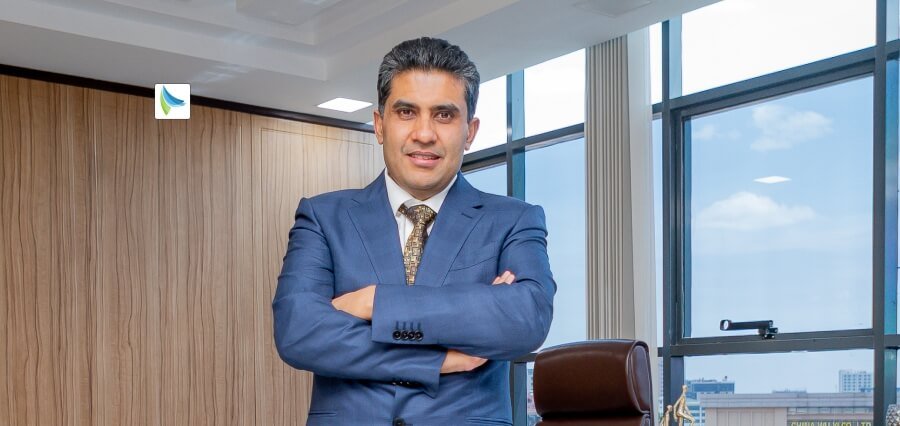
A Man on a Noble Mission: Jayesh Saini – Making African Healthcare Accessible and Affordable to Everybody
In the demanding narrative of global enterprise, true trailblazers are not those who merely accumulate wealth, but those who strategically invest their vision into solving society’s most profound challenges. For hundreds of millions across the continent, the real crisis is not disease but unequal access to quality healthcare. A silent crisis that touches millions of lives. Stepping into this vacuum, not as an observer but as a primary architect of change, is Jayesh Saini, Chairman of Bliss Healthcare, Lifecare Hospitals, Dinlas Pharma, and Fertility Point Kenya. He arrived on the African healthcare landscape with a profound recognition: world-class medical attention was often a luxury, confined to capital cities or reserved for the privileged few. Mr. Saini rejects this binary. He took a single compelling belief: “health is a human right, not a commodity,” and built a sprawling, vertically integrated medical ecosystem aimed at breaking down barriers of cost and distance. Mr. Saini’s journey is the quintessential story of a visionary leader creating an impact by integrating the supply chain. From Dinlas Pharma (ensuring affordable, quality medicine access) to Bliss Healthcare (building one of East Africa’s largest networks of outpatient clinics), and culminating in the critical care and surgical capabilities of Lifecare Hospitals, he has meticulously engineered a solution. What is described here isn’t philanthropy; it’s a disruptive strategy through scale and efficiency to simply deliver medical excellence directly to the underserved, often in remote, rural settings. His work demonstrates a commitment to health across a range of services, from specialized services delivered through Fertility Point Kenya to establishing an additional vertical, Care24/7. Mr. Saini has been recognized as the “Visionary of Tomorrow” on both a local and African continental level because he understood that, in addition to building hospitals, a more purpose-driven passion was required. Not only has he established such a compassionate and care-giving ecosystem, but he has also built a strong and reliable bridge to a healthier future for millions in Africa – an unprecedented contribution of access, affordability, and quality on the continent. The Compass of Access: Decentralizing Quality Mr. Saini’s entire journey has been guided by a single compass: the vision to make healthcare accessible and affordable. He recognized early that the problem wasn’t a lack of medical quality in Africa, but its severe concentration in major cities, rendering it unattainable for middle and lower-income families. His goal was to reverse that equation, ensuring that access became the primary metric of success. “The goal wasn’t just to build hospitals; it was to build access.” This commitment drove the decentralization strategy: establishing outpatient centers closer to communities, supported by regional hospitals for complex treatments. This model is underpinned by a profound belief: “a patient in Kisumu or Kakamega deserves the same level of care as someone in Nairobi.” Affordability was achieved naturally through scale, local empowerment via regionally sourced talent, and reducing import dependency. This approach proved that accessibility and quality can coexist when healthcare is built around people, not profits. An Ecosystem of Care: Four Pillars of Health *The Lifecare Group, under Mr. Saini’s direction, is a vertically integrated ecosystem where each entity plays a distinct yet interconnected role in delivering comprehensive health solutions. *Bliss Healthcare is the community gateway, offering primary and outpatient care across 40 counties through 54 medical centers, powered by 1,100-plus healthcare professionals and serving over 100,000 patients every month. *Lifecare Hospitals provides advanced multispecialty care and surgical excellence, supported by 7 hospitals and expanding, 250,000 plus patients served, 700 plus beds, and more than 45,000 successful surgeries. *Dinlas Pharma strengthens the system internally by ensuring a steady supply of affordable, high-quality, locally manufactured medicines. *Fertility Point Kenya blends European expertise with compassionate local care, completing 5,000 plus IVF cycles, achieving over 3,000 successful pregnancies, maintaining a 65 percent success rate, and supporting 7,000 plus clients *The Lifecare Foundation focuses on expanding health access, fighting poverty, and promoting education for all, ensuring that community upliftment remains central to the Group’s mission. Together, these four pillars, prevention, treatment, medicine supply, and specialized hope form a self-sustaining ecosystem unified by the mission of accessible, affordable, and quality healthcare. Innovation Driven by Empathy: Reaching the Underserved Bliss Healthcare, renowned for creating Kenya’s largest outpatient network, was founded on a simple, yet powerful idea: if patients can’t reach quality care, then quality care must reach them. This belief inspired meaningful, disruptive innovations. Telemedicine emerged as a game-changer, especially in rural and semi-urban areas, allowing patients to consult specialists remotely, drastically cutting travel time and costs. Equally transformative is the ‘Dawa Nyumbani’ home care program, which ensures patients receive prescribed medicines and basic services right at their doorstep, a crucial lifeline for those with chronic conditions or mobility issues. Mr. Saini explains that the goal was never to use technology simply because it existed. “Our innovations were guided by empathy, not machinery. Every step was created to make healthcare more human, more accessible, and more dependable for everyone.” Strategic Intent: Building Hospitals Where Need is Greatest When establishing the seven multispecialty Lifecare Hospitals, Mr. Saini’s strategy transcended mere geographical expansion; it was driven by need. The Group rigorously studied patient referral patterns, regional disease burdens, and existing healthcare gaps to determine where their presence would yield the greatest impact. For communities in counties like Meru, Bungoma, and Migori, which had large populations but limited access to secondary or tertiary care, establishing local hospitals meant patients no longer faced the burden of traveling hundreds of kilometers to Nairobi. “Every location was chosen with the intent to strengthen local healthcare infrastructure, create employment, and ensure that quality care is no longer a privilege of urban centers but a right enjoyed by every community.” This strategic placement, anchoring facilities in underserved areas while focusing on logistics, local employment, and partnerships, is the powerful mechanism behind the Group’s decentralized model. Dinlas Pharma: Fortifying African Self-Reliance The creation of Dinlas Pharma was a direct, proactive response to a critical vulnerability exposed during the pandemic: Africa’s over-reliance on imported essential medicines. Mr.

Africa’s Most Visionary Leaders Transforming Education in 2026
Africa’s Most Visionary Leaders Transforming Education in 2026 Francis B. Zotor is redefining African education by bridging nutrition science, policy, and leadership. Through global influence and continent rooted platforms, he is transforming how knowledge becomes action. His work advances interdisciplinary learning, strengthens scientific ecosystems, and empowers Africa’s next generation to lead development from within. Quick highlights

Francis B. Zotor: Architecting Africa’s Educational Renaissance Through Nutrition Science
There is a paradox in the lecture halls of Africa. The continent’s most urgent problems, malnutrition, disjointed health systems, and stagnant policy frameworks, remain stubbornly resilient despite the thousands of graduates who leave each year armed with theoretical knowledge. The ability to think across disciplines, translate research into action, and lead confidently in complex systems where agriculture meets economics, where climate science intersects with public health, and where data becomes decision, are all necessary for solving real-world problems. This gap between knowing and doing has long haunted African development. Universities produce scholars who can recite theories but struggle to apply them. Research institutions generate mountains of data that rarely reach policymakers’ desks. Young professionals graduate without the exposure, practical experience, or networks necessary to step into leadership roles that often remain unfilled. But within this challenge lies extraordinary potential. What if education could be reimagined not as the transfer of information, but as a transformative experience? What if professional networks could create pathways from the classroom to national decision-making? What if scientific platforms could rotate across African sub-regions, making excellence accessible rather than exclusive? These questions are not rhetorical musings. They represent the lived work of leaders who have dedicated decades to building the infrastructure- intellectual, institutional, and professional, that makes such a transformation possible. A Journey Across Continents, A Commitment to One Francis B. Zotor embodies this vision through a career that spans continents yet remains anchored in African development. As Vice President of the International Union of Nutritional Sciences, he operates at the apex of global nutrition discourse. This position grants him influence over how nutritional science evolves worldwide, how research priorities get set, and how training standards take shape. But Francis wields this influence with a specific purpose: ensuring that African voices shape global conversations rather than simply responding to agendas set elsewhere. His journey to this role began with a choice that defined his career. After spending nearly three decades in the global north, studying, researching, absorbing the methodologies and systems that make scientific excellence possible, he made the deliberate decision to return home. He brought back not just credentials but capabilities, not just knowledge but networks, not just ambition but a blueprint for sharing what he had learned with the next generation. This decision reflects a philosophy that drives all his work. Africa’s brain drain represents more than lost talent; it symbolizes a broken ecosystem that fails to retain and empower its brightest minds. Francis positions himself as a counternarrative, demonstrating that excellence need not require exodus, that impact multiplies when expertise stays rooted in local contexts while connecting to global systems. His work spans Africa, Europe, Canada, the Middle East, and Asia. Yet, rather than becoming an evangelist for imported solutions, this exposure taught him the art of contextual translation. He learned which principles transcend geography, interdisciplinary thinking, evidence-based practice, and systems approaches, and which require adaptation to African realities. Building Platforms Where African Science Flourishes Francis functions as an architect of platforms, a builder of spaces where African scientific talent can develop, connect, and lead. His founding role in the African Nutrition Conference (ANEC) exemplifies this approach. Previously known as the Africa Nutritional Epidemiology Conference, ANEC emerged from a recognition that geography should not determine destiny in African science. For too long, young African scientists needed to travel to Western capitals for professional exposure. Conference attendance required expensive international flights, visa applications that might get denied, and time away from resource-constrained institutions. These barriers weren’t just logistical; they were structural inequities that determined whose voices joined scientific conversations. ANEC changes this equation. By rotating across African sub-regions, the conference brings professional exposure to young scientists rather than demanding they chase it abroad. A researcher in Accra, Nairobi, or Johannesburg can now access world-class scientific exchange within their own region. This democratization transforms who gets to participate in shaping Africa’s nutrition science future. His work with the Cancer and Nutrition in Africa initiative tackles challenges that didn’t exist when today’s senior scientists were students. As nutrition transitions sweep across African populations, non-communicable diseases, including cancer, are rising. CANA builds teams capable of addressing this complexity- researchers who understand both molecular nutrition and population health, who can design interventions that work in under-resourced settings. The Quality Assurance Framework for the Assessment of Nutritional Status in Africa addresses another critical challenge. Without standardized, high-quality nutrition assessments, data comparability across countries becomes impossible. Policy recommendations built on inconsistent measurements risk being wrong. QAFANA creates the quality infrastructure that makes African nutrition research reliable, comparable, and credible. Diagnosing What Holds Africa Back Francis brings diagnostic precision to understanding why African education underperforms its potential. His analysis identifies three interconnected failure points. Structural deficits center on funding and infrastructure- universities lack laboratories, libraries, internet bandwidth, and basic equipment. Training deficiencies compound these challenges. Students memorize facts that AI platforms can now retrieve instantly, but graduate without the critical thinking skills that technology cannot replace. Leadership and governance gaps represent perhaps the most critical failing. Universities produce capable scientists but not confident leaders. Research happens in isolation from policy processes. Young professionals lack mentorship in navigating government systems or translating technical knowledge into policy-relevant recommendations. Without intentional leadership development, graduates cannot seize the national decision-making opportunities that await. Africa doesn’t need more of the same education. It needs a fundamental transformation toward competency-based education that prioritizes problem-solving, creativity, analytical thinking, and practical application. Students can now access information effortlessly, but critical thinking and independent reasoning must remain central. Technology should enhance learning, not replace thinking. Embracing Technology Without Losing Humanity Francis views artificial intelligence and digital technologies as established realities offering Africa enormous opportunities. He harbours no doubt that these tools can accelerate educational transformation, particularly in low and middle-income countries struggling with foundational learning gaps in literacy, numeracy, and STEM fields. But his optimism comes tempered with clear-eyed realism about prerequisites. Technology only transforms education when infrastructure makes it accessible across every stratum of society. This requires stable

Aldi Grows Rapidly in the U.S., Plans Over 180 New Stores in 2026
Prime Highlights: Aldi is opening over 180 new stores in the U.S. in 2026, continuing its fast growth. Its combination of low prices, convenience, and quality store-brand products is attracting more shoppers across incomes. Key Facts: Aldi had 2,614 stores in the U.S. by December 31, 2025. Store visits increased over 50% from 2019 to 2024, outpacing many major competitors. Background: Aldi is growing in the U.S. and will open over 180 stores this year. The German company is known for low prices, small stores, and store-brand products, and it is competing with bigger supermarkets. Aldi’s growth follows an already aggressive expansion over the past decade. The company, which opened its first U.S. store in Iowa in 1976, now ranks as the third-largest grocery chain in the country by store count, trailing only Walmart and Kroger. Last year, Aldi opened almost 200 stores, its biggest yearly growth so far, bringing the total in the U.S. to 2,614 by December 31, 2025. The retailer is also relaunching its website and entering Maine, its 40th state. To support its growth, Aldi plans to build new distribution centers in Florida, Arizona, and Colorado over the next five years. Industry experts say Aldi’s expansion reflects broader shifts in American grocery shopping. People of all incomes are turning to discount stores because they offer good-quality store brands at lower prices. A recent AlixPartners survey shows that people are spending less at regular supermarkets, especially younger and higher-income shoppers. The store also has “Aldi Finds,” a rotating selection of limited-time items that makes shopping more interesting. With low prices, convenience, and quality store brands, Aldi is becoming an important player in the U.S. grocery market. Read Also : Samsung Electronics Forecasts Sharp Profit Jump as Memory Chip Prices Climb on AI Demand
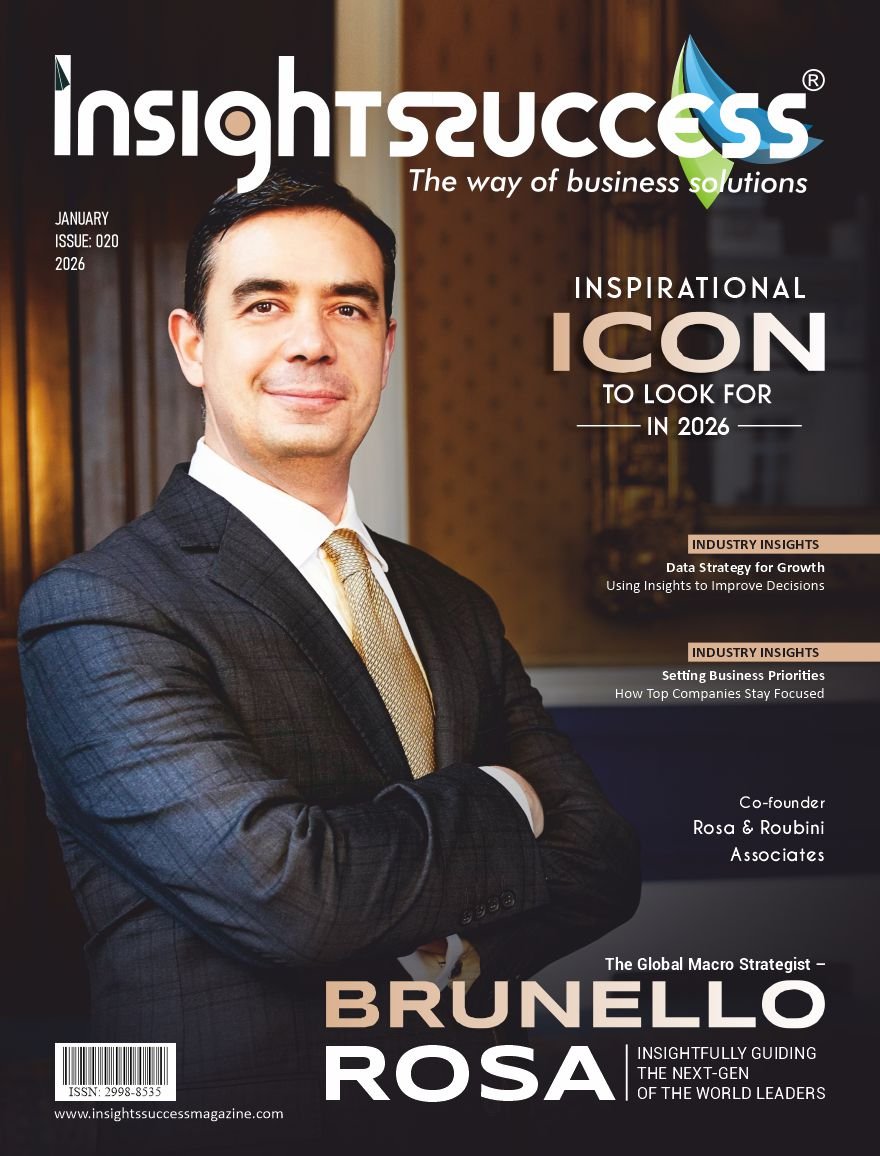
Inspirational Icon to Look For in 2026
Inspirational Icon to Look For in 2026 This edition is dedicated to Prof. Brunello Rosa, a distinguished individual whose journey, values, and purpose-led leadership inspire meaningful change, setting a benchmark through resilience, influence, and a lasting positive impact across industries and communities. Quick highlights Quick reads