






UK DB Schemes Gain New Endgame Option with TPT Superfund Plans
TPT Retirement Solutions (TPT), one of the UK’s leading workplace pensions providers, has announced its intention to launch a new Defined Benefit (DB) superfund designed to support run-on. Both The Pensions Regulator (TPR) and the Department for Work and Pensions (DWP) have expressed their support for superfunds, which offer schemes an alternative endgame solution. Superfunds are designed to take on the obligation of meeting the liabilities of corporate DB pension schemes from their original sponsors. They are particularly suitable for schemes that don’t have large surplus funding positions and cannot afford alternatives such as a full buy out with an insurer. Currently, there is only one superfund that has been assessed by TPR in the UK market, and it targets buyout as its end goal. TPT’s superfund proposition, designed to run-on, will broaden the range of endgame solutions available to employers and trustees. TPT has secured capital to fund the first £1bn of transactions, which it anticipates will be sufficient to support a number of deals subject to scale, regulatory approval and market conditions. Opportunity in the DB consolidation market Pension superfunds present a huge opportunity for choice in the broader consolidation market. With many schemes experiencing improved funding levels over recent years, superfunds represent a viable route for those schemes that still fall short of full funding on a buy-out basis. Currently, 4 in 5 UK DB schemes are in surplus with an aggregate funding level of 120% on a technical provisions basis. Superfunds that run-on are well placed to invest in growth assets, supporting the Government’s ambitions for the UK economy. TPT has developed its new superfund with members’ interests at the core. Its focus will be to increase the likelihood that members receive full benefits, with distributions to members from the surplus from year five onwards, increasing to the majority of the surplus once the risk capital has been returned to the investor. Pooling schemes and reducing sponsor burden By pooling schemes together, spreading the risk and putting experienced fiduciary managers at the helm, pension superfunds allow sponsors to step away from the ongoing costs and administrative burden involved with running individual schemes. Superfunds are required to hold additional capital over and above the scheme’s assets, to provide a buffer that trustees would not have access to in a standalone scheme. Once a scheme transfers to a superfund, responsibility for the scheme no longer sits with the ceding trustee, and reliance on the employer covenant falls away. The intent is to ensure an increased likelihood that members receive full benefits. TPT’s superfund will be established with an independent Trustee Board and full-time executive team. TPT’s broader consolidation strategy TPT’s planned superfund follows the May announcement of its intention to develop a multi-employer CDC proposition, and the recent launch of its DC income-for-life proposition. Pending regulatory authorisations, TPT will have six different consolidation vehicles, making it a clear industry leader and standout pioneer of pension solution development. TPR has outlined clear guidance on DB superfunds, giving trustees confidence in the due diligence process. Nicholas Clapp, Chief Commercial Officer at TPT Retirement Solutions, said: “We’re very excited to announce our plans to launch a superfund that targets run on rather than a bridge to buy out. There is a real opportunity here, and our intention to launch a superfund forms part of a broader ambition to offer a full suite of consolidation options to schemes to suit their bespoke needs.” David Lane, Chief Executive of TPT Retirement Solutions, said: “At TPT, we believe consolidation vehicles such as this provide better outcomes for members. They benefit from economies of scale supporting TPR’s ambitions for fewer, larger, well-run schemes which provide better value for money. By design, superfunds also come with big pools of capital for investment – the creation of which aligns closely with the Government’s ambitions for economic growth.” Read Also: How Much Does Cybersecurity Really Matter For iGaming Platforms?

How Much Does Cybersecurity Really Matter For iGaming Platforms?
The question about whether cybersecurity is important might seem laughable in 2026. Of course it’s important! And yet only about 60% of people believe online security is worth the effort. Considering all the energy that goes into raising awareness of cyber risks and the high-profile cases that crop up from time to time, that’s staggeringly low. So where does that leave platforms providing services to these folks? The quick answer: under pressure. As a provider of iGaming or any similar service, they’ve got a duty of care, and they’re obliged to ensure that their patrons are protected at every moment, even if the individuals don’t take it too seriously themselves. Let’s dig into this more thoroughly. Many People Do Care First of all, let’s acknowledge that while a lot of people don’t care massively about cybersecurity, that only goes so far. Cybersecurity is still pretty important and something that most folks will have at the back of their minds while analyzing whether a new platform will meet their needs. Sure, it might not be their top priority, but it’s still actually pretty fundamental, and to ignore it is a big mistake. It’s really important for websites to signal to their users early on that they’re taking cybersecurity seriously and that they’ll protect patrons’ data thoroughly. That’s especially true in the world of iGaming, where the platform’s pretty likely to be handling financial data. Take, for instance, a person who wants to play casino table games online. They open a few different providers and take a few seconds to peruse each, assessing what they offer and how they feel. Security goes into that overall “feel” of the assessment; while some people won’t consciously think “okay, how does this site protect me?” they’re still looking for cues that suggest it does. For instance? The little padlock symbol by the URL bar that suggests a site’s secure. The standard “help” areas in the footer of the site, with options to reach out to the site if you’re encountering problems, the privacy policy, the information about what payment options are accepted, accompanied by the appropriate logos (Visa, Mastercard, Bitcoin, etc.). All of those things are subtle signals that yes, this site is safe, it’s legitimate, it’s been set up well, and is likely to give me a great experience. Take any away, and you’ll find many individuals become more wary, even if they can’t express precisely why. Nobody wants to join a new poker table or spin the roulette wheel while quietly wondering if they actually want to link up their bank information – they want to focus on the table game in front of them. Cybersecurity signals go hand-in-hand with overall trust signals, and any good iGaming platform knows that they need to maximize trust and build relationships wherever they can. And once those relationships have been started, casinos can cultivate them in a whole host of ways, including by offering tips and helpful content to their players – like this. Who’s going to trust those strategies if they don’t trust the site? Good cybersecurity cues are therefore part of the overall brand and relationship-building process… and that’s vital for an iGaming platform. So, having established the need, what should these platforms look at as a means of building a secure site? Maximize Data Protection We mentioned above that having a link to the privacy policy is pretty standard for any good casino – let’s dig into that. Obviously, to provide these services, it’s necessary to collect some basic info on the players. At the same time, you don’t want to collect too much. A balance must be struck between the information you take and the service you provide, but most importantly, you’ve got to make it explicit so customers who care about this can identify exactly what they’re sharing and how it’s used. Data protection is becoming bigger than ever; good platforms acknowledge precisely what their role is here and help customers feel at ease because everything is made explicit and clear. That’s a hallmark of trust. Offer Varied Payment Options Not all users want to link up their banking info in this day and age, but for a long time, digital casinos didn’t really have other options. That’s changed. Say “hello” to cryptocurrency. Crypto is considered a far more secure option for a few reasons, but most important: it gives players a choice. They aren’t required to input banking stuff. They’re in control. They can do their own research and decide what feels safest to them. That’s huge for both security and for building relationships. When customers see a variety of payment choices, they feel catered to and seen – hugely important. Raise Awareness Another thing a site can do to demonstrate they care about cybersecurity is simple: talk about it. This can take a whole host of forms, but small things like implementing 2FA and explaining why can be huge. Requesting strong passwords is another key signal. Providing information about how the site handles data and what to do in case of a breach is a third. Put together, all of these things create a trustworthy atmosphere, a subtle subtext that players will respond to even if cybersecurity isn’t at the forefront of their mind when they’re assessing new platforms. We care about this more than we might think, and a sensible iGaming platform will prioritize it in 2026! Read Also: How Apartment Dwellers Get Reliable Cooling Without Window Bulk?
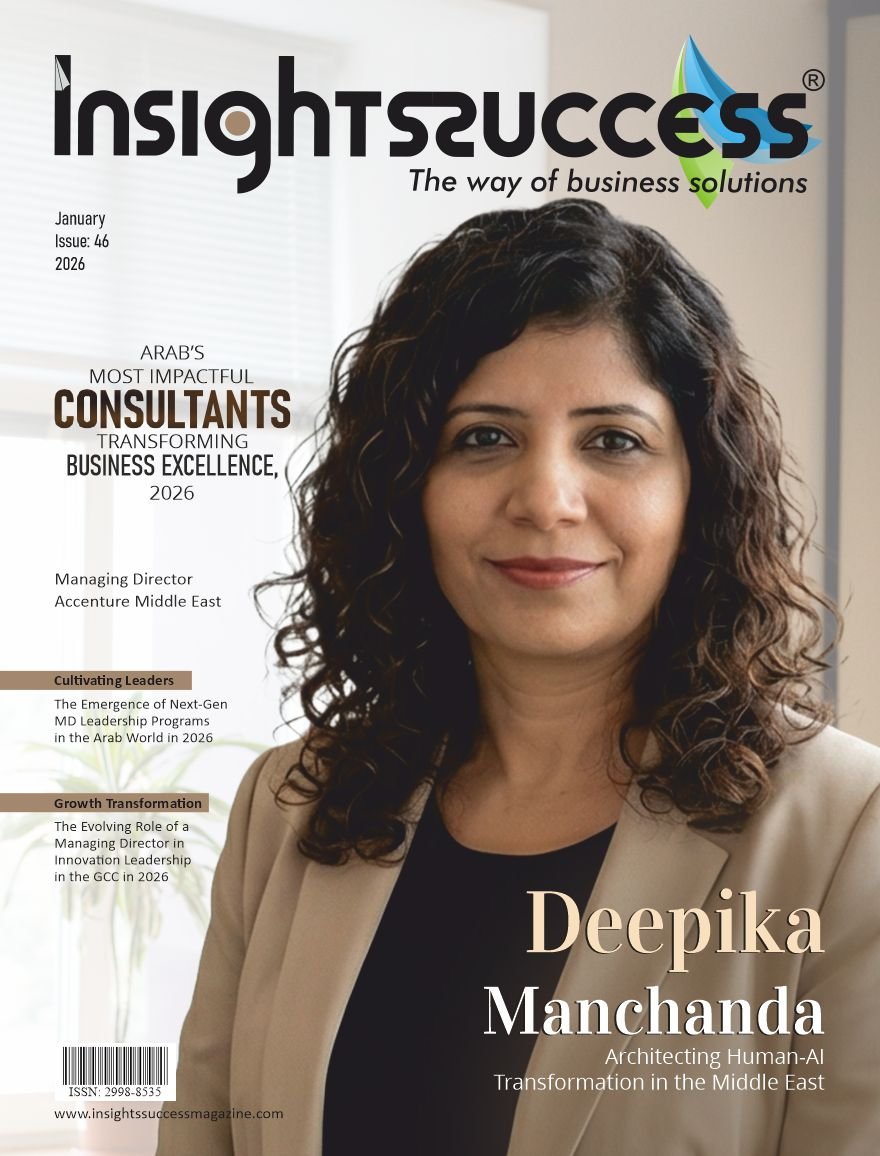
Arab’s Most Impactful Consultants Transforming Business Excellence, 2026
Arab’s Most Impactful Consultants Transforming Business Excellence, 2026 Deepika Manchanda drives human-AI transformation across the Middle East by aligning strategy, talent, and execution at scale. As Managing Director at Accenture Middle East, she helps governments and enterprises redesign work, reskill workforces, and embed AI into operations, positioning HR and leadership as core engines of sustainable, high-impact organizational performance. Quick highlights Quick reads

Cultivating Leaders: The Emergence of Next-Gen MD Leadership Programs in the Arab World in 2026
The Arab world is experiencing a fundamental shift in its healthcare leadership which brings a new approach to training medical directors for executive positions. The health systems need to develop new leadership training methods because the healthcare industry is expanding rapidly while patient demands, digital technology and complex regulations continue to evolve. Conventionally, doctors have been rising to the ranks of leadership mainly due to their clinical performance and experience. Much of the current evidence suggests that successful medical directors should have the ability to integrate medical skills with strategic, financial, and organisational leadership skills. Governments, medical authorities and even individual providers in the region are placing more emphasis on leadership training. Such initiatives are in line with national transformation agendas that aim at developing resilient, high performing healthcare systems as well as developing local talent. This is causing next generation MD leadership programmes to become a strategic investment, which aims to prepare physicians with the skills needed to cope with complexity, lead multidisciplinary teams, and initiate long term institutional change. Regional Momentum In the Arab region, there has been an increase in the development of medical directors in leadership as the healthcare reforms within the region continue to pick up pace. Gulf countries are developing hospital chains, investing in new technologies and becoming the centers of world healthcare. This growth has resulted in the necessity of having leaders who are able to strike a balance between clinical governance and their operational efficiency and strategic growth. Medical directors require their needs to be met through leadership programs which teach them systems-level thinking, decision-making skills and accountability methods. These programs are becoming permanent elements of national strategies which focus on developing the workforce. Instead of outsourcing and using the services of external professionals, healthcare systems are developing their own leadership pipelines to maintain continuity and sustainability. Next gen leadership initiatives are also filling the gap between clinical practice and executive leadership, by focusing on mid-career and senior physicians. This change reflects a broader recognition that physician leaders play a critical role in shaping patient outcomes, organizational culture, and overall health system performance. Curriculum Evolution Leadership programmes now show a clear shift away from traditional management training, adopting more integrated curricula that combine leadership theory with practice tailored to healthcare settings. Some of the topics that the participants are subjected to include strategic planning, financial stewardship, health economics, digital transformation, quality improvement, and patient safety. The same importance is given to soft skills such as communication, negotiation, ethical leadership, and change management. These programmes are characterized by experiential learning. Case studies based on regional healthcare environments, simulation exercises, and team projects enable participants to apply their learning to real-world challenges. Mentoring and peer learning are also integrated into many programmes, which enables the medical directors to get lessons of experienced leaders, as well as creating professional networks. This comprehensive strategy brings about the graduates who are not just well informed but also courageous and flexible leaders who can stand up to uncertainty. Institutional Impact The emergence of next gen MD leadership programmes is affecting the performance of organisations in the Arab world. Clinically trained executives in healthcare institutions who have formal education in leadership are showing their greater governance, strategic focus and enhanced cross functional teamwork. When medical directors have an awareness of clinical priorities and business realities, they will be in a better position to align care delivery with organisational goals and national health strategies. These programmes are not only helping to change the culture of the healthcare sector in an individual institution, but also on a larger scale. The concept of leadership is now being considered a professional competency as opposed to an informal skill. This change justifies the emergence of learning organisations in which the spirit of innovativeness, accountability, and constant improvement have been integrated into the routine. In the long term, the net effect of these leadership programs will be an increase in system resilience, better patient outcomes, and increased trust in healthcare delivery by the population. Conclusion The introduction of the next generation leadership programmes in the Arab world is a revival of the healthcare management. Through the combination of clinical strategic, operational, and people skills, these programmes are equipping a new breed of physician leaders who can navigate through the ever-complicated health systems. Their impact extends beyond individual growth to strengthening institutions, improving patient outcomes, and fostering a culture of continuous learning and innovation. The continuous growth and transformation of healthcare needs requires ongoing leadership development programs which will help establish strong and efficient organizational systems. By investing in the capabilities of medical directors today, healthcare organizations are shaping the region’s future and building modern delivery systems that are efficient, patient-centered, and globally competitive. These leadership programmes are developing a new generation of leaders who will elevate standards of excellence and guide the Arab world toward a more sustainable and influential healthcare ecosystem. Read Also: What to Expect in Family Law Mediation?

Deepika Manchanda: Architecting Human-AI Transformation in the Middle East
At the very heart of the Middle East boardrooms, where vision is measured in decades and delivery is demanded in years, Deepika Manchanda has made her mark at the crossroads of strategy, talent, and execution. Her starting point is the question: how does work really get done, and what changes will it take for organizations to operate at the same pace their ambitions require? Her professional life has been heavily influenced by large-scale transformation. She has worked closely with governments and enterprises undergoing AI-led disruption, workforce transformation, and national diversification agendas. As Managing Director of Accenture Middle East, she is now able to work closely with the area’s most intricate change agendas, where national visions, technology shifts, and human capability must align concurrently. What distinguishes her approach is a clear conviction that transformation is fundamentally human. Strategy may map out the path, but it is skills, leadership style, and workforce readiness that decide if the ambition is realized. She has played a key role in the process of rethinking work design, talent mobilization, and the transition of learning into an enterprise capability that is not limited to an HR initiative. Grounded, analytical, and quietly candid, she brings commercial discipline to talent conversations and humanity to large-scale change. Her journey reflects a belief that the most sustainable transformations are those that continue long after the consultant’s step away and that real progress is felt when new ways of working no longer need explanation. Redefining Business Excellence Deepika Manchanda rejects traditional definitions of business excellence rooted in maturity models or leading practices. Instead, she envisions something fundamentally different: organizations designed to continuously adapt in environments characterized by compressed timelines, ambitious national visions, and constant workforce disruption. She articulates this through an “Imagine If” lens framework grounded in what differentiates organizations moving ahead from those struggling to keep pace. Imagine if AI agents were embedded into organizational structures as integral team members, not experimental pilots. Imagine if business strategy developed with workforce reality in mind from the outset, where leaders understood not only what they wanted to achieve but how quickly the organization could build, buy, or redeploy required skills. Imagine if HR operated with the same commercial discipline as the rest of the enterprise, articulating talent trade-offs and capacity constraints with the rigor of financial metrics. Imagine if leaders were measured not only by results but by how effectively they built future capability. And imagine if transformation success was judged by actual adoption and outcomes—how work changed on the ground, how leaders behaved differently, and how value showed up in performance. “Business excellence today is not abstract or optional – it is defined by an organization’s ability to translate ambition into execution, at speed and at scale,” she asserts. Navigating Regional Complexity The Middle East presents distinctive challenges rooted in the scale and urgency of ambition. Vision 2030-2040 agendas across the region outline bold economic and social transformations, new sectors, new business models, new ways of working, often to be delivered within a single decade. In most organizations, strategy is clear. The real challenge is sustained execution while everything else changes simultaneously. While strategic direction is often clear, sustained execution remains the central challenge – and it is deeply human. Organizations must deliver transformation while reskilling significant portions of their workforce, localizing talent, adopting AI and digital technologies, and building leadership capability all at once. In several sectors, leaders manage workforces where over half of roles will require new or materially different skills, while demand for digital, AI, and leadership capabilities accelerates faster than supply. Deepika Manchanda observes that leadership often surfaces in two distinct ways. They explicitly ask how to nationalize and localize talent at scale, redesign organizations for diversification and growth, build future skills quickly, and modernize HR to enable growth rather than manage transactions. But other questions mask deeper workforce problems. “Our strategy is strong, but execution is slow” signals skills gaps, decision rights issues, or operating model misalignment. “Our technology investments aren’t delivering value” reveals change, adoption, and workforce readiness gaps. “We can’t scale leadership fast enough” indicates pipeline and succession challenges. “Culture isn’t keeping pace with growth” points to incentive, behavior, and organizational design issues. What makes the Middle East particularly complex is that these challenges are concurrent, not sequential. “Leaders in the Middle East are transforming business models, workforce structures, and technology foundations simultaneously, often at a scale where decisions carry both economic and societal impact,” she says. In this context, HR and talent shift from supporting actors to core components of the execution engine. Building Future-Ready Ecosystems Deepika Manchanda argues that organizations struggle to move beyond traditional HR models not from lack of ambition but because they attempt to modernize HR without fundamentally changing how work gets done, who does it, and how it’s enabled. When those elements remain unchanged, transformation becomes cosmetic. The shift towards future-ready talent ecosystems starts with rethinking work itself, not organizational charts. She works with leaders to deconstruct work, separating what humans must do, what can be automated, and what AI can augment. This often yields different answers around job design, decision rights, and where value actually gets created. The second shift reshapes the workforce to meet business needs rather than organizing people around static structures. In the ecosystems she builds, talent decisions anchor in skills, adjacencies, and capacity not just titles and hierarchies. This enables organizations to redeploy talent, reskill at scale, and build internal mobility rather than relying on constant external hiring. The third element redesigns the workbench, platforms, processes, and tools people use daily. Many transformations stall because systems were optimized for control rather than speed, insight, or experience. Future-ready ecosystems require integrated platforms, intelligent automation, and data that leaders can use for real-time workforce decisions. Leadership behavior ties everything together. Shifting to value-driven talent ecosystems requires leaders to engage differently with trade-offs, transparency, and longer-term capability building. When work, workforce, and workbench come together, HR stops being a support function and becomes an active enabler
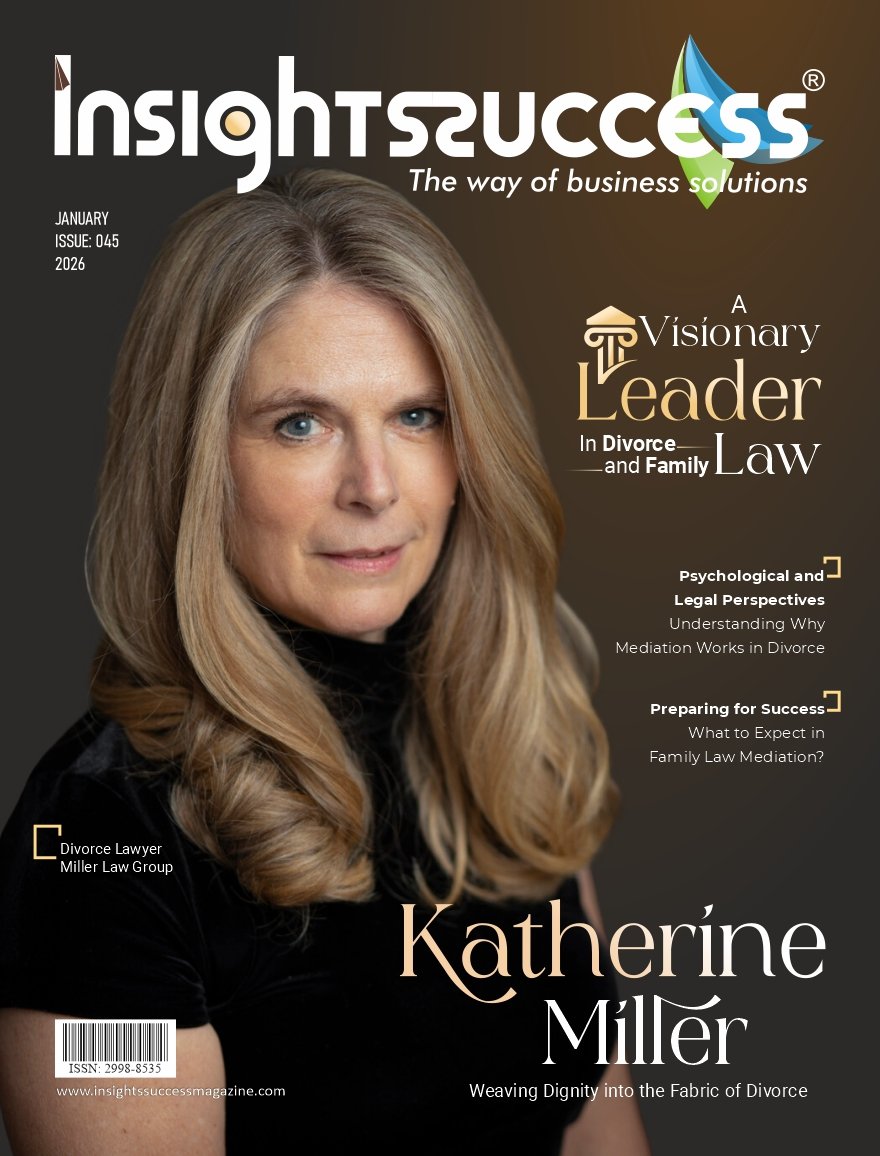
A Visionary Leader In Divorce and Family Law
10 Best Logistics Companies to Watch in 2022 June2022 Lorem ipsum dolor sit amet, consectetur adipiscing elit. Ut elit tellus, luctus nec ullamcorper mattis, pulvinar dapibus leo. Lorem ipsum dolor sit amet, consectetur adipiscing elit. Ut elit tellus, luctus nec ullamcorper mattis, pulvinar dapibus leo. A Visionary Leader In Divorce and Family Law This edition presents an insightful exploration of principled legal leadership. This edition highlights Miller’s commitment to compassionate advocacy, strategic mediation, and emotionally intelligent conflict resolution, redefining how modern divorce and family law practices prioritize dignity, clarity, and lasting outcomes for families. Quick highlights Quick reads

What to Expect in Family Law Mediation?
Preparing for Success Family disputes create emotional exhaustion along with complicated legal matters which people hold as their personal affairs. When relationships change or break down, the way conflicts are resolved matters-not just legally but also emotionally and practically. Mediation provides families with a better solution that leads to their progress. The process becomes easier to handle when people know what will happen during the process because it builds their confidence and understanding about what to expect. Understanding the Purpose of Mediation Family Law Mediation provides parties with a structured yet flexible process which enables them to resolve their legal disputes outside of court through settlement agreements. The family system uses this approach which promotes peaceful communication between family members who work together to find practical solutions to their disputes. Family law mediation provides strong advantages because it enables people to make decisions about their personal lives and their financial matters and their parenting responsibilities. Mediation creates different results from litigation because it establishes between parties who win and lose. The process enables families to reach agreements which suit their specific family situation. The objective is to develop practical solutions which can be used in the future instead of discussing earlier disputes between parties. Who Is Involved in the Process? Family disputes create emotional exhaustion along with complicated legal matters which people hold as their personal affairs. When relationships change or break down, the way conflicts are resolved matters-not just legally but also emotionally and practically. Family law mediation with a better solution that leads to their progress. The process becomes easier to handle when people know what will happen during the process because it builds their confidence and understanding about what to expect. Understanding the Purpose of Mediation Mediation provides parties with a structured yet flexible process which enables them to resolve their legal disputes outside of court through settlement agreements. The family system uses this approach which promotes peaceful communication between family members who work together to find practical solutions to their disputes. Family law mediation provides strong advantages because it enables people to make decisions about their personal lives and their financial matters and their parenting responsibilities. Mediation creates different results from litigation because it establishes between parties who win and lose. The process enables families to reach agreements which suit their specific family situation. The objective is to develop practical solutions which can be used in the future instead of discussing earlier disputes between parties. What Happens During the Sessions? Mediation sessions occur in private spaces which maintain complete confidentiality through both in-person and virtual meeting formats. The mediator introduces ground rules which include details about confidentiality protection and requirements for parties to communicate in a respectful manner. The discussions will include asset distribution and child custody matters along with parenting schedules and spousal maintenance and future decision-making processes. The process allows each party to present their view without being interrupted which creates an environment where all viewpoints can be understood. The mediator chooses to work with both parties at the same time or with them individually based on the particular circumstances of the case. Family law mediation provides its main advantage through its capacity to adapt to different needs. The session proceeds at a speed which works best for the people attending, who need time to think about their various points of view while the conversation progresses. Emotional Dynamics and Communication Family disputes carry emotional weight, which mediation processes acknowledge as an existing fact. People typically experience frustration and grief and uncertainty during their conversations. The mediator uses his expertise to control the emotional atmosphere through his professional methods, which enable productive dialogue. Mediation creates a space for both parties to comprehend each other while working toward a solution. The solution becomes permanent because the involved parties establish their agreement through conversational exchange instead of receiving an external decision. Family law mediation provides a protected environment for people to engage in essential discussions, which they want to conduct. Reaching and Finalizing Agreements The mediator creates a document that contains the agreed-upon terms after both parties establish their shared understanding. The parties involved in these agreements have the option to create a written document, which attorneys can examine before sending it to court for necessary judicial approval. The parties involved in the agreement process reach a higher level of commitment because they develop the agreement through joint efforts. The most effective result of mediation gives people a sense of control, which drives families to select this option instead of going through litigation. Benefits Beyond the Legal Outcome The legal results of a case give people their first official benefits. The process of mediation helps resolve legal disputes while also improving communication skills between parties and decreasing their future disputes which becomes critical when children are part of the situation. The method enables parents to maintain their joint parenting relationship while the process creates a private space that reduces the psychological burden of extended legal proceedings. Through mediation parents choose to make their critical decisions between family law options because this process lets them make decisions through careful thoughts. The process provides families with a more compassionate and empowering solution to manage their ongoing changes. Moving Forward with Confidence People who enter mediation face a new situation but they gain confidence when they understand what will happen during the process. People who prepare correctly and develop the right attitude will achieve two results through mediation which are to bring about successful outcomes from their conflicts and achieve peaceful resolution of their disagreements. The mediation process enables families to progress to their next stage because it offers them necessary guidance which helps them advance with dignity and mutual respect. Read Also: Understanding Why Mediation Works in Divorce

Understanding Why Mediation Works in Divorce
Psychological and Legal Perspectives The process of divorce extends beyond its legal framework because it creates emotional turmoil that impacts all aspects of family life and financial matters and future possibilities. The traditional courtroom process creates heightened disputes which deplete available resources while creating a situation where neither side achieves proper representation. Mediation provides a better solution through its process which enables people to find effective solutions. The process of understanding mediation success in divorce cases requires examination of human separation experiences rather than evaluation of its procedural elements. A Process Built on Dialogue Not Disputes At its core mediation replaces confrontation through its establishment of conversational communication. Spouses participate in direct discussions with a neutral mediator who helps them share their thoughts instead of using attorneys to argue their case in court. The space promotes both open communication and active listening together with mutual appreciation between all parties involved. When couples are given space to express concerns without interruption or judgment solutions become more achievable. The shift from “winning” to “resolving” enables mediation to succeed in divorce cases because it helps couples maintain their dignity during the challenging process of their separation. Emotional Safety Creates Better Outcomes Divorce typically causes people to experience grief and anger and fear and uncertainty. The mediation process requires mediation to acknowledge emotions instead of hiding them. A mediator who possesses expertise establishes a secure emotional environment which permits both parties to express their needs without increasing tensions. This emotional intelligence is essential. When people feel heard, they are more willing to compromise. Understanding-based agreements last longer and create fair outcomes. The emotional grounding of mediation functions as the foundation which enables families with children to achieve long-term stability through divorce mediation. Greater Control Over Decisions That Matter In litigation, a judge who lacks knowledge about the family history and their values and priorities makes all final decisions. The spouses maintain control over their decision-making process through mediation. couples have the ability to create customized solutions which address their specific needs through the development of parenting schedules and financial arrangements. The ability to make choices about their work establishes a bond between employees and their organization. The ability to make decisions about their future brings strong motivation to people which explains why mediation helps people find suitable solutions during divorce proceedings. Protecting Children from Unnecessary Conflict Mediation offers its strongest benefit to children because it creates better outcomes for them. High-conflict divorces create lasting emotional damage which affects children throughout their lives. The process of mediation decreases hostile behavior because it develops methods for people to communicate respectfully and solve problems together. Parents who use mediation to resolve their disputes will develop better co-parenting abilities after they end their marriage. Children benefit from consistency, reduced stress, and the reassurance that both parents are working together. The family-centered approach of mediation enables divorce proceedings to succeed because it puts children’s welfare above all other considerations. Time-Efficient and Cost-Effective by Design Legal disputes in court can continue for several months or even several years which results in increasing legal costs and emotional distress for the parties involved. The process of mediation requires less time and costs much less than other methods. The couple can choose their session times while their progress moves forward at their chosen pace. The lower price of services does not result in any decrease of service quality. The organization directs all its assets toward achieving resolution even when it faces conflicts. The process operates efficiently which establishes trust with couples and demonstrates why mediation functions as an effective substitute for litigation during divorce proceedings. Encouraging Accountability and Mutual Respect Agreements reached through mediation are not imposed; they are chosen. Because both parties actively participate in shaping the outcome, they are more likely to honor the terms. This sense of ownership fosters accountability and reduces the likelihood of future disputes. Mediation also models respectful communication, an essential skill for post-divorce interactions. Learning to negotiate calmly can transform not only the divorce process but also future co-parenting or financial discussions. A Healthier Path Forward A divorce process begins when two partners decide to separate from their relationship. The mediation process enables people to progress their lives, which brings them clear understanding of their future needs. Through its three elements of collaborative work, emotional awareness methods and shared responsibility approach, mediation process establishes a path toward both healing and the achievement of solutions. The human-centered nature of mediation explains its effectiveness as a divorce resolution method. The system provides emotional recognition, which enables people to make choices that lead to their best long-term results. Mediation provides families with an alternative method which enables them to transition between life stages while maintaining purposeful intention and dignified elegance. Read Also : Unlocking Value: The Role of a Director in Procurement Excellence

Katherine Miller: Weaving Dignity into the Fabric of Divorce
When a family disintegrates, it can be chaotic. Emotions surge like a storm; future prospects are uncertain. Within that chaos, one voice will offer steady and unwavering clarity. The event of a divorce is often viewed as a catastrophic conclusion. The loss is immense; it can cause immense pain to those going through the process. One person, however, is able to help those affected by a divorce turn that pain into a purposeful pathway to something greater- they will help build strong enough bridges that people can carry their dreams across turbulent waters. Katherine Miller assists people in finding their way through what is often the most painful time of their lives by providing a “legal” path to healing their broken hearts through a stronger understanding of their legal rights. She works with clients to build viable divorce settlements based on the emotional needs of the parties involved while at the same time protecting the legal rights of each party. She offers not cold strategies alone, but a genuine understanding that lights the way forward. Her work redefines family law as sacred ground- a space of dignity where conflict cracks open doors to growth, not dead ends. Drawing from decades of battles won and lessons etched in personal fire, she turns pain into purpose, helping countless families rise from ashes with renewed strength. This is her calling: to make endings not just survivable, but seeds of something stronger. Roots in Empathy and Law Katherine anchors Miller Law Group as its visionary founder, a beacon for families navigating divorce and separation across New York City, Westchester County, and Connecticut. She channels her expertise into mediation and collaborative divorce, deftly steering clients away from the harsh glare of courtroom battles toward gentler, more enduring resolutions. Her practice pulses with a people-first heartbeat, where legal victories serve deeper human needs. Katherine grew up enveloped in a family of therapists, where dinner tables hummed with talk of feelings, hidden wounds, and the art of true listening. Those early whispers of empathy tugged her toward law school, where she first sharpened her blade in the arena of family litigation. She charged into cases with fierce arguments, securing wins that gleamed on paper. But beneath the triumphs, Katherine witnessed the wreckage: families emerging hollowed out, bonds severed like brittle threads, and children caught in the crossfire of adult storms. The courtroom, she saw, was a blunt tool for life’s most nuanced fractures. This hard-won clarity ignited her pivot. Why force fragile families into gladiatorial combat when tailored paths could heal as they resolve? Katherine retrained rigorously in mediation and collaborative law, fusing her courtroom-honed strategy with the soulful insight of her upbringing. Today, she leads with this hybrid wisdom, sculpting outcomes that stand the test of time and tide. Her journey mirrors the clients she serves- resilient, reflective, and ready for reinvention. Building a Firm of Purpose Katherine launched Miller Law Group on a radical yet simple vow: divorce can bloom with respect, resilience, and real results. The firm tackles the full spectrum of family matters, separations, custody battles, support calculations, prenups, postnups, and tangled financial webs, all while championing out-of-court harmony. Her team stands as steadfast allies, guiding clients through emotional tempests and asset mazes with equal poise. Every process she designs safeguards what matters most: the innocence of children, the sanctity of privacy, and the promise of lasting peace. Clients discover not mere attorneys, but compassionate navigators who lean in to listen and then chart courses with surgical precision. Under Katherine’s steady hand, the firm cultivates a culture where empathy collaborates with strategy, birthing resolutions that mend rather than scar. Her leadership ripples through every corner. She mentors young lawyers with the patience of a master sculptor, chiselling raw talent into refined skill. She refines operational rhythms, ensuring seamless support from intake to agreement. This intentional architecture has forged the firm’s sterling reputation: a haven where families find not just closure, but clarity for chapters yet unwritten. Stories abound with clients who, post-resolution, rebuild lives richer than before, crediting Katherine’s touch. Journey from Courtroom to Collaboration Katherine’s early foray into litigation forged her unyielding strategic core, yet it laid bare the adversarial model’s cruel flaws. Paper triumphs often cloaked profound human costs- shattered trust, depleted resources, and generational echoes of discord. She paused, reflected, and reinvented, immersing herself in mediation’s subtle arts and collaborative law’s cooperative spirit. Courtrooms now gather dust in her rearview; she thrives in dialogue’s fertile ground. She invites couples to linger in tension’s embrace, coaxing forth authentic needs from beneath layers of fear and fury. Katherine’s method sparks honest exchanges that unearth shared ground, yielding agreements woven into the fabric of real lives. Her influence stretches beyond her firm’s walls. As director and trainer at the Center for Understanding in Conflict, she has poured over 15 years into equipping lawyers, mediators, and healers with emotional navigation tools. Her workshops ignite sparks in professionals nationwide, teaching them to honor feelings without losing legal footing. This quiet revolution reshapes conflict resolution, one skilled practitioner at a time. Her Own Divorce as Turning Point Katherine wears her personal divorce like a badge of hard-earned wisdom- the first in her therapist lineage, a humbling unravelling despite her front-row seat to human strife. Expertise crumbled against the onslaught of raw fear, logistical knots, and identity’s quiet quake. She navigated co-parenting’s tightrope, financial fog, and the ache of solitude, emerging not unbroken, but beautifully reforged. This crucible sharpened her lens. Katherine now discerns chaos’ true currents, guiding clients to prioritize essence over noise. Her story forges instant bridges of trust; clients sense she has shouldered their burdens. It propels her crusade for processes that soothe wounds, not widen them. In sessions, she shares just enough vulnerability to humanize the law, turning strangers into allies in healing. This fusion of scars and scholarship distinguishes her. Authenticity unlocks doors to the unvarnished truths that birth breakthroughs. She transforms her path into a lighthouse, beaming hope to those
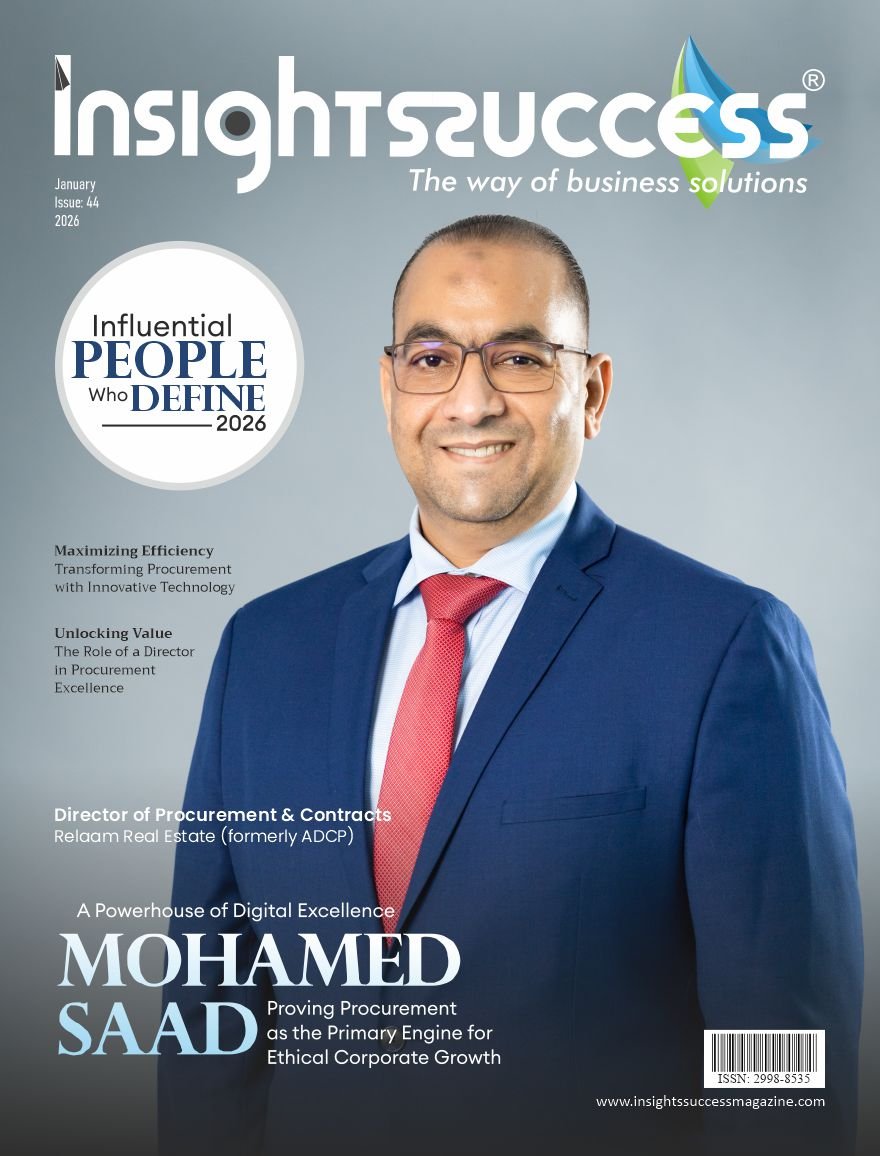
Influential People Who Define 2026
Influential People Who Define 2026 Mohamed Saad exemplifies digital procurement excellence, transforming the function into a strategic engine for ethical corporate growth through data integrity, automation, and predictive technologies. His leadership advances centers of excellence, delivers measurable savings, and positions procurement as a driver of sustainable value and enterprise performance at scale globally today consistently. Quick highlights Quick reads