






The Most Impactful And Visionary Leader To Look For In 2025
The Most Impactful And Visionary Leader To Look For In 2025 This edition honors Davena Longshore for her trailblazing leadership, transformative vision, and unwavering dedication to empowering others. Her journey inspires innovation, resilience, and purpose-driven impact across industries, making her a true force shaping the future. Quick highlights Quick reads

Davena Longshore: Resilience And Vision in Leadership
Some leaders are born not of ambition but of an unwavering calling a silent power which is molded by self-control, empathy, and an unrelenting search for meaning. Among these leaders is Davena Longshore. Her early teachings weren’t taught; rather, they were experienced in a household where brilliance is valued and helping others is a way of life. She is already exhibiting the qualities of a leader long before she was given titles or honors: listening while others remained mute, acting when others were turning away, and remaining steadfast when others backed off. Her tale is not traditional or linear. Her journey is defining expectations and subtly redefining what it means to be a leader, from coordinating crisis management for one of California’s most difficult prisons to counselling six-year-old high school pupils. She has been working in the fields of education, public service, psychology, and justice, but her philosophy is always the same: leading with compassion, speaking clearly, and never sacrificing integrity for a position. Her remarkable accomplishments stem from the belief that leadership is about making room so that others can succeed. Not because they are in style, but because they are essential, she is advocating for openness, emotional intelligence, and decisive action. Her conviction is that success is determined by the beneficial impact of change rather than by recognition is influencing every position she has held. True leadership can be difficult to find these days, but Davena Longshore is a visionary and grounded presence. Her story is not only inspirational, but also a model for others who think that genuine intent is the first step towards long-lasting influence. Roots of Excellence In Orangeburg, South Carolina, Longshore’s path to excellence was paved early. As the daughter of a school superintendent and a business owner, her childhood was a meticulously orchestrated symphony of academic rigor and enrichment. “My father believed children should never be idle. This philosophy meant year-round schooling and a packed schedule of extracurricular activities playing piano, drums, saxophone, singing, and basketball that built the foundation for my future achievements.” she says. By the age of 12, she had begun high school through a special pilot program, completing all required courses by 15. This accelerated education was complemented by exceptional mentorship opportunities, including sessions with a local university chemistry professor who would pay the six-year-old Davena Longshore to solve complex math and chemistry issues. “He would visit me when I was six years old and pay me to solve complex math and chemistry problems. I also attended his science camps during the summer, which sparked my interest in becoming a doctor and scientist.” she says. Her mother’s influence was equally significant. Beginning at six, Davena Longshore was required to read the dictionary and write reports on encyclopedia articles, an unusual task that developed her exceptional communication skills. However, perhaps more importantly, her mother showed compassion through community service. “She was actively involved in the community, helping to feed the poor and caring for the disabled and elderly. Her kindness, compassion, and desire to help others inspired me to do the same early on.” she says. This early inspiration manifested in young Davena listening to the problems of others, protecting girls from bullies, and even bringing less fortunate peers’ home to provide them with clothes and personal care—early signs of the leadership qualities that would define her career. Her father, an educator, civil rights activist, and researcher, taught her that helping others ultimately leads to success. “He taught me to be an advocate and instilled in me the understanding that as a Black female, I would need to work twice as hard to excel in our social climate,” she explains. Finding Her Calling Longshore’s professional journey has been anything but linear. Her natural ability to understand human behavior began at a young age by six, high school students were calling her home to seek relationship and life advice. “I always had a natural ability to understand human behavior. My father often told me I had the wisdom of someone much older. Initially, I channeled this gift into the religious ministry for over 15 years. However, a crucial realization shifted my trajectory. I soon realized that some individuals seeking help through religion needed more clinical support,” she explains. This insight, coupled with her understanding that mental health remains a barrier in many communities, particularly among ethnic minorities, led her to pursue clinical psychology. Many ethnic minorities tend to seek help from those they can relate to, and discussing psychology is often considered taboo in my community, she reflects. Her diverse background—spanning education, finance, government, and information technology, combined with her understanding of psychology, made her uniquely qualified to bridge these worlds. This rare combination of expertise eventually led to her selection to lead a pilot research program supporting law enforcement—a role that would leverage her full spectrum of skills. Balancing The Scales The challenge of maintaining work-life balance struck Davena Longshore when her kindergarten-aged son completed a Mother’s Day project. Asked what his mother does for fun, he wrote simply: “work.” At that moment, I realized that she needed to find more balance. This challenge intensified after her divorce, when she became the primary caregiver for her three children. Her strategies for balancing personal life while managing work demands are both practical and profound: prioritizing tasks, practicing clear communication, and involving her family in her professional journey. “I have always told my children that while you can make more money in life, you can never get back lost time. This philosophy guides my approach to time management, minimizing activities that don’t add value to her goals.” she says. She was once called ‘weird’ because she did not binge-watch television. However, when she compares the value of binge-watching to learning a new skill or reading a book to gain knowledge, it becomes clear that binge-watching is a time-consuming activity that doesn’t help her achieve my goals. She has mastered the art of setting boundaries through “open, honest, and transparent communication” both

The Rise of Female-Led Conscious Wealth Leadership in Startup Culture
With a rapidly changing world economy, in which innovation too often risks getting ahead of governance and mission-based intentions more important than ever before, there arising on the horizon is a new type of leadership Conscious Wealth Leadership. At the forefront of this consciousness revolution are women entrepreneurs who not only shatter glass ceilings but redefine success, wealth, and leadership as they must be and feel like within entrepreneurial startup culture in the 21st century. Shaking Off Time-Proven Models of Wealth In the past, prosperity and leadership were measured by the concentration of power, cutthroat competitiveness, and roller-coaster growth. These outdated paradigms ruled boardrooms and investment plans for centuries. Not anymore. New female entrepreneurs are bringing a new breeze—on which profitability is in balance with purpose, business growth with emotional intelligence, and marketplace victory with human and planetary wellness. Conscious Wealth Leadership is not a catchphrase. It is an intentional approach to creating businesses that create wealth—financial, social, intellectual, and emotional—on the foundations of ethics, inclusiveness, and sustainability. This five-dimensional framework is gaining traction, especially among women’s businesses, where leadership doesn’t have to be top-down, draconian, or myopic. The Feminine Force Behind Conscious Wealth Women aren’t startups in startup land anymore—women are ecosystem builders, founders, and entrepreneurs. With increased access to funds, networks, and capital, women’s startups are emerging in a scale never before witnessed in history. But of greater import beneath the numbers is a revolution—a change in how these founders approach wealth. Most women entrepreneurs these days are driven by a greater purpose than profit. They do not see money as an objective but as a means to realize society richness, social justice, sustainability, and empowering other human beings. Their vision is exactly in the core values of Conscious Wealth Leadership, wherein economic success is being sought after with social contribution and integrity. A Values-Based Business Culture Values-Based Capital Raising Conscious Wealth Leadership Women-led companies are characterized by several unique features: Values-Based Investing – Women business owners more and more look for co-investors who share their values. They will not compromise on capital if it will compromise the moral fiber of their purpose. Conscious funding—by impact investors, values-based VCs, and crowd-sourcing is the choice de rigeur today. Inclusive Wealth Sharing – These entrepreneurs live by sharing wealth with peers, communities, and causes they support. Equity-based payments, profit-sharing plans, and social reinvestment are the norm for women-led businesses with Conscious Wealth Leadership. People-Centric Culture – Startups with this type of leadership also deeply believe in well-being more than hustle. Emotional intelligence training sessions, mental wellness days, and flexible work hours are the norm and not options to organizational culture. Sustainability as Strategy – Sustainability is not an add-on, it’s built into the business model. Women entrepreneurs are building circular economies, harnessing green technologies, and demanding regenerative business practices. Role Models and Real-World Examples Women all over the globe are making Conscious Wealth Leadership real. Whitney Wolfe Herd, the founder of Bumble, did not build just a technology company but a brand on which women empowerment and safety on the internet reign. Jessica Alba of The Honest Company is putting money into corporate social responsibility as well as value-based consumption. Similarly, women such as Temie Giwa-Tubosun of Nigeria’s LifeBank in emerging markets are combining health innovation with social mission, changing lives as they create sustainable businesses. These entrepreneurs don’t merely lecture about impact—these entrepreneurs practice it. Their companies illustrate profound congruence of values and action, that riches and morality are not enemies, and that others and the world need not get in the way. Why It Matters Now? We live in a time of social conscience, with customers requiring openness, employees requiring meaningfulness, and investors requiring more and more ESG data. It is in this time that Conscious Wealth Leadership isn’t the right thing to do, it’s the smart thing to do. Startups who make this a cornerstone day one become more resilient; drive committed stakeholders and build brand loyalty that cannot be bought. The emergence of self-aware women-led businesses is a symptom of a broader cultural awakening. It is a repudiation of centuries of distorting, exploitative, and exclusionary capitalism. These women are reclaiming wealth for a reason of freedom and collective building, rather than individual hoarding. Building the Future: Support and Scalability To continue the Conscious Wealth Leadership movement, support systems need to change. Investors need to develop more long-term, mission-oriented values. Women and men of commerce need to be rewarded for values. Accelerators and incubators need to provide training in conscious capitalism, shared wealth creation, and values-based decision making. Above all, generations of young women and girls to come from diverse backgrounds must be able to see public leaders in powerful positions demonstrate that leadership with vision, empathy, and social conscience is not only essential but also effective. Conclusion: The Shift Is Here to Stay The rise of Conscious Wealth Leadership by women in startup culture isn’t a trend—it’s a revolution. It’s proof of a new economic paradigm in which success is no longer measured in terms of dollars and cents, but richness of impact, diversity, and integrity. This transformation challenges all of us—women and men—to reimagine what it means to lead, to expand, and to flourish. The more women who approach the podium of influence with boldness, with wise judgment, and with consciousness, the closer the world gets to an economy not only that honors money, but one that honors wisdom. In a world so clearly yearning for more compassionate capitalism, the coming of Conscious Wealth Leadership is not only to be welcomed—its time has arrived. And with women business leaders leading the way, the future is deeper, wealthier, and humanly potent. Read More: Financial Empowerment Strategies for Young Professionals

Financial Empowerment Strategies for Young Professionals
Explaining corporate life is an exhilarating yet frightening experience. For new workers, the initial two years or so of working life offer a golden chance to settle financially. But with student loans, lifestyle improvements, and lack of experience in handling money, it’s all an eyelash before this becomes a money minefield. Step in financial empowerment a state of mind and mindset that enable individuals to take charge of their finances, make intelligent decisions, and set themselves up for a productive future. In this article, we’ll explore practical and realistic financial empowerment strategies designed specifically for young professionals navigating the early stages of their financial journey. Understanding Financial Empowerment Now. Now that we have an idea of what financial empowerment is, let’s jump into how-to. It’s not money-in-the-bank. It’s being able to know, believe, and have the means to make the money work for you. Financial empowerment allows you to see where you are with your money, create appropriate goals, and make sound decisions as opposed to out of fear and ignorance. It also entails the emotional component—being okay with your money decisions and hanging in through the busts. Financial personal empowerment is a process, but the sooner you start, the more in charge of your own fiscal future you will be. Begin With Awareness: Monitor Your Income and Expenses One of the first things about being money empowered is knowing where your money is really going. Tedious to the point of brain-numbing, perhaps, but life-altering to get into the habit of tracking your expenses and income. Utilize budgeting programs such as YNAB (You Need a Budget), Mint, or even an Excel spreadsheet. Write down each source of income and each type of expense—rent, groceries, transportation, subscription services, dining out, etc. Having a destination for money creates space to make a modification that must be made. Having this at the beginning of financial empowerment because it removes mindless spend and allows intentionality is vital information. Make a Budget That You Can Live With Budgeting is not self-denial. It’s putting balance in your spend based on your values and goals. Financial freedom comes from having the power to tell your money where to go and how to stay, and not know where it goes. Use the 50/30/20 rule: 50% of your income goes to necessities (rent, electricity, food) 30% to desires (eating out, entertainments, hobbies) 20% to saving and debt paydown This invaluable principle allows you to save for the future, live in the present, and pay debts. Create an Emergency Fund Life is the only sure thing. From job loss to unexpected medical bills, life has unforeseen expenses that will destroy your finances if you’re not properly prepared. That’s why an emergency fund is a personal finance necessity. Save up to having 3 to 6 months’ worth of living costs in a high-interest savings account. Start small—every bit helps. Being in some financial buffer zone is reassuring and empowering to weather life’s curveballs. Pay Debt Wisely The majority of newly graduated professionals carry some type of debt, either student loans, credit card balances, or vehicle loans. Debt will be a burden on you, but that doesn’t have to negate your financial authority. Develop a debt pay-off plan. The debt snowball method (paying the lowest balances first) gives instant gratification that’s motivating. Or the debt avalanche method (paying the highest-interest balances first) puts money back in your wallet over the long term. Either method, taking back debt control is an act of economic empowerment—it’s the driver. Invest in Your Future After your budget plan, debt reduction, and savings are done, it’s time to look ahead. Investing can be scary, but investing is one of the most effective methods of accumulating wealth and achieving financial freedom. Start with employer-sponsored retirement plans like a 401(k), if there is a corporate matching contribution. Start a Roth IRA to build tax-free, if permitted. Learn about index funds, compound interest, and diversification. The sooner you begin, the more your money has to compound. Freedom with finances is knowing these choices and making them, even in tiny bites. Learn Forever Knowledge is power, and where money is involved, it is true more than ever. Invest in ongoing learning in books, podcasts, conferences, and money school websites. Listen to old finance professors and never fear to ask questions. Knowing the jargon, trends, and gadgets of personal finance will boost your confidence and enhance your skills in making sound financial decisions. Financial empowerment grows with every new find. Develop Healthy Money Habits Rinse, wash, repeat. Form habits that work for your financial goals—check your budget at the end of every month, automate savings, pay bills on time, and steer clear of impulse purchases. Celebrate your little victories: deposit into a target, clearing a credit card bill, or remaining within budget for a month. These little victories of success reaffirm your money attitude and prove your commitment. Ask Help When Needed Financial independence does not need to be an individual act. You do not have to do it by yourself. Do not hesitate to seek help. A certified financial planner is able to connect your money to your values and put you on a track suitable for your life and aspirations. Just like you see a doctor for physical health, a financial planner is a good friend to your financial well-being. Last Thoughts Financial independence is not a solitary accomplishment—it’s a series of small, intentional choices that collectively build your power and confidence over the course of your life. To young professionals, choices made today can have a lasting effect on the future. Begin with consciousness, establish good habits, learn, and build your future. Keep in mind that it’s not perfection—it’s progress. And with every step you take toward financial freedom, you’re that much closer to freedom, security, and purpose of the life you deserve. Read More: The Rise of Female-Led Conscious Wealth Leadership in Startup Culture

Google Certification Courses That Shape Future-Ready Careers
Google certification courses are transforming the way students learn skills in today’s digital era. As a student, job seeker, or existing employee wanting to reskill, these certifications offer unmatched flexibility, credibility, and global acceptability. With IT literacy no longer an appendage, Google’s platform of learning is a goldmine for professional growth. Made available on Google’s own platforms and partner MOOC websites like Coursera, these courses provide access to some of the most relevant, sought-after skills in technology, marketing, data analysis, UX, and other areas. And that even many of them come under google free certification courses only makes them all the more accessible. Why Google Certification Courses Are Worth Your Time The expansion of distant work, web business, and shifting labor markets has fast-tracked the requirement for new skills. Google certification courses bridge the gap between traditional education and real requirements. Not only are they developed by specialists—they are backed by one of the strongest tech companies in the world. From Data Analytics to Digital Marketing, from Project Management to IT Support, all these courses are aimed at people who wish to get well-paying jobs without spending years in college or shelling out enormous amounts of money. Every course has structured modules, exercises, and, in most instances, lab work—ensuring students learn conceptually and pragmatically. Key Benefits of Google Certification Courses Industry Recognition: Becoming certified on Google right away makes your resume and LinkedIn profile stand out. Self-Directed Learning: Learn whenever, wherever—ideal for working professionals. International Acceptability: Employers worldwide recognize these credentials. Job-Ready Skills: Get trained with real role-ready skills without fluff. Low Cost or Free Access: Most of these are free courses with certificate on completion. Coursework like the Google IT Support Professional Certificate or the Google Data Analytics Certificate has caught on big time globally and are even considered doorsteps to working at Google itself or affiliate companies. Finding Google Free Certification Courses Maybe the best part of Google’s learning platforms is the fact that there are google free certification courses out there. These are made possible so that students from all walks can attain quality education for free. For example: Google’s Digital Garage offers a number of google courses on digital marketing, career skills, and productivity tools. Google Cloud training also usually involves free courses with certificate on cloud infrastructure, machine learning, and app development. Students who take these courses are not only provided with first-rate training but also receive shareable certifications—adding value to their student and professional qualifications. Course Categories Under Google Certification Courses Google offers diverse categories particular to various career fields. They are the most sought-after areas of focus: IT and Technical Skills Google IT Support Professional Certificate Google IT Support Professional Certificate is best for career changers from non-tech backgrounds or IT beginners. Data & Analytics Google Data Analytics Certificate This certificate course is structured to make you job-ready in less than 6 months, with basic skills like SQL, Tableau, and R. Project Management Project management certification trains you in Agile and Scrum methods and makes you competent enough to take on the role of a project coordinator or operations manager. UX Design Human-centered google certification courses focus on user-centered design, prototyping with tools like Figma, and research fundamentals. Digital Marketing & E-commerce The course teaches SEO, SEM, analytics, and customer behavior insights and provides a solid background for digital strategy careers. Who Should Register for Google Certification Courses? Students & Graduates: Start your career with authentic, hands-on certifications. Professionals: Upskill and shift to new careers while remaining at work. Career Changers: Transition into technology, marketing, or analytics with work-ready skills. Freelancers: Use your certificates to win more clients or build credibility. Since most of these are google free certification courses, even those in resource-constrained situations can jump right in and achieve tangible career results within weeks. How to Begin with Google Certification Courses Here’s how to utilize Google’s learning opportunities: Go to Google’s Official Learning Platforms: Coursera, Google Digital Garage, or Grow with Google. Choose a Course Based on Your Career Objectives: Read course material, time required, and results. Enroll and Schedule Learning Timelines: Use flexible timelines. Complete Modules and Tasks: Consistency is key. Some courses are 4–6 weeks long, some more. Pass Tests and Get Certified: Download your certification and post it on professional networks. Even with the toughest course, consistency and actual interest make it possible. Actual Success Stories from Google Certification Courses Thousands of students have experienced life-altering outcomes from these courses. From getting full-time jobs in leading firms to starting freelance careers, the word of mouth is strong. One Indian student transitioned from a non-technical background to a Data Analyst role in under five months, thanks to the systematic, skill-specific approach of the Google Data Analytics course. Yet another Nigerian student used free access to google free certification courses to reskill in digital marketing—and now has a thriving consulting practice. Last Thoughts: Are Google Certification Courses for You? Absolutely. If looking to change careers, learn a new skill set, or advance your education, these certifications are among the most economical, universally recognized offered today. By choosing google certification courses, you’re not just obtaining a certificate—you’re building a winning advantage in an ever-evolving digital economy. With such bonus features as free courses with certificate, there’s little that can stop you. Read More: From Testing to Teaching: Shifting the Focus to Holistic Education
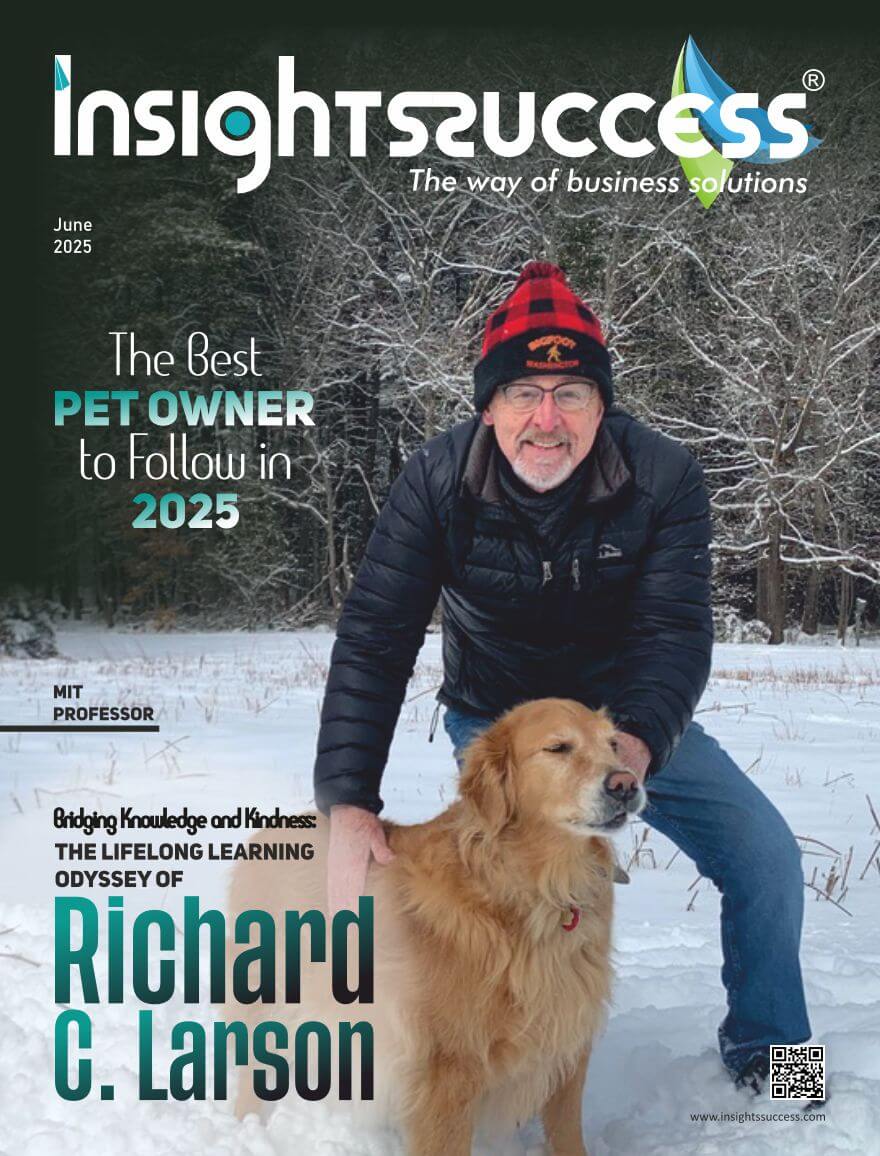
The Best Pet Owner to Follow in 2025
The Best Pet Owner to Follow in 2025 Richard C. Larson, MIT Professor Emeritus, exemplifies how rigorous scholarship can serve humanity. Through his experience in operations research and educational innovation, Dr. Richard has transformed emergency systems and expanded global STEM access. His legacy, combining analytics, empathy, and equity, shows that impactful education unites intellect with compassion. Quick highlights Quick reads

Bridging Knowledge and Kindness: The Lifelong Learning Odyssey of Richard C. Larson
The Expanding World of Education and Analytics In the fast-changing world of today—characterized by technological advancement, globalization, and rising demands for fair education—the blend of human wisdom and mathematical accuracy is a must. At its forefront is Operations Research (OR), an academic discipline that emerged from war-time problem-solving and now unbeknownst to many, is transforming key systems in healthcare, emergency response, and worldwide education. Operations Research is the science of making better choices, using tools such as probability, statistics, and optimization to address problems of limited resources and conflicting priorities. But beyond equations, its greatest strength comes from making lives better through more productive, fairer, and people-centered systems. Few have lived this purpose more fully than MIT Professor Emeritus Richard C. Larson. For more than six decades, Larson has revolutionized emergency response logistics, broadened queueing theory research, and advocated for STEM education for underprivileged children globally. Nicknamed “Doctor Queue” for his groundbreaking research on waiting lines, and an innovator in educational technology, Larson’s life combines hard data with abiding compassion, combining math, meaning, and mission. From the Classroom to the World: Discovering a Passion for Teaching Larson’s path started not as a professor but as a teaching assistant while pursuing his applied mathematics graduate work at MIT. Assisting undergraduates understand abstractions, he found his true passion: teaching. “Nothing is better than watching a student’s eyes light up after wrestling with a problem,” he remembers. “That epiphanic moment shared never grows old.” For Richard C. Larson, education is an ongoing treasure. “Unlike property, education is yours to keep forever. It emancipates you from poverty—of wallet and imagination.” This belief has underpinned all his activities. Operations Research: A Career in Public Service Richard C. Larson became a public figure in the 1960s when he was involved with the RAND Corporation in simulating emergency services. His New York City studies transformed police, ambulance, and fire company deployment, and lives were literally saved through his models due to faster, more effective responses. This work led to his induction into the National Academy of Engineering for his “development and application of operations research methods for public and private sector service industries.” Larson’s unusual talent is for combining strict mathematics with real-world societal gain. Doctor Queue: The Psychology Behind Waiting While respected academically, Richard C. Larson became a household name through his witty, relatable insights on a universal frustration—waiting in lines. His nickname “Doctor Queue” reflects decades studying queueing theory, the mathematics of bottlenecks and delays. His main discovery? The psychology of waiting frequently trumps the wait itself. In stories and interviews, Larson detailed how impressions of equity, transparency, and distraction influence our experience. “People would rather wait 10 minutes if they can see what’s going on than 5 minutes in the dark. It’s not time—it’s trust,” he said. A Second Career: Redefining Education with Technology Larson moved in the 1990s from queues to classrooms. As Director of MIT’s Center for Advanced Educational Services (CAES), he was a leader in educational technology (EdTech), which he believed could take great teaching beyond the high-end universities. That enthusiasm led to MIT BLOSSOMS (Blended Learning Open Source Science or Math Studies), a free, interactive web platform of video lessons co-developed by educators across the globe. Following his experience at a Chinese village school, Larson envisioned lessons more active than lectures—incorporating pauses to allow for discussion to engage teachers and students. Now, BLOSSOMS is accessed by students in dozens of nations, particularly where STEM education is limited. Larson’s legacy continues to inspire from the idea that curiosity should be ignited, not just brought. LINC: Creating Global Bridges in Learning Not satisfied with creating content in isolation, Larson established the Learning International Networks Consortium (LINC) in 2002. The global network brings together educators, policymakers, and practitioners in more than 25 countries to exchange the ways that technology can bridge geographic and economic divides. LINC is more than a series of conferences—it’s a movement dedicated to global access to high-quality education. With Richard C. Larson at the helm, in 2009 MIT collaborated with the Government of Punjab, Pakistan, incorporating BLOSSOMS into public secondary schools as part of a “Technology-in-Schools” program, with tangible real-world effects. A Scholar and a Storyteller Larson wrote more than 175 research articles and six books on e-learning, operations research, and public policy. His work has impacted school systems, smart energy grids, emergency services, and home electricity management. But more than his intellect, Larson’s most lasting impact is the students he guided—many of whom became accomplished leaders themselves. Down-to-earth and plainspoken in his style, Richard C. Larson preferred discussing baseball to boasting academically, thus endearing himself in and out of the classroom. The Personal Side: A Life of Love, Pets, and Purpose Despite professional success, Larson’s life has known deep personal loss. He was married to Mary Elizabeth (Liz) Murray for 43 years until her passing in 2022, describing their marriage as his life’s foundation. Both loved animals. Raised with dogs and cats, Richard C. Larson now shares his home with Maisie, a golden retriever who accompanies him on morning walks through Massachusetts woods—moments he cherishes for reflection. “Pets offer unconditional love,” he says. “They put things into perspective.” His kindness extends to colleagues and students alike, practicing “servant leadership”—a philosophy centered on listening and serving others. Libertarian values emphasize freedom with responsibility, shaping his academic and personal interactions. A Legacy Shaped in Mathematics and Humanity Larson’s legacy is threefold: a leader in the application of operations research to real-world problems, an innovator in educational technology, and a tireless champion of equal access to learning. What distinguishes him is his refusal to divide intellect from empathy. At MIT, his operations research course became legendary. He taught not just formulas, but critical thinking about systems that impact lives, weaving stories from his emergency response and educational work to bring math alive. His optimization models remain in use today, helping cities dispatch emergency vehicles faster, hospitals reduce wait times, and airports smooth bottlenecks—where delays can mean danger. Wider Impact: The

From Waste Management to Wellness: How to Create an Eco-Friendly Pet Environment?
In the face of growing environmental concerns, creating an eco-friendly lifestyle is more than a trend—it’s a necessity. As pet ownership becomes increasingly common, it’s important for responsible pet parents to extend sustainable practices to the care of their animals. Pets can bequeath a lasting environmental legacy in terms of food consumption, waste production, and accessory usage. Fortunately, through dedication and careful choices, it’s completely possible to build an eco-friendly pet area that benefits the world and your pet’s well-being as well. Transitioning to a greener pet lifestyle not only minimizes the carbon footprint but also contributes to a healthier, more fulfilling life for your pet. Choosing Sustainable Pet Products One of the easiest things to do to start building a green pet space is to select products that are made with sustainability in mind. Most traditional pet products—whether toys, bedding, or collars—are plastic or man-made products that nature has difficulty degrading. Opting for products made from natural, recycled, or organic materials is a good starting point. Bamboo, hemp, or recycled cotton toys and accessories are not only longer lasting but also healthier for pets since they contain fewer poisonous chemicals and dyes. Aside from toys and accessories, use environmentally friendly solutions as well when it comes to grooming and cleaning products. Biodegradable pet cleaners and shampoos are typically packaged in recyclable materials and free of leaching chemicals into waterways. Their buy helps reduce your environmental footprint while protecting your pet safely chemically from toxins that are sure to have a negative effect on their overall health. Your buy also encourages ecologically conscious businesses that support ethical sourcing, animal testing that is free from cruelty, and environmentally friendly production. Protecting the Environment through Healthy Pets Pet food production is among the key drivers of environmental degradation from farming resource use, packaging, and transportation. More sustainable action begins with the selection of pet food that is produced on the basis of responsibly sourced inputs. Organizations utilizing the utilization of organic or regional materials have lower environmental footprint, and many utilize the utilization of plant protein or insect protein as a means of reducing the carbon footprint typically associated with conventional meat production. Reducing packaging waste is another important consideration. Buying in bulk or packaging pet food in recyclable or compostable materials cuts down on plastic waste immensely. Another choice is making your own pet treats or food when possible, utilizing fresh, locally sourced ingredients. While it is advisable to seek the opinion of a veterinarian or pet nutritionist for a guarantee that your pet’s nutritional requirements are fulfilled, this tradition means more control over ingredients and waste from packaging, thus promoting a greener life. Proper Pet Waste Management Pet waste is a chief cause of environmental pollution, especially in urban areas. Dog and cat feces contain disease-causing pathogens that will taint water and soil if not disposed of in a sanitary manner. Plastic poop bags and clay cat litter contribute to the weight of landfills and environmental pollution. To reduce its impact, use biodegradable or compostable garbage bags made from organic plant material and not petroleum-based plastic. These processes degrade quicker and have a reduced ecological impact. For cat owners, the shift to an eco-litter composed of recycled paper, corn, or wood shavings is a significant step. They are all biodegradable, less environmentally degrading to manufacture, and overall healthier for your cat’s paws. Composting pet waste, while not practical for all types of waste or weather conditions, is another way of decreasing the landfill burden. Composting, however, needs to be done with caution and best avoided for the meat refuse of carnivores unless there are special systems. Reduction in Energy Use and Water Consumption Energy and water use are often ignored aspects of pet maintenance. From operating aquarium pumps to constant pet bedding washing, pets can indirectly influence home utility use. To minimize the impact, utilize energy-efficient substitutes like aquarium timers or solar-powered heaters when suitable. For pet housing, provide adequate insulation and ventilation systems to minimize heating or cooling needs, especially for outside animals. Water conservation should also be attempted wherever possible. Wash your pet in a basin, not a running faucet or hose, and use water-saving grooming practices. Daily maintenance and spot-cleaning of your pet’s bed could reduce full washes and conserve water. Small changes in behavior, if practiced consistently, can have a tremendous impact on the environment without having a detrimental effect on the comfort and cleanliness of your pet. Conclusion A creation of an eco-friendly pet space is a multi-faceted task of attitude and habit change. From responsible purchasing decisions to clean energy waste management and energy efficiency, each action helps to preserve the environment. As pet owners, they have the unique benefit of being able to make a positive contribution to the environment without compromising on animal welfare or happiness. By embracing sustainable practices, you’re not only advocating for the health of your pet but also contributing to a broader culture of environmental responsibility. Read More: Essential Competencies for Effective HR Leadership in 2025

Most Admired Personality To Look For in 2025
10 Best Logistics Companies to Watch in 2022 June2022 Lorem ipsum dolor sit amet, consectetur adipiscing elit. Ut elit tellus, luctus nec ullamcorper mattis, pulvinar dapibus leo. Lorem ipsum dolor sit amet, consectetur adipiscing elit. Ut elit tellus, luctus nec ullamcorper mattis, pulvinar dapibus leo. Most Admired Personality To Look For in 2025-Vol-2 The edition spotlights Majed Bin Eidan, a visionary leader redefining excellence through innovation, integrity, and impact. This special feature celebrates his exceptional journey, influence, and commitment to progress, positioning him as a beacon of inspiration for the next generation of changemakers. Quick highlights Quick reads
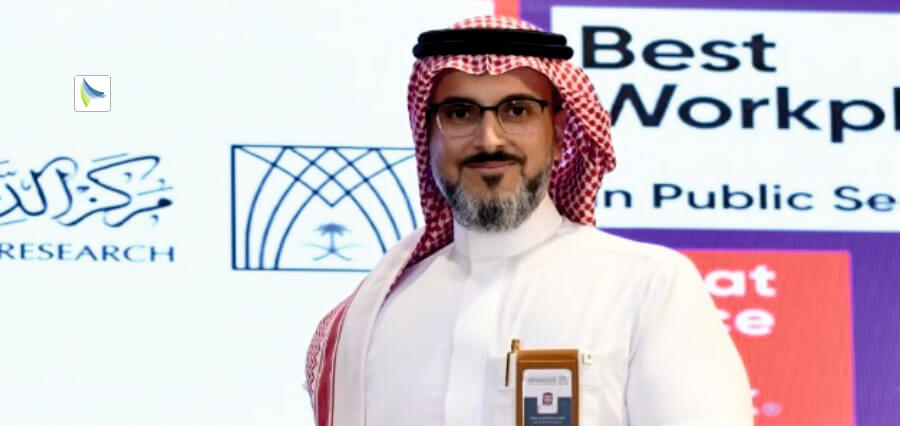
Maged Bin Eidan: Empowering People, Elevating Systems, and Shaping the Future
In the age of lightning speed business, the skill to merge organizational vision with human capital strategy is the calling card of most of the transformational leaders. Maged Bin Eidan’s compelling saga is a test case and testament to this unique convergence of complementary competencies. With his tireless drive for excellence, Maged not only has crafted the future of human resources in Saudi Arabia but also established new benchmarks for governance, institutional resilience, and ethical leadership. Introduction to a Visionary Leader The life of Maged is characterized by his tireless quest for aligning people’s potential with institutional strategy. For more than two decades now, he has been one of the key drivers of Saudi Arabia’s private as well as the public sectors’ innovation oriented and facilitating environments where people and organizations grow together. Academic Background and International Outlook Maged’s academic background set the stage for his extremely successful professional life. He earned an MBA in International Business Administration and Bachelor of Science in HR Management from renowned UK universities; degrees which speak volumes about his lifelong passion for learning the science and art of managing people. His academic pursuit did not stop at formal schooling. Maged possesses the highly prestigious CIPD Level 5 Diploma, an international standard in HR and learning and development, and has attended executive courses at INSEAD, London Business School, and IMD. These are positioned to enable him to synthesize international best practices with a seasoned appreciation of local and regional nuances, thus having his style internationally informed as well as locally relevant. Professional Journey: Building and Transforming Institutions Early Career and Early Positions Maged’s career took off with a mission: connecting company success with human potential. From the very start, he understood that operational excellence is founded upon empowered, engaged teams. This led him to roles where he had an impact on talent strategy, performance management, and governance at scale. In Hoshanco Holding and Banque Saudi Fransi, Maged developed his compliance, stakeholder alignment, and HR operations skill set. These experiences provided him with a rich appreciation of regulatory landscapes and the art of workforce planning, which then paved the way for his subsequent leadership positions. Establishing HR Functions Across Sectors Maged’s inner transformative strength was achieved through his establishment and leadership of HR operations for leading companies like Industrial Clusters, Namaa World, Bright Ideas Enterprises, and Hoshanco Holding. Across these environments, he utilized people-centric policies, strong succession systems, and performance management tools that augmented operating efficiency and staff participation. His stint at Industrial Clusters was very successful, where he synchronized workforce planning with Saudi Arabia’s national industrial plans, which eventually led to the country’s national vision of economic diversification and sustainable development. Leadership at the Center of Legal Studies & Research (CLSR) Strategic HR Leadership After joining the Center of Legal Studies & Research (CLSR), a government agency of the Bureau of Experts of the Council of Ministers, Maged has contributed significantly towards establishing its governance and HR systems. As Senior Director of Human Resources and Secretary to the Remuneration and Nominations Committee, he supervises strategic HR operations and significant governance procedures. Functions of Maged at CLSR are: Creating and rolling out people-oriented policies to align with the Center’s vision. Establishing succession planning and executive performance models. Managing executive remunerations and board appointments for meritocracy and transparency. Facilitating employee engagement and organizational development programs. CLSR has also become a model of public sector HR excellence under his leadership, providing support for legal research and policy formulation behind Saudi Arabia’s institutional reform initiative. Governance and Policy Influence As part of his governance function, Maged fosters leadership incentive alignment with organizational goals and advocating for accountability and ethical stewardship culture. His consensus-taking and problem-solving skills have made him an authority on executive hiring and compensation arrangements and further established CLSR as one of governance excellence. Driving National Reform and Institutional Resilience Championing Vision 2030 Maged’s work is strongly influenced by Saudi Arabia’s Vision 2030, which is centered on the core theme of human capital as the driving force behind the country’s development. As he aptly describes it, HR is not just a service department but the very pillar of a country that provides long-term success and power. Through his work, Maged has helped shape policy and institutional design that supports the ambitious reform agenda of the Kingdom. His work has assisted in aligning organizational goals with national goals so that public institutions are better placed to respond and succeed in an ever-changing environment. Navigating Crisis with Adaptive Leadership The COVID-19 pandemic was a trial of leaders across the globe, and Maged’s reaction was on time and significant. He introduced remote working arrangements, digitalized HR services, and introduced wellness programs to keep workers healthy. CLSR continued to function, in top gear, with him at the forefront, and even boosted employee participation during this unprecedented time of disruption. Maged’s own crisis management proves that he truly believes adaptive leadership and empathy are the foundation of new government. The pandemic served as a laboratory test of his philosophy, proving that resilience is constructed not in avoiding adversity, but through responding with flexibility and understanding. Recognition, Awards, and Lasting Legacy Industry Recognition Maged’s innovation has made him an internationally recognized figure. He was listed among the “Top Arab Government HR Leaders” by The Arab Leaders for 2025, which speaks volumes about his impact on legal HR governance and organizational architecture. Awards and Achievements Maged has guided organizations to several awards during his tenure, such as: The Cooperative Training Award with King Saud University. The “Great Place to Work” award, won three years in a row under his leadership. Founding membership of the core team of CLSR, where he set up the HR function and nomination structures. These noteworthy achievements speak volumes about his focus on establishing strong, future-proofed organizations that provide both operational excellence and employee welfare. Philosophy and Approach to Leadership Values-Driven Leadership Since the essence of Maged’s leadership philosophy is that success is based on integrity, discipline, and unwavering