






Common Pitfalls in Finance Transformation Strategy Implementation and How to Avoid Them
In today’s rapidly evolving business environment, an effective finance transformation strategy is not just a competitive advantage—it’s a necessity. Businesses are under unprecedented pressure to do more with less, and the finance organizations are challenged with becoming catalysts of growth, speed, and effectiveness. And yet, as finance transformation increases in importance, most transformation initiatives fail because of expensive and unnecessary missteps. Let us discuss the most prevalent pitfalls encountered during the adoption of a finance transformation strategy and how companies can best overcome them. Absence of Clear Vision and Objectives The most prevalent cause of the failure of the finance transformation program is the absence of a clear vision and defined objectives. Companies undertake transformation programs without bringing the leadership together to agree on what winning will be. How to Avoid It: Start with a high-level strategic vision that sets out the finance transformation strategy’s long-term goals. These must be directly connected to business objectives, such as improved forecasting, greater automation, or improved support to decisions. Involve important stakeholders early on to obtain alignment and sign-off at departmental level. Underestimating the Cultural Shift It is not just a case of purchasing new processes or technology to implement a finance transformation plan; there is an underlying change in culture too. Finance teams have deeply rooted behaviors, and opposition to change can make even the best intentions worthless. How to Avoid It: Change management must be included in the plan. Describe the “why” of the change, engage teams at levels, and provide ongoing support and training. Empower finance function leaders to drive the change and become agents of change. Poor Quality Data and Inconsistent Systems Data is the cornerstone of any successful finance transformation program. However, the majority of companies possess unconnected systems and combined data sources, leading to erroneous reporting and less-than-optimal decision-making. How to Avoid It: Invest in data governance and establish a single source of truth. Conduct full data audit before onboarding new processes or technologies to identify gaps and inconsistencies. Reduce data sources, enable proper integration between platforms, and build standardized reporting templates. Technology Overload Without Strategic Integration Most firms associate finance transformation with the installation of new technologies—ERP packages, AI analytics, or cloud platforms—without any strategy for integrating them. This will lead to tool overload, inefficiency, and user fatigue. How to Avoid It: Technology must be an instrument, not a goal. Ensure that every piece of technology investment is playing its part in the overall finance transformation agenda. Employ solutions that scale and integrate well with current infrastructure and seek tools that stimulate high levels of automation, visibility, and teamwork. Talent Development Forgetting A new finance role for the twenty-first century requires new skills—data analytics, strategic thinking, digital literacy—which might not reside in existing finance organizations. Few transformation strategies are treating talent development. How to Avoid It: Seek capability gaps currently and create a winning learning and development strategy as part of the finance transformation plan. Promote cross-functional visibility, invest in up-skilling programs, and recruit strategically to place individuals in the most critical positions. Your technology is only as good as the individuals who are using it. Executive Sponsorship does not exist Successful finance transformation requires energetic, ongoing support from top leaders. Senior leaders must be strongly on board or championing the program to keep momentum strong. How to Prevent It: Secure early sponsorship of top-level stakeholders. Executive leaders not only need to approve the finance transformation strategy but also actively champion the need, participate in key milestones, and provide the resources necessary to be successful. Lack of Short-Term Wins Change is a long, meandering path. Not yielding quick, visible outcomes can disillusion stakeholders and chip away at confidence. Avoiding It: Break the finance transformation plan into bite-sized, manageable steps. Seek out ways to gain early victories—e.g., automating a manual process or condensing a reporting process—and tout those early victories. This builds momentum and demonstrates the value of the change to the whole organization. Inadequate Monitoring and Agility Transformation is an ongoing process, not a single project, but many organizations fail to track progress against goals or change in response to changing conditions. How to Avoid It: Develop key performance indicators (KPIs) and a governance framework to track the implementation of your finance transformation strategy. Review progress regularly, listen to customer feedback, and be prepared to change direction as necessary. Improvement needs to be part of the transformation process. Conclusion: Creating a Resilient Finance Future A well-conceived finance transformation strategy has the power to turn the finance function into a forward-looking, fact-driven engine of business success. But if the effort is to reach its potential, avoiding the common pitfalls—vague goals, poor-quality information, cultural resistance, and skill gaps—is essential. Only those firms that tackle transformation holistically—obtaining the people, process, and technology mix right—will be well positioned to achieve their complete transformation potential. With intelligent planning, strong leadership, and an unrelenting value focus, finance leaders can build lasting transformation and unleash new levels of performance and flexibility. Read More: The Evolution of Corporate Financial Strategy in Post-Pandemic Business Models
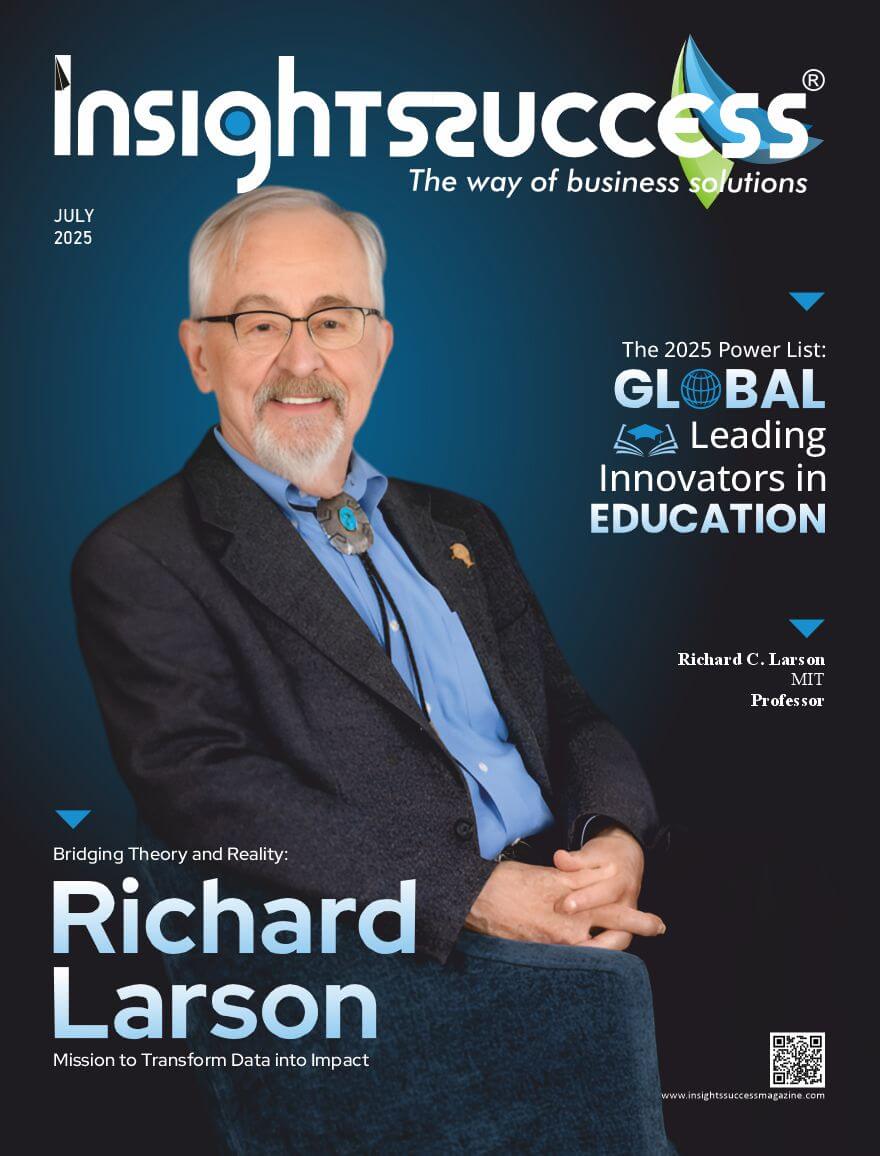
The 2025 Power List: Global Leading Innovators in Education
The 2025 Power List: Global Leading Innovators in Education Richard Larson transforms data into real-world solutions through operations research. A pioneer in urban systems, education innovation, and emergency response, he bridges academia and application. His model-based thinking, mentorship, and cross-disciplinary work embody a lifelong commitment to using knowledge to create meaningful societal impact. Quick highlights Quick reads

Bridging Theory and Reality: Richard Larson’s Mission to Transform Data into Impact
In an era defined by a deluge of data and infinite access to information, the pursuit of knowledge often risks being reduced to surface-level understanding. The academic world, while rich in insight and theory, sometimes loses sight of practical application. Richard Larson, however, has made it his life’s work to change that. For him, learning must translate into wisdom—knowledge applied, tested, and used to make decisions that reshape the systems we rely on every day. He sees operations research not as an abstract exercise, but as a practical toolkit to solve real-world puzzles. From emergency response systems to public education reform, Larson’s efforts represent the kind of interdisciplinary, data-driven thinking necessary to meet modern society’s most pressing challenges. His philosophy bridges academia and practice, helping society reimagine what it means to learn and to lead. This article explores the trajectory of Larson’s remarkable career, delving into the heart of his ideas, achievements, and influence. Through an unwavering commitment to applied research, mentorship, and technological innovation, he has redefined how we solve problems—from the 911 call center to STEM classrooms around the world. Seeing the World Through Equations Richard Larson often describes his career path as a natural evolution of his high school love for physics. It was physics, not biology or chemistry, that sparked his early fascination with how the world works. He found satisfaction in reducing complex systems into a handful of powerful principles. When he discovered operations research (OR), he realized he had found a field that applied that same logic—not to atoms and forces, but to real-world challenges like traffic, emergency response, and public services. Richard Larson refers to OR as “the physics of the world we operate in.” It’s an apt analogy for a discipline that uses data and mathematical modeling to understand and improve the systems that underpin modern life. Whether designing more efficient public transport or optimizing hospital workflows, Larson sees operations research as the engine behind smart, evidence-based decision-making. His passion for the field has remained consistent over decades, evolving alongside technology but always rooted in the principle that problems must be tackled with rigor, clarity, and purpose. Urban Innovation through Mathematical Thinking Over the years, Richard Larson has emerged as a pioneer in urban service systems, bringing analytical depth to challenges that affect millions. His debut book, Urban Police Patrol Analysis, won the prestigious Lanchester Prize, solidifying his position as a thought leader in applying mathematical models to public service delivery. His later work, including the co-authored Urban Operations Research, became a foundational text in the field, cited widely by scholars and practitioners alike. He contributed significantly to the study of queues and developed sophisticated tools like the Hypercube Queueing Model and the Queue Inference Engine. These models helped organizations make better decisions using limited or noisy data—long before “big data” became a buzzword. In projects ranging from pandemic modeling to vaccine distribution strategies, Larson’s work has demonstrated how well-crafted models can guide life-saving decisions. These tools, while technical in nature, are underpinned by a core human concern: improving quality of life by making services more responsive, efficient, and equitable. Reinventing New York’s 911 System Among his most public-facing contributions, Richard Larson played a crucial role in modernizing New York City’s 911 emergency response system. Before the 911 system was centralized, residents faced confusion over which number to call depending on their borough. Even after unification, operational inefficiencies plagued the system, leading to critical delays. Called in as an expert, Richard Larson worked hand-in-hand with police officers and dispatchers. By applying queueing theory and systems analysis, he optimized staffing models and resource deployment strategies. These changes, though logistical in nature, had profound consequences—potentially saving countless lives by cutting down response times in life-or-death situations. His documentation of the methodology also ensured the solutions could be replicated in other cities. For Richard Larson, this was a perfect case study of how theory and fieldwork could intersect to produce real-world change. Teaching Systems Thinking through Modeling Richard Larson is a champion of “model-based thinking,” an approach he believes everyone—not just scientists or engineers—can benefit from. His book, Model Thinking for Everyday Life, makes a compelling case that decision-making in daily life, from personal finance to traffic navigation, can be significantly improved through simplified models that help people understand patterns and probabilities. He views operations research as a discipline that provides these mental tools. By teaching people to conceptualize systems, assess cause-effect relationships, and test different strategies, Richard Larsonis democratizing analytical thinking. At a time when misinformation and cognitive overload are prevalent, such frameworks offer clarity and structure. His passion for sharing this knowledge goes beyond academia; it’s about equipping future generations with tools to think critically and act wisely. Numbers as the Bridge to Policy Richard Larson’s work has never been confined to labs or lecture halls. He has consulted with the U.S. Postal Service, the City of New York, and national bodies such as the Institute of Medicine. His data models have been used to guide decisions in pandemic planning, disaster response, and healthcare system design. For instance, during the H1N1 pandemic, Richard Larson co-authored a paper that modeled vaccine distribution across the U.S., which won top honors in the journal Value in Health. Another widely recognized paper, “STEM Crisis or STEM Surplus? Yes and Yes,” explored the paradoxical dynamics of the STEM workforce. This work not only earned prestigious awards but also sparked broader public debate, featuring in outlets like The New York Times. Whether speaking to policymakers, journalists, or fellow researchers, Richard Larson consistently advocates for a smarter integration of data into everyday governance. Technology and Learning: Building the MIT BLOSSOMS Vision As the former director of MIT’s Center for Advanced Educational Services, Richard Larson was an early advocate for tech-enabled learning. Long before the COVID-19 pandemic made remote education mainstream, he explored how online platforms could bring high-quality learning to underserved communities worldwide. Through the MIT BLOSSOMS initiative, he created a global network of educational videos in science and

Strengthening Teachers: Pioneering Teaching Methods by Innovative Educators
In today’s rapidly evolving educational landscape, the need for innovative teaching methods has become more pressing than ever. With the advent of new technologies, shifting societal needs, and the challenges presented by global events, educators are reimagining the way knowledge is imparted and acquired. Pioneering teaching methods go beyond traditional classroom practices to foster critical thinking, creativity, and lifelong learning in students. These new strategies are fostered by leadership educators who resist fixed standards and encourage experimentation, collaboration, and responsiveness. The classroom revolutionaries are re-shaping the classroom as an engaged location where the students are not merely passive consumers but co-producers. By filling the gaps between inter-disciplinary teaching methods, tapping cyber resources, and empowering the students, they are re-defining educational success. This article highlights some of the most powerful developing pedagogy methods utilized by visionary teachers globally. Student-Centered Learning and Project-Based Methods Some of the strongest pillars of contemporary instruction includes shifting from instructor-centered pedagogy to learner-centered learning. This approach tackles learner involvement in the process of learning and is accountable for the learning process side by students. Rather than lecturing, vision-oriented instructors design learning environments through questioning, initiation, discovery, and cooperation. Positioning students at the forefront, instructors design student-centered learning environments in which different learning interests and styles of learning are envisioned and nurtured. This style, besides improving the richness of learning, triggers self-directed learning, autonomy, and increased affinity for the subject. Project-Based Learning (PBL) is another of the most impactful student-centered learning strategies. Here, the students learn through solving complex, real-world problems over a span of time, connecting knowledge between subjects. For example, one PBL project can be used to allocate responsibility to the students to plan for an eco-friendly city against the laws of science, mathematics, geography, and social studies. This has a lot of scope for creating 21st-century skills like teamwork, communication, problem-solving, and time management. Technology and Digital Tools Leverage There is change agent power harnessing technology to revolutionize classrooms, and entrepreneurial teachers are seizing it so that they can fuel teaching methods and learning in new, innovative ways. At the forefront of leading this revolution are interactive whiteboards and tablet PCs, driving the usage of digital tools such as virtual reality and artificial intelligence to make learning more interactive, accessible, and diverse. The technologies enable differentiated instruction so that the instruction can be customized to meet the individual needs and learning rate of students. Adaptive learning systems, for instance, can monitor students’ performance in real time and adjust difficulty automatically, offer personalized feedback and support. Emerging styles of collaboration and communication are also enabled by technology as well as content delivery. Students and instructors utilize tools such as Google Classroom, Microsoft Teams, and Zoom in order to unite students and students and experts worldwide. Web simulations, virtual classes, and web stories are just a few examples of all the ways that technology is making new horizons available for classical learning. The other computer applications such as coding tools, computer program development tools, and multimedia editing tools enable students to conceptualize, innovate, and realize their ideas in varying capacities. Focus on Social-Emotional Learning and Inclusivity The second among the attributes of great innovative pedagogy is the extent to which social-emotional learning (SEL) and inclusivity are given importance in practice. SEL is the cultivation of students’ life and career success skills, including emotional intelligence, self-awareness, empathy, and interpersonal skills. Visionary teachers integrate SEL on a daily basis into teaching methods through activities such as reflective journaling, class discussion, role-playing, and mindfulness. They are carried out in a wholesome and respectful learning environment with enough space to provide space for students to voice themselves and engage respectfully with one another. Inclusivity is also on the cutting edge of new pedagogy. Teachers are gradually gravitating toward culturally responsive pedagogy, which is responsive to diversities in their students’ histories, experiences, and identities. They organize curriculum from multiple visions and employ instruction materials that are representative of multiple histories, abilities, and cultures. All students with all learning needs and backgrounds have equal opportunities for learning in inclusive classrooms through universal design for learning (UDL), differentiated instruction, and the utilization of assistive technologies. Conclusion The job accomplished by innovation leader teachers who welcome new pedagogies is constructing the future of education. By their dismissal of product-based learning, they are realizing the potential of technology and producing cultural and emotional inclusion. They are preparing students for knowledge to participate in the networked, global world. In addition to teaching methods subject matter, these instructors also teach persistence, curiosity, empathy, and love of learning. In response to changing learning needs, so will they. The vision, flexibility, and dedication of the trailblazers inspire others willing to re-engineer their classrooms. Their innovation is a model of what is possible when teaching is not just a job, but a way of building a better world and of releasing human potential.
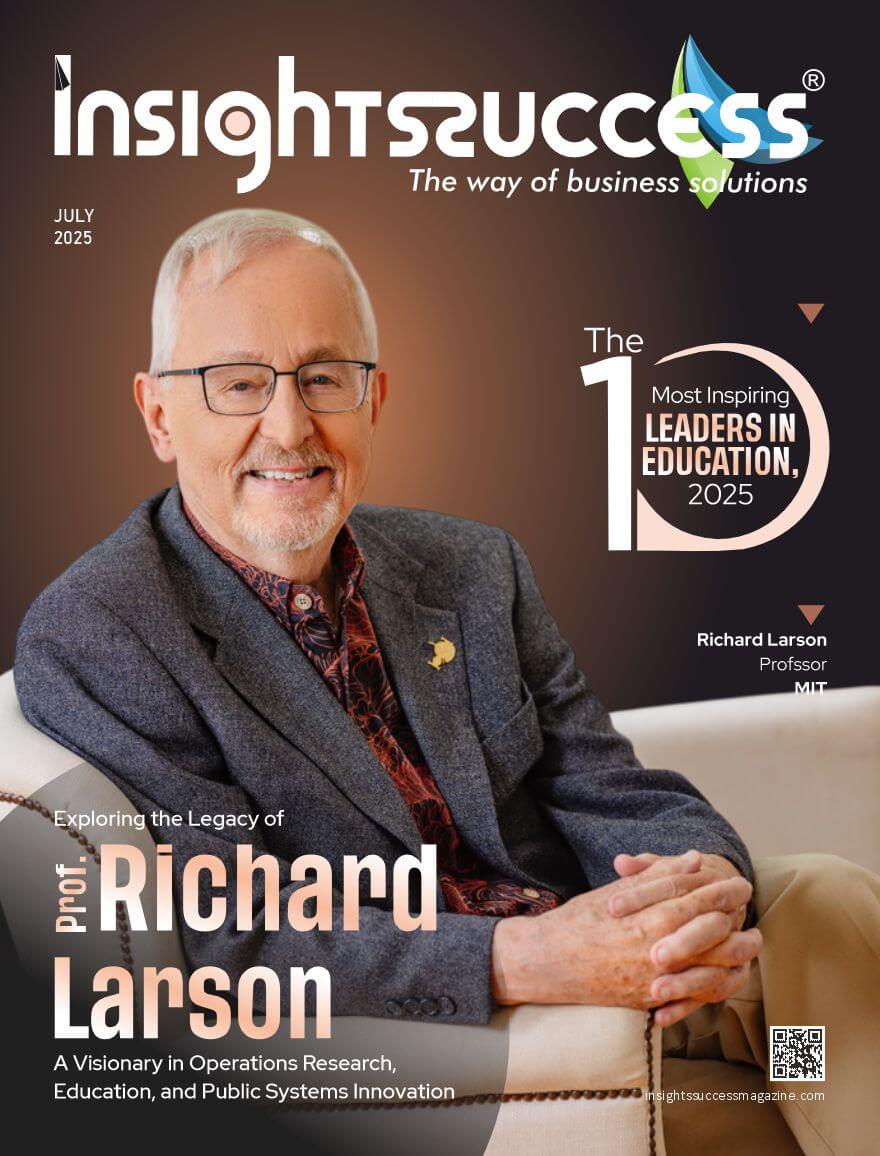
The 10 Most Inspiring Leaders in Education, 2025
The 10 Most Inspiring Leaders in Education, 2025 Prof. Richard C. Larson, a global pioneer in operations research, has applied systems thinking across education, public health, and emergency services. With decades at MIT, he has shaped policy and practice through award-winning research, interdisciplinary leadership, and educational innovation, demonstrating the power of data-driven decision-making in serving society. Quick highlights Quick reads

Exploring the Legacy of Prof. Richard Larson: A Visionary in Operations Research, Education, and Public Systems Innovation
Prof. Richard C. Larson, renowned globally for his groundbreaking work in operations research and applied systems analysis, has spent over five decades solving real-world problems through rigorous scientific methods. With an illustrious academic and professional journey rooted at the Massachusetts Institute of Technology (MIT), his impact spans across emergency response, public health planning, educational reform, and workforce analytics. From urban policing to pandemic modeling, Prof. Larson’s versatile approach to complex systems has consistently generated transformative insights, influencing policy, industry practices, and academic methodologies alike. His efforts are not confined to the theoretical or academic realm. Prof. Richard Larson has taken bold strides in translating his research into real-world implementations. Whether designing queueing models that optimize emergency services or pioneering online education networks that cross geographic boundaries, he has consistently merged science with service. Through leadership roles at organizations like ORSA and INFORMS, and through his foundational work in institutions like MIT LINC and CAES, his dedication to bettering society through operations research is evident. In this document, we explore Prof. Larson’s multifaceted contributions—from award-winning research and media-acclaimed innovations to his pedagogical ventures and advisory roles on governmental boards. These accomplishments collectively represent a unique blend of intellectual rigor and social commitment. As stated by Prof. Richard Larson himself, this journey has always been about using models and logic to solve human challenges—a belief that continues to guide his active pursuits even today. Applying Operations Research to Societal Needs Prof. Richard Larson’s professional narrative reflects a relentless pursuit of applying operations research (OR) to real-world service systems. With over 175 scientific publications and six books to his name, his contributions have shaped the way academics and practitioners understand complex networks—especially in urban and public settings. One of his early and acclaimed works, Urban Police Patrol Analysis (1972), earned the Lanchester Prize, reflecting its pivotal role in reforming emergency response systems. Throughout his career, Prof. Richard Larson has applied queuing theory and systems engineering to tackle large-scale problems in logistics, disaster response, and even the psychology of waiting lines. He pioneered methods like the Queue Inference Engine and the Hypercube Queueing Model, tools still referenced today in advanced operational frameworks. The nickname “Dr. Queue,” given by the media, reflects his authoritative position in this space. Beyond theoretical constructs, Prof. Richard Larson has advised numerous U.S. governmental agencies and public systems including the U.S. Postal Service and the City of New York. His belief has always been that systems research is most impactful when it engages with policy, integrates with practice, and ultimately elevates public service delivery. Global Influence in Health Systems and Disaster Planning Public health has been a recurring theme in Prof. Richard Larson’s research, where he has tackled complex, urgent problems with interdisciplinary solutions. One of his notable achievements includes co-authoring the award-winning paper on the effects of H1N1 vaccine distribution in the U.S., published in Value in Health (2012). This paper combined logistics modeling with public health policy to offer life-saving recommendations. His role on the Institute of Medicine’s Board on Health Sciences Policy and the Standing Committee on Emergency Management and Medical Response Integration further exemplifies his applied impact in national healthcare strategies. From pandemic management to maternal health initiatives in rural India, his work bridges modeling with grassroots implementation. In recent years, Prof. Richard Larson’s research has explored the use of sewer sensors to detect early outbreaks of COVID-19, proving once again his ability to adapt OR methodologies to contemporary challenges. His research continues to highlight how smart monitoring systems, combined with data analytics, can play a crucial role in proactive public health planning. Educational Innovation and Global Pedagogy Leadership From 1995 to 2003, Prof. Richard Larson directed MIT’s Center for Advanced Educational Services (CAES), where he focused on bringing digital learning tools to both local and remote learners. Recognizing early the power of internet-enabled education, he launched initiatives long before MOOCs and ed-tech platforms became mainstream. He later founded MIT LINC (Learning International Networks Consortium), a global project dedicated to democratizing access to education via technology. Through eight international symposia, LINC brought together educators, policymakers, and technologists to explore how pedagogy can evolve across cultures and geographies. As the principal investigator of the MIT BLOSSOMS Initiative, Prof. Richard Larson continues to drive STEM education reform by creating and distributing interactive video lessons. His commitment to learning innovations reflects his core belief that education must evolve to meet the dynamic needs of the 21st-century learner. Awards and Academic Honors Recognizing Excellence Prof. Richard Larson’s long list of awards and honors is a testament to his interdisciplinary influence and leadership. From being elected to the National Academy of Engineering in 1993 to receiving the Kimball Medal and the INFORMS President’s Award, his work has been acknowledged by the world’s most respected academic societies. He was also the first-ever recipient of the Lifetime Achievement Daniel Berg Medal, awarded in 2017 in New Delhi for his “significant contributions to technology innovation, service systems and strategic decision making.” He has been honored by international organizations across North America, Europe, and Asia, speaking to the global resonance of his contributions. Whether addressing Congress or advising international universities, Prof. Richard Larson’s influence is not bound by geography. His career illustrates how deep theoretical knowledge, when combined with practical insight, can generate global impact. Entrepreneurial Pursuits and Industry Impact Beyond academia, Prof. Richard Larson has played key roles in several entrepreneurial ventures. He founded Public Systems Evaluation, Inc., and chaired companies like ENFORTH Corporation and Structured Decisions Corporation. These enterprises served as conduits to translate research findings into scalable applications. His role in these ventures underscores a critical element of his legacy: bridging the gap between research and practice. These organizations focused on applying OR methods to real-world challenges in transportation, urban services, and information management, further demonstrating his commitment to societal advancement through systems thinking. An Ongoing Commitment to Model Thinking In 2023, Prof. Richard Larson published Model Thinking for Everyday Life: How to Make Smarter Decisions, marking a new phase in

Incubating Innovation: Innovative Trends in Education Leadership
Education leadership is shifting in response to the evolving needs of the 21st-century learner. Hierarchy management is giving way to or being supplemented by more networked, participative, and evidence-based education leadership. Today’s education leaders are no longer just called upon to manage institutions in a cost-effective manner but also to innovate, build learning communities, and keep pace with technological innovation. This is fueled by international pressures like the increased use of artificial intelligence, classroom diversity, and that schooling has to be more inclusive. As educational systems become more interdependent and complicated, leadership in this field will be not only capable of appreciating innovation as a means but also as a mindset. The article below is a reaction to three widespread trends that will define the future of education leadership: the convergence of technology and data-informed decision-making, the expansion of distributed leadership and teacher voice, and the revitalization of social-emotional learning and cultural responsiveness. Technology Integration and Data-Informed Decision-Making Data-informed decision-making and intelligent technology exploitation are among the most prominent of education leadership trends. The current education leaders are using digital media to gather instant data on student behavior, participation, and performance. This data enables them to respond in a timely manner, align instruction, and make periodic adjustments to instruction technique as well as institution policy. AI plates can detect gaps in knowledge, which can forecast student performance and allow for personalized learning streams through which the leaders will be well equipped to allocate resources. Technology has penetrated administrative duties and communication systems at district and school levels too. Cloud-based infrastructures facilitate staff collaboration, automate reporting frameworks, and add more transparency to stakeholders such as parents and the community. Beyond this, hybrid and blended learning settings call for technology-savvy leaders who can guide their institutions to technological advancement. Revolution will call for ongoing innovation paired with an open mind willing to adopt the learning settings offered by new technologies. Distributed Education Leadership and Teacher Empowerment Another paradigmatic shift reorienting leadership in schools is the application of distributed leadership structures that redistribute authority and accountability from one source to a wider group of leaders. The model guarantees teamwork among teachers, administrators, and support staff through shared ownership and shared responsibility culture. Through leadership delegation, schools can leverage multiple strengths and subjects of teachers and thus accomplish improved innovative solutions and decision-making. At the center of this model is teacher leadership. Through teacher leadership shared among them, they become motivated, proud, and committed to school improvement. Professional learning communities (PLCs), instructional coaching positions, and peer mentorship programs are just a few among the ways in which teachers are assuming leadership. This participative open culture not only helps teachers stay on board but also creates innovation at the classroom level as teachers try out new pedagogies and curriculum with the support of the education leadership team. The outcome is an adaptive and responsive learning environment that becomes more responsive to the needs of students and employees. Supporting Social-Emotional Learning and Cultural Responsiveness Leaders in education are mapping out the role of social-emotional learning (SEL) and cultural responsiveness to build inclusive, humane school cultures. SEL initiatives provide space for students to develop skills like empathy, self-management, resilience, and responsible decision-making—building blocks of school and life success. Leaders in education now have the responsibility of weaving SEL into policy, curriculum, and school culture. This does encompass offering additional teacher development, the use of restorative justice practices, and general emphasis on emotional well-being in addition to academic success. Cultural responsiveness does encompass sensitivity and respect of the students’ culture of being multiculturally diverse and the taking of learning and putting it and interpreting it into practice to apply in teaching and education leadership. Inclusive education leadership does mean leading with conscious intent to disrupt structural barriers and biases that most readily harm marginalized groups. It is a trend throughout highly multicultural societies, where education leaders will be asked to navigate dense interlacements of race, language, identity, and equity. Pedagogies like culturally responsive pedagogy, equity audits, and anti-bias training are becoming at the forefront of leadership practice. By establishing emotional safety and sense of belonging spaces, leaders can create a more empathetic and just learning community for all. Conclusion The terrain of educational leadership is being reshaped in harmony with larger societal, technological, and pedagogical developments. They must be visionaries, collaborative changemakers, and innovators who are skilled at working in conditions of uncertainty and employing emotional intelligence to lead. Technology and data analysis further drive evidence-based decision-making, and distributed education leadership models invigorate and empower educators as well as promote innovation from within. Increased emphasis on social-emotional learning and cultural responsiveness even makes schools not only educationally robust but emotionally and socially fulfilling as well. Instructional leaders will have to be learner-focused, culturally sensitive, and responsive in an attempt to survive in this new environment. As innovation is the foundation of education leadership practice, school achievement and other models of school organization will depend more and more on the ability of leaders to hear change, tap collective intelligence, and create a setting in which teachers and all learners can succeed. Read More: Strengthening Teachers: Pioneering Teaching Methods by Innovative Educators

Amazon Prime Day 2025 Will Be Record Four Days, July 8-11
Prime Highlights Amazon Prime Day 2025 will be four consecutive days, July 8-11, with additional time to shop. “Today’s Big Deals” will go live each day at midnight, and young adult members will earn 10% cashback on select purchases. Key Facts The sale is the longest Prime Day ever, at 96 hours instead of its usual 48. More than 35 product categories will be discounted, including best brands like Apple, Dyson, Bose, and Amazon products. New members have access to the sale via a free 30-day Prime trial, and young adults get exclusive cashback rewards. Key Background Amazon Prime Day 2025 will be the biggest and longest iteration of the sale to date. Traditionally having been a two-day event, Prime Day this year will run from July 8 at 12:01 a.m. PDT through July 11 at 11:59 p.m. PDT and will be a 96-hour extravaganza of deal and special offers in many categories. This year’s event includes a fresh element called “Today’s Big Deals,” which refreshes big deals every day at midnight during the sale. This is practiced in an attempt to keep shoppers engaged during the four-day sale, prompting them to keep coming back repeatedly. Amazon is also targeting young people with a special advantage for 18 to 22-year-old Prime members offering 10% cashback on select categories, twice what they would otherwise receive. Prime Day 2025 will also feature deep discounts on more than 35 shopping categories like electronics, home appliances, fashion, beauty, toys, kitchenware, and Amazon products like Echo speakers and Fire tablets. Apple, Dyson, Bose, Lego, and Ninja are some of the brands to feature as well. This year’s festival includes 26 countries, expanding Amazon’s global reach even further. It introduces new entrants such as Ireland and Colombia, in addition to maintaining robust participation in top markets such as the U.S., UK, Canada, India, Germany, and Japan. Amazon is also going all out with pre-event early offers, some of which are already live. Early-bird offers allow consumers to bag limited-period discounts before the masses. As competition intensifies from Walmart, Target, and others, Amazon wants to generate maximum eyeballs, boost Prime memberships, and cement its position further in the e-commerce space. In order to get the most out of Prime Day, consumers are urged to build wish lists, download Amazon’s app so that they can get notifications, and track prices closely to avoid overpriced pre-sale prices. With AI-powered tools and faster delivery logistics, Amazon is positioning Prime Day 2025 as its most advanced and buyer-friendly shopping day ever. Read More: Trump’s “One Big Beautiful Bill” Clears Senate by One Vote After Dramatic Tie-Break
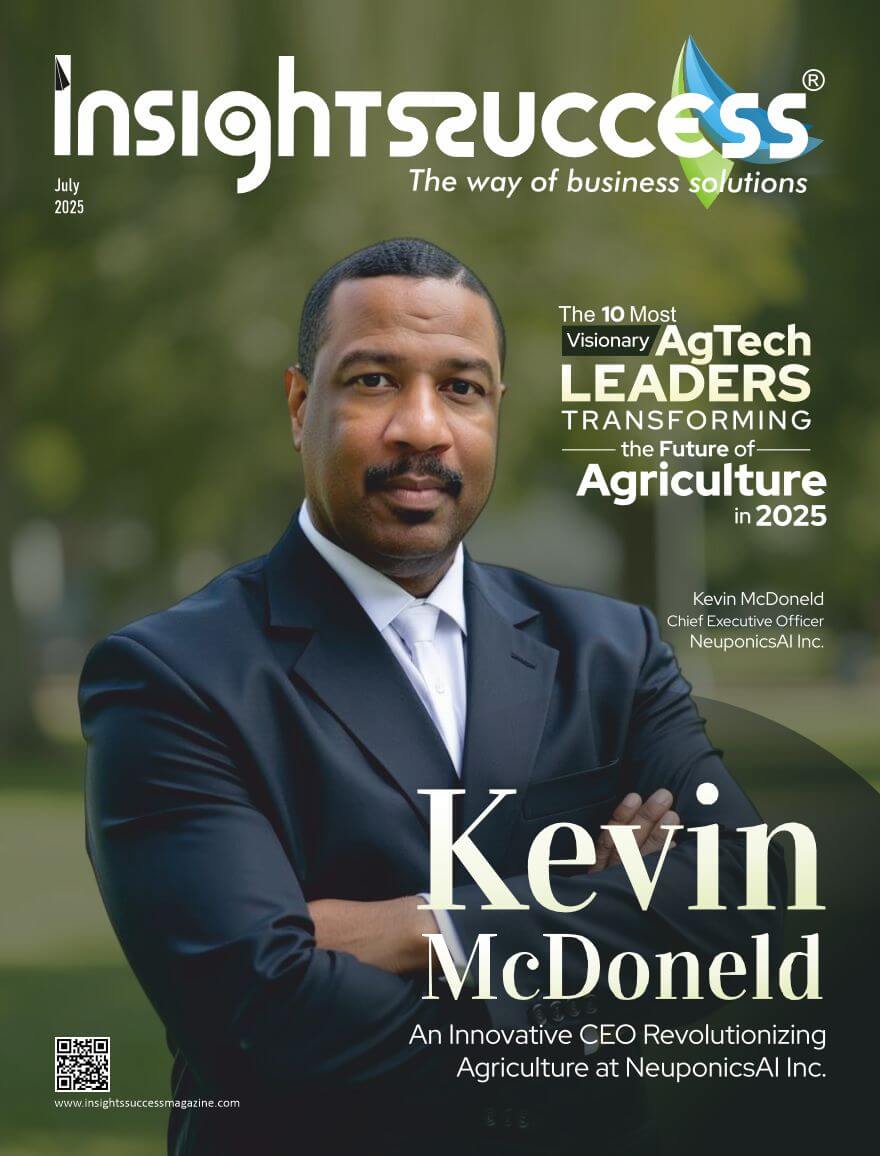
The 10 Most Visionary AgTech Leaders Transforming the Future of Agriculture in 2025
The 10 Most Visionary AgTech Leaders Transforming the Future of Agriculture in 2025 Kevin McDoneld, CEO of NeuponicsAI Inc., is driving a transformative shift in agriculture through artificial intelligence, advanced aeroponics, and sustainable practices. His leadership combines deep technical expertise, strategic innovation, and a people-first approach, positioning NeuponicsAI as a global leader in redefining food production for a resource-efficient and resilient future. Quick highlights Quick reads

Kevin McDoneld: An Innovative CEO Revolutionizing Agriculture at NeuponicsAI Inc
The agriculture sector is being transformed on a deep level by artificial intelligence, automation, and sustainability. With the world grappling with increasing challenges—climate change, resource shortages, and food supply to feed an expanding population—AgTech leaders are redesigning how food is grown, distributed, and consumed. Here, innovation is not a choice; it is a matter of survival and advancement. A renowned leader in the AgTech industry is Kevin McDoneld, the Chief Executive Officer (CEO) of NeuponicsAI Inc. He is leading the company towards a future exponential digital transformation. Early Foundations: Engineering Curiosity and Technical Excellence Kevin’s path to becoming CEO of NeuponicsAI Inc. is founded on a life-long interest in technology and problem solving. With a strong academic record in mechanical engineering and computer science, Kevin rapidly established himself as an innovative thinker. Early in his career, he held positions at NASA, Northrup Grumman, and Fluor Corporation, where he was exposed to advanced technology and complex, multidisciplinary projects. These early experiences refined his technical skills and instilled in him an unstoppable determination to meet challenges head on. “These experiences instilled in me a passion for innovation and a drive to tackle challenges head-on.” says Kevin. His technical proficiency was further attested to by a top-secret NASA clearance and a set of professional certifications, which highlighted his dedication to excellence and ongoing learning. Climbing the Ranks: Leadership in Global Organizations As Kevin’s career evolved, he assumed increasingly powerful positions, such as leading innovation as a GE contractor and serving in leadership roles at world giants like Noble Corporation. These experiences enabled him to hone his strategic vision, lead cross-functional teams, and solve high-stakes problems. Most notably, Kevin spearheaded efforts that saved more than $200 million in downtime, reflecting his capacity for handling complexity and producing concrete outcomes. He shares, “These roles not only developed my capacity to handle complexity but also stoked my entrepreneurial drive.” His leadership was characterized by a combination of technical competence, strategic vision, and an aptitude for motivating teams toward highly ambitious objectives. Every accomplishment strengthened his conviction that innovation, tenacity, and flexibility are the pillars of enduring influence. The Entrepreneurial Leap: Starting NeuponicsAI Inc. Kevin’s entrepreneurial drive culminated in the establishment of NeuponicsAI Inc., an AgTech startup with an ambitious vision: to transform agriculture using AI driven solutions and high-tech aeroponics technology. Leveraging decades of experience and partnership with aeroponics visionaries—including individuals with backgrounds supported by NASA funding—Kevin aimed to overcome the longstanding limitations of vertical farming and conventional agriculture. Kevin spearheaded the creation of the patent-pending Neuponics system at NeuponicsAI, a revolutionary innovation that integrates artificial intelligence, predictive analytics, and new farming methods. The system is intended to address global food security issues while minimizing resource usage and environmental footprint. The Neuponics System: Redefining Sustainable Agriculture Breaking Barriers in Vertical Farming One of the key areas Kevin’s innovations have focused on is eliminating the excessive capital and operational costs (CapEx and OpEx) and low nutritional value that tend to afflict vertical farming. NeuponicsAI technology eliminates these issues by: Avoiding the use of external water supply Consuming 95% less water than conventional farming practices Running completely off-grid and solar powered Growing a wide variety of crops These qualities position the Neuponics system as the groundbreaking shift for sustainable farming that makes high returns possible, even in environments low in resources. “Our technology uses 95% less water than traditional methods, does not use an external source of water supply, eradicates the pain points of vertical farming, is run completely off the grid, and powered solely through the sun.” expresses Kevin. “Our technology uses 95% less water than traditional methods, does not use an external source of water supply, eradicates the pain points of vertical farming, is run completely off the grid, and powered solely through the sun.” expresses Kevin. AI-Powered Predictive Analytics At the heart of NeuponicsAI’s innovation is the integration of AI-driven predictive systems. These tools optimize operations, anticipate challenges, and enable data-driven decision-making, ensuring that every aspect of the cultivation process is both efficient and resilient. Kevin shares, “Our patent-pending Neuponics system exemplifies this philosophy by integrating cutting-edge AI, advanced aeroponics, and off-grid capabilities to revolutionize agriculture.” Leadership Philosophy: Innovation, Agility, and Collaboration Kevin’s leadership at NeuponicsAI is characterized by an unwavering commitment to innovation, adaptability, and lifelong learning. He places the utmost importance on remaining abreast of industry trends, utilizing proprietary AI solutions, and developing an adaptive culture. This forward-thinking mindset prepares teams to counter economic fluctuations, technological changes, and geopolitical developments with confidence. Kevin states, “Keeping ahead of the curve in an increasingly fast-paced global business world demands an unwavering focus on innovation, adaptability, and lifelong learning.” Collaboration and strategic foresight form the crux of his thought process. By interacting with the leaders in industry, observing innovative technologies on the horizon, and synchronizing aims with environmentally conscious practices, Kevin keeps NeuponicsAI abreast of overcoming food scarcity and resource deficiency. Kevin is of the opinion that innovation thrives in a culture that harmonizes bold experimentation with strategic risk management. At NeuponicsAI, he advocates for open communication, cross-functional collaboration, and the application of contemporary tools such as MS Teams and proprietary AI-based maintenance systems. This culture not only draws the best and brightest, but also gives employees the ability to give their best, to fuel innovation and operational excellence. Employee-focused initiatives and a shared purpose guarantee high levels of engagement and loyalty throughout the organization. Overcoming Challenges: Resilience and Data-Driven Decision-Making All leaders have their turning points that prove their mettle. For Kevin, one of those moments came when he oversaw mechanical engineering at Noble Corporation. Charged with redesigning a dangerous waste collection system on drilling rigs, he was challenged by the cost of the initial investment. Holding fast to his analysis and vision, Kevin provided a solution that eliminated 70% of hazardous waste and saved 83% on disposal expenses. “This success not only confirmed my confidence and creativity but also highlighted the value of resilience and data-driven decision-making in adversity.” shares Kevin. This tale