





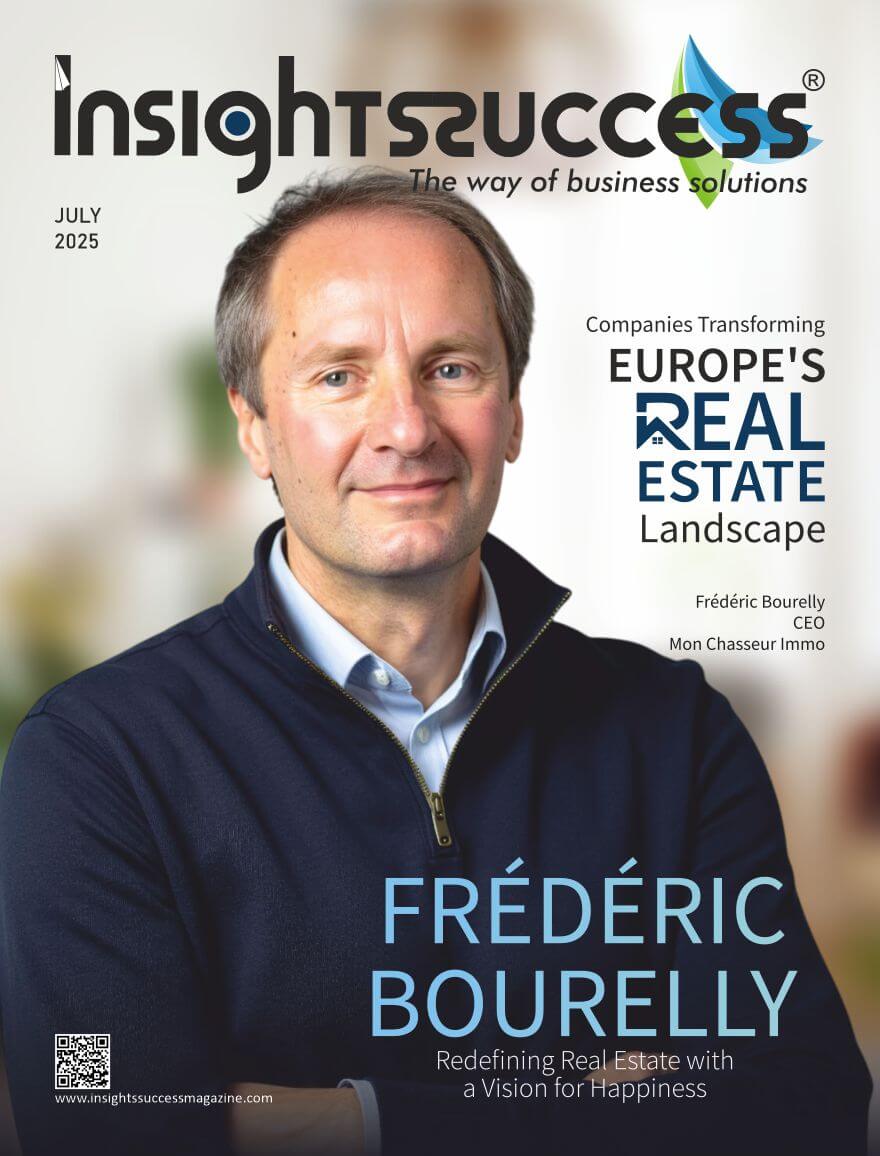
Companies Transforming Europe’s Real Estate Landscape
Companies Transforming Europe’s Real Estate Landscape As Europe faces growing demands for sustainable cities, flexible workspaces, and resilient infrastructure, a new wave of companies is rewriting the rules of real estate. This edition shines a spotlight on the forward-thinking firms that are not just developing properties—but shaping the future of how people live, work, and connect. Quick highlights Quick reads

Frédéric Bourelly: Redefining Real Estate with a Vision for Happiness
From an early age, Frédéric Bourelly knew one thing for certain—he wanted to be happy. For him, happiness was never just about personal success; it was about creating something meaningful, something that would make a difference in people’s lives. That vision eventually led him to revolutionize the real estate market in France. As the CEO of Mon Chasseur Immo, Frédéric Bourelly has introduced a service that was once unheard of in the country: buyer’s agents dedicated to helping clients secure the best possible properties with expert guidance. He saw an opportunity in a market that required evangelization, and instead of waiting for change, he became the force that drove it. Through innovation, digital tools, and a strong network of trusted professionals, he has built a company that not only simplifies property purchases but also ensures that buyers make smart, well-informed investments. Even in times of economic uncertainty, Frédéric’s strategy remains clear—adapt, innovate, and focus on long-term value. At his core, he believes that owning a home is more than just a transaction—it’s a step toward security, stability, and, ultimately, happiness. And with Mon Chasseur Immo, he’s making that vision a reality for countless buyers across France. Transforming Real Estate for Buyers in France Frédéric Bourelly, founder of Mon Chasseur Immo, established the company in 2012 with a clear mission: to revolutionize real estate transactions in France by creating services specifically designed for buyers. At the time, the market was entirely structured around sellers, with real estate agencies working exclusively on their behalf through sales mandates. Buyers, on the other hand, had no dedicated support—they were left to navigate the complexities of the market alone, dealing with private sellers and real estate agents without any professional guidance tailored to their needs. Recognizing this gap, Frédéric Bourelly set out to develop a service that would empower buyers, helping them secure better properties in terms of quality, price, and negotiation, all while simplifying and streamlining the purchasing process. Inspired by the well-established model of buyer’s agents in countries like the United States, he introduced the concept of property hunters—professionals who act in the buyer’s best interest to facilitate smarter and more strategic real estate purchases. In addition to addressing this fundamental imbalance in the market, Frédéric Bourelly also saw an opportunity to integrate digital technology into the real estate sector, which was still underdeveloped in 2012. He spearheaded the creation of a dedicated digital platform designed to enhance collaboration between property hunters and buyers. This innovation not only optimized the client experience but also automated key processes, making property acquisition more efficient and accessible. Through Mon Chasseur Immo, Frédéric Bourelly has redefined how buyers approach real estate in France, ensuring they receive the expert guidance and tools they need to make confident, well-informed decisions. Mon Chasseur Immo recognized the unique challenges international buyers face when purchasing property in France, including complex administrative procedures, legal formalities, and language barriers. To address these concerns, the company offers tailored support, ensuring a seamless and stress-free experience for foreign clients. With expertise in facilitating remote property searches, organizing virtual visits, and assisting with financing and legal requirements, Mon Chasseur Immo provides a comprehensive solution that simplifies the buying process. By bridging the gap between international buyers and the French real estate market, the company enhances accessibility and ensures a smooth transition into property ownership. Overcoming Challenges & Embracing Technology Launching a business is never without challenges, and for Frédéric Bourelly, the first major hurdle in building Mon Chasseur Immo was evangelizing an entirely new service in France. Unlike other markets, buyer’s agents were virtually unknown, meaning extensive communication efforts were required to educate the public. With Mon Chasseur Immo still a small to medium-sized company at the time, this process had to be tackled gradually, making the challenge both time-consuming and resource-intensive. Beyond raising awareness, Frédéric Bourelly and his team also had to build the entire infrastructure for buyer representation from the ground up. There were no existing tools, training programs, or structured knowledge about the buyer’s journey in France. This meant creating a digital platform, developing training processes, recruiting property hunters, and designing tools to make their work more efficient—all while proving the value of a service that most people didn’t even realize they needed. But the external challenges didn’t stop there. Over the years, Mon Chasseur Immo had to navigate several crises, from the Yellow Vest protests, which disrupted weekend property visits, to the COVID-19 pandemic, which forced the company to adapt to remote work and property visits under strict health measures. More recently, the sharp rise in interest rates since 2022 has led to a 40% drop in the resale real estate market, presenting yet another obstacle to overcome. The Driving Force Behind Innovation Through all these challenges, one key factor has allowed Mon Chasseur Immo to remain agile and competitive—technology. As a B2C company, leveraging digital tools and AI has been essential in both enhancing productivity for property hunters and ensuring buyers have seamless access to their property search. For property hunters, Mon Chasseur Immo developed a dedicated platform that optimizes their work, making the process more structured and efficient. Utilizing its advanced search methodologies, clients find their ideal property up to ten times faster compared to traditional methods. On average, they secure their home in fewer than three visits, minimizing time and effort. Additionally, by leveraging data-driven insights and market expertise, clients achieve an average savings of approximately 6% on their initial budget at a national level, making the process not only quicker but also more cost-effective. For buyers, a mobile app serves as the central hub for their property search, consolidating listings, managing documents, and enabling smooth communication with their property hunter. With this advanced technology, the company has assisted over 15,000 buyers in finding their ideal properties. With a remarkable 95% satisfaction rate, it has garnered 3,000 reviews, maintaining an impressive average rating of 4.9 out of 5. Strengthening its presence across France, the company operates through a vast

Smart Cities, Smarter Leadership: Real Estate in the Age of AI
City centers are transforming at a speed previously unimaginable, driven by the intersection of artificial intelligence (AI), data analytics, the Internet of Things (IoT), and sustainability needs. With cities becoming smarter, the real estate market—one traditionally considered slow to adapt—is undergoing a strategic reawakening. No longer a matter of location, location, location, success in real estate increasingly depends on data, digital integration, and smart design. At its core is the need for more intelligent leadership. Real estate leaders today have to work at the nexus of technology, urban policy, infrastructure, and human experience. In the age of artificial intelligence, they are not merely managing structures—they are crafting dynamic, interconnected systems optimized for the cities of the future. AI as a Force Multiplier Artificial intelligence is revolutionizing the way cities and buildings operate. From smart traffic management and prescriptive maintenance to automated energy controls and AI-facilitated city planning, the use of intelligent algorithms is unleashing unprecedented efficiency and responsiveness in the built world. In real estate, AI is revolutionizing: Investment strategy through predictive analytics Tenant experience through AI-facilitated personalization Property management through maintenance and security automation Sustainability initiatives through real-time environmental monitoring and optimization Smart cities are data-driven, and AI is what turns that data into action. But for AI to live up to its promise, it takes visionary leadership that can distinguish between trend and transformation, hype and true opportunity. From Structures to Systems Real estate in smart cities is not merely about bricks and mortar—it’s about networked systems that talk, learn, and react. Buildings are evolving as nodes in a larger digital grid, just one part of a city-wide intelligence that encompasses mobility, utilities, emergency services, and citizen services. For property leaders, that change demands a new type of thinking. Conventional asset management will have to become systems thinking—knowing how buildings are part of and add to urban systems. That involves working with technology providers, city planners, policy-makers, and end-users to get assets that are responsive, resilient, and connected. In that regard, leadership is as much about co-creation and collaboration as it is about control and capital. Data-Driven Decision Making The intelligent city creates huge amounts of information—raw data from sensors, transactions, pedestrian traffic, air quality sensors, and the like. The problem is not so much access to data as it is extracting useful conclusions that inform informed decision-making. Visionary leaders are integrating data analytics throughout the real estate life cycle: assessing site potential, optimizing lease strategies, tracking space utilization, and forecasting maintenance requirements. They are creating data-savvy cultures, where employees are empowered to transform insights into innovation. In an age of AI, intuition is supplemented—not supplanted—by data. The best leaders are those who link strategic vision with evidence-based action. Sustainability and the Smart City Mandate Climate change has raised sustainability from a differentiator to a requirement. Intelligent cities employ AI and IoT to monitor energy consumption, minimize waste, and measure environmental performance in real time. Green buildings employ AI to turn lights on and off, heat and cool based on occupancy patterns, weather conditions, and grid conditions. Real estate executives who accept this change aren’t only constructing greener—they’re joining global ESG objectives and getting ready for a future regulatory environment that will be rewarding low-carbon, clear, and tech-enabled assets. Leadership in this sense involves infusing sustainability into the very fabric of development—design and materials through operations and tenant engagement. Intelligent cities don’t just employ AI to save money and time—they employ it to be answerable and future-proofed. Human-Centered Innovation In spite of advancements in automation and AI, the destiny of real estate in smart cities is still very human. Effective leadership means keeping humans—not technology—at the forefront of innovation. This involves crafting spaces that are inclusive, accessible, and flexible. AI needs to augment—not substitute—the human experience, providing personalization, security, and comfort while preserving privacy and agency. Smart property leaders are connecting with end-users to get a deeper understanding of their changing needs. They’re rethinking the tenant experience with digital concierge services, wellness amenities, flexible layouts, and intuitive interfaces. By doing this, they’re not only adding property value—they’re creating communities where people desire to live, work, and flourish. The Talent Transformation The emergence of AI in real estate is also reshaping the talent pool. Next-generation organizations are building multidisciplinary teams that combine real estate knowledge with data science, UX design, cybersecurity, and urban analytics. Investments need to be made in reskilling and cross-functional collaboration so that the teams are not only tech-literate but tech-proficient. In such a setting, soft skills—such as flexibility, empathy, and strategic thinking—are as important as technical skills. Smart leadership means creating cultures that value curiosity, innovation, and continuous learning, recognizing that the journey to digital maturity is as much about people as it is about platforms. Public-Private Synergy Smart cities can’t be developed in silo. Governments, developers, technology companies, and citizens will need to collaborate to build ecosystems that are both inclusive and innovative. Public-private partnerships (PPPs) are becoming increasingly important as a model for aligning infrastructure investment with long-term urban objectives. Real estate leaders are now required to become engaged in discourse about policy, ethics, digital equity, and urban resilience. They are required to play proactive roles in informing regulation, promoting responsible innovation, and guaranteeing that smart cities work for all, not only the digitally affluent. Conclusion: Leadership for a Smarter Urban Future The marriage of AI and urbanism is not a temporary fad—it is the new normal. For the real estate industry, it is both a disruption and a once-in-a-generation opportunity. Those who hold on to traditional models risk becoming obsolete. Those who take smart city thinking—data-driven, purpose-led, and empathetic—will shape the future. Leadership today is not about knowing every technology. It is about asking the right questions, creating the right teams, and designing to produce outcomes that make a difference. Smarter leadership is needed for smarter cities—audacious, inclusive, and visionary. The real estate leaders who step up to this challenge won’t merely adapt to the future. They’ll build it. Read More:

PropTech Pioneers: Leading Real Estate into the Digital Age
The property market—hitherto viewed in popular opinion as clunky and unsophisticated—is undergoing a revolution. At its centre is PropTech, or property technology: an expanding universe of digital innovations upending the buying, selling, regulation, financing, and occupation of properties. PropTech isn’t a buzzword. It’s an innovation-driven revolution through the likes of artificial intelligence, blockchain, Internet of Things (IoT), big data, and virtual reality. These technologies are not only changing physical space but also the terms of landlord-tenant relationships, investor-developer relationships, broker-buyer relationships. Leading the charge is a new generation of leaders—PropTech visionaries—who are blending real estate expertise with digital acumen. They are envisioning beyond outdated systems, breaking down inefficiency, and creating the digital pillars of a smarter, more responsive, and more sustainable built environment. From Legacy to Leverage: Digitizing the Value Chain Property has been relationship-driven and document-heavy, with lengthy, complex transactions that have numerous intermediaries. PropTech is simplifying everything on the value chain and automating it—from virtual property viewings and AI-based valuations to smart lease management and blockchain transactions. For instance, online stores are giving consumers and tenants immediate, on-demand access to property details and virtual tours. AI drives underwriting and predictive analytics, allowing more informed investments. IoT sensors in buildings today monitor energy usage, occupancy, and maintenance in real time—a prelude to a future era of efficiency operations and tenant engagement. PropTech innovators know that convenience in digital is no longer an option—it’s the necessity to survive. By adopting technology that reduces friction and increases transparency, they’re creating more resilient and more scalable real estate businesses. Data as the New Driver Data is at the heart of the PropTech revolution—its collection, interpretation, and intelligent usage. Property professionals are not anymore working with square feet; they are working with working with insights. From tenants’ behaviors to predicting demand within the market, data-led decision-making is being one of the leading defining characteristics of fantastic leaders. Advanced analytics platforms now make it possible to monitor in real-time portfolio performance, plan for scenarios, and manage risk. For property managers and developers, this means improved design choices, improved layouts, and more responsive leasing policies. But information in and of itself is not the differentiator—it is the ability to extract meaning from that information that makes a difference. PropTech leaders are building platforms and cultures with data literacy infused across disciplines so insights inform every strategic and tactical decision. Smart Buildings, Smarter Leadership With cities becoming more intertwined and sustainability becoming the number one priority on global agendas, smart buildings are paving the way for innovation in the real estate industry. Equipped with IoT sensors, auto-control systems, and cloud connectivity, they enable real-time dynamic control of lighting, heat, ventilation, and security, and make spaces healthy, secure, and energy-efficient. But it’s more than the technology—it’s a question of leadership that can harness it. PropTech visionaries are marrying technical expertise with human-centered design to enable smart buildings that can optimize occupant experience and operational performance. Whatever they own—multifamily communities, commercial office space, or industrial property—modern leaders are reimagining real space as a digital interface—a space that responds, adapts, and changes to the needs of users. Sustainability Through Innovation Sustainability isn’t box-ticking anymore—it’s a market driver. Where PropTech meets sustainability, buildings are becoming smarter, and yes, greener. With everything from automated energy management systems to real-time carbon monitoring, technology is facilitating real estate to be an enthusiastic player in delivering ESG results. PropTech leaders are integrating sustainability into their frameworks—using technology to achieve not just compliance, but purpose. They understand that climate-resilient buildings and transparent reporting engage tenants, investors, and regulators. Nowadays, in the digital era, most sought-after buildings are not just location-grabbed but data-rich, energy-efficient, and future-centric. Redefining Talent and Culture PropTech revolution is also changing the talent base for real estate. No longer in traditional silos, the teams today are cross-functional, nimble, and tech-savvy. They are bringing on board data scientists, UX designers, cybersecurity experts, and software developers alongside asset managers and leasing agents. But talent reinvention isn’t about work—it’s about culture. PropTech disruptors build a culture that promotes experimentation, tolerates failure, and rewards learning. They understand that the culture of innovation is just as important as the tech itself. This cultural change is allowing real estate companies to shift from sluggish incumbents to technology-powered, customer-driven platforms with the ability to pivot quickly and keep scaling indefinitely. Collaboration: The Innovation Fuel The PropTech boom has also eliminated traditional industry silos. The real estate firms are also now partnering with tech start-ups, venture capital funds, and innovation hubs in order to stay afloat. Co-creation is becoming the new competition as businesses want to test new equipment, pilot new models, and find common value. PropTech disruptors are highly collaborative in their approach—far from just developing in-house, they also invest, incubate, and integrate. Either through proptech accelerators or corporate innovation centers, they have an affinity for open innovation cultures that grow their reach and enhance innovation at scale. Conclusion: Leadership for a Digital Built World The. property market is no longer being quantified in terms of bricks and mortar—it is. more and more quantified by bytes, habits, and epiphanies. PropTechvisionaries are spearheading the revolution with a bold mix of vision, technical acumen, and operating rigor. As digital disruption accelerates, those that will define the future of real estate are those that understand that innovation isn’t about tools—it’s about transformation, trust, and long-term value creation. The real estate digital age isn’t on the way—it’s already arrived. And the leaders of it lead boldly. Read More: Wellness as Strategy: The ROI of Leading with Wellbeing
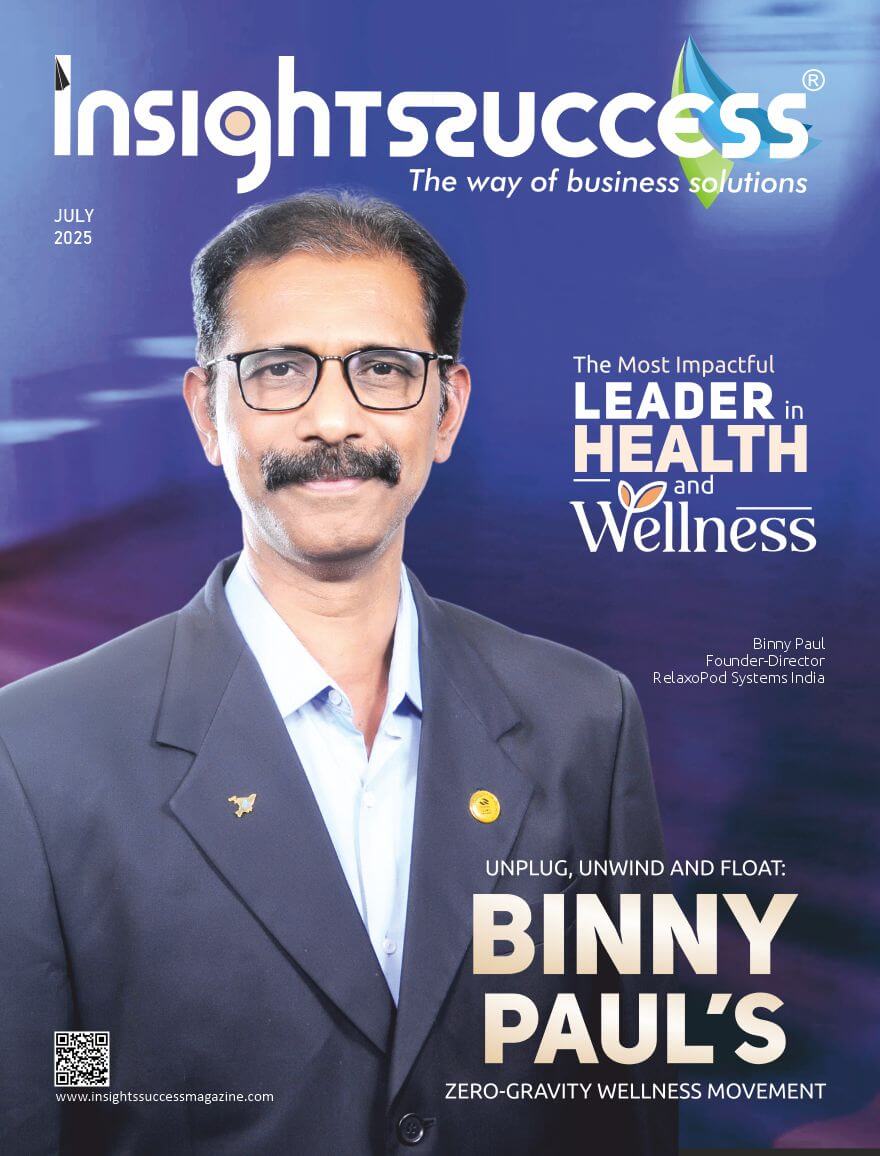
The Most Impactful Leader in Health and Wellness
The Most Impactful Leader in Health and Wellness Recognized as The Most Impactful Leader in Health and Wellness, Binny Paul pioneered the concept of commercial floatation therapy in the region by launching Asia’s first sensory deprivation pod, the Relaxopod. These futuristic pods offer Restricted Environmental Stimulation Therapy (R.E.S.T)—a deeply calming, scientifically backed experience that supports stress relief, enhanced recovery, and emotional well-being. Quick highlights Quick reads
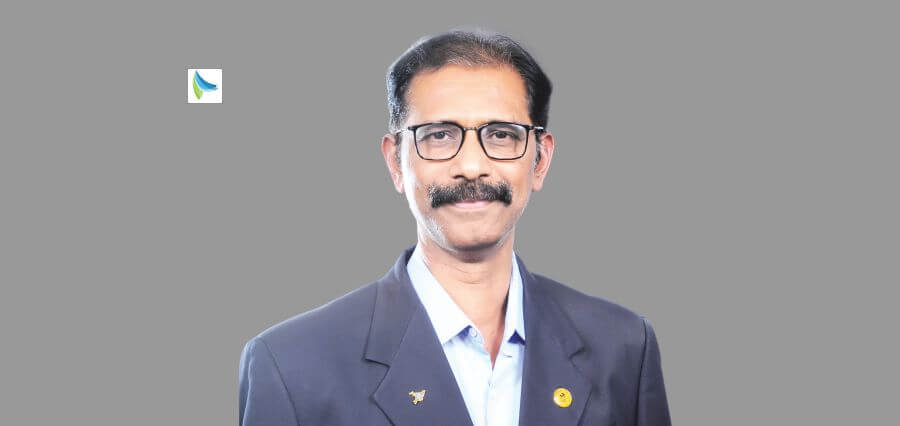
Unplug, Unwind and Float: Binny Paul’s Zero-Gravity Wellness Movement
Water is not only the origin and source of life, but it is also the fundamental force that nurtures, nourishes, strengthens, drives, sustains, and proliferates it. As is the case with the natural ecosystem of the Earth, human health and wellness are also directly connected with the type of water it gets, uses and consumes. When it comes to healing your health and your holistic wellness, one of the most recognized and proven techniques is float therapy. “Floating in our Made in India Relaxopods, you will experience that the R.E.S.T aka Restricted Environmental Stimulation Therapy is like nothing you’ve experienced before,” assures Binny Paul, the Founder-Director, who established Relaxopod Systems India Pvt Ltd, a leading manufacturer of sensory deprivation tanks. The company stands as a pioneer of the first commercial floatation pod—Relaxopod in Asia. Subsequently, it added a Relaxo-room, which is an open floatation tank. A certified water specialist with more than 20 years of experience in commercial and industrial water treatment systems, Binny is a second-generation leader of his family-owned business, manufacturing water treatment systems for more than 30 years. Binny Paul is very passionate about floatation therapy and experienced it in his self-designed Relaxopod. He informs, “We opened the first dedicated float centre in India at Pune named Shalom Float and Mind Spa in 2015. We received excellent reviews as this modern wellness therapy was well accepted and appreciated by our float customers.” It encouraged Binny and his team and as a result, they established these centres in Pune, Bengaluru, Delhi, Nashik, Mumbai(Juhu), and Mumbai (Thane), to name a few (also now in Mumbai (Mahalaxmi), Udaipur, Trivandrum. The company is also planning to expand and setup these centers in tier 1 and 2 cities across the country. Binny says that through Relaxopod, they would like to help spas, wellness centres, clinics and hospitals add a new revenue stream to their existing business by adding a float tank. “We would also invite budding and aspiring entrepreneurs who would like to enter the lucrative health and wellness business with this innovative business idea. We execute the complete float centre project from design to execution, installation and after-sales service. Our pods and rooms are of international quality with state-of-the-art filtration systems.” Crafting Calm in a Fast-Paced World In the advancing landscape of health and wellness, Binny Paul stands out as a visionary who transformed a spark of curiosity into a nationally recognized wellness innovation. Before launching Relaxopod Systems India, Binny had already established himself in the field of water treatment solutions, leading his family-owned manufacturing business with a certified specialization from WQA,US. However, after over a decade in the sector, Binny found himself yearning for a new challenge—something with a deeper societal impact. The turning point came in 2013 when an industry acquaintance introduced him to the concept of floatation therapy. Initially approached to design a water filtration system for the therapy, Binny quickly became intrigued by the global popularity of sensory deprivation tanks—especially in countries like the UK and Ireland. He was struck by their potential to combat the mental fatigue, anxiety, stress, and overstimulation so prevalent in modern life. “The idea fascinated me, especially given the screen-heavy, fast-paced society we live in,” he later reflected. Combining his technical acumen in water systems with his personal inclination toward meditation and mindfulness, Binny envisioned a unique wellness experience for the Indian market. By 2014, he had designed the first Relaxopod, inspired by the form of an oyster—symbolizing a quiet, protective space where one could turn inward. “Just as pearls are formed inside an oyster, we wanted our pods to be places where people could rediscover their inner calm,” Binny believed. And with that fusion of science, spirituality, and design, Relaxopod was born—ushering in a new era of therapeutic wellness in India. The Spark of an Idea From the very beginning, Binny knew that bringing something as unique as Relaxopod to life would not be an easy feat. What began as a spark of curiosity in 2013 quickly evolved into a mission that tested his conviction, creativity, and commitment to wellness innovation. The real turning point came not from a grand business plan but from a simple conversation within his professional network—someone casually floated the idea of floatation therapy and asked Binny if he could design a suitable filtration system for it. Challenges Without a Blueprint Intrigued, Binny immersed himself in research. With a background in water treatment solutions and a deep interest in meditation and spiritual wellness, he saw an opportunity to blend both worlds. However, the challenges that followed were immense. There were no references in India, no ready-made templates to work from, and very little awareness about floatation therapy. “It was all self-driven,” Binny recalls. “There was no one to consult, no product to examine. Everything was drawn from what I could understand from international standards.” A Test of Conviction and Support His family’s initial support soon turned into concern as they witnessed his all-consuming commitment—late nights, constant design iterations, and endless brainstorming. “They saw the struggle and wondered if it was worth it,” he says. But Binny Paul pressed on, determined to develop something India had never seen before. And in 2015, the first Relaxopod Experience Centre was launched in Pune. It was more than a product showcase—it was a public beta lab where real users gave real feedback. That feedback helped shape and fine-tune the Relaxopod into what it is today. Early Validation and Market Launch Two customers placed orders immediately after their first float. That early validation was all Binny Paul needed. “That’s when I knew this wasn’t just an idea—it was a solution people were waiting for,” he says. Building a Product that Redefined Standards From the start, Binny’s approach to innovation was deliberate. Rather than replicate what existed internationally, he aimed to create something better. “Why import a product when we can set a new benchmark here in India?” he often asks. He introduced IRDMS—a proprietary system integrating advanced filtration, disinfection, and heating

Wellness as Strategy: The ROI of Leading with Wellbeing
In boardrooms around the globe, performance, productivity, and profitability discussions are being redefined by a stark but potent realization: wellbeing is no longer a nice-to-have luxury—it’s a business necessity. While businesses navigate their way through a post-pandemic world characterized by hybrid work, economic uncertainty, and a continually shifting workforce, companies that make wellness a core priority for their employees are emerging stronger, more resilient, and better positioned to tackle what comes next. Leading with wellbeing is not offering free yoga classes or snack bars. It is about embedding culture for care, psychological safety, and performance for the long term into business strategy. When leaders place wellbeing on an equal par with profit, they unlock not only individual potential but also organizational excellence. Redefining ROI: Beyond the Balance Sheet ROI has traditionally referred to financial returns only. But ROI for wellbeing leadership is evident across dimensions of delivering long-term performance. Organizations that make an investment in integrated wellbeing initiatives experience: Lower turnover and increased employee retention Upper engagement and discretionary effort Lower absenteeism and presenteeism Higher innovation and creative problem-solving Better employer branding and attraction of talent Overall, wellbeing is not a cost, but a multiplier of value. It fuels an environment where people not only can get the job done but will want to. ROI isn’t measured in quarterly dividends but in employee loyalty, responsiveness, and flexibility, all which are paramount to navigating relentless change. Leadership That Listens Wellbeing-driven leadership begins with one simple, yet powerful habit: listening. Leaders who create space for authentic conversation, who check in regularly—not just about work, but about how a person is doing—are the ones who build trust, transparency, and connection. This people-first approach doesn’t require drastic policy shifts. It requires conscious presence. To ask simply, “How can I help you?” or “What’s stopping you from thriving?” speaks to care and accountability. It reframes leadership as a position of dominance to an act of caring collaboration. Moreover, when leaders lead by example with balance, set limits, and share their own challenges openly, they normalize wellness and grant others the license to do the same. This shift from performative wellness to authentic cultural transformation begins at the top. Wellbeing as Culture, Not Campaign The optimal wellbeing solutions are not add-ons—they are built into the very fabric of everyday work life. That means designing systems, policies, and practices that promote psychological safety, autonomy, and flexibility. Examples: Creating mental health into leadership development Encouraging rest as a performance enabler—not a treat Designing workflows that allow for deep focus and prevent burnout Creating spaces for all where people feel heard, respected, and safe to be themselves These are not wellbeing “perks”—they are essential to building high-trust, high-impact teams. A wellbeing culture is not just about reducing stress—it’s about enabling people to thrive whole—mind, emotions, social connections, and body. Data-Driven Empathy While wellbeing is ultimately human, it can—and should—be supported by data and understanding. High-performing businesses leverage employee surveys, engagement analytics, and behavioral metrics to chart pain points, burnout vulnerability, and the effectiveness of wellbeing initiatives. This data-driven empathy empowers leadership and HR departments to move from reactive wellness programs to proactive, personalized ones. To illustrate, awareness of where workloads consistently exceed capacity means that intervention can happen before it’s too late. Awareness of patterns in online burnout can be utilized to develop more effective hybrid work policies. Technology is not a substitute for empathy—it is an amplifier of understanding. Used responsibly, it enables organizations to engage where people are, with interventions that are aimed, inclusive, and effective. The Link Between Wellbeing and Innovation There is a strong connection between wellbeing and innovation. When employees are psychologically safe, they are more likely to try things out, put forward new ideas, and challenge the status quo. A culture of wellbeing reduces fear and increases creativity, collaboration, and agility—abilities that are mission-critical in fast-changing markets. Conversely, cultures that ignore wellbeing create disengagement, silos, and turnover—draining not only morale, but also the organization’s adaptive capability. That way, wellbeing is not just about taking care of people—it’s about putting them in a position to lead and learn in a changing environment. It enables organizations to build resilience from within, through individuals who are motivated, energized, and connected to purpose. Inclusive Wellness Is Strategic Wellness Wellbeing solutions must also be inclusive. Leaders must recognize that wellbeing looks different to different people—across generations, cultures, identities, and abilities. One-size-fits-all will leave people out, or worse, worsen existing inequities. Inclusive wellness includes: Caregiving, health, and neurodiversity-friendly flexible work models Available mental health resources in settings and languages Representation in wellness programs that reflect the workforce When wellness programs reflect the everyday life of all employees, they are more likely to succeed—and to boost belonging and equity across the organization. Conclusion: Leading with Heart and Strategy Wellbeing is no longer a side task or soft skill—it’s now a leadership imperative with bottom-line consequences. The future of work demands to work environments where individuals thrive, not merely survive. Leading with wellbeing is the art of creating conditions where individuals are sufficiently safe, valued, and cared for to contribute their best selves to the workplace. Organizations that transition to this will not just beat them—outlive. For in a time of uncertainty, talent battles, and rapid change, the greatest asset is not technology, or capital, or strategy—it’s the sustained health of your people. Read More: Tech, Trust & Transformation: The Future of Health Leadership

Tech, Trust & Transformation: The Future of Health Leadership
The health care sector is at the crossroads of unprecedented innovation and unprecedented complexity. Advances in digital health, AI-enabled diagnostics, precision health, and virtual care are revolutionizing delivery, experience, and care management. Amidst change, however, one reality does not shift: leadership fuels sustained transformation. Three pillars are redefining the health leadership of the future—technology, trust, and transformation. Alone, but most certainly together, not only are they dismantling the old buildings but also they are demanding a new kind of leadership—swift, collaborative, visionary, and purpose-driven. Technology as a Catalyst, Not the Goal From genomics and AI to telemedicine platforms and wearable sensors, healthcare technology is rushing ahead at breakneck speeds. But innovation without solution is not the solution. Solutions must be delivered to people, and not technology. Innovative health leaders earn this distinction. They’re not trending; they’re improving solutions to real challenges. They invest in systems that produce superior outcomes, expand access, and reduce gaps. They invest in technologies that augment clinical judgment, streamline workflow, and enable care at scale. Most of all, they understand the limits of digital transformation. Technology can accelerate care—but never replace human contact, clinical judgment, or moral judgment. Exceptional leaders use technology as a catalyst to drive more equitable, more efficient, and more humane systems, and not as an excuse to robotize out the heart of healthcare. Building Trust in a Data-Driven Era With healthcare more digitally enabled, trust is the currency of transformation in transactions. More information than ever before are being provided by patients—via wellness apps, wearables, online portals, and genetic testing. But with information explosion come greater privacy anxieties, consent issues, disinformation, and bias from algorithms. Successful health leaders understand that ethics, transparency, and accountability are not negotiable. They infuse data governance throughout levels of decision-making. They make AI systems explainable, inclusive, and subject to frequent auditing. And they apologize when they mess up—being humble and honest. Trust, as well, is relationships—among clinicians and patients, among systems and users, among institutions and the populations they serve. Next-generation leaders will need to restore and recreate lost trust, especially among historically disenfranchised populations who have been underserved or harmed by the system. Without it, technology can do nothing, no matter how much. With it, transformation is not only a possibility—but sustaining. Transformation with Purpose The best health leadership transitions are not technological, but strategic and cultural. They flip on their head old assumptions about how healthcare is structured, for whom it is being done, and what success is. They will be systems thinkers who envision the interconnectedness between health and environment, education, economy, and equity. They will lead through a voice of collective accountability—not just to shareholders or institutions but to the community, to ecosystems, and to future generations. This requires bold choices: reimagining care delivery models, refashioning reimbursement models, and reskilling workforces into hybrid and technologically enabled roles. It also requires leading without clarity—fighting pandemics, supply chain collapse, mental health emergencies, and changing regulation. Transformation isn’t about tweaking the margin—it’s about reimagining fundamentally what health leadership in the 21st century will be like. The Human Side of Leadership In the age of algorithms and analytics, healthcare’s future is still rooted in something fundamentally human: empathetic leadership. The best leaders realize that clinicians are not machines—they’re human individuals with high-stress environments and scarce resources and mounting burnout. Wellbeing, morale, and organizational culture are no longer HR issues—they’re strategic imperatives. Health care leaders of the future will: Enable interdisciplinary collaboration across clinical, technical, and operations teams Honor cultures of psychological safety, learning, and curiosity Create space for resilience, mentorship, and emotional intelligence They understand that empathy and equity aren’t soft skills—They’re core competencies for sustainable success. Inclusive Innovation and Health Equity While technology is revolutionizing health, there is a risk that innovation benefits the few, not the many. Unless leaders act deliberately, racial, gender, income, and geographic inequities in health are likely to worsen. The health leadership of the future must be designed to be inclusive. That is: Creating technology solutions with and for left-behind communities Breaking down language, literacy, and digital access barriers Ensuring diverse representation in clinical trials and AI training datasets Equity must be central to all strategy, all deployment, and all policy. Because a good health system that only serves some is actually failing at its most basic purpose. Collaboration is the New Competitive Advantage No institution, industry, or individual will transform healthcare by itself. The best leaders will be those who lead across boundaries—connecting startups, hospitals, governments, academia, and communities for shared purposes. It will require humility, systems thinking, and a co-creating approach, not competition. It will require new kinds of leadership—less top-down, more networked, highly participative. Conclusion: The Future Is Led, Not Predicted Technology can potentially be remaking the healthcare landscape, but the power will be led by leadership. The leaders of the future won’t be individuals who simply bring in the latest technology—but those who lead with strength, purpose, and compassion. In an age of tech, trust, and transformation, the most deeply impactful health leaders will be those that never lose sight of what healthcare is really about: people, purpose, and possibility. Read More: The Future of Digital Innovation
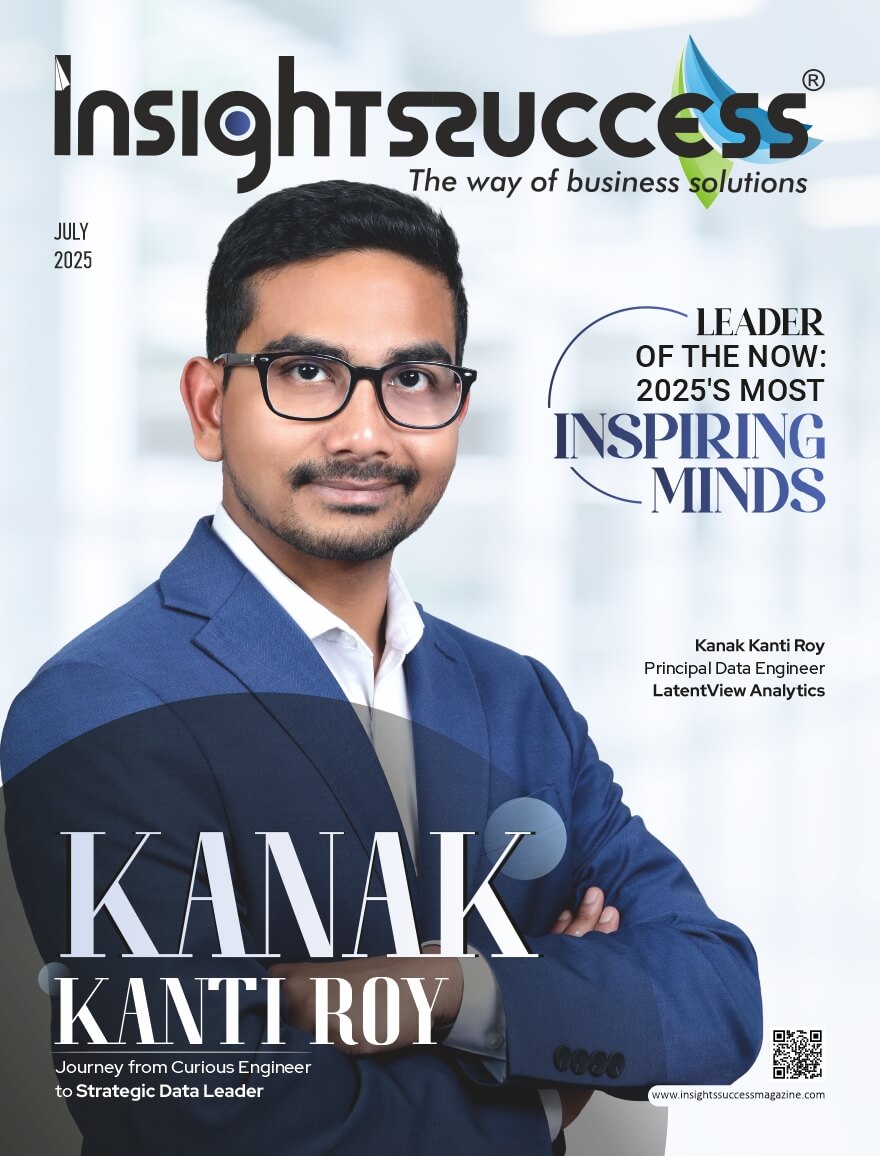
Leader of the Now: 2025’s Most Inspiring Minds
Leader of the Now: 2025’s Most Inspiring Minds This edition celebrates trailblazers reshaping industries with purpose, innovation, and vision. This edition spotlights Kanak Kanti Roy, whose transformative leadership and unwavering commitment to excellence inspire the next generation of changemakers across the global landscape. Quick highlights Quick reads

Kanak Kanti Roy: Journey from Curious Engineer to Strategic Data Leader
The most influential leaders are those who bring humanity to the core of technology in a time when data drives decision-making and innovation happens at breakneck speed. One such leader is Kanak Kanti Roy, a pioneer in the field of data science whose work is exemplifying a unique fusion of strategic vision, analytical nuance, and compassionate leadership. Building clarity from complexity is a recurring theme in his journey from an inquisitive mind in India to a renowned digital pioneer influencing user experience at multinational behemoths. He is currently working with Google’s YouTube team to design petabyte-scale behavioral data systems in his current role as Principal Data Engineer at LatentView. His real talent, however, is in comprehending people how they connect, think, and make decisions rather than the code and algorithms. Having worked with Infosys, Apple, and now Google, he has developed data-driven solutions that are enhancing people’s lives in addition to optimizing metrics. He is the one who firmly believes in leadership through context and caring, promotes inclusive decision-making, psychological safety, and purpose-led innovation. He also received recognition as one of the “Most Innovative Tech Leaders from the USA – 2025” because of his ability to strike a balance between accuracy and speed, strategy and execution, and insight and empathy. His story is about direction, not just numbers. He is standing up for a new breed of leaders who recognize that intention is what counts most in an information-rich environment. Kanak Kanti Roy keeps redefining what it means to lead in technology with clarity and compassion through his developing work and grounded worldview. The Foundation: Where Curiosity Meets Purpose Roy’s story begins not with grand ambitions but with simple fascination. Growing up in India, he was the kind of child who asked “why” more often than “what” intrigued by systems, patterns, and the invisible forces that drive human behavior. “I was always curious about how things worked beneath the surface. Why do people behave the way they do, how small signals could influence big decisions.” Kanak Kanti Roy reflects. This natural curiosity found its first professional expression during his four-year tenure at Infosys, where he worked on analytics and data science solutions for Apple’s media ecosystem. It was here that a pivotal realization struck him: data wasn’t just numbers on a dashboard, it was a language that could bridge users, products, and business goals. “I saw how even subtle behavioral signals could drive massive product shifts. That realization stayed with me.” he recalls. The transition from Infosys to pursuing a Master’s degree in Business Analytics with a specialization in Data Science at the University of Texas at Dallas wasn’t just an academic decision, it was strategic. He recognized that to make deeper impact, he needed to bridge the gap between technical depth and strategic thinking. His excellence was recognized with the Dean’s Excellence Scholarship, an early indicator of the leadership potential that would define his career. The Apple Years: Building Excellence Through Intention Roy’s five-year stint at Apple as a Data Science Engineer proved to be transformative. In a company renowned for its attention to detail and user-centric design philosophy, he built large-scale analytics systems, enabled causal inference models, and refined data techniques that would influence product decisions affecting millions of users worldwide. Apple taught him that excellence is about intention, not just intensity. The experience went beyond technical skill-building; it was about developing what he calls “leadership muscle” the ability to see systems holistically and make decisions that resonate across multiple stakeholders. During his Apple tenure, Kanak Kanti Roy wasn’t just building pipelines, he was shaping how products understood and interacted with their users. From causal inference models to intelligent experimentation frameworks, his focus remained consistently on impact rather than mere insight. “I realized that my profession was about building clarity from complexity,” he says. The Consulting Evolution: Scaling Impact at Google Today, as Principal Data Engineer at LatentView Analytics, Kanak Kanti Roy brings his refined philosophy to his consulting work with Google’s YouTube team. His role involves building petabyte-scale behavioral data systems, decoding complex user journeys, and translating them into product strategies that drive responsible and intelligent growth. The scope of his current work is staggering dealing with data volumes that would have been inconceivable just a decade ago, while maintaining the human-centered approach that has become his signature. “It’s not just about being data-driven. It’s about being human centered in how we use data.” Kanak Kanti Roy emphasizes. His approach to product analytics goes beyond traditional metrics. he focuses on understanding the ‘why’ behind user behavior, employing sophisticated techniques like uplift modeling to reduce marketing noise and improve user onboarding experiences. This methodology has earned him recognition as one of the “Most Innovative Tech Leaders from the USA – 2025” by TradeFlock and “The Most Dynamic Leaders Making a Difference in 2025” by The Business Fame. The Leadership Philosophy: Empathy Meets Analytics What sets Kanak Kanti Roy apart in the highly technical world of data science isn’t just his analytical prowess, it’s his leadership philosophy rooted in empathy and intentionality. “Leadership isn’t about command and control. It’s about context and care. When people feel understood and supported, they don’t just deliver, they thrive.” he asserts. This approach has been refined through years of cross-functional collaboration and team leadership. He believes that great leaders listen more than they speak, ask the right questions, and create environments where the best ideas can emerge regardless of their source. His emphasis on psychological safety and inclusive decision-making has become a model for data-driven organizations. One of his most significant leadership insights involves the balance between precision and velocity. Early in his career, he admits to “overengineering solutions, polishing things endlessly before showing progress.” The evolution came through understanding that in today’s fast-paced tech environment, “velocity and iteration are just as critical as precision.” Navigating Challenges: The Human Side of Data Leadership Roy’s journey wasn’t without its challenges. The transition from India to the United States represented more than a geographical