






Renault Group Reports 3.2% Global Sales Growth in 2025 on Strong Overseas Demand
Prime Highlights Renault Group achieved a 3.2% rise in global vehicle sales in 2025, driven by robust demand in international markets despite a weak European environment. Strong passenger car performance and rising interest in electrified vehicles supported the company’s overall growth momentum. Key Facts Renault sold 2.34 million vehicles worldwide in 2025, with international markets growing 11.7% compared to just 0.5% growth in Europe. Hybrid vehicle sales increased 35% and electric vehicle sales surged 77% year-on-year, highlighting accelerating demand for cleaner mobility options. Background French automaker Renault Group on Tuesday reported a 3.2% rise in global sales volumes in 2025, driven by strong demand for passenger vehicles in international markets. The growth helped the company balance weaker performance in Europe, where van sales declined sharply during the year. The group sold a total of 2.34 million vehicles worldwide in 2025. Sales in Europe increased by just 0.5%, while international markets recorded a much stronger growth of 11.7%. Renault’s overseas markets include South Korea, Morocco and several countries in Latin America, where demand remained steady despite global uncertainties. The European market continued to face pressure, mainly because van sales slowed down. Renault said van sales in Europe fell 21% as demand dropped, and the company changed its product mix to match the market. This drop hurt the region’s overall performance. In contrast, passenger car sales showed solid momentum. Renault’s passenger vehicle volumes rose 5.9% during the year, outperforming the broader market. The company said strong demand for its popular city cars, including the Clio and Sandero, played a key role in this growth. Renault also benefited from its manufacturing strategy in international markets. Ivan Segal, global sales and operations director for the Renault brand, said the company largely avoided tariff-related disruptions because most overseas sales come from regions where Renault has local production facilities. He added that local manufacturing and sourcing supported stable growth. Electrified vehicles stayed a strong point for the group. Customers bought 35% more hybrid models in 2025 and electric vehicle sales jumped 77% from the previous year, showing that people are more interested in cleaner transport options. Looking ahead, Renault remains cautious about Europe. The company said it does not expect a recovery in the European auto market in the near term, which could limit growth in the region despite strong global demand. Read Also: Perplexity Signs $750 Million Azure Deal With Microsoft to Scale AI Search
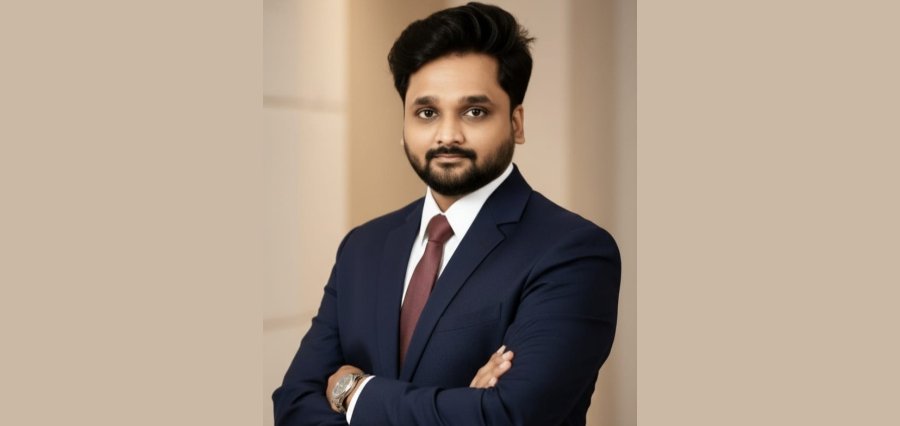
When Leadership Returns to Humanity: A Quiet Blueprint for the Future
The defining challenge of our era is not technological speed, but human direction. Artificial intelligence is advancing faster than ethics; innovation is scaling faster than empathy, and information is multiplying faster than wisdom. Across the world, a shared question is emerging: Can progress remain human? In this moment of global uncertainty, leadership itself is being redefined. The future no longer belongs to those who dominate conversations or scale systems the fastest, but to those who unite knowledge with compassion and innovation with responsibility. It is within this evolving global context that the journey of Anvesh Perada, widely known as Anvesh Roy, finds relevance. Raised in Visakhapatnam, India, Anvesh grew up in a modest middle-class household where values were practiced daily rather than spoken ceremonially. His father, a former Indian Army serviceman, embodied discipline, resilience, and integrity through action. His mother nurtured empathy, patience, and emotional balance. From an early age, he learned that character matters most when no one is watching, and that service does not require an audience. As the world began confronting challenges that refuse to stay within single disciplines—ethical technology deployment, mental health crises, governance reform, sustainability—the limitations of narrow specialization became evident. The future, educators and policymakers increasingly agree, belongs to interdisciplinary thinkers who understand systems and society. Anvesh Roy’s academic journey reflects this realization. Beginning with electrical and electronics engineering and advanced studies in power systems and automation, he later expanded into management, clinical psychology, journalism, and political science. This path was not driven by credentials, but by curiosity—a desire to understand how technology affects behavior, how narratives shape societies, and how leadership decisions ripple into human lives. Today, such integrated learning is globally recognized as essential for human-centric innovation and ethical governance. This philosophy also shaped his approach to research. Rather than pursuing innovation for novelty alone, his work spans areas such as electric mobility, emerging computational approaches, organizational behavior, and evolutionary theory. The common thread across these domains is relevance—innovation viewed through the lens of long-term societal impact. As research ecosystems worldwide move toward sustainability and public value, this approach reflects a growing expectation that knowledge must serve humanity, not distance itself from it.Yet ideas alone are never enough. Fame never pulled Anvesh away from his first calling: humanity. While recognition followed his interdisciplinary work, it never defined his purpose. His service journey spans feeding the homeless, animal rescue missions, caring for and feeding stray dogs, disaster relief efforts, and sustained mental health awareness initiatives. Importantly, Anvesh has never sought the spotlight for these efforts. There are no campaigns built around compassion, no performances of charity. Those who have worked alongside him note that much of this service happens quietly—without announcements, cameras, or credit. For Anvesh, service is not an identity to display, but a responsibility to live. He believes that kindness loses its meaning when driven by validation, and that real impact is measured not by applause, but by presence. In an age where visibility often overshadows sincerity, this approach stands apart. His commitment to human dignity also extends into human rights work. Serving as General Secretary (South India) of the Human Rights Council for India, Anvesh Roy remains closely connected to grassroots realities, working on equality, legal awareness, and social justice. Observers have noted that what distinguishes his engagement is its on-ground nature—bridging policy-level conversations with everyday human concerns. Leadership, in this sense, becomes less about authority and more about trust. Character formation has also been shaped through lived discipline. From cricket and football in school to cricket, kabaddi, and chess in college, sport became a space for learning patience, resilience, strategy, and emotional control. For Anvesh, sport was never about victories, but about conducting another quiet teacher of integrity. Recognition followed as his interdisciplinary and humanitarian work expanded. In recent years, global institutions have increasingly honored leaders who balance excellence with ethical shifts often described as responsible excellence. His honors include The Global Human Advancement Laureate of the Year (2025) by Pride Bharat Awards, the Global Multidisciplinary Humanitarian Polymath & Ethical Innovation Excellence Award (2025), the Infinity Renaissance Catalyst Vanguard Award (2025), the Best Emerging Scientist Award (2025) by Global Leadership Awards, the Best Emerging Scientist Award (2024) at the Asian Excellence Awards, the Best Researcher Award (2024) by SIPH International Faculty Awards, and being featured as ICONS OF INDIA (2024) by Fames India Magazine. Importantly, these recognitions are not treated as destinations, but as reminders of responsibility. Beyond formal roles and honours, Anvesh Roy’s influence extends into thought leadership. As a writer and poet, he frequently reflects kindness, integrity, mental well-being, and ethical leadership. His philosophy of “awakened intelligence” speaks to a global need: intelligence that is not merely efficient, but conscious progress that remembers its human cost. Looking ahead, the future of leadership will favour integration over dominance. Education will become purpose-driven. Innovation will be judged by human impact. Leadership will shift from visibility to service. In that future, the most meaningful question leaders will ask is not “How successful am I?” but “Whom does my success uplift?” Anvesh Roy’s journey does not claim perfection. Instead, it offers direction—a reminder that progress and humanity are not opposing forces. When intelligence is guided by compassion and integrity of anchors of ambition, the future does not merely advance—it becomes worthy. “We are born not just to exist, but to uplift each other. When kindness guides our actions, empathy shapes our decisions, and integrity anchors our lives, we don’t just build a better future— we become worthy of it.” Disclaimer – This article is a work of original content created for public relations and informational purposes only. It may be published across multiple digital platforms with the full knowledge and consent of the author/publisher. All images, logos, and referenced names are the property of their respective owners and used here solely for illustrative or informational purposes. Unauthorized reproduction, distribution, or modification of this article without prior written permission from the original publisher is strictly prohibited. Any resemblance to other content is purely coincidental or used under fair use policy with proper attribution. Read Also : Aditya Vaidya on Why Leadership, Systems, and Standards Will Define the Next Phase

What CEOs Can Learn from Trainers & Jockeys
Leadership Lessons from the Racetrack What’s the first thing that comes to mind when you think of horse racing? Most people would say the adrenaline rush from the races, but if you look deeper, you’ll find one core principle of the sport business. Horse racing has always been about money. Think about it. When modern-day horse racing started to become a thing, it was reserved for the elite. We are talking about people of a higher class, who usually go to the races just to discuss business opportunities. Well, that principle is stuck with the sport. There is no doubt that the world of horse racing has been refining leadership and performance for generations. One of the most important people, apart from the owners, are the trainers and jockeys, who constantly manage risk, work on their skills, build trust, and make split-second decisions where the stakes are literally life or death. That’s a lot of pressure, right? Since they’ve been doing this for hundreds of years, and the same principles can apply to the business world, a lot of CEOs can learn a thing or two from people involved in the Sport of Kings. Systems, Presence, and Continuous Learning Most people think that trainers are just caretakers of horses, which is totally wrong. They are system thinkers who cracked the code on how to get the best from horses using their intuition and strategy. Take the late D. Wayne Lukas, who was one of America’s top-tier trainers who won 25 year-end Eclipse awards. He didn’t rely on superstition or gut instinct alone. Yes, that’s necessary, but you also have to build a structured, goal-oriented system where every team member knows their role and can contribute to the success of the horse. He believed that leaders and teams should always find a way to learn and expand their capabilities. This is exactly the same as leadership in the business world. Businesses nowadays don’t put the same urgency on learning or improving. Some companies only do once-a-year workshops or mandatory online courses, which are not enough. Professional trainers see learning as part of their career, even for top-tier racehorse trainers. We think that CEOs can borrow this mindset and encourage their organization to treat every project or challenge as an opportunity to grow. After all, there is a reason why professional horse racing handicappers (pro bettors) carefully observe the horse trainers’ moves. According to TwinSpires, smart ticket building can increase profits, and targeting the right horses with a good team behind them can increase your winning chances. Another thing that most people don’t mention is that trainers like Lukas, Todd A. Pletcher, or Bob Baffert spent hours physically with their horses, studying every move, breath, or reaction. In the business world, presence matters the same way as in horse training. Strategy, Adaptability, and Trust Now let’s take a look at jockeys. They have one of the toughest jobs on the planet. They need to stay in shape throughout their career, push their body to the limit, and find a way to read the track in split seconds. On top of that, they form a silent partnership with a 1,000-pound animal, and somehow, they sync. In a race like the Kentucky Derby, jockeys stay calm under immense pressure, and they are locked in on their target, which is the finish line. So, what can CEOs learn from jockeys? They can adopt a calm demeanor under pressure, make quick decisions after observing the variables, and push themselves to their limits. On top of that, if jockeys can make a connection with an animal that doesn’t speak, what is the excuse of CEOs who still haven’t bonded with their team? In the business world, market shifts, competitors launching new products, and evolving customer expectations occur faster than ever before. You have to have a jockey mindset in order to adapt to all of these changes. But the most important lesson we can learn from jockeys is trust. They trust the horse they are riding, and that’s the only way they can succeed. CEOs must work on increasing their trust but also trust their idea, process, and all the people involved. Communication and Team Cohesion Even though the horse and jockey often get the biggest credit after a win in a big race, there is a whole team (stable staff, grooms, trainers…) that is responsible for the horse’s success. The same thing goes for business. Success comes from aligned teams that trust each other and are working towards the same goal. So, clear communication is quite important. In business, CEOs often hide their strategy but sharing it will only make your team more cohesive, making it easier to succeed. Discipline, Patience, and Emotional Regulation Lastly, there is absolutely no success in horse racing without discipline and patience. Trainers work with horses every day at unusual hours, and jockeys follow a strict diet to maintain a low weight. This is called discipline, and it is also crucial in the business world. Some smaller tasks might not make too much sense, or they might not give you any monetary boost, but doing them matters for the overall goal of the company. Discipline will also allow CEOs to win over emotions and make the right decisions under pressure. So, it seems like CEOs can learn a lot from a sport like horse racing. Horse racing has survived and thrived for hundreds of years. Therefore, if you want your business to do the same, maybe adopting some of these principles is a good idea. Read Also: Improving Security Without Making the Yard Feel Closed Off

Cognitive Pioneers: Intelligence Redefined and the Future of Memory in 2026
2026 denotes a revolutionary shift in the very definition of intelligence. It is no longer just a large amount of intelligence or the best use of algorithms that get counted as intelligence; rather, there are many more factors involved, for example, system’s learning, remembering, and even applying knowledge across different times and places. AI, brain research, and database technology are all making their contributions to the great transformation of memory from a substance of static nature to that of a dynamic and adaptive capability. This shift is grabbing not only machines but also human’s manner of processing data, decision making, and knowledge sharing. The memory has turned into the primary war zone in this transformation. The ability to retain important information, to disregard through good judgment, and to draw insights at the proper time has emerged as the main factor of progress in the data-powered world. Memory is no more a place where only enterprise systems keep past knowledge; it is now a personal AI assistant that progresses along with the user. Evolving Intelligence In 2026, intelligence has prompted a new definition that does not only include problem-solving but rather a gradual understanding. Modern intelligent systems will be able to recognize patterns over years rather than seconds, with responses shaped by experience accumulated gradually. This has brought about a change from transactional intelligence to relational intelligence, where the systems are aware of their previous interactions and respond differently. This technological transformation is less reactive and more anticipatory, thus facilitating decisions rather than merely following commands. The same redefinition is also evident in how organizations deploy intelligence at scale. Companies are no more interested in separate analytical tools but rather in integrated intelligence layers which consist of historical insights, customer behaviors, and operational lessons. Memory assisted intelligence will allow companies to not only avoid past errors but also to speed up the process of innovation. It will create a sense of accountability since there will be a way of tracking the decision-making through data and past outcomes that have been remembered which will bolster governance and trust. On a societal level, the development of intelligent systems is having an impact on education and skills. Recall is becoming a lesser focus of learning as external systems increasingly handle information retrieval. Human intelligence is shifting toward interpretation, judgment, and creativity, while machines manage structured memory. Memory Systems In 2026, memory is more than just a matter of storage capacity, but a matter of structure and relevance. The most advanced memory systems are placing meaning, context, and usability above the volume that is processed. One sign of this in AI is the adoption of the new persistent memory architectures that allow the retention of user preferences, domain expertise, and situational awareness of the system over a prolonged period. These systems allow for continuity thereby reducing friction and at the same time increasing personalization without the need for constant retraining. As memory systems expand, the ability to rid the system of outdated or low-value information becomes a necessity. Today intelligent memory consists of the means for decay, compression, and abstraction, thereby ensuring that the insights are always usable and not too much to handle. This is same as human cognition where the process of forgetting is as vital as that of remembering. Intelligent systems that actively manage their memory can be efficient, relevant, and even resistant to extinction. In human situations, memory systems are being enhanced by digital tools that serve as external cognitive partners. Knowledge workers more often than not depend on intelligent platforms to remind them of their past work, to provide them with a summary of the long-term project, and to bring up the relevant insights at the time of need. Thus, these tools have an impact on how productivity and collaboration are shaped, allowing teams to be built on knowledge that has already been acquired instead of starting from scratch. Future Implications Memory-driven intelligence in the coming years is going to be a topic of vibrant debates on ethics and strategy. The use of memory that never goes away is going to be a factor in the discussions of privacy, consent, and power, especially in cases when system keeps track of a person’s behavior or decision for a long time. In 2026, organizations will have to face the challenge of creating memory frameworks that are open and user-friendly, allowing the user to see, control, and even delete the information that has been stored when needed. The degree of trust in intelligent systems to a larger extent is determined by the manner in which memory is managed. Besides the ethical issue, one of the other consequences is a change in the power dynamics and prevalence of inequity. The ability to control large-scale memory infrastructures gives the entities a significant edge, as the long-term data gives them the power to predict and influence more accurately. Thus, governments, corporations, and platforms are working hard to find the right balance between the two aspects, i.e., memory-based intelligence should not lead to monopolies or create situations where individuals lose their power. The regulation is slowly shifting from focusing on data collection to looking at the entire data lifecycle from data retention to usage over time. Conclusion In 2026, the cognitive vanguard from different fields such as technology, science, and policy are gradually reinterpreting intelligence through memory. Nowadays, the retaining of context, learning from experience, and the wise application of knowledge over time are the new criteria for measuring intelligence besides speed and scale. Memory has turned out to be the common thread that binds past insights to the present and future decisions, thus making it possible for machines and humans alike to work with greater continuity, foresight, and responsibility. The forthcoming challenge is to develop memory-based intelligence that aligns with the desired goals when done carefully. As the systems become powerful in the aspect of memory, society will have to ensure that memory is governed by the principles of openness, ethics, and human values. Read
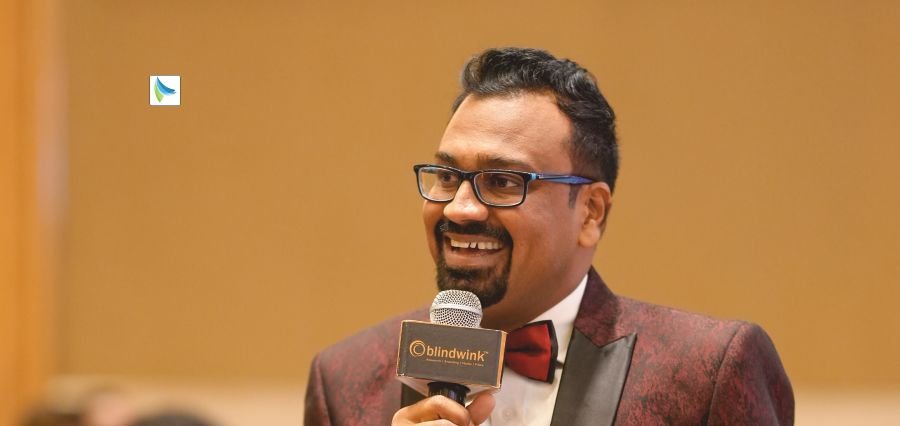
The World Memory Man: Dr. Raviprasad Sajjan — A Multiple World Record Holder For Memory Power
Before the world began speaking seriously about cognitive science and human potential, one man quietly set out to test the true limits of memory. What followed was not just a record, but a revolution in how memory itself is understood and taught. Dr. Raviprasad Sajjan M. rose to prominence after achieving an extraordinary feat: memorizing and recalling 1,000 entire mobile phone numbers, earning him the title of “World’s First Memory King of Mobile Numbers.” And he is also introduced as a legendary figure globally recognized as the World Memory Man, whose mastery over cognitive recall has established a new benchmark for intellectual achievement. Yet his path did not end with global recognition. It sparked a lifelong mission to democratize memory power and unleash human potential on a large scale. As the CEO of Master Mind Power Secrets Pvt. Ltd., he has turned personal success into public impact. Over the years, he has instructed over 600,000 people in India and overseas, including students, educators, professionals, doctors, and business owners. His approach combines scientific study with practical application, making complicated cognitive procedures understandable, effective, and revolutionary. His influence continues to change learning environments, from worldwide seminars to government-backed educational programs linked with India’s National Education Policy 2020. His career, as a multiple world record holder and recipient of countless national and international awards, exemplifies how rigorous training can transform human potential into measured excellence one mind at a time. The World’s First Memory King of Mobile Numbers Dr. Raviprasad Sajjan holds not just a world record, but a unique, unprecedented title: he is hailed as the “World’s First Memory King of Mobile Numbers.” He is the only person in recorded history ever to attempt, let alone succeed, in memorizing and recalling 1,000 complete mobile phone numbers. This achievement, documented as the World Record for “Maximum Number of Mobile (Phone) Numbers Memorized & Recalled by an Individual,” is a profound testament to his unparalleled focus and memory techniques. Before him, the sheer complexity and sequential difficulty of recalling so many modern digital identifiers meant no one had dared even to set this specific challenge. Multiple World Record Holder in Memory Dr. Raviprasad Sajjan’s world record achievement is now officially recognized by various world record organizations from all over the world, which include the UK, UAE, USA, NIGERIA, EUROPE, INDIA, etc. The world record organizations have officially verified, approved, registered, and included Dr. Raviprasad’s outstanding world record. Nobody has yet managed to break his long-standing world record, even from the Guinness World Records and the Limca Book of Records. His achievement garnered widespread appreciation from international print and television media officials. The Global Academy: Master Mind Power Secrets Dr. Raviprasad’s unparalleled success in memory feats was not an endpoint; it was the beginning of a profound educational mission. Through his company, Master Mind Power Secrets Pvt. Ltd. (MMPS), he established a global academy dedicated to enhancing human potential. The scope of his educational impact is staggering: he has personally trained over 600,000 individuals, a diverse cohort including students, parents, professionals, doctors, business leaders, and educators. His mission is to bridge the gap between innate human potential and actual memory mastery, helping people unlock their true cognitive abilities. Spreading the Science: Seminars Without Borders Dr. Raviprasad’s highly sought-after seminars are comprehensive masterclasses in cognitive development, extending far beyond simple rote memorization. His training covers essential skills such as Memory Power, Mind Training, Speed Reading, Vedic Mathematics, and Abacus, coupled with vital soft skills like Leadership and Effective Parenting. His educational influence spans the globe, with programs conducted regularly across India and internationally in locations such as Singapore, Bangkok, and Malaysia. This groundbreaking work ensures that his revolutionary understanding of memory enhancement is not confined to one region but elevates the cognitive abilities of diverse professional and academic communities worldwide. His enduring legacy is his demonstration that the human mind is capable of extraordinary feats when approached with disciplined training. His work cements him as an unparalleled leader in advancing memory science, mind power, and the overall development of human potential. His seminars, workshops, and his whole life journey have appeared in all international & national leading Newspapers & TV media for several times. He never forgets to thank the support given by Print media & TV media. Aligned with the Nation: Memory Power and the NEP 2020 The National Education Policy (NEP) 2020 mandates a fundamental transformation of India’s education system, emphasizing not just academic rigor but efficient teacher training and effective examination reform. Recognizing the critical role of cognitive skills in achieving these standards, the Government of Karnataka State initiated a directive to improve teaching quality through programs led by well-qualified, renowned resource persons. Responding to this high-level call for educational excellence, Sri TIPPESWAMY. C.M. (KES), the Block Education Officer (BEO) of Hiriyur Taluk, Karnataka State, took decisive action. He successfully organized an extensive, one-day training program led by the international expert, Dr. Raviprasad Sajjan M. Reversing the Decline: A Call to Unique Action The urgency behind the BEO’s initiative was rooted in a critical challenge: the Chitradurga district, Karnataka State, which had proudly secured the state’s top position in the SSLC Board Exams in 2023 with a 96.8% pass percentage, suffered a massive decline in 2024, suddenly slipping to the 21st position. This sharp failure prompted the Deputy Director of Public Instructions (DDPI) to mandate that all BEOs implement unique, innovative programs to help students face their board exams “confidently like a festival.” The Fearless Exam: A One-Day Cognitive Overhaul The specially designed, one-day training program conducted by Dr. Raviprasad for the SSLC students was a comprehensive cognitive overhaul. It centered on demystifying the preparation process and eliminating anxiety, revolving around crucial topics like Exam Fear, Memory Power, and Concentration Power. The training provided students with practical mastery over Memory Techniques (Registration, Retaining & Recalling), Spaced Learning Systems, methods for Handling Weak Subjects, and strategies for Remembering Long Questions & Answers. Furthermore, it addressed modern distractions by advising on avoiding TV &
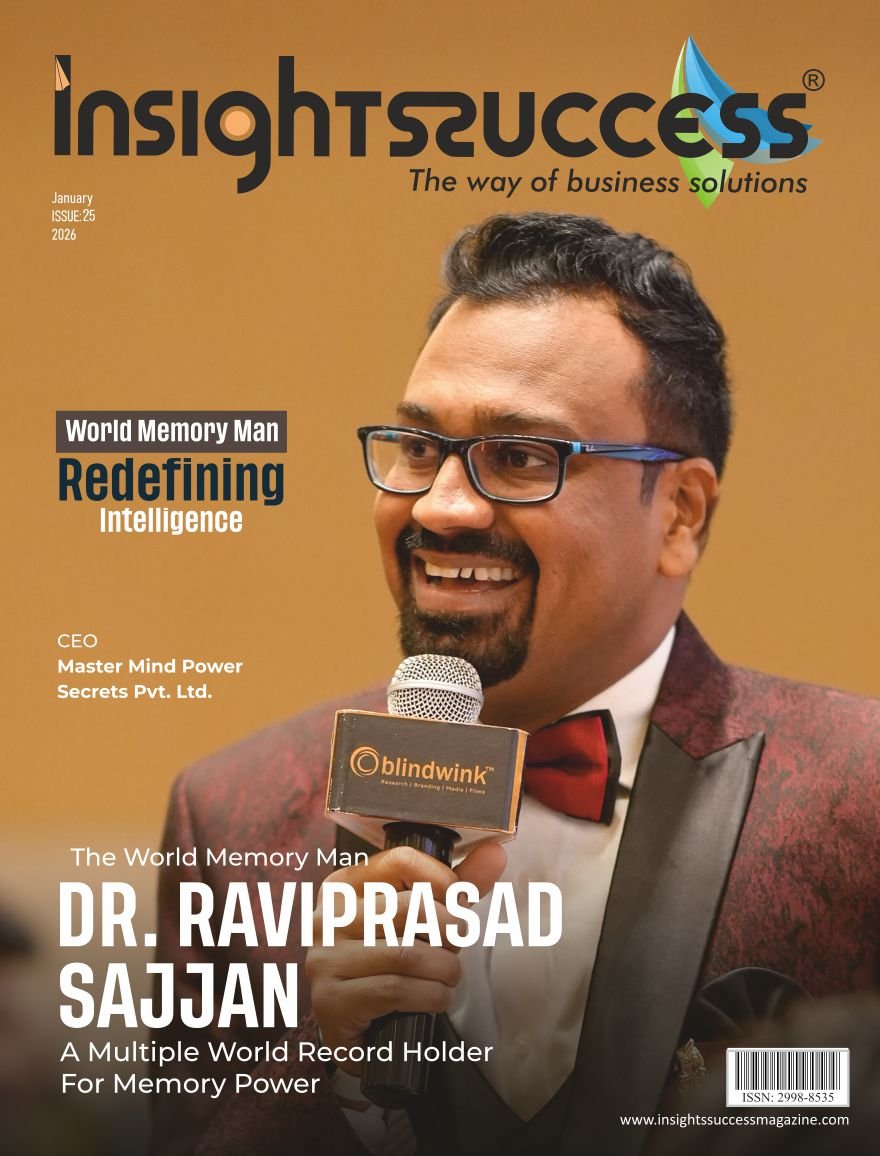
World Memory Man Redefining Intelligence
World Memory Man Redefining Intelligence Dr. Raviprasad Sajjan, globally known as the World Memory Man, is a multiple world record holder renowned for memorizing 1,000 mobile numbers. As CEO of Master Mind Power Secrets Pvt. Ltd., he has trained over 600,000 learners worldwide, transforming memory science into practical, scalable education aligned with national and global learning goals. Quick highlights Quick reads

Frameworks That Improve Results
Tough Decisions in Business In business, tough decisions are a part of the job and not the exception. The leaders with the highest value are seldom recognized through easy wins. They are recognized through their actions when nothing is clear, trade-offs are unavoidable, and all options come with risks. Cutting costs without damaging capability, between growth and profitability, leaving a market, replacing a senior leader, or investing through uncertainty are just some of the examples where difficult decisions not only shape the direction of the organization but also often do that more than the regular operations ever will. Why Tough Decisions Go Wrong Most of the time, bad choices are not made by leaders who are careless but rather bad choices are made through the distortion of the decision-making process. In some cases, the leaders would take action later so that the decision would then be forced and more costly. In other cases, they would rather act quickly to relieve the pressure and confuse urgency with importance. Sometimes, the teams get overwhelmed with data and yet still do not get the signal. And, very often, the most dangerous pattern is refusing to acknowledge that there are trade-offs involved—going for the options that seem to please everyone but actually please no one. The hidden issue is that difficult business decisions are seldom about finding the right answer. They are rather about picking the best compromise under the limitations. And compromise needs clarity. Decision Clarity Before Decision Speed High-performing leaders always start tough decision-making by decluttering. The very first thing they do is to set up three basics: what decision is there to make, what outcome is the most important one, and what constraints must be honored. This sounds like a no-brainer but it is actually the very point where a lot of organizations fail. If the teams have different interpretations of the decision, the discussions become endless. The leader has to be the one to state the decision in precise terms, as clarity brings about swiftness. You cannot act on something that is not clearly defined. When leaders bring to light the decision, they also safeguard the organization from fragmentation. A halt is put to those debates that revolve around nothing and a shift is made to conversations that are centered on what will genuinely produce results. Scenario Thinking Instead of Prediction Leaders make the tough choices when they act as if the future is certain. The majority of business atmospheres do not reward certainty—they reward preparedness. The powerful decision-makers do not inquire, “What will take place?” They question, “What might happen—and are we ready?” They investigate likely situations: demand goes up, demand comes down, competitors react fiercely, laws change, and disruptions in the supply chain recur. The practice of scenario thinking enhances the quality of decisions because it lowers the chances of experiencing surprises. It compels the leaders to cease their efforts to find the best solution for the future and instead to pick the options that are still strong in different futures. That is how decisions gain robustness and do not become fragile. What Tough Decisions Ultimately Require Absolutely! Frameworks are important, as they guide the mind. However, even the optimal decision-making structure is of no avail in the absence of a very brave leader. It goes without saying that only a courageous person can control the situation in tough times, be professional enough to lay the disadvantages together with the reasons and hold their ground even if the result is not what everybody hoped for. Moreover, the person in charge should be able to withstand the pressure without getting aggressive and should be making decisions that will keep the foundation firm in the long run, not just give comfort for the moment. Conclusion Tough decisions are the place where really business performance is built up. The organizations that keep winning are not the ones that avoid hard calls—they are the ones that make them with clarity, structure, and speed. Framework-driven decision-making does not eliminate uncertainty. It eliminates confusion. It clearly defines priorities, makes trade-offs apparent, and converts risk into controlled action. In business, fewer hard decisions do not mean more results. They come from making hard decisions better. Read Also : Implementing Trust-Based Investor Relations for Startups

Building Credibility Across the Organization
Influence Through Results In modern workplaces, it is only one of the means to influence others by position. As a matter of fact, a lot of the most powerful professionals manage to lead without any formal authority—they are the ones facilitating outcomes through cross-functional alignment, trust of stakeholders, and performance visibility. In such an atmosphere, trustworthiness becomes the main factor of influence. And the most powerful type of trustworthiness is not communication, charm, or visibility; it is results. The influence power that comes from results is a leadership advantage that makes it easier for people to be involved in decision-making, get the support they want, and create a positive impact all over the company, even if they are not at the top of the hierarchy. When this is done right, the results turn into a reputation creator, that is, they build trust, lessen resistance, and attract people to work together through the different teams and levels. Why Results Build Influence Faster Than Titles The competition for priorities characterizes the organization’s setting. The majority of the people, however, are unwilling to risk their resources or lend their support to those projects that are not certain. If a person is frequently connected to delivery—outcomes that are strong, execution that is clean, and follow-through that is reliable—others will, of course, notice him or her. The decision-makers will, then, gradually start to listen more attentively. The stakeholders will, in turn, become more eager to collaborate with others. The teams will, thus, begin to get aligned more rapidly. The results, as a consequence, diminish the perceived risk. And, it is through the reduction of risk that one obtains influence in complex organizations. Credibility is Built on Consistency, Not One-Time Wins One-time win may be just a coincidence. Taking it to the next level is the supporting evidence of the expert’s trustworthiness. People in the organization who are able to influence more don’t count only on their single accomplishments. They get a name for being reliable, delivering results during various problems, with various groups, and with various limitations. They always come on time with the work, keep the standard, find the problems at the earliest stage, and get them solved, and are always polite and clear in their communications. This is the way the reputation is built. Trust, being the most important factor, is a result of what people are experiencing all the time. The human factor is that consistency builds predictability, and predictability builds trust—more so in environments fraught with uncertainties. Results Must Be Visible to Become Influential One of the errors that highly skilled people usually commit is to take for granted that the results will be recognized by themselves. In big companies, the results are frequently not. The leaders have to make the results understandable and shareable so that at least they will not be completely out of sight for the immediate teams where the great work is done. To influence others, one needs to be visible, but one does not have to be self-promotional. The goal is to be clear. Professionals with high credibility put the results in terms that others appreciate, that is, weighing up the impact on revenue, efficiency, customer experience, risk reduction, or strategic progress. They link their work to business priorities. When the results are turned into organizational value, the team’s credibility is extended beyond its local area. Credibility Grows When You Own the Hard Parts The most powerful outcomes are those that come about through the hardest of circumstances. It is easy for anyone to put up a good show when the circumstances are perfect. But even more so, your credibility is established by your willingness to take responsibility for those difficult parts: the unclear scope, the conflicting stakeholders, the limited resources, the shifting timelines, and the high scrutiny. When people witness your composure, structure, and accountability in challenging situations, your influence grows exponentially. The reason behind this is that being resilient is an uncommon trait. Both leaders and teams have respect for those who can do their work without making a fuss and those who, instead of causing trouble, help to find the solutions. Influence is Accelerated by Ownership and Accountability One of the quickest ways to establish trust throughout the institution is to act as an owner. Owning up to your work implies concentrating on the results rather than the process. It involves identifying possible obstacles, working out alternatives, and taking on the burden of accountability even though the task is shared. If the professional community is taking responsibility, the management is going to start recognizing their efforts and giving them bigger roles. Gradually, the initial trust is transformed into power. The management and the staff will start engaging them in the process of making decisions earlier, depending on their wisdom, and asking for their advice—not because they have to, but because they want to. The influence is made greater when the accountability is clearly seen. Conclusion One of the most powerful and long-lasting forms of leadership is influence through results. It is not subject to title, authority, or hierarchy. It is all about what one does. Individuals who develop their trustworthiness throughout the organization manage to do three things really well: they keep producing the same quality of work, their impact can be seen in enterprise terms, and they do everything in a way that fosters trust. Ultimately, influence is not a thing you ask for. It is a thing you get by very loud, powerful results and very strong, long-lasting credibility. Read Also : Implementing Trust-Based Investor Relations for Startups
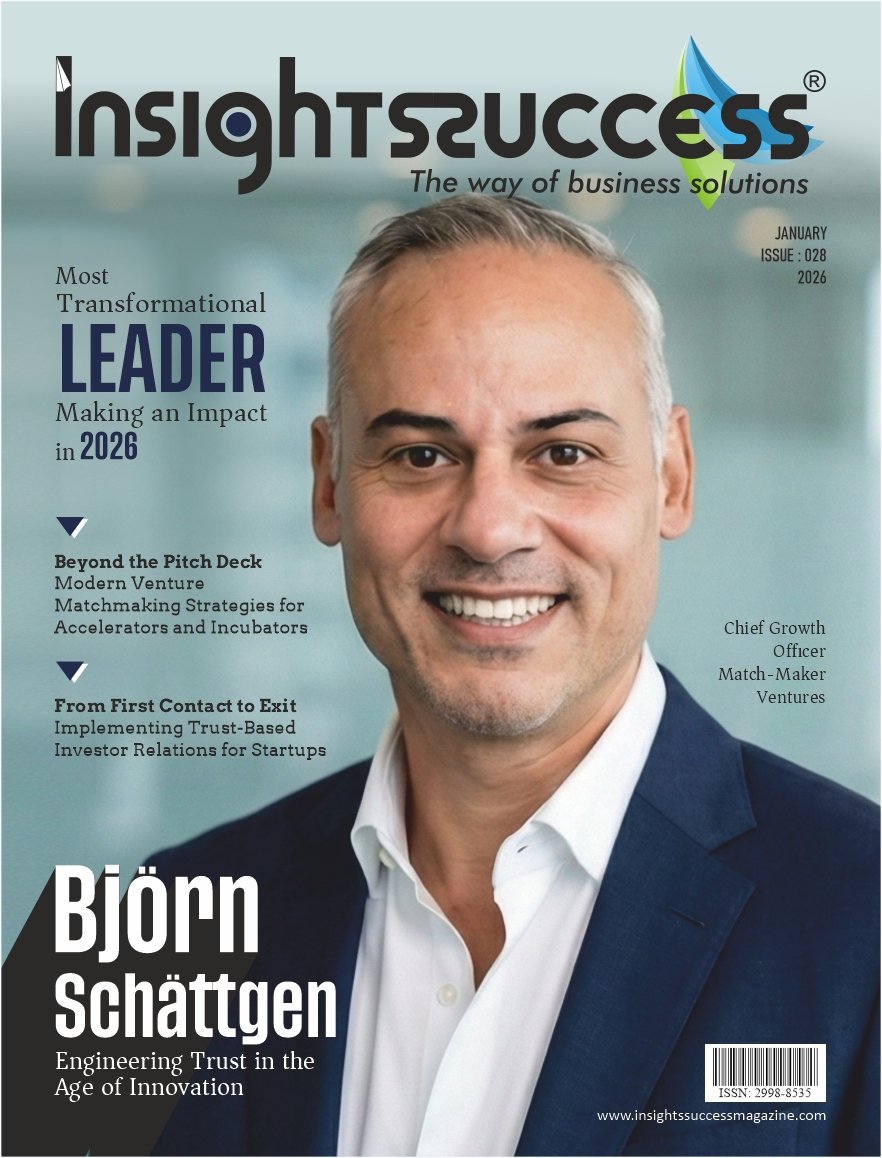
Most Transformational Leader Making An Impact In 2026
Most Transformational Leader Making An Impact In 2026 This edition celebrates Bjoern Schaettgen for his visionary leadership, strategic foresight, and unwavering commitment to meaningful change. His ability to inspire innovation, empower people, and drive sustainable growth positions him as a transformational force shaping industries and leadership paradigms in 2026. Quick highlights Quick reads

Implementing Trust-Based Investor Relations for Startups
From First Contact to Exit In the fast-evolving domain of startups, the process of acquiring investors is often comparable to the making of a product in terms of difficulty. Apart from making financial estimations and coming up with brilliant ideas, there is a factor that is less visible but still very important that can determine the fate of the funding chances: trust. Trust-building and trust-maintaining have become the norms in the startup world regarding investors. Simply put, this is the basic principle of trust-based investor relations for startups, which is a method that transforms the involvement of investors from simply transactional interactions to long-term strategic partnerships. Getting to Know Trust-Based Investor Relations At the very beginning, on the very surface, trust-based investor relations for startups are characterized by transparency, and honesty, and the promise of good communication. In contrast to the conventional investor relations that might choose to only highlight the metrics and growth reports, trust-based relationships acknowledge the human aspect of relationships. Investors are not simply the funds’ sources, they are the partners who in most cases provide mentorship, access to networks, and strategic guidance. When a startup puts trust first, it not only creates an environment for confidence but also attracts the loyal and supportive customers thus forming a sustainable ecosystem for growth. Startups that lack trust generally have a difficult time in the next funding rounds since the investors’ doubts increase because of the non-transparency. If the founders were to build a trust-based relationship from the outset, they would be able to easily avoid misunderstandings, set realistic expectations, and thus be equipped to handle challenges without damaging the investor relationships. Building the Foundation: Transparency and Communication The first step of trust-based relationship between investors and startups is transparency. The investors’ need is to have a complete picture of both the business’s opportunities and risks. Founders need to provide constant, clear, and data-supported updates on product development, market adoption, and financial position. On the other hand, transparency doesn’t only mean disclosing figures; it means engaging in different conversations concerning difficulties, the decision to switch, and the lessons learned. Moreover, communication that is frequent and orderly has the same importance. By having quarterly updates, monthly newsletters, or making special investor portals, the company not only keeps its investors updated but also engages them. This kind of approach reduces uncertainty, stops rumor mills and at the same time enhances the startup’s trustworthiness. Open communication is more than just informing and updating, it is respect for the investors’ time and money and hence, trust is built naturally. The Role of Authenticity and Consistency Trust is something very fragile, and a tiny inconsistency can be a reason for investors to lose interest. The startups should be very careful to ensure that their words match their actions. No matter how tempting it might be, they should refrain from making unrealistic promises at the time of pitching, and when giving milestones, if there is a delay, they should come clean about it. The truthfulness is very crucial – investors are very quick to tell whether the founders are either overstating or withholding important information. Trust-based investor relations for startups require honesty from the initial contact and throughout the whole process. It might be as straightforward as discussing the cash burn rates or honestly admitting the competition in the market. Leveraging Relationships Beyond Capital Using a trust-based technique is not only about obtaining capital. It’s really about the connections that generate value for both sides. An investor who has a trustworthy and reliable relationship with the startup will be more likely not only to promote the startup to potential clients, strategic partners, or even other investors but also by himself/herself to the resulting network. This two-way connection can be really beneficial, especially in the early days when the new business has hardly any reputation and no connections. Moreover, it is the case that in most cases investors will have the biggest fragment of the company’s leadership and thus authority in the company’s crucial decisions whether they are related to human resources, the company’s direction, or entering new geographical areas. A startup that keeps the communication open with its investors based on trust not only provides the investors with a guarantee of their loyalty but also gives the investors the comfort to expose their views without the fear of getting too involved. This combination of openness and collaboration further strengthens the startup’s ecosystem and boosts its capacity to endure crises. Strategies for Implementing Trust-Based Investor Relations Develop a Clear Communication Plan: For investors’ updates agree on the frequency and channels of communication. A well-structured and organized approach to communication will remove ambiguities and build trust. Be Transparent About Financials and Milestones: Both achievements and difficulties should be celebrated. Learn from failures and successes and share them. Engage Investors in Strategy, Not Just Reporting: Stimulate the investors to give their opinions and take advisory positions. This will create a feeling of collaboration instead of just financial oversight. Deliver on Promises: If a certain milestone gets delayed, explain why and provide the plan for overcoming the situation. Being responsible for one’s actions fosters trust. Showcase Authenticity: Let the investors see the human side of the startup Evaluating Winning in Trust-Based Relations To measure success in trust, one must consider the engagement and sentiment which can be quantified equally with trust; on the other hand, Trust, have not the same value as sales and customer acquisition metrics, still, it is a fundamental aspect of the business. The quality of the relation with the investors can be established from their rapid response, readiness to suggest and offer help, and the willingness to put money in the future rounds, etc. Indicators of trust and confidence include investor feedback, participation in strategic discussions, and being referred to other investors. A startup that has gained trust-based investor relations with the support of venture capitalists can expect a positive chain reaction: the investors are generally supporters, the startup is seen as more credible