






The Economic Impact of Current Retail Trends on Supply Chain Management
With there being the fast-changing retail environment in the present times, new technology and changing consumer patterns are provoking organic changes in supply chains. With the retailers trying to keep up with rising expectations and speed with velocity, customizations, and sustainability, Supply Chain Management (SCM) has emerged as one of the major successful drivers. More than physical movement of products A to B SCM in the contemporary world is a complex web of data-driven decision-making, supplier partner relationships, and adaptive distribution. Consumer behavior has a far-reaching economic impact on SCM. The Rise of Online Shopping and Omni-Channel Experience Among the most powerful changes in drivers in retail is the growth of e-commerce. Online buying, which gained humongous speed through the pandemic, has now grown up as a method of preference for half a billion consumers worldwide. The shift has altered Supply Chain Management paradigms. The traditional systems, which handled bulk deliveries in physical locations, are being replaced by systems with a focus on last-mile delivery, robotic warehouses, and real-time stock management. Merchants increasingly are adopting omnichannel approaches to harmonize physical and digital shops. From same-day home delivery to “buy online, pick up in-store” (BOPIS), these technologies put a lot of pressure on supply chains to be more responsive and nimbler. From an economic perspective, this is no different from increased investment in technology, logistics centers, and transportation networks. Compliant companies have increased operating expenses, lost business, and waning customer loyalty. Consumer Demand for Sustainability The second big trend that is impacting Supply Chain Management is that of increasing consumer awareness about sustainability. The consumers do not only care of the quality and cost of products but also care about how products are produced, procured, and delivered. This has prompted retailers to re-engineer their entire supply chain system in an environmental friendly way. On a business level, it is a challenge and opportunity. Even if such practices as reduction in packaging, purchases made locally, or electricity-hauling trucks may altogether push front-end expense, SCM being environmentally oriented is able to offset on the longer term since it is power efficient, minimizing wastes, and obtains brand premium that eventually equals into consumer response and loyalty. The reaction of emerging technologies such as artificial intelligence (AI), Internet of Things (IoT), blockchain, and robotics is reconfiguring supply chains. They provide higher visibility, efficiency, and predictability. For instance, AI can accurately forecast demand, allowing firms to hold the ideal levels of stock and not face stock outs or overstocking. Blockchain technology, among others, introduces transparency and trust into the supply chain with the potential for tamper-evident tracing of products from origin to end customer. It is optimally suited to foodstuffs, pharma, and luxury items. Supply Chain Management is thus becoming smarter and forward-looking, i.e., massive cost savings, risk mitigation, and improved customer satisfaction. Labor Shortages and Global Disruptions The modern retailers also have to contend with labor shortage as well as international supply chain disruption, which is increasingly becoming regular phenomenon thanks to geopolitical instability, natural calamity, and ongoing impacts of COVID-19. All these rendered SCM more difficult as well as unpredictable. Economically, companies are struggling to strengthen supply chains, if necessary, at a price. This could mean nearshoring production, expanding the bases of suppliers, or investing in automation to reduce dependency on people. Although these measures tighten belts short term, they reward long term in the currency of greater stability and fewer days of downtime. Data-Driven Decision Making Supply Chain Management is based on data. Machine learning, real-time analytics, and cloud infrastructure are enabling retailers to make faster, smarter decisions. From routing shipments around weather-related disruptions to repricing according to demand estimates, data helps companies remain competitive and reactive in response to changing conditions. Its cost implications are formidable. Those capable of accessing data are better able to drive down waste, improve inventory, and drive service levels higher—all essentials to a sounder bottom line. The slowpokes are plagued by waste, lost potential, and lost profitability. The Human Factor There remains human ability upon which the power of effective Supply Chain Management depends. Ongoing, deep expertise on the part of experienced hands to critique information, manage relationships, and chart business activity in adversity is a prerequisite. Supply chain expertise is needed more than ever, and businesses are spending considerably in creating, re-deploying, and maintaining capability. At a macroeconomic level, such investments in human capital reap rewards in innovation and flexibility. They also yield opportunities for careers in analytics, logistics, and supply chain strategy—careers growing in relevance to national and international economies. Conclusion Retailing is experiencing a seismic change, and Supply Chain Management is at the forefront of this revolution. Expansion in e-commerce, sustainability, technology, labor, and data-driven strategies are all driving forces in how products move from suppliers to customers. These drivers are ushering economic challenges, but opportunities for innovation, efficiency, and value in the long term. Just agile, wise, and sustainable supply chain business models will put their promoters in the best possible position to prosper in this new world. Supply Chain Management is more than a profitable backroom organizational function—it’s the recipe for consumer delight and economic prosperity and a visa to competitiveness in this new retail world.
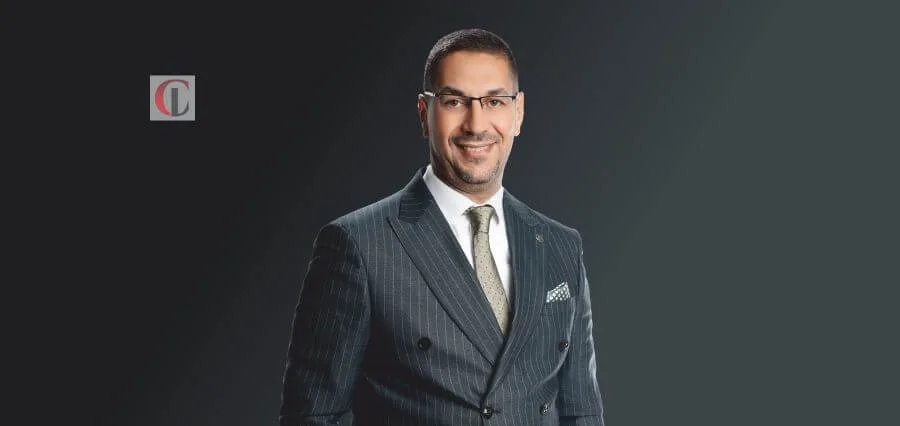
Engineering the Urban Future: Majdi Bana Gains Recognition in CIOLook as one of The 10 Influential Leader Leading the Geospatial Technology and Digital Twin Revolution
Geospatial technology serves as a cornerstone of modern urban development and smart city initiatives, enabling precise mapping, advanced data analysis, and dynamic spatial visualization. As cities expand and infrastructure needs grow, this technology facilitates efficient planning, resource optimization, and predictive modeling. Innovations such as digital twins and enhanced GIS are addressing key urban challenges, from sustainability and traffic congestion to disaster readiness. Majdi Bana, Founder of Altigen Technology Grup and CEO of New Technology Engineering Consulting (NTS), exemplifies leadership in this space. Under his guidance, both companies are pioneering solutions that redefine urban planning through integrated, intelligent, and sustainable geospatial technologies. Majdi has over 30 years of experience in advancing geospatial technology, smart city infrastructure, and digital twin solutions across public and private sectors. He holds a degree from France’s prestigious Institute Géographique National (IGN). Starting his career in Palestine, Majdi helped establish the country’s first GIS-based land information system and digitized the water supply. He later led major GIS projects in Saudi Arabia, including initiatives for King Abdul Aziz University and the Haramain in Makkah. As CEO of NTS and founder of Altigen Technology Grup, Majdi continues to drive innovation in geospatial technologies and smart cities, shaping industry growth and sustainability. Effective leadership in technology-driven industries demands a combination of technical expertise, strategic vision, and emotional intelligence. Majdi exemplifies these qualities through his focus on continuous learning, ensuring his teams remain informed and confident in their decisions. He emphasizes a clear vision, aligning teams with long-term goals while fostering open communication to build trust and collaboration. Majdi also champions an inclusive culture, encouraging diverse perspectives for innovative solutions. His leadership is marked by integrity, empathy, and a commitment to excellence, driving both individual and organizational success in geospatial technology and smart city development. Recognized by CIOLook as one of The 10 Influential Leader Leading the Geospatial Technology and Digital Twin Revolution, Majdi Bana’s work stands as a testament to how technology, when guided by purpose and expertise, can significantly elevate the quality and resilience of modern cities.

European AI Continent Agenda Gains Global Momentum at the Largest Inaugural Tech, Startup & Digital Investment Event
GITEX EUROPE x Ai Everything gears up for Berlin debut as influential leaders and policymakers preview bold cross-border tech partnerships, capital access, and AI economy acceleration Berlin, April 2025 As Europe accelerates its mission to supercharge the continent’s AI readiness and digital economy, influential leaders rallied together at the GITEX EUROPE x Ai Everything press preview this Wednesday in Berlin to address the strategic imperatives, progressive commitments and investments aimed at transforming Europe’s tech industry and talent pool into powerful engines driving the AI leadership agenda. GITEX EUROPE x Ai Everything, taking place from 21–23 May at Messe Berlin, brings together over 1,400 tech companies and startups exhibiting from 67 countries and 600-plus investors, with the mission of igniting a future where big tech, startups, and SMEs can access solid, scalable, and sustainable public digital infrastructure – from data centres, cloud connectivity to semiconductors – and enable a more flexible regulatory framework to fast-track the AI Continent vision. The event is organised by KAOUN International, in partnership with the Berlin Senate Department for Economics, Energy and Public Enterprises, Germany’s Federal Ministry for Economic Affairs and Climate Action, Berlin Partner for Business and Technology, and the European Innovation Council (EIC). Addressing Europe’s Digital Priorities Amid Changing Global Dynamics In the lead-up to the show, senior government officials, investors, and ecosystem leaders echoed the progressive economic impact of the GITEX platform and its role in catalysing public-private partnerships, cross-sector collaborations, digital competitiveness, and multi-sector investments, while also reaffirming Germany and Berlin readiness, accessibility, and momentum to connect with the global tech ecosystem. Kai Wegner, Governing Mayor of Berlin, remarked, “The GITEX tech fair is taking place in Berlin for the first time. This is a big achievement that confirms Berlin’s importance as an international location for industry events and innovation. Berlin is Germany’s startup capital and one of the top three cities for startups in Europe, alongside London and Paris. With GITEX, Berlin can further develop this leading position and gain additional momentum on the way to becoming Europe’s number one innovation hub.” Franziska Giffey, Mayor of Berlin & Senator for Economic Affairs, added, “Berlin and GITEX are a perfect match. Together, we build a unique opportunity for industry innovators, startups and scale-ups to meet, foster progress and fuel economic growth. As Europe’s startup and innovation capital, and as a city deeply rooted in the spirit of international cooperation, we cordially welcome all GITEX EUROPE participants to Berlin.” Trixie LohMirmand, CEO of KAOUN International and organiser of GITEX worldwide, shared, “Germany as the world’s third largest economy and GITEX as the world’s largest tech event brand across continents have a shared commitment to forge collaboration in research and application of tech to solve global challenges. The inaugural edition of GITEX in Germany shall be the largest tech and digital investment launch ever in Europe, and certainly the most global with over 90% of its international startups choosing to experience the trendy Berlin innovation hub for the first time. This is a powerful time in the epoch of Berlin with GITEX marking the symbolic rise of a bolder and more competitive Europe.” Matthias Notz, Global CEO, Start2 Group, reinforced the call for startup acceleration: “the European startup ecosystem is bursting with breakthrough ideas and talent, yet what we need now is a recalibrated rhythm, where European nations join forces to empower founders, startups, and especially scale-ups, and where funding moves as fast as ideas do.” European-Led, Global Convergence of Tech & Business With participation from 34 European states, the event unlocks fast, seamless corridors for Pan-European as well as global digital trade, with prominent tech pavilions from France, Italy, the Netherlands, Poland, the UK, among many more. During the press briefing, representatives from the Embassy of Netherlands, Britain and Italy commented on the importance of aligning innovation agendas and deeper cross-ecosystem integration. Speakers included Robert-Jan Sieben, Head of Economic Department, and Eva Vergles, Startup Liaison Officer, Embassy of the Kingdom of the Netherlands Berlin; Benjamin Wannenwetsch, Deputy Director & COO, British Embassy Berlin; Francesco Sordini, Head of Economic Affairs, Italian Embassy Berlin; and Francesco Dell’Anna, Deputy Director, Italian Trade Agency. Europe’s Innovation Potential Scales Globally with North Star Europe In a defining moment for Europe’s entrepreneurial landscape, GITEX EUROPE x Ai Everything features North Star Europe, the region’s exclusive edition of the world’s largest startup showcase, uniting over 750 startups including 32 unicorns, from growth-stage AI pioneers to deeptech scale-ups, representing over 60 countries, alongside over 600 global investors with $1 trillion assets under management (AUM). At the press briefing, leading founders from Germany and Poland spoke about how GITEX platform enables new capital routes, global connections and visibility, especially in today’s mercurial market environment. Among them were Germany’s mobility budget platform Navit & AI-powered Industrial tech for manufacturing efficiency Ailoys, and Poland’s BrainScan, the AI-fueled startup transforming medical imaging with faster and more accurate diagnoses which has achieved significant success across Europe. The Most Comprehensive Deep Dive Across Tech Frontiers From AI and quantum breakthroughs to climate-driven innovations, each sector-led showcase unpacks the technologies reshaping industry, security, and sustainability at systemic scale. Ai Everything Europe dives into scaling AI and its potential in recalibrating economic transformation with industry use-cases and talks from AWS, IBM, Cisco, Lenovo, Nvidia, Open AI, Qualcomm, SAP, among others. GITEX Quantum Expo (GQX), in partnership with IBM and Quantum Business Network (QBN), spotlights the advanced research and exponential business impact from IBM Research, CERN, INRIA, IQM Quantum Computers. GITEX Cyber Valley reinforces cyber resilience and threat response with frontline showcases, exclusive programmes and activations from CrowdStrike, Fortinet, Kaspersky, Knowbe4, Proofpoint and many more, alongside talks with defence ministries and global CISOs from Germany, UAE, and Belgium. Green Digital Action Summit, hosted in partnership with ITU and the German Environment Agency (UBA), focuses on accelerating tech-driven climate action and tackling key priorities – from AI intricacies to adoption of green technical standards. GITEX Green Impact connects green tech founders and investors, with featured speakers from Airbus, Honeywell, and

Dr. Max Caruso Honored for Transforming Educational Frontiers with Authentic Leadership
Dr. Max Caruso, Headmaster of Harrow Li De School in Hengqin, China, has been named one of Asia’s Most Influential Educational Leaders to Watch in 2024 by The Knowledge Review. Known for his genuine leadership and passion for helping students grow, Dr. Caruso is making a big impact in education not just in China, but across Asia. The main principle guiding Dr. Caruso’s work is being genuine. be real. In Dr. Caruso’s view leaders need to present themselves with honesty along with authenticity. Leaders who display their authentic nature create safe environments in which people respect each other and generate maximum performance. His philosophy of authentic leadership serves as a foundation for how Dr. Caruso leads his school while supporting his instructors and supporting student achievement. Dr. Caruso started his professional journey as a high school physical education instructor. Dr. Caruso’s strong interest in sports blended with his experience working with teams developed his approach to leadership. He has expanded his career across multiple international school settings beginning in the Middle East before settling in China. His time spent in different school settings revealed to him different cultural routines alongside distinct learning styles of students and proper respects patterns. Dr. Caruso leads Harrow Li De School in promoting Chinese traditions alongside British teachings while instructing his students to develop courage combined with inquisitiveness and compassionate behavior. As Hengqin’s inaugural bilingual and bicultural establishment Harrow Li De School presents combined domestic learning with global perspectives to its students. Dr. Dr. Caruso guides students to celebrate their cultural identity alongside learning appreciation for different cultures. Education, according to Dr. Caruso, should help students develop three essential abilities: critical thinking skill, creativity, and resilience. critical thinking, creativity, and resilience. Dr. Caruso encourages his students to question everything while they tackle problems and regain their strength when facing obstacles. The educational approach at Harrow Hengqin exceeds traditional book-based learning. The main goal involves fostering children into autonomous, considerate individuals prepared for post-school life. Dr. Caruso advocates for new technology tools including artificial intelligence and virtual reality to bring educational experiences to life while making them unique to each student. Through entertaining and meaningful educational experiences, students find opportunities to discover fresh concepts with worldwide connections. Another part of Dr. Caruso’s leadership is about giving back. The school runs service-learning projects that help students care about their communities and the environment. Whether planting trees or helping others, students learn that leadership means making a difference. Dr. Caruso also supports his teachers through ongoing training and mentorship. He believes great schools are built by great teachers who are always learning too. Looking ahead, Dr. Caruso wants to keep building a school where students are seen, heard, and supported. He dreams of a future where education breaks boundaries and children grow into global citizens—people who care about the world and are ready to lead it with heart. Dr. Caruso’s story is one of honesty, hope, and hard work. He is making a real difference in education. His honest leadership, focus on students, and respect for different cultures are helping shape a better future for young people. He leads with heart, always putting students first and helping them grow into strong, confident individuals. We’re proud to feature Dr. Max Caruso in The Knowledge Review as one of Asia’s Most Influential Educational Leaders to Watch in 2024.

Stripe Launches AI Model to Transform Payment Fraud Detection
Prime Highlights Stripe introduces a cutting-edge AI foundation model to boost payment processing and fraud detection. The fintech giant continues its partnership with Nvidia, transitioning Nvidia’s subscriber base to Stripe Billing. Key Facts Stripe’s AI model, which had been conditioned on hundreds of billions of transactions, improved fraud detection by 64% overnight. The company is launching stablecoin-backed multicurrency cards in partnership with Ramp, Squads, and Airtm. Key Background Stripe has led the way in digital payment innovation for decades. With its new AI foundation model, the company is shifting away from traditional fraud detection techniques towards greater machine intelligence. Training the model on a vast dataset enables it to identify hidden signals, providing its users with enhanced protection and processing times across the world. This move complements Stripe’s larger business game. Stripe’s speedboard of Nvidia’s subscriber user base complements Stripe’s increased attractiveness to technology businesses and strengthens its role as a secure, scalable payments processor. The customization of the API and the opportunity for real-time analytics in Stripe Billing make Stripe attractive for subscription services and recurring revenue models. Its introduction of stablecoins is a natural build-out from Stripe’s idea for an interconnected financial system. Traditional fiat-pegged stablecoins offer a good solution for the risk on currency exchange from one country to another in trade. Stripe becomes hence a conduit between the established and new decentralized finance infrastructure in turning multicurrency stablecoin-backed cards into reality. Lastly, Stripe’s deployment of its Orchestration tool is a testament to its agility in responding to business demands. It enables businesses to orchestrate numerous payment service providers in a single platform—cost-effective, speed-improving, and redundancy-enabling. Its early adopters such as AI innovators OpenAI and Anthropic show more faith in Stripe’s end-to-end platform. Together, these developments reflect Stripe’s vision of unifying AI, cross-border payments infrastructure, and cutting-edge technology to power the future of commerce. Read More: Top 10 Solo Travel Tips for Women: Stay Safe and Confident on the Road

Top 10 Solo Travel Tips for Women: Stay Safe and Confident on the Road
Traveling solo, you a woman, is probably the most empowering and life-altering thing. It is an opportunity to travel to new places, make new friends, and most of all, know yourself. Thus naturally, standing at the brink of doing so, you would always have second thoughts of a mix of excitement and fear. That is precisely why these Solo Travel Tips for Women are the need of the hour to have you safe, confident, and future-ready. Wherever you are heading, whether it’s a busy city, tranquil beachside town, or isolated mountain hamlet, these tried-and-tested tips will have your Solo Travel Tips for Women safe and enjoyable. 10 Solo Travel Tips for Women 1. Research Your Destination Thoroughly They will invest some time learning about where they are going to reserve a flight or hotel. Learn local traditions, typical scams, safe neighborhoods, public transport, and emergency numbers. Awareness of social norms such as how women usually dress or behave themselves in public places will allow them to fit right in and avoid unnecessary attention. Planning in advance is one of the Solo Travel Tips for Women. 2. Choose the Best Place to Stay Where and what one sleeps has at times a great influence on the experience of traveling. Sleep where there is a high rate of safety and great Solo Travel Tips for Women reviews. Most women like to sleep in boutique hotels, female hostels, or fixed Airbnb apartments. Make sure your room gets well-locked and like to stay on a higher floor, which is far from street access. 3. Pack Light and Wise When you are traveling by yourself, you must only bring what you can handle. A light backpack or suitcases makes you nimble and keeps your stuff tucked away. First-aid kit, power banks, travel locks, and copies of required documents. A hidden money belt will also serve you well in storing cash and IDs safely hidden. One of the Solo Female Travel Tips is to travel light—because the lighter, the better. 4. Dress to Blend In One of the easiest safety measures is to not attract unwanted attention to yourself. Dress conservatively and pay attention to what people dress like around you. Don’t suppress your sense of fashion; don’t be stupid and overlook local mores; just be smart and reduce chances of harassment. Smart, casually but tastefully dressed, culturally appropriate clothing will leave you feeling secure, respectful, wherever you end up. 5. Stay in Touch with Important Contacts Always keep a person at home informed about your location. Inform a friend or relative of your plans and check it periodically. Use location-sharing apps. Remaining connected not only provides reassurance to your loved ones, but also serves as a safety net in case something goes wrong. 6. Trust Your Instincts Your gut is your road friend. If something doesn’t feel right, someone, somewhere, something, back off. Don’t wait. Be flat-out adamant with a no, reschedule your plans, or call in the assistance of others, as necessary. Being able to trust your instincts is one of the most important Solo Travel Tips for Women. It’s safer to be very safe than to have warning signs. 7. Learn Basic Self-Defense You don’t need to be a kung fu expert, but studying some rudimentary self-defense techniques can make you safe and ready for anything. A couple of simple moves can escape from grabs or defend oneself in an unpleasant manner. Brief self-defense classes can be found in most cities that are ideal for travelers. 8. Don’t Overindulge in Alcohol It is fine to drink one glass of wine with a meal, but overdrinking renders people judgment-impaired and susceptible. Always observe your drink as it is served, never leave it behind, and beware of strangers who will make you accept hard liquor. Being awake and in control is fundamental when you are traveling to unknown places. 9. Arrange Safe Transportation Use official taxis whenever possible. Download ride-sharing apps like Uber or Bolt to skip unmarked taxis. Walk with other groups of women or families when commuting on public transport and carry your items in front of you. Walking alone at night in unfamiliar places is usually not okay—use well-lit, busy streets or book a ride in advance. 10. Join Female Travel Communities There is a fantastic community of single female travelers all over the world who share tips, experiences, and advice with each other. Join online forums like “Girls LOVE Travel” or “Solo Female Travelers” on Facebook. Listening to other people’s first-hand accounts can provide women with reassurance, inspiration, and even more solo traveling tips than guidebooks can provide. Final Thoughts Solo travel is a bit intimidating at first but more and more a matter of independence than fear if one acquires the proper attitude and prepares well in advance. The following Solo Travel Tips for women are not neurotic but pro-actively defensive. Any woman is entitled to travel around the world in her own time. If you’re trustworthy and you believe in your own judgment, you’ll find that traveling alone isn’t only safe; it is freeing, exhilarating, and completely life-changing. So roll up your sleeves, take a deep breath, and jump. The world awaits, and you’re ready to absorb it solo and on your own terms. Read More: Stripe Launches AI Model to Transform Payment Fraud Detection

The Most Influential Women Leaders Transforming HR in 2025
The Most Influential Women Leaders Transforming HR in 2025 This edition honors the remarkable women at the forefront of transforming the HR landscape in 2025. These leaders are reshaping the future of work with innovative HR strategies, promoting inclusive cultures, and driving organizational change across the globe. Recognized for their exceptional leadership, they are pioneering talent development, diversity and inclusion, employee well-being, and digital transformation in human resources. Quick highlights Quick reads

Dustin Jones: The HR Leader Championing the Power of Diplomacy
The most successful and awe-inspiring leadership is multi-dimensional, like a diamond. When you look at it from the prism of another leader’s perspective, especially when that leader herself is someone like Dustin Jones, then you can see and learn the actual deeper nuances of true leadership from an HR leader’s perspective. The Owner and CEO of EncompassHR, LLC, a boutique HR consulting and leadership development company, the Chief Human Resource Officer (CHRO) at Dallas Country Club since Nov 2023, a renowned international speaker, a corporate trainer and the bestselling author of the book, ‘The Power of Diplomacy: Leadership That Inspires,’ Dustin says in her book that leadership is as much as art as it is a science. “Over the years, I’ve come to realize that the key lies not in authority, decision-making, or strategic vision but in the subtler, often overlooked quality of diplomacy. In an increasingly complex and interconnected world, the ability to lead with diplomacy is not just a desirable trait but a necessity – one that fosters trust, empowers teams, breeds inclusivity and enables organizations to thrive amid uncertainty. It allows the leader to get to know who their team members are and create a culture that is representative of the employee base, as well as their core values.” She continues, “I have been in HR for over two-and-a-half decades and in leadership for half of that. I have seen good leaders and leaders who are toxic. I have watched organizations thrive under great leadership and other organizations that have died because of leaders that show no diplomacy or care for their team.” Diplomatic leadership can be transformative. “I’ve seen leaders navigate difficult conversations with grace, resolve conflicts with empathy, and inspire teams to achieve the extraordinary by fostering an environment of mutual respect and understanding. I have also seen extremely smart individuals who, despite their business acumen, struggled to gain trust and loyalty due to their lack of diplomatic ability.” A Saga That Inspires Forever Dustin’s 26-year journey began in 1999 after she graduated from California State University San Marcos in 1998 as a Meetings & Tradeshow Assistant at the National Aviation Transportation Association. In her own words, Dustin landed in HR by accident. When she moved to Texas, she needed a job, and this role was entry-level for a .com company in 1999. Once she was in HR, Dustin was hooked! She slowly learned all she could and worked her way up. She became a VP at the age of 36. In 2021, Dustin decided to branch out on her own and opened an HR consulting practice. Eventually, she worked with the company she is now with (Dallas Country Club) and was hired on as their CHRO. The key to growth in HR is getting experience in all aspects of Human Resources and understanding how HR fits into the company you are currently working with, she states. Her Core Mission In her view, the core mission of HR is to prioritize the well-being of employees. “HR is the heartbeat of any organization, and it’s crucial that we nurture and support our people.” Over the past five years, she has seen a shift, particularly with the new generation entering the workforce. HR has become more attuned to the fact that when employees feel valued and cared for by their company, they, in turn, are more committed to the company’s success and delivering exceptional service to clients. She Shapes a Caring Culture Employee experience is increasingly at the heart of business success, she adds. “I believe a people-first approach is essential. Creating a culture where open communication, trust, and respect thrive has been my cornerstone. We focus on development opportunities, work-life balance, and inclusivity, ensuring that every team member feels valued, heard, and empowered to grow. We also make sure that the culture and work environment is fun and centered around hospitality.” It has been Dustin’s guiding principle to attract and retain top talent in all her organizations since the beginning. Key to Leadership Success She led during times of tremendous organizational change. She says that empathy is key to maintaining morale during change. She ensures that any business decision is communicated with transparency and offers support. While business objectives drive our direction, understanding and addressing the human aspect is crucial for sustainable success. Employees deserve to understand why things change, or new initiatives are put in place. It allows them to ask questions to be able to fully support the direction of the company. Furthermore, DEI (Diversity, Equity & Inclusion) continues to be a defining issue. “I have had the privilege of working for organizations that are organically diverse. Because of what we offer to employees, we have shown that we allow for growth and advancement for anyone.” Making sure positions are paid fairly and that all employee engagement is fully inclusive is paramount. Proud to Have Transformed Numerous Individuals Today, looking back, Dustin is most proud of her initiatives focused on employee engagement and leadership training. “These programs are designed to empower individuals throughout the organization to build the skills and knowledge that align with our core values. By providing opportunities for growth, we’re not only enhancing employee satisfaction but also ensuring a strong pipeline of future leaders.” It’s incredibly rewarding to watch team members develop and step into roles of increasing responsibility within the company, says Dustin proudly. Leadership succession and talent development are critical to long-term success. To ensure the next generation of leaders is ready, Dustin takes a proactive approach to leadership development, combining mentorship with formal training and providing opportunities for high-potential employees to lead projects. This ensures they’re prepared for the complexities of leadership and can handle them with confidence. Winning Over an Extraordinary Challenge As a CHRO, Dustin recalls one of the most unexpected challenges: navigating the emotional and logistical complexities during the pandemic. “We had to ensure our employees’ health and well-being while maintaining business continuity. We quickly pivoted to remote work, implemented health and safety protocols,

Strategic HR Leadership: Aligning People with Organizational Vision
Those are the days when Human Resources was considered to be essentially an administrative role. HR leaders of today are part of the company’s strategic core, and they are not only tasked with holding talent but are directly influencing the future of the business. Strategic HR leadership is the process of placing human capital into service of vision-based long-term organizational direction so that every hire, every development program, and every culture program directs the business towards vision. This alignment isn’t an accident—it’s purposeful, evidence-based, and vision-driven. HR leaders should act like business strategists, be aware of the drivers in the marketplace, and work across functions to mobilize the workforce as a competitive asset. From Talent Management to Talent Strategy Talent is no longer a commodity; it’s a differentiator. Strategic HR leaders are aware of that and don’t just see talent as a thing to be managed, but as something to be architected. They determine what the competencies must be in order to execute the mission of the organization and determine if the existing workforce has the chops to step up to the challenge. By performing capability audits, skills gap analysis, and succession planning ahead of time, they develop talent development roadmaps that generate innovation and resilience. They propel learning cultures beyond compliance training that build critical thinking, agility, and leadership at all levels. Aligning Culture with Business Outcomes The silent driver of organizational performance is its culture. When culture and strategy are aligned, culture inspires people to enact the mission and values of the organization in day-to-day choices. Strategic HR leadership guides culture purposefully—not slogans on the wall anymore but through policies, rituals, reward systems, and role modeling. For instance, if strategic emphasis is placed on innovation, HR structures performance appraisals to acknowledge innovative risk-taking and cross-functional collaboration. If customer focus is the vision’s core, HR embeds this value in onboarding, leadership programs, and internal messaging. Culture is no longer a woolly “feeling” but an actual enabler of expansion. Leadership Development as Strategic Infrastructure Future-proofed companies do not take leadership by chance. They see it as strategic infrastructure. Strategic HR leaders have a key responsibility for finding, developing, and placing leadership talent for maximum return. That includes not only investing in C-suite succession but leadership development at every organizational level. Through leadership development programs, succession paths for mentors, and on-the-spot mentoring, HR equips emerging leaders with the skills to execute strategy—particularly during times of change. These initiatives are not cookie-cutter; they are designed to organizational objectives and rooted in business results. People Analytics: Informing Decisions with Insight Data has transformed all areas of business—and HR is not the exception. People analytics are utilized by strategic HR leaders to have better understanding of the workforce dynamics, productivity, engagement, and retention. From descriptive metrics, they go to predictive and prescriptive ones that help them make better decisions. Whether to spot high-potentials, anticipate turnover risks, or construct compensation models, data-driven HR brings fact-based objectivity and acumen to the people strategy. This information is presented into the boardroom, informing strategic growth, innovation, and change choices with talent relevance in mind. Driving Inclusion for Competitive Advantage Diversity, equity, and inclusion are not just a moral imperative—they are now a business imperative. Strategic HR leadership infuses inclusion into every step of the employee lifecycle, from hiring to performance appraisals to promotions to leadership. Diversity-friendly companies obtain more varied thinking, greater creativity, and enhanced worker motivation. HR leaders incorporate structural fairness, track inclusive tendencies, and keep the firm on diversity goals that are aligned to its values and vision. They understand that whenever workers feel like they have been heard, recognized, and valued, they’re working at a maximum capacity. Enabling Agility in a Period of Recurring Change The contemporary business landscape is characterized by volatility, uncertainty, and accelerated change. Here, the HR role in guaranteeing organizational agility assumes a foremost significance. Strategic HR leaders create frameworks, jobs, and workflows that facilitate rapid turns. They construct resilient teams that are able to handle ambiguity and change without burning out. This is coupled with agile workforce planning, elastic talent models (gig and hybrid work, for example), and culture transformation from fixed roles to fluid capabilities. The capability to redeploy talent, upskill at pace, and react to outside change becomes a source of competitive advantage—and HR is in the middle of making it happen. Partnering Across the C-Suite Strategic HR leadership is built on partnership. To really align people strategy with organizational vision, HR needs a seat at the table—and a voice that’s heard—on every strategic discussion. That involves partnering with the CEO to influence culture, with the CFO to link rewards to performance, with the CIO to manage tech-driven talent requirements, and with the CMO to mirror internal culture in the employer brand. When HR is brought into cross-functional strategy, the firm is stronger, more responsive, and more aligned—brought together by a shared vision that encompasses its greatest resource: its people. Conclusion: HR as a Vision Catalyst Strategic HR leadership is not a choice but a necessity. With a world where business success depends on adaptability, creativity, and meaning, getting people aligned to vision is the determinant of success. HR leaders need to be vision catalysts who translate strategic intent into worker behavior. By infusing talent strategy into all aspects of the business, influencing performance-driving cultures, and leveraging data to drive and motivate, strategic HR leadership transforms people operations into a source of sustainable competitive advantage. The future of business is human—and the future of HR is strategic. Read More: Dustin Jones: The HR Leader Championing the Power of Diplomacy

Data-Driven HR: Making Smarter People Decisions Through Analytics
Human Resources stands on the brink of a seismic shift. Previously dependent on intuition, experience, and time-consuming processes, HR is increasingly becoming a strategic, analytics-driven function. With the speed of business in today’s high-velocity, highly competitive world, data-driven HR is fast emerging as an essential force driving smarter, faster, and more objective decision-making. Through people analytics, organizations can now break free from gut feel and anecdotal feedback to uncover insights driving performance, retention, and culture. What is Data-Driven HR? Simply put, data-driven HR is the application of data analytics to inform, streamline, and enrich all aspects of the employee lifecycle from hiring and onboarding to engagement, development, and retention. It takes advantage of a broad range of tools and techniques that span from simple reporting dashboards to advanced predictive analytics and talent modeling using artificial intelligence. The objective is straightforward but fundamental: to use information to make evidence-based human capital decisions about individuals. That minimizes bias, optimizes outcomes, and aligns people decisions with business strategy. From Gut to Evidence-Based Decision Making History had inculcated HR decision-making by precedent, managerial judgment. Valuable inputs, to be sure, but without the consistency or objectivity so vital to organizations with large numbers of members or those that are in development spurts. With evidence-based HR comes an infusion of rigor, transparency, and foresight. For example, instead of having to make an educated estimate of who is likely to resign, predictive analytics can sense trends—e.g., not being promoted, poor performance, or disengagement—and trigger action from HR. Likewise, during the hiring of mission-critical positions, intelligence derived from psychometrics, historical performance scores, and cultural fit models can result in more-fitting candidates, quicker onboarding, and longer tenure. People Analytics Key Applications Talent Acquisition Optimization Hiring tools that are data-driven can analyze which sources give the best hires, which traits are linked to success in a specific role, and how long it takes to fill a given job. This enables more efficient recruiting pipelines, better job descriptions, and more targeted employer branding. Performance and Productivity Insights By connecting performance metrics with behavior data—e.g., collaboration frequency or time on core tools—HR can detect top performers, determine the drivers of productivity, and mirror those environments within groups. Employee Engagement and Retention Pulse surveys, sentiment analysis, and social network mapping give HR immediate visibility into employee morale and connection. Armed with this knowledge, HR can preemptively address a decline in engagement and turnover. Diversity, Equity & Inclusion (DEI) Analytics enable detection of hiring, promotion, and pay disparities. With full visibility into DEI measures, businesses can monitor progress, remove bias, and make opportunity for development fair and equal. Personalized Learning and Development Learning platforms may leverage performance data and skills gaps to suggest individualized training courses, monitor ROI on L&D initiatives, and measure skill improvement over time. Overcoming Obstacles to Implementation While people analytics holds great promise, adoption is not without obstacles. Data siloes, independent systems, privacy issues, and the absence of analytical expertise within HR organizations are typically the culprits that slow things down. To succeed, organizations need to: Invest in integrated HR technologies that merge employee data from various sources (HRIS, LMS, ATS, etc.). Develop analytical expertise within HR, either through training or collaboration with data science teams. Establish a culture of decision-making based on evidence, whereby leaders feel and act upon insight. Implement ethical data usage, with effective governance, openness, and staff consent. The Shift from Descriptive to Predictive and Prescriptive Early people analytics was descriptive in nature—what occurred and why. Now, the frontier is predictive and prescriptive analytics. Predictive analytics applies past data to predict future results, like who will leave or who will be successful in a new position. Prescriptive analytics takes it a step further, providing recommendations for what to do—like which development program will best equip someone for leadership. This subtlety gives HR leaders the power not just to read trends but to drive outcomes with accuracy. The Strategic Value of People Data When properly utilized, people analytics is a business asset. It can facilitate the integration of talent strategies into overall business objectives, such as expansion into new markets or digital transformation. Analytics on workforce planning, for instance, could help determine whether the company possesses the talent to embark on a new product line or not, and if reskilling will be required. Second, reporting HR metrics in the boardroom—frameshifted into business terms—is to give HR more gravitas and influence. It facilitates not just “people issues,” but conversations of growth levers and risk management. A Human-Centered Approach to Analytics Data-driven HR isn’t about replacing human judgment—it’s about supplementing it. It is not about making people statistics, but using statistics to make better, more human, fairer, and more effective people decisions. HR leaders need to ensure that analytics are being used ethically and in a manner that is respectful of privacy, builds trust, and makes work more human. Conclusion: HR’s Future is Analytical The future HR will be where data, empathy, and strategic purpose intersect. With uncertainty, talent shortages, and technology-driven disruption, people analytics is the navigator that makes sense for businesses. Strategically led, data-driven HR will be one of the main drivers in unleashing full workforce potential—and turning people data into a differentiator. In a talent-worshipping world, it is not just fashionable to make better decisions with analytics—getting to make them is a necessity. Read More: Strategic HR Leadership: Aligning People with Organizational Vision