






Salimatou Baldé: From Shards to Strength
Amid the noise of a fast-changing world, where instability often overshadows potential, Salimatou Baldé is quietly leading a powerful movement—one rooted in resilience, purpose, and transformation. With a heartfelt commitment to uplifting young people, she is not just creating a brand; she is building a future. As the Founder and CEO of gifted. Salimatou has created more than just a center, it’s a launchpad for confidence, leadership, and inner strength. Through her work, she helps young adults navigate adversity and turn it into a lasting impact. Her leadership journey is deeply rooting from living experiences and over a decade of humanitarian assistance, redefining what it means to lead with purpose. She brings a rare blend of empathy, clarity, and strategic insight into the challenges of chronic illness in childhood. Her commitment to transformative education is not theoretical, it is personal. Through gifted, she is creating more than an organization; she is launching a movement that is encouraging young people to own their stories and lead from a place of inspiration. As a certified coach, and a learning and development specialist, and author of Shard. – Wounds to Warrior. Salimatou combines thought leadership with action, transforming vision into tangible outcomes. Her story is not just one of rising things, it’s about lifting others as she climbs, embodying the very essence of purpose-driven leadership. A Childhood in Two Worlds Salimatou’s story begins at a round, wooden table in a modest French apartment, where novels and poetry were filling the air with the aromas of home-cooked meals. The eldest of four siblings and a first-generation European student, her life shifted from the joy of summer trips to the U.S. to the invisible agony of Sickle Cell Disease, a genetic illness that quietly shaped her worldview from the age of six. “I lived like a secret agent, there was the joyful life friends, pop songs, school and the secret world of pain, ambulances, and oxygen masks. What I like to call: darkness.” she commented. The early loss of her father further influenced numerous strength pillars, becoming both a heartbreak and crucible. But she emerged not broken, only more determined. She started defining her core strengths, resilience, clarity of vision, and inner conviction. From Madrid to Manhattan Salimatou’s academic journey led her to IE Business School in Spain, where she obtained a Master in Corporate Communication, a bold move after leaving a master’s program in France. She soon discovered herself walking through the halls of the United Nations in New York, the world’s foremost decision-making center. Despite her extensive academic background in Sales, Commerce, Management, and Corporate Communication, it wasn’t her degree or global accolades that made her the most remarkable in her work. It was 14 years of tirelessly volunteering supporting immigrant women and children in shelters. Supporting abuse survivors and students battling personal crises that created the seeds of her transformative education program. “In 2013, during the last day of an AIESEC conference, I made a promise to build a school for self-confidence. A place where young people could learn the tools to lead change in their communities.” she recalled. That seed, begin nurturing over a decade of dedication and self-discovery, which soon became an educational movement. Salimatou reimagined gifted as a Center of Resilience, Confidence, and Transformation in 2024, aiming to help young adults convert their personal stories into sources of strength, leadership, and community impact. It’s not just a program; it’s her story reborn—offering young adults the blueprint to turn their pain into power. The Human Side of Leadership The pursuit of a high-impact profession with personal struggles is never effortless. For Salimatou, it is a daily activity of alignment and insight. “My professional life mirrors my personal values; they align with challenges more easily. You begin asking better questions to yourself such as what drives me? What makes this so important?” she says. Whether facing moral dilemmas in humanitarian roles, confronting health issues, or navigating discrimination, Salimatou transforms each challenge into a moment of clarity. Her process is straightforward yet soulful clarifying every decision she makes that serves it. She is navigating that path herself through job losses, critical decisions, and ethical crossroads. “Balance is easier when your life aligns with who you are at your core and challenges become more purposeful when you know your why.” she quotes. Redefining Business Through Empowerment Though her roots lie deeply in non-profit volunteering, Salimatou’s appetite for business is strong and strategic. For her, business is the seamless combination of delivering value, generating impact, and achieving measurable growth, a vision fueled by her childhood experiences that demanded creativity, quick decision-making, and resilience. Business offers the stimulation she thrives on problem-solving, innovation, leadership, and tangible client outcomes. She brings to the table not only credentials but also a kaleidoscope of talents which is an award-winning poet, a trilingual facilitator, a certified coach, a development expert, and now an author. A Novel Born from Truth: Shard. – Wounds to Warrior In 2025, Salimatou launched her debut novel, Shard. – Wounds to Warrior, a fictional tale rooted in lived resilience. Through the story of Nysa, a girl thrown into a fractured, magical world, she takes readers through six stages of transformation each mirroring her newly developed resilience model used at gifted. “The book is more than a story; it’s a guide. A manifesto. A lifeline for anyone who’s ever faced darkness and needed to remember their light.” she says. Lessons from the Pandemic: Leadership in the Time of Crisis The COVID-19 pandemic became a defining moment. It wasn’t a boardroom epiphany but rather watching her mother, a hospital worker return home every day, exhausted but unwavering, that rekindled her inner fire. “My mom would come home, isolate to protect us, then do it all again. Her resilience became a silent call to action, which reminded me of what real leadership looks like, it’s a commitment to service, consistency, purpose.” Salimatou says. This period motivated her to examine everything: her business model, her client relationships, her

Integrating Personal Development into Your Company’s Leadership Pipeline
In today’s fast-paced competitive business environment, traditional leadership development is no longer adequate. Organizations now see that building adaptable resilient leaders requires a holistic approach beyond technical and functional skills and domain knowledge. Long-term results depend on putting personal development in the leadership pipeline. Personal development focuses on self-awareness, emotional intelligence, resilience, and other natural qualities that make for not only better leaders but also more engaged, motivated, and creative employees. Why Personal Development Is Important in Leadership? Leadership is not merely decision-making and managing teams; it’s people understanding, challenge-solving, and integrity and empathy leadership. Unless leaders are self-aware or emotionally intelligent, they may not be able to deal with relationships or organizational change. That’s where personal development comes into play. Personal growth educates individuals on their values, weaknesses, strengths, and motivations. Incorporating this information into leadership development programs, organizations can equip future leaders to shape trust, communicate effectively, and manage the complexity of the contemporary business environment. The emerging leader consistently finds himself at a higher chance to motivate others to develop and fit into the changing needs of the organization. Developing a Personal Growth Culture in Your Leadership Pipeline Embedding personal growth in the leadership pipeline begins with building a culture that fosters development across all levels. The following are some steps to embed personal growth as part of your leadership development strategy: Begin with Self-Awareness Self-knowledge is the foundation of personal development. The leaders need to know themselves first, their strengths and weaknesses, and personality. Without that, they will have difficulty communicating effectively, dealing with stress, or making decisions for the good of the team and company. It has the ability to make leaders reflect inwardly on a daily basis so that they can build an awareness of where they need to grow. Personality assessments, 360-degree feedback, and self-reflection are only some of the ways that can be applied in leadership development to help leaders gain more insight into their behavior and how it affects others. This kind of self-awareness will lead to more aware leadership choices. Create Emotional Intelligence Emotional intelligence (EQ) is perhaps the greatest trait of effective leadership. High-EQ leaders can more effectively manage their own emotions, connect with people, and build high-quality relationships. They are also more resistant to failure. Emotional intelligence training in the leadership pipeline is essential in creating well-rounded leaders. Training can include activities that improve empathy, active listening, and conflict resolution. Stress management workshops or coaching on how to handle criticism and emotional setbacks can also be beneficial. Encourage Lifelong Learning Leadership doesn’t remain stagnant once it is successful or once it has won an award. Great leaders have one of their characteristics in that they love learning and self-development. With the fast-paced business environment today, something new is always being learned—a trend in leadership, a technological innovation, or an industry innovation. Encourage leaders to embrace a learning culture by offering them access to learning resources in the form of courses, workshops, mentorship, and events. Cultivating a learning culture not only improves leadership skills but also individual growth, making the leaders more adaptable and able to deal with change. Provide Coaching and Mentorship Individual coaching and one-on-one mentoring are highly effective means of driving progress through an individual down the pipe of leadership. Individualized opportunities permit leaders to have very intense contact with a coach or someone who is in a higher-level position, and this person processes them through issues, sets goals, and encourages ongoing growth. Mentorship can also provide valuable support in decision-making, career development, and relationship development. Through sharing knowledge and experience, it creates a culture of growth where the mentor and mentee both develop personally and professionally. Set Personal Development Goals Leaders must take into account not only business objectives but also personal development objectives. Encouraging leaders to look at areas of personal development and push in those areas on a regular basis can lead to more balanced and effective leadership. These are anything from skill acquisition in communications to increasing one’s level of empathy or improvement in time management. Tracking performance and rewarding minute victories along the way will become the foundation that makes personal growth important and ensures leaders continue improving. The advantages of combining Personal Development with Leadership Pisayodating personal growth within the leadership pipeline not only works to the advantage of individual leaders but also to the overall well-being of the organization. Some of the advantages are listed below: Increased Emotional Resilience: Self-developed leaders are less stressed and pressurized, which is required in today’s uncertain business environment. Higher Employee Engagement: Self-aware and emotionally intelligent leaders are able to better sustain good relations with employees, and they feel engaged and content. Improved Decision-Making: Developed leaders are able to make more thoughtful, balanced decisions that consider the long-term impact on the company and its staff. Improved Communication: Emotionally intelligent and self-aware leaders communicate more effectively, ensuring that their message is received and their folks feel heard and appreciated. Resilience in Overcoming Obstacles in Embedding Personal Development within Leadership Even though the advantages are evident, using personal development within the leadership pipeline could be supported by some challenges. One of them is the resistance of leaders who are used to conventional management styles and might not readily value the worth of self-reflection or emotional intelligence training. In order to overcome this, one has to prove the real benefits of personal development by means of case studies, testimonials, and quantifiable results. The second is to make the development of a person not a one-off process but a regular one. Inserting feedback from time to time, checking in periodically, and after-action follow-up will guarantee that focus remains on the growth and development process. Conclusion Plugging in personal growth into your leadership pipeline is an investment in your workforce and the future of your company. It creates technically proficient leaders who are self-aware, emotionally intelligent, and resistant to adversity. Through a culture of continuous development, mentorship, and learning, organizations can generate leaders who inspire their people, innovate,

How Leadership Coaching Builds Organizational Resilience?
With the rapid pace of business today, organizations are tested every single day, proving their mettle against the likelihood of remaining resilient. Economic downturns, technological upheavals, and shifting customer demands are only a few of the many forces that keep business homes on their toes and under pressure to remain adaptable, responsive, and resilient to defy. One of the most basic elements whose role is to create and foster organizational resilience is Leadership Coaching. Leadership coaching is a powerful process that seeks to improve leadership skill as well as individual growth. Through this process, leaders become more self-aware, make improved decisions, and have improved capacity to lead their people through challenges. When organizations invest in leadership coaching, they can create leaders who are not only able to solve immediate problems but can also empower their teams to become resilient and flexible in the long run. Enhancing Decision-Making and Problem-Solving Skills One of the key processes through which Leadership Coaching enhances organizational resilience is by enhancing decision-making and problem-solving skills of leaders. In times of crisis or uncertainty, organizations need leaders who make wise and timely decisions. Through Leadership coaching, leaders learn what they are best at and their areas of weaknesses so that they are aware of their decision-making skills and they learn from failure. Coaches guide leaders through complex problem-solving circumstances, arm them with critical thinking and strategic planning skills. Empowered with such enhanced skills, leaders are best placed to base their decisions on information that helps keep their organisations afloat even in times of turmoil. Under an ethic of informed decision-making, organisations are able to promise themselves to be better placed to deal with the unexpected. Emotional Intelligence and Stress Management Resilience is technical ability and learning alone; resilience is also stress and emotion management as a leader. Leadership coaching lays a strong focus on emotional intelligence, which is the capacity to know one’s own emotion and control one’s own emotions as well as identifying and controlling other individuals’ emotions. Emotional-intelligence high-level leaders possess the capacity to manage challenging situations with calmness and wisdom. Since leaders can manage their stress and stay calm in stressful situations, they are more effective at guiding their teams through turbulent times. Leadership coaching helps leaders to be in a position to respond to their emotional reaction to stress in a more positive way and learn more balanced coping mechanisms for stress, thereby helping them lead with resilience and stability. Furthermore, emotionally intelligent leaders foster a healthy work culture which encourages employees to stay calm and focused in times of adversity or change. This creates a setting where employees can contribute freely towards organizational resilience. Fostering Deeper Relationships and Communication Skills Resilience often comes as a result of effective relationships within an organization. Effective communication skills possessed by leaders allow them to build trust and cooperation between their teams, as they feel valued and belong. Leadership Coaching enhances communication skills through the ability to teach leaders how to listen well, communicate effectively, and give good feedback. The coaches guide the leaders so they understand the importance of empathy and rapport building with the teams. Leaders can get their teams aligned with the same goals as the company by communicating effectively and openly, even during difficult times. This not only enhances the team’s performance but also enables the company to bounce back from adversity. Moreover, coaching allows leaders to solve conflicts early and constructively, preventing escalation and weakening the organization’s resilience. Promoting Adaptability and Innovation In a world of speedy change, flexibility is what’s needed if companies are to survive. Leadership Coaching plays a central role in helping a growth mentality set in, one where leaders embrace change rather than fight against it. Leaders open to learning and adaptation are more likely to be able to switch on a dime when required and lead their organizations through changes in the marketplace or industry. Coaching gives leaders the power of taking well-informed risks, innovating, and pushing employees to innovate. By creating an environment of continuous innovation and improvement, leaders position their companies to remain competitive and resilient regardless of situations. Leadership coaching equips leaders with proactiveness to identify fronts of innovation and growth, and the company is never caught off guard by embracing new opportunities. Building a Resilient Organizational Culture Organizational resilience is not merely about individual leaders. It’s building a culture that supports the success and well-being of every employee. Leadership coaching helps leaders see their position in establishing organizational culture and how they can influence the attitudes and behaviors of their team. Coached leaders are better positioned to create a culture of resilience that is valued and nurtured. They learn to lead by example, communicate, and demonstrate an attitude of collaboration, growth, and perseverance. By modeling resilience, leaders lead by example, and their staff will be more likely to do the same, creating collective resilience that allows the entire organization to ride through hardship and emerge stronger. Developing Long-Range Vision and Strategic Thinking Resilience is not being here today; it’s seeing tomorrow. Leadership coaching develops leaders’ competencies in long-range vision and strategic thinking, and these are essential skills for survival in the face of future threats. By looking beyond the here and now, leaders develop the capacity to anticipate potential threats and envision long-range success. Through coaching, leaders are motivated to set right goals, establish strategic plans, and get the employees on board to the organization’s long-term vision. This kind of strategic alignment ensures the organization is always ready to adapt and keep up with new trends at any moment, thus enabling the overall organization to become more resilient. Conclusion In short, Leadership Coaching is an organizational resilience catalyst. Through better decision-making, emotional intelligence, communication, flexibility, and long-term vision, leadership coaching gives leaders the skills and thinking to guide their organizations through challenging times. Additionally, by creating a resilient organizational culture, coaching puts resilience in the company’s DNA, yielding a workforce that is flexible, empowered, and capable of beating whatever adversity lies
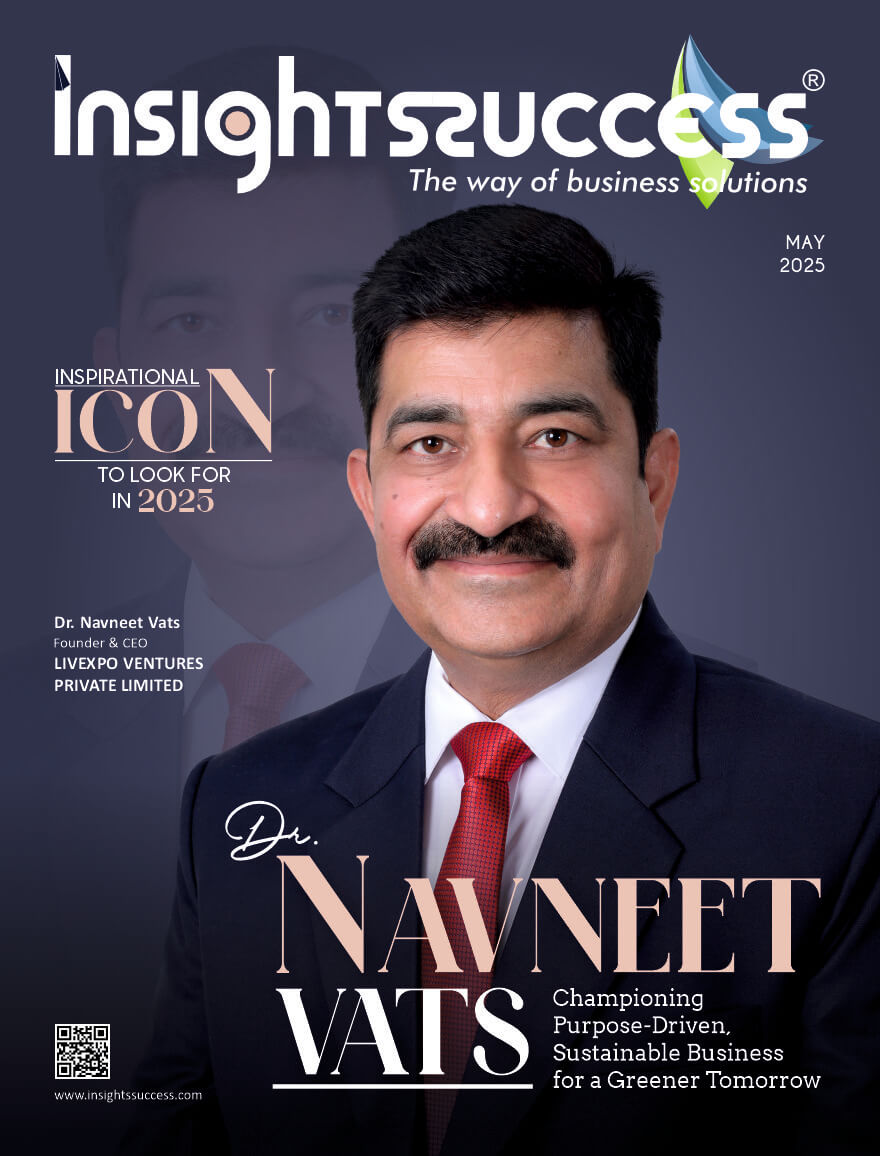
Inspirational Icon To Look For In 2025
Inspirational Icon To Look For In 2025 This recent edition featuring Dr. Navneet Vats highlights the remarkable journey of a visionary leader who has transformed industries through innovation, perseverance, and a commitment to societal betterment. This edition celebrates Dr. Vats’ impactful contributions and his continued pursuit of excellence, inspiring future generations. Quick highlights Quick reads

Synthetic Biology Applications in Pharmaceutical Manufacturing
Synthetic biology has been at the forefront of multidisciplinary sciences of the last ten years, combining biology, engineering, and computer science in order to design and construct new biological systems and devices. Although its possible use spans a wide range of industries, from agriculture and bioenergy to pharmaceuticals, its most revolutionary use is in the production of medicines. The new technology is revolutionizing the drug discovery, production, and delivery by offering faster, cleaner, and more efficient solutions to the traditional processes. The Rise of Synthetic Biology in Pharmaceuticals The pharma sector has long suffered from access problems: lengthy drug development process, appallingly exorbitant expense, and questionable outcomes. The traditional method of producing drugs is chemical synthesis or plant extraction, both of which are energy-hungry and ecologically expensive. Synthetic biology is a behemoth promise because it enables researchers to design microbes—bacteria, yeast, and algae—to produce therapeutic molecules inexpensively and in bulk. With artificial DNA strands and new-generation genetic engineering tools like CRISPR, researchers can instruct cells to behave as tiny factories that build complex molecules that are active pharmaceutical ingredients in most medicines. Apart from simplifying the biological engineering process, it also facilitates the development of new classes of medicines. Streamlining Drug Development One of synthetic biology’s strongest assets is that it can speed up the process of discovering drugs. With the help of computational modeling and gene circuit design, scientists can quickly prototype and screen drug candidates. The build-design-test paradigm can be streamlined in less than the time required by the old trial-and-error strategy. Second, synthetic biology can screen thousands of genetic constructs in high-throughput screening, and scientists can pick the best lead-generating drug strains earlier in the pipeline. That is more targeted drug discovery, which can result in quicker development times for life-saving drugs to market. Sustainable and Scalable Production One of the assets of synthetic biology is that it potentially can be able to facilitate bringing the viability of production to bear on making it possible for drug manufacturing to become feasible. Traditional drug manufacture tends to rely on the depletion of scarce natural commodities or multiple-step synthesis protocols to yield harmful by-products. Synthetic biology has the potential to make possible the biosynthesis of drugs from renewably available feedstocks such as sugar or crops waste. For instance, the antimalarial artemisinin was once only available from the supply chain-dependent, seasonal sweet wormwood plant. Synthetic biology now allows us to genetically engineer yeast to create artemisinic acid—the precursor molecule to artemisinin—through fermentation processes in controlled conditions, giving a stable and scalable source of the drug. Not only is this cheaper for the drug, but it also removes pressure from natural ecosystems. Personalized Medicine and Advanced Therapies The future of synthetic biology is much more than the conventional small-molecule drugs. It is fueling the invention of advanced therapies like gene therapies, cell therapies, and personalized medicine. By engineering cells that are able to recognize and respond to disease biomarkers in real time, scientists are able to engineer “smart” drugs that respond to the individual needs of the patient. CAR-T cell therapy is one such example. In CAR-T cell therapy, the immune cells of the patient are genetically modified to target and destroy cancer cells. Synbio equipment is utilized in cell engineering in a way that the engineered cells possess increased targeting capability along with safety switches, thereby attaining improved treatment outcome at the cost of reduced side effect production. Also, synthetic biology enables one to build and rapidly optimize modular systems. It is possible to adapt therapies to an individual’s genetic makeup. The approach is very promising for therapy of orphan diseases and heretofore intractable diseases. Enhancing Vaccine Development and Delivery Synthetic biology is also finding a place in the vaccine area. Traditional vaccine production is sluggish and typically involves culturing viruses or bacteria in cell culture. Synthetic biology allows one to design genetic constructs against pathogens and create vaccine material like antigens or mRNA rapidly without the use of living organisms. The spotlight during the COVID-19 pandemic was provided by it. mRNA vaccines developed by organizations like Moderna and BioNTech/Pfizer were facilitated by synthetic biology platforms that provided quick development and scale-up of the vaccine manufacturing. The same technologies are employed to combat other infectious diseases with the advantage of quick response time and versatility. Challenges and Ethical Considerations While promising, synthetic biology is not without danger. Making changes to living organisms at this level of precision is very serious in safety, regulatory, and ethical terms. There is a concern for unforeseen effects, for instance, of releasing genetically engineered organisms into the environment or off-target in human treatments. To counter such challenges, policymakers and researchers are looking to incorporate safe regulation processes and biosecurity. Openness and public trust will also be essential in ensuring confidence-building and effective development of synthetic biology innovation in medicine. Looking Ahead Synthetic biology application in manufacturing medicine is a medical behemoth. It’s efficient, precise, and green by using innovative disease-treatment mechanisms that some years ago existed only in sci-fi movies. As technology becomes more advanced each day, we will continue witnessing more sophisticated technologies like programmable pills, biosensors, and on-demand pharmaceutical production. Briefly, synthetic biology is not just revolutionizing how medicines are produced—it’s revolutionizing what medicine can accomplish. By blending biology and engineering, it is imagining a world where medicines don’t just function better but are accessible to all human beings on earth. The road is only beginning, but the potential is immense for medicine in the years to come. Read more: Sustainable Chemistry Approaches in Pharmaceutical Manufacturing

Sustainable Chemistry Approaches in Pharmaceutical Manufacturing
The pharma sector has been at the junction of green technologies and environmental stewardship for the past two years. As there is increasing worldwide anxiety about climate change, pollution, and the erosion of natural resources, slowly the focus has shifted towards all industries getting greener in their operations—pharmaceuticals included. Sustainable Chemistry has been one of the most viable means of greening the future. This strategy not only minimizes the drug-producing environmental impact but also optimizes efficiency, safety, and cost-effectiveness in the long run. What is Sustainable Chemistry? Sustainable Chemistry, or green chemistry, is the design of chemical products and processes that eliminate or minimize the use and generation of hazardous substances. Sustainable Chemistry focuses on creativity in energy consumption, material consumption, and waste minimization. In the pharmaceutical sector, Sustainable Chemistry is applying measures minimizing environmental damage without weakening or enhancing the drug effect and quality manufactured. The Need for Change in Pharmaceutical Manufacturing Pharmaceutical production is a high-energy process. Historically, it entails huge amounts of solvents, electricity, and water, and even produces heavy chemical wastes. Part of the waste products is toxic and harmful to human health and the environment. In addition, the disposal of pharmaceutical waste has also been an issue, with residue in water bodies, impacting aquatic life and even reaching human drinking water. With increased worldwide demand for drugs and more stringent regulatory environments for environmental conditions having placed increasing pressure, the demand has risen for cleaner, greener technologies. And this is where Sustainable Chemistry can be a game-changer—not as regulation, but as a solution. Main Core Principles of Sustainable Chemistry in Pharma Sustainable Chemistry to pharma manufacturing is all about a few main core principles: Prevention of Waste: Instead of treating or disposing of waste after it has been generated, Sustainable Chemistry promotes preventing the waste in the first instance. This entails ensuring that reaction conditions are optimized to ensure maximum yield of the target product and minimum byproducts are formed. Safer Solvents and Reaction Conditions: Volatile organic solvents (VOCs) serve as the solvents in most pharmaceutical processing cases. Sustainable Chemistry encourages the use of less toxic, safer solvents like water, supercritical CO₂, or bio-based solvents. Energy Efficiency: Processing under ambient pressure and temperature conditions saves considerable energy input. Not only is this green with lower emissions, but the manufacturing cost is also minimized. Renewable Feedstocks: Where feasible, utilization of renewable raw materials rather than finite petroleum-derived materials is a design principle of sustainable production. Catalysis: Utilization of catalysts has the potential to speed up chemical reactions without being used up, enabling lower energy consumption and lower waste. Design for Degradation: Medicines can be designed to degrade into harmless material when swallowed, not remaining in the environment. Real-World Applications and Innovations A handful of pharmaceutical companies have started implementing Sustainable Chemistry principles with great success. For instance, Pfizer came up with an alternative synthesis route for sertraline (an anti-depressant) that circumvented over 60% of waste and solvent. In a similar manner, Merck incorporated enzymatic reactions in their process wherein it replaced classical chemical steps with biologically-sourced catalysts that are cleaner and more selective. Other significant advances are the utilization of flow chemistry—a technique for conducting reactions within a stream of continuously flowing liquid instead of in batches. Besides enhancing safety and scalability, it reduces waste and the danger of contamination to nil. With the addition of automation and on-line monitoring, flow chemistry can improve every step in the drug manufacture process to highest sustainability. Economic and Social Benefits Practicing Sustainable Chemistry is not only better for the planet—there is also good business sense behind it. Saving energy and minimizing waste saves on costs of production, savings that can be passed on in the form of lower-cost medicines. And healthier working environments save on illness exposure, too. Brand-wise, the companies that focus on sustainability can establish a positive image among consumers, investors, and regulators. In addition, Sustainable Chemistry also intersects with social responsibility and public health agendas on a broader level. The pharmaceutical companies can help lessen the pollution of the environment and toxic emissions, thereby keeping the environment clean and pollution-free, resulting in cleaner air and water in the environments surrounding where they operate. Challenges and the Way Forward Though the numerous benefits, drug manufacturing using Sustainable Chemistry is not devoid of its disadvantages. These are the expense of R&D being out of reach, requiring sophisticated machinery, and regulatory barriers that could retard progress. But with success stories piling up and technology advancing further, these are slowly being dismantled. Academia, industry, and government will need to work together. Public-private partnerships, grants, and tax credits can enable the shift toward sustainable practices. Workforce development programs and training can also teach the next generation of engineers and chemists sustainability thinking from the beginning. Conclusion Sustainable Chemistry is a critical transformation in the manner in which we are conducting business in the pharmaceutical industry. By adopting its principles into the fabric of manufacturing operations, we can build a future where life-saving drugs are made without sacrificing the health of our planet. It’s not just a green imperative—it’s a business imperative that unites innovation, stewardship, and resilience. With the world faced with unprecedented global health and environmental issues, doing the right thing by adopting Sustainable Chemistry is no longer only ethical—it is clever. Read More: Synthetic Biology Applications in Pharmaceutical Manufacturing
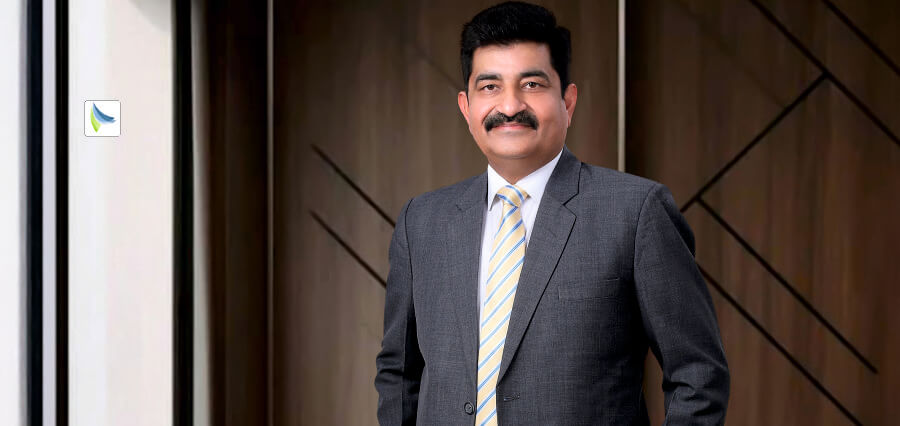
Dr. Navneet Vats: Championing Purpose-Driven, Sustainable Business for a Greener Tomorrow
Dr. Navneet Vats comes from a humble, service-class joint family in India, where simplicity and modest resources shaped his early experiences. The early phase of his life was shaped by simplicity, strong family values, and a deep respect for hard work and perseverance. Despite the modest beginnings, he was encouraged to dream big, seek knowledge, and think independently – qualities that later became the driving force behind his journey. His academic pursuits led him to complete postgraduate studies in business and management, where he gravitated toward marketing and strategy. These years of intellectual shaping played a pivotal role in carving his identity as a strategic thinker and an innovator. His professional life commenced in the fast-paced corridors of India’s corporate sector, where he quickly ascended into key leadership positions. He held prominent marketing roles at reputed organizations including Hughes Communication, ICICI Bank, 92.7 BIG FM, Hindustan Times, and Daewoo Motors. Each role enriched his perspective, honed his business acumen, and deepened his ability to think long-term, even in the face of adversity. The road was not without obstacles. Like every entrepreneur, Dr. Navneet encountered downturns, market uncertainties, and critical failures. But what set him apart was his unwavering commitment to learn, adapt, and realign. The year 2014 marked a turning point in his journey. Fueled by a vision to merge sustainability with innovation, he founded Livexpo Ventures Private Limited. The company was born from a belief that business must contribute to a cleaner, more sustainable world. With FRESHER, Livexpo’s flagship brand, he began developing eco-friendly cleaning solutions that are effective, safe, and environmentally responsible. Livexpo today is trusted by prestigious institutions including ISRO, Indian Railways, the Indian Armed Forces, top hospitals, and both government and private establishments across India. Through the ups and downs, the unwavering support of his family and close friends stood as his greatest strength, helping him navigate the path with clarity and confidence. Livexpo – Innovation with a Purpose The genesis of Livexpo Ventures came from a place of genuine concern and visionary thinking. After years in various corporate sectors from telecom to media Dr. Navneet recognized a pressing, unaddressed challenge in the space of hygiene and sustainability. With rising pollution, fast-paced urbanization, and growing public awareness about health, he noticed how traditional cleaning products, loaded with harsh chemicals, posed significant risks to both human health and the environment. He realized that it wasn’t just about cleanliness, it was about safe, sustainable cleanliness. And this vision evolved into the idea for Livexpo Ventures. Through FRESHER, the company began offering a new generation of high-performance cleaning solutions that are biodegradable and non-toxic. We deliver eco-friendly solutions that outperform chemical-based products in India while remaining truly affordable. “Creating a product that challenged industry norms meant intensive research, multiple rounds of formulation testing, and a lot of market education. In the early days, convincing clients to switch from familiar chemical brands to sustainable alternatives was not easy.” he says. But he stayed the course. He emphasized quality, consistency, and the broader environmental impact. Slowly but surely, major clients began to take notice. Today, Livexpo proudly services some of India’s most respected institutions and is expanding internationally. More than just one company, Livexpo has grown into a movement. With sustainability as its compass and innovation as its engine, Dr. Navneet and his team are actively reshaping how the world perceives cleanliness and hygiene. Navigating Professional and Personal Equilibrium Balancing a purpose-driven enterprise with personal life is no small feat, and for Navneet, this balance stems from discipline, purpose, and a reliable support system. “Leading Livexpo requires deep focus managing shifting market demands, navigating client relationships, and ensuring operational efficiencies. But I believe effective leadership lies not in micromanagement, but in trust, delegation, and building empowered teams.” he says. He has consciously created a work culture that values accountability and innovation. This has enabled him to maintain a sense of separation between work and personal life, a challenging, but essential pursuit for mental well-being. “Family is central to my life. My family remains my grounding force, offering unwavering encouragement through all phases of my entrepreneurial journey. I prioritize quality time with them through simple but meaningful rituals—like shared meals, quiet evenings, and occasional travel.” he says. His daily routine reflects a deep commitment to balance. Early morning planning, disciplined time-blocking, and moments of reflection help him stay aligned and energized. More importantly, his intrinsic motivation comes from Livexpo’s mission. The knowledge that his work contributes to public health and environmental protection provides a strong sense of purpose that sustains him through stress, setbacks, and uncertainty. To Navneet, life and work are interconnected. They draw from the same well of values and inspiration. By ensuring his business remains an authentic extension of his beliefs, he’s able to channel energy rather than deplete it, making room for personal joy and professional excellence to co-exist. Entrepreneurial Hunger and Innovation Instinct Dr. Navneet has always harbored a strong appetite for business a drive that stems from his innate love for creating value, solving problems, and generating impact. “Business for me isn’t merely about transactions or profits; it is about transformation. From my earliest days in marketing, I was intrigued by the psychology behind consumer choices, market behavior, and the strategy needed to launch, build, and sustain powerful brands.” he commented His career gave him opportunities to engage in everything from product launches to strategic pivots, but it was the birth of Livexpo that truly unleashed his entrepreneurial spirit. Livexpo isn’t just a company, it’s his response to the world’s pressing need for sustainable living. And this form of value creation is what energizes him. The excitement of transforming everyday necessities like cleaning solutions into vehicles of sustainability is the kind of challenge he thrives on. Dr. Navneet is also drawn to dynamic environments. The unpredictability of entrepreneurship doesn’t deter him, it fuels him. “I see every risk as a learning opportunity, every failure as a steppingstone, and every success as a collective victory. My
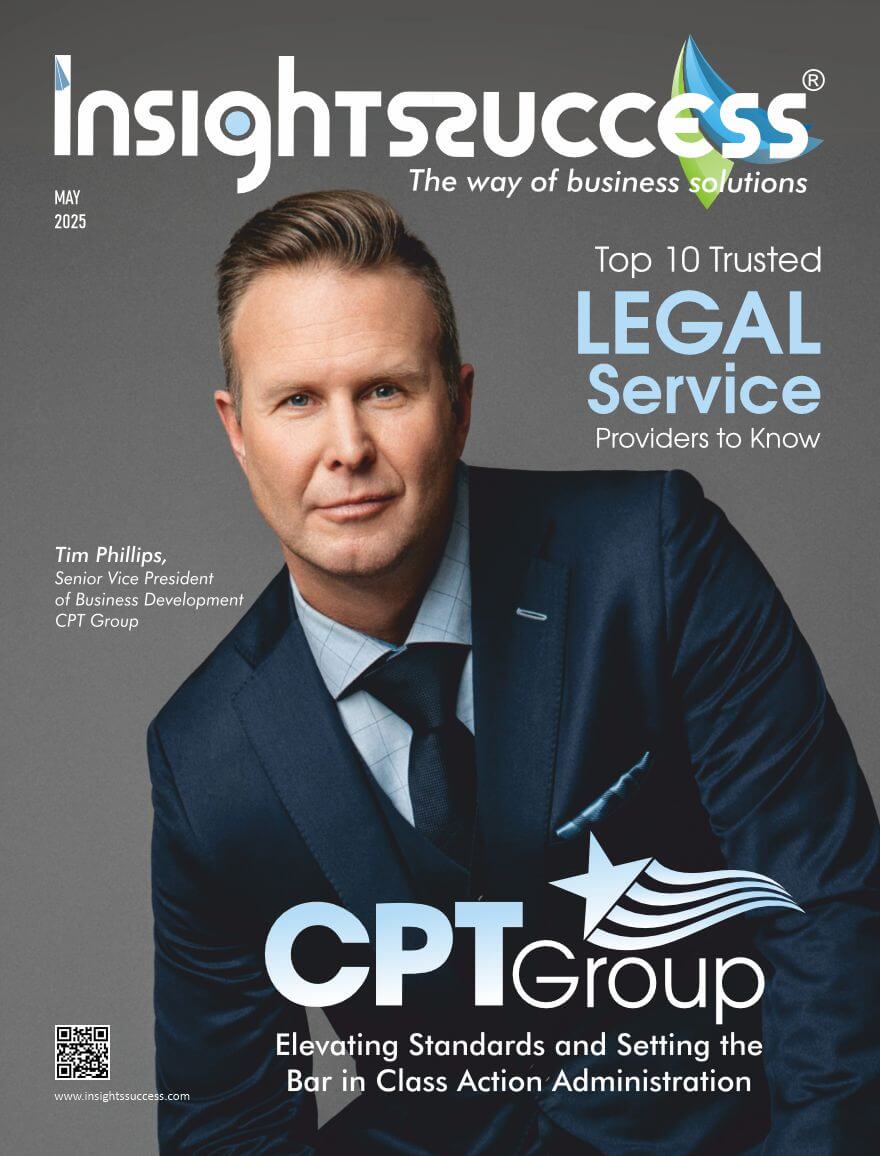
Top 10 Trusted Legal Service Providers to Know
Top 10 Trusted Legal Service Providers to Know This edition showcases the leading legal service providers who have set the standard for trust, innovation, and excellence in 2025. These firms are recognized for their deep expertise, commitment to client success, and pioneering approaches to solving complex legal challenges across industries. From corporate law to dispute resolution, intellectual property to compliance, they are shaping the future of legal services with advanced technologies, strategic insights, and an unwavering focus on integrity. Quick highlights Quick reads

The Foundation of Trust: Leadership Principles for Long-Term Client Partnerships in the Legal Sector
In the legal profession, client relationships are the foundation on which successful practices are established. But the role of trust in such relationships extends beyond the simple first-time transaction. Establishing long-term relationships with clients is more than a one-time display of capability — it is an ongoing commitment to ethical practice, openness, and a profound understanding of client needs. For law firm leaders, building and cultivating trust with clients is crucial to enabling the practice’s sustainability and expansion. Professional expertise and a high rate of success are required, but it is leadership fundamentals that direct these relationships that matter most in separating firms. Here we discuss the core leadership competencies required to enable long-term client relationships within the legal industry. Transparency: The Key to Building and Sustaining Trust Trust succeeds in a setting of openness. In a sector where customers routinely leave clients for lawyers to navigate complex, high-stakes situations, openness in an authentic manner is not negotiable. The openness appears in many diverse capacities — ranging from setting correct case outcome expectations as well as expected time frames to being straightforward when it comes to billing plans as well as anticipated conflict-of-interest issues. Successful legal leaders understand the value of truthful communication during both periods of triumph and setbacks. When things do go wrong — in the form of unforeseen legal obstacles or delays — the capacity to keep clients apprised and engaged is crucial. Not only does this assist in controlling client expectations but it also lends weight to the relationship by demonstrating that the firm respects the client’s time and trust. Ethical Integrity: Upholding the Firm’s Reputation Integrity is always of utmost value when it comes to the profession of law. Lawyers must see to it that a culture of integrity and high ethical standards is what they implement in their firms. Clients engage firms of lawyers, not just because of their proficiency in dealing in law, but also because they can rely on them to deal in sensitive issues with confidentiality, fairness, and professionalism. In order to be successful in the long term, law firms must always operate within the ethical standards applicable to the practice of law. Ethical professionalism when handling clients entails doing what is right at all times for the client’s best interest, regardless of whether it makes firm policy more difficult or requires sacrificing personal convenience. Legal leaders need to lead by example by maintaining high standards of ethical standards that cannot be compromised on, being answerable to the teams, and making the client feel secure with the firm’s adherence to high standards of practice. Personalized Client Care: Beyond Legal Advice Although legal advice is the primary product of any law firm, the best leaders understand that clients do not always look for just legal advice. Clients want real partnership, where they feel their issues are heard, understood, and respected. To build long-term partnerships, legal leaders need to do more than provide advice — they need to provide personalized care. This is all about understanding the client’s business objectives, issues, and specific situation. Working with businesses for merger and acquisition business or individuals for family feud resolution, law firm leaders need to tailor their services to address a client’s unique needs. Taking the time to understand a client’s business or personal agenda will enable leaders to provide more focused advice and be trusted advisors — and not merely lawyers. Strategic Flexibility: In Sync with Client Requirements The regulatory environment keeps changing, and so does client demand. Effective law firm leaders need to be strategically flexible, adjusting their strategy as clients’ businesses or personal situations evolve. It may be to address a fresh regulatory hurdle, changing market dynamics, or a client’s changed objectives, and legal leaders need to be receptive to change and adjust strategies on the fly. In addition, with more and more sectors going technology-based, businesses are required to have in mind creative technological solutions that enhance client outcomes. Leaders are required to enable their institutions to be responsive and utilize technology to enhance effectiveness and provision of services and thereby offer clients a competitive advantage. Building Long-Term Relationships: Leadership for Loyalty Building long-term relationships with clients takes time and deliberate effort on the part of the firm leadership. It takes the building of a client-first culture, where all members realize that trust, transparency, and empathy matter. Leaders need to motivate their people to do better than good service — not because it’s obligatory, but because it’s the cornerstone of long-term success. In addition, relationship-oriented leaders who invest time with clients will have the ability to retain the firm in their minds for future matters and opportunities. By making clients constantly see that the firm is not just a service firm, but an invested ally, legal leaders are able to gain long-term relationships that extend beyond transactional work. Conclusion: Leadership That Secures Client Loyalty In a business where reputation and trust are paramount, legal leaders must be committed to a base of transparency, ethical integrity, tailored service, and adherence to consistency in communication. By embracing a long-term approach and strategically evolving to accommodate clients’ changing needs, law firms can establish enduring relationships rather than a mere transactional exchange of services. It’s the job of leaders, of course, to inspire those below them to apply such teachings to all client interactions with a vision of creating and operating a company whose culture is rich in trust and excellence. Simply retaining the clients, this does to build loyal, long-term partners essential to the long-term success of the company. Read more: Humanizing Law: How Empathy and Trust Redefine Client Relationships

Humanizing Law: How Empathy and Trust Redefine Client Relationships
In today’s evolving legal landscape, the old-school mentality of the lawyer-client relationship is being redefined at its very core. No longer can one be summoned to share merely legal acumen or transactional know-how; now clients aren’t just looking for answers — they’re also looking for empathy, trust, and wisdom. With their evolving needs, how the practice of law evolves to meet them has become increasingly centered on humanizing the law, the center of focus for pioneer law firms and forward-looking law heroes. Trust and empathy are increasingly coming to be seen as the keystones of long-term, successful relationships with clients. No longer content to prioritize technical proficiency or legal results alone, law firms are adopting a more comprehensive approach that places greater emphasis on the human and emotional aspect of legal relationships. This change is not merely transforming the style in which attorneys speak with clients but building deeper, richer partnerships that last beyond specific cases or transactions. The Role of Empathy in the Practice of Law Empathy as a “soft skill” complementing conventional technical expertise is generally thought of as an additive to legal practice. It is actually a key competence that can dramatically enhance the standards of legal service. Empathy involves comprehension of a client’s emotional context, sympathy for his needs, and behavior expressing genuine care. In most instances, clients seek the services of legal experts at some of the lowest points of their life, i.e., dealing with a divorce, dealing with a personal injury claim, or dealing with business conflicts. Empathetic attorneys are more than legal counsel. They are willing to listen to their clients’ stories, break down technical legal terminology into simple language, and provide clear, empathetic responses. This people-oriented system not only maximizes client satisfaction but also maximizes client loyalty, resulting in long-term relationships that can encompass several legal issues. Building Trust: The Cornerstone of Legal Relationships Trust underpins any sound client relationship, and in law, it is especially crucial. Legal clients habitually place substantial responsibility into their lawyers’ custody, entrusting them with intensely personal information and high-stakes decision-making. Without trust, a relationship will collapse in the blink of an eye, and a client’s trust in his lawyer’s competence will erode. For law firms, trust develops over time and takes consistent ethical conduct, open communication, and dedication to working in the client’s interests. Lawyers should be transparent about their approach, fees, and potential problems in an effort to instill an atmosphere of confidence and integrity. In addition, trust in the legal profession is not limited to the attorney-client relationship but also to the firm itself. Clients must be assured that the firm is acting with utmost professionalism and responsibility. This involves following good ethical standards, maintaining confidential information confidential, and being clear, honest, and reliable in communication. When clients are assured that they can trust their legal advisers, they will most likely come back for future assignments and refer the firm to others. Building Enduring Relationships through Human Relationships Although achieving exceptional legal results is certainly important, building long-term client relationships involves more than merely winning cases. The best lawyers are those who recognize that clients are human beings, just like everyone else, with their own fears, worries, and hopes. Successful law firms are those that treat their clients not as transactions but as individuals who ought to be personally cared for and attended to. To build these long-term relationships, leaders of law firms need to instill a culture in which empathy and trust are embedded in every client interaction. This begins with the way client meetings are managed — making every point of contact, whether face-to-face, by phone, or electronically, warm, uncomplicated, and dignified. It is also about managing client expectations with integrity, making sure that clients know not just what the law will do for them but also what the law cannot do and what are the obstacles to the legal process. The Impact of Empathy and Trust on Client Retention and Referrals The advantages of becoming more human in the delivery of legal services are obvious. Clients who feel emotionally at ease and who trust their lawyers are more likely to return to the same firm for other cases. They are more likely to refer the firm to their acquaintances, a cause-and-effect relationship that can propel a firm’s client base and reputation by a wide margin. Empathy and trust also have a great deal to do with keeping clients. A heard and listened-to client will be more likely to be a repeat client even if presented with a hard or long legal process. In addition, clients who believe that their legal advisor is deeply concerned with their own best interests are more likely to return for services on a repeat basis, creating a long-term and lucrative relationship. Conclusion: The Future of Legal Client Engagement Humanization of the law is not only a trend — it’s the future of client engagement for the legal profession. By embracing empathy and trust as leadership values, law firms can establish strong, enduring relationships that transcend legal transactions. Clients who are heard, respected, and cared for will be more likely to remain loyal, refer business, and continue to get legal counsel from a firm they trust. In the end, making the legal experience more human does not just benefit the client; it leads to a more fulfilling, sustainable practice for the lawyers who serve them. Read more: The Foundation of Trust: Leadership Principles for Long-Term Client Partnerships in the Legal Sector