






Lead by Example: The Principles That Define Great Leaders
With disruption the new reality and change never ceasing, the very nature of leadership is changing. No longer about hierarchy or authority, leadership in today’s times is about influence, integrity, and impact. In times of accelerated change, there is one principle that is ever timeless and one that all leaders need to follow: leading by example. The best leaders aren’t the ones who give mere orders, but those who model the values, behaviors, and resiliency they require of others. They understand that credibility isn’t something one requires, but rather something one earns. With every step, they establish the tone, culture, and tempo for the people they lead — creating a ripple effect far beyond their immediate field of influence. Integrity as a Non-Negotiable Standard Integrity is the cornerstone of exceptional leadership. It is the steady practice of honesty, consistency, and accountability — even when no one is watching. Leaders who lead by example never sacrifice values for profits. They instead display moral choices, they are equitable with individuals, and they take responsibility for their errors. It generates trust, the most precious asset of any business. The leaders who are seen living up to the highest standards at all times inspire trust that motivates others to work with the same sense of responsibility. Trust based on integrity is not easily lost, and over this a strong, cause-based culture is built. The Power of Consistent Action True leadership is shown in the everyday actions, not occasional extraordinary ones. A consistency between what one does and what one says speaks loudly — it speaks to authenticity. From being prepared to meetings, showing appreciation, to actually listening to grievances, these habits of repetition instill trustworthiness. Leaders who practice what they preach consistently inspire alignment across teams. They enable others to do the same because expectations are clear and embedded in practice, not theory. This dependability is particularly vital in times of uncertainty, when teams want to be comforted and stable. Courage to Make Hard Choices Effective leaders are aware that change quite frequently means difficult, sometimes unpopular, choices. Reorganizing a team, pulling the plug on a non-performing project, or confronting poor performance are a few examples. They refuse to shy away from making difficult decisions. What makes them different is how they make the difficult choices — with honesty, empathy, and accountability. By standing up to adversity with dignity and clarity, leaders send a signal to their followers that crises need not be shunned but tackled head-on. They demonstrate that leadership means not seeking comfort but accountability. Such leadership by example is infectious, enjoining others to make bold, considered decisions in their own work. Empathy and Emotional Intelligence Leadership is not just pushing numbers — it is also about getting people. Emotionally intelligent leaders are the ones who practice what they preach. They are sensitive to the hopes, fears, and needs of their people. They talk with empathy, bridge buildings, and approach work as human. Through treating individuals with respect and empathy, compassionate leaders build an environment of inclusion, psychological safety, and collaboration. Not only does this enhance morale, but it enhances performance. Teams are more likely to put that little bit extra effort in if they feel heard, understood, and appreciated by their leaders. Accountability and Humility Leading by example also involves taking credit for the results, both positive and negative. Real leaders are always first to admit fault when things do not work out as expected and last to take credit when they do. Humbling oneself in such a manner builds loyalty and makes others owner-ready without threatening them with fault. Accountability is developing the learning culture, whereby failure becomes a chance to learn and grow, not an apology to punish. By embracing the openness to share their own lessons and limitations, leaders exemplify ongoing improvement and encourage others to do the same. Vision Grounded in Action Every great leader needs a clear and compelling vision — but vision is not enough. The greatest leaders make vision work in everyday actions. They put strategy into action through execution and motivate others by demonstrating the way small steps can be part of a bigger picture. By demonstrating commitment to the ultimate purpose, they encourage others to see past the task and toward more. They bring meaning to the mundane and clarity to the ambiguous, building a shared sense of direction that energizes teams to remain energized and on course. The Ripple Effect of Exemplary Leadership The influence of leadership through example does not limit itself to one team or department. It resonates through organizations and even industries. It establishes organizational culture, supports brand reputation, and acts as an example for upcoming generations of leaders to follow. At times of upheaval, this kind of leadership is crucial. When people are unsure, they yearn for clarity. When they are under stress, they yearn for stability. When they are in the midst of change, they yearn for trust. A leader who over and over displays the virtue of courage, empathy, and accountability then becomes the anchor at such times — not a manager but a model. Conclusion: Leadership You Can See In a cacophonous world, true leadership is witnessed. It is evidenced in how leaders guide individuals, react to challenges, and walk their talk on a daily basis. It does not require charisma, flawlessness, or omnipotence — but commitment, courage, and consistency. To lead by example is not a leadership style. It’s a principle — one that not only directs what you do, but who you are. And in becoming that, it is the most lasting kind of influence a leader can ever exercise. Read More: Why DEI Matters in Today’s Organizations
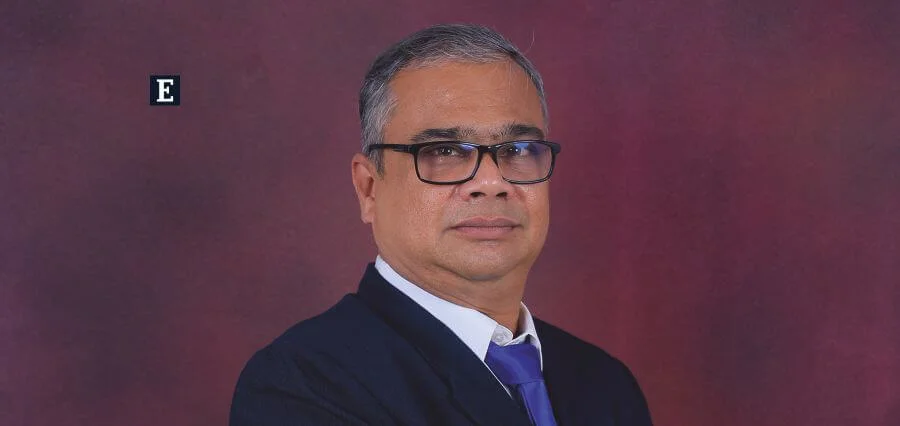
Enterprise Review Spotlights A2Z Logistics’ Game-Changing Impact on Supply Chain Innovation
Its special issue, The 10 Most Successful Logistics Companies to Watch in 2024, Enterprise Review is delighted to present A2Z Logistics India Pvt. Ltd, a leading top-of-the-line company in the global logistics sector, with creative and reliable supply chain solutions. A2Z was started in the year 2005 in Chennai, Tamil Nadu, and since then has earned a reputation for providing superior levels of service from air freight, ocean freight, customs clearance, warehousing to transportation. As a consequence of having an extensive network of agents all over the world and long term collaborations with blue-chip companies like DHL, FedEx and UPS, A2Z offers clean, door to door logistics based on the requirements of clients. A2Z’s competitive advantage lies in its aggressive pricing model and strong control of operations. It achieves cost savings by obtaining high-volume Minimum Quantity Commitments (MQCs) from large carriers and provides value to clients at affordable rates. Impressively, 90% of its global associates are more than three decades old, and this trust and reliability in a socio-political-driven market are traits to be admired. Enterprise Review applauds A2Z for its forward-looking adoption of cutting-edge technologies, positioning it at the cutting edge of industry developments. The organization’s embracement of leading-edge intralogistics, automation, warehousing, and transportation management advancements is what propels it to success. A2Z has recorded a steady 7-8% annual growth, still recording a 5% growth in the COVID-19 era, owing to its robust technology platform. These technologies improve supply chain agility and visibility, allowing clients to effectively counter market disruptions. A2Z considers logistics as a value-generating, mission-critical process that is fundamental to business success. By integrating itself with the 10 prime goals of logistics—efficiency, reliability, and cost-saving among them—A2Z promises quantifiable results. Its IATA-certified infrastructure and customer-focussed approach allow it to integrate smoothly with worldwide supply chains, and hence it is a business favorite across the globe. For the future, A2Z Logistics India Pvt. Ltd. is committed to building the future of logistics through enhanced automation and digital solutions. With an emphasis on flexibility and excellence, A2Z is not only a logistics player but a strategic partner leading business success in a fast-changing world. Read More: The World’s Largest Tech Show Brand, GITEX, Unveils Expansion into Kenya with Inaugural 2026 Edition Set to Unlock US$2.4 Billion AI-Driven Economic Potential
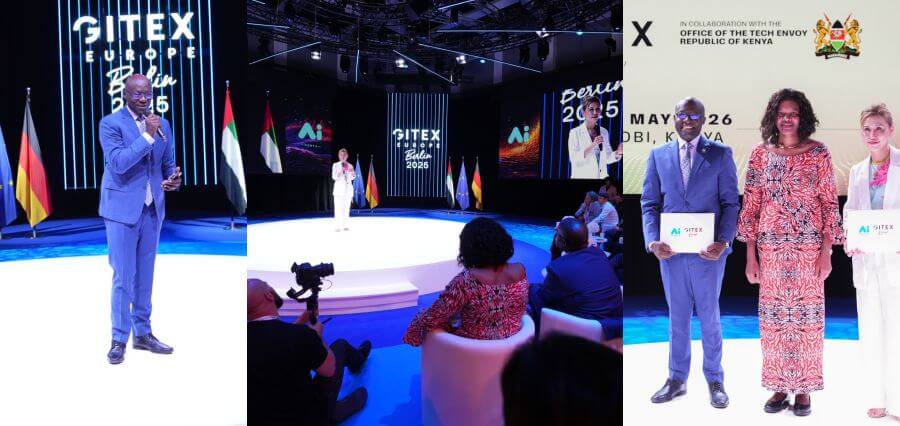
The World’s Largest Tech Show Brand, GITEX, Unveils Expansion into Kenya with Inaugural 2026 Edition Set to Unlock US$2.4 Billion AI-Driven Economic Potential
Ai Everything Kenya x GITEX Kenya to debut as East Africa’s largest AI and innovation ecosystem event from 19–21 May 2026 in Nairobi Nairobi, Kenya – 22 May 2025: As Kenya invests heavily in key economic growth and national resilience drivers, from digital infrastructure and AI factories to hyperscale data centres and green industrialisation, the country is set for increased international attention following the announcement of Ai Everything Kenya x GITEX Kenya. Organised by KAOUN International, the global organiser of GITEX, in partnership with the Office of the Special Envoy on Technology of the Republic of Kenya and dx⁵, Africa’s top technology driver, Ai Everything Kenya x GITEX Kenya debuts in Nairobi from 19-21 May 2026. With the AI market alone expected to contribute US$2.4 billion to Kenya’s GDP by 2030 and generate over 300,000 new jobs by 2028, the event is poised to highlight Kenya’s increasing AI and digital transformation leadership regionally and internationally. It will catalyse a new wave of transformative partnerships and investments, simultaneously accelerating the responsible and inclusive deployment of emerging technologies. Convening one of the most influential multistakeholder gatherings on the continent, GITEX continues to offer unparalleled access to new markets, capital, talents, relationships, and investment opportunities. Throughout its 45-year history, international engagement and expansion have become synonymous with a brand that now stages shows in eight countries and five regions globally, including Germany, Kazakhstan, Morocco, Nigeria, Singapore, Thailand, UAE, and Vietnam. With Kenya’s highly anticipated introduction into the GITEX international events portfolio, Ai Everything Kenya x GITEX Kenya will become East Africa’s largest tech and startup event, bringing together policymakers, technologists, academia, the private sector, civil society, creatives, and development partners. Hon. William Kabogo Gitau, Cabinet Secretary for Information, Communications, and the Digital Economy, welcomed the announcement: “Hosting Ai Everything Kenya is both a recognition of our achievements and a call to action. Kenya is positioning itself at the heart of Africa’s digital transformation, where artificial intelligence is not just a tool for innovation, but a force for economic inclusion, public service reform, and sustainable development.” He noted that AI, affirmed by the recently launched Kenyan AI Strategy, is a cornerstone of the country’s broader transformation agenda, aligned with the Kenya National Digital Master Plan 2022–2032 and the Bottom-Up Economic Transformation Agenda (BETA): “We are proud to lead this moment that places Africa on the global AI map—not just as consumers, but as creators and collaborators shaping a future rooted in our values and vision.” Dr. Korir Singoei, Principal Secretary for Foreign Affairs, noted that hosting AI Everything Kenya x GITEX Kenya in the same year as the 2026 Global Data Festival underscores the nation’s ambition to cement Nairobi’s role as the world’s multilateral hub for digital cooperation and innovation. “This drive is anchored in Sessional Paper No. 1 of 2025, which, for the first time, elevated technology diplomacy alongside our traditional pillars and established a strategic framework for advancing international collaboration on emerging technologies,” he said. “It reflects our commitment to deepen cooperation on data governance, AI regulation, and digital infrastructure – and to weave technology considerations into peacebuilding, trade negotiations, and development partnerships. By convening global stakeholders in Nairobi, we are showcasing that Africa’s diplomacy is evolving and up to task with the new and emerging trends of collaboration to address our greatest challenges.” Amb. Philip Thigo, Special Envoy on Technology, also underscored the event’s national significance: “The hosting of Ai Everything Kenya is more than symbolic, it affirms Kenya’s stature as a trusted convener of global conversations on the future of technology.” Furthermore, Amb. Thigo highlighted the bold leadership of H.E. President William Ruto in championing green industrialisation and inclusive development through innovation: “This moment reflects our commitment to harnessing emerging technologies such as AI not only to solve local challenges but also to shape global norms that are equitable, sustainable, and reflective of Africa’s development aspirations,” he said. “It is also a platform to showcase Kenya’s and Africa’s ingenuity – our capacity not only to adopt but to design, build, and export transformative technologies that reflect our values, realities, and ambitions.” Harry Hare, Chairman and Co-founder of dx⁵, emphasised the collaborative vision behind the event: “Ai Everything Kenya x GITEX Kenya is more than an event – it is a catalyst for Africa’s digital transformation,” he added. “By bringing together global innovators, policymakers, and local talent, we’re creating a platform that not only showcases Kenya’s technological advancements but also fosters collaboration and investment across the continent. This is also a strong expression of confidence in Kenya’s status as a premier MICE destination – with the infrastructure, expertise, and vibrancy to successfully host global technology and innovation leaders.” Celebrating the partnership, Trixie LohMirmand, Executive Vice President of DWTC & CEO of KAOUN International, said: “Kenya has already carved out an influential piece of Africa’s digital landscape – incubating and fuelling tech that is changing lives across the nation. The launch of Ai Everything Kenya x GITEX Kenya shall mark a pivotal milestone in Kenya’s digital journey and the rise of AI and digital economies across East Africa. This landmark event shall cast a unique global spotlight on the nation’s progressive policies, homegrown talent, emerging infrastructure, and bold ambitions, consolidating Kenya’s status as a competitive, influential force for technological change in the regional and global tech arenas. This shall ultimately unlock new avenues for cross-border collaboration between public and private sectors, elevating an increasingly dynamic and resilient regional ecosystem.” With digitalisation a critical economic development and employment creation pillar under transformative strategies, including Kenya Vision 2030 and Kenya National Digital Master Plan 2022-2032, Ai Everything Kenya x GITEX Kenya amplifies this potential, presenting a world-class programme curated to accelerate tech integration across critical sectors in the emerging AI and digital economies. Comprising a one-day global summit and two-day exhibition showcase, the event will revolve around six key themes at the forefront of Kenya’s emerging digital economy and technology ecosystem: AI, agritech, cloud, cybersecurity, IoT, and sustainability. Alongside a global community of

Why DEI Matters in Today’s Organizations
What is DEI and Why It Matters Now More Than Ever In today’s fast-changing social and commercial environment, DEI isn’t a fad—it’s a requirement. But what, precisely, is DEI? For Diversity, Equity, and Inclusion, DEI is an act of dedication to making environments where all—regardless of background—is valued, respected, and enabled for excellence. Organizations worldwide are now able to realize greater potential of DEI to drive innovation, employee engagement, and organizational performance. Let us attempt to learn more about what DEI is, why it matters, and how organizations and institutions can adopt it in their culture. Knowing more about the Pillars of DEI Unraveling the very essence of DEI entails dissecting its three pillars of building blocks: 1. Diversity “Diversity” is the existence of difference within a specified context. These could be racial, gender, age, sexual orientation, disability, socio-economic, educational, or political differences. Organizational acceptance of diversity involves hiring and growing talent from diverse pools of experience and identity. 2. Equity Equity is another word for equality and means treating everyone the same, having equal access, and providing opportunity to all. Equality provides equal access to all, but equity recognizes that different individuals will need to use a different tool in order to arrive at the same point. What that amounts to is recognizing inequality in the system and compensating for it by providing differential aid. 3. Inclusion “Inclusion” is the process of building spaces in which all individuals or groups can be and feel included, valued, and cherished. It’s not merely about diversity in the workforce but making sure everyone gets a hearing and feels completely included in the decision-making. Why DEI Is a Strategic Imperative The potential of DEI is greater than ethics or morals. These are some of the strongest arguments for why it is more crucial than ever: 1. Encourages Innovation There is research to suggest that diverse groups outperform homogeneous groups when it comes to creativity and innovation. Varying viewpoints result in superior solutions and improved thinking. 2. More Effectively Engages Employees Diverse settings engender higher job satisfaction and allegiance. Worthwhile employees are going to be more involved, productive, and loyal to their company. 3. Enhances Market Access Firms that reflect their diverse customer base will be able to better access and serve diverse markets. This kind of cultural competency can also become a competitive advantage. 4. Enhances Credibility DEI focused organizations are viewed as innovative, socially responsible, and ethical. It can reward brand image and attract the top talent and capital. How to Make DEI Pay in Your Organization To make DEI pay in an organization, there is more to policy statements than it takes—it takes intentional action and cultural transformation. Look at the following strategies: 1. Leadership Commitment It starts with leadership. Leaders must not only endorse DEI programs but themselves model inclusive behavior. Leadership endorsement must be seen in company goals, communication, and budgeting. 2. Conduct a DEI Audit You must understand the condition of DEI in your business. Internal audit identifies diversity deficits, prejudices, and where to mend them. 3. Develop Clear Policies Strong anti-discrimination and anti-harassment policies are the foundation for a respectful workplace. They must be put in place solidly and enforced equally solidly. 4. Offer Training and Education Ongoing unconscious bias, cultural competency, and inclusive leadership training will increase awareness levels and create competencies that will lead to an equitable workplace. 5. Create Measurable Targets With any strategic plan, DEI must be preceded by SMART (Specific, Measurable, Achievable, Relevant, Time-bound) goals. Monitoring one’s progress makes one accountable and on the right path. 6. Establish Safe Spaces Foster free speech through creating safe spaces in which employees can be permitted to speak, express concerns, and propose ideas. Employee resource groups (ERGs) can assist here as well. 7. Review Recruitment Processes Ensure inclusivity and fairness in hiring efforts. Each step, right from job posting to interview panel composition, needs to be strategized for attracting diversified talent. Challenges in DEI Implementation Change resistance, implicit bias, and blind spots are some of the things that can derail DEI implementation despite its obvious advantages. Beyond that, organizations need to be watchful against performative actions—surface-level, not substance. Actual DEI work is humble, patient, and willing to listen and shift. It is an ongoing process, not a single action. The Future of DEI As the world becomes more intertwined and sensitized to systemic injustices, DEI will continue to develop and expand. On the horizon are some of the following areas: intersectionality (multiple identities), neurodiversity, and accessibility. Forward-thinking businesses are already incorporating DEI into all their business—marketing plan, product design, and more. In the process, they’re not only creating more inclusive workplaces but a more inclusive world. Conclusion So what is DEI? It’s the promise to look, value, and enable every single human being in his/her own unique humanity. It’s a promise to enable all people—to whatever they are—to flourish and be part of the whole. Adding DEI isn’t the kind thing to do—it’s the intelligent thing to do. In an era of perpetual change when there are default high expectations, embracing DEI is no longer an option. Building great, innovative, and future-proofed organizations is imperative. Read More: AI-Driven Monitoring: Top Compliance Trends 2025 for Regulated Industries

Bitcoin Smashes Past $111,000 to Hit New All-Time High on ETF Optimism
Prime Highlights : Bitcoin hit an all-time peak of more than $111,000 as investor sentiment booms. Rally powered by high ETF inflows and positive U.S. regulatory cues. Key Facts : Bitcoin hit its peak on May 22, 2025, at $111,861 before easing marginally to $111,368—a 3.5% increase in one day. The rise was powered by growing investment using Bitcoin ETFs and favorable news in U.S. crypto policy. Key Background : Bitcoin has again broken its earlier records, rising over $111,000 for the first time ever. This upsurge is the outcome of a strong combination of institutional demand, government support, and regulatory certainty that has rekindled worldwide investors’ interest in the crypto space. One of the main drivers for the rally is the huge capital inflow into U.S.-listed Bitcoin Exchange-Traded Funds (ETFs). These funds have provided institutional investors with an easier and less risky way to gain exposure to Bitcoin without owning it outright. The best-known of these ETFs, such as the BlackRock iShares Bitcoin Trust, have attracted billions of dollars in the past few weeks, underpinning market sentiment and boosting prices. The regulatory climate in the United States has also started to relax, offering more transparent rules and legislative support that will benefit digital assets. Bipartisan U.S. Senate actions in recent times to create an official structure for stablecoins, and state-level initiatives such as Texas’s bill for a Bitcoin treasury reserve, have lent credibility to the overall crypto space. Political forces are also having an important influence. The revived support of former President Donald Trump for crypto-friendly policies—such as the nomination of regulators who are pro-crypto and proposals for a federal Bitcoin reserve—added further to the optimism in the market. The view that key political figures are embracing digital currencies is comforting those investors who have long feared regulatory clampdowns. In spite of the record-breaking momentum, caution is advised by analysts. The price history of Bitcoin has been volatile, and although institutional adoption is increasing, the market is still extremely sensitive to news and macroeconomic movements. Nevertheless, the rally here highlights the evolution of the crypto market and increasing optimism for its long-term potential. Read More: Hewlett Packard Enterprise appoints Bhawna Agarwal to lead India operations

Most Influential Compliance Officers to Follow in 2025
Most Influential Compliance Officers to Follow in 2025 Insights Success is delighted to feature Gabriela Guimarães as Most Influential Compliance Officers to Follow in 2025. In a world marked by rapid change and rising complexity, Gabriela exemplifies a transformative approach to Governance, Risk, and Compliance. Her visionary leadership reframes GRC as a strategic, ethical foundation for resilient, purpose-driven organizations. Quick highlights Quick reads

Gabriela Guimarães: Shaping Governance, Risk, and Compliance for a Resilient Future
In an era of unparalleled uncertainty, rapid change, and increasing interconnectivity, the role of leadership is being redefined. Conventional success metrics, including market share and profitability, are no longer adequate to address the intricacies of contemporary business. Leaders today are challenged to establish trust, develop resilience, and make their organizations do more than just survive—they need to thrive in ways that benefit society, build lasting value, and endure the inevitable adversity that accompanies innovation and global interdependence. Governance, Risk, and Compliance (GRC) are today mandatory pillars for organizations that aim not only to defend their business interests but also to establish cultures based on accountability, responsibility, and ethical decision-making. In this context, Gabriela Guimarães is an innovative figure who breaks rules and presents a compelling leadership vision rooted in long-term sustainability, social responsibility, and an uncompromising dedication to transparency. Gabriela Guimarães: A Visionary Leader for a Changing World Gabriela Guimarães is not just a leader—she is a catalyst for change. An acknowledged specialist in the areas of Governance, Risk, and Compliance (GRC), Gabriela’s professional life has been a relentless pursuit of closing the gap between regulation and the higher moral ideals that all organizations should strive to meet. What distinguishes her is her profound realization that good governance is not so much about risk mitigation or compliance assurance—it is about building a culture where transparency, trust, and honest behavior are embedded in the fabric of an organization’s culture. Her influence on the GRC environment is significant. Gabriela does not merely promote the mechanistic implementation of rules and regulations; she encourages organizations to think more integrally, to recognize GRC as a strategic role that supports ethical leadership, builds collaboration, and sustains long-term growth. In a more unstable world, Gabriela’s strategy calls on leaders to reimagine how governance can be an active agent of transformation, allowing organizations to evolve, innovate, and thrive while staying grounded in their values. Redefining Governance: Beyond Compliance to Conscious Leadership Gabriela’s GRC philosophy is based on the belief that true governance goes beyond mere compliance. It’s not simply enough that an organization should be only penalty-avoidant and risk-reducing. What really needs to be asked is this: Are we constructing an organization that will persist in an ever-changing world, one that isn’t merely resistant to threats but also proactive regarding how it delivers value and develops trust? At the heart of Gabriela’s philosophy is her belief that an effective governance system must create a culture in which moralist decision-making is the basis for all actions. For Gabriela, the worth of a well-crafted GRC system is its capacity to enable organizations to navigate the complexities of the modern business world while creating a principled environment that enables employees to act with integrity in all situations. Gabriela’s vision puts the corporate world to the test by thinking of GRC not as a static compliance system but as a dynamic, living framework that is able to spark positive changes in an organization. This stance, which is premised on long-term sustainability, is more critical today, when corporate blunders are amplified by social media and worldwide connectivity. Here, Gabriela’s philosophy presents a contrast to the conventional understanding of compliance as a mere regulatory obstacle, instead highlighting its function as an effective tool for noble and strategic leadership. Learning from Crisis: Turning Disasters into Opportunities Gabriela’s personal experience in the GRC profession was heavily influenced by her initial exposure to the repercussions of corporate governance failures. Having seen firsthand the devastating effects of fraud and mismanagement in large multinational organizations, she became committed to assisting in the creation of systems that would avoid such failures in the future. It is these early experiences that inform her passion for GRC—a conviction that organizations need not just learn to conform to rules but need to go out of their way to build systems that embed responsible decision-making into the business. One of Gabriela’s key traits is her capacity to see crises as opportunities rather than failures, opportunities for deep transformation. From consultancy to in-house within multinational corporations, Gabriela has repeatedly used times of crisis as levers to drive cultural and operational transformation. This was most notable when she was charged with leading the compliance work for a multinational company that was at the center of a high-profile, cross-border investigation. With great legal and moral difficulties to solve, Gabriela’s leadership stretched the role of the Compliance Officer in untypical ways in many organizations. Not only did she see through to regulatory conformity but also challenged the organization’s leadership to reform at a cultural level so as not to engender future such crises. Gabriela’s leadership philosophy during times of crisis is based on the premise that every crisis is a moment of opportunity for growth. In times of organizational failure, Gabriela believes that she can plant higher values within the company’s DNA. Through leadership by empathy and transparency, Gabriela can convert moments of unease into chances for renewal and long-term resilience. This, she thinks, is the ultimate stamp of leadership—to reverse the tide of adversity as a springboard for positive change. The Case for Integrated Leadership: Connecting Strategy, Compliance, and Culture Central to Gabriela’s leadership is a conviction in the potential of integrated solutions—frameworks that synthesize the fractured components of strategy, compliance, and culture into a unified entity. For her, the best-performing companies are those where governance is not an isolated, siloed activity but a central aspect of the company’s strategic mission. Gabriela understands that risk management is not only about preventing adverse outcomes but also about establishing a culture where good choices can thrive. She has long believed in an approach that incorporates compliance not as an afterthought but as a fundamental aspect of the business strategy. One of the strengths of her work is her capability to connect risk management with corporate objectives, to ensure that compliance does not obstruct innovation but underpins it responsibly and strategically. One of the central components of this holistic strategy is Gabriela’s strong commitment to building respectable leadership cultures

AI-Driven Monitoring: Top Compliance Trends 2025 for Regulated Industries
As the global businesses are integrating and technology is advancing, regulatory compliance is an organizational core function. Compliance regulations, designed to ensure businesses operate within legal and ethical boundaries, are constantly being revised to keep pace with emerging risks and innovations. For the companies that are doing business in highly regulated industries like healthcare, finance, manufacturing, and energy, compliance is not only necessary to prevent legal troubles but also to ensure stakeholder trust, business effectiveness, and security of confidential information. As we look toward 2025, several key compliance trends are expected to reshape how organizations in regulated industries approach their compliance efforts. The Emergence of Artificial Intelligence in Compliance Artificial intelligence (AI) is increasingly revolutionizing the compliance industry, and the evolution is forecasted to speed up even further by 2025. Technologies such as AI, machine learning (ML) and natural language processing (NLP), are now applied to automate and mechanize the compliance function. In the regulated environments, where it is difficult to keep pace with an ever-changing regulatory landscape, AI is generating value with respect to tracking, finding, and responding to compliance risk. AI technology is capable of processing massive amounts of data, highlighting potential regulatory breaches in real time and minimizing the danger of human error. In accounting, AI monitoring systems are able to scan transactions for fraudulence, and in the healthcare sector, AI is able to safeguard patient data in line with the Health Insurance Portability and Accountability Act (HIPAA) regulations. Through the automation of everyday compliance, AI enables organizations to concentrate on more future-oriented projects and enhance their overall compliance capacity within an evolving regulatory environment. Strengthening Data Privacy and Protection Regulations As digital transformation accelerates and the amount of sensitive data being collected increases, data privacy and protection will continue to be a major compliance trend through 2025. All governments around the world are further strengthening their data protection regulations with growing concerns over security interceptions and misuse of personal information. The EU General Data Protection Regulation (GDPR) is still the benchmark for the world’s data privacy laws as other countries imitate or extend current laws. In 2025, industries handling sensitive information, such as healthcare, finance, and telecommunications, will face greater scrutiny regarding how they collect, store, and use data. New regulations are expected to focus on increasing transparency, consumer rights, and stricter consent management, along with tougher penalties for non-compliance. Businesses will be required to implement more robust data governance strategies, including encryption, anonymization, and better access controls. Moreover, the rise of data localization laws—which require organizations to store and process data within certain geographic borders—will continue to challenge global businesses in terms of compliance. Increased Focus on Cybersecurity Compliance Cybersecurity will be one of the biggest compliance issues for regulated firms as attacks get more sophisticated and are happening with increasing frequency. The continued digitization of business processes, coupled with increased use of cloud computing and remote work, provides an increasing attack surface to cyber attackers. As a result, regulated firms by 2025 will have more stringent cybersecurity regulation, with particular focus on notice of data breach, risk management controls, and incident response plan. In industries such as finance, healthcare, and critical infrastructure, failure to meet cybersecurity compliance can result in substantial fines, reputational damage, and even legal consequences. In response, regulatory bodies like the U.S. Securities and Exchange Commission (SEC) and the European Union Agency for Cybersecurity (ENISA) are expected to introduce more comprehensive cybersecurity standards. Compliance frameworks such as the NIST Cybersecurity Framework and ISO 27001 will become more widely adopted, with an emphasis on continuous monitoring, risk assessment, and incident response readiness. Additionally, the regulatory environment will likely evolve to mandate more rigorous testing of systems and processes to ensure that organizations can detect and respond to cyber threats effectively. Rise of Blockchain for Monitoring Compliance Blockchain technology has gained popularity within industries such as the cryptocurrency space, is being applied with keen interest due to its capability to enhance monitoring for compliance and transparency. Blockchain provides an immutable, tamper-evident record on which transactions can be posted with relative ease, substantially lowering the likelihood of fraud and ensuring data integrity. Blockchain will be used by regulated sectors as far as possible by 2025 for compliance, from tracing the source of goods to verifying data and enhancing audit trails. In sectors like pharmaceuticals and supply chain management, blockchain guarantees the purchase and supply of products under strict compliance procedures. By creating an open, transparent record of every transaction, blockchain technology enables companies to gain compliance more effectively and demonstrate compliance in audit environments. As its application increases, regulators can even make it mandatory to use blockchain in compliance, solidifying its place in the future of regulatory compliance. Conclusion Regulatory compliance will still be of highest concern to regulated industry companies on the way to 2025. Among the trends that shape regulatory compliance include embracing AI, expanding data protection regulation, more emphasis on cyber security, and blockchain technology for monitoring compliance. Corporations should always be alert regarding embracing such changes, incorporating latest technology, and adhering to regulatory orders on time and efficiently. These trends, if executed, allow organizations not only to steer clear of expensive fines but also be trailblazers in a world that keeps evolving, ensuring long-term success in an increasingly complex globe.

Leadership Redefined: The Most Influential Figure of 2025
The Most Influential Figure of 2025 In this special 2025 edition, we spotlight Dr. James Smith, a visionary leader whose groundbreaking contributions have reshaped global innovation, equity, and leadership. Celebrated for his transformative impact across science, education, and social change, Dr. Smith exemplifies what it means to lead with purpose, compassion, and an unwavering commitment to progress. Quick highlights Quick reads

Dr. James: Discovering Unity Through a Life of Service, Learning, and Leadership Across Continents
Dr. James’ path started a long way from the busy boardrooms and international conferences he would eventually attend. His early years were rooted in simplicity and service—living on five acres of land, living off the earth, and raising a family in a log cabin constructed using timber cut from his own land. His initial forays into professional life were through a role heavily invested in the community: that of a pastor in Allagash, Maine. From this point, his journey developed not through a single moment but through a profound, long-term pursuit of learning, leadership, and togetherness. After making the move to Western New York, Dr. James came on board with spiritual care coordination at a mid-size hospice, where he also established and led an inter-institutional ethics committee. That position refined his awareness of life’s most intimate transitions and of the ethical subtleties that accompany them. While assisting others, he also invested in education, attaining a bachelor’s in professional studies from Empire State College, and an MBA from Canisius University. Afterwards, he graduated from the renowned Cornell University MILR program in 2001. Dr. James’ path is that of a polymath—mashing up service, academia, finance, and philosophy. He instructed Leadership, HR, and Organizational Development, worked with the U.S. government on post-9/11 economic recovery efforts, and grew a loan portfolio by tenfold as a bank manager. Whether leading financial decisions at UBS or assisting a company in going public, his assignments reflected a dogged pursuit of excellence and harmony. This passion would ultimately propel him toward doctoral study and a passion for merging conflict resolution paradigms into one cohesive, actionable philosophy. Professional Trajectory and Unity’s Emergence Unity referred to by Dr. James as “we statement”—was not just an idea; it was a calling that revealed itself gradually through diverse professional and personal experiences. The hospice work was a pivot point, illuminating for him the multiplicity of worldviews around life and death. His drive for understanding expanded through interdisciplinary studies in finance, sociology, and philosophy. This quest led him to define a framework where unity wasn’t an abstract ideal but a lived practice in four objective linked parts. Meeting a visionary international artist, Ekatherina S, who used her craft to explore themes of unity became a pivotal moment. Together, they found resonance in their shared commitment to unity and balance. Dr. James would speak while she exhibited—at global venues including the United Nations and Oslo, Norway. This collaboration gave birth to the Foundation of Unity in 2010, blending scholarship, spirituality, and social impact into a tangible mission. He also spoke on conflict management and executive education at the US Department of Justice, Columbia University’s International Studies, Cornell’s ILR HR professionals, Faith’s Brain Reserve, and Austin’s AIA Leadership Institute, among other engagements. Through the Foundation, Dr. James continued his doctoral research. His dissertation on conflict resolution revealed that physical and monetary force yielded largely negative outcomes, while social and intellectual strategies bore more constructive results in every conflict management paradigm. Collaboration, even within conflict, emerged as a profoundly positive social-economic force. Additional direct human research on unity with executives and the top-levels of human life experience with a diverse global group were published in the Journal of Integral Theory and Practice and later, the Journal of the International Society for Knowledge Organization. Balancing Identity, Responsibility, and Contribution Dr. James defines life balance through a triad: self, family, and global value contribution. These areas are not silos but intertwined streams, unified by his personal focus and intentional action. He believes that whether in business or personal life, people navigate the same four pillars: relationships, money, emotions, and material things. Each may wear different names—community or colleagues, income or revenue—but they spring from a common human foundation. His philosophy positions the self as the nucleus of this complex system. From this center, value flows outward—to family, society, and the broader economy. His life, marked by deep relationships with his adult children, grandchildren, and former spouse, exemplifies this belief. For Dr. James, love means complete presence—a shared journey that honors the individuality of each bond. In applying this balance professionally, Dr. James integrated the same principles. Whether mentoring students, leading financial teams, or coordinating ethical panels, he brought a whole-person perspective. This holistic framework underpinned his leadership at the Foundation of Unity and guided his consulting work during the COVID-19 pandemic. Despite global disruption, he continued his mission, using his expertise to assist federal anti-fraud efforts while advancing his research and nonprofit goals. Entrepreneurial Spirit and Global Vision Dr. James views business as humanity’s grand expression of creativity and collaboration. Its fruits—innovation, longevity, and improved quality of life—are outcomes of imagination and persistent effort. His passion for entrepreneurship is rooted in this belief: that business, when aligned with purpose, becomes a conduit for shared prosperity. His current program speaks to leaders and educators but is designed with universality in mind. It offers foundational principles for all eight billion people on Earth, proposing a life built on awareness, service, and growth. His ambition isn’t confined to boardrooms or classrooms; it extends to every individual ready to live consciously and contribute meaningfully. Dr. James’ drive is deeply tied to the idea of legacy—not as recognition but as influence. Through his program and the Foundation of Unity, he aims to plant seeds of enlightenment, helping people understand themselves and others in richer, more holistic ways. It’s not just about solving problems; it’s about building new systems where creativity and compassion guide progress. Passion: A Vision of Global Prosperity The driving force behind Dr. James’ work is a world in which unity prevails—not uniformity, but harmonious diversity. He envisions a world where individuals, like bright, talented children, contribute joyfully to homes and communities. He imagines a future where prosperity is as ubiquitous as morning sunlight—touching every corner, reaching every life. In this vision, his work acts like that light, spreading warmth and clarity. His program, based on integrative learning and ethical leadership, is designed to help people rediscover their purpose. Prosperity