






The Most Dynamic Leader To Watch In 2025
The Most Dynamic Leader To Watch In 2025 This edition featuring Dr. Sanjay Agarwal highlights a visionary transforming industries through innovation, empathy, and strategic foresight. This edition celebrates his trailblazing leadership, unwavering commitment to excellence, and impactful contributions that inspire the next generation of changemakers across the global business landscape. Quick highlights Quick reads
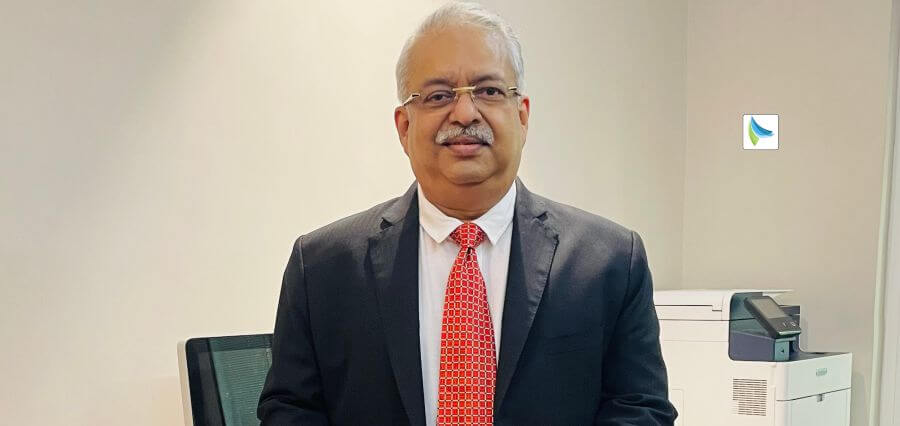
Blueprints of Leadership: Dr. Sanjay Agarwal’s Four-Decade Journey in Nation-Building
In the realm of infrastructure development, where precision, scale, and complexity meet, visionary leadership can represent no greater significance. Landscaping and building cities of the future rely upon people who watch as much as they watch in style, grit, and integrity. Dr. Sanjay Agarwal is one such luminary, whose presence is defined by strategic vision, moral vision, and irreversibility nation-building commitment. Early Years and Academic Excellence Dr. Sanjay Agarwal’s career had been built on scholarship and regional understanding of engineering principles. He graduated in Civil Engineering from the highly respected Manipal Institute of Technology in 1986, an early benchmark that laid technical groundwork for what would be a distinguished career of nearly four decades. Academic conscientiousness easily transferred to field knowledge, opening a legacy that would be decades long. Setting the Stage: IRCON International Ltd. Dr. Sanjay Agarwal’s initial career phase was with IRCON International Limited, a publicly sector entity renowned for its large-scale mega infrastructure projects globally. During the initial years of his career, as an Assistant Project Manager, he was entrusted with significant responsibilities. His involvement in the project of constructing Asia’s largest Rail Coach Factory in Kapurthala, the Dadri Power Plant captive transportation rail link, and the major elevated infrastructure project in Jakarta demonstrated his ability to manage projects of substantial scale and complexity. These early projects honed his technical expertise and acclimated him to international standards of project management and civil engineering. Leadership at IJM India: Setting New Benchmarks It was 1996 when Dr. Sanjay Agarwal became a part of IJM Corporation Berhad, a Malaysian multinational conglomerate & later he became COO of its Indian subsidiary, IJM India Infrastructure Ltd., in which his vision made the company a significant player in the infrastructure sector. Spreading across twenty years, Dr. Agarwal was a trailblazer in pioneering construction of highways, bridges, building, & integrated township projects. At his behest, the company developed more than 5000 lane kilometers of road networks, comprising several high-impact BOT (Build-Operate-Transfer) and EPC (Engineering, Procurement, and Construction) projects. Some of the jewels of his achievements include the Solapur-Vijayapura Four-Lane Highway, a 110 km national highway that was built before the scheduled timeline during COVID19; this trail-blazing project created new paradigms for project implementation as well as saw national eyeballs meet the world record 25.54 kilometers of road built within 17 hours and 45 minutes. This milestone was formally celebrated and consecrated in May 2022 by India’s Union Minister of Road Transport and Highways, Shri Nitin Gadkari. Another engineering feat of his era was the manufacturing and installing 59.226-meter-long steel composite girders for road overbridges for NH-52 highway corridor Solapur–Bijapur. A single girder of these massive girders weighed a record 87 metric tonnes, testifying to an integration of structural excellence and logistical precision. Dr. Sanjay Agarwal‘s leadership wasn’t restricted to physical delivery but also to technological transformation in the infrastructure sector. A visionary in his own right, he was a proponent of drone monitoring and live monitoring to enhance project monitoring and transparency. His emphasis on implementing Building Information Modelling (BIM) was a reflection of his emphasis on merging new technology with traditional construction standards. These initiatives significantly boosted project efficiency, reduced delays, and upgraded the levels of quality in many projects. Mentoring the Next Generation: A New Chapter with IJM In April 2024, after a distinguished career in leadership, Dr. Sanjay Agarwal formally stepped down as a full-time IJM India employee. However, due to the value of his experience and visionary guidance, the company retained him as Director & Advisor. This way, he still mentors the next generation of leaders in the company; hence, his operational excellence, righteous work culture, and strategic innovation legacy is extended to the next generations. SA Associates: Strategic Partnership Platform Driven by a vision for greater purpose that transcends organizational silos, Dr. Sanjay Agarwal founded SA Associates in 2024. SA Associates is not merely an advisory firm but also a partnership platform, mentorship hub, and innovation center in the infrastructure space. SA Associates offers a range of services aimed at meeting the complex needs of modern-day infrastructure development: Advisory Services: Leveraging over 38 years of expertise to guide stakeholders in project planning, implementation, and management. Networking in Industry: Creating strategic connections between industry captains, government representatives, and the private sector. Mentorship Programs: Mentoring the future generation of infrastructure leaders with practical on-ground guidance and philosophies of leadership. Liaisoning & Regulatory Support: Navigating complex bureaucratic and regulatory frameworks with panache and flair. Product and Technology Promotion: Enabling innovation by assisting firms to introduce and develop new technologies into the market. Investment Consultation: Offering strategic consultation on viable infrastructure investment locally in India and Southeast Asia. Mining & Crushing Operations: Superior resource operations in preferred locations enabling supply chain continuity in construction. A Portfolio of Projects that Transformed Landscapes Dr. Sanjay Agarwal’s projects cut across geographies, some of the extremely highly rated ones being at Hyderabad, Vijayawada, and Nagpur; these townships that cover many acres of land are a testament to his skill in combining civil engineering finesse and urban planning foresight. From multi-lane highways to megastructures, his signature is in the timely delivery, budget balancing, and providing even more than stakeholders would demand. His international exposure—first with IRCON and subsequently through the global networks of IJM—has instilled in him a deep appreciation for cross-cultural alliance, construction law, material science, and logistics planning, and his experience has made him invaluable to foreign and local investors. Ethics as the Cornerstone of Leadership At the heart of Dr. Sanjay Agarwal’s philosophy is an abiding faith in the power of ethics. He often asserts that “Ethics are paramount and the essence of success.” Such a value system has informed his leadership style—one that espouses trust, transparency, and respect for all constituencies. He is also a firm believer in team and people communication, and holds that these are pre-requisites to effective leadership. “Leadership is not authority but the skill to create collaborators—individuals who are engaged, aligned, and inspired to collaborate on a shared goal,”

The Evolution of Leadership in Healthcare
In medicine, where people are at risk and everything needs to change constantly, healthcare leadership has transcended being an exercise in management—healthcare leadership is an agent of change, patient satisfaction, and systems transformation. Healthcare leadership has transformed over the last few decades from physician-centric, hierarchical models to interdisciplinary, team-based models. Leaders today need to embed clinical knowledge, emotional intelligence, strategic thinking, and technology savvy. From Command and Control to Compassion and Collaboration Historically, healthcare leadership was described as command and control, and authority rested with senior physicians or administrators. This was a discipline, order, and consistency-driven model—attributes that worked well in relatively stable contexts. But as patients’ needs became increasingly complex and the healthcare system more fragmented, this model didn’t work. Modern-day healthcare environments demand not just decision leaders but change leaders, team builders, and active listeners. These paradigm shifts have ushered in a new era of collaborative leadership where individuals with different professions—nurses, allied health professionals, IT specialists, and even patients—are being given voice in decision-making. Facilitating and navigating diversified groups toward common goals is now the foundation of prudent leadership in healthcare. The Rise of Transformational Leadership Since change is currently the sole constant in health care, the need for transformational leaders has grown exponentially. They are leaders who are never at ease with the way things are and instead prefer to improve things, to motivate, and to create systems not only that achieve the work but also that are empathetic and inclusive. Transformational leadership in health care refers to developing a powerful vision, articulating it, and causing members of the team to claim that vision as their own. Dr. Atul Gawande and Dr. Devi Shetty have shown us how visionary leadership can rebuild entire models of health, increase accessibility, and optimize patient outcomes. Here the focus lies in inspiring people with shared values, not by ironclad rules. The Essential Role of Emotional Intelligence Emotional intelligence (EQ) is becoming an essential skill for healthcare administrators in high-stakes clinics and hospitals. The ability to resolve conflict, motivate employees, and patient-centered care is by understanding, recognizing, and regulating one’s own and other individuals’ emotions. Health care leadership is no longer simply policy and procedure; it’s relationship. Leaders need to create a culture of psychological safety, where employees are heard and respected. Empathetic leadership can increase staff morale and thereby patient satisfaction—a bottom-line measure in health care provision. The technology revolution has transformed the health landscape. From artificial intelligence-based diagnostics to electronic health records, technology is transforming the delivery of care. And thus, leaders today need to be able to leverage digital tools, read data, and make decisions based on insights with effect. Successful healthcare leadership today means technological savvy that makes it possible for leaders to make their employees technology-enabled, protect patients’ confidentiality, and be trustworthy. Also, evidence-based leadership has the promise of improved resource use, intervention at critical points, and anticipatory treatment—ingredients to optimize health outcomes. Inclusive and Culturally Competent Leadership Healthcare facilities provide services to diverse populations. Leaders should therefore be attentive to the cultural, linguistic, and socioeconomic makeup of staff and patients alike. Inclusive healthcare leadership facilitates fair access to care that responds to the distinctive needs of the disparate populations. It’s not just about diversity on your team’s establishing an environment where diversity is valued, where biases are met, and every voice is given a seat at the table. Cultural competence leaders are best suited to break down barriers, close gaps, and form more effective patient relationships. Navigating Crises and Building Resilience The COVID-19 pandemic tested global healthcare systems to the limit, and it put the spotlight on resilient leadership, which is currently in demand. Successful leaders during that period were flexible, open, and committed to their employees and patients throughout. Crisis tends to bring out genuine leadership. Healthcare resiliency leadership and the ability to remain grounded in times of uncertainty and make sound ethical choices spur-of-the-moment. It also shows up in the form of forward thinking—investing in employee well-being, mental health care, and flexible systems that can change rapidly to emerging challenges. Looking Ahead: The Future of Healthcare Leadership The future of healthcare leadership is just beginning. Aspiring leaders in the future will have an obligation to acquire new skills ahead to address upcoming needs. Some examples of such skills include climate-resilient decision-making, trans-border collaborations for global health, and incorporating artificial intelligence within the delivery of care. Furthermore, the next generation of healthcare leaders must be readied by training, mentorship, and equity-based development opportunities. The organizations must make investments in leadership development initiatives with emphasis on emotional intelligence, ethics, and system thinking—tying the mantle to wise and compassionate hands. Conclusion: Leading With Purpose Fundamentally, healthcare leadership is about serving humankind. It’s a head and heart work, reason and empathy, tradition and creativity. And as the healthcare landscape continues to shift, those leaders who will truly make a difference are the ones who lead with intention—speaking up for the well-being of not just their patients, but their workers and communities.

Leadership Trends Every Executive Should Watch This Quarter
Now, in the high-pressure business age today, leadership isn’t only about issuing orders or managing masses—it’s vision, agility, compassion, and staying ahead of the curve. As the global business world continues accelerating at a light speed rate, the executive position before leaders is changing right along with it. To stay competitive, executives today need their ears to the ground on leading-edge leadership trends that not only define the workplace, but future leadership. The following is how we plunge into the leadership trends at the top every executive must watch out for this quarter and how adopting them can set both leaders and their organizations up for success in the long run. Emotional Intelligence as a Strategic Advantage Those days when a person could solely rely on hard skills to be a good leader are gone. EQ has become one of the cornerstones of today’s trends in leadership. The best chiefs of the day are required to recognize and regulate their own emotions as well as those of their colleagues. Leaders who develop emotional intelligence lead with empathy, are more effective in crisis management, and create healthier workplace cultures. This quarter, investing in EQ-based training and active listening will be imperative in establishing trust and resilience within organizations. Hybrid Leadership: Mastering the New Normal As remote and hybrid work revolutionize organizational dynamics, perhaps no trend that’s worth monitoring is the emergence of hybrid leadership. Distributed teams require a new toolset—a one that prioritizes communication clarity, trust establishment, and tracking performance without micromanaging. Innovative leaders are refashioning their leadership style to be more productive and inclusive when employees are in the office or remotely. Priorities are rebalancing towards digital tools, embracing flexibility, and building teams as essential strategies throughout this process of transformation. Purpose-Driven Leadership The current workers, particularly millennials and Gen Z, are more attracted to businesses with a strong sense of purpose. The leadership styles of today, therefore, require more intersection between firm mission and day-to-day activity. Executives must go beyond bottom-line metrics and demonstrate commitment to social, environmental, and ethical goals. Executives who articulate a sense of purpose and lead with integrity have more motivated employees and loyal consumers. This quarter, integrating purpose into strategic planning and messaging should be on every executive’s list. Data-Informed Decision Making The impact of AI, analytics, and big data has transformed leadership. Experience and intuition are still pertinent but one of the most innovative leadership trends this quarter is data-driven decision-making. Leaders are increasingly being asked to read data dashboards, observe customer behavior via analytics, and decide based on real-time. Leaders who adhere to this trend are in a better position to prepare for change, reduce risk, and capitalize on emerging opportunities. But the human factor—context, ethics, and intuition—must have some share of doing reasonably interpret data as well. Leadership Agility and Continuous Learning In the universe of today, where change is the only constant, agility has become a leadership requirement that one cannot afford to do without. Of all the leadership trends that are trending today, agility is a survival trait. Agile leaders adjust quickly, adjust to change without losing sight of the long-term vision, and create innovative solutions. Also emphasized is lifelong learning as the hallmark of effective leadership. From learning new technology, executive coaching, or merely keeping up to date with industry changes – learning is the driver of responsive leadership. Invest time in self-enhancement this quarter and it will be as vital as delivering business outcomes. Diversity, Equity, and Inclusion (DEI) as a Core Leadership Focus But still, another key trend in leadership themes this quarter is bringing DEI into leadership culture. Businesses are being asked to represent the values of a diverse and inclusive community—not just in policy, but in practice. Executives should not only fund DEI initiatives but also lead them from the front. Executives should set quantifiable objectives, be answerable to their leaders, and establish open forums for discussion. Diverse leadership yields gain of greater innovation, diverse perspectives, and superior financial performance that make DEI a strategic necessity and not a moral obligation. Leading Through Uncertainty with Transparency Transparent leadership is no longer an option, it’s a requirement. In the face of economic uncertainty or organizational transformation, among the most valued leadership movements is transparency. Executives who offer the public rationale for why decisions are made, acknowledge mistakes, and engage in honest conversation with stakeholders establish credibility and trust. This quarter, leaders must balance vulnerability and confidence. Under restructuring, product transition, or declining in performance, teams require guidance and authenticity from leaders. Transparency is not omniscience—it is being on the journey together honestly. Tech-Savvy Leadership Lastly, the digital revolution still requires a new breed of technology-native leaders. From automation platforms to AI platforms, strategic leadership through technology is on the rise. The leadership trends most applicable this quarter indicate that leaders need to know how technology drives innovation, customer engagement, and operational efficiency. You don’t have to be a technologist but do need to become tech-savvy to create value. Through digital transformation projects or testing out newer technologies such as blockchain or generative AI, technological literacy is an increasingly integral component of leadership roles. Final Thoughts The executive leader’s role is being inverted. To lead forward is no longer a matter of technical skills, it’s a matter of emotional intelligence, moral values, and a keen eye for new leadership currents. The leaders who will have the greatest impact this quarter are leaders who combine tradition with innovation, who lead with compassion, and who learn more than they console. As we move into the complexity of business today, we can be certain of one thing: leadership is not command and control anymore—it’s connection, flexibility, and vision. And those who adopt these new leadership trends will be best situated not just to survive, but to lead with enduring impact.

Matthew H. Fleeger Channels Personal Experience into Comprehensive Charitable Giving Program
Corporate philanthropy in the energy sector often focuses on environmental initiatives or industry-related educational programs. However, Gulf Coast Western’s charitable giving strategy, guided by President and CEO Matthew H. Fleeger, demonstrates a more personal approach that addresses childhood healthcare, education, and community welfare needs across multiple states. Cancer Survivorship Drives Healthcare Philanthropy Matthew H. Fleeger’s experience as a cancer survivor has fundamentally shaped his philanthropic priorities, particularly regarding pediatric healthcare initiatives. His partnership with the Sadie Keller Foundation exemplifies how personal challenges can translate into meaningful community impact. The Sadie Keller Foundation, established by young leukemia survivor Sadie Keller, focuses on providing toys and support to children battling cancer during holiday seasons. Gulf Coast Western has contributed $25,000 to the foundation while serving as an official sponsor of its annual fundraising gala. “Because I have experienced cancer myself, I have a survivor’s compassion for the impact cancer has physically and spiritually on adults,” Fleeger said. “I cannot imagine the strength and courage required for a child to endure this disease.” The partnership extends beyond financial contributions to hands-on involvement in the foundation’s signature “Sadie’s Sleigh” toy drive. Gulf Coast Western employees personally collect and donate thousands of holiday gifts, with over 6,000 toys distributed annually through their efforts to children in hospitals across the region. Educational Investment and STEM Advocacy Matthew H. Fleeger’s commitment to education reflects his understanding of workforce development needs within technical industries. Gulf Coast Western supports the Parish Episcopal School in Dallas, specifically funding hands-on STEM programs that prepare students for careers in science and technology fields. This educational philanthropy aligns with Fleeger’s broader philosophy of investing in future generations while addressing practical skill development needs. His own educational background, including graduating from Southern Methodist University in 1987, informs his appreciation for comprehensive educational opportunities. The company’s educational giving extends to his alma mater through significant contributions to SMU Athletics. Matthew H. Fleeger and his wife Candee, through the Fleeger Family Foundation, contributed $2 million to SMU’s Atlantic Coast Conference Competitiveness Campaign in 2024. The donation included $1.2 million earmarked for the Weber End Zone Complex and $800,000 supporting broader athletic initiatives. “I’m thrilled with the future direction of SMU Athletics,” Fleeger said regarding the donation. “There’s never been a better time to be a Mustang, and I’m proud to support our transition to the ACC.” Comprehensive Community Support Network Gulf Coast Western’s philanthropic portfolio demonstrates systematic approach to community welfare, supporting organizations that address diverse social needs. The company contributes to Shriners Hospitals for Children and St. Jude Children’s Research Hospital, extending its pediatric healthcare focus beyond the Sadie Keller Foundation partnership. Community welfare initiatives include support for the North Texas Food Bank, addressing hunger in the Dallas metropolitan area, and contributions to the American Cancer Society for research advancement. The company also supports The Family Place, which aids domestic violence survivors, and Magdalene House, which assists women escaping trafficking situations. International giving includes contributions to Smile Train, an organization providing cleft palate surgeries for children worldwide. This global perspective demonstrates how Gulf Coast Western’s charitable activities extend beyond regional focus areas. Fleeger has supported at least seven nonprofits consistently through corporate and personal philanthropy, creating a diversified charitable portfolio that addresses healthcare, education, hunger, domestic violence, and international humanitarian needs. This comprehensive approach reflects systematic thinking about community impact rather than scattered charitable activities. The integration of philanthropy into Gulf Coast Western’s corporate culture, including employee participation in toy drives and community events, demonstrates how Matthew H. Fleeger has embedded charitable giving into the company’s operational identity while maintaining focus on business objectives and investor relations.

Beyond Business Success: Kelcy Warren’s Transformative Approach to Community Development
Corporate philanthropy has become increasingly common among business leaders, yet few executives have demonstrated the sustained commitment to community transformation shown by Kelcy Warren. The Energy Transfer Executive Chairman has directed millions of dollars toward education, urban development, and youth programs, creating lasting infrastructure that extends far beyond his energy sector achievements. Warren’s approach to charitable giving emphasizes long-term impact over short-term recognition, focusing on projects that address fundamental community needs. Record-Breaking Educational Investment Warren’s most significant philanthropic milestone came in 2023 with a $12 million donation to the University of Texas at Arlington, marking the largest single gift in the institution’s history. This contribution established a comprehensive Resource and Energy Engineering program designed to address critical workforce needs in the energy sector. The UTA donation builds upon decades of support for his alma mater. Over 25 years, Warren had previously contributed approximately $4 million to the university through various initiatives, including scholarship programs and research funding. His long-term relationship with UTA includes establishing graduate fellowships and supporting faculty development programs. Kelcy Warren’s educational philanthropy extends beyond higher education. His support encompasses institutions from elementary schools through universities, reflecting a comprehensive approach to educational development. The focus on energy engineering education addresses industry workforce challenges while providing students with career pathways in a growing sector. The educational investments demonstrate Warren’s understanding that community development requires sustained attention to human capital development. Rather than focusing solely on immediate needs, his educational philanthropy targets long-term capacity building that can generate benefits for decades. Urban Development Through Klyde Warren Park Perhaps Warren’s most visible community contribution is Klyde Warren Park, a 5.2-acre urban green space that has transformed downtown Dallas. Warren’s initial $10 million donation in 2012 was instrumental in creating this park, which was named after his son and has since become a model for urban park development nationwide. The park’s success prompted Warren to make an additional commitment. His $20 million donation in 2019 funded expansion projects and enhanced programming, ensuring the park could continue serving as a community hub. The park operates through a foundation board on which Warren serves, providing ongoing oversight and strategic guidance. Klyde Warren Park demonstrates how strategic philanthropy can catalyze broader urban development. The park has spurred surrounding real estate development and increased property values while providing free public programming that serves diverse community needs. The project illustrates Warren’s approach to philanthropy as infrastructure investment rather than traditional charity. The park’s design and programming reflect community input and professional expertise, creating a space that serves both recreational and cultural functions. This comprehensive approach to urban development showcases how private philanthropy can address public infrastructure needs while generating broader economic benefits. Youth Programs and Community Partnerships Warren’s commitment to youth development extends through multiple channels, including direct organizational support and strategic partnerships. Through Energy Transfer’s partnership with the Texas Rangers, Warren has supported the West Dallas Youth Academy since 2018, providing educational and athletic opportunities for underserved youth. His charitable giving includes support for organizations such as the MD Anderson Cancer Center, Dallas Children’s Advocacy Center, and March of Dimes. These contributions target health and welfare needs while supporting organizations that serve vulnerable populations. Kelcy Warren also maintains involvement with conservation organizations and environmental causes. This focus complements his business activities while supporting outdoor recreation and wildlife preservation initiatives across Texas and beyond. The youth-focused philanthropy reflects Warren’s belief that community development requires investment in future generations. His support for educational programs, athletic opportunities, and health services creates comprehensive support systems that can help young people achieve their potential. Warren serves on multiple boards including the University of Texas System Board of Regents and the Kennedy Center Board of Trustees, demonstrating his commitment to institutional leadership beyond financial contributions. These roles allow him to contribute expertise and guidance to organizations that shape educational and cultural policy. Warren’s philanthropic approach combines strategic thinking with personal commitment, creating sustainable programs that address fundamental community needs. His investments in education, urban development, and youth services demonstrate how business success can generate lasting social impact through thoughtful charitable giving.

2025’s Most Impactful Personality
2025’s Most Impactful Personality In this edition, we spotlight Romaa Rajadhyaksha a visionary leader whose influence transcends industries. Celebrated for her innovation, empathy, and transformational leadership, Romaa continues to inspire change, empower voices, and drive meaningful progress on a global scale. Her journey is a testament to purposeful impact. Quick highlights Quick reads

Romaa Rajadhyaksha: From Corporate Corridors to Global Impact and Strategic Growth Solutions Consulting
Change frequently starts with small things like a silent inquiry, a change in viewpoint, or a choice to approach things differently. Romaa Rajadhyaksha is a firm believer that leadership is about fostering environments where individuals could be reaching their greatest potential rather than about titles or attention. Through continents, disciplines, and profoundly human experiences, her path of exemplifying a new sort of influence that is building before it boasts and listens before it leads. Driven by a curiosity in human behavior and shaped by the junction of many cultures, Romaa’s methodology combines emotional intelligence with strategic thinking. She is constantly learning the ins and outs of leadership in the reimagination hallways of corporate finance, where her career started. However, it was the subtle trends she is noticing unrealized potential, unsaid fear, and underappreciated soft skills that is inspiring her to create something much more durable. With the establishment of Strategic Growth Solutions and StudyyWell Solutionss, Romaa Rajadhyaksha changed the focus from performance to purpose. She championed “power skills” long before they were trendy, realizing that communication, clarity, and confidence frequently influence success more than credentials. Her impact is now extending to national policy tables, international advocacy platforms, and schools and boardrooms. Her direction, however, is remaining constant throughout: lead with purpose, behave honorably, and leaving behind systems that endure beyond praise. In a time of clamorous ambition, Romaa Rajadhyaksha is providing counterevidence that effective leadership frequently with a silent decision to improve circumstances rather than a directive. Roots Across Continents Born in the bustling metropolis of Mumbai, Romaa Rajadhyaksha’s journey began with a geographical pivot that would shape her worldview forever. At just four years old, her family relocated to New Zealand and Australia, immersing her in a unique blend of Eastern tradition and Western innovation. This early exposure to diverse cultures didn’t just broaden her horizons it fundamentally altered how she processes the world around her. “Growing up between cultures taught me that there’s rarely just one way to approach a problem. It’s this perspective that I carry into everything I do today, whether I’m coaching a struggling student or advising a startup on their growth strategy.” reflects Rajadhyaksha. Her academic pursuits highlighted this early fascination with human complexity. Choosing a double major in Psychology and Criminology, she was captivated by the intricate patterns of human behavioral foundation that would later be invaluable in her entrepreneurial endeavors. “I’ve always believed that real change begins with people,” she explains, a philosophy that has remained constant throughout her professional evolution. Corporate Foundations Rajadhyaksha’s professional journey began in the structured world of corporate finance and insurance, where she steadily climbed the ranks through roles that possessed her expertise in strategy, leadership, and digital transformation. Today, she leads the digital strategy for a global insurance group, leading national initiatives that enhance innovation with practical business applications. During these corporate years, she began to observe patterns that would eventually lead her ventures. “I watched brilliant individuals excel in their technical roles but struggle with self-doubt, communication barriers, and decision paralysis when it mattered most. They had the qualifications, but not the confidence to use them effectively.” she recalls. This observation became the subject of much greater recognition that traditional education, while academically rigorous, often leaves graduates unprepared for the unforeseen challenges of professional and personal life. The Birth of StudyyWell Solutionss StudyyWell Solutionss was born from a quiet sense of discomfort—a knowing that something vital was missing in how we prepare young people for the world. The company concentrates on what Romaa Rajadhyaksha calls “power skills”—the soft skills that determine success beyond academic achievement. From one-on-one coaching sessions to structured workbooks, StudyyWell’s approach is deeply personal and practical. “We don’t teach from the top down. We walk alongside students, helping them build confidence, resilience, communication skills, and clarity assets that serve them for life.” she explains The impact has been immediate and sustained. Students who once struggled with self-doubt now encounter job interviews with confidence. Academic high-achieving individuals learn to translate their knowledge into meaningful communication. Perhaps most importantly, young people discover their own voices in a world that often appears to be designed to silence them. Strategic Growth Solutions: Bridging Business Gaps Success with StudyyWell revealed another pattern to Romaa Rajadhyaksha Rajadhyaksha’s trained eye – businesses across sectors struggling with vision, alignment, and digital transition. This recognition led to the creation of Strategic Growth Solutions Consulting, her second venture focused on supporting startups, social enterprises, and established corporations in developing purpose-driven growth strategies. “I noticed that many businesses have brilliant products or services but lack the strategic framework to scale sustainably. They’re either moving too fast without direction or too slowly due to analysis paralysis.” she observes. Strategic Growth Solutions was designed to meet this exact need —helping businesses grow with intention, not just speed by providing everything from go-to-market blueprints to pricing models and digital innovation strategies. The common thread across all engagements remains consistent: empowering organizations to grow wisely and sustainably, rather than simply quickly. Global Recognition and Responsibility The year 2024 marked a crucial moment when Romaa Rajadhyaksha had the opportunity to participate as a delegate in high-level multilateral forums at the United Nations in Geneva, ultimately contributing to global discussions on education, equality, and human rights. This was not a ceremonial role she was actively contributing to discussions that shape international policy and practice. “Sitting in those rooms, I realized that the work we do locally has global implications. The challenges we’re addressing in Australian classrooms and boardrooms are being felt worldwide. That recognition comes with tremendous responsibility.” she reflects. This global perspective continued to expand in 2025 with her selection as a Committee Member for the Australian Commission on the Status of Women, affiliated with United Nations Women. The role allows her to influence policy at the intersection of her passions: education, empowerment, and equality. The Recognition Wave While Romaa Rajadhyaksha insists she has never sought recognition, 2025 has brought a wave of recognition that reflects the

Transforming Corporate Culture Through Human-Centered Leadership Principles
Amidst an era of fast-paced technological change and worldwide connectivity, organizational prosperity will increasingly hinge not just on innovation and efficiency, but on its people relationship as well. While old-school traditional models of leadership continue to disintegrate, a bold new model is emerging from the ruins – one of human-centric leadership. Exemplified by empathy, authenticity, and conscious connection, human-centered leadership is transforming how businesses connect with workers, establish trust, and create resilient work cultures. Learning About Human-Centered Leadership Essentially, people-centric leadership is an employee-focused model that places a focus on the intrinsic worth of individuals within an organization. It breaks away from rigid profit-generating models with the focus on developing, wellness, and empowerment of the employee. This type of leader seeks to comprehend employees not just as employees but as individuals with their own goals, demands, and potential. This approach does not do away with the need for performance and outcomes but, instead, recognizes that sustainable success is optimally achieved when people feel heard, seen, and supported. Through the establishment of deeper relationships, the establishment of a sense of psychological safety, and personal development, human-centered leadership leverages individual and collective potential. Why Corporate Culture Needs a Human Shift Classic corporate culture will place value on metrics, hierarchies, and top-down management. These systems may provide shape, but they tend to create disengagement, burnout, and turnover. Today’s workforce millennials and Gen Z specifically—are expecting more. People are seeking meaningful work, openness, inclusion, and growth opportunities. Human-centered leadership addresses such expectations directly. It invites the culture where collaboration, compassion, and open communication are not just accepted but anchored as policy. Such a shift in culture breeds trust and motivation, the outcomes of which are more engaged employees and better organizational performance. Key Principles of Human-Centered Leadership To truly transform corporate culture, one has to penetrate beyond cosmetic changes. Human-centered leadership involves living principles through everyday behavior and deliberate decisions. Some of the principles include: Empathy and Active Listening Empathy is not a soft skill, it’s a strategic tool. Leaders must listen to individuals with gravity, not to reply, but to comprehend. Room for truthful discussion and emotional commerce provides psychological safety-a prime ingredient in a championship work environment. Transparency and Trust Organization goals, problems, and expectations are outlined honestly by human-oriented leaders. Employees are more vibrant and responsible when they feel trusted and informed. Reward and Recognition We all desire to be valued. Valuation of efforts, no matter how large or minute, appears to make individuals count and require the organization. Human-centered leadership is really about valuing success, learning from failure, and sustaining continuous learning. Inclusivity and Diversity Inclusion is not quota-filling; it’s valuing diversity of thought and giving everyone a seat at the table. Human-centered leaders make room for everyone to have a voice and diverse thinking as a strength. Empowerment and Development Instead of micromanaging, human-centered leaders empower others with autonomy and development opportunities. Through investing in mentorship, training, and career growth, they enable people to unleash their full potential. Real-World Impact: Case Studies and Insights Organizations that have implemented people-first leadership realize tangible gains to morale, retention, and performance. Salesforce and Patagonia companies, for example, have built people-first practice into culture and are considered great places to work. Such companies understand that profitability and people-first values are not mutually exclusive but complementary. Indeed, as per Gallup’s data, those businesses whose workers are more engaged make 21% more profit compared to other businesses. Connection Again this explains how human-centered leadership makes sense. Barriers to Implementation and How to Overcome Them It is not without its challenges to transition to a human-oriented model of leadership. There is always resistance from firmly held attitudes and apprehension of change. Leaders fear that being more vulnerable will dilute authority or effectiveness. But evidence suggests otherwise: leaders who come across as vulnerable and prioritize connection are more effective at motivating teams and navigating uncertainty. To break fracture resistance, organizational investment in leadership development should be promoted by learning peer-to-peer and living values-centered humanely right at the top. Change also takes patience-culture change is a marathon, not a sprint. Role of Leaders in Securing the Future Leaders at every level have a crucial role in infusing human-centered leadership into a company’s culture. It starts with self-reflection—knowing one’s values, biases, and hot buttons. From this point, leaders can develop empathy, led by example, and advocate for inclusive policies. Most importantly, leadership is not a position. Anyone with the power to influence others—team lead, project manager, executives, implement human-centered principles and create waves across the organization. Conclusion: Redefining Success in Business As the world of business evolves, so does our definition of success. Productivity, innovation, and profitability will never go out of style, how we get there is in the manner in which we treat others. With human-centered leadership, organizations not only build healthier organizations, but also gain a long-term competitive advantage. This revolutionary style of leadership isn’t about perfectionists about being present, being empathetic, and being courageous. When leaders decide to lead with heart and humanity, they don’t only transform results, they transform lives. And that, in the end, is the mark of a truly thriving organization.

How Emotional Intelligence Transforms Leadership Effectiveness in Remote Teams?
With today’s ever-evolving digital landscape, working remotely is now no longer the exception but the standard of modern workplaces. And with it comes the requirement for a new kind of leadership, a leadership that transcends the familiar management model. At the center of this transformation lies emotional intelligence (EI), an appealing but very untapped asset that can forge trust, cooperation, and productivity across virtual distances. Understanding Emotional Intelligence in a Virtual Setting Emotional intelligence is a proficiency to know, understand, manage, and use emotions within oneself and others. It was made popular by psychologist Daniel Goleman and comprises five core components: self-awareness, self-regulation, motivation, empathy, and social skills. In an off-site environment, with minimal or no face-to-face communication, emotional intelligence is even more imperative. Emails, instant messaging, and videoconferencing all lack face-to-face communication’s richness, increasing the likelihood of misunderstandings and disconnecting. Emotionally intelligent leaders bridge those gaps with awareness, empathy, and reflective communication. The Need for Emotional Intelligence in Remote Leadership Building Trust and Psychological Safety Trust is the foundation of all good teams, but it is hard to build in a virtual context. Managers who are emotionally intelligent understand this and deliberately build psychological safety. They talk openly, are open to feedback, and pay attention to the impact of what they say and do on the team members. Through the use of empathy and predictability, they create an environment in which people feel valued and listened to, even though they are remote. Enhancing Communication Effective communication is most likely to be graded as the biggest issue of working remotely. Emotional intelligence makes managers more attuned to tone and the direction of a discussion. They catch a pick-up on the minute cues on video conference calls, or messages, that show frustration, puzzlement, or disconnection. Rather than dismissing them, emotionally intelligent managers follow up with empathy and honesty so tiny problems don’t grow into gargantuan conflicts. Building Team Morale and Motivation No one to relate to and observe, hence remote workers may get demotivated and isolated. High EI managers regularly check-in with the teams, not just the project progress but also the well-being. They acknowledge small victories, recognize personal contribution, and have a keen interest in the team members’ lives. This connectivity releases positive vibes and improves team bonding. Resolving Conflicts Conflict is inevitable in any office, but it may be more difficult to manage in the remote setting due to the delayed and context-less nature of communication. Emotionally intelligent managers know how to navigate these waters. They dissolve conflict through empathy, empathize with viewpoints, and promote constructive dialogue. With self-and others’ emotional regulation, they can dissolve tension and negotiate mutually beneficial solutions. Developing Emotional Intelligence for Remote Leadership The good news is that emotional intelligence is not a born talent of a chosen few but is acquired through practice and intention. The following are some strategies remote leaders can use to develop and apply emotional intelligence: Practice Self-Awareness Every day, review your hot buttons, biases, and communication style. Journaling or positive feedback from people you respect can increase your sensitivity. As a virtual leader, self-awareness provides you with time to pause and respond thoughtfully rather than responding reflexively during high-stress periods. Develop Empathy Empathy is the foundation of emotional intelligence. Try to look into your team members’ world and their concerns. If a member of your team appears remote, instead of guessing, invite them for a one-on-one discussion to understand what they are experiencing. Employ open-ended questions and listen attentively. Develop Self-Regulation Telecommuting introduces unforeseen interruptions—everything from hardware breakdowns to fuzzy work-life boundaries. Effective leaders with superior emotional quotient are undeterred and demonstrate calmness under uncertainty. They can ride out tempests and are not transmitters of stress. Build Social Skills While social interaction will be slightly altered in virtual settings, it is nonetheless required. Have regular team check-ins, virtual coffee breaks, or informal Slack channels. Emotional intelligence allows leaders to know when a team member needs to be encouraged or rewarded and how to bring people together. Real-World Examples: Emotional Intelligence in Action An example of a team leader on a virtual software development team spread out over three time zones. Working on a tight timeline, a developer misses a couple of meetings and provides inferior work. Emotional lack of intelligence can make a leader lash out at the developer without asking. However, an emotionally intelligent manager would schedule a personal meeting, raise an issue, and ask about the issues confronting the developer. In doing so, they can perhaps learn that the developer was also facing a crisis at home as well—bringing about sympathy, empathy, and process changed working on the individual and the team. The Ripple Effect on Organizational Success As leaders develop emotional intelligence, its effects are being felt far beyond the team. It results in higher employee retention, improved collaboration, and enhanced performance. Emotionally intelligent leadership builds a culture where remote employees become tight-knit, valued, and empowered–irrespective of geographical distance. Aside from that, with this era of the hybrid workplace, businesses are seeking leaders who are not just able to do but human emotions. Emotional intelligence is now a strategic advantage from being a soft skill. Final Thoughts In remote leadership, achievement isn’t about deliverables or deadlines, it’s about inspiring, relating, and leading from the heart. Emotional intelligence offers leaders the direction they need to excel at leading remote teams with distinction and poise. As work continues to evolve, those who lead with empathy and emotional intelligence will not only adapt, but flourish—and so will their teams.