






Richard Larson: Modeling Data, Designing Cities, and Bridging Theory with Real Impact
In an age where information is abundant and accessible like never before, there is a growing paradox: while we know more, we often understand less. The rise of data has not automatically translated into wiser decisions or more thoughtful solutions. The gap between theory and real-world application remains daunting, leaving classrooms full of passive knowledge, but few actionable insights. This growing challenge begs the question: how do we translate knowledge into wisdom—and wisdom into impact? For Richard Larson, the answer lies in applied curiosity. A trailblazer in operations research, Larson has consistently defied the notion that academic inquiry should remain cloistered in journals or theoretical frameworks. Instead, he has championed an approach rooted in practicality, guided by the principle that knowledge only finds meaning when it’s used to solve real-world problems—whether optimizing a city’s emergency response, reimagining education for the digital age, or building models that better represent the systems we navigate every day. Through decades of pioneering work, leadership, mentorship, and innovation, Richard Larson has left an indelible mark on the way we understand, teach, and apply knowledge. His story is one of relentless exploration—where science meets service, and where numbers, equations, and models transform into tools that shape better systems, smarter cities, and more resilient societies. How Physics Led to Operations Research Richard Larson’s academic journey began with a deep fascination for physics. As a high school student, he was drawn to its elegant simplicity—how a few principles could explain vast swaths of the universe. In contrast, he found chemistry less intuitive and biology overly dependent on memorization. That early love for clarity and structure soon evolved into a passion for operations research, a discipline he describes as “the physics of the world in which we operate.” To Richard Larson, operations research offered the perfect bridge between scientific rigor and real-world problem solving. It enabled him to apply logical, quantitative methods to complex, everyday systems—from traffic flows and emergency services to health crises and urban infrastructure. His attraction to this field wasn’t just intellectual—it was a calling to use mathematical thinking to improve life in tangible ways. Transforming Theory into Urban Solutions Throughout his career, Larson has worked at the intersection of theory and application. His contributions to urban service systems—especially emergency response and disaster planning—have made him a recognized authority in the field. His first major work, Urban Police Patrol Analysis (1972), revolutionized the way cities deploy police resources and earned him the prestigious Lanchester Prize. Later, he co- authored Urban Operations Research (1981), a foundational text that has influenced generations of scholars and practitioners. Among his most notable innovations is the Hypercube Queueing Model, a tool used to optimize resource allocation in emergency response systems. His research on queuing theory—how people wait, why delays happen, and how systems can be improved—has made profound contributions to public services around the globe. Revolutionizing Emergency Services in NYC One of Larson’s most tangible impacts came in the form of transforming New York City’s 911 emergency response system. Before the implementation of 911, residents had to dial different numbers depending on their borough, creating chaos in moments that demanded clarity and speed. Even after unifying the number, the system still suffered from serious inefficiencies. Richard Larson was invited to help overhaul the system. Working hand-in-hand with dispatchers and police lieutenants, he used data modeling to optimize operator schedules and reduce caller wait times. His work wasn’t about creating abstract efficiencies—it was about saving lives. The resulting improvements set a precedent for cities across the globe and showcased the power of applied operations research in public service. A Career Built on Interdisciplinary Curiosity One of Larson’s defining characteristics is his refusal to be confined by disciplinary silos. He has collaborated across sectors and fields, applying his knowledge to healthcare planning, smart energy housing, logistics, workforce systems, and pandemic modeling. Whether it’s studying how to distribute vaccines efficiently or analyzing shifts in STEM education, Larson’s approach is always holistic, data-driven, and centered on problem-solving. His interdisciplinary mindset is exemplified by his wide- ranging publications—over 175 scientific articles and six books—and his partnerships with students and professionals from diverse backgrounds. For Richard Larson, operations research is not merely an academic subject; it’s a universal language for understanding and improving the world. Mentoring the Next Generation of Thinkers Richard Larson has spent much of his career guiding students at MIT, not only as an educator but also as a mentor. His teaching philosophy balances rigor with empathy. He believes in encouraging students to take intellectual risks while also holding them to high standards. He credits his own academic development to mentors who were honest and demanding—qualities he has sought to emulate in his own mentorship. Many of his most impactful papers were co-authored with students, including award-winning works like Modeling the Effects of H1N1 Influenza Vaccine Distribution and STEM Crisis or STEM Surplus? Yes and Yes. These collaborations underscore Larson’s commitment to fostering new talent while tackling society’s most pressing problems. Championing Model-Based Thinking At the heart of Larson’s philosophy is “model-based thinking”—a structured way of approaching complex problems by building simplified, data-driven representations of real-world systems. He believes that by understanding the dynamics behind how systems behave, we can make better decisions. In his book Model Thinking for Everyday Life, Richard Larson aims to bring this approach to a broader audience. He argues that model-based thinking isn’t just for academics or engineers—it’s a life skill. Whether navigating traffic, managing time, or assessing risk, everyone can benefit from learning how to think in models. Boots on the Ground: Ground Truth Matters While Richard Larson is a proponent of digital tools, he is wary of relying too heavily on simulations and AI-driven models without firsthand observation. He coined the phrase “Boots on the Ground” research to stress the importance of being directly involved in the systems one is studying. For Richard Larson, true insight comes from marrying data with lived experience. He warns that researchers who remain isolated from the field risk building models

Astrologer Rakkesh Chandra – The Best Astrologer in Pune : The Most Trusted Name in Astrology Globally
Rakkesh Chandra: A Guiding Light in the World of Astrology From Pune to the world, a name that brings clarity in the darkest times. When life becomes confusing, when choices seem unclear, and relationships begin to feel burdensome — that’s when you need a guide who doesn’t just predict the future, but also helps reshape it. From Senapati Bapat Road in Pune to clients across the USA, UK, UAE, and beyond, one name stands out — Astrologer Rakkesh Chandra. Who is Rakkesh Chandra? Astrology isn’t just a profession for him — it’s a deep-rooted family legacy. Inspired by his grandfather, he entered the world of astrology not as a business, but as a mission to help people find balance through cosmic guidance. Known for his precise predictions and deeply intuitive understanding, clients often call him a Spiritual Astrologer with a Psychological Edge. Signature Services That Set Him Apart Marriage & Love Life Consultations When is the right time to marry? Will your partner be compatible? Are planets affecting your relationships? Astrologer Rakkesh Chandra gives precise and practical guidance. Career & Business Astrology Facing constant hurdles at work or losses in business? Through your chart, he reveals the financial patterns and remedies. Vastu for Home & Office Whether you’re building a new home or feel something’s off at work, his Vastu consultations bring back balance and prosperity. Baby Name Numerology & Life Path Guidance A name defines destiny — Astrologer Rakkesh Chandra uses numerology and astrology to find the perfect name for your child or brand name.. Online Video Consultations You don’t need to be in Pune — clients from Mumbai, Nashik, Aurangabad, Ahmednagar, USA, UK, Australia, and UAE connect with him via Zoom or WhatsApp Call. Why He’s the Best In-depth personal consultations A balanced approach combining chart analysis, emotional understanding, and practical remedies Fluent in Hindi, Marathi, and English Traditional wisdom with modern insight No shanti/Pooja/gemstone/yantra selling Final Thought When you can’t find the answers within, turn to Astrologer Rakkesh Chandra — where astrology is not just about stars, but about understanding your story. Location: Senapati Bapat Road, Shivajinagar, Pune, India Website: www.rakkeshchandra.com Online appointments available. Connect him on WhatsApp +91 7507120123 Consultations via WhatsApp/ Zoom/Meet available Disclaimer – This article is a work of original content created for public relations and informational purposes only. It may be published across multiple digital platforms with the full knowledge and consent of the author/publisher. All images, logos, and referenced names are the property of their respective owners and used here solely for illustrative or informational purposes. Unauthorized reproduction, distribution, or modification of this article without prior written permission from the original publisher is strictly prohibited. Any resemblance to other content is purely coincidental or used under fair use policy with proper attribution.
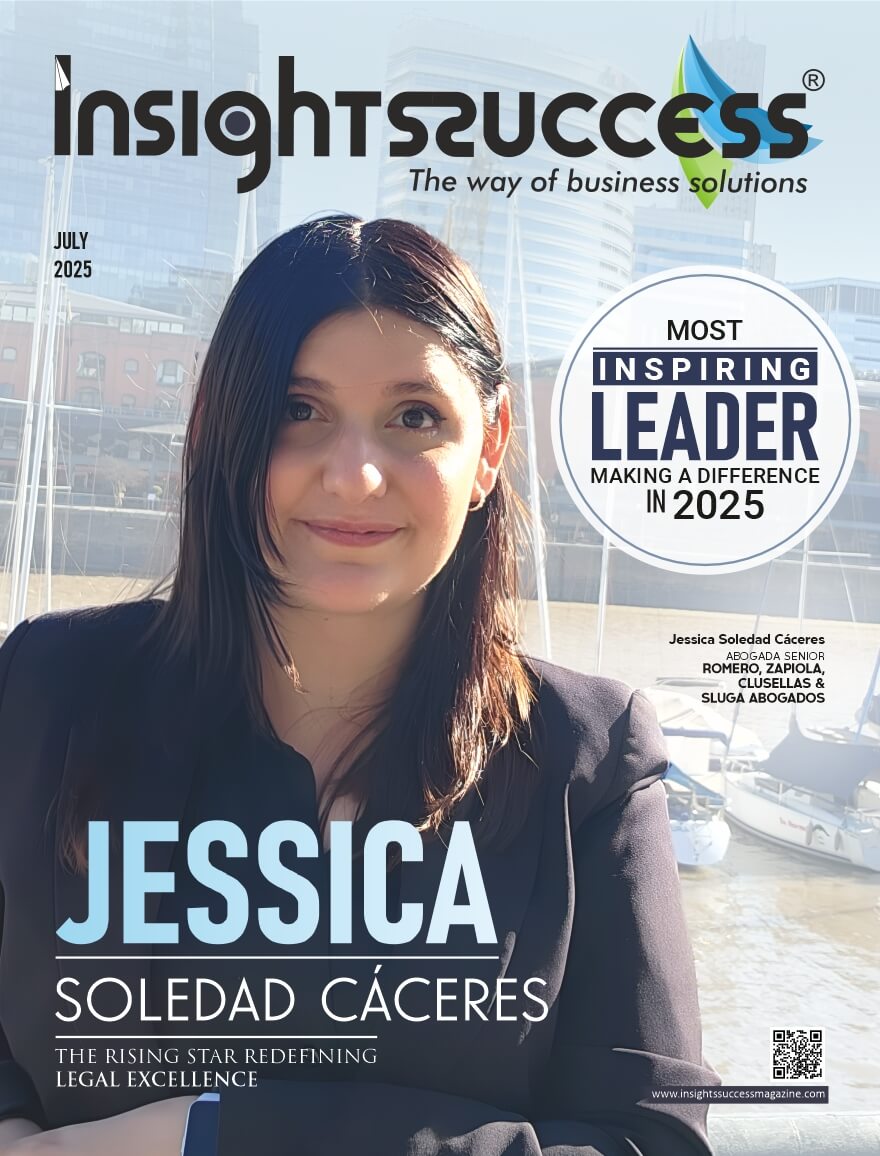
Most Inspiring Leader Making A Difference In 2025
Most Inspiring Leader Making A Difference In 2025 This edition honors visionary trailblazers like Jessica Soledad Cáceres, who are transforming industries and communities through purpose-driven leadership. This special feature showcases individuals whose passion, resilience, and commitment to impact are setting new standards for leadership excellence in a rapidly evolving world. Quick highlights Quick reads

Jessica Soledad Cáceres: The Rising Star Redefining Legal Excellence
In a time when effective leadership is defined by honesty, vision, and strategic flexibility, Jessica Soledad Cáceres is subtly but significantly changing the landscape of corporate law. There is a broader vision behind the well-crafted arguments and thoughtful legal decisions, one that is based on the conviction that the law is a dynamic framework that supports moral, resilience, and forward-thinking business settings rather than just a collection of restrictions. As a Senior Lawyer at Romero, Zapiola, Clusellas & Sluga Abogados, she is currently at the nexus of strategic compliance and legal excellence. Her path, characterized by academic achievement and worldwide acclaim, is evidence of her unrelenting quest for knowledge and her steadfast dedication to significant change. From earning a scholarship at the prestigious Torcuato Di Tella University in Argentina to serving as an expert for international institutions like the World Bank and PAHO, her career path is demonstrating not just talent but purpose too. Beyond her technical proficiency, Jessica’s leadership style is influenced by her profound comprehension of governance as a driving force behind long-term success. She uses a special combination of commercial savvy, legal knowledge, and creative thinking to turn compliance into a competitive advantage that is helping companies in handling complexity with integrity and clarity. She continues to reinventing what it means to be a leader in the legal field by juggling her academic endeavors, which are now leding to a PhD in Financial Law, with vibrant law practice. Jessica Soledad Cáceres is influencing the norms of the future rather than merely meeting the demands of the present. The Foundation of Excellence “From my high school days, my passion for learning propelled me to achieve great goals.” Jessica Soledad Cáceres reflects, her eyes lighting up as she recalls those formative years. That academic excellence didn’t go unnoticed. It opened the doors to an academic scholarship at the prestigious Torcuato Di Tella University, one of Argentina’s most respected institutions for legal and economic studies. The transition to university life, however, wasn’t without its challenges. she candidly admits that the first two years were “a real challenge adapting to a new level of demand always is.” But it was precisely this struggle that forged her character. By her third year, she had not only found her rhythm but had transformed into an academic powerhouse, with grades that became outstanding and performance that skyrocketed. This perseverance became her trademark. Driven by an insatiable appetite for knowledge, Jessica Soledad Cáceres pursued a master’s degree in law and economics, delving deep into the fascinating intersection where legal frameworks meet economic realities. Today, she continues this academic journey, pursuing a PhD in Financial Law at Buenos Aires University, with research spanning Financial Law, Private International Law, Compliance, and Economic Analysis of Law. The Making of a Legal Visionary What sets Jessica Soledad Cáceres apart in the crowded field of corporate law isn’t just her impressive academic credentials it’s her unique perspective on what law should accomplish in the business world. “I realized early on that I wanted to be an active participant in shaping and ensuring integrity within this fast-paced world.” she explains, describing her philosophy that legal frameworks aren’t rigid constraints but essential architecture that enables business agility and resilience. Her approach to compliance is particularly revolutionary. While many view compliance as a necessary burden, she sees it as a strategic advantage. Sound governance isn’t a burden, but a competitive advantage. This philosophy has made her a sought-after advisor for companies looking not just to meet regulatory requirements, but to transform compliance into a cornerstone of their competitive strategy. Working as a senior lawyer, she thrives on being at the forefront of strategic decisions, helping diverse companies mitigate risks, seize opportunities, and ensure ethical operations. Her interdisciplinary background allows her to see beyond legal problems to business challenges with legal solutions a perspective that has proven invaluable in today’s complex corporate landscape. Recognition on the Global Stage Jessica’s expertise hasn’t gone unnoticed by international organizations. In 2025, she was invited by the World Bank through its “Women, Business and the Law” initiative to contribute as an expert on topics affecting women’s rights in Argentina. This invitation represents more than professional recognition it’s an acknowledgment of her ability to apply sophisticated legal insights to issues of global social impact. Her research credentials are equally impressive. In 2022, she served as Senior Researcher and Team Coordinator for the Pan American Health Organization (PAHO) on the project “Analysis of Legal Frameworks on Alcohol Beverage Regulation in the Region of the Americas.” The previous year, she held a similar role analyzing health and migration frameworks across the Americas. These international collaborations have shaped Jessica’s understanding of law as a tool for broader social good. “My passion lies in fostering a culture of robust governance and ethical responsibility. I firmly believe that integrity is the unshakeable foundation of sustainable success.” she explains. Teaching Excellence and Academic Recognition Beyond her professional practice, Jessica Soledad Cáceres has distinguished herself as an educator. Her commitment to teaching has been consistently recognized at Torcuato Di Tella University, where she has received multiple nominations for the Alfredo Canavese Teaching Merit Award. In 2016, she won this prestigious award for her excellent performance as a teaching assistant in “Civil and Commercial Obligations.” Her dedication to education extends beyond formal recognition. In 2020, she received the “Milla Extra” Award from Torcuato Di Tella University, an accolade that recognized her exceptional commitment as a staff member—going above and beyond expectations in service to the academic community. Navigating Challenges with Strategic Grace The COVID-19 pandemic tested professionals across every industry, but Jessica’s response exemplifies her strategic mindset. Rather than simply surviving the crisis, she transformed it into an opportunity for significant professional growth. “The forced period of remote work and reduced social engagements became an invaluable opportunity.” she recalls. During the pandemic, she dedicated time to immersing herself in advanced courses and certifications, deliberately investing in deepening her expertise in emerging areas of compliance and regulatory

Ethical Leadership in the Digital Age
In the last two decades, technology has transformed almost every facet of our professional and personal lives. From how we communicate with each other to how we work, learn, and do business, the digital age has introduced a level of convenience, as well as connectivity, unrivaled in the past. Yet with all this innovation, there is a profound need for something even more lasting: ethical leadership. With AI, data analytics, automation, and digital platforms increasing, ethical consequences of technology are keeping up—if not growing faster. Business strategy is no longer a consideration alone; leaders today must think about privacy, transparency, fairness, and human impact. It is there in that nuance that ethical leadership is not just important, but downright necessary. Understanding Ethical Leadership Ethical leadership is leading with integrity, fairness, honesty, and respect. It’s not about avoiding getting into trouble but is rather dedicated to doing the right thing even when difficult or unpopular. It’s making decisions and taking actions based on moral values, especially where change is constant and responsibility can easily become lost. Under the digital age, ethical leadership bears greater responsibility. Technology can be used to correct real problems or exploit them. Data can be made to improve user experience or violate privacy. Algorithms can be used to make decisions or instill social bias. It falls upon the ethical leader to stay grounded in values in this uncertain and evolving environment. Why the Digital Era Demands Ethical Leadership The cyber world is speed-driven—and it is global. One boardroom decision can potentially touch thousands of lives in a matter of seconds. To show an example, the application of facial recognition technology might boost security but could possibly result in serious civil liberty concerns. Similarly, AI hiring solutions can potentially reduce time-to-hire but might unknowingly discriminate or be biased against certain groups. That is why moral leadership is more important than ever today. It is the brake on decisions made merely for profit or convenience. It makes leaders pause and reflect not only what can be done, but what ought to be done. It reminds organizations that trust is hard to regain once lost and that reputation is one of the most difficult currencies to spend in the digital age. A good ethical foundation can rescue a firm from reputational harm, regulatory fines, and even employee disaffection. When individuals believe their leaders are ethical, they are more likely to trust the mission, stay loyal to the brand, and become advocates for the company culture. Traits of an Ethical Leader in Today’s Digital Age Ethical leadership in the digital age is not just rule-following—visionary and heart-based leadership. Today’s ethical leaders need to be transparent not only about what their technologies can do but also about what they can’t do—and what they shouldn’t do. They need to be able to manage tough realities, whether that means diversity imbalances in data or misuse of customer data. An ethical leader cares. They think about the ways in which technology affects not just shareholders, but also employees, customers, communities, and competitors. They listen more than they talk, especially in technical communication with those voices most critical yet least heard. They are also courageous. Change in the digital age typically demands hastiness, yet moral leadership demands contemplation. Going against unethical conducts or holding their grounds against quick fixes for the sake of moral solutions may incur an expense. Genuine leaders are ready to pay it. Finally, ethical leaders are committed to learning. The world of cyber is too complex for anyone to know everything about it. Staying current with the pros and cons of new technologies is an ethical responsibility. Continuous learning becomes a doorway to continuous improvement. Embedding Ethics in Digital Culture Moral leadership is simple to talk about and a whole different matter to put into practice on a day-to-day basis in an organization. Moral action cannot exist independently; it must be embedded in the company’s culture. That means making ethical discourse a part of project meetings, planning sessions, and product development cycles. Leaders must lead from the top. If executives value ethical outcomes as highly as they value financial, those values will cascade through all levels of the organization. Integrity must be weighed as much as intelligence when hiring. Incentives must go to those who act with integrity, and to those who achieve their objectives. Moreover, the creation of a psychological setting where team members of the group feel free to voice concerns or bring up issues of morality of no fear of reprisal is essential. Openness and creativity are encouraged by this psychological safety culture, so ethical leadership can grow of its own accord and not be legislated. Challenges on the Ethical Horizon of the Future Even the most principled leaders will be faced with moral dilemmas in the age of information. The global nature of technology means dealing with conflicting cultural values and regulatory standards. The need to innovate quickly often comes into conflict with the need to balance long-term consequences. And in an age of disinformation, facts themselves can be politicized or doubted But perhaps the greatest challenge is ethical fatigue, the danger of becoming desensitized or satiated by constant ethical decisions. To combat this, ethical leadership must be supported by open organizational systems, positive peer networks, and an unyielding dedication to purpose. Conclusion: The Human Side of Leadership Technology can form the future, but leadership dictates how it will form the future. Ethical leadership ensures that our digital world continues to be grounded on the human values that matter most: respect, fairness, and dignity. In a time of speeded-up change, the most effective leaders are not simply chasing progress—but guiding it. They understand that every line of code and every strategic decision has a human consequence. They lead with intelligence, yes, but with values as well. As we move deeper into a digital technology-driven world, it is ethical leadership that will determine whether our innovation lifts humanity—or leaves it behind. Read More: Aligning Corporate Legal Strategy with

Aligning Corporate Legal Strategy with Business Objectives in the Digital Age
Today’s rapid digital world poses historic challenges and opportunities to businesses. Between cyber threats and data privacy, intellectual property rights, and the global system of regulations, the legal landscape is more dynamic than ever. Accordingly, aligning corporate legal strategy with the overall business goals for ultimate success and competitive distinction is no longer an option but a requirement. This article discusses the applicability of an integrated corporate legal strategy, and how it can support innovation, mitigate risk, and maximize value creation in the digital era. Knowing the Contemporary Corporate Legal Strategy A corporate legal strategy is the systematic way in which a corporation addresses legal risk, compliance with the law, and facilitating its business and strategic objectives. Historically, legal groups were cost centers or reactive functions whose raison d’être was compliance and the resolution of disputes. That is not true today. In today’s age of computerization, legal activities are evolving to become strategic allies. A company’s legal strategy has now grown to include management of future risks, influencing business policy, impacting product development, and even improving the firm’s image. Legal involvement from reaction mode to pro-action mode is a must for firms that must excel in perilous and fluid markets. The Need for Alignment with Business Goals Alignment of legal strategy with a firm’s overall business goals is important for cohesiveness, responsiveness, and flexibility. Without alignment, legal groups may create barriers or miss risks affecting growth, innovation, or stakeholder trust. For instance, if the goal of a company is AI- and data-driven transformation, then its corporate legal agenda needs to address data privacy law (e.g., GDPR and CCPA), the ethical uses of AI, and cloud provider and SaaS platform contract structures. This not only aids compliance but also actually enables transformation. When legal and business groups operate in silos, the company loses out on opportunities, violates regulations, and suffers reputational loss. Alignment, on the other hand, means that legal factors are built into decision-making from the bottom up. Key Ingredients of a Progressive Corporate Legal Strategy To become successfully integrated into business objectives, companies need to re-think and re-tool their corporate legal strategy. The ingredients are as follows: Risk Assessment and Management Cyber enterprises are susceptible to numerous risks—cyber attacks, IP theft, cross-border data breaches, etc. Strong legal strategy includes ongoing risk assessment, situation planning, and legal audits. This enables enterprises to react promptly and assertively at every challenge. Foresight in Regulations The legal regulatory environment is constantly changing, particularly in online industries like fintech, health tech, and e-commerce. One responsive corporate legal approach is to monitor trends, anticipate regulatory change, and speak with policymakers as needed. Not only does this lower compliance expense, but it can make the firm an industry shaper. Contractual Agility Traditional contracts may not be compatible with the pace and sophistication of web-based partnerships. Smart contracts, dynamic SLAs, and adaptive licensing agreements are increasingly popular. Legal organizations need to be in sync with business and technology organizations to develop mechanisms that enable rapid deployment and innovation without subjecting the firm to excessive risk. Ethics and Governance Above the law is legitimacy. With consumers and investors becoming increasingly interested in ESG (Environmental, Social, Governance) principles, the legal approach needs to incorporate ethical consideration within business action. This involves transparency in the usage of data, equitable employment practices, and ethical usage of technology. Cross-Functional Cooperation Having lawyers in cross-functional teams—from product development to marketing—means issues of law can be addressed up front and won’t ruin momentum. It also provides improved communication and understanding among departments, allowing the company to become more responsive and unified. Harnessing Technology for Legal Superiority Technology is increasingly the prime motivator for putting an efficient corporate legal strategy into action. LegalTech technologies like contract lifecycle management (CLM) platforms, compliance monitoring powered by artificial intelligence, and e-discovery tools automate procedures and minimize the potential for error due to human fallibility. In addition, analytics makes it possible to quantify and hold legal teams accountable, bringing them into alignment with business metrics. Whether the metric is litigation cost monitoring or regulatory exposure forecasting, technology strengthens the strategic role of the legal departments. Real-World Applications: Case in Point Consider a multinational online retailer moving into growth markets. Its business objective is rapid market entry with less legal drag. A well-aligned corporate legal strategy would: Plan regulatory and legal regime in every new market Modify user agreements to comply with local consumer law Protecting IP rights across jurisdictions Design tax-effective structures with compliance in international legislation Make cybersecurity and data localization policies compatible with national requirements In these respects, the legal strategy falls behind business but rather facilitates and safeguards its growth. Establishing a Culture of Legal Awareness Perhaps the most underemphasized part of business and legal strategy alignment is culture. Legal awareness cannot remain solely in the general counsel’s office. There must be some legal awareness among business managers, project managers, and developers. There must be regular training, open communication for legal counsel, and an inviting legal team. A legally aware interdisciplinary culture leads to sounder decisions and fewer interruptions. Conclusion: From Gatekeepers to Growth Partners As business has become increasingly digital, global, and complicated, the role of the corporate legal strategy has changed. Legal teams can no longer be perceived as passive gatekeepers. They need to be seen—and enabled—to act as proactive growth partners. By connecting corporate legal strategy and business goals, businesses not only protect against risk but open the door to innovation, trust, and long-term success. This alignment requires ongoing dialogue, common metrics, and respect between business leaders and lawyers. Read More: The People-Centered Leader: Where Empathy Meets Impact
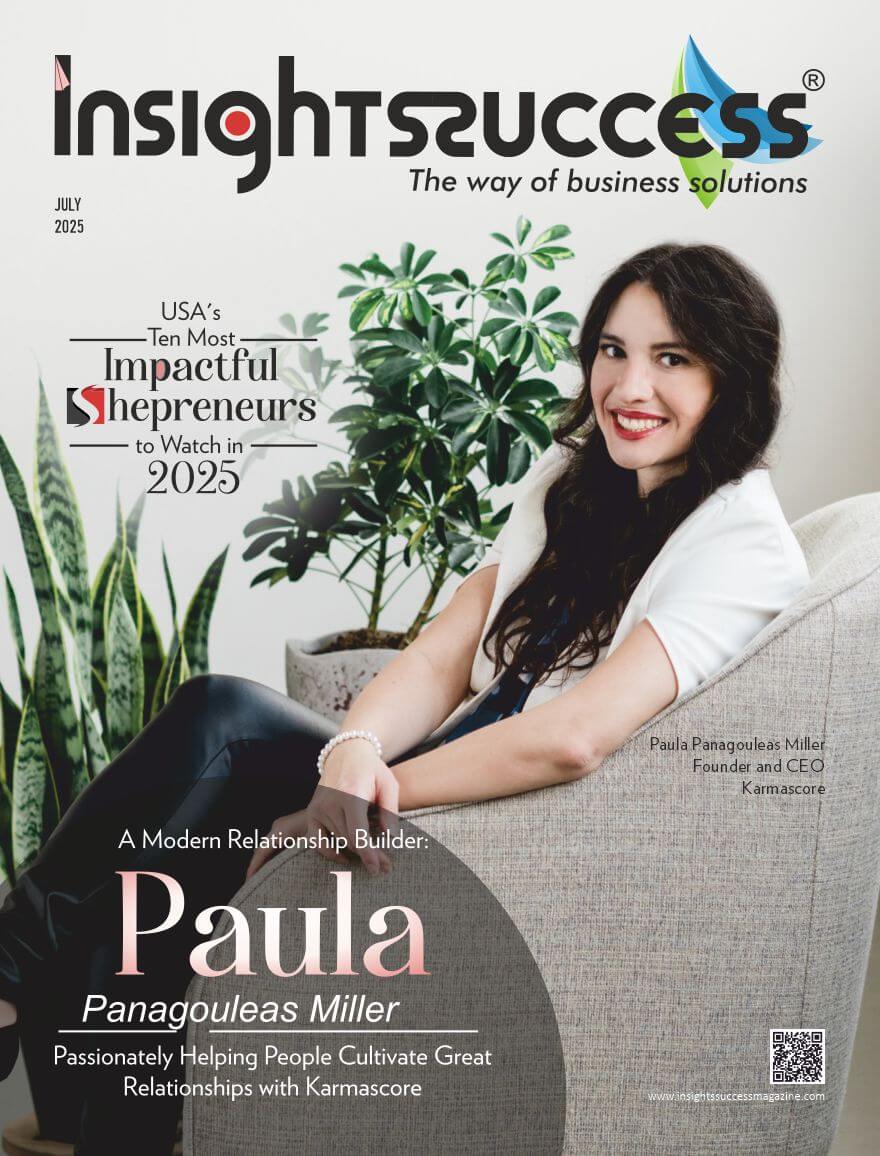
USA’s Ten Most Impactful Shepreneurs To Watch In 2025
USA’s Ten Most Impactful Shepreneurs To Watch In 2025 Across boardrooms, startups, and social enterprises, a powerful wave of women entrepreneurs is reshaping the future of business in America. This edition celebrates the fearless female founders who are turning bold ideas into transformative ventures—and doing so with purpose, passion, and relentless drive. These Shepreneurs are not just building companies; they are creating impact. From tech and finance to health, sustainability, and social change, their ventures address real-world problems with innovative, scalable solutions. They are redefining leadership by championing diversity, authenticity, and community as pillars of long-term success. Quick highlights Quick reads

A Modern Relationship Builder: Paula Panagouleas Miller – Passionately Helping People Cultivate Great Relationships with Karmascore
Through her career in managing global teams of multi-million-dollar Fortune 500 companies in the banking, investment, and corporate industry, Paula Panagouleas Miller understood the crucial logic of life’s balance sheet. Your emotional, and thus, effectively, your physical health and well-being are directly proportional to many vital factors, including one of the most important, which is your relationships. Paula Panagouleas Miller spent over a decade in corporate finance, managing multimillion-dollar portfolios and leading diverse teams. That experience, combined with her education at Harvard, taught her how to build systems, analyze risks, and drive results. But more importantly, it showed her the emotional toll of poor leadership and toxic relationships in the workplace. Her personal life—as a wife, mother, author, and certified relationship coach—reinforced the importance of empathy, boundaries, and emotional intelligence. These insights became the foundation of Karmascore, which empowers users to reflect on how their relationships make them feel over time. A Journey Born from Necessity Paula’s entrepreneurial journey began out of necessity. When she was in college, her mother became seriously ill and couldn’t afford her medications. To support her, Paula Panagouleas Miller started collecting items that other college students discarded at the end of each semester and resold them the following term. That small initiative turned into a profitable resale business and gave her the capital to launch a real estate company, which she eventually sold. From Resale to Real Estate—and a Revelation “That experience taught me that resilience, resourcefulness, and purpose can birth something powerful,” reflects Paula Panagouleas Miller, who—inspired by the complexities of modern relationships and her background in (finance) analytics, created Karmascore—an app to help people better manage and evaluate the relationships that shape their lives. Merging Data with Humanity: A Harvard Legacy As a Harvard graduate, Paula Panagouleas Miller has always been driven by a desire to merge data and humanity to make life better. A Mission to Strengthen Relationships At the heart of every meaningful connection is a conscious investment of time, energy, and care. Paula Panagouleas Miller, the dynamic CEO of Karmascore and a Certified Relationship Coach, has made it her life’s mission to help people cultivate stronger, healthier, and more fulfilling relationships—both personally and professionally. With a passion rooted in empathy and a mind sharpened by decades of business leadership, Paula Panagouleas Miller brings a unique fusion of emotional intelligence and analytical precision to the world of relationships. A Multitalented Spirit – Entrepreneur, Coach, and Author Paula’s entrepreneurial spirit has never been one-dimensional. Before founding Karmascore, she built a formidable career in the private sector. In parallel, she nurtured her entrepreneurial spirit by launching and growing several successful self-started businesses. She was the Chief Executive Officer at Advice and Spice, where she was the authorized relationship and dating coach, helping people build good relationships. Also, during those two years, she completed her first book, Oh My, Oh Me! Where Is My Buzz, Buzz, Bee? Later, she published three more children’s books: I Love You More My Sweetest Arlo I Wish Karmascore: Transforming Relationship Health Today, she channels all of that experience into Karmascore, an award-winning relationship analytics company that’s transforming the way people understand and manage their social ecosystems. Karmascore is more than an app—it’s a tool for self-awareness and relationship alignment. It empowers users to evaluate and track their relationships via memories, money, and milestones. Pauls shares, “With Karmascore, anyone can keep up with important relationships. We create healthier relationships with interpersonal connections informed by data! Karmascore is now available for download on Google Play and the Apple Store. Look for more information at karmascoreapp.com.” Karmascore’s mission is to improve the quality of people’s lives by helping them reflect on, prioritize, and strengthen their most important relationships—romantic, platonic, familial, and professional. The app lets users log memories, track relationship patterns over time, and receive insights and recommendations. Paula Panagouleas Miller clarifies, “We’re not a dating app or a journaling tool—we’re the first true relationship analytics platform. Our values—honesty, accountability, growth, and kindness—guide everything from product design to customer support. What sets us apart is our belief that people should invest in relationships as they invest in physical and mental health.” Technology That Nurtures, Not Numbs Karmascore is driving impact by sparking a new category: relationship health. It is giving users data-backed ways to recognize red flags, appreciate green flags, and communicate more intentionally. Paula Panagouleas Miller informs that they also partner with universities, therapists, and content creators to normalize emotional check-ins and reduce the stigma around relational pain. It’s tech that nurtures, not numbs. She credits her time at Harvard for helping her develop a mindset that values innovation not just for novelty’s sake but for human well-being. Impact That Hits Home The true impact of the app is deeply personal. Sharing a successful result of the app, Paula Panagouleas Miller says, “One of the most defining moments was when a young woman wrote to us saying Karmascore helped her recognize a pattern of emotional manipulation in her long-term relationship. She told us the app gave her clarity and courage to leave.” It reminded her why they exist—not to judge relationships but to help people feel seen, supported, and stronger. Creating a Culture of Clarity, Growth, and Kindness Paula’s leadership philosophy is rooted in transparency, autonomy, and trust. She believes in hiring people smarter than her and then giving them the space to excel. She prioritizes clarity over control and kindness over ego. This approach creates a culture where team members feel safe to share ideas, take risks, and support each other. “It also mirrors how we want our users to feel—safe, seen, and empowered in their relationships.” Leading with Empathy in a Male-Dominated Industry As a female founder in tech, Paula Panagouleas Miller has often had to prove the validity of a problem men didn’t always relate to—relationship overwhelm, emotional burnout, and the invisible labor of care. She’s been underestimated, interrupted, and second-guessed. But instead of letting it break her, she used it as fuel. She learned to

The People-Centered Leader: Where Empathy Meets Impact
In a time of volatility, complexity, and constant disruption, the leadership attributes that defined great leadership in the past—command, authority, and control—are no longer sufficient. The most effective leaders are no longer the most vocal or those who rule by edict, but those who lead with compassion, authenticity, and purpose. This shift is the arrival of the people-first leader: a leader who understands that when people win, organizations win. It’s a model of leadership where empathy isn’t a supposed soft skill, but a strategic imperative—one that ignites engagement, trust, and sustained outcomes. Redefining Empathy in Leadership Leadership empathy is not a matter of emotion or even likability—it is about deep understanding and intentional connection. It’s the ability to see through other people’s eyes, listen with an open heart, and reply with humanity. Practicing empathy enables leaders to get through dueling perspectives, lead in uncertainty, and guide teams that feel included and belonging. Evidence attests to its value. From numerous global studies, empathetic leaders have greater employee retention, resilience, teamwork, and performance. Empathetic leadership creates psychological safety in times of crisis—a requirement for innovation and adaptability. Empathy alone is not enough. Combined with clarity, decisiveness, and accountability, it becomes an impact multiplier. The Intersection of Empathy and Impact People-focused leadership doesn’t come at the cost of performance—it boosts it. Empathetic leaders’ organizations reap both tangible business benefits: stronger cultures, enhanced customer interactions, and sustained productivity improvements. Such leaders are not afraid to ask questions like: How do our decisions affect our people? Are we creating a culture of trust or fear? How are our building the whole person, not just the professional? By centering on humans, they create contexts where people feel empowered to perform at their best, not out of obligation, but because they choose to. Such a sense of purpose and alignment is what creates high-performing teams and enduring organizational success. Listening as a Leadership Competency One of the most underused and most powerful tools of a people-oriented leader is the art of active listening. In a noisy world—emails, meetings, deadlines—making room to actually hear is both rare and radical. Listening is not just hearing words—it’s hearing concerns, voicing understanding, and opening doors to open conversation. When leaders listen, trust is established. When they act on what they heard, credibility is established. This practice also sparks inclusive leadership. By creating space for various voices to input, people-driven leaders see farther, clear blind spots, and make better decisions. It’s not being the purveyor of all the solutions—it’s about being responsive, present, and curious. Leading Through Change, Together Today’s organizations are continually navigating change—be it digital transformation, changes to the workforce, or world crises. In such types of environments, people-centric leadership is urgently needed. Rather than dictating change from above, these leaders are collaborative change-makers with their respective teams. They communicate the “why,” address anxiety through empathy, and ensure that people feel involved and informed. This results in greater alignment, less resistance, and greater resilience. Much more importantly, people-centered leaders recognize that change doesn’t take place in workflows but in minds and hearts. They are by their people during the emotional and psychological stages of change, and they make wellbeing and performance hand in hand. Empathy Is Scalable Another common myth surrounding empathy is that it becomes increasingly difficult to maintain as companies grow. But with the right structures and mindset, empathy is completely scalable. People-first leaders design processes that embed empathy into the fabric of the organization—be it onboarding and performance reviews, communication and feedback, or recognition and reward. They build teams bound by values and equip managers to lead with empathy and simplicity. Maybe most importantly, they themselves exhibit empathy—a ripple effect that flows throughout the organization. This human-first approach does not mean sacrificing speed or results. Instead, it ensures that growth is sustainable, values-based, and shared—attributes today’s talent and customers expect from the businesses they interact with. The Courage to Be Vulnerable Authenticity is at the forefront of people-centric leadership. Great leaders don’t fake perfection—they are courageous enough to be vulnerable, to admit when they don’t know it all, and to share their own learning journeys. This kind of transparency breaks down boundaries between “employees” and “leaders.” It replaces hierarchy with humanity, power with partnership. It does this by encouraging others to show up with their whole selves, take ownership of their work, and lead from wherever they are. Vulnerability without empathy can come across as fake. But when leaders lead vulnerable and empathetic, they create cultures where people feel seen, supported, and inspired. Conclusion: Leading with Humanity, Leading for the Future As the contemporary workplace becomes increasingly digital, dispersed, and diverse, the need for people-first leadership is not only timely; it’s essential. In an age of AI and algorithms, the human touch of empathy, trust, and emotional intelligence will distinguish great leaders from good ones. Empathy is not weakness. It’s strength, allowing leaders to engage, enable, and leave lasting impact. Impact is quantified not in the number of decisions made, but in the lives those decisions touch. Ultimately, people-first leadership is more than constructing performance—it’s constructing purpose, belonging, and a legacy of human influence. Read More: Disruptive Leadership: Breaking Barriers to Build Better Futures

Disruptive Leadership: Breaking Barriers to Build Better Futures
Leadership today is not about sustaining the status quo—it’s about disrupting it. In a world of turbulence, accelerated change, and rising expectations, traditional leadership theories are increasingly less relevant. The people who are really doing something—disrupting it on purpose—are not those people playing it safe, but the disruptors who are leading. Welcome to the age of disruptive leadership—a futuristic, innovative style where courage, creativity, and consequence intersect. Disruptive leaders are agents of change who not only respond to change, but deliberately engineer it, frequently prior to its necessity being obvious. They break apart the status quo, challenge inherited knowledge, and create new fields of action that redefine what’s possible for businesses, communities, and society as a whole. Breaking with Comfort in Order to Catalyze Growth Disruption starts with discomfort. Disruptive leaders know that growth doesn’t happen in comfort—it happens in challenge. They don’t accept incremental solutions. They pose the hard questions instead: Why is this so? Who is being left out? What if we started over? This attitude is not careless; it is visionary and positive. These leaders are attuned to inefficiencies, imbalances, and untapped potential—and also to the strength to resist them head-on. They realize that breaking barriers is a process of sometimes breaking out of the norm, and they’re willing to meet resistance instead of sidestepping it. Disruption isn’t for disruption’s sake. It’s mission-driven. The goal isn’t anarchy—but improved results: smarter systems, more inclusive solutions, and more sustainable progress. Innovation at the Core Disruptive leaders are innate innovators. They look around corners, predict trends before they materialize, and transform new challenges into competitive strengths. They don’t just adopt technology—they reimagine how it can reshape business models, industries, and the human experience. Whether they are applying AI to customize healthcare, creating circular economies for sustainability, or transforming education through EdTech, disruptive leaders employ innovation as a force of inclusivity, flexibility, and long-term value. They’re not merely surfing the wave of digital transformation—they’re creating it. Under such leaders, innovation is not limited to products or services. It is in the way teams work together, decisions are made, and impact is gauged. They build organizations where experimentation is encouraged, failure is always a move forward, and creativity can flourish at all levels of the organization. Inclusivity as a Strategic Advantage One of the defining features of disruptive leadership is an unwavering commitment to equity and inclusion. Such leaders recognize that homogeneity kills perspective and creativity. They are contrasted with plural teams that bring together broader views, more empathy, and greater problem-solving muscle. Disruptive leaders proactively dismantle walls to opportunity and access. They advocate for unheard voices, dismantle systematized bias, and create workplaces where difference is an asset that fuels excellence. By doing so, they’re not merely achieving compliance thresholds—they’re creating spaces in which every human can make a huge impact and expand exponentially. This emphasis on inclusion is not merely ethical—it’s strategically necessary. A diverse world, as the future world will be, will be constructed by those who are world-aware and attuned to a world’s needs. Disruptive leaders make sure that the innovation they create is of and in the world they’re in. Resilience in the Face of Resistance Disruptive leadership is not for everybody. Challenging existing norms meets with criticism, skepticism, and pushback. But the greatest disruptors are not deterred by conflict—rather, they are energized by it. They understand that tension is a sign of movement and that true change is frequently the offspring of friction. Resilience thus becomes a priority. Disruptive leaders have a built-in compass that calls them to stay firm on their purpose even when uncertain. They are emotionally aware, dynamic, and unflinching in their purpose in the face of unclear outcomes or long-term results. They’re also inclusive, having the wisdom to know when to listen, to turn, and to bring others along for the ride. Disruption is not one person’s game—it takes coalition building, narrative, and the capacity to take big ideas and turn them into action-oriented momentum. Legacy Beyond Profit Real disruptive leadership is not gauged by market share or public-relations buzz alone. It’s gauged by its impact—on people, on systems, on the future. Disruptive leaders have a long term view. They are not only interested in quarterly performance but in creating legacies of long-term value. They ask themselves, “What do we leave behind?” and “How are we creating a future that people can build on?” Whether remaking education access, reconceiving aging infrastructure, or building more responsible supply chains, these leaders don’t just leave behind traumatized markets—they leave behind renewed optimism, greater opportunity, and change. Conclusion: A Call for Courageous Leadership The world doesn’t require more managers of the familiar. The world requires architects of the unfamiliar—people who are willing to challenge, who will act, and are dedicated to constructing better futures. Disruptive leaders are exactly such people. They are confident but not arrogant, visionary but not lacking in recall, and compassionate but not passive. They construct bridges where others look for walls and unlock ways forward when the route is obscure. As we enter a world of speeding change and pressing crises, disruptive leadership isn’t a competitive advantage—it’s a leadership imperative. Because the future won’t be inherited. It will be created—by those who’ll be willing to disrupt. Read More: Smart Cities, Smarter Leadership: Real Estate in the Age of AI