






Mathieu Gorge: Redefining Cybersecurity by Enhancing Trust and Resilience
Along with endless advantages, the digital world has also opened doors to numerous threats such as cyber-attacks. These attacks can cripple the largest corporations in a blink of an eye. Hence, the role of cybersecurity leaders has become more crucial than ever. These leaders possess indomitable will, innovative vision, unwavering grit, and dedication for development and innovation. One such pathbreaking trailblazer whose legacy has transformed risk management online responsibility worldwide is Mathieu Gorge. Early Life and Formations: Becoming a Cybersecurity Icon Mathieu began his journey in France, where his law, marketing, and languages degrees prepared him for a career path very different from the technical corridors of IT. France, Germany, and Northern Ireland educated him in their ways, preparing him to confront a multidisciplinary outlook that would assist him in making impactful changes in the future. As opposed to the customary career path into technology, Mathieu’s early professional life was spent in product management and sales roles in Ireland, where data protection and compliance issues became more and more his area of concern. These experiences led him to start VigiTrust in 2003, a cybersecurity consulting firm that originally started based on compliance training and education. This unorthodox background—communications, law and regulations, and strategic thinking—provided Mathieu with a unique viewpoint by which to view the cybersecurity landscape. He realized almost immediately that organizational security was not an isolated technical issue, but an interrelated ballet of organizational culture, human behavior, and law. The Genesis of VigiTrust: Closing the Cybersecurity Gap It was in 2003, when it became progressively obvious that organizations were struggling with the IT security and compliance maze, which Mathieu intended to resolve. His aspiration was clear: to create a consultancy firm that would make cybersecurity easy to understand for organizations so that they could manage risk in a holistic manner. VigiTrust started with a definitive focus on compliance training and education, built on Mathieu’s governance experience and the ability to take regulation complexity and turn it into acted-on strategies. As the cyber threats landscape evolved, so did VigiTrust. In 2017, the company had evolved into a technology-focused business with the launch of VigiOne, an Integrated Risk Management (IRM) flagship product. Through VigiOne, VigiTrust offered enterprises a single platform to monitor compliance against multiple frameworks—PCI DSS, GDPR, HIPAA, ISO 27001, etc.—through continuous compliance management, live policy updates, and in-built training facilities. Under Mathieu’s direction, VigiTrust grew to accommodate clients from over 120 nations across health care and banking to hospitality and retail. Innovating with the 5 Pillars of Security Framework The core of Mathieu’s philosophy is the “5 Pillars of Security Framework™” he created to simplify and describe the complexity of cybersecurity for non-techs. The framework consists of: Physical Security People Security Data Security Infrastructure Security Crisis Management This hands-on experience of his global best-seller book The Cyber Elephant in the Boardroom (ForbesBooks, 2020), enables board members and CEOs to understand, foresee, and implement cybersecurity programs. Democratizing security to the leadership, Mathieu, has put cybersecurity on the boardroom agenda. A Global Thought Leader and Advocate Mathieu’s reach goes far beyond the boardrooms of his clients. He is a regular keynote speaker at senior-level international events, including RSA Conference, ISACA, ENISA, and ISSA, on risk management, regulatory compliance, and cyber governance. His services are requested by governmental and professional bodies alike; he has been President and Chief Strategy Officer of the French Irish Chamber of Commerce, CEO of Infosecurity Ireland, and Foreign Trade Advisor to the French Government (CCEF). At the center of his role is the VigiTrust Global Advisory Board, a group of more than 1300 members across 30 countries, and a global leadership team of 25 cybersecurity experts. They work together on emerging threats, crafting regulations, and best practices to ensure that Vigi Trust- and its customers – are at the forefront of cyber accountability. Building a Culture of Learning and Empowerment Mathieu’s management is built on trust, empowerment, and learning. He views innovation as an essential component in an environment where the voice of everybody counts and open communication is the norm. In VigiTrust, he has established an environment where employees are permitted to own initiatives, make decisions, and engage in ongoing learning. Its VigiOne platform, for example, has over 200 cybersecurity training modules that equip employees and customers with the ability to meet evolving risk management needs. Transparency and acknowledgment are the two pillars of Mathieu’s strategy. By identifying success and having open lines of communication regarding goals and difficulties, he creates a sense of shared purpose and allegiance that translates into high employee loyalty and organizational resiliency. Restraining the Nexus of Technology, Trust, and Regulation Operating between the middle ground of regulation and innovation, Mathieu is a master of walking the fine line between rule requirements and advancing technological advancements. He understands that regulatory requirements are not obstacles but portals of opportunity to establish trust and compete in the marketplace. By attending the VigiTrust Global Advisory Board and industry conferences regularly, Mathieu keeps his company agile, current, and ahead of changing regulatory landscapes. His credo—”Security is a journey, not a destination“—reflects his philosophy of staying flexible and ongoing learning. Through turning compliance boundaries into engines for change, Mathieu has established VigiTrust as the leader in business and security transformation. Accolades and International Recognition His success has made him an internationally renowned personality. He has been recognized as a Knight of the National Order of Merit (France), Most Influential Cybersecurity Executive in Ireland (Corporate Vision Magazine, 2022), and Visionary CEO in Integrated Risk Management (World Business Insights, 2025), among many others. His inspiring leadership and innovative mind have been covered in publications such as CIO Today and Business Worldwide Magazine. These honours confirm not only his status as an employee, but his dedication to the subject as a civic responsibility. Mathieu’s research has had an impact on international standards of cyber responsibility, policy, practice, and public consciousness. The Author and Podcaster: Expanding the Debate Apart from his advisory and corporate activity, Mathieu is also a skilled

Market Dominance: The Impact of Influential Entrepreneurs on Modern Business
Entrepreneurs throughout history have fueled economic growth over the past centuries, propelling innovation, employment, and industry transformation. Throughout business today, several dominant entrepreneurs have made their indelible mark. They have developed revolutionary innovations, started new business models, and shifted the equilibrium of power between companies and customers. Their influence penetrates well past their companies, with effects resonating in global markets, reshaping the way people shop, and inspiring entrepreneurial generations to follow. Oprah Winfrey, Steve Jobs, Jeff Bezos, Elon Musk: what all these icons leave behind is not money. They have vision, they have risk, and the ability to transform concepts into game-changing possibilities. This article outlines three general fields through which successful entrepreneurs have left their marks on modern business society: innovating and disrupting markets, leadership and culture, and global economic and social influence. Innovating and Disrupting Markets The most common feature of successful entrepreneurs is that they are innovators. Steve Jobs made a readjustment of the tech market by combining design, functionality, and user interface in a way that had never been practiced before. His contribution at Apple revolutionized human interaction with technology via the creation of such products as the iPhone and iPad, which revolutionized industries from telecommunications to entertainment. Similarly, Elon Musk has opened doors with Tesla, which revolutionized the way the world perceives electric cars, and SpaceX, which has revolutionized space travel for private companies to reality. These changes are susceptible to exceeding product innovation. They upend entire industries by replacing existing consumer habits and business models. Jeff Bezos, via Amazon, did remarkably well rethinking the way people shop, creating an online retail giant that established new benchmarks for efficiency and convenience in the business. His focus on logistics, fact-based decision-making, and the customer mania put conventional physical stores in the position of having to innovate or die. Their achievement has turned innovation into a gigantic expectation in modern business, and this has prevented businesses from reforming or perishing. Changing Leadership and Organizational Culture Successful entrepreneurs have also had a significant part to play in how businesses are conducted and how working cultures are structured. Instead of being imposing hierarchies and authoritarian leadership, most of these businesspeople built more participative and responsive cultures. Oprah Winfrey, for example, built her firm on kindness, empowerment, and honesty. Her leadership was trust, integrity, and definite purpose based, and it proved that emotional intelligence can be as effective as strategic thinking in creating a great company. Their leadership is embedded in the companies they run. Google and Facebook have both been led by founders who believed in creativity, risk-taking, and openness. That has also produced a wider cultural shift in business, where innovation is no longer the province of the research department but is developed all over the firm. Workers are no longer worker bees but stakeholders in a higher mission, and companies invest more in engagement, diversity, and career development. Successful businesspeople have redefined what it means to be a leader in today’s business world. Shaping Socio-Economic Trends and Global Markets Such entrepreneurs‘ effects extend far and wide across corporate lines. They have made permanent imprints on global economic and social ways. Jack Ma, for instance, established new economies within China by way of Alibaba, creating a platform on which to build millions of small enterprises that could reach out to the international market. His business democratized enterprise and integrated rural communities into global markets. In the same way, Elon Musk’s electric car and clean-tech industry have moved the world towards sustainability even faster, investing in renewable technology, and shaping policy-making. Apart from financial power, most of these billionaires have also taken on social and cultural leadership roles. They are charting their gigantic impact in technology, ethics, and philanthropy public policy discussion. Few individuals like Bill Gates have shifted from business to solving global issues such as health, education, and the environment. Efforts such as the Giving Pledge have challenged Gates and other business leaders to rethink the conventional attitudes towards money and responsibility, injecting more just and more moral capitalism. These are the evidence that business leaders can use their wealth in initiating a virtuous social shift and establishing a new benchmark for corporate responsibility. Conclusion Entrepreneurial success has done far more than create successful businesses. They’ve altered what we say about innovation, leadership, and business in society. Through risk-taking and boundary-shifting, they’ve driven sectors forward and inspired others to act with intent and defy conventional knowledge. They left behind a legacy in what we buy, what we use for services, and practices that impact business behavior today. As the world economy continues to grow, so will their legacy. They are a great example of what can be done through vision with determination and purpose as well as profit. Future entrepreneurs will most certainly harness their power from their achievement, continuing to shape the world in ways we cannot even start to think about. The legacy of those early pioneers ensures that entrepreneurship will forever remain a powerful force for leadership, innovation, and good. Read More: The Rise of Cloud-native Applications: Speed, Scale, Security
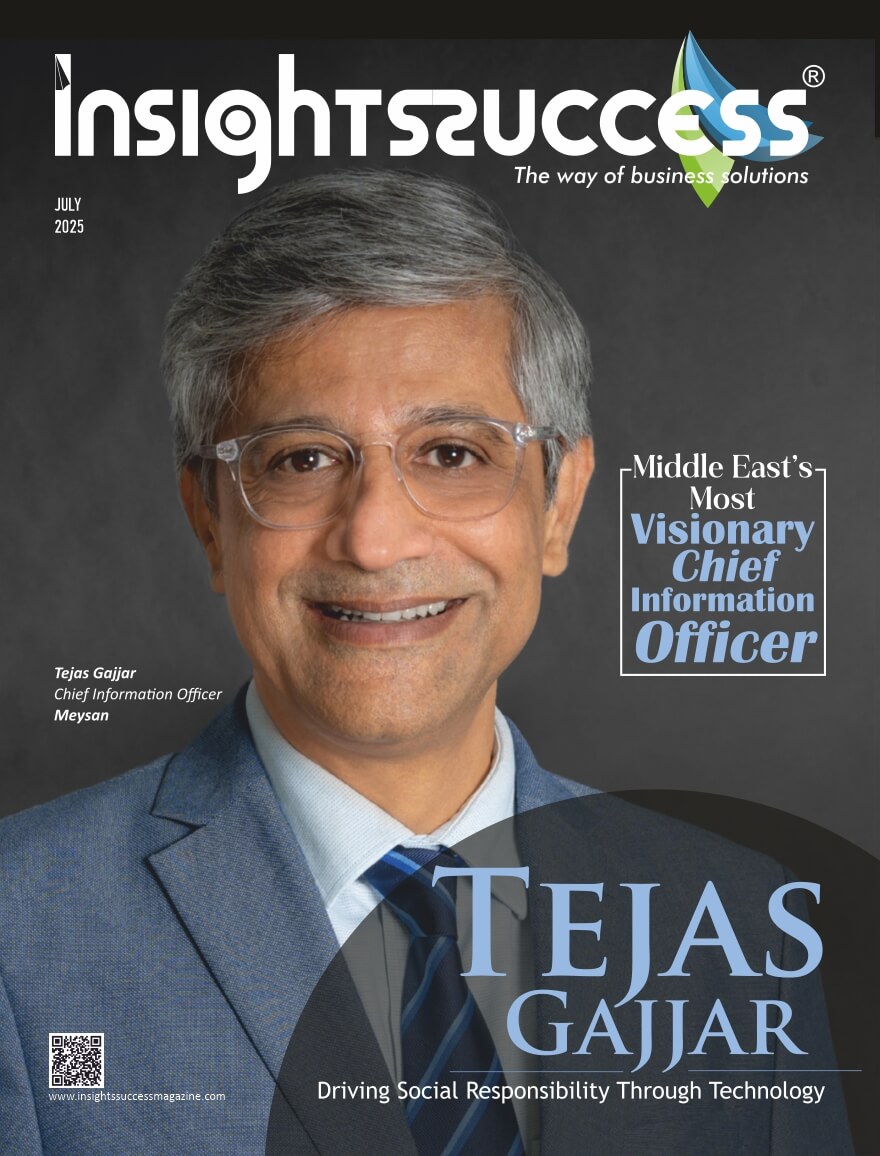
Middle East’s Most Visionary Chief Information Officer
10 Best Logistics Companies to Watch in 2022 June2022 Lorem ipsum dolor sit amet, consectetur adipiscing elit. Ut elit tellus, luctus nec ullamcorper mattis, pulvinar dapibus leo. Lorem ipsum dolor sit amet, consectetur adipiscing elit. Ut elit tellus, luctus nec ullamcorper mattis, pulvinar dapibus leo. Middle East’s Most Visionary Chief Information Officer Tejas’s journey reflects a lifelong commitment to aligning technology with real-world business impact. He is not merely a technologist—he is a strategic partner, driven to unlock value across the enterprise. At Meysan, his role transcends traditional IT leadership; he champions innovation ecosystems that enable agility, security, and meaningful digital evolution. Quick highlights Quick reads

Tejas Gajjar: Driving Social Responsibility Through Technology
Understanding the Impact of Technological Advancements on Traditional Legal Frameworks! As humans, we are always drawn to technology. Isn’t it? From the earliest days, when our ancestors discovered fire and fashioned tools from stone to the complex digital networks we manage today, technology has been our constant companion. But why is this so? Is it merely the utility, the convenience it brings? Or is there something deeper, something intrinsic to our very nature? Think about it. Every new invention, every discovery, seems to emerge not from the outside world but from the depths of human curiosity and creativity. The wheel wasn’t waiting to be found in a distant land; it was born in the mind of someone who observed, thought, and imagined a better way. The same is true for every innovation since. Whether it’s the steam engine, the telephone, or the smartphone, technology reflects our perpetual quest to transcend our limitations. This same drive has directed the journey of Tejas Gajjar, whose career reflects the intersection of curiosity and innovation that has defined human progress. From the early days of DOS, his fascination with technology has grown into a commitment to bridge the gap between technological solutions and business needs. At Meysan, he is not just a leader; he is a catalyst for change, encouraging an environment where creativity and strategic vision come together to tackle complex challenges. Under his guidance, Meysan has acknowledged progressive technologies that enhance connectivity and efficiency across its operations in the Middle East and the UK. Tejas’s innovative initiatives include automating deployment processes and migrating data centers to Cloud Infrastructure, which have significantly reduced costs while improving agility. His strategic approach has positioned Meysan as a leader in IT services, cloud platforms, and cybersecurity. His passion extends beyond corporate success; he actively mentors emerging talent and champions diversity within the tech industry. His recognition as LegalTech CIO of the Year 2024 underscores his impact not only on his organization but also on the broader tech community. By intertwining technology with social responsibility, Tejas exemplifies how innovation can drive transformative change. Let us learn more about his journey: Transformative Technology Leadership Tejas serves as the Chief Information Officer at Meysan, a company with a presence in the Middle East and the UK. His fascination with technology began in the era of DOS, where he recognized its potential to solve complex issues and enhance daily life. This passion propelled him into the IT sector, where he merges creativity with logical problem-solving. He aims to leverage technology to improve efficiency, accessibility, and connectivity, contributing positively to society in a progressive digital world. Meysan’s Growth Journey Meysan, founded in 2015 by Bader El-Jeaan and Abdul Aziz Al-Yaqout, began its journey in Al Hamra Towers, Kuwait. Since its inception, the firm has expanded to seven locations across the Middle East and the UK, establishing itself as a prominent player in the legal sector. Pathway to Leadership in Technology Tejas’s journey to becoming Chief Information Officer (CIO) is driven by a profound passion for technology and innovation. Starting as an IT support engineer, he quickly recognized how technology could transform business processes. His progression through managing projects and leading teams cultivated a strategic mindset. He was motivated to bridge the gap between technology and business strategy, ensuring IT propels organizations forward. He thrives on leveraging data and emerging technologies to create value, streamline operations, and foster continuous improvement, all while empowering teams to make a meaningful impact on their organization’s success. Driving Innovation and Efficiency As the Chief Information Officer, Tejas oversees critical responsibilities that align technology with organizational goals. He leads strategic planning and implementation of IT initiatives, ensuring that technology enhances business operations. His role includes managing cybersecurity protocols, overseeing system integrations, and driving digital transformation projects. He fosters collaboration across departments, promotes innovation, and equips his IT team with the necessary skills. He also manages budgets and vendor relationships and evaluates emerging technologies to maintain competitiveness. To align IT responsibilities with strategic goals, he collaborates closely with executive leadership to identify key business priorities. He sets clear success metrics and ensures technology initiatives enhance customer experience and operational efficiency. By leveraging data analytics for informed decision-making, he ensures technology investments yield measurable benefits. Regular stakeholder communication helps adapt to changing business needs, integrating IT strategy into the broader framework to propel organizational goals forward. Enhancing M&A Processes Tejas, as Chief Information Officer, actively integrates technology within legal services, particularly in M&A. He engages with lawyers and partners over informal discussions to identify pain points, motivating him to enhance digital processes. This collaborative approach has led to effective integration and standardized templates, benefiting both buy-side and sell-side M&A transactions. Transforming Operations and Client Services Tejas has spearheaded several technology initiatives that have significantly transformed operations and client services. A major project was the implementation of a comprehensive cloud migration strategy, which enhanced scalability and flexibility while facilitating seamless collaboration across teams. This transition reduced costs associated with on-premises infrastructure and fostered rapid innovation. Additionally, he initiated the automation of processes across business units, creating a unified platform for various tasks such as booking tickets, managing business cards, and processing leave requests. Employees can now access these services via their smartphones or computers, streamlining workflows. To bolster security, he launched a cybersecurity enhancement program that integrated advanced threat detection technologies and comprehensive employee training. This initiative has strengthened the organization’s defenses against emerging threats and cultivated a culture of vigilance. Collectively, these projects have driven operational efficiency, enhanced security measures, and improved responsiveness to market demands. By integrating technology strategically, he ensures that the organization remains competitive in a rapidly evolving landscape. Strategies for Data Security in Legal Services Tejas faces several challenges in ensuring data security and compliance within a legal environment. Navigating the complex landscape of regulations, such as GDPR and various state-specific laws, requires constant vigilance and adaptation, as these regulations frequently change. Protecting sensitive client information is paramount, necessitating robust encryption, access controls, and

The Rise of Cloud-native Applications: Speed, Scale, Security
In the digital-first era, businesses are undergoing a core transformation—yes, not just how they operate, but how they develop, deploy, and run applications. At the center of the transformation is the emergence of cloud-native applications, a new software construction model that is remaking speed, scale, and security in the enterprise. While aged monolithic designs are increasingly unable to accommodate the requirements of innovation and agility, cloud-native methods have come increasingly to be the default strategy of organizations committed to obtaining success in an ever-more hyper-connected, always-on world. What Does ‘Cloud-native’ Really Mean? Cloud-native apps are developed and designed from the ground up for the cloud environment. Unlike traditional applications, scaled out into the cloud upon deployment, cloud-native apps are developed using microservices, containerization, CI/CD, and dynamic orchestration platforms such as Kubernetes. These allow development teams to develop modular, scalable, and highly resilient applications optimized natively for cloud platforms. In contrast to simply hosting the cloud as a second hosting choice, cloud-native embraces the principles of cloud computing in their pure form. That core transformation delivers applications that are more agile, portable, and resilient—precisely what business needs today to compete. Speed: Driving Innovation and Time-to-Market Perhaps the largest advantage of cloud-native architecture is velocity. With the speed of consumer expectations increasing at a rate never experienced before, the ability to roll features out on a timely basis can be a question of leadership or irrelevance in the marketplace. Cloud-native development allows for faster release cycles and rapid-balling prototyping, which allows companies to respond to the demands of the marketplace effectively in real-time. With CI/CD pipelines, developers can automatically test, integrate, and deploy code changes rather than endure the typical delay of manual QA and conventional deployment processes. The result is reduced bottlenecking, accelerated innovation, and significantly minimized time-to-market. For the industry like fintech, healthcare, and retail, where user experience and responsiveness are top priority, such speed will yield enduring competitive differentiators. Scale: Flexibility That Keeps Up with Demand Their scalability is another leading reason for their upsurge. Traditional systems naturally cause organizations to over-provision resources “just in case,” only to squander and be inefficient subsequently. Cloud-native architectures, however, allow applications to scale dynamically—horizontally and vertically—upon actual demand. Containerization, a core part of cloud-native architecture, allows application components to be encapsulated in self-contained containers that will execute identically in any environment. Along with orchestration software like Kubernetes, the containers can be deployed across clusters and dynamically scaled, allowing applications to soak up unexpected surges in usage without any degradation in performance. This flexibility is accommodation of growth, yes, but it is also economy. Only that which is used must be paid for, and this aligns costs with business activity. Thus, cloud-native applications provide technical and economic flexibility. Security: A New Approach to Risk Management Security within the cloud-native stack happens in a completely different form. Where everyone thinks distributed systems bring complexity and exposure, the opposite is actually the case when today’s security best practices are embedded into each stage of the development pipeline. DevSecOps—the cultural and technological revolution that brings security to the DevOps lifecycle—is the key to cloud-native security. Security isn’t an afterthought but is thought through right from the beginning. Automated vulnerability scanning, compliance scans, and runtime protection features secure applications by design. In addition, containerization introduces a further level of separation, reducing the attack surface and restricting unauthorized access from affecting the whole system. With role-based access controls firmly in place, identity federation, and zero-trust architecture, cloud-native applications can be more secure than most traditional systems. Use Cases Driving Adoption Across Industries From online shopping and streaming businesses to government healthcare websites and banking applications, mission-critical functions globally are being powered by cloud-native applications. For example, in commerce, businesses use cloud-native platforms to power differentiated marketing campaigns and responsive online shopping experiences. In finance, banks use cloud-native applications to construct secure, elastic fintech products reaching millions of customers in real time. In the public sector, governments are looking to cloud-native applications to redefine citizen services and cut response times in the event of a crisis. And in healthcare, providers are building apps that allow for remote monitoring, telemedicine, and predictive diagnosis—functionality made possible by scalable and secure cloud-native capabilities. Challenges to Consider Even with the evident advantages, cloud-native is not challenge-free. Organizations need to overcome cultural resistances, re-skills teams, and implement new operational models to complete the transition into the cloud-native way of working. Distributed system management, container orchestration, and service mesh performance monitoring call for new tooling and skills. Also, while cloud-native platforms are secure, misconfiguration and poor practices can introduce vulnerabilities. It is a must that teams work using security best practices, compliance policy, and visibility across the application lifecycle. Road Ahead: Cloud-native as the New Normal The use of cloud-native applications is a watershed moment in the history of enterprise IT. While business companies are facing increasingly mounting pressure to innovate, cut costs, and guard digital assets, the fundamentals of cloud native offer a map to the ultimate victory. Bright future, and cloud-native is no longer trendy—it’s the new normal. With edge computing, digital transformation, and accelerating AI, the agility and resilience of cloud-native architecture will be even more vital. To business leaders, developers, and IT planners, it’s no longer an option—it’s a must-adopt. Read More: Edge vs. Cloud: Where Does the Future of Data Processing Lie?

Edge vs. Cloud: Where Does the Future of Data Processing Lie?
The record level of connected devices, AI, and IoT environments has triggered an unprecedented level of data explosion. Autonomous vehicles and smart cities to telemedicine and automation of manufacturing, rapid, efficient, and secure processing of data is no longer a technology issue but a strategy issue. As businesses attempt to forge ahead in this changing world, two paradigms have come into the limelight: edge computing and cloud computing. Both of them has a strength, and the combination of both can quite possibly decide the fate of digital infrastructure. Learning about the Cloud Computing Model Cloud computing revolutionized IT by making centrally hosted, on-demand resources available. By placing services within provider-owned behemoth data centers like Amazon Web Services, Microsoft Azure, and Google Cloud, organizations gained elastic storage, metered computing power, and cutting-edge analytics without having to invest capital in behemoth on-premise infrastructure. This model placed compute power in everyone’s reach, allowing startups and companies to scale quickly, only pay for what they use, and leverage stable infrastructure offered by multinational giants. It also made possible the deployment of applications quickly across geographies, making the cloud a requirement for global operations, content delivery, and SaaS deployments. However, latency, bandwidth limitations, and data privacy concerns have begun to increasingly expose some of the vulnerabilities of cloud-based only solutions—most notably applications with real-time decision-making or run in remote locations. Latency vs. Scalability: The Central Trade-Off At the heart of the edge vs cloud debate is a balance between latency and scalability. Edge computing wins out when responsiveness and speed are of the utmost importance. Cloud computing remains the best choice if huge scale, storage, or centralized talent is required. Consider an example of a smart city traffic management system. Edge sensors can detect gridlocks, accidents, or pedestrian traffic and make dynamic decisions on traffic lights. But for tracking trends over a period of time, predicting future traffic trends, and optimizing infrastructure throughout the city, cloud-hosted AI and aggregated historical data are still needed. And so the future is more of a both-and situation—it is a sophisticated utilization of both, contingent upon what the moment demands of it. Security, Privacy, and Compliance Considerations One of the most compelling cases for edge computing is that it has the power to improve data compliance and privacy. With regulations such as GDPR, HIPAA, and other data sovereignty regulations, businesses are coming under increasing pressure to control where and how data comes to be processed and stored. By housing data on premises and reducing the quantity of sensitive information that must travel to the cloud, edge solutions offer a means to comply with such rules with less vulnerability exposed. Plus, because edge systems limit data travel, they reduce the surface area that is vulnerable to cyberattacks along the way. On the other hand, edge devices themselves may not possess advanced security controls integrated into cloud platforms. Therefore, they become susceptible to attack unless secured properly, especially when deployed in distributed and resource-constrained environments. AI at the Edge: The Next Frontier The combination of edge computing and AI is unlocking new opportunities. Edge AI refers to putting machine learning models on the edge device, thus enabling smart real-time decisions. This is of specific significance in applications such as predictive maintenance, autonomous vehicles, and real-time fraud detection. Tech innovations—from edge AI chips for specialized use cases to miniature neural processing units—are driving this trajectory. As models are becoming leaner and meaner, edge AI should increasingly own retail and agri applications, public safety, and defense. However, training these kinds of models is typically something the cloud does, offering the computational brawn deep learning requires. This edge-cloud pattern—cloud training, edge inference—is becoming the blueprint for intelligent systems. Conclusion: The Future Lies in Synergy The future of data processing is not edge or cloud as a zero-sum game. Rather, it is their integration. With organizations consolidating operations to digitize and demanding quicker, smarter systems, the optimal combination of edge and cloud will define next-generation IT infrastructure. Those organizations that can master this balance will be enhancing not only performance and security but also preparing for the future of operating in an increasingly connected, more intelligent world. Read more : The Rise of Cloud-native Applications: Speed, Scale, Security

Canada to Recognize Palestinian State at UN in September with Conditions on Reforms
Prime Highlights Canada to make a recognition statement of the State of Palestine in the UN General Assembly in September 2025. It hinges on Palestinian Authority reforms, 2026 elections, and Hamas exclusion. Key Fact Canada will become the third major Western country, following France and the UK, to make a recognition statement of Palestine. It hangs on government reforms, democratic elections, and demilitarization pledges. Key Background Canada has indicated that it’ll formally fete the State of Palestine at the UN General Assembly in September 2025, an extraordinary politic reorientation of its Middle East policy. Prime Minister Mark Carney noted that the recognition is to increase the viability of a two- state result in response to raising philanthropic heads in Gaza. This acknowledgment, nonetheless, will be conditional. The Palestinian Authority (PA) will need to implement serious governance reforms, pledge to hold general elections in 2026, and make sure that militant Hamas is kept out of the elections. Secondly, whatever Palestinian state is acknowledged will also need to be demilitarized for state-building purposes through peace. Carney urged the action, referencing deteriorating humanitarian conditions in Gaza, where prevailing hunger and infrastructure collapse have fueled calls for a diplomatic solution. He cautioned that the opportunity for a healthy Palestinian state is “slipping away before our eyes,” pushing to avert the escalating of the conflict. Canada’s action puts it in step with France and the United Kingdom, which have just tabled similar proposals to grant Palestine recognition. Symbolic though these may be, the recognition serves to mount significantly greater international diplomatic pressure on Israel and sends a signal of growing frustration among Western allies with stalemated peace talks and growing Israeli settlements. But the step is met with dubitation . The Palestinian Authority under President Mahmoud Abbas has been indicted of corruption, lackluster translucency, and refusing choices since 2005. Experts advise that without real reform, recognition will solidify an hamstrung leadership, worsening prospects for lasting peace. Israel and its abettors advise that recognition could peril ongoing ceasefire and hostage accommodations, stewing it could laterally profit Hamas. Canada’s conditional support is a measured attempt to get the peace process going again while keeping Palestinian leadership accountable and reaffirming commitment to a two-state solution. Read more : Edge vs. Cloud: Where Does the Future of Data Processing Lie?
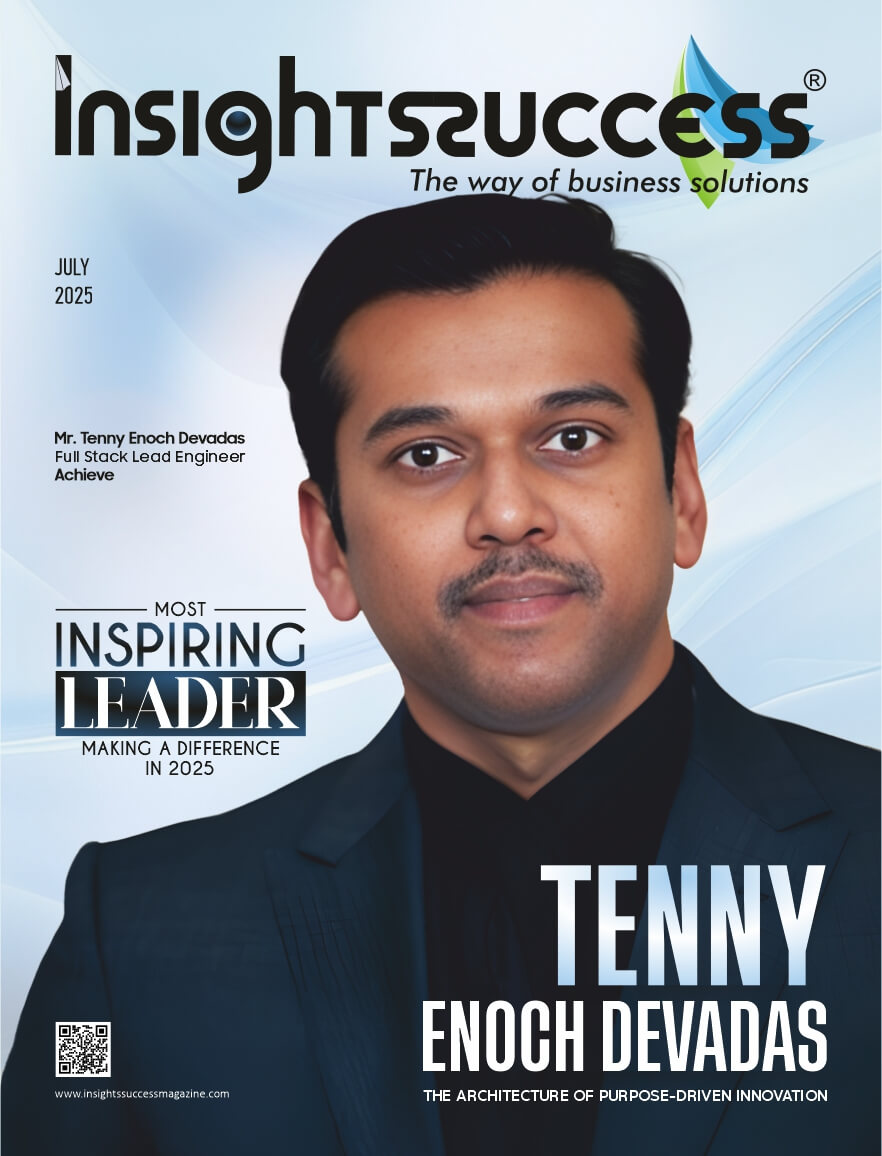
Most Inspiring Leader Making A Difference In 2025
Most Inspiring Leader Making A Difference In 2025 This edition celebrates Mr. Tenny Enoch Devadas, whose visionary leadership and unwavering commitment to positive change have set new benchmarks in his industry. This special feature honors his impactful journey, inspiring others to lead with purpose, resilience, and a heart for transformation. Quick highlights Quick reads

Tenny Enoch Devadas: The Architecture of Purpose-Driven Innovation
Only a select few experts can connect innovation with human effect in a world where technology frequently surpasses purpose. Tenny Enoch Devadas is one such leader. He is a technologist whose trajectory from modest beginnings in Chennai to influencing the direction of fintech in the United States is both inspiring and captivating. A powerful force propelling purpose-built platforms, robust digital architectures, and socially significant solutions is hidden behind his composed exterior. He is currently serving at Achieve as a Full Stack Lead Engineer and Architect. His leadership style is based on both technical expertise and a deep comprehension of the transformative power of technology. He is continuously turning difficult situations into chances for advancement, from overseeing international supply chains during the epidemic to creating AI-powered debt-relief systems. Across industries and regions, he has received recognition for his ability to lead with clarity in the face of uncertainty and for his hands-on yet empowering management approach. Whether it’s assisting Americans in achieving financial stability or optimizing vital agricultural systems in times of crisis, his deliberate focus on results that benefit people is what differentiates him from other engineers. Every project he is working on benefits from his special fusion of system thinking, emotional intelligence, and a mission-driven mindset. Leaders like Tenny Enoch Devadas are a prime example of what contemporary technological leadership should look like ambitious but realistic, innovative yet compassionate as industries place an increasing emphasis on both innovation and accountability. His tale is one of employing talent as a force for social good rather than just professional achievement. Humble Beginnings, Extraordinary Vision Growing up in a middle-class family in Chennai, Tenny Enoch Devadas discovered his fascination with computers long before the digital revolution swept India. “Coming from a middle-class family, hard work and perseverance were instilled in me as core values,” he reflects, describing how these early lessons would later shape his approach to both life and leadership. His academic journey through Madras University, where he earned his Bachelor’s in Computer Applications, followed by a Master’s from Anna University, laid the technical foundation. But it was his innate curiosity about how technology could solve real-world problems that would define his career trajectory. “My professional journey began with a simple yet powerful idea: using technology to solve real-world problems and make life better for people.” he explains. Starting as a software engineer in 2006, he cut his teeth working on enterprise applications for global giants like FedEx, Standard Chartered Bank, and Panasonic experiences that taught him the importance of building secure, scalable systems that millions depend on. The American Dream, Redefined The transition from India to the United States marked more than just a geographical shift; it represented an evolution in Tenny Enoch Devadas’s understanding of technology’s potential impact. As he moved into roles with top-tier American organizations including Citi, Capital One, Bayer, and currently Achieve, his expertise began spanning the full spectrum of modern technology: full-stack development, cloud-native architecture, AI/ML integration, and digital transformation. At Citi, he led the Global Concentration Engine (GCE) project, a strategic solution for global liquidity management that automated sweeping and pooling processes for corporate clients worldwide. The project’s success wasn’t just measured in technical metrics, but in how it simplifies complex financial operations for businesses across the globe. His work at Bayer during the agriculture division’s digital transformation proved equally impactful. Leading the Supply Planning and Analytics platform, he ensured continuity in global agriculture supply chains during one of the most challenging periods in recent history, the COVID-19 pandemic. When Crisis Becomes Opportunity The pandemic presented unique challenges that would test Tenny Enoch Devadas’s leadership and technical acumen. “Disrupted logistics, workforce shortages, and an urgent need for real-time visibility into supply and demand” threatened Bayer’s critical operations in seed distribution and fertilizer planning across multiple geographies. Rather than merely responding to the crisis, he saw an opportunity for transformation. He implemented cloud-based solutions on Pivotal Cloud Foundry and integrated advanced analytics into the SPA platform, enabling decision-makers to access real-time inventory and production data. The result was a system that could optimize allocation strategies despite unpredictable market conditions. “We enhanced automation and remote collaboration capabilities, enabling global teams to work seamlessly without compromising delivery timelines.” he explains. By embracing digital transformation and leveraging predictive models, what could have been a devastating disruption became an acceleration of Bayer’s shift toward data-driven planning and a resilient supply chain ecosystem. The Human Touch in Financial Technology Today, as a Full Stack Lead Engineer and Architect at Achieve, Tenny Enoch Devadas is tackling perhaps his most personally meaningful challenge: helping Americans achieve financial wellness. The Personalized Data Services Platform he architected represents more than just another fintech solution, it’s a lifeline for millions struggling with debt. “Every solution I design, whether it’s a debt-relief engine, AI-powered platform, or predictive analytics for supply chain optimization, aims to create measurable social or economic impact.” he states. This philosophy of “Technology with Purpose” drives every line of code, every architectural decision, and every strategic initiative he undertakes. His approach goes beyond mere functionality. The platforms he designs focus on making complex financial processes simple, improving accessibility, and delivering transparency to end users. From automating loan processing to enhancing financial literacy through personalized digital tools, his work represents a unique blend of advanced technology with human insight. Balancing Act: Leadership, Family, and Service Success in technology leadership often comes at personal costs, but Tenny Enoch Devadas has learned to navigate the demands of high-stakes projects while maintaining his commitment to family and community. His approach to work-life balance reflects the same strategic thinking he applies to complex technical challenges. He sees balance not as splitting time equally but as being fully present where he is. “At work, I lead with focus and purpose. At home, I prioritize my family and personal growth. Volunteering keeps me connected to humanity, reminding me that success is not only about professional accomplishments but also about the lives we touch.” he says. This philosophy extends to

How Leadership in Fintech is Revolutionizing Cross-Border Payment Systems?
With the world becoming more globalized, there is a record-high demand for instant, rapid, and secure cross-border payments. The old school of legacy banking institutions stuck in red tape and outdated technology has not been able to compete with the whirlwind pace of change. Into this vacuum steps fintech enterprise built upon innovation, speed, and upending. Fintech leadership, the driver of revolutionary change in money transfer across borders, stands at the heart of this change. The Conventional System Bottleneck Conventional banking systems have long been linked to delay, high expense, and lack of transparency in cross-border payments. Correspondent banking systems and SWIFT, though secure, are extremely slow in making international payments, with a delay of several days. In addition, the use of multiple go-betweens increases cost escalation as well as the risk of fault or theft. This inherited infrastructure is no longer meeting the demands of modern consumers and businesses that exist within virtual real-time digital realms. Small enterprises growing into new regions and migrant workers remitting money to their countries of origin share these frustrations: Why do cross-border money transfers have to be so antiquated? The Fintech Disruption Fintech companies employing technologies like blockchain, AI, machine learning, and cloud computing have stood these conventional systems on their head. Unicorns to startups, new entrants come with platforms capable of moving money across the globe in seconds at a fraction of the cost. Transformation is what leadership in fintech brings and not technology. The disruptors in this case are putting financial savvy together with a innovative, tech-powered mindset. They’re conscious of what the old model can and can’t do and what digital empowerment brings to the table. They don’t want to displace banks but design a whole new financial system instead. Redefining Speed and Efficiency One of the tangible outcomes of fintech innovation in cross-border transactions is the much quicker and streamlined processing of transactions. Companies like Wise (formerly TransferWise), Revolut, and Ripple have set new standards. Ripple, for example, uses blockchain technology to enable nearly instant cross-border payments, settling transactions in seconds rather than days. Behind the innovation stand visionaries who prioritize the user experience, regulatory clarity, and operational flexibility above all else. These visionaries are happy to experiment, iterate, and pivot when the situation calls for its qualities desperately needed in a rapidly moving and high-risk industry like fintech. Leading by Example of Transparency and Security Trust is the basis of financial exchange. In international payments, where money passes hand and jurisdiction a number of times, security and transparency become critically important. Fintech upstarts are using blockchain and end-to-end encryption to provide real-time monitoring and safe remittances. Fintech leadership cannot be gauged only in terms of technological savvy but also on the basis of an inner pledge towards ethical innovation. Industry leaders are not just making platforms that are efficient but also gaining the trust of consumers and regulators alike. They take an active role with international regulators to achieve AML regulation and KYC standards, thus being genuine and safe. Financial Inclusion: A Core Mission Another field in which fintech innovators are making a storm is financial inclusion. Banking infrastructure is not present or accessible in most of the world and is out of reach of vast millions of individuals. Fintech has made possible mobile-led, consumer-facing solutions by which people in remote or underpenetrated regions can send and receive money across borders. Take the example of M-Pesa, a mobile money product which has taken off hugely throughout Africa. It enables consumers without a formal bank account to engage in financial services like cross-border payments. None of it would have occurred were it not for courageous leadership dedicated to dismantling financial obstacles and creating greater access. Collaboration Over Competition Fintech has not made banks irrelevant. In fact, there is mounting evidence of fintech companies teaming up with old-line banks. Fintech trailblazers are building end-to-end ecosystems through APIs and open banking projects that leverage the best of both worlds — banks’ stability and ubiquity, combined with fintech’s nimbleness and creativity. Fintech leadership is marked by the spirit of collaboration. Rather than viewing traditional institutions as rivals, leaders today are forging strategic partnerships to bring about mutual growth and better customer experiences. Seizing Regulatory Challenges through Vision Cross-border transactions span several jurisdictions that have their own regulatory landscape. Such complexities are no cakewalk. Great fintech leadership entails foreseeing shifts in the regulatory landscape and formulating adaptive measures. Instead of viewing regulation as a hindrance, best leaders view it as a blueprint to build scalable and sustainable solutions. Visionary Innovators are engaging in combative debate with regulators, demanding frameworks that enhance innovation in financial integrity. The craftsmanship between disruption and compliance is a defining ability. The Road Ahead The destiny of cross-border payments will be defined by fintech visionaries who are forward-looking and ambitious in their pursuits of developing innovation, inclusion, and customer focus. With geopolitics, economic imbalances, and digital habits in a state of perpetual flux, the leadership within these economies will need to become ever more responsive and adaptive, as well as ethical. We’re witnessing the beginning of a new financial era—where the ability to send money across continents is as seamless as sending a text message. The leaders guiding this revolution aren’t just solving transactional problems—they’re reshaping global finance to be more open, efficient, and equitable. Conclusion The transformation of cross-border payment systems is a testament to the power of innovative thinking and courageous leadership. Fintech leadership has fueled quicker, cheaper, and more universal financial systems. Through leadership of partnership, security, and people-centered innovation, fintech leaders are not simply evolving to address a digital age—they are leading the way. Over the coming years, their influence will only cut deeper, recasting the way the world makes payments—and one day, the way the world gets connected. Read More: Leading Global Supply Chain Innovation Through Digital Transformation