






Risk Management Through Crypto Consulting
Protecting Your Digital Asset Investments The cyber revolution ushered in the era of new investments cryptocurrencies. While the cryptocurrencies like Bitcoin, Ethereum, and all the altcoins have brought with them gigantic financial opportunities, they’ve also brought some threats along. From the market volatility to cyber-attacks, threats on the crypto market are indeed very real and omnipresent. For the daring ones who are willing to enter the unpredictable waters, crypto consulting is an assurance for the protection and the accumulation of digital wealth. The Dirty Secrets of Crypto World Crypto on the outside is a one-day goldmine in the making. Stories are shared about those initial investors staking small portions of a fortune. But not a peep is made about the astute pitfalls that await the naive investor. One of the most glaringly absent is the hobbled wildly unpredictable volatility of the crypto prices. It’s not too uncommon for a coin to jump 50% one day and drop by the same on the next day. It is expected that many new investors get caught up in hype and panic sell when they look over their shoulders. The second most essential problem is security. Unlike the conventional stock brokerages or banks, the cryptocurrencies leave it to the investor to take care of the protection of the ownership. Forgetting a private key, a wallet hack, or getting caught in phishing will render one losing the money forever. Furthermore, the lack of globally standardized legislation provides an ever-changing legal environment that largely exposes investors to compliance risk. This is where crypto consulting enters the picture—not as a blueprint, but as a watchful friend. What Is Crypto Consulting, Truly? Crypto consulting is a unique type of service to educate individuals and entities about, guide them through, and optimize their investment in cryptocurrency. These consultants are not just geeky technologists—they are experts with solid knowledge in blockchain technology, market movements, regulatory environment, and investment strategy. A crypto advisor will help determine the risk tolerance of the investor, establish a diversified portfolio, recommend wallet security measures, provide tax planning strategies, and most importantly, provide real-time advice in an unpredictable market. The goal is profit chasinh—it’s building an eternal, long-term strategy based on good sense. Personalized Risk Management With Expert Advice Every investor is different. What may suit an advanced crypto trader will not be sufficient for a family office or for a company that wants to accept payment in crypto. That is where crypto consulting encourages tailored designs. The initial step is generally a time-consuming risk assessment. Long hours are spent by the consultants with the investors to learn about their investment goals, financial background, and risk-taking abilities. All these facts form the foundation for all the decisions made subsequently—ranging from the kind of assets to the investment horizon. Portfolio diversification is also highly imperative. Instead of putting all funds in a few strongly trending tokens, a good counselor can diversify investment across various blockchain technologies, initiatives, and even stablecoins to reduce price volatility. It not only reduces the risk but also the likelihood of long-term success. Navigating the Legal and Regulatory Maze As governments struggle to keep pace with the crypto bubble, regulations get mired and cumbersome to follow. The investors are mired with increased tax charges, filling issues, as well as local laws that could affect their investments. Crypto advisors have the most current regulatory infrastructures in numerous jurisdictions and keep clients on track. From taxing crypto earnings to meeting Know Your Customer (KYC) protocols, advisors make sure nothing slips through the cracks. For businesses, advisors also provide compliant payment systems and digital asset management schemes. Securing Your Digital Fortunes Presumably the highest value of crypto consulting is how it focuses on security. In the normal financial system, there is no customer service phone number to dial when your crypto is stolen. Crypto consultants instruct clients on how and where to keep their assets safe in hardware wallets, multi-signature wallets, and cold storage. They even instruct users how to not get cheated, how to recognize signs, and how to stay safe online. Alongside technical safeguards in the pipeline, investors are also assisted by consultants to be better equipped to deal with the unexpected writing back-up plans in advance, having keys kept safely stored, or creating asset inheritance structures for the future. Beyond Numbers: The Human Side of Crypto Consulting Crypto investing is less about tokens and charts—it’s people. There are actual human beings on the other end of every transaction trying to make rational choices in an endless onslaught of change. Crypto consulting adds an incredibly human touch to what would otherwise be an empty virtual wasteland. Consultants are also friends and guides, consultants remind clients when there is turmoil in the marketplace, share in their successes, and offer guidance when they are unsure. Consultants’ efforts are even less tangible than numbers—consultants get people to pay attention to what they are investing in and why. Who Should Think About Crypto Consulting? You do not need to be rich or an IT expert to make money from crypto consulting. Beginners, in fact, are the most suitable individuals to gain from it. New investors, small business owners, and even IT professionals who want to diversify their investment portfolio can all gain. Even experience traders welcome a second opinion or an upscale market analysis. As digital currencies gain acceptance, however, the need for professional advice will be merely more pressing. Crypto consulting is not a luxury—far from it, it is the wise decision for any individual looking to build and maintain wealth in the space. The crypto world is as profitable as it is elusive. Wherever opportunity exists, risk exists—and wherever risk exists, the need for strategy. Crypto consulting provides that strategy, illuminating the night, creating order from disorder, and driving away uncertainty. Whether you’re investing $500 or $5 million, the smart approach is the informed one. And in the fast-moving realm of digital assets, having a trusted crypto consultant by your side might be the wisest
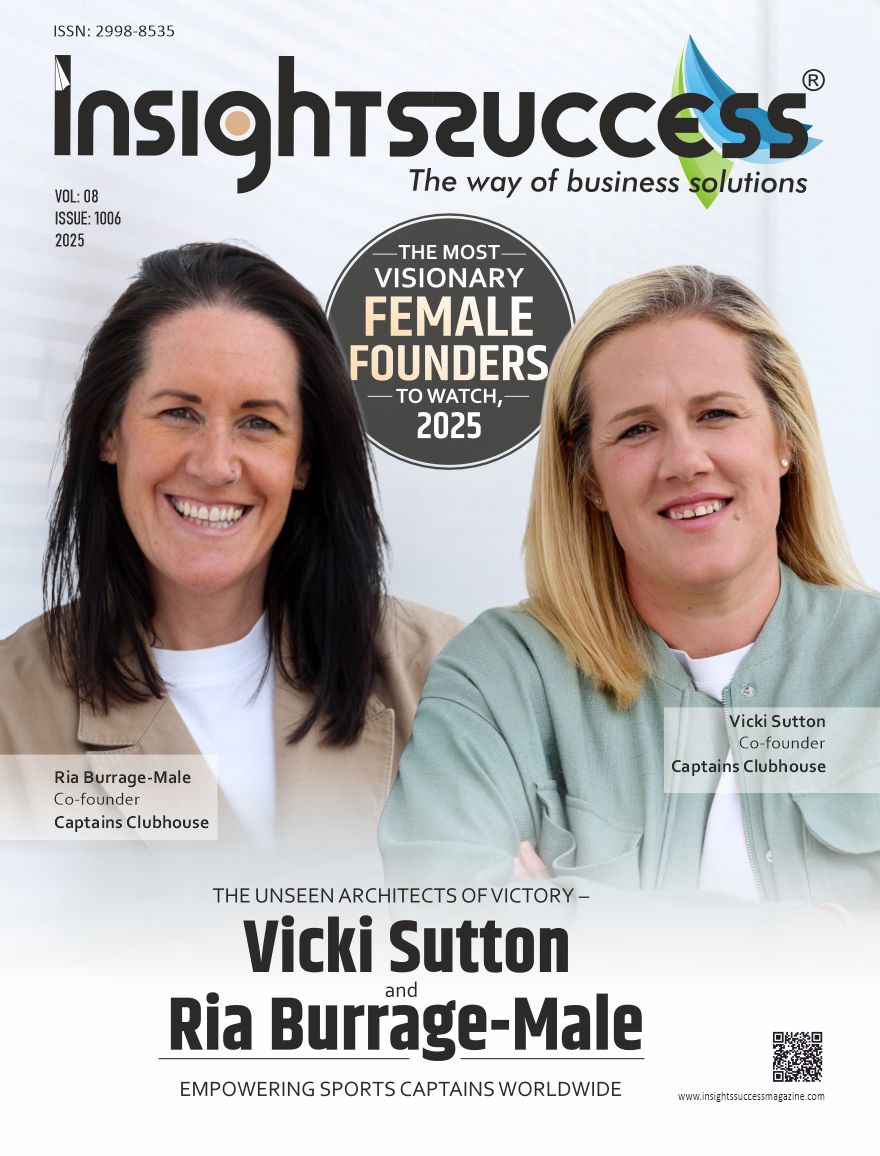
The Most Visionary Female Founders To Watch, 2025
The Most Visionary Female Founders To Watch, 2025 Spotlighting dynamic women entrepreneurs who are redefining success through innovation, resilience, and bold leadership. These founders are setting new standards, transforming industries, and paving the way for a more inclusive and visionary future in business. Quick highlights Quick reads

Skills Every Aspiring Woman Leader Needs
Negotiation, Power, and Presence There is nothing new about challenging entry to leadership roles, especially when it comes to women, where the pursuit is compounded by unspoken expectations, unconscious bias, and insufficient networks to access power. To become a successful female leader, talent and ambition are not everything that a present-day aspiring woman needs. It requires the mastery of three frequently underserved but mission-critical skills: negotiation, power, and presence. These cannot just be theoretical leadership qualities; they are practical instruments that define how a woman can lead, influence, and make judgements in high-stakes conditions. The Power of Negotiation The ability to negotiate is a skill that goes well beyond the boardroom. It influences the pattern of distribution of responsibilities, access to resources, and career opportunities. Most women are, however, reluctant to negotiate either over their position, remuneration, or influence. To the aspiring woman-leader, the most important lesson to learn is that negotiation is not fighting but rather a collaborative process. Incorporating negotiation as a normal aspect of leadership will enable women to reframe outcomes. It assists in establishing boundaries, expectations, and mutual benefit in any business interaction. Negotiation can also serve as the entrance to a wider influence, inspiring a team, providing essential resources, or promoting inclusive policies. The skill of negotiating both empathically and assertively is an indication of leadership preparedness and the willingness to navigate outcomes, not merely receive them. Understanding and Embracing Power Intentional power is one of the most effective tools a leader can have. However, the notion of power is usually received with unease. It is a tightrope between influence and being likable, strong versus humble, particularly in the case of women. However, shunning power altogether may impair leadership development and constrain influence. A budding woman leader should know that power is not necessarily a bad thing. It can be based on expertise, relationships, communication, and integrity. Empowerment through action involves assuming responsibility, leadership, and being steadfast in the most critical moments. It also refers to the fact that you can make a difference and impact culture, provide support to people, and question the use of obsolete systems. Becoming powerful involves being fearless. It can be initiated by little things, like raising your voice at a meeting, supporting an audacious idea, or coaching junior staff. Such efforts cultivate presence and trust in the long term, as a vantage point upon which wider influence can extend. Developing Leadership Presence Leadership presence is what makes others pay attention to what you say. It is the process of manifesting confidence, clarity, and authenticity in all dealings. Being present, to the aspiring woman leader, is not about mimicking or snuggling into patriarchal leadership prototypes. And it is all about taking a stand, speaking with a purpose, and occupying the space with a presence that is listened to. How you hold yourself, your spoken language, and your listening skills form presence. It is also anchored in a concept referred to as emotional intelligence, which is the understanding of people and about how to read a room, how to sustain oneself under pressure, and respond instead of merely reacting. Presence can be a mysterious thing, but it can also be built through self-awareness and practice. Integrating the Three: A Unified Approach The area of negotiation, power, and presence is not separate skills; on the contrary, they are closely intertwined. An effective negotiator also has to realize their power and turn up confidently to the satisfaction of the other party. In the same way, a strong presence also augments the results of the negotiations and strengthens the influence of the leader. The solution is to combine these skills deliberately as an aspiring woman leader. This involves being ready to converse with clarity, boldly entering into leadership spots, and confidently doing so with eloquence and care. It is a moving equilibrium that grows over time. Developing these skills should not be a short experience; instead, it should be a continuous process. It comprises reflection, studying mistakes, finding a mentor, and remaining dedicated to personal and professional development. When these skills are expanded, the leader becomes more capable of influencing the outcome, inspiring others, and functioning as a long-lasting change maker. Conclusion Leadership is not only about getting to the top, but also how you get there, who you positively impact, and the difference you bring about in the process. Learning to negotiate, claim ownership of your power, and use presence is not a bonus; it is a given to every woman leader or aspiring leader. These devices do not merely assist you in charting your course, but in shaping it. And when women decide to take the helm deliberately, the effects are inevitable. They not only redefine the concept of leadership to themselves, but also to every observer and fellow who comes behind. Read Also: Why Emotional Intelligence is the Superpower of Women Leaders

Why Emotional Intelligence is the Superpower of Women Leaders
Leading With Empathy There are fundamental changes in leadership expectations. When hybrid teams, generational diversity, and the speed of social change are now the characteristics of our times, then being able to lead, guide, think, and act more with empathetic and emotional awareness is no longer a choice, but a necessity. The core of this transformation lies in Emotional Intelligence (EI), a set of skills which enable leaders to relate, to communicate, to inspire more enlightened. Women leaders are increasingly emerging as front-runners in this category due to their inherent ability in this field. Their empathy, teamwork, and personal insight are changing the paradigm of what robust, present-day leadership means. Understanding Emotional Intelligence Emotional Intelligence is a term introduced by psychologist Daniel Goleman and is made up of five fundamental aspects, which include self-awareness, self-regulation, motivation, empathy, and social skills. These skills affect the way leadership handles conduct, social dynamics, and personal choices that have constructive outcomes. In contrast to IQ, which is relatively unchangeable, emotional intelligence can be sharpened and enhanced with practice. EI is not all about being a nice person or expressive. It is a tactical leadership capability that may affect communication, collaboration, conflict resolution, and team morale. High emotional intelligence helps leaders become more in touch with the emotional disposition of their groups, think critically in extreme situations, and build open and psychologically safe work cultures. Why Women Leaders Excel in Emotional Intelligence There are several reasons why women leaders often demonstrate high emotional intelligence: Relational Leadership Style: Females tend to embrace an inclusive approach to leadership. Their priorities often lie in the relationships and group dynamics, and they are closely related to the main points of emotional intelligence. Heightened Empathy: At work and even at home, women are often expected to carry out emotional work such as reading social cues, listening to others, and managing people. Such expectations can be demanding, but they also build emotional intelligence abilities. Experience With Bias and Barriers: Overcoming the institutional challenges and gender discrimination can create higher degrees of self-knowledge and power. Such experiences lead to heightened awareness of difficulties others encounter and can enhance compassionate leadership. Emphasis on Inclusion and Well-being: Women executives often initiate employee wellness and inclusion in the workplace. Among these priorities, there is a more social type of emotional intelligence where emotional well-being and psychological safety are key. The Business Case for Emotional Intelligence In addition to the personal experience narratives, emotional intelligence offers a decent business case. Harvard Business Review research found that emotionally intelligent leaders are more likely to create engagement, trust, creativity, and collaboration. Groups under these types of leaders are more effective, turnover is lower, and job satisfaction is higher. The ability to lead empathetically, through the use of emotions, and the ability to build trust, give leaders an edge, especially in a multicultural workforce in a globalized environment. Emotional Intelligence in Action Case Studies Emotionally intelligent women leaders are increasingly making huge contributions in various industries. The ex-Prime Minister of New Zealand, Jacinda Ardern, received global recognition due to her compassionate and emotionally intelligent approach to crises, such as the Christchurch Mosque shootings and the COVID-19 pandemic. Her interaction skills were observed to be very adept and minute, empathetic, and non-confrontational, and were widely accepted as a masterclass on emotional intelligence in leadership. This instance highlights the practical advantages of emotional intelligence in leadership with empathy and sincerity. Developing Emotional Intelligence in All Leaders Although women have a stronger natural or social service in certain areas of EI, emotional intelligence does not belong to a particular gender. It is one of the sets of skills that may and must be developed by every leader. This can be achieved by organizations doing: Integrating leadership training with EI development Promoting mentoring and peer coaching Management of emotionally smart actions is achieved through the evaluation and recompense of emotion-smart actions. Developing empathy, listening, and psychological safety cultures The push towards more emotionally intelligent leadership is not necessarily a gendered agenda, but there is value to paying attention to the strengths women must add to the table and learning to learn from them. Conclusion Emotional Intelligence is a superpower, which is a soft skill. Leaders who guide with empathy, emotional understanding, and connection are valuable now more than ever as organizations struggle to operate in a world of exponentially increased complexity and change. Female leaders have become attuned to these skills in major ways and have created a new norm of what effective leadership should be. With emotional intelligence, workplaces can establish stronger, more inclusive, high-performing leadership cultures that benefit all, not merely women. Read Also: Skills Every Aspiring Woman Leader Needs
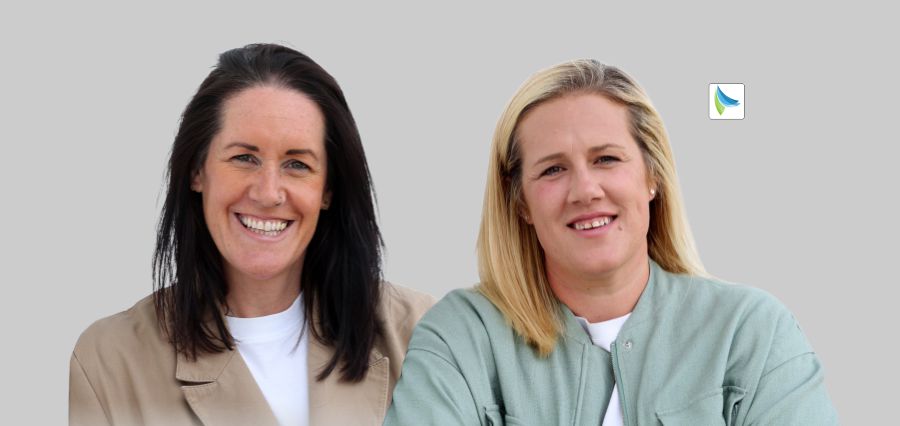
The Unseen Architects of Victory – Vicki Sutton and Ria Burrage-Male: Empowering Sports Captains Worldwide
Sportsmanship is the innate spirit of champions. In the crucible of sports, individuals explore their true potential to forge an athlete out of themselves. Beyond competition, sports are all about camaraderie, companionship, capacity building, and bonding through team spirit —a team united under a charismatic captain, never giving up in the face of a formidable adversary or the most challenging adversity. That is why Vicki Sutton and Ria Burrage-Male, the Co-founders of Captains Clubhouse, have always loved sports since they can remember. The Inevitable Path: A Lifelong Passion for Sport “Sport is at my core, from as far back as I can remember, it’s been a part of my life,” recalls Ria. Venturing into the sports industry was always going to be her path, and it has taken her in different directions: from PE teacher to director of Education and Inclusion at a football charity, to CEO of Hockey Wales, to setting up a leadership and wellness business, and ultimately to the Captain’s Clubhouse. Similarly, Vicki has grown up watching sport, and it was the only career path she was ever interested in. She says, “I’ve been fortunate enough to work in national governing bodies, umbrella organisations and private sports businesses, so I have had a really great range of experiences in my career so far.” They have both worked with Captains of teams and have also been Captains themselves, discussing the idea of providing more support for people in that vital role for a long time. Then, this year, the stars aligned, and they both had the time and energy available to bring it to life. Captains Clubhouse was built with one clear mission: to give Sports Captains the leadership space they’ve always needed, but never had. Captains are expected to lead, inspire, and perform, often without the tools, training, or support to do it well. “So we created something different. Something better.” Championing Change: Navigating Unequal Terrains The sports world remains predominantly male-led in many regions. However, while navigating the unequal terrains, Ria says she never let it stop her from chasing her ambitions. Even when she’s been surrounded by misogyny and homophobia, she’s refused to let it slow her down. “I’ve tolerated a lot over the years,” she reveals. Vicki adds, “Same here. And honestly, we stand on the shoulders of many change-makers who came before us, people who pushed through even harder barriers. That’s why it’s so important we keep championing and celebrating women, lifting each other, and building circles that include strong male allies too.” Ria agrees, “Absolutely. Success really comes down to who you surround yourself with, people who support you, challenge you, and share your values,” while Vicki complements, “And staying focused. Staying in your lane. That’s the key. Block out the noise and keep going.” With those beliefs firmly rooted in their vision, the inception of Captain’s Clubhouse was the next obvious step. As both felt that it was inevitable they would work together on something exciting at some point. “When we discussed this concept, our approach was let’s go for it, we knew it was a great idea, it just needed some action” That confidence to adapt is how they’ve arrived here today, acknowledging that it may not be perfect but continuing to work towards something great. The Ethos of Inclusivity: Uniting Through Sport Additionally, they are fairly well-connected, and recording a few captains to kick-start things gave them the confidence they needed. They shared the concept with some trusted friends, got their heads together on what resources would help, and the rest is history. Great history and a start they are really proud of. Pride also stems from the fact that the ethos of Captain’s Clubhouse—reflected in its partnerships and programs—is inclusive, encompassing gender, generational, and culturally diverse. Ria explains, “We want to connect with, learn from, and share the voices of as many people as possible who reflect the richness of our community.” Inclusivity isn’t just a value; it’s a driver of trust and performance. When teams feel supported and safe, they thrive, she adds. “That’s why we’re passionate about hearing stories from captains and understanding what inclusive leadership really looks like.” The Power of Unity According to Vicki, sport has this incredible power to unite people—it’s a universal language. That’s one of its greatest strengths, and it’s something they want to harness through the Captains Clubhouse. Vicki cites, “Sir Gareth Edwards shared a brilliant example with us.” He talked about learning from older players, those who had been there before him. He surrounded himself with their wisdom and soaked it in. That’s generational inclusivity in action. Ria joins, “Exactly.” Captains can draw on the experience of older players and the energy of younger ones. However, to lead effectively, they also need to understand how different generations communicate and learn, whether it’s Millennials, Gen Z, or Gen X. Flexibility is crucial in ensuring that everyone feels heard and valued. Vicki furthers, “And that’s where Captains Clubhouse comes in. We want to support captains to build culturally inclusive teams, where differences are respected, from religious practices to pronouns, and where psychological safety is prioritized.” Both believe that it’s in those inclusive environments that real cohesion happens, and that’s where high-performing, connected teams are built. Trailblazing Traits to Succeed Moreover, they also feel that some distinct leadership traits have been instrumental to their success in a domain where women are still underrepresented. Vicki states that thriving in a constantly changing environment demands a whole range of traits and behaviors. “You need empathy and compassion, of course—but also the ability to set clear boundaries, especially around communication and performance.” Ria adds, “But if there’s one trait we believe is absolutely instrumental. Its authenticity. Showing up consistently as yourself, that’s what builds real trust and lasting relationships.” She continues, “We’ve seen that firsthand. Over the years, we’ve reconnected with people we met long ago—and because those relationships were built on authenticity, they’ve been willing to work with us, support us, and even
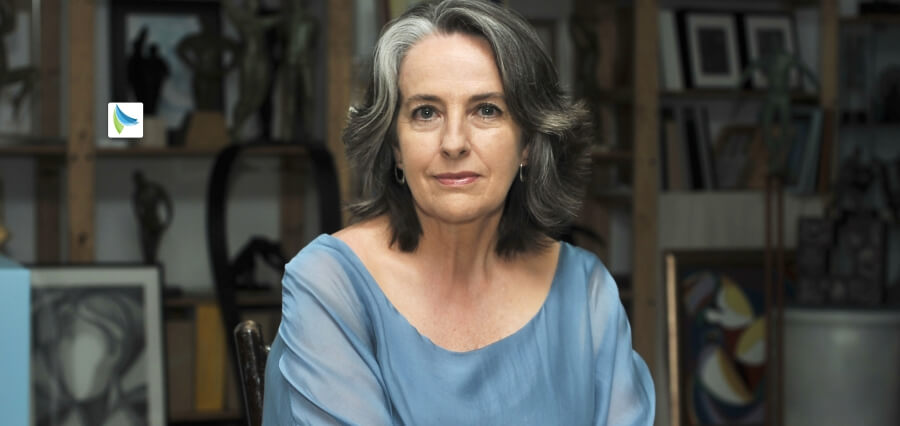
Ana Hernando: Emociones en bronce y mucho más. Arte para vivir.
En una era definida por tendencias fugaces e ilusiones digitales, Ana Hernando está resultando como una fuerza resuelta, dando forma a la emoción atemporal de un modo duradero. Con más de 35 años de experiencia artística, este escultor español ha cultivado un lenguaje singular de escultura que trasciende lo material para comunicarse directamente con el alma. Arraigada en la tradición clásica pero audazmente contemporánea, su práctica multidisciplinar es un testimonio del liderazgo a través de la visión, la artesanía y la profundidad emocional. Su trabajo habla no solo de dominio artístico sino de una dedicación inquebrantable a la autenticidad. En un mundo a menudo influido por las fuerzas del mercado, ella se ha mantenido ferozmente comprometida con la integridad de su proceso trabajando a mano, modelando con arcilla y tallando con reverencia. Cada pieza que crea, (esculturas, pinturas, medallas o dibujos), es un acto tranquilo de resistencia contra la prisa, una llamada para volver a la intimidad de la creación y la conexión. Más allá de su estudio, ha ampliado su influencia a la innovación del diseño, la literatura y la educación. Su aventura empresarial en el arte funcional ahora es parte de la colección permanente del Museo del Diseño de Barcelona que revela su capacidad para armonizar la estética con la utilidad. Como profesora y autora, está aportando la misma pasión a la tutoría y la narración de historias, guiando a otros a través de las intersecciones de creatividad y propósito. Ana Hernando no es simplemente una escultora, es una líder de la conciencia artística. Su legado es de transformación, ancla la emoción humana universal en la forma y nos recuerda que el más alto valor de ese arte no es solo que se ve, sino que se siente. A través de su trabajo, ella ofrece refugio y revelación. La base del dominio El enfoque de Hernando para la escultura, y también para la pintura, está profundamente arraigado en la tradición clásica pero claramente contemporánea en su ejecución. Se inspira en los maestros que definieron el lenguaje de la forma y el espacio: Miguel Ángel, Henry Moore, Velázquez, Picasso, Brancusi, Rodin y Matisse… A menudo explica que cada uno de estos artistas le inspiró a encontrar su propia identidad, enfatizando cómo su influencia sirvió como pasos a seguir en lugar de limitaciones en su desarrollo artístico. Su compromiso con las técnicas tradicionales es inquebrantable. En una época en la que la fabricación digital y los atajos tecnológicos dominan muchos campos creativos, Ana Hernando mantiene un enfoque práctico que sería familiar para los escultores de siglos pasados. Ella prepara sus propios lienzos, construye sus estructuras a mano, modela con arcilla incluso obras que exceden los dos metros de altura, esculpe la piedra y talla la madera con una intervención mecánica mínima. ‘Todavía trabajo a mano. El Arte nos ofrece un encuentro íntimo y nos permite detener el tiempo, poder hacer mis trabajos con ese amor me da la oportunidad de cuidar cada detalle. Disfruto el valor de esa pieza única, como cada uno de nosotros”. Declara con orgullo. Esta dedicación a la artesanía se extiende más allá de la mera técnica, representa una postura filosófica sobre la naturaleza de la creación artística. Para Hernando, el acto físico de hacer es inseparable del contenido emocional del trabajo. Cada marca de cincel, cada gesto de modelado, cada pincelada, lleva la intención de la artista hacia el mundo material. El lenguaje de la forma Ana Hernando describe la esencia de su trabajo como “la búsqueda de la síntesis de emociones a través del equilibrio, la belleza, el movimiento, el color, los volúmenes refinados y el ritmo, con la figura humana como protagonista y con una abstracción donde se puede ver reflejado el espectador”. Esta síntesis se revela en obras que logran ser profundamente personales y universalmente accesibles. Su lema artístico, ‘Arte para vivir’, encapsula su creencia de que el arte no debería existir de forma aislada de la experiencia diaria. En cambio, sus obras están diseñadas para transmitir “esas emociones que a veces no podemos expresar en palabras, que nos conectan con nosotros mismos y con el mundo”. Esta filosofía transforma sus esculturas y pinturas de simples objetos en conductos para la conexión y comprensión humana. El proceso creativo detrás de cada pieza comienza con una cuidadosa observación y reflexión. Hernando siempre mantiene un cuaderno y un lápiz cerca, capturando los matices que influirán en el resultado. “La escultura no permite muchas modificaciones, por lo que esas anotaciones son muy valiosas para mí”, explica. Este enfoque metódico asegura que para cuando comience a trabajar con arcilla, piedra o madera, ya ha resuelto los problemas fundamentales de comunicación y expresión. Una escultura nacida de la crisis Quizás ningún trabajo ejemplifica mejor la capacidad de Ana Hernando para transformar las experiencias humanas universales en forma tangible que su escultura ‘Somos abrazo’. Creada en 2020 durante la pandemia global, esta pieza surgió de un momento en que la conexión física se volvió simultáneamente preciosa y peligrosa. “En medio de la pandemia decidí crear una obra que reflejaría la solidaridad que define lo que somos como seres humanos”, nos cuenta. La escultura fue concebida como una serie de siete piezas de bronce originales, diseñadas para conectar siete lugares en un abrazo universal. Cuatro han encontrado su hogar y todavía tres esperan sus destinos. Este trabajo representa más que una respuesta a una crisis global, encarna la visión artística más amplia de esta artista: “Una escultura para reflejar nuestra esencia, con líneas llenas de fuerza y armonía y un volumen que contiene todas las emociones: compasión, ayuda, encuentro y esperanza”. Describe. La pieza demuestra cómo la escultura puede servir como expresión artística y conexión social, ofreciendo a los espectadores la oportunidad de experimentar emociones colectivas a través del encuentro individual. Más allá de los límites tradicionales El viaje artístico de Ana Hernando no se ha limitado solo a la escultura tradicional. Su espíritu emprendedor la llevó a desarrollar el diseño industrial para una taza doble reversible, un

The Neuroscience Behind Artistic Consciousness Leadership
In the fast-changing world today, artistic consciousness leadership is surfacing as a game-changing style of leadership that combines neuroscience, creativity, and emotional intelligence. While the traditional models of leadership are riding high on linear thinking, strategy, and control, artistic consciousness leadership is entering the creative and intuitive streams of the human mind to unleash creativity, empathy, and authentic human connection. But what does neuroscience add to this new leadership approach, and why is it picking up steam in every type of business? The Concept of Artistic Consciousness Leadership Artistic consciousness leadership is a philosophy that promotes art, awareness, and consciousness into leadership action. It is motivated by the method artists perceive, read, and respond to the world not by codes, but by imagination, sensitivity, and richness of feeling. This style of leadership prioritizes presence over performance, connection over command, and authenticity over authority. Compared to the typical leaders who might be potentially dependent only on rational thought, artistic consciousness leaders are accessing their entire brain utilizing their logical left brain and their creative right brain. Neuroscience vindicates this entire process by showing how the various regions of the brain are being engaged in developing the complex abilities required in contemporary leadership: empathy, vision, decision-making, and flexibility. The Brain’s Function in Creativity and Intuition Neuroscientists have studied quite well the relationship between the brain’s default mode network (DMN) and creativity. The DMN is engaged when the mind is in the states of reflection, daydreaming, and mind-wandering states most strongly associated with introspection and creative thinking. Leaders who intentionally engage this network will be more likely to generate new ideas, creative solutions, and visions for the future. Artistic consciousness leadership provides space for this meeting by making time for silence, reflection, and emotion-processing. Rather than being “in executive mode” constantly, these leaders carefully step into their inner world and become self-knowing and then use this self-knowledge to steer their outer action. This equilibrium increases what neuroscience calls cognitive flexibility, or the capacity to shift thinking and behavior according to fresh information or unforeseen detours. Emotional Intelligence and Mirror Neurons Another cornerstone of artistic consciousness leadership is emotional intelligence; a discipline deeply grounded in neuroscience. Mirror neurons, for instance, enable us to empathize with other people’s feelings because they essentially mirror their emotions within our own brains. Mirror neurons are strongest in human relationships and particularly potent in leaders who value emotional resonance. Artistic consciousness leaders draw on this native coding to establish trust, construct safety psychologically, and initiate collaboration. They likewise avoid fear of vulnerability, deep listening, and emotional validation of their employees. Such leaders are not only excellent at managing people but also healthier, more innovative workplaces. The Science of Flow States in Leadership Flow state the term used by psychologist Mihaly Csikszentmihalyi is a psychological state of increased concentration, absorption, and heightened attention. Neuroscience defines flow as a recognizable state where different brain systems come into contact with each other, such as the prefrontal cortex (choice), limbic system (feeling), and motor cortex (action). Self-reflective leadership in the arts has the impact of inducing flow both in the leader and in the leader’s team. By being experimental, open, and intrinsically motivated, such leaders provide room for people to get lost in significant work. At such a moment, the most incredible creativity is unleashed, and optimal performance becomes a normal occurrence instead of a rarity. Rewiring the Brain for Conscious Leadership Neuroplasticity, or the brain’s ability to reorganize itself in response to learning, holds potential for leaders who wish to cultivate artistic sensitivity. Neural development in compassion, wisdom, and creative areas is fueled by mindfulness meditation, writing, and arts participation. As leaders integrate artistic practice into their everyday life music, visual art, writing, or merely noticing aesthetics—they establish neural pathways to balance, resilience, and visionary thinking. Gradually, they build a leadership identity that is creatively empowered and neurologically attuned to the subtleties of human relationships. Real-World Applications and Benefits These organizations that adopt artistic consciousness leadership are more innovative, more engaged, and more joyful. IDEO, Google, and Pixar all combine art and thoughtful contemplation in their company culture testimony that when art and neuroscience converge, it is not just theory but a reality. This is the kind of leadership that emerges in times of crisis. Instead of reacting with rigidity or fear, artistic consciousness leaders react with purpose, empathy, and imagination. They can move beyond today’s chaos and search for possibilities, constructing psychological equanimity out of turmoil. The Human Touch of Artistic Consciousness What truly distinguishes artistic consciousness leadership is that it’s human-centered. It knows that leadership is more than about driving outcomes, but also inspiring spirits, energizing potential, and wielding genuine influence. It’s humans before processes and understand that the genesis of innovation lies in connection, not competition. As the secrets of the human brain are unfolded by neuroscience, more and more it becomes evident that the future leader will be one who has an interest in consciousness, not control, and imagination, not conformity. Conclusion Conscious leadership is a visionary redefinition of 21st-century leadership. Based on neuroscience but driven by soul, leadership calls leaders out of transactional and into transformational space. By balancing brain science with heart depth, leaders can become bigger versions of themselves and their people and behold new levels of performance, connection, and purpose. In this world that often seems so fractured and disconnected, this is the kind of leadership we can deploy: a reminder that it’s possible and deeply potent to lead with head and heart. Read Also: The Multidisciplinary Sculptor’s Approach to Installation Art

The Multidisciplinary Sculptor’s Approach to Installation Art
In today’s ever-evolving world of art, the presence of a multidisciplinary sculptor is a power of change shaking old traditions and redefining how we experience art. Within their varied art toolbox of media, installation art is one of the most captivating, provocative, and possibly most affecting mediums. So, what does installation art benefit from multidisciplinary sculptors that makes their work stand out from the rest? Let us consider now the multidisciplinary nature of this meeting and how cross-disciplinary philosophies and expertise build installations that challenge the human mind and awaken the soul. Knowing the Multidisciplinary Sculptor The multidisciplinary sculptor isn’t bound to process or medium. He/she borrows skills from a field as broad as technology and architecture. Occupying a space where he/she can move across multiple disciplines readies him/her to see beyond the surface of one material or idea. He/she are actually visual storytellers who use space and form not just to create objects, but to create experiences. Whereas more conventionally trained sculptors might specialize in a single, focused medium such as clay, metal, or wood, multidisciplinary artists see all media as co-conspirators. Their methodology is one of intentional experimentation, and this imbues a richness to dialogue between alienated media and intellectual paradigms that give rise to them. Installation Art: A Medium Made for Collaboration Installation art is a totally immersive medium. It is the creation of objects located within a spatial context that the viewer is encouraged to enter and move around and through physically. Installation art has a tendency to call forth a sensory response—visual, tactile, auditory, or emotional—and encourages the viewer to become an interactive co-participant in the art rather than an unengaged spectator. This is the perfect medium for the ethos of a multidisciplinary sculptor, for then they can utilize it to create environments that are made up of soundscapes, projections, kinetic art, or even augmented reality. A space can be filled with light installations that respond to movement or an outdoor giant structure that uses wind currents; in this type of installation art, there is no stillness. Beyond Form: Concept, Context, and Experience To a multidisciplinary artist/sculptor, building an installation is not so much about building a well-designed space. It’s communicating in space and bringing the public into a journey or story. Context is also most important in their practice. Site-specific installation can be responded to the history of the location, socio-political context, or environmental concerns. An example is that a sculptor can transform a vacant warehouse into a living installation composed of recycled material, local voice sound, and sun rising and setting light effects. This way, the work is employed as a channel for conversation, contemplation, and contact. Because they are interesting to diverse disciplines, these artists will be more inclined to tackle projects as wholes. They may sit down with scientists, engineers, poets, or community members—installations thus enhanced and strongly evocative. The Human Touch: Emotion, Memory, and Interaction What makes installation art by a multidisciplinary sculptor so powerful is that it is able to evoke human feeling. Form and process are important, to be sure, but it is the emotional core that ultimately withstands the years. The majority of these sculptors merge elements of public or private memory, fracturing cultural symbols, or public opinion. Placing familiar things in unexpected settings triggers nostalgia, unease, curiosity, or astonishment. That is what emotional superimposition builds between the spectator and the sculpture. Moreover, interactivity is also a requirement. Installations call for movement, touch, and interaction. An artwork may react to the movement of a spectator, to his or her voice, or even beat, generating a unique and dynamic experience for each spectator. Such emphasis on participation is a portent that the sculptor seeks to break down barriers between artist and spectator. Technology Meets Tradition Among the greatest strengths of a multidisciplinary sculptor’s work is the unifying connection of high-tech and low-tech craftsmanship. They can use hand-carved wood alongside 3D-printed components, or blend millennia-old sewing methods with motion sensors and light mapping. The juxtaposition of old and new, along with presenting technical proficiency, highlights thematic polarities—past and future, nature and machine, permanence and transience. It renders their installations contemporary, relevant, and attuned to the emerging idiom of art in the contemporary world. In addition to this, technology provides new ways of interaction and narrative. Virtual reality, artificial intelligence, and interactive sound design are ways of enhancing the immersive nature of installation art. To such a multidisciplinary sculptor, these are not fads but necessary additions to the artist’s toolkit. The Legacy of Multidisciplinary Installation As the art world becomes more and more fascinated with cross-disciplinary creativity, the multidisciplinary sculptor stands as the figurehead to carry it all forward. The sculptor’s toil sets the boundaries of what is possible in terms of art—reshaping public space, pushing the boundaries of social convention, and introducing new ways of perceiving and experiencing the world around us. All else is their devotion to connection. Whatever the medium, message, or methodology, a multidisciplinary sculptor’s art always strives to link the dots—amongst disciplines, amongst locations, and amongst people. Installation art is the life itself if done by a multidisciplinary sculptor. It is smart, but emotionally stimulating in a manner that gets people breathe and live within the space. Fusing their individual set of skills, vision, and medium, they deliver fully immersive experiences beyond the gallery walls. They redefine sculpture but find again the presence of art in the world and how it affects it. Looking into the future of modern art, we can safely say that the multidisciplinary movement is not a passing fad that will soon wither—it is a living, evolving presence that continues to cross borders of artistic potential. Read Also: The Neuroscience Behind Artistic Consciousness Leadership
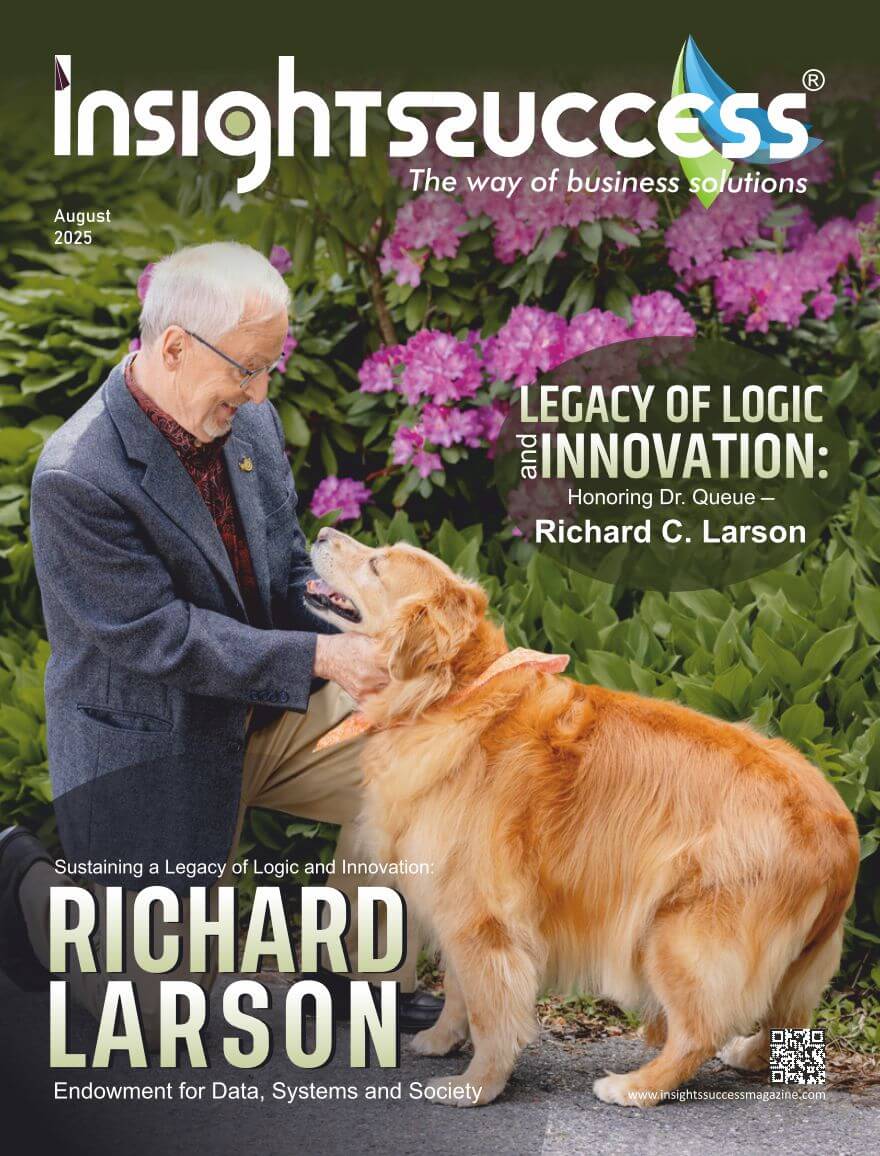
Legacy of Logic and Innovation: Honoring Dr. Queue – Richard C. Larson
10 Best Logistics Companies to Watch in 2022 June2022 Lorem ipsum dolor sit amet, consectetur adipiscing elit. Ut elit tellus, luctus nec ullamcorper mattis, pulvinar dapibus leo. Lorem ipsum dolor sit amet, consectetur adipiscing elit. Ut elit tellus, luctus nec ullamcorper mattis, pulvinar dapibus leo. Legacy of Logic and Innovation: Honoring Dr. Queue – Richard C. Larson Richard Larson’s legacy at MIT takes lasting form through the Distinguished Professorship in Data, Systems, and Society. This endowed chair reflects his commitment to interdisciplinary research, education, and societal impact. Supporting faculty like Sasha Rakhlin, the professorship sustains Larson’s vision of integrating data, systems thinking, and real-world problem-solving at MIT. Quick highlights Quick reads

Sustaining a Legacy of Logic and Innovation: Richard Larson’s Endowment for Data, Systems and Society
For more than half a century, Richard Larson has been a guiding force at MIT, lending his expertise, passion, and forward-looking vision to some of the Institute’s most impactful academic initiatives. Now, his dedication has taken on a permanent form with the establishment of a new endowed faculty chair — the Distinguished Professorship in Data, Systems, and Society. This gift, announced by the MIT Institute for Data, Systems, and Society (IDSS), reflects Richard’s enduring belief in the transformative power of interdisciplinary thinking and problem-solving. More than just a financial endowment, the professorship is a gesture of intellectual continuity, aiming to empower future faculty leaders who operate at the convergence of data, systems, and societal impact. The inaugural holder of this prestigious professorship is Sasha Rakhlin, an acclaimed scholar and professor at IDSS and the Department of Brain and Cognitive Sciences. Rakhlin’s research spans machine learning, online prediction, and statistical theory — areas that precisely embody the ethos of the IDSS. By supporting Rakhlin and future faculty members, Richard’s gift ensures that MIT remains a fertile ground for interdisciplinary discovery, innovation, and mentorship. This endowed chair not only commemorates Richard’s multifaceted career at MIT but also projects his values into the Institute’s future. Richard, who has been affectionately called an “MIT lifer,” sees this professorship as an extension of his own academic journey. Having served in five different MIT departments over the decades, he found a lasting intellectual home in IDSS, an entity that harmoniously aligns with his interests in operations research, public systems, education, and policy. With this gift, Richard aims to preserve and propagate the interdepartmental and interdisciplinary approach that has defined his career and character. Honoring a Multi-Disciplinary Academic Journey The creation of the Distinguished Professorship in Data, Systems, and Society is not merely the act of philanthropic giving. According to Richard Larson, it is an embodiment of the ideas and principles that have driven his academic life. As he reflects on his decades at MIT, Richard acknowledges how the Institute not only tolerated but encouraged his several mid-career transitions — allowing him to shift his academic focus and explore emerging disciplines. Starting in what was then known as Electrical Engineering in the 1960s, Richard evolved with the times and ended his formal tenure in IDSS, a program tailor-made for someone whose career has intersected engineering, public systems, operations research, and education policy. Richard remarks that the three words — data, systems, society — capture the essence of his professional mission. Through his professorship, he hopes these words will continue to energize future scholars, inspiring them to conduct impactful research, deliver high-quality teaching, and engage meaningfully with society’s pressing challenges. Whether working on queueing theory or disaster planning, modeling energy consumption or developing online learning platforms, Richard has consistently applied a systems-thinking lens to real-world problems. This legacy is now institutionalized through a professorship that encourages the same kind of integrative academic pursuit. In keeping with his lifelong devotion to applied knowledge and education, Richard’s most recent book, Model Thinking for Everyday Life, bridges theory and practice by demonstrating how models can help people make smarter decisions in daily contexts. His other influential projects, like MIT BLOSSOMS (Blended Learning Open Source Science or Math Studies), reflect his unyielding commitment to spreading STEM education globally. The endowed professorship thus adds a new chapter to his story — one where the next generation can build upon his values and contributions. Supporting Future Generations of Thinkers and Leaders Appointed as the first holder of the newly created chair, Professor Sasha Rakhlin exemplifies the kind of scholar Richard hoped to support. A leader in machine learning and computational statistics, Rakhlin has pioneered tools for online prediction — a method of sequential learning with implications for real-time decision-making and adaptive systems. His research, grounded in theory yet resonant with practical applications, is precisely the kind of work that thrives in IDSS’s interdisciplinary ecosystem. Fotini Christia, Director of IDSS and the Ford International Professor of Political Science, sees Richard’s gift as both a tribute and a beacon. Richard has been making an impact at MIT for over half a century,” she notes. “This gift extends his already considerable legacy and ensures his impact will continue to be felt for many years to come.” Christia’s words underline the profound influence Richard has had, not just through his scholarship but through his vision for institutional excellence and renewal. The significance of the professorship also extends beyond IDSS. Michale Fee, head of the Department of Brain and Cognitive Sciences, praised Rakhlin’s work for bridging disciplines and uniting diverse areas of inquiry. “Sasha’s analysis of neural network complexity, and his work developing tools for online prediction, are perfect examples of research which builds bridges across disciplines,” he said. Such cross-pollination is central to both IDSS and Richard’s academic philosophy. Rakhlin, in accepting the honor, expressed gratitude and humility: “Professor Richard’s commitment to education and service to MIT both serve as models to follow,” he said. Data, Systems, Society: More Than Just Words To Richard, data, systems, and society is not just the name of an institute — it’s a philosophy of academic purpose. His own contributions to urban service systems, including emergency response modeling, pandemic planning, and workforce logistics, serve as foundational examples of this approach. From designing smarter cities to transforming how students learn globally, his work embodies a dedication to societal betterment via systemic thinking. This new professorship ensures that these ideas remain front and center at MIT. By funding a senior faculty position in IDSS, Richard is investing not only in academic talent but in the continuation of interdisciplinary dialogue that is essential in today’s complex, data-rich world. At a time when the boundaries between disciplines are increasingly blurred, this chair stands as a symbol of convergence — uniting engineering, policy, computation, and social science. Richard’s endowment also reflects a broader trend in higher education where faculty support is critical for attracting and retaining top academic talent. Such endowed chairs are key mechanisms through