






From Blueprint to Results: Unlocking Visionary Growth Strategies for Success
Growth has become a strategic necessity and distinguishing characteristic of high-performing organizations within the rapidly changing and competitive global market. Incremental growth, or short-term results, will no longer suffice. Visionary growth, the kind that propels firms ahead of the horizons of today and to market dominance, must be planned for, and dedicated to innovation. It is not just designed to respond to current conditions but also to create future trends in a positive direction. They are exact blueprints bridging creativity, flexibility, and authority to long-term success. They allow organizations to embark on the process of moving from managing the marketplace to leading change in their markets. When done effectively, these tactics enable companies to reap new value, expand more competitively, and thrive once and for all in a more complicated world. Constructing A Visionary Mindset Each successful growth approach begins with the right attitude — one of transformation by moving forward, challenging conventional wisdom, and taking advantage of opportunity in a climate of uncertainty. A vision-based leadership system enables leaders to move beyond short-term capability and see what the company can become. It involves horizon scanning ahead of the next new wave of trends, defining unserved customer needs, and imagining new opportunity which other people are still not yet able to see. This is the kind of thinking that creates breakthrough innovation and allows businesses to lead rather than follow. As important or maybe even more important is the ability to plant this kind of thinking into the business. Then all levels of people are exchanging and comprehending the vision, they get more charged and empowered to perform. Developing questioning culture, learning culture, and risk-taking by design leads to the type of environment where innovation occurs and failure is an open door to victory. Leadership is the primary tool in calling a living for attaining a vision, connecting it with an organization’s core values, and living the behavior to propel that vision. Creating Adaptive Growth Strategies With all this technology change and customer needs shifting so quickly, a company has to be able to adjust. Growth strategies themselves need to be adaptive, from a design that will adapt to the market landscape. Flexibility can be made possible through real-time examination of up-to-date facts, customer feedback, and contingency planning for various futures. Those firms which are adept at doing these will manage to understand opportunity before it happens and make gear change if necessary without getting lost from direction strategy. Diversification is also one of the leading adaptive strategy development areas. The firm needs to follow a number of routes for expansion, including business diversification into derivative business, new sources of revenue through new products, and exploiting the internet channel. Organically through product innovation or organically through mergers and acquisition and alliances, in this context what is being discussed is creating a diversified portfolio of opportunity for expansion. By this approach, minimum reliance on some specific initiative and immunity to change or disruption are guaranteed. Innovation should also be embedded in the strategy. While revolutions can transform markets, customer- and incremental innovations help create enduring value. Executing for Long-Term Success Execution brings the strategy to life. No matter how much is planned in advance on a growth plan, it will ultimately be a question of intense, relentless execution. It is a question of setting clear goals, measuring key performance indicators, and being adamant on resources for measurable returns. Executives need to ensure that their businesses have the ideal mix of talent, technology, and operating capability behind them to facilitate long-term execution. Scalability is another corner stone of sustainable growth. Companies that grow quickly without infrastructure in place, by definition, pay a penalty on cost control, quality, or delivery. Investment in scalable systems such as automation, platform-based systems, and cloud-based systems allows companies to keep operating with operational excellence while learning how to absorb increasing demands. Organizations must create robust pipelines of leadership and invest in reskilling their employees ahead of future requirements. Long-term success of a company is more than frequently a direct consequence of the degree to which it is able to attract, retain, and develop talent and drive them to innovate and deliver with excellence. Successful change management is another delivery imperative driver. As the growth strategy is being executed by the teams, they could be subject to structure, process, or cultural transformation. Conclusion Visionary growth strategies are not fueled by chasing every new fad or establishing inspirational goals without intent. It is one of balancing a big but achievable vision with adaptive, evidence-based practices and strong implementation performance. This harmony allows companies to create long-term value and resilience amid transformation times. Vision-driven growth has become a signature strength of top companies in the era of ceaseless disruption and hyper-competition. Growth-driven companies, with agendas responsive to change, and with intentional progress have the best possibility to be their own masters. Their achievements are not accidents but the product of deliberate design, sage stewardship, and relentless momentum into the future. Read Also: How Automotive Leadership Must Evolve for Industry 4.0?
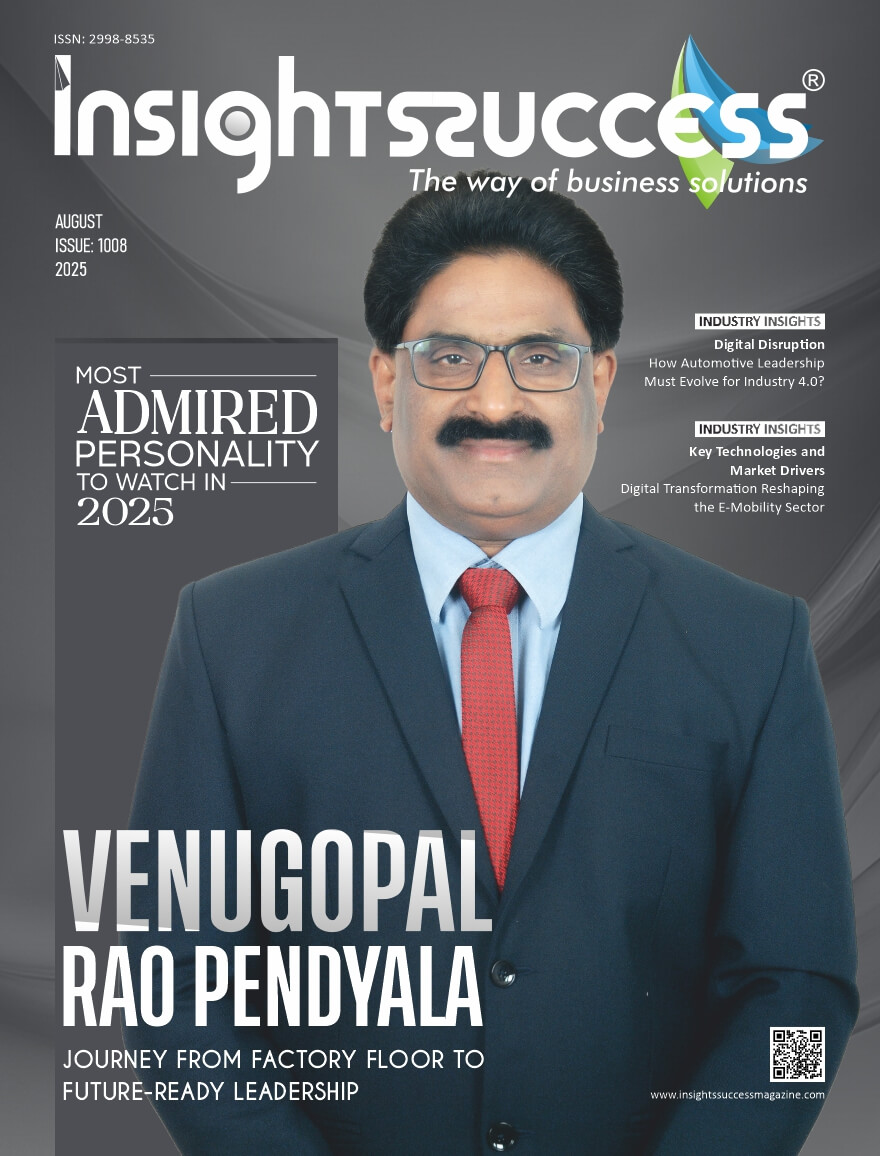
Most Admired Personality To Watch In 2025
Most Admired Personality To Watch In 2025 This edition spotlights Venugopal Rao Pendyala, a visionary leader whose strategic brilliance, innovation-driven mindset, and unwavering dedication continue to inspire. This edition celebrates his remarkable journey, transformative impact across industries, and his role in shaping a future defined by excellence, leadership, and sustainable growth. Quick highlights Quick reads

Venugopal Rao Pendyala: Journey from Factory Floor to Future-Ready Leadership
In a society where leadership is usually reduced to titles and boardroom strategies, Venugopal Rao Pendyala is emerging as a transformative force who earned his reputation on the factory floor. More than just a tale of career progression, his path from the heartland of Telangana to his current role as Group CEO & Director-E-Mobility at Autoline Industries Ltd. is providing a blueprint for meaningful leadership founded on values, vision, and unflinching determination. He undertakes a non-traditional approach. Early in his career, rather than pursuing corner offices, he immersed himself in ground-level operations to learn about the workings of people and systems. This practical beginning setting the groundwork for a leadership approach which is based on empathy, discipline, and strategic clarity. He is a unique combination of technical know-how and business acumen, having worked in a variety of fields, including digital transformation, finance, and mechanical engineering. He oversaw one of Autoline Industries’ most impressive turnarounds during his time there, leading the business from severe financial distress to long-term profitability. However, he believes that success is not solely determined by metrics. He is motivated by a single goal: to generate lasting value and uplift those around him, whether he is spearheading digital adoption, investing in people, or rethinking mobility through the development of electric vehicles. As a karma yoga practitioner and ultramarathoner, he brings perseverance, integrity, and purpose to every task he is undertaking. According to Venugopal, leadership is about transformation rather than command. And by doing this, he is not just advancing a business but also influencing how mobility and leadership are shaping going forward. From Gears to Growth: The Making of a Leader Venugopal’s story begins in the heartland of Telangana, where education, humility, and integrity weren’t just ideals—they were the foundation upon which a young mechanical engineer would build his career. Unlike many of his contemporaries who rushed toward corner offices, Venugopal chose to start where the real work happened: on the manufacturing floor. “I wanted to understand operations, people, and processes from the ground up.” he reflects. This decision would prove prescient, giving him insights that would later become invaluable when he faced his biggest challenge—turning around a debt-ridden Autoline Industries. The transition from engineering to finance wasn’t accidental. Recognizing that modern leadership required cross-functional expertise, Venugopal armed himself with certifications in Business Finance from IIM Indore, Leadership from the Fisher College of Business at Ohio State University, and Six Sigma from Exemplar Global. This blend of technical prowess and financial acumen would become his secret weapon in tackling complex business challenges. The Turnaround Artist When Venugopal was appointed CFO and subsequently CEO of Autoline Industries, the company was drowning in debt and operational inefficiencies. The automotive component manufacturer faced the kind of crisis that breaks companies—and careers. But for Venugopal, it represented an opportunity to apply everything he had learned about transformation. “The idea was simple yet powerful. Transform a legacy auto component business into a lean, efficient, digitally enabled manufacturing enterprise aligned with Industry 4.0 principles.” he explains. The transformation wasn’t just about numbers on a balance sheet—though those were impressive. Within three years, Venugopal led the company from a debt-ridden phase to profitability. But the real magic happened in how he did it. Cross-functional leadership was brought in, cost structures were streamlined, and SAP HANA was implemented for transparency across operations. The company made strategic capital investments in automation, with the emphasis not merely on revival but on ensuring long-term competitiveness. The results speak for themselves: it not only survived but thrived, positioning itself as a future-ready enterprise in the evolving automotive landscape, as he observed. Running Toward Excellence Perhaps the most intriguing aspect of Venugopal’s leadership philosophy comes from an unexpected source: ultramarathons. Having completed multiple Comrades Marathons (90 km and 88 km), 28 full marathons, and several other endurance events, he has learned to apply the lessons of distance running to corporate leadership. “Running long distances taught me mental stamina, focus, and acceptance of pain as part of the process. Both distance running and leadership require discipline, resilience, and presence of mind.” he shares This isn’t just metaphorical. During the COVID-19 pandemic, when supply chain disruptions and demand shocks hit the automotive industry hard, Venugopal’s endurance mindset proved crucial. Instead of panicking, he treated it like a long-distance race—pacing the response, making strategic decisions, and maintaining focus on the finish line. The company’s pandemic response became a case study in crisis management. Remote operations were implemented, employee safety was prioritized, and cost structures were revisited immediately. The biggest pivot was digital transformation—accelerating SAP rollout, launching digital dashboards for real-time visibility, and reducing working capital cycles. He expressed pride in the fact that the organization survived without mass layoffs, noting that the pandemic served as a reminder that resilience is not just about bouncing back—it’s about bouncing forward. The E-Mobility Vision As Group CEO & Director E-Mobility, Venugopal isn’t just running a company—he’s reimagining the future of transportation. His vision extends beyond traditional automotive components to sustainable, digitally integrated mobility solutions. “We’re not just building vehicles. We’re reimagining mobility for the future.” he explains. This forward-thinking approach has positioned Autoline Industries at the forefront of the electric vehicle revolution, aligning sustainability with innovation and profitability. His business appetite is driven by curiosity, resilience, and a desire to create long-term value. He views business not as a transactional pursuit but as a platform for transformation of people, processes, and society. Balancing Act: The Human Side of Leadership Despite the demands of executive leadership, Venugopal has mastered what many CEOs struggle with balance. His approach isn’t about rigid time management but about being fully present wherever he is. “To me, balance is not a rigid 50-50 split. It’s about being fully present where I am, whether in a boardroom or at a family dinner.” he reflects. His daily routine includes early morning runs and spiritual reflection—practices that keep him grounded during corporate crises and help him make rational decisions. Family time is sacred, and conversations

How Automotive Leadership Must Evolve for Industry 4.0?
Digital Disruption The automotive industry stands at a crossroads. Industry 4.0 has brought disruption in the form of technology. Artificial intelligence, Internet of Things (IoT), big data, autonomous driving, and electric mobility are revolutionizing the design, production, and usage of cars. Being an innovator in the automotive business in the new world does not necessarily imply operating production lines or hitting quarterly sales. It should now have a vision-led journey that combines technology, sustainability, and human-centered values. A Mindset Shift in Leadership Formerly, auto executives were concerned with operational efficiency, quality assurance, and cost reduction. While these are still the essential ones, Industry 4.0 brought with it other tasks for leadership. The present leader needs to be visionary who can anticipate the direction of the future trend, get nimble with the speed of change, and drive innovation through the organization. It is not a question of adapting to being responsible, getting back to changing as it keeps going—but of being proactive that decides mobility’s future. This transition also equips leaders to be proficient in technological developments and having a clear understanding of consumer patterns. As automobiles turn into smart platforms and not merely self-driving devices, leaders must now reimagine beyond manufacturing and consider vehicles as part of an end-to-end digital ecosystem. Driving Digital Transformation Digitalization is at the heart of Industry 4.0. Cloud platforms, intelligent manufacturing systems, and predictive analytics are transforming all aspects of the auto value chain. For automotive leadership, that means something more than simply approving investment in technology—it’s about driving an organizational culture to enable digital innovation. Leaders must bridge the gap between technology uptake by technical teams and business strategy to ensure technology uptake maximizes business efficiency and customer satisfaction. Digital transformation is not a one-time project but an ongoing process that requires ongoing learning and adaptation. Commitment to Sustainability Environmental sustainability is no longer an add-on element of the automobile industry. Global climatic targets, regulatory rules, and mounting public awareness are making organizations rethink the way automobiles are fueled, manufactured, and recycled. The automotive leaders of today must make sustainability a part of the core business strategy, for they would not have imagined it as an add-on. Industry 4.0 technology can achieve here so much energy-efficient production systems, value chains powered by AI, and reusable material usage, to mention but a few. The leaders must propel the shift toward electric mobility, clean production processes, and circular economy models where sustainability is a competitive advantage. Collaboration Beyond Boundaries Industry 4.0 blurs the traditional boundaries of the auto industry. Cars now engage intelligent cities, alternative energy grids, and even medical monitoring systems. This interdependent world requires car stewardship that proactively pursues partnerships outside the old value chain. The leaders will have to build deep relationships with technology companies, renewable energy companies, and mobility service platforms. Within their own companies, they will have to break silos among departments such as R&D, marketing, IT, and customer service to facilitate cross-functional working. Such an open culture accelerates innovation quicker and enforces an organization’s ability to meet shifting customer expectations. Even as AI and automation continue to rise, human beings are still the spur for innovation. Education of the workforce to Industry 4.0 requirements could be one of the most critical leadership tasks in the automotive sector. This entails the upskilling of workers in new technologies, fostering ongoing learning, and delineating career paths enabling the digital transformational process. Leaders will have to balance technology adoption with compassion, addressing worker fear of automation and job loss. They can have groups motivated, flexible, and engaged by fostering trust and investing in worker growth. Agility and Resilience in Leadership The pace of change in the automotive industry nowadays leaves little room for slow decision-making. Versatility—being able to avoid rewriting future plans on short notice due to a shift in the market—has emerged as the leadership requirement. Resilience also enters the scene as an outcome of technology disruption, supply chain disruption, and cybersecurity risk, which can arise at short notice. Automotive leadership in Industry 4.0 involves fostering experimentation, failure as a learning process, and rapidly iterating through approaches. Leaders must empower people at all levels to make decisions and break free from organizational structures that stifle innovation. Keeping the Customer at the Center With customers being digital today, customers themselves are evolving rapidly. Customers are looking for cars that are connected in every manner, experience-oriented in terms of personalization, and sustainable. The leadership of the car needs to place the customer as the center of every decision in a bid to remain competitive. Industry 4.0 technologies such as AI-driven analytics and real-time feedback systems make it possible for managers to predict demand for the customer and tailor products to meet their needs accordingly. The focus must be on creating cars that utilize technology in a manner that positively enhances driving and car ownership, rather than forcing change for the sake of it. The Human Side of Industry 4.0 Though technology is the key enabler of the automotive industry revolution, success depends on people’s values. Great automotive leadership is a combination of digital ambition, empathy, trust, and ethics. The leaders must be transparent, open to communication, and have values that resonate with all employees, customers, and stakeholders. Being customer-centric means that technological innovations are derived from the needs of people, thus creating a brand image beyond product performance. Conclusion: Charting the Way Forward for Mobility Industry 4.0 is not an upgrade it’s a transformation of the auto industry’s DNA. It requires automotive leadership that blends technical capabilities with strategic agility and long-term passion for people and the planet to thrive in this new era. By driving digital transformation, sustainability leadership, collaboration, and employee mobilization, leaders can face this daunting future with confidence. The future is networked, high-speed, and full of promise. The leaders who accept the revolution in leadership today will be the ones to write the history of mobility tomorrow. Read Also: Digital Transformation Reshaping the E-Mobility Sector

Digital Transformation Reshaping the E-Mobility Sector
Key Technologies and Market Drivers The transport sector is witnessing one of the largest revolutions in history, and the cornerstone of this revolution is the e-Mobility segment. Triggered by climate change, urbanization, and technological revolution, electric mobility is not a concept for the future—it’s already here. Coupled with this is digital transformation propelling this revolution, with newer solutions emerging that go beyond mere substitution of internal combustion engines by electric drives. From data-based charging infrastructure to fleet management, the e-Mobility industry is being networked more and more. The Emerging Role of the e-Mobility Sector Governments and industries around the world are investing heavily in the e-Mobility sector, driven by the need to reduce carbon emissions and achieve climate goals. The International Energy Agency predicts extensive uptake of electric vehicles (EVs) over the next decade, and it is being driven by digital technology to a large extent. What started as being all about creating electric automobiles has now transformed into end-to-end mobility experience—driven by smart grids, networked platforms, and logical infrastructure. How Digital Transformation Is Revolutionizing the Game Smarter Charging Infrastructure Intelligent, reliable, and hassle-free charging is perhaps the largest challenge for the e-Mobility market. Digitalization is bringing the dream to life with intelligent networks on the backbone of real-time information to provide energy in the most efficient manner. Artificial intelligence-based predictive systems can predict peak time, balance loads among charging stations, and even use renewable power for cleaner charging. Customers are provided with mobile apps that locate the closest available charging station, book a time slot, and make payments with ease. Intelligent and Networked Vehicles Electric mobility is also converging with a larger trend—vehicle connectivity and autonomy. Cyber platforms facilitate EVs’ interactions with infrastructure, traffic management systems, and even other vehicles, and enhance the transport system’s efficiency and safety. Over-the-air (OTA) software update allows the manufacturer to enhance vehicle functions, add new ones, and remove bugs without physical calls to service locations. This connectivity is transforming the e-Mobility business into a technology-driven services business with user experience at its core. Data-Driven Fleet Management For public transport authorities’ EV fleets, logistics companies, and ride-sharing companies, fleet management is mandatory. IoT sensors and cloud analytics enable the operator to track battery health, track energy use, and plan for advance maintenance. Predictive analytics ensures vehicles on the road and not in the workshop, with maximum operating efficiency. All these digital solutions make e-Mobility not just green but also affordable vis-a-vis traditional fuel-based fleets. Coupled with Renewable Energy The e-Mobility industry is being enabled by digitalization to be connected to renewable energy infrastructure. V2G technology, for example, enables EVs to supply power back to the grid while driven under peak loads and become rolling energy storage devices. These technologies are managed by smart platforms that monitor real-time grid load, user behavior, and market price—making the entire energy system resilient and efficient. Consumer Experience: The Beat of the Transformation While technology is the driver of change, consumer behavior is the accelerator. The digitally enabled customer does not merely want to go anywhere; she desires to be able to feel in high definition the thrill of being on the move. Apps already optimize routes, provide real-time traffic data, allow remote control of vehicles’ climate and even gamify to encourage environmentally friendly driving behavior. The e-Mobility segment is responding to that by blurring lifestyle and transport into a single platform, offering convenience and experience at every touch point. Challenges in Digital Transformation All that growth in spite of, the e-Mobility sector has some challenges to overcome. Cybersecurity is top of the list, with networked vehicles and charging stations themselves as potential hacks. Data privacy must also be tightly managed given that mobility platforms handle large amounts of user data. Finally, there could be a domestic digital divide preventing the industry from thriving in some markets where broadband penetration remains poor or where sophisticated power grids are lacking. These issues will need to be addressed for long-term success with digital transformation in e-mobility. The Road Ahead: Innovations on the Horizon The subsequent decade will see even more thrilling developments. Artificial Intelligence will keep refining traffic and anticipating user demand. Blockchain can be used to facilitate secure open energy trading among EVs and charging operators. Augmented reality display dashboards will improve road safety, and 5G capabilities will enable real-time vehicle-to-everything (V2X) communications as standard. The e-Mobility industry will not be electric cars only—it will be a whole smart transport network. Conclusion: At the Helm of a Smarter, Cleaner Future E-Mobility sector revolution is more than just a digital transformation; it is the driver of its revolution. Where clean energy technologies meet leading-edge digital technologies, the industry is transforming the movement of goods and people around the globe. The outcome is a cleaner, faster, and more customer-friendly transportation system than ever before. With e-Mobility business unit spearheading innovation, it will pave the way to a future where mobility is not only electric but also smart and networked. Read Also: How Automotive Leadership Must Evolve for Industry 4.0?
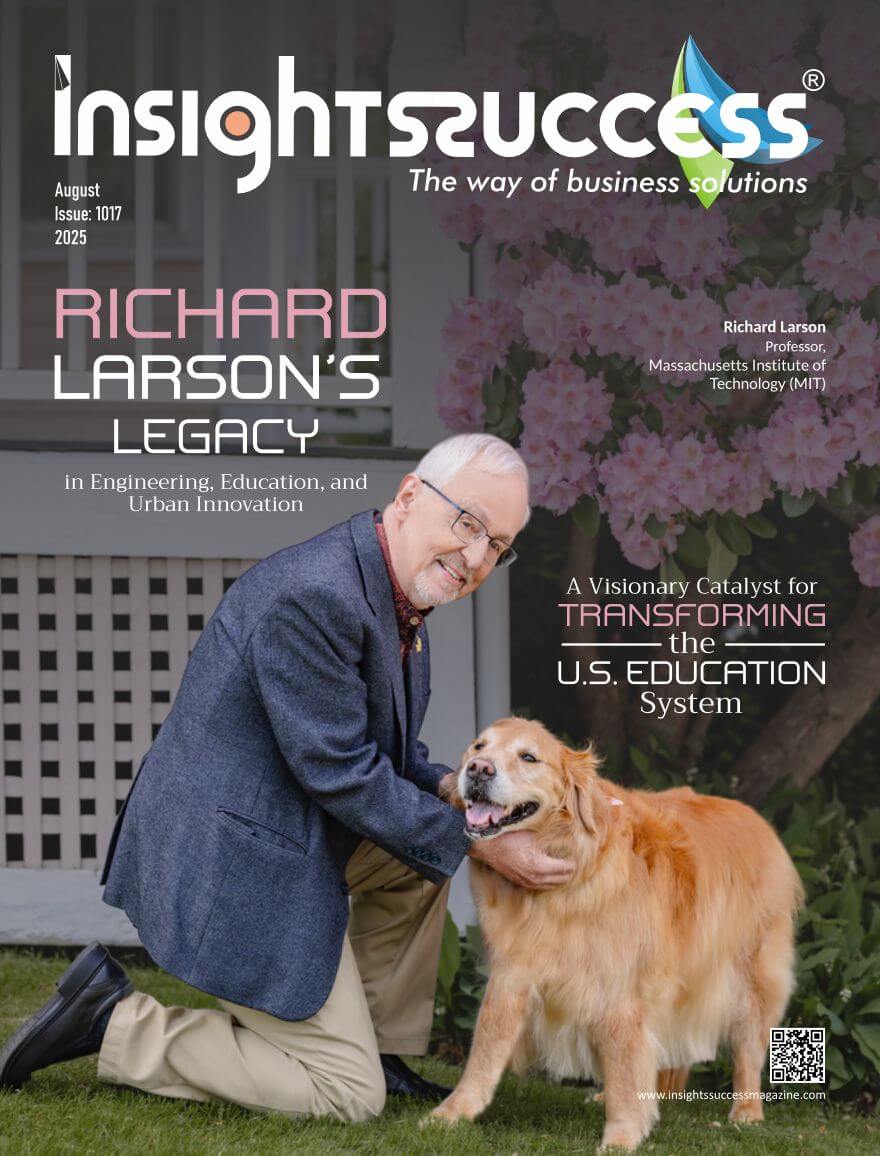
A Visionary Catalyst for Transforming the U.S. Education System
A Visionary Catalyst for Transforming the U.S. Education System

The Authentic Leadership of Sumeesha M. Chandran
Sumeesha M. Chandran is a transformative leader whose career reflects a rare blend of technical acumen, business strategy, and human-centered leadership. With academic qualifications in IT, Business Administration, and Sociology, she has led high-impact initiatives across industries, particularly in banking and legal technology. Her early work focused on streamlining loan processing systems and building agile delivery models that improved speed and efficiency. Over the years, she has become a driving force behind large-scale digital transformations, cloud engineering projects, and process automation programs. What sets Sumeesha apart is not just her expertise, but her unwavering commitment to growth, both personal and professional. After relocating to the United States, she navigated significant transitions while raising young children—redefining success on her own terms. Her leadership style is rooted in empathy, continuous learning, and the courage to embrace reinvention. She believes true leadership lies in empowering others, building inclusive teams, and leading with authenticity. Beyond her technical and strategic achievements, Sumeesha is a mentor, collaborator, and advocate for meaningful change. She sees challenges as opportunities to evolve and thrives in environments where innovation meets purpose. Whether driving digital initiatives or fostering a culture of trust and empowerment, she remains deeply focused on creating long-term value for people and organizations alike. Sumeesha’s story is a testament to what’s possible when resilience meets vision. She continues to inspire others by leading with heart, embracing change with grace, and championing the idea that success is best measured by the lives we uplift along the way. Read Also: Risk Management Through Crypto Consulting
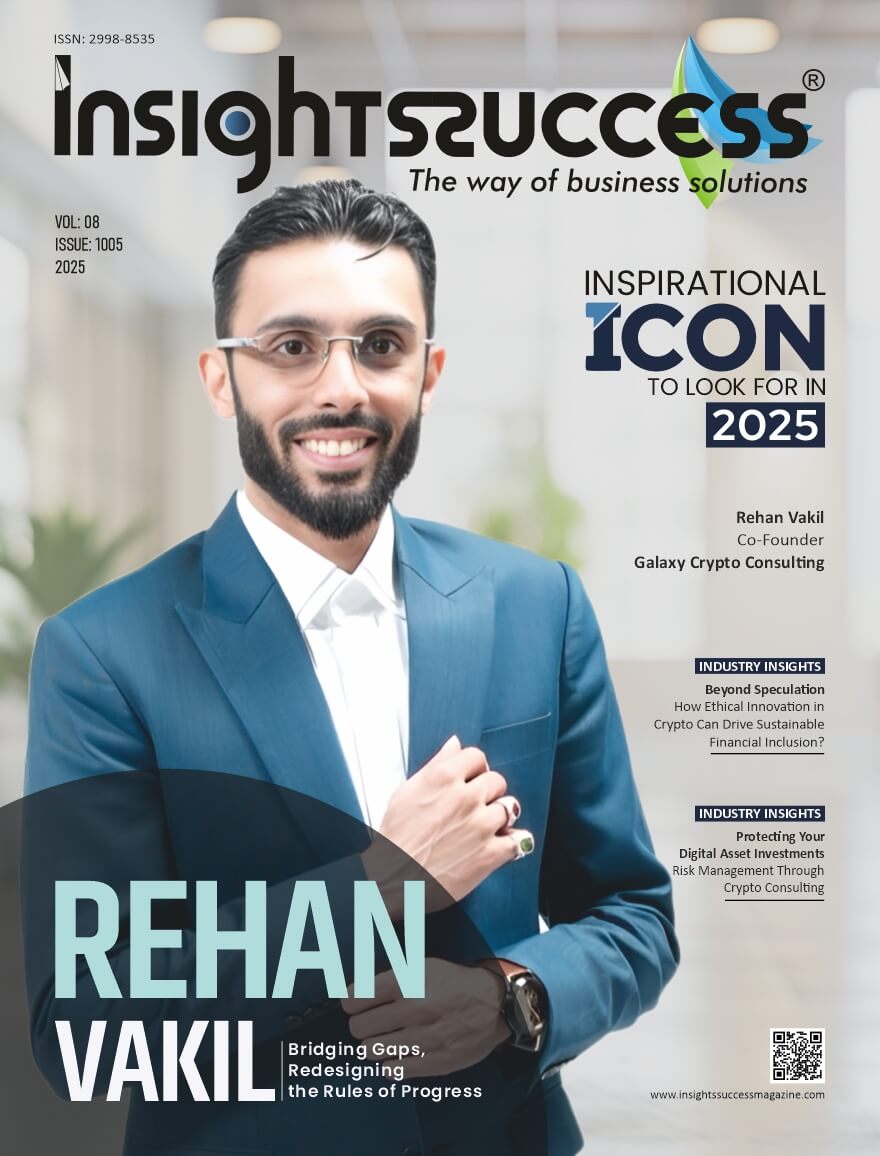
Inspirational Icon To Look For In 2025
Inspirational Icon To Look For In 2025 This edition proudly features Rehan Vakil, a visionary leader whose journey of innovation, perseverance, and purpose is reshaping industries. This edition celebrates his impactful contributions and inspiring leadership, positioning him as a beacon for future changemakers in the global business landscape. Quick highlights Quick reads

Rehan Vakil: Bridging Gaps, Redesigning the Rules of Progress
In a world filled with noise, few have the clarity to cut through and build what truly matters. Rehan Vakil is one of those rare visionaries who doesn’t just talk innovation—he engineers it. Whether he’s decoding crypto scams, fixing broken systems, or empowering everyday people, Rehan turns chaos into clarity with purpose, grit, and precision. Icons in the arena of business are driven by a compelling vision to transform the future, while inspiring others to make an impact. They possess strong communication skills, which assist them to clearly convey ideas, motivate their teams, and build and strengthen relationships. They act smartly under pressure and take decisions confidently. These leaders embrace creativity, support innovation, and never back down from any challenge. They perceive failures as a learning opportunity and work towards transforming themselves and their business. Driven by the zeal to transform their vision into reality, they leave no stone unturned to gain better results. An impactful business leader who is revolutionizing the industry through his dedicated endeavours is Rehan Vakil, the Co-Founder of Galaxy Crypto Consulting. Born in Dubai in 1993 and raised in Vancouver after moving in 2005, Rehan had to adapt quickly to new environments and cultures. Whether it was through sports or academics, he navigated significant challenges, particularly within Toronto’s education system, which demanded adaptability, resilience, and an eagerness to evolve. These early experiences laid the groundwork for his entrepreneurial spirit. The Inception of an Impressive Career Rehan’s academic journey began with criminology, eventually transferring to SFU where he explored forensic science and law. In 2017, he entered the crypto space, co-founding a mining operation which later evolved into a full-fledged consulting firm. This marked the beginning of a dynamic entrepreneurial path. He went on to establish an automotive business, and during the COVID-19 pandemic, he took part in crucial social outreach initiatives. In 2024, Rehan advanced to the position of Limited Partner in a venture capital firm, where he now leads its digital asset division as a Financial Consultant. His journey stands as a testament to adaptability, innovation, and a global impact-driven mindset. Right from the start, Rehan was passionate about solving real-world problems and decoding complex systems. His introduction to Bitcoin in 2017 sparked an intense curiosity about blockchain technology and its transformative potential. Disturbed by the surge in misinformation and scams within the crypto space, Rehan was motivated to educate and protect investors, leading to the creation of Galaxy Crypto Consulting in 2019. In 2021, he, along with his brother, launched Z&R Automotive in response to a growing demand for transparent, tech-driven car diagnostics. Regardless of the venture, Rehan’s focus has always remained the same: identify real problems, develop practical solutions, and empower others through knowledge and systems thinking. “Whether in finance or mechanics, my goal is to create clarity and lasting value,” he says. Balancing for Better Impact For Rehan, balance doesn’t necessarily mean dividing time equally between tasks. Instead, it means creating harmony and intentional focus across all areas. His diverse roles in crypto consulting, automotive diagnostics, venture capital, and outreach go far beyond the 9-to-5 mold. Rehan relies on systems, routines, and delegation to remain efficient while empowering those around him. “Physical activity and sports keep me grounded, while travel offers perspective and renews purpose,” he shares. He believes in being fully present—whether in work or with loved ones. To him, true balance comes from aligning efforts with a clear purpose. “When your efforts create real value for others, life becomes less about juggling and more about living meaningfully,” he reflects. A Resilient and Curious Frontrunner Rehan embodies curiosity and resilience. These qualities drive him to perform with confidence and dedication, using business as a medium to turn ideas into tangible impact and ongoing evolution. From a young age, he was fascinated by systems and structures, eager to understand how industries operate and how they could operate better. His initial foray into the world of cryptocurrency revealed both enormous potential and widespread confusion. Determined to help others navigate this space, he immersed himself in blockchain research, built mining rigs and facilities, and co-founded Galaxy Crypto Consulting. “The goal was simple: help people safely and smartly navigate a rapidly evolving financial landscape,” he explains. This experience sharpened his understanding of finance, risk, and innovation. Similarly, his founding of an automotive diagnostics center was driven by a deep understanding of the customer pain points in the industry. Each venture emerged from the same process: spot the gap, understand the challenge, and deliver a smart, ethical solution. Rehan firmly believes that ideas alone are not enough; successful execution is the true differentiator. He finds satisfaction in building systems, creating teams, and watching visions take shape. He doesn’t chase perfection, he engineers momentum. Where others see chaos, Rehan sees blueprints. The Motivating Factor Rehan is constantly motivated by the belief that there is always a sharper, smarter, and more meaningful way to do things; because he believes every system, when decoded right, can be rebuilt better. He thrives in fast-moving, high-impact environments where continuous learning fuels innovation. For him, business is not just a profit-making tool, but a way to solve problems, empower others, and elevate what exists. His passion lies in creating meaningful impact through business, community engagement, or helping individuals navigate complex challenges. His curiosity spans systems, people, technology, and society, which only deepens his dedication to finding and delivering solutions that stand the test of time. Transforming confusion into clarity; especially in sectors like cryptocurrency where risks and misinformation are rampant, drives his purpose. “Helping people understand financial systems, make informed decisions, or even recover from scams has been incredibly fulfilling,” he shares. He believes that being part of a trend is not enough; one must commit to educating, protecting, and empowering others. This same mindset led him to contribute to ventures like Z&R Automotive, where he prioritized trust-building, and his outreach work during COVID-19, helping those in crisis reconnect with society. Witnessing change both at the systemic level and one

How Ethical Innovation in Crypto Can Drive Sustainable Financial Inclusion?
Beyond Speculation Cryptocurrency has emerged as perhaps the most radical 21st-century financial innovation. Conceived as a decentralized digital money to replace fiat, it has evolved into a dynamic and intricate web capable of reshaping industries. But beneath the market mania headlines and regulatory vitriol lies a greater potential that confronts directly the billions of the excluded from formal finance. Cryptocurrency ethical innovation is now coming forward as a strong intervention to fill the financial divide and build systems that are not just technologically innovative, but transparent, inclusive, and sustainable. The Global Reality of Financial Exclusion Over 1.4 billion adults across the globe remain unbanked, with access to even the simplest of financial services. For others, banking systems are out of reach because they live in remote areas, pay excessively in fees, do not have the right papers, or get discriminated against. Without credit, savings, and payment facilities, millions are excluded from bettering their standard of living. Crypto, in theory, offers a lifeline. Its decentralization eliminates middlemen, so that anyone who has a smartphone and access to the internet can participate. But without ethical safeguards, this promise can too readily turn into a mirage being abused rather than empowered. What Does Ethical Innovation in Crypto Really Mean? Essentially, moral innovation in cryptocurrency is about creating and implementing blockchain technologies with immense social responsibility. It is all about moving beyond profit maximization to designing for long-term impact on society, economy, and the environment. It is a design that is focused on inclusivity, openness, and sustainability. It inquires whether the platforms that are built are easy enough for the mass user to access, whether charges are reasonable, whether data is safe, and whether the environmental consequences are reducing. Ethical innovators inquire: Who does this technology benefit, and who is left behind? A Decentralized System That Works for Everyone One of the most attractive aspects of cryptocurrency is that it has the ability to circumvent traditional gatekeepers. Through decentralization, transactions are made cheaper and faster, particularly for cross-border transactions, whether facilitating a simple money transfer or a complex exchange like EUR to ADA. When there are no banking systems or none that can be trusted within any region, then crypto serves as a stable one. But merely providing a product is not enough. The user experience needs to be inclusive as well. Already, several platforms such as Celo and BitPesa have taken the extra step of making it easy for people from underdeveloped regions to send and receive money. Such companies not only laid emphasis on how easily their technologies were going to be used, but also made them accessible and useful for those who need them the most. Education and Accessibility: The Missing Links One of the largest hurdles to financial inclusion is not access it’s awareness. Crypto and blockchain are relatively new to most of the world, and their technological complexity can be off-putting. Education is why it’s so important in responsible crypto innovation. Creating apps that can communicate in native languages, via symbols and voice instructions, and providing onboarding programs to guide individuals through the operation of digital wallets are all steps towards the solution. Efforts that invest in educating communities aren’t merely expanding their user base they’re empowering individuals with financial independence for a lifetime. Closing the Gender Gap Women worldwide are more economically marginalized than men. They are less likely to have a bank account, access a loan, or get credit. Crypto can be an exit strategy—but only if women are included in the design and implementation of such systems. Ethical innovators are starting to realize this. By applying blockchain solutions across segments of users women, rural communities, and marginalized groups—they are in the process, incidentally, solving deep-seated inequalities. Women-led crypto startups and decentralized platforms that bring money to female entrepreneurs are already yielding early dividends. Greener, Smarter, More Responsible Crypto has also been frowned upon because of its ecological footprint, particularly the energy used to mine. Moral crypto innovation is reversing this now by trending toward less energy-hungry techniques such as Proof of Stake and crafting new tech with significantly less environmental footprint. Projects such as Algorand, Cardano, and Chia are leading the charge for this green crypto revolution, showing that innovation and green can go hand in hand. If financial inclusion is to be made sustainable, it must also save the planet. Working with, Not Against, Regulators Trust lies at the heart of any financial system. Users must feel protected and safe. Adult innovators are now working with regulators to design policies that protect users without holding back innovation. Instead of fighting regulation, they’re embracing it—designing platforms that meet international standards on privacy, anti-money laundering, and consumer protection. Cooperation can bring crypto mainstream without compromising its decentralized ethos. Crypto for Humanitarian Relief and Crisis Management Probably the most promising use for ethical crypto innovation is in humanitarian assistance. In conflict or disaster areas where the conventional infrastructure collapses, crypto provides a lifeline. Blockchain provides openness and responsibility, cutting corruption and inefficiency. It has already been tested by organizations such as the World Food Programme and UNICEF with blockchain-based aid disbursements, transferring goods directly to recipients without handlers or delay. This is tangible impact—demonstrating that crypto can be good and a lifesaver. The Future Is Inclusive We are at the juncture of the future of finance. The decisions we make today will decide opportunity and access for the next few centuries. Crypto-responsible innovation is not a nicety—it’s a necessity if we want to build a world in which economic opportunity is a right, not a privilege. With developers, regulators, entrepreneurs, and users present, we’re hearing more and more that the secret to success in this space isn’t what we create, but how we create it. People-first development is when innovation does not leave the vulnerable behind but takes them along. Overall, if it is guided by ethics and inclusion, crypto can be one of the most powerful movements for sustainable financial inclusion. It’s not about knocking down