






Innovation Consulting Expert Driving Sustainable Organizational Growth
Strategic Business Transformation In the current scenario, businesses are operating in an increasingly complicated and competitive environment characterized by the dynamics of technological development, changes in customer preferences, economic uncertainties, and changes in global markets. For the purpose of being competitive, it is imperative for businesses to transform and make necessary improvements in terms of how they do business. Considering the context, Strategic Business Transformation has become extremely important for sustained success. At present, businesses are not only making marginal improvements in terms of what they do but are also striving for full-fledged transformation to add value and competitive advantage in a sustainable manner. The expertise provided by the Innovation Consulting Expert becomes extremely valuable in this process. Understanding Strategic Business Transformation Business transformation is not limited to just restructuring or technology changes. It consists of a general strategy for improving performance, increasing efficiency, and guaranteeing success in the future. Strategic Business Transformation involves the alignment of people, processes, technology, and objectives to create meaningful outcomes. Businesses that embark on Strategic Business Transformation look to increase their efficiency, enhance their customer experience, widen their markets, and become more agile. Such strategies call for proper leadership and vision. Whenever there are strategic planning and successful implementation of the strategies, businesses become prepared to take advantage of new opportunities. The organizations that thrive in today’s marketplace are often those that embrace transformation as an ongoing journey rather than a one-time initiative. The Role of Innovation in Business Growth Innovation has become a key attribute of success in any organization. Organizations that continue innovating are well placed to handle challenges, become efficient, and create value for their customers and stakeholders. That is where the Innovation Consulting Expert comes in handy. An Innovation Consulting Expert assists companies in recognizing developing trends and opportunities and coming up with strategies to promote innovation and development. Consultants enable companies to achieve innovation through professional analysis and industry knowledge. However, innovation does not only entail products and services. Business model innovation, process innovation, customer engagement innovation, and organizational culture innovation are also included. Through innovation in more than one area, businesses can ensure competitive advantage and sustainable development. Aligning Innovation with Transformation Goals To achieve successful transformation programs, it is essential that innovation should match business goals. Innovation without any strategic direction would fail to provide any tangible results. Strategic Business Transformation makes sure that all innovations help achieve organizational goals. On the other hand, the role of the Innovation Consulting Expert is to ensure that companies undertake those projects which will have the biggest effect. This is done by evaluating the opportunities both strategically and practically. With this kind of alignment, businesses can engage in innovations for a purpose rather than experimenting with it. There will be opportunities for implementing changes which will lead to improved performance, higher levels of customer satisfaction, and increased market position. Building a Culture of Continuous Improvement For sustainable growth, not only one-off initiatives are enough, but organizations need to develop such an organizational culture which fosters learning, flexibility, and improvement. SBT is a way that helps organizations incorporate these values within their operational processes. Leaders play a very important part in nurturing an environment conducive to innovation. The Innovation Consulting Expert typically aids in this regard by assisting organizations in creating frameworks and processes to nurture collaboration and creativity. The more empowered an employee feels, the greater are his/her chances of contributing something innovative. Those companies that promote a culture of continuous improvement enjoy higher engagement levels, better problem-solving abilities, and flexibility under varying market conditions. By integrating innovation into organizational culture, businesses create lasting foundations for growth and resilience. Preparing for the Future Technology advancements, shifting consumer preferences, and market dynamics are expected to shape the future business landscape. Those businesses which keep up with innovation and transformation are expected to succeed in such a landscape. Strategic Business Transformation is here to stay and will continue to be an important tool for the adaptation, competition, and growth of companies. Through transformation, companies can improve their performance and achieve sustainable value creation. Similarly, the Innovation Consulting Expert is going to be an indispensable advisor in helping firms go through change. It is through the identification of opportunities, questioning conventional wisdom, and strategic decisions that consultants can help organizations realize their potential. Both Strategic Business Transformation and the knowledge of the Innovation Consulting Expert provide a solid basis for sustainable business development. The organizations which have these competencies at hand will be able to successfully face the challenges of uncertainty, foster innovations, and become companies capable of surviving in the long term. In an ever-changing business environment, it is the organizations which focus on transformation and innovation that will be the most successful. Read Also : Human Capital Management Driving Corporate Administration Excellence

Vishaylin Mahadeo: A Leader Forged at the Intersection of Mind and Mission
At the age of 33, Vishaylin Jivan Mahadeo has made the kind of career leap many spend decades working toward. He joined the Research Institute for Innovation and Sustainability (RIIS) as an intern. From there, he progressed through the ranks — Analyst, Senior Analyst, Management Consultant, Engagement Manager and now Acting Mining Practice Lead in approximately eight years. Not only has he grown quickly, but he has also done so by learning how to lead clients and team members through complexity. What makes that rise especially compelling is the route he took to get there. Before consulting, his academic foundation was in Physiology and Psychology — disciplines that taught him how people and systems respond, adapt, and grow. Today, that background shapes a leadership style built not on hierarchy, but on purpose, empathy, and the mission to solve problems that matter. Vishaylin’s work sits at a critical intersection: strategy and human behavior. He understands that organizations, like living systems, do not change through logic alone. They change when people understand the purpose, trust the direction, and begin to practice new behaviors until they become part of how the organisation works. For a young leader, that insight has helped him move with unusual pace. In 2026, as Africa’s innovation landscape accelerates and the demand for authentic, adaptive leadership intensifies, Vishaylin Mahadeo embodies a new kind of young leader and compelling example of what the next generation of leaders can look like: intellectually rigorous, deeply human, and unwaveringly purposeful. The Making of a Consultant: An Unconventional Beginning Vishaylin Mahadeo did not enter consulting through the usual route. His foundation was not finance, engineering or economics, but Physiology and Psychology — the study of people, systems, behavior, and adaptation. That background has become one of his strongest advantages. Studying living systems taught him to pay attention to how things respond under pressure. Studying psychology taught him that performance is shaped by more than intelligence or process. People need clarity, trust, and the right conditions to do their best work. After completing his studies at the University of Witwatersrand, he enrolled in a Postgraduate Diploma in Business Administration at the Gordon Institute of Business Science. The pivot emphasized his adaptability and strengthened his foundation in business acumen, opening the door to the consulting industry. “The opportunity to challenge myself through client issues and expose myself to different industries immediately became an environment that resonated with me,” he says about the consulting industry At RIIS, the pace of his growth accelerated. What began as an internship became a career path shaped by responsibility, delivery, and leadership. He later pursued an Executive MBA at Henley Business School, along with executive education in neurostrategy and digital transformation — not as credentials for their own sake, but as tools to help him lead in environments where strategy, technology and human behavior are inseparable. Servant Leadership: The Philosophy Behind Practice Ask Vishaylin Mahadeo to define his leadership philosophy, and he does not hesitate. Servant leadership, he says, is the principle that has consistently guided him, not as a concept borrowed from a business school curriculum, but as a lived commitment shaped through years of complex projects in mining, energy, and marine industries with multidisciplinary teams, and honest reflection on what it actually means to lead. For him, this does not mean soft leadership. It means taking responsibility for creating the conditions in which others can perform. It means putting people, growth and purpose ahead of ego or control. “If a thing is worth doing, it is worth doing badly,” he says, referencing G.K. Chesterton’s idea that imperfect beginnings are often part of meaningful work. That belief has shaped how he leads. For Vishaylin Mahadeo, leadership is fundamentally non-linear, and uncertainty is not a failure of preparation but an invitation to adaptability. Growth demands a particular kind of humility, one that is comfortable with imperfection as a stage of development rather than a sign of inadequacy. Trust, the currency that makes leadership real, is earned not through authority but through consistency and genuine care, established by listening and recognition. Building Alignment: The Art of Managing Both Sides One of the defining challenges of Vishaylin’s role is one that every seasoned consultant eventually faces: how do you honor the expectations of the client while protecting the integrity and well-being of the team? His answer is built on three foundations: clarity, alignment, and situational awareness. He begins every engagement by investing deeply in understanding the client’s context, what they are trying to achieve, what constraints they face, and what success practically looks like. Simultaneously, he invests equal attention in understanding his team, their strengths, working styles, development needs, and capacity at any given moment. This dual awareness allows him to set ambitious expectations while remaining cognizant of the team’s capabilities and time constraints. By addressing root causes rather than symptoms and maintaining open communication channels, risks surface early, before they become crises. The result, consistently, is not just a satisfied client but a team that has grown in capability and confidence. “When alignment between client needs and team capabilities is achieved, the focus naturally shifts from managing tension to delivering exceptional value, resulting in client expectations being exceeded in both relevance and impact,” he says. Under Pressure: How a Leader Holds the Line “Attitude, not just aptitude, elevates performance. While technical capability is essential, trust, psychological safety, and a growth-oriented mindset enable teams to perform under pressure.” In consulting, pressure is not occasional. It is built into the work. Deadlines move. Stakeholders change direction. New information arrives late. Expectations grow. How a leader responds in those moments, not when things are going well but when they are not, is the true measure of their character. Vishaylin Mahadeo establishes clear standards and communicates expectations transparently from the outset. He prioritizes continuous, real-time feedback over episodic reviews, building in the micro-adjustments that prevent small issues from compounding. And he makes recognition visible and meaningful, reinforcing the behaviors that sustain team performance throughout a

Wipro Completes Large-Scale Data Center Migration for METRO AG, Advancing AI-Ready Enterprise Transformation
Milestone strengthens METRO’s cloud-first strategy and establishes a scalable digital foundation for future AI adoption BENGALURU, India | DUSSELDORF, Germany, (June 18, 2026) Wipro Limited, a leading AI-powered technology services and consulting company, today announced the successful completion of a large-scale, multi-year data center migration program for METRO AG, one of the world’s leading international food wholesalers. The milestone represents a significant step in METRO’s broader digital transformation strategy, enabling the company to transition from legacy infrastructure to a resilient, scalable, and cloud-based technology environment designed to support future innovation and business growth. The initiative forms a central component of METRO’s cloud-first strategy and long-term vision for becoming an AI-enabled enterprise. Building a Future-Ready Digital Foundation The transformation program involved the migration of METRO’s IT operations from traditional data center environments to a modern multi-cloud ecosystem through a phased and carefully managed implementation approach. The new infrastructure is designed to enhance operational resilience, strengthen cybersecurity capabilities, improve business agility, and provide the technological foundation required for the organization’s evolving AI and digital transformation initiatives. By modernizing its core technology landscape, METRO is better positioned to accelerate innovation, optimize operational efficiency, and scale digital capabilities across its global operations. Enabling Enterprise-Wide AI Adoption As part of the engagement, Wipro introduced intelligent automation capabilities across key operational functions, including user lifecycle management and service operations. Leveraging Wipro Intelligence™, the company’s unified suite of AI-powered platforms, solutions, and transformation services, METRO has implemented automation capabilities designed to streamline service request management, improve response times, enhance operational accuracy, and increase overall efficiency. Wipro also deployed advanced AI-driven engineering tools to accelerate software development processes, strengthen code quality, and support faster issue resolution. These capabilities enable greater visibility into recurring operational patterns, helping teams make more informed decisions while improving system reliability and performance. Executive Perspectives Commenting on the achievement, Khaled Bagban, Chief Information Officer of METRO AG, said: “The successful completion of this program marks an important milestone in METRO’s journey toward a scalable, cloud-based, and AI-ready technology landscape. Together with Wipro and our partner ecosystem, we have established a resilient digital foundation that supports innovation and enables AI adoption at scale. This accomplishment reflects the strength of our collaboration and advances our ambition of becoming an AI-first organization.” Omkar Nisal, Chief Executive Officer – Europe, Wipro Limited, added: “Our long-standing partnership with METRO demonstrates Wipro’s ability to deliver complex enterprise transformation programs with measurable business impact. As METRO enters the next phase of its AI-led transformation journey, Wipro Intelligence™ will play an important role in enabling smarter operations, accelerating innovation, and delivering long-term business value.” Strategic Collaboration with Google Cloud The migration program was supported through collaboration with Google Cloud, providing the infrastructure foundation required for large-scale modernization and future AI initiatives. Tara Brady, President, Europe, Middle East and Africa, Google Cloud, said: “METRO’s successful transition away from legacy data center infrastructure represents a significant milestone in enterprise modernization. By establishing a cloud-native foundation, METRO has created the scalability, security, and data capabilities necessary to support innovation and capitalize on emerging AI opportunities. We are proud to support METRO and Wipro in this transformation journey.” A Long-Term Digital Transformation Partnership The latest milestone builds upon the strategic partnership between Wipro and METRO AG, which began in December 2020 and was subsequently extended in June 2025. Over the course of the collaboration, both organizations have worked closely to modernize technology operations, strengthen digital capabilities, and support METRO’s evolving business objectives. The successful completion of the migration program further reinforces the partnership’s role in enabling METRO’s transition toward a more agile, intelligent, and AI-enabled enterprise. About Wipro Wipro Limited (NYSE: WIT, BSE: 507685, NSE: WIPRO) is a leading AI-powered technology services and consulting company focused on helping organizations accelerate digital transformation and build intelligent, sustainable businesses. Through its consulting-led approach and Wipro Intelligence™ portfolio of AI-powered platforms, solutions, and services, the company supports clients in navigating complex business and technology challenges. Operating across 65 countries with more than 240,000 employees and partners worldwide, Wipro delivers technology innovation and business transformation solutions to organizations across industries. For more information, visit Wipro. Media Contact Wipro Media Relations media-relations@wipro.com
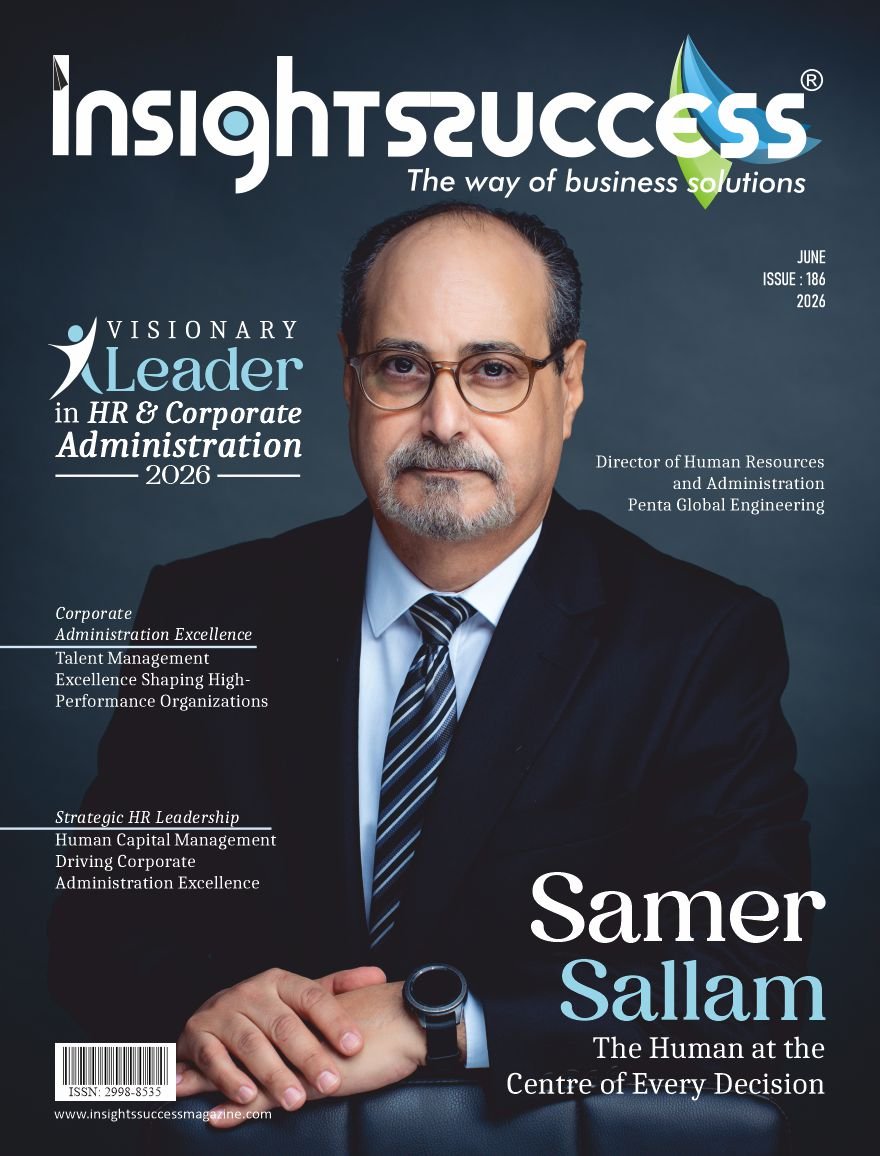
Visionary Leader in HR & Corporate Administration 2026
Visionary Leader in HR & Corporate Administration 2026 The edition spotlights organizations redefining leadership through innovation, strategic learning, and people-first development, empowering individuals and businesses to build resilient, high-performing leaders for an evolving global landscape. Digital Link Quick highlights Quick reads
Human Capital Management Driving Corporate Administration Excellence
Strategic HR Leadership In today’s world, organizations find themselves in an ever-changing environment in which changing workforce expectations, advancing technology, and stiff competition have continued to influence organizational strategies. In such an environment, Strategic HR Leadership has become key in ensuring organizational success. The human resources department is not regarded merely as a back-office function but instead is instrumental in aligning the strategy of people with organizational goals. On the other hand, Human Capital Management has become important in acquiring and developing talents that can help sustain organizational growth. Aligning People Strategy with Business Goals Companies perform better when their human resource programs and activities are in line with the company’s goals and objectives. Strategic HR Leadership is about establishing that connection between business and people. Human resource leaders collaborate with executives to ensure that human resource programs and activities help the company succeed. This is done through the use of Effective Human Capital Management, which helps to provide systematic ways of conducting workforce planning, skills development, and succession management. By understanding the abilities of the workforce and future needs, organizations are able to make sound decisions. By integrating people’s strategies with business goals, companies create stronger organizational cohesion and improve their ability to respond to changing market conditions. Building a High-Performance Workforce Human beings are still the greatest assets in any company. It is about recruiting skilled people, developing them, and creating situations where they can be productive. This demands a proactive strategy for managing the workforce. Strategic HR Leadership helps in creating an organizational culture that encourages accountability, teamwork, and continuous improvements. When leaders invest in their employees’ development, there is a lot of learning and innovation. In the same vein, Human Capital Management provides employees with the necessary assistance and resources to realize their full potential. Performance management systems, training sessions, and career development programs help build greater employee engagement and performance. When the employee feels appreciated and empowered, there is greater commitment and performance on the part of the organization. Strengthening Corporate Administration Excellence Administration within a corporation is the key to running the business. Effective governance, appropriate policies, and effective workforce management result in a successful business. Strategic Human Resource Leadership has a significant part to play in developing excellence in corporate administration through the proper management of people’s practices. HR managers ensure that organizations remain consistent and transparent through effective policy development and workforce governance. This not only minimizes organizational risks but also creates a culture of trust and responsibility. However, Human Capital Management provides the framework and processes necessary for proper talent management. From hiring and orientation to performance evaluation and succession planning, everything that is mentioned here helps organizations to function properly and efficiently. Efficient management makes it possible for organizations to focus on their strategic development as well as internal operations. Embracing Technology and Innovation Technology is continually changing the way firms manage their workforce. Digital technology is making decision-making more efficient and driven by data. With the use of new technology by firms, the need for strategic HR leadership in workforce transformation becomes greater. In addition, HR executives need to ensure that advancement in technology improves the experience of their employees in a manner that helps to meet the goals of the organization. Similarly, Human Capital Management can be greatly helped by technological solutions as well. Through data analysis, one can understand workforce dynamics, performance levels of employees, and areas of talent development. This will enable better decision-making and improve workforce efficiency. Technology is not taking over leadership but rather helping the leader to manage talents better. Preparing Organizations for the Future Work of the future will undoubtedly be impacted by demographic trends, technological innovations, and changes in employee demands. Companies that focus on developing leadership and talent strategies now will have a greater chance of success in the future. Strategic HR Leadership will be necessary to lead and direct any change in the organization’s workforce and align people with business objectives. Leaders who adopt adaptability, innovation, and development of their employees will ensure that the organization can cope with uncertainty. Likewise, Human Capital Management will remain a means by which future-ready and resilient workforces are built. With the emphasis on talent acquisition, development, engagement, and retention, businesses will be able to create a competitive edge. The synergy of Strategic HR Leadership and Human Capital Management provides a strong base for achieving excellence in corporate governance. Both these concepts help in maximizing the performance of the workforce, improving governance, and ensuring sustainable success. With continuous changes taking place in the business world, those organizations that will give importance to people leadership and proper talent management will be the most suited to excel and innovate sustainably in the future. Read Also : Talent Management Excellence Shaping High-Performance Organizations

Talent Management Excellence Shaping High-Performance Organizations
Corporate Administration Excellence Organizations are faced with the challenge of balancing efficiency, productivity, and growth in their operations against the need to be able to meet the changing demands of the market environment. Organizations which continue to perform better than their competitors know that this can be achieved not only through good business strategies but also through good administration and development of their staff members. This is why Corporate Administration Excellence has become an essential element towards realizing organizational stability and efficiency. On the other hand, Talent Management Excellence is an important component that helps organizations recruit, develop, and retain high performers. The Strategic Value of Corporate Administration An effective administration forms the very foundation of any successful organization. Good governance, appropriate policies, efficient procedures, and clearly defined roles provide the environment in which the performance of employees is ensured and sound decision-making by management is facilitated. This is what Corporate Administration Excellence stands for. Companies that put a lot of stress on Corporate Administrative Excellence have structures that ensure effective communication, rapid decision-making, and increased efficiency. These strengths help in achieving efficiency as well as developing an atmosphere of accountability and transparency. In times of growing business, it has become more essential to have strong administrative structures within an organization. Excellent administration also promotes collaboration within various departments, which ensures alignment of resources, processes, and people with overall organizational goals. The Importance of Talent in Organizational Performance People continue to be the most important assets in any organization. The success of business is mostly determined by one’s capacity to recruit skilled personnel, develop them, and provide them an opportunity to make a contribution. Talent Management Excellence goes beyond mere recruitment. It entails such things as workforce planning, employee development, leadership development, performance management, and succession planning. Companies that make efforts in this direction will be able to create solid talent pipelines and stay the workforce ready. Employees who are given chances to develop and grow tend to be more committed and engaged in their work. The commitment is what leads to success of the organization in terms of productivity, innovation, and business success. By making talent central to their strategies, organizations enable both individuals and organizations to succeed. Creating High-Performance Cultures Corporate Administrative Excellence is what makes it possible to facilitate accountability and performance. This is due to the fact that well-defined processes lead to consistency and make it easy for employees to know their roles. Talent Management Excellence is, however, all about giving individuals the opportunity to fully realize their potential. Organizations that emphasize learning and appreciation foster an environment in which creativity flourishes. Employees get motivated because they understand the value of their contribution to the organizational objectives. In combination, these techniques help ensure that high performance is not just an occasional feat but becomes an enduring result. Leveraging Technology for Growth Companies have been transformed through technological innovation in how they function and how they handle their employees. Through digital technology, automation techniques, and workforce analytics, managers gain amazing visibility, leading to increased efficiency and effectiveness. All of these play a major role in Corporate Administration Excellence and workforce management efforts. Technologies facilitate efficient processing of administration and lower down workload. Better data availability helps in improved planning and governance and makes the organization more responsive. On the other hand, Talent Management Excellence can also be achieved through technology-based solutions that aid in employee engagement, performance measurement, and learning development. Workforce analytics help managers detect trends and solve challenges to enhance their talent management strategies. Companies that use technology have become more competitive and flexible in their dynamic business environments. Preparing for the Future of Work The workplace of the future will demand that organizations stay adaptable, innovative, and people centric. The changing expectations of employees, the developments in technology, and the changing priorities of business will keep on affecting organizational success. Organizations that have well-administered and developed workforces will be better equipped for such changes. Excellence in Corporate Administration will continue to be an important factor for sustaining stability in organizations, governance, and strategic alignment within organizations. Good administrative bases give the stability needed to handle complexities and foster sustainable development. Similarly, Talent Management Excellence will remain an integral component in preparing future-ready workforces. Those organizations that develop talent, learn, and grow within the organization will become well-prepared to attract and retain superior performers. With the blend of Corporate Administration Excellence and Talent Management Excellence, a strong model for creating high-performing organizations is created. The ability of organizations to create excellence in their administrative practices through developing their employees allows them to create productivity, innovate, and succeed. With increasing competition and growing complexities of the business world, the organizations that place an emphasis on these aspects will be able to thrive. Read Also : Why Fortune 500 Companies are Investing in AI-Enhanced Workflows

Samer Sallam: The Human at the Centre of Every Decision
There are moments in a professional career that do not simply inform the way a person works. They reshape the way a person sees. For Samer Sallam, Director of Human Resources and Administration at Penta Global Engineering, one such moment came not in a boardroom or a performance review but at a traffic light. A man approached his car carrying a small child, asking for money to feed his family. Samer recognized him immediately. It was an employee he had terminated months earlier, in the direction of management, despite having reservations he had not acted on. He listened to the man describe the hardships that had followed the loss of his job. He could not hold back his tears. That moment has never left him. Across four decades in Human Resources, spanning industries, organizations, and continents, it has served as the compass by which he measures every difficult decision he is asked to make. Not as a reason to avoid hard calls, because business realities sometimes demand precisely that. But as a permanent reminder that behind every HR process, every policy, every headcount decision, there is a human being with a family, a livelihood, and a future shaped in part by the choices made in those corporate conversations. Samer Sallam began his career in Human Resources in 1986, immediately after graduating from university. He entered the profession at entry level, learned from mentors of diverse nationalities and genuine professional depth, and built his understanding of the function from the ground up across more than four decades of continuous practice. He has operated in promoter-led organizations and multinational environments, across engineering, technology, consumer, and industrial sectors. Today, at Penta Global Engineering, he brings that accumulated experience to a leadership role that spans both human resources and corporate administration, two functions that, in his view, share the same foundational requirement: the ability to serve people with honesty, fairness, and care. The Difference Between Managing and Leading Samer is precise about a distinction that many organizations claim to understand but consistently fail to practice. There is a meaningful and consequential difference between managing people and leading them and confusing the two produces organizational cultures that are compliant on the surface and disengaged underneath. Throughout his career, he has encountered senior executives who understood leadership primarily as the exercise of authority, using position and, in some cases, fear generating the behavior they wanted from those around them. He has observed the outcomes of that approach with considerable clarity. Fear silences people. When employees become reluctant to share opinions, challenge assumptions, or offer honest feedback, the organization loses something it cannot recover from a management report: the collective intelligence and creativity of its own workforce. He states, “Leadership is not about being the loudest voice in the room. It is about creating an environment where every voice can be heard.” The leaders who earn genuine commitment rather than simply compliance are those who make themselves approachable regardless of hierarchy, who listen before they speak, who treat every contribution as worthy of acknowledgment even when they cannot act on it. In today’s workforce, where employees are more informed and more willing to express their views than at any previous point in the profession’s history, the traditional authority-led management style is not simply ineffective. It is actively counterproductive. The organizations that fail to recognize this are losing talent, suppressing innovation, and building cultures that talented people are motivated to leave. Culture Is Not an HR Initiative One of Samer’s most consistent convictions, tested and reinforced across four decades of practice, is that organizational culture cannot be built by the HR department alone. It requires something considerably more demanding: the active, visible, and sustained commitment of leadership at every level of the organization. He has seen the consequences of its absence clearly. Companies focused solely on financial performance that treat employees as a cost rather than an investment. Engagement programmes designed by HR and ignored by line managers. Recognition initiatives launched with genuine intent and abandoned when quarterly pressure arrived. These experiences have shaped his view of what genuine cultural transformation actually requires. In one of his previous organizations, he worked alongside a long-serving manager whose management style had been built on rigid authority and control. As the organization introduced initiatives around respect, recognition, open communication, and genuine employee engagement, something began to shift. The manager witnessed his team becoming more willing to contribute, collaborate, and go beyond their formal responsibilities. He saw, in practice, the difference that a positive culture produced in the people around him. He reflects, “Over time, he recognized that achieving results did not require rigid control or fear-based management. What began as a reluctant adjustment ultimately became a personal transformation.” That story illustrates the principle Samer returns to repeatedly: positive cultures are contagious. When leadership demonstrates the desired behaviors consistently, the message travels. Even those most resistant to change begin to adapt when they witness the tangible benefits in the people and performance around them. Talent Is Not a Score on an Assessment Across four decades of talent management practice, Samer has used most of the methodologies the profession has produced. The 9-Box Grid. 360-degree feedback. Psychometric assessments. Competency frameworks. Each has value. None is sufficient on its own, and he has seen every one of them misapplied in ways that cost organizations should have kept. His concern is not with the tools themselves but with the tendency to let them substitute for judgment. He has watched genuinely talented individuals be overlooked because they did not fit a predefined profile or perform well under a particular assessment format and then go on to become highly effective leaders in other organizations that were willing to see them differently. The lesson he draws from those observations is not that assessment is useless. It is that potential cannot simply be measured. It must be tested, challenged, and given the space to develop at its own pace. Some people demonstrate leadership capability early. Others require time,
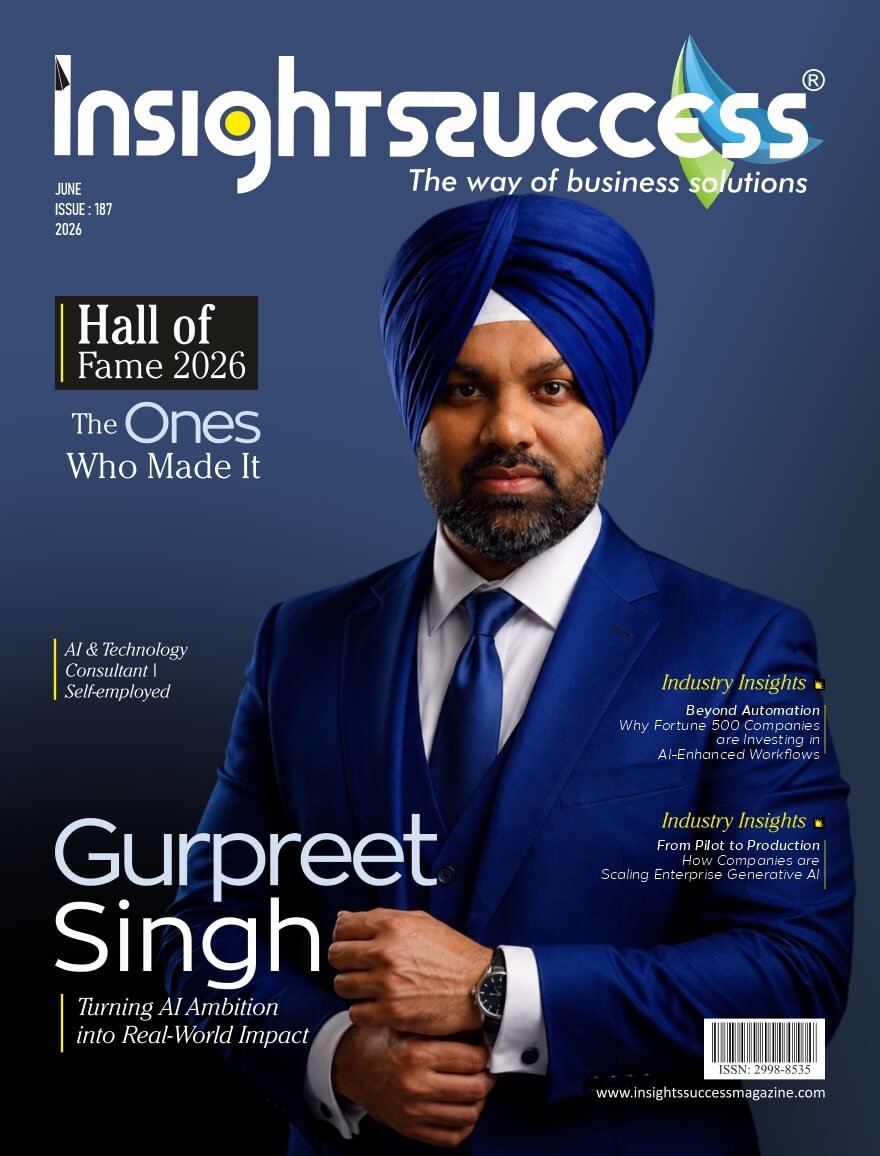
Hall of Fame 2026: The Ones Who Made It
10 Best Logistics Companies to Watch in 2022 June2022 Lorem ipsum dolor sit amet, consectetur adipiscing elit. Ut elit tellus, luctus nec ullamcorper mattis, pulvinar dapibus leo. Lorem ipsum dolor sit amet, consectetur adipiscing elit. Ut elit tellus, luctus nec ullamcorper mattis, pulvinar dapibus leo. Hall of Fame 2026: The Ones Who Made It Hall of Fame 2026: The Ones Who Made It celebrates exceptional leaders whose vision, resilience, and achievements have left a lasting impact on their industries. Featuring Gurppreet Singh, this edition highlights a journey defined by innovation, determination, and leadership excellence, inspiring professionals and aspiring changemakers to pursue success with purpose and passion. Digital Link Quick highlights Quick reads

Why Fortune 500 Companies are Investing in AI-Enhanced Workflows
Beyond Automation AI in boardrooms around the globe is no longer seen as an idea from the future but rather something essential for doing business. The leading companies that are members of the Fortune 500 list are implementing AI technologies to make their work more efficient and innovative. With competition on the rise and customers’ expectations changing all the time, businesses need to adopt new ways of working thanks to AI-enhanced solutions. With automation and data-driven decision-making being among the benefits of using such technologies, businesses can see improvements in efficiency and business performance. The Growing Importance of AI-Enhanced Workflows in Modern Enterprises In this case, the big organization has to manage a massive amount of information, a complex process, and, what is more, a global workforce. The existing workflow cannot handle such challenges that cause inefficiency and loss of opportunity. Here comes into action the AI-optimized workflow, which is crucial for the effective functioning of the organization. Thanks to AI, all activities that were traditionally performed by people can be automated, and decision-making can be improved. Invoice processing, customer service, and even trend analysis is possible only due to AI. It brings significant financial savings for Fortune 500 companies and increases their efficiency. What is most important is that employees are free from routine work and can concentrate on strategic tasks. How AI-Enhanced Workflows Improve Productivity and Efficiency Another main reason why Fortune 500 firms have been actively engaging in investments in AI is because of its capacity to make operations in all departments more efficient. Through AI, it is possible to analyze large data sets within seconds, find patterns, and draw valuable conclusions that would take more time if performed manually. Thanks to such innovations, people will make decisions much quicker and better. For example, through AI, a firm’s supply chain manager will be able to predict changes in demand for goods and avoid any losses. The HR department will automate the hiring process, while the finance department will detect fraud and make predictions. AI Enhanced Workflows and the Customer Experience Revolution Customer demands have reached unprecedented heights. Today’s generation requires personalization, promptness, and efficient communication through various channels. Big Fortune 500 companies understand that creating a good customer experience is a key competitive differentiator. Here, AI serves as one of the primary means for achieving this objective. With the help of artificial intelligence-based workflow management systems, organizations can study customer behavior, foresee their requirements, and offer them relevant suggestions. 24/7 assistance is offered by chatbots and virtual assistants, while predictive analytics enables organizations to resolve problems before customers realize them. So, consumers receive highly personalized experience, which helps create loyalty and enhance customer satisfaction. Driving Innovation Through AI-Enhanced Workflows Innovations are vital for success, particularly in the case of big companies that work in the environment of fast-changing industries. The employment of AI allows companies to innovate faster since it enables the organization to obtain deeper insights and make the process of innovation testing simpler. Employment of AI in the workflow allows for the process of innovation research and development through gathering data about market trends, customer feedback, and technology. Such an approach enables companies to capitalize on opportunities and make proper investments. There are certain industries in which AI is employed for the purpose of innovation. They include health care, the manufacturing industry, finance, and the retail industry. It not only improves the process but also revolutionizes it. The Financial Benefits of Investing in AI-Enhanced Workflows However, although there are costs involved in using AI technology, the financial gain from it is usually substantial. Fortune 500 companies view AI technology as an investment that will yield them some form of gain. Using AI technology, firms can reduce the cost of doing business, use resources more efficiently, and prevent any errors that would cause losses. Since the AI system operates all day long, efficiency is achieved without increasing the labor force as compared to the amount required by the manufacturing process. Moreover, through AI, management is able to make sound decisions, thus reducing any risk and maximizing their gains. Overcoming Challenges in AI-Enhanced Workflow Adoption Despite the benefits, implementing AI is not without challenges. Organizations must address issues related to data quality, cybersecurity, regulatory compliance, and workforce readiness. Successful Fortune 500 companies understand that technology alone is not enough. They invest in employee training, change management initiatives, and robust governance frameworks to ensure AI adoption is both effective and responsible. Creating trust in AI systems is equally important. Employees need to understand how AI supports their work rather than replaces it. Companies that foster a culture of collaboration between human expertise and artificial intelligence are more likely to achieve successful outcomes. The Future of AI-Enhanced Workflows in Enterprise Operations The future of business operations will revolve around artificial intelligence technologies. Due to the advancement in technology and the availability of artificial intelligence, organizations will keep implementing artificial intelligence into their activities in various industries. The use of artificial intelligence will not only revolve around automation but will also enable prediction and decision-making in the absence of human beings. With time, those organizations that embrace technology will achieve great efficiency in their operations. The issue is not just whether Fortune 500 organizations will adopt artificial intelligence into their activities. It is more on how quickly they can embrace technology in their business operations. Read Also : How Companies are Scaling Enterprise Generative AI

How Companies are Scaling Enterprise Generative AI
From Pilot to Production Generative AI has made a lot of progress from being an innovative idea to an absolute must-have for a business in an incredibly short time. Several businesses are currently exploring the possibility of applying AI to increase efficiency, improve customer satisfaction, and generate extra income from new sources. However, implementing any solution after the initial trial period is not an easy thing to accomplish. Enterprise generative AI has become one of the key factors of success for any modern business that continues its journey through digital transformation. Companies that are able to leverage these solutions can achieve certain advantages in terms of efficiency, decision-making, and innovation. Why has Enterprise Generative AI Become a Strategic Priority? The use of enterprise generative AI technology has increased since such AI can be used for automating complex tasks, generation of useful insights, and assistance of employees in their work. In contrast to usual automation solutions, AI technology allows generating content, summarizing information, coding, analyzing data, and interaction with humans. Companies have understood that artificial intelligence is not just a solution used by innovators and scientists. It has become integrated into the business processes of enterprises and helps workers to work more effectively and respond to market changes. This means that executive management starts paying attention to investing in AI in order to achieve long-term business goals. Building the Foundation for Enterprise Generative AI Success However, before the widespread adoption of enterprise generative AI, companies need to build a solid base. Companies that have found success start by determining real business needs and problems that could be solved using AI. Instead of blindly embracing innovation through AI, they target high-value use cases. Data is the key component in this situation. As generative AI depends greatly on data, companies are building sophisticated data management solutions to make sure that their data is clean, consistent, and secure. Good data helps AI to produce good results. Companies are also building up their cloud infrastructure to gain sufficient computing capacity to launch AI-powered solutions. How Enterprise Generative AI Is Transforming Business Functions The first reason why companies are allocating substantial funds to enterprise generative AI is that it can be used in different departments. Companies have come up with numerous approaches as to how they would incorporate AI into their regular business processes and interactions with customers. In customer support, AI-driven virtual assistants not only increase the speed at which problems are being solved but also offer personalization. Marketing specialists use AI for content generation, campaign brainstorming, and understanding of customer behavior. The HR department makes use of AI when recruiting candidates, onboarding employees, and workforce planning. Lastly, software developers rely on AI to accelerate the coding process and bug detection. Governance and Security in Enterprise Generative AI Deployment As the use of adoption increases, governance emerges as an essential part of enterprise generative AI strategies. Any large-scale application of AI models without proper control may pose some risks associated with privacy, security, compliance, and ethical decision-making. To tackle these problems, corporations create AI governance strategies, which include rules about the development, management, and utilization of AI models within the company. In addition to that, security is also a key issue. Corporations create necessary security mechanisms to ensure the protection of sensitive data and avoid any unauthorized use of AI-generated content. Overcoming Challenges in Scaling Enterprise Generative AI However, despite the enormous opportunities offered by it, enterprise-level generative AI faces certain challenges. One of the biggest challenges associated with this technology is related to organizational changes. Workers can be confused about the impact that AI can have on their job position, resulting in reluctance towards change. Visionary companies deal with these problems using various educational and communication efforts. Instead of perceiving AI as something that would replace the employees’ work, they view it as a technology that complements workers’ activity and helps make better decisions. Another challenge that needs to be mentioned is associated with the integration of AI solutions into existing technology environments. The point is that most companies today face rather complex IT environments. Developing a Workforce Ready for Enterprise Generative AI Transformation through AI is not possible only by way of technology. Companies need to build up the necessary skills that will enable them to make full use of the advantages of generative AI within their organization. Companies are creating training programs for their staff to improve their knowledge about AI and its proper usage. The staff is being trained to learn how to work with AI technology, understand the insights produced through AI and implement them in their respective work. Besides skills, companies are creating an innovative and learning culture. This kind of attitude helps organizations embrace new technological changes and opportunities arising from AI. Organizations that invest in their staff development have proven more successful than others. The Future of Enterprise Generative AI at Scale There is more to the future of enterprise generative AI than mere increase in efficiency. As technology advances in the coming years, enterprises will depend on AI to help in planning, foster innovation, and even create new business models. Some of the current developments in the area include autonomous workflows, knowledge management, personalization, and decision making, all through the power of AI. These developments could possibly revolutionize the way organizations do business both in their internal processes and globally. The winners in this area would be those organizations that have technological innovation, good governance, and visionary leadership. Read Also : Why Long Island’s Most Awarded Weight Loss Center, Led by Dr. Howard Goodman, Is Challenging Everything People Think They Know About Losing Weight