






A Leader Shaping the Future of Industrial Gases
Visionary CEO The industrial gases industry which requires advanced technical expertise and substantial financial resources needs its chief executive officer to handle duties that exceed basic operational management. A Visionary CEO must balance technological innovation with sustainability and safety and long-term strategic planning while operating in a market that contains intricate supply networks and international demand patterns. The present-day industrial gases market shows how transformative leadership enables organizations to develop new industry standards which will determine future energy production and manufacturing processes and healthcare operations. Industry Dynamics and Strategic Foresight The industrial gases industry, which revolves around major international companies like Linde plc, requires its operators to spend substantial funds on equipment while they establish their business through permanent contracts and adhere to comprehensive safety protocols. Executives must possess technical abilities together with skills to predict upcoming market developments. A company needs a CEO who operates at the highest level of engineering knowledge while creating long-term business strategies. The industrial gases industry requires decision-makers to spend decades on their choices because the sector operates at a slower pace compared to other industries. Driving Sustainability and Environmental Responsibility Industrial gases leadership needs operational excellence to connect with innovative development methods. Sustainability and circular economy principles now serve as core elements for corporate strategic development. Companies achieve two objectives by decreasing emissions and enhancing resource efficiency which helps them meet regulatory demands and establishes their role in the worldwide energy transition. A Visionary CEO in this situation needs to support sustainable business practices while achieving future economic success for the company. Technological Innovation and Industry Transformation The Visionary CEO serves as an essential driver for technological development within the organization. The hydrogen adoption movement together with cryogenic technology progress and digital supply chain management innovations is creating a new industrial landscape. Business executives allocate substantial financial resources toward research and development initiatives which will enable them to develop solutions for emerging renewable energy markets and carbon capture technologies. The industrial gases sector demonstrates its evolving leadership through initiatives which transform traditional manufacturing methods into environmentally friendly production systems that use advanced technologies. Building a Strong Organizational Culture A Visionary CEO needs to create a strong organizational culture as their main professional capability. Industrial safety needs officers to establish a work atmosphere which promotes responsible behavior and ongoing training as well as worker participation. The leadership team establishes a framework which enables the development of new ideas that meet customer requirements while preserving essential safety protocols. The people-focused method develops industrial gases management capabilities while increasing capacity to handle economic downturns. Strategic Partnerships and Global Expansion The leadership of industrial gases through their strategic partnerships and international growth demonstrates their powerful market presence. Companies frequently establish international partnerships to acquire specialized knowledge which helps them enhance their supply chains and enter new markets. The competitive environment underwent significant changes because of major mergers and alliances which resulted in the formation of worldwide integrated companies. The execution of such strategic plans needs a Visionary CEO who understands market dynamics and possesses the skills to manage complex organizational integration processes. Financial Discipline and Long-Term Growth Financial discipline exists as an essential element through which a Visionary CEO establishes their impact. The industrial gases sector requires substantial capital investment to build infrastructure components which include pipelines and storage facilities and production plants. Leaders need to verify that their investments create enduring financial benefits while their business operations continue to run smoothly. Strong industrial gases leadership shows its essential quality through the ability to manage growth together with profit generation. The Future: Energy Transition and Decarbonization Financial discipline exists as an essential element through which a Visionary CEO establishes their impact. The industrial gases sector requires substantial capital investment to build infrastructure components which include pipelines and storage facilities and production plants. Leaders need to verify that their investments create enduring financial benefits while their business operations continue to run smoothly. Strong industrial gases leadership shows its essential quality through the ability to manage growth together with profit generation. Conclusion: Shaping the Industry’s Future The Visionary CEO plays multiple roles at industrial gases companies because their work encompasses multiple aspects of the organization. The leaders of the organization guide the future of the industry by their work with innovation and sustainability and their ability to handle complex business operations and international growth. The rising need for environmentally friendly energy sources and new industrial technologies will keep industrial gases leaders as essential players who will decide which companies will lead in this changing market. Read Also : The Mind Behind Sustainable Industrial Evolution
Global Press Release Feature at ₹1999
Still have a Question? We are happy to help. For more details, Call/ WhatsApp on 9860222300 or email us at – sudakshina.das@insightssuccessmedia.com SUBMIT YOUR NOMINATIONS HERE! Let us know how to get back to you. Global Press Release Feature at ₹1999 The need for businesses to create online visibility has become an essential requirement in high tech business world of today. Businesses entrepreneurs and leaders search for effective methods to share their stories and present their accomplishments while establishing global credibility. The press release which you create will serve as a strong communication instrument that enables you to expand your reach while developing your brand and finding your target audience. The appropriate platform provides total value whether you want to introduce a new product or commemorate a significant achievement or present your personal story. The Global Press Release Feature which we offer at ₹1999 enables will support emerging and established professionals to obtain affordable yet effective media coverage. This product will present your narrative through an organized, professional and engaging press release which appeals to a larger audience base. The campaign uses authentic elements and clear messaging and strategic storytelling methods to display your brand vision and your accomplishments and your future objectives while establishing your industry reputation as a trustworthy spokesperson. The initiative enables organizations and individuals to present their stories through effective digital communication methods which allow them to achieve their objectives through purposeful communication.
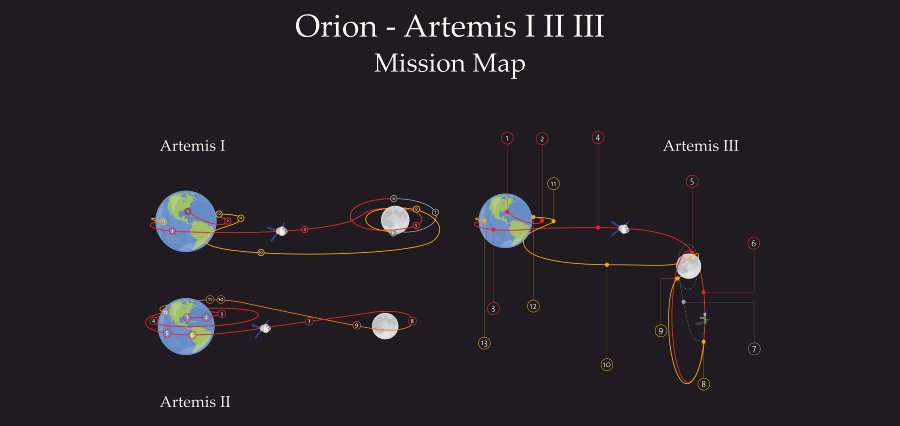
Artemis II Nears Moon as Astronauts Prepare for Key Flyby
Prime Highlights Artemis II enters a key phase as astronauts prepare to move into the Moon’s sphere of influence, where lunar gravity begins to guide the spacecraft during its journey. The mission allows astronauts to observe the Moon closely and carry out important system checks during a historic deep space flyby. Key Facts The Orion spacecraft is expected to travel farther from Earth than any human mission before, setting a new distance record in space exploration. The mission focuses on testing life support, navigation, and communication systems to support future Moon landing missions under the Artemis programme. Background Artemis II moves into a critical phase in April as astronauts prepare to enter the Moon’s sphere of influence, where lunar gravity becomes stronger than Earth’s pull. The Orion spacecraft travels about 215,000 miles from Earth and continues its path toward a close lunar flyby. Crew members capture rare views of the Moon, including the Orientale basin, which humans now observe directly for the first time. NASA confirms that astronauts also complete key system checks during the journey. These include manual piloting tests, life support monitoring, and spacesuit operations. The crew tests emergency suits by running full checks, including pressurisation and mobility assessments, to ensure readiness for critical situations. The mission sends four astronauts around the Moon without landing. The team includes Christina Koch, Reid Wiseman, Victor Glover, and Canadian astronaut Jeremy Hansen. The lunar surface investigation during the flyby uses onboard cameras and direct observation methods. The spacecraft will reach its farthest distance from Earth, which exceeds all previous missions. The Artemis II mission is a component of NASA’s Artemis program, which intends to send astronauts to the Moon for extended exploration missions. The mission conducts tests of deep space navigation systems, communication systems and life support systems. The tests deliver essential information that will support upcoming Moon landing missions and establish the necessary conditions for sustained human settlement on the Moon. Read Also: RBC BlueBay Core Plus Bond Fund Wins LSEG Lipper Award Two Years in a Row

Samsung Set for Record Q1 Profit on AI Chip Boom
Prime Highlights Samsung expects sharp jump in Q1 profit driven by AI-led chip demand. Strong memory chip prices boost earnings despite global risks. Key Facts Samsung Electronics is one of the world’s largest memory chip and electronics makers. Estimated Q1 operating profit stands at around 40.5 trillion won. Background Samsung Electronics is expected to show significant profit growth in its first quarter because of high demand for memory chips used to support artificial intelligence development. Analysts estimate the company may post an operating profit of about 40.5 trillion won, marking a significant increase compared to the previous year. The increase in memory chip prices results from high demand, which technology companies worldwide are creating through their substantial investments. Experts describe the current phase as a strong growth cycle for the chip industry because demand continues to exceed supply. There are concerns over global risks. The ongoing conflict in the Middle East raises energy costs and may disrupt the supply of key materials. This situation could slow investments in AI infrastructure by large technology firms. There are also signs of slight cooling in memory chip prices in recent weeks, as higher product prices affect consumer demand. Market experts are still optimistic about long-term demand in spite of these concerns. They say the shortage of memory chips is likely to continue, as production still falls short of global needs. Prices for DRAM chips are expected to rise further in the coming months. Other business segments of Samsung face pressure. The contract chip manufacturing unit, which competes with Taiwan-based chipmakers, is likely to remain under stress, though a partnership with a leading AI chip company offers some support. The smartphone and display divisions may see lower profits due to rising costs and strong competition. In addition, new technology developments and labour concerns in South Korea add to the overall challenges for the company. Read Also: Lavazza Grows Revenue 15.7% in 2025 Despite Rising Coffee Costs and Weak Demand

Expert Strategies: Maximizing Property Value Through Real Estate Consulting Strategies
Real estate asset valuation needs more than standard buying and selling methods to achieve maximum value in today’s competitive property market. The field has evolved into a strategic discipline that integrates market intelligence, financial planning, and operational expertise to maximize property investment value. Consulting-driven methods enable property owners and investors to reach better decision-making outcomes for residential, commercial and mixed-use assets which result in improved short-term gains and sustained value growth. The real estate sector has undergone a complete transformation because data, strategy development and specialized skills have become essential components for achieving success. Real estate consultants use data analysis to provide property management and investment solutions. They analyze market trends, demographic changes and regulatory frameworks to create specific asset insights which help with practical decision-making. Their role extends beyond advisory work to include feasibility studies, financial model development and risk assessment activities. Market Insights The fundamental element of real estate consulting work resides in thorough research of market conditions. The consultants use their assessments of economic indicators together with their study of local supply-demand patterns and their understanding of new market developments to discover ways to increase property value. The process requires property professionals to evaluate similar properties at different value points together with their rental income potential and their tenant occupancy levels in order to develop effective pricing methods. The property owners can use detailed research results to create their market offerings which will help them meet present market demands and maintain their competitive edge. Market insights enable investors to make proactive decisions which they can execute before any changes occur. Infrastructure projects, zoning changes and alterations in consumer purchasing patterns will transform the attractiveness of properties and their future market values. The consultants track these variables through their monitoring process while they provide clients with guidance about asset repositioning, new market expansion and portfolio diversification. This forward-looking approach decreases all types of uncertainty while increasing system resilience. Property owners who observe market developments will protect their investments while creating new possibilities which result in ongoing value growth. Asset Optimization Property value increases through a combination of physical property enhancements and better operational processes. Real estate consultants conduct detailed assessments of a property’s condition, design, and functionality to recommend targeted upgrades. The project offers multiple upgrade options which include building renovations, energy-efficient system installations, layout enhancements and smart technology implementation. Property upgrades enable both better visual building features which meet the requirements of new tenants and buyers. Both operational optimization and return maximization share equal importance for business success. Property management consultants conduct a systems evaluation to review current procedures for defects and explore methods to reduce expenses. The process requires organizations to enhance their maintenance systems, adopt digital management solutions, and renegotiate existing vendor service agreements. Organizations achieve property valuation through operational efficiency improvements which boost their net operating income. Strategic Positioning The process of effective positioning enables a property to stand out from other properties in its competitive market. Real estate consultants develop targeted branding and marketing strategies that highlight the unique strengths of an asset. Businesses now use digital platforms which include social media outreach and data-driven marketing techniques as their main method to increase visibility and user interaction. The strategic placement of a property increases its potential to attract high-quality tenants, which in turn enhances its market position and value perception. Beyond marketing, strategic positioning also requires organizations to develop future plans and link their various business units. Consultants work closely with clients to ensure that individual properties contribute to broader financial objectives such as income generation, capital appreciation, or diversification. The process requires organizations to restructure their existing portfolios while they reallocate investments and discover new acquisition possibilities that would enhance their present assets. The real estate consulting practice uses a comprehensive method to make financial decisions which lead to success with all economic objectives. The market insights together with asset optimization and strategic positioning form an integrated system that enables organizations to achieve maximum property value. Conclusion Real estate consulting provides effective methods which help property owners increase their asset worth in markets which experience continuous changes. The consultants use data analysis to create specific improvements which lead to better financial results and long-lasting asset performance. Their knowledge helps property owners and investors to understand market changes while they create an advantage through new market opportunities. The real estate industry will increasingly depend on consulting methods because it undergoes continuous transformation. The stakeholders who use professional consulting services will achieve total asset potential and build sustainable success in their advanced market environment. Read Also : The Journey of a Spiritual Astrology Expert in Guiding Conscious Transformation

Karen Simon: The Industrial Strategist Who Leads with Research and Resolve
The dynamic, fiercely competitive, and highly responsive industrial real estate market in Texas is a demanding environment for those who are ready. It rewards discipline, foresight, and a steadfast grasp of the market. Karen Simon has exemplified those traits for many years. She has built her career as President and Managing Partner of Karen Simon Realty Advisors LLC by foreseeing changes before they happen, comprehending her clients’ goals with a level of clarity that is unmatched, and organizing transactions that others might miss. Karen began her journey as the only woman in the room; she remained because she consistently proved to be the most informed and prepared professional at the table. That blend of resilience, expertise, and authentic commitment to service defines her leadership and continues to distinguish her in an industry characterized by cut-throat competition. From the Classroom to the Field Before Karen Simon ever negotiated a commercial lease, she was standing at the front of a room, teaching history and government at a community college. After graduating school, she worked there for five years, and she was skilled at it. But something kept pulling her in a different direction. Karen had broader interests, a restlessness that the classroom could not quite contain. So, she took a step most people would find daunting; she enrolled in law school. It was inside those law courses- procedure, contracts, and the mechanics of how agreements are made and honored that something clicked. Her real interest was not in litigation or courtrooms. It was in property, in commerce, and in the way real estate moves and shapes communities. With that clarity came a new direction, and a new opportunity arrived right on time. Karen Simon was offered a position with the U.S. Department of Housing and Urban Development, and she took it. At HUD, she served as Executive Assistant to the Regional Administrator responsible for five states. She managed public accommodations and oversaw all public relations for that entire region. It was a demanding role, and it taught Karen Simon something that would stay with her for the rest of her career: good work is service. Whether you are serving a government agency, a private client, or a team of colleagues, the standard is the same, you figure out what people need and you give your best effort to meet it. Two Weeks That Changed Everything Working at HUD came with a restriction Karen Simon had not initially anticipated. Employees were not permitted to hold a real estate sales licence. But she discovered a specific exception: if she qualified for the broker’s exam, she could sit for it and hold a broker’s licence while remaining with the agency. With a college degree, a graduate degree, and a year of law school behind her, she was close, but not quite there. She needed the equivalent of just three more semester hours out of the required 60 semester hours, or 900 classroom hours in total. Karen Simon took a two-week leave of absence. Day and evening, she attended intensive coursework, pressing through every session with focus and determination. When the two weeks were up, she sat for the broker’s exam and passed. That result, earned in a compressed window of time through disciplined effort, set the tone for how Karen Simon would approach challenges throughout her career. She does not wait for perfect conditions. She finds the available path, prepares thoroughly, and moves. The Only Woman in the Room Shortly after earning her broker’s licence, Karen Simon received an offer from the Henry S. Miller Company, at that time the largest real estate company in Texas and the fifth largest in the United States. They wanted her to lead the Industrial Department for the Tarrant County office, which covers the Fort Worth area. It was a significant opportunity and a significant leap. Karen had experience in management and solid grounding in real estate, but hands-on industrial brokerage was still new to her. She also happened to be the only female industrial realtor in Dallas and Tarrant County. That distinction might have felt isolating. In practice, it turned out to matter far less than she expected, because her clients were not concerned with her gender. They wanted to know one thing: could she help them? That question became the foundation of her entire approach. The company gave Karen Simon six months to deepen her academic knowledge before she began building the department. She used every bit of that time. She studied the marketplace with the same intensity she had brought to her two-week exam sprint. She was determined to know more than the people she was competing against, and she did. Clients noticed. They came back. The department grew. And Karen became a name that carried weight in Texas industrial real estate. How She Leads: Clarity, Research, and Real Listening Karen Simon gives a clear explanation about her leadership approach: identify opportunities, execute them, and meet the goals of your clients. There is no jargon in that sentence, and that is deliberate. She runs her work on simple principles applied with great consistency. At the heart of her strategy is research. Karen Simon tracks what is happening in her local market and what is unfolding across the country. She studies which companies might be eyeing expansion into Texas or the Southwest. She reaches out broadly, sometimes making a hundred calls, knowing that ten might turn into leads, and one might become a deal. That ratio does not discourage her. It is simply the honest math of the work, and she respects it. When Karen Simon sits down with a client, she comes prepared. She asks about their specific needs-whether they want to buy or lease, what geographic requirements matter to them, whether they need rail access or particular transportation links. The more she understands what a company is looking for, she believes, the better she can serve them. Tailoring her approach to the specific situation of each client is not a technique she learned from

The Cosmic Counselor: Neeraj Diwan’s Mission to Bring Clarity, Healing, and Direction Through Astrology
In a world shaped by rapid change, uncertainty, and emotional complexity, individuals increasingly seek clarity rather than prediction. Astrology, once perceived as mystical speculation, is experiencing a global renaissance as a reflective and strategic framework in understanding life’s rhythms. At the forefront of this evolution stands Neeraj Diwan, a Delhi-based astrologer whose work reflects a rare balance of technical expertise, emotional intelligence, and ethical integrity. Rather than positioning himself as a fortune-teller, Neeraj Diwan represents a new generation of astrologers — strategic counselors — who guide individuals toward self-awareness, timing intelligence, and practical life strategies. For Neeraj Diwan, astrology is not about controlling destiny but illuminating possibilities. Through thoughtful interpretation of planetary patterns, he helps individuals make conscious decisions that align with their aspirations, challenges, and personal growth journeys. His expertise extends far beyond private consultations, reaching a growing digital community. Through his strong presence on social media, Diwan shares his knowledge, guidance, and reflections with a large audience, building meaningful engagement with more than 660K followers on Facebook, 120K followers on Instagram, and over 108K subscribers on YouTube. This digital reach has enabled him to make astrology more accessible and relatable to modern audiences while maintaining the authenticity and depth that define his practice. A Journey Rooted in Tradition, Refined Through Experience Neeraj Diwan’s journey into astrology reflects a steady immersion in India’s rich spiritual heritage combined with modern interpretive insights. Drawing from classical Vedic astrology while embracing contemporary counseling perspectives, he has developed a practice grounded in both precision and empathy. Over the years, his consultations have guided professionals, entrepreneurs, families, and seekers navigating career transitions, relationship dynamics, emotional challenges, and spiritual exploration. What distinguishes Neeraj Diwan’s approach is his emphasis on strategic awareness. Planetary cycles, in his view, do not dictate outcomes; they reveal opportunities, risks, and life themes that empower individuals to act consciously. The Science and Art Behind His Practice Deep technical understanding of planetary dynamics Advanced chart analysis and timing techniques Pattern recognition translating celestial data into real-life insight Intuitive sensitivity enhancing personalization Astrology as Counseling: A Human-Centered Approach For Neeraj Diwan, astrology is fundamentally about people their fears, dreams, relationships, and untapped potential. His consultations reflect a counseling-driven philosophy where empathy and listening form the foundation of guidance. In sessions, he prioritizes: Active listening aligned with chart interpretation and lived reality Clear communication that translates complexity into clarity, ensuring guidance is actionable and practical Emotional sensitivity when addressing vulnerable topics Empowerment over fear-based prediction, focusing on solutions, rather than alarming predictions This approach transforms astrology into a collaborative dialogue rather than a one-way forecast, enabling clients to engage with their lives from a place of awareness and confidence. Ethics and Integrity as Cornerstones In a field where sensationalism can overshadow authenticity, Neeraj Diwan’s commitment to ethics stands out. Confidentiality, honesty about astrology’s limitations, and a focus on client empowerment underpin his professional philosophy. From Delhi to the World: Astrology as Predictive Intelligence Neeraj Diwan describes astrology as Predictive Intelligence and Insight, a strategic navigation system that enables individuals to anticipate life cycles and align decisions with cosmic timing. Through this lens, planetary patterns become indicators of opportunity rather than determinants of fate. This philosophy has resonated globally. His clientele spans six continents and over twenty-three countries, highlighting astrology’s universal relevance as a cross-cultural framework for career planning, relationship clarity, personal growth, and life transitions. Client Impact Themes Better career timing and decision-making Relationship clarity and emotional understanding Personal growth and healing Strategic planning aligned with life cycles Renewed sense of purpose and direction Neeraj Diwan’s Signature Methodology, Key Skills That Defines Conscious Astrology: Astro-Conscious Guidance Model For Neeraj Diwan, astrology is not merely a technical discipline but a deeply human practice that blends knowledge, intuition, empathy, and ethical responsibility. Over years of consultation and observation, he has developed a clear philosophy about what distinguishes an excellent astrologer from a competent one. According to Neeraj Diwan, true astrological mastery lies not in prediction alone but in the ability to guide individuals toward clarity, empowerment, and conscious action. His understanding of astrology as Predictive Intelligence and Insight is rooted in the following ten core capabilities. Balance of Knowledge and Intuition Neeraj Diwan says that a great astrologer must combine rigorous technical understanding with intuitive perception. While charts provide data, intuition provides context- and meaningful guidance emerges only when both are harmonized. Commitment to Lifelong Learning Neeraj Diwan believes astrology is an evolving science that demands humility and continuous study. He emphasizes that authentic practitioners remain students throughout their lives, refining interpretation through experience and reflection. Emotional Intelligence and Empathy Neeraj Diwan says astrology touches sensitive aspects of human life. Therefore, empathy and emotional maturity are essential to ensure guidance is compassionate. supportive, and psychologically balanced. Clarity in Communication Neeraj Diwan emphasizes that astrology loses its value if it is not understood. A good astrologer translates complex planetary symbolism into simple, actionable insights that empower rather than confuse. Ethical Integrity and Confidentiality For Neeraj Diwan, trust is the foundation of astrology. He stresses that responsible astrologers uphold confidentiality, avoid fear-based predictions, and communicate honestly about astrology’s limitations. Counseling Mindset Neeraj Diwan says astrology is fundamentally a guidance practice. Strong counseling skills enable astrologers to provide perspective, reassurance, and constructive direction during moments of uncertainty. Curiosity and Client-Centered Dialogue Neeraj Diwan believes every chart is unique and must be explored through dialogue. Curiosity, thoughtful questioning, and openness allow astrologers to align chart interpretation with lived experience. Objectivity and Adaptability Neeraj Diwan notes that effective astrologers maintain objectivity while adapting their approach to diverse personalities, cultural contexts, and life situations, ensuring guidance remains relevant and balanced. Experience and Pattern Recognition Neeraj Diwan highlights that predictive accuracy grows with experience. Studying numerous charts develops pattern recognition, enabling astrologers to identify subtle themes and life cycles with greater precision. Empowerment-Oriented Guidance Above all, Neeraj Diwan says astrology should empower rather than create dependency. The role of the astrologer is to illuminate possibilities, helping individuals make conscious choices aligned with

The Journey of a Spiritual Astrology Expert in Guiding Conscious Transformation
Soul Growth Journey The journey toward self-awareness begins when people seek to understand their life purpose and their inner behavioral patterns. People use a Spiritual Astrology Expert as their guide through the exploration process which helps them discover their energetic forces that shape their experiences. The interpreters of celestial alignments and personal birth charts provide people with insights that extend beyond prediction because they help users attain self-awareness and personal development. Navigating Life Transitions as a Transformational Astrology Guide Life contains multiple cycles of change which provide people with chances to develop and experience new beginnings. A transformational astrology guide helps individuals navigate these transitions with clarity and confidence. Astrology serves as a reflective tool that empowers people to handle their professional transitions and relationship alterations and personal difficulties. Individuals develop comprehensive situational understanding through the study of planetary movements and their associated symbolic interpretations. The guidance supports their resilience development which enables them to face new situations with curiosity instead of fear about upcoming changes. Deepening Self-Understanding Through Spiritual Astrology Expert The process of personal transformation begins with self-understanding as its fundamental element. An expert in spiritual astrology uses cosmological insights to interpret personal experiences which he shares with his clients. The organization does not provide permanent solutions but instead guides people to explore their inner selves through their journey of self-exploration. Astrology serves as a mirror that enables people to see their authentic self which then helps them make decisions based on their true identity. The process of aligning oneself with their true self helps people achieve emotional stability, mental clarity, and an enhanced understanding of their life purpose, which leads to their genuine development. Empowering Change With Transformational Astrology Guide Both knowledge and action are needed for transformation to happen. The transformational astrology guide enables users to identify optimal growth times and their accompanying challenges which they need to overcome. The guidance here helps people prepare for upcoming events instead of attempting to find out what will happen next. Their intuitive insight together with their practical strategies enables people to make decisions which will improve their health throughout their lives. The organization helps people take control of their lives by turning their unpredictable situations into chances for self-development through their active methods. Integrating Mind, Spirit, and Purpose With Spiritual Astrology Expert The process of true transformation requires complete alignment between mind, spirit, and sense of purpose. A spiritual astrology expert facilitates this integration by helping individuals connect their inner aspirations with external actions. The organization provides personalized insights which lead to their holistic growth approach that includes emotional and spiritual and practical development. The alignment between these two elements brings individuals both fulfillment and direction which helps them advance their goals through assured and clear progress. The process of personal growth transforms into a permanent path of development which never reaches a final point. Future Pathways Guided by Transformational Astrology Guide People need continual support as they move forward in their life journey. The transformational astrology guide delivers essential tools and valuable insights that assist users in their future challenges and opportunities. The program enables people to adapt to changing circumstances through its commitment to ongoing learning and self-evaluation practices. The future-focused approach guarantees that individuals will keep learning until they achieve their complete potential. Through ongoing assistance, individuals will learn to recover from challenges, and they will discover their life purpose while they build a deeper connection to their personal development. End Note The path to conscious transformation represents an individual quest that has universal significance for all people. The spiritual astrology expert together with the transformational astrology guide performs essential functions to support the journey through their insights which promote personal development and self-discovery and empowerment. The spiritual astrology expert advises people to practice daily mindfulness and journaling and self-reflection methods. The practices enable people to create self-awareness while they establish intentions and manage their emotional response to unpredictable situations. The transformation process becomes an ongoing deliberate practice because external factors no longer determine its progression. People who use astrology as their self-discovery tool will achieve better life understanding and purposeful living. The journey results in better personal health while creating a peaceful existence that allows people to progress through life with better self-knowledge and universal understanding. Read Also : The Expanding Influence of a Consciousness-Based Astrologer in Modern Society

The Expanding Influence of a Consciousness-Based Astrologer in Modern Society
Empowered Life Changes Modern life is shaped by three main factors which include rapid social changes and complex decision-making and ongoing external disturbances. A consciousness-based astrologer introduces a more reflective and intentional approach to decision-making. People should assess their choices through two processes which include active awareness and proper timing instead of making immediate reactions. The method enables decision-making to match both internal understanding and external circumstances which results in outcomes that appear deliberate and deeply anchored. When people change from automatic thought processes to deliberate assessment methods they build decision-making confidence which decreases their personal and professional life uncertainties. Evolving Identity Through Modern Mysticism Practitioner The current state of identity functions as a dynamic process which people experience through their life events and their acquired knowledge. The modern mysticism practitioner helps people understand their personal growth through his teachings which link self-awareness to their development through different life stages. The process of guided reflection with symbolic interpretation leads individuals to discover the patterns which determine their beliefs and actions. The process helps them to accept transformation because it enables them to develop themselves as a person. People develop multiple identities that enable them to handle different situations which arise throughout their life journey. Navigating Uncertainty with Consciousness-Based Astrologer Uncertainty functions as an essential element which people deal with in contemporary society because it brings them both tension and decision-making difficulties. The astrologer who practices consciousness-based astrology provides people with tools to handle these periods with better awareness and peacefulness. People who understand cycles together with transitions will develop the ability to face upcoming changes without experiencing fear. The process of preparing changes between known and unknown situations enables people to establish control over their environment while maintaining security during unpredictable times. People who experience uncertainty no longer perceive it as a disturbance but rather view it as an opportunity to grow and discover new paths that suit their changing journey. Emotional Clarity Enhanced by Modern Mysticism Practitioner Emotional awareness serves as a crucial requirement which people need to achieve equilibrium between their personal life and their work responsibilities. A contemporary mysticism practitioner assists people in attaining mental clarity through the process of recognizing their emotional behavior patterns and their corresponding emotional reactions. People who possess this awareness can handle their emotional reactions better while they express themselves more clearly. People who understand their emotional triggers together with their emotional states will make the transition from automatic responses to purposeful decision-making. The process of personal transformation enables people to build stronger bonds with others while they make better choices which lead to a more harmonious and satisfying life experience. Aligning Action With Timing Through Consciousness-Based Astrologer Success requires two elements which include both hard work and proper timing. A consciousness-based astrologer shows how people should begin their activities during their most advantageous periods. The statement requires active waiting which should be done after people identify their best working circumstances. People who understand the best moments to start or stop their activities will achieve their goals with improved success. The synchronized relationship between work tasks and their scheduled times increases work efficiency while decreasing wasteful efforts and maintaining work focus on important goals which can be reached. Practical Integration by Modern Mysticism Practitioner In modern society, practicality is essential for any form of guidance to remain relevant. The modern mysticism practitioner shows how spiritual insights should be transformed into practical methods. The guidance they provide assists people in using their awareness during actual situations which involve their professional development and their interpersonal relationships and their self-improvement. The practical application of this method enables people to transform their understanding into actions which result in actual progress from their insights. The process allows people to develop in ways that they can track through their daily activities. Final Words The consciousness-based astrologer guides people to create permanent self-reflection practices while they establish their personal goals through growing self-knowledge and they need to keep their intuitive and logical mind functions in balance. The process of personal growth needs to continue through planned development which allows for flexible changes while following deep inner values and fulfilling outside commitments which exist throughout the journey. The growing power of a consciousness-based astrologer and a modern mysticism practitioner demonstrates the increasing trend of people choosing to live their lives through conscious and deliberate decision-making. Their role extends beyond guidance, shaping how individuals think, feel, and act in a complex world. They enable people to face difficulties through their methods which combine awareness and practical strategies for overcoming challenges. The method enables personal growth and it helps develop a society where people achieve significant life changes through intentional and purposeful living. Read Also : A Leader Shaping the Future of Industrial Gases
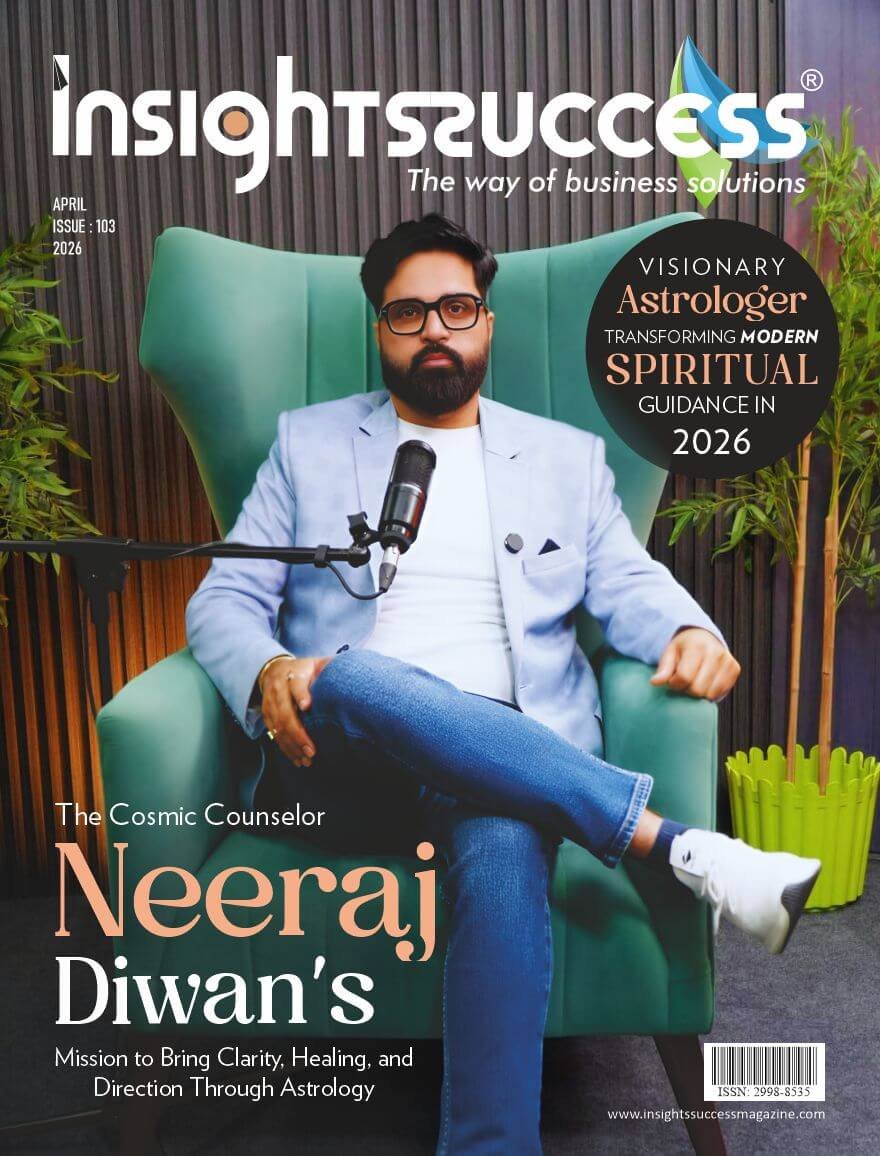
Visionary Astrologer Transforming Modern Spiritual Guidance in 2026
Visionary Astrologer Transforming Modern Spiritual Guidance in 2026 This edition celebrates a visionary astrologer redefining modern spiritual guidance in 2026, blending ancient wisdom with contemporary insights to empower individuals, inspire clarity, and guide transformative life journeys for others. Digital Link Quick highlights Quick reads