






Dr. Sara Spowart and Happiness-Based Mindfulness: A Guide to Building a Happier, Grounded Life
Meta Description: Dr. Sara Spowart explains Happiness-Based Mindfulness, from emotional awareness and the Emotion Chart to intentional habits that support lasting happiness. Dr. Sara Spowart, DMFT, LMFT, MPA, MA, founder of Compassion-Based Happiness and creator of Happiness-Based Mindfulness, approaches happiness as something you can consciously practice rather than passively wait for. Her book Happiness-Based Mindfulness proposes a framework for understanding emotional patterns and creating more intentional ways of living. The framework begins with attempting to answer: What state of being would you choose if you could choose it? For Dr. Sara Spowart, the answer lies in becoming aware of difficult emotions, understanding the patterns behind them, and gradually developing the capacity to move toward a preferred emotional state. Happiness Begins With Awareness Mindfulness is often described as paying attention to the present moment. Happiness-Based Mindfulness asks people to notice which emotional state they repeatedly experience, because “What we notice, we improve.” Before changing an emotional pattern, a person has to recognize it. Daily awareness reveals whether anxiety, anger, sadness, isolation, contentment, gratitude, peace, or another emotional state has become a recurring part of everyday life. Dr. Sara Spowart proposes an Emotion Chart that organizes emotions into different zones (with the aim of observing, not reacting). The Red Zone represents destructive and cyclical emotions (fear, anxiety, anger, resentment, grief, etc.). The Green Zone represents relief emotions (acceptance, curiosity, trust, satisfaction, safety, agency, contentment, etc.). The Blue Zone encompasses uplifting emotions (peace, harmony, joy, gratitude, compassion, etc.), while the Purple Zone focuses on freedom and stabilization. The Yellow Zone represents transcendence. The zones are not destinations; they are a framework for noticing patterns. “We are not our reactions; we are actually the experiencers and observers of these reactions,” Dr. Sara Spowart writes. From Reactor to Observer A difficult emotion becomes a behavioral pattern. Think of it like this: anxiety leads to more anxiety; anger leads to an angry response, which creates another conflict and reinforces the original anger; sadness encourages withdrawal, which makes one feel isolated. Dr. Sara Spowart describes the Red Zone as containing emotions that can become “sticky, dense, heavy” and cyclical. When these patterns are reinforced, responses become automatic. But when one spends time observing them (ask: What am I feeling right now?; What usually happens after I feel this way?; What belief or pattern keeps appearing?), letting them go with compassion becomes easier. Happiness feels achievable when one develops a different relationship with suffering. Dr. Sara Spowart on the Practice of Choosing Emotional change begins with small, intentional actions. Dr. Sara Spowart writes, “Don’t wait to feel good to do positive behaviors; just start from where you are now and it will create a new momentum and cycle of creation.” Hence, motivation is not scheduled to come first. One may begin with one small action that reflects the state they want to cultivate. Happiness Has a Ripple Effect In Happiness-Based Mindfulness, Dr. Sara Spowart repeatedly establishes that inner states do not remain entirely private; they influence relationships, families, environments, and communities. Suffering spills outward, while kindness does the same in a constructive direction. Therefore, becoming more aware of one’s reactions affects how one responds to conflict, treats other people, and participates in relationships. Dr. Sara Spowart describes happiness in the book as a state of contentment and satisfaction that can exist regardless of circumstances. In this state, purpose, connection, meaning, and movement toward a higher purpose provide more lasting dimensions of well-being. The Principle of Love The happiness-as-a-ripple-effect principle further guides Dr. Sara Spowart’s discussion of love. She writes, “The key to ‘loving all’ is to learn and understand that you yourself are a channel or source of love.” It is imperative to note that she does not define unconditional love as approving of everything. A person can reject abuse, violence, cruelty, or harmful behavior while still choosing compassion rather than hatred. Love is, in short, an intentional practice, not a passive feeling. Dr. Sara Spowart’s Vision of a More Intentional Life The message of Dr. Sara Spowart’s Happiness-Based Mindfulness is that happiness is a practice of awareness. It begins with noticing, develops through understanding emotional patterns, and grows through small choices, repeated behaviors, compassion, and responsibility for one’s lived experience. As Dr. Sara Spowart puts it, “Working to improve our happiness is a selfless act, as well as an act of self-love.” However, the application of this idea requires patience. A person may not be able to control everything that happens around them. They can, however, become more attentive to what happens within them and more deliberate about what they bring into the next moment. A deeper dive into the full framework of Happiness-Based Mindfulness involves engagement with its Emotion Chart, practical exercises, and different levels. Through her book, Dr. Sara Spowart invites readers to begin where they are, observe what is happening, and take the next small step toward the state of being they want to cultivate.

What Happens When a Cardiac Stress Test Is Inconclusive?
A cardiac stress test helps doctors understand how the heart responds when its workload increases. It may be recommended to investigate symptoms such as chest discomfort or breathlessness, assess exercise capacity or look for signs of reduced blood flow to the heart. However, not every test produces a clear result. Some individuals may receive an inconclusive or non-diagnostic finding, meaning the information collected was insufficient to answer the original clinical question with confidence. An inconclusive cardiac stress test does not automatically indicate heart disease. It also does not rule out an underlying cardiovascular condition. Understanding why this happens and how doctors interpret the findings can help patients make informed decisions about their next steps. What Does an Inconclusive Cardiac Stress Test Mean? During cardiac stress testing, doctors assess how the heart responds to increased physical demand. Depending on the type of test performed, they may examine heart rate, blood pressure, electrical activity, symptoms or changes in blood flow and heart function. The findings are generally interpreted based on whether the test provides sufficient evidence of a possible cardiovascular abnormality. An inconclusive result means that the available information does not allow a reliable conclusion about the condition being investigated. This differs from a positive result, which may suggest an abnormality, or a negative result, which indicates that the test did not detect the abnormality being assessed. Terms such as equivocal and non-diagnostic may also appear in medical reports. Their precise meanings depend on the test performed and the reason for the investigation. Importantly, an inconclusive result should not be interpreted as having failed the test. It indicates that further clinical interpretation may be necessary. Why Might Cardiac Stress Testing Produce an Unclear Result? Several factors can affect the information obtained during a stress test. Some relate to exercise performance, while others involve the quality or interpretation of the recorded measurements. Common reasons include: Limited exercise capacity: Joint pain, fatigue, breathing difficulties or other physical limitations may cause an individual to stop exercising before sufficient information has been collected. An inadequate heart rate response: Certain medications, including beta blockers, can affect how the heart rate responds to exercise. A lower-than-expected heart rate may limit diagnostic interpretation in some circumstances. Existing ECG abnormalities: Certain electrical patterns present before exercise can make it difficult to interpret changes recorded during the test. Unclear or borderline findings: Some results may show changes that are not sufficiently specific to confirm or exclude a suspected cardiovascular condition. Technical limitations: Movement-related interference or difficulties obtaining clear cardiac images may affect the quality of certain stress tests. The significance of these limitations depends on the overall test findings. For example, not reaching a particular heart rate threshold does not, by itself, determine whether an exercise test is diagnostically adequate. When results remain uncertain, a doctor at a cardiology clinic in Singapore may review the findings alongside the patient’s symptoms, medical history and cardiovascular risk factors before recommending further action. How Do Doctors Decide Whether Further Investigation Is Necessary? An inconclusive result is only one part of a cardiovascular assessment. Before recommending another investigation, doctors consider why the original test was requested and whether the available findings have addressed the clinical concern. For example, an individual who underwent testing because of recurring chest discomfort may require a different approach from someone being assessed for exercise capacity. Several factors influence this decision. The nature of the symptoms Doctors consider whether symptoms occur during physical activity, at rest or under particular circumstances. Their frequency, duration and severity may also help determine whether additional assessment is appropriate. Existing cardiovascular risk factors A history of diabetes, high blood pressure, elevated cholesterol, smoking or established heart disease may influence the likelihood of an underlying cardiovascular condition. Information obtained from the initial test Even when a test is inconclusive for diagnosing coronary artery disease, it may still provide useful information about exercise tolerance, blood pressure response or heart rhythm. These findings help doctors determine whether further testing would provide meaningful additional information. What Tests May Be Considered After an Inconclusive Result? When additional investigation is necessary, repeating the same procedure is not always the next step. A different testing method may provide information that the original assessment could not establish. A cardiac stress test can involve different techniques, and the choice of subsequent investigation depends on the clinical question being addressed. Stress Echocardiography A stress echocardiogram uses ultrasound imaging to examine how the heart muscle contracts under increased workload. It may be considered when a standard exercise ECG has not provided sufficient information about possible reduced blood flow to the heart. For individuals unable to exercise adequately, medication may be used to increase the heart’s workload under medical supervision. Myocardial Perfusion Imaging Myocardial perfusion imaging examines blood flow to the heart muscle during rest and stress. Depending on the clinical circumstances, techniques such as nuclear myocardial perfusion imaging or cardiac PET may help identify areas receiving reduced blood supply. These investigations can provide additional functional information when the initial assessment remains uncertain. CT Coronary Angiography CT coronary angiography provides detailed images of the coronary arteries and can help identify plaque or narrowing within the vessels. Unlike stress testing, which primarily assesses how the heart responds to increased demand, this investigation examines the structure of the coronary arteries. It may be considered in selected patients when doctors need additional information about possible coronary artery disease. Not everyone requires these tests. The choice depends on the suspected condition, previous results and whether further investigation is likely to influence management. Does an Inconclusive Result Always Mean Another Test Is Needed? Not necessarily. Additional testing is not automatically required simply because the first result was inconclusive. For some individuals, the overall assessment may suggest a low likelihood of significant coronary artery disease. If symptoms are absent or have resolved, doctors may consider whether clinical follow-up and cardiovascular risk management are sufficient. In other situations, persistent symptoms or a higher estimated likelihood of heart disease may justify further investigation. A cardiologist

Recovery-Friendly Hiring Could Redefine the Talent Shortage Debate
For years, businesses have blamed talent shortages on a lack of skilled workers, changing career expectations, and growing competition for qualified employees. But a different question is entering the conversation. What happens when capable workers are overlooked because of their medical history? Recovery-friendly hiring is gaining attention as employers rethink who gets access to career opportunities. The approach focuses on creating fair employment opportunities for people recovering from substance use disorders while offering workplace support that helps employees remain productive. The discussion comes as federal agencies increase their focus on the relationship between addiction recovery and employment. In September 2026, the Substance Abuse and Mental Health Services Administration (SAMHSA) announced approximately $10.1 million in Treatment, Recovery, and Workforce Support awards, aimed at helping people in recovery achieve independence and participate in the workforce. For business leaders facing recruitment challenges, the development raises a bigger question about whether the talent shortage is partly a problem of access rather than availability. The Talent Shortage Has an Overlooked Side Qualified Workers Who Struggle to Get Back In Hiring discussions usually focus on experience, qualifications, and technical skills. Yet employment gaps remain a major obstacle for people returning to work after addiction treatment. A candidate may have years of industry experience, strong references, and valuable skills. But a period away from work can raise questions during recruitment, particularly when employers don’t understand the circumstances. Recovery-friendly employment challenges that traditional approach. Instead of treating past substance use problems as a permanent career setback, these programs focus on an applicant’s current qualifications, ability to perform the job, and readiness to work. The relationship between employment and recovery also extends beyond financial stability. People rebuilding their lives often face challenges involving housing, family responsibilities, and mental health. Access to services such as mental health treatment New Jersey reflects the broader need for care that addresses emotional well-being alongside everyday responsibilities. A steady job can become part of that recovery process. It provides routine, income, and social connections, all of which can support a more stable life. For employers, the conversation is increasingly about recognizing professional ability without allowing assumptions about someone’s past to dominate hiring decisions. Federal Funding Brings Recovery Into Workforce Policy Employment Is Becoming Part of the Recovery Conversation Federal recovery programs have traditionally emphasized treatment access, overdose prevention, and community health. Employment is now receiving greater attention as part of long-term recovery. SAMHSA’s 2026 Treatment, Recovery, and Workforce Support funding announcement identified an anticipated $10.5 million for projects connecting substance use treatment, recovery services, and workforce participation. The agency later reported approximately $10.1 million in awards under the program. The initiative connects recovery organizations with workforce development systems, recognizing that treatment and employment often depend on each other. This reflects a practical challenge many people face after treatment. Completing a rehabilitation program doesn’t automatically remove financial pressure. Rent, transportation, childcare, and other expenses continue, even as someone works to maintain recovery. Outpatient care has become an important part of this discussion because it can allow treatment to continue alongside daily responsibilities. For example, someone seeking outpatient rehab Sacramento may also be balancing job applications, family commitments, and an existing work schedule. That overlap creates a clear connection between healthcare access and workforce participation. It also explains why partnerships between treatment providers, community organizations, and employers are receiving more attention in workforce development. The broader goal is no longer limited to helping people complete treatment. It also involves supporting their return to stable, independent lives. Workplace Stigma Remains a Major Hiring Barrier When a Career Gap Becomes a Label Despite growing interest in recovery-friendly employment, stigma remains difficult to address. Applicants with a history of addiction can face assumptions about reliability, performance, and workplace safety. These concerns often emerge before employers have assessed a person’s actual skills. The issue becomes more complicated when companies rely on rigid recruitment policies or lack clear guidance for evaluating candidates with treatment histories. There are also legal considerations. Under the Americans with Disabilities Act, qualifying individuals who have recovered from drug addiction and are no longer engaging in illegal drug use can receive protection against employment discrimination. Employers can still enforce workplace safety rules and apply consistent performance standards. The distinction matters because recovery does not automatically make someone unsuitable for employment. Mental health treatment adds another layer to the discussion. An employee seeking mental health treatment Orange County may need healthcare support while remaining fully capable of meeting professional responsibilities. Yet concerns about how colleagues or supervisors will respond can discourage people from discussing treatment needs. The result is a workplace culture where employees sometimes feel pressure to hide personal challenges rather than seek appropriate support. Recovery-friendly employment programs address this tension by treating substance use disorders as health conditions while maintaining clear expectations for professional conduct. That balance is becoming part of a wider discussion about fairness, employee privacy, and workplace culture. Employee Retention Is Changing the Business Case Keeping Skilled Workers Matters Too Recruitment is only one part of the talent shortage debate. Employee turnover creates another challenge, particularly for businesses that spend significant time and money training new workers. Research cited by the U.S. Department of Labor suggests that employees in recovery from substance use disorders can have lower rates of absenteeism and turnover than the overall workforce. One study referenced by the department found that workers in recovery had turnover rates approximately 12% below the workforce average. Although the underlying research dates to 2017, it challenges assumptions that recovery necessarily leads to poor workplace performance. The findings have attracted interest because replacing experienced employees carries real costs. Companies lose institutional knowledge when workers leave. Managers must recruit replacements, train new staff, and manage temporary productivity gaps. Supportive workplace policies can influence that cycle. Flexible scheduling, access to employee assistance programs, and clear medical leave policies are among the measures associated with recovery-ready workplaces. These issues also connect with the wider field of behavioral health treatment, where continued care and support can play an
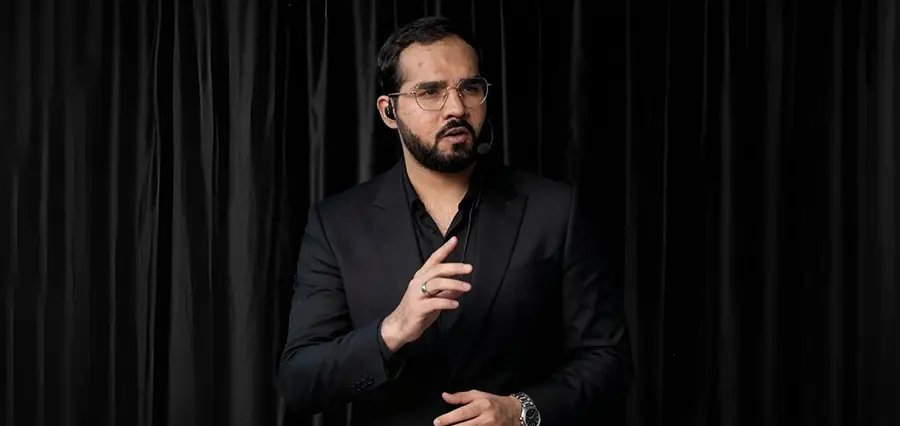
TJ Avazona on How Entrepreneurs Can Build a Personal Brand Google Takes Seriously
Type a founder’s name into Google, and a verdict begins to form within seconds. The search results deliver a first impression long before any handshake, pitch or discovery call. For a growing number of entrepreneurs, that impression is thin, scattered or missing entirely. For TJ Avazona, founder and CEO of Avazona Ltd, that gap is where most personal brands quietly fail. A bestselling author and personal branding strategist, he has helped more than 1,000 brands earn global visibility and has secured thousands of features for clients in outlets such as Forbes, Entrepreneur and Vogue. “Most entrepreneurs start with the loudest part: press, podcasts, a viral post,” TJ explains. “But visibility without a foundation doesn’t compound. Google needs something solid to connect it all to. The order you build in matters far more than how hard you push.” What follows is the sequence TJ used to build his own search presence, and the one he considers essential for any founder who wants to be taken seriously online. Identity Before Visibility Before publishing a single post, TJ defined the fundamentals of his public identity: the exact name he would use, one professional title, a consistent bio and a set of professional photographs. Most founders treat this step as administrative. TJ considers it foundational. Search engines assemble their understanding of a person by matching signals across the web. When a founder appears under several name variations, shifting titles and mismatched bios, those signals fragment, and Google struggles to recognize them as a single, credible individual. “Before Google can trust you, it has to be certain that every mention belongs to the same person,” he says. “Consistency is what creates that certainty. Choose your name, your title and your bio once, then repeat them everywhere, word for word (sounds like duplicate content but it really helps Google).” A Home Base That Carries Your Name With his identity defined, TJ built the platform that would anchor everything else: a website on his own name, tjavazona.com. In his view, a personal domain is the one asset a founder fully owns, and the reference point that every profile, article and interview should ultimately lead back to. He identifies three elements that separate a credible personal site from a digital business card: A comprehensive About page. It should answer, in full, the question of who you are: background, education, books, notable clients and awards. Anything that defines your credibility belongs here first. A dedicated media section. A library of professional photographs that journalists, podcast hosts and event organizers can use freely. It removes friction and keeps the right image attached to your name. A sound technical foundation. A clear sitemap and Person schema, the structured data that tells search engines precisely who the site represents and which profiles belong to them. “Schema is invisible to your visitors, but it is how you introduce yourself to Google directly,” TJ notes. “You are stating, in the search engine’s own language: this is the person, these are his books, and these are his official profiles.” Owning the Social Layer Through Short Video Only once the website was in place did TJ extend his presence across five platforms: a Facebook page (deliberately a page rather than a personal profile), Instagram, LinkedIn, X and TikTok, each carrying the same name, bio and imagery. His approach to publishing was measured rather than relentless. A few posts a week proved sufficient, provided they were consistent. The real emphasis, he says, belongs on short-form video. That focus reflects how search results are now structured. Google frequently gives video its own space on the results page, including a dedicated “Short videos” section. For a founder with clips published under their name, that creates the opportunity to occupy far more of the page when someone searches for them. “Text posts compete with everyone,” TJ observes. “Short videos are given their own shelf on Google, and most founders leave that space completely empty.” Building Depth With Long-Form Content With the foundation established, TJ turned to YouTube and long-form video. Here, he argues, sustainability matters more than volume. Two to four videos a month is enough to build a meaningful library over time. “Slow is better than nothing,” he says. “A video you publish this month is still working for you two years from now. The founders who wait for a perfect schedule are usually the ones who never begin.” Long-form content also serves a purpose short clips cannot. It gives prospective clients, partners and journalists a fuller view of how a founder thinks, and that depth is often what turns attention into trust. Earning Media Once the Foundation Holds Only after the website, social channels and video library were active did TJ begin pursuing articles and interviews, starting with platforms such as Medium and Canvas Rebel. The timing, he explains, is intentional. Readers and editors who discover a founder through a feature will almost always search for them afterward. When that search leads to an active, coherent presence, the coverage reinforces everything already built. When it leads to an empty profile, the moment passes and leaves little behind. The Overlooked Power of Smaller Podcasts The final stage of TJ’s framework is podcasting, and his strategy here runs counter to conventional wisdom. Rather than pursuing the largest shows, he targets hosts with fewer than 5,000 subscribers. Smaller podcasts, he has found, are far more receptive to guests, and they account for the majority of his bookings. Each appearance adds another episode, page and link associated with his name, while building the track record that larger shows look for when choosing guests. “Everyone wants the biggest podcasts on day one,” he says. “Smaller hosts are actively looking for strong guests. Accept those invitations, arrive prepared, and the larger opportunities tend to follow.” Sequence Is the Strategy Taken individually, none of these steps is a closely guarded secret. What distinguishes TJ’s approach is the discipline of the sequence: identity first, then a home base, the social layer, long-form depth, media and

Meydan Vs Ajman Free Zone: Which One Should You Choose?
Meydan Free Zone and Ajman Free Zone are two popular options for entrepreneurs considering company formation in the UAE. Both offer 100% foreign ownership and business setup opportunities, but they differ in location, activity scope, facilities, and setup options. These differences can influence your operating costs, access to customers, and future expansion. This comparison examines the key factors to help you decide which of these UAE Free Zones better suits your business. 1. Location and Business Address Location is one of the most significant differences between the two zones. Meydan Free Zone is located in Dubai, making it suitable for businesses that want a Dubai address and proximity to the emirate’s commercial environment. This can appeal to consultants, agencies, and other client-facing businesses whose professional image and local networks are important. Ajman Free Zone is based in Ajman Emirate and offers an alternative for businesses that do not require a Dubai address. Companies serving international customers remotely or operating primarily online may find the location difference less significant. Before deciding which location makes more sense, consider where your clients, suppliers, and business partners are based. 2. Cost and Renewal Considerations Both free zones offer different packages based on licence requirements, visa allocation, and facility needs. However, the overall cost depends on more than the initial licence fee. Meydan Free Zone offers packages for businesses with different visa and activity requirements, alongside digital setup options. Ajman Free Zone also provides various company formation packages and facility arrangements to accommodate different business models. Before comparing offers, check what each package includes, such as the licence, establishment card, workspace, immigration services, and visa allocation. You should also account for renewal fees, additional activities, visa-related expenses, and any external approvals your business may need. 3. Business Activities and Licence Options Your chosen free zone must support the activities you intend to conduct, both now and as your business develops. Meydan Free Zone offers activities across professional services, consultancy, trading, technology, media, and creative industries. Its activity options can suit businesses that need a combination of related services or commercial activities under an approved licence. Ajman Free Zone supports commercial, service, industrial, e-commerce, and other business activities. Its wider range of industrial and warehousing options can make it more suitable for companies involved in manufacturing, production, physical goods, or storage. If your business is primarily service-based, digital, or creative, Meydan Free Zone may be a suitable fit, while Ajman Free Zone can offer greater flexibility for businesses that require industrial, manufacturing, or warehousing activities. 4. Company Setup Speed and Process The time required to establish a company can affect your launch schedule, particularly if you need to begin trading or meet a client deadline. Meydan Free Zone offers a digital incorporation process that allows eligible applicants to complete setup remotely. Its Fawri instant licence service is also available for qualifying businesses, subject to the applicable conditions. Ajman Free Zone provides digital registration options, allowing many applicants to complete much of the process without visiting Ajman. Actual processing times depend on the application, documentation, business activity, and any additional approvals required. If speed is a priority, Meydan Free Zone may be the better option, particularly for eligible businesses that can use its Fawri instant licence service. However, both zones offer relatively streamlined setup processes, so your choice should also consider your business activity, licensing requirements, and documentation. 5. Corporate Banking Access Opening a corporate bank account is an important consideration when comparing free zones. However, company registration does not guarantee bank account approval. Meydan Free Zone companies can explore banking options through available banks and financial technology providers. Ajman Free Zone companies can also apply for corporate banking services, subject to each bank’s eligibility criteria and compliance checks. In either location, banks may assess the business activity, ownership structure, source of funds, expected transactions, customer markets, and supporting documents. Which Free Zone Should You Choose? Choose Meydan Free Zone if: A Dubai business address is important to your clients or commercial relationships. You operate a consultancy, agency, technology company, or other service-based business. You prefer a digital setup process and want to explore expedited licensing options where eligible. Choose Ajman Free Zone if: You do not need a Dubai address for your operations. Your business requires industrial, manufacturing, or warehousing facilities. You want to compare different licence packages and facility arrangements against your budget. Your final decision should reflect your activity, location requirements, visa needs, facilities, and expected renewal expenses. Find the Right UAE Free Zone for Your Business Meydan Free Zone and Ajman Free Zone both offer genuine value. The right choice depends on your business model, your client base, your activity requirements, and how much your UAE address matters commercially. A qualified business setup professional can assess your specific situation against both zones and recommend the structure that genuinely fits, helping you weigh the costs, licensing options, location, setup process, and long-term requirements before making your decision.

America’s 10 Most Influential Chief Culture Officers Redefining Workplace Culture | 2026
America’s 10 Most Influential Chief Culture Officers Redefining Workplace Culture 2026 Recognizing influential culture leaders transforming workplaces through people-first values and service excellence. This edition explores employee engagement, hospitality-driven healthcare, trust, recognition, workplace culture, and better patient experiences. Digital Link Quick highlights Quick reads

Jim White: Bridging Healthcare and Hospitality Through a People-First Culture
Healthcare is an industry built on trust, yet trust is rarely what defines it in the public eye. Long-term and skilled nursing care, in particular, has often been affected by outdated perceptions. As expectations change, healthcare providers are being asked to look beyond clinical outcomes and improve the overall experience for patients and their families. That shift raises a deeper question: what happens when hospitality principles are applied to a setting once defined purely by medical necessity? Increasingly, healthcare leaders are discovering that service and care are not competing priorities but complementary ones, especially in environments where patients arrive during some of the most vulnerable moments of their lives. Jim White understands that intersection better than most. As Chief Culture Officer at Ignite Medical Resorts, he oversees hospitality, human resources and dining, three functions that quietly shape how patients and employees experience the organization every day. His path into healthcare began not in medicine, but in hospitality, a background that continues to inform how Ignite approaches care. What makes Jim’s journey compelling is not simply his unconventional entry into the field, but how deliberately he has used it to reshape culture from the inside. His focus on trust, recognition and employee experience reflects a belief that strong service to patients begins with how organizations treat the people delivering it. Let’s explore how Jim is bringing together culture, care, and hospitality to create a different experience in skilled nursing! From Hospitality to Healthcare Jim’s journey into healthcare was not a conventional one. He spent 26 years in his first career in casino gaming, working within the hospitality sector before his CEO recruited him to bring that perspective into skilled nursing. That transition became the foundation for Ignite’s distinctive approach. The company deliberately moved away from the traditional identity associated with skilled nursing and set out to call itself a medical resort. The objective was to extinguish the stereotype of what traditional skilled nursing had been and create something different. For him, the transition from hospitality into healthcare was also an opportunity to bring a different understanding of customer service into an environment where clinical care remains central. His role has since expanded beyond hospitality. He is also over human resources and the whole dining experience, making the people side of the organization a major part of his responsibility. From the beginning, the goal was to create a culture that was very employee-centric. For him, the connection is straightforward: having good people executing against the vision of the company is the key model of success for what Ignite stands for. “Good, happy employees create great, memorable guest experiences,” he explains. That principle sits at the center of his approach to culture. The organization has put employee programs in place so that employees commit to the job and the company, while hopefully staying with Ignite long-term and reducing turnover. For him, building a strong guest experience begins with creating an environment where employees themselves feel valued enough to commit to the organization. Building an Employee-Centric Culture Creating that environment requires more than simply defining a set of cultural values. It requires programs and practices that employees can experience directly. One of Ignite’s notable initiatives is its rewards and recognition program, Superhero in Scrubs, which Jim developed for frontline employees. Through the program, employees have the ability to earn different rewards, including extra PTO time, cash bonuses, and Ignite swag. For him, putting something like this fundamentally in place helps nurture employees throughout their experience at Ignite. The philosophy also extends into the way new employees are introduced to the organization. At the building level, orientation is superhero-based. New employees are encouraged to come dressed as a superhero or have some superhero attire on, and every new employee receives a superhero T-shirt. The intention is to create a more relaxed environment while introducing employees to the culture they are joining. As he explains, “It’s more of a lifestyle, especially on superhero orientation days.” For him, however, the success of such initiatives depends on leadership buy-in. Having great programs is important, but having the leadership of the company in each individual building buy into what Ignite is trying to create and promote it among their teams is what helps turn those programs into culture. He is also quick to credit the people across Ignite for that success. He could not do what he does without the foundation of the right people and processes behind what the organization is trying to accomplish. While programs provide structure, it is the people who bring the culture to life at the building level. Trust as the Foundation of Leadership Jim believes that if people do not trust their leaders, and they do not have trust in what the company is trying to create, they will not commit themselves to what the vision needs to be. For him, psychological trust is equally important. Employees need to feel that their leaders can make them feel safe and supported. That trust needs to exist throughout the organization, from the frontline employee and the person they report to, through building leadership and the corporate support structure, and ultimately into the leadership of the company and the CEO’s vision. Building that trust, however, does not happen immediately. He recognizes that many employees may initially find it difficult to believe that an organization genuinely operates with an open-door philosophy. Some employees may take time before they feel comfortable enough to open up. That is why trust has to be demonstrated consistently. Employees need to know that they can come forward, express themselves, share their opinions, and escalate something when they believe it is not being handled correctly. More importantly, they need to see that something happens as a result. For him, this is where culture becomes reciprocal. When people see that their concerns are taken seriously and that leadership responds, they begin to develop greater confidence in the organization and its vision. Leadership Means Being Heard Jim’s own leadership philosophy has evolved over time.

The Importance of Inclusive Workplace Culture in Patient-Centered Care
Advancing Inclusive Care Healthcare is one of the most human industries that exists. At its best, it is built on trust, on genuine attention to the person receiving care, and on the willingness of everyone involved to show up fully for the people who need them most. Delivering that kind of care consistently requires more than clinical skill and good equipment. It requires an environment where the people providing care feel valued, heard, and supported in the work they do every day. Inclusive workplace culture is that environment, and its connection to the quality of patient-centered care is one of the most important relationships in modern healthcare that does not always receive the attention it deserves. The Link Between Staff Experience and Patient Outcomes How healthcare workers feel about their workplace has a direct effect on how they care for patients. This is not a soft observation. It is backed by consistent evidence that shows engaged, supported staff deliver better care, make fewer errors, communicate more effectively with patients, and are more likely to go beyond the minimum required when a patient needs more. The internal experience of a healthcare organization shapes the external experience of the people it serves. Inclusive workplace culture creates the conditions that produce this kind of engaged, high-quality care. When staff feel that they belong, that their perspectives are genuinely valued, and that the environment around them is fair and supportive, they bring more of themselves to their work. That engagement travels directly to the patient. Diversity as a Clinical Strength Healthcare serves patients from every background, every culture, and every life experience. A workforce that reflects this diversity is better positioned to understand and respond to the varied needs of the people walking through the door. Cultural competence, linguistic diversity, and the lived experience that comes with backgrounds different from the mainstream all contribute to care that is more genuinely patient-centered because it is built on a wider understanding of what patients actually need. Inclusive workplace culture is what allows diversity to become a clinical strength rather than simply a demographic fact. When staff from different backgrounds feel genuinely included, their knowledge and their perspectives enter the care process in meaningful ways. When they do not, that potential goes unused and patients from underrepresented communities are more likely to receive care that does not fully account for their specific circumstances. Psychological Safety in Clinical Settings The stakes in healthcare are uniquely high. Errors carry consequences that in other industries would be costly or inconvenient but in clinical settings can be genuinely harmful or fatal. One of the most important factors in reducing clinical error is the presence of psychological safety, the condition in which team members feel able to speak up when they notice a problem, ask questions when something is unclear and raise concerns without fear of humiliation or retribution. Inclusive workplace culture is directly connected to psychological safety in clinical environments. When staff feel genuinely included and respected, they are more likely to use their voice when it matters. When they feel marginalized or dismissed, they stay quiet even when speaking up could make the difference between a safe outcome and an avoidable harm. The investment in inclusion is, in this sense, also an investment in patient safety. Reducing Burnout and Building Retention Healthcare burnout is a significant and growing problem. The demands of clinical work are already substantial, and those demands fall hardest on people who do not feel supported by the environment around them. Staff who experience discrimination, feel their contributions are not recognized, or operate within a culture that treats some people as less valued than others carry an additional burden that compounds the natural pressures of the work. Inclusive workplace culture reduces this burden by creating an environment where everyone feels equally supported and equally valued. This matters for retention as much as for wellbeing. Healthcare organizations that struggle to keep their people lose not just productivity but the accumulated expertise and institutional knowledge that experienced staff carry. Building a culture where people want to stay is one of the most important investments a healthcare organization can make. Leadership’s Role in Building Inclusion Culture does not change without leadership commitment. Senior healthcare leaders and clinical managers set the tone for what is acceptable, what is valued, and what people can expect from the environment they work in. Inclusive workplace culture is built through the consistent, daily behavior of people in positions of influence, not through policy statements or periodic training programs alone. In Summary The quality of patient-centered care is inseparable from the quality of the environment in which that care is delivered. Inclusive workplace culture builds healthcare environments where staff feel valued, voices are heard, and the full range of human experience that patients bring is met with genuine understanding and respect. Healthcare organizations that invest in inclusion are not simply doing the right thing. They are building the foundation for care that is safer, more responsive, and more genuinely centered on the people it exists to serve.

How Organizational Culture Supports Long-Term Business Success
Shaping Workplace Success Strategy gets a great deal of attention in business conversations. Leaders spend significant time developing plans, setting goals, and mapping out the paths they intend to take toward growth and competitive advantage. All of that work matters. But there is something that determines whether any of it actually comes to life in the way it was intended, something that sits beneath the strategy and shapes how people within the organization actually behave day to day. Organizational culture is that thing. It is less visible than strategy, harder to measure, and slower to change, but its influence on long-term business success is as significant as any strategic plan ever written. What Culture Actually Is Culture is not the values statement on the company website or the perks listed in the employee handbook. Those things may reflect culture, or they may have nothing to do with it. Real organizational culture is what happens when nobody is watching. It is how decisions get made under pressure. It is whether people speak up when something is going wrong or stay quiet to protect themselves. It is whether the standards leadership sets for others actually apply to leadership itself. Organizational culture is built from repeated behaviors, consistent signals about what matters, and the accumulated experience of working inside a particular organization over time. It cannot be declared into existence through a memo or a workshop. It develops through the daily actions of everyone in the organization, most powerfully those with the most influence. Why Culture Outlasts Strategy Strategies change. Markets shift, competitive landscapes evolve, and the specific plans organizations make to navigate their environment regularly need to be revised, updated, or replaced. Culture is more durable than strategy. An organization’s culture tends to persist through leadership changes, market disruptions, and strategic pivots in ways that create either a stable foundation for new directions or a stubborn resistance to them. This durability is one of the reasons organizational culture has such a profound effect on long-term success. A culture that embraces learning, values integrity, and genuinely supports the people within it will carry an organization through multiple strategic cycles. A culture that is defensive, short-sighted, or corrosive will undermine even the most carefully crafted strategies because the people responsible for executing them are operating within an environment that works against the best of their efforts. The Connection Between Culture and Performance People perform differently depending on the environment they work in. In organizations where people feel trusted, valued, and genuinely connected to the purpose of their work, they bring discretionary effort that does not appear in any job description. They solve problems without being asked. They look out for colleagues. They care about outcomes in ways that produce better results than compliance or obligation alone ever could. Organizational culture creates or destroys this kind of engagement at scale. When culture is strong and genuinely positive, the performance lift it generates across an entire workforce is significant. When culture is weak or actively harmful, even talented and motivated people gradually reduce their effort to match the environment they are in. Long-term business success depends on sustaining the kind of engagement that only a healthy culture can produce. Culture as a Retention and Attraction Tool The labor market has become increasingly competitive for most industries, and the cost of losing good people and finding replacements is significant and often underestimated. People leave organizations for many reasons, but a consistent theme across exit conversations is the culture they were leaving behind. A culture where people feel disrespected, where their contributions are not recognized, or where the daily experience of work is draining rather than energizing is one that will struggle to keep the people it most needs to hold onto. Organizational culture is one of the most powerful tools an organization has for both attracting and retaining talent. People increasingly choose where they work based on what they believe the culture will be like. Organizations with genuinely strong cultures attract candidates who are more likely to thrive and stay, which reduces the turnover costs that eat into performance and growth. Leadership as the Primary Culture Builder Culture does not build itself. It is shaped, day by day, by the people with the most influence within an organization. How leaders behave under pressure, how they treat people who disagree with them, how they respond when things go wrong, and how consistently they demonstrate the values they claim to hold all determine the culture that everyone else experiences. This places a direct and unavoidable responsibility on leadership that cannot be delegated or outsourced. Conclusion Long-term business success is built on foundations that go deeper than any individual strategy or market advantage. Organizational culture is one of the most important of those foundations. It shapes how people work, how they treat each other, and how the organization responds to the inevitable challenges that come with operating in a competitive and constantly changing environment. Organizations that invest seriously in building and protecting a strong culture are investing in the kind of durable advantage that sustains success over time.

Global Marketing & Account Management Excellence Award 2026
Global Marketing & Account Management Excellence Award 2026 Recognizing excellence in marketing through strategic thinking, creativity, and client relationships. This edition explores Hiba Nadeem’s approach to business growth, AI-driven insights, campaign performance, client trust, and strategic account management. Digital Link Quick highlights Quick reads