






How Royston G King Bought His First Stock at 14 and Made the Forbes 30 Under 30 List by 23
Most founder profiles open with the breakthrough — the funding round, the exit, the moment the world noticed. Royston G. King’s story is more interesting if you start where he did. At 14 years old, before most of his classmates had thought seriously about money, King bought his first stock. The company was Berkshire Hathaway. The choice tells you something about the kind of teenager he was. Not the day-trader looking for a hit. The one who had already decided that the way to build something durable was to study the people who had already done it. By 17, he had launched his first company — an e-commerce clothing brand. By 22, he was the youngest with origins from Malaysian in history to win the ClickFunnels Two Comma Club award, a recognition given to operators who generate over a million dollars through a single sales funnel By 23, he had been named to the Forbes 30 Under 30 list out of Monaco. He has since been recognized by Business Insider, Entrepreneur.com, Inc., Fortune, USA Today, Chicago Tribune, NY Weekly, and dozens of other publications, and serves as a contributor to Entrepreneur Media and Rolling Stone. The accolades are easy to list. The discipline that produced them is harder to package — and worth paying attention to. The Education Most Operators Don’t Get Is King studied Business Administration at the University of Southern California and Commerce. The exposure to American operating culture and Asia-Pacific business norms shows up consistently in how he runs his companies today, with clients distributed across both regions. What’s notable about his early career is the willingness to do the unglamorous work first. Before there was Master Scaling — the digital marketing and brand-scaling agency he is best known for — King was running a dental marketing & home improvement agency. He has been open about borrowing $10,000 from his brother-in-law to launch it, hitting six figures in annualized recurring revenue inside the first three months, and being approached by the largest competitor in Australia for a partnership shortly after. The agency went on to work with dozens of dental practices across Australia and North America before he pivoted into the broader market. That pattern — start specific, prove the system, expand the market — is one he has now repeated multiple times. The Companies He Runs Now Today, King’s operating footprint is wider than the Master Scaling brand alone. Master Scaling itself is a digital marketing and brand-growth firm with over 1,000 clients served across more than 100 niches, offering services in customer acquisition, social media growth, positive press placement, and online reputation defense. The company has worked with operators across roofing, dental, real estate, e-commerce, and other high-margin verticals. Adjacent to Master Scaling, King runs QuantumScaling.com, a newer venture focused on personal brands – a more selective tier of clients and a more curated service mix. He is also the founder of FamousNetworth.com, a wealth verification and net worth profile platform. The portfolio reflects a deliberate choice to operate across reputation, education, and growth — three categories that, in his framing, share more underlying mechanics than most operators realize. The Advisory Work Beyond his own companies, King has built a serious advisory practice. His public materials reference work with celebrities, billionaires, royal family brands, public-listed companies, New York Times bestselling authors, and operators across the Fortune 500, Forbes 1000, and Inc. 5000. Some of that work is documented through specific named partnerships; much of it sits behind NDA. What is documented is the breadth: King has been a TEDx and keynote speaker, a fractional CMO for more than a dozen companies, and a partner on giveaways with A-list celebrities. He has also been recognized through nominations and inclusions across Forbes Monaco, Forbes India Most Influential, and Marquis Who’s Who. The Discipline Behind the Headlines What’s easy to miss in a profile loaded with credentials is the operational discipline they sit on top of. King has spoken in interviews and contributed pieces about a few things consistently: the importance of capital preservation in early-stage business, the idea that material success is incomplete without character development, and the value of being deliberate about who you spend time around. He has cited How to Win Friends and Influence People as a book he returns to. He runs his teams on Slack with dedicated channels per division. He treats sales — getting more customers — as the core operating problem of every business he advises, and structures his agencies to solve it directly rather than through proxies. The Throughline What makes King’s trajectory worth studying isn’t the volume of accolades. It’s the through-line underneath them. The 14-year-old buying Berkshire stock and the 27-year-old running multiple companies are recognizably the same operator: deliberate, long-horizon, and unusually willing to do the boring work that compounds. He is, by all available evidence, just getting started. Read Also: How Dr. (h.c.) Jaslyin Qiyu Is Rewriting the Rules of Marketing, AI, and Customer Experience
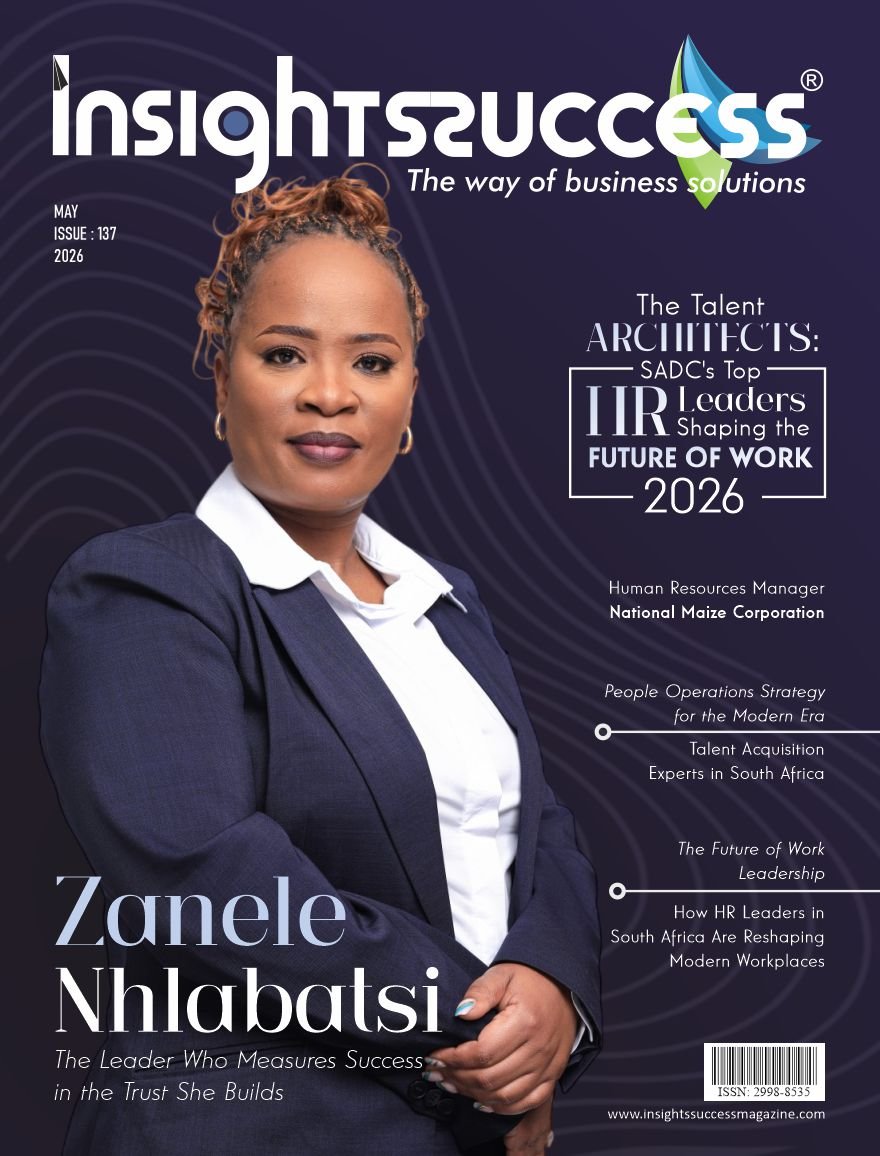
The Talent Architects: SADC’s Top HR Leaders Shaping the Future of Work | 2026
The Talent Architects: SADC’s Top HR Leaders Shaping the Future of Work | 2026 Exploring how South Africa’s leading HR visionaries are transforming workplaces through innovative talent strategies, people-centric leadership, workforce digitalization, diversity initiatives, and future-ready organizational cultures shaping the evolving world of work in 2026. Digital Link Quick highlights Quick reads
How HR Leaders in South Africa Are Reshaping Modern Workplaces
The Future of Work Leadership The current workplace transformation process experiences its most rapid development because of three factors which include digital transformation and new workplace expectations and worldwide economic changes. All industries currently experience changes in their recruitment processes because organizations are developing new methods to hire staff and oversee teams and create inclusive work environments. The workforce transformation process requires South African HR leaders to develop new hiring methods which will enable their organizations to respond to changing business conditions while building a sustainable workforce. Organizations develop their competitive advantage through their dedication to employee wellbeing and leadership development and flexible work arrangements. Organizations now use the future of work leadership framework as a primary tool to achieve their success targets. Modern businesses need to manage operational performance together with their employee engagement initiatives and their diversity objectives and their digital literacy programs, and their efforts to create a sustainable workplace environment. Human resources professionals have taken on the main duty of transforming workforces because organizations now depend on their skills to complete productivity and collaboration objectives during their transition to hybrid work environments. Technology and Human-Centered Leadership Digital technology has completely transformed organizational operations. Business operations now benefit from AI and automation and cloud-based collaboration tools which improve efficiency. The rapid development of technology does not affect organizational success because it depends on people. Today’s Future of Work Leadership strategies focus on creating new solutions which build connections between people. In South Africa, HR Leaders use technology-based HR systems to improve their recruitment processes and performance assessment methods and ways of communicating with employees. The organization is building workspaces that guarantee accessibility for all employees while focusing on their needs. HR teams use data analytics to discover workforce patterns while they monitor employee engagement and develop strategies for improved talent retention. The ability to understand technology and human emotions constitutes one of the essential traits that define effective leadership. Employees want their companies to deliver three things. They want flexible work arrangements. They need to have purpose in their work. Workers expect their organizations to provide them with chances to grow their careers. They want to receive salaries that compete with the market. Building Flexible and Inclusive Workplaces The hybrid and remote work movement has created permanent changes to the work environment. The staff now demands flexible work hours and conditions which enable them to achieve better work-life balance for their personal well-being. HR Leaders in South Africa are thus rethinking their work policies to meet these evolving expectations and ensure organizational efficiency. Future of Work Leadership requires organizations to use flexible workspaces because these spaces help organizations to achieve three goals. Organizations need digital collaboration tools and leadership training programs to improve their ability to manage remote teams. The current workforce needs to establish programs which promote diversity and equity and inclusion in their workplace environments. HR decision makers are now prioritizing developing more inclusive hiring processes, leadership paths, and employee resources to reflect social and economic shifts. The initiatives create beneficial workplace environments which attract workers who come from diverse backgrounds. Developing Skills for the Future Economy With industries ever changing, workforce development is a strategic priority for organizations around the world. Technological advances are rapidly evolving, generating a need for new technical and interpersonal skills and the need for lifelong learning to ensure employment for a long time. The challenge has spurred HR Leaders in South Africa to focus attention on reskilling and upskilling initiatives in various industries. Adaptability and lifelong learning are key components of Modern Future of Work Leadership. As changes in the labor landscape continue, enterprises are increasingly seeking to train their workforce for future roles and responsibilities through digital training platforms, mentoring programs and leadership development programs. Communication, collaboration, problem solving, and emotional intelligence skills are as important as technical skills. Companies, universities and training providers are also collaborating in education, which is helping to build the talent pool for tomorrow. These partnerships are key to alleviating skills gaps and promoting economic development in fast-paced sectors. Employee Wellbeing and Organizational Resilience The business world currently considers employee well-being as the most important aspect of their operations. Human resources departments now prioritize their efforts toward establishing mental health support programs and creating safe work environments and boosting employee engagement. The HR Leaders from South Africa execute wellness programs which help employees develop their personal and professional skills. Strong Future of Work Leadership understands that healthy and motivated staff are a direct asset to the organization’s resiliency and performance. Organizations that invest in wellbeing initiatives tend to have higher retention rates, greater team collaboration, and increased productivity. Consequently, organizations are increasingly putting wellbeing on its agenda and not as a standalone HR initiative. Conclusion Flexibility, acceptance, innovation, and lifelong learning will be the hallmarks of the future workplace. Firms that manage to strike the right balance between technologically advancing and employee-centered leadership will be more likely to be well-equipped for sustainable growth over the coming years. HR Leaders in South Africa are shaping the organizational culture and employee engagement through progressive workforce strategies and people focused leadership. Read Also : Insights from Talent Acquisition Experts in South Africa

Insights from Talent Acquisition Experts in South Africa
People Operations Strategy for the Modern Era Organizations worldwide are changing their workplace models to handle digital disruption and to meet evolving employee expectations. The existing HR systems which focus on administrative tasks and compliance requirements have become obsolete for businesses. They establish work environments which prioritize employee needs and create spaces that support team-based work and flexible work patterns and personal development. The comprehensive people operations system has emerged as a critical business component which drives employee engagement and fosters innovation and enhances organizational performance across all industry sectors. Talent acquisition experts in South Africa believe that contemporary workplaces require organizations to understand employee experience better than they currently do. Organizations need to change their recruitment methods and internal communication systems and their leadership development programs to create workplaces that welcome all employees. Organizations that show commitment to employee development through their training programs and educational resources have become attractive workplaces for job seekers who value purposeful work and opportunities to advance their careers. The Growing Importance of Strategic Recruitment In a technology-driven economy where companies are competing to find skilled workers, recruitment has become more complicated. Organizations need to recruit candidates that deliver technical skills and leadership ability, possess the skill to interact with others, and act swiftly to the market dynamics. Consequently, talent acquisition experts in South Africa are assisting organizations in creating a recruitment framework which enhances the efficiency of the hiring process. An effective people operations strategy does more than simply fill in vacancies as it is centered on workforce development and organizational sustainability. Companies are trying to enhance their hiring processes through three main methods which include employer branding and candidate engagement and diversity programs. The combination of digital recruitment platforms and artificial intelligence tools and workforce analytics enables companies to improve their recruitment processes while finding the right candidates. It is now well understood that job fit and performance relies heavily on the workplace culture of many organizations. More and more, employees are choosing those companies that promote flexibility, inclusion, and learning opportunities. Talent acquisition experts in South Africa reported that organizations that have clear leadership and good employee support are more likely to retain employees and build loyalty within the organization. Technology and Employee Experience From hiring to induction to appraisal to communication, technology is changing the way the workforce is managed. Cloud-based collaboration systems and automated HR platforms assist organizations to become more efficient and to support hybrid and remote working operations. Such technological developments have played a central role in any successful people’s operations strategy. Organizations require human-centered leadership for their success which automated systems can now handle. Businesses require operational efficiency together with emotional intelligence skills and communication abilities and employee wellness programs. South African talent acquisition specialists continuously inform employers about the need for technology to improve work processes instead of removing human workers. Workforce analytics help businesses assess employee satisfaction while identifying existing skill gaps and developing better employee retention strategies. The insights enable leaders to make decisions that improve both productivity and employee satisfaction at work. A forward-looking people operations strategy creates flexible organizations through digital innovation and personalized employee support. Preparing Employees for the Future Continuous learning has become a primary focus for businesses because artificial intelligence together with automation technology and new business models have emerged. Staff members must continuously develop new abilities and learn fresh information to handle their work environment’s ongoing changes. At the same time, multiple organizations dedicate their resources to develop reskilling programs and mentorship systems and leadership training initiatives. Talent acquisition specialists from South Africa advise businesses to establish learning environments that can adapt to changes while supporting their innovative practices. The industry now recognizes the rising importance of training programs that teach essential skills, which include communication and collaboration and problem solving and digital literacy. Organizations can improve their results through workforce development because it boosts employee confidence and retention rates. Organizations develop their advanced level people operations strategy through its implementation of leadership development programs and its succession planning programs. Employers need their upcoming employees to demonstrate leadership skills in three specific areas which include leading teams with remote members and supporting diversity initiatives and responding to changing market conditions. Businesses that continuously invest in the development of their employees tend to be better equipped to deal with economic pressures and technological change. Conclusion Organizations need to be innovative, flexible, and supportive of employee wellbeing; while also ensuring they are performing well in the modern workplace. Organizations that focus on culture, leadership, and digital transformation will be able to recruit job-ready talent in the competitive world. An all-encompassing people’s operations strategy helps companies achieve their business objectives through creating positive employee experiences which support their sustainable growth. The insights gained from South African talent acquisition experts are currently shaping the hiring practices and management standards and training programs across all business sectors. Through technological solutions and inclusive leadership approaches and continuous educational programs enterprises can develop workplaces that achieve resilience to handle contemporary challenges. Read Also : Insights from IT Recruitment Leaders

Zanele Nhlabatsi: The Leader Who Measures Success in the Trust She Builds
Trust is the most valuable thing an organization can build and the easiest thing it can destroy. It does not appear on any financial statement, but its presence or absence determines almost everything that does. Whether people speak up or stay silent. Whether talent stays or quietly moves on. Whether a difficult restructuring is navigated with dignity or leaves lasting damage that takes years to repair. Building organizational trust is not a communications exercise. It is a leadership discipline, practiced consistently, tested regularly, and maintained through the kind of principled decision-making that most organizations find harder than they expect. It is also, at its core, what Zanele Nhlabatsi has spent her career building. As Human Resources and Administration Manager at the National Maize Corporation in Eswatini, she has operated for more than fifteen years at the place where organizational strategy and human reality meet. Her work is a demonstration that HR leadership done well is not a support function for the business. It is one of the most consequential strategic functions the business has. A Career Shaped by the Desire to Make Work Better Zanele Nhlabatsi did not arrive at HR leadership through a straight or simple path. She began her professional career in administrative and people-focused roles, and it was in those early positions that something became clear: the way organizations treat their people determines almost everything else about how they perform. That observation, made early and felt deeply, became the compass for everything that followed. In 2009, she made a deliberate transition into human resources, taking on increasing responsibilities across recruitment, performance management, and employee relations. Each domain added a layer to her understanding of how strategic HR practice connects directly to business outcomes. Recruitment shapes who enter the organization. Performance management determines whether potential is realized or quietly wasted. Employee relations define the quality of trust that makes everything else possible. “I was inspired by a desire to create positive, inclusive workplaces where individuals can thrive and contribute meaningfully,” says Zanele Nhlabatsi. What has kept her in HR is not the procedural dimension of the work but its purpose: aligning people strategies with organizational goals, fostering leadership development at every level, and driving initiatives that improve both employee experience and overall performance. Three Principles That Never Move When Zanele Nhlabatsi describes the leadership philosophy that guides her, she identifies three core principles that have remained consistent across every context and every challenge she has faced. The first is fairness and consistency. Policies and decisions applied equitably build trust in ways that no single initiative can replicate. When people see that the same standards are held regardless of seniority or circumstance, they develop confidence in the systems around them. That confidence is the bedrock of organizational trust. The second is transparency. Clear, honest communication matters at all times but matters most during periods of change or uncertainty, precisely when the temptation to obscure difficult truths is strongest. She has made it a consistent priority to keep communication open even when the message is hard, because she has seen firsthand what organizations lose when they fail to do so. The third is alignment with organizational goals. Every HR initiative must connect to the broader business strategy while maintaining a strong ethical foundation. HR that operates in isolation from business reality becomes a compliance function at best. HR that is genuinely integrated into strategic thinking becomes one of the most powerful levers an organization has. Zanele Nhlabatsi asserts, “When employees feel valued, heard, and supported, they are more engaged and perform at their best.” The Restructuring That Defined Her Leadership In 2008, Zanele Nhlabatsi encountered a pivotal moment in her career. The organization she was working with faced a significant restructuring that involved role redundancies, and she found herself operating at the intersection of business urgency and deep human impact for the first time at that scale. The business needed to move quickly. But she recognized early that how the process was handled would define employee trust for years beyond the immediate moment. She advocated for a structured and transparent approach: clear communication timelines, manager training on how to handle difficult conversations, and support systems including counselling and career transition assistance for affected employees. What followed reinforced something she has never forgotten. Even in a deeply challenging situation, employees expressed appreciation for the honesty, respect, and support they received. The organization’s reputation as a trustworthy employer survived a moment that could easily have damaged it permanently. She adds, “Leadership is tested most during uncertainty, and empathy, transparency, and consistency are not just values, but critical leadership tools.” That experience sharpened the instincts she has applied ever since: proactive communication, emotional intelligence, and the recognition that every decision carries both a business outcome and a human one. Balancing Organizational Goals with Employee Wellbeing One of the most persistent tensions in HR leadership is the perceived conflict between what the organization needs and what employees need. Zanele has spent her career demonstrating that this tension is largely false, and that the real work of HR leadership is designing systems where both reinforce rather than undermine each other. She begins with alignment. Every HR initiative, whether performance management, workforce planning, or change management, is designed to connect business objectives with employee impact. When driving productivity, she looks beyond targets to consider workload distribution, manager capability, and employee capacity. Burnout is not a personal failing. It is a system failure, and it is the system’s responsibility to prevent it. Communication holds the balance in place. Open channels where employees feel safe sharing feedback, combined with transparent communication from leadership about business priorities, allow early identification of risks before they become crises. Zanele treats feedback not as a gesture toward inclusion but as a critical data source that informs how the organization evolves. She mentions, “I view employee wellbeing as a driver of organizational success, not a constraint. When people thrive, the business performs better over the long term.” Building Culture as a Living
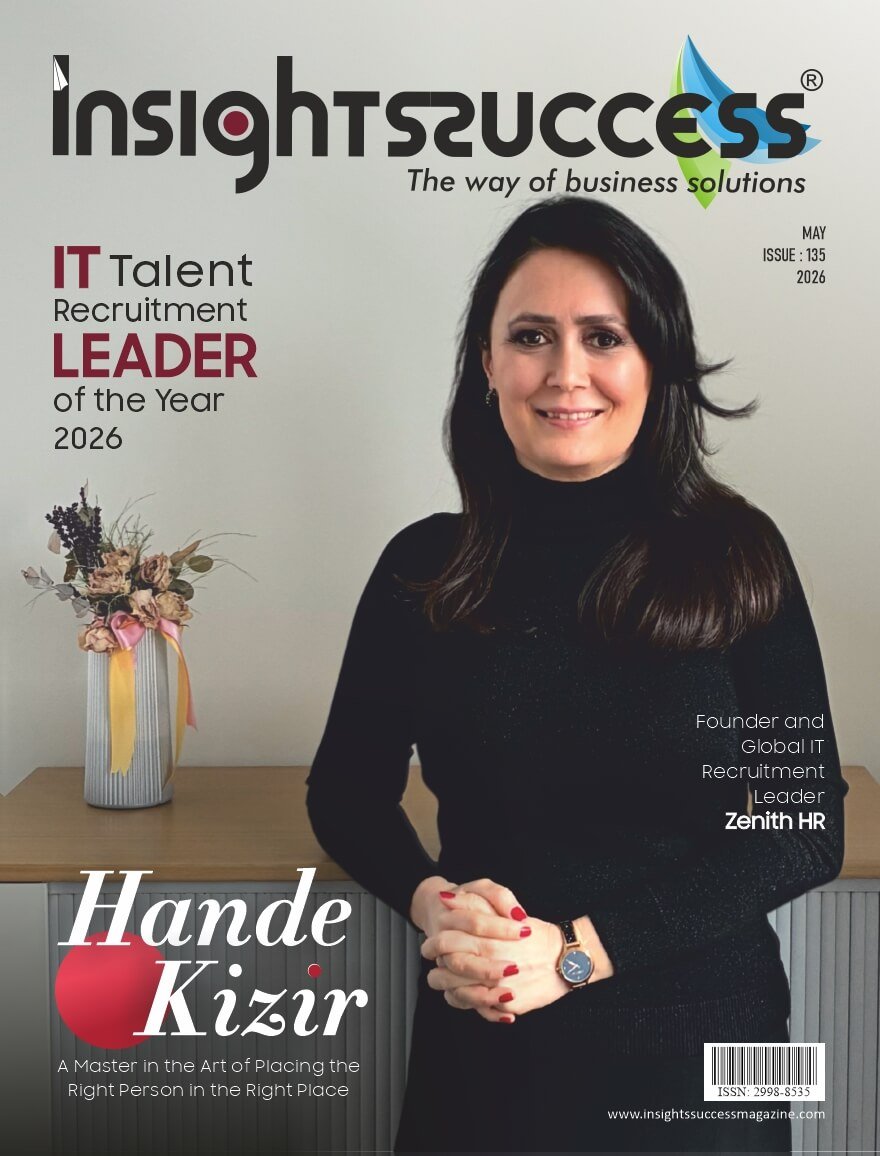
IT Talent Recruitment Leader of the Year, 2026
IT Talent Recruitment Leader of the Year, 2026 Honoring exceptional professionals redefining global hiring strategies, this feature spotlights experts driving innovative recruitment practices, building high-performing teams, and shaping the future of talent acquisition in the rapidly evolving technology landscape. Digital Link Quick highlights Quick reads
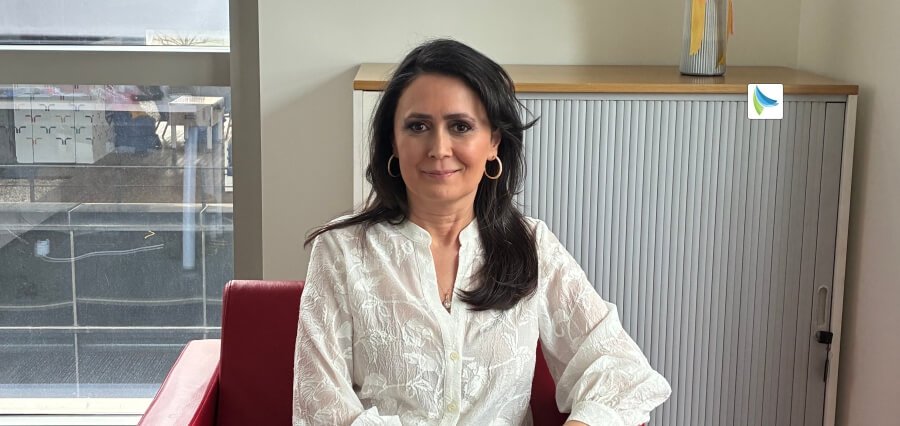
Hande Kizir: A Master in the Art of Placing the Right Person in the Right Place
In Dubai, a new tech company opens its doors every week. A new product team expands, a new regional headquarters opens, and a hiring manager’s desk is hit with another deadline each month. The city has developed one of the most ambitious digital ecosystems in the world, and the continuous search for qualified IT workers is what keeps it all together. For the majority of recruitment agencies, that hunger is simply a chance to profit- move quickly, fill seats, repeat. Unconsciously, the industry has come to believe that quality and speed are synonymous. It’s not true. Furthermore, very few individuals in this market have been willing to publicly state as much. Hande Kizir has been asking that question for nearly two decades. She is the Founder and Global IT Recruitment Leader of Zenith HR, a specialist consultancy with offices in Istanbul and Dubai. She is also a highly regarded leader, who has earned this recognition not through volume or speed, but through something far less common in this industry: genuine depth. Hande entered IT recruitment at a time when most firms treated it as a numbers game. She chose to treat it as something closer to a craft. Over the years, she built fluency in the technical landscape of information technology, developed an understanding of organizations that most HR professionals never pursue, and created a firm that operates on the belief that the right person in the right role changes everything- for the individual, for the team, and for the company they join. That belief is still at the center of everything Zenith HR does today. Twenty Years in the Making Hande did not arrive at leadership by accident. She built toward it, one deliberate step at a time, across nearly two decades of work in human resources and IT recruitment. Her academic foundation set the direction. She completed her bachelor’s degree at Istanbul University’s Faculty of Business Administration. This programme sharpened her understanding of organizations, strategy, and the mechanics of how businesses actually function. Hande then went further, earning her master’s degree in Human Resources Management from Bahcesehir University. That combination of business acumen and HR expertise gave her a lens that most recruiters never develop: the ability to see a hiring decision not just as a transaction, but as a strategic move with long-term consequences for the organization and the individual involved. Hande’s early career gave her something that no classroom could- direct exposure to the complexity of the IT sector. Technology, she discovered, is not one discipline. It is a sprawling landscape of specialized fields: software and mobile development, data science, machine learning, cloud infrastructure, DevOps, information security, business intelligence, project management, and executive leadership. Each field has its own vocabulary, its own professional culture, and its own standards of excellence. Understanding that landscape, deeply, not superficially, became one of her most important early goals. She pursued that understanding through action. She participated in numerous cross-functional projects. Hande studied organizational structures with the care of someone mapping a complex system. She asked questions about how each business unit connected to the others, how decisions moved through an organization, and how the right hire in one department could strengthen or weaken another. That kind of curiosity is rare. It is also exactly what makes Hande so effective. Over the years, she managed a wide range of HR projects- spanning recruitment, job analysis, organizational development, training and onboarding, career planning, performance management, compensation and benefits, and even company mergers and acquisitions. Since 2015, Hande has been running recruitment projects for both local and global IT companies, consistently delivering results that go well beyond what clients initially expect. The Moment She Decided to Build Something of Her Own There comes a point in many professionals’ careers when they realize that the constraints around them are no longer external; they are chosen. Hande reached that point after years of working inside established organizations and watching, time and again, how the recruitment process fell short of what it could be. She saw companies miss out on exceptional candidates because of geographic boundaries that no longer made sense in a connected world. She saw technical roles filled by people who checked boxes on paper but lacked the real competencies the role demanded. Hande saw recruitment treated as a pipeline function- fast, metric-driven, and often indifferent to the human on the other side of the process. And she saw clients and candidates alike left without the honest, strategic guidance they needed to make decisions that would shape their futures. None of this was inevitable. It was a product of how the industry had come to operate. And Hande, after nearly two decades of watching it up close, decided she was going to do it differently. She established Zenith HR with a clear and uncompromising purpose: to build a recruitment consultancy that combined genuine industry expertise with a human-centered approach- one that treated every placement as a strategic decision, not a transaction. The firm now operates from two locations: Istanbul, Turkey, and Dubai Silicon Oasis in the United Arab Emirates. That geographical reach is not incidental. It reflects Hande’s long-held belief that the best talent is distributed across the world, and that companies limiting their search to local markets are limiting their own potential. The pandemic proved her right. The global shift to remote and hybrid work transformed talent into a truly borderless resource. Zenith HR was already positioned to navigate that reality before it became the industry’s urgent challenge. What Zenith HR Actually Does and Why It Stands Apart Zenith HR is not a generalist staffing firm that occasionally handles technology roles. It is a specialist consultancy, built from the ground up to serve the IT sector, and it approaches that specialization with a seriousness that separates it from most of its competitors. The firm recruits across the full breadth of technical and leadership positions: software and mobile development, software testing, machine learning, big data, data science, infrastructure, DevOps, system architecture, database management,

Insights from IT Recruitment Leaders
Offshore Tech Hiring Models Hiring for technology roles used to be straightforward. Companies would look for talent nearby, hire them, and get to work. That still happens, but it is no longer the only or the best option for many businesses today. Companies are increasingly looking outside of the local area to assemble a powerful tech team. IT recruitment leaders are helping them do that by grasping the advantages and disadvantages of international hiring. Offshore hiring is no longer just about saving money. The focus today is on finding the right skills, building teams that work well together across locations, and creating long-term working relationships. Breaking Down Offshore Hiring It helps to be clear about what this actually looks like in practice. At its simplest, offshore hiring means bringing people from another country into your workforce as full employees, as contractors, or through a partner company that takes care of the day-to-day management on your behalf. Offshore tech hiring models come in more than one shape. Some companies build their own dedicated team in a different country and manage them directly. Others hand the operational side to a staffing partner who handles the paperwork, legal requirements, and admin. Some go for a middle-ground approach; keeping core decisions in-house while expanding their technical capacity abroad. There is no single right answer. The best fit depends on what the company needs, how big it is, and how involved it wants to be in the day-to-day running of things. The Push Toward Global Hiring The straightforward reason is that the demand for skilled tech professionals in many parts of the world is simply outpacing supply. You cannot always find what you need close to home, and waiting around is not a plan when deadlines are real and competitors are not standing still. IT Recruitment Leaders highlight a few consistent reasons why offshore hiring keeps growing. First, it opens the door to a far bigger pool of talent than any single market can offer. Second, teams can often be put together more quickly. Third, it makes it possible to fill roles that are genuinely difficult to hire for locally. And fourth, having people working across time zones means the work can keep moving even when one office is closed for the day. The Human Side of Hiring Across Borders Not every offshore hire ends well, and IT Recruitment Leaders are upfront about that. The gap between a smooth offshore experience and a frustrating one usually comes down to how carefully things are handled from the very start. Good recruitment leadership here means more than sending out job applications. It means knowing the technical requirements well enough to actually judge whether a candidate is right. It means being clear before anyone is hired about how communication will work, what the working hours look like, and what is expected from everyone involved. And it means staying in the picture after the hire is done, not simply moving on once the contract is signed. Offshore tech hiring models that genuinely work are almost always backed by leaders who treat offshore professionals as proper team members, not as a distant, cheaper option to be kept at arm’s length. Common Pitfalls and How to Avoid Them It would not be honest to talk about offshore hiring without mentioning the harder parts. Time zone differences can be helpful at times, but can be a factor in communication if not managed. If both parties are not flexible, working habits and the delivery and reception of feedback may lead to misunderstandings and problems. Legal and compliance issues deserve serious attention, too. Employment rules, data privacy laws and contract requirements are not the same everywhere. IT Recruitment Leaders who work in this space either know these details well or work alongside people who do, because overlooking them can lead to costly problems. Keeping quality consistent across a team spread over different locations also takes deliberate effort and the right processes in place. In Summary Offshore tech hiring models have become a practical way for companies to build strong, flexible tech teams beyond local limits. With proper planning, the correct structure, and leadership, it can be more than just a cost-cutting measure. It enables organisations to access, maintain and develop consistent progress and create effective working teams regardless of location. At the same time, long-term success depends on trust, consistent communication, and treating offshore professionals as equal contributors. Companies that get this balance right are better positioned to adapt, grow, and stay competitive. Read Also : The Rise of International IT Headhunting
The Rise of International IT Headhunting
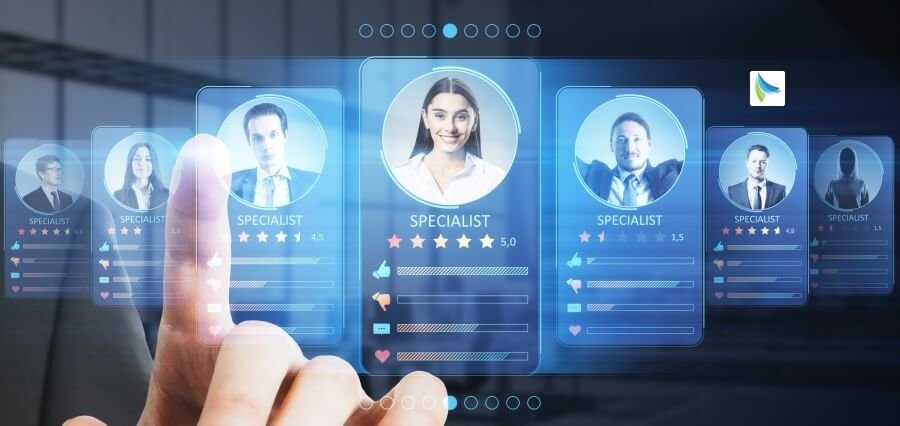
Global IT Talent Acquisition Not long ago, hiring a software developer meant posting a job locally and waiting for applications. Today, that approach no longer works the same way. Companies are now looking beyond their own cities, reaching across countries and time zones to find the right talent. This has given rise to the emergence of the International IT Headhunt that is looking for skilled IT professionals from all over the world. Demand for IT talent is outstripping local supply. Because of this, companies that once relied on nearby candidates are now competing with businesses around the world. In this situation, those who know how to search better and access a wider talent pool are the ones gaining an advantage. Expanding Talent Reach Beyond Physical Locations The remote work revolution changed the rules. When a job can be done from a laptop anywhere, location stops being a wall. A talented cloud engineer in one country can serve a company based in another without ever relocating. This fact has made International IT Headhunting not only a luxury, but a sensible business decision as well. The skills gap in technology has also grown wider. Roles in areas like cybersecurity, data engineering, and artificial intelligence are genuinely hard to fill in any single market. Companies that only search locally are simply leaving great talent undiscovered. Understanding the Distinct Nature of IT Talent Search Hiring in tech is not the same as filling a general office position. IT professionals have specific skills, work with particular tools, and tend to know exactly what kind of workplace suits them. Understanding all of this takes more than a job posting. Specialists in Global IT Talent Acquisition do more than match a CV to a job description. They study technical backgrounds, look at how a person might fit into a team, and understand what drives people who work in highly specialized fields. They create relationships with candidates before the position even comes on the market, and when the opportunity presents itself, they can be ready to go. This relationship-first approach is what separates headhunting from regular recruiting. It is less about advertising and more about knowing the right people. Key Technical Skills Driving Hiring Decisions Some technology roles have become extremely hard to fill. Cloud infrastructure, machine learning, software architecture, and cybersecurity are areas where demand far outpaces supply. Industries from banking to healthcare to retail all need people who can lead digital change rather than simply maintain old systems. Global IT Talent Acquisition strategies now put a lot of focus on passive candidates, professionals who are not looking for a new job but would consider a great opportunity if it came along. These people are often the most capable, since they are already doing well in their current roles. Reaching them takes patience, trust, and a genuine understanding of what matters to them professionally. The Real Challenges of Hiring Globally Searching for talent across borders sounds simple, but the process involves real hurdles. There are several differences in employment laws, visa requirements, tax rules and work permits between countries. A strong candidate from one region may face months of paperwork before they can officially begin work elsewhere. Cultural differences add another layer. Motivational factors for one population may not resonate with another. How people communicate, how they view teamwork, and what they expect from an employer all vary. International IT Headhunting professionals who understand these differences get far better results than those who use a one-size-fits-all approach. Pay expectations also vary widely by region. Getting this wrong in either direction can cause a promising hire to fall apart at the last moment. People First, Technology Second It is easy to treat tech hiring as a purely logical task: check the skills, tick the boxes, send the offer. But the most effective Global IT Talent Acquisition professionals know that the human side matters just as much. A candidate who looks perfect on paper but does not fit the team culture will rarely stay long. On the other hand, someone with a slightly shorter CV but the right attitude and drive can grow into one of the best hires a company ever makes. Reading people’s goals, their worries, their values, is what genuinely great headhunting looks like. Looking Ahead The growth of International IT Headhunting reflects a simple truth about the world today: talent is everywhere, and competition is everywhere too. Companies that accept this and invest in the right search strategies will build stronger, more capable teams. Global IT Talent Acquisition is no longer something only large corporations think about. It is becoming a practical, everyday part of how growing businesses find the people who will shape their future. Read Also : Driving Innovation Through AI-Powered Brand Strategy

Tesla China EV Sales Jump 36 Percent in Strong Recovery Trend
Prime Highlights- Tesla’s China-made EV sales rose 36 percent year-on-year, marking six consecutive months of growth. The company delivered 79,478 vehicles from its Shanghai plant during the month. Key Facts- Tesla is a global electric vehicle and clean energy company producing EVs, battery storage and solar products. Tesla’s Shanghai factory produces Model 3 and Model Y vehicles for both domestic sales and export markets. Background- Tesla reported higher sales of China-made electric vehicles in April, helped by strong demand for its Model 3 and Model Y cars. The increase reflects improving consumer interest in the company’s vehicles despite growing competition in the EV market. The company recorded a 36 percent year-on-year rise, marking its sixth straight month of growth in the Chinese market. Data from the China Passenger Car Association showed that Tesla delivered 79,478 China-made vehicles during the month. These vehicles were produced at the company’s Shanghai factory, which also exports cars to Europe and other international markets. Although sales slipped slightly from the previous month, the year-on-year increase suggests a recovery after a difficult period in 2025, when Tesla lost market share to lower-priced Chinese electric vehicle manufacturers. Tesla also reported improving demand in several European markets, helped by growing interest in battery electric vehicles as fuel prices rose amid global energy tensions. Tesla continues to face pressure in China and Europe. Delays in approval for Tesla’s Full Self-Driving technology have slowed the company’s expansion efforts, while fierce competition from Chinese EV makers continues to pressure prices and reduce market share. Tesla is developing a lower-priced compact SUV for China as it seeks to compete more aggressively with domestic automakers. Recent sales figures show demand improving in several major markets despite regulatory delays and increasing competition. Read Also: Rivian Advances Self-Driving Push with Lidar Plans and Chip Investment