





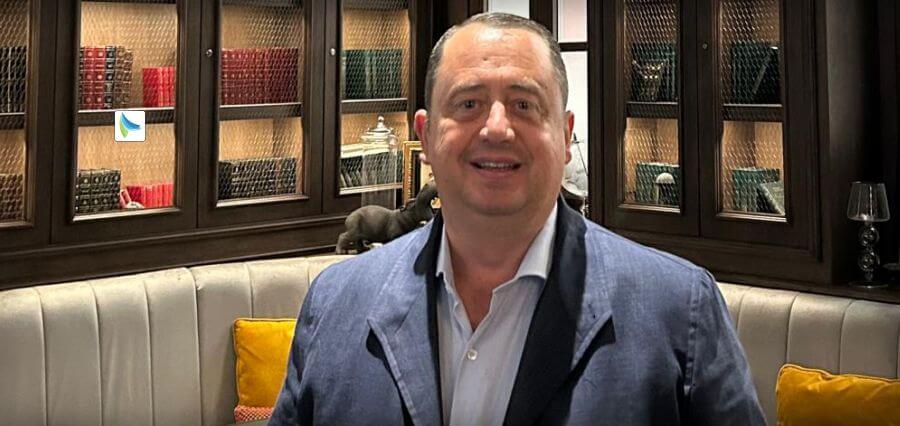
Jordi Caralt Coloma: Redefining Luxury Hospitality Through Authenticity and Vision
There is a moment that makes every authentic great hotel stay unique. It’s the one where a guest walks through bygone doors and time seems to hold its breath, where ancient walls exhale tales long forgotten, and where authentic heritage intersects with chic. It’s the one where hospitality is not a transaction but rather becomes an experience. But in today’s modern age, where marble atria amount to bland grandiosity, such fairy-tale moments can be found rarely. Revolution is not instantaneous in the minds of visionaries who refuse to accept that luxury must happen at the expense of authenticity. The pioneers understand that guests yearn for authentic connections, authentic tales, and enduring memories. This revolution of boutique luxury hospitality has but one visionary who is both an architect and a champion. He is none other than Jordi Caralt Coloma, one whose existence serves as proof of having the strength to stand against conformity and the will to put people first in everything that is decided. The Foundation of Purpose Jordi’s foundations were laid in a family environment where culture, service, and entrepreneurship weren’t abstract concepts but living principles. His parents’ dedication created an invisible curriculum that planted seeds for his lifelong calling in hospitality. He gravitated toward this industry with the natural pull of a genuine vocation, sensing it offered something profoundly meaningful: the opportunity to shape human experiences and create spaces where travellers discover connection. His formal education in hospitality management provided essential frameworks. However, the real education came through immersion in luxury hotels- from operational roles that taught him how exceptional experiences are built to executive positions that revealed how vision translates into culture. The journey brought both successes and setbacks, teaching resilience and reinforcing the importance of hands-on leadership. During this tenure, Jordi built authentic relationships- colleagues who became collaborators and mentors who became guides. These connections reflect his belief that hospitality extends far beyond guest services into every human interaction. Today, as Corporate General Manager of Hidden Hotels, he leads confidently while following consistent principles: excellence in service through genuine care, innovation driven by cultural respect, and empowerment based on trust. Where Vision Meets Heritage Hidden Hotels began with founders Carmen Cordón and Ignacio Jiménez asking a disruptive question: What if luxury hospitality honoured individuality instead of erasing it? They recognized that sophisticated modern guests don’t merely want accommodation. They seek immersion, connection, and meaning. They want hotels that tell stories, properties that reveal cultural context, and spaces that feel discovered rather than marketed. Their vision centered on reviving historic properties with character and narrative significance. Their objective was to create buildings that carried architectural distinction and cultural relevance. Rather than treating heritage as a constraint, they saw an opportunity to breathe new life into structures deserving preservation while integrating modern luxury. Jordi joined as Corporate General Manager, translating the founding vision into operational reality. He balances preservation with innovation, honouring what makes each property unique while ensuring exceptional service. He understands that discriminating tourists look for genuine immersion, real connections to the location, and hospitality that treats them like unique persons. The selection process reflects rigorous selectivity. Jordi and his team search for properties that speak, that carry stories, and that possess ineffable character. They look out for properties with historic significance and architectural distinction. Yet authenticity never compromises comfort or service excellence. From inception, the brand has championed sustainability, obsessive attention to detail, and personalized approaches. Jordi maintains these standards while fostering creativity and innovation. As Hidden Hotels evolves, exploring new markets, expanding the portfolio, it remains anchored in core beliefs: luxury should be personal, authentic, and transformative. Balancing Life and Leadership Jordi rejects the false binary of work-life balance, approaching the challenge through integration and presence. Leading Hidden Hotels demands intense engagement, yet he believes authentic leadership requires being fully present wherever he is, in boardrooms or with family. His approach involves disciplined time management, strategic use of technology, and treating teams as extended family. Delegation emerges as a cornerstone. He empowers teams to take genuine ownership and develop their skills while enabling him to focus on strategic priorities. Reflection occupies deliberate space in his rhythm, understanding that emotional intelligence and resilience require regular renewal. By setting boundaries, nurturing relationships, and aligning work with values, he models a holistic approach that inspires colleagues while sustaining well-being. The Entrepreneurial Spirit Jordi’s entrepreneurial appetite stems from a passion for hospitality, creativity, and innovation. He thrives on identifying opportunities where others see obstacles. He builds concepts that challenge traditional norms. His drive combines curiosity with fierce determination to make a tangible impact- whether revitalizing historic properties, designing memorable guest experiences, or introducing sustainable practices. He balances analytical rigour with imaginative vision, studying market trends while embracing calculated risks. For Jordi, business serves as a vehicle for storytelling. “Every Hidden Hotels property communicates narrative, preserves legacy, and evokes emotion,” he states. Collaboration amplifies his energy. He seeks diverse perspectives, learns from team members, and encourages innovation at every level. His philosophy extends beyond profitability to building legacy and leaving positive imprints on communities. Passion for People and Places Beyond business metrics, Jordi’s truest passion lies in unleashing human potential. He emphasizes on mentoring teams, fostering creativity, and empowering others to reach capabilities they didn’t know they possessed. Doing this brings him profound fulfilment. He views his role as cultivating conditions where team members excel, innovate, and grow. Jordi finds fascination in the intersection of history, culture, and luxury. He creates environments where guests feel immersed in each location’s unique spirit. This passion manifests in meticulous attention to detail, relentless innovation, and unwavering commitment to authenticity. Every project becomes an opportunity to tell stories that matter and create journeys that transcend typical hospitality transactions. The combination of creativity, empathy, and ambition fuels his work, while inspiring those around him. This cultivates an organizational culture defined by excellence and care. Navigating Crisis with Vision When COVID-19 created an existential crisis for hospitality, Jordi viewed it as a crucible for

Why Inclusion is the Future of Leadership?
Diversity in Command Diversity in command is the next level of the idea of leadership, which was basically passed down from generation to generation. A new generation of leaders in power is fully aware that diversity and inclusion are not only moral requirements, but also essential factors for the success of the business. Participation of diverse groups in decision-making is not just about the number of people involved; it is about the added value of the interaction between the different intelligences, the innovative power, and the emotional strength, which all become apparent when leadership is shared by people coming from different walks of life, having different experiences and different points of view. The Changing Face of Leadership With companies going worldwide and technology closing the distances, leaders cannot be from just one culture and demographic anymore. The present workforce is a mix of different cultures, age groups, and layers. Leadership to be successful in such a milieu must not only be diverse but also heterogeneous in terms of the source of innovation and company growth, rather than a mere token of recognition. The practice of inclusive leadership allows the organization to make decisions based on a vast array of experiences which, in turn, decreases the chance of having blind spots and facilitates the finding of solutions to problems. As a result of this interaction, diverse voices get recognized and organizations win a game of competition, which is based on flexibility, creativity, and empathy. Beyond Representation: The Power of Inclusion Diversity without inclusion, by definition, is not whole. Representation, we can say, is the first step, but inclusion is the process through which organizations guarantee that these new members’ voices are heard. Leaders who are recognized as inclusive do not stop at the figures and the quotas; instead, they promote the atmosphere where people feel their contribution is valuable and that they can share their different viewpoints freely. At the heart of it, inclusion means tearing down the barriers that the system has built, confronting the biases that one’s not aware of, and, most of all, producing the right and fair paths that lead to the growth of one’s career and leadership. It is about building the psychological safety net – a place where workers can question ideas, give their opinions, and come up with new ideas without fearing that they will be sidelined. Such companies that make inclusion an integral part of their culture enjoy the loyalty of their workforce, the efficiency of the team spirit, and low rates of turnover. Inclusion, to be more precise, turns out to be the main driving force of long-term success. The Innovation Dividend Innovation is dependent on the intersection of diversity and inclusion. Studies show over and over again that diverse teams are more productive than homogeneous ones, especially when it comes to creative problem-solving and decision-making. The collaboration between people from different fields, cultures, and with different life experiences results in approaching the challenge from various angles and, as a result, getting the breakthrough ideas. Forward-thinking leaders get it and therefore are deliberate in their efforts to have a diverse leadership team. They understand that innovation cannot result from sameness but from the contradiction of ideas, the exchange of views, and the mutual desire for better solutions. This is where the leadership of tomorrow can be found—at the intersection of diversity and creativity. The Role of Empathy and Emotional Intelligence Besides being a representative of the numbers, inclusive leadership is a matter of mentality. Two main features of empathetic and emotionally intelligent people – and leaders – are present in the same individuals who are recognized as inclusive. Along with being empathic and emotionally intelligent, they also tend to listen more, be more open in their communication, and appreciate every voice holder especially in meetings. This leadership approach which puts man first, does not diminish the power of a leader, it enhances it. In the event that leaders show empathy, they create a bond of trust with their followers, whereas by practicing inclusion, they nurture the spirit of belonging. Both of them are very essential at a time when employee well-being and engagement are on the same level of importance as profitability. Conclusion Leadership diversity is more than just a moral ideal; it is the framework of great leadership in the present era. Inclusive leaders use differences as a springboard to vitality, thereby gaining innovation, engagement, and trust. They realize that leadership today is not about directing from the top—it is about enabling from within. With the world becoming increasingly interdependent and complicated, inclusion will be the hallmark of successful leadership. Leading not only with strategy and skill but also with empathy, openness, and a true commitment to the collective good is the future that belongs to them. Read Also : The Dual Power of Women in Leadership

The Evolution of Modern Leadership
From Authority to Authenticity Leadership was traditionally linked to authority — the power to direct, control, and command. The leaders who were deemed successful most of the time were the ones who preserved the hierarchy, enforced the discipline, and made sure that the people complied. However, in the interconnected and fast-changing world of today, this old definition doesn’t work anymore. The leadership of the new era is not about power, but rather, by the moral fiber of the leader — the capability to be empathetic, transparent, and incorruptible in leading others. Since organizations are changing to be more collaborative, diverse, and driven by a sense of purpose, the movement from authority to authenticity is one of the most significant changes of leadership philosophy. The Fall of Traditional Authority Traditional corporate leadership models revolved around hierarchy and control. Leaders were supposed to know everything, make all decisions, and at the same time, keep a distinct power gap between them and the staffs. Although such a method was effective during the industrial era — when predictability, structure, and efficiency were valued the most — it is gradually becoming incompatible with the complicated matters of the digital age. The present workforce is calling for autonomy, inclusiveness, and meaning. Employees want to work in a way that gives them a sense of purpose, and leaders, on the other hand, are expected to listen, understand, and involve rather than command. In such a situation, power alone is no longer able to attract the respect of people; rather, it is the authenticity that does so. The Rise of Authentic Leadership Authentic leadership is essentially based on the qualities of self-awareness, honesty, and being consistent. It is about the ability to lead through one’s own principles, instead of just through one’s rank. When the authentic leaders face a challenge, they share it with others, also they are ready to accept the fact that they have made a mistake and they convey their message with humility. In an effort to win trust, they correspond to their words with their deeds, which in turn brings the kind of atmosphere where the workers feel respected, empowered, and that their voices are heard. Such a change does not signify that the power of command has been taken away; on the contrary, it has been transformed. A person’s power is no longer based on their being a boss or a leader in a certain area, but rather on their graciousness, understanding of own and others’ emotions, and capability to establish a relationship. To be a leader in the modern sense is to be authentic — this can be achieved by leading with integrity, empathy, and accountability in every decision one makes. Building Trust Through Transparency Trust, in the case of leadership, is what authentic leaders primarily aim for in the current era of too much information and constant examination. Notwithstanding, trust is gained through transparency. In their communication, they include not only triumphs but also trials, thus providing an honest dialogue that leads to psychological safety. By transparency leaders tear down leadership styles based on oppressing through fear and replace them with the ones that involve collaboration and openness. The employees who trust their leaders take risk more willingly and offer their ideas as well as adapt easier to the organization goals. Transparency is thus at the core of a strong relationship between leaders and followers, a relationship that is the base of long-term success. Empathy as a Leadership Strength Empathy has become one of the hallmarks of authentic leadership. Leaders who understand others’ experiences, problems, and incentives create not only fair but also dependable workplaces. The empathetic leaders in the period of the crisis bring not only the sense of stabilisation but also meet the emotional and professional needs of their followers simultaneously. Empathy helps to lead the authority to authenticity. Being able to understand others as a human, lets one gain the mutual respect and loyalty. By discovering each team member’s uniqueness the leader produces the settings which allow the creative side of the people, and the feeling of mutual support and trust to grow. Summary Those who possess authenticity will be the leaders of tomorrow. Authority can only give you a title, but authenticity is what brings the loyalty. Authentic leaders, therefore, can be seen as the sources of trust and inspiration, in a world that is in dire need of connection, truth, and purpose. By adopting the leadership style which is empathetic, transparent, and integral, not only do they facilitate the success of the company but also make the biggest contribution to the leadership concept in the modern era which is leading through genuine human connection rather than dominance.

Dr. Nour Holly: Pioneering the Future of Healthcare through Nanotech & AI
Dr. Nour Holly: Pioneering the Future of Healthcare through Nanotech & AI This personalized edition highlights Dr. Nour Holly, whose groundbreaking work in nanotechnology and AI is transforming healthcare. His innovative approach is setting new standards for precision medicine, patient care, and the integration of advanced technology in medical science. Digital Link Quick highlights Quick reads
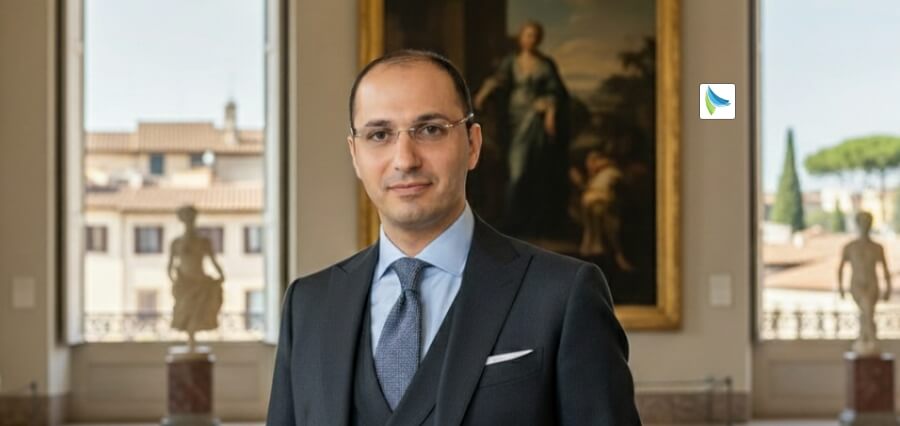
Dr. Nour Holly’s Human Mission of Empowering People Across the World in Holistic Healthcare
Healthcare is much more than simply providing one-size-fits-all treatment plans and giving medicines, believes Dr. Nour Holly, the Founder and CEO of HOLLY7X. From his earliest days as a pharmacist more than 25 years ago, he ardently believed that medicine alone was not enough to treat illness. He was constantly intrigued by a simple yet profound question: why does the same treatment affect patients differently, even when the dose and the condition are the same? That curiosity became the spark that drove him to look beyond conventional prescriptions and explore the hidden differences in human biology and lifestyle. “As science advanced, we aligned ourselves with every new wave of progress, always striving to be among the first to adopt it into our protocols. We began with therapeutic nutrition as a foundation, then, when DNA analysis emerged, we integrated it to deliver deeper personalization. With the rise of artificial intelligence, we harnessed it to create protocols that were even more precise and predictive.” Guiding People Live with More Balance and Dignity Today, with HOLLY7X, this journey is no longer just about merging science and technology; it has become a human mission: empowering people across the world to understand their bodies deeply, make informed choices about their health, and live with more balance and dignity. For Dr. Nour Holly, innovation is not the ultimate goal—it is the path toward one universal truth: enabling humanity to live healthier lives. “Innovation is not a destination; it is the bridge that carries humanity toward a healthier tomorrow.” Now, looking back at his early career as a pharmacist and clinical nutrition specialist, there were a couple of pivotal moments that shaped Dr. Nour Holly vision for HOLLY7X. These two key turning points left a profound impact on him: The first was when he encountered a patient who did not respond to any conventional protocols, yet a simple nutritional adjustment transformed his quality of life. It was a revelation that science is not confined to medicine alone but extends deeply into lifestyle. “The second came from mentors who instilled in me the belief that research should not remain locked in laboratories but must be translated into real solutions and products that reach people.” These two experiences planted a conviction in Dr. Nour Holly that HOLLY7X must be more than just a company; it must be a bridge between science and people. “Science becomes meaningful only when it leaves the lab and touches people’s lives,” he insists. Breaking Out of the Convention Dr. Nour Holly profile reflects a deep commitment to improving lives globally, since there was a personal experience that strengthened his resolve to pursue DNA- and AI-driven solutions. Within his own family, he faced complex medical conditions where conventional treatments failed. That human struggle became the strongest motivator to search for new answers. He realized that the solution was not in repeating the same approaches, “But in discovering tools that could reveal the hidden patterns within our biology.” That was when he delved into the world of genetic testing and saw how DNA could uncover both vulnerabilities and strengths unique to each individual. Later, with the advancement of artificial intelligence, Dr. Nour Holly understood how it could translate this complex data into practical insights that empower both doctors and patients to make precise decisions. This personal journey was not just a challenge; it was the turning point that convinced him that personalized medicine powered by AI is not a luxury but a necessity to save lives and improve quality of life. He adds, “Personal struggles often become the sparks that ignite global solutions, and that’s exactly what happened with me.” Inspiring Minds and Creating an Ecosystem of Innovations Leading a global company like HOLLY7X requires balancing innovation with people-centric care. In that sense, Dr. Nour Holly believes that true leadership is not about managing tasks; it is about inspiring minds and creating an environment where innovation thrives. In the beginning, his leadership style was more traditional, centered on close supervision and detail management. But as HOLLY7X expanded across cultures and teams, Dr. Holly discovered that his role was not to monitor, but to empower. Her leadership philosophy, today, stands on three pillars: “Clarity of vision, so that every team member knows why we do what we do.” Empowerment to decide, so the team is not afraid of mistakes. Transforming challenges into lessons, rather than obstacles. To him, a true leader is not the one whose orders are heard, but the one who creates a safe space where the voices of the team are valued and can grow. In essence, “Leadership is not about being heard—it’s about creating a space where others feel safe to speak.” Innovation often comes with risks. Share a moment when Dr. Nour Holly faced a major challenge, and yet turned it into an opportunity for growth was “When we decided to introduce nanotechnology into dietary supplements,” he states. The initial reaction from some partners and regulators was skepticism—they thought it was too ‘ambitious’ or ‘ahead of its time.’ “We faced delays and additional costs,” he adds. Instead of retreating, Dr. Nour Holly and his team turned the setback into a learning opportunity. They conducted deeper research, built stricter safety protocols, and formed partnerships with global laboratories. The outcome? Not only did they succeed in launching safe and effective products, but they also gained stronger trust from markets that value quality and safety above all. In Dr. Nour Holly words, “Every setback is a disguised lesson if you dare to look beyond the challenge.” ‘Nano + Ozone + Oxygen―A Triple-Tech Platform’ HOLLY7X, LIVORA, and LINAS are ambitious ventures blending biotechnology with natural formulations. For Dr. Dr. Nour Holly, every project is first and foremost a human story before it is a brand. When he hears from a woman that a LINAS product helped her regain confidence in her beauty, or from a doctor who tells him LIVORA gave him innovative tools to serve his patients better, “I feel that the effort was

The Rise of Nanotechnology in Medicine
From Molecules to Miracles Imagine a world where you are zipping tiny machines, that are smaller than a speck of dust, running through your body to fix issues at the source itself. It is not science fiction; it is a reality of nanotechnology in medicine in the current world. Nanotechnology is the technology of materials and devices that are in the range of 1 to 100 nanometers. In comparison, a nanometer is a billionth of a meter, or about a few atoms. Such small instruments are transforming the world of healthcare, making simple molecules become medical wonders. The Birth of a Revolution The history of nanotechnology in medicine started in the late 20th century. The idea was originally popularised by physicist Richard Feynman in 1959 in his talk, “There’s Plenty of Room at the Bottom,” indicating that we could control the atoms to create small, miniature machines. It did not, however, receive application to health by scientists until the 1980s and 1990s. Some of the initial innovations were the application of nanoparticles or super-small particles to deliver drugs more efficiently. In the early 2000s, the U.S. National Nanotechnology Initiative invested billions of dollars in research and accelerated development in such fields as cancer treatment and diagnostics. Healing at the Cellular Level One of the largest victories today is in drug delivery. Traditional medicines tend to pervade the body and have side effects such as nausea or loss of hair in chemotherapy patients. Nanoparticles alter that by attacking particular cells. As an example, they can transport cancer drugs directly to the tumours, which serve as receiving sites, and which release the drugs only on reaching the tumour. Such accuracy decreases the damage to normal tissues and increases the success of the treatment. This is becoming even smarter in 2025 with the development of AI-controlled drug delivery systems that can dynamically adjust the dosage based on the needs of the patient. Fighting Cancer with Nano Warriors Nanotech has been the major driver of good cancer treatment recently. To illustrate, nanoparticles can hyperthermically or photoablate tumours once a light or magnetic field is applied to them. In this way, from the outside, surgeons can be bypassed. Other than that, remotely bioorthogonal enzyme-like agents called nanozymes are among the recent cancer-fighting inventions. Besides, only tumours will be able to activate the drugs by the nanozymes that are inside them due to alleviation of side effects, which could otherwise be substantial. Moreover, a new horizon opening up now is gene therapy, through which nanoparticles will deliver DNA or RNA directly to the cells and will thereby be able to fix genetic defects, thus providing a lifeline to cystic fibrosis or muscular dystrophy-type diseases. Smarter Diagnostics and Real-Time Health Monitoring Diagnostics are progressively benefiting from nanotechnology as well. Early disease detection becomes possible through nanosensors that are able to identify biomarkers in blood or tissue. As an illustration, biosensors intended for wearing purposes and made from nanoscale materials continue to monitor the most important measurable body functions and thus, they can also serve as early warning systems for doctors. By 2025, these tools will turn into standard practice in daily healthcare monitoring, and along with smartphones, they will deliver prompt user notifications. Nanotech is also playing a significant part in imaging. Through the introduction of nanoparticles, MRI and CT scans have turned into being more efficient in terms of giving doctors clearer images of organs and tissues and thus, early detection of diseases is facilitated. The Era of Personalised Medicine Nanotechnology combined with machine learning is a revolutionary innovation in the field of precision medicine. On one hand, AI through data analysis attempts to figure out what would be a perfect nanoparticle set that is specifically tailored for each person’s genetic makeup and disease type. This customised regimen can make the drug work more efficiently and less costly than the present situation. Besides that, there is a positive trend towards conscious nanotech, which aims at producing therapies that are not only eco-friendly but also planet-friendly in the long run. Challenges and Ethical Concerns But it’s not at all smooth sailing. Challenges remain, like ensuring these tiny particles are safe. Some worry about long-term effects, such as toxicity or how they interact with the immune system. There’s also the double-edged sword: while nanotech can cross the blood-brain barrier to treat brain diseases, it raises concerns about unintended consequences. Ethical issues, like access to these advanced treatments, need to be addressed to avoid widening health gaps. Regulators are working on standards, but keeping up with rapid innovation is tough. The Future of Medicine But the story doesn’t end here. For example, among other obstacles, the assurance of safety remains an unsolved issue. What is more, until now, there have been only a few studies that have looked to understand the short-term and long-term effects, including toxicity and immune response. The question of morality is another, which is debated, the double-edged nature of the technique, that crosses the blood-brain barrier to target brain diseases, but causes worries about possible side effects. Alongside that, there is the issue of fairness in terms of the availability of those high-tech treatments, which is of great concern and should be solved before escalating the difference in health conditions among people. Monitoring and setting new regulation standards is the current job of officials, but at the same time, it is difficult to keep track of speedy innovations.. In conclusion, from humble molecules to life-saving miracles, nanotechnology is reshaping medicine. It promises a healthier world with fewer side effects and more targeted care. As we navigate the challenges, the rise of this tiny tech holds immense hope for humanity’s well-being. With continued research and responsible use, the miracles are just beginning. Read More:

How AI and Nanotech Are Powering the Future of Digital Healthcare
Redefining Wellness Think of a doctor who never gets tired, understands your body more than you do, and uses instruments that are even smaller than a virus. This isn’t a dream; it represents the new era of digital healthcare, which is powered by artificial intelligence (AI) and nanotechnology. By themselves, they are turning the devices of today, like smartphones, wearables, and minuscule machines, into your personal health guardians that keep off problems. AI as the Brain, Nanotech as the Hands Digital healthcare is basically using technology to deliver care regardless of time and place. The spectrum of this kind of care comprises apps that monitor your daily steps, virtual doctor visits, and smart devices that keep a record of your heart. The AI behaves like a brain, where it analyses an enormous amount of data in search of the patterns that humans cannot see. On the other hand, nanotechnology provides the means to produce minuscule tools that they are able to work inside your cells. The integration of these two forces is scheduled for the year 2025; their partnership will result in the wellness sector being transformed into one that is not only preventive but also personal and accurate. How AI Knows You Better Than You Think AI begins with observation and understanding. For example, your smartwatch monitors your sleep, physical activity, and heart rate. AI analyses this data along with your medical report, lifestyle, and even the weather. By doing so, it can preempt risks such as the high probability of developing diabetes and advising of making minor changes like walking more and cutting sugar intake. A study revealed that artificial intelligence models are capable of indicating the risk of a heart attack at an early stage of heart problems, six hours before it happens, and thus creating enough buffer to take action. Presently, applications have been developed such that they can take the aid of phone cameras to do the checking for changes in the skin or eye health and then send the results to doctors without any delay. Telemedicine and Virtual Diagnosis AI-assisted telemedicine allows patients to have a chat with a specialist without the need to travel. An online appointment is done, and AI is there to listen to your voice, observe your facial expressions, and read the symptoms, thus assisting the doctors to conclude more efficiently. This has helped to avoid the hassle of travelling for medical appointments. Furthermore, AI chatbots can answer the most basic questions of patients at any time of the day or night, thus relieving the staff who are always busy from the pressure of being overburdened. Nanotech in Drug Delivery With the help of nanotechnology, the story goes even deeper. The tiny units called nanoparticles hold onto medicine that has to be given to the body at a specific location. Just to give an example, in the area of cancer treatment, they are charged with the delivery of drugs only to cancer cells and in doing so, the healthy ones are left untouched. This, in turn, reduces the side effects such as feeling lethargic and hair loss. The ones who are even more advanced release medicine slowly over a span of weeks, thus lessening the need for pills or injections. There are a few nanoparticles that emit light under a specific kind of light, and thus, they could be used to enable the surgeon to see the tumour clearly during the operation. Nanosensors for Real-Time Wellness Wearable devices are also receiving nano upgrades. A flexible patch with nanosensors attaches to your skin and can measure glucose, hydration, or even stress hormones through sweat. Needles are not required. These patches, as well as the phone, connect, where AI processes the data and informs you or your doctor if there is any abnormality. Athletes use them for maximised training; normal people use them for maintaining their health. Some patches will be able to deliver medicine through the skin when the levels are too low by 2025. AI and Nanotech in Mental Health Mental health is covered as well. AI apps monitor your mood by analysing your typing speed, word choice, or voice tone. Pattern recognition helps with anxiety or depression, and the apps recommend breathing exercises or provide links to a counsellor. Nanotechnology also plays a role here—scientists are experimenting with tiny implants that deposit the required neurotransmitters in the brain on demand, regulated by an app. Surgery Reinvented The less-invasive surgical methods are being developed. Nanorobots—microscopic machines—might be able to navigate through the blood vessels one day to remove blocked arteries or repair damaged tissue. They are guided by AI and follow the real-time images to perform exact work. The initial models that are capable of doing some drug deliveries in the operating procedures have already been introduced to the market, which in turn, shortens the recovery period. Smarter Hospitals Hospitals use AI to run smoothly. It predicts patient flow, so emergency rooms prepare for busy hours. Nanotech improves tools like self-cleaning surfaces that kill germs, lowering infection rates. Together, they save time, money, and lives. Challenges on the Path to Progress Privacy is a big one—who owns your health data? Strong rules are needed to keep it safe. Not everyone has fast internet or smartphones, so access must grow fairly. Scientists also test nanomaterials carefully to ensure they leave the body safely and don’t cause harm. Health That Thinks Ahead The future looks bright. Imagine a world where your phone warns of a cold before symptoms hit, or nanobots fix a torn ligament overnight. AI could design custom diets based on your genes, while nano-vaccines protect against new viruses instantly. By 2030, digital healthcare might add years to life—and life to years. Empowering Doctors, Enriching Lives In the end, AI and nanotech aren’t replacing doctors; they’re giving them superpowers. They shift focus from treating sickness to building wellness. With smart use and fair access, this duo can help everyone live healthier, happier lives. Also Read : The Rise of

Amasty: Where Innovation Meets Accountability in Digital Commerce
The arena of e-commerce never stays dormant. It constantly evolves with growing technologies. As a result, customer expectations also grow, and businesses constantly work to emerge with innovative ideas and to stay ahead of the competition. Standing tall in this industry, Amasty not only delivers products, but has also introduced numerous changes in the industry. The company serves more than 100,000 businesses globally. Its impact and dedicated endeavors center around three major components: enduring quality, forward-thinking innovation, and a merchant-oriented focus that places people at the forefront of every solution. The online shopping landscape of today is as much like its initial vision in 2009, only by way of broad description. Back then, Magento was the fertile ground where fledgling online enterprises could establish themselves. But potential alone wasn’t enough; it needed the right tools and smart solutions to turn a basic online store into a strong, thriving retail company. Noticing this core need, two visionary founders established Amasty with a bold and shared vision: to make the potential of online business available to all entrepreneurs and make it accessible. Starting from scratch, rooted in core extension development, the organization evolved into a leading player in the Adobe Commerce community, providing an essential range of over 300 widely applied solutions. Today, with the combined forces of SaaS models and Artificial Intelligence effectively rewriting business rules, Amasty continues to grow steadily. The firm has done so intentionally, outgrowing its status as an extension provider only to expand as a strategic partner and chief digital architect. Its role is to open up new opportunities in the market, help businesses adopt new technologies, and make sure their core operations stay strong for the future. This incessant, forward-drive focus prescribes Amasty’s next chapter- a commitment to crafting full-circle, bespoke solutions that have been crafted to address tomorrow’s strategic needs. From Extensions to Comprehensive Solutions Amasty’s transformation from a simple extension developer to a comprehensive solution provider marks a significant milestone in how it serves the e-commerce community. This turning point was driven by a deepened understanding that merchants today don’t seek isolated features. Instead, they expect integrated solutions that work seamlessly at scale, backed by highly responsive, customer-focused support. Businesses need assurance that products will perform reliably with massive catalogues and remain compatible as their operations expand. Seeing these important needs early has been key to Amasty’s success. With this insight, the company evolved into a one-stop shop for merchants worldwide, helping them solve complex challenges and keep their operations ready for the future. Amasty makes sure every extension is tested and works properly with other systems. This focus helps merchants rely on their tools for growth. Trust as a Core Operating Principle At Amasty, trust is far more than a marketing slogan. It underpins every client relationship. The company defines trust as the assurance that every extension, service, and solution performs as promised while remaining secure, compliant, and accessible. This promise is operationalized through robust quality assurance, strict adherence to WCAG accessibility standards, and comprehensive compliance with GDPR and privacy regulations. Equally important is transparent communication. Amasty’s public roadmap on Trello invites customers to request features and track development progress, promoting openness and accountability. Such transparency allows clients to verify that Amasty consistently delivers on its promises. Service level agreements published on the support page set clear expectations for response and resolution times. It’s an uncommon practice in the industry that reflects Amasty’s dedication to client satisfaction. Further strengthening these bonds, the company actively engages with its audience through LinkedIn, support services, blogs, newsletters, and conferences. This two-way communication builds a collaborative approach where client feedback directly informs product improvements and upgrades. Balancing Present Needs with Future Innovation Managing one of the largest catalogues of Magento and Adobe Commerce extensions demands a delicate balance. Amasty must simultaneously meet immediate market demands and anticipate future trends. The company achieves this through a dual focus: closely listening to client feedback while proactively monitoring industry developments. Real-life merchant scenarios drive much of Amasty’s product development. By understanding what merchants value most, saving time, reducing costs, and growing revenue, the company introduces features that deliver real results for their business. Daily interactions with customers surface pain points and opportunities that shape continuous improvement. At the same time, Amasty stays ahead of trends by developing solutions before demand fully materializes. A recent example is the significant update to their SEO Toolkit extension, which introduces an AI assistant. Store administrators can now receive optimization suggestions and implement improvements with a single click. For businesses managing extensive catalogs, this innovation saves days of manual effort, illustrating Amasty’s proactive approach to future-ready solutions. Responsible AI Integration Artificial intelligence is transforming e-commerce, yet it brings challenges around transparency and data privacy. Amasty adopts a measured approach that highlights the clear benefits of AI, including time savings and automated routine tasks, while addressing merchant concerns. The company integrates AI into specific, controllable tasks where merchants can immediately perceive value without sacrificing control. Crucially, Amasty ensures no sensitive data is sent to AI services, alleviating one of the biggest reservations businesses have about AI. The AI-driven content generator reflects this approach. It facilitates the creation and refinement of product descriptions and SEO metadata using only publicly available information. This approach allows clients to gain the efficiency benefits of AI while retaining full control, reflecting Amasty’s broader commitment to responsible, ethical innovation. The Power of Synergy Amasty’s leadership identifies synergy as its most underrated strength- an advantage that transcends the mere sum of individual extensions. While many providers offer comparable standalone extensions, Amasty’s extensive, sophisticated catalog delivers a unified ecosystem that works seamlessly together. Most e-commerce sites require multiple extensions to perform optimally. Amasty’s solutions are designed to integrate easily, ensuring data stays consistent. For example, a merchant using Amasty’s Import/Export solution who later adds the Return Management extension does not need costly custom integrations; the data structures are pre-aligned and ready to use. This seamless interoperability saves time, cost, and complexity as merchants

Enhancing Productivity: Mastering Creative Cloud with Expert Integration Insights
The rapid-developing digital era has fostered Adobe Creative Cloud to be the best hub of creative processes by industries as the perfect platform that allows videographers, marketers, designers, and digital artists to come up with ideas with seamless workflow. With companies becoming more digital in their experiences, the capacity to work with Creative Cloud tools and utilize them in conjunction with partner tools is an essential competency for creative professionals. Technical skills with Photoshop, Illustrator, or Premiere Pro are now not enough; comprehension of how these tools interact as a system to support creativity, collaboration, and innovation is also needed. Adobe Creative Cloud is more than a set of applications, really; it’s one platform to enable end-to-end creative creation. Whether creating a brand campaign, post-production for documentaries, or digital media for social, the platform enables asset transfer between tools seamless through shared libraries, cloud storage, and simultaneous collaboration. Seamless Creative Cloud Integration Successful Creative Cloud mastery relies on integration. People who understand how to string applications together can make their workflows from awkward to intuitive. Designers who start in Adobe Illustrator, for instance, are able to export vector graphics seamlessly into Photoshop for high-res texturing and then push it out to After Effects for motion design—all without degradation or redo. Similarly, a user of Lightroom can synchronize edits to Photoshop to conclude with final retouching, knowing all these processes coalesce into a single creative vision. These integrations avoid the aggravations of redundant steps and time and position Creative Cloud as an end-to-end solution, not a set of separate tools. With more work being done online, Creative Cloud integrates effortlessly with popular third-party apps such as Microsoft Teams, Slack, and Trello. It makes it easy for collaboration teams to view, comment on, and even approve creative files without necessarily having to switch applications. Cloud Documents and Libraries of Creative Cloud also share assets to provide cross-app access in order to store, share, and update assets centrally. The outcome is a co-operative culture supporting autonomous creativity and formal co-operation—one that today’s competitive marketplace creative teams must be agile with. Expert Insights on Enhancing Collaboration Industry professionals observe that success with Creative Cloud is by adopting a co-operative ethic. Creative work today is more and more no longer performed alone but flourishes where designer, marketer, developer, and client get together and share their ideas toward a common vision. Applications like Adobe XD and Frame.io highlight this change. Adobe XD enables prototyping, designing, and real-time testing of digital interfaces, and with Frame.io, which is integrated in Premiere Pro and After Effects, video editors are able to send their timeline real-time to producers and stakeholders and edit from there. Another expert recommendation is leveraging the AI-potential of Creative Cloud for maximum productivity. Adobe Sensei, the suite’s AI engine, releases time for human imagination like background removal, content-aware fill, and audio boost. With human imagination thrown into the mix, these intelligent features enable individuals to dream larger and play around more. Experts opine that professionals adopting such talent do not just enhance but gain a competitive advantage by being pioneers in digital innovation. Personalizing oneself to be reliant on AI as an inspirational mentor, but not a replacement, can give designers the ability to focus on ideation and story—blood and soul of creativity. Continuous Learning in the Cloud One of the greatest aspects of Creative Cloud is that it continues to grow. Adobe will continuously redesign its software with the new features, templates, and integration options in such a manner that the users will be constantly informed about the prevailing design trends as well as the latest technological innovations. The same constant innovation also forces creative professionals to learn throughout their entire lifetime. Scheduled trips to Adobe tutorials, webinars, and creative forums on the web may keep users informed and pick up a trick or two along the way. While doing so, they not only develop technical expertise but also expand their outlooks for creativity. Apart from that, the companies that train on Creative Cloud among their employees make measurable improvements in work quality and productivity. When specialists are aware of all that the platform can accomplish, they can remove redundancy, facilitate sustained brand presence, and process turnaround times quicker. Cloud workflows also facilitate remote work support, a feature which has emerged as the need of the hour with the hybrid culture of working in the current era. Merging capability building and technology adoption renders organisations capable of developing an innovation culture in which inventive talents aren’t stifled by technical capability but enhanced by savvy integration. Conclusion It’s not so much a matter of technical proficiency in each individual program—it’s one of having end-to-end expectation of expertise on how tools, workflows, and collaboration come together to drive creativity. It is that intersection that will realize the potential of the suite to provide effortless handoffs from design, video, and digital experience. Through leveraging the expertise on collaboration, automation, and continuous learning, the creative experts maximize not just productivity but also the quality and the impact of the work being executed. With differentiation enabled by creativity in the modern era, it is not just a requirement but a chance to be a Creative Cloud master. Those who will be able to harness its collective capability will be in a good position to shape the destiny of digital communication, storytelling, and design with creativity, flexibility, and imagination. Read Also : Why Inclusion is the Future of Leadership?

The Most Impactful And Visionary Leader To Watch In 2025
The Most Impactful And Visionary Leader To Watch In 2025 This feature proudly spotlights Marci Hopkins — an award-winning television host, media entrepreneur, and author who has transformed personal pain into a platform of healing and hope. From the challenges of her Texas childhood to the bright lights of national television, Marci’s story is a masterclass in authenticity and reinvention. Digital Link Quick highlights Quick reads