






China Industrial Profits Jump on Strong Tech and Export Demand
Prime Highlights China’s industrial profits recorded their fastest growth in six months, led by high-tech and manufacturing sectors. Strong exports and technological demand supported earnings despite rising global energy costs. Key Facts The National Bureau of Statistics is China’s official agency for economic data and indicators. Industrial profits grew 15.8% in March and 15.5% in the first quarter. Background China’s industrial sector reported strong profit growth in March, marking its fastest pace in six months despite rising global uncertainties and higher raw material costs. Data from the National Bureau of Statistics showed that industrial profits rose 15.8% year-on-year during the month, building on steady gains seen earlier in the year. For the first quarter, profits increased 15.5%, reflecting the strongest start to a year in several years, excluding the pandemic rebound period. Expansion continued to be across-the-board, with equipment manufacturing and the high-tech industry taking the lead. The profits in holding industries significantly increased, mainly due to escalating demand and technological improvements. The growth trend can be attributed partly to advances in artificial intelligence and semiconductors. Optic fiber companies enjoyed spectacular growth rates. Companies that produce optoelectronics and display products also experienced steady growth rates. The recent sectors of drone manufacturing and intelligent consumer electronic goods achieved financial success because technology-related products proved to be popular among customers. Raw materials production profits also rose significantly, due primarily to the profitability of the oil refinery sector once again. Sectors like aerospace, new energy, and advanced information technology made a significant contribution to the impressive rise in non-ferrous metal companies’ profits. Economists said that robust exports played a vital role in the growth improvement trend, where foreign demand stimulated manufacturing activities. In the coming eras, there will be two adverse impacts caused by increasing oil prices due to geopolitical tensions. China’s energy systems that utilize coal as well as renewable energy sources will be affected by the variations in oil prices around the globe, influencing their functioning. The present economy will pose two obstacles to future developments due to the combination of weak global demand and costly imports. Read Also: Warner Bros Discovery Shareholders Back $110 Billion Merger
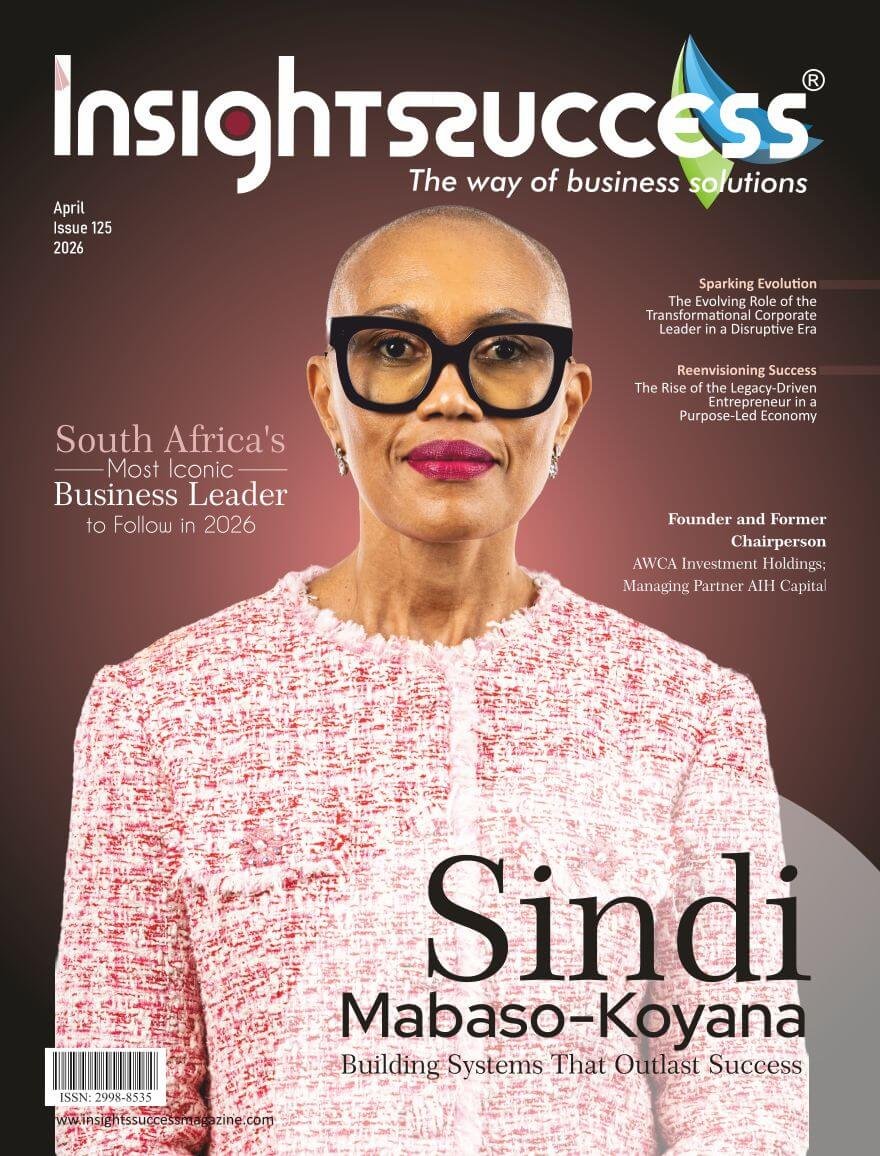
South Africa’s Most Iconic Business Leader to Follow in 2026
South Africa’s Most Iconic Business Leader to Follow in 2026 Sindi Mabaso-Koyana exemplifies leadership rooted in purpose, resilience, and transformation. As Chairperson of AWCA Investment Holdings and Managing Partner of AIH Capital, she has consistently focused on creating opportunities for others. A chartered accountant with extensive board experience, she has shaped governance, investment, and inclusion across South Africa’s financial landscape. Digital Link Quick highlights Quick reads

Sindi Mabaso-Koyana: Building Systems That Outlast Success
Some have made it to the top, looked back, and merely acknowledged the distance they have travelled. And then there are those who have made it to the top, turned around, and have dedicated the rest of their lives to creating new opportunities for others. It is not often found. And in South Africa’s financial and investing community, there are few who have lived it more than Sindi Mabaso Koyana. It is significant. Not because of the struggles, which can often make for good reading. It is significant because it explains everything about Sindi. She has not forgotten where she came from. And that has meant everything in the decisions she has made since then. Most importantly, it meant she has not forgotten to stop since she made it. Today, Sindi served as Chairperson of AWCA Investment Holdings, a women-owned and women-managed investment company she co-founded. She now operates as Managing Partner of AIH Capital, its private equity arm that she recently led the formation of. She is a chartered accountant by training, a corporate leader by experience, and a champion of transformation by choice. Sindi has worked in both the public and private sectors, served on boards at the highest levels, and spent the better part of her career making sure that the doors that opened for her did not close behind her. Her tale is not one of sudden success or good fortune. It is the more subdued, long-lasting tale of a woman who examined a system that was not designed with her in mind, gained a thorough understanding of it, and then set out to change it from the inside out- one investment, one boardroom, and one young woman at a time. Roots That Hold Sindi did not grow up with much. She was raised in a township by a single mother who had little formal education but carried enormous wisdom. From an early age, her mother taught her two things above everything else: stay focused and stay honest. Do not let distractions pull your eye away from the goal. Do not let circumstances define what you can become. These were not just pieces of parenting advice. They became the values that Sindi has carried into every boardroom, every investment decision, and every mentorship conversation she has had over the course of her career. Her mother was, in many ways, her first teacher of leadership. Growing up in a township also taught Sindi something that no textbook could: she understood what it feels like to be on the outside of opportunity. She knew the weight of expectation that comes from being the one in a family who might just make it through. That knowledge never left her. It still sits with her today, not as a burden, but as a compass. After school, Sindi set her sights on accounting. She qualified as a chartered accountant, a significant milestone in any career, and especially meaningful given where she had started. But even as she celebrated that achievement, she was already thinking beyond it. Professional success, she understood early, was not the finish line. It was the starting point for what she really wanted to build. Over the course of her career, Sindi has worked across both the private and public sectors. Each environment taught her something different. The public sector showed her the complexity of institutional change and the weight of accountability to ordinary citizens. The private sector sharpened Sindi’s instincts around performance, discipline, and value creation. She took the best lessons from both worlds and carried them into the work she does today. A Seat at the Head of the Table Once Sindi entered the professional world, she did not blend into the background. She established herself quickly as a thought leader in financial and risk management and corporate governance, not by being loud about it, but by being very good at it. Over the years, she has built enormous board experience across both the private and public sectors. On most boards she serves on, she chairs the Audit and Risk Committee and the Remuneration Committee. These are the rooms where the hardest conversations happen, where accountability is either maintained or quietly abandoned. Sindi has consistently been one of the people who keep it maintained. Her time on the Audit and Compliance Committee of FIFA sits as one of the more remarkable chapters of her career. She joined at a pivotal moment during FIFA’s governance reform era, when the organisation was establishing its very first independent committee made up of professionals who had no ties to any football association. It was a historic governance shift, and Sindi was part of it. That experience deepened a conviction she already held: genuine independence is not a formality. It is the cornerstone of effective oversight. She carries that conviction with her into the boards of MTN Group, Bidvest Group and Sun International, where she currently serves. In a world where regulatory environments are shifting and where the European Union, the United States, and Asian markets are all moving in different directions on ESG and tax frameworks, her approach remains steady. Good governance is not about keeping up with regulations. It is about building businesses with the kind of integrity that outlasts any regulatory environment. When Sindi takes a stage, and she is highly sought after as a speaker on leadership, Africa’s economic transformation, and the role of women in business, she does not speak from a script of borrowed ideas. She speaks from a life fully lived. From townships and classrooms, from boardrooms and balance sheets, and from the quiet satisfaction of watching a young woman she once mentored step into a leadership role she could never have imagined for herself. The audiences that hear her tend to remember what she says long after the event is over. AWCA: A Profession Opens Its Doors Of all the chapters in Sindi’s career, few carry as much weight as the role she played in co-founding and shaping the African Women Chartered

Sparking Evolution: The Evolving Role of the Transformational Corporate Leader in a Disruptive Era
The current business environment experiences continuous disruption because of fast technological progress, changing market demands and unpredictability. In the evolving business environment, corporate leaders have expanded their roles beyond traditional management functions. The leaders who drive organizational transformation today must generate financial results while they develop innovative ideas and establish organizational strength through strategic planning. Leaders must understand international developments because they need to manage market competition while their businesses adopt new industry standards. Organizations need transformational leadership as an essential quality. Leaders need to manage their current duties while developing future plans to face upcoming challenges and maintain current operations. Businesses now evaluate their achievements through their ability to generate enduring value for employees, customers and society according to ongoing business system changes. Stakeholders now expect organizations to demonstrate greater accountability and transparency which requires leaders to implement ethical decision-making and sustainable practices throughout their business operations. Redefining Leadership Organizations are undergoing a fundamental change in their leadership methods because they are moving away from traditional top-down systems toward more collaborative leadership approaches. The current business environment needs leaders who create trust between people and build effective team collaboration while guiding their team members toward common goals. Leaders must establish open channels for communication which promote dialogue between different viewpoints handling all aspects of their responsibilities. Transformational leaders dedicate their work to showing empathy and maintaining emotional intelligence because they believe organizations succeed through their human workforce. They create an environment which enables employees to share their ideas while questioning established beliefs and pursuing intelligent risks through their practice of maintaining open communication and psychological safety. The new approach will increase innovation while creating teams which will operate in complex situations with greater confidence. Driving Innovation Transformational leadership requires innovation as its central element. Organizations need to continuously reinvent themselves because they must adapt to the ongoing disruptions which define their current business environment. The creative environment requires leaders to create spaces which permit their team members to test new ideas. The process requires people to handle uncertainty while they learn that unsuccessful attempts will lead them toward eventual achievement. By normalizing experimentation, leaders create pathways which lead to innovative thinking that produces enduring business development. Leaders who operate successfully use technology to create business value by analyzing data through artificial intelligence and digital platforms. The existence of technology cannot solve problems on its own. Transformational leaders use innovation to develop solutions which achieve organizational objectives while meeting customer requirements. Their work connects vision to execution which helps businesses achieve growth through innovative results. Their work promotes innovation through cross-departmental teamwork because they want to make innovation a company-wide practice. Building Resilience Organizations that succeed in disruptive times have established resilience as their primary standard for success. Transformational leaders understand that change will happen, but its timing and nature will remain unknown. Their responsibility includes creating organizational systems and cultural practices which will enable their organization to survive unexpected events while adapting to new developments. The process requires organizations to handle existing threats while developing plans to deal with future threats which will help them establish protective measures. Leaders need to develop organizational agility which allows their teams to make decisions and recover from difficulties at an accelerated pace. Leaders who prioritize resilience through continuous learning and development programs create better working conditions because their teams learn essential skills to succeed in changing environments. They also emphasize transparency and clear communication, ensuring that employees understand both the challenges and the opportunities ahead. Transformational leaders build organizations with purposeful direction because their leadership style fosters organizational resilience which enables companies to turn disruptive events into market advantages. Conclusion A transformational corporate leader functions as the key element who determines the future path of organizations when disruptive changes occur and rapid transformations take place. Leadership success today requires leaders to demonstrate three essential abilities which include matching their vision to actual work processes, enabling their team members to reach their full potential and adopting new methods. More importantly, it requires a commitment to fostering cultures that value adaptability, collaboration, and continuous learning as core strengths. Leaders who can effectively integrate these elements are better positioned to navigate uncertainty and drive sustained performance. The actual leadership assessment will focus on leaders who create permanent value which their organizations will sustain beyond their financial achievements. Transformational leaders will be those who not only respond to change but anticipate and shape it with purpose and integrity. The organization will achieve success in uncertain times because of their actions which also help create a more sustainable future. Read Also : How Women in Digital HR Transformation Are Closing the Skills Gap

How Women in Digital HR Transformation Are Closing the Skills Gap
Strategies Revealed The worldwide employment market experiences its first major transformation because businesses implement new technologies and develop different business strategies while workers seek new employment standards. The growing skills gap between employees and open job positions has become the main obstacle that companies must solve during this period of change. The combination of technology and human resources development has created an emerging force which powerfully drives digital HR transformation through the leadership of women executives. The strategic methods they use to create new HR functions establish their vital work which enables them to bridge this existing gap. Women in Digital Transformation: Redefining the HR Landscape The increase of women in digital transformation work has introduced a new viewpoint, which Human Resources now combines with data-based decision-making through Human Resources. The HR function developed from its initial role as an administrative task into its current status as a strategic operation that uses AI, analytics, and automation technologies, with women leaders driving this development forward. The professionals in this field use digital technologies to create new methods for acquiring talent and engaging employees, and assessing their performance. Their approach focuses on creating inclusive systems that can adapt to changing needs while maintaining sustainable workforce operations. The team uses technology to create human-centered methods that turn HR into a proactive department that predicts upcoming skill requirements instead of waiting to respond to them. Women in Digital Transformation: Bridging the Skills Gap with Data-Driven Insights The surge of women into digital transformation positions has created an alternative perspective, which Human Resources now integrates with its data-driven decision-making process. The HR function evolved from its primary function as administrative work into its current position, which combines AI with analytics and automation systems to create strategic HR operations that women leaders now drive forward. The professionals in this field apply digital technologies to develop innovative approaches for talent acquisition and employee engagement, together with performance evaluation. Their systems development approach aims to build inclusive systems that will evolve with changing requirements while sustaining workforce operations. The team develops human-centered solutions through technology, which transforms HR into an active department that anticipates future skill needs instead of waiting to handle upcoming requirements. Women in Digital Transformation: Championing Continuous Learning Cultures The process of closing the skills gap requires organizations to establish a learning organization rather than simply hiring new employees. Women in digital transformation are leading this cultural shift by embedding learning into the fabric of organizations. They create digital learning environments that enable students to learn through flexible methods that match their individual needs. The tools enable employees to progress through their learning materials at their own speed, which results in easier access to skills development and more enjoyable learning experiences. Women leaders establish knowledge-sharing environments through their commitment to mentoring others and their role in supporting peer learning activities. The process helps employees acquire new skills while creating a work environment that makes them feel included and empowered. Women in Digital Transformation: Driving Inclusive Talent Strategies The skills gap requires its primary solution through women digital transformation specialists who possess unique expertise to execute the necessary work. The diverse teams of organizations enable them to acquire different skills because each team member brings their own unique ideas and innovative solutions. Women leaders can expand their candidate selection through inclusive hiring methods and AI-based recruitment tools which eliminate hiring biases. The organization creates job openings for underrepresented communities while providing training programs that benefit the entire community. The organization develops an inclusive framework that addresses present skill deficits and equips the organization to meet upcoming workforce demands. Women in Digital Transformation: Leveraging Technology for Workforce Agility The present business environment demands quick adaptability which women experts in digital transformation use to develop workforce solutions that can adapt through technological advancements. The organization can achieve quick skill requirement adjustments through its implementation of cloud-based HR systems and AI-powered talent marketplaces. The leaders of this organization implement gig economy systems together with internal talent mobility platforms to enable employees to work on multiple projects and roles. This process enables employees to develop new skills while organizations use their current workforce capacity to achieve maximum productivity. The dynamic development of work environments that women digital HR professionals create results from their integration of technology with workforce strategy. Women in Digital Transformation: Humanizing Technology in HR The success of digital transformation depends on technology implementation which requires organizations to merge their technical systems with their core human values. Women who lead digital transformation projects achieve success because they use technology to improve human resource processes while maintaining essential human functions. They create digital experiences which start from onboarding and continue through career development to deliver personalized user experiences. Organizations use chatbots and AI assistants and employee engagement platforms to operate their business processes but also to create important relationships with their customers. The approach which centers on human needs results in higher employee satisfaction and retention rates which enable organizations to keep their skilled workers who remain motivated to work. Women in Digital Transformation: Shaping the Future of Work People will need to work with four people who will handle their digital transformation duties because their digital transformation work will require four people. The combination of their technical knowledge and emotional understanding makes them essential for driving workplace innovation. The institution develops its future readiness while working to eliminate its existing skills deficiencies. The organization establishes its future workforce capabilities through its dedication to both flexible workforce development and ongoing educational opportunities. Read Also : The Evolution of HR Innovation and Workforce Solutions in the Digital Age

The Evolution of HR Innovation and Workforce Solutions in the Digital Age
Technology Meets Talent The employment sector has experienced substantial transformations throughout the past decade. The system that managed all aspects of hiring and payroll operations with its compliance functions has transformed into a strategic department that enables both business expansion and institutional development. The primary force behind this change requires human resource solutions that provide digital workforce management systems, new employee requirements, and international recruitment systems. Human resources has shifted from its original purpose of managing personnel to providing resources which help employees achieve their objectives. HR leaders from different businesses are developing new approaches to attract, engage, and retain talent because of the fast technological progress and changing nature of employment. The Rise of HR Innovation and Workforce Solutions in Modern Organizations Modern organizations now understand that their employees represent their most important resource. This realization has fueled the rise of HR innovation and workforce solutions as a core business priority. Organizations now adopt flexible HR systems that focus on employee needs instead of traditional HR methods that depend on established procedures. Digital tools such as AI-powered recruitment platforms, cloud-based HR systems and data analytics allow HR teams to make better decisions at a quicker pace. The technologies enable businesses to operate more efficiently while gaining a comprehensive understanding of their staff members’ actions and achievements, and their dedication to work. HR innovation extends beyond technological advancement because organizations need to develop new workplace policies that promote diversity and create adaptable workspaces that meet current employee requirements. Technology-Driven HR Innovation and Workforce Solutions The essential foundation of human resource transformation processes depends on technology development, which operates as their fundamental requirement. The implementation of digital tools, together with automation and predictive analytics technology, creates new operational possibilities that completely transform human resource management systems. AI-based recruitment systems help organizations evaluate candidates because these systems match talent better while reducing hiring bias and improving operational efficiency. Employees receive support through chatbots and virtual assistants who provide immediate answers to their inquiries about HR policies and benefits and onboarding processes. HR leaders access workforce analytics platforms, which provide them with tools for forecasting HR trends that will affect employee retention and skill shortages and operational efficiency gains. Organizations use a data-driven approach to develop workforce solutions and HR innovation strategies that support their business objectives. Employee Experience at the Core of HR Innovation and Workforce Solutions Human resources practice nowadays experiences its most important transformation through its current focus on employee experience. Organizations are moving beyond transactional relationships and focusing on creating meaningful, engaging work environments. Personalization has become a key element of HR innovation and workforce solutions. Employees now expect tailored career paths, learning opportunities, and benefits that match their particular goals. HR teams now use technology to create personalized experiences that they can provide to employees throughout their entire organization. Well-being initiatives have become more important in organizations today. The workplace needs mental health support and flexible working hours, and wellness programs as essential elements for a successful environment. Organizations create a trust-based culture between employees when they make employee well-being their top concern because it leads to greater workplace productivity. Organizations now use pulse surveys and real-time performance tests to collect feedback from employees in place of their original annual evaluation system. The new approach ensures that employees receive recognition for their contributions, which they make during their work. The Role of Leadership in Driving HR Innovation and Workforce Solutions HR innovation needs new cultural methods, which forward-thinking leaders realize because the process requires more than just technology implementation. The scientists create an environment that allows people to test new ideas while they develop their skills. The leaders of organizations use change management methods to establish a growth mentality, which enables HR departments to develop new methods that produce business results. HR needs to work together with other departments to achieve its goals. HR departments achieve their innovation goals by developing workforce solutions that link their work to business objectives through partnerships with leadership, finance, and operations teams. Workplace leaders who create inclusive environments through their commitment to diversity, equity, and inclusion (DEI) initiatives establish a more welcoming atmosphere for all employees. The organization requires these leaders to develop their DEI values, which they must practice through their daily work. Challenges in Implementing HR Innovation and Workforce Solutions While the benefits of HR innovation are undeniable, organizations often face challenges in implementation. Resistance to change, lack of digital skills, and data privacy concerns can hinder progress. Many organizations struggle to integrate new technologies with existing systems, leading to inefficiencies. Additionally, ensuring that employees are adequately trained to use new tools is a critical factor in successful adoption. Another challenge lies in maintaining human touch in a technology-driven environment. While automation improves efficiency, it is essential to balance it with empathy and personal connection. To overcome these challenges, organizations must invest in change management strategies, continuous learning, and a clear vision for their HR transformation journey. The Future of HR Innovation and Workforce Solutions Human resources will see increasing change because organizations require workforce management through newly developed machine learning and blockchain and advanced analytics technologies. The way people work is changing because gig economies and hybrid work arrangements and international workforce access have emerged. Organizations need to implement HR innovation and workforce solutions because these elements help maintain their operational flexibility and capacity to adapt to change. Organizations will need to implement continuous learning and upskilling programs because the business environment demands these skills for workforce development. The future of HR depends on its ability to combine technological systems with human resources through digital tools that support people development and cultural programs at organizations. Read Also : Hotel Supply Companies Caribbean Region
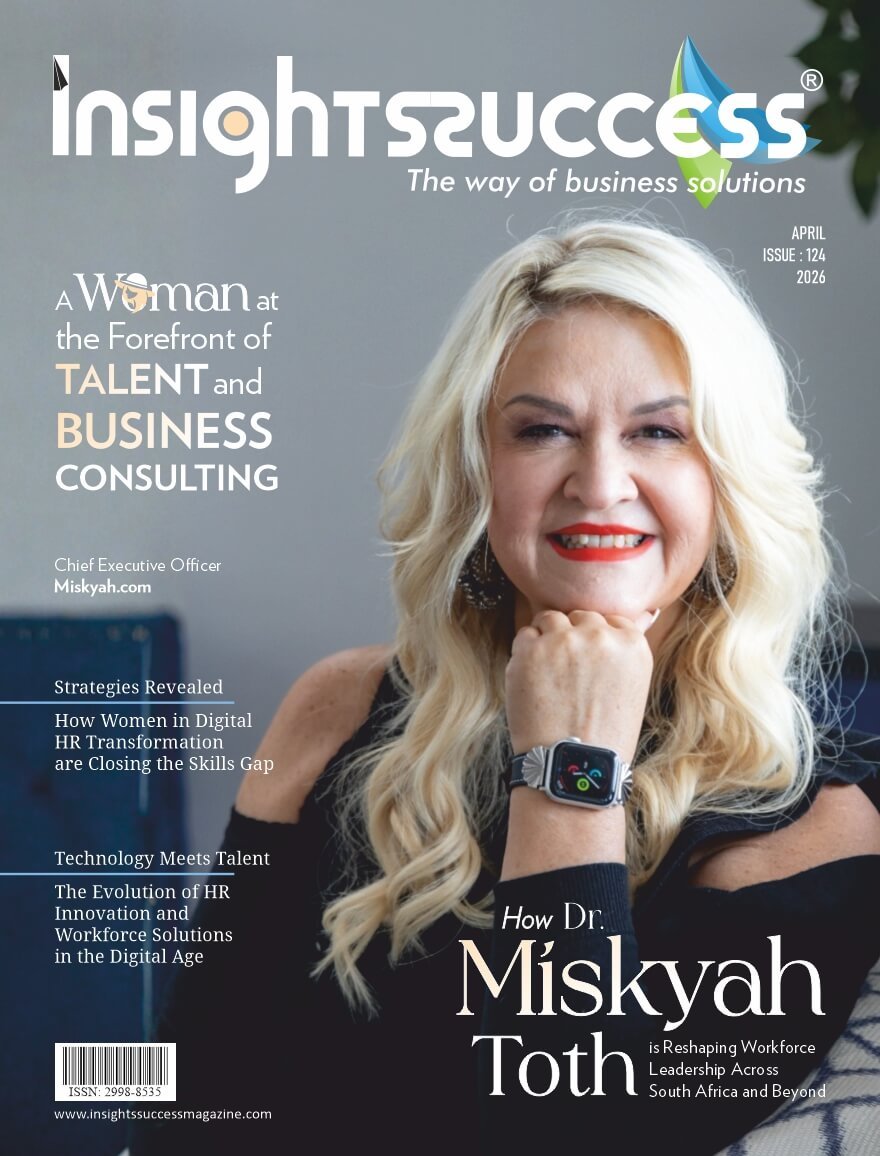
A Woman at the Forefront of Talent and Business Consulting
A Woman at the Forefront of Talent and Business Consulting This edition celebrates a visionary leader redefining how organizations attract, nurture, and retain talent. Blending strategic insight with human-centric values, she drives business transformation, empowers workforces, and sets new benchmarks in consulting through innovation, resilience, and an unwavering commitment to excellence. Digital Link Quick highlights Quick reads

How Dr. Miskyah Toth Is Reshaping Workforce Leadership Across South Africa and Beyond
In South Africa’s competitive business landscape, where workforce challenges run deep and the distance between potential and opportunity can feel impossibly wide, Dr. Miskyah Toth made a decision that would define her career. She stopped working within broken systems and started building better ones. It was not a straight line that followed. The transformation of the HR practitioner to the CEO was a conscious, rigorous, and very human process of finding the gaps to close them at scale and to make individual change become an organization that has provided jobs to thousands of individuals. It is that journey, and the philosophy it created, that has established Dr. Miskyah as one of the most influential voices on workforce leadership in the continent today. Being the CEO and Owner of Business Directive Contract Services and having created the Miskyah.com platform, Dr. Miskyah has created something that is much more than a one organization set up. She has developed a model which considers workforce solutions as a real strategic capability, a platform which raises the voices of the aspiring professionals on the continent, and a literature that traverses through an individual coaching engagement at one extreme, and enterprise-wide workforce change at the other. Her personal milestone and professional testament are her memoir Iron in Silk. But the fame she has gathered on the way has only pushed her to do more. It never existed without something she appreciated much more: the people. When the System Itself Becomes the Problem Dr. Miskyah did not arrive in talent and business consulting through a conventional route. Her foundation was Human Resources, and it was inside that world that she first encountered the problem she would spend her career solving. “Many organizations treated HR as a support function rather than a strategic driver of business success. Talent was often managed reactively, with limited focus on structured development, alignment, and long-term impact,” she explains. That observation became her defining moment. Dr. Miskyah watched organizations make workforce decisions without the strategic frameworks to understand their downstream consequences. She saw people placed without purpose, potential left undeveloped, and entire business operations running below capacity because the human infrastructure holding them together had never been designed with intention. She did not simply identify the gap. She built a company to close it. Business Directive Contract Services was established to reposition workforce solutions as a strategic pillar within organizations rather than a peripheral service. The move from HR practitioner to consulting founder required Dr. Miskyah to take full ownership of outcomes in a way her earlier roles had never demanded. She was no longer part of the process. She was responsible for the result. Thousands of Lives and Counting What separates Dr. Miskyah’s model from conventional HR consulting is its orientation toward systems and scale. She did not build BDCS to place individuals. She built it to influence entire organizations simultaneously, designing structured workforce frameworks that connect talent with opportunity in ways that are intentional, measurable, and aligned with long-term business performance. She says, “Through a larger, more structured workforce model like BDCS, I am able to support not just individuals, but entire teams and organizations simultaneously.” This allows for a far greater level of influence, where both business performance and individual growth can be developed in parallel. Employing thousands of people represents more than a headcount milestone for Dr. Miskyah. Each number in that figure represents a livelihood supported, a family impacted, and an opportunity created that might not have existed otherwise. She holds that awareness with deliberate attention, because it is precisely that sense of consequence that keeps her standards high and her focus sharp. That responsibility also shaped how Dr. Miskyah thinks about leadership itself. In the early stages of building BDCS, leadership demanded direct involvement in every aspect of operations. As the organization grew, she made a transition that many founders struggle to complete from operational focus to strategic focus. That shift required trust, delegation, and the willingness to build internal structures strong enough to function without her presence in every room. She asserts, “Today, leadership is about alignment. Ensuring that every decision, every process, and every individual is moving with clarity and purpose.” The Cost of Being Underestimated Dr. Miskyah does not romanticize the journey that brought her here. She speaks about its hardest chapters with the directness of someone who processed difficulty honestly rather than bypassing it. She reflects, “There were moments where I had to prove myself repeatedly. Coming from an HR background, there can sometimes be a perception that your role is supportive rather than strategic. I had to consistently demonstrate that workforce strategy is business strategy.” That demonstration required results delivered consistently over time. It required Dr. Miskyah to outperform the perception, to build outcomes visible enough that the question of whether her domain was strategic became impossible to answer with anything but yes. The discipline she developed in those years, staying focused when progress felt slow, making difficult decisions under pressure, remaining patient when immediate outcomes were not guaranteed, became the operational backbone of how she runs BDCS today. Her four guiding values map directly onto that experience. Integrity drives decisions aligned with long-term purpose even when easier options exist. Resilience maintains focus and consistency through uncertainty. Accountability demands full ownership of both positive outcomes and difficult ones. And empathy ensures every situation is approached with genuine understanding of the perspectives on the other side. Borders Were Never the Boundary Dr. Miskyah does not position herself or her work as locally bounded. She operates as a global figure, deliberately maintaining exposure to international workforce trends, diverse business models, and emerging practices that allow her to bring a forward-thinking perspective to the South African market and beyond. She mentions, “Operating as a global figure allows me to remain informed on international trends, diverse workforce models, and emerging practices. This broader perspective ensures that my approach is forward-thinking and aligned with global shifts influencing local markets.” Her platform, Miskyah.com, extends this reach considerably.

Caribbean’s Visionary Hospitality Leaders Redefining Luxury & Guest Experience
Caribbean’s Visionary Hospitality Leaders Redefining Luxury & Guest Experience Celebrating hospitality leaders who elevate luxury through exceptional guest experiences, refined service, cultural authenticity, and visionary strategies, setting new standards and creating memorable stays across the Caribbean region. Digital Link Quick highlights Quick reads
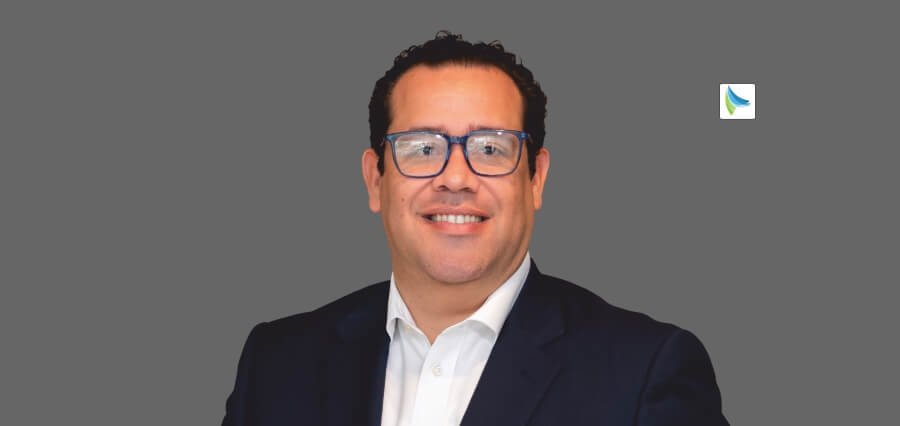
Edwin Pereyra Gross: Defining Trust in International Hospitality Supply Chains
It started with something small and seemingly insignificant, as the best entrepreneurial stories do. At the age of eight or nine years, Edwin Pereyra Gross began collecting scrap telephone wiring, and remnants of leather, as found in local workshops near his home. He used those rejected materials to make his own hand-made bracelets and sold them to his schoolmates. At the time, he had no idea, but he was already applying the concepts that would eventually underpin a company that would operate in the Americas and well beyond – that is, knowing what people demanded, building value out of scarce resources, and providing something people actually desired. Edwin is now in the chair of Altron International, a B2B hospitality solutions corporation that he started twenty one years ago with a considerably larger mandate than mere procurement. Altron offers hotel owners and operators in the Caribbean, the Americas and to an ever-growing global clientele; furniture and fixtures, full-stop logistics, financing, and after sales services. Within an industry in which the collapse of supply chains can destroy hotel openings worth multi-million dollars and overnight trust of guests, Altron does not position itself as a supplier, but according to him, a holistic solution provider. It was not a straight line between those childhood bracelets and the boardroom. It has gone through a characteristic family crisis, engineering diploma, master of logistics and years of experience working in the complexities of global supply chains. The shockproofed his instincts in each chapter. Every failure solidified his determination. A Lesson Learned in Bankruptcy Shortly after his early experiments in entrepreneurship, Edwin witnessed something that would fundamentally alter his worldview: his family’s business went bankrupt. He was still very young, but the impact hit with the force of something far greater than his age should have allowed him to absorb. Even then, with limited business knowledge, he could sense that the company had structural weaknesses, including a dangerous dependence on a handful of large customers and an inability to grow sustainably. “That experience deeply shaped my perspective,” he says, reflecting on those formative years. From that moment, he made a conscious decision: whatever he built would be designed for scalability, resilience, and independence. His vision was never confined to a single city or country. He aspired to build organizations capable of expanding across the Caribbean, throughout the Americas, and eventually onto a global stage. That ambition, born from personal loss, became the founding philosophy of Altron International. It explains why the company does not operate like a traditional supplier. It explains why he built it around five foundational pillars consisting of budget control, standard compliance, total integrated logistics, after-sales support and replenishment, and flexible financing, rather than simply around product catalogs and price lists. He was not building a company. He was building certainty. The Supply Chain Strategist Before Altron, Edwin spent years deep inside the operational realities of global supply chains. As an Industrial Engineer with a master’s degree in logistics, he worked extensively with companies supplying raw materials to manufacturers across Free Trade Zones in the Dominican Republic and Central America. He coordinated global sourcing, managed logistics, and optimized operations across industries that do not forgive inefficiency. That experience exposed him to the complexity and strategic importance of supply chains. It also revealed the immense value a reliable procurement partner can bring to an organization. In industries where margins are tight and timelines are unforgiving, the difference between a dependable partner and an unreliable one can determine whether a hotel opens on schedule or a project collapse under costly delays. When he turned his attention toward the Caribbean hospitality sector, he recognized exactly that pattern playing out at scale. The region was entering a period of expansion. New hotel developments were accelerating across multiple island markets. However, many operators struggled with fragmented sourcing, inconsistent product standards, logistics inefficiencies, and a lack of dependable long-term partners. He saw a gap wide enough to build a company within it. “I recognized a clear opportunity to bridge this gap,” he says simply. That recognition became Altron International. Redefining Luxury from the Ground Up Ask Edwin to define luxury in hospitality today, and he does not rely on predictable references to marble lobbies and thread counts. His definition is more nuanced and more demanding. Luxury, in his view, means the ability to enjoy exactly what you want, when you want it, and where you want it, delivered in a seamless, thoughtful, and memorable way. He acknowledges that historically, luxury meant opulence, grand architecture, expensive materials, and visual extravagance. Those elements still matter. However, the definition has shifted toward emotional connection, authenticity, and experience. Today’s guests seek immersive and meaningful moments such as harvesting coffee in Guatemala, finding stillness at a wellness retreat in Bali, sailing to remote Caribbean islands, or experiencing cultural traditions that no amount of wealth can simply manufacture. This shift has profound implications for everyone in the hospitality supply chain, including companies like Altron. When the product is an experience and the goal is an emotional memory rather than simply a comfortable room, the quality and intentionality of every physical element within that environment takes on greater importance. The furniture must feel right. The lighting must evoke the right mood. The fabrics must carry the right texture. Nothing can be generic. Nothing can be arbitrary. The Caribbean’s New Chapter The Caribbean that Edwin describes today looks very different from the one that earlier generations of travelers recognized. Guests no longer visit solely for sun and beach. They seek cultural immersion, culinary excellence, authentic local experiences, and a genuine emotional connection with the destinations they choose. The region has diversified substantially. Large-scale resorts continue to thrive alongside a growing ecosystem of boutique properties, luxury lifestyle hotels, and experiential hospitality concepts. Improved air connectivity and growing collaboration among Caribbean nations have enabled multi-destination travel, allowing guests to explore multiple islands within a single journey. Markets such as the Dominican Republic, Aruba, Turks and Caicos, St. Barts, and Puerto