






Dr. Cory Torgerson Explains Industry Shift Toward Subspecialized Facial Surgery and Advanced 3D Surgical Planning
Toronto, Canada – Plastic surgery for the face in Canada is moving towards specialization. Increasing numbers of patients and referring doctors in Toronto are now opting for facial plastic surgeons who deal only with the face, neck, and head rather than general plastic surgeons who deal with the whole body. Dr. Cory Torgerson, MD, PhD, FRCSC, is a Toronto Facial Plastic Surgeon, cites subspecialization in facial surgery as one of the clearest trends affecting patient decision-making in Ontario today. In today’s modern time , patients are very much aware of what the treatment is about and what the outcome should be, before settling for a facial surgeon. Why Subspecialization Is Reshaping Facial Plastic Surgery From general surgical work to specialization in surgery. Face operations have long been done by general plastic surgeons who would also be doing other body sculpting and breast surgeries. This trend is changing. An increasing number of patients in Canada have opted for face plastic surgeons, doctors who specialize only in operations related to the face, head, and neck. The anatomy of the face is different from the rest of the body and specialization in one area becomes an important factor in achieving successful surgery Subspecialization in Facial Surgery Subspecialization in facial surgery is about surgeons focusing on one specific part of facial surgery such as rhinoplasty, facelift surgeries, or eyelid surgery as opposed to general specialization in various types of surgeries. Rhinoplasty: Specialized surgeons in nose surgery can achieve greater accuracy and natural results. Facelift surgery: The surgeon can specialize in performing face rejuvenation surgeries and make use of knowledge in dealing with the signs of aging. Oculoplastic surgery: The surgeon specializing in oculoplastic surgery will have experience in handling eye, eye socket, and eyelid problems. This ensures that patients have surgeons who possess highly developed skills in a particular area only. Why Subspecialization Is Important Subspecialization is not only about specialization but is also about raising the bar of standards of care. Toronto patients can get the best treatment here without having to go anywhere else. Patient Safety: Very highly qualified surgeons keep the risk of errors low. Predictability of Outcomes: Knowledge in one particular area ensures better predictability of outcomes. Innovation Adoption: Subspecialists usually tend to adopt innovations quickly. The Role of Advanced 3D Surgical Planning One of the most transformative tools used in facial surgery is 3D surgical planning. This process of 3D surgical planning comprises creation of a 3D model of the patient’s face through image processing software that helps to see what will be the outcome before going into the surgery. It is especially useful in rhinoplasty and reconstructive surgeries where any small change can make a huge difference in the harmony of the whole structure. Unlike 2D photographs, 3D modeling enables the surgeon to do the following: Check the bone and cartilage structure from all sides; Ensure proper proportions with testing even the smallest change; Reduce the risk in revision surgery; Increase communication with the patient; Have consistent planning in similar situations. General Plastic Surgery vs. Subspecialised Facial Surgery When searching for a surgeon in Toronto, people usually encounter these terms in a more common way, which makes it hard for patients to make comparisons between one surgeon and the other. The following is a comparison of the two types of practice. Factor General Plastic Surgeon Subspecialised Facial Plastic Surgeon Primary focus Full body (breast, body, face) Head, neck, and face only Procedure volume by region Distributed across body areas Concentrated in facial anatomy Typical additional training Broad plastic surgery residency Residency plus facial-specific fellowship Use of 3D surgical planning Varies by practice Increasingly standard for facial cases Common procedures Body contouring, breast surgery, facial surgery Rhinoplasty, facelift, blepharoplasty, otoplasty This shows the general difference between practice models and not an evaluation of the skills of individual surgeons. A specific case for such specialized practices would be that of facelifts and eyelid surgery in a facial surgery practice. What Toronto Patients Should Know Before Choosing a Surgeon Facial surgeries such as rhinoplasty, facelift, and blepharoplasty have background information that can be accessed from HealthLink BC, a publicly funded site in Canada. Additionally, the patient can also check whether the physician holds a license to practice medicine in Canada with the College of Physicians and Surgeons of Ontario. One of the few surgeons in Canada who specialize in performing surgery on the face is Dr. Torgerson associated with Sunnybrook Health Sciences Centre, Toronto facial plastic surgeon profile reflects this focused model. Why This Shift Matters for Facial Reconstruction Cases Complicated cases require specialization the most, cases like complicated nose jobs revision and reconstructive surgeries are always more complicated compared to primary procedures. Doctors who specialize only in facial surgery, with the help of the latest technology, such as 3D Vectra imaging used for consultation for rhinoplasty, are usually more equipped for this challenge. That is why patients often ask about their surgeon’s specialization before consulting him. A Broader Industry Trend, Not Just One Procedure It’s not just one procedure; it’s becoming an industry-wide trend. The professional societies of the Canadian Society of Facial Plastic Surgery and the American Academy of Facial Plastic and Reconstructive Surgery have both documented increased interest in these digital technologies as well as facial fellowship training on the part of their members. This pattern identified in Toronto is also reflective of other markets in North America. Looking Ahead- Where the industry seems to be heading next Specialization and 3D surgical planning are now becoming standard expectations instead of differentiating factors. In Toronto, some good initial steps would be to check on the surgeon’s credentials, ask if 3D planning technology is involved in consultations, and find out if the surgeon specializes exclusively in facial anatomy. About Dr. Cory Torgerson Facial Plastic Surgery Dr. Cory Torgerson, MD, PhD, FRCSC, is a facial plastic surgeon located in Toronto. His expertise includes facial cosmetic procedures like nose job, facelift, eyelid surgery, and ear pinning. Dr. Cory Torgerson works at Sunnybrook Health Sciences Centre and uses 3D VECTRA Imaging Technology to plan his surgeries for each individual patient. Media Contact Name: Dr. Cory Torgerson Organization: Dr. Cory Torgerson Facial Plastic Surgery Email: contact@drtorgerson.com Website: https://drtorgerson.com Read Also : Sovereign Skin: Redefining Modern Skin and Aesthetic Care Through a Patient-First Approach

What Makes a Hair Transplant Look Natural? Toronto Hair Restoration Expert Dr. Cory Torgerson Explains
TORONTO, ON The demand for hair transplant surgery is rising in Canada, and there is one concern that comes to mind over others: does it appear natural? Dr. Cory Torgerson of The Toronto Hair Transplant Clinic, provides the surgical and artistic techniques that will give you an undetectable hair transplant. Hair transplant surgery has evolved from the old days when patients would undergo strip-graft FUT transplants to more advanced and better techniques. However, while there are so many advancements, one of the most common and important questions asked is: “Will it appear real?” This depends on how well the hair transplant surgery will be performed and on the artistry of the surgeon. Why “Looking Natural” Became the Real Benchmark Hair loss is a common problem, and thus people get anxious around fixing it. Androgenic alopecia or hereditary baldness has become a common problem in Canada to the extent where Health Canada has reviewed and approved medicines especially designed for this problem. Finasteride, for example, has been approved by Health Canada for the treatment of androgenic alopecia in males since late 1990s, as stated by Health Canada safety review. With so many people suffering from hair loss, it has become necessary that the new norm for the transplant procedure should not only involve the restoration of hair but also that it looks natural as the one that was never lost.Toronto based head and neck surgeon Dr. Cory Torgerson, who specializes in hair restoration, gives the specific characteristics of hair transplant surgery which make it appear natural. The Outdated Techniques That Gave Hair Transplants a Bad Reputation To begin, it’s important to understand the factors that gave rise to the persistent stereotype of the “obvious hair transplant.” The older hair transplant techniques used larger hair groupings known as plugs that would be inserted in close order over the scalp. They were effective, although visually noticeable. The common problems associated with the technique include: Straight and “picket fence” hairline without a transition zone Hair that grows at a strange angle rather than going in the direction of the scalp An overly dense growth in the wrong part of the scalp, especially at the front Scars visible due to the strip harvesting procedure for taking out the donor hair The modern FUE hair transplant technique was created in order to solve these problems. What Actually Makes a Hair Transplant Look Natural The standard for a successful procedure ultimately depends on the technical choices made to determine whether the transplanted hair will seamlessly blend in or noticeably stand out. As per the clinical study of follicular unit extraction published by the National Institutes of Health in the U.S., follicular unit extraction has become a better alternative to plug grafting or scalp reduction techniques because it involves the transplantation of hair follicles one at a time to give a denser look . Some of the fundamental principles involved include: Hairline design that is irregular – a natural hairline is never perfectly straight; it has soft and uneven edges and single hair grafts on its front edge Angle and direction of growth – the hair is transplanted in the same way as the other hair around it grows; it is never transplanted in a straight manner Density transition – there is gradual transition of density from the hairline backwards as opposed to dense hair immediately at the hairline Matching of follicular units – grafts are arranged in groups that naturally grow in the body and consist of one to four hair grafts Characteristics of an individual hair – hair texture, curls, and color play a significant role in blending of the hair transplant results A Comparison of The Two Common Methods – FUE vs. Older Strip Harvesting: A short comparison of the two most frequently used methods for donor hair extraction. Factor FUE (Follicular Unit Extraction) Strip Harvesting (Older Method) Donor hair collection Process Follicles are extracted one by one A piece of skin is removed through surgery Scarring Effect Small dot scars which heal and blend Linear scar at the back of the head Recovery time Typically a few days to a week Extended recovery time; sometimes even stitches Styling freedom post-procedure Suitable for short or buzzed haircuts The scar will be visible in very short hair Precision of placement Individual graft control supports natural angling Grafts are dissected from a strip, less individualized Both techniques do not assure a natural appearance by themselves; success will largely depend on the surgeon’s planning and his team’s FUE harvesting and planting skills. Why Surgeon Experience Matters More Than the Tool Used Technology may help in achieving a natural appearance, but it cannot substitute the role of the surgeon and his team’s expertise. According to Canadian surgeon, Dr. Torgerson, who graduated from the University of Toronto and is licensed by the Royal College of Physicians and Surgeons of Canada, graft placement requires precise skill. The exact same graft, harvested with the exact same instrument, can look completely different depending on the angle, spacing, and layering used during the procedure. Dr. Torgerson also explains that hairline design should be approached individually taking into consideration the patient’s age, facial type, hair characteristics and the pattern of hair loss Key Questions to Ask Prior to Selecting Your Hair Transplant Surgeon Some handy questions to consider when choosing a clinic to deliver naturally looking results. Is it the surgeon himself who designs the hairline or someone else? Can the clinic provide samples of various before and after cases of hair transplant with different hair types and varying levels of hair loss? What kind of technique is employed for removing donor hair and what is the usual recovery process? How is the graft density designed for hairline, mid-scalp, and crown? How successful has the facility been with patients whose hair textures are similar to yours? Natural-Looking Hair Replacement Depends on Harmony Natural hair replacement is not a single breakthrough, but rather a combination of small steps, including a hairline that is not too regular, grafts placed at the proper angle and density increase over time (to prevent shock loss). The development of the FUE technique has led to the convergence of

Baby Gold Jewelry Reviews: What to Know Before You Buy
A buyer-focused guide to materials, Los Angeles manufacturing, personalization, value, customer proof, and cultural relevance Shopping for fine jewelry online should start with a few basic questions: What is the piece actually made from? Where is it produced? How is custom work handled? And does the price reflect the materials and craftsmanship you are receiving? Baby Gold is a Los Angeles-based fine jewelry brand built around solid 14K gold, natural diamonds where diamonds are used, personalization, and factory-direct manufacturing. For shoppers researching Baby Gold reviews, the most useful way to evaluate the brand is not through a single glowing or negative comment. It is to look at the fundamentals: materials, manufacturing, design, personalization, price structure, customer scale, and how the jewelry is intended to be worn over time. Fine Jewelry for Real Life Baby Gold creates modern fine jewelry designed to live with you everyday pieces that can be layered, personalized, gifted, collected, and worn for years. The collection spans solid gold necklaces, chains, bracelets, rings, earrings, charms, diamond pieces, and an extensive range of custom and personalized designs. The aesthetic sits at the intersection of current and timeless: trend-forward enough to feel relevant, but grounded in classic fine jewelry that never feels disposable. From subtle everyday staples to statement pieces and deeply personal designs, Baby Gold is built around jewelry that becomes part of how you dress, celebrate, and express yourself. The Real Thing: Solid 14K Gold and Natural Diamonds Baby Gold is built around real materials. The collection is made in solid 14K gold, with natural diamonds used throughout its diamond designs not plated metals positioned to look like fine jewelry. That distinction matters. Solid gold has intrinsic material value and is made to be worn, kept, and lived in for years, without a surface layer of gold that can eventually wear through to a base metal underneath. The same philosophy applies to diamonds. Baby Gold uses natural diamonds, giving customers clarity about what they are buying and confidence in the materials behind each piece. In a category where two pieces can look nearly identical on a screen while being made from completely different materials, that transparency makes value easier to understand and gives customers a better basis for comparing quality, longevity, and price. Made in Los Angeles: Why In-House Manufacturing Matters Baby Gold’s Los Angeles manufacturing is central to how the brand approaches quality. Keeping production close to its own team means greater oversight from the moment materials enter the workshop through fabrication, stone setting, finishing, personalization, quality control, and final inspection. That control extends to the materials themselves. Baby Gold is built around solid 14K gold, natural diamonds, carefully selected gemstones, and quality components throughout each piece. The philosophy is simple: the details customers may never see should be held to the same standard as the ones they do. From alloys and findings to stones, settings, clasps, and finishing, the goal is consistency without cutting corners. Producing domestically also keeps the work in the hands of experienced jewelers, setters, polishers, and craftspeople in Los Angeles, supporting the skilled artisan community that has long been at the center of the city’s jewelry industry. The advantage becomes especially meaningful with custom and personalized jewelry. Name necklaces, initials, engravings, custom lengths, and made-to-order designs can move directly between the design and production teams, allowing for faster communication, greater flexibility, and closer quality control throughout the process. For Baby Gold, Made in Los Angeles is more than an origin statement. It represents visibility into how a piece is made, accountability at every stage, and confidence in the materials and craftsmanship behind the finished jewelry. Factory-Direct Fine Jewelry and the Value Question Fine jewelry pricing is difficult to compare because two pieces that look similar in a photograph can contain very different amounts of precious metal, use different stone qualities, or pass through very different retail structures before reaching the customer. Baby Gold’s direct-to-consumer, factory-direct model is designed to reduce layers between manufacturing and the end buyer. The useful comparison is not simply which piece has the lowest price. It is how much real material, design, personalization, workmanship, and service a customer receives for the price. For many Baby Gold customers, the appeal is being able to buy solid gold and natural-diamond jewelry without the same markup structure associated with traditional luxury retail. Personalization Without the Traditional Custom-Jewelry Friction Personalized jewelry is one of Baby Gold’s strongest categories. Name necklaces, initials, engravable pieces, charms, and custom configurations give customers a way to make fine jewelry feel personal without abandoning everyday wearability. Custom pieces naturally require production time, and buyers should always check the current lead time for the exact item they are ordering. The advantage of in-house production is control: the brand can manage more of the customization workflow directly rather than routing every request through an overseas vendor or unrelated workshop. Celebrity, Athlete, and Influencer Visibility Baby Gold’s growth has also been supported by strong visibility across entertainment, sports, fashion, and digital culture. The brand has been worn by prominent figures including Selena Gomez, Serena Williams, Simone Biles, Naomi Osaka, Kim Kardashian, Kylie Jenner, Kendall Jenner, Alix Earle, Nara Smith, and Jessica Alba, among others. That kind of visibility is not a substitute for material quality or customer experience, but it provides a different form of social proof: the designs resonate not only with a large everyday customer base, but also with highly visible tastemakers, elite athletes, and major creators. For Baby Gold, the strongest story is the combination of broad consumer adoption and cultural relevance rather than celebrity association alone. Customer Scale and Review History According to Baby Gold, more than 600,000 customers have purchased through its online store, and the brand has accumulated more than 20,000 five-star reviews. Those numbers do not mean every customer experience will be identical, but they provide useful context: this is an established direct-to-consumer jewelry business operating at meaningful scale. The most useful reviews tend to focus on the same things prospective buyers should evaluate themselves: whether the item matches the

Guardian of the Digital Frontier in Cybersecurity and Risk Intelligence
Guardian of the Digital Frontier in Cybersecurity and Risk Intelligence Highlighting visionary cybersecurity leadership and its role in protecting critical digital infrastructure. This edition explores risk intelligence, proactive security, governance, strategic expertise, and approaches that strengthen digital resilience. Digital Link Quick highlights Quick reads

The Trusted Enabler: How Syed Haider Hussain Is Redefining Cybersecurity Leadership in the Age of Intelligent Threats
Most organizations discover their cybersecurity gaps at the worst possible moment. A breach occurs. A system fails. A government stakeholder receives news that the data entrusted to the organization has been compromised. By that point, the conversation about security posture is no longer strategic. It is damage control. Syed Haider Hussain has spent his career ensuring that organizations never reach that conversation, building the frameworks, the cultures, and the operational capabilities that catch threats long before they become crises. As Associate Director of Cybersecurity-Confidential, a Riyadh-based organization servicing critical government agencies across the Kingdom, he operates at a scale where that work has never been more consequential or more visible. His path to that position was shaped by something rarer than technical expertise: a genuine philosophical conviction about what cybersecurity is actually for. Beginning with a Bachelor’s and Master’s in Computer Science, he moved through hands-on technical roles in architecting and developing software for core banking systems, absorbing a lesson that would anchor every subsequent decision. Digital infrastructure is only as strong as the security philosophy embedded within it. The code matters. The thinking behind the code matters more. As his responsibilities grew, a pivotal realization followed: technical expertise alone is insufficient in today’s threat environment. Effective cybersecurity leadership demands strategic vision, regulatory acumen, boardroom fluency, and the ability to translate complex technical risks into language that drives executive decision-making. That realization sent him pursuing a portfolio of industry-recognized certifications and a sustained investment in governance frameworks, compliance standards, and emerging threat vectors that have never stopped. He mentions, “My journey taught me that the most powerful thing a cybersecurity leader can do is make security not a barrier to business, but its most trusted enabler.” Building From the Ground Up The defining chapter of Haider’s career has been the construction of something that most professionals only manage or inherit: a comprehensive cybersecurity function, built entirely from scratch, for a high-criticality environment serving government stakeholders whose digital operations effect the lives of citizens. From the ground up, he architected a unified Security Operations Center, integrating intelligent automation tools that dramatically elevated threat detection precision and incident response velocity. This was not a technology deployment project. It was a full-scale organizational transformation that required simultaneous attention to infrastructure, culture, governance, and stakeholder alignment across a complex and sensitive operating environment. The outcomes were measurable and significant. Incident response times fell by 50%. Threat detection precision improved substantially. Full compliance with evolving regulatory standards was achieved and maintained. But the outcome he holds as most meaningful sits beyond the metrics. He states, “The outcome I am most proud of was the trust it built, with government stakeholders, with clients, and with the communities depending on those services. That trust translated into renewed and expanded contracts, validating that security excellence and business success are inseparable.” Beyond the SOC, he identified and led the creation of a dedicated cybersecurity services practice that generated millions of dollars in new revenue within a few years, demonstrating a core leadership conviction: that cybersecurity excellence and commercial success are not competing forces. When strategically aligned, they amplify each other in ways that create lasting institutional value. Leadership as Depth, Not Height Ask Haider how he defines effective cybersecurity leadership, and he will not reach for a technical framework. He will reach for a cultural one. Effective leadership, in his view, is not about building the highest walls. It is about cultivating the deepest resilience. And resilience is a cultural and strategic achievement before it is a technological one. True leadership begins with reframing cybersecurity as a core business enabler, not a cost center or a compliance obligation. When security is positioned as a strategic asset that protects reputation, builds client trust, and enables growth, the entire organizational mindset shifts. Security stops being someone else’s problem and becomes everyone’s shared responsibility. From there, it demands the ability to translate risk into relevance: speaking the language of the boardroom as fluently as the language of the SOC, communicating threats in terms of business impact, regulatory exposure, and stakeholder confidence. He highlights, “Leaders who can bridge that gap are the ones who secure investment, drive adoption, and build lasting organizational commitment.” Great leaders, he argues, also invest relentlessly in their people. Technology evolves rapidly, but human judgment, informed by rigorous training, real-world simulation, and psychological readiness, is what ultimately determines how an organization responds when a breach occurs at 2 AM. Building that depth requires embedding security awareness into the organizational DNA from the first day of onboarding to the executive suite, not as a policy obligation but as a genuine shared value. Innovation Within Governance The tension between innovation and risk management is one of the most intellectually demanding challenges in the cybersecurity field. Haider navigates it through a foundational principle that cuts through the apparent contradiction cleanly: innovation is not the enemy of governance. Unvetted innovation is. When new technologies are evaluated rigorously, implemented incrementally, and continuously monitored, they do not increase an organization’s risk profile. They dramatically improved it. His evaluation process for every proposed innovation is multi-dimensional: Does it align with the organization’s risk appetite? Does it meet compliance requirements? What are the downstream operational implications? Does it introduce new attack surfaces that outweigh its defensive value? He asserts, “I champion phased implementation, piloting innovations through proof-of-concept frameworks before committing enterprise-wide deployment. This has allowed us to embrace AI-driven security tools, automated response platforms, and cloud-native architectures with confidence.” Cross-functional collaboration is equally central. Working with legal, compliance, operational, and executive teams to build innovative governance that reflects the full organizational risk picture ensures that the result is smarter, faster, and more durable innovation rather than bureaucratic slowdown. When all stakeholders contribute to and understand the risk calculus, enthusiasm for emerging technologies is always channeled through disciplined risk intelligence. AI: The Double-Edged Reality Few dimensions of cybersecurity conversation are more consequential or more misunderstood than artificial intelligence. Haider’s perspective on it is both enthusiastic and clear-eyed,

The Growing Role of Digital Asset Guardians in Cybersecurity
Advancing Asset Protection Data is what drives the digital economy. Customer data, intellectual property, financial transactions, cloud computing systems, and source code all together form the most precious as well as the most exposed information that companies possess. The protection of these assets cannot be delegated anymore to the old-fashioned IT department. There is a new practice that can handle this challenge today. The role of digital asset protectors – specialists and programs tailored for securing and governing the complete set of digital assets that any company has – has become crucial in defending companies against increasing threats. No exaggeration of the magnitude of the threat is required. According to estimates, cybercrime cost companies approximately USD 10.5 trillion globally in 2025, which is expected to go up to as much as USD 15.63 trillion in 2029. The average cost of a data breach in 2024 globally was a record USD 4.88 million, which later decreased slightly to USD 4.44 million in 2025. For the USA, the cost of a data breach increased to a record-breaking USD 10.22 million in 2025. Moreover, 88% of cybersecurity incidents are caused by human error, while in 2025, one out of six cybersecurity breaches were caused by AI attacks. Given this situation, digital assets protectors do not simply defend against attacks but create systems that prevent their occurrence. The Threat Environment Has Changed Permanently The techniques used in cyberattacks have been developing at a much faster rate than most organizations’ countermeasures have. Gartner states that in 2025, 45 percent of organizations around the globe were subjected to attacks in their software supply chains. In 2024, the Internet Crime Complaint Centre (IC3), which is part of the FBI, in the United States recorded 859,532 cybercrime complaints, recording a loss of $16.6 billion, which is a 33 percent increase from the previous year. Digital asset guardians guard against these attack vectors with structured governance as opposed to piecemeal patching. These entities classify digital assets according to their level of sensitivity and business importance, establish access control mechanisms according to such classification, monitor behavioural patterns for any anomalies indicating a breach of security, and keep audit trails which comply with both internal and external regulations. Entities that leverage security AI and automation, an important element of the operational framework of digital asset custodians, handle breaches 80 days quicker and save almost USD 1.9 million per breach than those without any automation at all. Governance Is the New Perimeter The traditional idea of a network perimeter where there is a clear boundary between the organization’s control zone and external territories is long gone for modern IT environments. Cloud infrastructures, remote workforces, integration of third parties, and mobile devices have eliminated this boundary entirely. A quarter of all incidents in 2025 occurred due to cloud compromises, and cloud identities were revealed to be 99 percent over-permissioned in comprehensive security assessments. The role of digital asset guardians in this environment revolves around taking governance as a perimeter. This means that digital guardians develop IAM solutions, implement zero-trust architecture, perform constant vulnerability assessment, and ensure their security posture complies with such international standards as NIST Cybersecurity Framework and ISO/IEC 27001. According to the latest research, the global cybersecurity market will expand with the CAGR of 9.3 percent and grow to USD 368.19 billion by 2033. A Real-World Model Built at Scale JPMorgan Chase & Co. — the biggest bank in America by the amount of its assets (USD 4.6 trillion according to the figures for mid-2025) — has one of the best documented digital asset protectors programmes in the banking sector. The company spends about USD 19.8 billion a year on technology, and cyber security is a big part of this spend and is treated as a priority. It has the Cybersecurity and Technology Controls organisation headed by the Global Chief Information Security Officer in charge of identifying, monitoring and controlling the entire scope of technology risks. The bank’s CISO, Patrick Opet, made an appeal to the software industry in 2024 calling to prefer secure development to speed to market based on his bank’s experience related to the problem of supply chain vulnerabilities, in particular, the software-related incident of 2024 involving more than 451,800 individuals. Moreover, JPMorgan Chase launched an AI Model Risk Management Framework in 2024 following the EU AI Act and NIST AI Risk Management Framework with the purpose of making all its AI systems explainable, auditable and traceable. It should be noted that the deployment of cybersecurity solutions based on AI saved the company USD 100 million. The Function Organisations Cannot Afford to Underinvest In A massive eighty-five percent of businesses were planning to boost their cybersecurity budgets in 2024, says PwC’s Global Digital Trust Insights – and this trend only moves upwards. However, more budget will not equal increased safety by itself. The digital asset guardians are those who bring the structure to the investment in order to turn it into security: connecting technical controls with business risk, compliance needs with practice, and making an institution resilient enough to recover quickly when (not “if”) an attack takes place. In 2025, the average breach lifecycle reduced to 241 days compared to 258 days recorded the previous year. This shows some improvement in terms of detection capabilities. But the 241-day period is still too much time for an exposure. The mission of digital asset guardians is to reduce it even further, as well as to make sure that when digital assets are being targeted, institutions holding them will be ready for such targeting. Read Also : Igniting Progress: The Rise of Women Energy Pioneers Shaping the Future of a Transforming Industry

How Cyber Risk Intelligence Supports Proactive Risk Management
Anticipating Security Risks The threats that face organizations in 2025 do not allow for a reactive approach. The cost of cybercrime worldwide is expected to reach USD 10.5 trillion per year by 2025 from the USD 3 trillion in 2015. On average, the cost of a data breach in the world is USD 4.88 million. In 2024, the number of cybercrime complaints in the U.S. was 859,532 and losses amounted to USD 16.6 billion – an increase of 33% from the previous year. In this situation, the way that How Cyber Risk Intelligence operates within an organization is the difference between risk management and risk management by the organization. Such a size of the problem requires a paradigm shift. More than 30,000 vulnerabilities were discovered in 2024 alone – an increase of 17 percent compared to last year. The phishing attack launches around 80-95 percent of all human-based attacks, whereas the supply chain attacks are increasing fast – according to Gartner, 45 percent of all organizations worldwide will face software supply chain attacks by 2025. No perimeter protection, no matter how advanced it is, is able to withstand that amount of different threats. To understand the difference that cyber risk intelligence makes to the situation, it is necessary to move away from security being a wall to security being situational awareness. From Detection to Anticipation The conventional approach to cybersecurity is reactive breaches happen, alarms go off, and response happens. The proactive approach to risk management is anticipatory intelligence equips the defenders with knowledge of adversary actions, attack strategies, and new vulnerabilities prior to the occurrence of incidents. This is more than just a play on words, it means controlling the timing of the threat rather than being controlled by it. This is how cyber risk intelligence can make anticipation possible at scale through the process of systematic collection, analysis, and exploitation of the threat data. Intelligence sources give insight into the actions, tactics, and techniques used by the adversaries on a near-real-time basis. Intelligence sources track the targeted sectors and asset classes of known threats. Intelligence identifies the indicators of compromise prior to their presence in the production environment. Those organizations that exploit this information do it by feeding intelligence into their security operations centers, vulnerability management programs, and executive risk reporting. The Frameworks That Make It Work Cyber risk intelligence programmes that prove themselves the most successful do not work in isolation from governance. Instead, they tie in directly with risk management frameworks NIST CSF, ISO 27001, and MITRE ATT&CK that turn threat intelligence into action prioritisation. MITRE ATT&CK, being the globally recognized knowledge base for adversary tactics and techniques, helps to compare the observed threat actor actions against their own control environment and identify the gaps and threats that their controls will be unable to stop. How cyber risk intelligence fits into these frameworks is what defines its business value. The intelligence that provides information to the CISO but does not get to the risk committee, procurement process, and third-party vendor assessment programme works at a fraction of its capacity. Companies that have integrated threat intelligence into their governance frameworks show improved security posture and reaction times. A Documented Case That Changed Industry Practice Cyber risk intelligence programmes that prove themselves the most successful do not work in isolation from governance. Instead, they tie in directly with risk management frameworks NIST CSF, ISO 27001, and MITRE ATT&CK that turn threat intelligence into action prioritisation. MITRE ATT&CK, being the globally recognized knowledge base for adversary tactics and techniques, helps to compare the observed threat actor actions against their own control environment and identify the gaps and threats that their controls will be unable to stop. How cyber risk intelligence fits into these frameworks is what defines its business value. The intelligence that provides information to the CISO but does not get to the risk committee, procurement process, and third-party vendor assessment programme works at a fraction of its capacity. Companies that have integrated threat intelligence into their governance frameworks show improved security posture and reaction times. Building the Proactive Capability Organizations that adopt proactive cyber risk intelligence programs not only lessen the chances of having to deal with an incident, they turn the economics of risk upside down. Less spent on incident response, more spent on prevention, faster decisions because their intelligence programs have already considered all probable scenarios, credible and data-backed risk assessment for their boards and insurers who now require them. How does cyber risk intelligence help companies become proactive when managing risks? In the end, it’s just as much about institutional willingness as it is about technological capability. The tools and methods to collect threat data and the threat data itself is out there. Organizations that use it wisely and strategically will be the ones that will determine what future resilient infrastructures will look like. This in a time when 90 percent of organizations’ frontline cyber security managers admit that attacks are becoming more frequent and 88 percent say that the attacks are becoming more severe. Doing nothing until something happens is not acceptable anymore. Cyber risk intelligence provides the answer to that problem. Read Also : The Growing Role of Digital Asset Guardians in Cybersecurity

Inditex Bets Big on US Growth With New Store Push
Prime Highlights- Inditex plans 20 expansion projects in the US by the end of 2027 to grow its American presence. Inditex’s market value now tops luxury group Hermes as growth concerns weigh on high-end brands. Key Facts- New Zara stores are set for Denver, Phoenix and Pittsburgh. Store count fell 27% since 2019, but selling space shrank only 7%. Background- Zara owner Inditex is pushing deeper into the US market, betting on new stores and brand launches to fuel growth, CEO Oscar Garcia Maceiras said. The retailer will open Zara stores in Denver, Phoenix and Pittsburgh. It also plans to bring Massimo Dutti and Bershka to New York after debuting both brands in Miami. Inditex wants 20 expansion projects in the US by the end of 2027. That includes new stores, expansions and refurbishments across Zara, Bershka and Massimo Dutti. Garcia Maceiras pointed to the size and importance of the US market as a major draw. He said Inditex still favors selective growth, with profitability a requirement for every store. Inditex has streamlined its global store count by roughly 2,000 since 2019, shifting its focus toward bigger flagship locations. Store numbers were refined by 27% from their peak, while total selling space held strong, slipping just 7%. Larger, better-positioned stores have effectively taken the place of many smaller outlets. Edward Kevis, a global equity fund manager at Aviva Investors, said Inditex’s scale now gives it access to prime retail locations, driving more footfall and better store quality. Garcia Maceiras pointed to the newly renovated Zara store on Oxford Street in London. That location saw a sharp jump in conversion rates after a five-month renovation. Inditex’s market value has now passed that of luxury group Hermes, highlighting strong investor confidence in the fast fashion sector. Garcia Maceiras said shoppers increasingly mix items from different price brackets in their wardrobes, embracing variety across brands and segments. Read Also: Meta One Debuts With 50 Plus Tools As Meta Expands Its AI Subscription Lineup

Best Gamified Learning Platforms: Complete 2026 Guide
When researchers pooled 41 studies on classroom gamification in a 2023 Frontiers in Psychology meta-analysis, they found an effect size of 0.822 on student learning outcomes (Li, Ma, and Shi). That number puts gamified learning close to one-on-one tutoring in the education research literature, and it is why platforms like Kahoot, Blooket, and Quizizz have moved from novelty to core classroom infrastructure this year. This guide compares the best options for 2026, explains why the underlying design works, and walks through how to introduce one to your class without breaking your lesson plan. It is written for teachers and school leaders choosing tools with real budget and time on the line. What are gamified learning platforms? Gamified learning platforms are software tools that wrap curriculum content, such as quiz questions, flashcards, or lesson tasks, inside game mechanics such as points, leaderboards, timers, collectible characters, and mini-games. The content still teaches. The game layer changes how students engage with it, turning practice into voluntary play. The concept is older than the software. Teachers have been running spelling bees and math races for a century. What changed is the delivery. Modern platforms handle question banks, live scoring, mobile joining, and post-game analytics automatically, which frees the teacher to teach instead of running a stopwatch. There is a useful distinction between game-based learning and gamification. Game-based learning uses actual games designed for education, like Minecraft: Education Edition. Gamification adds game elements to existing academic material, so a quiz becomes a race and a review session becomes a tower defense round. The platforms in this guide sit almost entirely on the gamification side, because that model scales to any subject with question-and-answer content. Why do gamified learning platforms actually work? Gamified learning platforms work because they combine three research-backed mechanisms: immediate feedback loops, low-stakes repetition, and voluntary engagement. Students receive instant results on each answer, repeat questions without the anxiety of a graded test, and often keep playing at home without being asked. Meta-analyses consistently show medium-to-large positive effects on both engagement and knowledge retention. The evidence base The research literature is not thin. A 2024 meta-analysis in ScienceDirect reviewed 22 gamified learning systems and reported an overall effect size of 0.728 on student engagement and academic achievement. A 2025 K-12 focused meta-analysis in the Wiley Psychology in the Schools journal pooled 31 experimental studies and found gamification lifted student motivation with an effect size of 0.654, with the effect stronger on extrinsic motivation than intrinsic. For context, effect sizes above 0.5 are considered educationally meaningful. Effect sizes above 0.7 are what researchers call large, the kind of intervention worth investing time in. The classroom mechanisms behind the effect Three design choices do most of the work. The first is immediate feedback. Traditional homework gives feedback days later. A quiz platform tells the student in half a second whether the answer was right, which is when the brain is still holding the reasoning that produced it. The second is safe failure. Losing a game round costs a placement rather than a grade. Students who freeze on a paper test often answer freely in a game because the penalty is nothing. The third is voluntary repetition. Well-designed platforms make students want another round. Repetition is the strongest predictor of retention in almost every learning study, and gamification is one of the few interventions that gets students to volunteer for it. Which are the best gamified learning platforms for 2026? The best gamified learning platforms for 2026 are Kahoot, Blooket, Quizizz, Gimkit, Classcraft, and Quizlet, with each strongest in a different classroom situation. Kahoot excels at whole-class projector energy, Blooket at replay value and game-mode variety, Quizizz at self-paced assessment, Gimkit at strategic depth, Classcraft at long-form behaviour management, and Quizlet at study-mode flexibility. Quick comparison table Platform Best for Free tier strength Best grade level Kahoot Whole-class live energy Limited player caps K-12, corporate Blooket Replay value, mode variety Every game mode free 3-12 Quizizz Self-paced homework and reports Strong K-12 Gimkit Strategic depth, older students Most modes locked 6-12 Classcraft Long-term behaviour and role play Basic version free 4-12 Quizlet Flashcards and study modes Solid 4-college Kahoot Kahoot is the platform most teachers try first, and for good reason. Questions appear on a shared projector, students join from their devices with a PIN, and the fastest correct answer wins points. That format creates the loudest ten minutes in any classroom. The weakness is repetition fatigue. By the fourth session on Kahoot, the mechanic feels the same because it is the same. Kahoot’s paid tiers add slide integration, team modes, and larger player caps, but the free version covers what most teachers need. Use it when the goal is high-energy review with the class watching a shared screen together. Skip it when you want students working at their own pace. Blooket Blooket takes a different design path. The host picks one question set, then chooses from more than fifteen game modes that wrap those same questions in completely different mechanics. Students play from their own device instead of watching a projector, so the format supports mixed-pace classrooms. Gold Quest is the crowd favourite: students answer correctly, then pick a chest that might give them gold, swap positions with another player, or steal from them. Tower Defense is the mode students grind at home on their own account, which is rare for an educational tool. Every mode is free on the base plan, which is unusual in this category. For a teacher-focused walkthrough of setup, hosting, and every game mode, the independent guide at blooket.it.com offers a working coin calculator and per-mode strategy notes. This is useful when you are deciding which modes fit your class rather than testing all fifteen in front of students. Use Blooket when review sessions are becoming stale on Kahoot. Skip it for formal assessment, because the game layer does not translate cleanly to a gradebook. Quizizz Quizizz occupies the middle ground between Kahoot’s live energy and a proper assessment
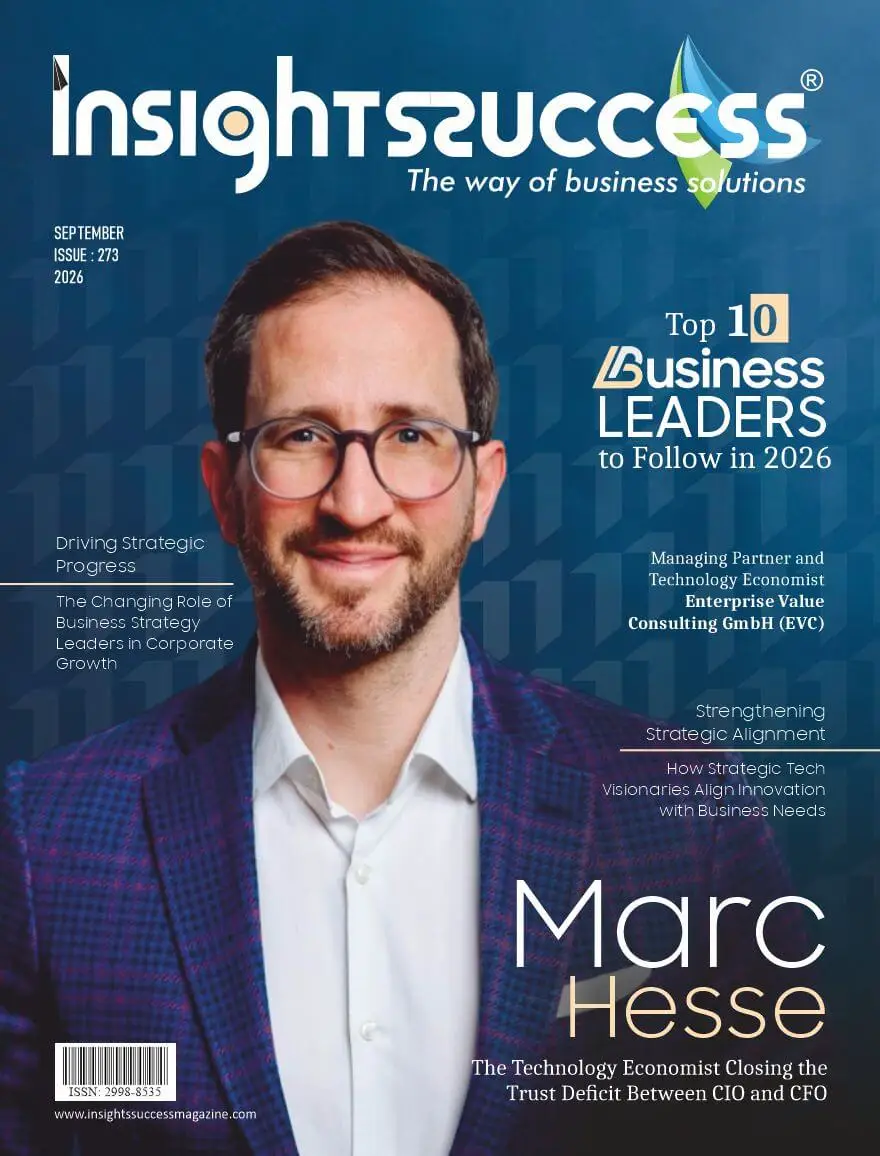
Top 10 Business Leaders to Follow in 2026
Top 10 Business Leaders to Follow in 2026 Highlighting business leaders whose expertise, strategic thinking, and innovative approaches are shaping organizations and industries. This edition explores technology value, financial clarity, leadership perspectives, and sustainable business growth. Digital Link Quick highlights Quick reads