





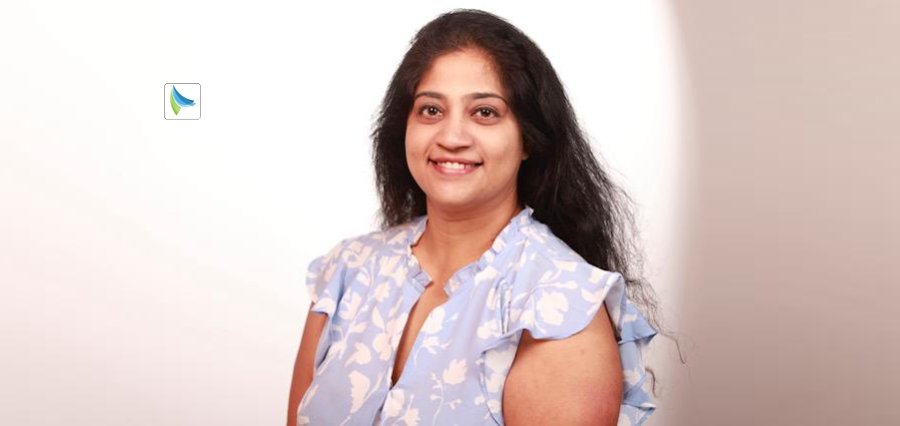
Sudha Umashankar: Quiet Leadership Behind Places That Truly Work
“We shape our buildings; thereafter they shape us.” — Winston Churchill Sudha Umashankar did not enter the built environment in search of exposure or power. Her path started with a straightforward interest in how things are designed, coordinated and delivered in the actual world, and how minor choices can make a difference in the life of everyday people. With time, this interest developed into a great sense of responsibility: to make residential developments delivered in a clear, careful and long-term manner. Today, being one of the Technical Coordinators in the Sector of Residential Development, Sudha Umashankar is a kind of leadership that is increasingly being relied upon by the industry and is based on the depth of the discipline in delivery. Where Leadership Took Shape Sudha’s foundation was shaped early through her education in Architecture at SRM Engineering College, where she developed strong design thinking, technical discipline, and an understanding of how the built environment influences human experience. As her career progressed, she observed a recurring pattern: most residential projects do not fail because of one major mistake. They struggle because of small issues. unclear ownership, inconsistent information, late design changes, unresolved approvals, are allowed to accumulate. She found herself naturally drawn to the space where such risks could be prevented. Technical coordination, often invisible, is where certainty is protected. Navigating an Industry Under Pressure The UK housing sector today faces overlapping challenges: evolving regulations, heightened sustainability expectations, and relentless delivery pressure. Sustainability is no longer a single metric; it spans energy, carbon, water, materials, waste, transport, health and wellbeing, pollution, ecology, and management. Sudha’s response has always been rooted in prevention rather than reaction. She focuses on strong design governance from the outset—clear consultant scopes, coordinated technical information, disciplined drawing control, structured reviews, and robust approval tracking. When foundations are strong, compliance becomes part of quality, not a late-stage hurdle. Motivation in Difficult Moments Housing, for Sudha Umashankar, is deeply personal. It is not abstract, it shapes how people live every day. This understanding keeps her motivated during challenging periods. She believes pressure is precisely when clarity matters most, because rushed decisions often lead to long-term consequences. Impact That Touches Everyday Life One of Sudha’s most meaningful impacts has been supporting biodiversity-led placemaking that residents can truly experience. In UK developments, ecological thinking has been translated into accessible features, nature trails, learning elements such as braille signage, swift bricks, bat boxes, and hedgehog highways integrated into everyday landscapes. What matters most to her is the lived impact: children learning about nature, residents using green spaces daily, and wildlife protected as part of a place’s identity. Supporting teams to deliver this meaningfully is a source of deep pride. Alongside this, these interventions can also reduce a development carbon footprint by lowering operational energy demand through cooling and shading, and by encouraging the use of low-carbon materials in landscape delivery. Over time, well-designed green infrastructure supports carbon capture and strengthens long-term climate resilience. Innovation with Meaning Beyond business success, Sudha Umashankar defines innovation as creating places that are resilient, inclusive, and responsible, for both people and nature. It means fewer avoidable defects, less waste from rework, stronger whole-life sustainability performance, and public spaces that are genuinely usable by people of all ages and abilities. She also believes biodiversity must be embedded, not showcased superficially, through real interventions such as pollinator-friendly planting, habitat protection, and wildlife-supportive design. Life Experience and Leadership Style Sudha’s journey across countries has deeply shaped her leadership. India gave her discipline, resilience, and strong technical grounding. The UK strengthened her expertise through scale, regulatory depth, and mature coordination systems. Together, they shaped a leadership style that is both detail-focused and pragmatic. She believes calm leadership is strength. In pressured environments, her role is often to slow things down just enough to restore clarity, ensuring decisions are correct, defensible, and aligned with long-term outcomes. She leads through reliability: clear communication, strong documentation, and accountability without conflict. Looking Ahead Balancing short-term pressures with long-term vision is central to Sudha’s work. She anchors daily decisions to outcomes that matter: quality, safety, resident experience, sustainability, and lasting place value, even when that means pushing back on rushed change. Her advice to young leaders is equally grounded, “ Do not confuse leadership with visibility. Master the fundamentals, solve problems calmly, and make your impact real.” Read Also : V R Hari Balaji: Designing Systems That Serve People
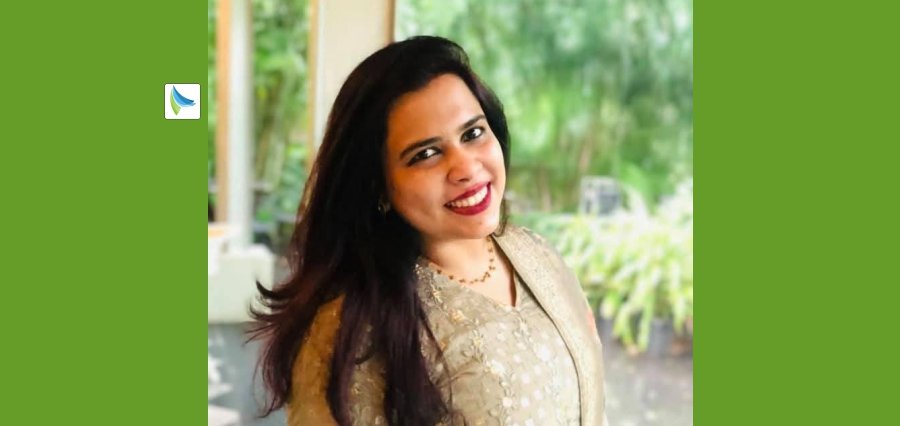
M. Z. Fahira Reshman: Redefining Leadership in Embryology
M. Z. Fahira Reshman: Redefining Leadership in Embryology, a clinical embryology professional, had no intention of leading in a traditional way. Her leadership has been subtle, founded on discipline, observation, and respect for the systems that safeguard life at its most vulnerable stage. She believes that excellence is not a moment of genius in a field like embryology—one that combines science and hope on a daily basis. Instead, it is consistent, repeated, and practiced with diligence. Fahira Reshman has spent years in hands-on clinical and research work, arriving at a simple truth: things do not improve simply because someone is talented. They improve when the environment is reliable, protocols are respected, training is robust, and quality becomes a habit—not just a checklist. How Leadership Took Shape For Fahira Reshman, leadership developed naturally as her perspective broadened. After working through thousands of cycles—IVF, ICSI, cryopreservation, and embryo transfers—she stopped thinking only about performing tasks well. She began focusing on how the work itself could be made stronger, safer, and repeatable for every patient, every time. That shift—from doing to strengthening—marked the beginning of her leadership journey in the Assisted Reproductive Technology (ART) / fertility sector. Growth opportunities, she believes, come from systems that protect quality long after individual effort ends. Working at the Intersection of Emotion and Precision Fertility care exists in two demanding worlds at once. It is deeply emotional for patients, yet intensely technical in the laboratory. Both demand perfection. In the lab, challenges often appear as variability, constant pressure, and uncompromising compliance standards. Small deviations can affect outcomes, and time-sensitive processes leave little room for error. Fahira Reshman addresses these challenges by building stability into every layer of the work. Her approach is simple but disciplined: standardization, thorough training, and strong documentation. Quality checks are not treated as a separate function—they become a mindset. Team alignment becomes essential. When processes are strong, confidence grows, and when confidence grows, outcomes become more consistent. Motivation During Difficult Times Difficult times do not slow down fertility care, and they do not reduce the hopes of patients. This reality keeps Fahira Reshman grounded. When pressure rises, she does not look for dramatic inspiration. She looks for clarity. She asks one guiding question: “What is the next right improvement we can make that strengthens outcomes and protects trust?” Respecting Risk Without Avoiding Progress In embryology, risk must be respected. But avoiding all risk does not create safety—it creates stagnation. Fahira Reshman approaches new initiatives the same way she approaches lab work: with structure. She studies evidence carefully, validates assumptions, tracks outcomes, trains teams thoroughly, and scales only when stability is proven. Whether working with advanced techniques such as embryo biopsy or time-lapse embryo monitoring, she has learned that “new” is valuable only when it becomes safe, reliable, and repeatable. For her, responsible innovation is never impulsive. It is prepared. Innovation as Dignity Innovation, in Fahira’s view, is not about being first. It is about being more precise, more thoughtful, and more reliable than yesterday. Sometimes innovation is new technology. More often, it is a better workflow, a stronger training method, a disciplined culture, or a protocol change that reduces errors and builds confidence. True innovation reduces fear and uncertainty. It makes the journey easier for people already carrying emotional weight. Beyond success, innovation is dignity—offered to patients through consistency and care. Moments That Carry Meaning Some moments stay with her long after the lab work is done: everything from retrieving a mature oocyte for a patient with very low reserve to developing a strong blastocyst for a couple with poor gamete quality, or witnessing a positive pregnancy outcome from a single embryo resulting from the cycle. Having personally handled thousands of vitrification, thawing, and transfer cycles, Fahira Reshman understands how much trust is placed in embryologists—not only biologically, but emotionally. Her conference work on post-thaw embryo outcomes reflects the same purpose: strengthening a stage of the journey many assume is already secure, but is often still fragile. In that sense, her impact is not only clinical. It is deeply human. Building for the Long Term Short-term demands are constant: cycle pressure, troubleshooting, and workload intensity. Fahira Reshman balances these by separating what must be done immediately from what must be built steadily. In the short term, she protects outcomes and reduces errors. In the medium term, she strengthens training and standardization. In the long term, she works toward raising laboratory standards and improving reproducibility in ART practices. A Message to Future Leaders Her advice to young leaders is clear: do not begin by trying to be remarkable. Begin by being reliable. Master your skill, protect your integrity, choose evidence over ego, and remember that leadership is responsibility—not visibility. “Consistency is the real breakthrough, and when standards remain high, impact grows naturally,” she shares. Read Also : Sudha Umashankar: Quiet Leadership Behind Places That Truly Work
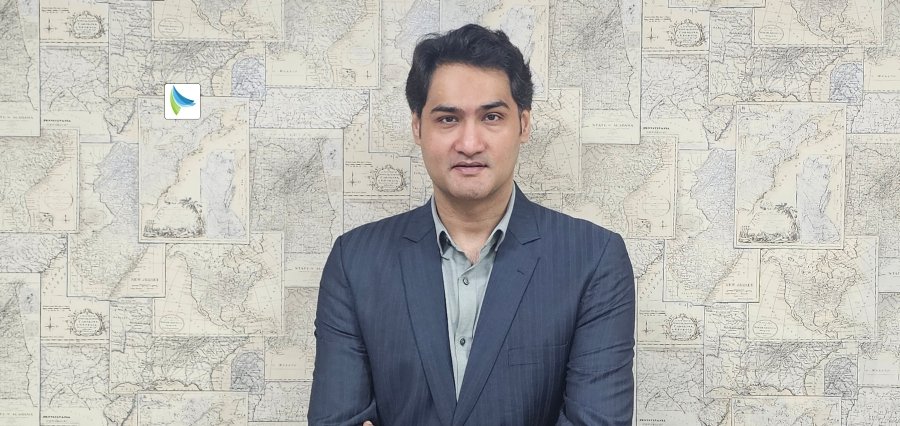
India’s Most Trusted & Successfully Stable Make-in-India Construction Equipment Manufacturer
An Exclusive Interview with Mr. Kumar Mangalam Mehta, Managing Director, Jaypee India Limited For over four decades, Jaypee India Limited has stood as a pillar of trust, innovation, and reliability in the construction equipment industry. As one of India’s most respected OEMs (Original Equipment Manufacturers), the company has consistently delivered world-class machinery, empowering large-scale infrastructure projects across the nation. We sat down with Mr. Kumar Mangalam Mehta, Managing Director of Jaypee India Limited, to discuss what drives the company’s consistency, how it differentiates itself in an intensely competitive market, and its vision for the future of India’s construction equipment industry. What drives your brand’s consistency in performance and quality? “At Jaypee India Limited, our consistency is deeply rooted in two things commitment and culture. We’ve always believed that performance and quality are not just outcomes but processes. Our equipment goes through stringent quality checks, from raw material selection to final assembly, ensuring every product meets international standards. Equally important is our team’s expertise. Most of our engineers, technicians, and service professionals have been with us for decades. This continuity in human capital translates into continuity in product reliability. We also invest heavily in R&D to innovate with evolving construction needs. For us, consistency is about keeping promises—every machine carrying the Jaypee® name must deliver maximum productivity with minimum downtime.” How do you differentiate your products from local competitors and Chinese brands in the market? “The construction sector in India has always been pricesensitive, and this is where many local and Chinese brands try to compete. But at Jaypee®, we have a different approach. Our focus is on durability, safety, and after-sales service. While local and Chinese alternatives may seem cheaper initially, the long-term cost of frequent breakdowns and lack of proper support makes them more expensive. Jaypee® machines, on the other hand, are built to last long. Every bar bending machine, bar cutting machine, concrete mixer, or passenger material hoist we manufacture is designed for rugged Indian site conditions. Moreover, our service network is one of the strongest in the industry. We believe selling a machine is just the beginning—true differentiation lies in how well you stand by your customer after the sale. That’s why leading infrastructure players continue to trust Jaypee® as their partner of choice. What is your long-term vision for the Indian construction equipment industry? “The Indian construction sector is entering a golden era of infrastructure development. With projects like smart cities, expressways, metro expansions, and renewable energy plants, demand for reliable construction equipment will only grow. Our vision is twofold. First, to establish India as a global hub for construction machinery manufacturing, reducing dependence on imports. Second, to drive greater adoption of automation, safety, and sustainability in the industry. Jaypee® is committed to leading this transformation by continuing to innovate, scaling up our capacity, and expanding our footprint both within India and overseas. We see ourselves not just as a manufacturer but as a strategic partner in nation-building.” Has your company received any support or benefits from the Indian Government? If so, how has it impacted your growth? “Yes, the Indian government’s Make in India and Atmanirbhar Bharat initiatives have been a major encouragement for companies like ours. Policies promoting local manufacturing, faster infrastructure clearances, and access to certain financial incentives have boosted our confidence to invest further in capacity expansion. We have also partnered with government bodies like Bureau of Indian Standards (BIS) to implement highest safety standards & mandatory quality checks. Closing Thoughts from the Managing Director “Jaypee India Limited has always stood for trust, stability, and innovation. As a proudly Make-in-India company, we see ourselves contributing not just to business growth but to the nation’s progress. We want every project powered by Jaypee® machines to stand as a symbol of quality and reliability. Our journey is far from over-we’re building the future of construction, one innovation at a time.” Read Also : M. Z. Fahira Reshman: Redefining Leadership in Embryology
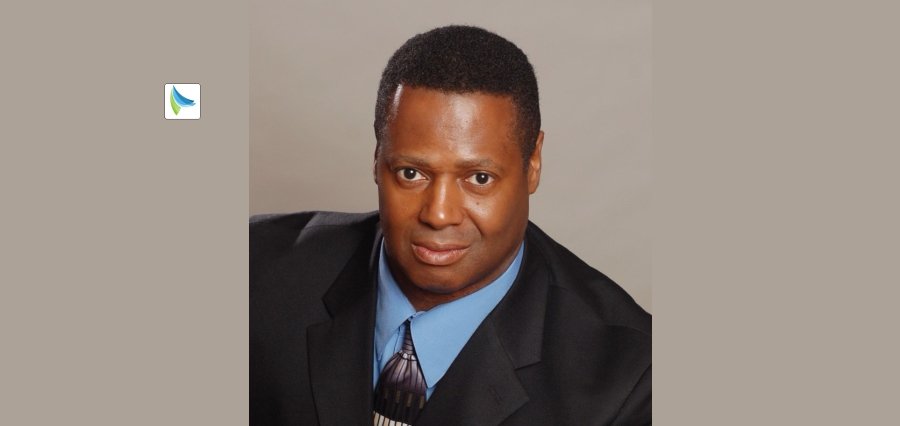
Dr. D. Anthony Miles: A Leader Who Turns Insight into Impact
True leadership may be quietly cultivated in the noise of today, in opinions or in tales of success. It grows by observation, training, failure, experience, and an unswerving adherence to truth. There are some leaders who are driven by ambition, others are driven by purpose, by a desire to learn, to make things better, to understand and to improve people about them. These are the leaders who do not seek influence, but gain it due to regularity and transparency. Their influence cannot be quantified in figures alone, but in lives they transform, minds they enlighten and systems they enhance. Dr. D. Anthony Miles is one of such leaders. The Spark That Started the Journey Dr. D. Anthony Miles is an entrepreneur, strategist, scholar, and mentor whose work sits at the intersection of data, leadership, and human judgment. His journey has never been about following a fixed path. Instead, it has been about asking the right questions, especially when answers are unclear. From early in his career, Dr. D. Anthony Miles noticed something important: many businesses did not fail due to lack of effort, but due to lack of understanding. Decisions were often driven by assumptions rather than evidence. That realization became the foundation of his life’s work. The Decision to Lead Dr. D. Anthony Miles did not wake up one day and decided to become a leader. Leadership came naturally as he took responsibility for solving complex problems others avoided. His desire to lead was rooted in growth, not just business growth, but intellectual and ethical growth. He chose entrepreneurship and strategic research because they allowed him to build, test, learn, and improve continuously. For him, leadership meant creating clarity in confusion and direction in uncertainty. Redefining Strategy Through Forensic Marketing One of Dr. D. Anthony Miles’ most significant contribution is his work in forensic marketing, a disciplined approach that treats marketing and business analysis as an investigative process. Instead of asking what looks good, he asks what is true. Through this approach, he helps organizations deeply understand consumer behavior, market signals, and performance gaps. As the Founder and CEO of Dr. D. Anthony Miles Development Industries Corporation®, Dr. D. Anthony Miles supports startups, executives, and enterprises in building strategies based on facts, not guesswork. His work has helped businesses recover from setbacks, redesign failing models, and move forward with confidence. Facing Industry Challenges with Calm and Clarity Dr. D. Anthony Miles has worked across industries facing rapid change, digital disruption, shrinking trust, and increasing complexity. Rather than reacting emotionally to these challenges, he approaches them analytically and patiently. He believes that most problems become overwhelming only when they are misunderstood. His method is simple but powerful: slow down, examine the data, identify patterns, and act deliberately. This steady approach has made him a trusted advisor to leaders navigating high-pressure decisions. What Keeps Him Motivated “Innovation is not about chasing trends. It is about asking better questions, especially when conditions are difficult,” he says. During uncertain times, he turns to research, reflection, and learning. What motivates him most is progress, seeing people and organizations move from confusion to clarity. Beyond business success, innovation means building systems that are fairer, smarter, and more sustainable. Life Experiences That Shape Leadership Dr. D. Anthony Miles’ leadership style is deeply influenced by life experience. He values humility, accountability, and thoughtful decision-making. He believes leadership is not about control, but about responsibility, towards people, knowledge, and long-term impact. He encourages open dialogue, critical thinking, and independence within teams. By listening carefully and leading calmly, he creates environments where people feel trusted and challenged at the same time. Moments of Real Impact Some of Dr. D. Anthony Miles’ most meaningful moments come from seeing his work create real change, businesses regaining stability, leaders gaining confidence, and students discovering their potential. As a scholar and educator, he has shared his research and insights on respected platforms, helping bridge the gap between theory and real-world practice. These moments, more than awards or recognition, define success for him. Habits Behind the Discipline Focus and creativity, Dr. D. Anthony Miles believes, come from routine. He values structured thinking time, continuous reading, and reflection. Staying curious while remaining grounded helps him maintain clarity even in complex situations. Balancing short-term challenges with long-term vision is something he practices daily, and teaches others to do the same. Advice to Future Leaders To young leaders, Dr. D. Anthony Miles offers grounded advice: “Be patient, lead with integrity, and never stop learning. Meaningful impact takes time, and true leadership is built through consistency, not shortcuts.” He reminds them that leadership is not about being the loudest voice, but the clearest one. A Journey Still Unfolding Dr. D. Anthony Miles continues to evolve as a thinker, a teacher, and a leader. His work reflects a rare balance of analytical depth and human understanding. In a fast-moving world, he stands for clarity, discipline, and purpose. His story is not about instant success but about lasting impact. Read Also :- India’s Most Trusted & Successfully Stable Make-in-India Construction Equipment Manufacturer
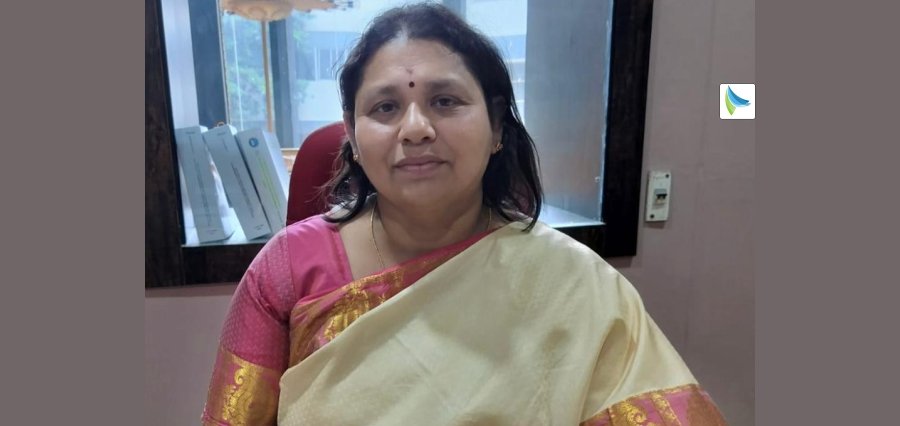
Dr. Asha Sundaram: Leadership Rooted in Knowledge, Ethics, and Purpose
“Education is the most powerful weapon which you can use to change the world.” — Nelson Mandela Dr. Asha Sundaram is one of such leaders who was not formed through authority, but rather via responsibility. Her history in legal training is one of silent power, great discipline and an unswerving faith that institutions have to benefit society long after people have left. To her, position in leadership has never been the case, but purpose. In over 20 years of teaching and academic administration Dr. Asha Sundaram has served a single concept; that is, knowledge with properly structured, applied, and directed leadership can only be powerful. This is what has characterized her work, her choices, and her influence on students, institutions, and the legal ecosystem at large scale. The Calling to Lead Dr. Sundaram’s decision to step into leadership emerged naturally from years of academic engagement. Teaching law made one reality very clear to her, education does not transform lives on its own; systems do. She felt a strong conviction that legal education must continuously evolve through academic rigor, relevant research, and socially meaningful reform. Leadership, for her, became a way to build frameworks that strengthen institutions beyond individual tenures. Growth opportunities followed not because they were chased, but because they were created through vision, structure, and consistency. Confronting the Challenges of Legal Education Legal education today faces complex and urgent challenges. Dr. Asha Sundaram identifies three core concerns: the growing gap between theory and practice, the fast evolution of law compared to slow curriculum change, and the pressing need for stronger ethics, inclusion, and accountability. She has addressed these challenges through institution-focused reforms aligned with the National Education Policy, a renewed emphasis on research, and academic structures that encourage relevance over rigidity. Her involvement in ethics committees and her work as a POSH trainer underline her belief that legal education must produce not only skilled professionals, but responsible participants in the justice system. Motivation in Difficult Times What keeps Dr. Asha Sundaram motivated, especially during challenging periods, is her firm belief that education cannot afford stagnation. She views difficult times not as barriers, but as tests of institutional resilience. For her, innovation is a responsibility. Even when circumstances are uncertain, students deserve clarity, quality, and relevance. This sense of duty, to learners and to the institution, continues to drive her to keep academic environments future-ready, research-driven, and ethically grounded. A Thoughtful Approach to Risk Dr. Asha Sundaram does not view risk as recklessness. She approaches new initiatives with academic foresight and strategic discipline. Every decision is examined through its academic impact, ethical soundness, and long-term sustainability. She shares, “ The most meaningful risks in education are those taken with preparation, evidence, and alignment to institutional goals.” Innovation, in her leadership style, is never impulsive, it is intentional. Innovation as Purposeful Progress To Dr. Asha Sundaram, innovation goes far beyond institutional advancement. It is about purposeful progression, creating frameworks that strengthen justice, empower individuals, and contribute to society. Whether through curriculum development, research initiatives, or policy engagement, she believes innovation is successful only when knowledge turns into real impact. Educational reform, in her view, must ultimately benefit people and communities, not just rankings or metrics. Life Experiences That Shape Leadership Dr. Sundaram’s leadership is deeply influenced by her academic journey, qualifying NET, earning advanced degrees, gaining post-doctoral exposure at international institutions, and remaining actively engaged in research. These experiences have shaped her into a leader who values discipline, integrity, and long-term thinking. She believes decisions in academia must always be fair, precise, and ethically defensible, because leadership directly influences minds, careers, and societal outcomes. Her guiding principle is simple yet profound: academic excellence must always be matched with humane responsibility. Impact Beyond Policy One of the most meaningful dimensions of Dr. Sundaram’s work has been her role as Chairperson of the POSH Cell and as a certified POSH Trainer and Mediator. Through this work, she has helped create safer, more accountable institutional environments. For her, this impact goes beyond compliance. It is about dignity, confidence, and empowerment. When institutions become inclusive and safe, they elevate not only individuals, but the moral standard of society itself. Habits That Sustain Focus and Creativity Dr. Asha Sundaram believes clarity comes from consistency. She maintains focus through structured planning, disciplined execution, and reflective decision-making. Continuous reading, research, and academic dialogue keep her intellectually engaged. Creativity, she believes, is cultivated, not accidental. It grows from staying grounded in scholarship while remaining curious and open to new ideas. Balancing Today and Tomorrow Short-term challenges, in Dr. Sundaram’s views are temporary, but vision must remain permanent. She addresses immediate demands through strategic delegation and problem-solving, while ensuring every decision supports long-term goals such as curriculum strength, research sustainability, ethical frameworks, and institutional excellence. “Leadership is not just about responding, it is about building”, she says. Words for the Next Generation Her advice to young leaders is clear and grounded: master your subject, remain value-driven, build systems instead of slogans, and stay disciplined. Leadership is endurance, not speed. Above all, Dr. Asha Sundaram reminds them that the purpose of education is to elevate minds and serve society. The world does not need more titles, it needs leaders with academic substance and moral clarity. Read Also : Dr. D. Anthony Miles: A Leader Who Turns Insight into Impact
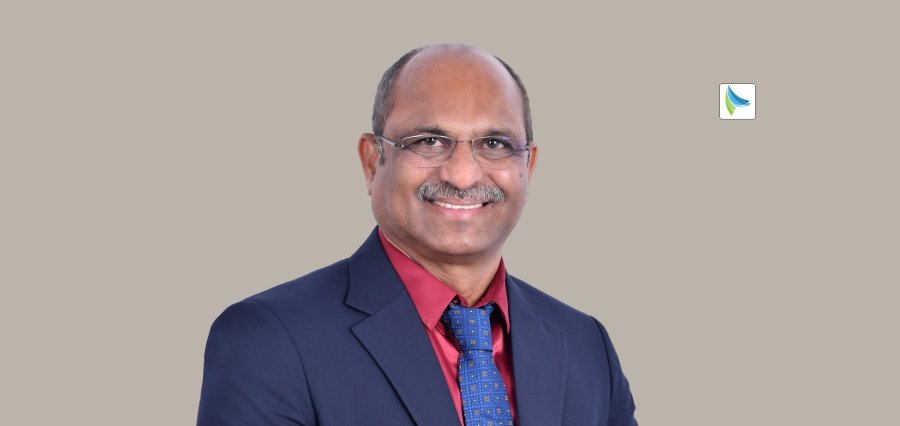
Francis Christy Boy: Transforming the GCC’s Architectural Heartbeat
You know that the world of mega-infrastructure is that of high stakes. In it, the margin for error is nonexistent. Such an arena demands leadership with the ability to see the finished masterpiece before the first shovel hits the ground. Francis Christy Boy has spent over thirty years mastering this art. His career reads like a map of the UAE’s greatest achievements, encompassing the successful delivery of projects that have redefined the region’s global standing: from the soaring terminals of Dubai and Zayed International Airports to the sprawling luxury of The Dubai Mall, and the critical energy frontiers of the Barakah Nuclear Power Plant and ADNOC’s Ruwais projects. The Architect of the ‘Final Mile’ While his legacy is built on physical landmarks like the Abu Dhabi World Trade Centre and Etisalat Towers, Francis’s most revolutionary contribution is intangible yet essential: the creation of CloseoutSoft. Recognizing that the ‘final mile’ of construction—the project closeout and operational readiness—is often the most chaotic, Francis engineered a proprietary platform to bring order to the complexity. Through CloseoutSoft, he has effectively solved the construction industry’s most persistent pain point, ensuring that large-scale developments transition from construction to operation with surgical precision. “True innovation isn’t just about building higher; it’s about building smarter. We are moving toward a future where technology makes the impossible practical, and the complex accessible for every stakeholder.” Revolutionizing the Industry with Rebus Holdings Today, at the helm of Rebus Holdings, Francis leads a multidisciplinary powerhouse dedicated to setting new global benchmarks. He is not content with the status quo; he is on a mission to revolutionize project delivery through technology that is as scalable as it is sophisticated. As one of the Trailblazing Leaders Revolutionizing Industries with Game-Changing Innovations, Francis stands at the intersection of experience and evolution. He is the leader ensuring that as the GCC continues to dream bigger, the infrastructure supporting those dreams is more resilient, efficient, and technologically advanced than ever before. “A project is not complete upon client beneficial occupancy; it is complete when it is ready to serve its purpose for generations with contractual obligation. At Rebus, we aren’t just managing projects; we are managing the future of construction excellence.” Architecting Construction Excellence through Practical Innovation The story of Francis is inextricably linked to the skyline of the UAE. Arriving in 1997, he recognized early on that the construction field was ‘a good one,’ a sector where a person of vision could leave an indelible mark. Over the next 29 years, he transitioned from working within the industry to leading its most high-profile delivery teams. Francis’s legacy is etched into the very core of the region’s most iconic developments. As a lead project delivery manager, he stood at the helm of projects that defined the modern Middle East: The Dubai Mall: Directing the delivery of the world’s most visited retail destination. Dubai International Airport (Concourse A): Managing the intricate flow of global aviation infrastructure. Barakah Nuclear Power Plant: Providing critical consultancy for the region’s pioneering energy frontier. Abu Dhabi Port: Driving the delivery of world-class logistics and port infrastructure. Abu Dhabi Airport: Leading ORAT management to ensure seamless airport readiness and operational excellence. Forsan Mall: Serving as the Project Management Consultancy, successfully leading project closeout and handover for a major retail destination. “Rebus Holdings today covers Design, Engineering, Construction, Project Management, Commissioning, Facility readiness, Safety and IT,” Francis reflects. “But my journey started long before the group took shape. We grew to a very high level because we understand the real-time requirements of the site.” Solving the ‘Final Mile’ Struggle Despite his success with physical structures, Francis identified a systemic ‘pain point’ that plagued every major developer: the chaotic struggle to close a project and release essential funds. Drawing from his 29 years of experience, he developed CloseoutSoft—not as a theoretical exercise, but as a practical solution to a real-world crisis. “People are struggling to close the job to get their essential money,” Francis explains. “I developed this software practically, in a logical way. It is inclusive of all 29 years of my experience. We included real-time requirements in it.” The Rebus Empire: Global Expansion Today, under the banner of Rebus Holdings, Francis leads five distinct companies. His vision has expanded beyond the UAE, with new offices in Saudi Arabia and a dedicated project management arm in the UK. From safety and security specialized contracting to Rebus Technology, his organization is innovating construction management solutions that span from the first shovel to post-construction maintenance. Currently utilized in over 30 major projects, including the Abu Dhabi Port and Airport, his innovations are helping contractors and developers reclaim their time and their capital. As a trailblazing leader, Francis is proving that the most game-changing innovations aren’t born in a lab—they are born on the construction site, forged by decades of hands-on experience and a relentless drive for excellence. “Now we grow to a very high level. We are innovating construction management solutions from the beginning of the project to the end, plus post-construction. This is a real innovation tool for the industry.” Turning Mega-Complexities into Digital Certainty Adversity is the real test of every visionary leader. Francis faced a pivotal turning point amidst the ‘horizontal’ challenges of the Dubai Mall. Unlike traditional skyscrapers, this behemoth stretched a kilometer in length, housing 1,250 shops. The industry was baffled by how to hand over such a massive footprint without disturbing the public. “All people had experience with vertical buildings,” Francis recalls, “but the sequence here was entirely different.” By architecting a phased handover strategy, he proved that a project’s success is defined by its transition to ‘beneficial use,’ not just its structural completion. This lesson followed him to Dubai International Airport’s Concourse A, a dedicated hub for the A380. Confronted with a staggering 24,000 as-built drawings and no specialized software to manage the chaos in 2010, Francis innovated on the fly using advanced digital formats. This struggle—and the subsequent rigors of the Barakah Nuclear Power Plant—ignited his mission

Waymo Launches Paid Robotaxi Service in Miami, Expanding U.S. Driverless Lead
Prime Highlight Waymo has begun offering paid, fully driverless robotaxi rides in Miami, strengthening its lead in the U.S. autonomous ride-hailing market. The launch marks another major step in Waymo’s nationwide expansion as competitors continue to struggle to scale similar services. Key Facts Miami becomes Waymo’s sixth U.S. market, with initial service covering a 60-square-mile area including Wynwood, Brickell, and Coral Gables. Waymo reported 450,000 weekly paid rides and 14 million total trips in 2025 and plans to expand to multiple new U.S. cities in 2026. Background Waymo, owned by Alphabet, has started its robotaxi service in Miami. Paying riders can now use the service. This launch gives Waymo a stronger lead in the U.S. driverless ride-hailing space as competitors continue to lag behind. Miami is now the sixth U.S. market where Waymo offers fully driverless rides. The service initially covers a 60-square-mile area, including popular neighborhoods such as the Design District, Wynwood, Brickell and Coral Gables. Riders can book trips through the Waymo app, and the company said it will invite new users gradually. The company said nearly 10,000 local residents have already signed up to try the service. It also plans to expand rides to Miami International Airport in the near future, though no date has been confirmed. For fleet operations, Waymo has partnered with mobility firm Moove. The partner will charge, clean, and maintain the vehicles, so Waymo can focus on growing its service. The Miami launch comes as Waymo works to address public concerns about safety and traffic disruption. Last month, its vehicles added to congestion in San Francisco during severe storms and power outages. The company said it has since improved its systems to better handle difficult conditions. By the end of 2025, Waymo was operating in Austin, Atlanta, Los Angeles, Phoenix and the San Francisco Bay Area. In 2026, it plans to enter more U.S. cities, including Dallas, Denver, Detroit, Houston, Las Vegas, Orlando, San Diego, San Antonio, Nashville and Washington. Waymo reported 450,000 weekly paid rides and 14 million trips in 2025. The company is also testing vehicles in New York, Tokyo and London and plans its first overseas commercial launch this year. Read Also: Intel Stock Soars to Four-Year High as Investor Confidence Rises
Are Cream Tiles Timeless? A Complete Interior Design Guide
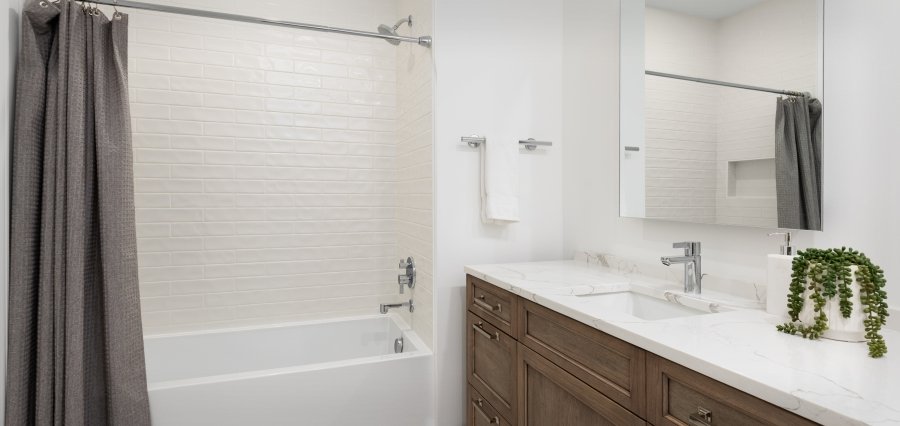
When selecting finishes for a home, few decisions carry the long-term impact of flooring and wall tiles. Among the many options available, cream tiles remain a popular yet sometimes debated choice. Homeowners often ask, are cream tiles timeless, or do they date a space? The short answer is yes, cream tiles can be timeless when chosen and applied thoughtfully. This guide explores the enduring appeal of cream tiles, their advantages and limitations, how they perform in Australian homes, and how to style them for lasting relevance. Why Cream Tiles Have Enduring Appeal? Cream is a neutral colour with warmth, subtlety, and versatility. Unlike stark white or cooler grey tones, cream offers a softer visual effect that complements both classic and contemporary interiors. Its neutrality allows it to adapt to evolving design trends without appearing outdated. Cream tiles reflect light gently, making rooms feel brighter and more spacious without the clinical appearance that pure white can sometimes create. This quality is particularly valuable in Australian homes, where natural light is a defining feature of interior design. Historically, cream tones have been used in architecture and interiors for decades, which reinforces their perception as a “safe” and enduring choice. Rather than following short-lived colour trends, cream tiles sit comfortably within long-term design principles. Cream Tiles in Australian Homes Australian interior design often balances practicality with relaxed elegance. Cream tiles align well with this approach, offering durability and aesthetic flexibility across a wide range of climates and architectural styles. In coastal homes, cream tiles pair naturally with sandy palettes, timber accents, and soft blues. In suburban family homes, they provide a neutral foundation that accommodates changing décor over time. In apartments and townhouses, cream tiles help maximise light and create a sense of openness. From a resale perspective, neutral tiles such as cream are widely appealing to buyers. They provide a blank canvas that allows potential owners to imagine their own furniture and styling, which can be an advantage in the Australian property market. Different Types of Cream Tiles and Their Longevity Not all cream tiles are equal when it comes to timelessness. The material, finish, and format all influence how enduring the final result will be. Porcelain cream tiles are among the most popular options due to their durability, low porosity, and resistance to staining. They are well suited to high-traffic areas such as kitchens, living spaces, and hallways. Ceramic cream tiles offer a slightly softer aesthetic and are often used on walls, splashbacks, and low-traffic areas. While generally less durable than porcelain, they remain a cost-effective and visually appealing choice. Natural stone tiles in cream tones, such as limestone or travertine, have a strong association with timeless luxury. Their natural variation adds character, though they require more maintenance and sealing to remain in good condition. Matte and satin finishes tend to age better than high-gloss surfaces, which can highlight wear, scratches, and design trends from specific eras. Do Cream Tiles Ever Look Dated? Cream tiles themselves do not typically date a space; however, how they are used can. Certain design choices may make cream tiles feel tied to a particular decade. Smaller tile formats, heavy decorative borders, or highly polished finishes were popular in the late 1990s and early 2000s and may now feel outdated. Similarly, pairing cream tiles with overly yellow paint tones or dated cabinetry can diminish their timeless appeal. Modern applications favour larger tile formats, minimal grout lines, and simple layouts such as stacked or straight-lay patterns. When combined with contemporary fixtures and balanced colour palettes, cream tiles feel current and sophisticated rather than old-fashioned. Styling Cream Tiles for a Timeless Look To ensure cream tiles remain relevant for years to come, careful styling is essential. Pair cream tiles with natural materials such as timber, stone, and linen for warmth and balance. This approach aligns well with popular Australian interior styles, including coastal, contemporary, and modern farmhouse. Introduce contrast through cabinetry, tapware, or feature walls. Black, charcoal, muted greens, and soft greys all complement cream tiles without overpowering them. Pay attention to grout colour, as it can dramatically change the appearance of tiled surfaces. A grout that closely matches the tile creates a seamless, refined look, while high-contrast grout may draw attention to the layout and potentially date more quickly. Lighting also plays a crucial role. Warm or neutral lighting enhances the softness of cream tiles, whereas harsh cool lighting can make them appear dull or yellowed. Practical Considerations: Maintenance and Durability One of the practical advantages of cream tiles is their ability to hide dust, minor marks, and everyday wear better than very dark or very light tiles. This makes them a practical option for busy households. Porcelain cream tiles, in particular, are easy to maintain with regular sweeping and mopping. Choosing a tile with subtle variation or light veining can further disguise minor imperfections over time. In bathrooms and kitchens, selecting slip-resistant finishes ensures safety without compromising aesthetics. Advances in tile manufacturing mean many cream tiles now offer excellent slip resistance with minimal visual texture. Are Cream Tiles a Timeless Choice? When selected in the right material, size, and finish, cream tiles are undeniably timeless. Their adaptability, warmth, and compatibility with a wide range of design styles make them a reliable long-term investment for Australian homes. Rather than being defined by fleeting trends, cream tiles succeed because they provide a neutral foundation that evolves with changing tastes. By pairing them with contemporary layouts, quality finishes, and thoughtful styling, homeowners can enjoy a look that feels elegant today and enduring for decades to come. Read Also: 15 Stunning Dining Table Styles for Every Interior Design

15 Stunning Dining Table Styles for Every Interior Design
A dining table is far more than a functional piece of furniture. It is the centrepiece of the dining room, a gathering place for family and friends, and a defining element of your home’s interior design. Choosing the right dining table style can elevate your space, enhance usability, and reflect your personal aesthetic. Whether you live in a modern apartment, a classic Australian family home, or a coastal retreat, there is a dining table style to suit every interior. Below, we explore 15 stunning dining table styles that cater to a wide range of tastes, layouts, and design philosophies. Modern Minimalist Dining Tables Modern minimalist dining tables focus on clean lines, uncluttered forms, and understated elegance. Typically crafted from materials such as glass, engineered timber, or matte-finished wood, these tables suit contemporary Australian homes where simplicity and functionality are prioritised. Scandinavian Dining Tables Scandinavian dining tables are known for their light timber finishes, tapered legs, and natural textures. They create a warm, inviting atmosphere while maintaining a minimalist aesthetic. This style works particularly well in homes with neutral colour palettes and abundant natural light. Industrial Dining Tables Industrial dining tables combine raw materials such as solid timber and metal to create a bold, urban look. Often featuring exposed steel frames or distressed wood tops, these tables are ideal for loft-style apartments or interiors inspired by warehouse design. Rustic Farmhouse Dining Tables Rustic farmhouse dining tables celebrate character and craftsmanship. Made from solid or reclaimed timber, they often showcase natural grain patterns, knots, and imperfections. This style is well suited to larger homes and open-plan dining areas, offering a sense of warmth and tradition. Contemporary Australian Dining Tables Contemporary dining tables blend modern aesthetics with natural materials, reflecting Australia’s relaxed yet refined design sensibility. Expect clean silhouettes paired with timber, stone, or concrete finishes, creating a timeless look that works across multiple interior styles. Glass Dining Tables Glass dining tables are ideal for smaller dining spaces, as their transparency creates the illusion of more room. Often paired with metal or timber bases, glass tables bring a sense of lightness and sophistication to modern interiors. Marble Dining Tables Marble dining tables offer luxury and visual impact. With their distinctive veining and polished surfaces, they make a strong statement in both contemporary and classic dining rooms. Marble tables pair well with upholstered dining chairs for a refined finish. Round Dining Tables Round dining tables promote conversation and connection, making them perfect for intimate dining spaces. They work particularly well in apartments or breakfast nooks and can soften the look of rooms dominated by straight lines. Extendable Dining Tables Extendable dining tables are a practical solution for Australian households that entertain regularly. Designed to adapt to different occasions, they offer flexibility without compromising style. Many modern extendable tables feature seamless mechanisms that maintain a cohesive appearance. Mid-Century Modern Dining Tables Mid-century modern dining tables are defined by organic shapes, slim profiles, and tapered legs. Inspired by design movements of the 1950s and 1960s, they bring retro charm while remaining highly versatile in contemporary homes. Coastal Dining Tables Coastal dining tables draw inspiration from Australia’s beachside lifestyle. Often crafted from light or whitewashed timber, they evoke a relaxed, airy feel. This style pairs beautifully with linen, rattan, and soft neutral tones. Traditional Wooden Dining Tables Traditional wooden dining tables feature classic proportions, turned legs, and rich timber finishes. They are ideal for formal dining rooms or heritage homes, offering durability and timeless appeal. Statement Dining Tables Statement dining tables act as the focal point of the dining room. These tables may feature bold shapes, sculptural bases, or unique materials such as terrazzo or live-edge timber. They are perfect for homeowners looking to make a strong design impression. Compact Dining Tables for Small Spaces Compact dining tables are designed specifically for apartments and smaller homes. With slim profiles and efficient designs, they maximise seating while minimising footprint, making them ideal for urban Australian living. Custom and Bespoke Dining Tables Custom dining tables allow homeowners to tailor size, material, and design to their specific needs. Whether crafted by local Australian artisans or designed to suit unique spaces, bespoke tables offer exclusivity and long-term value. Choosing the Right Dining Table Style When selecting a dining table, consider the size of your space, the number of people you regularly entertain, and your overall interior design theme. Material durability, maintenance requirements, and lifestyle needs should also influence your decision. A well-chosen dining table not only enhances the visual appeal of your home but also supports everyday living and special occasions alike. Final Thoughts With such a wide variety of dining table styles available, finding the perfect match for your interior design has never been easier. From minimalist modern designs to rustic farmhouse classics, the right dining table can transform your dining area into a functional and stylish centrepiece. By carefully considering your space, aesthetic preferences, and lifestyle, you can invest in a dining table that will serve your home beautifully for years to come. Read More : How to Sell a Broken or Old iPhone for Cash in Australia

How to Sell a Broken or Old iPhone for Cash in Australia
Upgrading to a new iPhone often means an old or damaged device gets forgotten in a drawer somewhere. From cracked screens and weak batteries to water damage or outdated models, many iPhones that seem unusable still have real monetary value. Instead of letting it collect dust, turning that device into cash can be a smart move. If you’re looking to sell your iPhone, even in less-than-perfect condition, there are safe and legal ways to do so in Australia. Selling an old or broken iPhone for cash isn’t just financially sensible, it’s also an environmentally responsible choice. This guide walks you through how to sell your device efficiently, securely, and with confidence. Can You Really Sell a Broken or Old iPhone? Yes, absolutely. Many buyers in Australia specialize in purchasing iPhones in less-than-perfect condition. Even devices that no longer power on can be valuable due to reusable parts such as screens, cameras, logic boards, and housing. Older models may also appeal to refurbishment businesses or budget-conscious buyers. The amount you receive will depend on several factors, including the model, condition, storage capacity, and whether the device is functional. Newer models typically command higher prices, but even older iPhones can fetch cash if sold through the right channel. Preparing Your iPhone for Sale Before selling your iPhone, it is essential to prepare it properly. This not only protects your personal information but can also help you achieve a better price. Back Up Your Data Use iCloud or iTunes to back up your contacts, photos, and files. This ensures nothing important is lost when the device changes hands. Sign Out and Factory Reset Sign out of iCloud, iTunes, and the App Store. Then perform a factory reset by navigating to Settings > General > Transfer or Reset iPhone > Erase All Content and Settings. This step is critical, as devices locked to an Apple ID are far less valuable. Remove the SIM Card Always remove your SIM card before selling your phone. This prevents unauthorised access to your mobile number or network account. Be Honest About the Condition Accurately describe faults such as cracked screens, battery health, water exposure, or non-functional buttons. Transparency builds trust and avoids disputes. Best Ways to Sell a Broken or Old iPhone in Australia Australians have several options when selling an iPhone, each with its own advantages. Cash-for-Phone Companies Specialist phone-buying services operate across Australia and often accept broken, damaged, or non-working iPhones. These companies typically offer instant online quotes, free postage, and fast payment once the device is assessed. This is one of the most convenient and secure options. Online Marketplaces Platforms such as Gumtree and Facebook Marketplace allow you to sell directly to local buyers. While you may achieve a higher price, this method requires more effort, including messaging buyers, meeting in person, and managing payment safely. Trade-In Programs Some retailers and mobile carriers offer trade-in credits for old iPhones. However, these programs usually pay less than cash-for-phone services and may not accept severely damaged devices. Recycling Programs If your iPhone has little to no resale value, recycling programs are a responsible alternative. Some programs still offer small cash incentives or gift cards while ensuring the device is disposed of sustainably. How Much Is a Broken iPhone Worth? The value of a broken or old iPhone varies widely. In Australia, prices are influenced by: Model and age – Newer models retain higher value Condition – Functional phones are worth more than non-working ones Damage type – Screen and battery issues are less costly than logic board damage Storage size – Higher storage capacities often increase resale value As a rough guide, even a heavily damaged iPhone may be worth between $20 and $200, while lightly damaged newer models can fetch significantly more. Avoiding Common Mistakes When selling your iPhone, avoid these common pitfalls: Failing to remove iCloud – This can make the phone unsellable Overestimating value – Unrealistic pricing can delay or prevent a sale Ignoring local laws – Ensure the device is legally owned and not reported lost or stolen Using unsecured payment methods – Stick to reputable buyers or secure transactions Environmental Benefits of Selling Your Old iPhone Selling your old or broken iPhone contributes to reducing electronic waste in Australia. Refurbishment and recycling help conserve valuable materials and reduce landfill impact. Choosing resale over disposal supports a more sustainable technology lifecycle. Final Thoughts Selling a broken or old iPhone for cash in Australia is a straightforward process when approached correctly. By preparing your device properly, choosing a reputable buyer, and understanding its true value, you can turn unused technology into instant cash while protecting your data and the environment. Whether your iPhone is slightly worn or completely non-functional, there is almost always a buyer willing to pay for it. Instead of letting it gather dust, take advantage of Australia’s growing second-hand and recycling market and put that old device to good use. Read More : 15 Stunning Dining Table Styles for Every Interior Design