






For Immediate Release: North Garland, Texas
Orion Wealth Management is pleased to announce the affiliation of Anthony Rose, Associate Vice President – Wealth Manager. Mr. Rose will operate a satellite office of Orion Wealth Management in the Washington, D.C. metropolitan area, expanding the firm’s presence and personalized client service on the East Coast. A 2016 graduate of Howard University, Mr. Rose holds a Bachelor of Business Administration with a concentration in Supply Chain Management. Mr. Rose brings over seven years of experience in financial services, specializing in financial analysis, tax preparation and consulting, and small-business advisory work. He will continue to collaborate with Samuel P. Rose, CPA in Maryland to support clients while expanding his services through Orion Wealth Management. Having earned his Series 65 Investment Advisor License in July 2025, Mr. Rose is committed to delivering fiduciary guidance and long-term wealth strategies to individuals, families, and business owners. He views his transition into wealth management as a natural extension of his mission to help clients make confident, informed financial decisions. Please join us in welcoming Anthony Rose to the Orion Wealth Management team. -Anthony Rose Also Read: Drs. Fixon Akonya Okonye and Nixon Kitimoi Celebrate Retirement and Future Business Partnership at $7 million Pal and Lisa Hotel in Pallisa, Uganda

Most Transformational Leader Making An Impact In 2025
Most Transformational Leader Making An Impact In 2025 This edition spotlights Monalisa Banerjee, a leader who assesses success via personal connection and thoughtful impact. Her journey is not a linear one, but rather a soulful progression based on empathy, resilience, and purpose. Her narrative is one of quiet strength and enormous influence, demonstrating that true transformation begins not with systems or structures, but with the bravery and insight to lead with empathy and inspire human potential. Quick highlights Quick reads Add Your Heading Text Here

The Human Touch: Monalisa Banerjee’s Journey of Mindful Leadership
In a world where metrics and milestones are frequently used to define leadership, Monalisa Banerjee stands out as a leader who assesses success via personal connection and thoughtful impact. Her journey is not a linear one, but rather a soulful progression based on empathy, resilience, and purpose. Her journey, from her early years of inquiry and compassion to her transforming responsibilities across the start-up ecosystem, displays an unshakeable belief that people are the true pulse of any organization. As Chief People & Transformation Officer, she is reimagining what it means to be a leader, combining business acumen with emotional intelligence to foster cultures of authenticity and individual growth. Her academic efforts, which include programs at IIM Ahmedabad, IIM Calcutta, and XLRI Jamshedpur, as well as her ongoing Master’s degree in Emotional Well-Being Therapy, reflect her lifelong devotion to holistic development. She remains committed to conscious leadership that is a balance of heart and strategy, guided by her HEAL philosophy of Happiness, Empathy, and Authentic Living (HEAL). Her narrative is one of quiet strength and enormous influence, demonstrating that true transformation begins not with systems or structures, but with the bravery and insight to lead with empathy and inspire human potential. The Foundation of Empathy Monalisa Banerjee’s journey began in an environment that celebrated curiosity, compassion, and the relentless pursuit of knowledge. These early influences shaped her understanding of what truly matters in leadership. Empathy came naturally to her not as a learned skill, but innated as an ability to observe people, understand their emotions, and connect with their stories. This foundation would later become the cornerstone of her approach to Human Resources. Her educational trajectory reflects her commitment to continuous learning and holistic leadership. She completed the HEAL Program at IIM Ahmedabad, pursued Strategic Human Resource Management at IIM Calcutta, and undertook Executive Human Resource Management at XLRI Jamshedpur. Currently, she is pursuing her Master’s in Emotional Well-Being Therapy while maintaining her certification as a coach. Each milestone has deepened her awareness of what it means to lead with both heart and clarity. She attributes much of her growth to the mentors and guides who illuminated her path. Her Guruji’s wisdom continues to guide her decisions. Ash Dahod became the first person to believe in her potential and helped her believe in herself. Prof. Vishal Gupta and Prof. Shishir Arya introduced her to the transformative power of mindfulness. Her mentor Mahesh Kumar, along with friends and colleagues who have become an inseparable part of her life, form the anchors of her journey. “Success is not defined by position, but by the people who walk beside you and help you become who you are meant to be,” she reflects. Finding Purpose in Human Connection Monalisa’s entry into Human Resources was not a calculated career move but a calling, a quiet realization that her true purpose lay in understanding people, their emotions, and their stories. Over two decades ago, when she stepped into the start-up ecosystem, she didn’t just join an organization; she entered what would become a family. The environment was raw, unstructured, and uncertain, yet it pulsed with the kind of energy that only dreams, and determination can create. There were no polished systems or ready-made templates, just people with hope, resilience, and the willingness to build something meaningful together. What kept her rooted through the long hours and endless challenges was the human connection itself: the laughter filling the cafeteria, the late-night brainstorming sessions that evolved into life conversations, and the sense of belonging that no corporate structure could replicate. She knew every colleague by name, understood their children’s milestones, shared their struggles, and celebrated their victories. Over time, these colleagues became her extended family, people she leaned on during failures and celebrated successes with. This experience crystallized a profound truth for her: the “human” in Human Resources was not just a function but a living, breathing experience. “That is when I knew, this was my destination. My role was never just about policies or performance reviews, but about nurturing trust, empathy, and purpose in every individual I met,” she says. The Art of Balance Balancing professional demands with personal well-being has been one of the most meaningful lessons in Monalisa’s journey. The world of human resources is deeply personal, it involves working with emotions, aspirations, and sometimes the unspoken struggles of people. While holding space for others is a privilege, it requires immense emotional strength to ensure that in helping others grow, you don’t lose touch with yourself. Her path to balance began the moment she stopped chasing perfection and started embracing presence. Early in her career, she tried to give her best to everyone, her organization, her team, and her family, only to realize that burnout is not a badge of honor. She learned that true leadership is not about doing it all; it’s about knowing when to pause, when to delegate, and when to simply breathe. Mindfulness has become her compass. The practice of staying fully aware of her emotions, energy, and priorities helps her remain grounded even on the toughest days. It allows her to approach challenges not as conflicts to solve, but as opportunities to learn and grow. Whether navigating complex organizational changes, handling difficult conversations, or making personal decisions, mindfulness brings her clarity, compassion, and calm. Her family and close circle of friends serve as her greatest source of strength, reminding her to celebrate small moments and stay authentic. As a leader, she also draws inspiration from her colleagues, their trust, dedication, and human stories remind her daily why she chose this profession. “Balance is not about separating work and life but about harmonizing them. My professional purpose and personal values are intertwined, both rooted in empathy, growth, and mindfulness,” she explains, Building Business Through People Monalisa’s appetite for business has always been intertwined with her start-up journey. She has witnessed organizations evolve from seed ideas to thriving entities, and in some cases, through successful acquisitions. Experiencing business at every stage, its

The Future of Visionary Leadership
Leading Beyond Boundaries The face of leadership is being transformed. With the transformation brought about by technology, globalization, and altered values changing the business and government landscape, leaders can no longer continue to employ control and dominance models of the past. Leaders guided by vision are the times — leaders who lead through walls, over walls, and inspire people ahead in a movement in a time of globalization. Transformational leadership nowadays is no longer geographically constrained, hierarchical, or traditional. It takes vision to see beyond change, flexibility to change at pace, and sense of shared purpose in a position to lead. These leaders peer over the horizon of immediacy — not just with vision for what is potentially possible tomorrow, but in making it happen as well. Redefining Leadership in a Borderless World The command-and-control leadership approach and strict structure organizational model are being eclipsed by a networked, liquid age. Teams work across time zones, cultures, and continents; innovation kills industries; and decisions are made more broadly. Leadership has moved beyond the corporate or geographically defined. They are at home in this boundary-less world with belongingness, empathy, and cultural awareness. They understand that convergent thinking is responsible for creating creativity and convergence out of many boundaries is the force behind innovations. With the provision of spaces where openness and faiths triumph, they enable teams to co-create solutions fueling long-term growth. Vision as a Unifying Force With the dynamic change of the world today, vision is a beacon — a power that unites people, strategy, and purpose. Visionary leaders create a common vision of the future that breaks away from organizational or self-interest. Their sense of direction inspires others to move towards a common destination even in times of uncertainty. Shared purpose unites people and also motivates them. The individuals who can know and appreciate the “why” of their purpose will be stronger, more creative, and more committed. Shared purpose enables organizations to ride disruption without distraction and diffusion of momentum. Leading Through Complexity Emerging leaders are learning to balance complexity and simplicity. Visionary leaders don’t react to change, they sense and harvest it. They balance analytical capability and intuitive vision and act on decisions that integrate data, ethics, and a sense of the future. They also recognize that leadership for the new, technology-enabled world is a humble one. No one is a utopian leader, an omniscient one. The best are those who listen, learn something new each day, and encourage others to lead wherever they find themselves. By decentralizing power and enabling possible, they create responsive, nimble organizations that can flourish in a changing world. Technology is transforming the way we work, the way we engage, and the way we lead. AI, automation, and digital platforms are now the epicenters of organizational performance. But as technology continues to evolve even more, the human aspect of leadership becomes increasingly important. Inspirational leaders leverage technology as a tool of productivity but as a amplifier of connection, innovation, and human communication. They drive digital transformation and make innovation accountable to humanity. Through establishing ethics, compassion, and inclusion as necessary attributes in how technology is employed, they make technological developments human values-centered. Building Purpose-Driven Cultures Boundless leadership does not happen by chance — dedication to a higher purpose than performance measures or profit. Purpose-driven leaders motivate teams by tying organizational value and success to society. They understand that organizations grow strong when they are impacting people, communities, and the world. In developing purpose-driven cultures, vision-driven leaders respect serious attention to common values, accountability, and transparency. The workers are not reduced to mere spectators but co-owners of success. Such a sense of contribution and belongingness not only creates organizational performance but also creates trust, commitment, and long-term sustainability. The Global Dimension of Visionary Leadership As global challenges — from climate disruption to inequity — must be met, leadership vision must extend beyond the corporate world to social responsibility. Leaders of the next generation will be those who operate across sectors, governments, and communities to drive system change. They will draw on networks globally, virtual communities, and cross-sectoral collaborations to make change at scale. They will be measured not by bottom-line return statements but by the good they do in the world. The Legacy of Visionary Leaders Boundary-leadership creates a legacy of empowering others. They construct not companies, but growth environments, knowledge environments, and innovation environments. They construct future leaders by imparting wisdom, instilling curiosity, and sparking thinking that is creative. Their legacies last because they are authentic and have an influence. Years following their departure from office, the cultures that they create, the values to which they adhere, and the futures that they assist in creating continue to inspire other leaders to respond purposefully and morally. Conclusion Leadership across boundaries is not merely responding to change — it is 21st-century leadership. Prophetical leaders marry foresight and compassion, technology and humanity, purpose and action. Prophetical leaders see the world not as a collection of disparate problems, but as an interconnected tapestry that awaits to be unwoven. As the world evolves further, the most effective leaders will be egoless — they will collect, motivate, and change without limitation. They will not only build extraordinary organizations, but they will also assist in building a more global, conscious, and resilient world. Read More : Navigating Challenges with Confidence

Navigating Challenges with Confidence
Leadership Under Pressure Leadership is most often cheered when everything is okay and expansion is progressing—but its true test emerges in times of challenge. During economic downturn, business collapse, or international chaos, leaders must demonstrate equanimity, simplicity, and purpose when worst is happening. When they do, the ability to remain calm, make sound decisions, and build trust determines not only individual leaders but also the strength and intention of entire organizations. The Nature of Pressure in Leadership Pressure is experienced by all leaders regardless of the sector they are in or the number of years they have been working. The pressure may be external in the guise of market volatility, tech disruption, or stakeholder or internal like team battles, insufficient resources, or staff exhaustion. Pressure is not inherently negative—most times, it is a catalyst for innovation and expansion. However, if managed ineffectively, it will generate reactive decision-making, aberrant communication, and burnout. Leaders’ success or failure hangs on their response to and definition of pressure. Visionary leaders recognize that pressure is the time to rebalance priorities, develop resilience, and lead with fresh energy. Composure: The Anchor in Uncertainty As crises pile up, individuals turn to their respective leaders in times of peace. Staying calm under a crisis has the effect of noticeably shaping a leader’s team morale and production. Staying calm during times of adversity sends out an image of being in command and comforted, and others are able to direct their attention to seeking solutions rather than freaking out. Composure is not being insensate—instead it is highly disciplined mastery over it. Great leaders develop emotional intelligence, self-awareness, and knowledge which enable them to make objective decisions and react empathetically. Emotional stability is a pillar that sustains the firm in the face of tumult. Decision-Making Under Pressure Pressure corrupts judgment, especially when time is short and the stakes are high. Smart leaders remain one step ahead of judgment with data and intuition. They possess a sense of knowing when to listen for counsel, when to accelerate decisions, and when to slow down and think about it. Pressure decision-making demands open and honest communication. Leaders describing how they think and involving key stakeholders build trust and alignment when there is uncertainty of outcome. By transforming adversity into shared missions rather than personal burdens, they transform collective fear into collective problem-solving. The Role of Adaptability In crisis, rigid plans fail. The ability to be flexible—to re-think assumptions, to turn strategies around, and listen to new ideas—is a sign of great leadership. Flexibility is not weakness; it is a mark of pragmatism. High-pressure leaders are at ease with uncertainty. They have visions for the long term in their minds and modify short-term plans to suit evolving situations. That adaptability enables organizations to continue to be innovative and competitive even in the face of disruption. Empathy and Connection During Crisis Pressure confidence isn’t merely about being tough—it’s also about being human. When times are bad, workers want to feel that their leaders understand. Empathy fills the emotional gap between leaders and teams, creating a sense of belongingness and believability. Listening, empathizing, and understanding leaders create resilience and loyalty. They know that confidence is contagious and real empathy makes the confidence increase and multiply in the organization. Pressure becomes purpose through a culture based on understanding and care. Building Resilient Teams Pressure cannot be single-handedly fueled by one leader. Organizational resilience is a result of the capacity of people to recover. Effective organizational leaders build teams that can cope with stress, resist change stress, and work under adversity. It’s about investing in training, empowerment, and communication. Leaders need to delegate well, trust, and invest in others with the tools that help them thrive. Free flow of issues provides psychological safety—a benchmark for collective problem-solving and creativity during crisis. Learning from Adversity Every pressure level has a lesson. Leaders who learn from their response, think in terms of outcomes, and accept where they went astray become wiser and stronger in the process. They see crisis as a teacher, and not as a barrier. Organizations that apply this culture of continuous learning build crisis resilience. Who learn how to inject learning, adopt the practices of crisis management, and reinforce the cultural tissue that builds future robustness. Conclusion Pressure leadership molds character. Pressure prioritizes respond over react, break over build. Individuals who weather stormy times with dignity are not defined by the absence of pressure but by how they utilize it to create clarity, courage, and commitment. In a world that is increasingly uncertain, the ability to lead with conviction, think with clarity, and respond with compassion in the face of pressure is the greatest asset a leader can have. Not only do great leaders survive under pressure, but they make it into positive motion, propelling their organizations through challenge and on to greatness. Read More : Regulatory Frameworks and Financial Innovation in African Banking

Drs. Fixon Akonya Okonye and Nixon Kitimoi Celebrate Retirement and Future Business Partnership at $7 million Pal and Lisa Hotel in Pallisa, Uganda
Pallisa, Uganda — a remarkable event was held at the scenic Pal and Lisa Hotel in Pallisa to celebrate the retirement and birthday of Dr. Fixon Akonya Okonye, masterfully organized by his son, Dr. Nixon Kitimoi, along with a committee of family and friends. The event was attended by over 500 distinguished guests including government officials, politicians, clergy, business titans, family members, and close friends. The Pal and Lisa Hotel is a 3-star establishment seated on over 30 acres, currently featuring 21 well-appointed rooms, 35 retail outlets and 3 conference halls, with plans to expand to 100 rooms and cottages. Industry experts estimate the total investment exceeds $7 million, which will make it the largest hotel in Pallisa upon completion. The venue’s serene environment perfectly complements the significance of the occasion and the legacy being honoured. Dr. Fixon Okonye’s retirement marks the conclusion of a distinguished career in internal auditing and public financial governance at the government level, highlighted by his role as the first Internal Auditor General, from 2019 to 2025. Recently, Dr. Fixon Okonye was appointed as the Ministerial Appointee of the Institute of Certified Public Accountants of Uganda. He will continue to serve as a Trustee with the Institute of Internal Auditors, Vice President of the Association of Certified Fraud Examiners Uganda Chapter, Chairperson of the Audit and Risk Committee of the East African Community and membership of the Board of Finance, and the Board of Planning and Development at the Province of the Church of Uganda. His retirement also ushers in an exciting new chapter—a dynamic father-son partnership in business. Dr. Nixon Kitimoi, a seasoned expert in investment management and private sector finance with a focus on impact and sustainable investments, aims to build on his father’s legacy to expand their family’s diversified business empire. His recent nomination for the 2025 ACCA CFO Awards under the Finance Transformation & Technology category is a testament to his leadership in financial innovations and transformative strategies. “Dr. Nixon Kitimoi, in his speech, reflecting on his father’s retirement celebrated a remarkable career dedicated to financial integrity and public service as Uganda’s first Internal Auditor General, from 2019 to 2025. He praised his father’s unwavering commitment, meticulous attention to detail, and principled approach, qualities that set a high standard in government accountability. Dr. Nixon Kitimoi expressed excitement for their new collaboration in the private sector, confident that their shared values would drive future success. Talking about his recent trip to Italy, he shared insights on the economic benefits of decarbonisation, illustrating the timeless truth of Heraclitus that “the only constant in life is change.” Dr. Nixon Kitimoi emphasized how decarbonisation challenges us to transform economic systems toward sustainability, drawing a parallel to Dr. Fixon Okonye’s career. He highlighted that embracing change with wisdom and resilience, as exemplified by his father, leads to growth and lasting impact. Concluding, Dr. Kitimoi invoked Winston Churchill’s inspirational words from October 29, 1941, at Harrow School: “Never give in, never give in, never, never, never—in nothing, great or small, large or petty — never give in except to convictions of honour and good sense. Never yield to force; never yield to the apparently overwhelming might of the enemy.” He toasted to family, new beginnings, and an exciting journey ahead.” Experts in Pallisa District highlight the family’s ownership of vast tracts of land spanning several square miles, abundant with forests and livestock including buffaloes, underscoring their deep roots in agriculture and land banking. Their expansive business portfolio spans education, professional services, agriculture, real estate, and land banking. One of their flagship projects is an 11-acre residential estate in Kulambiro, Kampala, rumoured to be valued at approximately $30 million. Dr. Nixon Kitimoi is said to have persuaded his father to shift focus to residential real estate and played a key role in negotiating the financing. Both father and son are shareholders in Vule Airways, reflecting their interests in aviation. Adding to this momentum, Dr. Nixon Kitimoi’s $5 billion capital raise for the 1Stock Private Credit Fund, currently being facilitated by Castle Placement, a New York-based investment bank, signals a new era of growth and influence for their vast business ventures. Rumours also indicate that he is pursuing a mixed-use property in Kampala’s Central Business District, in a deal valued at nearly $20 million, which includes both acquisition and refurbishment. The complementary professional expertise of Drs. Okonye and Kitimoi promises a synergistic partnership—where Dr. Okonye’s deep government experience in financial governance meets Dr. Kitimoi’s innovative approach to investment and sustainable finance, setting the stage for strategic expansion in Uganda and beyond. This celebratory event was not only a tribute to Dr. Okonye’s past achievements but also a visionary launchpad for the next chapter in their shared entrepreneurial journey. Disclaimer – This article is a work of original content created for public relations and informational purposes only. It may be published across multiple digital platforms with the full knowledge and consent of the author/publisher. All images, logos, and referenced names are the property of their respective owners and used here solely for illustrative or informational purposes. Unauthorized reproduction, distribution, or modification of this article without prior written permission from the original publisher is strictly prohibited. Any resemblance to other content is purely coincidental or used under fair use policy with proper attribution. Read Also: Saudi Health Information Management Association Annual Conference & Expo 2025

How Blogger Outreach Drives Real Engagement and Organic Growth
What is Blogger Outreach? Blogger outreach is a strategic marketing approach where brands connect with bloggers to engage new audiences and build lasting visibility. Instead of relying on advertising, companies develop mutually beneficial collaborations such as guest posting, product reviews, social shares, and interviews where trust and authenticity are critical factors. This method has proven effective because readers naturally value the genuine experiences and opinions shared by bloggers they follow. For those looking to enhance their growth strategies through blogger partnerships, you can learn more about it here. Unlike direct advertising, blogger outreach fosters organic conversations around products or topics. The main objective is encouraging readers to engage with the brand through trusted voices in their communities, fueling interest and organic website traffic. When executed authentically, blogger outreach builds bridges to new demographics without feeling invasive or transactional, leading to stronger customer engagement and loyalty. Why Blogger Outreach Is a Vital Piece of Modern Digital Marketing Consumer trust has shifted dramatically in the digital age. According to a 2023 Nielsen study, over 80% of consumers are more likely to act on recommendations from people they know—including bloggers whose opinions they value. This reliance on user-generated content and authentic peer endorsements has made blogger outreach essential for businesses aiming to break through digital noise. Through well-planned blogger collaborations, brands can access communities already invested in specific topics, products, or services. This not only delivers higher engagement rates but also does so cost-efficiently. Unlike heavy ad campaigns, the results of blogger outreach—organic conversation, referral traffic, and content—often extend well beyond the initial push, providing ongoing value and visibility. How Blogger Outreach Builds Trust and Community Blogger outreach stands out for its unique ability to cultivate genuine community trust. By working with bloggers considered thought leaders or relatable voices in their niches, brands inherit a level of credibility that’s difficult to achieve through traditional marketing alone. These collaborations create opportunities for lively, authentic discussions where audiences can share personal experiences, questions, and testimonials. Moreover, blogger partnerships often spur user-generated content (UGC), which multiplies the organic touchpoints at which audiences encounter your brand message. When brands align with bloggers whose values and interests reflect those of their target markets, this connection naturally builds lasting brand loyalty. The power of community is further amplified when readers recognize that the content is genuine, not a paid advertisement, encouraging them to interact and engage. Developing Compelling Content Through Outreach The actual value of blogger outreach is best realized through collaborative content creation. When brands invite bloggers to help shape the narrative, stories are told in the authentic voice that resonates best with each unique audience. Examples include in-depth interviews, expert roundups, collaborative guides, engaging social media takeovers, and real-life product reviews that go beyond surface-level testimonials. According to the Content Marketing Institute, content partnerships with bloggers often deliver higher reader engagement and social sharing than in-house content. Brands should encourage blogger partners to exercise creative freedom—this genuine approach usually leads to richer, more meaningful stories that audiences relate to and act upon. Measuring Blogger Outreach Success With Key Metrics Robust tracking is crucial to understanding the impact of blogger outreach. Marketers should use site analytics tools to monitor referral traffic generated from guest posts or blogger mentions. Social shares, reader comments, and inbound backlinks indicate the campaign’s reach and resonance. Another important metric is the conversion rate from campaigns involving bloggers, which highlights the effectiveness of trust-based promotion. Brands prioritizing strategic blogger outreach often see 3–5x increases in referral traffic from their target markets. These metrics also offer insight into which blogger partnerships are most effective and provide direction for ongoing and future collaborations. Boosting SEO With Strategic Blogger Relationships Blogger relationships offer a significant SEO advantage. High-quality backlinks from respected, established bloggers signal search engines about your content’s authority and relevance. These citations help improve search engine rankings, driving long-term visibility well after the initial outreach campaign ends. Consistently engaging with authoritative blogs multiplies your chances of maintaining and building your search presence over time. The Forbes article on influencer marketing outlines emerging approaches that place blog relationships at the center of holistic SEO and brand growth strategies. Ethical Considerations and Best Practices for Blogger Outreach Ethical blogger outreach is non-negotiable for lasting brand success. Always disclose sponsored content and relationships according to FTC guidelines—audiences value transparency. Respect the blogger’s unique voice and avoid pressuring them for positive reviews. Instead, focus on building connections that support honest storytelling. The best outreach strategies are tailored to each blogger’s audience and interests. Avoid repetitive or irrelevant pitches, opting instead for genuine, personalized communication. Ethical approaches foster trust within the blogger’s community and your brand’s audience, leading to deeper, longer-lasting results. Emerging Trends in Blogger Outreach Blogger outreach continues to evolve alongside technology and consumer behavior. AI-driven tools now help marketers segment blogger lists and identify the best-fit influencers for highly targeted outreach. Micro-influencers with smaller but highly engaged audiences are becoming increasingly valuable, especially in technical or niche sectors. The integration of multimedia, such as podcasts and video, is expanding the reach and effectiveness of outreach campaigns. Additionally, brands are seeing greater value in long-term relationships with bloggers, turning one-time collaborations into ongoing partnerships for compounded brand impact. Read Also : Guiding Teams with Values, Not Just Vision
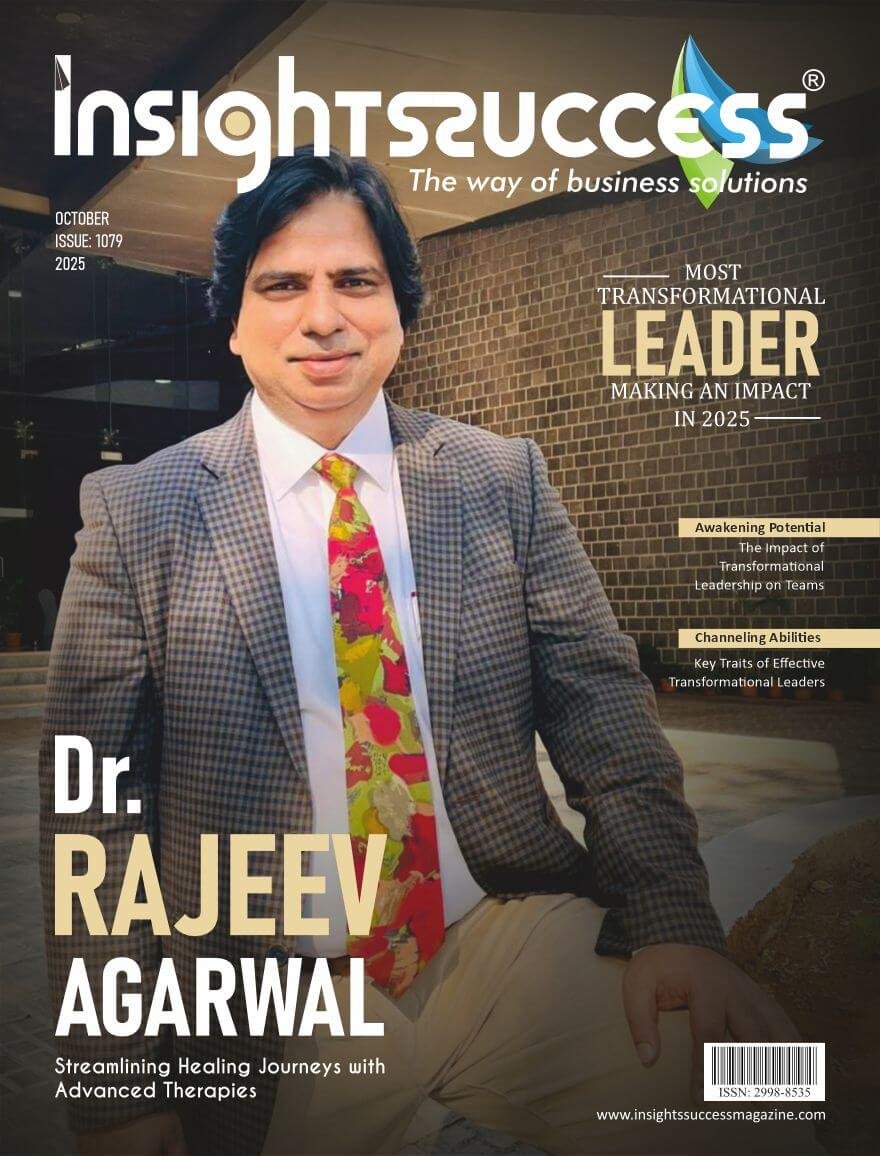
Most Transformational Leader Making An Impact In 2025
Most Transformational Leader Making An Impact In 2025 This edition celebrates visionary trailblazers like Dr. Rajeev Agarwal, whose leadership redefines innovation, purpose, and progress. This edition highlights individuals driving meaningful change across industries—leaders who inspire growth, empower teams, and create lasting impact through integrity, foresight, and an unwavering commitment to transforming the future. Digital Link Quick highlights

Dr. Rajeev Agarwal: Streamlining Healing Journeys with Advanced Therapies
Healthcare is an intense ecosystem where each pill and treatment holds the hopes of thousands. It is sometimes just a question of strategy and passion whether a treatment reaches a patient or ends up on a shelf, either in a large hospital or a small clinic. It’s a junction where data meets empathy, market trends blend with human stories, and a leader’s vision can transform multiple healing journeys. One of the prime domains in healthcare is gynecology. The sensitive and essential aspect of this sector requires more than knowledge; it requires a desire to bridge the science and accessibility to integrate advanced therapies. Dr. Rajeev Agarwal, President, Gufic Biosciences Ltd, steps into this arena with a commanding presence! His 30 years in pharmaceutical sales and marketing paint a vivid story of impact. He specializes in gynecology and multispecialty treatments. Rather than being a strategist, he is a sculptor of markets, opening opportunities where others find impediments. He manages a dynamic workforce of 800 and has stimulated EBITDA growth by introducing groundbreaking products like Gyargin, Vehycal, Naturogest 300/Gel, and Dydrofem. His campaigns for brands such as Menagon, Decapetyl Depot, and Orofer XT have transformed therapy landscapes, establishing a balance between careful market studies and aggressive marketing moves. With training courses, client partnerships, and unstoppable innovation, Dr. Agarwal not only exceeds the targets; he is shaping a new reality in women’s healthcare. Among these interests, he is fond of singing, which he finds both therapeutic and inspiring, often recharging his energy and creativity. Redefining Fertility Care Through Science and Soul Dr. Rajeev Agarwal is a visionary leader with 29 years of experience in building and scaling pharmaceutical businesses across IVF, gynecology, and specialty care. Raised in a family that valued education and service, he pursued advanced studies culminating in a doctoral qualification, laying a strong foundation for a career at the intersection of science, strategy, and people. Supported by family, mentors, and close professional allies, Dr. Rajeev Agarwal entered the pharmaceutical industry with curiosity and persistence, qualities that have guided him through both breakthroughs and challenges. His professional journey began in 1995 at Elan Pharma, where he mastered the art of relaunching territories and driving brand momentum, notably steering Rinifoll to become India’s No. 1 brand. Subsequent leadership roles at Modi Mundi, Life Medicare, and Ferring Pharma allowed him to sharpen his expertise in establishing market leadership and launching portfolios in IVF, gynecology, cardiology, and gastroenterology, while expanding institutional and IVF-center business. A recurring theme in his career has been building divisions from scratch, exemplified by launching and scaling the Gynova division at German Remedies and the Elena division at Alembic Pharma into multi-crore revenue generators. At Emcure Pharma, Dr. Agarwal faced one of his most significant challenges: transforming loss-making divisions into profitable businesses. During this tenure, he created ₹50 crore brands like Dydrofem in record time and pioneered innovative engagement initiatives such as EMIDOL, India’s first doctor-singing contest, alongside large-scale nurse training programs across 5,000 nursing homes. These efforts underscore his commitment to blending scientific rigor with human-centered outreach. Currently, as President of the Gufic Fertility Cluster and former head of multiple divisions at BSV Pharma, Dr. Agarwal leads large teams, drives P&L accountability, and partners with professional bodies to deliver measurable public health impact. His vision is to position Gufic as India’s leading fertility business by combining high purity, differentiated products with academic partnerships, scientific training academies, and impactful public health initiatives. Throughout his career, Dr. Agarwal has embodied resilience, a focus on mentored talent development, and unwavering dedication to scientific credibility. He views business growth as inseparable from advancing healthcare access and building ecosystems that foster lasting transformation in women’s health. He adds, “What began as a career opportunity nearly three decades ago has evolved into a mission to redefine fertility care in India through innovation, education, and sustainable growth.” Approach to Work-Life Integration Balancing a demanding pharmaceutical career with personal life has been a disciplined journey for Dr. Rajeev over 29 years. He has managed high-stakes roles, from turning around underperforming divisions to launching multi-crore brands and leading teams, while staying connected with family and personal interests. Dr. Rajeev’s approach hinges on clear priorities. Professionally, he drives decisions, whether on brand strategies or partnerships with organizations like FOGSI and ISAR, through structured planning and delegation. He believes no leader succeeds alone; empowering teams and setting clear Key Result Areas (KRAs) fosters growth and frees up personal time. Time management is central to his balance. The pharmaceutical industry demands long hours, travel, and constant engagement with doctors and institutions. Dr. Rajeev meticulously schedules family time, especially for weekends or milestones, recognizing that personal support fuels his professional resilience. He highlights, “Even in the busiest phases, I ensure that family commitments are honored because personal support has been the foundation of my professional resilience.” He views challenges as growth opportunities. Setbacks, such as leading loss-making divisions or introducing concepts like EMIDOL that faced initial skepticism, have built his resilience and patience. These are qualities that enrich his personal life. He consciously leaves work stress behind and uses challenges to reflect and adapt. Well-being is vital to Dr. Rajeev. He recharges through friends, reading, and continuous learning, while encouraging his teams to prioritize balance for better performance. For him, balance means allocating energy wisely, not dividing time equally. Through delegation, discipline, and perspective, Dr. Rajeev thrives professionally while remaining fulfilled personally. This equilibrium sustains his passion for impactful healthcare change, blending excellence in leadership with a meaningful personal life. Unconventional Path to Pharma Success Dr. Rajeev’s appetite for business stems from a passion for transformative impact in healthcare, beyond just revenue. He thrives on challenges, having relaunched Rinifoll to India’s top spot, built Gynova and Elena divisions from scratch, and turned Emcure’s loss-making units profitable. These successes showcase his drive for vision and execution. He finds joy in building by identifying unmet needs, crafting strategies, and leading teams to success. Initiatives like the FOGSI breastfeeding campaign or India’s first doctor-singing
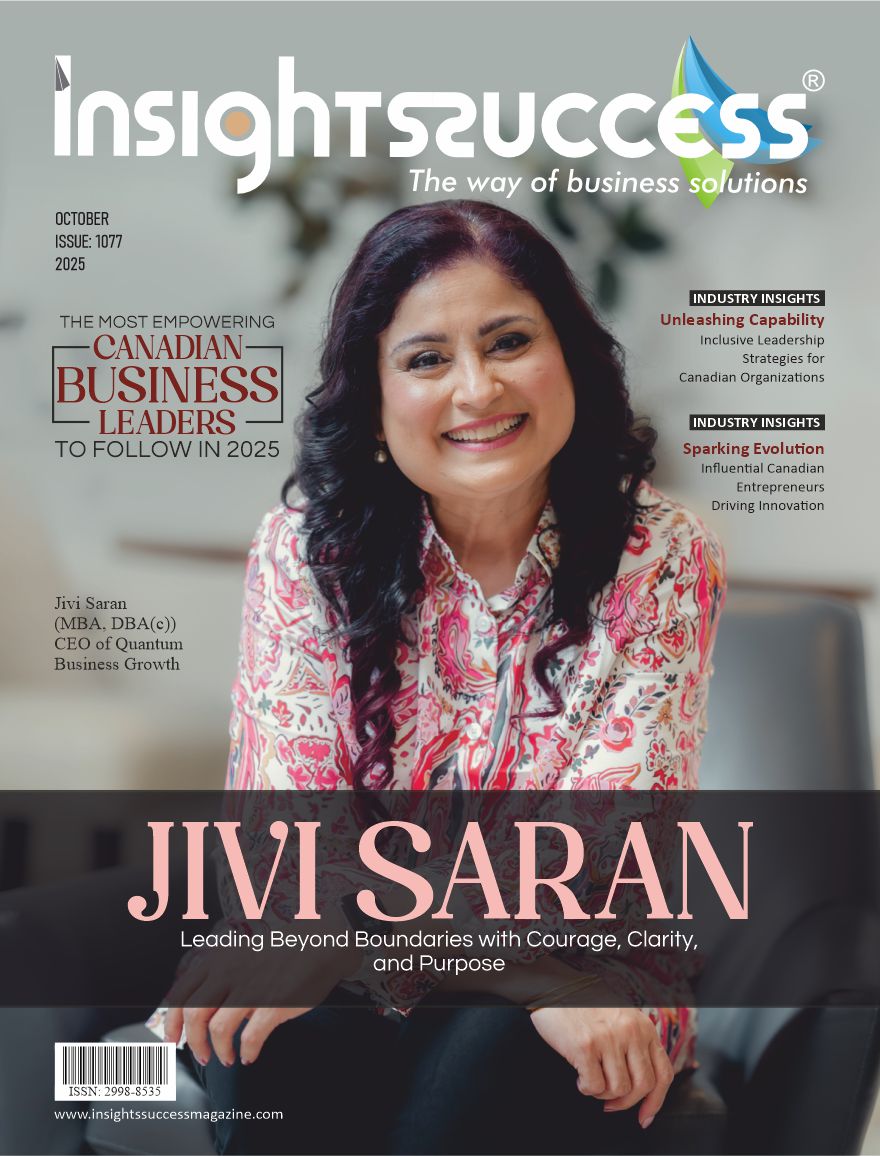
The Most Empowering Canadian Business Leaders to Follow in 2025
The Most Empowering Canadian Business Leaders to Follow in 2025 Jivi Saran embodies a new model of leadership grounded in coherence, conscious presence, and human-centered transformation. As CEO of Quantum Business Growth and Founder of The CEO Whisperer, she helps leaders move beyond control-driven models to cultivate resonance, clarity, and purpose, enabling organisations to thrive amid complexity and change. Quick highlights Quick reads