





Achieving Efficiency with Transportation Management Systems (TMS)
Global Freight Solutions International trade requires effective logistics infrastructure, connecting manufacturers, suppliers, distributors, and consumers through continents. As supply chains become more and more complicated, firms need reliable Global Freight Solutions to move their products effectively, efficiently, and timely. The key role in these processes is played by TMS – Transportation Management System, allowing firms to optimize freight management, increase shipment visibility, and manage transportation activities. All together these capabilities allow firms to decrease their expenses, improve service level and increase supply chain efficiency. Optimizing Freight Operations International freight management is all about managing different forms of transportation, documentation, customs procedures, and shipping. Effective Global Freight Solutions help to address the challenges by integrating logistics planning with live monitoring of shipments and carriers. Businesses can plan their routes better, minimize delays and increase visibility with the help of efficient global freight solutions. Effective TMS solutions become more relevant by reducing the efforts in terms of scheduling, carrier management, load planning and documentation management. Technology Driving Logistics Excellence Technological innovation has continued to revolutionize the freight industry with respect to automation, artificial intelligence, predictive analysis, and logistics platforms on cloud computing. Technology aids Global Freight Solutions in having greater visibility within their logistics network, thus being able to respond to any changes in a proactive manner. Companies are able to track shipments, evaluate the performance of transport and improve allocation of resources via data centralization. Additionally, TMS assist organizations in automating repetitive activities, optimizing freight costs and enhancing communication among logistics companies, suppliers and customers. Building Resilient Global Supply Chains Factors such as economic uncertainty, regulatory changes, weather patterns, and geopolitical events still remain difficult for international logistics activities. The companies have to design adaptive transportation solutions that will enable them to adjust to new market realities without compromising the continuity of their operations. The services provided by Reliable Global Freight Solutions enhance the ability to adapt due to carrier network diversity, better supplier relationships, and contingency planning. On the other hand, the Transportation Management System (TMS) assists in risk management because of its predictive and performance analysis tools. Sustainability Supporting Long-Term Success Environmental awareness is increasingly becoming an important area of study in the field of international logistics. Companies are striving to employ fuel-efficient vehicles, route optimization, digitalization, and eco-friendly shipping practices to reduce their emissions while still conducting business activities effectively. Sustainable Global Freight Solutions allow firms to integrate efficiency and environmental awareness in their global logistics chain. Similarly, the Transportation Management System (TMS) also helps sustainability through the process of reduction in deadhead miles, efficient vehicle management, and freight consolidation. Preparing for the Future of Freight Management In the future of global logistics, innovation, cooperation, and sound decisions will be very important. Companies should be ready for continuous investments into digital transformations, people’s development, and logistics integration to stay competitive in the ever-changing world of international business. Reliable Global Freight Solutions will continue contributing to global trade because it will help to move cargo through the highly interconnected supply chains easily. Additionally, modern TMS will become more important for making processes of freight tracking, efficiency improvement, and effective decision-making better. Companies will be able to predict possible problems in logistics and to achieve outstanding performance and high customer service with the help of automation, AI, and real-time analysis. Cooperation between the parties involved in logistics operations will increase and contribute to the resilience of the supply chain. Delivering Greater Visibility and Control Real-time visibility has been a necessity in today’s freight management scenario. Modern TMS solutions offer precise shipment tracking, performance analytics, and advance warning systems, which help organizations make better decisions. Together with reliable global freight solutions, this ensures reduction in delays, improved customer confidence, and optimal transportation performance. Enhancing Collaboration Across Logistics Networks Good freight management requires good cooperation between all participants of the process: carriers, freight forwarders, suppliers, technologists, and clients. Good communication and exchange of information increase cooperation but decrease delays and risks. Contemporary TMS systems help establish good connections through access to information regarding shipments, their performances, and analysis of transportation. At the same time, good Global Freight Solutions ensure effective logistics chains for better reliability and client satisfaction; for development of international trade and adaptation to the market changes. Read Also : From Rolling Stone to Smart Machines: What Advanced Technology Really Means

From Rolling Stone to Smart Machines: What Advanced Technology Really Means
Imagine an individual who is standing on top of a hill many years back in time. A stone drops from his hands and slides down the slope quickly and effortlessly. Most people would have watched it roll and moved on. But someone, at some point, paused and asked a simple question. Why does the rolling stone move so easily compared to a flat one? This simple thought, and not the laboratory or manufacturing firm, sparked one of the greatest inventions known to man, the wheel. This is the part we often forget when we talk about technology today. We picture screens, robots, and rockets. We assume progress only lives in the future. But the truth is simpler and more human. Technology is not only about new tools. It is about looking at the same things in a different way. A rolling stone became a wheel because someone changed how they saw it, not because a new material appeared out of nowhere. This blog discusses how advanced technology connects to that same instinct, the human habit of looking closer, asking why, and turning a simple observation into something useful. It also covers how this idea shapes the innovations we see around us right now. The Real Meaning Behind the Term Many people think advanced technology means something complicated or futuristic. In reality, the advanced technology definition is much simpler. This could mean anything that provides a better solution compared to what was in existence previously. This advanced technology definition applies just as well to a simple lever as it does to a modern data network. The wheel was cutting-edge in its time. So was the printing press. So was the light bulb. What makes something “advanced” is not how flashy it looks. It is the effectiveness of its contribution towards improving the quality of life, work, and interaction between individuals. There is no difference in principle between a smartphone in one’s hand and the wheel on an ancient vehicle. Both take a basic human need and solve it more smartly. The Pattern Behind Every Big Leap If you study the history of invention, a clear pattern shows up again and again. Someone notices a small detail that everyone else overlooks, asks a question nobody thought to ask, and builds something around the answer. This pattern still drives advanced technology innovations today. Engineers did not invent electric cars by ignoring the wheel or the engine. They examined the current components to see how they can be made more efficient, clean, and smart. This is true of solar cells as well, which have taken an ancient idea, that of using sunlight, to create energy through advanced technology. The same is true of artificial intelligence. It has not just sprung up overnight. Rather, it has been built upon by many tiny advances in mathematics, computer science, and logic over many decades. Advanced technology is not invented overnight. It usually arrives as a series of small, thoughtful shifts in perspective. Why the Present Matters More Than the Future People often talk about technology as something that belongs to tomorrow. But most meaningful technology lives in the present. It solves problems people face right now, today, in their daily lives. Think about how people use maps on their phones. This tool does not promise a distant future. It helps someone find the fastest route to work this afternoon. Think about telemedicine, which lets a patient speak with a doctor from home instead of waiting days for an appointment. That is advanced technology solving a present need, not a future dream. This is why the wheel remains such a powerful example. It was not built for some imagined future. It was built to solve an immediate, practical problem: how to move heavy things without wearing out human strength. The best advanced technology innovations often follow this same rule. They fix what is broken today. How This Mindset Shapes Modern Innovation Modern industries now build entire strategies around this simple mindset. Companies do not always look for something brand new. Many look for a better way to do something old. Ride-sharing apps did not invent transportation. They combined cars, phones, and location data, three things that already existed, in a new way. This is the real heart of advanced technology. It is rarely about starting from zero. It is about connecting existing ideas in a way nobody tried before. A rolling stone already had the shape needed to become a wheel. This is exactly what the advanced technology definition points to: solving today’s problem with whatever pieces are already available. Someone just had to notice it and act on that observation. Such an attitude also explains why some of the most useful advanced technology innovations happen unexpectedly. A farmer might make irrigation more efficient by placing pipes correctly, rather than building complicated machinery. Growth occurs little by little. Looking at the World With Fresh Eyes The biggest lesson from the wheel is not about ancient history. It is about how we choose to look at the world around us. Advanced technology grows out of curiosity, patience, and the willingness to ask simple questions about ordinary things. Anyone can build this habit. One does not need any technical expertise or any special training; all one needs is some concentration. Perhaps that revolutionary thought already exists and has just been overlooked due to its being seen from a different angle, much like the pebble that rolled down a hill and turned into something more important. Some of the most valuable advanced technology innovations start this way, with a habit rather than a headline. Conclusion: The Future Starts With How We See Today Progress does not always begin with something new. It often begins with a fresh look at something old. The wheel proves this, and so does much of the progress we see around us now. When we slow down and pay attention to the world as it is, we open the door to real innovation. The future of
The Most Visionary Leader Leading Business to Global Success 2026
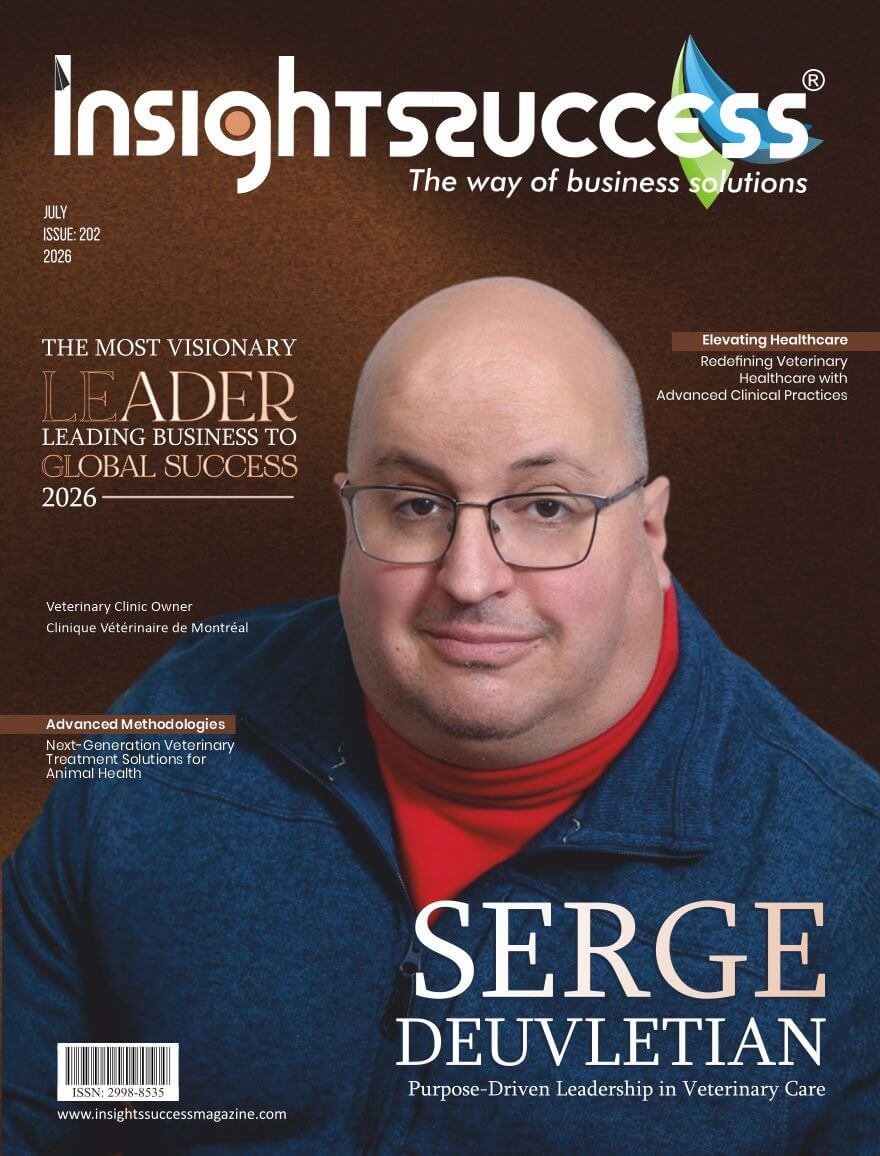
The Most Visionary Leader Leading Business to Global Success 2026 Serge Deuvletian’s journey is a testament to resilience, purpose, and unwavering commitment. As the Owner of Clinique Vétérinaire de Montréal, he transformed adversity into opportunity, building a respected independent practice grounded in compassion, adaptability, and integrity. His leadership demonstrates that lasting success is achieved through perseverance, authentic values, and an enduring dedication to exceptional veterinary care. Digital Link Quick highlights Quick reads

Serge Deuvletian: Purpose-Driven Leadership in Veterinary Care
Some leaders arrive with ambitious goals, structured business strategies, and a clear vision of market expansion. In contrast, Serge Deuvletian, a Veterinary Clinic Owner, did not set out with the intention of leading. Yet he went on to build one of the most enduring independent veterinary clinics in Montreal. His journey towards becoming a clinic owner was never part of any well-thought-out plan, but emerged out of necessity from a string of events that shaped him. Serge has been leading Clinique Vétérinaire de Montréal, single-handedly, for 25 years now. Over the span of two decades and more, he has watched the demise of many independent veterinary clinics swallowed by big corporations. He has managed to navigate his way through tough times, including financial troubles and personal breakdowns. The clinic that stands today is not a monument to ambition. It is the result of persistence under pressure, built steadily over decades, against odds that would have halted most journeys long before they reached this point. A Veterinarian’s Path of Perseverance Serge Deuvletian did not open the clinic because he wanted to become an entrepreneur. He opened it because he had no other option left. After graduating from veterinary school, he explored every possible path. He worked as an associate, approached established practices, and considered partnership opportunities. None of these options worked out. He did not stay in any position for more than a year. “I was forced out of my comfort zone and I was not happy about it,” he says. His tone reflects his direct and honest way of speaking. Serge Deuvletian had always valued stability. He studied at Collège Stanislas for 13 years, from kindergarten to graduation, a stretch of consistency that few people manage in any chapter of life. He was not someone who gave up easily. However, the veterinary field kept pushing him away until his father intervened. His father, a pharmacist who owned a successful pharmacy right next door, became the founding investor of the clinic. The financial risk was manageable for him, and he was willing to absorb potential losses if things did not work out. For Serge, however, the responsibility felt enormous, not because of the money, but because of what the investment represented. His father’s trust became both his motivation and his pressure. That sense of responsibility shaped every corner of his work ethic. He worked up to 60 hours a week. He remained constantly available on his phone, day and night. He made home visits, handled grooming services, and set his prices deliberately below the local average to attract clients who might not otherwise afford care. He was not building a business empire. He was honoring a debt that had nothing to do with money. The clinic did not make a profit during its first two years. Serge Deuvletian kept costs low by hiring only one employee for 30 hours a week. He managed all other work himself, filling every gap and covering every role that a larger operation would have distributed across a team. “I thought that if I lasted more than one year, it would already be an achievement,” he recalls. He set the bar low so that simply surviving counted as success. Then he kept going, year after year, until survival quietly became something more. The Amoeba Strategy When asked about his competitive strategy, Serge Deuvletian reaches for a metaphor rather than a framework. He describes himself as an amoeba. He sees the clinics around him, absorbed one by one into large corporate veterinary groups, as the Roman army. He describes himself as the small independent village that refuses to be absorbed, drawing directly from the French comic series Astérix, whose fictional Gallic settlement survives through sheer defiance and the occasional magic potion. His approach was practical rather than strategic in any traditional business sense. He did not try to compete directly with larger clinics for the same clients or the same procedures. Instead, he chose to remain small, set his prices below the market, and work with his competitors rather than against them. He referred complex or high-volume cases their way and accepted, in turn, the cases they did not want, the overflow, the unusual, the ones that required more patience than a corporate operation typically offered. “I worked for both me and my boss,” he explains. Clinique Vétérinaire de Montréal stayed with an independent buying group while nearly every neighboring clinic was acquired by one corporate chain or another. It was a quiet act of resistance, the kind that does not make headlines but keeps the lights on for decades. Serge Deuvletian never hired another veterinarian. He relied on the surrounding network to handle specialist cases and focused entirely on the work he did best. He also built his team on personal qualities rather than formal qualifications. Every staff member had to have owned a pet at some point in their life. He believed that was the minimum entry point for the kind of empathy the job demanded. The clinic would handle the technical training. The humanity had to come first. Lasting Lesson in Veterinary Practice On December 17, 2004, near the end of a difficult year, Serge Deuvletian lost a six-pound Chihuahua during surgery. The dog’s heart stopped after anesthesia was administered, an outcome Serge Deuvletian later learned he had not fully guarded against in the way experience would eventually teach him. His next anesthetic procedure went smoothly, but the earlier loss stayed lodged in him in a way that years could not dissolve. He couldn’t tell the client exactly what happened at that moment. He kept the truth to himself determined he would after he made up for it. He resolved to tell the full truth when the right moment arrived. That moment came years later, after his autism diagnosis. In a letter, he reframed the animal as part of his personal journey, a creature whose life had become quietly intertwined with the hardest chapter of his own. In 2021, the client returned to

Advanced Methodologies: Next-Generation Veterinary Treatment Solutions for Animal Health
The field of animal health care has seen a rapid development like never before due to innovations in technology, scientific research, and medicine which change the approach towards diagnosing and treating diseases by veterinarians. The modern approach in veterinary medicine has moved from treatment of disease to its prevention and personalization of treatments for animals in order to provide them with the best possible results and enhance their quality of life. With the rise in standards for the healthcare of animals, innovations have been the major factor responsible for bringing more efficiency and effectiveness in the delivery of this service. Whether it is about advanced diagnosis methods, regenerative medicine, or use of technology in delivering healthcare, solutions for the treatment of pets are being provided that will be able to cater to the requirements of veterinarians as well as pet owners alike. The future of animal healthcare requires the use of science and technology in order to deliver better care to animals. Smarter Diagnosis Accurate diagnosis forms the cornerstone of veterinary success. The developments such as artificial intelligence, imaging techniques, wearables, and molecular diagnostics help veterinarians diagnose diseases way faster than before. Earlier diagnosis enables treatment to start even before the condition reaches its critical stage, thereby increasing the rate of recovery and minimizing complicated procedures. Veterinary clinics are also embracing diagnostic technologies that give results quickly and more accurately, thus giving clinicians the ability to make well-informed decisions. Such improvements in technology also improve clinical decision-making through provision of better data and real-time information. Through use of digital diagnostic tools, it becomes easier for the veterinarian to assess the condition of the animal with accuracy, thus developing a customized plan to treat the animal. The use of portable ultrasound machines, digital radiography and lab automation has also minimized the time taken to diagnose several ailments, making it possible to administer the necessary medication in quick time. Advanced Therapies Technological advancement in the field of medicine is expanding the number of options available to animals. New treatment methods such as regenerative medicine, minimally invasive surgeries, targeted drug therapies, and precision medicine have brought up new possibilities in treating diseases which were previously thought to be unmanageable. The use of stem cell therapy, PRP, and other innovative orthopedic treatments is making it possible for animals to heal faster with less pain and ensuring good health for the future. These developments prove to be especially useful in treating diseases such as joint diseases, sports injuries, and aging. Combining novel approaches to therapy along with scientifically proven clinical practice will allow veterinarians to achieve the desired result and simultaneously ensure greater safety and efficiency of the treatment process. Personalized programs that consider the specifics of the animal, its breed, age, medical history, and way of life become popular and lead to increased efficiency of treatment and higher quality of life. In addition, minimally invasive surgeries change the practice of veterinary medicine. Laparoscopy and arthroscopy minimize trauma, shorten the recovery period, and decrease the possibility of complications when compared to traditional surgery. The Future Ahead The future of veterinary medicine depends on increased interaction among those developing technology, researchers, veterinarians, and the keepers of the animals. The use of telemedicine, cloud-based health records, predictive analysis, and remote monitoring will improve communication and promote continuity of care outside of the clinic setting. These technologies will guarantee prompt medical care for the animals independent of their geographic location. Digital technology helps promote collaboration among various veterinary clinics, diagnostic centers, universities, and research institutions through secure sharing of information and medical images. This sharing of information makes it possible for research to be conducted faster and more effective treatment procedures to be formulated. With the rise of data-driven approaches to veterinary medicine, doctors will have access to greater amounts of data and information that will aid their decision-making process. Conclusion As the field of animal health is changing rapidly, the success of animal health treatments will be defined by our ability to combine innovation and empathy in clinical practice. Due to constant improvement of technology and treatment techniques, veterinarians can provide better diagnostics, therapy and prevention for their patients, which allows increasing the quality of their lives and even prolonging their life expectancy. The continuous development and innovations of the field will allow addressing future challenges and meeting new requirements. Not only are next generation treatments an advance in technology but they are a pledge towards better health for animals through constant research and collaboration. Using innovations while considering the welfare of the animal is possible, and with that the future of the world’s animals can be made much better. With the continued development of science and technology alongside each other, the future of veterinary medicine looks very promising indeed. Read Also : Delivering Memorable Guest Experience
Visionary Caribbean GMs Driving Growth and Innovation in 2026
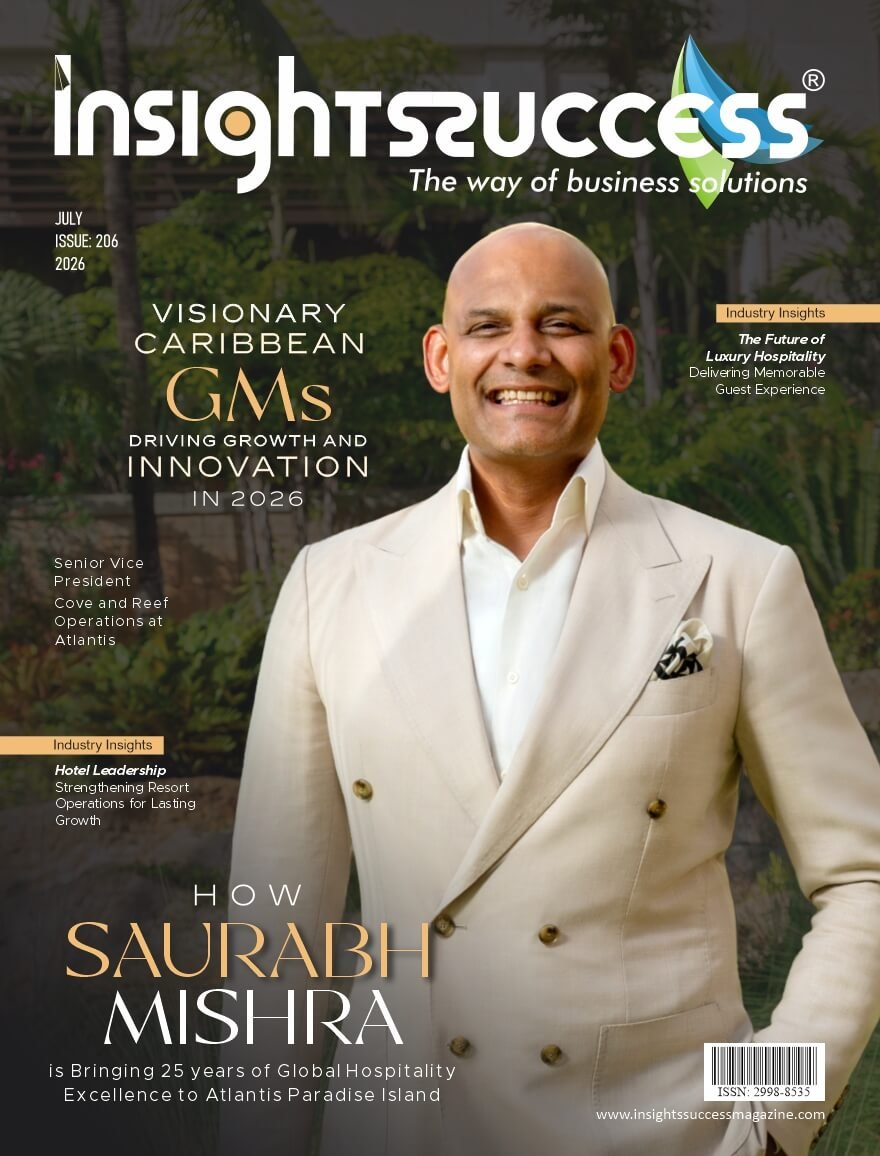
Visionary Caribbean GMs Driving Growth and Innovation in 2026 Recognizing visionary general managers whose strategic leadership, operational excellence, and innovative thinking are driving business growth, strengthening organizational performance, and shaping the future of industries across the Caribbean. Digital Link Quick highlights Quick reads
How Saurabh Mishra Is Bringing 25 years of Global Hospitality Excellence to Atlantis Paradise Island
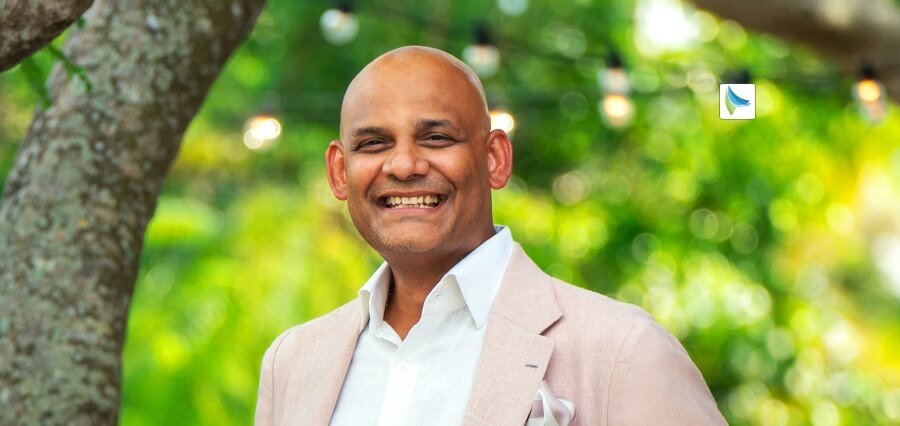
The Bahamas does not need to be sold to most travelers. The images are already there, the turquoise water, the white sand, the unhurried pace of island life that people spend months of a northern winter dreaming about. What Atlantis Paradise Island has always understood, and what draws guests back across generations, is that a destination of that caliber demands something more than beautiful scenery. It demands people who genuinely care, who show up with purpose rather than obligation, and who understand that the difference between a good stay and an unforgettable one is almost never the physical product. It is the human being standing behind it. Saurabh Mishra, Senior Vice President leading the Cove and Reef operations at Atlantis, joined the property in January 2026 with three decades of experience building exactly that kind of human culture across some of the world’s most demanding luxury environments. He arrived not as someone coming to oversee a successful operation but as someone with a clear sense of what the next chapter could look like. The Cove and Reef represent a distinct world within the larger Atlantis destination. The Cove is an all-suite environment with 600 suites. The Reef offers approximately 500 residential-style units, housing multiple celebrity-chef dining experiences. Across the Atlantis campus, the partner Mandara Spa is undergoing significant renewal and remains open to all Atlantis guests. The resort caters to a diverse guest profile, ranging from first-time visitors to multi-generational families who have been returning for decade The Cove is currently in active transformation, and Saurabh has arrived precisely at the moment when the foundations of the next era are being laid. A Career Built Across Continents Before the Bahamas, there was Macau. And before Macau, Hong Kong, China, India, and the Middle East. Saurabh’s career in luxury hospitality has never stayed in one place long enough to become comfortable in the limiting sense of that word. Each move was deliberate; each environment chosen for what it would demand and what it would teach. His time with Hyatt took him from the Middle East through the opening of Park Hyatt in India, then to China for another significant opening, and eventually into a regional leadership role as the Regional Leader for Hyatt across Asia Pacific. That arc alone would represent a complete career for most hospitality professionals. For Saurabh Mishra, it was preparation for what came next. He joined Four Seasons Hong Kong, which he describes with genuine reverence as an institution in itself. Situated in the IFC, carrying multiple Michelin stars, operating at what he calls “Four Seasons on a steroid” standards, it represented a different quality of pressure and a different quality of expectation. After Hong Kong came seven years in an integrated resort environment in Macau, driving large teams, building cultures of excellence, and operating at a scale and complexity that few hospitality professionals ever encounter. Each of those environments deposited something permanent in how he thinks about leadership, about guests, and about what a resort experience is genuinely capable of delivering when the people behind it are fully committed to the work. He reflects, “It’s all about understanding the sentiment of our people, understanding what works, what doesn’t work, and really bringing people together. That’s how we drive experiences.” The Culture That Makes Everything Else Possible One of the clearest themes in how Saurabh Mishra approaches his leadership at Atlantis is the conviction that a guest experience is only ever as good as the culture that produces it. Technology can enhance a stay. A beautiful property can create a first impression. But the quality of the human connection between the people who work at a resort and the guests they serve is the thing that determines whether someone leaves with a story they tell for years, or a stay they have largely forgotten by the time the plane lands. At Atlantis, many colleagues have been with the property for a long time. That longevity is a genuine asset, representing deep institutional knowledge, strong relationships with returning guests, and loyalty to the property that is genuinely rare in an industry defined by high turnover. His role, as he sees it, is to give his teams a reference point for what world-class looks like in a global context, to inspire them to climb toward that standard together, and to create an environment where that aspiration feels even more exciting. The Team Members at Atlantis are not being asked to abandon what they have built. They are being invited to take it further. He says, “People aren’t just coming here for sunshine and beaches. They come for much more than that. They come for really getting a feel of the place where we show them we are a true host.” The culture he is building rests on a simple but demanding principle: team members should come to work not because they have to but because they love to. That distinction sounds like a motivational phrase until you spend time in a resort where it is genuinely true, and then the difference is impossible to miss. Guests feel it immediately, in every interaction, in the quality of attention they receive, in the sense that the person serving them is genuinely present and genuinely glad to be there. The Future of the Guest Experience When Saurabh Mishra talks about the trends shaping the future of luxury hospitality, he does not lead technology. He leads with something more fundamental: the emotional connection between a guest and a place will not change, no matter how sophisticated the tools available to the industry become. People are coming for authentic, genuine experiences. That is the constant against which everything else should be evaluated. Within that constant, he identifies several specific shifts that will define the next decade. The first is the importance of immersive pre-arrival engagement. The decision to travel to Atlantis is increasingly being shaped by the digital experience guests have before they ever book a flight. How the resort world is presented

Delivering Memorable Guest Experience
The Future of Luxury Hospitality Luxury hospitality has now moved far past its traditional practice of just providing lavish accommodation and high-end facilities. The modern traveler looks for unique experiences, which incorporate comfort, personalized care, and authenticity into the trip. In order to satisfy such expectations, luxury hospitality companies are constantly innovating and implementing sustainable practices that enhance guest experience through unique offerings. Every interaction, from the moment of booking to check-out, forms part of the Guest Experience. Those hotel properties that are able to surpass the guests’ expectations build customer loyalty and stand out in today’s competitive market environment. Personalization as the New Standard The modern traveler looks for personalization according to his or her own likes. Thanks to advanced technology, customer information, and AI, hospitality providers can know about their customers’ needs even before they come. The personalized settings of rooms, personalized meal suggestions, personal wellness programs, and even customized itineraries have become an integral part of luxury hospitality. It is necessary to provide a seamless Guest Experience by keeping the customer’s requirements in mind. Technology Enhancing Hospitality Services Technology keeps revolutionizing the hospitality industry in terms of increasing convenience and efficiency in operations. Mobile check-in, room key, smart room controls, virtual concierge, and customer support via AI facilitate everything during guests’ stay. The use of technology allows employees to concentrate on meaningful conversations with guests while all other operations can be done more efficiently. Intelligent Technology is essential for Luxury Hospitality as it provides quality and consistent services at different touch points. On the other hand, technology improves Guest Experience by offering convenience and accessibility to services while maintaining warm conversations. Sustainability Meets Sophisticated Comfort Sustainability has been gaining importance in the sphere of luxury tourism. In order to minimize the negative impact on the environment while continuing to provide services in compliance with high standards, hotels and resorts are now employing environmentally responsible practices. The use of energy efficient buildings, water conservation, local cuisine, waste minimization and other green features of accommodation facilities illustrate the sustainability of Luxury Hospitality and its efforts to contribute to responsible tourism. Such practices improve the quality of the Guest Experience because tourists appreciate sustainability. Empowering People to Deliver Excellence There is always an enthusiastic team behind every memorable stay. Through training, development, and learning, employees of luxury hotels have the required skill sets to meet guests’ demands. Good communication, cultural sensitivity, and problem-solving skills make it possible for the employees to develop good relationships during all stages of guests’ journeys. Luxury Hospitality relies on motivated employees who know that each detail affects guests’ satisfaction level. Employees’ dedication plays a key role in developing Guest Experience. Creating Lasting Value Through Innovation and Wellness In today’s world, guests look for experiences that help them become healthier and immersed in culture. In response to such desires, Luxury Hospitality companies are broadening their product line to include wellness retreats, culturally based food experiences, individual recreation options, and cultural experiences. This is how a guest experience becomes truly memorable, leaving its imprint on the life of the guest long after his/her stay. Excellence in the Guest Experience demands constant innovation in the design of services that will allow hotels to adapt to changes in guests’ needs and retain their high standards. As the expectations of travelers keep changing, companies that embrace innovation and connect with people at a human level will ensure customer loyalty and a good reputation. It is through the continuous improvement of Luxury Hospitality and all aspects of the Guest Experience that will bring about lasting value, repeat business, and sustainable growth. The Future of Premium Hospitality Innovation, personalization, and real human connections will be the key determinants in shaping the future of the hospitality industry. The future customers will still be on a constant lookout for a blend of comfort, authenticity, wellness, and technology in their travel experiences. Those companies which focus on digital transformation, sustainability, growth of their staff, and innovations to better serve their customers will be in a position to stay competitive. On one hand, Luxury Hospitality will keep growing by offering experiences which include culture, wellness, and personal services. On the other hand, a great Guest Experience will determine everything else. As the need for world travel keeps increasing, hospitality companies will have to integrate technology with human touch to develop unique experiences that will prompt visitors to return to them again. The ones that will keep innovating themselves, maintaining their efficiency, and keeping up with what travelers want are the ones that will be able to maintain their competitive edge by offering value to their visitors, employees, and stakeholders. These companies will write the next page in luxury travel. Read Also : Strengthening Resort Operations for Lasting Growth

Strengthening Resort Operations for Lasting Growth
Hotel Leadership The hospitality sector is still transforming because of changes brought about by the demands of the customers, the improvements in technology, and competition in the international market. Excellent customer service calls for much more than just top-notch facilities and beautiful locations. It calls for effective Hotel Leadership in ensuring efficient operations, motivating high-performing employees, and providing quality services. On the other hand, efficient Resort Operations will involve all departments operating together to offer excellent experience to customers through efficient operations. Companies that are able to integrate great leadership and efficient operations are set for success. Building Operational Excellence Well-performing resorts need well-coordinated processes which guarantee that guests are served excellently during the entire period they spend in the resort. Front office management, housekeeping, food and beverages, recreation, and maintenance departments play an important role in determining the performance of the resort. Effective Hotel Leadership sets up specific objectives and facilitates teamwork. Efficient Resort Operations help to serve guests consistently, utilize resources effectively, and reduce operational problems. This makes it possible for hospitality organizations to provide high-quality services while adjusting to market changes quickly. Technology Driving Operational Efficiency Application of digital innovation is quite crucial in achieving excellence in the hospitality business industry. Digital innovations such as cloud-based property management systems, mobile check-ins, artificial intelligence, smart rooms, and scheduling systems improve efficiency and convenience. Innovative Hotel Leadership utilizes these digital innovations to make processes easier while improving the productivity of workers at the same time. Digital advancements also help boost resort operations by ensuring efficient inventory management, predictive maintenance, communication with guests, and better decision-making. Developing High-Performing Hospitality Teams The employees will always be the main key to success in any resort. They are the ones who make the guests have unforgettable experiences that will see them come back to stay and even refer others to stay at the resort. Effective Hotel Leadership makes sure that there is effective training for the employees, effective communication, and even rewards for the good performance of the employees. It also ensures that the departments work effectively together while ensuring that they maintain the service standards of the hotel. Sustainability Supporting Long-Term Growth Environmental sustainability has emerged as one of the most important considerations of present-day hospitality organizations. Today, the use of energy-efficient technologies, water management programs, sustainable purchasing, and waste management programs is becoming common among resorts to lessen their environmental footprint as well as enhance their efficiency. Responsible Hotel Leadership is all about incorporating sustainability practices into business plans while ensuring that the experience for the customers is not sacrificed. The operations of Sustainable Resorts not only help in saving money but also enhance the image of the brand among eco-conscious tourists. Preparing Resorts for the Future In order for the hospitality sector to have a successful future, innovations, adaptability, and excellent services should be considered. The resort organization needs to maintain investments in technology, development of its workforce, efficiency in operations, and personal engagements to stay competitive. Strong Hotel Leadership would keep on guiding organizations in dynamic environments using innovation, planning, and improvements. Effective Resort Operations, on the other hand, would make sure that all aspects of the experience of the guest are done professionally. The more globalization occurs in the travel industry, the more hospitable organizations can develop competitive advantages using digital transformation and innovations centered on customers. The vision of leadership and correct operations is what will help the resorts’ industry maintain its momentum and continue meeting customers’ expectations in a sustainable way. The future of the hospitality industry is going to be shaped by Hotel Leadership & Resort Operations, thus making the firms deliver great services and establish long-lasting connections with the customers. Strengthening Hospitality Through Continuous Innovation Continuous Improvement remains essential to maintain excellence in the tourism industry that continues to get more competitive every single day. The resort facilities that constantly evaluate feedback from their customers, measure their performance, and incorporate the latest technologies are those that can respond to the needs of their clients. The Good Hotel Management fosters innovation through providing its personnel with an opportunity to make suggestions concerning ways to improve their service. Such investment in technology, employee training, and process improvement not only increases resilience but also brings companies closer to their goals. Efficient Resort Operations greatly depend on interdepartmental cooperation. Collaborations with local communities, tourist boards, and sustainable tourism programs provide even greater opportunities to increase the attractiveness of a destination along with offering genuine experiences for tourists. Through innovation, teamwork, and commitment to excellence in services, hospitality companies will be able to boost their competitive position, increase their profits, attract repeat visits, and provide benefits for all stakeholders. Read Also : Digital Learning Platforms & Digital Product Strategy
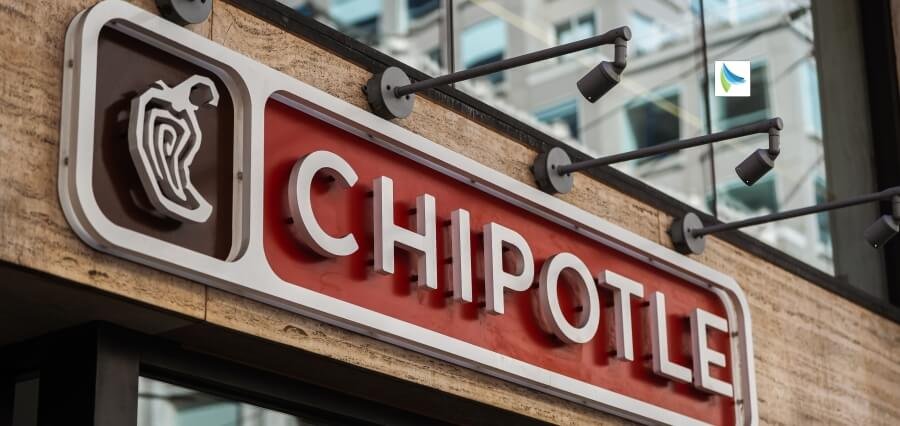
Chipotle Kicks Off Mexico Expansion with Alsea Partnership
Prime Highlights Chipotle will open its first Mexico restaurant on Thursday in San Pedro Garza García, near Monterrey. The company plans to expand into Mexico City by 2027 as part of its partnership with Alsea. Key Facts Chipotle operates more than 4,100 stores worldwide and plans 350 to 370 new openings this year. The Mexico entry follows a development agreement signed with restaurant group Alsea last year. Background Chipotle is set to open its first restaurant in Mexico this week, the company announced on Monday. The store will open on Thursday in San Pedro Garza García, Nuevo León, part of the Monterrey metropolitan area. Chipotle said the opening forms part of its previously announced partnership with restaurant group Alsea. Thursday’s launch will be the first in a larger rollout of restaurants across Mexico, including an expansion into Mexico City planned for 2027, according to the company. Chipotle CEO Scott Boatwright said the company was entering Mexico with deep respect for the country’s culinary heritage and a commitment to delivering the Chipotle experience with excellence. He added that the company’s research had reinforced its belief in strong demand for high-quality, freshly prepared food offered with the customisation and convenience Chipotle provides. The company plans to open an additional 350 to 370 new restaurants this year as it works to regain growth after a stagnant year and attract customers with new menu offerings. International expansion through partnerships forms a key part of that strategy. Chipotle said it chose the Monterrey area for its strong economy, growing population and status as one of Mexico’s leading business and innovation hubs. The new restaurant will carry the same menu as its existing US locations. Chipotle and Alsea signed the Mexico development agreement last year as the US chain moves into the market. The company currently operates more than 4,100 stores worldwide, including locations across the Middle East and Europe. Read Also : Wall Street Banks Accelerate Digital Assistant Adoption to Boost Productivity