






Arun Malik: Journey from Engineer to Inspirational Author
A few voices stand out in a world full of noise and short-lived success tales because they are quietly powerful, rooted in personal experience, and unwavering in their faith in the potential of all people. One such voice is of Arun Malik, a celebrated Author and has a journey that is more about individual and group change than titles. From the pages of nine best-selling motivational books to boardrooms in Dallas and Ipswich, his journey is exemplifying leadership that is based on people rather than hierarchy. After completing with a degree in management from IRMA and a mechanical engineering degree from NIT Allahabad, his early career involved leading multicultural teams in the US and the UK. He gained the uncommon realization that individuals react to purpose rather than pressure in these high-stakes situations. His clear, empathetic, and supportive leadership approach continuously inspired exceptional performance while subtly questioning established business conventions. Malik’s greatest impact, however, started with a pen rather than a corner office. His writing is reaching readers worldwide by fusing business savvy with a natural grasp of the human psychology. Because of pieces like Happiness ! As we seek it and You can make it big, he is delivering more than just inspiration; he is presenting a roadmap for self-transformation that is based on strategy and optimism. Even now, Arun Malik is redefining leadership as the art of unleashing potential rather than as control. Inspiring others to live lives of influence, resilience, and purpose is his straightforward yet deep objective. The Lucknow Beginnings Born on July 1st, 1970, in Lucknow, Uttar Pradesh, Arun Malik’s story begins in a middle-class family with parents H.C. Malik and Surendra K. Malik. Growing up alongside his sibling Ashish, young Arun Malik displayed an early affinity for both technical subjects and understanding human nature combination that proved instrumental in his later success. The choice to pursue mechanical engineering at NIT Allahabad seemed natural to someone at his analytical disposition. However, even during his undergraduate years, he was demonstrating an unusual ability to connect with people, often finding himself in informal mentoring roles among his peers. This natural inclination towards guidance and motivation would remain dormant through his early professional years, waiting for the right circumstances to emerge. The Corporate Catalyst After completing his engineering degree, Malik pursued a Post Graduate Diploma in Management (Rural Management) from the prestigious Institute of Rural Management Anand (IRMA). This educational foundation provided him with both technical expertise and management acumen, preparing him for a corporate career that would span continents. His professional journey took him to major multinational corporations in the United States and United Kingdom, where he was working extensively in the Information Technology domain. It was during these 15 years of global exposure that he was experiencing what he describes as his professional awakening. Leading diverse teams across different cultures and time zones, he noticed patterns in human behavior and motivation that transcended geographical boundaries. “Working for MNCs in regions like Dallas and Ipswich, I learned the value of motivation. Simple words of encouragement could ignite a spark, inspire someone in ways that traditional management techniques couldn’t achieve.” Arun Malik reflects. This revelation became the cornerstone of his leadership philosophy. Where others saw merely performance indicators and quarterly targets, he saw human potential waiting to be unlocked through the right combination of encouragement and guidance. His teams consistently outperformed expectations, not through micromanagement or pressure, but through a culture of positivity and shared purpose. The Literary Awakening The transition from corporate leader to published author wasn’t immediate. Arun Malik spent years consciously honing his inspirational skills, studying the mechanics of motivation, and understanding how positive reinforcement could create lasting change in individuals and organizations. His experiences managing large teams was provding him with a laboratory for testing his theories about human potential and achievement. The decision to translate these insights into written form came from a desire to reach beyond the confines of corporate boardrooms. “My books do not aim at bringing change in the world. They just inspire people to think and feel in a more optimistic manner, which in turn makes them more resolute to achieve success and turn their dreams into reality.” he says. The Literary Portfolio Malik’s books are like a road map for self-improvement. His nine published writings, each of which are addressing a distinct part of the human experience, covering a range of motivational and self-improvement topics: Happiness! As We Seek It explores the often-elusive nature of contentment and is providing practical frameworks for achieving lasting joy. The book challenges conventional wisdom about happiness, suggesting that true fulfillment comes not from external circumstances but from internal perspective shifts. Odds Don’t Define Me supports tackling the universal experience of facing seemingly insurmountable challenges. Drawing from his own professional experiences and extensive research, he argues that obstacles are not barriers but opportunities for growth and self-discovery. Inviting Abundance focusing on the mindset shifts necessary for attracting prosperity and success. Rather than promising quick fixes, the book underlines the importance of cultivating gratitude, positivity, and strategic thinking. You Can Make It Big, perhaps his most commercially successful work, distills decades of leadership experience into quotations and principles about high achievement. The book serves as both inspiration and a practical guide, offering readers concrete strategies for pursuing their ambitions. The Reflections take a more introspective approach, encouraging readers in examining their own thought patterns and beliefs. Through structured self-examination, he is guiding readers towards greater self-awareness and personal agency. His book Silence Please addresses the often-overlooked power of contemplation and mindfulness in achieving success. In an era of constant noise and distraction, he advocates for the strategic use of silence as a tool for clarity and decision-making. Courting Happiness is one that is building on his earlier work on contentment, providing more specific strategies for maintaining positive emotions even during challenging circumstances. Unfolding Dreams focuses on the practical aspects of goal setting and achievement, emphasizing the importance of allowing aspirations to develop organically

The ROI of Authentic Personal Transformation in Executive Development
In today’s rapid business world, it is not necessarily technical or strategic competence but rather the level of character and honesty a leader carries. No matter how hard leadership development courses have attempted to focus on performance measures, emotional intelligence, and communication frameworks for so long, there is now a shift towards something more substantial—authentic personal change. This inward quest process is proving to be not just a soft skill acquisition but an ROI measure-able driver for organisations that are serious about effective executive development. Redefining Leadership Through Personal Transformation Personal transformation is not a skin-deep shift or a temporary attitude shift. It is a deep, internal shift that redefines leaders’ perceptions of themselves, how they relate to others, and how they align their actions with a deeper sense of purpose. Typically, it is the result of self-examination, coaching, crisis, or deliberate self-enhancement. When managers undergo personal change, they become more self-aware, empathetic, and value-driven. Such attributes increase trust among team members, morale, and a culture of integrity—treasures to sustainable business success. Beyond Skill-Building: Why Transformation Matters Old-fashioned executive growth is a matter of knowledge and skill development. While crucial, they are no longer sufficient in and of themselves. Today’s leaders need to be able to navigate uncertainty, lead with empathy, and make ethically and fiscally sound decisions. These cannot be taught through PowerPoint lessons—rather, they come from a leader’s own path of transformation. Executives who take this journey are poised to manage conflict, stimulate innovation, and lead resiliently. Their leadership is contagious, with ripple effects throughout the organization. The ROI of Intangible Growth Tangible It may seem within reach to quantify the ROI of personal growth. But companies that invest in full-life executive development programs are reaping tangible dividends, such as: Greater Employee Engagement: Reborn leaders spark psychological safety, encouraging employees to be heard, to work together, and to take ownership. Reduced Turnover Rates: Human leadership creates loyal teams. Employees are less likely to leave a location where leadership is relatable, empathetic, and inspiring. Improved Decision-Making: Purposeful, values-certain leaders make decisions more quickly and effectively. Greater Innovation Potential: A refreshed mindset calls forth curiosity, free-flowing discussion, and informed risk-taking—cornerstones of innovation. Increased Revenue and Effectiveness: Stronger leadership translates into better project delivery, better cross-functional coordination, and overall more productivity. Such outcomes underscore that personal change is not an affective phenomenon; it’s an investment with measurable payback. Executive Coaching: A Driving Force for Change One useful vehicle to aid leaders’ personal transformation is executive coaching. Unlike mentorship or traditional training, executive coaching is a highly personalized process focused on uncovering and restructuring confining assumptions, challenging blind spots, and helping executives reconnect with their deepest selves. Coaches act like mirrors that allow leaders to view how past incidents, fears, and unconscious assumptions drive their behavior today. By viewing this, leaders become more grounded, emotionally intelligent, and intentional. Large businesses like Google, IBM, and Microsoft have experienced the value of coaching as part of executive development, where they credit higher leadership performance and business results to the personal insights their leaders achieve. Case in Point: Transformation in Action Consider the example of a high-level executive in a global technology corporation who, with incredible technical knowledge, lacked team dynamics and internal conflict. Through a year-long coaching process, not only did he excel in handling his emotions but understood his authentic leadership style through empathy and clarity. The result? A 35% boost in team engagement metrics and a successful rollout of a multi-million-dollar initiative stuck on the shelf for years due to internal misalignment. Examples like these show how individual change is not just personal—it’s highly professional. Building a Culture of Growth from the Top Down Leaders set organizational culture. When leaders engage fully in personal transformation, it sends a strong message to the rest of the organization: self-awareness, authenticity, and development matter. This modeling effect gets other people in the organization to invest money in their own development, creating a more robust, adaptive, and values-driven company culture. Furthermore, organizations working towards such change come to achieve improvements in interdepartmental collaboration, customer satisfaction, and reputation. The Human Aspect of ROI Spreadsheets and KPIs are crucial, but they only tell half the story about what makes an organization thrive. The human aspect—empathy, courage, purpose, integrity—is where individual transformation does its most powerful work. It builds leaders who not only achieve results but also inspire, uplift, and connect. In a time of automation and increased speed of change, the human factor is becoming the discriminator. And it begins with leaders who have transformed themselves from within. Final Thoughts The ROI of authentic individual change is real, measurable, and more urgent than ever in the new world of executive development. It’s not about creating better leaders—it’s about creating more human ones. Leaders who dare to go inside don’t simply change themselves; they transform their organizations, their companies, and eventually, the future of work. By embracing and investing in individual change at the executive level, organizations set the stage for a leadership culture that’s not only high-performing but profoundly human. And that, in today’s world, is perhaps the best return on investment of all. Read More: When Self-Help Wisdom Meets Workplace Culture

When Self-Help Wisdom Meets Workplace Culture
In the current high-speed, high-stress work environment, the employee is no longer content with a simple paycheck—they want meaning, purpose, and a job of integrity. As businesses struggle to create healthier cultures and more engaged employees, one of the most potent yet under-leveraged assets is emerging: self-help knowledge. Originally used as a personal development aid, self-help philosophy now is entering the workplace, influencing management techniques to teamworking and well-being. The take-up of these philosophies by the workplace environment is changing the way people engage with their work, their peers, and themselves. The Essence of Self-Help Wisdom Self-help wisdom is pre-sifted knowledge gained from books, life, inspirational talks, and life coaches that teach individuals to self-manage. Self-help wisdom tells individuals to be aware, tough, emotionally smart, goal-focused, and self-aware—competencies that not only serve people well in life, but also in business. For decades, platitudes like “You are the CEO of your life” or “Progress, not perfection” were confined to motivational seminars and private diaries. Today, these catchphrases are being used in boardrooms and open offices, helping employees manage stress, be more effective, and learn leadership. Self-Help Wisdom and Employee Empowerment Empowering individuals is one of the central contributions of self-help philosophy to organizational culture. Employees who are taught individual development philosophies learn how to be assertive. They fix problems rather than complaining, and they are growth-minded and not perfectionist. When employees adopt the philosophy of constant self-self-development, this translates automatically in their work culture. They are more open to criticism, self-motivated when it comes to learning new skills, and less fixated on failures. This attitude change gives rise to a high-performance culture with a learning and accountability orientation. Leaders Who Lead from Within Leadership is different. The time of exercising power on hierarchal grounds is over. Leaders who exercise influence nowadays are those who lead with empathy, genuineness, and self-knowledge—values that are synonymous with self-help ideology. When the leaders are engaged in personal growth, they show their vulnerability and strength to the team. They build psychological safety and make it possible for team members to speak freely, add ideas, and admit mistakes without being criticized. This creates the type of environment where innovation can flourish, and trust has been built. For example, a present-minded supervisor may encourage employees to take mini wellness breaks when they are stressed out. Or a visionary leader may introduce quarterly vision board workshops on the importance of affirmation and goal setting. These are small steps with a ripple effect in the workplace and result in a more friendly and diverse workplace. From Burnout to Balance: A Cultural Shift One of the worst issues facing the workforce today is burnout. Under the relentless pressure to be productive, there are more employees who are overwhelmed, emotionally depleted, and disconnected. Self-help literature offers remedies to resist this tide. Activities like meditation, journaling, visualization, and gratitude training, if used as routines, can considerably lower the stress level. Organizations that promote these through operating wellness schemes or flexible working practices show their interest in overall well-being of staff. Above all, they’re not only benefits—they’re intelligent investments. Studies have shown that workers whose emotional and mental needs are being satisfied tend to be more committed, motivated, and productive. By connecting corporate culture to self-help values, business firms can cut turnover and absenteeism by half. Creating a Self-Help-Inspired Culture There is no revolution needed in bringing self-help wisdom into office culture. It starts with humble, consistent steps that build personal growth and emotional intelligence. This is where companies can begin: Foster Open Discussions – Conduct forums for staff to share their personal growth stories, books they’re reading, or new learnings. Embed Learning Tools – Introduce self-help books, online courses, or bring in motivational speakers once a month. Normalize Emotional Well-being – Treat mental health as equal to physical well-being. Encourage therapy, coaching, or mental health days. Recognize Personal Development – Reward individuals that show resilience, creativity, or improved people skills, the same way you reward KPIs. Lead from the Front – Leaders’ willingness to share their own faults and growth pathways frees others to be more authentic and present. Consider the example of Sarah, a mid-level marketing career professional who was once an imposter syndrome sufferer. It was only after her team leader suggested she read a bestseller self-help novel that she began practicing daily affirmations and journaling. Slowly, Sarah gained confidence, spoke freely of her ideas during meetings, and even ventured into a mentorship role. Or take Raj, a supervisor, who started having “Mindful Mondays” where his staff begin the week with five minutes of breathing and an inspiring quote. Productivity and teamwork soared in months. These all point to a higher truth: when employees are empowered to be their best selves, they’re going to work more harmoniously together in the workplace because of it. Conclusion: A Better Workplace Begins Within The merging of self-help principles with company culture is not a passing phenomenon—it’s a perceptive change. It’s a coming to grips with the fact that employees are not mere employees; they are human beings with dreams, concerns, and a need to grow. Through embracing the philosophies of self-help intelligence—tenacity, presence, compassion, and continuous development—companies build cultures where profits and people thrive. And in the process, they not only improve work performance but help to build a more human, mission-driven work world. The future of work is not just the automation and the innovation—it’s also awareness, emotional intelligence, and inner leadership. And the future is already here. Read More: Social Media Integration in Modern Resort Management Strategies

Leader of the Now: 2025’s Most Inspiring Minds
Leader of the Now: 2025’s Most Inspiring Minds This edition celebrates trailblazers redefining innovation, leadership, and impact in today’s world. Featuring Vineet Mahajan, this edition honors visionaries who lead with purpose, inspire transformation, and shape the future through unwavering commitment, creative excellence, and a deep sense of responsibility toward people, progress, and possibility. Quick highlights Quick reads

Vineet Mahajan: Redefining Hospitality Leadership Through Purpose and Transformation
True leadership is not characterized by titles but rather by the capacity to instill change from the inside out in a world where the hospitality sector is continuously changing to satisfy changing traveler expectations and global disruptions. This unique type of leadership, which strikes a balance between operational rigor and profound empathy and vision, is best represented by Vineet Mahajan. He is reimagining what it means to lead in difficult times while currently holding the position of General Manager at Ayodya Resort Bali. A once-iconic resort that had lain inactive for more than three years, beset by antiquated systems, damaged morale, and post-pandemic exhaustion, presented him with an enormous challenge when he took over the position in the middle of 2023. He oversaw a comprehensive makeover, implementing an All-Inclusive model and establishing the resort as a contemporary haven for today’s discriminating tourist, rather than opting for a conventional reopening. In addition to strategy execution, he excels in fostering cultures that prioritize people and have a clear purpose. His approach to leadership, which is based on emotional intelligence, cultural sensitivity, and clarity, has empowered diverse teams like Accor, Marriott, and Hyatt. His coworkers characterize him as a constant force: personable but accurate, sympathetic yet performance oriented. From leading hotel turnarounds throughout Asia-Pacific to earning his MBA in the Highlands of Scotland, Vineet Mahajan’s journey is a master class in resilient, adaptable leadership. His narrative focuses on creating thriving human-centered ecosystems rather than merely improving visitor experiences or achieving financial success. In every position, he is demonstrating that the most effective leaders are those that have a clear vision, uplift others, and remain true to their principles no matter what. From Aberdeen to Asia-Pacific: Building a Foundation Vineet Mahajan’s professional trajectory began to take shape during his MBA at Aberdeen Business School in Scotland, where he developed a robust foundation in global business and leadership. The Scottish Highlands provided more than just academic credentials; they offered a young Indian professional a global perspective that would prove invaluable in his subsequent roles across Asia-Pacific. His early career commenced in sales and marketing with industry giants like Oberoi and IHG, where he quickly discovered his natural aptitude for customer engagement and operational excellence. These formative years established the trajectory for progressive leadership roles across renowned hospitality brands including Marriott, Accor, and Hyatt each position adding layers to his understanding of the industry’s complexities. “The true turning point came when I realized the impact a strong leader can have on shaping culture, building high-performing teams, and delivering transformative guest experiences.” he explains. This epiphany would become the central philosophy driving his professional evolution from commercial roles into general management. The Art of Crisis Leadership While Vineet Mahajan’s career trajectory appeared seamless from the outside, the path was punctuated by significant challenges that would test his mettle as a leader. From managing crisis recovery in disaster-affected areas to navigating teams through unprecedented uncertainty, each setback was offering valuable lessons in resilience and empathy-driven leadership. The COVID-19 pandemic, however, presented the ultimate test of his leadership capabilities. When he assumed control of Ayodya Resort Bali in mid-2023, he inherited a property that had been closed for over three years. A sleeping giant with aging infrastructure, zero momentum, outdated systems, and staff morale hanging by a thread. “The scale of the challenge was immense. But every setback has offered a lesson and strengthened my conviction that people-first leadership, guided by empathy and clarity, always triumphs.” he admits. His revival strategy for Ayodya was nothing short of revolutionary. Rather than simply reopening the resort, he orchestrated a complete transformation that addressed post-pandemic traveler needs while honoring the property’s legacy. The introduction of new guest experiences, the launch of an All-Inclusive model, and a comprehensive repositioning strategy demonstrated his ability to balance innovation with operational pragmatism. The Philosophy of People-Centric Leadership What sets Vineet Mahajan apart in an industry often focused solely on metrics and margins is his unwavering commitment to people-centric leadership. His approach extends beyond traditional management paradigms, encompassing a holistic view of hospitality that prioritizes emotional connection alongside operational excellence. “I don’t chase success for numbers alone, I seek to create ecosystems that are financially sound, culturally vibrant, and socially responsible.” he explains. This philosophy manifests in his leadership style, where transparency, emotional support, and shared purpose form the foundation of team dynamics. His strength in cultural intelligence developed through years of working across diverse countries and cultures, enabling him to lead with empathy while building inclusive environments. Teams often describe him as an approachable yet strategic combination that builds trust and delivers results. Balancing Act: Professional Excellence and Personal Fulfillment The hospitality industry’s 24/7 nature presents unique challenges in maintaining work-life balance, yet Vineet Mahajan has developed a sophisticated approach to managing competing demands. His strategy isn’t about splitting time evenly but about being fully present in each role he plays. “Balance, for me, is not static, it’s a dynamic practice of awareness, adjustment, and conscious living.” he reflects. His daily routine includes sacred time for family, health, and self-reflection, often beginning with quiet moments of meditation or reading that provide clarity and intention. This balanced approach proved crucial during the pandemic’s most challenging phases, when the lines between personal and professional became increasingly blurred. Leading a team through fear and uncertainty required the same empathy and resilience needed at home, reinforcing his belief in authentic leadership. Innovation in Action: The All-Inclusive Revolution One of Mahajan’s most significant contributions to Ayodya’s revival was the introduction of an All-Inclusive model, a bold move demonstrating his willingness to embrace disruption and challenge traditional hospitality paradigms. This strategic pivot wasn’t merely about revenue optimization but about creating perceived value for guests while simplifying their experience. The success of this initiative reflects his broader approach to business innovation: calculated risk-taking grounded in deep understanding of customer needs and market dynamics. His appetite for business stems from a desire to create lasting value for guests through exceptional experiences, for owners

Social Media Integration in Modern Resort Management Strategies
With the ever-growing interconnected digital world of today, the hospitality industry is experiencing a phenomenal revolution. At the forefront of this revolution is its application through social media in modern resort management. Social media was once used as a marketing tool only, but today it has turned into an interactive tool that influences every aspect of guest experience, from discovery and booking to feedback and loyalty. As more vacationers use digital media for research and decision-making, those resorts who embrace social media as a part of their core management strategy not only survive but thrive. This article examines how best resort managers can use social media to optimize operational performance, guest satisfaction, and brand building. Building Brand Visibility and Online Presence A solid online presence is essential for any resort seeking to stay ahead of the competition. Social media platforms such as Instagram, Facebook, TikTok, and X (formerly Twitter) are a visual representation of the ambiance, amenities, and special draws of a resort. A thoughtfully curated feed is an electronic tour in itself, enabling potential visitors to mentally envision their vacation. Resort management teams today focus on content creation and social interaction. Posting guests’ content, providing glimpses into daily activity, and highlighting behind-the-scenes action are all part of genuine storytelling. This increases credibility, promotes participation, and enhances brand loyalty. Also, since algorithms on social media such as busy and activity-filled content, posting regularly is important. Most resorts today have hired social media experts or incorporated digital agencies in their management team. Driving Direct Bookings and Revenue Resorts have traditionally depended on online travel agencies (OTAs), which have high commission rates. Social media integration enables resorts to shift to direct bookings, which have better margins. Capabilities such as “Book Now” buttons on Facebook or in-app booking functionality in Instagram enable guests to book with a touch of a button. Strategic offering placement, influencer affiliation, and limited-time offers disseminated through social media also generate buzz and send traffic to resort resorts. Employed as part of an overall resort management program, these promotions can be scheduled to stimulate off-peak usage or stimulate one-time events. Measurement tools provided by such sites allow managers to monitor engagement, conversion rates, and customer demographics, which can be used to make more targeted and efficient marketing initiatives. Enhancing Guest Experience and Engagement Social media isn’t only about acquiring new guests—it’s also about optimizing the current guests’ experience at the resort. Most contemporary resort management systems incorporate social media touch points that can support real-time engagement. Whether it is a visitor sending a direct message with a specific request or the resort responding to a post where they have been tagged, these types of interactions add some form of personal touch. The guests are listened to and appreciated, which generates greater satisfaction and possibilities for repeat stays. In addition to social media contests, check-in rewards, and live social media sessions, social sharing-conducive resorts create an atmosphere that nurtures belonging and engagement among the visitors. Social media-share-friendly resorts have a ripple effect of publicity since their contented visitors turn into brand ambassadors. Reputation Management and Crisis Communication Another strong sector where the incorporation of social media is extremely helpful is in reputation management. Public feedback and guest reviews are more prominent than ever before, and a single negative review can impact hundreds of potential visitors. There should be an active resort management team watching social media closely to respond promptly and respectfully towards complaints. Prompt and sympathetic response to complaints can transform an aggrieved customer into a loyal patron. Appreciative comments, however, need to be invited and propagated to enhance brand reputation. In the case of unexpected disruption—e.g., weather, maintenance, or medical conditions—social media offers a convenient and quick channel of communication. Timely information and transparency facilitate guest expectation management and guard against resort reputation. Data-Driven Insights for Continuous Improvement Social media is not just a venue to communicate but also an information treasure chest. Platforms provide detailed analytics on customer behavior, engagement levels, and content performance. Managers can use these details to learn about the preferences of guests, measure campaign efficacy, and take corrective action. For example, if spa services are always intriguing, the resort’s management can consider broadening the scope of the services or packaging them as exclusive packages. Likewise, feedback regarding culinary quality or decor can be utilized to push the improvement in service and décor selection. This is echoed by the increasing focus on experiential personalization across the hospitality sector. Staff Training and Empowering for Success Online Incorporating social media into the operation of a resort takes more than a weekly posting or two—it takes cultural transformation. Frontline personnel, such as concierges, housekeepers, and restaurant waiters, need to be trained to identify and respond to social-conscious guests. Getting staff involved in the digital environment of the resort—sharing good times or anecdotes, say—is making the brand more human and can create a sense of belonging. Equipping staff with digital tools and instructing them also results in better guest service and brand voice consistency. To thrive in the digital age, however, resort management needs to have every single one of its staff fully aware of the importance of interacting online and its role in it. Conclusion: A Strategic Imperative, Not a Choice Incorporating social media into resort management is no longer a decision—it’s a strategic imperative. With the expectations of guests changing increasingly and increasingly each day, the resort must stay ahead of them where they now live: online, mobile, and social. Whether it’s marketing, guest service, or operations, social media represents an innovative means of extending the resort experience. Resorts embracing this blend not only differentiate themselves in a competitive marketplace but also have more engaged relationships with visitors, boost their income, and respond more positively to shifting trends. Finally, social media is turning resort management upside down from a back-of-the-house venture to an active, guest-centric, and interactive experience—one update at a time. Read More: Implementing Transformational Hospitality Leadership Across Multi-Property Operations

Implementing Transformational Hospitality Leadership Across Multi-Property Operations
In the dynamic hospitality world of today, managing one hotel is hard enough managing several hotels within a chain brand is a different league of leadership altogether. The complexities of sustaining uniformity, inspiring individuals across locations, and delivering exceptional guest experience require more than operational excellence. They require transformational hospitality leadership, a people-focused approach beyond traditional management to create innovation, trust, and long-term success. What is Transformational Hospitality Leadership? In the most basic sense, transformational hospitality leadership is not merely team leadership. It is inspiring to them. Transformational leaders develop individual relationships with their staff, see individual motivation, and establish a sense of shared purpose. Rather than making edicts, they lead by example, foster conversation, and challenge team members to be creative contributors to the organization’s cause. Unlike result- and task-focused transactional leadership, transformational leadership is concerned with people’s development, emotional intelligence, and lasting influence. In the hotel environment, this might mean evolving a front desk agent into a brand ambassador or forging a housekeeper’s path to property management. The lasting influence of this kind of leadership is not just experienced in productivity, it creates loyalty, generates innovation, and drives guest satisfaction in the collective. Achieving Harmony Across a Group of Properties Perhaps the most common problem with multi-property hospitality business is establishing a cohesive brand experience without compromising each site’s unique character. The balancing act is only successful if there’s an unwavering, shared vision that’s written down and agreed upon by everyone in the organization. Hospitality leadership is therefore the glue that binds diverse teams and locations together. The vision cannot be left to the corporate headquarters, but it needs to be cascaded down into everyday practices and cultural norms at each property. If the leaders make the company’s most valued values and expectations clear to the employees, they will more likely be on board with what the company holds true—no matter where they work. It can be achieved through leadership summits, field trips within properties, or shared virtual platforms where firms can share ideas, successes, and failures. These interactions bring about the sense of belonging and togetherness necessary in developing a strong and cohesive workforce. Developing Leaders from Within Success, in multi-unit contexts, will depend upon the solidarity and persistence of leaders within each unit. Translational hospitality leadership emphasizes the development of leadership capacity internally. Instead of relying on the utilization of external recruiting for leadership, hotels realize substantial benefit in cultivating leaders who are already familiar with the culture, operations, and expectations of the brand’s customer. Offering leadership development training, mentorship, and stretch assignments can turn future employees into employees ready for more responsibility. Not only does this enhance morale and retention, but it also enables a smoother, genuine turnover of leadership. When a housekeeper is promoted to a housekeeping supervisor or a front desk associate to a general manager after some time, they have experience that cannot be replaced and commitment that is for the benefit of the entire organization. To Lead Through Technology and Data New-age hospitality leadership cannot be achieved beyond the boundaries of technology. Whether it is driving performance metrics across hotels or communication automation, technology tools are at the crux of facilitating strategic decision-making. Cloud-based solutions now allow corporate and regional leaders to track guest satisfaction scores, revenue performance by property, and employee engagement levels in real-time. Virtual town halls and mobile apps support consistent messaging within geographically dispersed teams. Even online training modules provide constant skill-building and onboarding at hotels. Transformational leaders do not view technology as a tool but an empowerment tool. By making information open and available, they create accountability and transparency and a culture of development. Empowerment and Appreciation: The Heart of Leadership No strategy or system can ever replace the force of genuine human relationship. Hospitality leadership is people by definition how they feel, how they develop, and how they’re valued. Hospitality workers often work long, irregular shifts in stressful settings. Sensitive supervisors who create supportive environments are the ones that gain long-term loyalty and commitment. Demonstrating appreciation for outstanding performance—through formal reward, a thank-you note, or an impromptu team holler—acknowledges positive behavior and establishes emotional connections with the company. Most importantly, giving employees autonomy to decide, solve issues for guests, or bring in new concepts without fear of retaliation creates ownership. If employees are trusted and cared for, they simply provide better service and go above and beyond. Resilience During Change Hospitality is not foreign to disruption. Whether there are economic downturns or international pandemics, hurdles in the form of unexpected challenges tend to arise all too frequently. And when they do, transformational hospitality leadership is not a luxury, it is a requirement. Transformational leaders create order from chaos. They discuss problems in the open, act when necessary, and engage their staff in solving problems. They do not avoid difficult discussions, but they take enormous caution to include empathy and transparency in every decision. All of those hotel chains that had been good leaders during the time the COVID-19 pandemic occurred were capable of managing more morale and guest relations despite having their businesses reduced. Leaders who were visible, transparent, and reassuring created a higher level of trust that is still functioning today. Measuring and Sustaining Impact Effective hospitality leadership is not necessarily marked by radical transformation, but by measurable means. Greater guest satisfaction, lower turnover rates, more motivated employees, and superior bottom-line results are all measures of effective implementation of leadership. Repeated feedback loops employee surveys, visitor comment cards, peer review—are telling us what to change. Leadership is an art in a process of ongoing evolution. The best leaders are students of art, always learning and increasing their wisdom with experience. Closing Remarks When leadership is authentic, inspiring, and in line with all of its attributes, it fosters a culture in which each and every member of staff from the front desk right through to the executive chefs is heard, valued, and motivated. And in hospitality, where reputation is built on experience, that culture
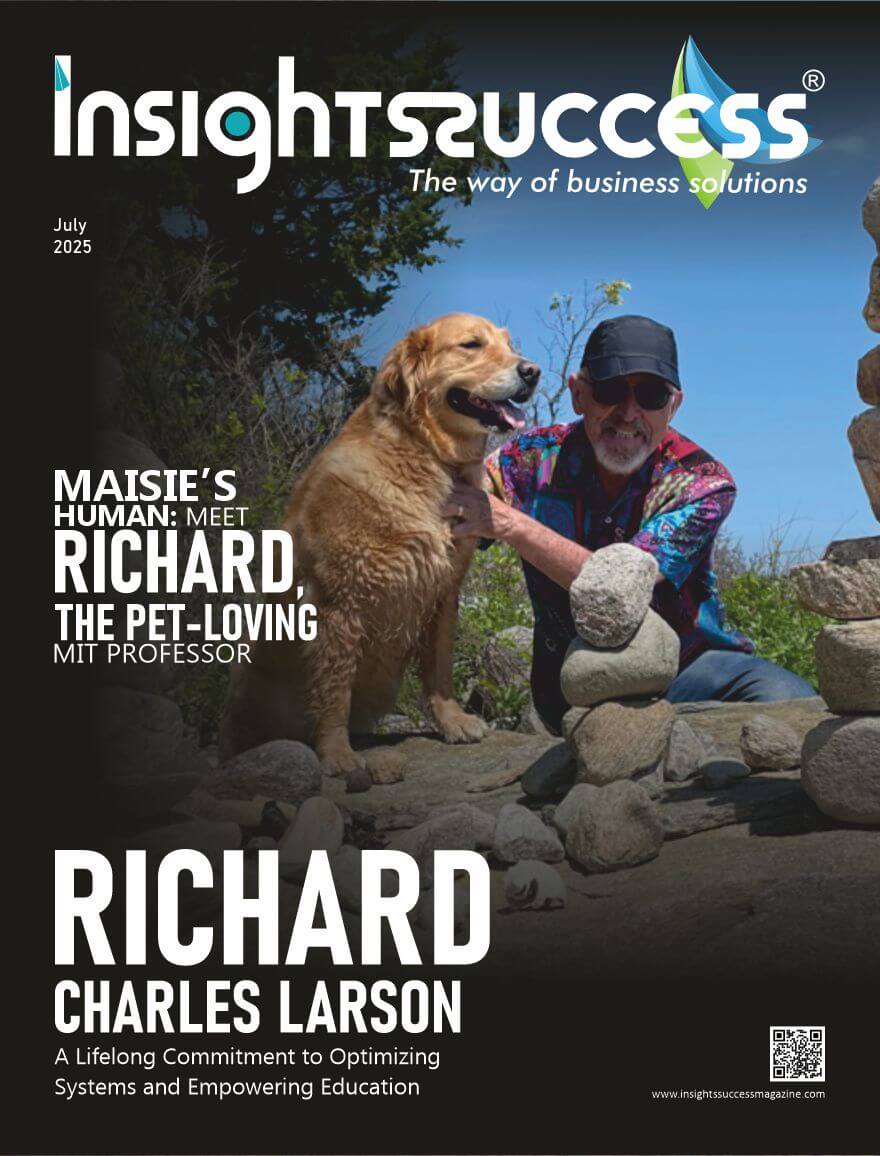
Maisie’s Human: Meet Richard, the Pet-Loving MIT Professor
Maisie’s Human: Meet Richard, the Pet-Loving MIT Professor This edition celebrates Richard Larson, MIT’s “Doctor Queue,” for his transformative leadership in Operations Research. Blending sharp analysis with deep care, he tackles urban chaos and long waits, always prioritizing people. With his golden retriever Maisie, Larson’s humane approach reshapes systems for a more equitable future. Quick highlights Quick reads

Balancing Technology and Traditional Teaching Methods for a Blended Learning
Blended learning, a hybrid model that mixes classical teaching with contemporary technology, is a revolutionary model of education. Merging the benefits of face-to-face teaching with digital applications, it provides a flexible, active, and tailored learning process. But the right balance between technology and traditional teaching is essential to achieve maximum efficiency from it. This article examines the tenets, advantages, difficulties, and the means to balance these practices in order to develop an ideal blended learning environment. Knowing Blended Learning Blended learning is face-to-face training augmented with digital materials so as to create an enthusiastic learning setting. Traditional methods, such as lectures, dialogues, and practical activities, provide order, person-to-person interaction and immediate feedback. Technology, on the other hand offers multimedia content, interactive space, and information-rich understanding and enables self-guided learning and accessibility. Its vision is to take the benefit of both to enhance better performance of students without disregarding the differences among students. Advantages of Blended Learning Blended Learning has a number of advantages. First of all, it is flexible. The students can access the resources online and can do the learning at their own time but still get the face to face instructions without geographical restrictions. As an example, a lecture recorded after a classroom lecture, or a quiz can reinforce classroom lectures, outside of scheduled time. Second, it increases individualization. The online services are likely to include the feature of adaptive learning software that helps them customize it to the particular requirements of a student. To illustrate, programs like the Khan Academy or Google Classroom are able to moderate the complexity of the content based on the student. This will enable each child to be challenged in the way that is appropriate. In comparison, the conventional operation gives teachers the chance to provide comprehensive assistance through individual work or group work. Third, blended learning promotes immersion. Video and simulations, as well as interactive games that are considered multimedia resources, make learning process more attractive and interactive. Combined with the face-to-face work such as debates or practical experiments, they create a comprehensive and dynamic environment, which accommodates a variety of learning styles. Lastly, it readies students for the future. Through technology integration, students gain digital literacy skills needed in today’s workplaces. At the same time, conventional methods develop soft skills such as communication and teamwork to ensure a balanced education. Challenges of Balancing Technology and Traditional Methods While it has benefits, blended learning has issues. Too much technology can lose the human element that classroom instruction generally produces. Without balance, students can become isolated when online portions are predominant, limiting opportunities for student interaction or teacher guidance. In contrast, too much emphasis on the traditional approach can restrict exposure to new tools, making scalability and adaptability difficult. Digital divide is another challenge. Not everyone has consistent access to devices or internet speeds, building inequalities in learning experiences. The schools have to counteract these imbalances to promote inclusivity. Teachers also risk a cliff effect when they implement new technologies, demanding continued training and support. Student interest must also be maintained. Technology can be fascinating, yet poorly crafted digital content is apt to result in apathy or distraction. Traditional approaches can feel stale, too, unless presented dynamically. Each must balance the other carefully to be effective. Strategies for Effective Blended Learning Educators need to use thoughtful strategies that blend technology and traditional approaches seamlessly to succeed with a successful blend. These are some of the most important strategies: Set Clear Objectives: Set learning objectives that determine when to employ technology or conventional teaching techniques. For instance, utilize online tools for content presentation and practice, like setting online quizzes, while keeping face-to-face classes for discussion or problem-solving exercises that can take advantage of human interaction. Make Use of Technology Wisely: Select tools that supplement, not supplant, face-to-face instruction. Edmodo or Microsoft Teams can be used to allow collaboration, while virtual simulations can allow further exploration of difficult concepts. But make sure that technology has a definite end in mind, such as supporting a lesson learned in the classroom. Prioritize Interaction: Employ old-school approaches to establish relationships and develop cooperation. Group work, Socratic seminars, or peer critiques promote social learning that technology can’t exactly duplicate. Supplement these with online discussion forums to take discussions beyond the classroom. Monitor and Adapt: Leverage data from digital tools to monitor student progress and adapt instruction in response. For instance, analytics from online tests can highlight areas in which students need help, enabling teachers to teach these in classroom sessions. Student feedback regularly received can also inform adjustments to the blended model. Maintain Balance: Do not do too much of each strategy. An example, restrict the screen time so that it does not lead to burnout and ensure that the face-to-the-face activities are the necessary one. This balance can be accomplished fairly well with the help of a flipped classroom structure in which the material will be viewed online and subsequently followed by a series of interactive activities in the classroom. The Future of Blended Learning As technology evolves, so will the capability for blended learning. Emerging technologies like artificial intelligence, augmented reality, and adaptive algorithms will continue to tailor learning. But the human element—teachers’ expertise, peer-to-peer, and emotional support—will never be automated. The future is about mastering this balance, so that technology enhances, not replaces, the human connections that make learning. Institutions must also confront systemic challenges such as funding for technology and teacher training in order to maintain blended learning. Policymakers, educators, and communities all must unite and create equitable, inclusive systems that harness the best from both worlds. Read More: The Role of Social-Emotional Learning in Shaping Tomorrow’s Leaders

The Role of Social-Emotional Learning in Shaping Tomorrow’s Leaders
In an age characterized by increased technological progress and global interdependence, the characteristics of effective leadership are also changing. While technical competence and intellectual ability remain paramount, the capacity to manage intricate human interactions, create collaboration, and exhibit resilience is equally important. Social-emotional learning (SEL), an approach that focuses on the building of emotional intelligence, self-understanding, and inter-personal skills, is becoming a keystone in developing people to be leaders in the 21st century. Through the development of these skills, SEL provides future leaders with the skills to motivate, adapt, and survive in complex and dynamic settings. Understanding Social-Emotional Learning Social-emotional learning is an instructional approach that integrates five fundamental skills namely self-awareness, self-management, social awareness, relationship skills and responsible decision-making. According to the Collaborative for Academic, Social, and Emotional Learning (CASEL), these competencies are a system-wide approach to skill development through which individuals can come to better understand and manage their emotions, establish positive relationships, and make good decisions. In contrast to other academic fields, SEL focuses on so-called soft skills that create the backbone of personal and professional success and, therefore, an essential component of leadership training. The Leadership Imperative The needs of the modern leadership do not stop at the technical knowledge. The contemporary leaders should be able to deal with complex social processes, to create trust, and to move people to act collectively in ambiguous situations. The SEL directly handles these needs as it encourages emotional intelligence that is continually demonstrated through research to be linked to successful leadership. A 2019 study conducted by the Center of Creative Leadership determined leaders with high-emotional intelligence have a higher probability of building harmonious groups, encouraging innovation, and achieving organizational results. SEL in Academic Environments The inclusion into education is also an important measure in shaping up future leaders. Nowadays, SEL is also becoming a part of academic studies, as educational institutions are teaching it to students in order to help them be ready both to their professional and personal achievements. Mindfulness training, peer mentoring and problem-solving group work are examples of SEL practices that allow students to develop interpersonal and emotional resilience at an early age. For instance, a 2021 meta-analysis in Child Development showed that students involved in SEL programs demonstrated enhanced academic achievement, better mental health, and improved social skills over their peers. By cultivating SEL in the classroom, teachers provide the foundation for students to learn to work together, communicate, and problem-solve—skills that directly apply to leadership positions. For example, a student who can manage stress through SEL practices will be more able to deal with the stress of making decisions in an executive boardroom. A young adult who is schooled in empathy will be more likely to lead with empathy, inspiring loyalty and commitment among their respective teams. SEL in the Workplace The positive effects of SEL are not only limited to the classroom but also to the workplaces, and emotional intelligence in leadership development is getting more and more attention in organizations. Other companies such as Google and Microsoft have implemented SEL concepts in their training programs as they have realized that leaders that are best at self-awareness and relationship building produce improved results. For example, Google’s Project Oxygen, a study of effective management, identified emotional intelligence as a key trait of top-performing leaders, emphasizing skills like active listening and empathy. Workplace SEL programs, including team-building and leadership coaching, enable professionals to hone their capacity to work under high-stress conditions. These programs also instill a culture of psychological safety, which encourages employees to experiment and share ideas. Leaders who are trained in SEL can better create such an environment, which leads to innovation and resilience in the organization. Challenges and Opportunities Albeit its advantages, SEL implementation is problematic. Lack of resources, inadequate teacher training, and differences in attitudes toward emotion expression present obstacles to its adoption. SEL is wrongly perceived in certain areas as secondary to academic success and neglects its potential to enrich cognitive and professional performance. These impediments can be addressed by investing in teacher training, culturally sensitive curricula, and public awareness programs to promote the worth of SEL. The possibilities, though, are vast. With automation and AI transforming sectors, human skills such as empathy and flexibility are emerging as differentiators in the labor force. Those who are able to generate trust, work through ambiguity, and collaborate will be in great demand. By making SEL a priority, communities can build a next generation of leaders who are able to address the world’s greatest challenges, from social inequality to climate change, with heart and clarity. The Path Forward To maximize SEL’s potential, stakeholders should work together. Policymakers should embed SEL in national standards for education, ensuring equal access to programs. Schools and workplaces should invest in evidence-based SEL interventions, adapting them to meet multiple populations. Parents and communities can support SEL by modeling emotional intelligence and creating supportive environments. The contribution of SEL to developing tomorrow’s leaders cannot be overemphasized. By providing people with the social and emotional skills to lead with empathy, resilience, and integrity, SEL sets the stage for a more inclusive and innovative world. As the world becomes increasingly complex, the leaders who will succeed are those capable of connecting, inspiring, and evolving—abilities social-emotional learning specifically nurtures. Read More: Balancing Technology and Traditional Teaching Methods for a Blended Learning