






Powered by Human Resources Technology
HR Strategy Organizations understand the importance of people in today’s era as they are their greatest assets. With changing work culture and companies adopting the use of technology in their work practices, the role of human resources is becoming more strategic than administrative. Organizations require dynamic systems that will enhance the experience of their employees, make workforce management easy, and facilitate decision making using data. HR Strategy offers the right solution in this regard as it helps organizations align their people’s strategies with organizational objectives so that talent drives the success of the organization. Aligning People Strategy with Business Goals Good firms recognize the importance of workforce planning in relation to their corporate goals. In effect, recruitment, performance management, training & development, succession planning, and employee engagement should be aligned so as to promote organizational sustainability. An effective HR Strategy assists management in determining workforce priorities while making sure that staff members have the skills needed in meeting shifting business needs. On the other hand, Human Resources Technology facilitates the integration of HR-related processes through technological platforms that streamline HR functions and promote collaboration. Enhancing Employee Experience Through Technology Employees expect more from their organizations in delivering digital solutions that meet their lifestyle requirements. The self-service portals, mobile applications, virtual learning environment, AI-based recruitment software, and performance management systems make it easy for employees to have access and save time. Advanced Human Resources Technology delivers employee experience through making onboarding, leave management, payroll services, performance evaluation, and career development simpler. In the same vein, a good HR strategy helps in ensuring that these technological capabilities lead to satisfied employees. The combination of technology and employee-friendly policies fosters good workplace cultures and attracts high-performing employees. Using Workforce Data for Better Decisions Current firms have access to workforce data that can be used in talent management and organizational planning. The analytics give organizations insights about the performance of employees, their level of engagement, the efficiency of recruitment, the employee retention rate, and the demands of the future workforce. Effective HR Strategy teaches managers to use such insights in policy formulation, identification of skill deficiencies, and leadership development. In Human Resources Technology, the transformation of workforce data into useful information occurs using dashboards, predictive analytics, and automation. Building an Agile and Future-Ready Workforce The workplace keeps changing as companies embrace hybrid working models, digital collaboration solutions, and innovative ways of developing their employees. It takes creating an adaptive team that is able to cope with changing requirements of the organization. In order to achieve this goal, it is vital to implement a Visionary Human Resources Strategy, which stimulates continuous learning, leadership and skill development, and provides the employees with knowledge for the future. As for the Innovative Human Resources Technologies, they allow workforce flexibility by means of providing individualized learning, intelligent talent management and digital collaborative work environments for communication and productivity. Creating Sustainable Organizational Success For organizational success in the long term, there is a need to strike a balance between technology innovations and human leadership practices. Companies that involve their employees, collaborate with them, and train their workforces get better engagement and better results from their businesses. The use of effective Human Resource Technology makes the management processes easier for HR professionals to undertake by making their jobs less cumbersome. In the same way, HR Strategy ensures that workforces match the needs of the organization and become a source of competitive advantage. The Future of Human Resource Excellence To thrive in the future of work, organizations will have to integrate strategic workforce planning with intelligent digital technologies. Considering changes in employee expectations and evolving technology, HR Strategy will become even more important for aligning talent, leadership, culture, and organizational strategy with organizational goals. However, Human Resources Technology will keep progressing by means of artificial intelligence, predictive analytics, automation, cloud technologies, and personalized experience of employees that make the workforce more efficient and engaged. Those organizations that will be learning constantly, make decisions using data, innovate digitally, and provide inclusive workplaces for their employees will become more resilient and will attract best employees. By integrating HR Strategy throughout all stages of the employee journey while using innovative Human Resources Technology, organizations will increase the productivity of their workforce, improve employee satisfaction, and grow. Read Also : The Foundation of Successful Business Transformation

The Foundation of Successful Business Transformation
Human Capital Strategy As technology continues to evolve, as do customer needs and business models, organizations have undergone changes as well. As much as digital tools and process improvements are necessary, sustainability and effectiveness are achieved through the people behind the change efforts. This is the reason why Human Capital Strategy is an integral part of business growth. By ensuring that talent, leadership, capabilities, and culture match business strategies, it guarantees that the company can grow and succeed in the future. Helping with this goal is Business Transformation, which focuses on optimizing business processes and making organizations innovative and agile to adapt to changes in the market. Aligning Talent with Organizational Goals Transformation starts from having an insight into the workforce potential and future needs of the business. The organization needs to be aware of the necessary skills, prepare their pipeline of future leaders, and provide learning programs that would help them achieve their strategic goals. The Human Capital Strategy will allow the organization to attract, develop, and retain people that will ensure sustainable growth and organizational resilience. Business Transformation, in turn, stimulates organizations to innovate, streamline their processes, and collaborate across functions. Building a Culture That Embraces Change Transformation is achieved when the employees comprehend the intent behind transformation and participate in it actively. Clear communication, support from leadership and consistent learning motivates the employees to accept the technologies and workflows as well as assume new roles confidently. A robust Human Capital Strategy encourages engagement of the employees through learning and career growth. Similarly, Business Transformation stresses innovation, collaboration, and establishment of a culture of continuous improvement. Flexible organizational culture helps organizations in handling changes without disrupting productivity and engagement of employees. Technology Supporting Workforce Development Technology has changed how businesses operate and how they conduct their talent management processes. The use of technology such as artificial intelligence, workforce analytics, HR clouds, and digital collaboration tools allows managers to gain information that will benefit the process of workforce planning. Modern technologies make Human Capital Strategy better by helping identify skill shortages, promoting personalized learning, and assisting with succession planning. At the same time, Business Transformation uses technology to boost efficiency and collaboration. Strengthening Leadership for Sustainable Change Organizational change is possible when there are leaders who are capable of inspiring trust, communicating their vision clearly, and leading employees during uncertain times. Thus, leadership development must always be prioritized whenever a transformation program is implemented. The Human Capital Strategy ensures that leaders today and, in the future, have developed skills for making decisions, collaborating, adapting, and managing other individuals. On the other hand, the success of Business Transformation requires leaders who foster innovation, eliminate impediments, and create an atmosphere wherein employees can freely express their ideas. Leadership development ensures greater employee engagement and successful transformation programs. Creating Long-Term Organizational Value However, transformation is an effort towards continuous improvement and adaptation. Those companies who constantly analyze their employees’ abilities, performance, and organization culture will be ready to react to changes in the market situation. Effective Human Capital Strategy makes it possible to prepare talent development according to the future needs of the company while developing its staff productivity and resilience. On the other hand, Business Transformation provides a good opportunity to innovate, improve processes, think about customers, and cooperate within an organization to enhance its performance. The Future of Workforce-Led Transformation The future success of an organization would depend on its capability to integrate human-centric leadership along with constant innovation. With changes in technology, workforce requirements, and the business environment itself, Human Capital Strategy would always be important in order to nurture talented individuals and build effective leaders while promoting inclusiveness within the workplace. In addition to that, Business Transformation would always enable an organization to innovate and adapt to the changing requirements of the customers and market environment. Those firms that adopt Human Capital Strategy by developing their workforce, lifelong learning, smart technologies, and collaboration within leadership will increase their resilience as well as obtain their own competitive advantage. Involving Human Capital Strategy at every stage of organizational development, while linking it with Business Transformation programs, companies can enhance the level of engagement among employees, increase innovation, optimize their operations, and ensure growth. Such an approach allows companies to adapt to change easily, develop a future-oriented workforce, and add value to all its stakeholders. Read Also : Shaped by Exceptional Hotel Leadership

Larissa Murmann: Where Human Potential Meets the Age of AI
There is a particular kind of leader who makes other people uncomfortable, not through arrogance or aggression, but through an unwavering drive to keep reinventing themselves at a pace most professionals find unsettling. They do not wait for disruption to arrive before responding to it. They walk toward it deliberately, study it carefully, and then figure out what to do with it before anyone around them has formed an opinion. The organizations those leaders work inside tend to look noticeably different a few years after they arrive, often without anyone being able to pinpoint exactly when the shift began. Larissa Murmann is one of those people. With more than sixteen years of experience across seven countries and three continents, spanning Human Resources, Digital Transformation, and Artificial Intelligence, she currently serves as Vice President, Global People Function for Commercial Operations at Werfen, a global medical diagnostics company, where she also holds the role of Global Change Lead Salesforce for one of the company’s most significant enterprise-wide transformations. She came to that position not by following a conventional HR career path but by deliberately expanding beyond it, driven by a single question that has guided most of her biggest professional decisions: How will this help me grow? Three Moments That Shaped Her When Larissa Murmann reflects on the experiences that shaped her leadership, she does not reach for a single defining crisis or breakthrough. She points to three cumulative shifts, each of which made her become a different version of herself before she was entirely ready. The first was her international career itself. Living and working across 8 countries in Europe, North America, Latin America, and Asia taught her something about adaptability that cannot be learned in any other way. What becomes comfortable in one environment becomes uncomfortable again in the next, and the only productive response is to keep expanding your comfort zone. She says, “Every international move transformed me into a stronger and better leader.” That accumulation of discomfort, processed and absorbed across multiple countries and cultures, is what built up the adaptability and agility she carries today. The second shift was a deliberate professional decision. Several years ago, when the intersection of HR and technology was still relatively uncharted in territory, Larissa Murmann chose to add Digital to her leadership role. It was not a trend-following move. It was a conviction that the future of people’s leadership would require fluency in both disciplines, not one or the other. She was following a genuinely held belief that the HR function would only remain relevant if the people leading it understood technology deeply enough to shape how it was deployed, not just react to what the technology teams delivered. That decision led her to pursue executive education with MIT and NUS as a Chief AI Officer, to deepen her involvement in enterprise-wide transformation programs, and eventually to arrive at the kind of hybrid leadership role that is now being described as the future of the function. The third was finally moving herself to a truly hybrid HR and Technology role where her role in Human Resources is also leading the Change Management and Capability Building of the Salesforce roleout. This happened when she joined Werfen, a specialized diagnostics market leader. After 16 years at Unilever, where change was embedded in the culture, she is now operating in an organization with deep expertise, long employee tenure, and legacy systems, which required a fundamental rethink of how she leads transformation. She says, “There is no universal transformation methodology. Every organization has its own culture, history, pace, and relationships with change. You need to match it if you want to inspire transformation. My purpose is to be a frequency of transformation. Where I am present, people start transforming themselves, their teams, and their organization. That’s my superpower” The Human Side of Transformation As Larissa Murmann is leading the Salesforce transformation at Werfen, she realized; she had never led a transformation of this magnitude. The scale of the project forced her to go back to the drawing board and reinvent how she brings change. Technology Transformations rarely fail because of technology. They fail because of the human experience surrounding it. The implementation plan may be flawless. The system may perform exactly as specified. But if the people expected to use it do not understand why the change is happening, feel no ownership over the outcome, and experience the transition as something being done to them rather than with them, the project will underperform regardless of the technical quality of what was built. To understand how people at Werfen experienced change, she connected with more than 200 people across the organization and used AI to analyze the conversations, identify behavioral patterns, and surface the concerns that would slow down an urgently needed change. One insight shaped the entire approach. She says, “Within Werfen, successful change is experienced more as an evolution than as a disruption. While the destination may be transformational, the journey needs to feel thoughtful, inclusive, and progressive.” That single finding changed how the transformation was communicated, sequenced, and supported from the inside. She also used AI to build an internal change agent trained on the company’s own change methodology, giving leaders a practical tool for guiding their teams through uncertainty rather than leaving them to figure it out alone. For Larissa Murmann, that is what responsible AI integration looks like in practice: not replacing human judgment but giving people better instruments to exercise it. When AI Becomes a Team Member Larissa Murmann’s thinking of artificial intelligence is not around fear or hype. It is organized around a practical question she encourages every leader to sit with: “If AI could perform every task on my team tomorrow, who would I keep, and why?” The question is not designed to make people anxious. It is designed to surface clarity about what human contribution means when repetitive analytical work gets absorbed by technology. Her answer is consistent: the people worth keeping are the ones who

Hall of Fame 2026: The Ones Who Made It
Hall of Fame 2026: The Ones Who Made It Celebrating the remarkable journey of an exceptional leader whose vision, perseverance, and accomplishments have earned a place among the finest, inspiring excellence and leaving a lasting legacy across their industry. Digital Link Quick highlights Quick reads

Ann Peggy Ashira: The Multiplying Power of Belief
Sometimes in certain situations, success does not come about through an individual’s efforts alone, but rather through individuals who have recognized potential, offered opportunities, and stretched boundaries way ahead of when success becomes tangible. In the case of Ann Peggy Ashira, success would involve looking for people who had recognized her potential during the tough times she had to face, and were willing to invest in her growth, even though she was constrained by who she was at the time. It is such belief that propelled her into the heights of her exceptional career in hospitality management. But the effects of this investment transcend her achievements in terms of award, titles, or office. The power of mentoring cannot be underestimated, and in this instance, her success is a testament to the fact that the influence of an individual who believes in your capabilities and helps develop you as an individual is a lesson in leadership passed down generations after generation through those who she mentored. Meet the mentors who saw Ann Peggy Ashira’s future before she did and discover how their belief continues to echo through the lives and careers, she now helps shape. The Road She Walked Ann Peggy Ashira grew up in rural Machakos, days without food, and dysfunction at home. After Form Four, four years passed with nowhere to go. She sold handmade crafts. She pumped petrol and made and sold handmade crafts. Then a lecturer pulled into that station, looked at her, saw potential, and delivered an admission letter. Her education was funded by funeral contributions collected after the tragic loss of her child. All things working together for good became her biography, not merely her scripture. Industrial attachment at Nyali Beach Hotel planted the first seed: she saw female managers lead with authority and grace, and something whispered that one day, that would be her. In 2004, at age 32, she walked into Sarova Whitesands as a waitress and into the orbit of Mohammed Hersi. Six promotions later, she moved to Leisure Lodge as F&B Manager, then to Leopard Beach Resort as Operations Manager. She attended Cornell University’s General Managers Program in Ithaca, New York, and earned her MBA from the Management College of South Africa. A defining milestone in her career came when Mary Mukindia placed her trust in her by selecting her for her first General Manager role from a highly competitive pool of five other experienced General Managers. While many of the candidates had longer tenures in leadership, Mary’s decision was influenced not only by her professional capabilities but also by the remarkable journey she shared during the interview. Having risen through the ranks by embracing every role with commitment and curiosity, she demonstrated a profound understanding of the hospitality business from the ground up. What impressed Mary most was her unwavering belief that true leadership is earned through service, continuous learning, and leading by example. She recognized in her a leader who embodied her RIT leadership principles, who accepted responsibility, took initiative without hesitation, and inspired trust through action rather than title. That conviction was reinforced soon after she joined the organization. Faced with the challenge of preparing a hotel for an important function before the furniture had arrived, she personally sourced chairs to ensure the event proceeded seamlessly. It was a defining example of her RITphilosophy in practice: taking ownership, finding solutions under pressure, and placing the guest experience above all else. The incident became a powerful reflection of the leadership qualities Mary had recognized from the very beginning. At PrideInn Paradise, she became Kenya’s first female General Manager of a five-star resort, introduced WIFEI (Women Impact for Exploits International), and led a team of more than 350 staff through the challenges of COVID19. With the unwavering support of the owners, particularly Managing Director Hasnain Noorani, the resort implemented staff food package initiatives and strategic employee welfare measures that helped protect livelihoods during the crisis. Under this collaborative leadership, the team successfully pivoted to the domestic market, achieving over 70% occupancy within a month of reopening and emerging from the pandemic stronger than ever. At Enashipai today, weekly heritage celebrations, introduced under the banner of Furaahidei, together with several other employee engagement and staff motivation initiatives, have helped the organization achieve a world-class Employee Net Promoter Score (eNPS) of 68, a strong reflection of its people-first culture and commitment to employee experience. THE MENTORS: The Ones Who Saw First Mohammed Hersi: Group Director of Operations, Pollman Tours & Baobab Beach Resort The year was 1999. Mohammed Hersi was a young Assistant F&B Manager at Nyali Beach Hotel when a quietly determined intern caught his eye, not in a boardroom, but on a beach. During the hotel’s annual sports events. “The Ann Peggy Ashira I saw at that point dominated the athletics track, outpacing her peers with ease,” he recalls. Hersi recognized the discipline and determination underneath the speed, attributes that would translate seamlessly from sand to a five-star kitchen. He filed the observation away. Years later, when Hersi moved to Sarova Whitesands as General Manager, he extended an invitation. Ann Peggy Ashira accepted. Within months she earned her first promotion to supervisor, then to restaurant manager. In 2005 the Sarova group named her Best Restaurant Manager company-wide and flew her to Nairobi for an Oscar-style ceremony. Hersi’s own career spans Kenya Utalii College, Cornell University, and an MBA from Regent Business School. He served as CEO of Heritage Hotels East Africa across seven premium properties, as CEO of Sun Africa Group, and currently as Group Director of Operations at Pollman Tours and Baobab Beach Resort. He served two terms as Chairman of the Kenya Tourism Federation. A John Maxwell Certified Coach, he chose optimism as a philosophy and built it into every institution he touched. “Her ability to rise above the ordinary and exceed expectations was evident from day one,” he expresses about her.” He describes that for Ann Peggy Ashira the defining test was the Oriflame international convention,

Shaped by Exceptional Hotel Leadership
Luxury Hospitality The demands of modern guests keep changing as more often luxury is associated with personal service, unique experience, and high-quality facilities. The guests expect to enjoy comfort, authenticity, efficiency, and personal interaction which can show how dedicated the hotel is to quality. In order to provide such a level of service, the organization needs to have competent leadership which will be able to balance the performance of the company with guest satisfaction. Luxury Hospitality is the ultimate type of service when all of the aspects contribute to building unique guest experience and strong brand image. Hotel Leadership gives this kind of vision to the organization because it can motivate employees, provide excellent service, and ensure the success of the business. Creating a Culture of Service Excellence Good hospitality starts with a work culture that promotes professionalism, teamwork, and constant improvement. Supported and empowered employees are able to provide guests with an attentive and personalized service, which can create exceptional guest experience. Effective Hotel Leadership sets the standards for the service provided, promotes collaboration, and develops employees to ensure excellent performance of all departments. On the other hand, Luxury Hospitality is promoted when companies create an atmosphere in which paying attention to details, empathy, and reactivity becomes a part of daily routine. Innovation Supporting Premium Experiences Technology will keep transforming the hospitality sector through increased efficiency and better personalized services for guests. Through the use of artificial intelligence, digital concierge systems, mobile check-in, room technologies, and data analytics, it is possible for hotels to predict the needs of their guests while making the running of day-to-day affairs easy. The Advanced Luxury Hospitality uses technology to make their services more efficient without losing any element of warmth and personalization associated with premium services. Similarly, successful Hotel Leadership makes sure that technology works for staff and not vice versa. Building Trust Through Consistency This is the reason why luxury brands thrive; customers know what to expect when they visit the premises. Guests are assured of the same quality experience in all their interactions with the brand whether in the rooms, at restaurants, wellness facilities, customer communications, and operations processes. The Strong Hotel Leadership concept ensures consistency of customer experience expectations through effective training and quality improvement processes. In the case of Luxury Hospitality, excellence is delivered through reliable provision of services that match personal preferences of guests. Developing Future Hospitality Leaders Leadership that inspires people to work hard and be innovative in response to evolving customer needs will ensure the success of any company in the hospitality sector. Training in leadership and knowledge management allows an organization to provide quality services at all times and develop future leaders ready to take more responsibility. Effective Hotel Leadership involves cooperation, accountability, and dedication to constant improvement that improves the overall performance of an organization. On the other hand, the luxury hospitality sector thrives when people are empowered and aware of the significance of providing personalized service, knowing about culture, and paying attention to details. Strengthening Brand Value Through Exceptional Service To ensure a sustainable future, luxury hospitality companies should foster relationships with customers beyond just offering high-quality facilities. Communication, proactive services, and experiences create loyalty for the brands and improve their reputation at the same time. Hotel Leadership helps to make sure that all departments in the company act according to the vision of perfection and innovations for the benefit of the customers. In the same way, luxury hospitality requires an organization to be excellent in its services, operations, and experiences that exceed the expectations of the customers. The Future of Premium Hospitality The future of luxury travel will be dominated by those companies that manage to combine vision in their leadership with excellent guest experience and performance. With the help of technological advances, changes in sustainability, and new expectations from travelers, Luxury Hospitality will continue to offer guest experience that combines innovations with real connections between people. In addition, Hotel Leadership will become even more relevant in creating robust teams, encouraging innovations in services, applying intelligent technologies, and ensuring high quality in all contacts with guests. Hospitality businesses which focus on training their employees, innovating their offerings to suit their customers, conducting their business operations in an ethical way, and continuously improving themselves shall be creating a more successful brand for themselves in the face of future challenges and opportunities. In this way, hotels and resorts may use the combination of great Luxury Hospitality and good Hotel Leadership to their advantage. Read Also : The Foundation of Exceptional Guest Experience

The Foundation of Exceptional Guest Experience
Hospitality Management The hospitality sector is ever-changing as customers want personalized service, easy digital engagement, and unique experiences that go beyond comfort. Modern hotels, resorts, and hospitality firms need to offer quality services while being flexible enough to meet changing customer needs and technologies. To achieve these requirements, there is a need for integration of excellent management with effective customer services. Hospitability Management comes in as a critical component of integrating people, processes, and assets to ensure quality services. On the other hand, excellent Guest Experience ensures customer satisfaction, repeat visits, and brand loyalty. Building Service Excellence Across Every Interaction Every interaction influences the way the guests see the hospitality brand. It involves everything from the reservation process, check-in, food services, cleaning, and even after departure communications. Consistency is key for successful creation of trust and loyalty among customers. Good Hospitality Management helps to maintain high standards of operations and gives the opportunity to employees to be more personalized and attentive to the needs of customers during every single contact with them. At the same time, good Guest Experience is delivered by paying attention to details, solving problems quickly and offering hospitality. Technology Enhancing Modern Hospitality The development of technology has revolutionized the way in which hospitality firms conduct their operations and interact with their clients. Technologies like mobile check-in, electronic room keycards, artificial intelligence, automatic concierges, customer relationship management systems, and data analytics have contributed to enhancing convenience and efficiency in operations. Advanced Hospitality Management technology makes use of these technologies to optimize scheduling of staff members and make operations more efficient. The same applies to Guest Experience as technology is used to facilitate quick communication, recommendations and booking among others. Empowering Employees to Create Lasting Impressions Employees continue to be the key element in offering great experiences in hospitality. Trained, inspired, and empowered staff always offer better services while building good relationships with customers. Effective Hospitality Management ensures that staff members are developed, trained, and educated continuously to maintain service standards in all departments. The same way, a Great Guest Experience is achieved by employees who know what clients expect from them, communicate well, and handle their needs without fear. Creating Value Through Continuous Improvement Innovation and anticipation of changing guest expectations are key elements in sustaining a thriving hospitality industry. Feedback, service evaluation, training of staff, and review of operations enable organizations to realize potential areas for improvement in terms of quality without compromising standards. Effective Hospitality Management supports innovation through improvements in processes and communication, making sure that each and every department plays its role in delivering quality services. On the other hand, a great Guest Experience can be achieved through personalized treatment, efficient problem solving, and consideration of individual needs that make guests remember their stay. Building Long-Term Guest Relationships Satisfaction is not limited to a single encounter alone. Good hospitality brands try to create long-lasting relationships through consistency in terms of service quality, personalized communication and engagement before, during and after each encounter. Good Hospitality Management helps achieve this through incorporating customer feedback, service levels, and operational excellence in decision-making processes. On the other hand, offering a good Guest Experience ensures that customers return for future encounters, give positive feedback and referrals which can help build a better brand reputation. The Future of Hospitality Excellence The future of the hospitality industry is guaranteed to the organizations which can combine excellent operations with personalized service and innovation. With the changing customer requirements, Hospitality Management will still play a crucial role in managing people, technology, and processes to ensure effective operations and service quality. In turn, a great Guest Experience will become more dependent on intelligent technologies, data-driven personalization of services, sustainable hospitality, and highly motivated employees who understand the importance of valuable client contacts. Intelligent technologies, mobile solutions, predictive analysis, and digital service delivery systems will boost operational efficiency and help hospitality companies predict guests’ needs more accurately. Companies investing in their workforces, innovations, and operations will increase their resilience while creating memorable guest experiences. Combining Hospitality Management strategy with the Guest Experience approach, hospitality companies will be able to provide better service quality, develop loyal guests, boost operational efficiency and generate sustainable growth in the competitive global hospitality industry. Read Also : EdTech Leadership in an AI-Driven Classroom

Disney Earnings Top Estimates as Parks, Streaming Drive Growth
Prime Highlights Disney’s earnings beat Wall Street expectations in the fiscal third quarter, though revenue came in slightly short at $25.25 billion. Disney’s parks and streaming segments both posted double-digit revenue growth, helping offset broader consumer spending concerns. Key Facts Disney is a global entertainment company whose businesses include theme parks, streaming services, television and film production. Disney raised its fiscal 2026 share repurchase target to at least $9 billion, supported by the sale of its stake in A+E Global Media. Background Disney reported mixed quarterly results this week, with earnings far exceeding Wall Street expectations while revenue came in slightly below estimates. The company’s performance was lifted by strong growth in its parks and streaming divisions. Revenue for Disney’s experiences segment, which includes theme parks and cruises, rose 10 percent year over year to $9.97 billion. Chief financial officer Hugh Johnston said domestic performance was strong, with US park attendance up 3 percent and per capita spending increasing 4 percent. He noted particularly strong attendance at Walt Disney World in Orlando, contrasting it with lower turnout reported by a competitor in the same region. In the streaming division of Disney, made up of Disney+ and Hulu, the company’s revenue increased by 11% to $5.53 billion, owing to the increase in subscribers and advertising revenue. The wider entertainment sector, which comprises television and theatrical performances, recorded a revenue growth of 6% to $11.35 billion, with the help of the blockbuster performance of “Toy Story 5”, which made more than $1 billion worldwide. Overall revenue climbed 7 percent to $25.25 billion, while adjusted earnings came in at $2.06 per share, up from $1.61 a year earlier. Net income fell to $2.64 billion from $5.26 billion in the same quarter last year, largely due to one-time tax benefits recorded previously. Shares of Disney rose more than 3 percent following the results. The sports segment, led by ESPN, grew 4 percent to $4.5 billion, boosted by strong viewership of NBA and NHL postseason games. Disney also announced a global content-sharing deal with TikTok and raised its share buyback target to at least $9 billion for the fiscal year. Read Also: SpaceX Targets Starship Land Catch On Next Test Flight
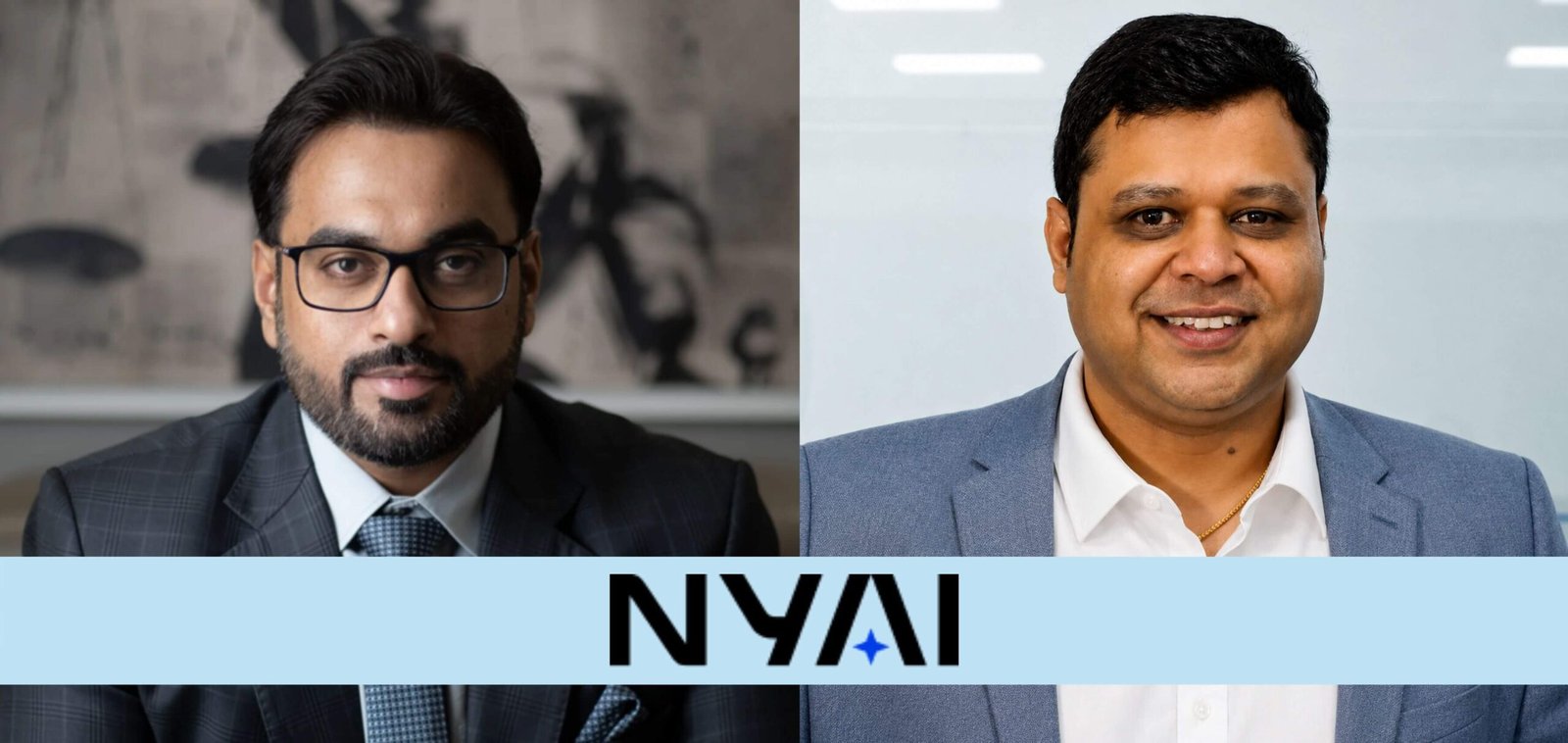
NYAI Raises USD 1.5 Million in Seed Funding to Build India’s AI-Native Legal Infrastructure Platform
Pune, Maharashtra, India | August 4, 2026: NYAI India’s first AI-native legal infrastructure platform has raised USD 1.5 million (approximately ₹13 crore) in a seed funding round led by a consortium of prominent Indian family offices, with participation from strategic angel investors. The investment will support the company’s mission to build an AI-driven legal technology infrastructure tailored specifically to India’s complex regulatory and legal environment. The fresh capital will be deployed across three strategic priorities. The first is enhancing NYAI’s proprietary legal intelligence platform by expanding its corpus of Indian statutes, regulations, judicial precedents, and regulatory content while further strengthening its AI capabilities. The second is accelerating the development of its AI-native compliance platform, transforming its existing compliance module into a comprehensive obligation management system capable of continuously tracking India’s evolving regulatory framework. The third is expanding enterprise deployments across large corporations, listed companies, law firms, and other regulated institutions by strengthening implementation, governance, and assurance capabilities. Addressing India’s Complex Regulatory Landscape The legal technology market continues to present a significant growth opportunity worldwide. While the global legal services industry generates more than USD 1 trillion annually, only a small proportion of legal operations are currently technology-enabled. In India, however, the opportunity extends beyond efficiency gains to addressing increasingly complex regulatory obligations. Indian enterprises operate within a multifaceted legal framework comprising central and state legislation, municipal regulations, sector-specific authorities, tribunals, and evolving compliance requirements. Navigating this regulatory environment requires continuous monitoring, accurate interpretation, and timely execution of legal obligations. Industry estimates suggest that Indian businesses incur approximately ₹95,000 crore annually in legal and regulatory penalties, while compliance-related lapses contribute significantly to value erosion among listed companies. The implementation of the Digital Personal Data Protection framework is also expected to create substantial demand for technology-enabled compliance solutions across industries. Purpose-Built for the Indian Legal Ecosystem Unlike global legal AI platforms primarily designed for Western legal systems, NYAI has been developed specifically for India’s regulatory landscape, enabling organizations to manage legal research, compliance, governance, and documentation through an integrated AI-native platform. Commenting on the funding announcement, Adv. Dr. Chinmay Bhosale, Co-founder, NYAI, said: “Legal technology in India requires a fundamentally different approach because the country’s legal and regulatory environment is uniquely complex. Organizations need infrastructure that adapts to their workflows while providing reliable, citation-backed legal intelligence grounded in Indian law. Our objective is to build technology that empowers legal professionals with a trusted infrastructure rather than generic AI tools. This investment enables us to further strengthen that vision.” A Model-Agnostic Legal Intelligence Platform NYAI’s platform has been designed using model-agnostic architecture, allowing enterprises to integrate its legal intelligence capabilities with the large language models (LLMs) they already use. This approach enables organizations to preserve existing AI investments while maintaining control over confidential legal data through secure deployment environments, including on-premises implementations where required. The platform combines proprietary legal datasets, intelligent retrieval systems, verifiable citations, compliance workflows, and audit capabilities to help enterprises build customized legal and compliance solutions suited to their operational requirements. Vikrant Labde, Co-founder, NYAI, “Compliance cannot simply be added as another software feature—it must be embedded into the architecture itself. Our focus is on building the foundational legal infrastructure comprising trusted legal content, retrieval systems, citations, audit trails, and compliance intelligence upon which enterprises and law firms can develop their own AI-powered workflows. This funding enables us to scale that infrastructure while meeting the security and governance expectations of regulated organizations.” Strategic Participation from Family Offices According to the company, the participation of family offices reflects growing recognition of legal technology as a strategic business enabler rather than merely an operational software solution. Many participating investors represent businesses operating in highly regulated sectors and viewed NYAI’s platform as a practical solution for strengthening governance, mitigating regulatory risk, and improving compliance management across their own enterprises. Strengthening India’s Legal Technology Ecosystem Founded in March 2025, NYAI has rapidly positioned itself as a specialist legal AI platform built specifically for Indian legal professionals and enterprises. The company was founded by Adv. Dr. Chinmay Bhosale, a legal academic and practitioner with more than sixteen years of experience, alongside technology entrepreneur Vikrant Labde, who has previously built and scaled enterprise technology businesses. With the latest funding, NYAI plans to accelerate product innovation, expand enterprise deployments, strengthen its AI-native compliance capabilities, and continue building a scalable legal infrastructure platform designed for India’s evolving regulatory environment. About NYAI NYAI is India’s first AI-native legal infrastructure platform designed specifically for the country’s legal and regulatory ecosystem. The platform combines proprietary legal intelligence, AI-powered research, compliance management, governance workflows, and enterprise-grade deployment capabilities to help corporates, law firms, and regulated institutions navigate complex legal obligations with greater accuracy, transparency, and efficiency. Built around India’s statutory and regulatory framework, NYAI enables organizations to integrate trusted legal intelligence into their existing technology environments while maintaining robust security, governance, and compliance standards. Read Also : The ePlane Company Strengthens Supply Chain and Strategic Partnerships at Farnborough International Airshow 2026
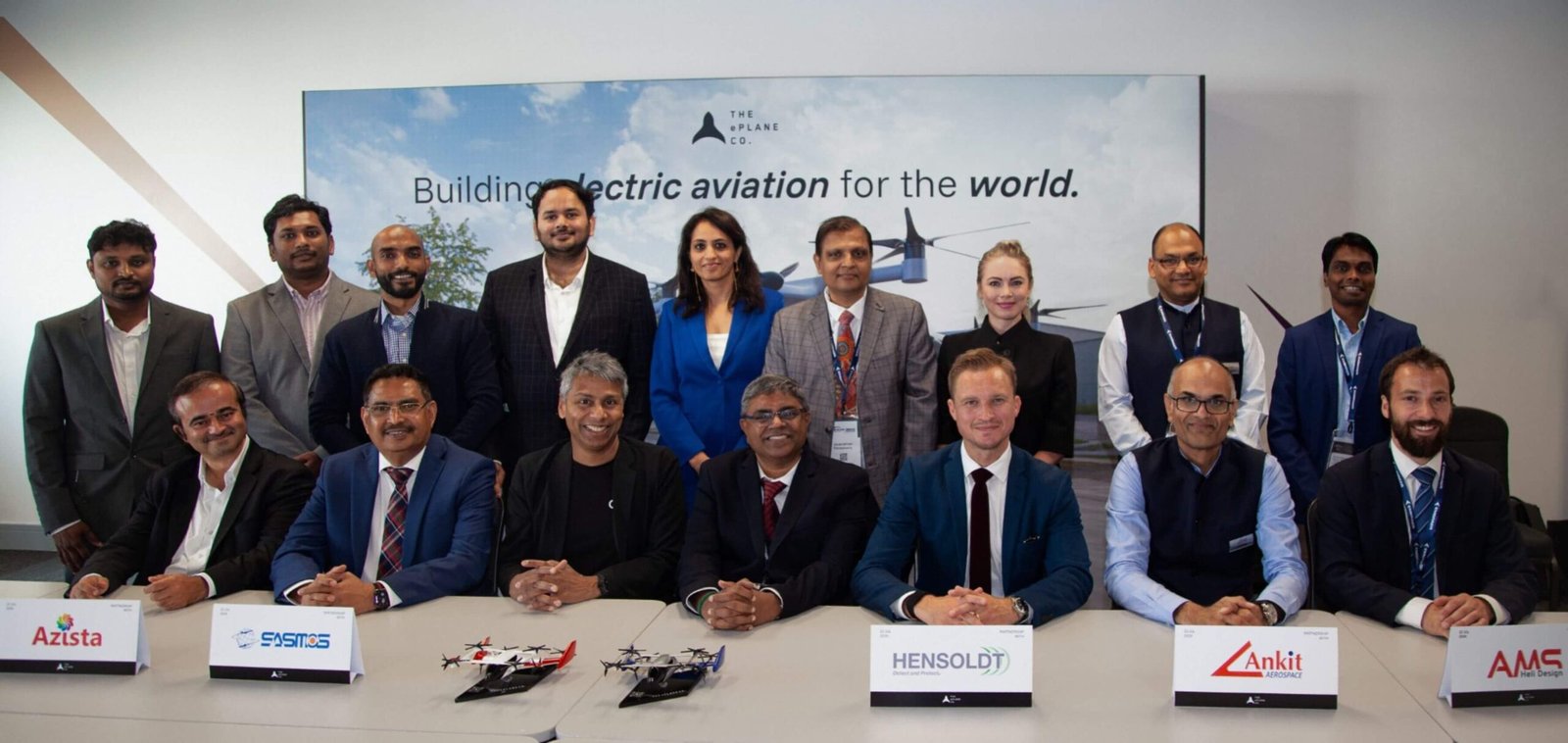
The ePlane Company Strengthens Supply Chain and Strategic Partnerships at Farnborough International Airshow 2026
FARNBOROUGH, United Kingdom, July 27, 2026: The ePlane Company (Ubifly Technologies Private Limited), India’s leading developer of electric vertical takeoff and landing (eVTOL) aircraft, has announced a series of strategic partnerships at the Farnborough International Airshow (FIA) 2026, strengthening the supply chain and industrial ecosystem supporting the development of its flagship e200X aircraft. The announcements come shortly after the public unveiling of the company’s first full-scale prototype, PT-01, marking another significant milestone in ePlane’s journey toward certification and commercial deployment of next-generation electric aircraft. The partnerships span critical areas of aircraft development, including electrical wiring systems, aerospace fasteners, avionics, advanced composite materials, and modular cabin interiors. Together, these collaborations reinforce the company’s commitment to building a robust “Make in India” aerospace ecosystem while leveraging global expertise to accelerate the development of advanced air mobility solutions. Building a Strong Industrial Ecosystem Recognising that advanced aerospace programs depend on highly specialised supply-chain partnerships, The ePlane Company has expanded its network of technology and manufacturing collaborators to support the engineering, industrialisation, and certification of the e200X platform. SASMOS HET Technologies to Collaborate on Electrical Wiring Systems The ePlane Company has signed a Memorandum of Understanding (MoU) with SASMOS HET Technologies to jointly develop the Electrical Wiring Interconnection System (EWIS) for the e200X. The collaboration will focus on wiring architecture, harness design, manufacturability, prototype evaluation, industrialisation, and certification readiness. The companies will also explore cooperation in mission-critical electronic systems, including overhead circuit breaker panels, high-voltage power distribution units, electronic speed controllers, and motor controllers. The partnership is expected to strengthen the aircraft’s electrical infrastructure while supporting future production scalability. Ankit Aerospace to Supply Aerospace-Grade Fasteners The company has also entered into a strategic partnership with Ankit Aerospace Private Limited for the supply of aerospace-grade fasteners used across the e200X airframe. Precision-engineered fastening systems are among the most critical structural components in aircraft manufacturing, ensuring safety and reliability under demanding flight conditions. Ankit Aerospace brings decades of manufacturing expertise and has previously supplied mission-critical components to organizations including ISRO, HAL, NAL, and DRDO, making it a key contributor to India’s growing aerospace manufacturing ecosystem. HENSOLDT Avionics Partnership Advances The ePlane Company also highlighted the continued progress of its strategic collaboration with HENSOLDT Avionics, originally announced in February 2026. Under the partnership, HENSOLDT continues to provide advanced avionics systems and flight radar technology for the e200X, supporting navigation, situational awareness, connectivity, and operational safety as the aircraft progresses through the certification process. Azista to Supply Advanced Composite Materials Further strengthening its materials ecosystem, The ePlane Company has partnered with Azista Composites for the supply of aerospace-grade composite materials used in the e200X. The collaboration includes carbon-fiber prepregs, glass prepregs, and customized material solutions designed specifically for the aircraft’s airframe and radome applications. Beyond standard materials, Azista’s capability to tailor resin systems and composite specifications to project-specific requirements is expected to support faster development cycles and improved manufacturing efficiency. AMS Heli Design to Develop Modular Cabin Solutions The ePlane Company has also entered into a strategic partnership with AMS Heli Design to develop modular interior and seating configurations for the e200X. The collaboration will focus on flexible cabin solutions capable of supporting multiple mission profiles, including air ambulance operations, passenger air taxis, cargo transportation, and VIP mobility. The modular approach aligns with ePlane’s vision of developing a single adaptable airframe capable of serving diverse commercial and emergency applications without extensive structural modifications. Leadership Perspective Commenting on the announcements, Prof. Satya Chakravarthy, Founder and Chief Technology Officer, the ePlane Company, said: “Every successful aircraft program is built on strong industrial partnerships. These collaborations significantly strengthen the ecosystem supporting the e200X and reinforce our vision of developing a globally competitive, Made-in-India electric aircraft. By bringing together leaders in electrical systems, avionics, composites, fasteners, and modular interiors, we are creating an integrated supply chain that supports innovation, certification readiness, and long-term manufacturing scalability.” Advancing India’s eVTOL Ecosystem The latest partnerships represent another important step in The ePlane Company’s broader strategy to establish India as a global hub for advanced air mobility technologies. Founded in 2019 and incubated at the IIT Madras Incubation Cell, the company recently became the first private aerospace organization in India to receive a Design Organization Approval (DOA) from the Directorate General of Civil Aviation (DGCA) for electric aircraft development. Its flagship e200X is also the country’s first eVTOL platform accepted into the DGCA’s official Type Certification pipeline. Designed around the company’s patented Synergistic Lift™ technology, the e200X aims to enable zero-emission urban aviation using existing rooftop helipads and compact operating infrastructure. The modular aircraft platform is being developed to support multiple use cases, including passenger air taxi services, emergency medical transport, and urban cargo logistics. By strengthening strategic collaborations across critical engineering disciplines, the ePlane Company continues to accelerate the development of a scalable, certification-ready eVTOL ecosystem while advancing India’s ambitions in next-generation aerospace manufacturing. About The ePlane Company Founded in 2019 and incubated at the IIT Madras Incubation Cell, the ePlane Company (Ubifly Technologies Pvt. Ltd.) is an Indian deep-tech aerospace company focused on developing electric vertical takeoff and landing (eVTOL) aircraft for advanced air mobility applications. Headquartered at the IIT Madras Discovery Campus in Chennai, the company operates India’s first dedicated integrated eVTOL prototyping, manufacturing, and testing facility. Its modular aircraft platform is designed to support passenger transportation, emergency medical services, and urban cargo operations through compact, zero-emission aviation solutions. The company is also the first private Indian aerospace organization to receive DGCA Design Organization Approval (DOA) for electric aircraft development. Read Also : How AI Is Transforming Entrepreneurship, Venture Building, and Investment Decision-Making