






Inspirational Icons to Watch in 2026
Inspirational Icons to Watch in 2026 Celebrating a visionary leader whose innovation, resilience, and purpose-driven leadership are inspiring transformation, influencing industries, and setting remarkable benchmarks for excellence in 2026 and beyond. Digital Link Quick highlights Quick reads

Megha Chaudhary on Legacy, Leadership, and the Responsibility of Building What Lasts
Some legacies arrive as gifts. Others arrive as responsibilities. For Megha Chaudhary, it was always both. Born into one of Nepal’s most storied business families, she did not inherit a title and a corner office. She inherited a standard, a work ethic, and a question that has shaped every decision since: how do you carry forward what has been built while making it stronger for the one who comes next? Today, she serves as Co-Chairperson of BLC Global Holdings, a division of Chaudhary Group, Nepal, one of the country’s largest and most diversified business conglomerates. The group now spans more than 15 verticals across Healthcare, FMCG, Agriculture, Trading, Retail Pharmacy, and Investments. But the story behind that reach is not one of overnight ambition. It is one of patience, purpose, and a woman who learned business the way it was meant to be learned: from the ground, up. She says, “What kept me going was a strong sense of purpose and the responsibility to carry forward a 150-year-old legacy while building something meaningful for the future.” For Megha, those two imperatives have never been in conflict. They are, in fact, the same thing. A Family That Built Nepal, One Industry at a Time The story begins not with Megha, but with her grandfather, a man from Rajasthan who migrated to Nepal roughly 150 years ago with, as she puts it, a strong vision. He built relationships. He sold fabrics to members of the Royal Family. He laid the groundwork for something far larger than he could have imagined. His sons took that foundation and expanded it into what would become Chaudhary Group, pioneering industries one by one: a Textiles Factory, a Steel Plant, a Flour Mill, FMCG, Electronics, and Retail, each vertical introduced as Nepal’s market began to take shape. The group became a household name, a symbol not just of commercial success but of institutional responsibility in a country that was building itself in real time. Megha grew up inside all of this. As the only daughter in the Chaudhary family, she lived in a joint family environment where she was closely exposed to the realities of building and sustaining enterprises. She watched her father and his brothers make decisions, navigate challenges, and hold a complex organization together through sheer discipline and shared purpose. She highlights, “Business was not just about numbers, but about responsibility.” Her father believed in learning by doing. So, from a young age, Megha was encouraged to understand work at every level, not as a passive observer, but as someone being prepared. No Shortcuts, No Exceptions In 1997, while still studying in college, Megha formally stepped into the business. There was no fast track offered and none taken. She was trained from the ground up, moving across different verticals, from operations to decision-making, absorbing each stage as a distinct education. She mentions, “From operations to decision-making, every stage was a learning experience. It shaped my understanding of people, systems, and resilience.” That training period was not incidental. It was foundational. The understanding she built during those years, of how organizations actually function at every level, became the lens through which she would eventually lead. When you have worked the floor, you lead the floor differently. When you understand systems from the inside, you make better decisions at the top. Over the years, that journey deepened into her current role, one that carries the weight of legacy and the ambition of expansion simultaneously. It is a balance she navigates with a clarity that comes only from having earned it. Building With Purpose, Scaling with Patience The philosophy at the heart of BLC Global Holdings and Chaudhary Group is one that Megha articulates without hesitation: build responsibly, scale thoughtfully, and ensure that every business has a purpose beyond profit. She explains, “There was never a single idea that defined everything. Instead, it has been a continuous process of identifying gaps, understanding markets, and building with patience.” That approach is visible in the group’s expansion into healthcare. Norvic International Hospital represents not just a business vertical but a commitment to addressing one of Nepal’s most pressing infrastructure needs. The addition of Norvic Pharmacia, the group’s retail pharmacy chain, follows the same logic: identify a real need, build a sustainable response, and ensure that the platform can last. Disciplined expansion over aggressive growth has been the operating principle throughout. Every new vertical was added for relevance, not simply for scale. It is a philosophy that has allowed the group to grow without losing its coherence or its core identity. Leading Through Crisis When COVID-19 arrived, it tested every organization. For a group with a significant stake in healthcare, the pressure was not just operational. It was moral. Norvic International Hospital found itself at the center of a public health emergency, and the responsibility that came with that position was not taken lightly. Megha and her team adapted quickly. Protocols were implemented, systems were strengthened, and resources were managed with care. The safety of patients and staff became the organizing priority. At the group level, the focus shifted to stability: costs were managed, operations were streamlined, and every decision was made with deliberate caution. She mentions, “The ability to respond quickly to changing situations became critical.” The pandemic also reinforced something Megha had long believed: healthcare infrastructure is not a luxury sector. It is a foundational one. That conviction further strengthened the group’s commitment to investing in this space, with plans for advanced care facilities already taking shape as part of the road ahead. The Discipline of Balance Ask Megha about balance and she answers without pretense. She explains, “Balance is not something that comes naturally. It is something you consciously create.” She is a Co-Chairperson, a daughter, a wife, and a mother. Each role is real. Each one demands presence. What has made it work is clarity of priorities and the discipline to honor them. She focuses fully on work when she is at work. She shows up

How Global Business Group Leaders Are Becoming Sustainable Industry Trailblazers
Diversified Enterprise Icons In the modern world of the fast-changing global economy, corporate leadership is being transformed by business leaders who influence the wide-ranging business portfolios in various industries. No longer is the measurement of these leaders based on just profitability or scale, but on the capability to generate sustainable value in interdependent sectors. Diversified enterprise icons are increasingly becoming powerful players who integrate strategic foresight, environmental and social responsibility. Meanwhile, Global Business Group Leaders are transforming the concept of leading large conglomerates in the age of resilience and sustainability taking center stage in the long-term growth. The Rise of Diversified Business Ecosystems Diversified businesses have been very crucial in international trade, with industries including manufacturing, health care, technology, agriculture, finance, logistics and energy. Traditionally, diversification ensured against industry specific recessions. The Diversified enterprise icons role, however, today does not simply focus on balancing the portfolios. They are creating combined ecosystems in which various industries are sustained and reinforced on each other due to innovation, resources, and alignment of strategies. Modern Global Business Group Leaders comprehend that diversification is not merely a financial policy but a business model of strength. Their leadership is geared towards integrating business units into integrated frameworks that can respond to unstable market situations. Sustainability as a Leadership Imperative Sustainability has emerged as a characteristic of leadership in corporations. The growing pressure on businesses to show quantifiable efforts toward environmental responsibility, ethical sourcing, and responsible governance is being placed on investors, regulators, and consumers. In this regard, Diversified enterprise icons are characterized by their capability to incorporate sustainability in all the strata of enterprise strategy. Renewable energy transitions, carbon reduction goals, circular supply chains, and ESG reporting standards are becoming a part of many Global Business Group Leaders business models. Such initiatives not only mitigate the effects on the environment but also enhance long-term competitiveness as the operations are aligned to future regulatory and market expectations. Cross-Sector Innovation Driving Transformation The capability to transfer cross-industry innovation is one of the strongest benefits that diversified enterprises have to offer. Technology created in one department can be frequently modified to revolutionize another one. It needs a great leadership to open this potential and it is at this point that Diversified enterprise icons can make a tangible difference. As an example, the digital analytics tools designed to support financial services could enhance the process of logistics forecasting, whereas sustainable manufacturing could affect the packaging departments. Anticipatory Global Business Group Leaders promote this kind of internal cooperation, making sure that the process of innovation can be distributed across the sectors rather than being concentrated in separate units. Balancing Growth With Responsibility Big diversified groups usually have the dilemma of achieving fast growth and good governance. As organizations grow in size and across industries and geographic locations, the art of being ethical gets more complicated. This has been overcome by effective Diversified enterprise icons which have established governance systems that encourage transparency, accountability, and risk management. Similarly, Global Business Group Leaders are anticipated to make decisions that safeguard shareholder interests and the wider stakeholder interests. This will involve how labor is handled, maintenance of integrity of supply chain, and the growth should not be at the cost of environmental or social degradation. Global Influence and Market Adaptability Diversified businesses often do business in a number of countries that subject them to different laws, cultures, and economic factors. This worldwide presence demands a flexible leadership that can address the needs of the regions without losing the strategic integrity. The most effective Diversified enterprise icons are culturally intelligent and geopolitically aware of how to navigate these complexities. To Global Business Group Leaders, going global is not about entering new markets anymore- it is about creating relevance locally and at the same time being enterprise-wide. Their capability to diversify strategies among regions enhances competitiveness in global markets which are becoming more interconnected. Conclusion: Leading Sustainable Industrial Transformation The change to diversified enterprises is introducing a new generation of leaders whose contributions go well beyond financial performance. Diversified enterprise icons are transforming the business ecosystems to focus on resilience, innovation, and sustainability in the business sectors. With the help of strategic vision and responsible governance, Global Business Group Leaders are now being made real trailblazers: to bring multi-sector enterprises to a place where profitability and sustainable progress go hand in hand. Read Also : How Digital Strategy & AI Leaders Are Reshaping Business Innovation

The Rise of Multi-Sector Business Visionaries Across Global Markets
Conglomerate Leadership Leadership in the modern globalized economy is no longer limited to knowledge in one area. The diversified enterprises need now executives who are able to lead various industries with the same strategic vision. This has increased the role of conglomerate leadership where success hinges on its ability to handle complexity, create synergy, and balance risks through diverse business units. Multi-sector business visionaries, leaders who are redefining the way conglomerates develop and compete in the global markets, are at the core of this change. The Transformation of the Conglomerate Model The diversification created traditional conglomerates in order to minimize financial risk. Businesses hedged against industry-specific declines by investing in manufacturing, finance, healthcare, retail, and technology. In the present day, however, it is impossible to rely on diversification. Successful conglomerate management requires the skill to combine industries into integrated ecosystems that create value. Contemporary multi-sector business visionaries are not just managing several companies- they are integrating various sectors with common strategies in the long run. They are to find ways in which a business unit can complement another in order to form systems that are interconnected and not independent divisions. Strategic Agility in Complex Markets Agility is a characteristic strength of conglomerate leadership. Leaders are forced to walk the fine line between various regulatory frameworks, economic cycles and market trends all at the same time. They do not have decisions like those of an executive, which is based on a single industry, and their decisions impact on various industries with different operational issues. This is a complex situation that demands flexibility and vision. Effective multi-sector business visionaries implement a centralized strategy with decentralized implementation in order to enable each division to be responsive to its own market but with contributions to overall enterprise objectives. Organizational resilience is often determined by their capability to move resources rapidly across sectors. Cross-Sector Innovation as Competitive Advantage Transfer of innovation across industries is one of the biggest advantages of diversified enterprises. Technologies or practices that are developed in one business area can enhance the performance in another area. Powerful conglomerate management builds systems that promote cooperation as opposed to silo thinking. As an illustration, a conglomerate that deals with logistics and technology can use AI applications produced in its digital division to streamline supply chains. Such cross-sector integration has been applied by many multi-sector business visionaries to generate competitive advantages which single industry companies cannot easily replicate. Managing Risk Across Diverse Portfolios Although diversification may help lessen the impact of single market slumps, it also brings complexity in risk management. Successful conglomerate leadership necessitates the need to balance between low and high growth elements without affecting the overall stability. This is where multi-sector business visionaries come in handy. Being able to comprehend the cycles of economic activity in industries enables them to strategically commit capital, guard the strength of enterprises, and remain profitable in the long run despite turbulent times. Global Expansion and Leadership Challenges With the conglomerates going global, management is increasingly challenging. Decision making is complicated by cultural differences, regulatory differences and geopolitical uncertainties. Powerful conglomerate leadership relies on executives who are able to be regionally flexible without compromising the consistency at the enterprise level. The key to this balance is successful management by leading multi-sector business visionaries. This global view allows them to venture into new markets, form cross-border alliances, and coordinate local activities with larger strategic objectives, enhancing their presence in the global economies. Sustainability and Responsible Growth Contemporary leadership is more socially and environmentally responsible and profitable. Big companies impact millions of individuals in different sectors, hence ethical governance is crucial. Conglomerate leadership has become responsible and is now accompanied by sustainability, transparency and ESG integration. Most multi-sector business visionaries are incorporating green practices into all levels of their organizations such as in cleaner supply chains and responsible investment policies. This strategy represents a larger concept that the only way to succeed in the long term is to strike a balance between financial gain and contribution to society. Conclusion: The Future of Diversified Enterprise The emergence of globalized businesses with diversification has necessitated integrated leadership more than ever. Today, the definition of conglomerate leadership lies in the capacity to integrate various industries into strong and innovative ecosystems rather than solely in scale. The future of global enterprise will be shaped by multi-sector business visionaries who will keep working on the complexity into opportunity and diversification into sustainable growth as markets grow more interconnected. Read Also : The Rise of Biotechnology Entrepreneurs

Jordi Caralt Coloma: Orchestrating Vision, Strategy, and People-Driven Leadership
With vision, strategic clarity, and a deep commitment to innovation, Jordi Caralt Coloma stands as a dynamic force in the evolving landscape of global business and leadership. Known for his ability to bridge operational excellence with forward-thinking strategy, he continues to redefine what it means to lead with purpose in a rapidly transforming world. At the core of his professional journey lies a passion for building sustainable growth and driving impactful transformation. His leadership style is rooted in adaptability and collaboration, an approach that transcends traditional corporate structures. Rather than adhering to rigid frameworks, he is fostering environments where ideas can flourish, teams feel empowered, and innovation becomes a shared responsibility. His career reflects a consistent pursuit of excellence across industries, where he has demonstrated a remarkable ability to align vision with execution. His expertise spans business development, strategic planning, and organizational leadership, allowing him to navigate complex challenges while uncovering new opportunities for expansion and value creation. What sets him apart is the belief that business is not just about performance metrics, but about people, relationships, and long-term impact. He approaches every decision with a balance of analytical precision and human insight, ensuring that growth is not only measurable but meaningful. His work often emphasizes the importance of trust, communication, and resilience, the qualities that define successful organizations in today’s competitive environment. Throughout his journey, Jordi has cultivated a global perspective, engaging with diverse markets and cultures. This international outlook informs his leadership philosophy, enabling him to integrate varied viewpoints into cohesive strategies. Much like a conductor orchestrating a symphony, he brings together different talents and perspectives to create unified, high-performing teams. His commitment to continuous learning and evolution is another defining aspect of his professional identity. In an era where change is constant, Jordi embraces transformation as an opportunity rather than a disruption. He encourages those around him to do the same—challenging conventional thinking and inspiring innovation at every level. Beyond his professional achievements, Jordi Caralt Coloma embodies the spirit of a modern leader—one who understands that true success lies in creating lasting impact. Whether through guiding organizations toward strategic milestones or mentoring individuals to reach their potential, his influence extends far beyond the boardroom. He is more than a business leader. He is a visionary strategist, a catalyst for growth, and a firm believer in the power of people-driven success. In his world, leadership is not just about direction—it’s about inspiration, transformation, and the enduring pursuit of excellence. Read Also: Ivan Battimiello: Driving Innovation and Excellence in Software Engineering
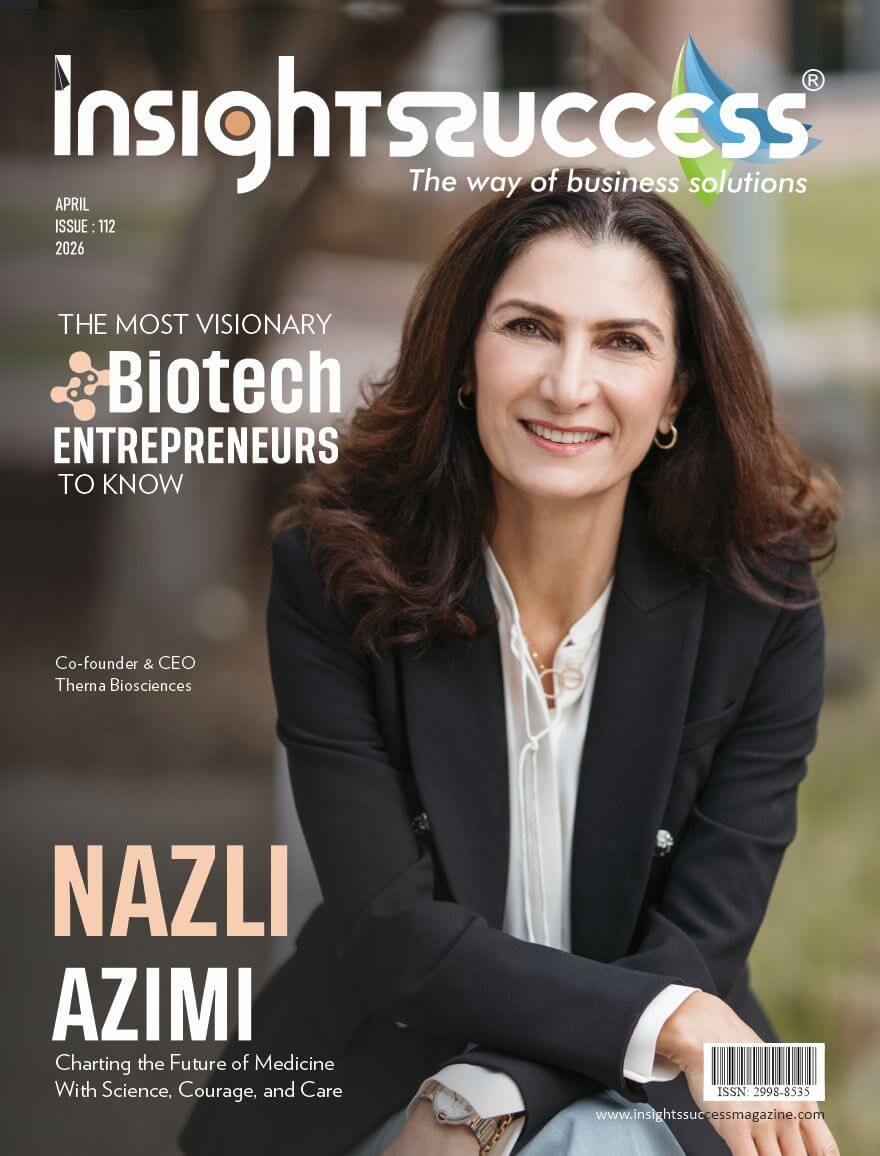
The Most Visionary Biotech Entrepreneurs to Know
10 Best Logistics Companies to Watch in 2022 June2022 Lorem ipsum dolor sit amet, consectetur adipiscing elit. Ut elit tellus, luctus nec ullamcorper mattis, pulvinar dapibus leo. Lorem ipsum dolor sit amet, consectetur adipiscing elit. Ut elit tellus, luctus nec ullamcorper mattis, pulvinar dapibus leo. The Most Visionary Biotech Entrepreneurs to Know This edition celebrates trailblazing biotech entrepreneurs who are redefining the future of healthcare and life sciences. Through groundbreaking innovations, bold leadership, and transformative research, they are addressing global challenges, accelerating medical advancements, and shaping a more sustainable and healthier world with vision, resilience, and scientific excellence. Quick highlights Quick reads

Nazli Azimi – Charting the Future of Medicine With Science, Courage, and Care
Some leaders are attracted to titles. While other people are attracted to problems of significance. In the case of Nazli Azimi, the concept of moving into the field of biotechnology leadership started with the passion to put science into practice, something that can make a difference in life. Having been trained as a PharmD/PhD and influenced in her initial research at the NIH, she soon learned that making a discovery is not sufficient. Innovations can only be relevant when delivered to patients. Nazli is at the forefront of next-generation RNA medicine and works as a Co-founder and CEO of Therna Biosciences. It is not all about technology in her story. It is of resiliency and first-principles thought, the audacity to be concerned with what matters to us well before it becomes self-evident. The Moment That Sparked Therna Therna did not begin as a business plan. It began with a conversation. Nazli’s “aha” moment came through a chance encounter with scientific co-founder Hani Goodarzi, one of the early pioneers of RNA regulation and AI-driven RNA design. During her own research years, Nazli had already recognized RNA’s enormous therapeutic potential, but also its limitations. Traditional approaches struggled with imprecise design, delivery challenges, and safety trade-offs. When Hani shared his vision of merging RNA decoding with artificial intelligence, Nazli immediately understood what was possible. She saw a future where RNA could become a programmable medicine, designed intentionally, precisely, and safely at scale. That insight led to the founding of Therna: a platform-driven company built to change how RNA therapeutics are created. Alongside Hani, respected scientists including Timo Hagen and Kian Yousefi joined the founding team, helping shape Therna’s scientific backbone. “From the start, my mission was clear to use AI to design RNA medicines that are not only more effective, but fundamentally safer, across many diseases,” she shares. Teaching AI to Design Biology While mRNA became widely known during the pandemic, Nazli knew that vaccines were only the beginning of RNA’s story. At Therna, the team reached a turning point when they began generating massive, high-quality RNA datasets across diverse cellular contexts. These experiments revealed conserved principles of how RNA behaves inside living systems. That was when Nazli realized something profound. They were no longer just studying biology. They were building the foundation to teach AI how to design it. By uniting large-scale experimentation with AI-driven learning, RNA design shifted from slow trial-and-error to a predictive, intentional process. The ambition quickly expanded, to build a platform capable of creating long-lasting, tissue-specific RNAs without relying on circular RNA. “For me, this was not incremental innovation. It was a fundamental shift in how medicine could be built,” Nazli says. From Lab Precision to Leadership Ambiguity Moving from scientist to CEO came with a steep learning curve. In the lab, progress depends on reducing uncertainty. In a biotech startup, progress often requires making high-stakes decisions with incomplete information. Nazli had to learn that precision in leadership looks very different from precision in experiments. She became comfortable operating in ambiguity, setting direction, aligning people, and committing resources before the data was ever perfect. What helped was realizing that her scientific mindset was not a limitation. It was an advantage. The rigor, skepticism, and first-principles thinking she developed as a researcher now guide how she evaluates risk, builds strategy, and leads teams. Her focus shifted from optimizing experiments to building systems, culture, and momentum, so breakthrough science could become real medicine. Bridging the past and present: IL-15 to RNA medicines Much of Nazli’s earlier work focused on immune regulation, especially around cytokine pathways and the role of IL-15 as a central regulator of inflammation. In that context, Nazli and her team had shown that by targeting and blocking selective cytokines anchored around IL-15, immune system can be recalibrated to a normal state. This precision targeting is in contrast to shotgun approach of blocking the entire immune system to control autoimmune or inflammatory diseases. Nazli is now applying the same idea of targeted therapy with RNA medicines at Therna Biosciences. RNA medicines are exquisitely selective in targeting and fixing the broken pathways in many diseases which result in safer and more effective medicines. Redefining What It Means to Be Visionary Nazli does not believe that visionary leadership is about predicting trends. To her, it is about conviction. It is about choosing to work on something important before it is obvious. In biotech, novel therapies almost always look risky at first. There is rarely a clear playbook. “Vision means staying grounded in first principles, learning as data evolves, and continuing forward even when outcomes are uncertain. It is follow-through, not foresight, that defines true innovation,” she says. Playing it safe rarely leads to breakthroughs. Progress comes from persistence. Finding Partners Who Believe in the Long Game Raising capital for unproven biological platforms is never easy. Nazli approaches investors the same way she approaches science, with transparency and integrity. She looks for partners who value long-term impact over quick wins, who understand that transformative medicine requires patience and trust. She is open about risks and complexities, while clearly articulating how Therna’s platform can unlock entirely new classes of therapies. Over time, she has built relationships with investors who share her commitment to scientific rigor and patient outcomes. “Alignment on values matters as much as alignment on vision,” Nazli shares. Building a Culture Where Curiosity Thrives At Therna, breakthrough science requires both boldness and discipline. Nazli sets ambitious benchmarks and holds her teams to high standards. But she also works hard to create psychological safety, an environment where scientists feel empowered to take calculated risks and fail fast when needed. Each iteration brings learning. Each experiment moves the mission forward. By combining clear expectations with trust and transparency, she has built a culture where curiosity thrives and innovation becomes possible. Keeping Patients at the Center Behind every dataset is a person waiting for relief. Nazli keeps patients at the heart of every decision from which programs Therna prioritizes, to how studies
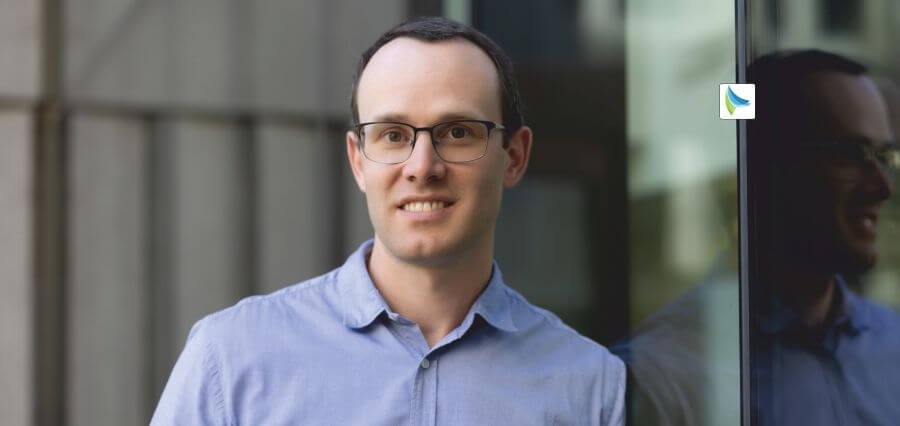
Timo Hagen – Turning RNA Into Hope
Certain scientific professions are founded on publications. While others are built around probability. In the case of Timo Hagen, science is impact-focused, making it a matter of bringing complex concepts in the laboratory with actual solutions to patients. Today, Timo is a Founding Scientist and Director of RNA Research at Therna Biosciences and is assisting in the creation of a new future of RNA medicine. It extends well beyond vaccines and into long term care of inflammatory and genetic disorders. From Research Questions to a Real Company Therna did not start as a business idea. It started as a scientific breakthrough. The research team realized something powerful when they reached the ability to test tens of thousands of RNA molecules in parallel, across different cell types and tissues. For the first time, they could generate clean, comparable datasets that revealed deeper design rules of RNA inside living cells. It was no longer just research. They were mapping how RNA truly works. Working alongside scientific cofounder Hani Goodarzi, Timo helped combine large-scale experimentation with AI-driven analysis. That partnership proved that RNA could become a programmable therapeutic tool, not just a laboratory curiosity. That was the moment Therna became more than a project. It became a company. Making RNA Work for Real-World Disease Most people know RNA because of COVID vaccines. But Timo knew early on that this was only the beginning. For many inflammatory and genetic diseases, the challenge is not identifying the right protein, it is delivering RNA safely, predictably, and to the right tissue. At Therna, Timo does not treat delivery as a separate problem. Instead, RNA is designed with delivery in mind from the very start. His team engineers RNAs that work with cellular biology, not against it. Rather than forcing stability through viral or highly structured elements that may trigger immune responses, they focus on programmable RNA designs that are long-lasting, tissue-specific, and safe. “My goal is simple but ambitious, i.e., to create RNA therapies that can be used repeatedly and reliably in long-term patient care,” he says. Building a Platform, Not Just a Drug Timo is not only developing treatments. He is building an RNA platform. At Therna, discovery happens through a lab-in-the-loop system, where experiments guide AI models, and AI models guide the next experiments. This rapid cycle allows the team to learn faster and design smarter. He balances deep scientific discovery with scalability by focusing first on robustness and reproducibility. Once something works consistently, deeper mechanisms can be explored. Many diseases already have known biological targets. The real challenge is reaching those targets at scale, and that is where Timo’s platform approach shines. Learning to Lead Beyond the Lab Transitioning from academic research to startup leadership taught Timo an unexpected lesson. It wasn’t about speed. It was about alignment. In a company, everyone works toward the same outcome. That means every experiment must connect clearly to the bigger vision. Timo learned that progress accelerates when every team member understands not just what they are doing, but why it matters. Choosing the right experiment at the right time became one of his most important leadership skills. The Power of Trust Between Science and Strategy Timo works closely with Therna’s CEO, Nazli Azimi, and he believes their partnership is built on trust and clear ownership. Nazli leads business strategy. Timo leads research execution. What Timo values most is her patient-first mindset. Every decision begins with unmet medical need, what patients lack today, and how Therna can truly change outcomes. That clarity keeps science focused and timelines moving. What Being Visionary Really Means To Timo, being visionary is not about bold ideas alone. It is about discipline. True innovation requires high scientific standards, relentless execution, and openness to learning. Plans change as data evolves, but purpose stays constant. That mix of clarity, adaptability, and rigor is what turns complex science into real medicine. Looking Toward 2030 By the end of this decade, Timo hopes to see multiple Therna-designed RNAs reach clinical trials. He believes tighter integration of AI with laboratory execution will unlock vast RNA design spaces, discovering solutions that already exist but remain hidden. Faster feedback loops mean deeper exploration, smarter designs, and better outcomes. “Success means seeing patients benefit from therapies our team helped create,” he shares. Advice for Future Biotech Founders To young researchers dreaming of building biotech companies, Timo offers one powerful idea: Design the perfect experiment. “Start with the real scientific problem. Imagine the most direct way to answer it, without being limited by tradition or convenience,” he shares. He believes that the biggest breakthroughs come when experiments are redesigned around questions, not habits. For Timo Hagen, leadership is not about titles. It is about precision, purpose, and persistence. Every RNA sequence designed, every experiment run, and every dataset analyzed carries the same quiet hope that science, when guided with care, can change lives. And that is what continues to drive him forward. Read Also: Gayatri Ivaturi: Shaping Leadership Through Curiosity, Empathy, and Human-Centered Strategy

The Rise of Biotechnology Entrepreneurs
New Frontiers Ahead Biotechnology has changed from its initial status as a specialized scientific discipline to become a major force which continues to shape both medical practices and agricultural methods and environmental protection initiatives. The transformation process is driven by biotechnology entrepreneurs who represent a new generation of innovators because they combine scientific knowledge with commercial skills to develop solutions for critical global issues. T heir journey extends beyond developing new ideas because it requires them to demonstrate persistence while they establish new industry standards. Biotechnology Entrepreneurs Driving Innovation in Healthcare Biotechnology entrepreneurs have become the key drivers who are changing healthcare systems in every country. Their work, from creating essential medical treatments to developing personalized healthcare solutions, has changed the methods used to identify and treat and prevent diseases. Entrepreneurs who operate in startup environments use flexible business models to develop new products at faster speeds while handling urgent health emergencies. The COVID-19 pandemic demonstrated that biotechnological progress needs to occur at fast speeds. Entrepreneurs developed vaccines together with diagnostic tools and therapeutic solutions. The scientists developed their teamwork skills to achieve work that combines biology with data science and engineering to create breakthroughs in gene editing and immunotherapy and regenerative medicine. The Vision and Mindset of Successful Biotechnology Entrepreneurs Biotechnology entrepreneurs possess distinct advantages because their thinking patterns differ from those of other people. The scientists possess two additional qualities which make them suitable for their work as risk-takers and visionaries. Biotech entrepreneurs need to establish their business through three major steps which include understanding complex governmental rules, obtaining financial support and turning scientific research into market-ready products. The field requires professionals to develop their ability to overcome challenges which emerge during their work. Research and development processes extend over multiple years yet they do not ensure successful outcomes. Entrepreneurs maintain their dedication to their business objectives because they understand their work will produce significant results even though they face numerous obstacles. Their skill in explaining intricate scientific concepts to investors and other partners enables them to connect new scientific developments with their commercial application. Biotechnology Entrepreneurs Transforming Agriculture and Food Systems Biotechnology entrepreneurs work at transforming agriculture and food production through their work which extends beyond healthcare. The world needs urgent innovative solutions because rising global populations and climate change create risks to food security. Entrepreneurs create solutions through their development of genetically modified crops and sustainable farming methods and alternative protein sources which solve environmental challenges. The development of new technologies which include lab-grown meat and drought-resistant crops has created a new way to produce and consume food. Biotechnology entrepreneurs work to decrease their environmental footprint through their efforts to reduce chemical fertilizer and pesticide consumption. Their work increases productivity while it helps protect the environment through sustainable methods which secure future generations’ access to healthy food. Challenges Faced by Biotechnology Entrepreneurs in a Competitive Landscape Biotechnology entrepreneurs must overcome major challenges because they operate in a field that offers high potential for success. The primary challenge for biotech ventures lies in their need for funding because they must obtain major financial resources which will take years to generate profits. The scientific research field presents investors with two main obstacles because of its unpredictable nature and inherent research hazards. The second main obstacle exists because businesses must meet all their operational requirements. The process of obtaining approvals for new drugs and therapies and agricultural products involves expensive and lengthy procedures. Entrepreneurs face the challenge of establishing ethical standards which become especially critical when dealing with genetic engineering and data protection matters. The intensity of competition in the biotech sector has reached new heights. Companies must establish themselves through innovative solutions while building strategic partnerships and protecting their intellectual property assets because the market becomes saturated with new competitors. The biotechnology sector requires entrepreneurs to adjust their strategies continuously because of the industry’s changing nature. The Role of Technology in Empowering Biotechnology Entrepreneurs Technology serves as an essential tool for biotechnology entrepreneurs because it provides research and development tools which help them advance their work. Artificial intelligence and machine learning and big data analytics have developed new methods for analyzing and interpreting biological data. Technology enables entrepreneurs to discover patterns and forecast results and enhance their operations through exacting accuracy. Startups now have improved global partnership capabilities because cloud computing and digital platforms enable them to work together from different parts of the world. The shared resources of biotechnology entrepreneurs enable them to connect with experts while they expand their businesses through improved operational efficiency. The combination of technology and biology creates new pathways for innovation which will lead to upcoming technological advancements in industry. Biotechnology Entrepreneurs and the Future of Sustainability Biotechnology entrepreneurs now prioritize sustainability because they need to develop solutions which address environmental problems including climate change and pollution and resource depletion. The innovators develop sustainable industrial alternatives through their work with biological processes. Biodegradable materials and biofuels and waste management solutions now serve as environmentally friendly sustainable alternatives which are becoming more popular. These entrepreneurs develop methods to capture carbon emissions while restoring ecosystems which will create a planet that is both environmentally friendly and more resilient. The biotechnology industry demonstrates its ability to establish a circular economy through its development of resource-efficient systems which generate minimal waste. The demand for biotechnology solutions will increase as sustainability becomes a worldwide requirement. The Global Impact of Biotechnology Entrepreneurs The biotechnology entrepreneurs who work in their respective industries create effects that extend beyond their immediate professional activities. Their new developments will produce human health solutions which will contribute to economic growth and help to reduce global social inequality. The organization creates job opportunities while generating funding and establishing partnerships which support the development of knowledge-based economic systems. Biotech startups are experiencing rapid growth during this time period in emerging market economies. The innovation centers of these areas have developed because they offer access to talented people and financial resources and necessary facilities. Local biotechnology

Funding Challenges in Medical Science Entrepreneurship
What Investors Look For? Throughout history medical innovation has led to better human health outcomes but transforming innovative concepts into practical healthcare treatments remains a complex challenge. The entrepreneurs who operate within this industry must navigate specific financial challenges which create obstacles that block their most promising business opportunities. The process of obtaining funding in this industry demands both determination and tactical planning together with extensive knowledge about scientific and commercial aspects. Understanding the Landscape of Medical Science Entrepreneurship The field of Medical Science Entrepreneurship combines three domains which are healthcare and research and business. The field requires extensive research and clinical validation and regulatory approvals and long development cycles to establish new businesses which differ from traditional startup requirements. The factors involved in this process increase both product and service development costs and launch-related risks. Investors exhibit caution when financing these ventures because they face two major challenges which include unpredictable results and delayed profit generation. The existing gap between innovation and financial support hinders entrepreneurs from developing their groundbreaking ideas. Early-Stage Funding Challenges in Medical Science Entrepreneurship The process of obtaining initial funding represents the greatest challenge which Medical Science Entrepreneurship ventures face. The lack of tangible proof which startups need to demonstrate their operational capabilities creates difficulties when they attempt to attract investors. The medical field presents high-risk projects which require extended timeframes to develop, therefore traditional funding sources such as venture capitalists refuse to invest in medical innovations. Most medical entrepreneurs develop their careers through scientific or clinical work, yet they lack essential financial and business skills for success in entrepreneurship. The requirement to present their concepts through investor-friendly formats creates accessibility issues which restrict their ability to secure funding. Grants and government funding can assist projects although their funding process requires organizations to fulfill challenging eligibility requirements. The funds which have been obtained will not provide sufficient resources to achieve complete project development. Regulatory and Compliance Costs in Medical Science Entrepreneurship The regulatory compliance costs represent the primary financial obstacle that Medical Science Entrepreneurship must overcome. The development of medical products and services requires organizations to follow strict guidelines which establish conditions for their safe and effective performance. The process needs comprehensive testing together with clinical trials and complete documentation work, which demands high financial resources. Startups need to keep operating their business activities throughout the regulatory approval process which lasts for multiple years before they can achieve any significant revenue. The situation creates financial pressure which prevents investors from participating while it uses up all available resources that entrepreneurs possess. The process of regulating frameworks requires organizations to obtain specialized expertise, which forces them to hire outside experts or consultants who increase their total expenses. Investor Perception and Risk in Medical Science Entrepreneurship Medical Science Entrepreneurship funding depends on investor perception which determines funding outcomes. Investors consider medical startups to be high-risk ventures because research results are unpredictable and regulatory delays can occur. Medical ventures face strict development procedures which extend their time to market while tech startups can easily change their business direction. This restricts operational flexibility while raising investor concerns about project risks. Entrepreneurs need to work harder than normal to establish their business trustworthiness. They need to provide strong evidence through data presentation while developing partnerships and showing their business growth path. Funding acquisition proves to be a major hurdle for businesses. Scaling and Commercialization Barriers in Medical Science Entrepreneurship The process of obtaining initial funding only marks the start of a medical business’s development. Medical Science Entrepreneurship requires two distinct financial solutions which emerge when a business needs to expand and develop its products for market entry. The process of manufacturing products and distributing them together with marketing efforts and post-market surveillance activities requires businesses to make major financial commitments. The complex healthcare systems require organizations to work with various stakeholders who include hospitals and insurance providers and regulatory bodies to achieve system acceptance. The commercialization process becomes more difficult and expensive because of these factors. The pricing strategies need to achieve two goals by maintaining affordable prices while generating sufficient profits in markets which face challenges with healthcare accessibility. Entrepreneurs need to make precise financial model designs which help their businesses maintain operational stability while creating value for their customers. Bridging the Funding Gap in Medical Science Entrepreneurship The Medical Science Entrepreneurship funding gap can be overcome through various methods which exist despite the current challenges. Entrepreneurs can explore alternative funding sources such as angel investors, crowdfunding, and strategic partnerships with established healthcare organizations. The creation of a multidisciplinary team which combines scientific and business knowledge will enhance credibility while generating greater trust from investors. The funding process requires organizations to present their value proposition through direct communication which needs data and real-world outcomes as supporting evidence. Healthcare innovation incubators and accelerators provide startups with financial backing while delivering mentorship programs and networking events and access to vital industry resources. The Future of Funding in Medical Science Entrepreneurship The future of Medical Science Entrepreneurship will develop because growing demand for new healthcare solutions requires innovative medical technologies. The funding situation is improving because technological advancements and public awareness growth and government support programs are being implemented. Healthcare investors are starting to embrace extended investment periods because they see how these investments can generate profits while bringing positive effects to society. Public-private partnerships are developing new funding paths through their collaborative funding models. Entrepreneurs must develop skills to handle the unpredictable nature of the business environment because they face ongoing challenges. The field demands innovative solutions together with strategic planning and determination and flexible response capabilities. Read Also : Extending Reach: The Evolving Role of the Motivational Spiritual Speaker in Modern Society