






Measuring RAG Accuracy in Healthcare: How to Test for Hallucinations Before Go-Live
A RAG system can look great in a demo and still fail in real use. Demo questions are easy. The documents are clean. The people watching are friendly. Real users ask unclear questions about messy records. In healthcare, a wrong answer can hurt someone. This is why a team must test for hallucinations before launch. Research gives a good reason to be careful. A team at Yale asked 18 medical experts to check the answers of RAG systems. The experts made more than 80,000 notes. The team found that RAG often did worse than the same model with no retrieval at all. This was a preprint, and it tested only two models, so its numbers will not match every system. Still, the message is clear. RAG in healthcare needs to be checked one step at a time, not only by looking at the final answer. Check the Documents First Many wrong answers start before anyone asks a question. They start when documents are turned into text. Prompt-based extraction is one way to do this. A language model gets a prompt or a form and pulls out set fields, such as a drug name, a date, or a lab result. Several vendors offer this, including ABBYY, Mistral, and Docsumo. The test is simple. First, a person types the correct values by hand for a set of sample documents. The sample should include faxes and poor scans. Then each value that the system pulled out is compared with the correct one. Two numbers matter. One is how many values were wrong. The other is how many wrong values came with no warning. The prompt should also let the system say “not found.” The test should check that the system does say it, and does not guess. Each value should link back to the page it came from. Then a reviewer can check it fast. Build a Test Set With Doctors and Nurses A test set is a list of real questions with correct answers. Clinicians should write these answers or approve them. The Yale team used “must-have facts.” These are the facts that a good answer has to include. Any team can copy this idea. For each question, a clinician lists the facts that must appear. Later, the scoring checks if they did. The Yale team used 200 questions. A first test set can be smaller. It should still include common questions, rare cases, and questions that the documents cannot answer. That last group is important. A safe system should say “I do not know” when the answer is not there. Check Each Step on Its Own One score for the whole system hides the real problem. The Yale team split the work into three steps. Any team can do the same. The first step is finding the right text. In the study, only 22 percent of the top 16 passages were useful. For 31 percent of the questions, none of the 16 passages was useful. Together, the passages held only about one third of the facts that the answers needed. The second step is choosing which text to use. The model often picked the wrong passages. Only about 41 to 43 percent of its choices were right. The third step is writing the answer. Experts checked each statement to see if it was true. They also checked whether the answer included all the must-have facts. Free tools such as Ragas measure similar things. “Faithfulness” asks if the claims in an answer are backed by the text that was found. “Context precision” asks if the best text was ranked first. “Context recall” asks if all the needed text was found. Recall needs a correct answer to compare with, and the clinician test set provides it. Test the Known Weak Spots Overall scores can miss special traps. Each trap needs its own test. Numbers. The Yale team saw that found text can pull a model toward the wrong number. In one case, a limit from a different setting changed how a lab result was judged. Tests should include doses, units, and ranges from sources that do not match the question well. Words with two meanings. One question about poison ivy returned text about a comic book character. Medical terms, short forms, and brand names can cause the same mix-up. Old or clashing documents. Other research warns that errors can enter when documents are out of date or disagree. A test should include such pairs on purpose. This shows which one the system trusts. Questions with no answer. The system should say it cannot answer. It should not make something up. Made-up sources. In the study, some models named sources that were not in the text they had found. For the smaller model, about 77 percent of these sources could not be checked. In every test, each source should be checked to make sure it is real and supports the claim. Use Both Machines and People to Score A judge model can score thousands of answers quickly. But it has its own faults and needs to be checked too. A good plan is to use automatic scoring on every new version. Then clinicians review a sample each time. Reviewers will not always agree. In the study, agreement on whether a statement was true was only fair. For risky items, two reviewers should score on their own. Their differences should be written down and talked over. Decide What “Ready” Means The team should write down its standards before testing starts. Then nobody can argue about the results later. Examples are a limit on how often unsupported claims may appear, a minimum share of must-have facts covered, and no wrong doses at all in the test set. Clinical, legal, and privacy staff should set these limits with the technical team. The research also shows that things can get better. The Yale team removed useless passages and rewrote the questions. This raised scores on harder tests by up to 12 percentage points. The team also noted
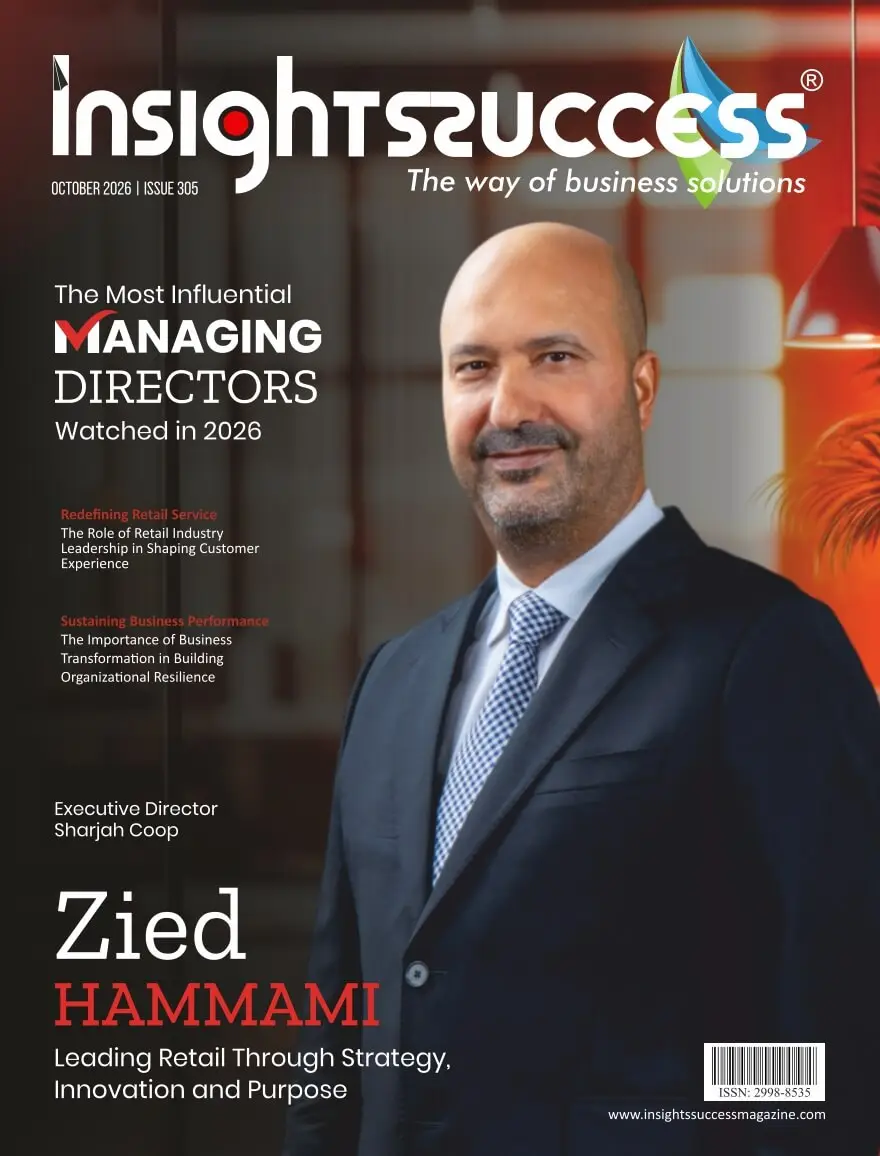
The Most Influential Managing Directors Watched in 2026
The Most Influential Managing Directors Watched in 2026 Recognizing managing directors driving business growth through strategic leadership, innovation, and operational excellence. This edition explores retail transformation, customer experience, technology adoption, team development, and responsible business growth. Digital Link Quick highlights Quick reads

Zied Hammami: Leading Retail Through Strategy, Innovation and Purpose
The best retail leaders don’t just set direction from the top. They stay close to where strategy actually meets the customer, on the shop floor, in the aisle, at the checkout, so plans hold up under real conditions instead of falling apart on the way there. That kind of closeness is often what separates businesses that merely perform from those that last. Zied Hammami has built his career on this principle. As Executive Director of Sharjah Coop, he brings more than 25 years of experience across retail, commercial management, and transformation. Throughout, he’s built his career on commercial discipline, operational reality, and developing the people who make execution possible. Leading Through People and Purpose With more than 25 years of experience across retail, commercial management, operations, and transformation, Zied Hammami has built his leadership approach around commercial discipline, operational reality, people development, and social responsibility. His professional journey began in Tunisia, where he developed an understanding of customer behavior, merchandising, and commercial discipline. His career trajectory across Carrefour Tunisia, France, and subsequently Carrefour UAE under Majid Al Futtaim provided him with extensive exposure to sophisticated international retail ecosystems, institutional operating standards, category management methodologies, strategic sourcing frameworks, commercial optimization, and large-scale operational execution. His transition to Sharjah Coop further broadened the strategic scope of his experience, positioning him within a distinctive cooperative retail model where commercial performance, stakeholder value, operational sustainability, and community-oriented objectives must be carefully integrated. This progression strengthened his ability to navigate complex retail environments, reconcile profitability with broader organizational purpose, and translate strategic priorities into commercially viable and operationally executable initiatives. The experiences that shaped him most were often close to the reality of the business. Store openings, transformations, difficult trading periods, customer complaints, supplier negotiations, and teams working under pressure all became part of his leadership experience. As he puts it, “‘The shop floor reveals everything.’ It shows whether strategy is understood, whether standards are real, and whether the customer promise is being delivered.” This combination of commercial discipline, operational reality, people leadership, and social responsibility defines his approach today. Connecting Strategy with Execution For Zied, strategy, operations, customer expectations, and growth are not separate priorities. They are parts of one connected business model. Strategy establishes where the business wants to go, which customers and shopping missions matter most, how it will differentiate itself, and which capabilities it needs to build. Yet strategy creates value only when it reaches execution. His view is clear: “Strategy can fail between head office and Aisle 7.” For every major decision, he considers whether it creates real customer value, whether it can be executed consistently at scale, whether it strengthens the economics of the business rather than adding complexity, whether people, systems, and processes can support it, and whether it aligns with responsibility to shareholders, employees, and the community. He believes, “Growth remains important, but growth alone does not define success. The right growth should make the business stronger, more relevant, and more resilient.” It should improve productivity and customer experience while strengthening organizational capability and creating the capacity to reinvest and prepare for what comes next. Understanding the Changing Retail Customer Retail has changed as customers move between stores, apps, delivery services, loyalty programs, social platforms, and customer service. For Zied, omnichannel retail is not about operating several channels independently. It is about making the entire customer journey feel connected. Artificial intelligence is also influencing forecasting, inventory, pricing, personalization, customer engagement, and decision-making. He sees the next stage involving wider use of generative and agentic AI working alongside employees, systems, and customers. These technologies can simplify product discovery, answer questions instantly, build shopping lists, recommend alternatives, support meal planning, and make shopping faster and easier. Generational change is also influencing retail. Gen Z is already reshaping discovery, comparison, and loyalty, while Gen Alpha is expected to raise expectations around immediacy, interactivity, personalization, and authenticity. Yet he believes the foundations of retail will remain the same: value, quality, freshness, availability, convenience, and trust. The physical store will continue to play an essential role, but increasingly as a combination of shopping, fulfillment, experience, technology, and community. Making Innovation Matter to Customers Zied believes innovation only matters when customers can feel the difference. In grocery retail, customers repeatedly judge a business on fundamentals such as availability, price perception, convenience, freshness, and the overall experience. Technology and process improvements therefore need to strengthen these outcomes. His approach begins with the customer and works backward. The questions are straightforward: What friction is being removed? What decision is being improved? What time is being given back? A technically impressive solution that creates confusion in the store cannot be considered successful innovation. Trust, in his view, is built through consistency. “Customers do not buy our effort; they buy our consistency.” Customers may never see the complexity behind forecasting, replenishment, or systems integration. They see whether the product is available, whether the price is right, and whether the experience works. This is why he believes in piloting, measuring, learning, and scaling. Innovation must translate into visible customer value and stronger operating discipline. Building People to Build the Business One of Zied’s strongest beliefs is that building people builds the business. Retail remains a people business even as technology becomes more important. Professional development cannot depend only on classrooms. Coaching, exposure, responsibility, cross-functional projects, and real business challenges can help people develop practical capabilities. Initiatives such as Coop School and practical learning and knowledge exchange reflect this focus on development. According to him, “Empowerment also needs structure. Empowerment without clarity can create confusion, while accountability without empowerment can create bureaucracy.” Strong teams need clear standards, decision rights, measurable objectives, and the confidence to act. Culture becomes visible through behavior and results. Better service, stronger availability, fewer repeated issues, higher productivity, and honest collaboration all reflect the strength of an organization’s culture. The role of leadership is therefore not to create dependence. It is to develop managers who can think, make decisions, challenge ideas constructively, and develop

The Role of Retail Industry Leadership in Shaping Customer Experience
Redefining Retail Service Retail has always been about the customer. Before data analytics, before e-commerce platforms, and before the term customer experience entered the business vocabulary, the fundamental purpose of retail was to give people what they needed in a way that brought them back. That core purpose has not changed. What has changed enormously is the complexity of delivering on it. Customers today have more choices, more information, and higher expectations than at any previous point. They can compare prices instantly, read reviews before setting foot in a store, and switch to a competitor with a single click. In this environment, the quality of leadership determines whether a retail organization rises to meet these expectations or falls behind them. Retail industry leadership is what shapes the customer experience, and its influence on how people feel about the brands they buy from runs deeper than most organizations recognize. Leadership Sets the Standard Customer experience does not begin at the checkout counter or the website landing page. It begins in the decisions made at the leadership level about what kind of experience the organization wants to create and what it is willing to invest to deliver it. Every policy, every staffing decision, every choice about store design, product assortment, or returns process reflects the priorities of the people leading the organization. When retail industry leadership is genuinely committed to delivering a strong customer experience, that commitment travels through the organization in visible ways. Staff are trained not just in tasks but in the values behind them. Processes are designed around what makes the customer’s interaction easier rather than what is most convenient for the organization internally. Problems are resolved with the customer’s experience as the primary measure of success. None of this happens without leadership that holds the standard consistently. The Connection Between Staff Experience and Customer Experience There is a relationship between how employees are treated and how customers are treated that retail organizations underestimate at their own expense. Staff who feel valued, supported, and genuinely invested in the organization they work for bring a different energy to customer interactions than those who feel overlooked, underpaid, or managed without respect. Customers feel this difference even when they cannot articulate it. Retail industry leadership that understands this connection invests seriously in the people on the front line of customer interaction. It creates working environments where staff are proud to represent the brand, equipped to handle the full range of customer situations they will encounter, and supported when things go wrong. The customer experience a retail organization delivers is ultimately a reflection of the staff experience it creates, and leadership is the primary architect of both. Navigating the Online and In-Store Balance One of the defining challenges of modern retail leadership is managing the relationship between physical and digital customer experience. Customers move between channels fluidly, researching online before visiting a store, purchasing in store and returning online, or browsing in person and buying through a mobile device minutes later. The experience across these different touchpoints needs to feel coherent rather than disconnected. Retail industry leadership is responsible for creating this coherence. It requires a strategic view of how the different channels complement each other, investment in the technology and processes that allow customer information to move seamlessly between touchpoints, and a consistent set of values that shows up regardless of how a customer chooses to interact with the brand. Organizations that get this integration right create customer experiences that feel effortless even when the behind-the-scenes complexity required to deliver them is significant. Responding to Changing Customer Expectations Customer expectations do not stand still. What felt exceptional a few years ago becomes expected, and what is expected today will be the minimum standard tomorrow. Staying ahead of this evolution requires retail organizations to listen carefully to their customers, track how expectations are shifting, and make proactive decisions about where to invest in experience improvement before customers begin to complain about falling short. Retail industry leadership creates the organizational discipline for this kind of proactive attention. It builds systems for gathering genuine customer feedback, creates cultures where that feedback is taken seriously rather than explained away, and makes the investment decisions that allow the customer experience to keep improving rather than gradually declining. In Summary The customer experience that any retail organization delivers is ultimately a product of the leadership behind it. Retail industry leadership shapes what customers feel through every decision it makes about people, processes, values, and investment. Organizations that take this responsibility seriously, that lead with the customer genuinely at the center of every strategic consideration, are the ones building the kind of customer experience that drives lasting loyalty and sustained business success.

The Importance of Business Transformation in Building Organizational Resilience
Sustaining Business Performance Resilience in business is not simply the ability to survive a difficult period. It is the capacity to absorb disruption, adapt to new conditions, and come out of difficulty in a position that is equal to or stronger than the one before. Organizations that are genuinely resilient do not just endure. They learn, they adjust, and they build from what they experience. This kind of resilience does not appear by accident. It is built deliberately through the kinds of structural, cultural, and strategic changes that prepare an organization for conditions it cannot fully predict. Business transformation is the vehicle through which this resilience is constructed, and its importance to long-term organizational strength has never been clearer than it is today. Why Resilience Cannot Be Reactive The most common mistake organizations make regarding resilience is treating it as a response to crisis rather than a preparation for it. When disruption arrives, the organizations that cope best are rarely those that begin adapting in the moment. They are the ones that had already done the work of reshaping their operations, their culture, and their capabilities before the pressure arrived. Reactive adaptation is expensive and incomplete. It happens under conditions of urgency that make thoughtful decision-making difficult, that limit the range of options available, and that often force organizations to make changes that are adequate for the immediate crisis but insufficient for the longer-term challenges it reveals. Building resilience requires making changes before they are forced, which is precisely what business transformation enables when it is undertaken with genuine strategic intent. Transforming Operations for Durability One of the most direct ways that transformation contributes to organizational resilience is by building operational durability. Organizations that are operationally fragile, dependent on single suppliers, rigid in their processes, or structured in ways that cannot absorb unexpected change, are organizations that will suffer disproportionately when conditions shift. Operational fragility is a resilience deficit that shows up clearly under pressure but is often invisible when things are running smoothly. Business transformation addresses operational fragility by redesigning how the organization functions at a foundational level. It builds flexibility into processes that were previously rigid, diversifies dependencies that were previously concentrated, and creates operational capacity to absorb variation without breaking. This operational durability does not make disruption comfortable, but it makes it survivable in ways that genuine fragility does not. Building the Culture That Resilience Requires Structures and processes can be redesigned, but resilience ultimately lives in people. An organization full of people who are adaptable, who solve problems rather than wait for instructions, and who maintain their commitment to the work through difficulty is an organization that will find ways through challenges that a less capable culture would not. Culture is one of the most powerful determinants of organizational resilience, and transformation that does not address culture is transformation that is incomplete. Business transformation builds resilient culture by changing what the organization values and rewards. When leaders model adaptability, when learning from difficulty is treated as a strength rather than a failure, and when people are developed to handle complexity rather than simply to execute defined tasks, the cultural foundation for resilience grows. This cultural dimension of transformation is often the hardest to achieve and the most important to sustain. Technology as a Resilience Enabler Technology plays an increasingly central role in organizational resilience, not because technology solves every problem but because organizations that lack digital capability have fewer options when conditions change. The ability to shift operations online, to maintain visibility across a distributed supply chain, to communicate effectively with customers and employees through disruption, and to analyze data quickly enough to make informed decisions under pressure all depend on having the right technological foundations in place. Business transformation that includes serious investment in technological capability is building one of the most practical dimensions of organizational resilience. Organizations that had invested in digital infrastructure before disruption arrived were consistently better positioned to maintain their operations and adapt their models than those that had not. Leading Through Transformation Transformation does not implement itself. The people leading it carry a responsibility that extends beyond designing the right changes to creating the conditions in which those changes can take hold. Leadership through transformation requires honesty about why the change is necessary, patience with the difficulty of the transition, and consistency in modeling the behaviors and values that the transformation is trying to embed. Organizations where leadership takes this responsibility seriously tend to complete their transformations more fully and sustain them more durably than those where transformation is treated as a program to be launched rather than a shift to be led. Conclusion Building organizational resilience is one of the most important things any business can do for its long-term health. Business transformation is how that resilience gets built, through deliberate changes to operations, culture, technology, and leadership that prepare the organization for conditions it cannot fully anticipate. The organizations that invest in this work before they need it are the ones that will navigate whatever comes next with the greatest strength and the clearest direction forward.

Chinese AI Models for Video Generation: Which Ones Are Worth Your Time?
Not long ago, if you wanted to try a top AI video tool, you looked at a short list of names from the United States. That has changed. Some of the most talked-about video models in 2026 now come from Chinese tech companies, and creators all over the world are using them. If you make videos for social media, ads, or just for fun, you’ve likely come across names like Kling, Seedance, Wan, and Hailuo. This guide explains what each one is, what it does best, and how you can pick the right one for your next project. Why Chinese AI Video Models Are Everywhere Right Now A big reason is timing. In early February 2026, three large Chinese companies released major AI updates within days of each other. Kuaishou launched Kling 3.0 on February 4, and ByteDance followed with Seedance 2.0 on February 12. Many creators noticed the jump in quality almost immediately. Price also plays a part. Several of these models cost less per second of video than their Western rivals, and some offer free credits so you can test them before paying. For you, that means more room to experiment without a big bill. The Main Players You Should Know Here is a quick tour of the models you’ll see mentioned most often. Seedance (ByteDance) Seedance is ByteDance’s video model family, and it has built a reputation as an all-rounder. Version 2.0 accepts text, images, video, and audio together, which gives you more control over the final result. If you want to try it without paying, a free seedance video generator is an easy place to start, since it runs in your browser and needs no setup. Kling (Kuaishou) Kling is popular with people who care about motion and characters. If you want a scene to feel alive, with natural movement and expressive faces, Kling is often the first model creators try. It also offers extra tools like motion control and avatar-style talking videos. Wan (Alibaba) Wan takes a more practical approach. Alibaba released a full set of Wan 2.7 video models in April 2026, covering text-to-video, image-to-video, reference-based video, and editing. Some of these are open source, which matters a lot if you’re a developer who wants to run a model yourself or build it into a product. Hailuo (MiniMax) Hailuo is well known for fast, social-friendly clips. If you post short videos often and care more about speed than perfect detail, it’s worth a test. Vidu (Shengshu AI) Vidu is often described as a balanced option. It sits in the middle on price and speed, and it’s a decent choice when you want something reliable without overthinking it. What the Newest Models Can Do AI video is moving quickly, so it helps to know what “new” looks like. Here are the abilities you’ll see more and more. Longer Clips Early AI video tools gave you a few seconds. Now many models go up to 10 or 15 seconds, and the newest ones push much further. Longer clips matter because they let you tell a small story instead of showing one single moment. Built-In Sound Many current models create audio together with the picture. That can include speech, sound effects, and background noise. This saves you from searching for music or recording voiceovers afterward. Reference Control Text prompts alone can feel like a gamble. Newer models let you upload images, clips, or audio as guides, so your character or product looks the same from shot to shot. A Closer Look at Seedance 2.5 The latest big release in this group is Seedance 2.5. ByteDance announced it in June 2026, and it builds on Seedance 2.0 with a focus on length, stability, and control. Here is what stands out: Up to 30 seconds in one take. The camera, cast, and lighting stay consistent from start to finish. Up to 50 reference files. You can mix images, video clips, and audio to shape the result. Native audio. Dialogue, sound effects, and ambient sound come out with the video. Timing cues. You can tell the model what should happen at certain moments in the clip. Some platforms also advertise 4K output and region-level editing, but the details differ between sites. Always check what the specific platform you’re using actually offers. How to Choose the Right Model You don’t need to pick one model forever. Many creators switch depending on the job. Here is a simple way to decide. Think About Your Goal First A cinematic short scene? Try Seedance or Kling. Quick social clips? Try Hailuo or Vidu. Building your own tool or running it locally? Look at Wan. Animating a product photo? Test image-to-video on a few models and compare. Test Before You Commit Run the same prompt on two or three models. This takes about ten minutes, and it shows you which one fits your style better than any review can. Watch Your Budget Use short, cheap drafts to check your idea. Only spend more credits on a full-quality render once the draft looks right. Things to Keep in Mind A few honest warnings can save you trouble. Access varies by region. Some tools aren’t available in every country, or they need a different app or account. Rules about real faces. Many platforms don’t let you use photos of real people, so plan your project around characters and objects. Copycat websites. Popular models attract lookalike sites. Use platforms you can verify, and be careful with your payment details. Features change fast. Pricing, limits, and model versions can change within weeks, so double-check before you plan a big project. The Bottom Line Chinese AI video models have moved from “interesting alternative” to “serious option” in a very short time. They are strong on quality, often kind on price, and many give you a free way to try them. Start with one clear idea, write a short prompt, and run it through two or three models. You’ll quickly see which one fits how you work. After that, the
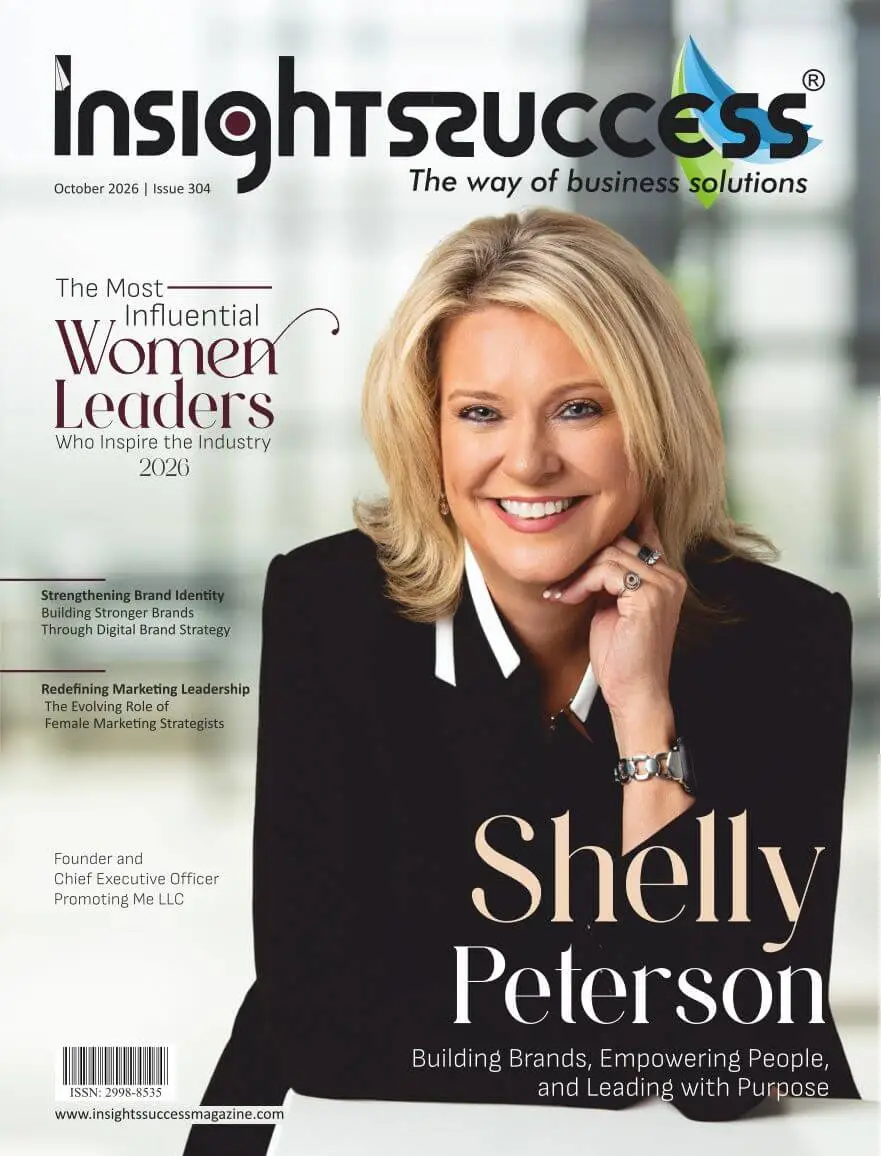
The Most Influential Women Leaders Who Inspire the Industry, 2026
The Most Influential Women Leaders Who Inspire the Industry, 2026 Celebrating influential women leaders in 2026, this feature highlights their vision, resilience, leadership, industry contributions, and commitment to inspiring meaningful progress while empowering people and organizations to thrive. Digital Link Quick highlights Quick reads

Shelly Peterson: Building Brands, Empowering People, and Leading with Purpose
Some leaders build organizations. Others build ideas, trust, and influence. Shelly Peterson has spent her career building all of them. For nearly three decades, Shelly built her career in the construction industry, advancing through increasingly complex leadership roles where decisions carried real consequences for people, projects, profitability, and reputation. It was an environment that demanded discipline, decisive leadership, strategic thinking, and an unwavering commitment to results. Construction didn’t simply develop Shelly’s skill set; it shaped how she leads. She learned to see the entire picture while never losing sight of the details that determine success. She learned to align people and resources around a common objective, anticipate challenges before they became problems, measure performance against expectations, and hold herself and others accountable for delivering on promises. Those principles remain at the core of her leadership today. The medium has changed, but the mission has not. Instead of building projects, Shelly now builds businesses, brands, leaders, and reputations designed to stand the test of time. As the Founder and CEO of Promoting Me LLC, Shelly assists companies and organizations in developing unique, dependable, and timely branding. Her method guarantees that every brand has a distinct purpose and quantifiable goals by fusing strategy and creativity. Effective branding, in her opinion, should accomplish more than just grab attention. It should attract the appropriate audiences, establish a reputation, and provide quantifiable, lasting outcomes. Vision with Discipline Long before founding Promoting Me, Shelly built her reputation in the construction industry, where she helped lead projects worth billions of dollars. Her experience in that field taught her valuable lessons that are not always covered in traditional marketing education. She learned the importance of careful planning, precise scheduling, responsible budgeting, strict quality control, and accountability. “My background in construction taught me the importance of planning, scheduling, budgeting, quality control, and accountability,” she says. “Those same principles apply to business strategy and marketing. Creative work still requires timelines, measurable objectives, financial oversight, and continuous evaluation.” This practical mindset sets Shelly apart from marketing executives who rely mainly on creative instinct. She believes that vision and discipline must work together to achieve lasting results. “Vision creates direction, but discipline creates results,” she explains. “I’ve learned that one without the other eventually fails.” She dedicates part of each week to studying market trends, emerging technologies, artificial intelligence, and changing customer behavior. However, she does not allow strategy to remain theoretical. Every initiative is translated into a clear system that her team can implement consistently. She also makes a conscious effort to work “on” the business rather than becoming fully absorbed in working “in” it. This balance allows her to remain focused on long-term growth while ensuring that creative ideas are supported by structure, accountability, and measurable results. Success Through Impact Shelly does not define success by revenue alone. She measures it by the impact she creates. “Revenue matters because it enables a business to grow and create opportunities, but I believe the true measure of success is whether people are stronger because they worked with you,” she says. Success means helping clients become more visible, trusted, profitable, and confident through the work Promoting Me delivers. Her goal extends beyond providing a service. It is about creating meaningful, measurable, and lasting value. This philosophy has been shaped by nearly three decades in an industry focused on tangible results. It continues to influence how she leads her company today. For Shelly, purpose is not limited to building a successful business. It is also about developing people, strengthening relationships, and creating opportunities that extend beyond any single project. Her sense of responsibility goes well beyond the bottom line. It means setting high standards, making difficult decisions when necessary, and remaining consistent in her commitment to clients, employees, partners, and the communities Promoting Me serves. She believes leadership is demonstrated through actions. As she often emphasizes, people pay closer attention to what a leader does than to what a leader says. Values at the Core Four core values have guided Shelly throughout every stage of her career: integrity, service, accountability, and authenticity. Integrity comes first. Shelly believes a leader’s reputation is built one decision at a time. It can take years to earn but only moments to damage. “Your reputation is one of your greatest assets. Once it’s compromised, rebuilding trust can be incredibly difficult.” For Shelly, the test is simple: If everyone on my team followed my example, would I be comfortable with the culture it creates? If the answer is no, it’s not the right decision. Service is the responsibility that comes with leadership. Shelly believes that when you have experience, relationships, resources, or influence, you have an obligation to put them to work for others. Whether mentoring someone, supporting a business, serving an organization, or strengthening a community, she believes leadership should leave people and places better than you found them. For Shelly, success means more when it creates opportunities for others to succeed, too. Accountability follows naturally. Shelly believes leaders must be willing to take responsibility for their decisions, their commitments, and the results they produce. When something goes wrong, accountability means resisting the urge to make excuses or assign blame. Instead, ask what could have been done differently, make the necessary adjustment, and move forward. For Shelly, credibility is built when your actions consistently match your commitments. Authenticity means leading as yourself. It shapes both Shelly’s leadership style and the advice she gives her clients. She believes the strongest brands and leaders are built around who they genuinely are, not by following someone else’s formula for success. She holds herself to that same standard, striving to be the same person in every room and ensuring that what she says, what she believes, and how she acts remain aligned. People follow authenticity much more readily than perfection,” she says. Trust is built when people know who you are, what you stand for, and can count on you to show up consistently. Leading Through Uncertainty Every executive eventually faces decisions

The Evolving Role of Female Marketing Strategists
Redefining Marketing Leadership Marketing is built on one skill above all others: understanding people. For a long time, the rooms where marketing strategy was decided were filled with a small and similar group, and the campaigns that came out of them showed it. That is changing. Female marketing strategists are now guiding brand direction, shaping how companies understand their customers, and setting standards for how organizations talk to the public. Their rise is changing not only who leads the field but how the work itself gets done. Taking a Seat at the Decision-Making Table Women have worked in marketing for decades, often making up a large share of the workforce. Yet the climb to senior strategy roles was slow. Many were strong doers whose ideas were absorbed by others, or whose careers stalled just before the level where the big calls are made. Today, more female marketing strategists hold seats where budgets are set, positioning is defined, and whole brand portfolios are steered. This matters because strategy is where the most important choices live: who the brand serves, what it stands for, and how success is judged. When a wider range of people make those choices, the results reflect a wider range of real life. Understanding Customers More Clearly Good marketing mirrors how people actually live. Women influence or make a large share of buying decisions in nearly every category, yet brands have often described them through tired and narrow ideas. Campaigns built on those ideas ring false, and audiences notice quickly. Many female marketing strategists bring firsthand insight into the people they want to reach, along with a sharp sense of what feels honest and what feels forced. That does not limit their work to one audience. It means they tend to catch stereotypes early, question easy assumptions, and push for messages that treat customers as capable, thoughtful adults. Changing the Stories Brands Tell The pictures and stories in marketing help shape how a society sees itself. For years, many brands leaned on a small set of familiar portrayals that left much of their audience out. People have grown weary of this, and they reward brands that show real variety in age, background, ability, and stage of life. Many female marketing strategists have pushed hard for this shift. Better representation is good for society, and it is also good for business. When people see themselves reflected accurately, they feel respected, and respect turns into loyalty far more reliably than clever slogans do. Combining Creativity with Data Modern marketing asks for imagination and analysis at the same time. Strategists work with large amounts of data about behavior, channels, and results, and they also need the creative judgment to turn those facts into messages that matter to people. The strongest female marketing strategists move comfortably between both sides. They study the numbers closely without letting the numbers replace human understanding. That balance helps teams avoid two common traps: creative work that ignores the evidence, and data-heavy work that feels cold and easy to forget. Leading Teams with Purpose and Clarity Marketing leadership is not only about campaigns. It is about building teams that do their best work. Many female marketing strategists are known for leading with high standards and genuine care, giving clear direction while leaving room for others to contribute. This style tends to create teams that speak openly and take creative risks without fear. The effect shows up in the work itself. People who feel heard are more willing to offer the bold ideas that make marketing stand out. Mentoring the Next Generation One of the most lasting contributions of experienced female marketing strategists is the support they offer to those coming up behind them. Sharing lessons, opening doors, and giving honest advice helps younger professionals avoid needless mistakes and imagine what is possible for their own careers. This kind of mentorship strengthens the whole profession. Capable people who feel supported tend to stay, grow, and eventually lead others, building a field that is more skilled, more varied, and better prepared to serve the public. In Summary The influence of female marketing strategists is not a passing trend. It reflects a deeper shift in how the industry understands its own purpose, which is to connect honestly with real people. As more women lead strategy, the work becomes more thoughtful, more inclusive, and more effective. Organizations that welcome this change are building marketing that earns trust, and trust is still the most valuable asset any brand can hold.

Building Stronger Brands Through Digital Brand Strategy
Strengthening Brand Identity Every business has a brand, whether it has planned one or not. It is the sum of what customers think, feel, and say about the organization when it is not in the room. In the past, that impression was shaped by a handful of touchpoints: a storefront, a printed advertisement, a conversation with a salesperson. Today, a brand is formed across dozens of digital moments, from a search result to a social post to the way a website loads on a phone. A thoughtful digital brand strategy is how a business takes control of that picture, making sure the story people encounter online is the one the organization actually wants told. Understanding Digital Brand Strategy A digital brand strategy is not a collection of social media accounts or a nicely designed website. It is a plan that defines who the brand is, who it speaks to, and how it shows up consistently wherever people meet it online. It covers the voice the brand uses, the look it carries, the values it stands for, and the promises it makes to customers. The word that matters most is plan. Many businesses build digital presence one channel at a time, reacting to whatever seems important that month. The result is a brand that looks and sounds different depending on where someone finds it. A real strategy connects every channel to a single, clear idea of what the brand is about. Build Brand Identity Before Choosing Channels The most common mistake in building a digital brand strategy is starting with tools and platforms instead of identity. Before deciding where to post or what to publish, a business needs honest answers to basic questions. What does this brand believe? What problem does it solve better than others? What does it want people to feel after dealing with it? Once those answers are clear, channel decisions become easier. Each platform becomes a place to express the same identity in a way that suits the setting. Without that clarity, even a large amount of content tends to feel scattered, and audiences struggle to remember what the brand actually stands for. Understand Your Audience A brand does not exist in a vacuum. It exists in the minds of real people with real needs, habits, and doubts. Strong digital brand strategy depends on understanding those people deeply: what they are trying to achieve, what frustrates them, where they look for information, and what makes them trust one business over another. Digital tools make this understanding more reachable than ever. Search behavior, engagement patterns, and direct feedback all reveal what an audience cares about. The brands that listen carefully and adjust their message in response build a relationship that feels attentive rather than promotional. Make User Experience Part of the Brand A brand is judged not only by what it says but by what it is like to deal with. A website that is confusing, slow, or difficult to use contradicts any promise of quality or care. A support request that goes unanswered undoes a great deal of careful messaging. Strong digital brand strategy treats user experience as a core part of brand identity. Every interaction, from the first search result to the follow-up after a purchase, either reinforces the brand’s promise or weakens it. Businesses that pay attention to these details find that trust grows naturally, because the experience matches the message. Measure and Improve Over Time Digital environments change quickly, and a digital brand strategy has to change with them. Measurement is what keeps it honest. Tracking how audiences respond, which messages resonate, and where people lose interest provides the evidence needed to refine the approach. The goal of measurement is not to chase every number but to understand whether the brand is becoming clearer, more trusted and more connected to the people it serves. Teams that review results regularly and adjust with purpose keep their brand relevant without losing its core identity. Looking Ahead A strong brand is built slowly, through many consistent choices made over time. A well-considered digital brand strategy gives those choices direction, so that each post, page, and interaction adds to a coherent whole. Businesses that commit to it and stay patient while it takes hold end up with something valuable: an identity that people recognize, trust, and choose again.