






The Leadership Superpower No One Talks About: Relational Power
In boardrooms, leadership conferences, and management discussions, we often hear about strategy, innovation, execution, and decision-making. We celebrate leaders who possess deep expertise and those who hold influential positions. Yet, there is a leadership superpower that quietly shapes careers, drives organizational success, and often determines who thrives during challenging times—Relational Power. Today’s workplace is vastly different from what it was a decade ago. Organizations are flatter, teams are distributed across geographies, and success depends increasingly on collaboration rather than hierarchy. In such an environment, positional authority alone is no longer enough. The ability to influence without authority has become one of the most valuable leadership capabilities. Power in organizations broadly comes from three sources—Positional Power, Personal Power, and Relational Power. Positional power comes from the role we hold. Personal power comes from our expertise, experience, and credibility. Relational power comes from the trust, goodwill, and networks we build over time. The most effective leaders understand that sustainable influence comes from blending all three. Positional power provides authority, personal power builds credibility, and relational power creates commitment. While organizations grant positional power and individuals develop personal power, relational power must be earned. It is built through authenticity, trust, reciprocity, and a genuine willingness to help others succeed. We have all encountered individuals who may not hold the highest designation but are sought out for advice, trusted during crises, and capable of bringing people together to solve problems. Their influence stems not from authority, but from relationships. This becomes even more important in today’s matrix organizations, where success often depends on collaborating with stakeholders over whom we have no direct authority. In such situations, relationships become the bridge between intention and execution. The rise of Artificial Intelligence further reinforces the value of relational power. As technology automates tasks and enhances analytical capabilities, uniquely human qualities such as empathy, trust-building, collaboration, coaching, and influence become even more important. These are the capabilities that differentiate exceptional leaders from competent managers. Relational power also becomes critical during times of uncertainty. Whether it is organizational restructuring, business transformation, or economic turbulence, employees do not simply look for instructions—they look for leaders they trust. In many ways, trust has become the new currency of leadership. However, relational power is not about collecting contacts or networking for personal gain. Genuine relationships are built through sincerity, consistency, and mutual respect. The strongest professional networks are often built long before they are needed. The Bhagavad Gita offers a timeless insight into leadership: “Yad yad ācarati śreṣṭhas tat tad evetaro janaḥ“ (Bhagavad Gita 3.21) “Whatever a leader does, others follow; whatever standards they set, others emulate.” This verse reminds us that leadership is fundamentally relational. People follow leaders not because they have authority, but because they trust and respect them. Professor Vishal Gupta, in his writings on power and leadership, highlights how relational power enables individuals to influence outcomes and navigate organizational complexities beyond what positional authority alone can achieve. As leaders, we invest heavily in building knowledge and expertise. Equally important is investing in meaningful relationships. Titles may change and organizational structures may evolve, but the trust and connections we build endure. Because in the end, leadership is not just about the position you hold. It is about the people who are willing to stand with you, support you, and follow your lead. Read Also: A Tribute to Purposeful Leadership and Enduring Impact
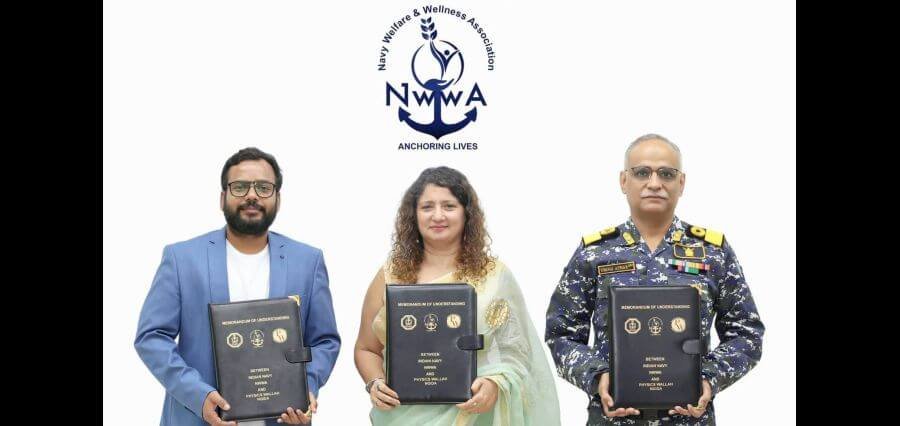
PhysicsWallah Partners with Indian Navy Welfare & Wellness Association to Provide Scholarships for Naval Families
New Delhi | 23 July 2026: Education company PhysicsWallah (PW) has signed a Memorandum of Understanding (MoU) with the Indian Navy Welfare & Wellness Association (NWWA) to provide educational support for the families of Indian Navy personnel through a structured scholarship program. The initiative aims to improve access to quality education by offering scholarships across a range of competitive examination preparation programs. Under the agreement, the program provides full scholarships for the wards of Indian Navy martyrs and personnel who lost their lives while in service. In addition, children of serving and retired Indian Navy personnel will be eligible for a 35% fee waiver on offline coaching programs and a 25% fee waiver on online courses offered by PhysicsWallah. Eligible applicants will be required to submit relevant service and identification documents as part of the application process. Scholarship applications will be jointly verified by the Indian Navy Welfare & Wellness Association and PhysicsWallah before enrolment. The scholarship program will provide access to coaching for a wide range of competitive examinations, including the Joint Entrance Examination (JEE), National Eligibility cum Entrance Test (NEET), Union Public Service Commission (UPSC), Staff Selection Commission Combined Graduate Level (SSC CGL), and various State Public Service Commission examinations. Students will have the option to pursue these programs through PhysicsWallah’s digital learning platform or its network of offline learning centers. Commenting on the initiative, Alakh Pandey, Educator, Founder, and Chief Executive Officer of PhysicsWallah, said: “Education creates opportunities and provides long-term security for families. Indian Navy personnel dedicate themselves to safeguarding the nation, often while spending extended periods away from their loved ones. Through this initiative, we hope to contribute meaningfully to the educational aspirations of their children and support the families who stand behind our naval forces.” A spokesperson for the Indian Navy Welfare & Wellness Association (NWWA) said: “Supporting the welfare and development of naval families remains one of our key priorities. Education plays a vital role in shaping the future of our children, particularly given the unique challenges associated with military life and frequent relocations. Our collaboration with PhysicsWallah seeks to provide structured learning opportunities that help children continue their academic journey with greater confidence and continuity.” The initiative reflects a shared commitment by PhysicsWallah and the Indian Navy Welfare & Wellness Association to strengthen educational opportunities for the naval community while supporting students preparing for higher education and competitive examinations. About PhysicsWallah PhysicsWallah Limited (PW) is an education technology company founded in 2020 by Alakh Pandey and Prateek Maheshwari. The headquarters is in Noida, Uttar Pradesh. The company delivers educational programs through online, offline, and hybrid learning platforms. Originally launched as a YouTube channel in 2014, PhysicsWallah has expanded into a comprehensive education ecosystem that includes test preparation, higher education coaching, skill development programs, and study-abroad services. The company offers courses in multiple Indian languages through its mobile application, digital platforms, and technology-enabled offline learning centers. PhysicsWallah Limited was listed on the National Stock Exchange of India (NSE) and BSE Limited on 18 November 2025. Read Also : The ePlane Company and Apollo Hospitals Collaborate to Advance Emergency Medical Air Mobility in India
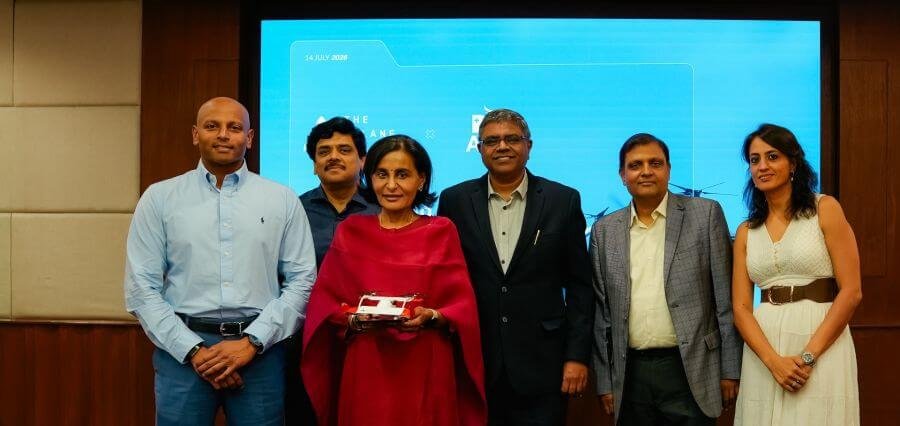
The ePlane Company and Apollo Hospitals Collaborate to Advance Emergency Medical Air Mobility in India
Chennai, India & Farnborough, UK | 23 July 2026: The ePlane Company and Apollo Hospitals have announced a strategic collaboration to explore the deployment of electric air ambulances and medical delivery drones as part of India’s emergency healthcare infrastructure. The partnership follows the signing of a Memorandum of Understanding (MoU) in Chennai and was announced at the Farnborough International Airshow 2026 in the United Kingdom. The collaboration seeks to address one of India’s most pressing public health challenges—improving access to timely emergency medical care. According to available data, more than 170,000 people lose their lives in road accidents in India each year, while only a small proportion of trauma patients receive specialized treatment within the critical “golden hour.” Traffic congestion, long travel distances, and delayed access to advanced medical facilities continue to impact emergency outcomes across the country. Through this collaboration, Ubifly Technologies Private Limited (The ePlane Company) and Apollo Hospitals Enterprise Limited aim to evaluate how advanced air mobility solutions can complement existing emergency response systems by reducing transportation time for critically ill and injured patients. Building an Integrated Emergency Response Ecosystem The initiative will explore the integration of electric aviation technology with Apollo Hospitals’ healthcare network to improve emergency response capabilities across urban and remote regions. The proposed ecosystem includes: Electric Air Ambulances: The ePlane Company’s e200X aircraft is being developed for rapid inter-hospital transfers, trauma response, cardiac and stroke emergencies, and organ transportation. The aircraft is designed to significantly reduce travel times compared to conventional road transport while offering a more cost-efficient alternative to traditional helicopter-based air ambulance services. Medical Delivery Drones: Through its subsidiary Amber Wings, The ePlane Company is developing unmanned aerial systems capable of transporting blood products, organs, vaccines, medicines, and diagnostic samples between healthcare facilities, enabling faster delivery of critical medical supplies. Apollo Hospitals’ Healthcare Network: The collaboration intends to leverage Apollo Hospitals’ extensive ecosystem, including its network of hospitals, clinics, pharmacies, diagnostic centres, and over 1,000 ambulances, to evaluate integrated emergency response models supported by advanced air mobility. Together, these capabilities are expected to create a connected emergency healthcare framework designed to improve access to life-saving treatment across densely populated cities and underserved regions. Improving Access During the Golden Hour For patients experiencing severe trauma, cardiac emergencies, or stroke, timely medical intervention is often the determining factor between recovery and fatality. However, delays caused by traffic congestion and long transfer distances frequently prevent patients from reaching specialized trauma centers within the recommended treatment window. The proposed collaboration seeks to reduce these delays by enabling faster transportation directly to advanced medical facilities, potentially improving emergency care outcomes. Future Roadmap Under the Memorandum of Understanding, Apollo Hospitals has expressed its intention to evaluate the potential procurement of the e200X electric air ambulances and Amber Wings medical delivery drones, subject to future commercial discussions. The agreement also outlines the possibility of exploring a strategic investment by Apollo Hospitals in The ePlane Company, contingent upon mutually agreed commercial terms. Both organizations intend to engage with the Directorate General of Civil Aviation (DGCA) and other relevant regulatory authorities to support the development of operational frameworks and infrastructure required for advanced air mobility services in healthcare. Leadership Perspectives Commenting on the collaboration, Dr. Prathap C. Reddy, Chairman of Apollo Hospitals Group, said: “India continues to lose far too many lives because timely access to specialized medical care remains a challenge. Throughout Apollo Hospitals’ journey, we have believed that access to quality healthcare is as important as clinical excellence itself. Our collaboration with The ePlane Company reflects our commitment to exploring innovative solutions that can help extend advanced emergency care to more people, regardless of their location.” Prof. Satya Chakravarthy, Founder and Chief Technology Officer of The ePlane Company, added: “Every minute is critical during a medical emergency. Through this collaboration with Apollo Hospitals, we aim to evaluate how electric aircraft and medical drones can support faster patient transportation and improve access to specialized trauma care across India. We believe advanced air mobility has the potential to become an important component of the country’s future healthcare infrastructure.” About The ePlane Company Founded in 2019 and incubated at the IIT Madras Incubation Cell, The ePlane Company (Ubifly Technologies Pvt. Ltd.) is an Indian deep-tech aerospace company focused on developing advanced electric vertical take-off and landing (eVTOL) aircraft for urban air mobility applications. Headquartered at the IIT Madras Discovery Campus in Chennai, the company operates a dedicated integrated facility for the design, prototyping, manufacturing, and testing of electric aircraft. It is the first private aerospace company in India to receive Design Organization Approval (DOA) from the Directorate General of Civil Aviation (DGCA) for electric aircraft development, while its flagship e200X platform is the first eVTOL aircraft accepted into India’s official type certification process. The company develops zero-emission aviation technologies designed for passenger transport, emergency medical services, and urban cargo operations. About Apollo Hospitals Enterprise Limited Established in 1983, Apollo Hospitals Enterprise Limited (AHEL) is one of India’s largest integrated healthcare providers. The organization operates more than 76 hospitals with over 10,400 beds, alongside an extensive network of 6,600+ pharmacies, 264 clinics, 2,182 diagnostic centers, and 800+ telemedicine centers. Apollo Hospitals is recognized globally for its expertise in advanced healthcare delivery and has performed more than 300,000 angioplasties and 200,000 cardiac surgeries. Supported by a workforce of approximately 120,000 healthcare professionals, the organization continues to focus on expanding access to quality healthcare through innovation and technology. Media Contacts Kavya Ramesh +91 99451 77838 Harsha V K +91 81235 67214 Read Also : Gargi by PNGS Expands Retail Footprint with New Jewelry Kiosks in Hyderabad and Delhi
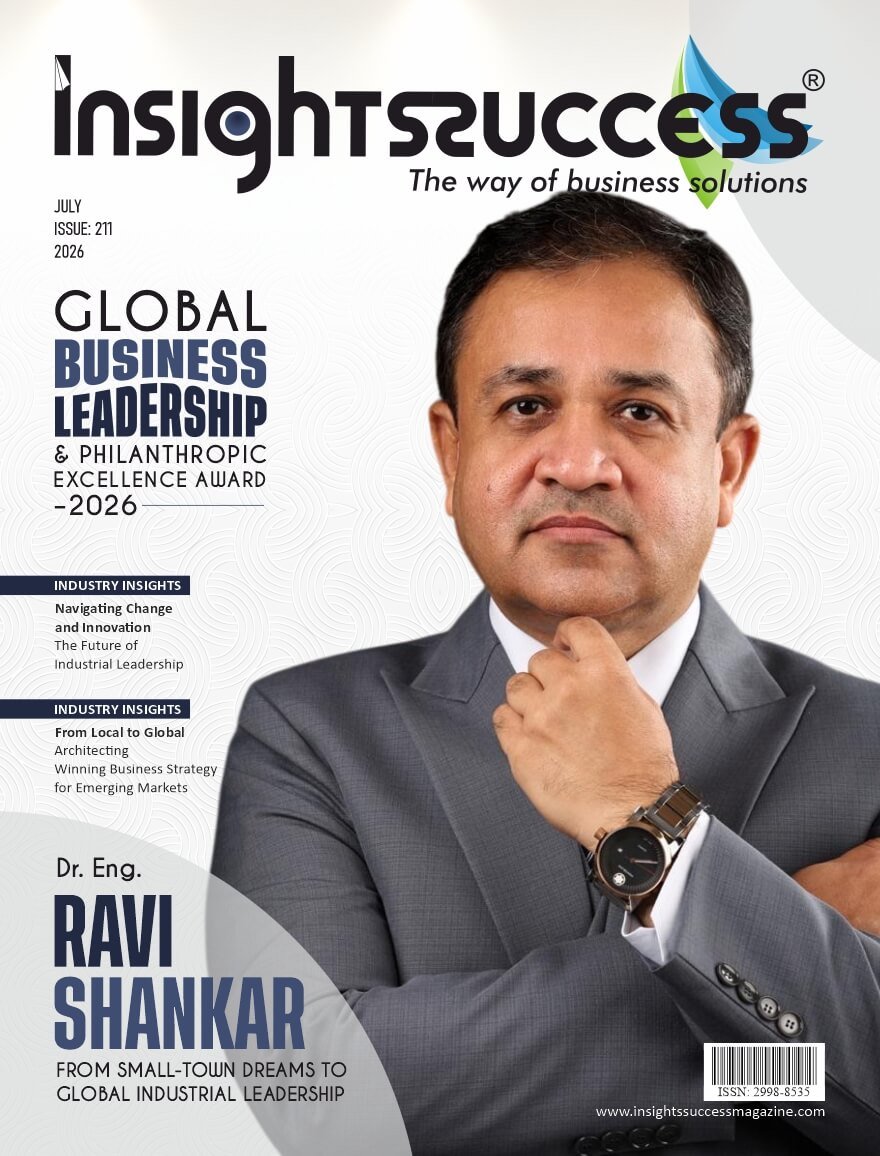
Global Business Leadership & Philanthropic Excellence Award – 2026
Global Business Leadership & Philanthropic Excellence Award – 2026 This edition celebrates visionary leaders who combine business success with a deep commitment to social impact. This prestigious recognition honors individuals and organizations driving innovation, ethical leadership, and meaningful philanthropy while creating lasting value for communities, industries, and the global economy. Digital Link Quick highlights Quick reads
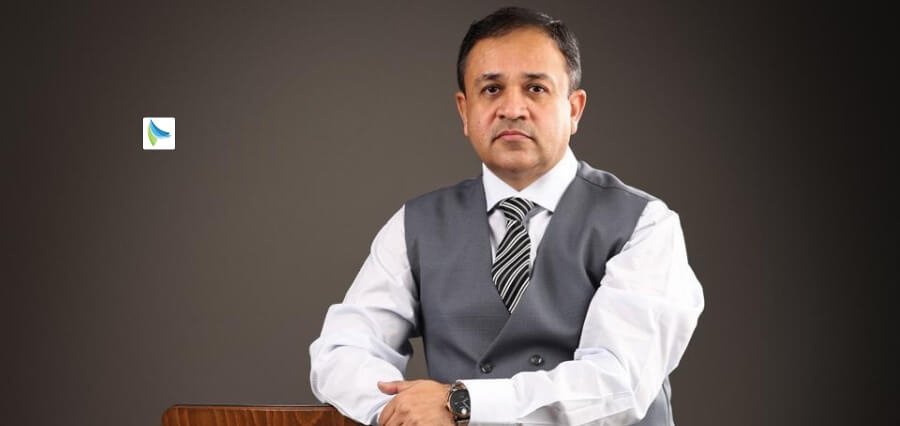
Dr. Eng. Ravi Shankar: From a Small Town with Big Dreams to Building an Industrial Legacy Across Three Continents
Dubai has a particular relationship with ambition. It draws people from every corner of the world who arrive not because the path is easy but because the possibility feels real, and it rewards those who come prepared to work harder than the city itself demands. Dr. Eng. Ravi Shankar arrived in that spirit. He came from a small town where government schools and limited resources were the starting conditions, not the excuse, and he brought with him an academic portfolio that most professionals never accumulate across an entire career: Mechanical Engineering, an MBA in Marketing, master’s degrees in Sociology and Education, and a Diploma in Human Resources. He was not hedging his bets. He was building a foundation deliberately wide enough to support whatever he decided to construct on top of it. What he constructed was Efficient Air Conditioning Industries LLC, a manufacturing enterprise now operating across the GCC, West Africa, and the United States, and a leadership identity defined equally by what he has built commercially and what he has given back to the communities that shaped him. Today, Ravi Shankar is the Founder and CEO of Efficient Air Conditioning Industries LLC, a Dubai-based manufacturing enterprise established in 2016. He is also the author of Legacy to Leadership, a book that distills the hard lessons of his journey into a practical guide for aspiring entrepreneurs, and a committed servant of society through decades of active involvement with Rotary International. His story is not one of the inherited advantages. It is one of the constructed purposes, built decision by decision, over a career that refuses to stay inside a single lane. The Making of a Multidimensional Leader Ravi’s academic journey is unusual in its breadth, and that breadth was deliberate. Mechanical Engineering gave him the technical precision to understand industrial systems at their core. An MBA in Marketing gave him the commercial language to take those systems to market. Master’s degrees in Sociology and Education gave him the human context to understand the communities his businesses would serve and the teams they would need to build. A Diploma in Human Resources completed the picture by grounding him in the organizational architecture that makes companies function with consistency under pressure. Most business leaders develop depth in one discipline and borrow from others. Ravi Shankar built genuine fluency across all of them, and it shows in the way he leads with equal confidence in technical decisions, commercial strategy, team development, and community engagement. That foundation did not insulate him from difficulty. It equipped him to navigate it with more tools than most. He reflects, “Your starting point does not define your destination; your determination does.” Building Efficient Air Conditioning Industries from the Ground Up The founding of Efficient Air Conditioning Industries LLC in Dubai in 2016 was not a calculated exit from a comfortable corporate career. It was a leap taken with full awareness of the risk and a clear-eyed understanding of what the HVAC manufacturing sector in the region needed. Ravi Shankar left the security of employment behind and began building from scratch, and the early days were as demanding as any founder story tends to be. He describes sitting on the floor, working through the night, facing financial pressures that would have ended a less committed venture, and navigating operational challenges that arrived without warning and required improvised solutions. What sustained the company through those early years was not capital or connections but character: the same discipline and resilience he had been quietly accumulating across years of working in roles that never fully matched his ambition. The company grew. It expanded into the GCC, establishing a regional footprint that positioned it among the credible players in a market that rewards technical quality and operational reliability above all else. It then extended further into West Africa and the United States, a geographic reach that speaks not just to commercial ambition but to the genuine transferability of the products and solutions Efficient Air Conditioning Industries produces. The company has created jobs, developed innovative HVAC solutions tailored to the energy and climate demands of different markets, and built a manufacturing operation whose growth has been recognized through prestigious industry awards. For Ravi Shankar, the milestone that matters most is not the revenue or the geography, but the value created for clients, employees, and communities along the way. Three Principles That Guide Every Decision Ask Ravi Shankar to distill his leadership philosophy, and he does it without hesitation: Integrity, Innovation, and People. These are not values written on a wall and forgotten between strategy meetings. They are the operating principles that have guided every significant decision he has made as a business leader, and the sequence of matters. Integrity comes first because trust is the foundation everything else is built on. Without it, client relationships erode, team cohesion fractures, and the long-term sustainability he prizes above short-term gains becomes impossible to maintain. Innovation comes second because the HVAC and manufacturing sectors are not static. The market is moving toward smart, energy-efficient solutions, and companies that fail to lead that transition will be displaced by those that do. People come third not because they matter least but because they are the mechanism through which integrity and innovation actually manifest in the world. His decision-making framework reflects this sequence consistently. He evaluates strategic options through the lens of long-term sustainability, holds accountability as a non-negotiable standard across all levels of the organization, and deliberately creates the conditions for his teams to take ownership of their work. The result is a culture where creativity is not just encouraged but expected, where clear goals align effort with outcome, and where responsibility is distributed rather than concentrated at the top. He states, “Leadership is not authority; it is responsibility. Great leaders don’t create followers; they create more leaders.” The Future of Manufacturing: Sustainability, AI, and Smart Solutions Ravi Shankar has spent enough time inside the manufacturing and industrial sectors to read their trajectory with confidence. The next decade,
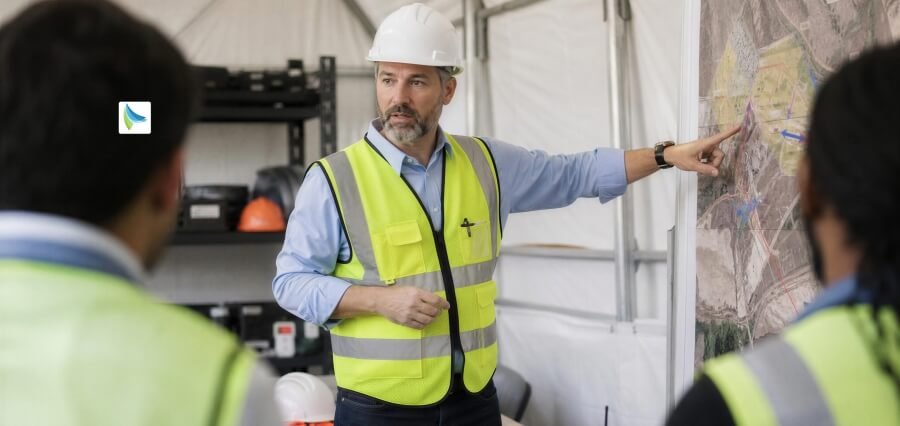
The Future of Industrial Leadership
Navigating Change and Innovation This is the era when the industrial leaders will shape the future. Taking into account the technological advancements, the changing needs of consumers, the sustainable development goals and the problems associated with the international business environment, it can be said that the ways of doing business and competition will surely be changed. The old industrial leaders who were more concerned with the efficiency and profitability of their organizations will be forced to innovate, unleash human potential, digitize and build resilience. The new industrial leader will not have to manage the factory but the transformational management. The Future of Industrial Leadership Begins with Digital Transformation The entire process of digital transformation is what the industry requires now for survival. Numerous technologies, such as AI, IoT, cloud computing, robotics, and predictive analytics are transforming manufacturing and logistics. However, digital transformation cannot be regarded as just the implementation of new technology. The leaders realize that digital transformation cannot take place without changes in the company’s culture, employee involvement, and learning opportunities. It is important to encourage experimenting within the team and ensure that innovation will meet the needs of the business. Visionary industrial leaders do not consider automation a way to eliminate humans. Instead, automation makes it possible to free people from routine tasks and provide them with the chance to think out of the box. The Future of Industrial Leadership Depends on People-First Leadership Despite all the developments towards automation, humans continue being the greatest asset in every industrial company. The future of Industrial Leadership will be determined by those leaders who place special importance in investing in their employees, taking care to improve the welfare of their workforce, and in cultivating a working atmosphere that fosters innovation. Current professionals want to receive competitive salaries, but apart from this they want to do something meaningful, gain growth opportunities, flexibility in working conditions when it is possible, and feel that their job matters to the management. Industrial leaders realize that empowered employees perform well. They promote collaboration among various departments, constant skill development, and a diverse working environment, which enables effective decision-making. Innovation Will Shape the Future of Industrial Leadership Innovation has ceased to be an aspect that is confined only to the R&D departments. Innovation is one such aspect of leadership that has an influence on research and development, manufacturing processes and other aspects within various industries. Leaders need to ensure that curiosity is encouraged within their organizations and that innovation is fostered through experimentation and creation of an environment in which calculated risks are not only encouraged but are accepted. Innovation should be made a part of the organizational culture rather than a stand-alone activity. The most progressive industrial leaders also understand the fact that innovation is fostered by partnerships between technology firms, universities, start-ups and research centers. Innovation is not just the product but involves manufacturing processes, customer experience, sustainability strategy, workforce development and many more such areas. Sustainability Defines the Future of Industrial Leadership The approach of environmental sustainability is not just an obligation anymore, but it can become the strategy for enterprises. Consumers, investors, workers, and governments want enterprises to emit less CO2, to produce less waste, to use energy resources more efficiently, and to conduct sustainable production processes. Future industrial leaders have to make every single decision from the perspective of sustainability, instead of developing sustainability programs inside companies. Modern industrial leaders construct energy plants which work on renewable energy, apply circular economy, sustainable sourcing, and environmentally-friendly production. But they know that sustainable processes tend to be more efficient and cheaper, and also they develop a good image of their brands. Organizations that will be able to achieve their success and be sustainable at the same time, will be trusted and be sustainable enterprises. Data-Driven Decision Making in the Future of Industrial Leadership Industrial companies generate vast amounts of data every day from the activities. However, the issue now is not how to collect the data but how to turn it into knowledge for future benefits. Modern industrial managers leverage the power of dashboards, predictive analysis, and key performance indicators in order to make decisions more efficient and rapid. Data helps in optimizing the planning process, detecting potential maintenance issues, enhancing visibility in the supply chain and in satisfying customers. However, a good manager cannot be a manager who makes decisions only based on his/her analytical skills but also experience and intuition. Data can assist in decision-making but not replace it. Proper literacy of all leaders will provide companies with the ability to implement digitalization in an effective way. The Future of Industrial Leadership Requires Agile and Resilient Organizations The recent disruptions around the world have brought into light the fact that resilience is needed in ensuring the sustainability of Industrial Leadership. The disruptions like supply chain disruption, economic uncertainty, labor shortage, cyber threats, and regulation compliance need leaders who can react to any situation that arises unexpectedly. The future of Industrial Leadership lies with agile firms and not the firms with rigid business strategies. Agile leaders promote collaboration between various functional departments, decision-making becomes easier, and they help employees cope with market changes. Resilient leaders view uncertainty as an innovation opportunity and not as a threat to their operations. Resilience requires scenario planning, supply chain diversification, investment in digital infrastructure, etc. Developing Tomorrow’s Industrial Leaders Nowadays the development of leadership skills has become one of the most important investments that industrial enterprises can do. Future leaders should possess not only technical skills, but also emotional intelligence, strategic thinking skills, the ability to communicate and be flexible. The development of mentorship programs, leadership programs, continuous education and experience in different departments will prepare professionals to the increasing complexity of their work. Global perspective of future leaders, their understanding of different markets and connections between industries will not only increase their ability to make decisions, but also to the globalization of the economy. Industrial leadership cannot be viewed as senior management anymore. Leadership

Architecting Winning Business Strategy for Emerging Markets
From Local to Global Developing economies have turned out to be the liveliest forces of growth in the world economy. Most of the countries in Asia, Africa, Latin America, and the Middle East have seen rapid urbanization, digital eco systems, growth in purchasing power of the consumer, and increasing entrepreneurship. Such regions have enormous business potential, but only those businesses that understand the intricacies of such markets. It is unlikely that companies will be successful with the same business models that are being implemented by other companies in the developed economies. The reason behind this is that organizations must be able to develop business strategies that are flexible enough to meet the changing needs of the consumer, economic situation, and regulations. A good Business strategy for emerging markets must be a combination of both ambition and flexibility and must deliver value to all the stakeholders. Understanding the Need for a Business Strategy for Emerging Markets Among other qualities of emerging markets is constant change. The consumers in this market are dynamic, the technologies used here are quickly adopted, and there is always a continuous revision of policies to facilitate development. Even though these attributes bring many opportunities to the firms, they equally bring many uncertainties. The firms operating in these areas require not just the capital but the understanding of the local culture, consumer behavior, and competitive nature of the area. It is from an understanding of what is happening in that place that they will be able to identify what is missing and find innovative ways of addressing the problems of the consumers. For successful firms, the emerging markets are areas of innovation. Building a Customer-Centric Business Strategy for Emerging Markets In order for any organization to be successful, its first step should be understanding its customers. As far as the developing countries go, the expectations of the customers are diverse, depending on the operating regions, their economic standings, and whether they hail from urban or rural areas. It would be very risky for any organization to assume that one product would suit all of the segments. These organizations need to conduct market research and get feedback from customers consistently. Developments in technology have made some effective tools available to organizations, such as digital, social media, and mobile applications, through which organizations are able to get data on what customers like. Localization is not just translation but involves making sure that the products, pricing strategies, packing, customer service, and even marketing campaigns, among others, suit the culture. It is essential to ensure dynamism in view of the changing expectations. Innovation and Digital Transformation as Growth Drivers The technological advancements have now made it easier for businesses to enter the market space. Using connectivity through smartphones, cloud computing, AI and digital payments, businesses can now connect with their customers more than ever before. Such situations often result in “digital leapfrogging” in the emerging markets, where consumers skip the existing infrastructure and embrace only digital solutions. Such scenarios present themselves as many different business opportunities. It is crucial for organizations to offer innovative digital solutions that are both convenient and affordable. Through innovations in areas like e-commerce, financial services, telemedicine, and e-learning, businesses can find solutions to all problems. Innovation is not just confined to the external environment of businesses, but it also needs to take place in the internal environment too. From data-driven decision making, process automation to predictive analysis, innovation helps in managing the business operations. Creating Strong Local Partnerships The firm will hardly ever succeed in working in a vacuum, particularly in unknown markets. Through strategic alliances, companies can take advantage of local expertise, sales channels, regulation knowledge, and consumer confidence. Collaboration with local manufacturers, distributors, governmental organizations, startups, and educational establishments gives companies the chance to establish beneficial relations without taking much risk. With the help of strategic alliances, companies can learn about local specifics and adjust to business practices in that environment. Strategic alliances and joint ventures make it possible to enter into new markets quickly and share the company’s capabilities. It should not be forgotten that strategic alliances should not be viewed as purely transactional relationships; they imply long-term partnerships. Successful business environments in local markets become a valuable competitive advantage for companies. Managing Risk Through a Resilient Business Strategy for Emerging Markets There will always be uncertainties when there are possibilities of growth. Political, economic, logistics, inflation, currency, and regulation risks could significantly impact the performance of business. A resilient strategy of the business in the emerging economy is one which has an element of risk management and not problem solving. Scenario planning offers the chance to prepare for any situation while still maintaining flexibility. Supplier diversification, better cybersecurity, being financially prudent, and regulatory compliance are some of the factors that contribute to resilience. Organizations should continually keep track of developments in the environment and set up early warning systems. Investing in Local Talent and Leadership People will continue being the heart of sustainability for future company success. In the course of joining the emerging market, companies should do all that it takes to develop regional leaders instead of always getting information from outside sources. There is so much that regional experts can tell concerning consumers, cultural aspects, laws, and communities. Regional leadership will not only make the decision making process successful but also create corporate credibility. Corporate learning programs, leadership development activities, mentoring sessions, and open environment will help corporations get and retain the best employees. The employees who realize there are career opportunities will be excellent promoters of the corporate values. The reason why it is important to recruit different people is that they bring different perspectives. Sustainability as a Competitive Advantage Customers of this time have increased their expectations from the firms. The concerns that relate to the environment, governance, and social issues have become very important because of their impact on customers’ decisions and branding. Sustainable businesses must maintain good relationships with consumers, stakeholders, and the regulatory agencies. Examples

Kalshi Unveils Midterms Hub with Election Odds and Polling Data
Prime Highlights Kalshi launched the Midterms Hub to combine election odds, polls and fundraising data. More than $30 million has already been traded on its 2026 midterm election contracts. Key Facts Kalshi is a prediction market platform for event-based trading. The hub serves both traders and users seeking election insights. Background Kalshi has launched a new Midterms Hub that brings together prediction market data, polling trends, fundraising details and political news in one place. The platform aims to help users understand how traders expect the US midterm elections to unfold, even if they do not take part in trading. The hub displays the latest market odds for individual US Senate and House of Representatives races on an interactive national map. It also compares prediction market odds with polling averages, provides the latest campaign fundraising information from official election filings and offers political analysis to give users broader context. Kalshi said the feature is designed for people who want election insights rather than trade contracts. According to the company, nearly three-fourths of visitors use the platform only to check current market odds instead of placing trades. Chief Executive Officer Tarek Mansour said prediction markets offer a different view because they reflect the opinions of people willing to back their expectations with money. He added that this approach can reduce the influence of political bias and provide a clearer picture of public expectations. The Midterms Hub is part of Kalshi’s wider effort to expand its political offerings before the November midterm elections. Earlier in May, the company introduced the American Power Index, a tool that tracks which political party appears to be gaining or losing strength based on market activity. Interest in political prediction markets is expected to increase as the election approaches. Trading activity during the previous US presidential election showed strong demand for such markets. More than $30 million has already been traded on Kalshi contracts linked to which political party will control the House of Representatives and the Senate after the upcoming midterm elections. Read Also : Samsung Launches First US Co-Branded Credit Card With Barclays
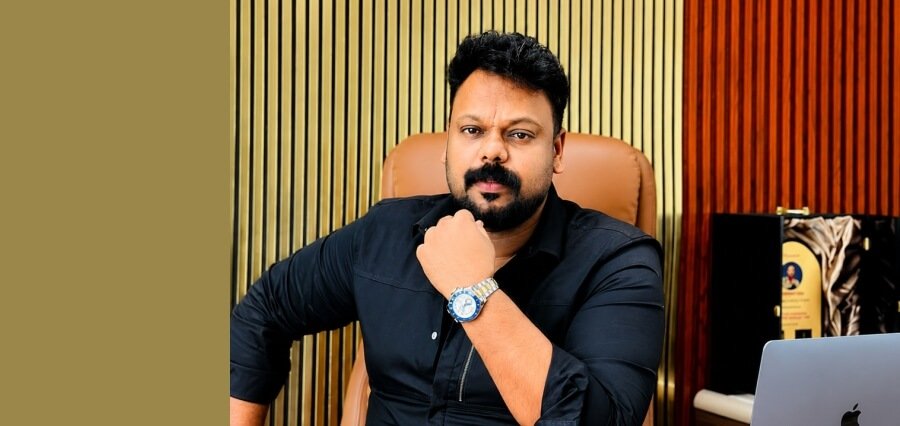
The Man Behind the Vision: Dr. Mohamed Shihab and the Rise of Armani Healthcare
Dubai’s skyline is full of towers built to break records. But some of the city’s more interesting projects aren’t made of glass and steel at all; they’re built around an idea. One of those belongs to Dr. Mohamed Shihab, known across business and healthcare circles as Dr. Shihab Sha, founder of Armani Healthcare Group. What started as a single medical clinic in Downtown Dubai has grown steadily into a wider healthcare ecosystem. To understand how that happened, it helps to look past the marble floors and designer waiting rooms and focus on the thinking behind them. Finding Space in a Crowded Market Dubai’s healthcare sector was never short on competition. The emirate already has plenty of hospitals, wellness centers, and medical tourism packages chasing patients from around the world. Standing out in that environment takes more than good doctors and modern equipment. It takes a distinct identity. Dr. Shihab’s approach was to treat healthcare as an experience rather than a transaction where clinical excellence and hospitality-level comfort sit side by side. That thinking became Armani Clinics, a facility built around personalized care, advanced treatment, and an atmosphere closer to a private members’ club than a typical medical office. Choosing Downtown Dubai as its home was itself a statement: this brand wasn’t hiding on the outskirts. It wanted to sit among the city’s most prestigious addresses from day one. The Groundwork Nobody Sees Few businesses reward patience the way healthcare does. Founders in this industry carry a different kind of pressure than those in retail or tech, because the stakes involve people’s health, not just their wallets. Trust has to be earned one patient at a time, and it can’t be rushed. Accounts of Dr. Shihab’s career describe years of groundwork, relationship-building, planning, and persistence long before Armani Clinics reached the position it holds today. That’s usually how it goes. The real work happens quietly, well before anyone shows up for a ribbon-cutting. From Clinic to Ecosystem The vision has expanded again with the launch of Armani Pharmacy, extending the group beyond clinical treatment into wellness products, longevity-focused offerings, and health experiences for patients who want more than a prescription filled. They want an ongoing relationship with their own well-being. Alongside this, the broader Armani Holding structure has continued branching out, with reported plans touching pharmaceutical manufacturing, distribution, and related sectors. That points to a long-term strategy rather than a single clinic coasting on its reputation. A Consistent Idea, Repeated What makes this story worth following isn’t the growth figures or the Downtown Dubai address. It’s how consistent the underlying idea has stayed. Everything under the Armani name, the original clinic, the newer pharmacy venture, circles back to the same values often tied to the brand: trust, quality, and excellence. Whether or not the luxury healthcare model appeals to everyone, it’s clear Dr. Shihab spotted a gap: patients who wanted five-star treatment alongside five-star medicine. He built a business specifically to fill it. Riding Dubai’s Broader Wave There’s also a timing element worth noting. Dubai has spent the past decade positioning itself as a global hub for medical tourism, wellness retreats, and longevity science, drawing patients who might once have flown to Switzerland or Singapore for similar care. Armani Healthcare Group’s expansion fits that larger story, giving Dr. Shihab’s venture momentum beyond his own efforts alone. What Comes Next None of this guarantees smooth sailing. Luxury healthcare is a demanding category; it requires constant reinvestment, an ability to attract top medical talent, and a reputation that can hold up under scrutiny in an industry where mistakes carry real consequences. Whether Armani Healthcare Group becomes a lasting institution or one strong chapter in Dubai’s healthcare story will depend on how it handles this next stage. For now, Dr. Mohamed Shihab’s journey is a case study in what happens when persistence is guided by a clear vision of what healthcare should feel like for the people walking through its doors. Armani Clinics and Armani Pharmacy are, ultimately, not just about buildings or prescriptions, but about the belief that comfort, compassionate care, and credibility can coexist. In a city defined by ambition, they demonstrate that healthcare can be just as forward-thinking, patient-centric, and ambitious. Read Also : Architecting Winning Business Strategy for Emerging Markets
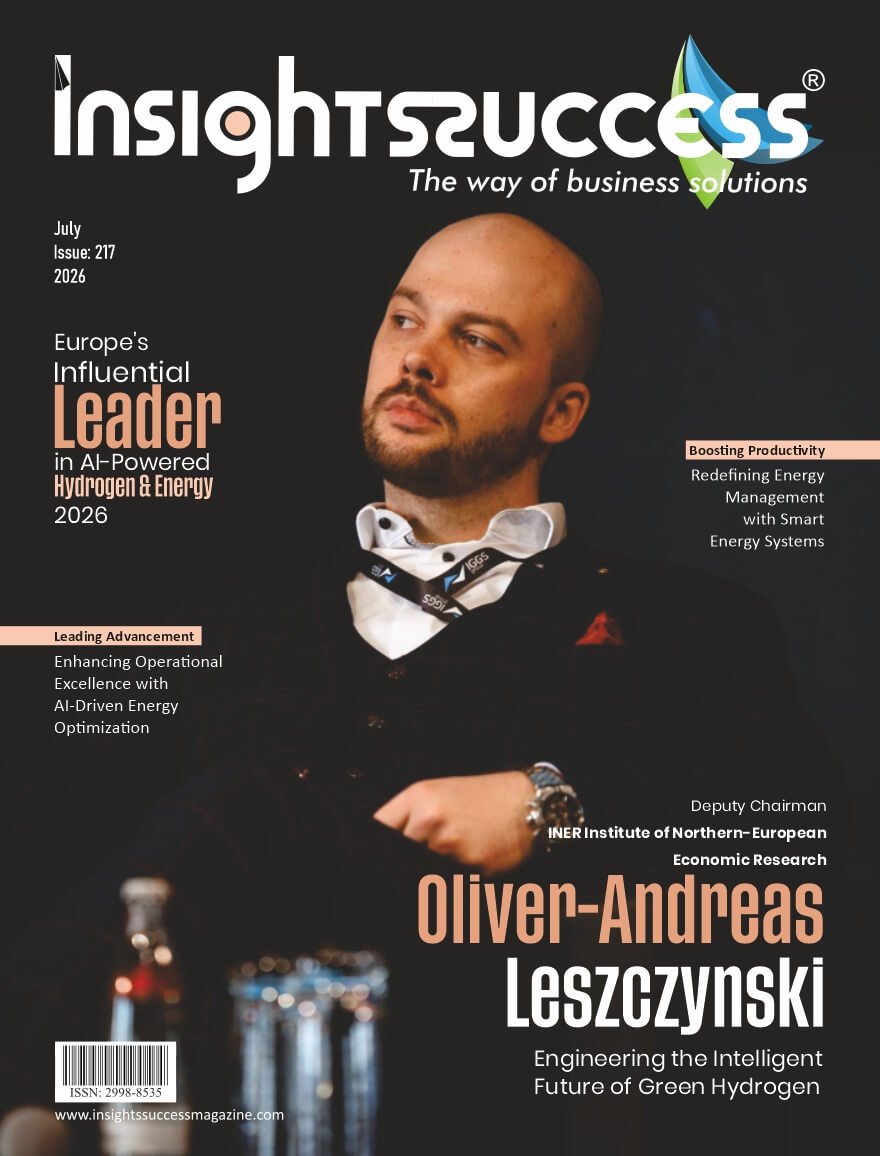
Europe’s Influential Leader in AI-Powered Hydrogen & Energy, 2026
Europe’s Influential Leader in AI-Powered Hydrogen & Energy, 2026 Oliver-Andreas Leszczynski, Deputy Chairman of the INER Institute of Northern-European Economic Research, is a recognized expert in industrial artificial intelligence, green hydrogen, and synthetic fuels. By integrating AI, digital twins, predictive analytics, and systems-level engineering, he is advancing practical, auditable frameworks that improve industrial efficiency, strengthen investment confidence, and support the commercialization of sustainable energy solutions. Digital Link Quick highlights Quick reads