





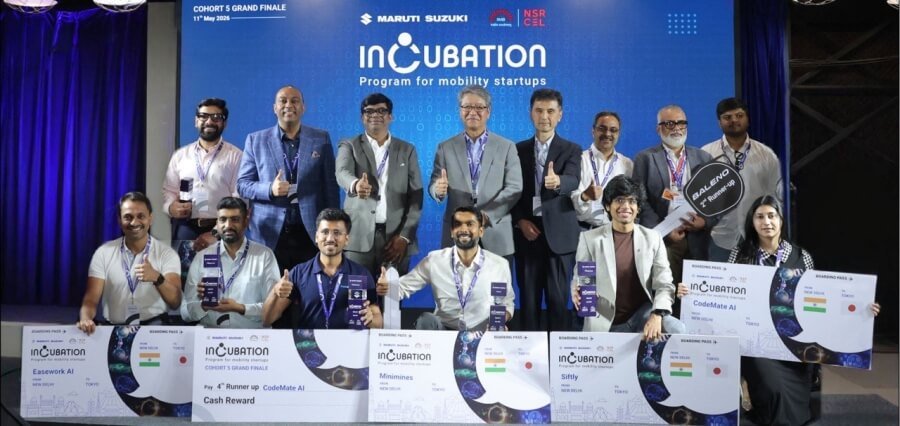
Maruti Suzuki Partners with Five Startups to Accelerate Innovation Across Business Operations
Collaboration under the fifth cohort of the Maruti Suzuki Incubation Program focuses on AI, sustainability, software development, and customer experience New Delhi, India: (June 29, 2026) Maruti Suzuki India Limited has announced collaborations with five technology startups under the fifth cohort of its Maruti Suzuki Incubation Program (MSIP), reinforcing the company’s commitment to fostering innovation through the startup ecosystem. The selected startups, MiniMines, Easework AI, Sarvam AI, Siftly, and CodeMate AI, will work with Maruti Suzuki to develop solutions aimed at improving operational efficiency, enhancing customer engagement, and advancing sustainability initiatives. The incubation program is conducted in partnership with the Nadathur S. Raghavan Center for Entrepreneurial Learning (NSRCEL), the startup incubation hub of the Indian Institute of Management Bangalore (IIM Bangalore). Driving Innovation Through Startup Collaboration The latest partnerships form part of Maruti Suzuki’s broader open innovation strategy, which brings together emerging technology companies and industry expertise to address evolving business challenges. The selected startups will collaborate across a range of strategic areas, including artificial intelligence, workflow automation, battery recycling, multilingual customer engagement, software development, and digital brand visibility. Commenting on the announcement, Hisashi Takeuchi, Managing Director and Chief Executive Officer of Maruti Suzuki India Limited, said: “At Maruti Suzuki, we believe collaboration with startups plays an important role in driving practical innovation and addressing real-world business challenges. We are pleased to welcome five new startups into our innovation ecosystem. Their solutions will contribute to improving customer engagement, strengthening operational efficiency, accelerating software development, and supporting our sustainability objectives, including the responsible recycling of end-of-life lithium-ion batteries.” Startups to Address Key Business Priorities Each startup has been selected to support a specific business function aligned with Maruti Suzuki’s long-term innovation roadmap. MiniMines will develop environmentally responsible solutions for recycling end-of-life lithium-ion batteries while recovering valuable raw materials, supporting the company’s sustainability initiatives as electric mobility continues to expand. Easework AI will deploy agentic artificial intelligence to automate procurement workflows associated with indirect consumables, helping streamline internal business processes and improve operational efficiency. Sarvam AI will develop multilingual generative AI-powered customer engagement agents designed to enhance communication and service experiences across multiple customer touchpoints. Siftly will leverage generative AI technologies to strengthen Maruti Suzuki’s digital brand visibility and marketing effectiveness through intelligent content and audience engagement solutions. CodeMate AI will introduce artificial intelligence-driven software development tools aimed at accelerating the creation and deployment of business applications used across the organization. Building a Strong Startup Innovation Ecosystem Maruti Suzuki has steadily expanded its innovation platform over the past seven years to encourage collaboration with India’s growing startup ecosystem. During this period, the company has evaluated approximately 7,400 startups, engaged with more than 250 ventures, and established long-term partnerships with 38 startups whose solutions have been integrated into various business functions. The company’s innovation initiatives are designed to identify emerging technologies with the potential to improve manufacturing, mobility, sustainability, customer experience, and enterprise operations. Multiple Programs Supporting Mobility Innovation Maruti Suzuki currently operates several innovation-focused initiatives tailored to startups at different stages of growth. The Maruti Suzuki Accelerator, launched in 2019, works with growth-stage startups to co-develop advanced technologies for the automotive manufacturing and mobility sectors. The Maruti Suzuki Incubation Program, introduced in 2020 in collaboration with NSRCEL at IIM Bangalore, focuses on nurturing early-stage technology startups developing next-generation mobility solutions through mentorship, business guidance, and access to academic and entrepreneurial resources. The Mobility Challenge, launched in 2021, provides a platform for mature startups to showcase emerging mobility technologies and innovative business solutions. In 2023, the company introduced Nurture, a pre-incubation initiative developed with IIM Calcutta Innovation Park to support idea-stage entrepreneurs working on future mobility concepts. More recently, FundRays, launched in partnership with the Indian School of Business (ISB), Hyderabad, helps alumni startups from Maruti Suzuki’s innovation programs strengthen investment readiness and access growth capital. Strengthening Innovation for the Future of Mobility As the automotive industry undergoes rapid transformation driven by electrification, digitalization, artificial intelligence, and sustainability, collaborations between established manufacturers and technology startups are becoming increasingly important. Through initiatives such as the Maruti Suzuki Incubation Program, the company aims to accelerate the adoption of emerging technologies while supporting India’s startup ecosystem and advancing the development of future mobility solutions. About Maruti Suzuki India Limited Maruti Suzuki India Limited is India’s largest passenger vehicle manufacturer and a subsidiary of Suzuki Motor Corporation, Japan. The company offers a comprehensive portfolio of passenger vehicles and continues to invest in advanced manufacturing, sustainable mobility, digital transformation, and customer-centric innovation. Through its various startup engagement and innovation programs, Maruti Suzuki works with entrepreneurs, technology companies, academic institutions, and industry partners to develop practical solutions that address evolving business and mobility challenges. Media Contact Corporate Communication Maruti Suzuki India Limited 1, Nelson Mandela Road, Vasant Kunj, New Delhi – 110070 Phone: +91-11-4678 1000 Email: corp.comm@maruti.co.in Website: www.marutisuzuki.com X (formerly Twitter): @Maruti_Cor Read Also: Doctors Warn Diabetes is Driving Rise in Early-Onset Cataract Cases Across India

Doctors Warn Diabetes is Driving Rise in Early-Onset Cataract Cases Across India
Ophthalmologists report an increasing number of adults in their 40s and 50s developing cataracts as diabetes and metabolic disorders continue to rise Mumbai, India: (June 26, 2026) Ophthalmologists across India are reporting a growing incidence of cataracts among adults in their 40s and 50s, with diabetes increasingly being identified as a significant underlying risk factor. As the prevalence of diabetes continues to climb nationwide, eye specialists say persistently elevated blood glucose levels are accelerating changes in the eye’s natural lens, resulting in earlier onset and faster progression of cataracts. Medical experts caution that cataracts can no longer be regarded solely as an age-related condition. The increasing burden of diabetes, obesity, hypertension, and other metabolic disorders is contributing to a noticeable shift in the age profile of patients requiring cataract treatment, highlighting the need for greater awareness, routine eye examinations, and effective management of chronic health conditions. Growing Diabetes Burden Raising Concerns for Eye Health India is home to more than 101 million adults living with diabetes and an estimated 136 million individuals with prediabetes, according to the International Diabetes Federation. Healthcare experts expect these numbers to continue rising over the coming years, increasing the risk of diabetes-related complications affecting multiple organs, including the eyes. While diabetic retinopathy remains one of the most widely recognized vision-threatening complications associated with diabetes, ophthalmologists say cataracts are emerging as another significant concern. Long-term exposure to elevated blood sugar levels can alter the structure of the eye’s natural lens, leading to clouding that develops earlier than typically expected and progressively impairs vision. Cataracts Increasingly Affecting the Working-Age Population According to specialists, the impact of early cataracts is becoming more pronounced among working professionals whose daily routines rely heavily on digital devices, prolonged screen exposure, and activities such as driving. Common symptoms include blurred or cloudy vision, increased sensitivity to glare, reduced contrast sensitivity, difficulty reading digital screens, and frequent changes in spectacle prescriptions. Left untreated, these symptoms can significantly affect productivity, mobility, and overall quality of life. Commenting on the trend, Dr. Mubashir Parkar Mohammed, Consultant Ophthalmologist at Dr. Agarwal’s Eye Hospital, Vashi – Sector 12, said: “Diabetes is increasingly being recognized as a major contributor to early cataract development. We are seeing a growing number of patients in their forties and fifties presenting with cataracts, particularly those with poorly controlled blood sugar levels. Lens changes often develop gradually, but they can substantially affect vision during an individual’s most productive years. Regular comprehensive eye examinations are essential for detecting these changes early and enabling timely treatment before vision loss becomes more significant.” Misconceptions Continue to Delay Treatment Despite advances in cataract surgery and growing public awareness about eye health, specialists say misconceptions surrounding cataract treatment continue to delay timely medical intervention. According to Dr. Mohammed, many patients continue to believe that cataracts should only be removed after they have “matured” or assume that declining vision is simply an unavoidable part of ageing. Others mistakenly expect medications or eye drops to reverse cataract formation, despite there being no clinically proven non-surgical treatment capable of restoring lens clarity. “Delaying surgery based on these misconceptions can result in more advanced cataracts that may be technically more challenging to treat and could potentially influence visual recovery. Seeking medical evaluation as soon as symptoms develop allows patients to receive appropriate guidance and treatment at the right time,” he said. Early Detection Remains Key to Preserving Vision Ophthalmologists recommend that adults over the age of 40, particularly those living with diabetes, hypertension, obesity, or other metabolic conditions, undergo regular comprehensive eye examinations even in the absence of noticeable symptoms. Early diagnosis enables clinicians to monitor cataract progression, assess overall eye health, and determine the most appropriate timing for treatment. Modern cataract surgery is widely regarded as a safe and highly effective procedure, with early intervention often contributing to improved visual outcomes and faster recovery. To encourage greater awareness and promote early diagnosis, Dr. Agarwal’s Eye Hospital has announced complimentary cataract eye evaluations for members of the public until July 15, 2026. Interested individuals can register by calling 95945 86999. About Dr. Agarwal’s Health Care Limited Dr. Agarwal’s Health Care Limited is one of India’s leading eye care providers, delivering comprehensive ophthalmic services across a broad network of hospitals and vision centers. The organization currently operates more than 285 facilities across 80 cities and four Union Territories in India, in addition to 16 centers across nine countries in Africa. Its clinical services include cataract surgery, refractive surgery, retina care, glaucoma treatment, corneal services, pediatric ophthalmology, oculoplasty, and other specialized eye care solutions. The organization also offers optical products, contact lenses, diagnostic services, and ophthalmic pharmaceutical products, serving millions of patients annually through its integrated eye care network. For more information, visit www.dragarwal.com. Read Also: The Lozenge Reimagined: Inside Medilab Healthcare’s Quiet Revolution

The ePlane Company Completes Full-Scale Assembly of e200X eVTOL Aircraft, Advancing Toward Certification and Commercial Operations
Milestone marks transition from design and simulation to ground and flight testing for the company’s electric air mobility platform CHENNAI, India, (June 24, 2026) The ePlane Company today announced the completion of the assembly of its full-scale electric vertical takeoff and landing (eVTOL) aircraft, the e200X, marking a significant milestone in the company’s development program and its broader vision for urban air mobility. The completed prototype, designated PT-01, integrates the aircraft’s major systems into a single operational airframe and moves the program from the design and simulation phase into ground and flight testing. The e200X has been developed as a versatile platform capable of serving multiple use cases, including passenger air taxi services, urban cargo transportation, and emergency medical response. A Critical Milestone in Aircraft Development The completion of a full-scale aircraft represents a pivotal stage in any aerospace development program. Beyond validating engineering concepts, it demonstrates that a design can be manufactured at operational scale, that production tooling and supply chains are functioning effectively, and that critical subsystems can be successfully integrated into a complete aircraft. For the ePlane Company, the achievement signals the transition from conceptual development to real-world validation and testing. The e200X will now enter an extensive ground testing phase, during which engineers will evaluate structural integrity, system performance, and operational reliability under simulated aerodynamic and mechanical conditions. Successful completion of these tests will be followed by flight trials and the certification process required for commercial deployment. Designed and Built in India The e200X has been engineered and assembled at the company’s facilities in India, with several major components—including the airframe structure, propellers, landing gear, and battery systems—developed in-house. This vertically integrated approach provides the company with greater control over product development, manufacturing efficiency, and design iteration compared with industry models that rely heavily on externally sourced systems and assemblies. According to the company, this strategy has enabled the program to reach its current stage while maintaining a capital-efficient development approach. To date, the company has raised approximately US$21 million, significantly lower than the funding levels reported by many global eVTOL programs. Addressing Emerging Urban Mobility Challenges The e200X has been designed to address growing transportation challenges faced by cities worldwide, including congestion, logistics efficiency, and access to time-sensitive medical transportation. The aircraft’s adaptable platform architecture enables deployment across three primary operational segments: passenger transportation, urban cargo movement, and emergency medical services. This flexibility allows operators to utilize a common airframe across multiple mission profiles while leveraging existing urban infrastructure. The need for such solutions is becoming increasingly evident as urban populations continue to grow and transportation networks face mounting pressure. In healthcare, rapid access to emergency care remains a critical challenge. According to global health data, timely intervention during the first hour following major trauma or cardiac events can significantly influence patient outcomes. Leadership Perspective Commenting on the milestone, Prof. Satya Chakravarthy, Founder of The ePlane Company, said: “Our objective has been to build a world-class electric aircraft engineered and manufactured in India for global markets. We deliberately designed the e200X to operate efficiently within existing urban environments rather than requiring entirely new infrastructure. The platform’s ability to serve passenger, cargo, and emergency medical applications through a common airframe reflects our commitment to practical innovation, operational flexibility, and capital-efficient engineering.” Positioned Within a Rapidly Growing Market Industry forecasts continue to highlight significant growth opportunities within the electric aviation and urban air mobility sectors. Independent market analyses estimate that the global eVTOL industry, valued at approximately US$1.3 billion in 2023, could expand into a market worth between US$20 billion and US$30 billion by the end of the decade. As governments, regulators, and industry stakeholders increasingly explore sustainable transportation solutions, aircraft platforms capable of reducing congestion and improving mobility are expected to play an important role in future transportation ecosystems. Backed by Experienced Industry Leadership The ePlane Company’s strategic direction is supported by a board that combines expertise across aviation, technology, investment, and business scaling. The board includes Vishesh Rajaram, Founder and Managing Director of Speciale Invest; Eash Sundaram, former Executive Vice President and Chief Digital and Technology Officer at JetBlue and founder of JetBlue Technology Ventures; and Aditya Ghosh, former President of IndiGo and co-founder of Akasa Air. Founder Prof. Satya Chakravarthy and Chief Financial Officer Jayakrishnan R continue to lead the company’s technology development and operational strategy. Next Steps Toward Commercialization The company plans to publicly unveil the completed e200X in the coming weeks before commencing a comprehensive ground testing campaign. Subsequent flight testing will build on experience gained through earlier subscale prototype programs. The ePlane Company intends to pursue Type Certification through India’s aviation regulator, the Directorate General of Civil Aviation (DGCA), and subsequently seek international certification validations to support global market expansion. Initial commercial deployment is expected to focus on early operational use cases before scaling across passenger transportation, cargo logistics, and medical mobility applications as regulatory milestones are achieved. The company has also gained international recognition for its work in advanced aerospace technology. Incubated at the Indian Institute of Technology Madras, ePlane was featured among the deep-technology ventures showcased at Bharat Innovates 2026 in France and was recently highlighted during NVIDIA founder and CEO Jensen Huang’s keynote presentation at GTC Taipei. About The ePlane Company The ePlane Company is an aerospace technology company developing electric vertical takeoff and landing (eVTOL) aircraft for passenger transportation, cargo logistics, and emergency medical applications. Incubated at the Indian Institute of Technology Madras, the company focuses on building scalable, sustainable, and commercially viable urban air mobility solutions designed for global markets. Read Also: Leadership Beyond Authority: The Power of Understanding Before Being Understood

The Lozenge Reimagined: Inside Medilab Healthcare’s Quiet Revolution
Pick up a lozenge, and you know exactly what you are holding. You have held one before, probably while nursing a cold or fighting a scratchy throat on a flight. It is a familiar object; compact, unassuming, a little medicinal. What Medilab Healthcare Pvt Ltd is doing is taking that familiar object and quietly filling it with something entirely new Most revolutions announce themselves loudly. This one comes wrapped in a small, round disc that dissolves on your tongue, and it is changing what Indian healthcare looks like from the inside out. The Pune-based manufacturer has spent years building what is now one of India’s most extensive lozenge portfolios, over 250 formulations across health categories that the format has never traditionally served. Women’s health. Sports nutrition. Heart care. Stress relief. Children’s wellness. The lozenge, in Medilab’s hands, is no longer just a sore throat remedy. It has become a delivery vehicle for daily, preventive, targeted wellness. And this, the company says, is only the beginning. A Problem Worth Solving Compliance, actually taking the supplement consistently, is one of the most stubborn challenges in the wellness industry. Lozenges sidestep most of these objections. They require no water, no preparation, and no convincing yourself that the texture is acceptable. They dissolve at a pace that supports faster mucosal absorption for certain ingredients. They are, frankly, pleasant to consume, which matters more than the clinical literature tends to acknowledge. Medilab recognised this gap and built its entire product philosophy around it. If the format makes compliance easier, then the next question is simple: what else can we put in it? “Lozenges are no longer just for cough and throat relief; they are becoming a powerful and convenient platform for everyday wellness and advanced healthcare support.” First in India. Ready for the World. The phrase appears in Medilab’s corporate communication as a statement of intent, not marketing copy. What it describes is a concrete market reality: the company has developed India’s first wellness-focused lozenge range spanning nine distinct health categories, each formulated to address real, documented consumer health needs. Women’s Health Lozenges fill a gap that the Indian supplement market has historically addressed only through tablets and capsules, targeted nutrition for women’s specific physiological requirements, in a format that actually gets taken. Sports Nutrition Lozenges bring performance and recovery support to athletes who want something more convenient than a protein shake or a bulky supplement regimen. Immunity Support Lozenges combine vitamins, minerals, and herbal extracts in a daily-use format that makes consistency achievable. Digestive Wellness and Energy and Vitality variants address the two most common wellness complaints among working adults. Herbal Wellness Lozenges bring Ayurvedic ingredients into a precision-manufactured modern format. Heart Wellness Lozenges offer cardiovascular support in a form factor that lends itself to daily habit-building. Kids Wellness Lozenges solve perhaps the most underrated problem in paediatric health, getting children to actually consume their supplements willingly. And Stress Relief and Relaxation Lozenges address mental wellness at a moment when that category is finally receiving the commercial and clinical attention it has long deserved. Nine categories. Over 250 formulations. All developed in-house. All manufactured in a single certified facility. Where Ayurveda Meets the Lab Medilab’s formulation approach is not a compromise between tradition and science. It is an integration of both, and the distinction matters. The company’s Research and Development Centre employs scientists who work across Ayurvedic pharmacognosy and modern nutraceutical science simultaneously. An ingredient like Ashwagandha does not arrive in a Medilab formulation because it is trending. It arrives because its adaptogenic properties have been documented in traditional use for centuries and validated in contemporary clinical research, and because the R&D team has determined that it can be incorporated into a lozenge at effective concentrations without compromising the final product’s stability, taste profile, or shelf life. This is the kind of rigour that makes the company’s HALAL, GMP, ISO, and HACCP certifications meaningful rather than ornamental. Each certification reflects a manufacturing standard that international markets and regulatory bodies can independently verify. For global buyers, pharmaceutical companies in the Middle East, nutraceutical brands in Europe, and wellness distributors in North America, these certifications are the difference between a promising supplier and a credible long-term manufacturing partner. The Business Case for Lozenges Medilab’s story is not only a consumer story. A substantial part of what the company is building is an infrastructure for healthcare brands, pharmaceutical companies, and private-label entrepreneurs who want to enter or expand within the lozenge category. The contract manufacturing and private-label services Medilab offers are comprehensive. A brand that arrives with a product concept leaves with a finished, packaged, documented product ready for market entry. Formulation development, manufacturing, packaging design, regulatory compliance documentation, the company handles the entire value chain. For international partners in particular, this represents a significant reduction in the time, capital, and complexity typically associated with launching a new health product. The portfolio depth works in the client’s favour here. A brand that wants to launch across multiple wellness categories, say, an immunity range, a women’s health line, and a kids’ product, can do so through a single manufacturing relationship. Consistency in quality standards across all three products is assured because they emerge from the same facility, the same QC processes, and the same regulatory framework. “From concept to commercialisation, Medilab Healthcare offers innovative, high-quality lozenge solutions backed by in-house R&D, world-class manufacturing, and over 250 formulations designed for daily wellness and specialised healthcare needs.” What the Expansion Signals A company investing in manufacturing expansion is a company with conviction about its own future. Medilab’s announced infrastructure expansion goes well beyond lozenges; it is developing an integrated facility that will support Tablets, Capsules, Powders, Liquids, and Ointments alongside its existing lozenge manufacturing unit. The expanded setup includes Advanced Granulation Facilities, a dedicated Research and Development Centre, and Quality Control and Quality Assurance laboratories built to international standards. The full suite of dosage forms, Tablets, Capsules, Powders, Liquids, Ointments, and Lozenges, will be housed under a single roof
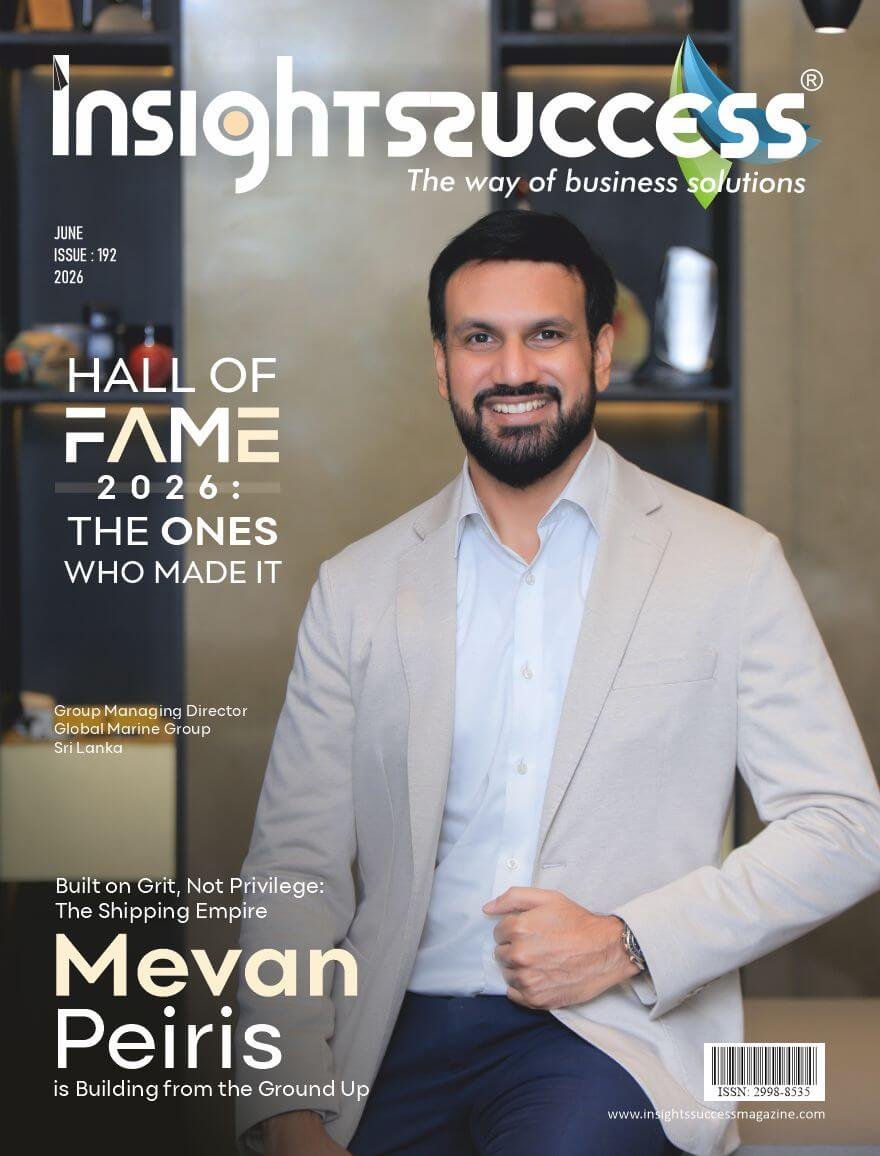
Hall of Fame 2026: The Ones Who Made It
Hall of Fame 2026: The Ones Who Made It The edition celebrates exceptional leaders whose vision, innovation, and enduring contributions have shaped industries, inspired excellence, and established a lasting legacy of leadership, influence, and transformative success. Digital Link Quick highlights Quick reads
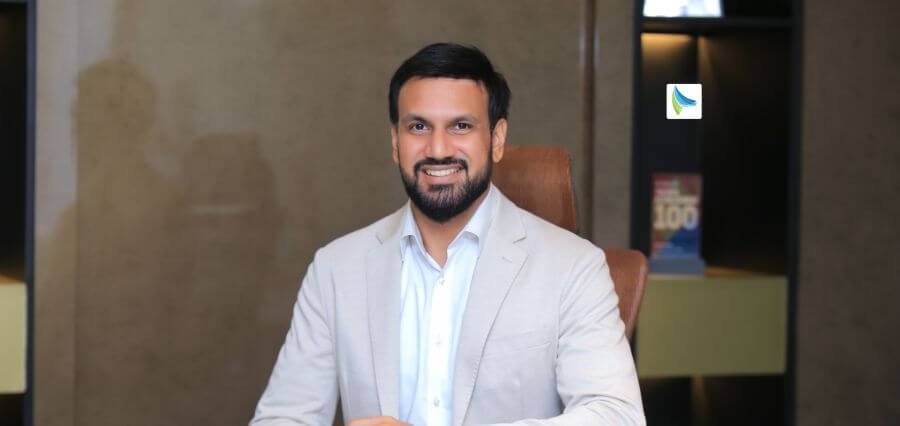
Built on Grit, Not Privilege: The Shipping Empire Mevan Peiris Is Building from the Ground Up
Growing up as the son of a ship captain who commanded commercial vessels with the same strict, almost military-like discipline he brought to running the family household, Mevan Peiris could have taken the easier path. The Ceyline Group his father built, one of the most diversified shipping conglomerates in Sri Lanka, represented a ready-made inheritance that most second-generation businesspeople would have embraced without question. Mevan Peiris chose differently. He did not want things handed to him. He wanted to build something on his own terms, using the work ethic and grit instilled by a father whose principles left no room for entitlement. That choice, made deliberately and held to even when it would have been more convenient to abandon it, is the organizing thread of a career that has taken him from a petrol station in Australia to the Group Managing Director of Global Marine Group, a rapidly expanding maritime conglomerate with ten subsidiaries spanning Sri Lanka, Singapore, and Dubai. His academic foundation was built across two continents. After completing his advanced level examinations at Royal College, one of Sri Lanka’s premier educational institutions, he moved to Australia, completed a bridging program in Economics and Accounting at Taylor’s College, and subsequently graduated from Monash University with a Bachelor of Business Management degree in 2009. He later became a member of the Chartered Institute of Logistics and Transport, adding professional credentials to an academic base that was already broader than most of his peers in the industry. He mentions, “I wanted to forge my own path. I didn’t want things to be handed to me. I wanted to build and run a business completely on my own terms.” Australia and the Education of an Entrepreneur The most instructive education of Mevan’s early career happened outside the classroom. His first job in Australia was at a BP petrol station, a detail he shares without embarrassment and with genuine appreciation. His father, despite building considerable success in Sri Lanka, insisted he fend for himself abroad. The lesson embedded itself permanently: customer service is not a department. It is the foundation of every business relationship worth building and understanding it from the front line rather than the executive suite produces a quality of commercial instinct that no degree program replicates. After completing his degree, he joined the Australian National Line as a trainee. From day one, his approach was unmistakable. Every opportunity that appeared, he applied for it. Every challenge that surfaced, he stepped toward rather than away from. Within five years, he was promoted three times, progressing from trainee to Cargo Superintendent, a trajectory that reflected not ambition for titles but a genuine and consistent drive to improve, learn, and contribute at a higher level with each passing year. He asserts, “I wasn’t motivated by titles. What drove me was the desire to improve, learn, and make a difference.” Coming Home and Earning Respect In 2012,Mevan Peiris returned to Sri Lanka and joined what was then the family business. He could have entered at a senior level given his experience and his family name. Instead, he joined as a Business Development Manager, starting at the ground floor because that was how his family believed respect genuinely had to be earned, and it was a belief he shared completely. It was not a symbolic gesture designed for appearances. It was a genuine conviction that trust within an organization, particularly one where your surname already carries considerable weight, must be built through performance rather than inherited through association. The turning point that defined his internal reputation came when he began volunteering to take over underperforming companies within the group. Colleagues and experienced advisors told him to avoid it. Getting involved with struggling businesses, they argued, was an unnecessary risk to his reputation and his longer-term future. Mevan Peiris was not interested in protecting his reputation through avoidance. He was interested in building it through demonstrable results. He took on underperforming entities in healthcare, freight forwarding, and logistics. Together with the teams involved, he turned those businesses around and returned them to growth. Between 2018 and 2022, he grew the overall business fivefold, a trajectory that continued even through the disruption of COVID-19, which in his hands became not a crisis to be survived passively but a strategic opportunity to be recognized and seized before anyone else had framed it that way. He highlights, “People often think opportunities are handed to you in a family business. I knew that if I wanted respect, I had to earn it through results.” The Pandemic Strategy That Changed Everything When COVID-19 hit global shipping, over 150,000 seafarers were stranded on vessels worldwide. Crew changes had become logistically impossible as borders closed, and lockdowns took hold simultaneously across every major maritime nation. For most operators, it was a problem to endure and wait. For Mevan Peiris , it was a problem to be solved, and Sri Lanka, which had contained the virus early, had precisely the infrastructure required to solve it at scale. He mapped the country’s available assets with careful precision: Mattala Airport in the south, the port of Galle, surrounding tourist resorts that could be converted into quarantine facilities, all connected by a highway system at a safe distance from dense population centers. He packaged this as a comprehensive and detailed proposal to establish Sri Lanka as an international crew-change logistics hub and pitched it directly to the port chairman, General Daya Ratnayake, who formed a committee and took it to the President for approval. The execution that followed was bold, multi-sectoral, and consequential. Chartered Sri Lankan Airlines flights transported crews safely. Empty hotels became secure quarantine centers that provided revenue to a hospitality sector facing collapse. Shipping agents, healthcare providers, and aviation businesses found new revenue streams at a moment when they desperately needed them. Critical foreign exchange entered an economy under severe strain. He states, “We generated crucial foreign exchange for the country and built a secure, innovative solution that saved lives and kept global

Global Freight Transportation Driving Supply Chain Excellence
Port Logistics Optimization Effective logistics systems are the key to global trade by combining manufacturing plants, suppliers, distributors, and end-users from different continents together. Due to international business being on the rise, ports play a significant role in becoming gateways in economic development and efficient supply chains. Increased volume of cargo, changing demands of consumers, and technological developments are putting pressure on logistics companies to revamp their systems. It is against this background that Port Logistics Optimization has gained importance as a way of enhancing operational effectiveness in order to minimize delays along maritime supply chains. At the same time, Global Freight Transportation has continued to change through technology integration. The Growing Importance of Efficient Port Operations Today’s ports have developed into much more than cargo handling centers. Ports are logistics facilities, which link ship lines, land transport systems, customs clearance organizations, and distribution centers. Good Port Logistics Optimization guarantees efficient handling of cargo throughout the system without any delays or bottlenecks. Firms which invest in Port Logistics Optimization make use of digital scheduling, automated container handling, predictive analysis, and real-time tracking technology. Such actions help in improving turnaround times. The result is a reduction in operational bottlenecks while boosting terminal capacity and efficiency. With the continuous growth in volumes of trade, Port Logistics Optimization becomes more essential than ever before. Transforming Global Freight Transportation For international supply chains to be properly coordinated, the processes involve multiple modes of transportation, regulatory structures, and geographical areas. Global Freight Transportation is a key component in making sure that the goods arrive at the marketplaces efficiently. Global Freight Transportation in the Modern World involves the utilization of ships, trains, trucks, and airplanes within the context of logistics that relies on technologies. Advanced logistics systems can offer the ability to see shipments and optimize routes. Such an approach enhances customer satisfaction levels and allows for coping with different kinds of problems. Technology-driven freight operations also strengthen collaboration among logistics providers, ports, carriers, and customers, creating more transparent and responsive supply chains. Technology Driving Operational Excellence The process of innovation within the digital world is revolutionizing logistics management in every conceivable way. Automation technology, artificial intelligence, Internet-of-Things sensors, and cloud computing make it possible for organizations to have visibility and better control over processes. The Port Logistics Optimization framework makes use of such technologies. Optimal scheduling will ensure that there is less waiting time for ships to dock, whereas automation of the cranes makes it more efficient. Additionally, predictive maintenance helps in minimizing equipment downtime. With these new technologies, ports can handle more cargo without lowering their service levels. Global Freight Transportation also enjoys the advantages of intelligent routing, automated documentation, and tracking systems. Potential risks that may arise can be predicted, and appropriate steps taken to correct them. This not only enhances resilience but also improves efficiency in delivery processes. Supporting Sustainability and Resilience Environmental sustainability is becoming more and more of a concern for the logistics sector. More and more governments, companies, and customers are expecting that the supply chain would be able to emit less and become more efficient at the same time. This is how Port Logistics Optimization helps to reach both goals. Global Freight Transportation also contributes to sustainability through efficient routing, fuel efficiency, and increased coordination within transportation systems. Through digital planning, organizations are able to minimize unnecessary mileage while increasing cargo capacity. Systems which have the ability to cope with disruption make it much easier for businesses to recover from economic instability, bad weather, and geopolitics. Building the Future of Supply Chain Excellence For the logistics industry to have a successful future, it will have to rely on intelligent technology, collaboration, and connectivity within supply chain ecosystems. Using port logistics optimization, organizations will be able to improve efficiency, competitiveness, and customer orientation through improved cargo management. Global Freight Transport shall also change as a result of technology improvements. All those companies who will improve their freight transport systems shall have the benefit of improved visibility, efficiency, and flexibility in adapting to changes in the market environment. Port Logistics Optimization and Global Freight Transportation provide the foundation for excellence in supply chains. Through the use of modern technology and by striving for constant improvement, it is possible for companies to develop efficient logistics systems that would enable them to do sustainable business around the globe. With the growth of global business, the companies who have done so are poised for success in the future. Read Also : Shipping Network Solutions Transforming Global Trade

Shipping Network Solutions Transforming Global Trade
Digital Maritime Logistics Effective global trade is dependent on the efficient handling of the logistics that link manufacturers, vendors, and consumers in different markets across the globe. With increasing volumes of cargo traffic and complex logistics, the shipping industry has decided to take on the challenge of digital transformation through new and innovative procedures that encourage efficiency, transparency, and resilience. Companies need increased speed in shipment, higher visibility, and effective coordination in logistics networks in order to be competitive. In this regard, Digital Maritime Logistics has been embraced as a critical element by all parties involved in shipping operations including shipping lines, ports, and logistics providers. In addition, innovative Shipping Network Solutions have made the process easier. The Rise of Digital Maritime Operations Conventional maritime logistics was dependent upon paper-based processes, scattered communications, and poor visibility regarding cargo. Nowadays, technological advancement is revolutionizing the entire process of maritime logistics through ecosystem creation that allows quicker and more informed decision making. Digital Maritime Logistics helps organizations integrate their shipping activities through cloud technology, real-time analytics, automation, and intelligent monitoring systems. Through the use of Digital Maritime Logistics, companies are able to get increased visibility with regard to cargo, vessels, and ports. The real-time information helps the logistics firms to predict potential problems, plan their schedules, and enhance customer communications. This makes the operations more certain and enables better coordination with other parties involved. As digital technologies continue to mature, maritime organizations are discovering new opportunities to improve service quality and operational performance. Building Smarter Shipping Networks The effective transport of cargo requires the logistics network to be efficient, coordinating all parties involved in international supply chains. The modern solution for effective logistics is Modern Shipping Network Solution, which allows companies to control all these processes using advanced digital technologies. With the help of Advanced Shipping Network Solutions, Artificial Intelligence, Predictive Analysis, and Scheduling have been used to streamline vessel routing, cargo loading, and transportation planning. This reduces any kind of delay and at the same time increases the efficiency and effectiveness of operations. Increased network visibility helps cater to the ever-changing requirements of customers. By creating connected shipping ecosystems, organizations improve reliability while strengthening supply chain performance across global markets. Driving Efficiency Through Technology The modern logistics in the maritime domain are powered by technology. Automation, IoT sensors, digital documentation, and analytics enable companies to become more efficient and less complex simultaneously. Digital Maritime Logistics makes use of these technologies to ensure that intelligent shipping systems can be developed to promote constant improvements. Smart monitoring systems allow for real-time analysis of the condition of the ship, state of the cargo, and performance in the environment. Automation of paperwork makes the process of customs clearance faster. The technologies of predictive maintenance allow shipping companies to avoid equipment failure. On the other hand, Shipping Network Solutions help to coordinate efforts of ports, shipping companies, freight forwarders, and customers through provision of information during the entire shipping process. The integrated process helps to improve planning while facilitating quicker shipping of goods. Strengthening Sustainability and Supply Chain Resilience Being environmentally responsible is now a significant concern for the international shipping sector. Companies are faced with the challenge of ensuring that their processes remain effective and efficient despite being emission free. Digital Maritime Logistics plays a role in sustainability through the effective management of voyages and fuel efficiency. In a similar manner, Shipping Network Solutions help ensure sustainable development through optimization of routes, better usage of cargo capacity, and reduced movements that do not add any value to the system. Resilience has become another critical factor in light of the disruptions within supply chains due to uncertainties in the economy, geopolitics, and weather. With digital technologies, companies can stay ahead of any risk and keep their operations going even in the face of difficulties. Transforming the Future of Global Trade A new age for the shipping industry based on connectivity, intelligence, and collaboration is emerging. Companies that focus on Digital Maritime Logistics will find themselves well-equipped to increase efficiency, enhance their customer service experience, and respond to market dynamics. Digitalization enables companies to adapt to the growing complexity of global supply chains and promote future business growth. Similarly, Shipping Network Solutions will remain influential in international business through the development of an integrated logistics environment that will ensure visibility, coordination, and improved transport efficiency. These organizations will be more flexible in their operations and have better positioning in a competitive environment. With the aid of the two innovations, namely Digital Maritime Logistics and Shipping Network Solutions, the future of maritime business is being shaped. With innovation through digitization and collaborations together with smart logistics, companies can establish strong shipping networks. With continued developments in international business, those that embrace digitization will be better placed in efficiency and reducing operational risks. Read Also : Digital Acceleration Strategy Driving Enterprise Innovation
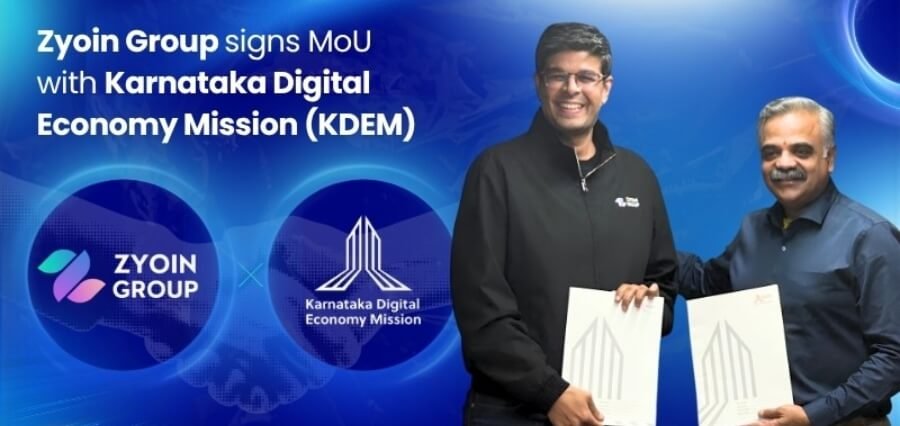
Zyoin Group and Karnataka Digital Economy Mission Partner to Strengthen Karnataka’s Global Capability Center Ecosystem
Collaboration will support GCC growth through talent development, innovation, ecosystem partnerships, and strategic industry engagement Bengaluru, India: Zyoin Group has signed a Memorandum of Understanding (MoU) with the Karnataka Digital Economy Mission (KDEM) to support the continued growth of Global Capability Centres (GCCs) in Karnataka. The partnership aims to strengthen the state’s position as a preferred destination for multinational enterprises by combining talent expertise, ecosystem collaboration, and strategic industry initiatives. The collaboration brings together Zyoin Group’s capabilities in GCC advisory, talent intelligence, workforce strategy, and employer branding with KDEM’s role in enabling policy support, ecosystem development, and industry engagement. Together, the two organizations aim to create a more conducive environment for companies looking to establish, expand, and scale their GCC operations in Karnataka. Strengthening Karnataka’s Position as a Global GCC Hub Karnataka has emerged as one of the world’s leading destinations for Global Capability Centers, supported by its highly skilled workforce, robust technology ecosystem, research and innovation capabilities, and business-friendly policy environment. KDEM has played a central role in advancing the state’s digital economy agenda by facilitating collaboration between government, industry, academia, and startups. Its initiatives have contributed to attracting investments, promoting innovation, generating employment, and reinforcing Karnataka’s reputation as a global technology and innovation hub. The new partnership is expected to further strengthen these efforts by aligning workforce readiness with the evolving needs of multinational organizations establishing or expanding their GCC presence in India. Supporting the Entire GCC Lifecycle As part of the collaboration, Zyoin Group will provide strategic support across multiple aspects of the GCC journey, including market entry, talent acquisition, workforce planning, employer branding, operational scale-up, and long-term capability building. KDEM will facilitate ecosystem-level engagement by connecting enterprises with relevant stakeholders, supporting industry collaborations, and enabling strategic initiatives designed to attract global investments into Karnataka. The partnership will also promote knowledge sharing, industry research, and best practices to help organizations respond to changing workforce requirements and evolving business models. In addition, the collaboration will encourage startup engagement, innovation partnerships, leadership development, employment generation, and stronger collaboration across Karnataka’s growing GCC ecosystem. Expanding Growth Beyond Bengaluru While Bengaluru continues to serve as India’s largest GCC hub, the collaboration also seeks to accelerate the development of emerging technology clusters across the state. These include cities such as Mysuru, Mangaluru, Hubballi-Dharwad-Belagavi, and Kalaburagi, where ongoing investments in infrastructure, talent development, and digital capabilities are creating new opportunities for global enterprises. By encouraging the expansion of GCC operations into these emerging centers, the partnership aims to contribute to more balanced regional economic development while broadening access to high-value employment opportunities. Industry and Government Collaboration to Drive Future Growth Commenting on the partnership, Anuj Agrawal, Founder and CEO of Zyoin Group and Workplace Awards, said: “Karnataka continues to lead India’s Global Capability Center transformation, and this partnership with KDEM represents an important milestone in strengthening the state’s position as a global destination for digital innovation and enterprise operations. We look forward to working together to support organizations throughout their GCC journey—from market entry and operational scale-up to long-term capability development and workforce transformation.” Sanjeev Kumar Gupta, Chief Executive Officer of Karnataka Digital Economy Mission (KDEM), said: “This partnership reflects our shared commitment to strengthening Karnataka’s GCC ecosystem across both established and emerging technology clusters, including Mysuru, Mangaluru, Hubballi-Dharwad-Belagavi, and Kalaburagi. Collaborations with industry partners such as Zyoin enable us to create stronger connections between enterprises, talent, startups, academia, and government. We invite organizations across the GCC ecosystem to engage with us as we continue to position Karnataka as a preferred global destination for capability centers and digital innovation.” Building a Collaborative Ecosystem for Global Enterprises The partnership comes at a time when India continues to witness sustained growth in Global Capability Center investments, with multinational companies increasingly expanding their engineering, research, technology, finance, and business operations within the country. By combining institutional support with industry expertise, Zyoin Group and KDEM aim to enhance operational readiness for global organizations while fostering innovation, talent development, and long-term ecosystem collaboration. The initiative is expected to contribute to the next phase of Karnataka’s GCC growth by supporting business expansion, attracting international investment, strengthening regional innovation ecosystems, and creating new opportunities for skilled professionals across the state. About Zyoin Group Zyoin Group is a talent and workforce solutions company specializing in recruitment, GCC advisory, talent intelligence, employer branding, and workforce transformation. The company partners with enterprises to help build scalable teams, strengthen organizational capabilities, and support business growth across emerging and established markets. About Karnataka Digital Economy Mission (KDEM) Karnataka Digital Economy Mission (KDEM) is an initiative of the Government of Karnataka dedicated to accelerating the growth of the state’s digital economy. Working in collaboration with government, industry, academia, and startups, KDEM promotes innovation, investment, job creation, and ecosystem development while positioning Karnataka as a leading global destination for technology, digital transformation, and Global Capability Centers. Read Also: Abu Dhabi Begins Construction of Dar al Funoon Abu Dhabi, a Landmark Performing Arts Institution on Saadiyat Island

Onsemi to Acquire Synaptics in $7 Billion Deal to Expand Physical AI Business
Prime Highlights Onsemi will acquire Synaptics in a $7 billion all-stock deal, its largest acquisition, to expand its physical AI and connected computing business. The acquisition strengthens Onsemi’s position in AI-enabled devices, automotive, industrial, robotics, and humanoid technologies. Key Facts Synaptics shareholders will receive 1.350 Onsemi shares for each Synaptics share, representing a 19% premium. Onsemi expects the acquisition to expand its total addressable market to $243 billion by 2030. Background ON Semiconductor Corp has agreed to buy chipmaker Synaptics in an all-stock deal worth around 7 billion dollars, marking the largest acquisition in the company’s history as it moves to strengthen its position in artificial intelligence-enabled devices. Under the deal, Synaptics shareholders will receive 1.350 shares of Onsemi common stock for each Synaptics share they hold. The exchange ratio gives Synaptics shareholders a 19% premium based on the 10-day volume-weighted average closing prices of both companies. Onsemi Chief Executive Hassane El-Khoury said the acquisition targets growth in physical AI, a term used to describe artificial intelligence built directly into devices and machines. He said Synaptics brings a connected computing platform already present in markets where Onsemi operates, and that the combined business would become a market leader in the physical AI space. Synaptics’ platform complements Onsemi’s existing strengths in automotive, power and industrial markets. The deal also gives Onsemi access to Synaptics’ human-machine interface business and its research and development work in robotics and humanoid technology. Onsemi expects the acquisition to expand the total market it can target by 30 billion dollars, pushing that figure to 243 billion dollars by 2030. Markets reacted sharply to the news. Shares of Onsemi dropped nearly 10% in after-hours trading, while Synaptics shares climbed more than 10% following the announcement. The deal is subject to shareholder and regulatory approvals before it can close. Read Also : Volkswagen offloads diesel unit Everllence to Bain Capital, retains 49% stake