






Building a Professional Studio on a Lean Budget: Expert Strategies
As podcasters, musicians, and voice-over (VO) artists, we have previously assumed professional audio comes with a professional price tag. That reality is much easier to get near. You sensed that shows like BacktoFrontShow (103 episodes focused on real life in the web industry, design and development, through to its end in December 2020) showed you could produce great content without needing an expensive studio. The answer is actually knowing where true quality comes from and spending accordingly. The Art of Resourceful Studio Creation Maximizing Impact: Understanding the “BacktoFrontShow” Philosophy Each week on BacktoFrontShow, he proved that an important principle runs through audio production: the reliability and clarity of a regular setup trumps expensive gear. Listeners are much more forgiving of a noisy, reverberant recording space than they are of production that is rough around the edges. And this one insight alone should be the lantern that guides every budget decision a creator makes. 60% acoustic environment, 30% signal chain quality, and 10% post-production polish. This inverted priority is commonplace, with newcomers spending too much on mics and recording in untreated rooms. Essential Equipment: Smart Investments for Quality Sound Microphones: Choosing for Clarity and Cost-Efficiency Two types of microphones are found in most home studios: dynamic and condenser. Dynamic microphones: If you have a Shure SM58 (about $99) or an Audio-Technica AT2005USB ($79), these microphones are for you and will focus the sound better than omnidirectional mics. Constriction microphones record extra detail; however, they also capture extra room noise forward, so they need the right acoustic treatment to sound good. A cardioid dynamic microphone priced between $50 and $150 offers the best value for money for most creators just getting started. Audio Interface: The Heart of Your Home Studio An Audio Interface translates the analog signals coming from your microphone into digital data, which can be understood by a computer. With low-latency monitoring, clean preamps and good driver support on macOS and Windows, the Focusrite Scarlett Solo (around $120) is considered the entry-level benchmark. For tighter budgets, the Behringer UMC22 ($49) offers a more-than-decent alternative. Do not try to do serious production work ONLY with USB microphones. Gain-staging, which directly relates to noise floor performance, is something a dedicated interface gives a creator much more control over. Monitoring: Accurate Sound Without Breaking the Bank Headphones for Critical Listening Closed-back headphones are instead intended for two purposes—reducing bleed in recordings and providing accurate monitoring during editing. For years, the Sony MDR-7506 ($99) has been an industry standard in broadcast and recording studios with a flat frequency response that makes them ideal for critical listening. If you’re in need of a great pair of headphones, the Audio-Technica ATH-M40x ($99) is a solid option with a flatter low-end response. Budget-Friendly Studio Monitors Studio monitors are not strictly necessary for beginners, but become very useful in mixing. Among the affordable choices are popular models like the Yamaha HS5 ($399/pair) and KRK Rokit 5 G4 ($179/each), although those on a budget should first buy headphones, as these can be better value for the money. Acoustic Treatment: Enhancing Your Space Affordably DIY Solutions for Sound Absorption A 12-pack of acoustic foam panels from a brand like Foamily costs about $30 to $60 and covers approximately 12 square feet. Placed parallel to the microphone on the walls, these can help absorb early reflections of your voice that create a muddy, “boxy” sound in small rooms. Rockwool Safe’n’Sound insulation boards in 2×4 lumber-framed DIY panels for under a third the cost of most commercial foam. The material required for a 4-panel build will generally be less than $80. Strategic Placement of Furniture and Materials A shelf of irregularly sized books on a shelf diffuses sound naturally. Thick drapes, carpeting on hard-surface floors, and soft furnishings also dampen reflections in the middle frequencies. A less costly acoustic solution than recording inside a wardrobe that is lined with clothing, something most people already have. Software and Digital Tools: Free and Freemium Powerhouses Digital Audio Workstations (DAWs): Your Creative Hub Several professional-grade DAWs are available at no cost: GarageBand (macOS/iOS): Free with Apple hardware, suitable for podcast production and basic music recording Audacity (Windows/macOS/Linux): Open-source, cross-platform, and widely used for podcast editing Reaper: Offered on a discounted license for $60, with an unlimited evaluation period, making it functionally free for extended testing Plugins and Effects: Expanding Your Sonic Palette The following free plugins are used by professional producers and engineers: TDR Nova (Tokyo Dawn Records): A dynamic equalizer used in mastering and mixing Valhalla Supermassive: A reverb and delay plugin regularly cited by professional mix engineers OTT by Xfer Records: A multiband compressor standard in electronic music production The Power of “Cloud Connected Audio” in Modern Setups Collaborative Workflows and Remote Production Cloud Connected Audio uses IP and cloud infrastructure to route voice traffic for enterprise meetings and remote recording sessions, enabling cost-effectiveness while enhancing audio quality. For low-budget creators, this enables high-quality remote studio collaboration without the need for associated hardware, codecs, or rental fees. Platforms like SquadCast and Riverside. Cloud-connected audio uses principles to record each participant’s audio locally and then sync their tracks in the cloud. That puts to rest the degraded quality of bundling recording right from video call software. Leveraging Cloud-Based Resources for Efficiency Collaborators can use cloud storage services such as Dropbox or Google Drive to share files. Cloud-based DAWs like BandLab offer web-based recording and mixing without requiring downloads, which is an ideal solution for creators using shared or low-powered computers. Workflow Optimization: Getting the Most Out of Limited Resources Effective Cable Management Cable noise is one of the most common and neglected sources of interference in home studios. Unlike unbalanced cables, balanced XLRs reject electromagnetic interference much more effectively. Cable running with power cables should be physically separated from audio cables, and always cross them at 90 degrees where they intersect. Velcro cable ties and adhesive cable clips for under $10 will prevent tangles and help you avoid accidentally disconnecting cables while recording.

What Evidence Is Needed to Prove Damages in a Rear-End Accident Claim?
If you want to prove damages in a rear-end accident claim, you need strong evidence that clearly connects the accident to your injuries, financial losses, and other hardships. Medical records, accident reports, photographs, witness statements, repair estimates, and expert opinions all help build a convincing case. The stronger your evidence, the better your chances of receiving fair compensation. Understanding the common causes of rear-end collisions can also provide important context when explaining how the crash occurred and why the other driver may be responsible. Police Reports Help Establish the Facts A police report is one of the first pieces of evidence insurance companies and attorneys review. While it may not determine fault on its own, it provides an official record of the accident. A police report often includes: The date, time, and location of the crash Statements from both drivers Witness information Road and weather conditions The responding officer’s observations Any traffic citations issued If the other driver received a citation for following too closely or distracted driving, it can strengthen your claim. Medical Records Prove Your Injuries Medical documentation is one of the most valuable forms of evidence in any rear-end accident claim. It shows the extent of your injuries and connects them directly to the collision. Important medical evidence includes: Emergency room records Doctor’s evaluations Diagnostic imaging such as X-rays or MRIs Physical therapy records Prescription medications Follow-up treatment notes Seek medical care as soon as possible after the accident. Delaying treatment may allow insurance companies to argue that your injuries were unrelated to the crash. Photographs and Videos Tell the Story Visual evidence provides a clear picture of what happened. Take photos of: Vehicle damage Skid marks Traffic signs Road conditions Weather conditions Visible injuries Debris on the roadway If nearby businesses, traffic cameras, or dashboard cameras captured the accident, those recordings may provide additional support for your claim. Witness Statements Can Strengthen Your Case Independent witnesses often provide unbiased accounts of the accident. Their statements may confirm that the other driver was speeding, distracted, or following too closely before the collision. Witnesses may include: Other drivers Passengers Pedestrians Nearby business employees Obtaining witness contact information immediately after the accident can be extremely helpful if questions arise later. Vehicle Damage and Repair Records Repair estimates and mechanic reports demonstrate the force of the collision and the extent of property damage. Useful documents include: Repair invoices Auto body shop estimates Total loss evaluations Photographs before repairs Parts replacement records Insurance adjusters often compare vehicle damage with reported injuries. Detailed repair documentation helps support your claim. Financial Records Show Economic Losses A rear-end accident often creates expenses beyond medical bills. You must document every financial loss resulting from the crash. Evidence may include: Hospital bills Physical therapy costs Prescription receipts Mileage for medical appointments Lost wage statements Tax records Employer verification letters Keeping organized records makes it easier to calculate the full value of your damages. Expert Testimony May Be Necessary Some claims require testimony from experts to explain technical issues. Examples include: Accident reconstruction specialists Medical experts Vocational rehabilitation professionals Economic experts These professionals can explain how the accident occurred, predict future medical needs, and calculate long-term financial losses. Pain and Suffering Require Supporting Evidence Pain and suffering damages are more difficult to measure because they involve physical discomfort and emotional distress rather than direct financial losses. Helpful evidence includes: A daily pain journal Mental health treatment records Statements from family members Photographs showing recovery Records of missed activities or hobbies These details help demonstrate how the accident has affected your daily life. Electronic Evidence Can Make a Difference Modern technology often provides valuable evidence. Examples include: Cell phone records showing distracted driving Dashcam footage GPS data Vehicle event data recorder information Text messages sent near the time of the crash Electronic evidence can sometimes prove negligence when eyewitness accounts are limited. Legal Standards Matter In many rear-end accident claims, the injured party must prove that the other driver’s negligence directly caused their damages. For example, California Civil Code §1714 establishes the general principle that individuals are responsible for injuries caused by their lack of ordinary care. Depending on where the accident occurred, similar negligence laws may apply and influence how liability is determined. Working with an experienced attorney helps ensure that all available evidence is collected, preserved, and presented effectively during negotiations or litigation. Key Takeaways Strong evidence is essential to prove damages in a rear-end accident claim. Police reports provide an official record of the collision. Medical records directly connect your injuries to the accident. Photos, videos, and witness statements strengthen your version of events. Repair estimates and financial records help prove economic losses. Expert testimony may be necessary in complex or high-value claims. Pain and suffering can be supported through journals, treatment records, and family statements. Electronic evidence such as dashcam footage and phone records can significantly strengthen a case. State negligence laws, including California Civil Code §1714, may affect how liability and damages are evaluated.
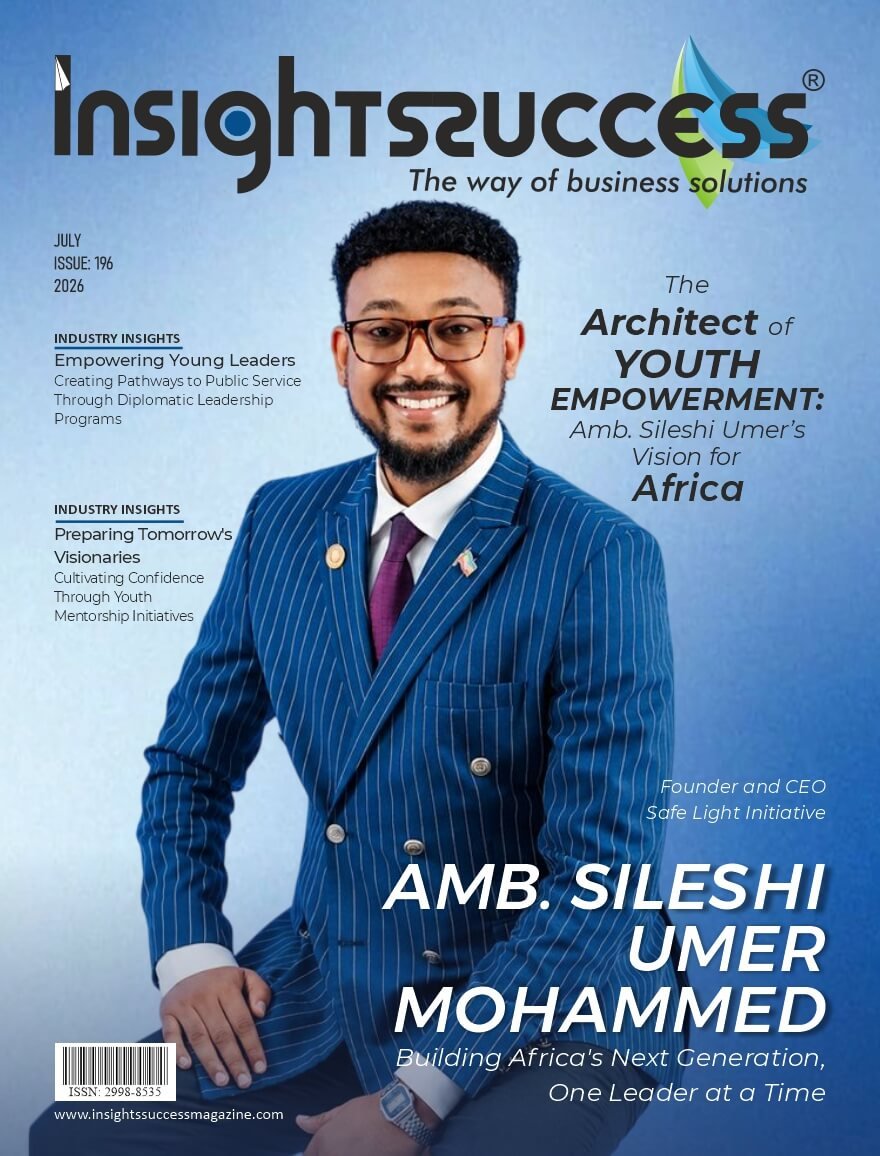
The Architect of Youth Empowerment: Amb. Sileshi Umer’s Vision for Africa
The Architect of Youth Empowerment: Amb. Sileshi Umer’s Vision for Africa Featuring Amb. Sileshi Umer, this edition highlights his vision for youth empowerment in Africa, showcasing leadership, community impact, and initiatives that create opportunities and inspire the next generation. Digital Link Quick highlights Quick reads

Cultivating Confidence Through Youth Mentorship Initiatives
Preparing Tomorrow’s Visionaries Talent is widely distributed. Opportunity is not. Across communities of every background and circumstance, there are young people with genuine ability, real curiosity, and the kind of potential that could take them far if someone takes the time to help them see it and build toward it. That is the fundamental promise behind youth mentorship initiatives: not to hand young people a path but to walk alongside them as they find and build one of their own. The impact of that kind of sustained, relationship-based support on confidence, direction, and long-term outcomes is difficult to overstate. The Real Impact of Meaningful Youth Mentorship There is a difference between being told you have potential and having someone consistently show up who believes in that potential and acts on it. Mentorship is the second thing. It is not a single conversation or a one-time encouragement; it is a relationship built over time that provides young people with honest feedback, practical guidance, and the steady presence of someone who is genuinely invested in how things go for them. Youth mentorship initiatives that understand this build programs around relationship quality rather than program volume. The number of young people reached matters, but not more than the depth of what each young person actually receives through their mentorship experience. A superficial connection that ticks a participation box is not mentorship; it is paperwork with a human face attached. Building Confidence through Consistent Support Confidence is not vanity, and it is not the absence of self-doubt. It is the ability to move forward despite uncertainty to attempt things that might not work, to recover when they do not, and to keep building regardless. For many young people, particularly those navigating environments where they have not seen many people who look like them doing the things they aspire to, that kind of confidence does not develop automatically. Youth mentorship initiatives build confidence not by telling young people they are capable but by creating repeated experiences where they discover their own capability. A mentor who assigns a challenge, supports a young person through it, and then reflects honestly on what they demonstrated is building something that generic encouragement never could: a young person who has actual evidence of their own ability to handle difficulty. Expanding what Young People Believe is Possible One of the most powerful and least discussed benefits of mentorship is its effect on what young people consider possible for themselves. Aspiration is shaped by exposure to what a person has seen, whom they have met, and what they have come to understand about the range of paths available to someone with their background and starting point. When youth mentorship initiatives connect young people with mentors whose lives and careers expand that picture, who represent possibilities that were previously invisible or seemed unreachable, something shifts in how those young people think about their own futures. That shift in imagination is not a small thing. It is often the precursor to every practical step that follows. What Effective Mentorship Requires from Mentors Good mentorship is not passive. It requires genuine investment, the willingness to show up consistently, to listen carefully, to give feedback that is honest rather than merely comfortable, and to hold a young person to standards that reflect belief in their capability rather than uncertainty about it. The adults who make the most impact through youth mentorship initiatives tend to be those who approach the relationship with both warmth and high expectations, who care enough about a young person’s development to tell them the truth about where they are falling short while making it completely clear that the feedback comes from a place of genuine investment in their success. Creating Stronger Communities through Mentorship The benefits of youth mentorship initiatives do not stay contained to the individuals directly involved. Young people who develop confidence, direction, and capability through mentorship tend to carry those qualities into their communities as students, as future professionals, as people who eventually become the kind of adults who invest in the young people around them. That generational transmission of invested attention is one of the most hopeful dynamics in community development. Mentorship creates mentors, and the culture of genuine investment in young people that strong initiatives build tends to outlast the programs that started it. Looking Ahead Preparing tomorrow’s visionaries is not a short-term project. It requires sustained investment, genuine relationships, and the kind of patient attention to individual development that produces results measured in years rather than weeks. Youth mentorship initiatives that are built for the long view that prioritize depth over scale, relationship quality over participation numbers, and genuine development over surface-level engagement produce the outcomes that make that investment worthwhile. The young people moving through these programs today are not just beneficiaries of someone else’s generosity. They are the future leaders, builders, and contributors whose development is one of the most consequential investments any community can make. Read Also : Creating Pathways to Public Service Through Diplomatic Leadership Programs
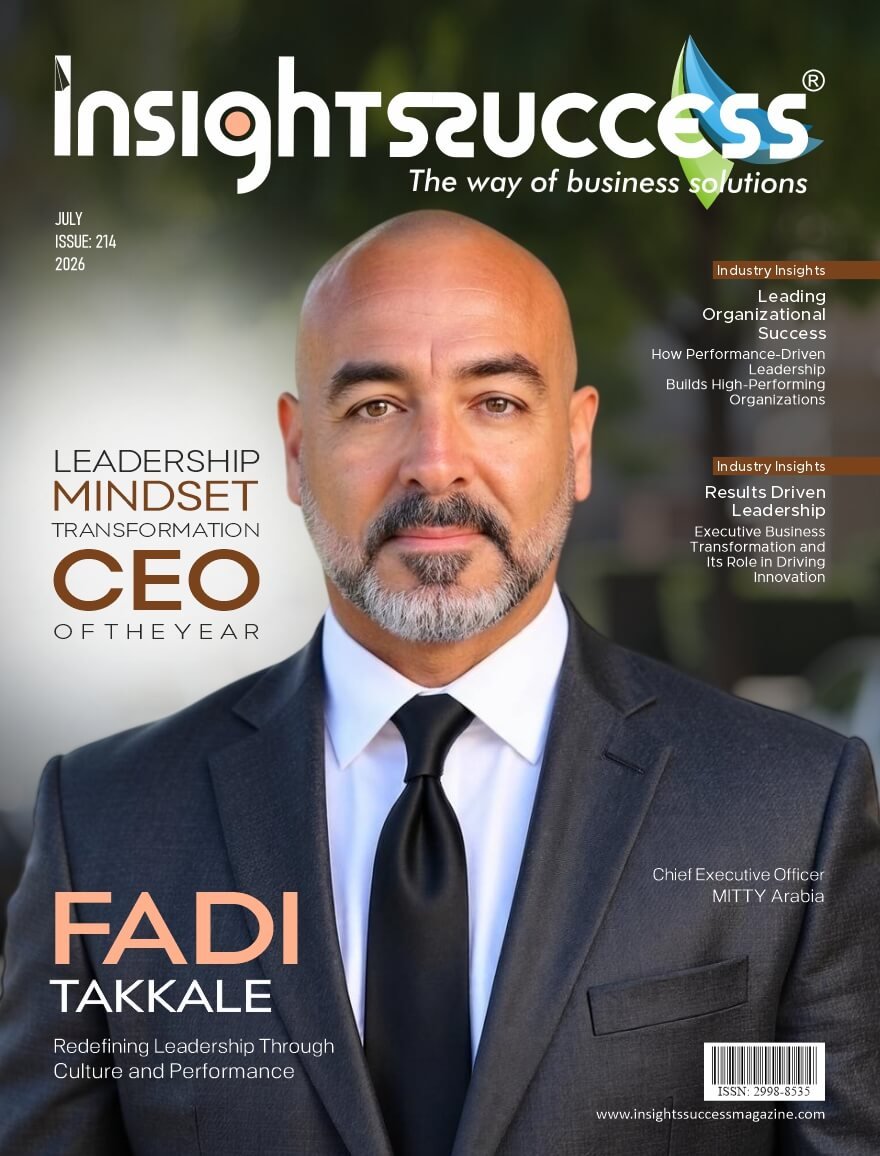
Leadership Mindset Transformation CEO of the Year
Leadership Mindset Transformation CEO of the Year Recognizing an exceptional CEO whose transformative leadership mindset, strategic vision, and commitment to excellence are driving organizational growth, inspiring innovation, and creating lasting business impact. Digital Link Quick highlights Quick reads

Creating Pathways to Public Service Through Diplomatic Leadership Programs
Empowering Young Leaders Public service has never been more complex or more consequential than it is today. The challenges facing communities, nations, and the international community require leaders who can think across borders, navigate competing interests, and communicate with clarity in environments where misunderstanding carries real cost. Yet the path from a young person with genuine potential into meaningful public service is not always clear or accessible. This is precisely the gap that diplomatic leadership programs are designed to close, building the knowledge, the skills, and the networks that help talented young people move confidently toward roles where their contributions can genuinely matter. The Foundation of Effective Diplomatic Leadership Leadership in public service requires a demanding combination of capabilities. Technical knowledge about international relations, governance, and policy matters enormously. But equally important are the interpersonal skills that allow a leader to build trust across differences, navigate disagreement without destroying relationships, and represent positions honestly while remaining genuinely open to other perspectives. Both dimensions need to develop together. Participants in serious diplomatic leadership programs build substantive knowledge about the systems they will work within while simultaneously practising the communication, negotiation, and relationship-building capabilities that textbooks describe but cannot fully transmit. That combination is what makes structured leadership development genuinely useful rather than purely academic in its value. Building Cultural Intelligence for Global Leadership Modern public service at any level increasingly involves engagement with people whose backgrounds, assumptions, and communication styles differ significantly from one’s own. The ability to navigate those differences with genuine respect is not something that develops automatically; it requires deliberate exposure, honest self-reflection, and practice in environments that take cultural competency seriously. Programs that create meaningful cross-cultural dialogue, expose participants to genuinely diverse perspectives, and build awareness of how one’s own background shapes assumptions produce something valuable. Leaders who come through diplomatic leadership programs with this kind of cross-cultural grounding are better equipped for the realities of internationally facing roles than those whose preparation kept them within familiar perspectives. Learning Beyond the Classroom Knowledge about diplomacy and public service can be taught in a classroom. The deeper understanding of how these environments actually function, the informal dynamics, the judgment calls that written policies cannot prescribe, and the resilience required when things do not go as planned is transmitted most effectively through close engagement with people who have genuinely lived it. Access to experienced practitioners who share not just their knowledge but their honest perspective on what the work actually demands day to day is one of the most valuable things diplomatic leadership programs can offer. Mentorship built genuinely into the program structure gives participants something that no amount of reading or coursework alone can replicate. Creating Connections That Extend Beyond the Program The relationships formed during a formative leadership experience can sustain a career in public service for decades. People who have learned together, challenged each other’s thinking, and built genuine mutual respect through shared intensive work carry those relationships into every subsequent role they hold. When diplomatic leadership programs bring together talented young people from genuinely diverse backgrounds, geographic, cultural, and professional, the networks formed carry value well past the program itself. Former participants find in each other trusted colleagues, sources of perspective during difficult situations, and collaborators whose judgment they already know and respect. Making Diplomatic Leadership More Inclusive The population of young people with real potential to contribute to public service and diplomacy is considerably broader than the population that has historically found its way into those fields. Barriers of geography, economic circumstance, and the absence of existing professional connections have kept many talented individuals from reaching roles where their capabilities could have made a genuine difference. Broadening access through scholarships, active outreach to underrepresented communities, and program design that does not assume participants arrive already advantaged serves both equity and effectiveness. The diversity of perspective that a wider talent pool brings to public service problems produces better thinking and diplomatic leadership programs that take this seriously tend to develop stronger cohorts as a result. Developing Leaders Ready for Uncertainty The environment that graduates of these programs will enter is genuinely complicated. International relationships, domestic political pressures, rapidly evolving global challenges, and the constant need to communicate across big differences of interest and perspective are all features of real public service work. Preparation that reflects that complexity rather than a simplified version of it produces leaders who respond more effectively when situations do not follow expected patterns. Well-designed diplomatic leadership programs do not shelter participants from difficulty. They use structured challenge as a deliberate part of the development process. Looking Ahead The quality of public service and diplomatic leadership matters to people far beyond the individuals holding those roles. Decisions made by effective diplomats and public servants shape the conditions that communities and nations live within for years. Seen in that light, diplomatic leadership programs are not simply investments in individual careers. They are investments in the quality of leadership that will shape institutions, relationships, and public life for the generations ahead. Getting that investment right and making it genuinely accessible is one of the most forward-looking things the current generation of practitioners and institutions can do. Read Also : Luxury Travel and Hospitality Redefining Guest Expectations
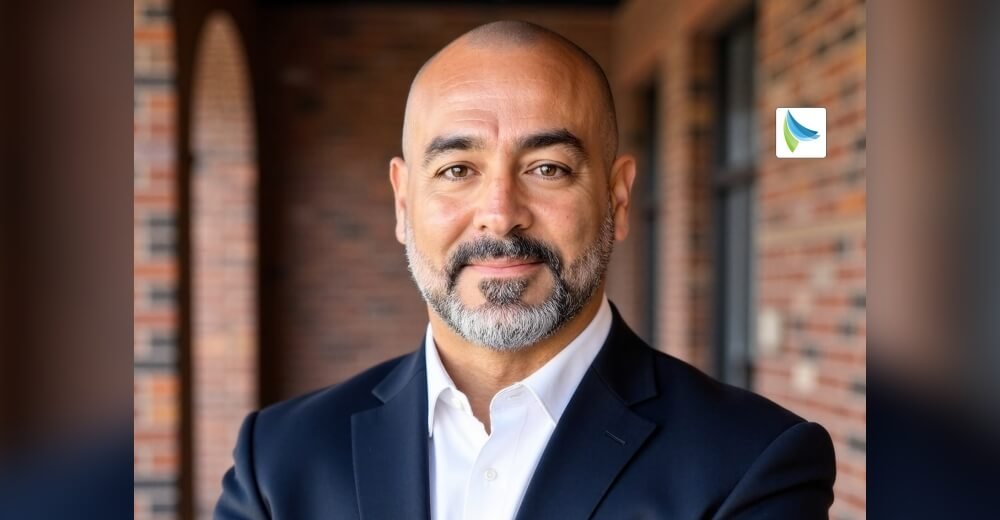
Fadi Takkale: Redefining Leadership Through Culture and Performance
Great organizations are not built on strategy alone. They are built on the quality of leadership running through every level of them. The decisions leaders make, the cultures they shape, and the example they set every day determine what an organization is truly capable of becoming. Investing in that kind of leadership development is one of the highest-return commitments any organization can make. Fadi Takkale, Chief Executive Officer of MITTY Arabia, has spent his career proving exactly that. His experience across continents and industries has been dedicated to developing resilient, people-centered cultures that combine purpose, performance and innovation. Under his guidance MITTY Arabia continues to support organizations in navigating change with clarity and intent across global markets. A Leadership Philosophy Built on Mindset and Culture Early in his career, Fadi realized that organizations rarely fail because of a lack of strategy. More often, they struggle because of leadership behaviors, organizational culture, and the mindset with which people approach change. He became fascinated by one fundamental question: why do organizations with similar resources produce dramatically different results? The answer consistently came back to leadership. Working across industries and continents allowed him to observe that technology, processes, and structures can be replicated, but culture cannot. “Culture is created by leaders, and leaders are ultimately shaped by their mindset.” This understanding inspired him to dedicate his career to leadership transformation rather than management development. His passion has always been helping executives move beyond operational excellence toward becoming leaders who inspire purpose, build trust, and create environments where people perform at their highest potential. This commitment also led him to become a published author on mindset transformation. Whether coaching CEOs, transforming organizational cultures, or advising governments and multinational corporations, his objective has remained the same: developing leaders who leave organizations stronger than they found them. Building Cultures That Sustain Growth As the CEO of MITTY Arabia, Fadi views the CEO’s role as being the organization’s chief culture architect rather than simply its chief executive. At MITTY Arabia, the work extends beyond delivering consulting services. The organization partners with clients to create leadership ecosystems where people, performance, and purpose reinforce one another. He believes that sustainable growth cannot be achieved through financial performance alone. It requires capable leaders, engaged employees, continuous learning, and cultures built on accountability and innovation. His responsibility is to ensure that the organization consistently models the values it encourages clients to embrace. Leadership, according to him, is demonstrated through actions rather than titles. MITTY Arabia’s mission is to empower organizations to unlock the full potential of their human capital. When leaders develop emotional intelligence, strategic thinking, resilience, and adaptability, organizational transformation becomes sustainable rather than temporary. Global Perspectives on Leadership Having worked with organizations across Europe, Asia Pacific, the Middle East, Africa, and North America, Fadi’s global experiences have reinforced one important lesson: “While cultures differ, great leadership principles remain universal.” According to him, every country has unique traditions, business practices, and societal expectations. Effective leadership requires respecting these differences rather than attempting to impose one universal model. His global experience has taught him the importance of cultural intelligence. Leaders must understand how people communicate, make decisions, build trust, and respond to change within different environments. At the same time, he has found that every successful organization shares common foundations including integrity, accountability, continuous learning, collaboration, and a commitment to developing people. This international exposure has enabled MITTY Arabia to combine global best practices with local cultural understanding, creating transformation solutions that are both internationally informed and regionally relevant. The Principles Behind His Leadership Philosophy Throughout his career, Fadi’s leadership philosophy has remained anchored in five enduring principles. The first principle is self-awareness. He believes leaders cannot effectively lead others until they understand themselves. Second, trust is the foundation of every successful organization. High-performing teams are built through credibility, transparency, and consistency. His third principle recognizes people as an organization’s greatest competitive advantage. Technology evolves rapidly, but people remain the true differentiator. Continuous learning forms the fourth pillar of his philosophy. The moment leaders believe they have all the answers, they stop growing. Finally, leadership is ultimately about service. The best leaders create opportunities for others to succeed. Their success is measured not only by organizational results but also by the leaders they develop. These principles have guided his work throughout his career and continue to shape every engagement undertaken at MITTY Arabia. Staying Ahead in a Rapidly Changing World Leadership development today requires both curiosity and discipline. Fadi remains committed to continuous research, engaging with global thought leaders, participating in international conferences, collaborating with executive networks, and studying emerging organizational trends. Yet he believes knowledge alone is never sufficient. Technology, including artificial intelligence, is fundamentally changing how organizations operate. Rather than viewing AI as a replacement for leadership, he sees it as an opportunity to elevate human leadership by allowing leaders to focus more on strategy, creativity, empathy, and decision-making. Equally valuable are the relationships he maintains with clients. Organizations themselves are often the best source of innovation because they experience emerging challenges before they become global trends. For him, “Remaining relevant means continuously learning while remaining grounded in timeless leadership principles.” Redefining Leadership for the Digital Era Over the years, Fadi has witnessed a significant transformation in the way effective leadership is understood. In the past, authority was often associated with hierarchy, expertise, or position. Today, influence is earned through authenticity, empathy, and credibility. Employees increasingly seek leaders who communicate openly, inspire confidence, and genuinely care about their development and well-being. The workplace has become more dynamic, diverse, and interconnected than ever before. According to him, today’s leaders must move from controlling to empowering, from directing to coaching, from managing change to leading transformation, and from focusing solely on short-term performance to building long-term organizational resilience. The future belongs to leaders who are adaptable enough to embrace uncertainty while remaining anchored in strong values. Lessons Through Challenges One of the greatest challenges Fadi has encountered in organizational transformation
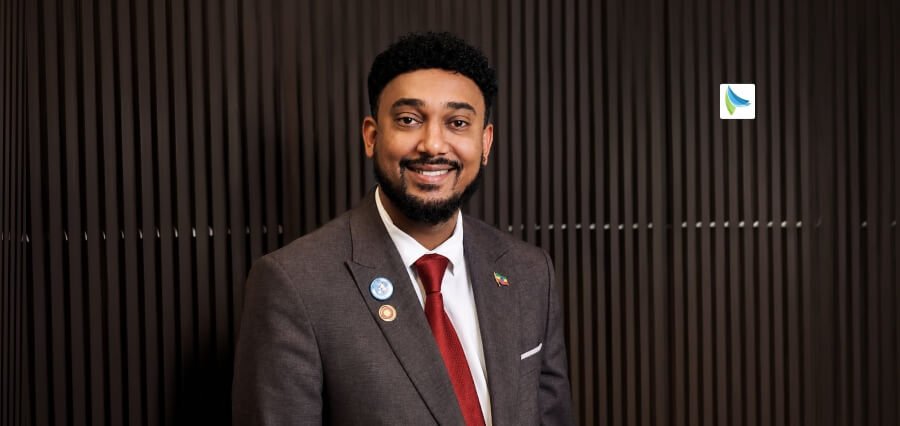
Amb. Sileshi Umer Mohammed: Building Africa’s Next Generation, One Leader at a Time
Uplifting a generation and making young people truly believe in their own power is not a task for the faint-hearted. It demands more than good intentions; it demands conviction so deep it survives skepticism, rejection, and the grinding weight of limited resources. It demands someone willing to stand in front of a room of young Africans and say, with absolute certainty, that their continent’s greatest resource is not buried beneath the soil but alive within them. It demands, in short, someone like Amb. Sileshi Umer Mohammed, Founder and CEO of Safe Light Initiative, World Peace Ambassador, and one of Africa’s most compelling voices in youth leadership and diplomacy education. For more than eight years, Sileshi has been doing the difficult, unglamorous, and quietly transformative work of building leaders. He has reached millions of young people across Ethiopia. He has graduated over 10,000 young leaders, many of whom now serve in the Prime Minister’s Office, the Ministry of Foreign Affairs, United Nations agencies, and international development institutions. He has pioneered Ethiopia’s first SDG Hub, run the country’s largest Youth Diplomacy Fellowship for six consecutive years, and developed a homegrown methodology that governments, media outlets, and civil society organizations have recognized as a practical model for youth transformation. And through all of it, he has operated from one unshakeable belief: that Africa’s future will be determined by the quality of the leaders it produces today. From Ethiopia’s Legacy to a Continent’s Future Sileshi’s path into youth empowerment was not shaped by a single turning point but by a growing awareness that something was missing. Growing up in Ethiopia, he was immersed in the nation’s extraordinary history, its diplomatic heritage, its ancient civilization, and its foundational role in Pan-African unity. Ethiopia, after all, has long stood as a symbol of African resilience and independence. Addis Ababa hosts the African Union, the United Nations Economic Commission for Africa, over a hundred diplomatic missions, and some of the world’s most consequential continental conversations. Yet Sileshi noticed, with increasing clarity, that most young Ethiopians remained spectators to all of it. He mentions that he was driven by a deep conviction that “Africa’s next generation must be inspired by its history, empowered by the opportunities of the twenty-first century, and equipped with the skills required to navigate an increasingly complex global environment.” That gap between his country’s powerful diplomatic identity and its youth’s disconnection from it became the seed of everything he would build. The mission he chose was not simply youth development in the conventional sense. It was something more layered: restoring Ethiopia’s diplomatic influence, reigniting the Pan-African spirit, and producing a generation of leaders who understand diplomacy, geopolitics, digital transformation, artificial intelligence, and the shifting architecture of global power — while remaining rooted in their cultural identity. As he states, his vision has always been “to help cultivate a generation that understands where it comes from, knows where it is going, and possesses the confidence and competence to lead.” The Gap That Led to the Birth of the Safe Light Initiative When Sileshi founded Safe Light Initiative, he was responding to a contradiction he could no longer ignore. Addis Ababa sits at the centre of Africa’s diplomatic universe. Important policy dialogues, continental agendas, and international decisions unfold in its corridors every single day. And yet the majority of young Ethiopians had no pathway into that world. They watched it from a distance, neither invited nor equipped to participate. He observed a significant disconnect between the diplomatic ecosystem surrounding young people and their actual participation within it. According to him, “Many existing initiatives focused on traditional youth engagement but lacked a comprehensive framework that could prepare young people for leadership in an interconnected world.” There was no organization bridging diplomacy education, civic engagement, leadership development, and real-world skills in a way that was practical, scalable, and genuinely relevant to young Ethiopians. Safe Light Initiative was his answer. From the outset, it positioned itself not as another youth program but as a platform, one that empowers young people to become proactive citizens, responsible leaders, and future diplomats. It works across government institutions, civil society organizations, development partners, and the private sector to bring national, continental, and global agendas within reach of young people who have every right to shape them. He states plainly that “The mission was never simply to educate. It has been to help young people discover their potential and become active contributors to society.” The 3H Model: Head, Heart, and Hand At the core of Safe Light Initiative’s work sits a methodology that Sileshi developed after observing a recurring flaw in youth development programming. Most programs, he noticed, focus on only one dimension of human growth. Some develop knowledge without character. Others promote passion without practical skills. Some focus purely on technical competencies while neglecting the inner life of the young person entirely. His response was the 3H Model: Head, Heart, and Hand. The first H: Head- focuses on mindset transformation. It develops critical thinking, leadership awareness, vision, and intellectual confidence. The second H: Heart- builds character. Through volunteering, civic engagement, and governance programs, participants develop empathy, integrity, responsibility, and a genuine commitment to serving others. The third H: Hand- focuses on practical skill development: employability competencies, entrepreneurial capabilities, digital literacy, and future-oriented skills that translate into economic independence and meaningful careers. The impact of this model has been significant precisely because it produces balanced leaders. As he describes it, “Graduates are not only knowledgeable but also responsible and capable of translating their ideas into action.” That balance between thinking, being, and doing is what separates Safe Light’s graduates from the products of more conventional programs. It is also what has earned the model recognition from government institutions, media outlets, civil society organizations, and development partners who see it as both practical and scalable. Milestones That Measure More Than Numbers Over eight years, Safe Light Initiative has accumulated an impressive list of achievements but Sileshi is careful to frame them correctly. He mentions

How Performance-Driven Leadership Builds High-Performing Organizations
Leading Organizational Success Every organization aspires to perform well. However, aspiring to strong results and consistently delivering them are two fundamentally different realities. The gap between the two is, in most cases, a leadership gap. Organizations that sustain high performance over time do not arrive at that position by chance. They do so because the individuals leading them possess a clear understanding of what performance demands, establish the conditions necessary for it to flourish, and hold themselves and their teams to standards that make sustained excellence achievable. Performance-driven leadership is what converts the aspiration for results into the consistent reality of them, and its influence extends through every dimension of a well-functioning organization. What Sets This Kind of Leadership Apart Not all forms of leadership produce high performance. Some generate activity without meaningful results. Some approaches may create short-term gains, but those results often fail to last when challenges arise. Others may achieve compliance without creating real commitment, with people doing only what is necessary rather than contributing with purpose. Performance-driven leadership distinguishes itself by remaining firmly focused on outcomes rather than on how things appear on the surface. It does not simply ask whether people are occupied with work. It asks whether the work being done is genuinely advancing the organization toward goals that carry real meaning. It holds a clear and honest picture of what success looks like and maintains that picture with discipline, even when the pressures of the moment make it tempting to look away from it. Building Clarity Around Goals and Expectations High performance begins with clarity. When individuals are uncertain about what strong results look like, or how their contribution connects to the broader purpose of the organization, consistent delivery becomes very difficult. This uncertainty is far more common than most organizations care to acknowledge, and it steadily weakens performance across every level without always being visible as the cause. Performance-driven leadership confronts this directly. It establishes goals that leave little room for misinterpretation, communicates them with honesty and consistency and takes deliberate steps to ensure that every person within the organization understands their role and how it connects to the larger picture. When individuals know precisely what is expected of them, why it matters, and how their work connects to outcomes worth achieving, their engagement deepens considerably. The work acquires purpose, the effort becomes more directed, and the results reflect both of those qualities. Creating Accountability Without Fear Accountability is among the most misunderstood concepts in organizational life. In certain organizations, it functions primarily as a mechanism of consequence, invoked when things go wrong to assign blame and administer correction. When accountability functions primarily as a mechanism of consequence, people direct their energy toward protecting themselves rather than genuinely improving their work. That dynamic quietly damages performance from within. Performance-driven leadership establishes a different kind of accountability, one grounded in shared commitment rather than apprehension. It cultivates environments in which individuals hold themselves to high standards because they genuinely care about the outcomes, not simply because they are being observed. This approach builds the kind of trust that serves as one of the most reliable foundations for sustained high performance. Developing People as a Performance Strategy Organizations perform at the level their people are capable of performing at. Investing in the development of people is therefore not a matter separate from performance strategy. It is central to it. Leaders who understand this invest deliberately in the growth of those around them, treating it not as a benefit but as a direct contributor to organizational results. Performance-driven leadership regards every member of the team as an individual with the capacity to grow and contribute more fully over time. It identifies where development is needed, creates substantive opportunities to address those needs, and provides the challenge and support required to enable continuous improvement. Over time, an organization whose people are genuinely growing is an organization whose performance continues to rise. In Summary High-performing organizations are neither built quickly nor maintained without sustained effort. They are the result of leadership that is serious about results, honest about what achieving them requires, and consistent in creating the conditions that make excellence possible over time. Performance-driven leadership brings together clarity, accountability, development, and culture into something that produces not merely strong results in a single period but the kind of sustained performance that defines truly excellent organizations. The investment in this form of leadership grows in value over time. This cumulative impact is what separates organizations that achieve success occasionally from those that consistently deliver strong performance. Read Also : Creating Pathways to Public Service Through Diplomatic Leadership Programs

Executive Business Transformation and Its Role in Driving Innovation
Results Driven Leadership Change is not optional for organizations that want to remain relevant. Markets shift, customer expectations evolve and the competitive landscape rarely stays still long enough for any business to feel permanently comfortable. The organizations that respond well to this reality are the ones that build transformation into how they operate rather than treating it as a crisis response. At the leadership level, this requires a particular kind of courage and clarity. Executive business transformation is the process through which senior leaders reshape their organizations from the inside out, and its connection to sustained innovation is one of the most important relationships in modern business. Why Transformation Has to Start at the Top Change that starts in the middle of an organization rarely reaches the whole of it. Without genuine commitment and direction from senior leadership, even the most promising initiatives tend to lose momentum, get absorbed into existing ways of working or quietly fade once the initial energy behind them dissipates. Executive business transformation places responsibility for change where it belongs, at the level where strategy is set, resources are allocated and culture is shaped. When senior leaders are genuinely invested in transformation, not just in endorsing it but in actively driving it, the organization feels the difference at every level. The seriousness of the effort becomes visible and that visibility changes how people throughout the organization engage with it. The Relationship Between Transformation and Innovation Transformation and innovation are closely connected but not identical. Transformation is about reshaping how an organization operates. Innovation is about generating new ideas, new approaches and new value. The connection between them is that genuine transformation creates the conditions in which real innovation becomes possible. Organizations that have not transformed tend to protect existing processes and existing ways of thinking because those things are familiar and because changing them feels risky. Executive business transformation challenges this protective instinct directly. It asks the organization to look honestly at what is working, what is not and what needs to change in order to move forward. That honest examination is precisely the kind of environment where new ideas find room to grow. Reshaping Culture as Part of the Process Structures can be redesigned and processes can be updated, but if the culture of an organization does not shift alongside those changes, the transformation will not hold. Culture is the set of shared beliefs and behaviors that determine how people actually work day to day, and it is often the most resistant element of any organization to genuine change. Executive business transformation takes culture seriously as part of the work rather than as a byproduct of it. Senior leaders who understand this invest as much attention in shifting how people think and behave as they do in redesigning systems and strategies. When culture changes, the organization changes in ways that are deep and lasting rather than surface level and temporary. Building the Capacity to Keep Innovating One of the most valuable outcomes of genuine transformation is not any single innovation but the development of an organization’s ongoing capacity to innovate. A business that transforms once and then settles back into fixed ways of operating has not really built anything lasting. The goal is to create an organization that keeps generating new ideas, keeps testing them honestly, and keeps improving as a result. Executive business transformation builds this capacity by changing how the organization relates to new ideas. It creates structures that support experimentation, cultures that tolerate the honest failure that comes with genuine risk-taking and leadership behaviors that model the curiosity and openness that innovation requires. Once these elements are in place, innovation stops being something that happens occasionally and starts being part of how the organization operates as a matter of course. Leading Through Uncertainty Transformation is uncomfortable. It asks people to leave behind familiar ways of working and to trust that what replaces them will be better. Not everyone embraces that invitation willingly, and resistance is a normal part of any serious change process. Senior leaders who understand this do not treat resistance as a problem to be eliminated. They treat it as information about where more attention, more communication, and more support are needed. Leading through this kind of uncertainty is one of the defining demands of executive business transformation. It requires consistency, patience, and the ability to keep the organization oriented toward its long-term goals even when the short-term experience of change feels unsettling. Conclusion The organizations that will lead their industries in the years ahead are the ones investing in genuine transformation today. Executive business transformation is not a program with a start and end date. It reflects an ongoing commitment to creating organizations that critically assess their practices, respond proactively to the need for change, and strengthen their ability to innovate and remain competitive over the long term. The senior leaders who take this commitment seriously are not simply managing their organizations through a difficult period. They are building something fundamentally stronger and more capable than what existed before. Read Also : How Performance-Driven Leadership Builds High-Performing Organizations