





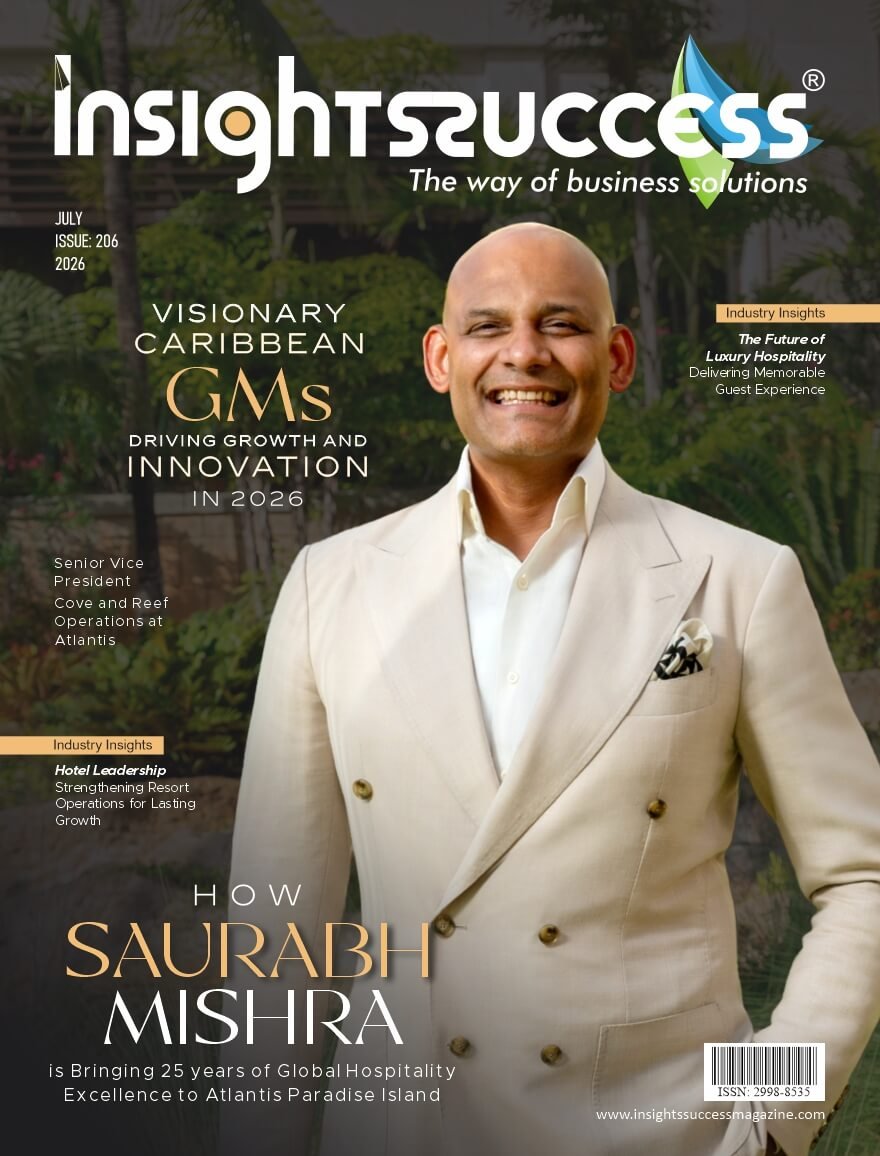
Visionary Caribbean GMs Driving Growth and Innovation in 2026
Visionary Caribbean GMs Driving Growth and Innovation in 2026 Recognizing visionary general managers whose strategic leadership, operational excellence, and innovative thinking are driving business growth, strengthening organizational performance, and shaping the future of industries across the Caribbean. Digital Link Quick highlights Quick reads
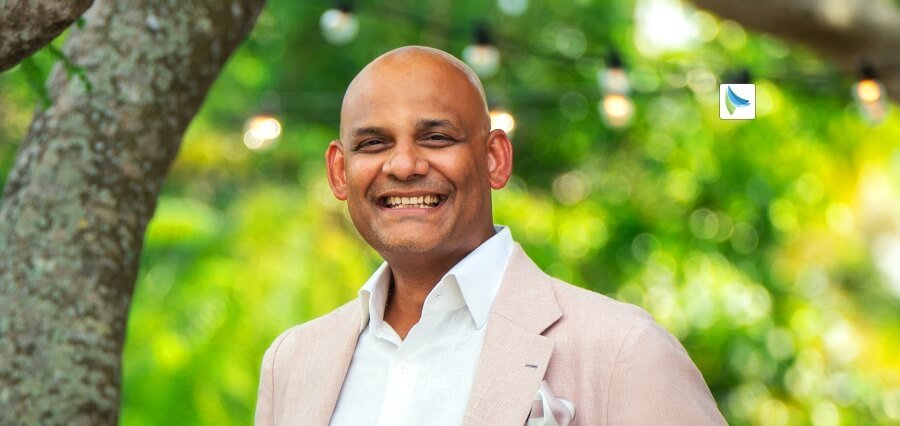
How Saurabh Mishra Is Bringing 25 years of Global Hospitality Excellence to Atlantis Paradise Island
The Bahamas does not need to be sold to most travelers. The images are already there, the turquoise water, the white sand, the unhurried pace of island life that people spend months of a northern winter dreaming about. What Atlantis Paradise Island has always understood, and what draws guests back across generations, is that a destination of that caliber demands something more than beautiful scenery. It demands people who genuinely care, who show up with purpose rather than obligation, and who understand that the difference between a good stay and an unforgettable one is almost never the physical product. It is the human being standing behind it. Saurabh Mishra, Senior Vice President leading the Cove and Reef operations at Atlantis, joined the property in January 2026 with three decades of experience building exactly that kind of human culture across some of the world’s most demanding luxury environments. He arrived not as someone coming to oversee a successful operation but as someone with a clear sense of what the next chapter could look like. The Cove and Reef represent a distinct world within the larger Atlantis destination. The Cove is an all-suite environment with 600 suites. The Reef offers approximately 500 residential-style units, housing multiple celebrity-chef dining experiences. Across the Atlantis campus, the partner Mandara Spa is undergoing significant renewal and remains open to all Atlantis guests. The resort caters to a diverse guest profile, ranging from first-time visitors to multi-generational families who have been returning for decade The Cove is currently in active transformation, and Saurabh has arrived precisely at the moment when the foundations of the next era are being laid. A Career Built Across Continents Before the Bahamas, there was Macau. And before Macau, Hong Kong, China, India, and the Middle East. Saurabh’s career in luxury hospitality has never stayed in one place long enough to become comfortable in the limiting sense of that word. Each move was deliberate; each environment chosen for what it would demand and what it would teach. His time with Hyatt took him from the Middle East through the opening of Park Hyatt in India, then to China for another significant opening, and eventually into a regional leadership role as the Regional Leader for Hyatt across Asia Pacific. That arc alone would represent a complete career for most hospitality professionals. For Saurabh Mishra, it was preparation for what came next. He joined Four Seasons Hong Kong, which he describes with genuine reverence as an institution in itself. Situated in the IFC, carrying multiple Michelin stars, operating at what he calls “Four Seasons on a steroid” standards, it represented a different quality of pressure and a different quality of expectation. After Hong Kong came seven years in an integrated resort environment in Macau, driving large teams, building cultures of excellence, and operating at a scale and complexity that few hospitality professionals ever encounter. Each of those environments deposited something permanent in how he thinks about leadership, about guests, and about what a resort experience is genuinely capable of delivering when the people behind it are fully committed to the work. He reflects, “It’s all about understanding the sentiment of our people, understanding what works, what doesn’t work, and really bringing people together. That’s how we drive experiences.” The Culture That Makes Everything Else Possible One of the clearest themes in how Saurabh Mishra approaches his leadership at Atlantis is the conviction that a guest experience is only ever as good as the culture that produces it. Technology can enhance a stay. A beautiful property can create a first impression. But the quality of the human connection between the people who work at a resort and the guests they serve is the thing that determines whether someone leaves with a story they tell for years, or a stay they have largely forgotten by the time the plane lands. At Atlantis, many colleagues have been with the property for a long time. That longevity is a genuine asset, representing deep institutional knowledge, strong relationships with returning guests, and loyalty to the property that is genuinely rare in an industry defined by high turnover. His role, as he sees it, is to give his teams a reference point for what world-class looks like in a global context, to inspire them to climb toward that standard together, and to create an environment where that aspiration feels even more exciting. The Team Members at Atlantis are not being asked to abandon what they have built. They are being invited to take it further. He says, “People aren’t just coming here for sunshine and beaches. They come for much more than that. They come for really getting a feel of the place where we show them we are a true host.” The culture he is building rests on a simple but demanding principle: team members should come to work not because they have to but because they love to. That distinction sounds like a motivational phrase until you spend time in a resort where it is genuinely true, and then the difference is impossible to miss. Guests feel it immediately, in every interaction, in the quality of attention they receive, in the sense that the person serving them is genuinely present and genuinely glad to be there. The Future of the Guest Experience When Saurabh Mishra talks about the trends shaping the future of luxury hospitality, he does not lead technology. He leads with something more fundamental: the emotional connection between a guest and a place will not change, no matter how sophisticated the tools available to the industry become. People are coming for authentic, genuine experiences. That is the constant against which everything else should be evaluated. Within that constant, he identifies several specific shifts that will define the next decade. The first is the importance of immersive pre-arrival engagement. The decision to travel to Atlantis is increasingly being shaped by the digital experience guests have before they ever book a flight. How the resort world is presented

Delivering Memorable Guest Experience
The Future of Luxury Hospitality Luxury hospitality has now moved far past its traditional practice of just providing lavish accommodation and high-end facilities. The modern traveler looks for unique experiences, which incorporate comfort, personalized care, and authenticity into the trip. In order to satisfy such expectations, luxury hospitality companies are constantly innovating and implementing sustainable practices that enhance guest experience through unique offerings. Every interaction, from the moment of booking to check-out, forms part of the Guest Experience. Those hotel properties that are able to surpass the guests’ expectations build customer loyalty and stand out in today’s competitive market environment. Personalization as the New Standard The modern traveler looks for personalization according to his or her own likes. Thanks to advanced technology, customer information, and AI, hospitality providers can know about their customers’ needs even before they come. The personalized settings of rooms, personalized meal suggestions, personal wellness programs, and even customized itineraries have become an integral part of luxury hospitality. It is necessary to provide a seamless Guest Experience by keeping the customer’s requirements in mind. Technology Enhancing Hospitality Services Technology keeps revolutionizing the hospitality industry in terms of increasing convenience and efficiency in operations. Mobile check-in, room key, smart room controls, virtual concierge, and customer support via AI facilitate everything during guests’ stay. The use of technology allows employees to concentrate on meaningful conversations with guests while all other operations can be done more efficiently. Intelligent Technology is essential for Luxury Hospitality as it provides quality and consistent services at different touch points. On the other hand, technology improves Guest Experience by offering convenience and accessibility to services while maintaining warm conversations. Sustainability Meets Sophisticated Comfort Sustainability has been gaining importance in the sphere of luxury tourism. In order to minimize the negative impact on the environment while continuing to provide services in compliance with high standards, hotels and resorts are now employing environmentally responsible practices. The use of energy efficient buildings, water conservation, local cuisine, waste minimization and other green features of accommodation facilities illustrate the sustainability of Luxury Hospitality and its efforts to contribute to responsible tourism. Such practices improve the quality of the Guest Experience because tourists appreciate sustainability. Empowering People to Deliver Excellence There is always an enthusiastic team behind every memorable stay. Through training, development, and learning, employees of luxury hotels have the required skill sets to meet guests’ demands. Good communication, cultural sensitivity, and problem-solving skills make it possible for the employees to develop good relationships during all stages of guests’ journeys. Luxury Hospitality relies on motivated employees who know that each detail affects guests’ satisfaction level. Employees’ dedication plays a key role in developing Guest Experience. Creating Lasting Value Through Innovation and Wellness In today’s world, guests look for experiences that help them become healthier and immersed in culture. In response to such desires, Luxury Hospitality companies are broadening their product line to include wellness retreats, culturally based food experiences, individual recreation options, and cultural experiences. This is how a guest experience becomes truly memorable, leaving its imprint on the life of the guest long after his/her stay. Excellence in the Guest Experience demands constant innovation in the design of services that will allow hotels to adapt to changes in guests’ needs and retain their high standards. As the expectations of travelers keep changing, companies that embrace innovation and connect with people at a human level will ensure customer loyalty and a good reputation. It is through the continuous improvement of Luxury Hospitality and all aspects of the Guest Experience that will bring about lasting value, repeat business, and sustainable growth. The Future of Premium Hospitality Innovation, personalization, and real human connections will be the key determinants in shaping the future of the hospitality industry. The future customers will still be on a constant lookout for a blend of comfort, authenticity, wellness, and technology in their travel experiences. Those companies which focus on digital transformation, sustainability, growth of their staff, and innovations to better serve their customers will be in a position to stay competitive. On one hand, Luxury Hospitality will keep growing by offering experiences which include culture, wellness, and personal services. On the other hand, a great Guest Experience will determine everything else. As the need for world travel keeps increasing, hospitality companies will have to integrate technology with human touch to develop unique experiences that will prompt visitors to return to them again. The ones that will keep innovating themselves, maintaining their efficiency, and keeping up with what travelers want are the ones that will be able to maintain their competitive edge by offering value to their visitors, employees, and stakeholders. These companies will write the next page in luxury travel. Read Also : Strengthening Resort Operations for Lasting Growth
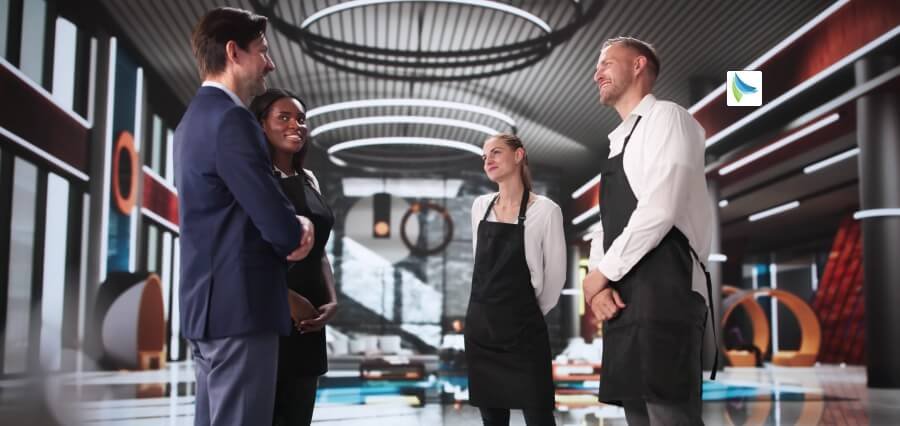
Strengthening Resort Operations for Lasting Growth
Hotel Leadership The hospitality sector is still transforming because of changes brought about by the demands of the customers, the improvements in technology, and competition in the international market. Excellent customer service calls for much more than just top-notch facilities and beautiful locations. It calls for effective Hotel Leadership in ensuring efficient operations, motivating high-performing employees, and providing quality services. On the other hand, efficient Resort Operations will involve all departments operating together to offer excellent experience to customers through efficient operations. Companies that are able to integrate great leadership and efficient operations are set for success. Building Operational Excellence Well-performing resorts need well-coordinated processes which guarantee that guests are served excellently during the entire period they spend in the resort. Front office management, housekeeping, food and beverages, recreation, and maintenance departments play an important role in determining the performance of the resort. Effective Hotel Leadership sets up specific objectives and facilitates teamwork. Efficient Resort Operations help to serve guests consistently, utilize resources effectively, and reduce operational problems. This makes it possible for hospitality organizations to provide high-quality services while adjusting to market changes quickly. Technology Driving Operational Efficiency Application of digital innovation is quite crucial in achieving excellence in the hospitality business industry. Digital innovations such as cloud-based property management systems, mobile check-ins, artificial intelligence, smart rooms, and scheduling systems improve efficiency and convenience. Innovative Hotel Leadership utilizes these digital innovations to make processes easier while improving the productivity of workers at the same time. Digital advancements also help boost resort operations by ensuring efficient inventory management, predictive maintenance, communication with guests, and better decision-making. Developing High-Performing Hospitality Teams The employees will always be the main key to success in any resort. They are the ones who make the guests have unforgettable experiences that will see them come back to stay and even refer others to stay at the resort. Effective Hotel Leadership makes sure that there is effective training for the employees, effective communication, and even rewards for the good performance of the employees. It also ensures that the departments work effectively together while ensuring that they maintain the service standards of the hotel. Sustainability Supporting Long-Term Growth Environmental sustainability has emerged as one of the most important considerations of present-day hospitality organizations. Today, the use of energy-efficient technologies, water management programs, sustainable purchasing, and waste management programs is becoming common among resorts to lessen their environmental footprint as well as enhance their efficiency. Responsible Hotel Leadership is all about incorporating sustainability practices into business plans while ensuring that the experience for the customers is not sacrificed. The operations of Sustainable Resorts not only help in saving money but also enhance the image of the brand among eco-conscious tourists. Preparing Resorts for the Future In order for the hospitality sector to have a successful future, innovations, adaptability, and excellent services should be considered. The resort organization needs to maintain investments in technology, development of its workforce, efficiency in operations, and personal engagements to stay competitive. Strong Hotel Leadership would keep on guiding organizations in dynamic environments using innovation, planning, and improvements. Effective Resort Operations, on the other hand, would make sure that all aspects of the experience of the guest are done professionally. The more globalization occurs in the travel industry, the more hospitable organizations can develop competitive advantages using digital transformation and innovations centered on customers. The vision of leadership and correct operations is what will help the resorts’ industry maintain its momentum and continue meeting customers’ expectations in a sustainable way. The future of the hospitality industry is going to be shaped by Hotel Leadership & Resort Operations, thus making the firms deliver great services and establish long-lasting connections with the customers. Strengthening Hospitality Through Continuous Innovation Continuous Improvement remains essential to maintain excellence in the tourism industry that continues to get more competitive every single day. The resort facilities that constantly evaluate feedback from their customers, measure their performance, and incorporate the latest technologies are those that can respond to the needs of their clients. The Good Hotel Management fosters innovation through providing its personnel with an opportunity to make suggestions concerning ways to improve their service. Such investment in technology, employee training, and process improvement not only increases resilience but also brings companies closer to their goals. Efficient Resort Operations greatly depend on interdepartmental cooperation. Collaborations with local communities, tourist boards, and sustainable tourism programs provide even greater opportunities to increase the attractiveness of a destination along with offering genuine experiences for tourists. Through innovation, teamwork, and commitment to excellence in services, hospitality companies will be able to boost their competitive position, increase their profits, attract repeat visits, and provide benefits for all stakeholders. Read Also : Digital Learning Platforms & Digital Product Strategy
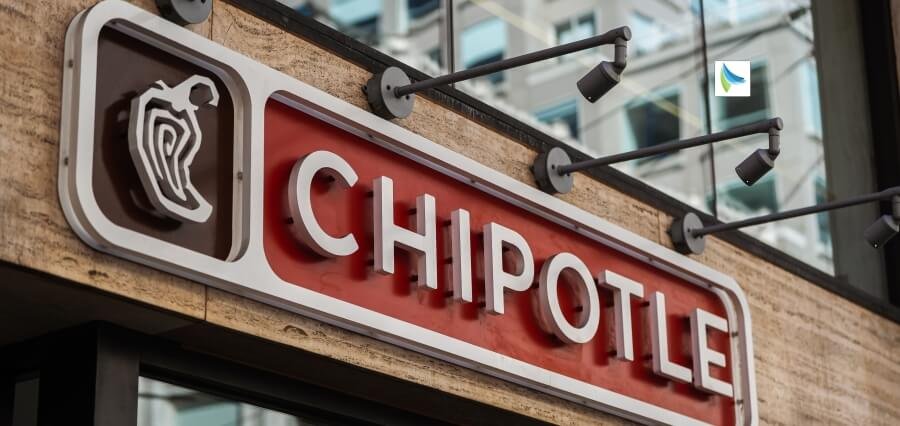
Chipotle Kicks Off Mexico Expansion with Alsea Partnership
Prime Highlights Chipotle will open its first Mexico restaurant on Thursday in San Pedro Garza García, near Monterrey. The company plans to expand into Mexico City by 2027 as part of its partnership with Alsea. Key Facts Chipotle operates more than 4,100 stores worldwide and plans 350 to 370 new openings this year. The Mexico entry follows a development agreement signed with restaurant group Alsea last year. Background Chipotle is set to open its first restaurant in Mexico this week, the company announced on Monday. The store will open on Thursday in San Pedro Garza García, Nuevo León, part of the Monterrey metropolitan area. Chipotle said the opening forms part of its previously announced partnership with restaurant group Alsea. Thursday’s launch will be the first in a larger rollout of restaurants across Mexico, including an expansion into Mexico City planned for 2027, according to the company. Chipotle CEO Scott Boatwright said the company was entering Mexico with deep respect for the country’s culinary heritage and a commitment to delivering the Chipotle experience with excellence. He added that the company’s research had reinforced its belief in strong demand for high-quality, freshly prepared food offered with the customisation and convenience Chipotle provides. The company plans to open an additional 350 to 370 new restaurants this year as it works to regain growth after a stagnant year and attract customers with new menu offerings. International expansion through partnerships forms a key part of that strategy. Chipotle said it chose the Monterrey area for its strong economy, growing population and status as one of Mexico’s leading business and innovation hubs. The new restaurant will carry the same menu as its existing US locations. Chipotle and Alsea signed the Mexico development agreement last year as the US chain moves into the market. The company currently operates more than 4,100 stores worldwide, including locations across the Middle East and Europe. Read Also : Wall Street Banks Accelerate Digital Assistant Adoption to Boost Productivity

Gargi by P N Gadgil & Sons Unveils Monsoon Collection 2026 Featuring Brand Ambassador Mithila Palkar
Pune, India | 13 July 2026: Gargi by P N Gadgil & Sons (PNGS) has launched its Monsoon Collection 2026, introducing a new range of contemporary sterling silver and certified natural diamond jewelry inspired by the sights, colors, and atmosphere of India’s monsoon season. The collection is presented through a campaign featuring actor and brand ambassador Mithila Palkar, who continues her association with the brand for a second consecutive year. Designed around the changing moods of the season, the collection reflects elements such as rain-washed landscapes, misty mornings, lush greenery, and the quiet charm associated with the arrival of the monsoon. A Collection Inspired by the Monsoon The Monsoon Collection 2026 features jewelry crafted in 925 sterling silver alongside selected designs incorporating certified natural diamonds. The collection includes earrings, pendants, rings, and necklaces inspired by natural forms such as raindrops, leaves, vines and dewdrops. Green accents represent the vibrant landscapes associated with the rainy season, while the polished silver finish reflects the subdued tones of overcast skies and rain-soaked surroundings. The designs are intended to offer versatility for everyday wear, transitioning seamlessly from professional settings to casual evening occasions. According to the brand, the collection combines contemporary styling with lightweight construction to deliver jewelry suited to changing seasonal lifestyles while remaining accessible to a broad customer base. Campaign Celebrates the Spirit of the Season The accompanying campaign showcases Mithila Palkar immersed in monsoon-inspired settings featuring lush greenery, soft natural lighting, and rain-filled landscapes. Rather than portraying the monsoon as an interruption to everyday life, the campaign highlights the season’s slower pace, warmth, and understated beauty. Through digital platforms, social media channels, and in-store displays, the campaign encourages consumers to embrace the monsoon as a season that inspires personal style and self-expression. Company Perspective Commenting on the launch, Aditya Modak, Chief Executive Officer and Co-Founder of Gargi by P N Gadgil & Sons, said: “The monsoon holds a unique emotional significance for people across India. It encourages us to slow down and appreciate the beauty in everyday moments. With this collection, we wanted to translate those emotions into jewelry inspired by the freshness of nature, the comfort of the season and the subtle elegance associated with rainfall. Mithila Palkar continues to represent the values of the brand with authenticity, confidence and contemporary appeal, making her a natural choice for this campaign.” Availability The Monsoon Collection 2026 is available across all Gargi stores, P N Gadgil & Sons showrooms, and through the brand’s online platform. Customers can also avail themselves of seasonal offers on selected sterling silver and certified natural diamond jewelry until 19 July 2026. About Gargi by P N Gadgil & Sons Gargi by P N Gadgil & Sons is a contemporary fashion jewelry brand backed by the legacy of P N Gadgil & Sons, established in 1832. The brand offers modern jewelry collections designed for evolving consumer preferences while maintaining a strong focus on craftsmanship, quality, and affordability. With a retail presence spanning more than 126 points of sale across 65 cities and 21 states, Gargi continues to expand its footprint across India. The brand also incorporates sustainable practices through the use of recycled packaging materials and environmentally conscious production processes. For more information, visit www.gargi.shop. Read Also : AI Search is Reshaping Brand Reputation, and Reddit is Becoming the New Battleground
Health Experts Stress Early Detection and Lifestyle Changes to Combat Rising Burden of Chronic Kidney Disease
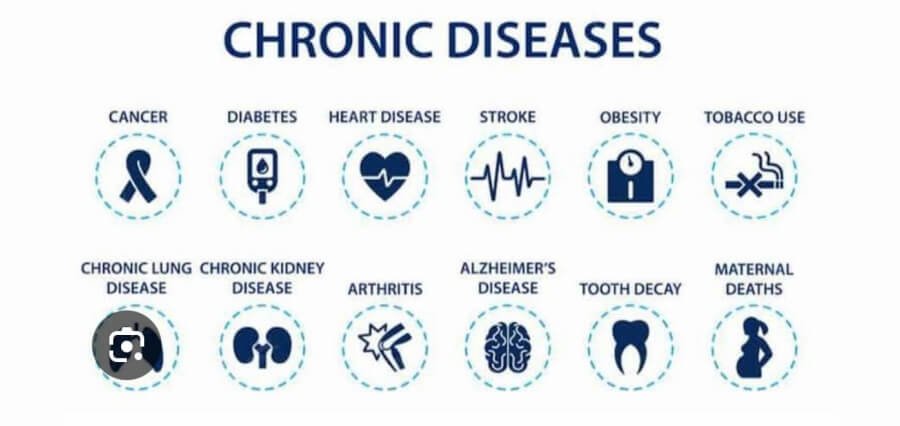
Medical experts are calling for greater public awareness of chronic kidney disease (CKD), warning that the condition often progresses silently and remains undiagnosed until significant kidney damage has occurred. As the prevalence of diabetes, hypertension and obesity continues to rise, Dr. Ch. Sashidhar and Dr. Nabeela Fatima emphasize that early detection, routine screening and preventive lifestyle measures are critical to reducing the long-term impact of kidney disease. Chronic Kidney Disease is a progressive condition in which the kidneys gradually lose their ability to remove waste products and excess fluids from the bloodstream. Left untreated, CKD can lead to kidney failure, cardiovascular complications and other serious health conditions, placing a substantial burden on both patients and healthcare systems. Growing Need for Public Awareness Healthcare professionals note that CKD has become one of the leading chronic diseases worldwide, yet awareness of the condition remains relatively low compared to other non-communicable diseases. Because the disease often develops without noticeable symptoms during its early stages, many individuals are diagnosed only after kidney function has declined significantly. Dr. Ch. Sashidhar and Dr. Nabeela Fatima note that increasing public awareness can encourage timely screening among high-risk populations, allowing earlier intervention and significantly improving long-term health outcomes. Who Is Most at Risk? Doctors advise that certain groups are at a significantly higher risk of developing Chronic Kidney Disease and should undergo regular health assessments. Individuals living with diabetes or high blood pressure are among the most vulnerable, as both conditions can progressively damage the kidneys over time. People with cardiovascular disease, obesity, a family history of kidney disease, or those aged over 60 years also face an increased risk. In addition, long-term tobacco use and prolonged consumption of non-steroidal anti-inflammatory drugs (NSAIDs) without medical supervision may contribute to declining kidney function. Recognising the Warning Signs One of the greatest challenges associated with CKD is the absence of symptoms during its early stages. As kidney function deteriorates, patients may experience swelling in the feet, ankles or face, persistent fatigue, reduced appetite, nausea, vomiting, muscle cramps, itching, and uncontrolled high blood pressure. Changes in urinary habits—including altered urine colour, reduced or increased frequency, foamy urine caused by excess protein, or the presence of blood in the urine, may also indicate underlying kidney disease and should be evaluated promptly by a healthcare professional. Prevention Through Healthy Lifestyle Choices Medical professionals emphasize that many cases of chronic kidney disease can be delayed or prevented through proactive health management. Maintaining healthy blood sugar levels and controlling blood pressure remain among the most effective strategies for protecting kidney function. Experts also recommend following a balanced diet with reduced salt intake, engaging in regular physical activity, maintaining a healthy body weight, staying adequately hydrated unless otherwise advised by a physician, avoiding smoking, limiting alcohol consumption, and using pain medications only under appropriate medical guidance. According to Dr. Ch. Sashidhar and Dr. Nabeela Fatima, these preventive measures not only safeguard kidney health but also help lower the risk of several other chronic diseases that commonly coexist with CKD. Importance of Regular Screening Routine screening plays a vital role in identifying kidney disease before irreversible damage occurs. Healthcare professionals recommend that individuals at increased risk undergo regular blood pressure monitoring, blood glucose testing, including HbA1c where appropriate serum creatinine testing with estimated glomerular filtration rate (eGFR), and urine albumin-to-creatinine ratio (ACR) or urine protein testing. Early diagnosis enables healthcare providers to initiate appropriate treatment, slow disease progression and reduce the likelihood of kidney failure and associated cardiovascular complications. A Public Health Priority Commenting on the importance of awareness, Dr. Ch. Sashidhar and Dr. Nabeela Fatima said that healthy kidneys are fundamental to overall well-being and quality of life. Since Chronic Kidney Disease frequently progresses without noticeable symptoms, they emphasized that regular health check-ups should become a routine part of preventive healthcare, particularly for individuals living with diabetes, hypertension and other recognized risk factors. They further highlighted that timely diagnosis, sustained lifestyle modifications and appropriate medical management can significantly preserve kidney function, improve quality of life and reduce the need for advanced treatments such as dialysis or kidney transplantation. By promoting awareness, encouraging routine screening and supporting healthier lifestyles, healthcare professionals believe the burden of chronic kidney disease can be substantially reduced while improving outcomes for millions of individuals at risk. Disclaimer – This article is a work of original content created for public relations and informational purposes only. It may be published across multiple digital platforms with the full knowledge and consent of the author/publisher. All images, logos, and referenced names are the property of their respective owners and used here solely for illustrative or informational purposes. Unauthorized reproduction, distribution, or modification of this article without prior written permission from the original publisher is strictly prohibited. Any resemblance to other content is purely coincidental or used under fair use policy with proper attribution.
Top Trailblazing VPs To Watch In Saudi Arabia
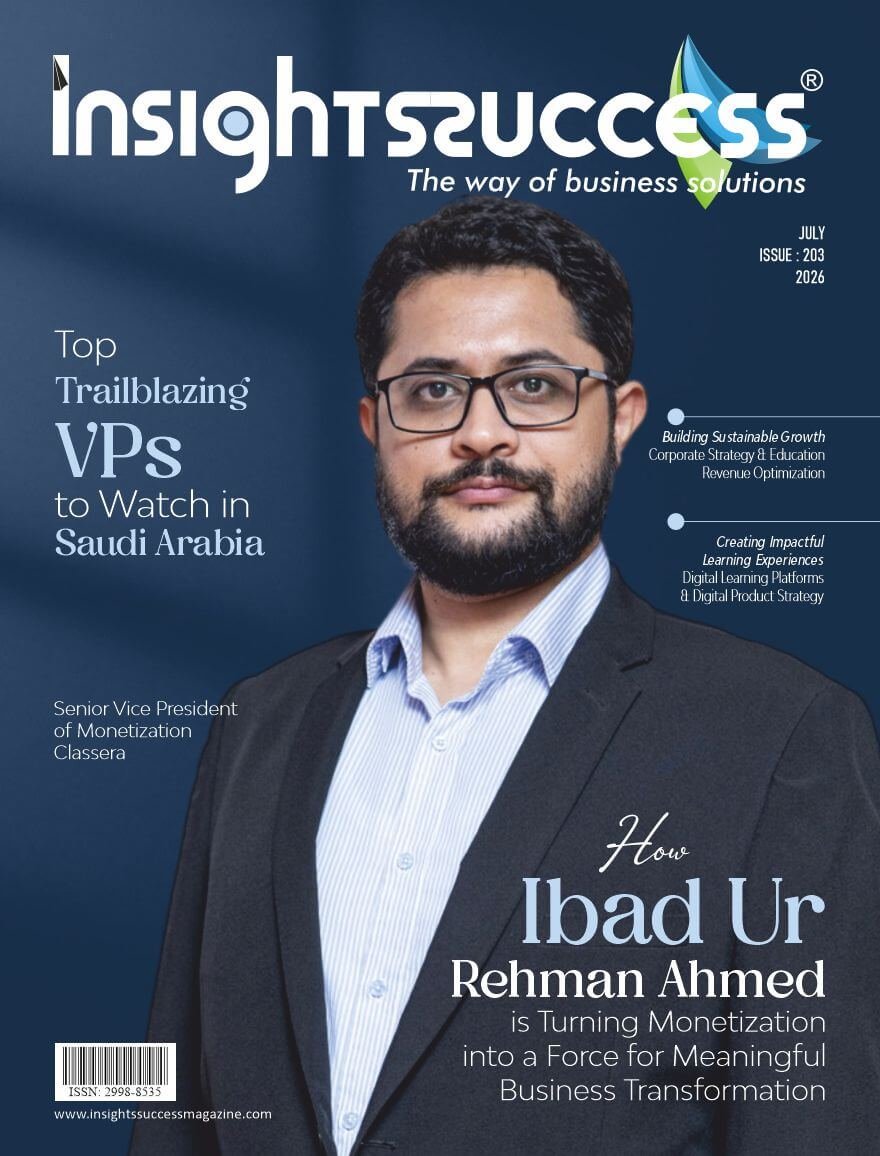
Top Trailblazing VPs To Watch In Saudi Arabia Honoring exceptional vice presidents in Saudi Arabia whose visionary leadership, strategic expertise, and commitment to innovation drive organizational excellence, accelerate business growth, and shape the future of their industries. Digital Link Quick highlights Quick reads
How Ibad Ur Rehman Ahmed Is Turning Monetization into a Force for Meaningful Business Transformation
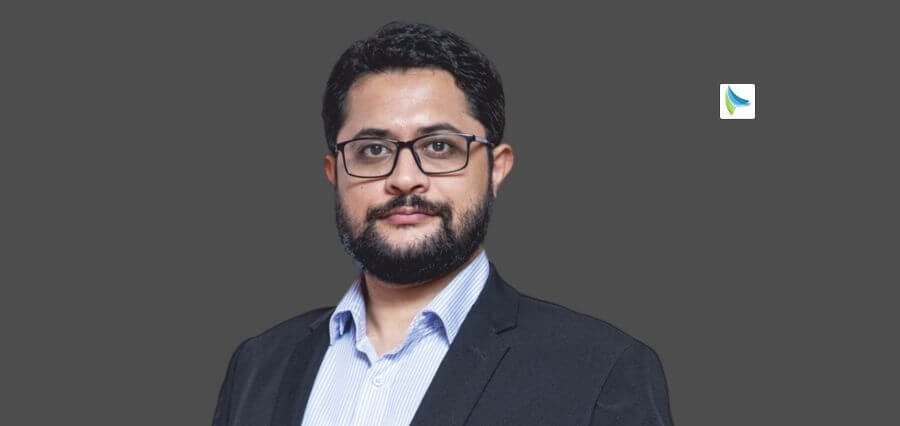
Not every professional can point to a single mentor who changed the entire trajectory of their thinking. Ibad Ur Rehman Ahmed can. Early in his career, working as Head of Corporate Strategy and later as General Manager of Convenience Retail at Petromin, he had the privilege of being mentored by the Vice Chairman of the board, Waheed A. Shaikh. Observing how a leader of that caliber thought about strategy, how they connected the boardroom’s concerns to everyday execution, and how they made decisions under competing pressures, left marks on him that have never faded. That education, earned not in a classroom but in proximity to someone who led at the highest level, became the foundation on which everything that followed was built. Today, Ibad Ur Rehman Ahmed serves as Senior Vice President of Monetization at Classera, the Saudi-founded edtech company established in 2011 and operating across Jeddah, Cairo, Amman, Muscat, and San Francisco. It is a role he describes as the most meaningful of his career, and that description carries more weight than the usual executive understatement. The work connects revenue strategy and business performance to something considerably larger: the question of who gets access to quality education, and on what terms. What the Boardroom Actually Cares About The years Ibad Ur Rehman Ahmed spent at Petromin gave him something that most strategy professionals acquire only after decades of seniority: an understanding of how CXOs actually think. Not how they present in public or how they communicate in annual reports, but what genuinely concerns them when the cameras are off, and the room is small enough for honest conversation. That understanding sits at the core of how he approaches his current role. Revenue strategy, in his view, is inseparable from customer strategy. The two are not competing priorities to be balanced against each other. They are expressions of the same underlying logic and confusing them produces the kind of short-term thinking that generates revenue at the cost of the relationships that sustain it. He states, “The mistake we often make is to confuse value for price. A happy customer can have a much higher willingness-to-pay than the current price, and vice versa.” The deeper argument he makes is about sequencing. In any boardroom debate about who comes first, whether the investor, the shareholder, the partner, the supplier, or the employee, his answer is consistent and unambiguous: the customer. Not because the others do not matter, but because you can only take care of everyone else if the customer is genuinely satisfied first. That principle is not a philosophy he has adopted as a guiding statement. It is the operational logic he applies to every monetization decision he makes. Building at the Edge of Disruption Ibad’s thinking about innovation and market opportunity is shaped by a belief that most organizations fundamentally misunderstand the nature of the threat they face from technology disruption. The question is not whether disruption will arrive. It is whether the organization has invested seriously in understanding how it will arrive and what it will look like when it does. His prescription is precise: every business, technology-native or otherwise, needs a dedicated internal incubator with genuine autonomy and two clear deliverables. The first is to understand how a technology-based upstart could disrupt existing business from the outside. The second is to identify how the organization can leverage that same technology to create the next significant revenue vertical while continuing to extract value from its current position. He notes, “Not having such a startup or not giving it autonomy is why the average company lifespan has reduced to 12.5 years.” That figure is not a piece of trivia. It is a warning about what happens when organizations prioritize defending existing models over genuinely interrogating them. Ibad Ur Rehman Ahmed has seen enough business cycles to understand that the companies most at risk from disruption are rarely those that ignore new technology entirely. They are those that watch it carefully but never quite give themselves permission to build against it from within. The Foodpanda Chapter Among the experiences that most directly tested Ibad’s resilience and commercial conviction was his time as Director of Grocery and New Verticals at foodpanda, part of Delivery Hero. He arrived during the rapid rise of quick commerce, a category that was not yet established, navigating both the headwinds and tailwinds created by COVID-19 and a startup investment landscape that was producing new competitors on what felt like a weekly basis. The pressure in that environment was not simply competitive. It was ideological. Every new entrant arrived with funding, a bold claim, and an implied argument that volume was the only metric that mattered. The temptation to respond in kind, to chase share through deep discounting and sacrifice margin for scale, was ever-present and well-funded. Ibad Ur Rehman Ahmed resisted it. His conviction was that building a sustainable business around solid fundamentals and leveraging marketing technology and advertising technology as genuine revenue levers was the right approach, even when a competitor’s short-term share gains made that position uncomfortable to hold. The lesson he took from that period stayed with him. He reflects, “Deep thinking about the defensibility of your moats and your own strengths and weaknesses is far more important than structuring your strategy around what competition is doing.” Making Education More Accessible The work Ibad Ur Rehman Ahmednow leads at Classera carries, by his own account, more personal weight than anything he has done previously. The company operates at the intersection of education technology and financial access, and that combination means that the decisions his team makes about monetization carry consequences that extend well beyond commercial outcomes. Every edtech recommendation the company makes helps upskill individuals at a moment when the gap between what academia produces and what industry actually requires is widening at a rate that traditional institutions are not equipped to close. Every financed tuition arrangement creates an option for access to quality education that would not otherwise have existed for the
Digital Learning Platforms & Digital Product Strategy
Creating Impactful Learning Experiences Educational platforms have changed dramatically due to the influence of modern technology on the ways knowledge is delivered and consumed. Contemporary learners look for flexible and interactive sources of knowledge that would promote their development. Therefore, educational organizations should be able to create experiences that surpass standard classrooms and outdated sources of information found online. Modern Digital Learning Platforms can provide learners with knowledge at any place and any time while the Digital Product Strategy will help to keep them innovative and relevant. Designing Learner-Centered Experiences Successful technology in education is built on knowledge of the needs of the learners. Everything about technology needs to make learning easier for the learners but also engage them actively. Effective Digital Learning Platforms integrate all these aspects to provide an enriching educational experience. The learners enjoy technologies that cater to their different learning styles and move ahead at their own pace. Accessibility is also an important factor. The platform should be designed in such a way that it functions in diverse devices and caters to various learning requirements and accessibility, thus removing all barriers to participation. The focus should be made not only on education but also on usability, which will keep the users engaged and successful. Developing Products with Purpose Developing effective educational technology is not only about having technical knowledge. Each change must align with the higher-level goals of the organization and desired results for learners. The development of a good Digital Product Strategy starts with market research, user experience, competitive analysis, and assessment of the learners’ expectations. Such an approach helps to make decisions regarding valuable changes rather than adding new complications. The cooperation between educators, developers, designers, and businesspeople is also essential. It ensures that quality education remains at the core during product development. Innovation must be accompanied by practicality, where all features improve learning efficiency and engagement. The well-established Digital Product Strategy helps companies provide seamless user experiences despite new educational requirements. Using Data to Drive Continuous Improvement Today, data is considered to be one of the most valuable assets in education. It allows to learn more about user engagement, completion rates, testing results, and user behavior. All this will help to identify areas that need improvement and choose the right strategy. It is crucial for decision-making regarding the material. The insights gained from the analysis of ADLPs provide detailed information on the learning process and can be helpful in tailoring individual lesson plans for students who require additional support. The product team will find it beneficial to have information about how features are used when assessing their success and creating new ones. Such an approach will ensure that platforms remain relevant to learner needs. Encouraging Innovation and Collaboration The need for innovation is still important in creating significant learning experiences. Modern learners require more immersive learning materials, adaptive testing, artificial intelligence, gamification, and collaborative learning. The organizations engaged in education should explore the new technologies innovatively to make sure that innovations always improve the learning process. A successful Digital Product Strategy involves constant innovation while ensuring there are educational goals in place. Roadmaps should change based on learners’ demands and technological changes while not affecting usability and accessibility of the product. Updates and feedback from users and stakeholders keep products relevant and valuable. The use of collaboration is beneficial for digital education as well. The use of discussion boards, virtual classrooms, peer-learning methods, and interaction with instructors can create an atmosphere where learning is made in a collaborative environment where knowledge sharing is practiced freely. Preparing for the Future of Education Education’s future will certainly continue to be driven by technology, evolving work-force expectations, and life-long learning. Organizations that make smart decisions now will be in a much better position to take advantage of what the future holds. Through scalable infrastructure, robust systems, and dynamic learning environments, organizations can broaden their scope while maintaining quality education standards. Combining Digital Learning Platforms with Digital Product Strategy makes it possible for an organization to have a sustainable model for growth and innovation. Good platforms provide engaging learning experiences while good product strategies make sure the products continue developing together with the needs of learners and changes in the markets. Those organizations that understand and follow such an approach ensure high levels of learner satisfaction, organizational effectiveness, and competitive advantage. The future of education is becoming digital, and success depends on providing good learning experiences. Read Also : Corporate Strategy & Education Revenue Optimization