





Dr. Khulood Shebib Khansaheb Champions a Leadership Model Built on Empowerment, Education, and Ethical Innovation
Dr. Khulood Shebib Khansaheb, a distinguished academic and entrepreneurship leader whose career spans Dubai’s government, semi-government, and private sectors, is recognized for a leadership philosophy centered on one guiding principle: a true leader creates other leaders. A Career Rooted in Public Service and Purpose With a career shaped at the intersection of public service, higher education, and entrepreneurial ecosystem-building, Dr. Khansaheb has spent recent years bridging academia and industry, mentoring students and founders, and leading incubator initiatives that turn ideas into ventures. “Leadership is not about having all the answers. It’s about creating opportunities for others to discover their own potential.” Early in her career, she added, success was measured through personal qualifications and recognition; today, it is measured differently,” Dr. Khansaheb said. According to her, the greatest achievement is not building success by yourself, but rather it is empowering others to turn their ideas into reality, describing the satisfaction of watching students discover an entrepreneurial mindset or startup founders validate their first business idea. Values Forged in Government, Carried Into Academia Dr. Khansaheb’s leadership approach rests on five constants that have guided her career: curiosity toward lifelong learning, integrity, teamwork, initiative, and service. These principles, she said, were reinforced during her time in Dubai’s government sector, shaped by the values embedded across its institutions under the leadership of His Highness, ruler of Dubai, Sheikh Mohammed bin Rashid Al Maktoum. Her transition from government to academia marked a turning point. Where government leadership emphasized policy and institutional outcomes, higher academic role along with her industry experience demanded a pivotal focus: engaging, inspiring, and empowering students directly. That shift led her to redesign coursework around industry relevance and build an incubator model connecting students, faculty, and industry to solve real-world challenges. Innovation With a Human Core Central to her philosophy is a belief that innovation must remain human-centered, even as artificial intelligence and automation reshape education and the workplace. “Technology should enhance human capability, not replace human connection,” she said, adding that empathy, ethical judgment, and trust remain qualities no technology can replicate. She pointed, too, to the growing responsibility of leaders to bridge technological fluency with emotional intelligence, arguing that institutions best positioned for the future will combine cutting-edge tools with genuine human connection and shared purpose among diverse teams. Building Trust, One Day at a Time Dr. Khansaheb described trust as earned daily rather than through singular acts of leadership—built through preparedness, follow-through, and consistent presence for students, faculty, and entrepreneurs alike. She encourages young professionals to adopt an entrepreneurial mindset regardless of their field, take initiative rather than wait for ideal conditions, and treat setbacks as catalysts for growth and lessons learned towards determination and continuity. She also emphasized psychological safety within teams and classrooms, describing an environment where students, faculty, and colleagues feel confident enough to challenge assumptions and take calculated risks without fear of failure. “Not every idea will succeed, but every experience provides insight that helps us grow, adapt, and innovate more effectively,” she said. A Legacy Measured in People Asked about the legacy she hopes to leave, Dr. Khansaheb pointed not to authority and individuality, but to people and team work. “If the people I have mentored go on to become confident leaders who create opportunities for others, I consider that my greatest success,” she said. That philosophy of leadership as continuous empowerment across education, entrepreneurship, and ethical innovation positions Dr. Khulood Shebib Khansaheb among a growing cohort reshaping how institutions in the UAE cultivate the next generation of innovators and change-makers. Read Also: Beyond AI Content Creation: How Letscoot is Building the Future of the Creator Economy

Top 5 Women Leaders to Look for in 2026
Top 5 Women Leaders to Look for in 2026 Celebrating exceptional women leaders whose vision, resilience, and influence are shaping industries, inspiring innovation, and creating lasting impact. This edition highlights the Top 5 Women Leaders to Look for in 2026. Digital Link Quick highlights Quick reads

Celebrating Women Who Lead with Vision
Leadership continues to evolve through individuals who challenge conventions, inspire progress, and create opportunities that extend beyond organizational success. Across industries, women leaders are making remarkable contributions by introducing fresh perspectives, encouraging innovation, and building cultures rooted in collaboration, resilience, and purpose. Their influence is measured not only by business achievements but also by the positive impact they create for people, communities, and the industries they serve. Today’s women leaders are shaping the future through strategic thinking, adaptability, and an unwavering commitment to excellence. They lead organizations through change, inspire high-performing teams, and demonstrate that authentic leadership is built on integrity, continuous learning, and the ability to turn challenges into opportunities. Their journeys encourage the next generation of professionals to pursue their ambitions with confidence while contributing to meaningful and sustainable growth. In this edition of Top 5 Women Leaders to Look For in 2026, Insights Success proudly celebrates five exceptional women whose leadership journeys reflect vision, determination, and a commitment to creating lasting value. Representing diverse industries and professional backgrounds, they have earned recognition through their ability to drive innovation, strengthen organizations, empower teams, and influence positive change. Their achievements serve as powerful examples of leadership that extends beyond titles and transforms businesses and communities alike. Each leader featured in this edition has demonstrated outstanding professional excellence while remaining committed to inspiring others through purpose-driven leadership. Their stories highlight the importance of resilience, strategic thinking, collaboration, and lifelong learning in achieving meaningful success. As they continue to break barriers and redefine excellence within their respective fields, they remind us that great leadership is about creating opportunities for others, building organizations with purpose, and leaving a lasting legacy of positive impact. We are honored to present this special edition and congratulate all the featured leaders for their remarkable accomplishments. We hope their inspiring journeys encourage aspiring professionals everywhere to lead with confidence, integrity, and a vision for a better future. Let each page inspire reflection, purpose, and forward thinking!

From the Microbiology Lab to the Boardroom: The Turnaround Leadership of Priyanka Mishra
Some leaders build careers by staying in their lane. Priyanka Mishra built hers by moving through the lanes nobody had driven on before, newly created roles, first-ever appointments, business entities due for course corrections. she has spent eighteen years turning exactly that kind of complexity into sustained, measurable profitability and is currently serving as Executive Director and Country General Manager at Umicore India Pvt Ltd, Her path began with a B.Sc. in Microbiology and Biochemistry from Mumbai University, followed by an MBA at Symbiosis International University, an academic foundation that gave little hint of the commercial career that would follow. What it did give her was the analytical rigor that has defined every role since. At BASF, she spent years learning the nuances of sales and margin analysis, eventually managing a 14-million-dollar portfolio and earning selection among the Top 100 Salesperson at APAC level. A subsequent move to AkzoNobel brought a Best Rookie award and a role created specifically for her, the business unit`s first marketing manager hire in a male-dominated industry split between organized and unorganized sectors. She mentions, “Hard work and sincerity kept adding next pieces and my career sort of developed organically. And I am extremely grateful for this and proud beyond words.” Tripling Turnover in Margin-Sensitive Markets The real test of Priyanka’s agility came at Solvay and DKSH, where she navigated margin-sensitive markets and volatile global supply chains. Tasked with scaling nascent, import-led businesses, she tripled Solvay’s commodity import turnover and delivered double-digit CAGR at DKSH, working with a dynamic, high-performing pan South Asia team she describes as unique in its diversity: geography, language, gender, experience. What could have been a difficult experience became one of her most memorable, because despite intense performance pressure, the team functioned as a genuine unit, each member complementing the other while holding the larger goal in view. At DKSH specifically, her leadership produced a 17% CAGR over five years alongside Internal global leadership engagement scores exceeding 98%, evidence that profitability and people-centricity are not competing priorities but mutually reinforcing ones. She asserts, “Despite the intense performance pressure, we worked as a unit, each one complementing the other, with the larger goal in mind.” The Turnaround at Umicore India Currently, as Executive Director and General Manager at Umicore India, Priyanka Mishra has earned her reputation as a transformation specialist. In the last three years, she has stabilized the India entity, navigating internal challenges and market shifts to deliver 3X profitability growth while overhauling governance frameworks from the ground up, building toward zero-observation governance standards. Through her leadership, she has nurtured a work culture based on mutual respect, honesty and sincerity, which helps the team to thrive even through adverse business conditions. Her team works with an inclusive culture based on respect and “solution orientation”. Umicore’s products and solutions serve a vast range of industries, which means, as she puts it, there is never a dull day. Beyond the P&L, she sits on boards including the Indo-Belgian Luxembourg Chamber of Commerce, a professional trust earned through years of demonstrated discipline. The Board experience itself, she notes, has been educative, with a learning curve she has found genuinely interesting rather than merely demanding. She highlights, “In the last three years, I have stabilized the India entity to deliver multi times profitability growth while overhauling governance frameworks from the ground up. The bonus was a thriving growth oriented work culture. I didn’t achieve this by being popular amongst my team, but taking bold decisions and earning the respect and credibility I have today A Career Built on Being First At many points across her career, Priyanka Mishra has been the first in some capacity: the first occupant of a newly created role, the first woman in a commercial position, the first woman leader at a given level. While challenging at the time, she now views those firsts with a sense of achievement that has only deepened in hindsight. The values behind that drive were set early. Independence and empowerment were central tenets of how she was raised, and not having a career was never presented as an option. There was no master plan, no cheat code, just a simple mantra: find a good job and do the best you can. After her MBA, the focus was on landing a position with a good company. There, she moved across three roles within BASF before progressing to her next chapters, learning fast and adapting at each stage. She states, “At no point in my life was ‘not having a career’ ever an option.” Personal Governance as the Foundation of Balance Balancing a Country Leadership role with a fulfilling personal life is not, in Priyanka Mishra’s framework, about achieving a perfect daily split. It is about intentional integration and simple prioritization, built on three pillars. The first is boundaries through governance: the same discipline she applies to building SOPs for business stability, applied personally to her time, ensuring she is fully present in the boardroom and equally protective of offline windows for family and reflection. The second is building a support ecosystem. Leadership can be lonely and intimidatingly isolating, but she learned, sometimes the hard way, that she did not have to be the sole lead hero. She invests heavily in empowering talent and has spent considerable effort developing a accountability as a culture at Umicore, rejecting micromanagement as a signal of insecurity. On personal front, a strong support system of immediate family and close friends helped her remain human, through the ups and downs of life. This “little village” of her husband, their parents, her sister and her family, have helped raise her child in a beautiful warm environment. This has helped lessen the guilt of a working mother. The third pillar is keeping her moral compass pointed to true north. Maintaining a value system requires constant effort, because life consistently presents impossible temptations and decisions. This has to be an intentional exercise, as one`s standards of ethics and points of compromise are visible to

Meeting Industry Needs with Specialty Chemical Solutions
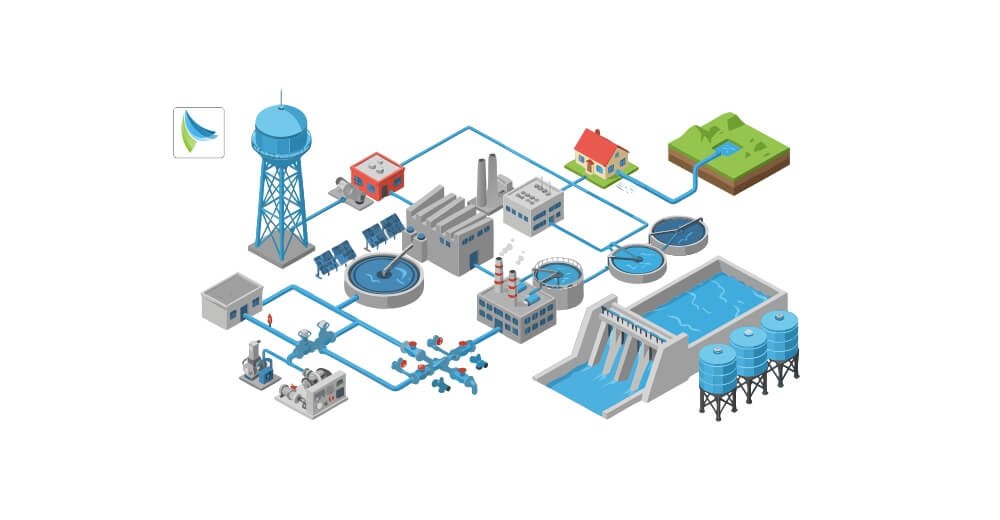
Chemical Supply Solutions The chemical sector has an important role in the growth of manufacturing, health care, construction, farming, power, and many more industries. With increased specialization in industries, companies need reliable Chemical Supply Solutions that guarantee consistent quality, on-time delivery and compliance. In addition to this need, there is the emerging need for Specialty Chemical Solutions that are assisting companies in improving efficiency and increasing performance of their products. Meeting Diverse Industry Requirements All industries have special needs that need tailor-made solutions in terms of chemicals and expert advice. This includes coatings, adhesives, lubricants, water treatment chemicals, and industrial cleaners; companies need Chemical Supply Solutions to ensure they have smooth running processes without any disruptions. Companies that have knowledge of the special industry need not only offer chemicals but also offer value through advice and inventory control. On the other hand, Specialty Chemical Solutions help manufacturers solve complicated issues using special chemicals. Innovation Driving Chemical Excellence The chemical industry is still being changed by research and development through the introduction of new product formulations that boost productivity and minimize environmental footprint. The increasing adoption of sustainable raw materials, superior additives, and environmentally friendly manufacturing methods by manufacturers continues to build on the capabilities of Chemical Supply Solutions through increased availability of products and stronger supply chains. Similarly, with the aid of Specialty Chemical Solutions, industries will be able to increase the durability of their products and minimize inefficiencies. Strengthening Supply Chain Reliability Efficient Supply Chain is important to ensure continuous availability of chemicals in several industries. Any delay in either the purchase process or logistics could have an impact on the production process. Reliable Chemical Supply Solutions rely on sourcing and inventory management as well as good relationships with suppliers in order to ensure minimal disruption in operations. Digital tools, including real-time tracking, forecasting, and automated inventory systems, can make the operation more effective. With logistics combined with Specialty Chemical Solutions, suppliers are able to create a flexible network of supply chains. Sustainability and Responsible Manufacturing Corporate environmental responsibility is now a key aspect in the chemical industry. Firms have been minimizing emissions, increasing efficiency, practicing circular economy, and using greener production processes. Sustainable Chemical Supply Solutions ensure that your firm can purchase environmentally responsible chemicals without compromising quality or efficacy. On the other hand, Specialty Chemical Solutions support sustainability through making manufacturing processes energy efficient, lowering the creation of waste, extending the life span of products, and environmentally friendly industrial applications. Building Long-Term Industry Partnerships Good relationships among the suppliers, manufacturers, distributors and consumers are critical to generating value within the manufacturing industry. Cooperation that is technical enables the firms to identify opportunities in which there is a chance of making improvements in quality, efficiency and processes. Good Chemical Supply Solutions not only involve product distribution but also consultative, technical, regulatory and personalized procurement solutions. Firms also gain from Specialty Chemical Solutions that are geared at solving industrial issues as well as increasing productivity levels. The organizations that will put in place measures for quality assurance, ethical sourcing, research, and consumer involvement will improve their competitive edge while helping with industrial growth. Through the use of reliable supply chains and advanced technology in chemicals, organizations will be able to achieve sustainability. Digital Transformation Enhancing Efficiency It is increasingly becoming evident that digital transformation will play a crucial role in ensuring efficiency within the chemical industry. The use of advanced technology such as artificial intelligence, predictive analytics, automation, and cloud computing in stock management allows suppliers to make better forecasts, optimize the purchasing process, and ensure superior customer experience. Digital transformation will make it possible for Chemical Supply Solutions to become more efficient due to increased visibility in the supply chain, reduction in lead time, and continuous availability of products to different industries. Collaboration Driving Sustainable Innovation Increasingly, companies depend on Specialty Chemical Solutions to come up with high-quality products which will comply with the changing technical and regulatory needs. When there is good coordination among suppliers, manufacturers, research organizations, and customers, innovation gets enhanced because the need for specialized formulations is encouraged in the process. With changing needs in the market, the organizations which make investments in technology, expertise and service models find themselves enjoying competitive advantage. By utilizing the Chemical Supply Solutions and the Specialty Chemical Solutions together, organizations benefit greatly. Read Also : The Power of Industrial Materials Solutions
The Power of Industrial Materials Solutions
Chemical Manufacturing The chemical industry is still considered one of the key players in the industrial development of the world, serving such industries as building and construction, automotive, pharmaceutical, energy, electronics, and consumer goods. With industries evolving, Chemical Manufacturing is becoming more efficient and technologically advanced, while the help of Industrial Materials Solutions allows producers to enhance their products and optimize manufacturing process. This makes it possible for organizations to improve their operations and develop innovative products that will drive future industrial development. The Importance of Advanced Materials Modern-day manufacturing processes rely on high-quality materials that can ensure strength, reliability, and quality in varying applications. Whether it be specialty polymers, industrial coatings, composite materials, or other engineered materials, manufacturers need materials that meet certain technical requirements. Industrial Materials Solutions offer innovative products to business organizations that help make manufacturing processes efficient and allow for innovations in their products. They help Chemical Manufacturing organizations to maintain production consistency, minimize waste generation, and adhere to industrial regulations. With increasing demands from customers, advanced material technology has now become crucial to maintain competitiveness. Technology Transforming Manufacturing Processes Innovation through technology keeps on changing the industrial manufacturing process through increased efficiency and accuracy. With automation, artificial intelligence, predictive maintenance, and process control system, the manufacturing process will be optimized to reduce costs and increase efficiency. These technologies boost the Chemical Manufacturing process through quality assurance and enhanced productivity. On the other hand, the process of developing Industrial Material Solutions is enhanced through consistent research and product development in order to develop stronger, lighter, and sustainable materials. Sustainability as a Competitive Advantage Responsibility towards the environment has emerged as a key element in the industrial industry. Businesses are implementing clean production processes, energy-saving systems, waste reduction, and circular economic practices in order to reduce their environmental footprint. Sustainable Chemical Manufacturing is an example of an environmentally responsible practice because it ensures efficient usage of resources while also meeting strict production requirements. In the same way, environmentally responsible Industrial Materials Solutions are examples of practices which help green manufacturing through reduced emissions, product lifecycle improvements, and energy-efficient industrial applications. Building Strong Supply Chain Partnerships A stable chain of suppliers is necessary for the production process to continue without interruption and for the client to feel secure. Manufacturers today engage more in collaboration with suppliers, distributors, researchers, and developers in order to increase the material accessibility and speed up the process of product development. Efficient Industrial Material Solutions depend on such collaboration in order to provide consistent quality, technical skills, and good customer service. Collaboration is also beneficial for Chemical Manufacturing as it helps to enhance purchasing practices, decrease the risks related to the supply chain, and encourages constant improvement within production networks. Preparing for the Future of Manufacturing The future of industrial production is going to be defined by innovation, collaboration, and continual improvement. Innovation and digital transformation are likely to shape the future of the manufacturing process, together with advancements in materials science and other fields of knowledge. Companies which focus on the development of their workforce and smart manufacturing technologies are likely to succeed in the future. The company Chemical Manufacturing is going to evolve in response to global demands and environmental considerations. On the other hand, it is evident that the Industrial Materials Solutions will be critical in promoting innovation in several sectors through its ability to facilitate manufacturers in improving the quality of products, enhance their efficiency in production and ensure sustainability for the future. Organizations that adopt technology alongside responsible manufacturing processes will boost their competitive edge while ensuring value to their customers and stakeholders. Through innovation, strategic partnerships, and adopting cutting-edge material technologies, manufacturers will be able to establish resilient business models that will promote industrial progress and growth. Accelerating Innovation Through Research Continuous research and development are now providing manufacturers with the ability to produce highly advanced products that can meet the ever-growing industrial demands. Scientific advancements, material testing, and optimization help in improving the performance of the product and increase operational efficiency. The Chemical Manufacturing companies which focus on scientific research can adapt to any changes in customer demands, regulations, or market situations. On the other hand, Innovative Industrial Materials Solutions help industries to acquire materials that are durable, efficient, and environmentally friendly. Read Also : Maximizing Performance: Reimagining Business Process Optimization for Modern Enterprises
She Leads the Middle East – 2026, July2026
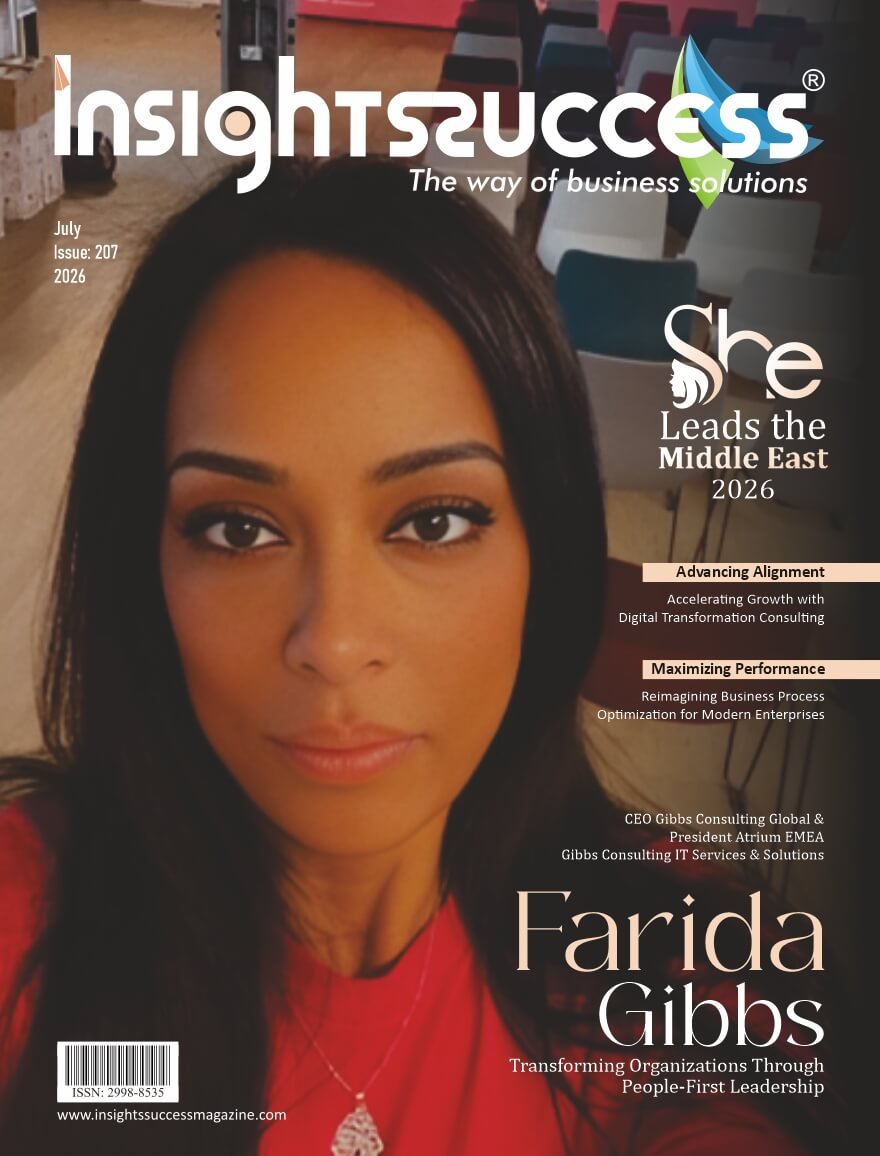
She Leads the Middle East – 2026 Farida Gibbs exemplifies people-first leadership by proving that sustainable business success begins with empowering individuals. As CEO of Gibbs Consulting IT Services & Solutions and President of Atrium EMEA, she has built resilient organizations through empathy, credibility, and purpose. Her leadership philosophy demonstrates that strong values, meaningful relationships, and continuous innovation create lasting organizational growth while preparing businesses and their people for the future. Digital Link Quick highlights Quick reads

Farida Gibbs: Transforming Organizations Through People-First Leadership
Managing people is now a vital component of success for organizations operating within an environment that is technologically advanced and constantly changing. The essence of Farida Gibbs’ work can be described as the simple but revolutionary belief that it is people who are responsible for organizational success, not only the strategy. As the CEO of Gibbs Consulting IT Services & Solutions & President of Atrium EMEA, she has consistently demonstrated that leadership centered on people and organizational success can coexist. By building long-term partnerships with stakeholders, clients, and employees, Farida has developed a leadership approach that combines performance with purpose. She believes sustainable success depends on putting people first in every decision, a philosophy that has enabled her to build resilient organizations in today’s rapidly evolving business environment. Foundation of Credible Leadership Farida attributes her strong work ethic and leadership values to lessons she learned during her childhood. She would wake up before sunrise to help at her family’s shop, an experience that played a key role in shaping her character. “It taught me hard work, the importance of stepping out of my comfort zone, and supporting my father, but discipline was by far the most valuable lesson,” she says. Long before taking on leadership roles in the corporate world, Farida learned the importance of responsibility, consistency, and showing up every day for the people who relied on her. These early experiences later evolved into a leadership framework that she follows across her organizations. It is built on what she calls the “3 Cs” of leadership: Credibility, Competence, and Caring. While credibility and competence are widely recognized as essential leadership qualities, Farida believes that caring is often underestimated. She says many business leaders still view it as a soft skill that has little value in a competitive corporate environment. She strongly disagrees with that perception. “Caring is about making people feel valued; when people feel valued, they feel genuinely cared for, and at the end of the day, people buy people,” she says. For Farida, caring is not an optional quality or an emotional addition to leadership. She believes it is a core business strategy that builds trust, strengthens relationships, and drives long-term success. Empathy as a Lifelong Trait Putting this leadership philosophy into practice required Farida to move away from behaviors that were often rewarded in the corporate world. She says the most difficult habit to unlearn was ruthlessness. Instead of pursuing results at any cost, she chose to lead with empathy and authenticity. “I unlearned being ruthless because it was neither true to who I am nor aligned with my leadership style, and I believe you can build and lead a successful business without being ruthless,” she says. Farida believes strong leadership does not require aggression. Her career reflects the belief that organizations can achieve sustainable growth while treating people with respect and compassion. She says empathy has always been a defining part of her personality rather than a quality she developed later in her career. “I knew from a very young age that empathy was in my DNA,” she says. She connects this mindset to a broader perspective on life and leadership. Farida believes understanding the temporary nature of life helps leaders appreciate the importance of treating people with kindness and humility. “When you truly understand that we come with nothing and leave with nothing, you begin to realize the importance of empathy,” she says. Measuring Success Through Mentorship Farida measures success by the lives she has helped shape rather than by financial results alone. Over the years, she has mentored many professionals who have gone on to become senior corporate leaders or successful business owners. She believes they always had the talent. What they needed was someone who believed in them and encouraged them to reach their potential. “They all had potential; they simply needed someone to believe in them and tell them, ‘You can do it!’” she says. For Farida, mentorship is not just about sharing knowledge or experience. It is about building confidence and empowering people to believe in their own abilities. She applies the same people-first approach to customer relationships. Farida believes every business decision should begin with the customer, even during periods of financial or operational pressure. “They must be at the heart of everything because they pay your bills; if you lose sight of their needs, it creates a domino effect where service declines, issues arise, and quality suffers,” she says. She believes that businesses rarely fail because of one major mistake. Instead, small lapses in customer focus gradually affect service quality, damage trust, and weaken long-term performance. Among the many milestones in her career, Farida considers securing IBM as a client one of her most significant achievements. Securing a contract with one of the world’s largest technology companies validated years of hard work and demonstrated her firm’s ability to compete at the highest level of enterprise consulting. “Being awarded a contract with the world’s largest technology company was a great moment, extremely humbling and fulfilling at the same time,” she says. Expanding Global Impact Farida’s reputation as a leader in inclusive business has grown alongside the expansion of her company. Over nearly two decades, her firm earned recognition as Europe’s largest minority woman-owned, MSDUK-certified business. During this time, it built a strong presence in talent solutions, managed project services, and IT consulting across the UK, Europe, the Middle East, Africa, and the United States. The company’s success attracted the attention of Atrium, a US-based workforce management and talent solutions firm. Atrium acquired a majority stake in the business and appointed Farida as President of Atrium EMEA. In this role, she leads the company’s operations across the region as part of its global organization. The partnership allowed Farida’s existing management team to remain in place while providing access to a much larger international platform. She believes the collaboration was a natural fit because both organizations share a strong commitment to diversity, equity, and inclusion. Human-Centered Vision for AI Looking ahead,

Maximizing Performance: Reimagining Business Process Optimization for Modern Enterprises
In the current world, where the business environment is becoming dynamic and digital at a rapid rate, it is important for businesses to not fall behind, since customers demand speed, efficiency, and a better experience all the time. Companies should aim for sustainable development by increasing customer satisfaction. But achieving this would mean more than just using advanced technology and enhancing the abilities of the firm. It would require careful planning that will entail streamlining all departments, getting rid of inefficiencies, and creating a flexible process. Modern firms operate in an environment characterized by changing needs of customers, globalization, and rapid technological changes. Those firms that continue to use the traditional way of doing things may end up being inefficient, costly, and underperforming. Continuous improvements allow organizations to eliminate inefficiencies and create efficient structures for sustainable growth. Business process optimization is not a project but rather a continuous process. Building Smarter Workflows All successful companies are driven by processes linking people, technology, and data. If processes are well-thought-out, the company’s staff will spend less time on redundant operations and will use them to bring value to its customers. However, a lot of businesses keep using fragmented processes, which slow down decision-making and raise the chances of making mistakes. The first step to take to fix these processes is to realize how things are done now in the organization. Process mapping gives a chance to see redundant approvals, redundant operations, lack of communication, and manual operations. The technological tools of cloud computing, automation, AI, and enterprise solutions help organizations eliminate duplication, increase accuracy, and maintain consistency. Still, the use of technology is not enough to fix the issues. Organizations have to make sure that technology helps achieve the set goals and is aligned with employees’ duties. Communication skills are also important for a transformation to occur. Employees should be aware of why things change, how changes would improve their performance, and what assistance would be provided in the process. Balancing Technology and People While the digital transformation journey has been quickening at an astounding pace in various sectors, it is important to note that organizations that have succeeded know that technology alone does not guarantee excellence. It is about finding the right balance between having advanced technology and having competent employees, good leaders, and a culture of learning. One of the most valuable things in today’s world of business is automation. Routine jobs such as invoicing, answering customer queries, monitoring inventories, and making data entries can all be done quickly and efficiently. AI is being used by companies to further improve their capabilities. With machine learning, it is possible to make sense out of data, schedule tasks effectively, and make sound decisions. All of this provides great information and helps to perform better operations, but does not diminish the significance of human knowledge and skills. With the combination of modern technology and active workers, organizations create robust operational models that can react to changes on the market. Creating Lasting Value Process improvement is not a time-bound project. Rather, it is a continuous process that facilitates the evaluation of performance, learning through experience and further improvement in the process. Firms that take this approach will always be ready for any market changes, new customer demands, and future opportunities. Customer experience must continue to be the primary focus for all efforts towards optimization. Effective internal processes have a direct impact on service quality, speed, consistency, and responsiveness. With consistent experiences offered to customers, they become increasingly more loyal and willing to refer others and ensure the success of the business in the long run. All the changes in the company should be aimed at improving the experience of the clients. Cooperation across functions helps to make continuous improvement activities more effective as it eliminates the barriers created within the company. Various areas such as finance, operations, human resources, IT, sales, and customer service provide great insights during the redesign process. Conclusion It is impossible for modern enterprises not to engage in process optimization constantly. It is necessary to continue improving and innovating to make sure that all operations will be in line with the company’s overall objectives. With the help of technology, qualified people, and good decision-making, companies can build effective operations that are efficient and valuable for their customers. In the constantly changing industry scenario, those organizations that emphasize business process optimization will be in a much better position to deal with changes in the future and will have more resilience to capitalize on the opportunities. Not only does continuous improvement increase productivity and profit, but it also lays the groundwork for future growth. In today’s ever-competitive world, process optimization is not an option; it is a must. Read Also : Pioneering Excellence: The Future of Cyber Defense Strategies in an AI-Driven World

United Airlines Raises Full-Year Earnings Forecast on Strong Demand
Prime Highlights United beat Q2 estimates with adjusted EPS of $1.99 vs $1.88 expected, revenue at $17.67 billion. United raised its full-year earnings forecast to $9-$11 a share, citing strong travel demand. Key Facts United Airlines is a major US carrier with a global route network. Unit revenue grew 12.1% in Q2, the strongest pace since early 2023. Background United Airlines posted stronger-than-expected second-quarter results, with earnings and revenue both beating Wall Street estimates despite rising fuel costs. The airline reported adjusted earnings per share of $1.99, ahead of the $1.88 analysts had projected. Revenue climbed 16% from a year earlier to $17.67 billion, surpassing the expected $17.61 billion. Total unit revenue rose 12.1% in the quarter, marking its strongest growth since early 2023, according to FactSet data. United expanded its flying capacity by 3.5% during the quarter. The carrier reported higher revenue across premium, corporate and no-frills basic economy tickets, along with rising unit revenue on both domestic and international routes. Net income for the quarter stood at $805 million, or $2.46 a share. Adjusted net income came in at $649 million. For the third quarter, United forecast adjusted earnings per share between $2.50 and $3.50. It also raised the lower end of its full-year adjusted earnings forecast to a range of $9 to $11 a share, up from the $7 to $11 range projected in April. Jet fuel prices at major US airports rose 34% in July alone, driven by escalating tensions between the US and Iran, industry data showed. United said the higher fuel costs could add nearly $6 billion to its expenses this year compared with initial projections, with second-quarter fuel costs up 84% from last year to $2.3 billion. The airline said it plans to pass on up to 90% of these higher costs to customers this quarter and all of it by the fourth quarter. Rival Delta Air Lines is also raising fares to offset rising fuel expenses. Both carriers noted that demand has remained strong despite higher fares. Read Also : Stripe and Advent Offer $53 Billion in Biggest Payments Bid This Year