






pH7 Technologies Inc.: Reshaping Metal Extraction for a Sustainable Future
Across industries such as clean energy, electric vehicles, and advanced technologies, the demand for critical metals has never been greater. Yet, the methods used to extract these metals have often been inefficient and harmful to the environment. New sustainable extraction strategies serve a dual purpose of being both essential to meet increasing material needs as industries develop. As a technological leader, pH7 Technologies Inc. provides innovative extraction solutions that address industry metal requirements while protecting the environment through eco-friendly operations. Through its zero-waste strategy, this company transforms metal extraction processes while advancing electromechanical discoveries toward sustainable metal extraction. Since its establishment in 2020, pH7 Technologies has become an industry leader through its innovative electrochemical extraction methods, which tackle critical mining sector problems. The Founder and CEO, Mohammad Doostmohammadi, leads the company’s innovative mission through his chemical and mining engineering experience to create a proprietary system that restructures critical metal supply chain management. Under his executive leadership, pH7 Technologies developed and expanded a groundbreaking mineral extraction process that combines Solvo-metallurgy with Organo-Electrochemical Process to recover metals without creating wastewater, air emissions, or toxic residue. This innovative technique creates a sustainable, environmentally friendly extraction system for metals that will meet escalating demand in key industries, sustaining global economic activity. Let’s understand how pH7 Technologies revolutionizes metal extraction with sustainable, waste-free electrochemical solutions! Introducing pH7 Technologies pH7 Technologies was born out of the recognition that the metal extraction industry was in desperate need of a transformation. Mohammad’s journey toward founding the company stems from his extensive background in chemical and mining engineering, where he had spent over 15 years navigating the complex challenges of wastewater management, mineral processing, and metal extraction. “One of the major challenges I noticed in the metal extraction and critical metal industry was wastewater generation and the processing of tailing ponds,” he explains. “That had been a significant challenge in my previous experiences, so I wanted to find a solution.” This realization sparked the development of a game-changing technology. What began as an idea to eliminate wastewater in metal extraction soon evolved into a proprietary process capable of revolutionizing the entire industry. “I came up with a metal extraction process that generates no wastewater, which became the driving force behind pH7 Technologies,” says Mohammad. The mission was clear: to increase the supply of critical metals while eliminating wastewater, emissions, and toxic materials—addressing both the environmental and economic challenges facing the mining and recycling industries. A Journey of Innovation The journey from concept to commercialization for pH7 Technologies has been a testament to the company’s commitment to R&D and innovation. From humble beginnings, the company has reached significant milestones that have propelled it to the forefront of the electrochemical extraction space. In 2021, the company achieved a key milestone with the development of its prototype for critical metal extraction—a closed-loop system that would form the backbone of their operations. “We built our prototype for critical metal extraction—a closed-loop metal extraction system,” Mohammad recalls. The system was designed to extract metals with no waste byproducts, using a fully circular process. By 2022, pH7 scaled the process to a small pilot operation, further refining the technology and testing its efficiency. “We scaled up to a small pilot operation,” he shares. As the company began to generate valuable data from pilot tests, 2023 marked the next step toward success with the expansion of the pilot and the beginning of revenue generation. “We started generating revenue from pilot tests,” he notes. The culmination of these efforts came in 2024 when pH7 Technologies launched its first commercial plant, focusing on extracting platinum and palladium from end-of-life materials and secondary resources. “We used our pilot operation data to design and commission a commercial site in Q4 2024. The plant now focuses on extracting platinum and palladium from end-of-life materials,” he explains. With a goal of expanding operations further, the company plans to include mining and primary resources by 2025 and beyond. pH7’s Impact on the Critical Metal Supply Chain As global demand for renewable energy, electric vehicles, and electrification continues to soar, the need for critical metals such as copper, cobalt, nickel, and platinum has become urgent. However, these metals are finite, and traditional mining operations cannot meet the growing demand without significant environmental costs. Mohammad acknowledges the challenge: “The demand for renewable energy, AI, and electrification is skyrocketing, yet the supply of critical metals remains limited. Mining operations cannot create more metals than what naturally exists in deposits, making these finite resources.” pH7 Technologies is working tirelessly to bridge the supply-demand gap by focusing on sustainable methods of extraction that reduce waste and encourage a circular economy. Through its proprietary process, the company is making it possible to extract metals from low-grade ores, tailings, and recycled materials, offering an environmentally responsible way to meet global metal demand. “We are focused on maximizing metal extraction from ores, leaving no waste behind,” Mohammad explains. “By encouraging a circular economy, we extract metals from end-of-life and recycled materials. We are also processing ‘unextractable’ materials that conventional smelting technologies can’t handle,” he continues. The company’s focus on platinum, palladium, and iridium for hydrogen technologies, as well as copper, cobalt, and nickel for electric vehicles, is crucial in ensuring a sustainable supply of critical metals. The Organo-Electrochemical Process At the core of pH7 Technologies’ success is its innovative extraction process known as organo-electrochemical, which is a unique combination of organic chemistry, inorganic chemistry, and electrochemistry. The key to pH7’s technology lies in its ability to extract critical metals while ensuring no waste is produced in the process. “The real innovation is our Organo-Electrochemical Process,” Mohammad explains. “It combines organic chemistry (solvents and ligands), inorganic chemistry, and electrochemistry.” Unlike traditional extraction methods that rely on harsh chemicals and produce toxic emissions, pH7’s process is designed to be entirely circular. “We developed a closed-loop metal extraction system where chemicals are not consumed but only change phases through different steps. The only consumable in the process is electricity for electrochemical reactions,” Mohammad

LG Energy Solution and GM Reshape EV Strategy with $2 Billion Deal
Prime Highlights: LG Energy Solution’s U.S. group is set to buy the parts of its Michigan EV battery work with General Motors for $2 billion. This deal should be done by May 31, but checks might change the end price. Key Facts: GM is leaving the Michigan battery place due to unsure things in EV making and tax cuts for buyers. LG Energy Solution and GM still run joint battery places in Ohio and Tennessee. Toyota Motor will move its battery order to the Michigan place after GM leaves. Key Background: In a big plan change, LG Energy Solution’s U.S. part will get the parts of its joint battery work with General Motors in Michigan for $2 billion. This is part of LG’s big money plan to grow its spot in the growing EV battery market in North America. This buy goes with LG’s growth plans said this year, showing its aim to up battery making. General Motors’ choice to leave the Lansing, Michigan battery place is due to unsure things around EV battery making and tax cuts for buyers. The change in rules and market needs made GM rethink its EV chain plan. Even with this move, GM and LG Energy Solution keep their tie through two other joint battery places in Ohio and Tennessee, key to their long-term EV making goals. Also, Toyota Motor will move its battery order to the Michigan place GM is leaving. This shows Toyota’s plan to keep a sure and good battery supply for its EVs. It also shows the Michigan place’s key part in the EV world, even as GM leaves. The buy should close by May 31, after checks that could change the end price. This deal is a big step for LG Energy Solution as it grows in the U.S. market, meeting the big need for EV batteries. By getting these parts, LG plans to up its making power, keep ties with car makers, and stay ahead in the global EV field. This deal also shows the big changes in the EV battery area, with big names changing their plans to fit new rules, market needs, and tech steps. LG Energy Solution’s growth shows its drive to lead in the electric car change, while GM’s exit shows a shift in its EV money plans. Read Also: Studio Ghibli-Inspired AI Art by OpenAI Wows the Creative Community
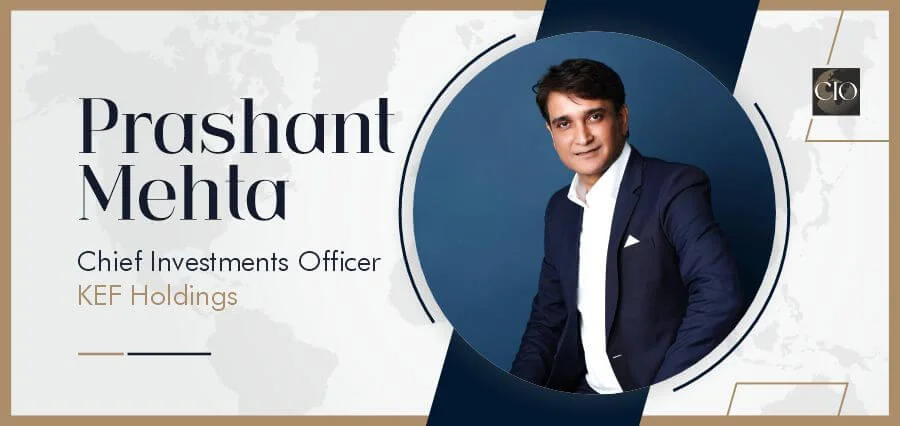
Redefining Wealth: Prashant Mehta Secures Top Rank in The CIO World as one of the Most Influential Chief Investment Officers of the Year
When defining wealth, many people focus on financial assets—bank accounts, property, and luxury. However, true wealth goes beyond these financial indicators. It is defined by time, freedom, and the positive impact one creates. Regardless of financial status, everyone shares the same 24 hours, making time the ultimate currency, as it is finite and irreplaceable. Prashant Mehta, Chief Investment Officer of KEF Holdings, embodies this principle. With a career shaped by his early exposure to equity investments, Prashant’s focus on creating sustainable value and positive social impact has driven KEF Holdings’ success. His vision emphasizes that wealth is measured by lasting impact, not financial gain. Prashant Mehta, Chief Investment Officer of KEF Holdings, emphasizes a philosophy rooted in prudent risk management and a structured investment process. He believes that optimized processes naturally yield optimal returns, prioritizing sustainable growth and resilience. KEF’s strategy, exclusive to internal stakeholders, aligns with distinct risk profiles and objectives, mitigating reputational risks. Prashant plays a pivotal role in facilitating strategic decision-making by leveraging financial analysis and aligning forecasts with organizational goals. His mentorship experiences and commitment to financial literacy further shape his leadership. Beyond business, Prashant values family, nature, and the teachings of time and investments, aiming to foster financial independence in future generations. Prashant Mehta adopts an intentional approach to time management, grounded in his core values and objectives. By thoroughly understanding the value chain and associated risks of companies, he makes well-informed investment decisions. His commitment to personal growth and development extends beyond work, contributing to his well-rounded character. Outside of his professional duties, Prashant stays productive by engaging in discussions, reading, and exploring new ideas to expand his knowledge. He emphasizes purposeful time utilization to align with his long-term goals. His words of wisdom highlight the importance of long-term dedication, encouraging others to dream big and pursue their goals relentlessly. Recognized by The CIO World as one of the Most Influential Chief Investment Officers of the Year, Prashant Mehta’s approach to wealth goes beyond financial accumulation, embracing the principles of time, freedom, and impactful contributions. Read Also: mdgroup | 10 Leading Pharmaceutical Companies to Watch in 2024

Transforming Clinical Trials: mdgroup Rises to Prominence in Insights Care as one the 10 Leading Pharmaceutical Companies to Watch in 2024
In clinical research, the focus on efficiency and patient-centered solutions is transforming trial execution. The industry is increasingly prioritizing the removal of barriers to patient participation, addressing logistical challenges, ensuring safety, and enhancing overall participant experience. Innovative strategies are streamlining processes, reducing patient burden, and improving research outcomes. Leading this transformation is mdgroup, providing comprehensive support to pharmaceutical and biotech companies. Its services, including patient reimbursements, safe transport, remote visits, personalized support, healthcare staffing, and clinical equipment logistics, drive improvements in both site-based and decentralized trials. By utilizing cutting-edge technology and a global network, mdgroup sets new standards in patient-centric clinical trial management. mdgroup is a leader in supporting pharmaceutical and biotech companies in patient recruitment, engagement, and retention for clinical trials. Its global ecosystem of clinical trial solutions includes services such as patient reimbursements, safe transport, in-home health visits, clinical equipment logistics, and healthcare professional staffing. The company’s mission is to enhance patient experiences in both site-based and decentralized clinical trials. Key services include the “on-demand” service, which offers personalized concierge support, compliant travel, accommodation, logistics, and reimbursements, ensuring smoother trial participation. The “mobile health” service advances decentralized trials by facilitating visits directly at patients’ locations, improving recruitment, retention, and outcomes. Additionally, the “navigator” service provides tailored patient support, reducing drop-out rates through personalized care. With extensive experience across various therapeutic areas, including rare diseases, oncology, cardiology, and immunology, mdgroup plays a critical role in advancing medical research. Its cutting-edge technology platform, Primarius, integrates services across the clinical trial journey, ensuring seamless experiences for patients, sponsors, and sites. The company continues to expand its global reach, focusing on accessibility, patient-centricity, and advancing clinical trial technology, all while maintaining its commitment to supporting patient health and wellness. Recognized by Insights Care as one of the 10 Leading Pharmaceutical Companies to Watch in 2024, mdgroup is at the forefront of reshaping the landscape of clinical trials by addressing traditional barriers to patient participation and enhancing the overall experience. Read Also: Prashant Mehta | Most Influential Chief Investment Officers of the Year

Transforming Construction Industry: Aisling Guilfoyle Features in CIO Look as one of the Top 10 Project Managers Transforming Organizational Growth In 2025
The construction industry plays a pivotal role in shaping societies by building essential infrastructure and spaces where people live and work. It fosters economic growth, supports urban development, and addresses societal needs. Embracing technological advancements and sustainability, the sector continuously evolves, incorporating innovative tools to deliver efficient, smarter projects. Aisling Guilfoyle, a Project Manager with a strong vision, exemplifies leadership through collaboration, inclusivity, and effective communication. Her focus on mentorship and logical decision-making has made her a respected figure. WSP Middle East, a global consultancy, is committed to sustainable, client-centered solutions, advancing the industry with its transformative and forward-thinking approach. Aisling’s decision to join WSP Middle East was a natural progression in her career, as the company’s commitment to delivering innovative, sustainable, and client-focused projects aligns with her professional values. Her journey has been shaped by diverse experiences, from her early career as a site engineer working on large-scale infrastructure projects to her leadership roles in luxury developments across the Gulf. She actively pursued opportunities for leadership and mentorship, refining her skills in project management and team coordination. Aisling’s career path reflects her dedication to continuous learning, earning certifications and advanced degrees to enhance her expertise. She also emphasizes the importance of creating a collaborative work environment, using technology like BIM to facilitate communication across global teams. Aisling believes in proactive risk management and clear communication protocols to ensure successful project delivery. Her leadership style, rooted in inclusivity and open dialogue, has earned her recognition as a supportive and logical leader. Aisling’s award-winning work as the Next-Gen Woman of the Year 2021 reflects her dedication to advocacy for gender equality and diversity within the construction industry. Recognized by CIO Look as one of the Top 10 Project Managers Transforming Organizational Growth In 2025, Aisling Guilfoyle’s career exemplifies the power of leadership, collaboration, and continuous growth in the construction industry. Read Also: mdgroup | 10 Leading Pharmaceutical Companies to Watch in 2024


The Traits of Women Leaders in Managing Teams and Driving Organizational Excellence
Women leaders have transformed the face of business leadership via outstanding team management, strategic leadership, and innovation. Their leadership is typically marked by emotional intelligence, flexibility, and high inclusivity. These allow them to create high-performance teams, introduce organizational excellence, and produce future leaders. The awareness of the distinctive characteristics of women leaders in management provides essential information on how they transform businesses and industries. Emotional Intelligence and Empathy The most common characteristic of a woman leader is her very high emotional intelligence. One of the most important aspects of effective leadership is the knowledge, control, and direction of one’s and others’ emotions. Emotional intelligence produces a healthy work environment, enhances the morale of the team, and improves communication. Empathy being one of the key aspects of emotional intelligence allows women leaders to reach their employees at a higher level. Empathy helps them understand the issues, motivation, and expectations of the employees and thus develop cultures in which people feel respected and cared about. This consequently leads to more engaged, committed, and productive workers. Effective Communication and Interpersonal Collaboration Good communication is at the core of effective leadership. Women leaders communicate their vision clearly, set expectations, and give feedback. They listen and promote open communication, hence harmony in their workplace because there is respect for differing opinions. Teamwork is another fundamental trait that women leaders possess. They are a believer in teamwork and permit workers to make contributions, thereby broadening the base of decision-making. By creating a sense of shared responsibility and respect, they engage teams in an effective manner and achieve collective objectives. Adaptability and Resilience The business world today keeps evolving, and there must be resistance to change in order to survive. Women leaders have been most resilient in steering through crisis, either through recession, industry disruption, or organizational transformation. Their ability to remain open-minded and forward-looking even during challenging times allows them to transform threats into opportunities. In initiating digital transformations, avoiding crisis management, or implementing new business models, women leaders can best make strategic decisions culminating in sustainable prosperity. A People-Centric Approach to Leadership The female leaders embrace a human-oriented leadership philosophy, recognizing employees as the greatest assets of any successful organization. They invest in diversity and inclusion initiatives, mentorship, and professional development opportunities. By providing a space in which women workers’ voices are heard and amplified, women leaders create a sense of responsibility and ownership within their organizations. Not only does this leadership build stronger workplace culture, but it also generates better business results along with increased innovation. Strategic Decision-Making and Problem-Solving One of the most compelling strengths of effective female leaders is strategic decision-making with a focus on long-term business objectives. They look back upon risk, listen to multiple perspectives, and decide based upon fact-based outcomes. Their critical thinking skills equip them with the capacity to approach challenges in innovative and novel ways. Instead of merely solving problems with band-aid fixes, they take a more holistic approach of solving root causes to provide effective and sustainable development. Such thinking places firms in a position to compete in turbulent industries. Commitment to Diversity and Inclusion Women leaders have taken a key role in spearheading diversity and inclusion initiatives in business organizations. They are cognizant of the importance of diverse perspectives and make sure there is a diverse work environment where diverse employees feel at ease and work to their full potential. Through promoting gender equity, equal opportunity hiring, and fair hiring, women leaders build healthier, more creative work cultures. Through promoting inclusiveness, they reach out beyond in-house employees to business relationships, stakeholder management, and CSR initiatives. Leading by Example and Inspiring Others Effective leaders inspire others by leaving the legacy of commitment, honesty, and determination. Women leaders lead on the grounds of honesty and commitment, demonstrating the success that comes from enduring and virtuous decision-making. By following by example, learning from the veterans, and going through leadership training, they inspire others to be a leader. They are not only making a change in an organization, but they are making a change in industries and inspiring generations to become leaders. Conclusion The role of women leaders in organizational success and team management cannot be overstated. Their flexibility, emotional competence, strategic thinking, and commitment to diversity make them a great leader. By collaborative leadership, employee empowerment, and promoting diversity, they foster work cultures that are filled with creativity and long-term success. With increasing business growth, women’s leadership qualities reflected by them will contribute significantly to organization building in the future. Adopting these qualities, both male and female leaders can build high-performing teams, positive workplaces, and instill sustainable change. Read Also: The Psychology of Leadership: How Coaching Enhances Decision-Making

How Women Leaders Can Empower the New-Gen Aspirants in Business
Women CEOs have done the unexpected in the business world, shattered glass ceilings, redefining leadership and rewriting the rules to revolutionize the world’s major industries. What they have set in motion through their path to success is open to next generation professional players to idolize, aspire to work with as coaches, and solicit advice from them. With an ever-changing world of corporations and businesses, the onus still lies with the women leaders themselves to spearhead empowering next generation candidates through inclusions, transferring knowledge, as well as inspiring systemic shifts. Leading by Example The strongest method through which women leaders can inspire the coming generation is by example, i.e., they can lead confidently, persistently, and truthfully. If aspirants see women succeeding as managers, surviving turbulence, and leading innovations, it gives them an idea that they too can fly high. Female executives who genuinely share from their own experiences—of struggling with stereotypes, making difficult choices, or venturing into men’s territory of work—provide easier access for younger aspirants to relate to the challenges of leadership and envision themselves going through it. Seeing is believing; if young professionals can see more women executives, they are able to envision it possible. Offering Mentorship and Counseling Mentorship is quite possibly the most significant career growth area, especially for young professionals who need to learn the nuances of the business world. Women leaders can empower future generations by mentoring future business leaders, passing on to them the hard-won lessons, professional tips, and motivation. Organizational or professional networks’ formal mentorship programs can hence close the gap between experience and ambition. This helps future leaders develop all those abilities pertaining to negotiation, strategic decision-making, and communication for leadership development. Apart from this, reverse mentorship, where young professionals share ideas and perspectives with top leaders, also helps in terms of gaining insights regarding new trends, technological advancements, and changing workplace dynamics. Such sharing encourages a culture of lifelong learning and diversity. Demanding Equal Opportunities Women leaders have the ability to break the disparities of the workplace and promote policies so that there is a level playing field for all professionals. From equal pay to non-discriminatory recruitment and leadership development initiatives, women leaders can promote systemic changes that favor new-gen players. Advocacy can be expressed in many different terms, such as policy discussions, sponsorship of legislation on workplace diversity, and demands for increased women’s representation in decision-making positions. Development of organizations and programs dedicated to empowering women in business, entrepreneurship, and science, technology, engineering, and math disciplines further supports this agenda. Promoting Risk-Taking and Innovation Young professionals tend not to experiment because they are afraid of failure or what others will say. Women leaders can empower this by infusing experimentation, taking risks, and innovating as a culture. Sharing personal experience of risk-taking and learning from failures makes the experience of failure as a stepping stone to success more acceptable. Inviting the aspiring class to take challenges, have high aspirations, and think out of the box can make them successful and dynamic leaders in their own domains of action. Second, women leaders establish cultures of support and innovation where new voices can be given a welcome ear. Empowering newer voices within business strategies, boardrooms, and creative discussions opens the chances of young professionals for meaningful contributions. Building Power Networks and Supporting Systems Business success can sometimes depend on the power of one’s professional network. Women executives can empower future prospects by introducing them to doors, bringing them to industry influencers and decision-makers, and showing them opportunities that otherwise might be out of their reach. Professional associations, businesswomen seminars, and leadership institutes are useful stages where young executives can network, learn from others, and seek inspiration. The acquisition of a connection to those networks not only facilitates professional progress but also solidifies the united power of female businesspeople. In addition, establishing work cultures based on cooperation, not competition, can establish a more inclusive and empowering workplace. When women leaders mutually support one another, as opposed to perceiving each other as competitors, they maximize the achievement of an entire generation of future professionals. Fostering Work-Life Balance and Well-being Work-life balance is essential among professionals, more so for women who might work at more than one job. Women leaders can establish future leaders by promoting policies in the workplace that benefit mental health, flexibility, and overall well-being. By adopting telecommuting options, family leave programs, and wellness programs, they build companies where individuals do not have to sacrifice success on the job for bliss at home. Showing that professional achievements are possible and one’s personal life can be meaningful provides early careerists with confidence that they can forge flourishing and rewarding careers too. Conclusion Their legacy in the generation of future business leaders is far-reaching and goes way beyond the boardroom. Through good leadership, future leadership development, advancement of parity, motivating innovation, and building powerful influence networks, they lay the ground for enduring change. It is not about creating opportunities but about building confidence, overcoming obstacles, and making a future generation of skilled, knowledgeable, and supported business success stories. The future of leadership is diverse, inclusive, and dynamic, and women leaders can shape it to foster growth, innovation, and success for all.

Yaa Kufuor: Driving Business Transformation with Vision, Innovation and Impact
Change can be overwhelming with the right guidance it becomes an opportunity for growth. In every transition, there’s a moment when uncertainty gives way to confidence—when teams no longer look for direction but take ownership of the path ahead. Yaa Kufuor has built her career on creating these moments. As a leader in business transformation, she doesn’t just implement change—she ensures that organisations are equipped to sustain it. With experience spanning the public and private sectors, she understands the complexities of the transition from every angle. Rather than imposing her perspective, she focuses on empowering teams, fostering accountability, and building lasting capabilities. Her approach is data-driven, human-centric, and rooted in the belief that the most successful transformations are those where the business itself drives the change. For Yaa, transformation isn’t just about processes and systems—it’s about people. By balancing strategic vision with hands-on execution, she ensures that every transition leads to long-term competitive advantage, making change not just manageable but meaningful. Empowering Organisations Through Technology-Driven Transformation Yaa is, first and foremost, a mother of two—a role that has shaped her perspective on leadership, resilience, and adaptability. After earning her master’s degree from Cranfield University, she quickly recognized the transformative power of technology in business. What began as an interest in marketing tools soon grew into a passion for broader technological advancements, positioning her as a leader in driving change. As new innovations emerged, Yaa took the lead in understanding and embedding them within business strategies. Her natural curiosity and ability to simplify complexity made her a trusted expert in navigating change. Today, her focus is on Cloud and Artificial Intelligence, helping organisations transition effectively and build the capabilities needed to stay ahead. With experience spanning both the public and private sectors across multiple industries, she has developed a well-rounded approach to transformation. At the core of her leadership philosophy is a commitment to driving meaningful change by aligning technology with business strategy. For Yaa, transformation is not just about technology adoption—it’s about empowering teams, fostering resilience, and ensuring Organisations unlock the full potential of innovation. Throughout her career, she has consistently worked to bridge the gap between technical teams and business leaders, ensuring that innovation translates into real, measurable impact. Her deep understanding of both perspectives has shaped her approach to managing transitions and building long-term capabilities. Yaa believes that successful transformation isn’t just about technology or processes—it’s about people. Empathy and patience have been critical in navigating change, enabling her to anticipate concerns, align stakeholders, and drive adoption. Above all, she values the power of listening. By truly understanding the challenges, aspirations, and motivations of teams at every level, she crafts strategies that are not only effective but also sustainable. By balancing strategic vision with hands-on execution, Yaa ensures that transitions are not just managed but become opportunities for lasting capability-building and competitive advantage. Leading Transformation with Purpose and Impact As a leader in business transformation, Yaa defines success in transition management as the moment when a business is fully empowered to take ownership, embrace change, and drive sustained value beyond the initial transformation. For her, true success is not just about delivering a new system or process—it is about embedding the right mindset, capabilities, and strategies to ensure long-term adoption and meaningful business impact. Achieving this requires a holistic approach where business change, adoption, and post-go-live strategies are integrated from the outset. From defining the problem statement to building the business case and executing the implementation, every phase must be aligned to drive measurable outcomes and create lasting organisational capability. In leading complex transformation initiatives, her approach to ensuring seamless transitions is rooted in three key strategies: stakeholder alignment, governance, and transparency. Stakeholder Alignment – Understanding stakeholders goes beyond knowing names and titles; it requires grasping what success looks like for each individual involved. Every transformation impacts people differently, and securing alignment from the outset fosters engagement, ownership, and long-term adoption. Strong Governance – With large, complex organisations, well-defined governance structures provide clarity and accountability. Establishing robust decision-making frameworks ensures transitions stay on track, risks are proactively managed, and there are no gaps in responsibility as ownership shifts. Transparency – Open communication is essential to avoid misalignment or resistance. By clearly articulating the vision, the role of each stakeholder, and the benefits of the transformation, she fosters a culture where change is embraced rather than resisted. For Yaa, seamless transitions are not just about execution—they are about empowering organisations to sustain and evolve beyond the transformation itself, ensuring they continue to lead and innovate long after the change has been implemented. Empowering Teams to Lead Transformation with Confidence Yaa believes that the foundation of successful transitions lies in empowering teams—not just to execute change but to actively shape it. True transformation happens when individuals feel engaged, inspired, and equipped to lead change from within. Her approach begins with alignment to individual and team development goals. When people see a clear connection between their roles, growth opportunities, and the broader transformation vision, they become deeply invested in the journey. By fostering an environment where contributions are valued, she drives both engagement and high performance. Creating a culture of innovation is another key pillar of her leadership. She encourages experimentation, rapid iteration, and cross-functional collaboration to challenge the status quo and uncover new solutions that accelerate transformation. By providing space for ideas, recognizing contributions, and ensuring psychological safety, she enables teams to take calculated risks with confidence. Above all, transparency and purpose keep teams motivated. Yaa recognizes that people don’t resist change—they resist uncertainty. Clearly articulating the “why” behind transitions and reinforcing the impact of their work fosters ownership, agility, and resilience. As a transformation leader, Yaa doesn’t just manage change—she leads it with vision, energy, and a people-first approach. Her guiding principles ensure that transitions are not only successful but also create lasting, sustainable capabilities within organisations: Empowerment & Ownership – Transformation isn’t something done to people; it’s something done with them. She ensures teams feel empowered, equipped,

Laura Quinn Hawk A Visionary in Interior Design 2025
In the wild and crazy world of interior design, few have a name as legendary as Laura Quinn Hawk. To 2025, Laura has not only achieved the height of the design universe but has walked the thin line between entrepreneur, philanthropist, and mother with an ease as effortless as any. Her journey from her fanciful youth in Columbus, Ohio, to founding LCH Interiors is testament to her determination, ability, and unyielding devotion to her craft. This blog covers Laura Quinn Hawk’s life, tracing her family ancestry, education, professional development, personal life, and philanthropic endeavors. It provides an intimate profile of the name behind the motivational woman and takes into account her impact on interior design and beyond. Laura Quinn Hawk Early Life and Family Background Laura Quinn Hawk was born in 1985 in Columbus, Ohio. Her childhood as a young person was marked by exposure to hard work, determination, and creativity depending on how she was brought up. Her parents, a retired Marine by the name Tyrone J. Quinn and Robin D. Slates-Quinn, played a major role in instilling determination and discipline in the children. Laura also lived with her award-winning NFL quarterback brother Brady Quinn and sisters Brandi and Kelly Katherine Quinn. Laura was brought up in a world that was ambitious and driven, one in which she was encouraged to make her own path in a field that she could relate to her creative energies. Even though she came from a sports family, she was drawn to beauty and design rather than sports. Educational Journeys and Creative Development Laura’s educational life was characterized by the cultivation of creative and communicative interests. She attended Dublin Coffman High School, where she initially cultivated a passion for the arts. Not yet ready to squander her talent, she went on to the Baltimore School of Arts, where she was immersed in an atmosphere that encouraged artistic development and creativity. Though communications and media were her initial academic area of concentration, Laura soon realized that design was her place. She traveled to California State University to pursue a degree in broadcasting, but design was a vocation that was too strong for her to deny. This made her pursue a career line where she could marry her creative side to a field of pursuit that was a good one for her. Interior Designers Career and Establishment of LCH Interiors Business Laura Quinn Hawk converted her passion for interior designing into a rewarding career in 2007 by establishing LCH Interiors. The Green Bay-based Wisconsin company became very quickly a way of creating beautifully designed, fitted, and functional spaces. Laura’s designs are able to contrast the modern and traditional styles in a manner that her all projects reflect the clients’ lifestyle and personality. LCH Interiors was a boutique company that was small in size, and its business expanded to thousands of times its size as the Laura designs gained popularity. She was assigned the high-profile residential and commercial projects to execute when she was with the firm for a long, long time and made a high profile in business. She applied her creative style to and space and decor planning and her customer-satisfaction passion to form LCH Interiors as a multi-state business venture. Laura now operates in six states and offering personalized designs to diverse clients. Her Philosophy of Design Laura Quinn Hawk’s design philosophy is motivated by the belief that spaces should be functional and beautiful. She combines elements of traditional beauty with contemporary touches, thus her designs are fresh and classic. She ensures that all projects are personalized to meet specific needs and requirements of clients. Sustainability is all that matters to her since she works with eco-friendly materials and eco-friendly methods. Her work is a mix of old and new in a quest for balance in every piece. From furniture selection to lighting, everything is given serious thought in order to create a stunning and classy room. A thoughtful approach to interior design also involves considering the long-term condition and protection of a property. Homeowners making design or renovation decisions may benefit from understanding potential structural risks alongside aesthetics and functionality. For additional information on one such property concern, Policy Powerhouse offers guidance on subsidence insurance and how it relates to protecting a home. Personal Life and Marriage to A.J. Hawk Laura Quinn Hawk’s personal life is no less fascinating than her career. She got in touch with A.J. Hawk, a developing and intelligent football player in the year 2004, by mutual friends. They were terrific friends, and they became engaged within five months. They organized a great marriage in 2007. A.J. Hawk had a great NFL career playing as a linebacker for the Green Bay Packers and led the team to the title of Super Bowl XLV champion. Even when they worked tireless for their careers, Laura and A.J. have never lost focus of prioritizing family at number one. They have four kids together, Lennon Noel in December of 2010, Hendrix Knight in January of 2013, Vedder Saxon in December of 2015, and Axl Jericho in May of 2017. Laura and A.J. have a happy supportive and nurturing home life, always venturing out on family and outdoor activities. Their long time relationship is a result of the fact that both the couple committed time to career and children. Charitable Work and Contribution to Society aside from her accomplishments in work, Laura Quinn Hawk is also greatly committed to charity work. She is actively engaged in different charity works, particularly those concerning education and health care for children. She has also coordinated various fundraising activities and applied her design expertise to community development initiatives. Her philanthropy involves designing and rehabilitating community centers to build them as warmer learning environments, working with organizations offering scholarships to underprivileged students, reconnecting the world by sustainable design alternatives, and donating a percentage of profits from her business to charities. Laura believes that success is not accomplishment but the kind of good people can do for others. Career, Family,