





Celebrating Leadership That Shapes the Future
Leadership remains one of the most influential forces behind business success, economic growth, and organizational progress. Across industries and regions, exceptional leaders inspire innovation, create opportunities, and guide their organizations through challenges with vision and determination. Their ability to make strategic decisions, build strong cultures, and deliver lasting value continues to shape the future of business in meaningful ways. The business world today demands more than operational excellence. It calls for leaders who can anticipate change, inspire confidence, and transform ideas into measurable outcomes. Whether leading global enterprises, growing emerging businesses, or driving industry-wide advancements, successful leaders share a common commitment to excellence, resilience, and continuous improvement. Their achievements extend beyond financial performance, influencing employees, customers, communities, and the broader marketplace. In this edition of Top 100 Business Leaders Awards 2026, we proudly recognize an outstanding group of professionals whose accomplishments reflect the highest standards of leadership and business excellence. These leaders represent diverse industries, backgrounds, and perspectives, yet they are united by their dedication to creating value, embracing innovation, and driving sustainable growth. Their contributions continue to strengthen organizations and inspire future generations of business professionals. The individuals featured in this special edition have demonstrated exceptional leadership through their vision, strategic thinking, and commitment to achieving meaningful results. Their journeys reflect perseverance, adaptability, and a deep understanding of the evolving needs of modern organizations. Through their accomplishments, they have not only advanced their respective industries but have also set benchmarks for professional excellence and responsible leadership. We are honored to celebrate their achievements and recognize their lasting impact on the global business community through the edition. Let each page inspire reflection, purpose, and forward thinking!
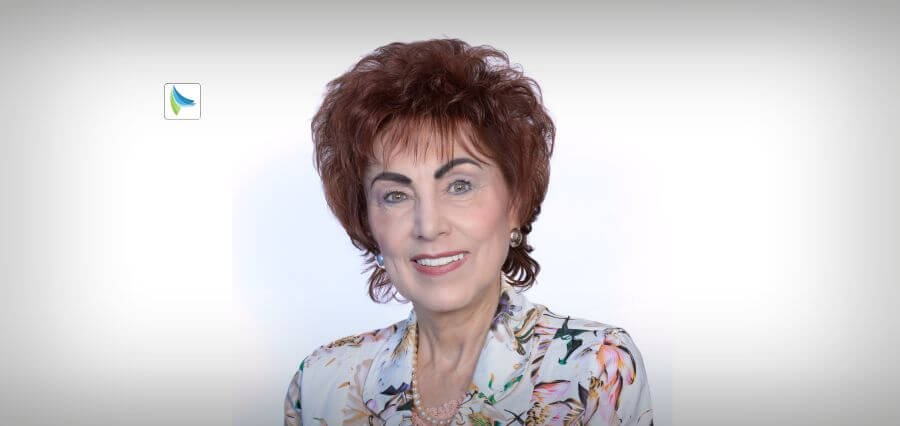
Elize Joubert: Building Hope Beyond the Diagnosis
Long before boardrooms really understood her leadership, and even before international forums began amplifying her voice, Elize Joubert was quietly putting together these kinds of care systems that, would end up shifting the future of cancer support in South Africa. It started as a simple promise of service, then it slowly became a long ten-year pathway where institutional transformation when combined with strategic governance, and a compassionate way of leading kept showing up right in the center of it all. Along the way she worked on shoring up the operational fundamentals within the Cancer Association of South Africa (CANSA), while also helping position the organization as one of the country’s most dependable non-profit partners. Elize Joubert carried on with resilience, purpose, and people stayed right in the middle of every decision, even when things became complicated. What makes her a different leader is how she manages governance excellence, while keeping human empathy close by. That blend hasn’t only widened CANSA’s national impact, it also helped move South Africa’s cancer advocacy onto the global stage in a very unmistakable manner. And now when CANSA marks its 95th anniversary in 2026, her journey will read like a clear reminder that visionary leadership can do quite a lot, when it’s held up by service, hope, and this steady devotion to community care. Discover how Elize Joubert’s visionary leadership continues to redefine cancer care, advocacy, and institutional excellence across South Africa and beyond. Building an Institution from the Inside Out Joubert’s ascent within CANSA followed a deliberate, institution-first trajectory. In 2007, CANSA elected her to serve on its first operational executive committee. One year later, in September 2008, she became CANSA’s inaugural Chief Operations Officer (COO) and Executive Director of the Board, a milestone that reflected both her seniority and the organization’s confidence in her capabilities. Her appointment was far from a custodial transition. She immediately repositioned CANSA for sustained relevance in the current upgraded health landscape, guiding the organization through two comprehensive turnaround strategies and transforming it into a governance-compliant, internationally recognized non-profit operating in full alignment with King IV principles. “I’m committed to ensuring CANSA continues with its valuable work of research into cancer risk reduction, providing cancer education, promoting health and offering care and support to those affected by this dreaded disease,” she says. Architect of Systems, Champion of People Behind every successful non-profit is a strong support system working behind the scenes. Elize Joubert helped build the same for CANSA’s foundation and operations. She personally authored numerous national policy documents, designed the organizations’ strategic business and operating models, and developed manuals and modules governing service delivery, the volunteer program, and human resources management. These did not simply fill filing cabinets, rather they created the operational backbone of a national organization serving thousands of South Africans. Under her leadership, the foundation won back-to-back Diamond Arrow Awards in 2014 and 2015 for first overall performance in the National Survey on Corporate Social Responsibility Programs that secured South Africa’s Most Trusted Charity recognition from Reader’s Digest in 2014 and received the ACCA Award for best sustainability reporting in the NGO category. Its integrated report won the best report designation three times in the NGO sector. The Board of Directors reaffirmed their confidence in May 2020, renewing her five-year contract as CEO and again in 2025 extended her contract for another three years. A Voice That Carries Beyond Borders Elize Joubert carries South Africa’s cancer agenda onto the global stage with the same resolve she applies domestically. She attended International Conferences for Cancer Organizations held in Melbourne (1996), Atlanta (1999), Ireland (2004), Canada (2011), China (2014), Paris (2016), Kuala Lumpur (2018) and Geneva( 2022). In May 2017, she represented South Africa at the NCD Alliance at the World Health Organization Assembly in Geneva. Furthermore, she also represented the UICC at the World Health AFRO Meeting in Zimbabwe in August 2017 and again in 2023 in the virtual session of the 73rd WHO Regional committee for Africa. She attended the UN High Level meeting on NCDs in Washington New York in June 2018 and again in 2025, as a Global NCD Alliance representative. She serves on the executive committees of both the NCD Alliance of South Africa where CANSA stands as one of four founding members and the Cancer Alliance of South Africa, which coordinates over 30 member organizations across the full spectrum of cancer control. In April 2020, the UICC invited her to join its Global Advocacy Advisory Group. Most recently, at the UICC World Cancer Leaders’ Summit in November 2025, she was called as a Table Host for moderating discussions on NCDs, cancer care in vulnerable communities, and global health equity. Expanding Care in CANSA’s 95th Year As CANSA celebrates its 95th anniversary in 2026, the organization Elize Joubert eads looks nothing like the one she joined in 1990. Founded in 1931, CANSA has grown into one of South Africa’s most trusted health institutions and she has driven much of its contemporary evolution. Today, the organization delivers practical, emotional, and psychosocial support through Care Centers, virtual platforms, screening services, counselling, support groups, hospital information desks, stoma support, medical equipment loans, wigs and prostheses, and direct assistance to vulnerable families. In the past financial year, more than 2,000 patients stayed at CANSA Care Homes, 965 received home-based care, and over 2,000 home visits took place. The Tough Living with Cancer (TLC) program accommodated 779 parents and 189 children. This milestone year also sees them opening a new Care Home in Pietermaritzburg, a direct response to a long-standing gap for out-of-town patients receiving treatment in the region. In 2025, CANSA launched its WhatsApp Channel. This was to indicate how modernizing shares credible cancer information with the public. CANSA won a new award in February 2026 by the Global Brands Magazine; ‘Excellence in Cancer Support Services, South Africa – 2026’. This is a reaffirmation of CANSA expanding practical support, deepening public education, promoting early detection, and ensuring that those affected by cancer are met with dignity,

Nonprofit Cancer Care Champions Advancing Hope Through Action
Oncology Advocacy and Support Leadership Cancer is still one of the toughest health worries for communities around the globe. Even though medicine keeps moving forward and survival, chances keep getting better. The whole path from finding the problem, to treatment, and then to recovery usually goes past the clinic walls. Patients, and also their families, often hit emotional pressure, money strain, and social disruptions, and those things don’t magically disappear after the appointment. Because of that, Oncology Advocacy and Support Leadership matters a lot; it helps make sure people can reach the right direction, the practical materials, and the needed services so they can handle each step of care. At the same time, Nonprofit Cancer Care Champions keep building stronger support systems, ones that raise day-to-day quality of life and help families stay firm, even when things feel uneven. Strengthening Patient-Centered Care Modern health care more and more recognizes how important it is to put patients at the center of decision making. Good advocacy really makes sure individuals understand their treatment choices, their rights and the resources that are available. And through Oncology Advocacy and Support Leadership, healthcare organizations along with community groups help patients turn into informed participants, in their whole care journey. Advocacy initiatives help in a way that more or less pushes better communication between healthcare providers, caregivers and patients. When someone feels actually listened to, and also supported, they tend to take part in the care plan easier and reach out for help when it’s needed. In the end, these actions bring a more pleasant experience and stronger overall outcomes, while still reminding everyone of how important compassionate healthcare practices are. The Essential Role of Nonprofit Organizations A lot of healthcare needs a kind of spill past what hospitals and clinics usually handle. That’s where Nonprofit Cancer Care Champions really make a difference, helping in a more direct way. Via neighborhood outreach, educational sessions, peer support groups, rides or transportation help, plus some financial help programs, these nonprofit organizations tackle the little and big barriers that can stop patients from getting care in the first place. The work of Nonprofit Cancer Care Champions often fills these critical gaps inside healthcare systems. Their programs are practical, but in the middle of it all, there’s this emotional push back too, like when things get rough, or i mean that hard stretch. When they work hand in hand with patients and their families, nonprofit organizations build real support networks, which does reduce isolation and helps people feel more at one with the community, almost like a steady thread running through everything. Building Collaborative Support Networks Cancer care works best when several people and groups kind of team up toward one shared aim. Healthcare providers, advocacy organizations, volunteers, researchers, community leaders, and policymakers all play a part in that wider support ecosystem, not just one team. Strong Oncology Advocacy and Support Leadership helps get everyone collaborating, so care delivery improves and access to resources can be broadened. Sometimes it feels a bit messy, but it matters, and that shared momentum really helps. Partnerships let organizations sort of blend expertise and, uh, maximize their impact. Via coordinated efforts, communities can put together more comprehensive programs, addressing prevention, education, treatment support, plus survivorship all at once. These cooperative approaches also make it easier to ensure that people get help that runs way beyond medical intervention alone. Expanding Access and Equity Nonprofit Cancer Care Champions often lead efforts, sort of to get into communities that are underserved, and offer resources where they’re most needed. They run educational drives, community screening initiatives, plus patient navigation supports, which can reduce obstacles to care and boost public awareness. At the same time, Oncology Advocacy and Support Leadership promotes policies, and programs that help with access and inclusion. Through pushing for more fair healthcare practices, leaders contribute to building systems that serve different groups, in a more effective way, and make sure assistance is there no matter the circumstance. Shaping the Future Through Innovation and Compassion Both Nonprofit Cancer Care Champions and advocacy leaders are getting into new approaches to improve service delivery and really boost patient experiences. But just using technology, on its own, can’t really stand in for empathy, compassion, and that human connection. The strongest efforts seem to blend creative innovation with a real grasp of what patients actually need. The future of cancer support depends on continued collaboration, education, and community engagement. With dedicated efforts, Oncology Advocacy and Support Leadership helps amplify patient voices, and push for real change. Meanwhile, Nonprofit Cancer Care Champions keep providing the essential services, which in turn strengthen individuals, families and whole communities. And together, Oncology Advocacy and Support Leadership + Nonprofit Cancer Care Champions are pushing hope forward through action, making a lasting difference and building a future where every person touched by cancer gets the support, dignity, encouragement, and care they deserve. Read Also : Community Health Services Leadership Transforming Access to Compassionate Care

Community Health Services Leadership Transforming Access to Compassionate Care
Cancer Awareness and Advocacy Cancer keeps affecting millions of people around the world, and it often turns into a serious financial load for individuals, families, and even the whole healthcare system. Even though medical science has made real progress in prevention, finding cancer earlier, and treatment, there are still a lot of communities that run into obstacles getting proper care. And those issues really point to why Cancer Awareness and Advocacy still matter; it helps spread information, nudges people toward early detection, and makes sure individuals know what resources they can actually use. Just as critical is Community Health Services Leadership, because it supports the building of workable systems that help connect patients with the right services, while also trying to handle the gaps in healthcare access, and the extra supports people need. Promoting Awareness and Early Intervention Education is still one of the more powerful instruments when it comes to battling cancer. The general public understanding of risk factors, the suggested screenings, and those everyday preventive choices really can shift health outcomes. With awareness campaigns, health care organizations, nonprofits, and local community groups, sort of team up to share clear, reliable details and nudge people toward smarter decisions. Cancer awareness efforts usually try to get people to feel more in control, so they can spot early symptoms, jump into screening programs, and reach out for medical support when something feels off. At the same time, these programs build better health literacy, which helps cut down on worry, plus all the confusing rumors that spread. And by pushing more thoughtful, informed choice making, Cancer Awareness and Advocacy support earlier detection and makes it more likely that treatment plans will really work out in the end. The Role of Community-Based Leadership Strong healthcare systems are sort of built on collaboration, trust, and accessibility. Community Health Services Leadership matters a lot because it helps coordinate resources, and it makes sure healthcare services actually reach diverse populations. People in leadership roles within community health organizations tend to work closely with providers, governments, nonprofit groups, and volunteers, so that they can design and maintain programs tailored to specific community needs, even when the pathways are a bit complicated. Effective community leadership is more than just administration. It’s about trying to understand local complications, noticing which people are still underserved and then setting in motion solutions that make access to care feel more real. Whether that means putting screening initiatives in place, extending outreach work too hard-to-reach neighborhoods, or upgrading patient navigation services, community leaders play a role in shaping healthcare environments that actually lean toward belonging and humane consideration. Supporting Patients Throughout the Care Journey A cancer diagnosis often messes up every side of a person’s life. Beyond the medical treatment part, many patients may also need emotional support, some sort of financial guidance, help with transportation, and educational resources too, in a practical way. Handling those issues is really important for giving comprehensive care, and for lifting the overall quality of life. Organizations that focus on Cancer Awareness and Advocacy often roll out support programs that help patients as well as their family’s kind of make sense of treatment and recovery. You may find counseling services, peer support circles, learning workshops, and financial help initiatives too, and they all tend to come together in a more patient-centered way. In practice, these resources lower stress levels a bit, and they make sure people don’t feel left alone. Sometimes it feels like a small thing, but it’s actually important, especially during the long course of care. Advancing Equity and Access By means of Cancer Awareness and Advocacy, groups are able to reach those underserved communities with information that actually fits, and nudge people to take part in prevention care initiatives. With more tailored outreach methods, it becomes easier to make sure the key health messages really stick, and that barriers to engagement are reduced overall. Community Health Services Leadership is just as important when it comes to correcting inequities, or at least, reducing them. People in leadership roles who really focus on accessibility can set up initiatives that bring medical care closer to the communities that actually need it the most. Things like mobile screening units, local community partnerships, and wider support services all work together, even if it feels a bit messy, to narrow disparities and make healthcare access more reachable. Building a More Compassionate Future When communities sink resources into awareness programs and patient support, they start making a kind of space where people feel more in control of their health. There are strong partnerships between healthcare providers, nonprofits and public institutions too; it helps the service flow better and usually leads to improved outcomes. And by bringing together knowledge, practical assets, and genuine empathy, communities can help make sure that no one must face cancer alone, or without support. The continued partnership between these efforts and community leaders remains essential for improving healthcare experiences and expanding access to quality care. Through sustained commitment and collaboration, communities can build a future where compassionate cancer care is available to all. Read Also : FMCG Business Leadership Building Resilient and Scalable Brands
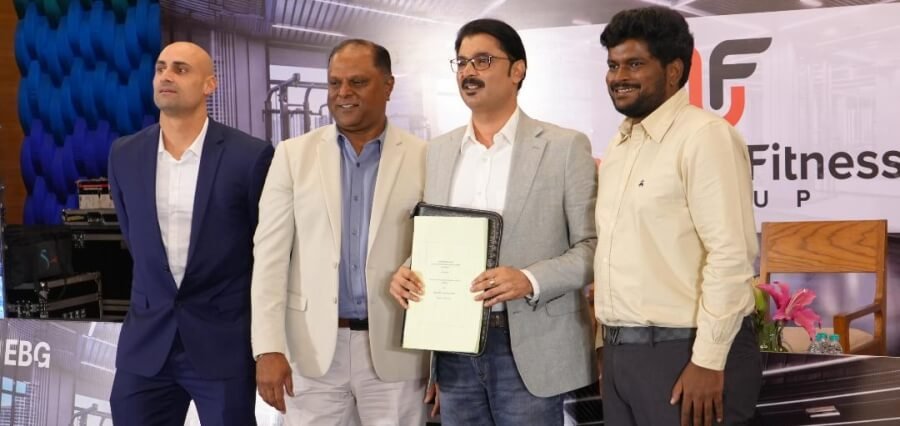
EBG Group and Universal Fitness Australia Announce ₹300 Crore Expansion Plan to Build Integrated Wellness Infrastructure Across India
EBG Group has entered into an exclusive partnership with Australia-based Universal Fitness Group to introduce a new category of integrated health, fitness, rehabilitation, and wellness destinations across India. Backed by a planned investment of ₹300 crore over the next five years, the collaboration seeks to address the growing demand for comprehensive wellness solutions that combine fitness, recovery, preventive healthcare, and lifestyle experiences under a single ecosystem. The partnership comes at a time when India’s wellness economy is undergoing significant transformation, driven by rising health awareness, increasing lifestyle-related health concerns, and growing consumer interest in long-term well-being. Capitalizing on a Rapidly Expanding Wellness Market According to the Deloitte India and Health & Fitness Association of India Fitness Market Report 2025, India’s commercial fitness industry is currently valued at approximately ₹16,200 crore and is projected to reach ₹37,700 crore by 2030. Membership is expected to increase from 12.3 million to 23.3 million during the same period. Despite this growth trajectory, industry penetration is forecast to reach only 1.7 percent by 2030, highlighting a substantial untapped market opportunity in a country of more than 1.4 billion people. Recognizing this gap, EBG Group and Universal Fitness Group aim to create a differentiated wellness platform designed to serve evolving consumer needs beyond traditional fitness offerings. Building a New Category of Wellness Destinations Under the agreement, EBG Group will lead the development, rollout, and operations of Universal Fitness facilities across India. The partners plan to establish more than 30 premium Health and Fitness Sanctuaries and two destination wellness retreats over the next five years. The first phase of expansion will begin in Hyderabad and Bengaluru, followed by launches in Mumbai, Delhi NCR, Pune, and other high-growth urban markets. Each facility will span between 40,000 and 45,000 square feet, significantly larger than conventional fitness centers. The destinations are designed as integrated wellness campuses that bring together fitness, recovery, rehabilitation, and preventive healthcare services. The facilities will include advanced fitness training zones, group exercise studios, Pilates programs, swim schools, physiotherapy and sports rehabilitation services, as well as AI-powered body composition analysis. Recovery-focused amenities such as magnesium mineral pools, infrared salt rooms, cold-plunge therapy, and dedicated recovery lounges will form a core part of the experience. Select locations are expected to operate 24 hours a day, subject to regulatory approvals. Premium fitness technology provider Technogym will supply equipment and support the digital wellness ecosystem across all facilities. Responding to Changing Consumer Expectations Commenting on the partnership, Dr. Irfan Khan, Founder, Chairman and CEO of EBG Group, said: “India is entering a new era of health consciousness. While the fitness industry has grown rapidly over the past decade, consumers today are looking for far more than access to equipment. They are seeking structured ecosystems that support performance, recovery, preventive health, and long-term wellbeing. This partnership reflects our conviction that wellness infrastructure will become one of the defining growth sectors of the coming decade.” Speaking about the broader market opportunity, he added: “The numbers clearly indicate the scale of what is possible. A market expected to approach ₹37,700 crore by 2030, combined with low penetration levels and increasing awareness around preventive healthcare, creates the foundation for a new category of premium wellness destinations. Through Universal Fitness, we aim to build spaces that seamlessly connect fitness, rehabilitation, recovery, and lifestyle experiences while creating meaningful economic and employment opportunities across the country.” Bridging the Gap Between Fitness and Preventive Healthcare According to Kumar Ramachandra, Founder of Universal Fitness Group Australia, India’s consumers have evolved faster than the infrastructure available to support their wellness needs. “We were seeing consumers who clearly understood the importance of structured recovery, rehabilitation, and preventive health management, yet had no single destination capable of delivering all of these services together. This is not a marginal gap—it represents a significant opportunity to redefine wellness experiences in India.” Anthony Kerkmez, Co-Founder of Universal Fitness Group Australia, emphasized the broader vision behind the initiative. “We are not building another fitness network. Our ambition is to establish a new benchmark for integrated wellness infrastructure in India. Every facility is being designed around an individual’s complete health rather than a single service offering. India is one of the world’s most sophisticated consumer markets, and it deserves wellness infrastructure that reflects those expectations.” Creating Long-Term Value Through an Integrated Wellness Ecosystem Traditionally, consumers seeking fitness, rehabilitation, recovery, and preventive health services have had to engage with multiple providers independently. The Universal Fitness model seeks to simplify this experience by integrating these services into a single membership-driven platform. The approach reflects broader societal shifts. Lifestyle disorders continue to rise across age groups, preventive healthcare is gaining mainstream acceptance, and younger consumers are increasingly investing in longevity, recovery, and holistic wellness solutions. Industry experts believe these trends are reshaping expectations around wellness and creating demand for more comprehensive, technology-enabled, and service-oriented solutions. Significant Employment and Economic Impact Beyond its consumer offering, the expansion is expected to generate substantial employment opportunities. Each facility is projected to employ between 50 and 60 professionals across disciplines including fitness coaching, physiotherapy, sports science, hospitality, wellness operations, technology support, facility management, and community engagement. As the network expands across major cities, the initiative is expected to create thousands of direct and indirect jobs while contributing to the development of India’s broader wellness infrastructure ecosystem. The partners are currently finalizing site selections, operational frameworks, and launch schedules for the first flagship locations. About EBG Group EBG Group is a diversified Indian conglomerate with business interests spanning mobility, healthcare, real estate, lifestyle, food services, technology, and education. The organization develops purpose-driven businesses focused on innovation, sustainability, and long-term societal impact. Its portfolio includes ventures in sustainable mobility, physiotherapy-led healthcare solutions, smart housing, hospitality, and traditional food experiences. EBG Group operates under its guiding philosophy of People, Planet, and Progress. About Universal Fitness Group Founded in Australia, Universal Fitness Group is a premium wellness and fitness company that integrates fitness training, recovery therapies, wellness technologies, hospitality-inspired services, and community engagement into a unified health

Tormore Distillery Returns with First Single Malt Range Under New Ownership
Prime Highlights Tormore Distillery has launched its first ongoing single malt range under Elixir Distillers, with three expressions available from 15 June at The Whisky Exchange and nationwide from 29 June. The new range positions Tormore as a standalone single malt producer after years of supplying spirit for blended whiskies including Ballantine’s and Chivas Regal under previous owner Pernod Ricard. Key Facts The three expressions, Tormore Timeless at £41.95, Tormore 12 Year Old at £54.95 and Tormore 16 Year Old at £79.95, are all bottled without added colouring, with the 12 and 16 Year Old also non-chill filtered. Elixir Distillers plans to release an 18 Year Old and a 21 Year Old in early 2027, and is also preparing to launch production at its Islay distillery, Portintruan. Background Tormore Distillery is back with its first ongoing single malt releases since Elixir Distillers acquired the Speyside site in 2022, launching three expressions that put the long-overlooked distillery forward as a serious single malt producer. The new core range includes Tormore 12 Year Old, Tormore 16 Year Old Sherry Cask and the non-age statement Tormore Timeless. All three go on sale at The Whisky Exchange. Under previous owner Pernod Ricard, Tormore supplied spirit for blended whiskies including Ballantine’s and Chivas Regal rather than releasing single malts under its own name. Elixir Distillers co-founder Sukhinder Singh said the distillery had always produced quality spirit but had never been fully optimised for what it could deliver. Tormore Timeless is aged primarily in Bourbon barrels, bottled at 43% ABV with no added colouring, and carries a retail price of £41.95 for 700ml. Tasting notes point to fresh vanilla, lemon zest, peach tea and honeysuckle. The Tormore 12 Year Old uses a mix of Bourbon barrels, toasted American oak and cream Sherry seasoned casks, bottled at 46% ABV without colouring or chill filtration, priced at £54.95. The 16 Year Old, finished in American and European oak Sherry casks and bottled at 46.8% ABV, carries an RRP of £79.95 and shows notes of blackberry jam, vanilla fudge and dates. Head blender Oliver Chilton said the approach across all three expressions centres on careful maturation that protects the distillery’s natural fruit character rather than letting wood dominate. Elixir Distillers has confirmed two further releases for early 2027, an 18 Year Old and a 21 Year Old. The company is also preparing to begin production at its Islay distillery, Portintruan. Read Also : Musk Sees SpaceX Hitting $1 Trillion in Revenue by 2030 After Record Public Debut
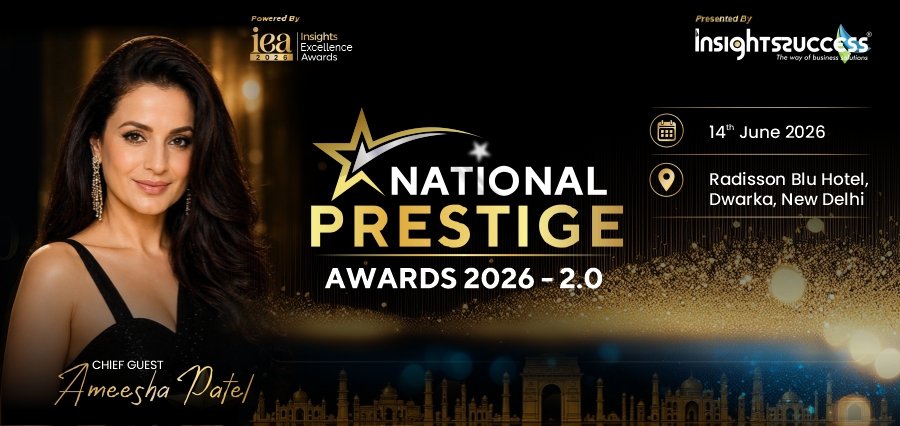
National Prestige Awards 2.0 in Delhi Set to Bring Together India’s Most Influential Business Leaders
The countdown has begun for an event that promises to bring together some of the brightest minds in business, entrepreneurship, and innovation. With just a week remaining, excitement is building around the National Prestige Awards 2.0 in Delhi, a prestigious celebration dedicated to recognizing individuals and organizations that are shaping the future of industry through exceptional leadership and transformative achievements. As anticipation continues to grow, the National Prestige Awards 2.0 in Delhi is attracting attention from entrepreneurs, corporate leaders, innovators, and decision-makers from across the country. The upcoming gathering is expected to serve as a powerful platform where success stories are celebrated, meaningful connections are forged, and industry excellence takes center stage. At a time when businesses are navigating rapid change and evolving market dynamics, the awards seek to honour those who have demonstrated resilience, innovation, and an unwavering commitment to growth. From emerging enterprises to established organizations, the event will recognize leaders whose vision and determination have created measurable impact within their industries and communities. Widely regarded as one of the most promising entrepreneurship excellence awards platforms, the event will celebrate entrepreneurs who have transformed ideas into successful ventures and challenges into opportunities. Their achievements reflect the entrepreneurial spirit that continues to drive economic progress, inspire innovation, and contribute to India’s growing influence on the global business stage. More than a traditional awards ceremony, the National Prestige Awards 2.0 in Delhi aims to create an environment where leaders can exchange ideas, explore new opportunities, and engage in meaningful conversations about the future of business. The gathering is expected to bring together a diverse mix of professionals representing sectors such as technology, healthcare, education, manufacturing, finance, real estate, consulting, and many more. The growing buzz surrounding the event has positioned it among notable entrepreneurship excellence awards initiatives that recognize not only business success but also leadership that creates lasting value. Honourees will include professionals and organizations that have embraced innovation, fostered growth, empowered teams, and contributed positively to their industries. Adding to the significance of the occasion, the event is powered by Insights Success Media, a globally recognized platform known for showcasing influential leaders, innovative businesses, and inspiring success stories from around the world. Its continued commitment to celebrating excellence has helped create opportunities for leaders and organizations to gain well-deserved recognition on prominent platforms. The prestigious celebration is also being organized in association with Insights Success Media, reinforcing its vision of honouring business excellence while encouraging collaboration, innovation, and leadership development. Together, the initiative seeks to highlight achievements that inspire future generations of entrepreneurs and professionals. As one of the anticipated entrepreneurship excellence awards events of the year, the platform places a strong emphasis on recognizing individuals whose contributions extend beyond financial success. Leadership, innovation, social impact, and long-term value creation remain central themes of the recognition process, reflecting the evolving expectations of modern business leadership. With momentum continuing to build, the National Prestige Awards 2.0 in Delhi is rapidly becoming a focal point for the business community. Industry observers expect the event to showcase remarkable stories of perseverance, ambition, and innovation while creating opportunities for networking and collaboration among accomplished professionals. As the final days count down, excitement surrounding the National Prestige Awards 2.0 in Delhi continues to reach new heights. The event is poised to become a memorable celebration of excellence, honouring leaders whose vision and dedication are helping shape the future of Indian business. About the Organizer Insights Success Media is a globally recognized business media and events platform dedicated to showcasing visionary leaders, innovative enterprises, and transformative business ideas. Through its awards, publications, and international events, the organization continues to create influential platforms that celebrate excellence and drive impactful global business conversations. Disclaimer This article is a work of original content created for public relations and informational purposes only. It may be published across multiple digital platforms with the full knowledge and consent of the author/publisher. All images, logos, and referenced names are the property of their respective owners and used here solely for illustrative or informational purposes. Unauthorized reproduction, distribution, or modification of this article without prior written permission from the original publisher is strictly prohibited. Any resemblance to other content is purely coincidental or used under fair use policy with proper attribution. Read Also: Global Excellence Leadership Awards in Africa 2026 Set to Spotlight Visionary Leaders and Industry Trailblazers
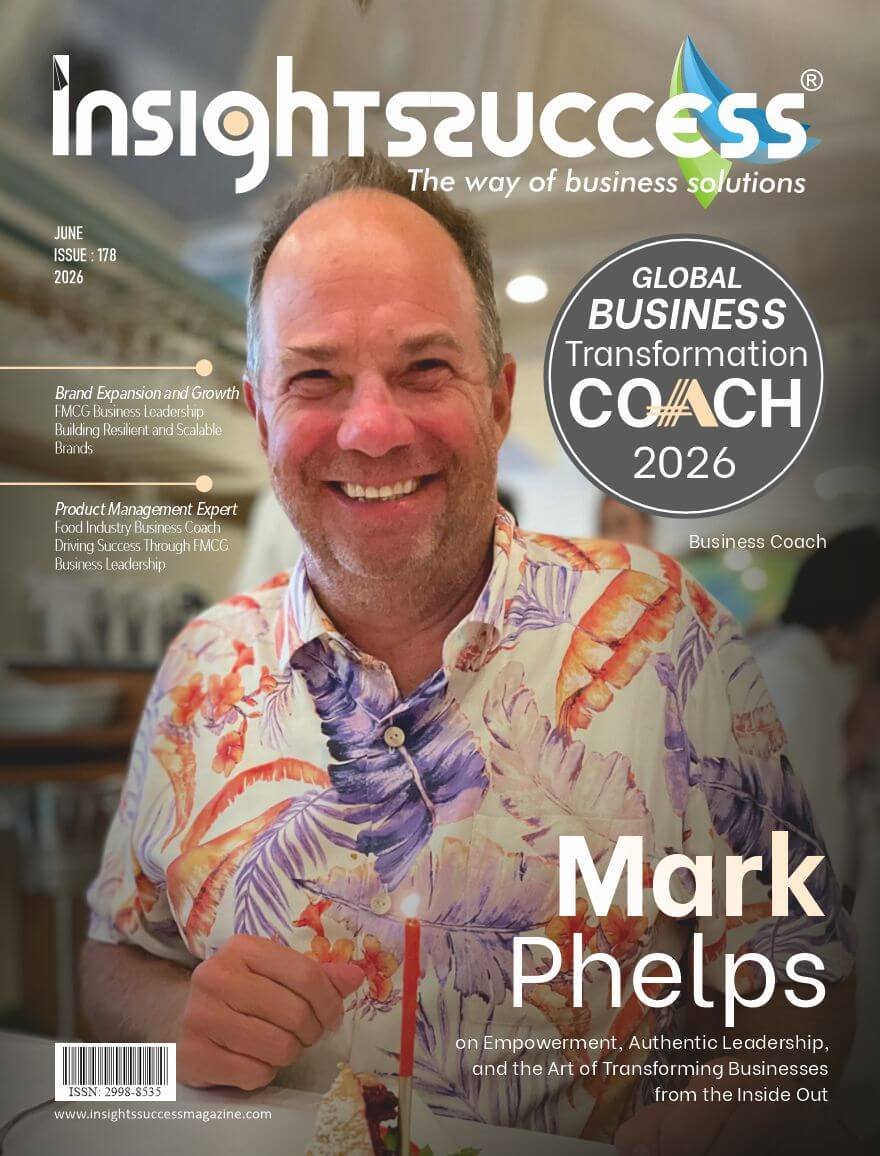
Global Business Transformation Coach 2026
Global Business Transformation Coach 2026 Recognizing an influential coach empowering organizations and leaders to navigate change, accelerate growth, and achieve sustainable success through strategic transformation, innovative thinking, and impactful leadership development across global markets. Digital Link Quick highlights Quick reads
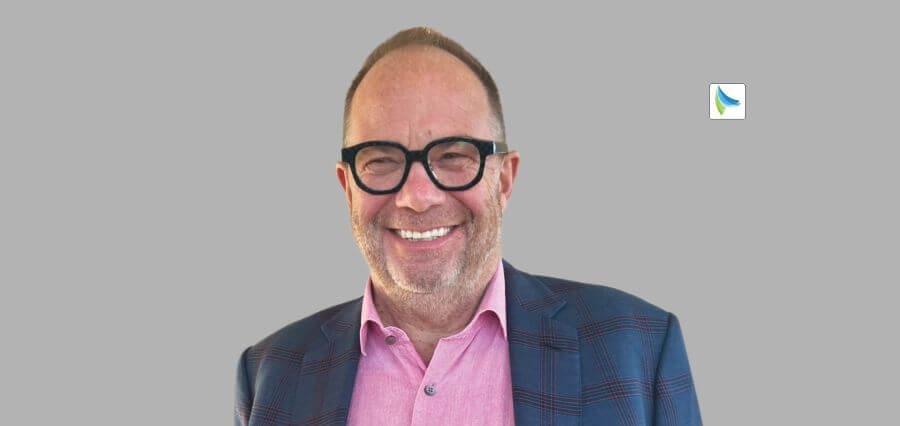
Mark Phelps on Empowerment, Authentic Leadership, and the Art of Transforming Businesses from the Inside Out
There is a particular kind of professional wisdom that cannot be taught in a classroom or absorbed from a business book. It develops slowly through years of sitting across leaders at every stage of growth, listening carefully, and learning to recognize the difference between the questions people ask and the questions they need to be asking. Mark Phelps has spent his career developing exactly that kind of wisdom. As a business coach whose work spans organizations across continents, he has built a reputation not for delivering answers but for something considerably more valuable: helping leaders ask better questions about their businesses, their people, and their current place in the world. That distinction, subtle as it sounds, is the foundation of everything he does. Mark is not the kind of coach who arrives with a pre-packaged methodology and a slide deck built for every room. His philosophy, his methods, and the standard he holds his clients to are all shaped by a conviction that genuine transformation does not come from external expertise alone. It comes from within the leader, unlocked through the right questions asked at the right moment by someone willing to challenge what everyone else in the room has already accepted. That conviction is not a positioning statement. It is the operating principle behind every coaching engagement he takes on. A Philosophy Built on Better Questions When Mark reflects on what leadership coaching actually means at its best, he reaches not for frameworks or methodologies but for a single, clarifying principle. His role is not to provide answers. It is to help leaders develop the quality of thinking that produces better answers on their own. He says, “My leadership philosophy has not been about answering questions but more importantly to help leaders ask better questions about their businesses, their people, and their current place in life.” This is a more demanding philosophy than it sounds. Asking better questions requires a leader to slow down, challenge their own assumptions, and sit with uncertainty long enough to examine it honestly. In environments where speed and decisiveness are rewarded by default, that discipline does not come naturally. It has to be developed deliberately, and that development is where Mark’s coaching does its most important work. In his current volunteer coaching role, he will work with leaders for 1 year. The timeline is fixed, but the ambition is not. His goal is not to produce short-term improvements that fade when the engagement ends. It is to create meaningful change that lasts; change that becomes embedded in how a leader thinks and decides long after the formal coaching relationship concludes. Working On the Business, Not Just in It One of the most persistent challenges Mark observes across the organizations he works with is also one of the oldest in business leadership: the inability to step back from daily operations long enough to think strategically about the organization’s direction. The volunteer organization he works with has a saying that captures this tension precisely, and it is one that Mark returns to repeatedly with his clients: are you too busy working in the business to work on the business? It is a question that sounds simple but cuts to the center of one of the most common and costly patterns in leadership, the tendency to let operational urgency crowd out strategic thinking entirely. He notes, “There is definitely a balance that is required. However, I do my best to get them to spend more time on the things that are going to make a significant difference.” What distinguishes the leaders who manage this balance well from those who do not is rarely intelligence or commitment. It is the ability to make a deliberate choice, consistently and repeatedly, about where their attention goes. Mark works with leaders to build the discipline of protecting strategic thinking time as a non-negotiable priority rather than something that happens in whatever space operational demands happen to leave behind. What Separates Leaders from Managers In a business environment that generates more leadership content than any previous era in history, the distinction between genuine leadership and capable management remains one of the most practically important and least honestly examined questions in professional life. Mark’s answer to it is grounded and direct. The best leaders, in his view, share three qualities that average managers tend to lack. They are willing to admit their shortcomings without defensiveness. They actively learn and experiment with new ways of doing things rather than defending established approaches. And they empower the right people in their organizations, supporting them with guidance rather than constraining them with micromanagement. He observes, “The best leaders are willing to admit their shortcomings, learn and experiment with new ways of doing things. They are also willing to empower the right people in their organizations and support them with guidance, not micromanage.” That last point carries particular weight in the current business environment, where the organizations best positioned for sustained growth are those that have built cultures of genuine empowerment rather than simply using the word to describe what is, in practice, a more sophisticated form of control. Mark sees this distinction clearly in the organizations he coaches, and it shapes much of the strategic work he does around culture and team development. The Challenges That Define This Moment Mark works with leaders across different industries and stages of growth, and the patterns he observes shift from year to year as the business environment evolves. This year, two challenges have emerged as consistent priorities across the organizations he works with. The first is a go-to-market strategy. Many of the leaders he coaches struggle to define clearly and specifically how their organizations will reach customers, generate demand, and leverage their genuine strengths in the market. The absence of that clarity is not simply a strategic gap. It cascades into operational confusion, misaligned priorities, and teams that work hard in directions that do not compound into results. The second is culture. Specifically, the challenge of building organizations

Food Industry Business Coach Driving Success Through FMCG Business Leadership
Product Management Expert The food industry does not wait for anyone. What consumers want today may not be what they reach for tomorrow; retail shelves get reshuffled constantly, and the window to keep a product feeling fresh and relevant is always narrower than it looks. In that kind of environment, the right guidance at the right moment carries real weight. A skilled food industry business coach helps businesses get honest about where they are, focus on what actually moves the needle, and build in a way that holds up over time. This has nothing to do with off-the-shelf business advice. The food and consumer goods space has its own distinct pressures, and understanding where to direct energy and where not to is what separates guidance that produces real results from guidance that simply sounds good in a meeting room. Strategic Advantage of Food Industry Expertise Every industry has its own rules, and the food space is no exception. Shelf life, compliance requirements, winning consumer trust, negotiating with retailers, and staying ahead of constant product innovation, these pressures stack up in ways that people outside the industry rarely appreciate. A food industry business coach who has lived inside these challenges brings something fundamentally different to the table than a generalist consultant who is learning the sector on your time and your budget. Leaders in this space need guidance that accounts for the real conditions they operate in. Coaching that ignores the mechanics of the food business falls short when it matters most. Sector-specific experience shapes better questions, better frameworks, and ultimately better outcomes for the businesses being guided. The Role of Product Management in Business Growth At the center of most successful food businesses is a disciplined approach to managing products across their entire lifecycle. From the moment an idea takes shape to the point where a product reaches the shelf and well beyond, every decision carries weight. This is where the role of a product management expert becomes genuinely critical. Strong product management is not just about launches. It is about understanding what consumers need, translating that into something deliverable, and then managing the product’s performance with consistency and precision over time. Businesses that treat this function as secondary tend to find themselves reacting rather than leading. Driving Innovation Through Product Leadership Being a genuine product management expert in the food industry requires more than technical knowledge. It requires the ability to hold a long-term view while managing short-term pressures, a balance that is harder to maintain than it sounds. It also demands honest engagement with data. What is the product actually doing in the market? Where is it gaining ground, and where is it losing it? A skilled product leader does not wait for problems to become crises. They read early signals and adjust with purpose rather than panic. Beyond the analytical side, product leadership requires strong communication. Getting cross-functional teams aligned around a product vision takes clarity, consistency, and the kind of credibility that only comes from knowing the business inside and out. Preparing Leaders for Long-Term Success One of the most consistent gaps a food industry business coach encounters is the tendency of leaders to stay locked in short-term thinking. The current quarter, the next promotion, the upcoming ranging review, these things demand attention, but they can crowd out the longer-term thinking that actually builds lasting brands. Good coaching creates space for leaders to step back and think structurally. Where is the category heading? What do consumers want that they are not getting yet? How does the portfolio need to evolve over the coming years? These are not easy questions, but they are the right ones, and having someone who consistently brings them back into the room is genuinely valuable. Strengthening Teams Beyond External Support The best coaching does not create dependency. A truly effective food industry business coach works toward building internal capability that keeps delivering results long after the formal engagement wraps up. That means transferring frameworks, building team confidence, and helping leaders develop their own judgment rather than always looking outward for answers. In the same way, a strong product management expert advising a business should be raising the standard of thinking across the whole team, not just solving today’s problem, but equipping people to handle tomorrow’s challenges on their own. Looking Ahead In a sector as crowded and fast-moving as food and consumer goods, the businesses that win consistently are rarely the ones with the biggest budgets. They are the ones with the clearest thinking, the most disciplined execution, and the best people guiding key decisions. A capable product management expert working alongside strong leadership transforms how a business operates at every level. Products get managed with greater precision. Opportunities get spotted earlier. Resources get allocated more effectively. When that product expertise is supported by the strategic vision of a committed food industry business coach, the impact builds on itself. Businesses become more focused, more resilient, and far better equipped to grow in a market that rewards clarity and punishes hesitation. That combination of sharp product thinking paired with experienced coaching is not a luxury. In today’s food industry, it is the foundation of any serious growth ambition. Read Also : FMCG Business Leadership Building Resilient and Scalable Brands